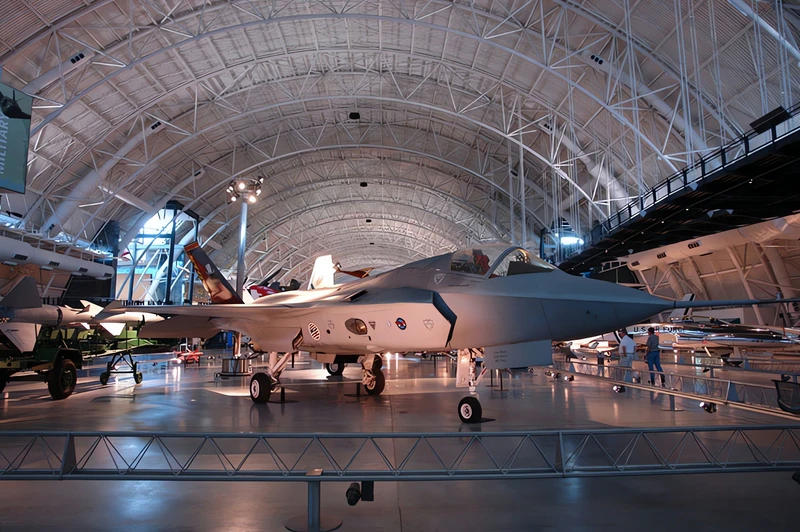
Lockheed Martin X-35 | |
|---|---|
| Země | SPOJENÉ STÁTY |
| Roli | Koncepční demonstrátorová letadla |
| První let | pondělí 24. října 2000 |
| Postaven | 2 |
The Lockheed Martin X-35 byl koncept demonstračního letounu (CDA) vyvinutý společností Lockheed Martin pro program Joint Strike Fighter. X-35 byl prohlášen za vítěze nad konkurenčním Boeingem X-32 a vyvinutá, ozbrojená verze vstoupila do výroby na počátku 21. století jako F-35 Lightning II.
| Lockheed Martin X-35B Joint Strike Fighter Walk Around | |
|---|---|
| Fotografů | John Heck, Vladimir Yakubov |
| Lokalizace | NASM Udvar-Hazy Center, Chantilly |
| Fotografie | 90 |
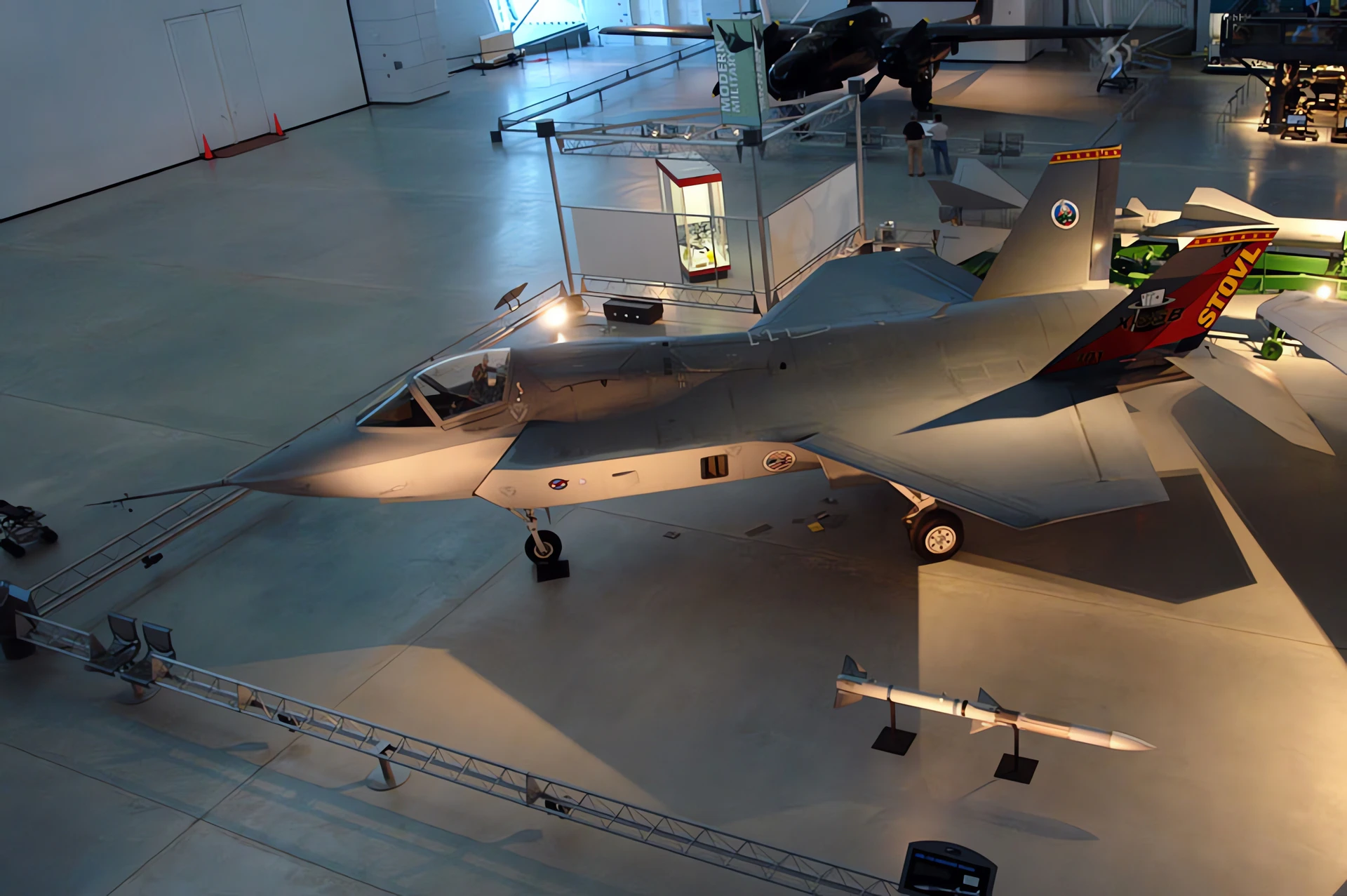
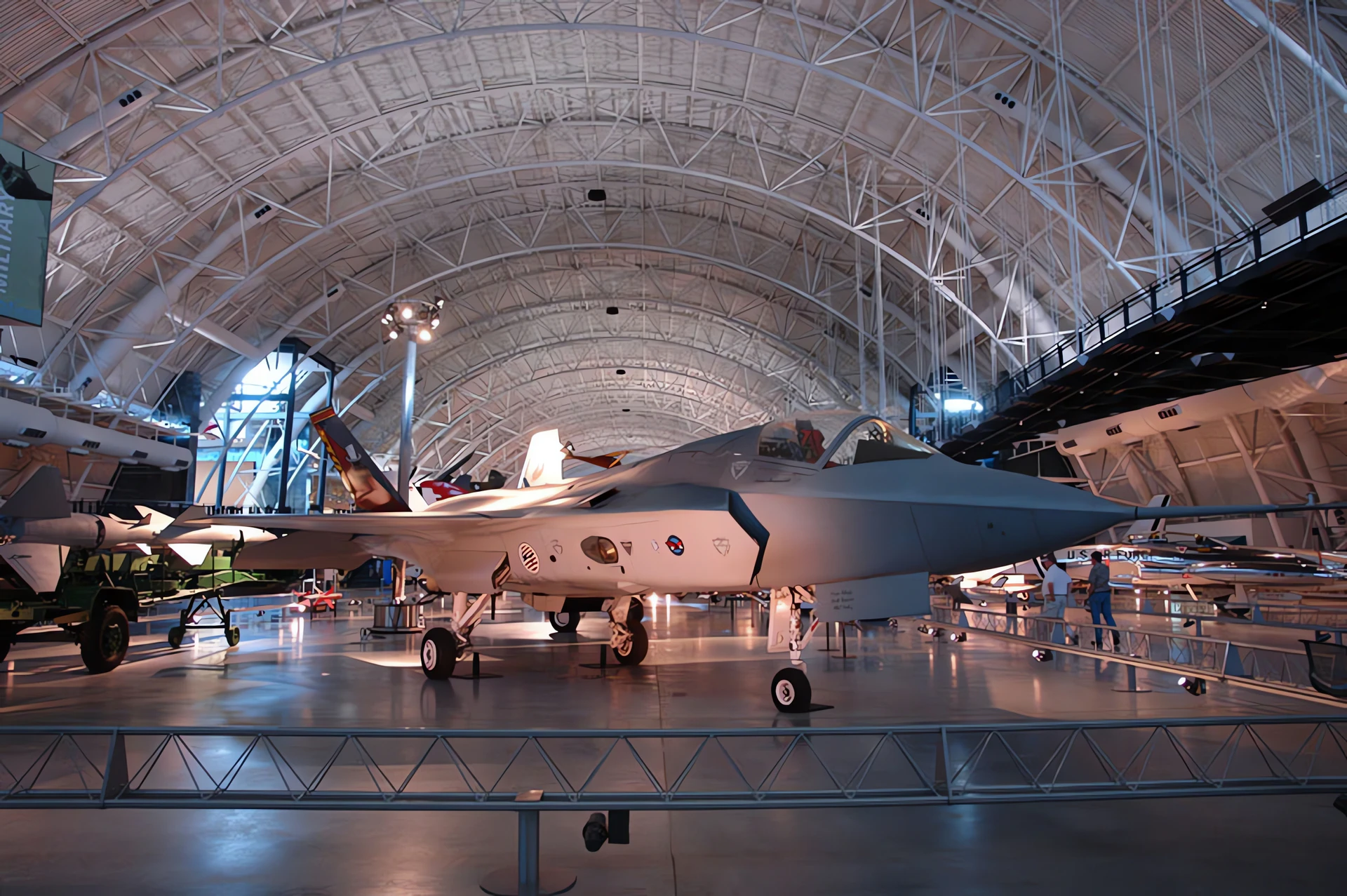
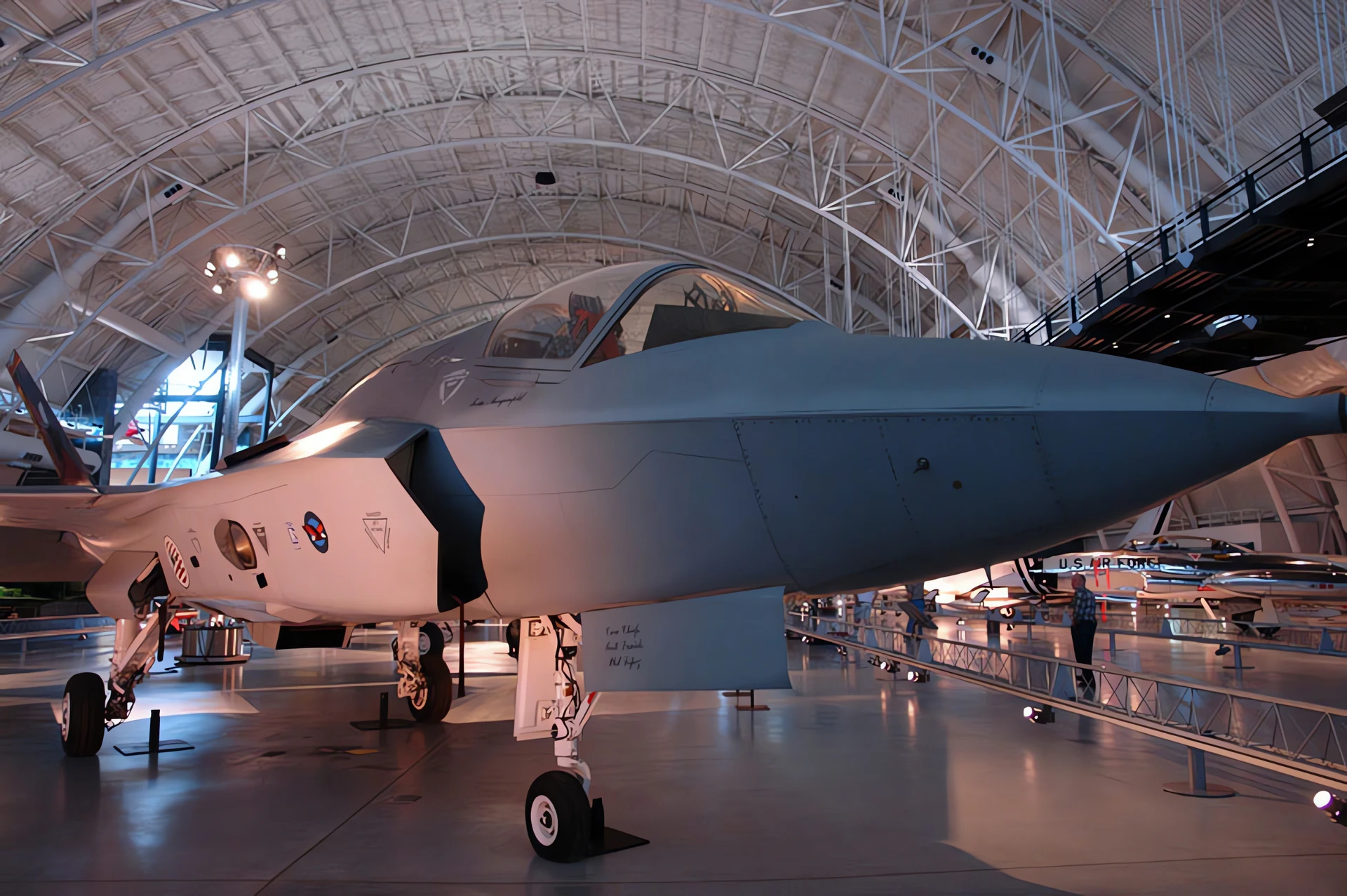
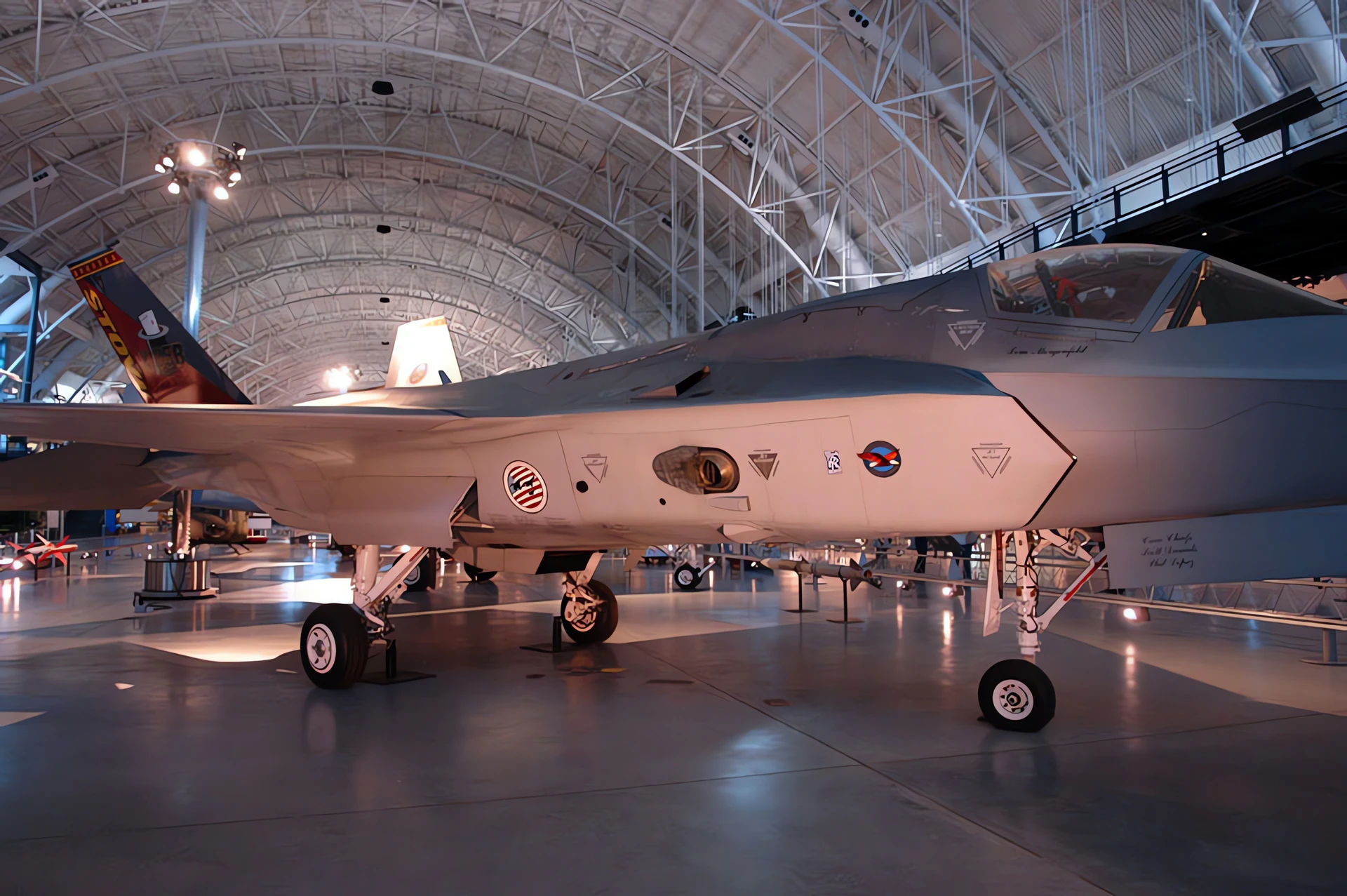
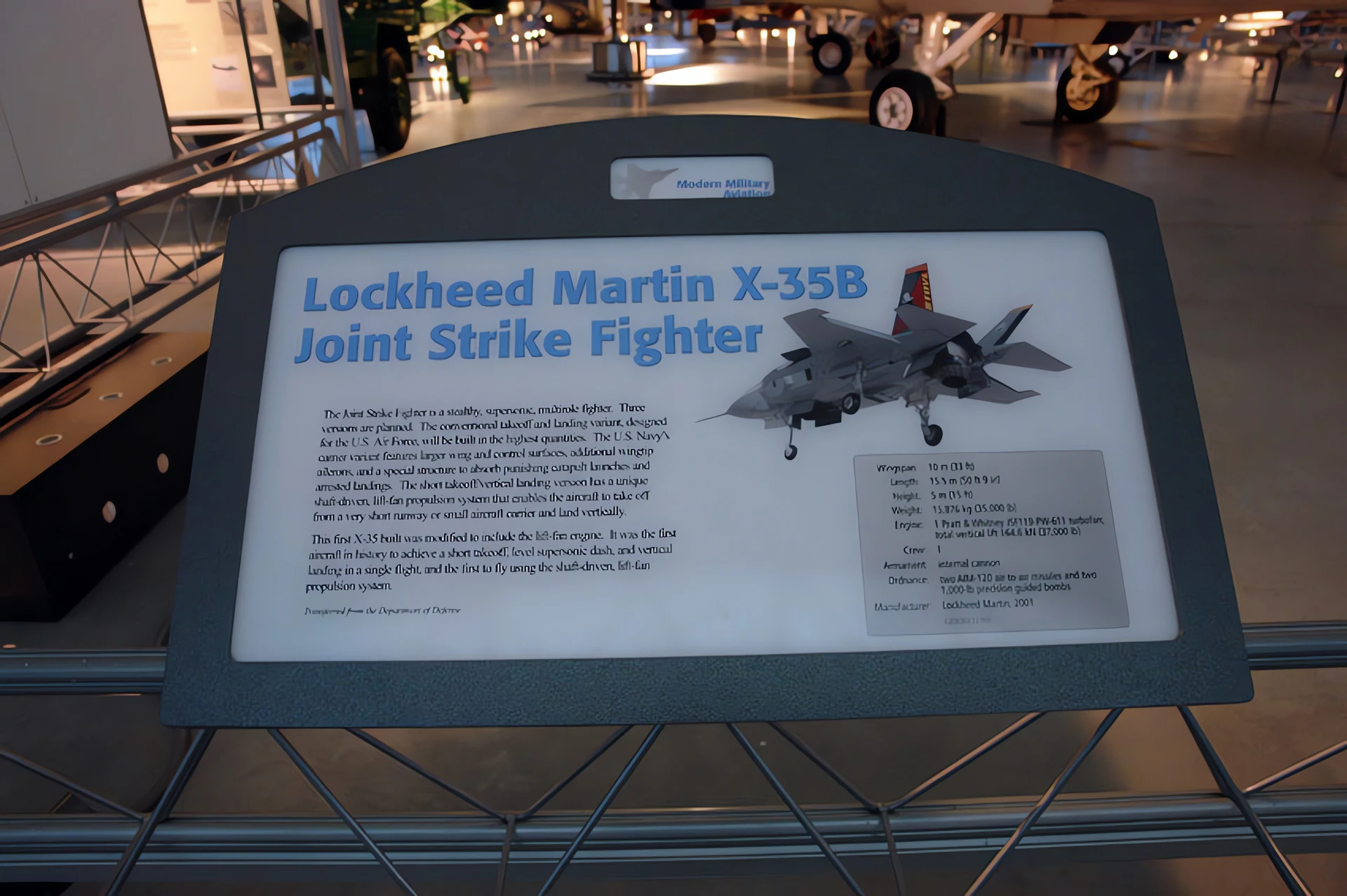
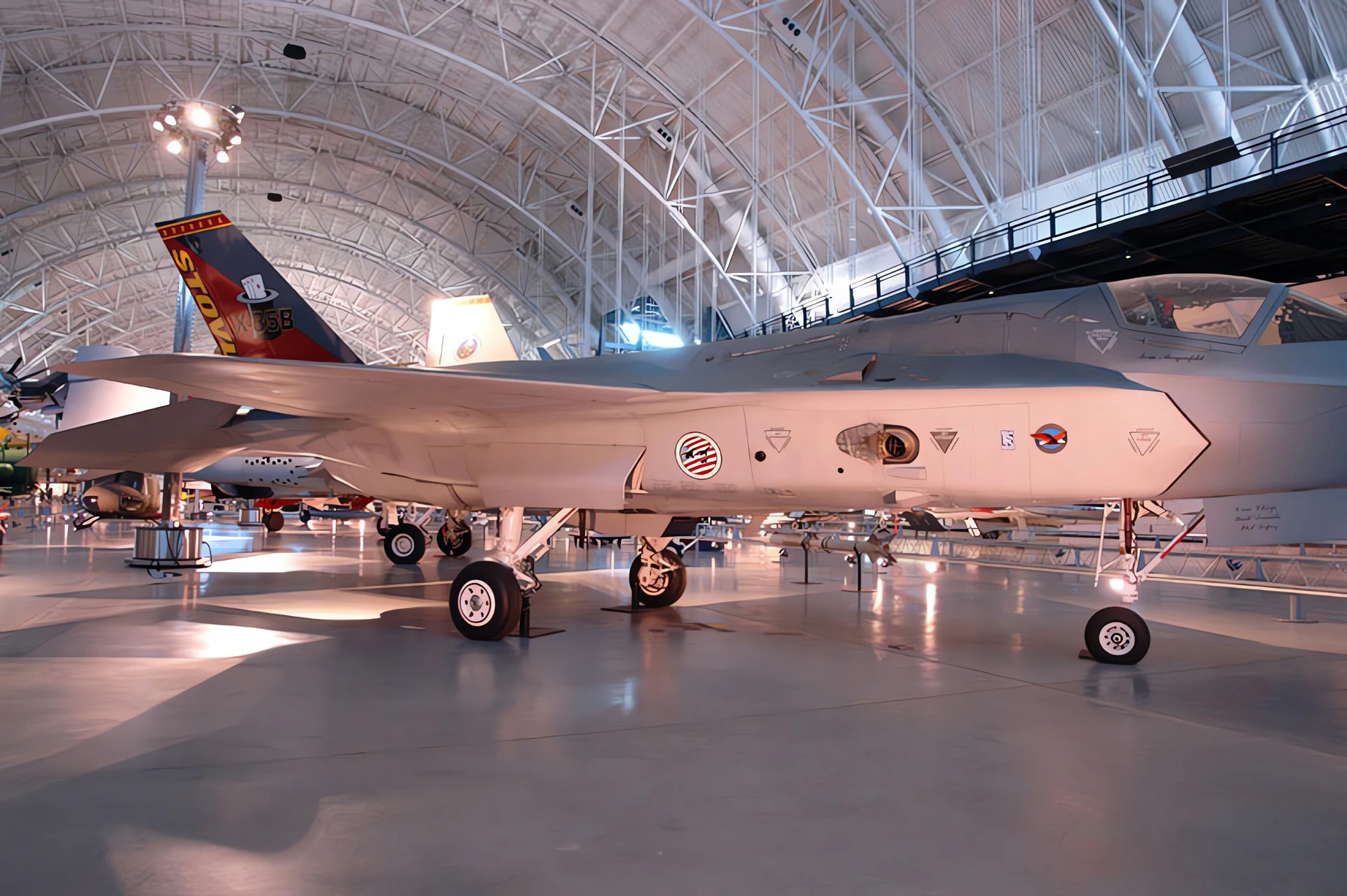
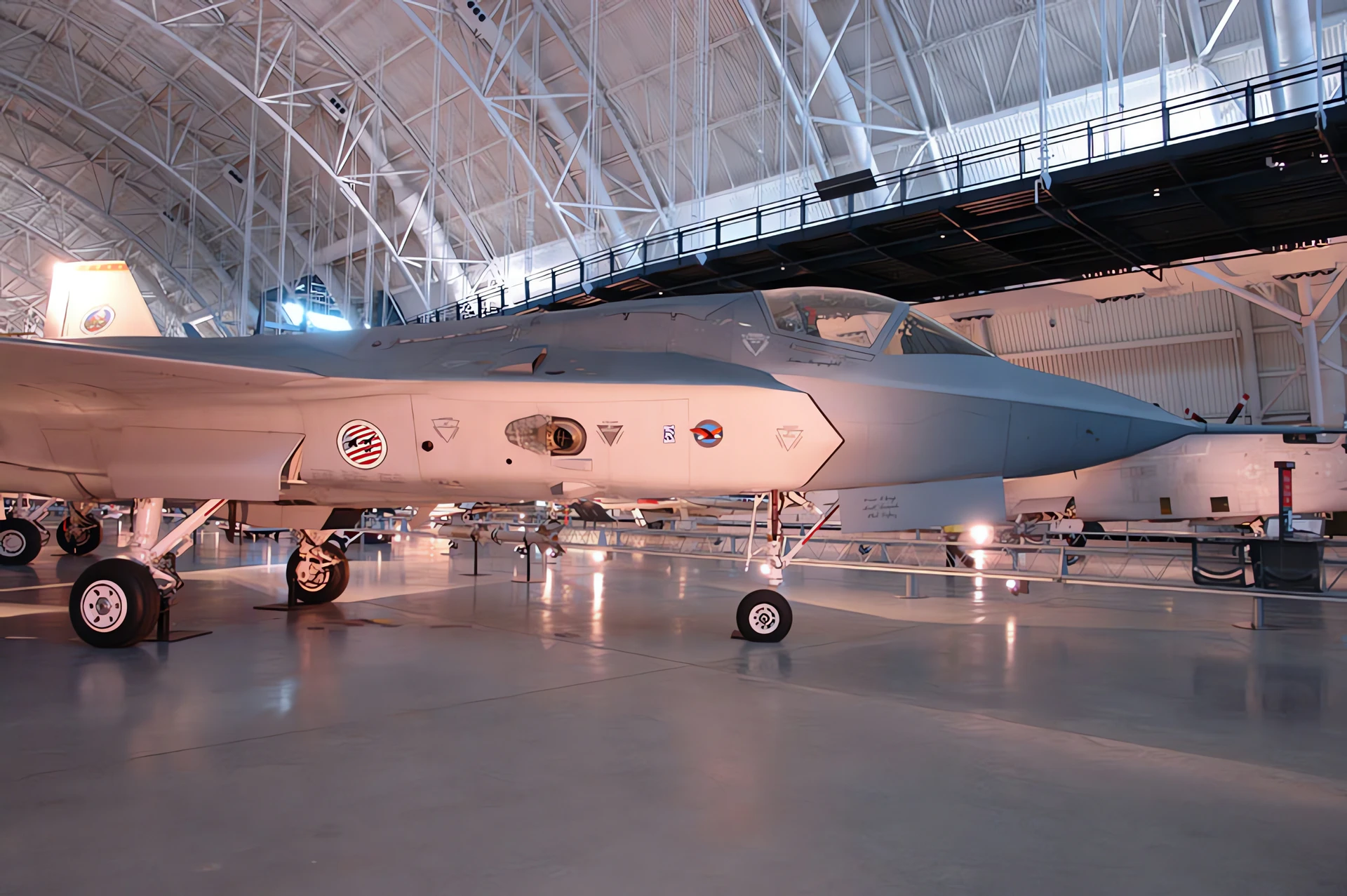
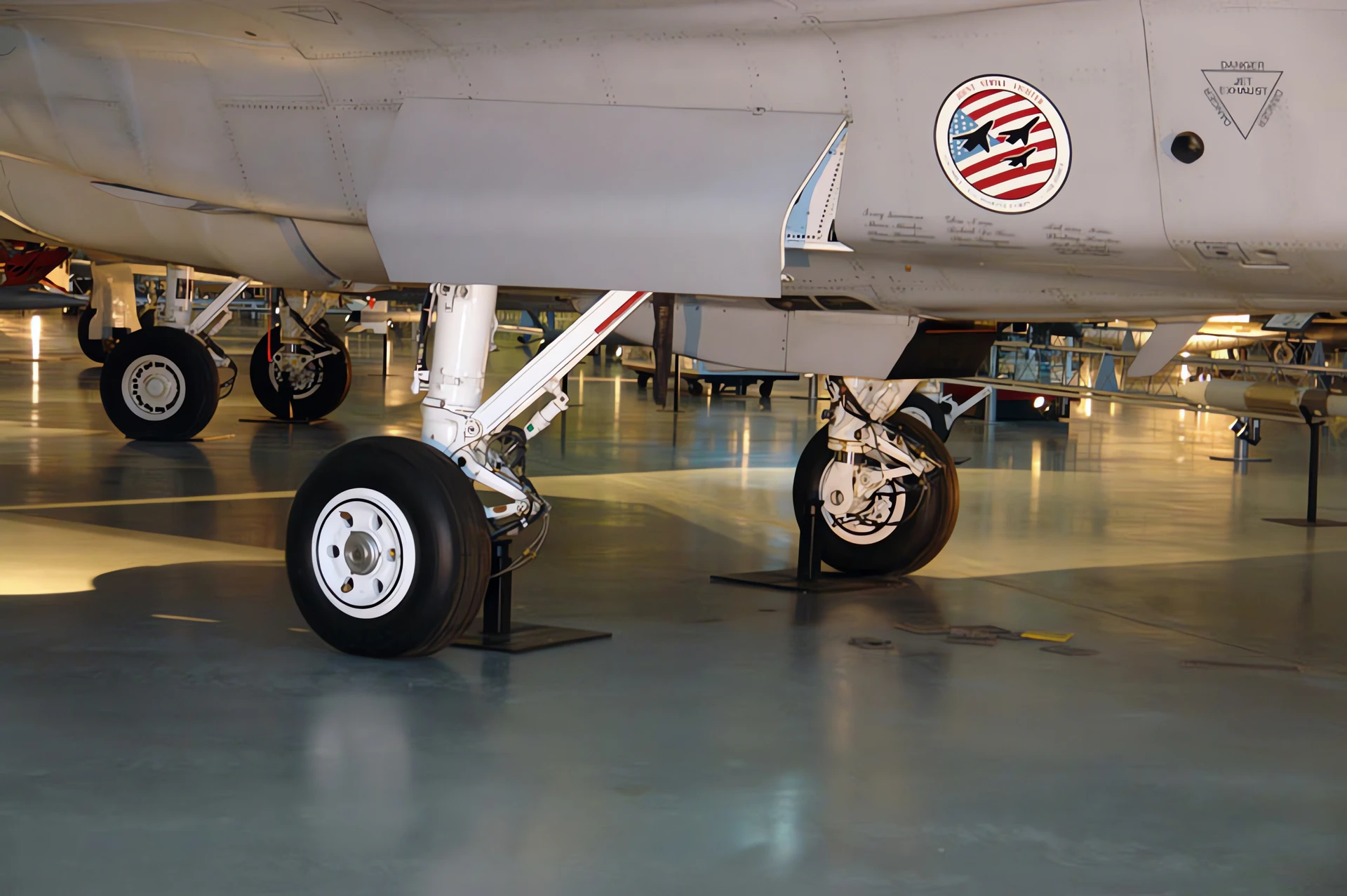
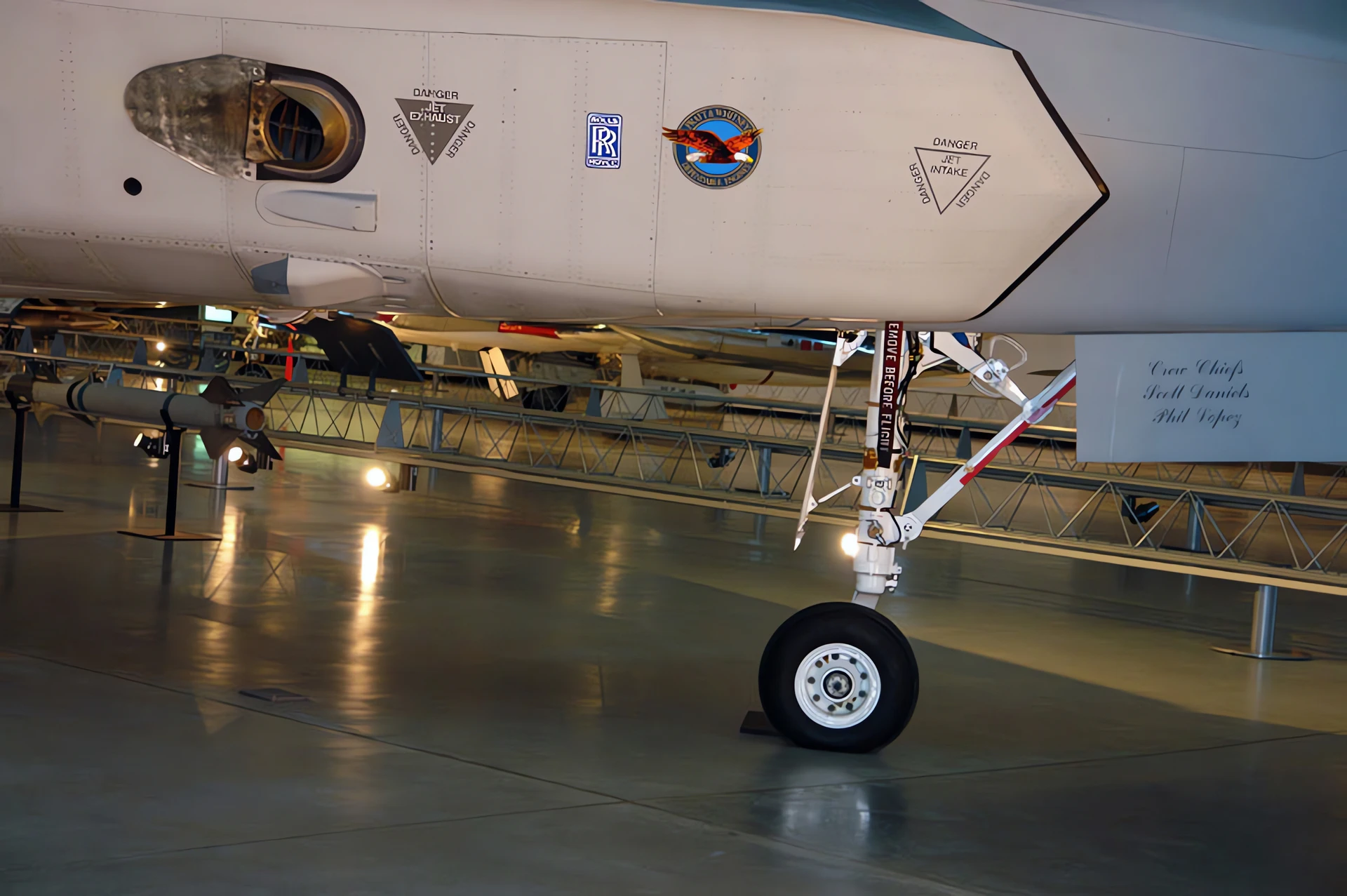

| X-35 Walk Around | |
|---|---|
| Fotograf | Wayne Fowler |
| Lokalizace | Unkbow |
| Fotografie | 29 |
Viz také:


General Characteristics and Role
The Lockheed Martin X-35B was the Short Takeoff and Vertical Landing (STOVL) demonstrator variant in the Joint Strike Fighter (JSF) program competition against the Boeing X-32. Its primary role was to prove the feasibility of a high-performance, supersonic, stealth fighter capable of operating from aircraft carriers, amphibious assault ships, and forward operating bases without conventional runways. The X-35B successfully demonstrated the necessary technological leaps, including supersonic flight, STOVL capability, and in-flight refueling. Its success, particularly its unique lift system, was key to Lockheed Martin winning the JSF contract, leading to the development of the F-35 Lightning II.
| Property | Typical Value (X-35B Demonstrator) |
|---|---|
| Roli | Experimental STOVL Fighter Demonstrator |
| National Origin | Spojené státy americké |
| Výrobce | Lockheed Martin, Northrop Grumman, BAE Systems |
| First Flight (STOVL) | 24 June 2001 |
| Posádky | 1 Pilot |
| Délka | 15.47 m (50 ft 9 in) |
| Rozpětí křídel | 10.05 m (33 ft 0 in) |
| Maximum Speed | Supersonic (Achieved Mach 1.05 during testing) |
| Konfigurace | Single-engine, stealth, STOVL |
Lift System and Powerplant
- Engine: 1 x Pratt & Whitney JSF-119-PW-100 (a derivative of the F119).
- Key Innovation (STOVL): The X-35B utilized a unique three-bearing swivel duct nozzle (3BSN) for downward thrust and a Rolls-Royce LiftFan located behind the cockpit.
- LiftFan Principle: The LiftFan is driven by a shaft from the main engine, drawing cold air from above the fuselage and directing it downward, providing a massive increase in vertical lift thrust without relying solely on exhaust gas (a less hot and more efficient method).
- Thrust (Vertical): The combined vertical thrust from the main nozzle and the LiftFan exceeded 40,000 lbf (180 kN).
- Achievement: The X-35B famously completed the “Three-in-One Flight” by taking off in a short distance, going supersonic, and landing vertically in a single flight, a first for any aircraft.
Program Outcome and Legacy
- Competition Victory: The X-35 design was declared the winner of the JSF competition in 2001, primarily due to the simpler, more reliable, and lower-risk STOVL system compared to the Boeing X-32.
- F-35 Lineage: The X-35B directly led to the development of the F-35B Lightning II, the production STOVL variant currently used by the U.S. Marine Corps and Royal Air Force/Royal Navy.
- Influence: The X-35 program successfully combined stealth, supersonic performance, and STOVL capability in a single platform, demonstrating a significant leap in fighter technology.
- Preservation: The X-35B demonstrator is preserved and displayed at the National Air and Space Museum’s Steven F. Udvar-Hazy Center in Chantilly, Virginia.
Zobrazení : 1925
Můžete také vidět:
 North American NA-64 Yale - Fotografie & Videa
 Sud-Ouest Triton – Fotografie & Video
 Culver PQ-14 Cadet – Fotografie & Video
 Northrop F-20 Tigershark - Fotografie & Video
 Aeronca L-3 – Fotografie & Video
 McDonnell F2H Banshee - Fotografie & Video
 C-130J Hercules – Fotografie & Video
 Macchi MC-202 – WalkAround
 Fairey Battle – WalkAround
 Hawker Sea Fury – Procházka Kolem