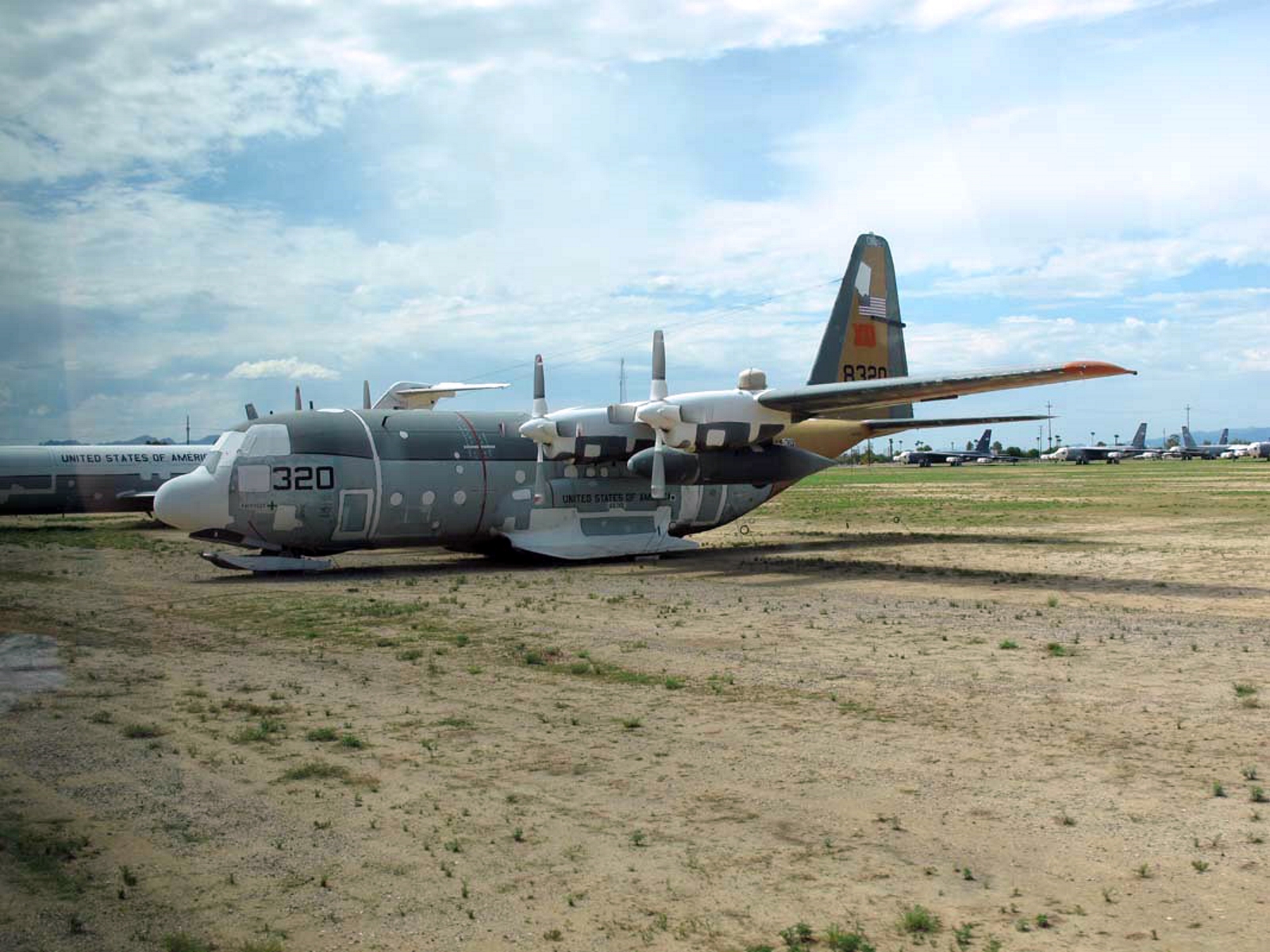
Lockheed LC-130 | |
|---|---|
| Země | SPOJENÉ STÁTY |
| Roli | Vojenský transportní letoun vybavený lyžemi |
| První let | 1956 |
| Postaven | Neznámé |
Tá Lockheed LC-130 je lyžařsky vybavená varianta letounu C-130 Hercules amerického letectva používaná v Arktidě a Antarktidě. Deset z nich je v současné době ve službě u 109th Airlift Wing New York Air National Guard.
Zdroj: Lockheed LC-130 na Wikipedii
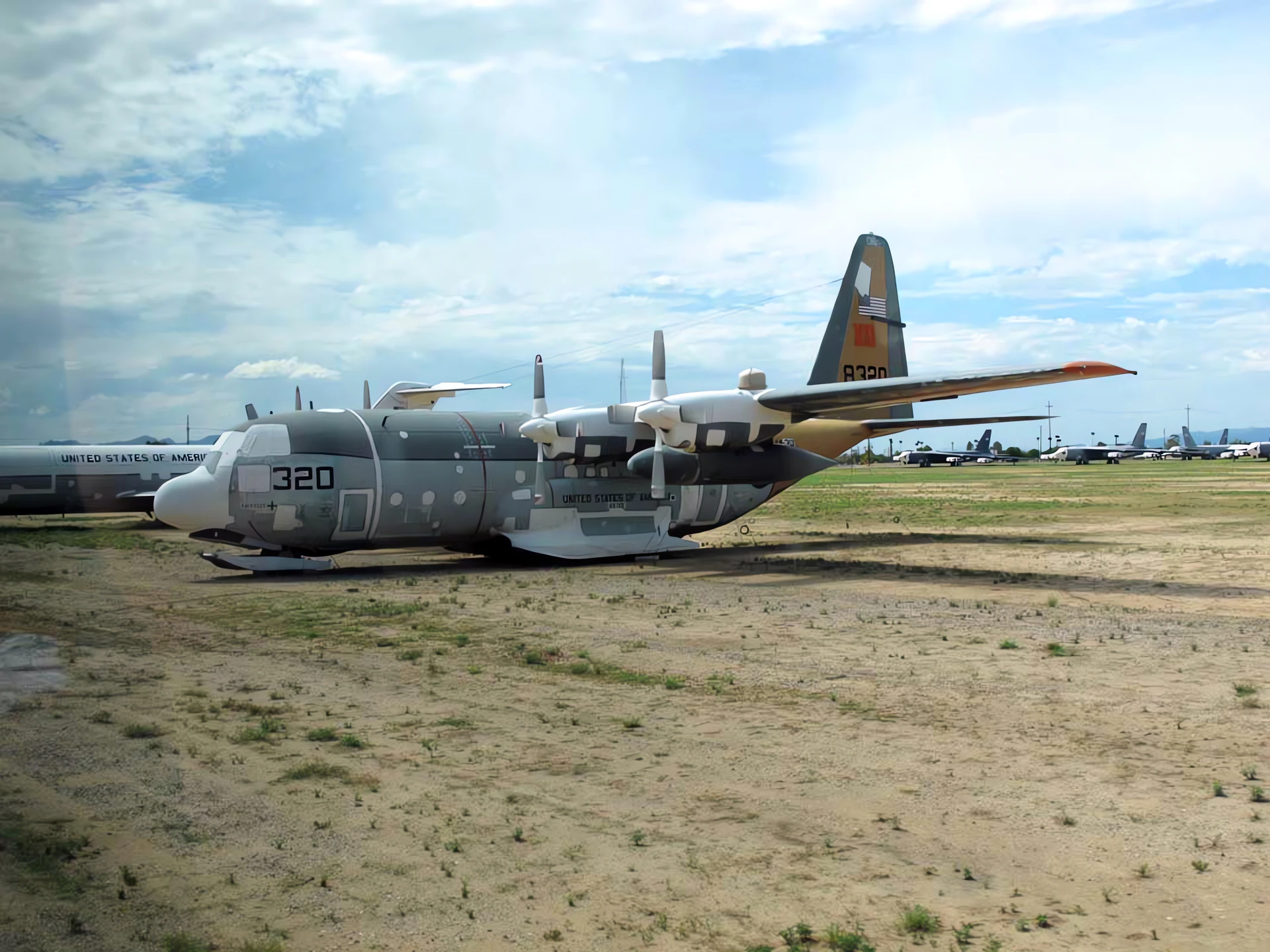
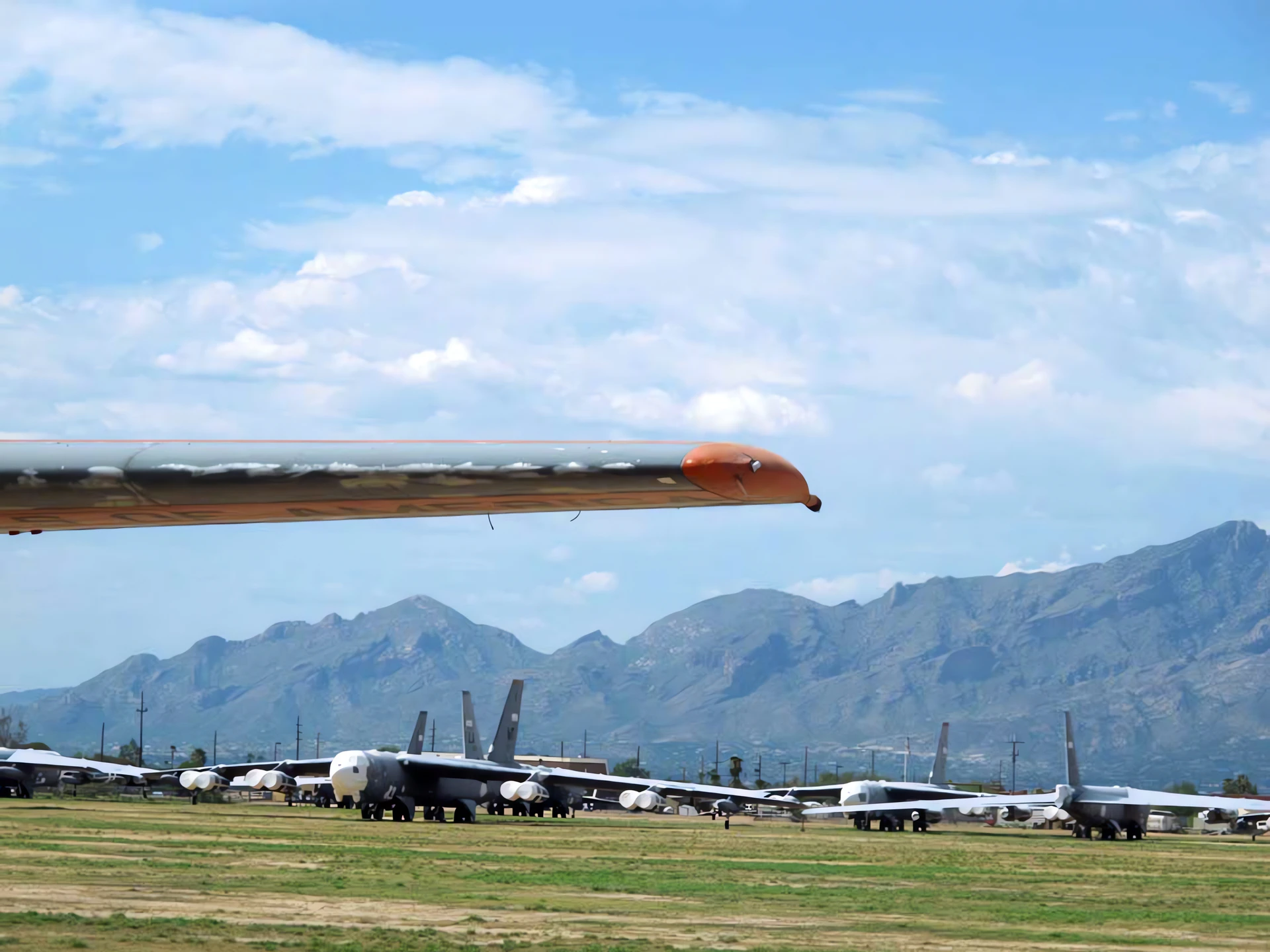
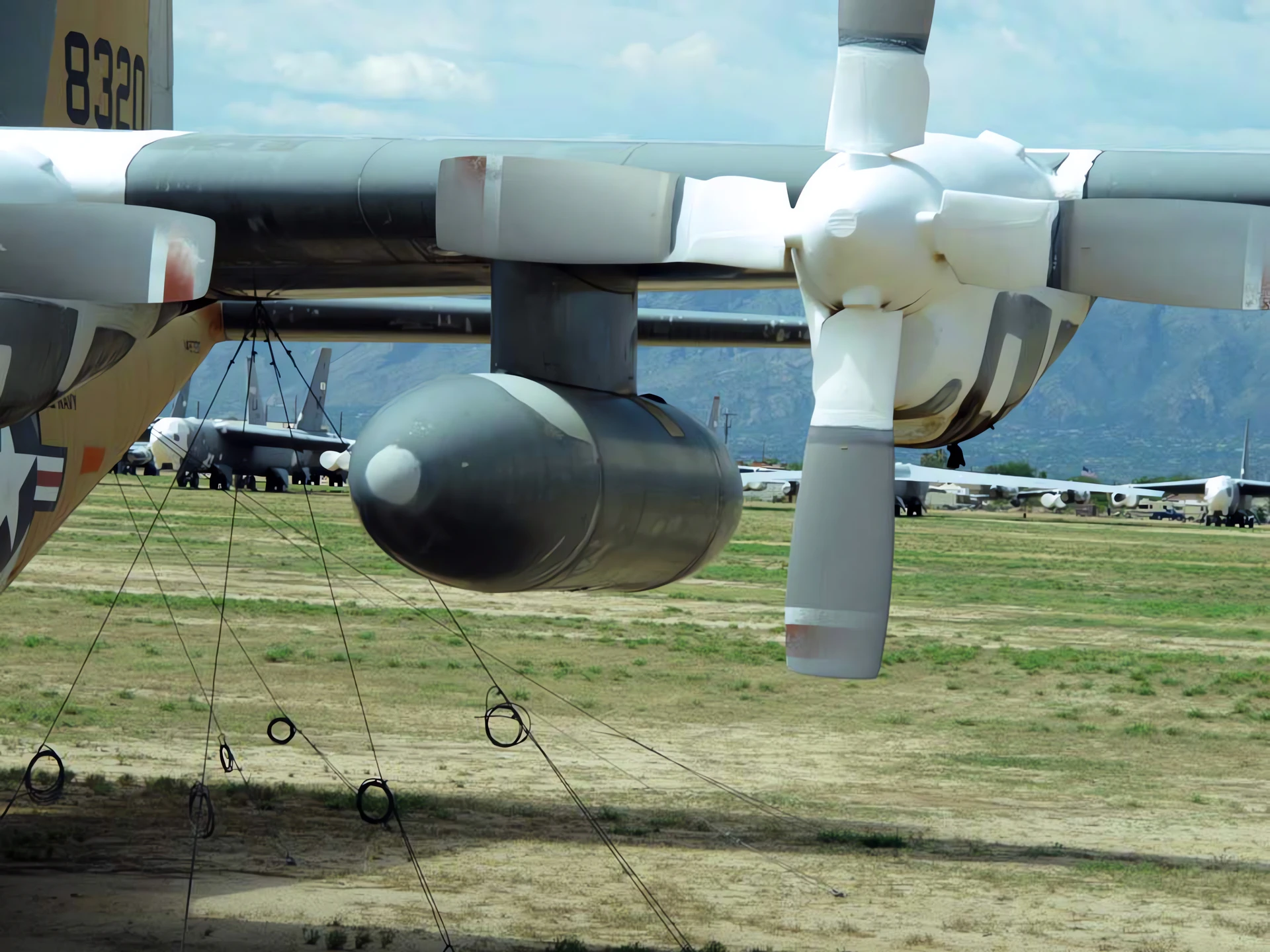
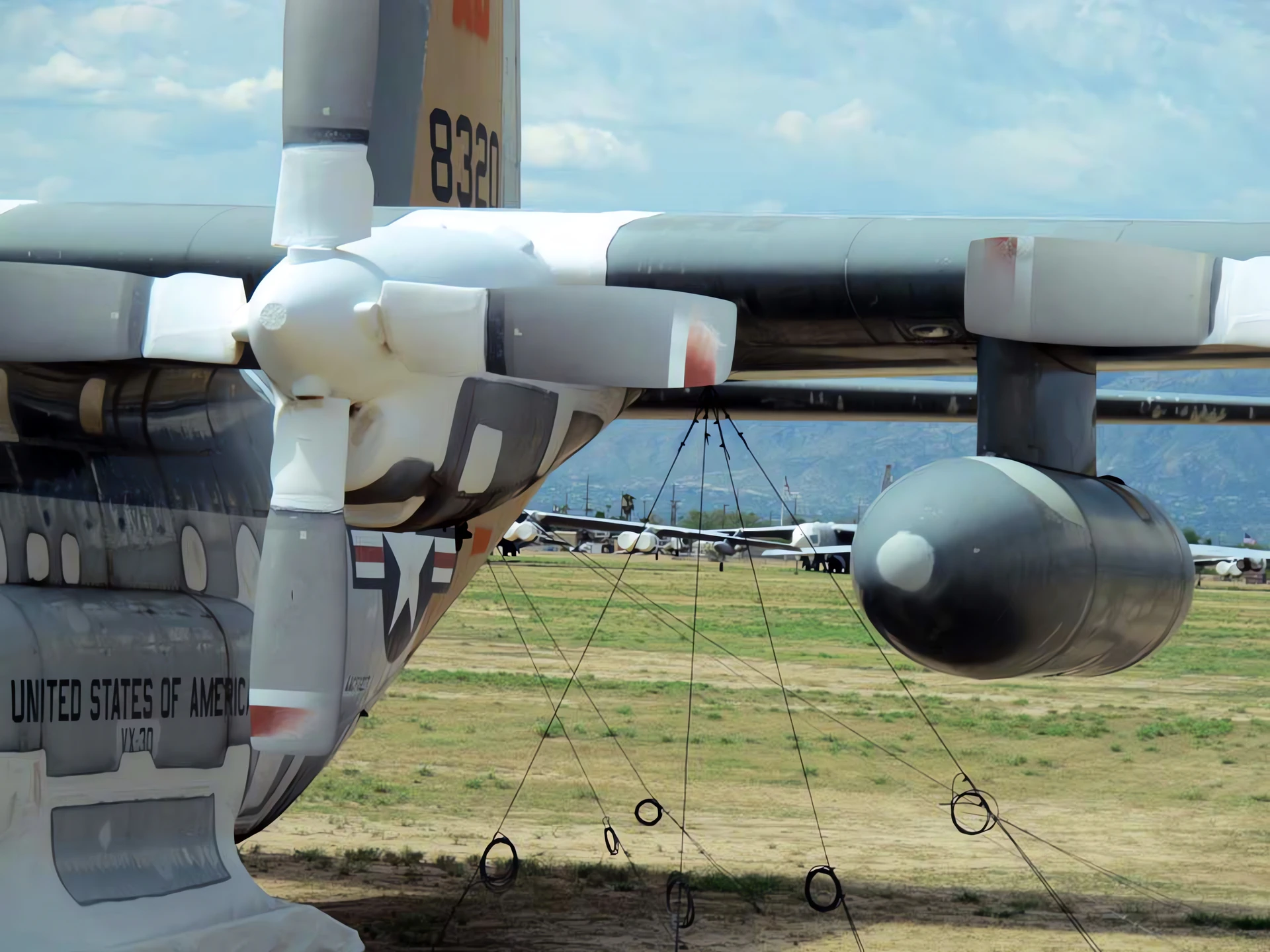
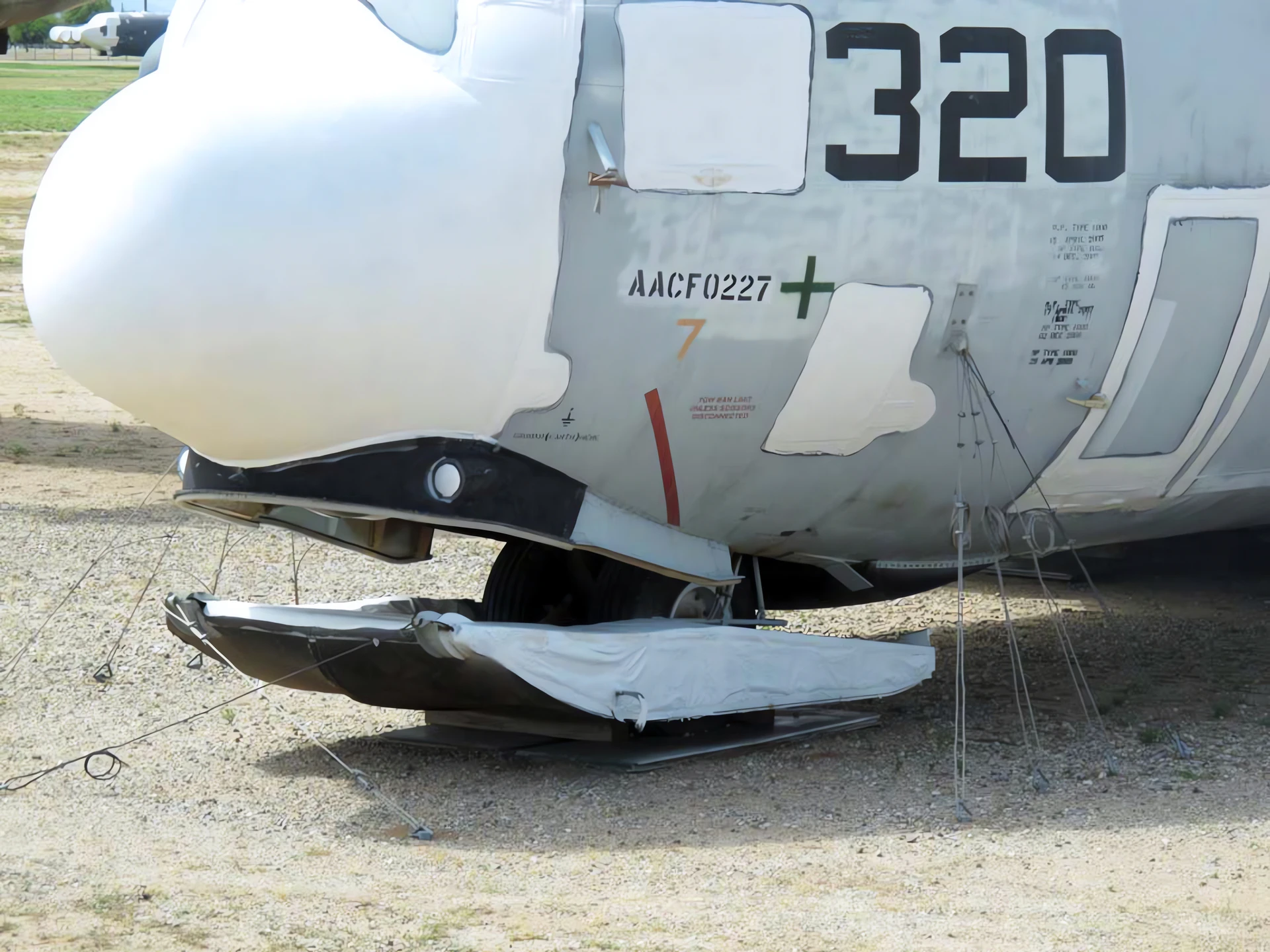
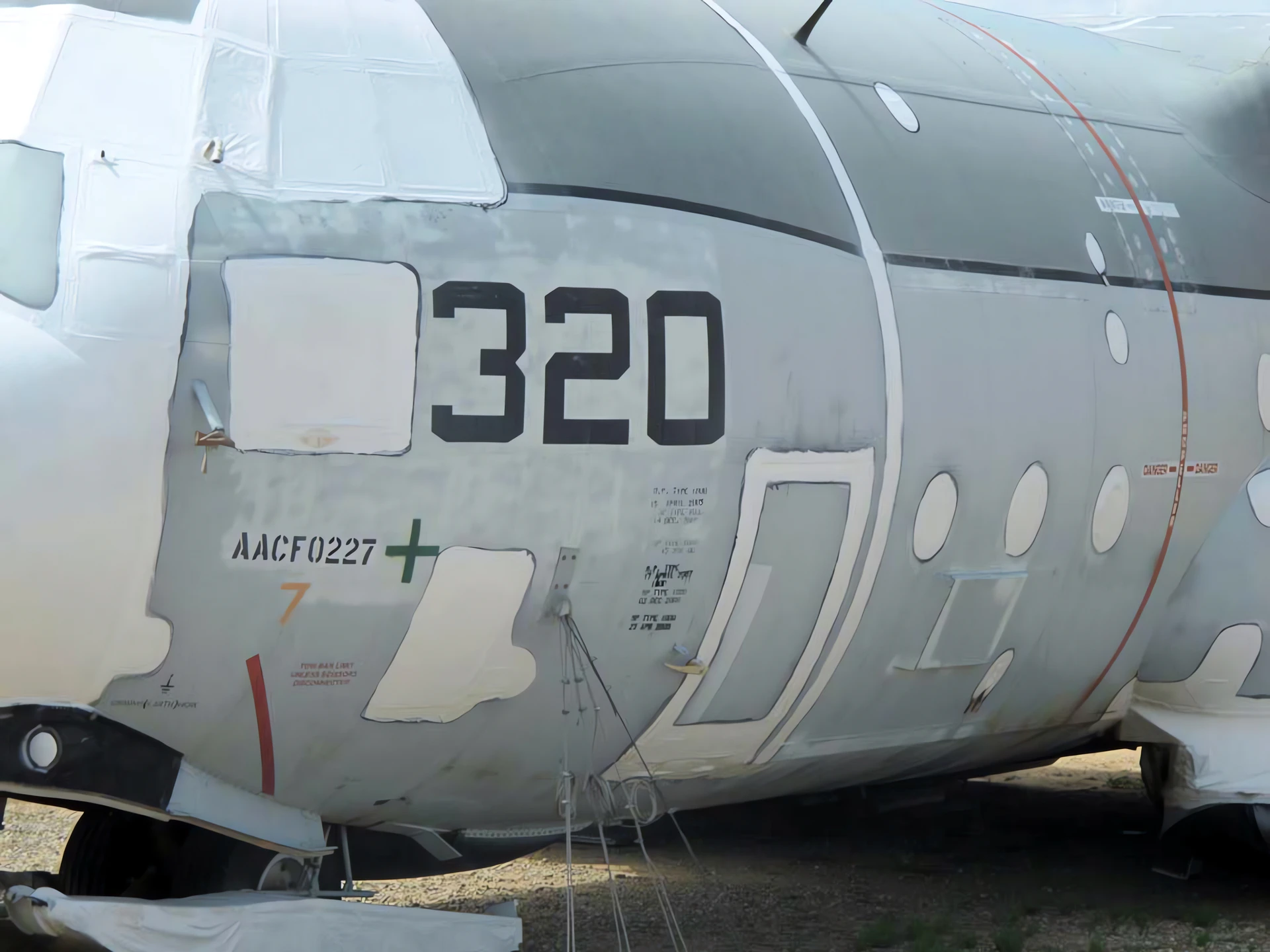
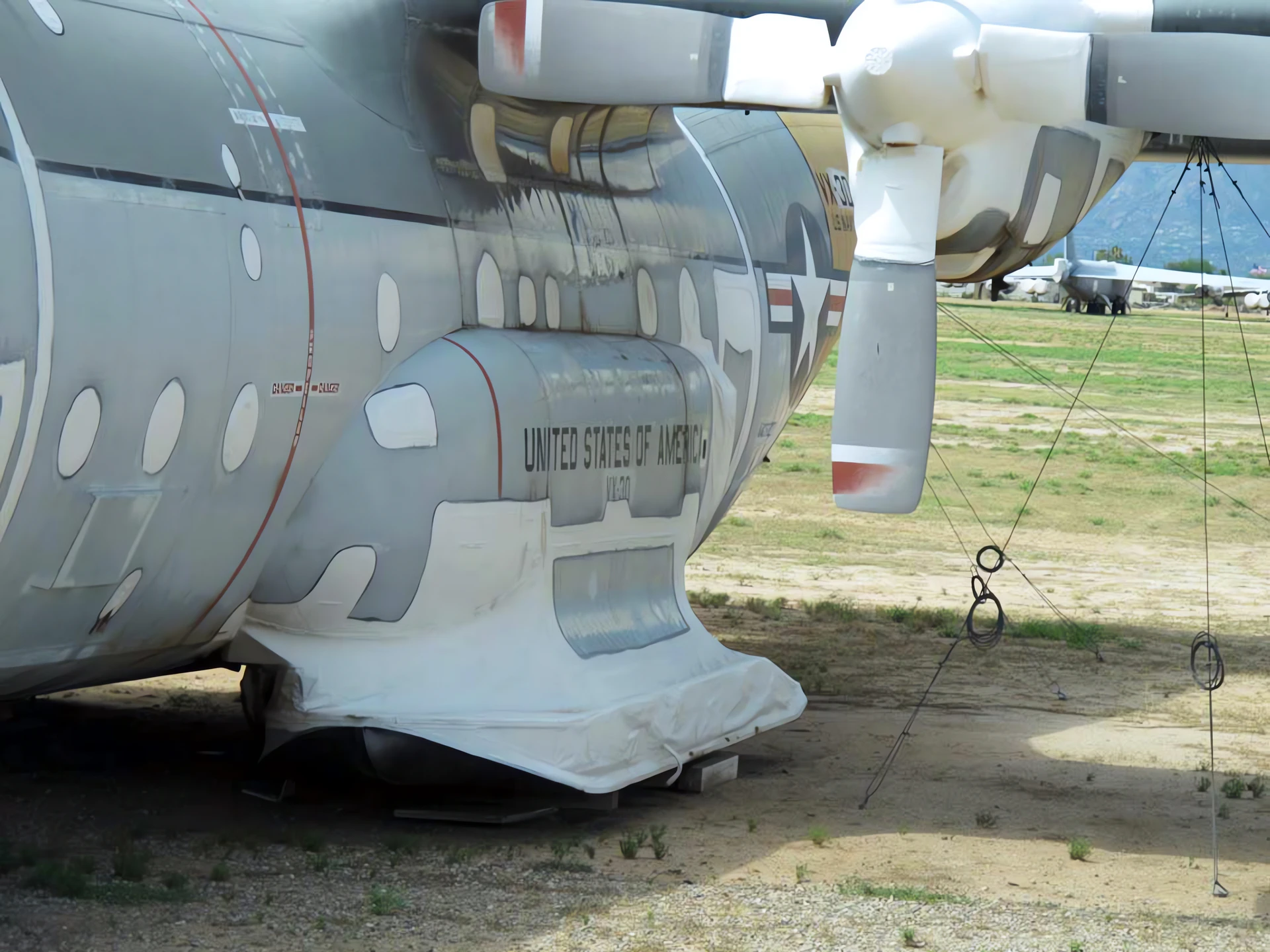
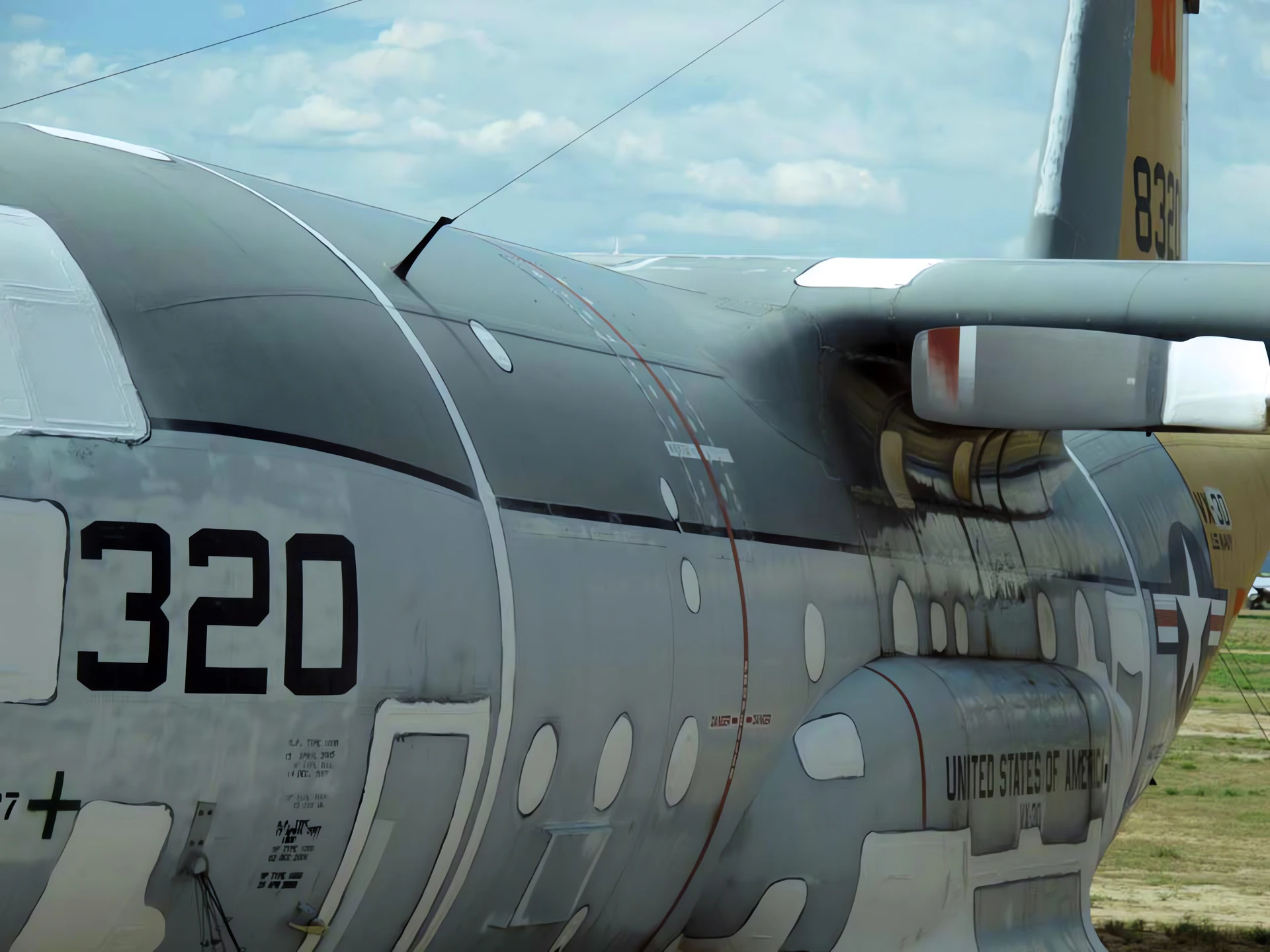
| Lockheed LC-130 Hercules Procházka kolem | |
|---|---|
| Fotograf | Vladimir Jakubov |
| Lokalizace | Davis-Monthan Air Force Bas |
| Fotografie | 31 |

Viz také:


The Master of Polar Logistics
Tá Lockheed LC-130 Hercules is a ski-equipped variant of the C-130, specifically designed to support Arctic and Antarctic operations. It is the only aircraft in the world capable of landing heavy payloads on unprepared snow and ice surfaces. Operated by the New York Air National Guard’s 109th Airlift Wing, these aircraft act as the primary logistical bridge for the National Science Foundation, supplying remote outposts like the Amundsen–Scott South Pole Station.
| Attribute | Technical Specification (LC-130H) |
|---|---|
| Roli | Polar Transport / Arctic Logistics |
| Posádky | 5 (2 Pilots, Navigator, Flight Engineer, Loadmaster) |
| Pohonná jednotka | 4 × Allison T56-A-15 turboprops |
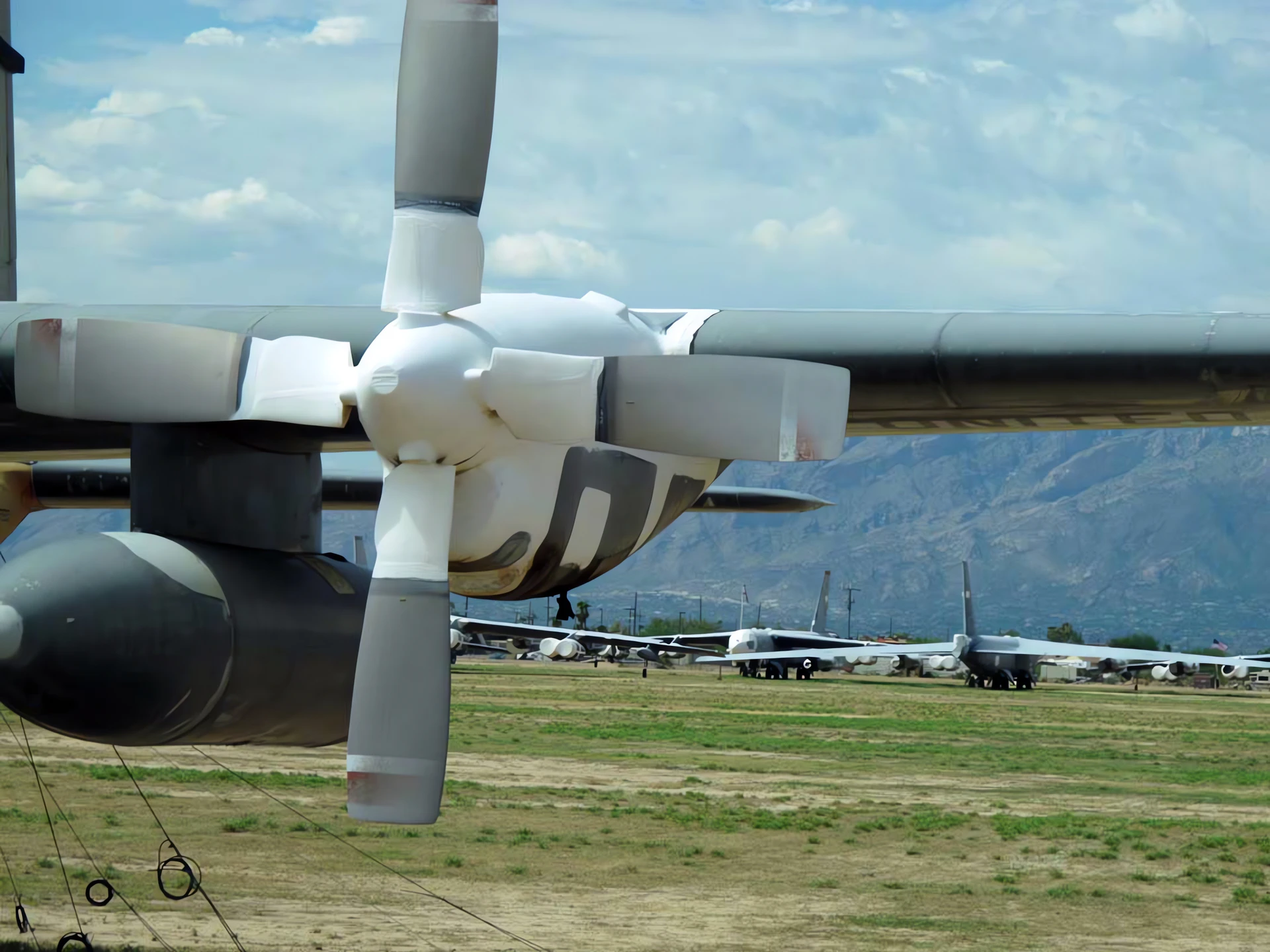
| Propellers | NP2000 eight-bladed propellers (Modernized) |
| Maximum Speed | 366 mph (590 km/h) |
| Landing Gear | Tricycle wheels + Teflon-coated skis |
| Rozmezí | 2,400+ miles (Extended with external tanks) |
| Datová část | Up to 45,000 lbs (20,400 kg) |
Engineering for the Deep Freeze
- The Ski System: The LC-130 features massive Teflon-coated skis. The main skis are roughly 20 feet long and 5.5 feet wide. They are mounted over the standard landing gear, allowing the aircraft to land on conventional runways or retract the wheels to land on snow.
- JATO (Jet-Assisted Take-Off): Because of the intense “suction” or friction of snow, the LC-130 often uses eight solid-fuel rocket bottles (JATO) mounted on the fuselage to provide an extra 8,000 lbs of thrust for short-field takeoffs in the Antarctic.
- NP2000 Propellers: Modern LC-130Hs have been upgraded from four-bladed to eight-bladed NP2000 propellers. These provide significantly more thrust at low speeds, reducing the need for JATO and improving fuel efficiency.
- Specialized Fuel Systems: The aircraft uses JP-8 fuel with special additives to prevent freezing in temperatures that can drop below -50°C.
Critical Mission Operations
- Operation Deep Freeze: The LC-130 is the backbone of this U.S. military mission to provide logistical support to the U.S. Antarctic Program. Without the Skibird, the South Pole station would be inaccessible for most of the year.
- Open Snow Landings: Pilots of the 109th are specially trained to perform “open snow” landings, where they land on completely unprepared surfaces to drop off research teams in the middle of the ice sheet.
- Crevasse Detection: To safely land on ice shelves, the aircraft often coordinate with ground teams using ground-penetrating radar to ensure the landing strip hasn’t developed dangerous cracks or “crevasses.”
- The “Frozen” Fleet: There are currently only about 10 LC-130s in the entire U.S. inventory, making them one of the most specialized and rare assets in the Air Force.
Počet zobrazení: 1099
Můžete také vidět:
 Lockheed C-5 Galaxy – Fotografie a videa
 Lockheed P-80 Shooting Star – Fotografie & Videa
 Lockheed P-3 Orion – Fotografie & Video
 Lockheed U-2 - Fotografie & Video
 Lockheed P-2 Neptun – Fotografie & Video
 Lockheed S-3 Viking – Fotografie & Video
 Lockheed A-12 - Fotografie & Video
 Lockheed Hudson Mk.III – Fotografie a video
 Lockheed SR-71 Blackbird – Fotografie & Video
 P-38L Mandarinka – WalkAround