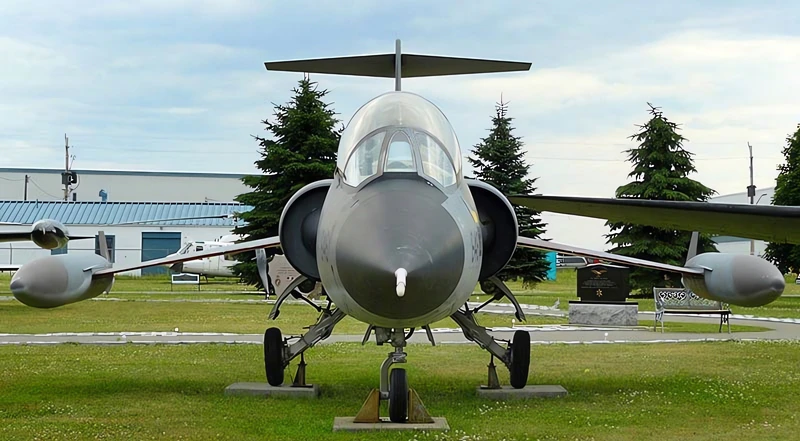
Canadair CF-104 Starfighter | |
|---|---|
| Země | Kanada |
| Roli | Stíhací letoun, stíhací bombardér |
| První let | 26. května 1961 |
| Postaven | 200 |
Tá Canadair CF-104 Hvězdný bojovník (CF-111, CL-90) byla upravená verze nadzvukových stíhacích letounů Lockheed F-104 Starfighter postavených v Kanadě společností Canadair na základě licence. Byl primárně používán jako pozemní útočný letoun, přestože byl navržen jako stíhací letoun. Sloužil u Royal Canadian Air Force (RCAF) a později u kanadských ozbrojených sil (CAF), dokud nebyl nahrazen McDonnell Douglas CF-18 Hornet.
Zdroj: Canadair CF-104 Starfighter na Wikipedii
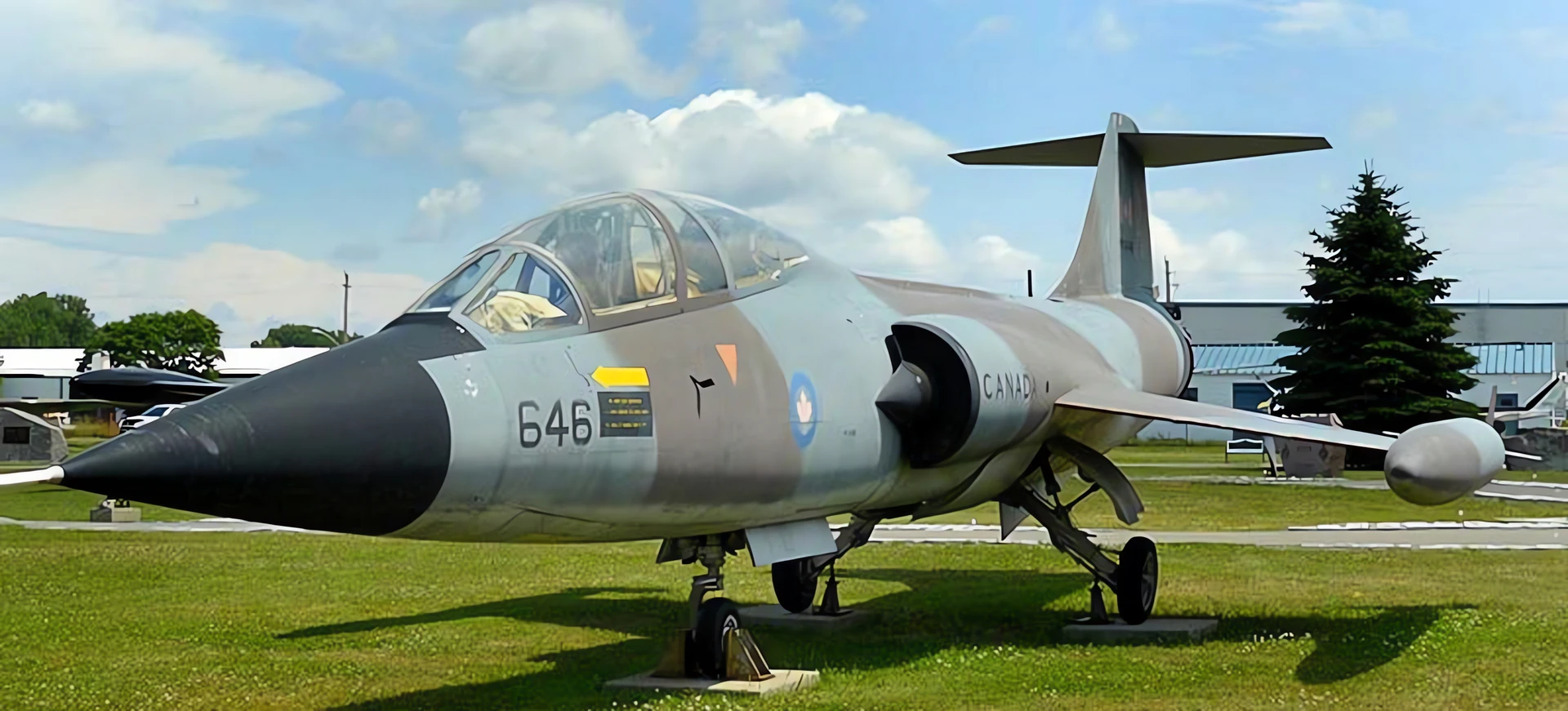
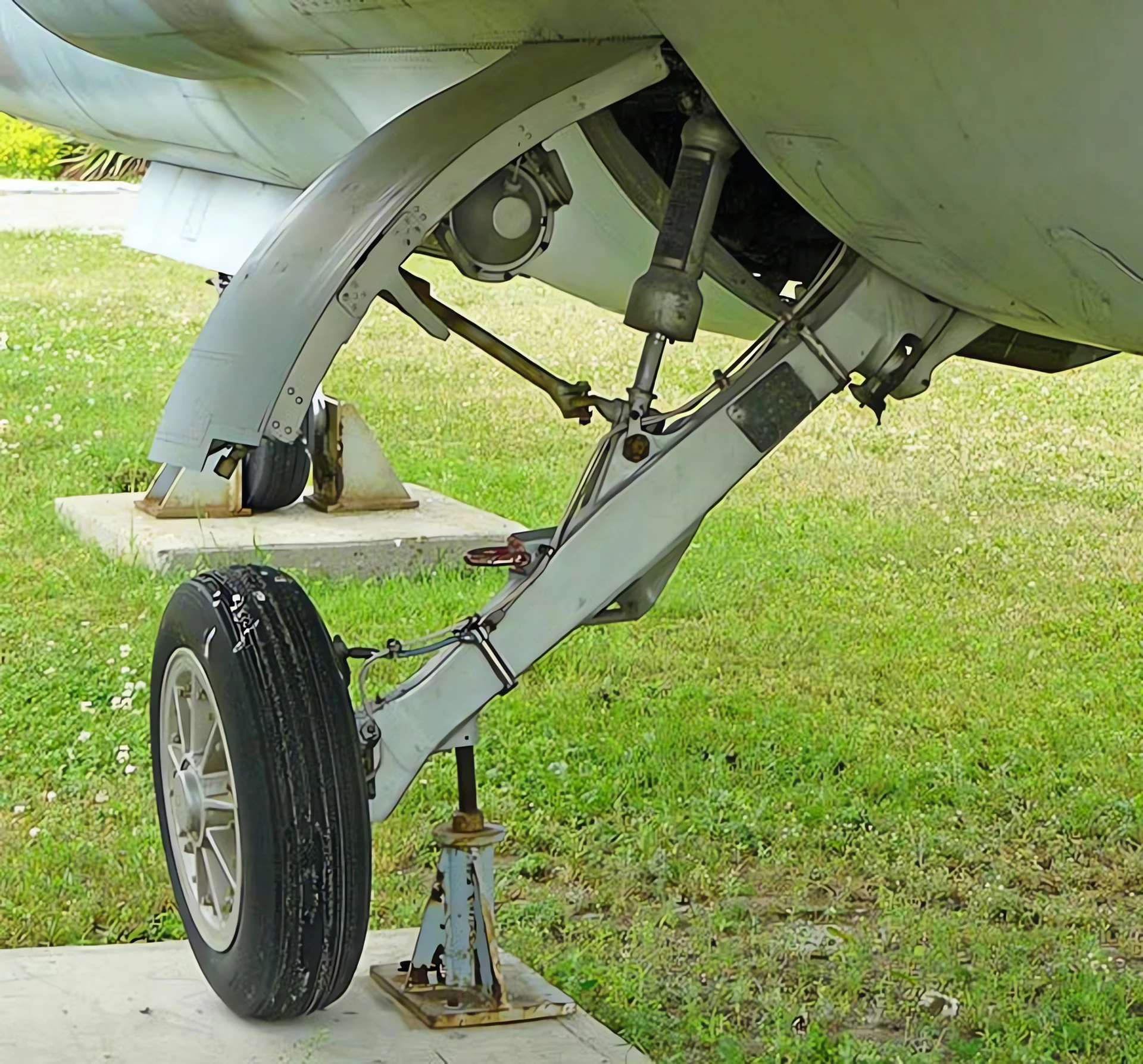
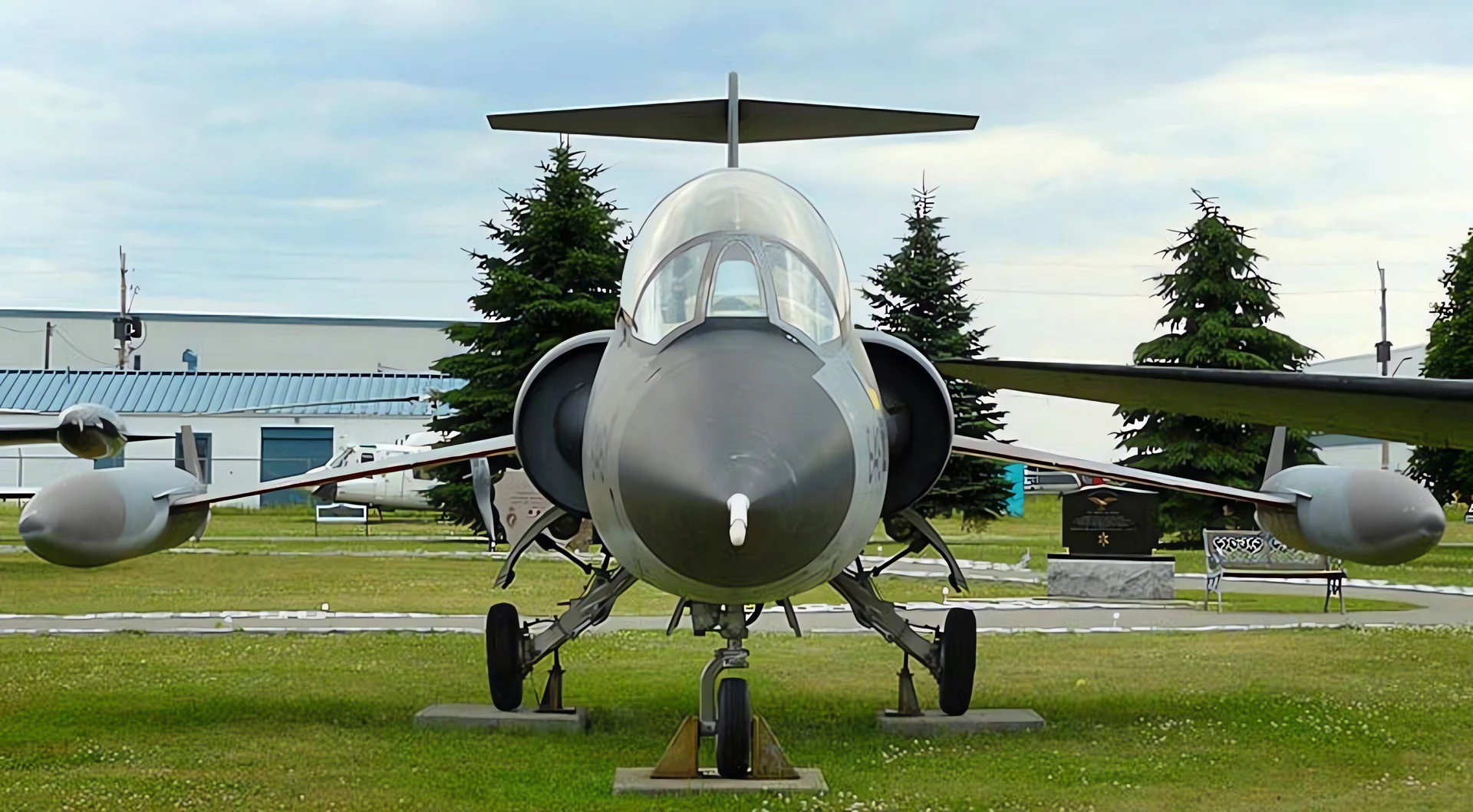
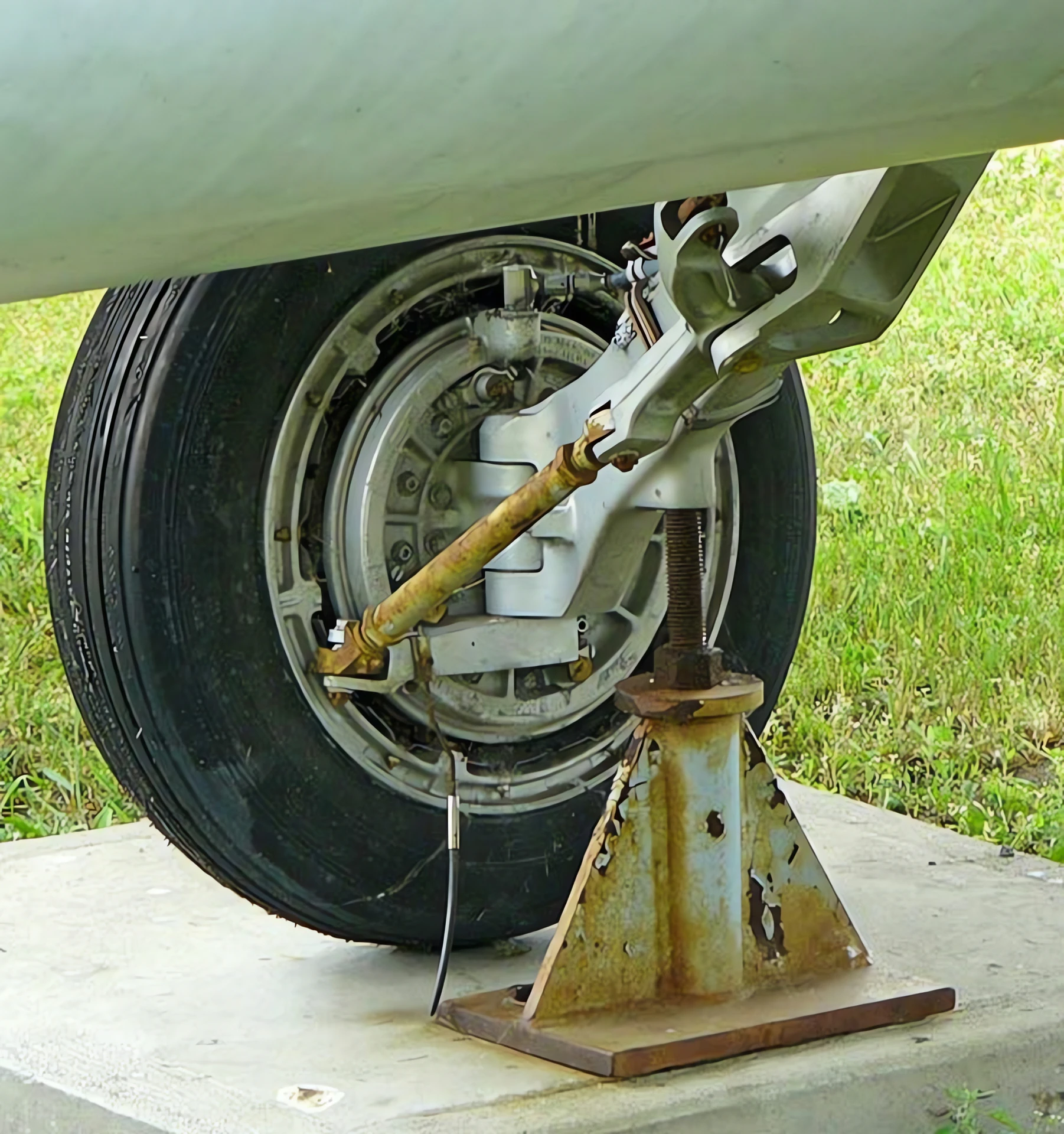
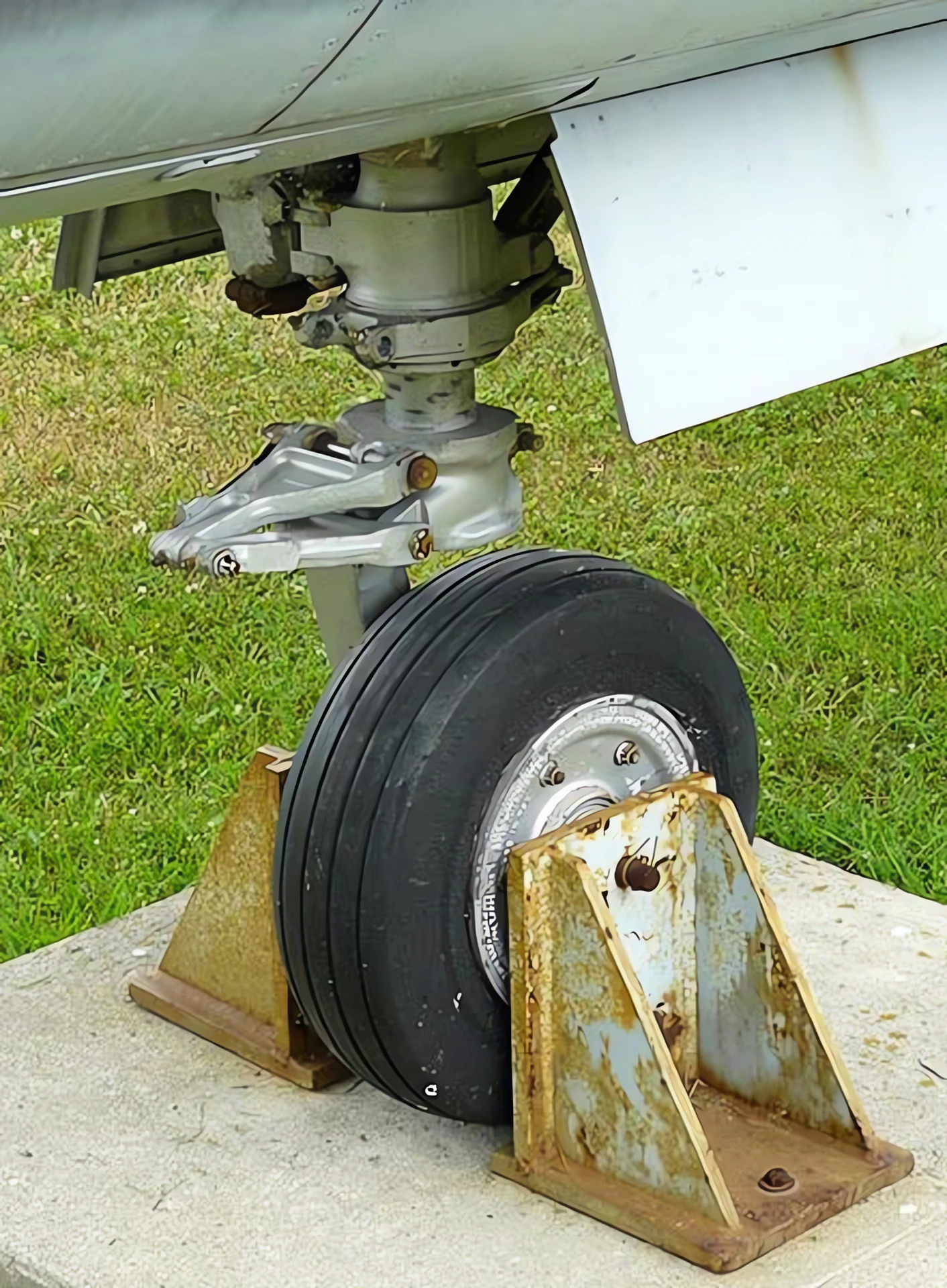
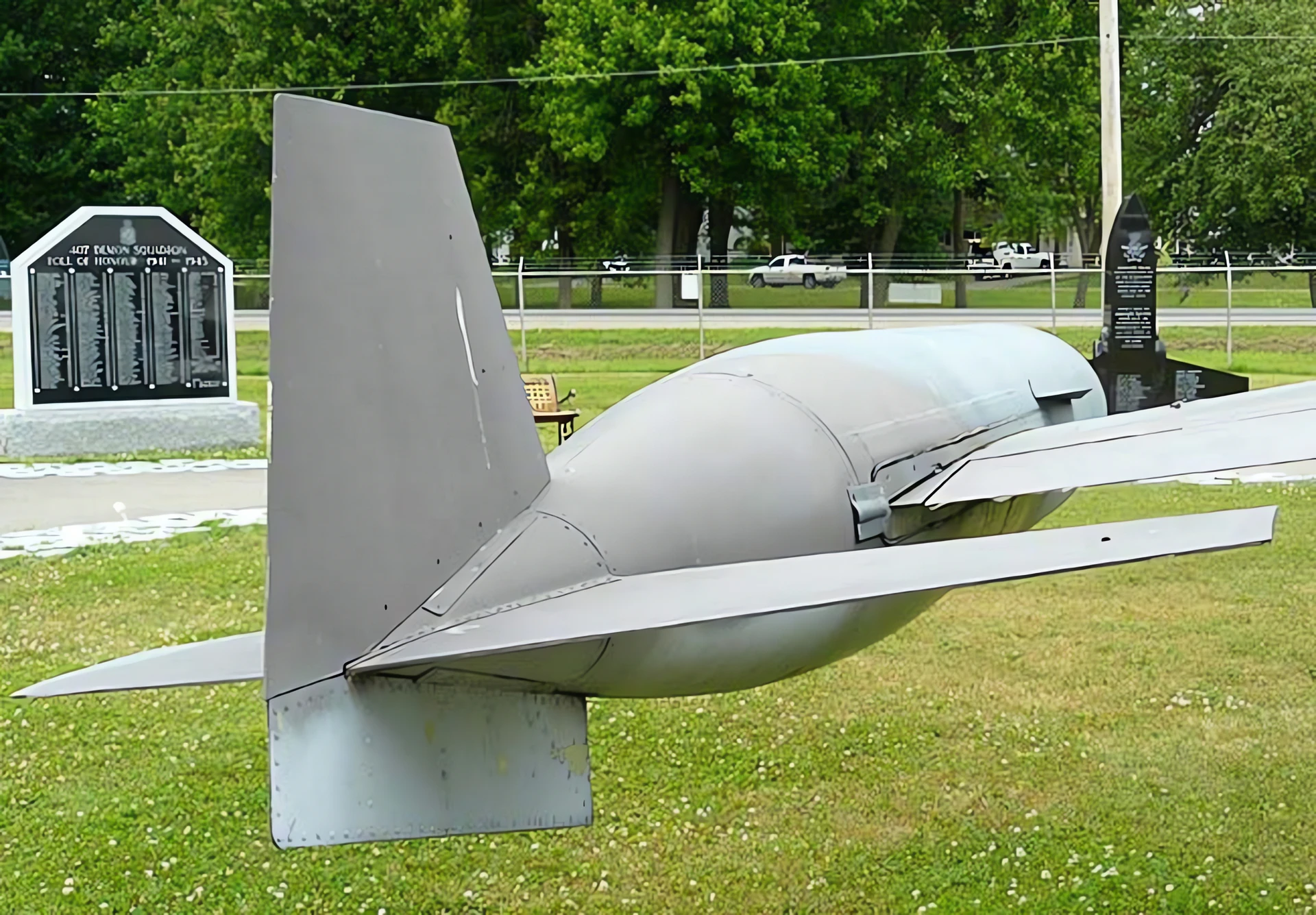
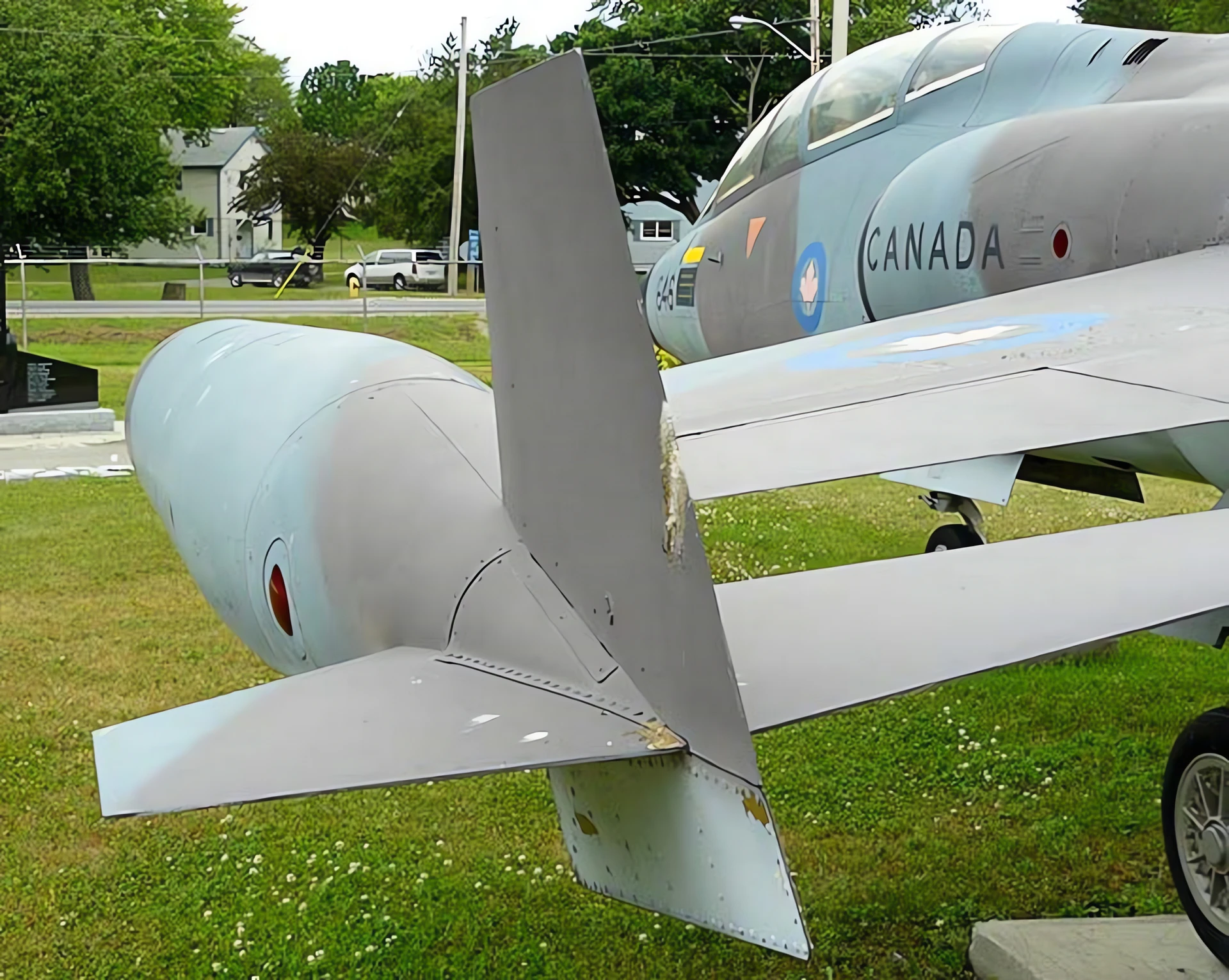
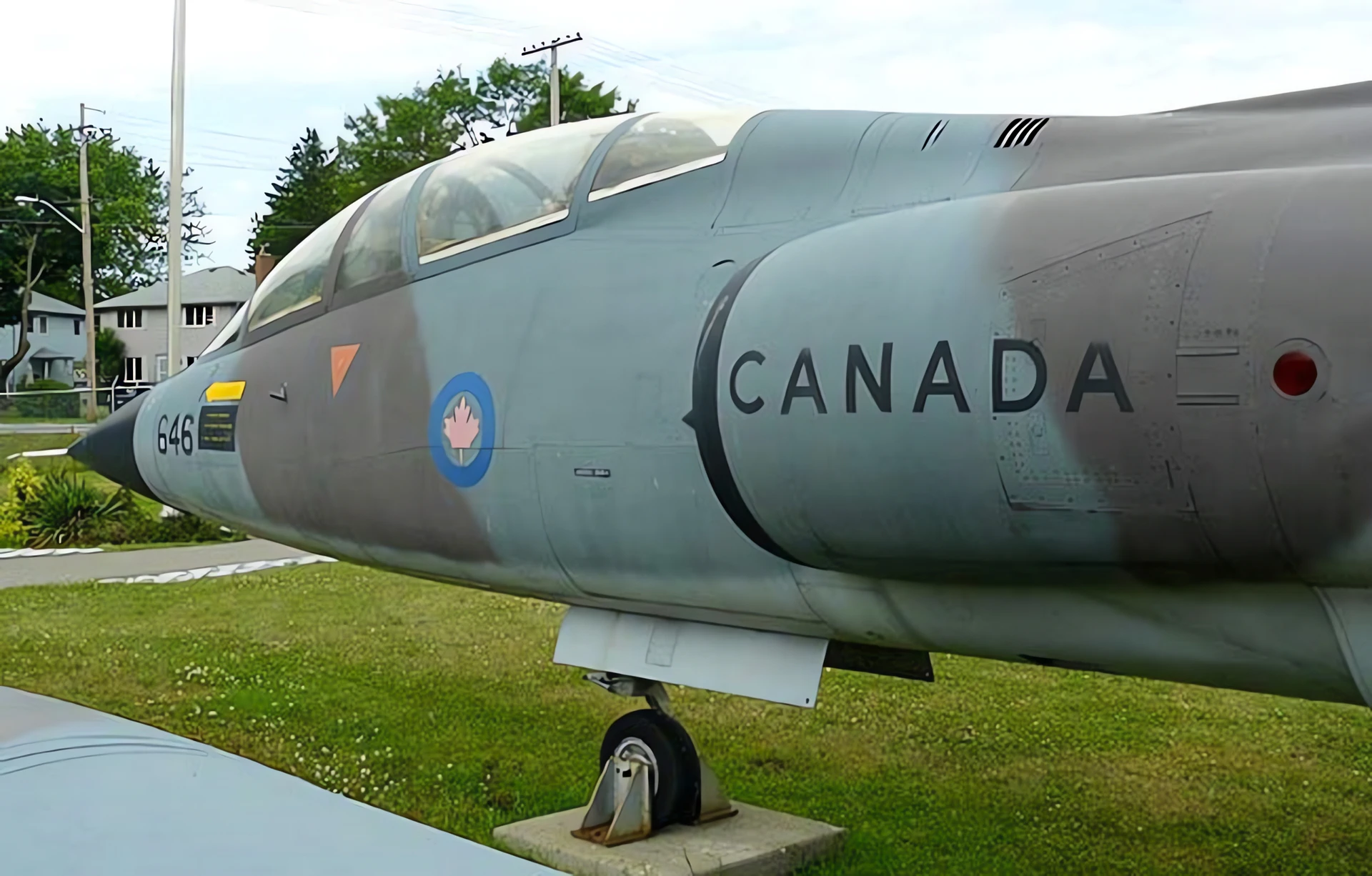
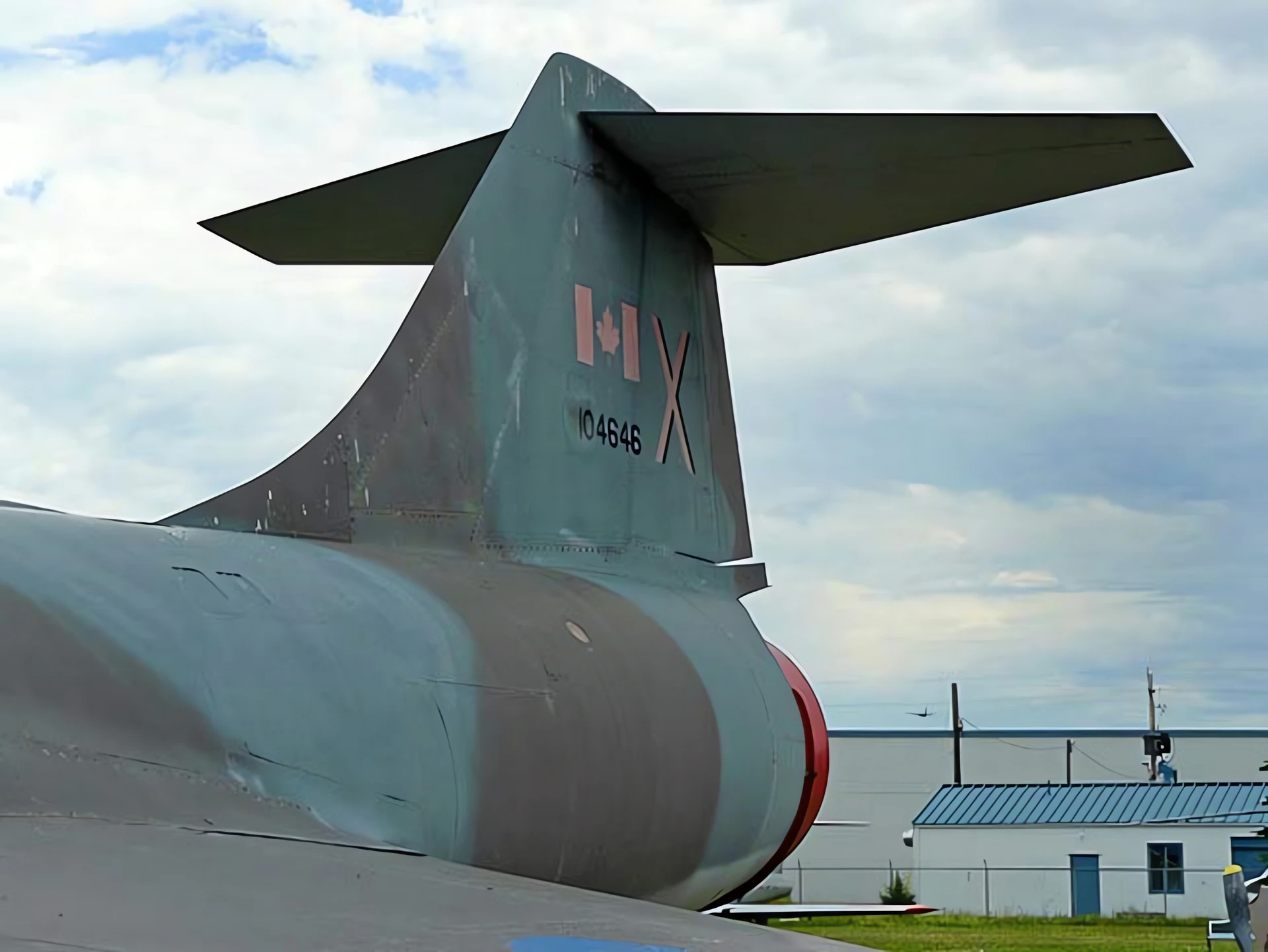
| Canadair CF-104D Starfighter Walk Around | |
|---|---|
| Photographer | Bill Maloney |
| Localisation | RCAF Royal Canadian Air Force Museum |
| Photos | 17 |

Viz také:


General Characteristics and Role
The Canadair CF-104D Starfighter was the Canadian-built, two-seat training variant of the Lockheed F-104 Starfighter. Known as the “missile with a man in it”, the Starfighter family was characterized by its extremely thin, short, straight wings and its ability to achieve speeds over Mach 2. The CF-104s were primarily used by the Royal Canadian Air Force (RCAF) and later the Canadian Armed Forces (CAF) in the European strike/attack and reconnaissance roles as part of Canada’s NATO commitment, rather than the pure interceptor role used by the US Air Force. The CF-104D specifically served as a dedicated conversion trainer, allowing pilots to safely transition to the demanding single-seat CF-104. The “D” model retained combat capability, including the ability to carry external stores, despite its second cockpit.
| Property | Typical Value (CF-104D) | |
|---|---|---|
| Roli | Conversion Trainer, Tactical Fighter, Reconnaissance | |
| National Origin | Canada (Based on US Design) | |
| Výrobce | Canadair (License-built) | |
| First Flight (F-104) | 7 February 1954 | |
| Posádky | 2 (Pilot and Instructor/Trainee) | |
| Délka | 16.69 m (54 ft 9 in) | |
| Rozpětí křídel | 6.68 m (21 ft 11 in) (Excluding tip tanks) | |
| Výška | 4.11 m (13 ft 6 in) | |
| Empty Weight | 6,350 kg (14,000 lb) | |
| Max Takeoff Weight | 12,970 kg (28,600 lb) |
Powerplant and Performance
- Engine: 1 x General Electric J79-OEL-7 afterburning turbojet engine.
- Thrust: 43.6 kN (9,800 lbf) dry; 69.0 kN (15,500 lbf) with afterburner.
- Maximum Speed: Mach 2.0 (2,125 km/h; 1,320 mph) at altitude.
- Combat Radius: 670 km (415 mi; 360 nmi).
- Service Ceiling: 17,700 m (58,000 ft).
- Wing Loading: Very high wing loading due to the short wing, necessitating high approach speeds and careful handling, which made the trainer variant essential.
Armament and Canadian Modifications
- Armament (CF-104D): Typically did not carry the single-seat variant’s internal M61 Vulcan cannon due to space needed for the second cockpit, but could carry external ordnance.
- External Stores: Up to 1,800 kg (4,000 lb) of ordnance on wing stations and fuselage pylons, including bombs, rockets, and AIM-9 Sidewinder missiles.
- Primary Mission: In Canadian service, the CF-104 series was modified to carry tactical nuclear weapons (which were eventually removed) and specialized photo-reconnaissance equipment.
- Retirement: The CF-104 series was replaced by the CF-18 Hornet in the Canadian Forces, with many airframes being sold to NATO allies like Turkey and Greece.
Počet zobrazení: 1890
Můžete také vidět:
 Canadair CP-107 Argus – Fotografie & Videa
 Canadair CF-5 – Fotografie & Videa
 Canadair Sabre - Fotografie & Video
 McDonnell Douglas F/A-18 Hornet – Fotografie & Video
 Mitsubishi A6M Zero – Procházka Kolem
 Hawker Hurricane – Procházka kolem
 Bell P-39N Airacobra – Procházka
 Konsolidovaný osvoboditel B-24M – WalkAround
 P-47D Thunderbolt – WalkAround
 A-20 Havoc – WalkAround