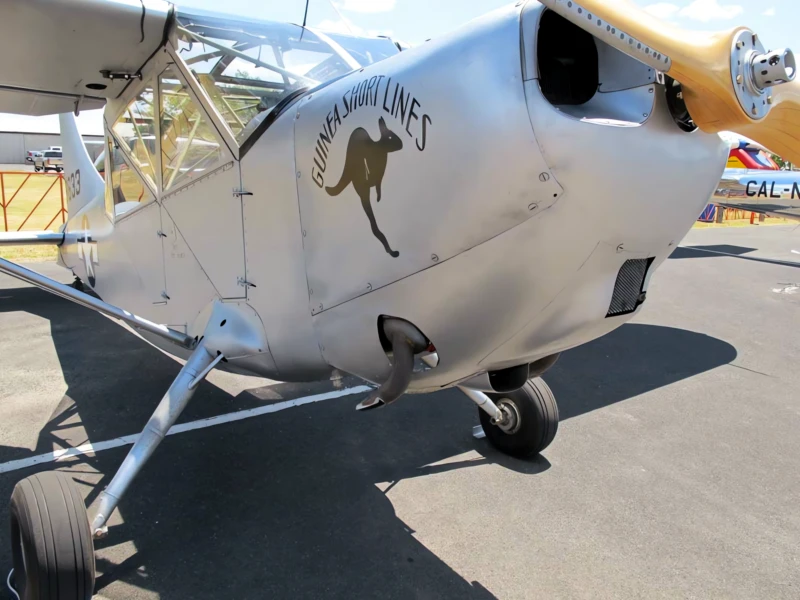
Stinson L-5 Sentinel |
|
|---|---|
| Страна | Сащ |
| Роля | Връзка / наблюдение / светлинна равнина |
| Произведени | 1942–1945 |
| Построен | 3896 |
1. Стинсън L-5 Сентинел е самолет за връзка от епохата на Втората световна война, използван от всички клонове на американската армия и от британските кралски военновъздушни сили. Тя е произведена от Stinson Aircraft Company. Заедно със Stinson L-1 Vigilant, L-5 е единственият друг американски самолет за връзка от Втората световна война, който е построен за военна употреба и няма цивилен колега. Всички други военни самолети за връзка, приети по време на Втората световна война, са леко модифицирани "готови" граждански модели.
Източник: Stinson L-5 Sentinel в Уикипедия
| Stinson L-5 Sentinel Walk Around | |
|---|---|
| Фотограф | Владимир Якубов |
| Локализация | Авиошоу Мадера |
| Снимки | 51 |
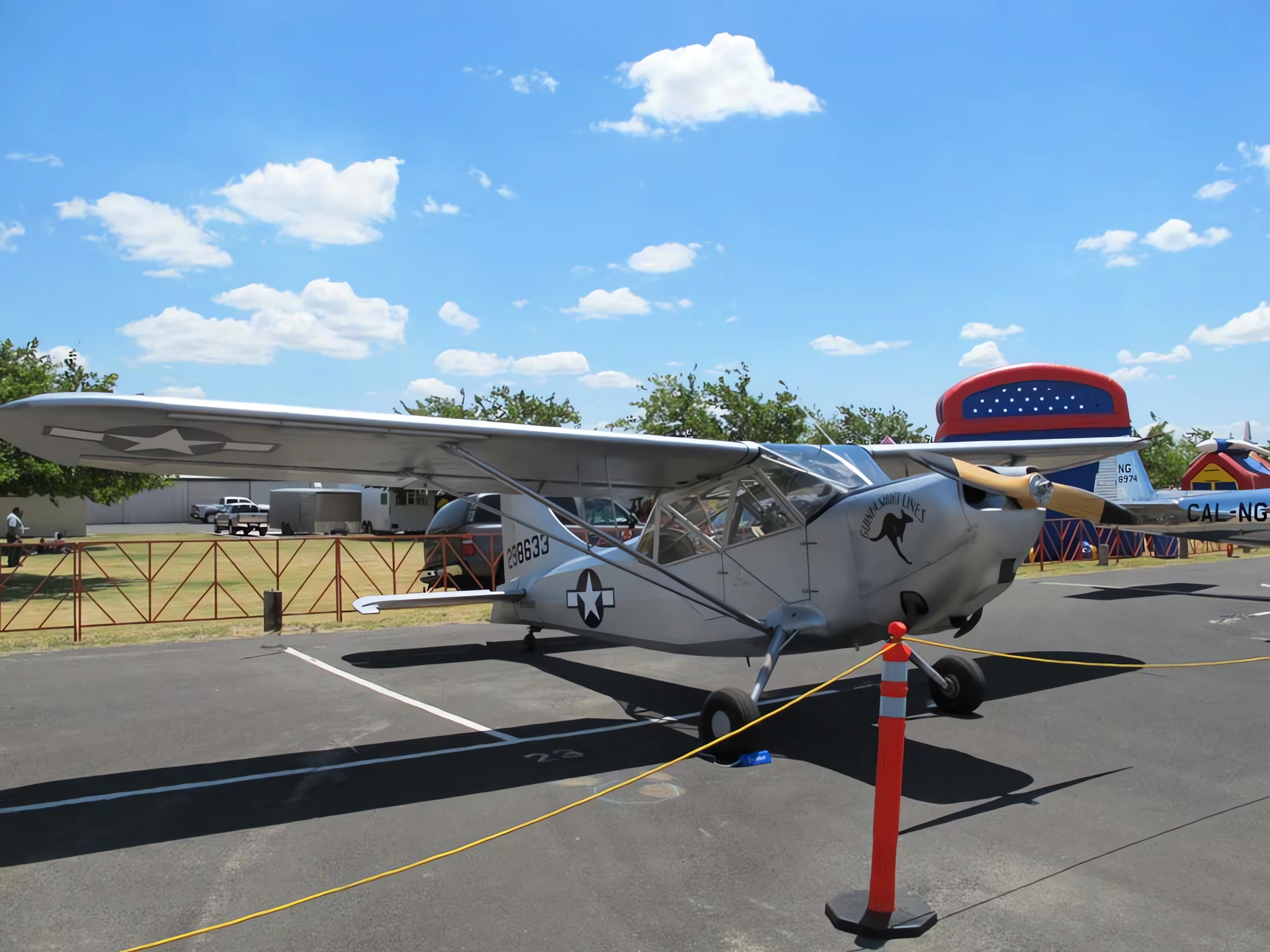
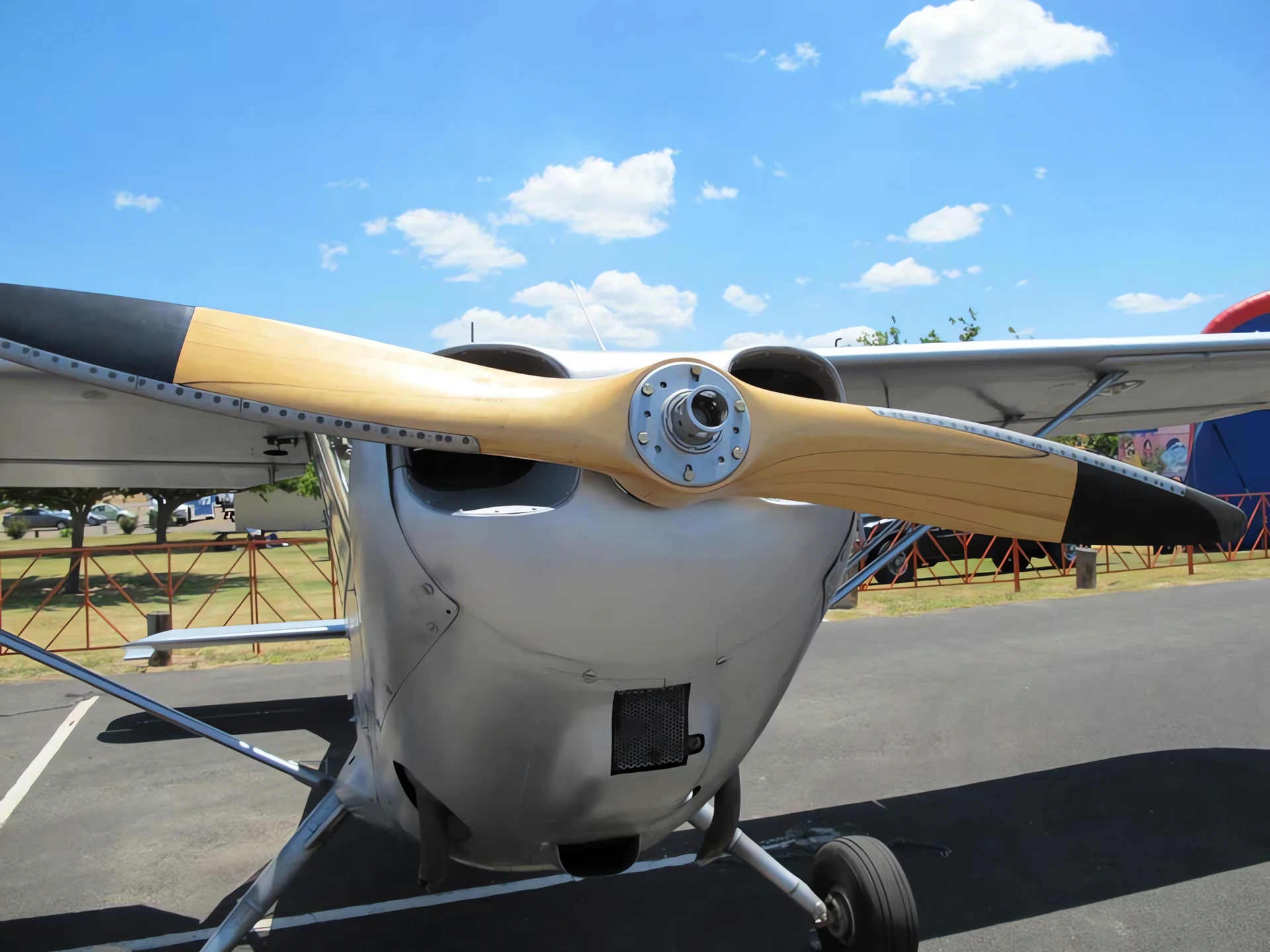
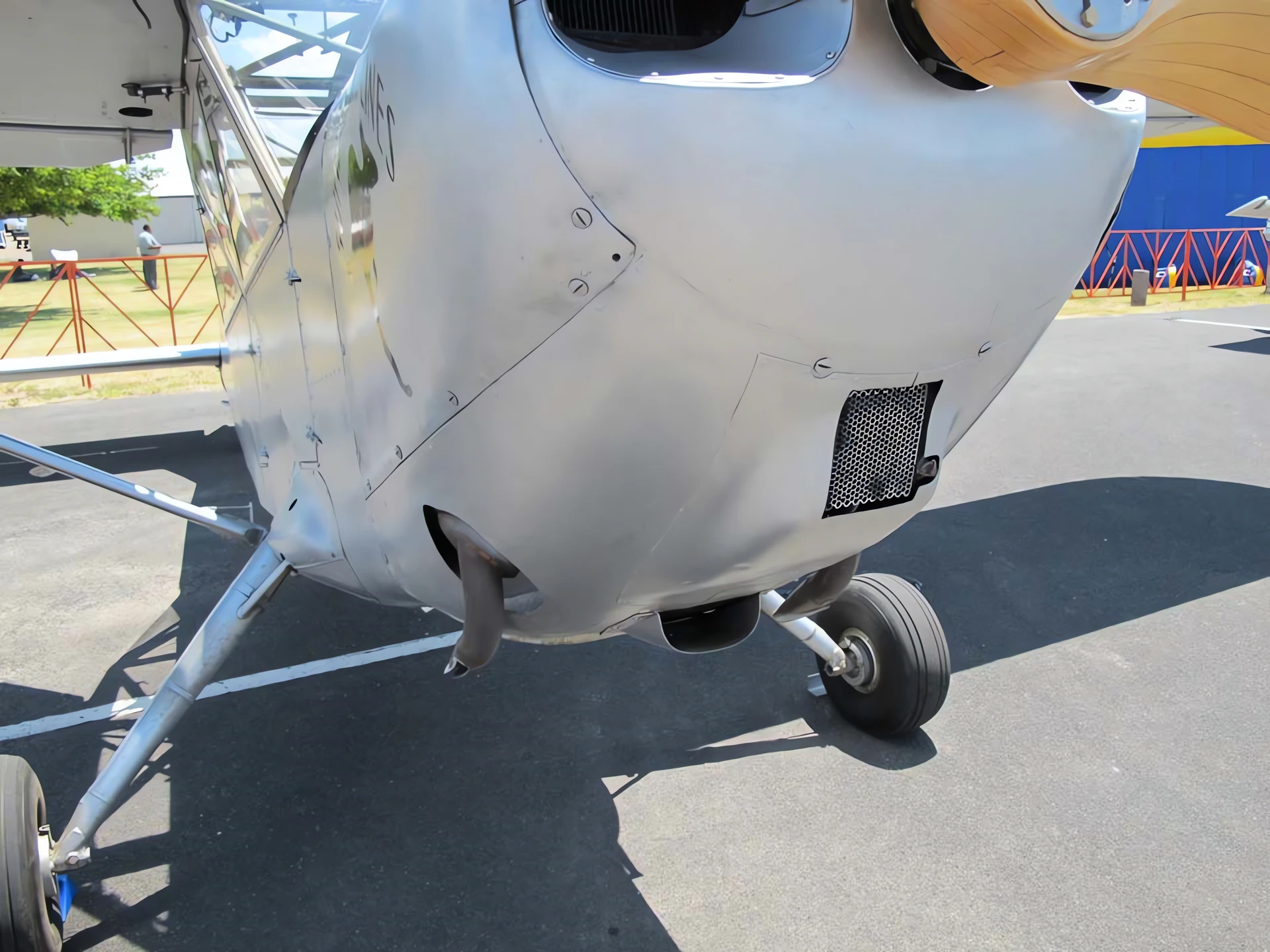
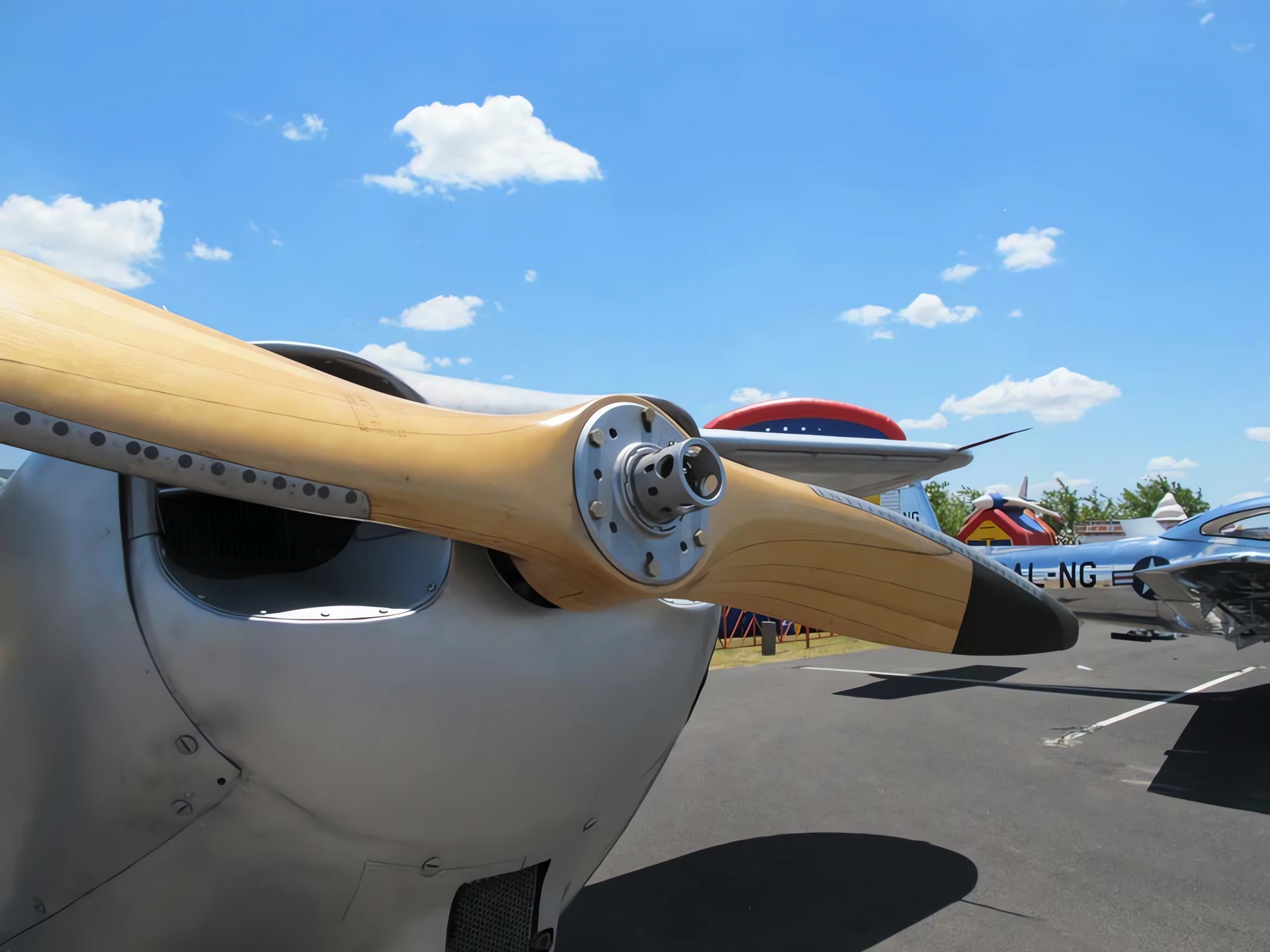
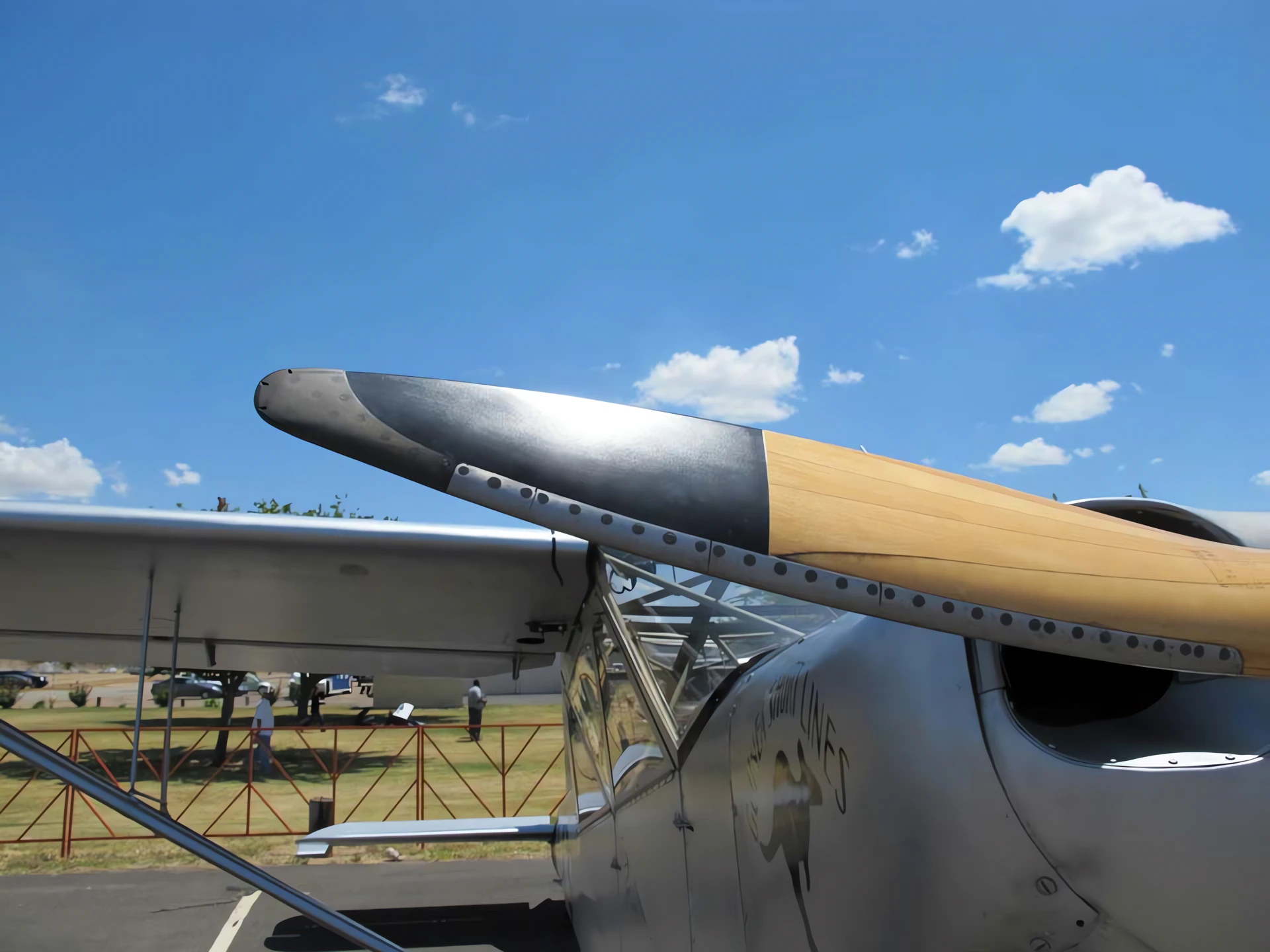
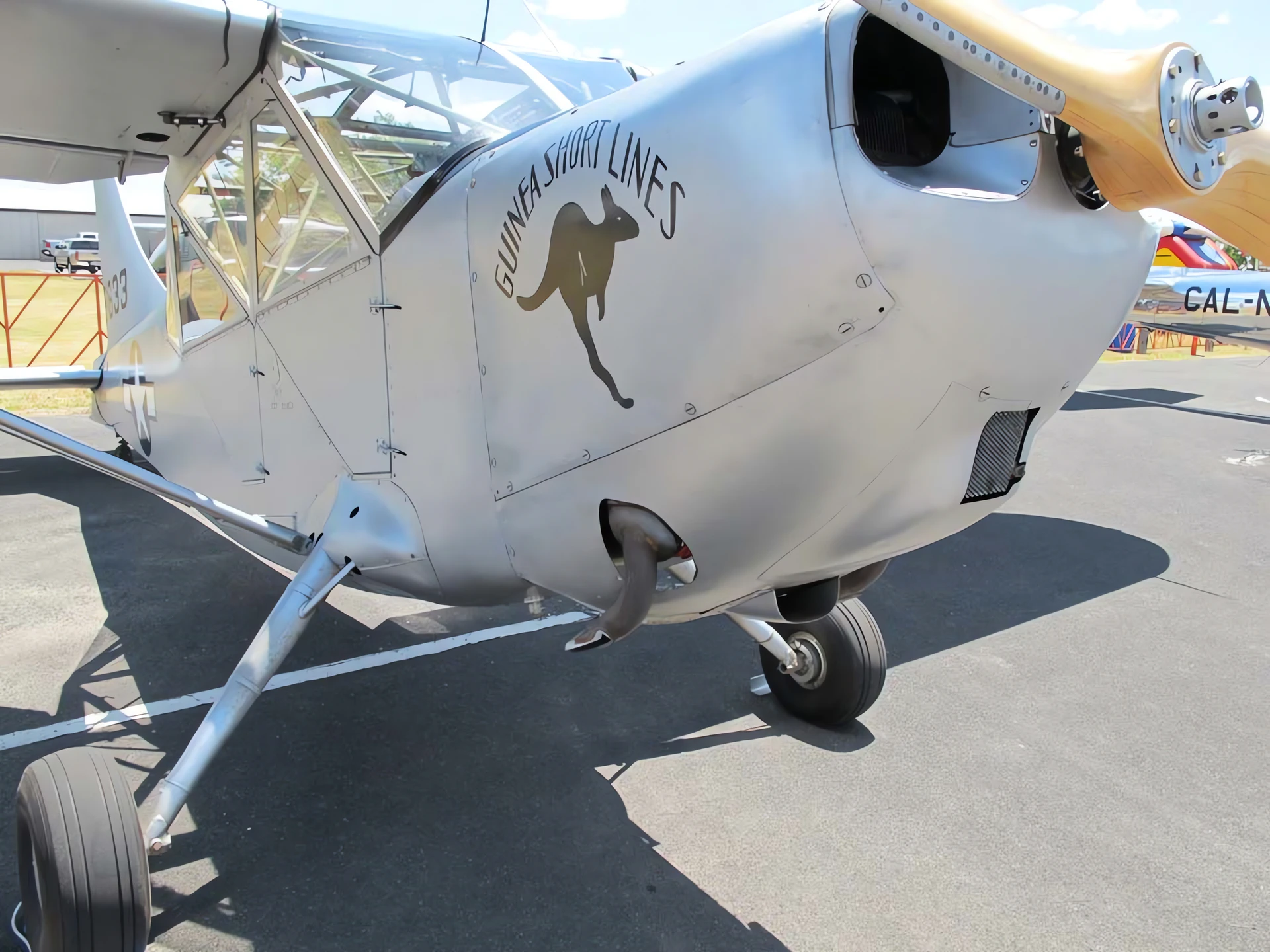
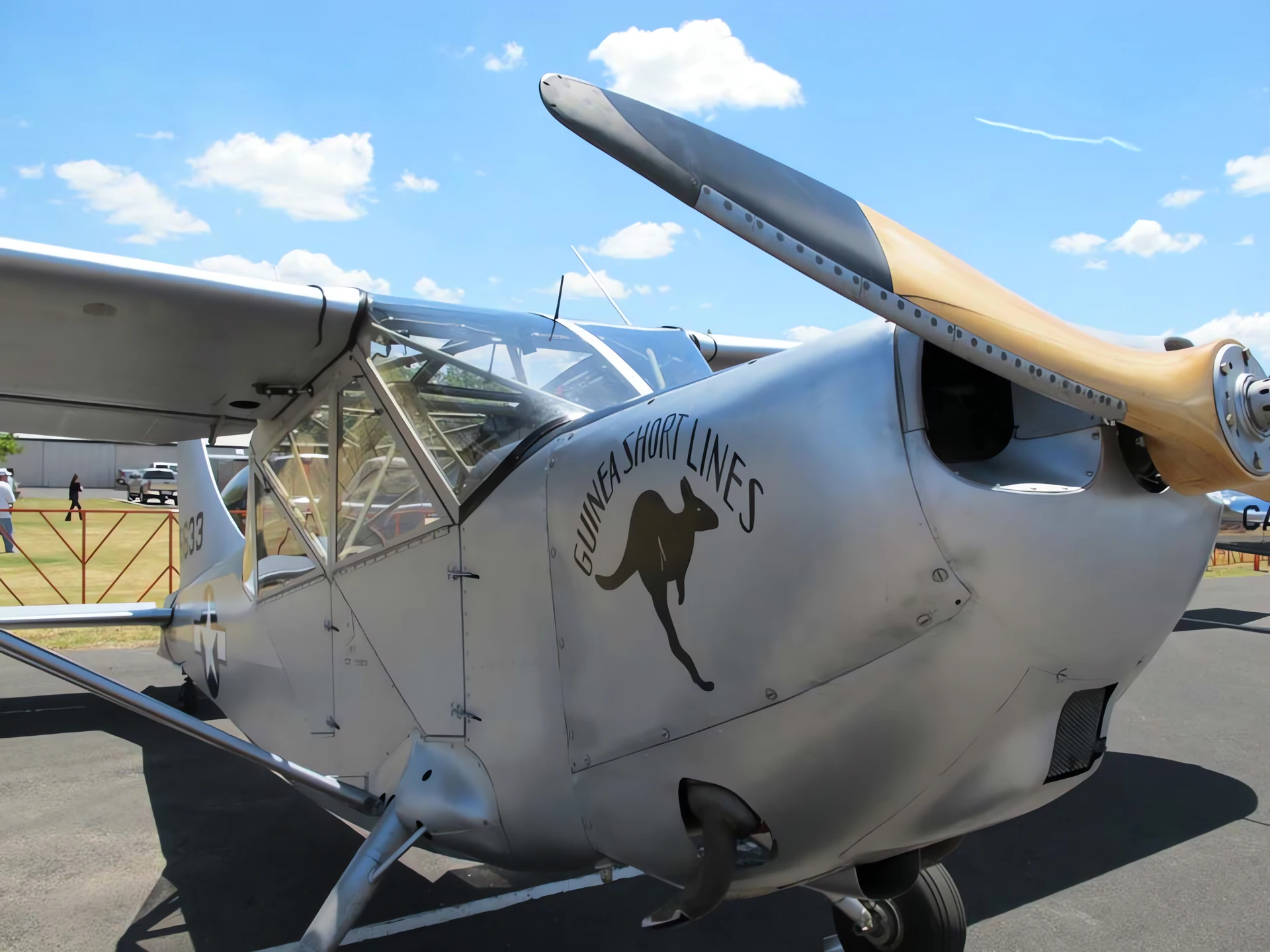
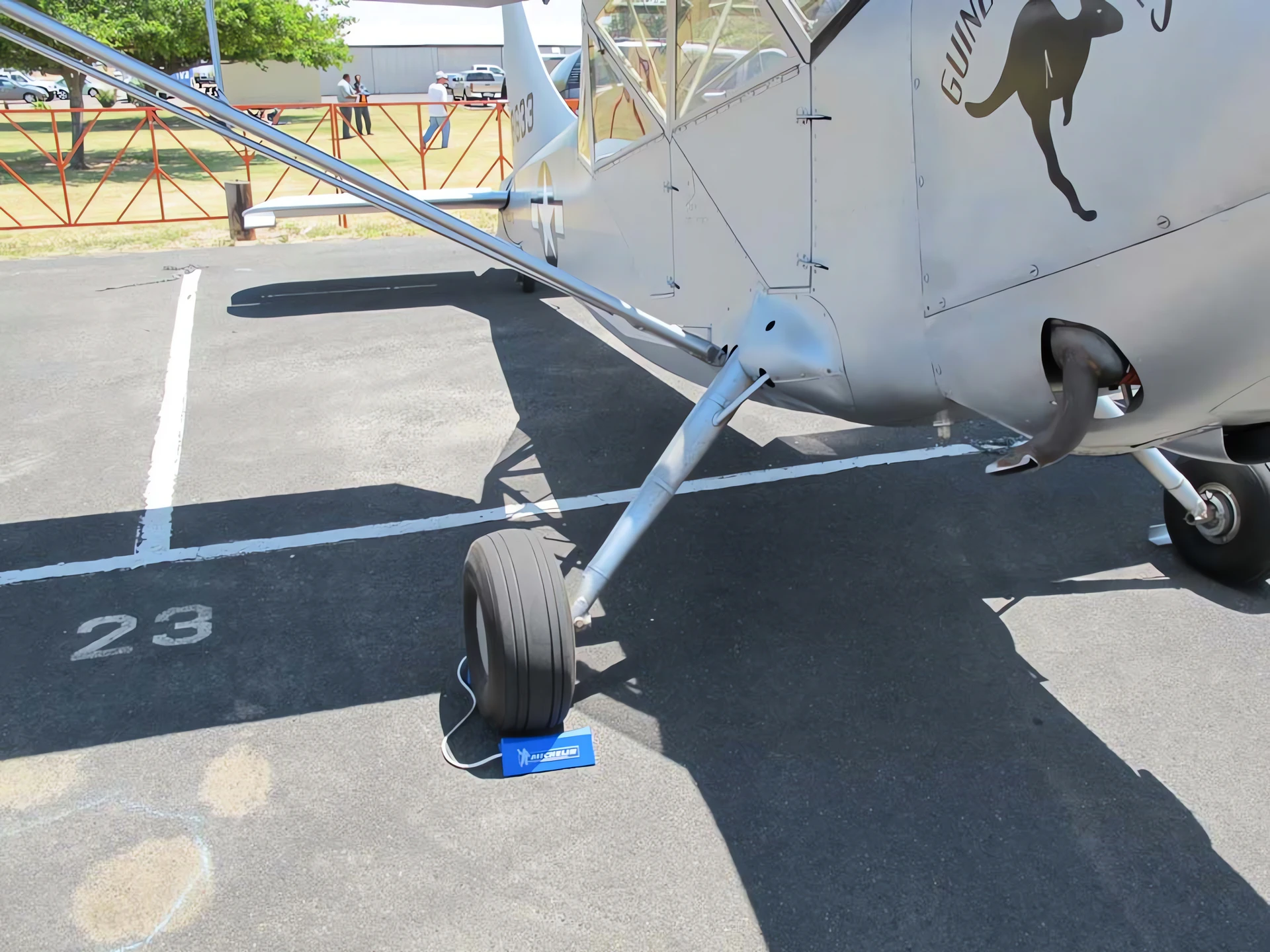
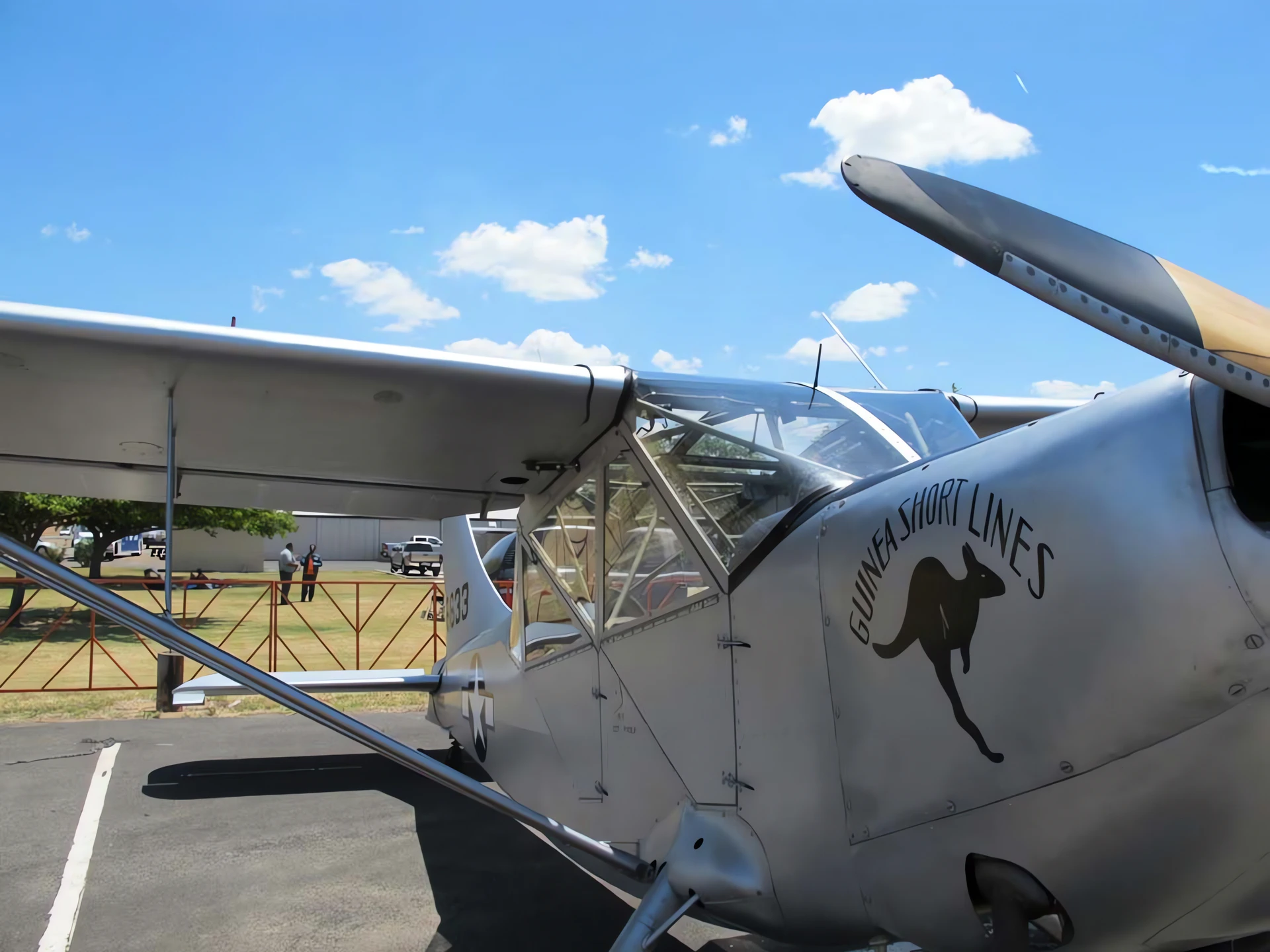

Вижте също:


| Stinson L-5E Sentinel | |
|---|---|
| Фотограф | Владимир Якубов |
| Локализация | Авиошоу Мадера |
| Снимки | 75 |
The Versatile Liaison
1. Стинсън L-5 Сентинел was the “Swiss Army Knife” of the U.S. Army Air Forces during World War II. While lighter planes like the Piper L-4 “Grasshopper” were simpler, the L-5 was built to be faster, more powerful, and significantly more rugged. It could operate from tiny, unimproved clearings, fields, or even carrier decks. Whether it was spotting artillery, delivering critical messages, or evacuating the wounded, the L-5 was ubiquitous across every theater of the war.
| Attribute | Technical Specification (L-5) |
|---|---|
| Роля | Liaison / Observation / Medevac |
| Екипажа | 2 (Pilot and Observer) |
| First Flight | 1941 |
| Силова установка | 1 × Lycoming O-435-1 six-cylinder boxer engine |
| Horsepower | 190 hp (142 kW) |
| Maximum Speed | 130 mph (209 km/h) |
| Stall Speed | 43 mph (69 km/h) |
| Service Ceiling | 15,800 feet (4,816 m) |
Built for the Front Lines
- STOL Engineering: The L-5 was designed with a high-lift wing and large flaps, allowing it to take off in as little as 200 feet. This made it ideal for operating in the dense jungles of the Pacific or the rugged terrain of the China-Burma-India theater.
- Mixed Material Construction: The fuselage was made of welded steel tubing for strength, while the wings were wooden structures—all covered in doped fabric. This allowed for easy repairs in the field using basic tools and materials.
- The “Greenhouse” Rear: To allow the observer to see in almost every direction, the rear of the cockpit was extensively glazed, including panels that allowed for views directly below and behind the aircraft.
- Medevac Modifications (L-5B/C): Later variants featured a modified rear fuselage with a large side-opening door, allowing a standard litter (stretcher) to be loaded directly behind the pilot.
Service and Legacy
- Multi-Service Use: Used by the Army, Marines (as the OY-1), and the British RAF, the Sentinel was a truly international liaison platform.
- Brodie System Trials: The L-5 was famously used to test the “Brodie System,” a wire-and-hook arrangement that allowed aircraft to take off and land from ships or mountain cliffs without a runway.
- Post-War Utility: Thousands were sold as surplus after 1945, becoming popular “bush planes” for civilian pilots due to their ability to carry heavy loads into remote areas.
- Survivors: Because so many were built (nearly 4,000), many L-5s are still flying today in the hands of private collectors and commemorative air force units.
Views : 2247
Можете да видите също :
 Hawker Siddeley Nimrod – Снимки и видео
 Dornier Do-27 – Снимки и видео
 Aero L-29 Delfín – Снимки и видео
 Verville-Sperry M-1 Messenger – Снимки и видео
 Мицубиши А6М Нула – разходка около
 Хоукър Ураган – Разходка Около
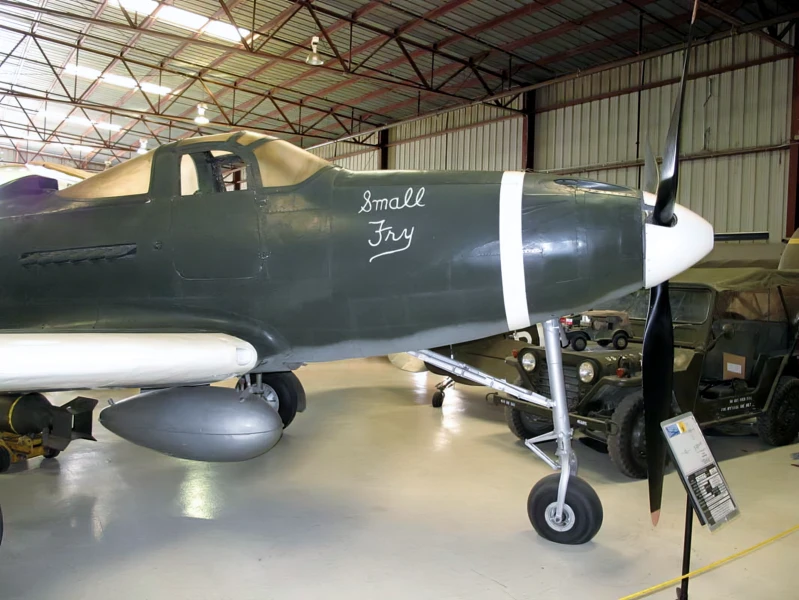 Звънец P-39N Айракбра – мобилна
 Консолидиран Б-24м освободител – мобилна
 P-47D гръмотевица – мобилна
 А-20 Хаос – Мобилна