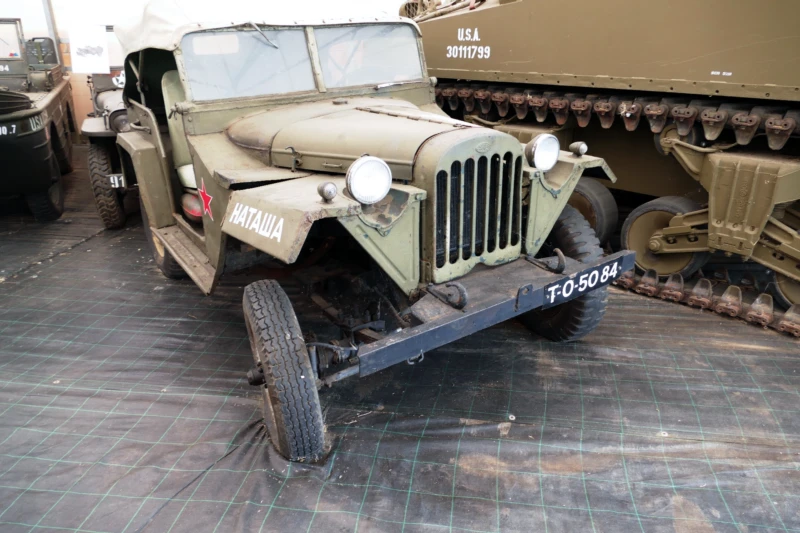
ГАЗ-67 | |
|---|---|
| Страна | 1000000000 |
| Тип | Военни превозни средства |
| Код | Джип газ |
| Построен | 92843 (1943–53) |
1. ГАЗ-67 и последващите ГАЗ-67Б са били с общо предназначение четири задвижващи колела съветски военни превозни средства, построени от ГАЗ, започвайки от 1943. До края на войната е съветския еквивалент на джипа на Уили.
Източник: ГАЗ-67 в Уикипедия
| ГАЗ-67Б Разходка наоколо | |
|---|---|
| Фотограф | Не знам |
| Локализация | Не знам |
| Снимки | 18 |
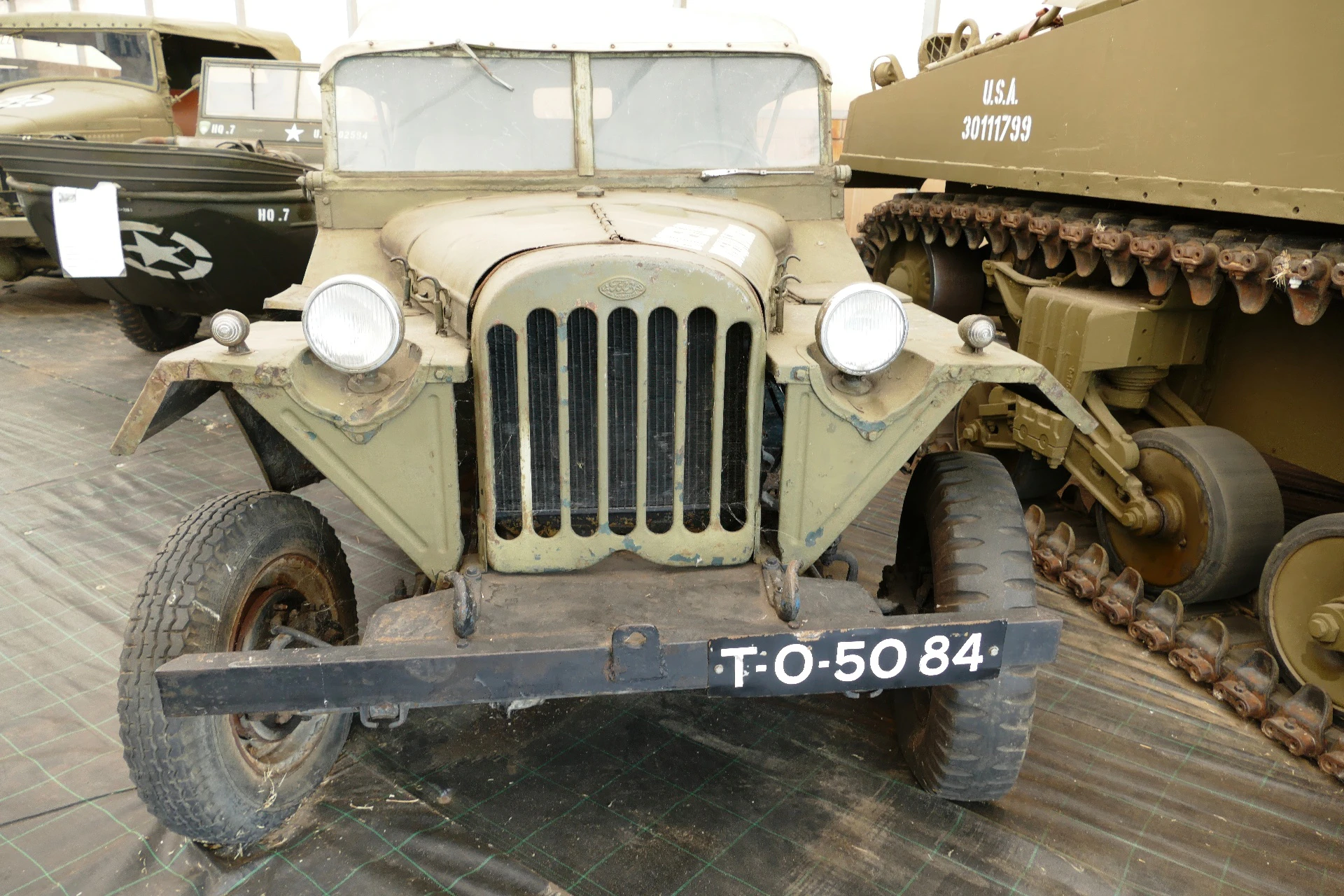
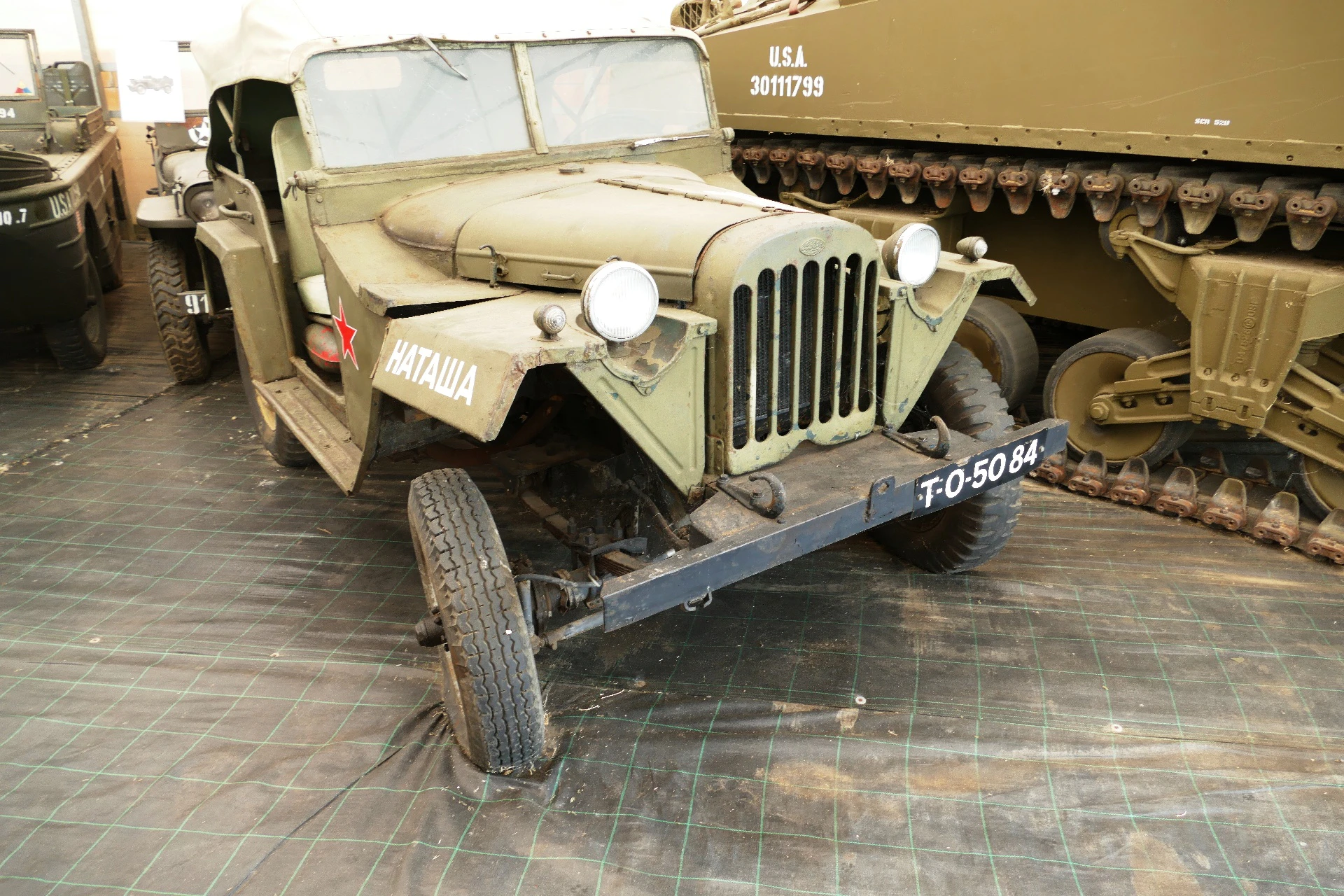
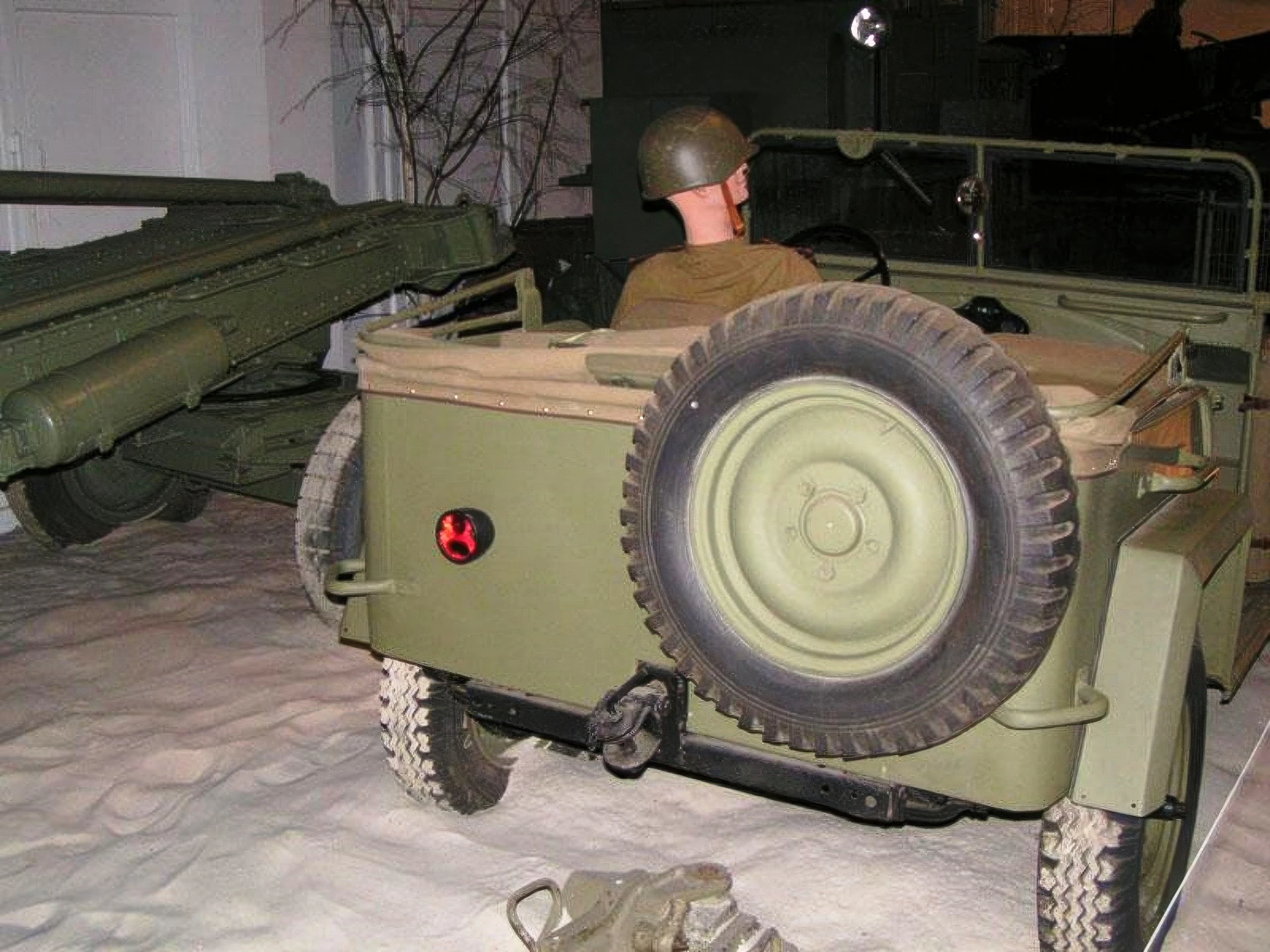
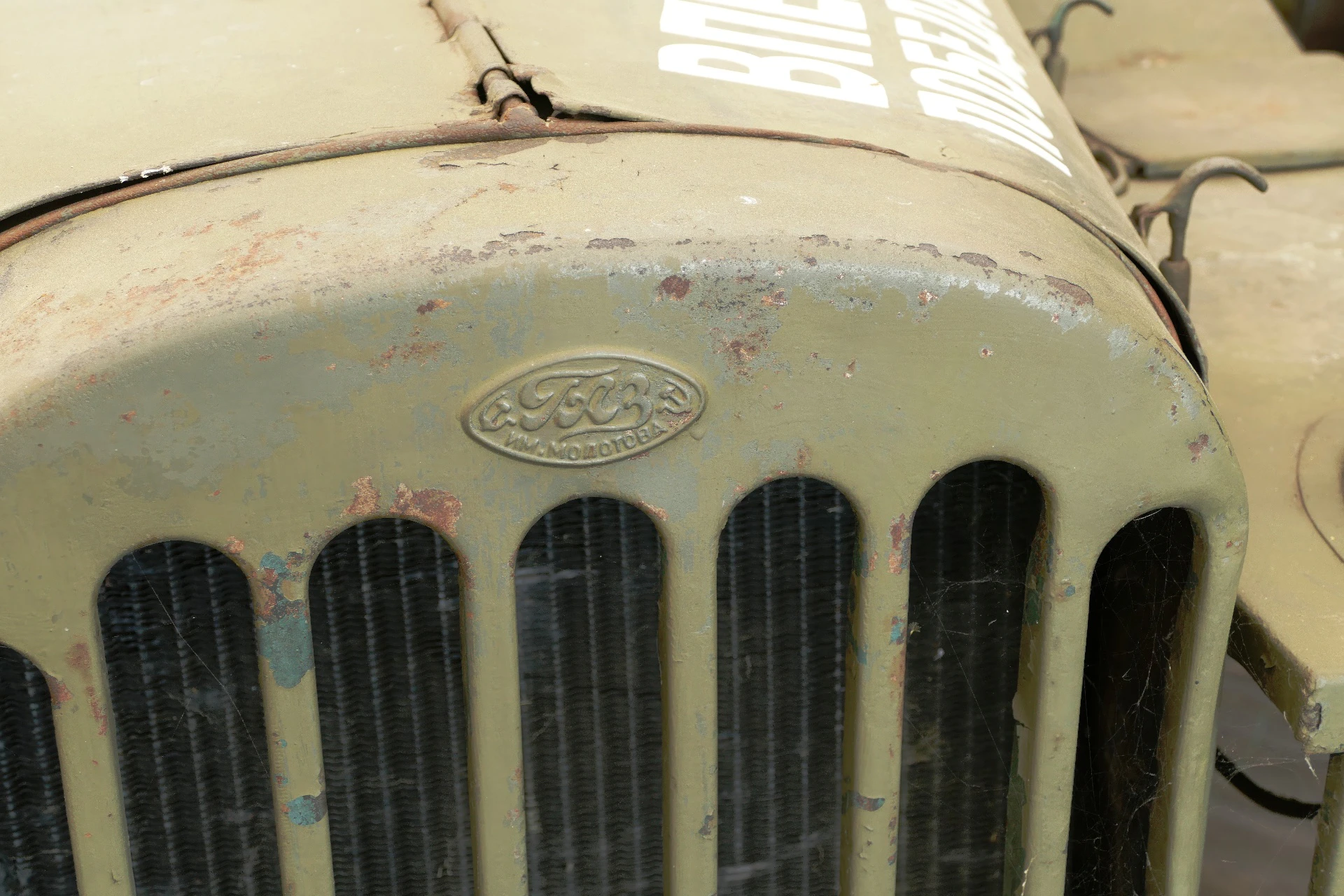
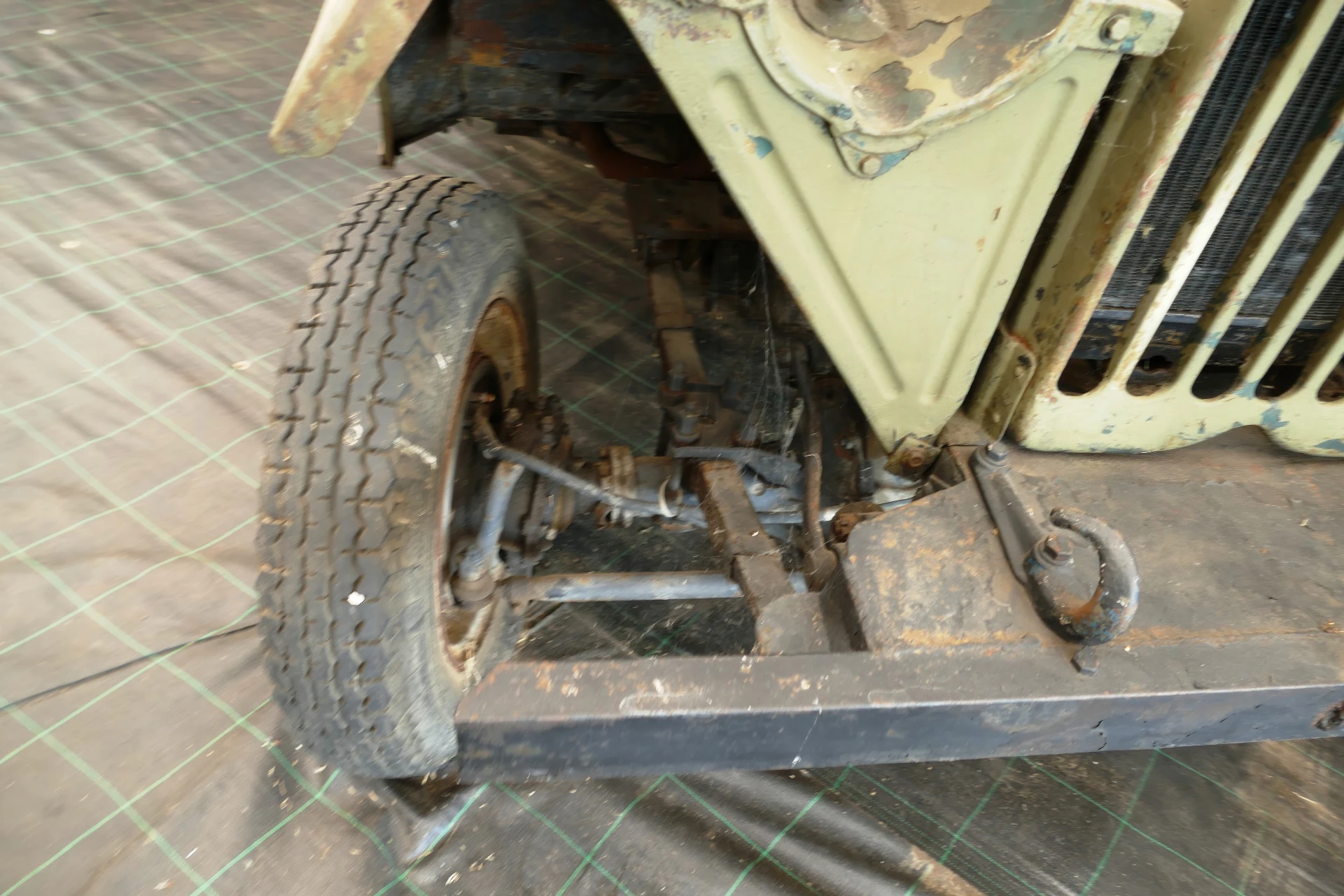
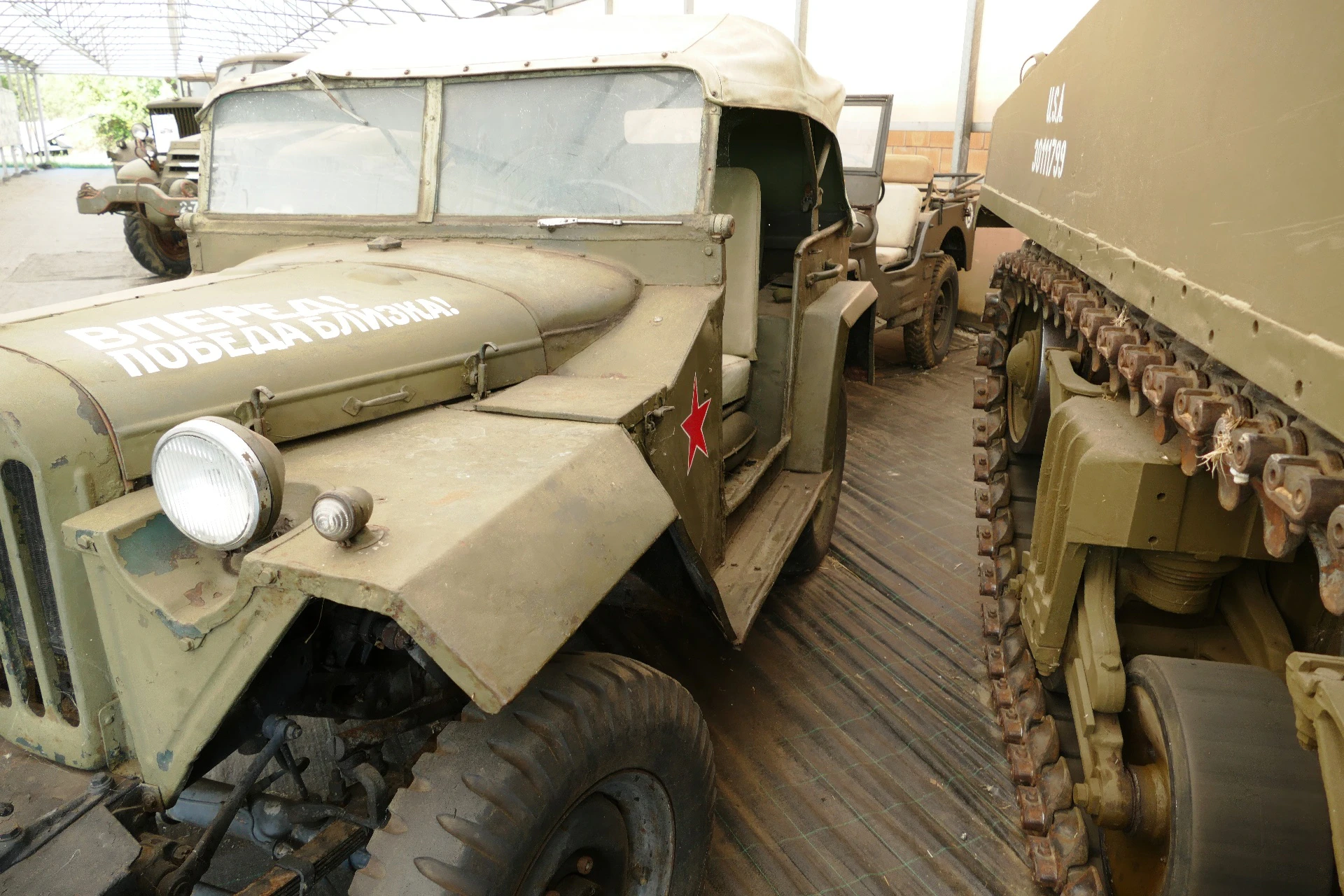
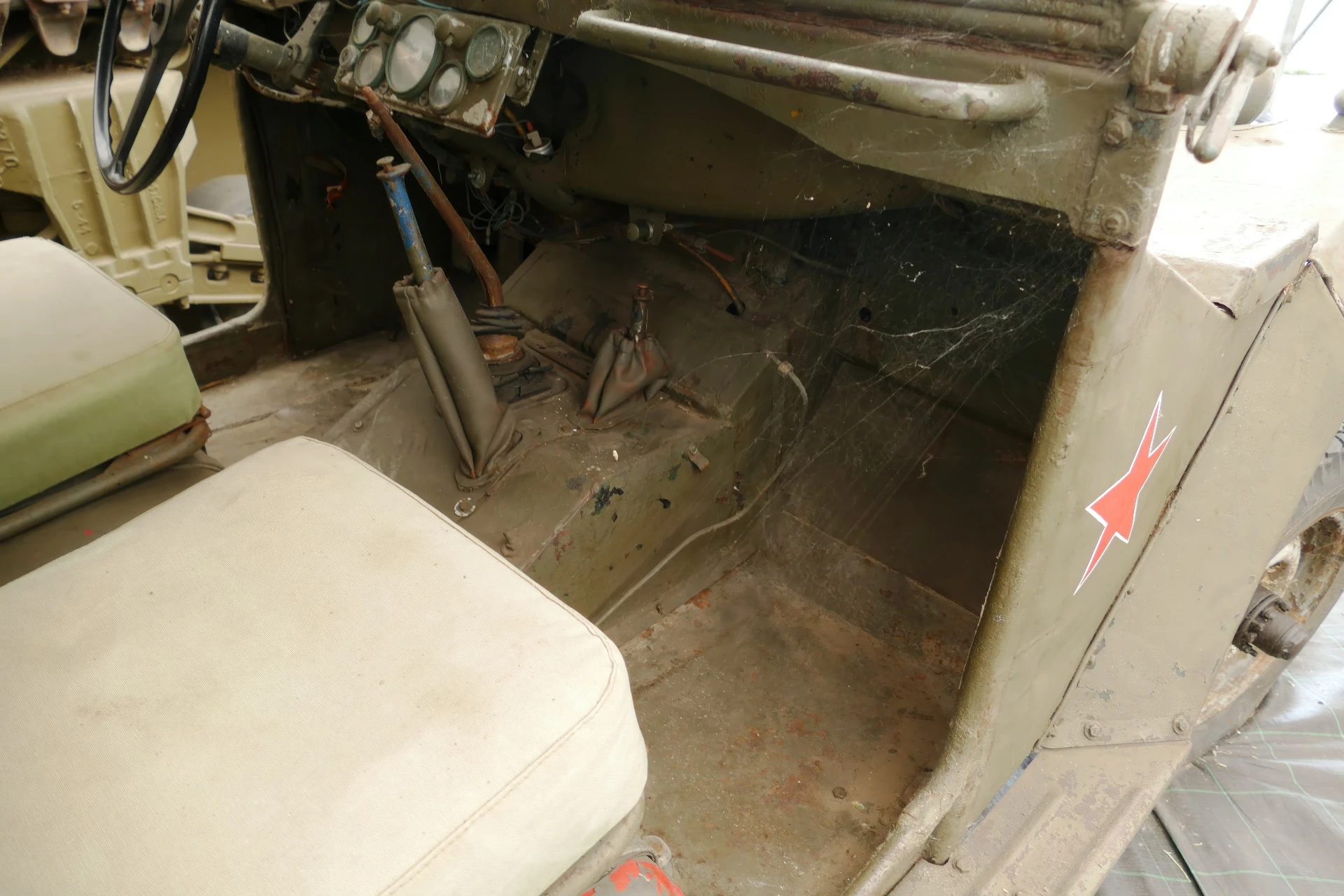
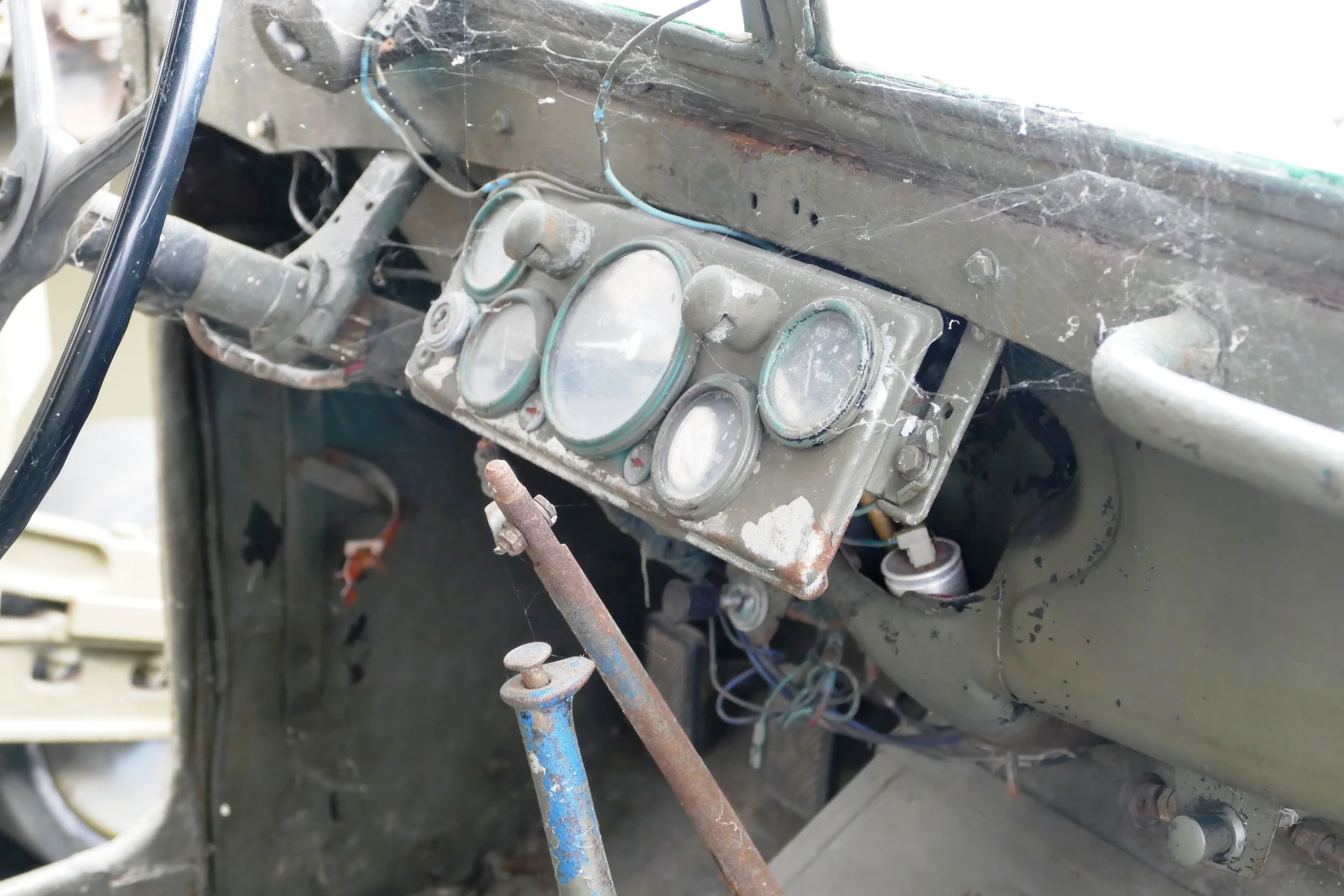
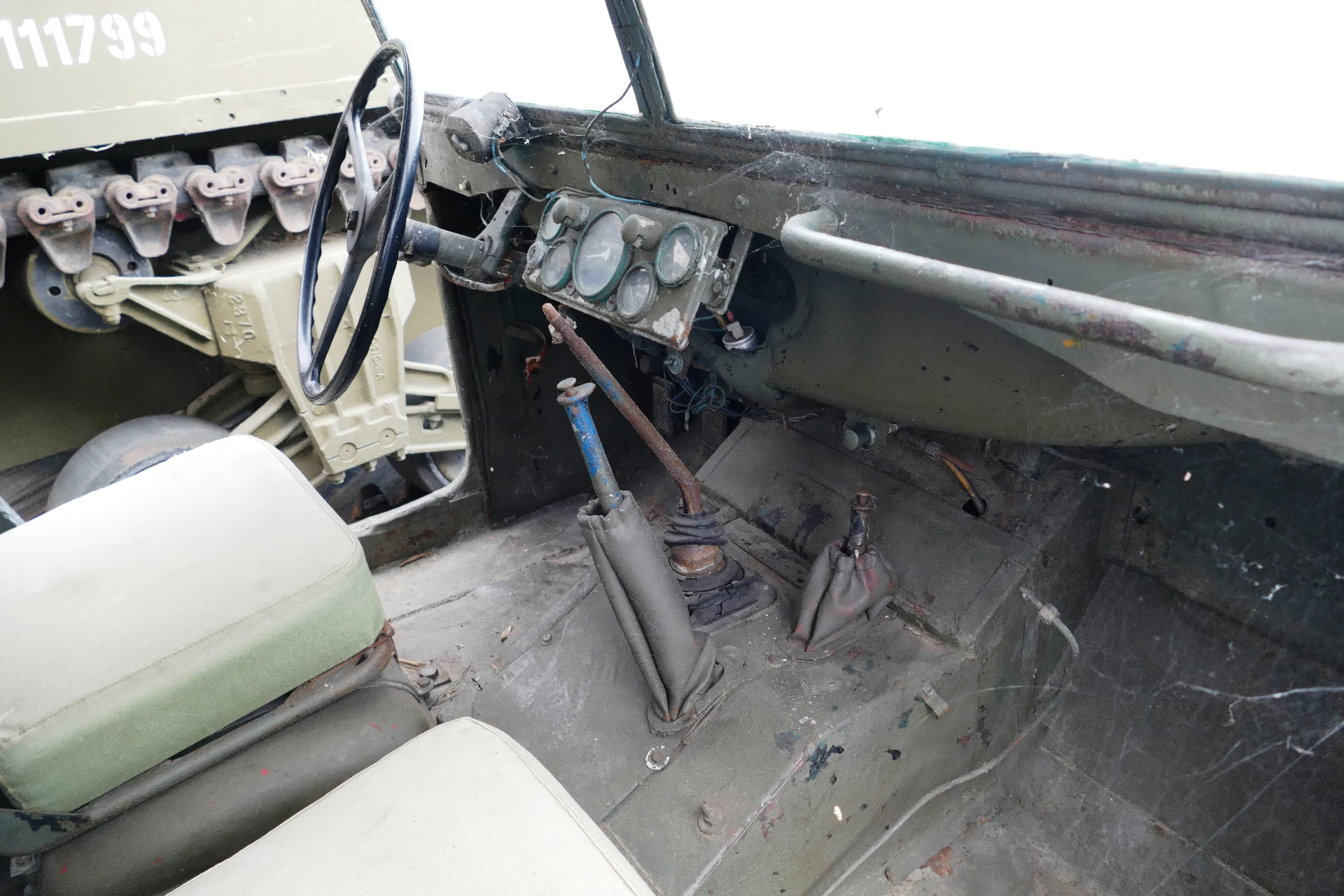

| GAZ-67B мобилна | |
|---|---|
| Фотограф | Не знам |
| Локализация | Не знам |
| Снимки | 220 |
| GaZ-67B разходка около | |
|---|---|
| Фотограф | Андрей Николаев |
| Локализация | Не знам |
| Снимки | 31 |
| ГАЗ-67 Разходка Около | |
|---|---|
| Фотограф | Не знам |
| Локализация | Не знам |
| Снимки | 36 |
Вижте също:


General Characteristics and Role
The GAZ-67B is a rugged, four-wheel-drive (4×4) light utility vehicle produced by the Gorky Automobile Plant (GAZ) in the Soviet Union during and immediately after World War II. It was an improved version of the earlier GAZ-64 and GAZ-67 models. Often referred to as the “Ivan-Willis” (a nod to the American Willys MB Jeep it superficially resembled and often served alongside), the GAZ-67B played a crucial role in the Red Army. Its main roles included transporting commanders and staff officers, acting as a reconnaissance and liaison vehicle, towing light artillery pieces (up to 45 mm anti-tank guns), and carrying small amounts of cargo or troops. The B-variant introduced wider tracks and other minor mechanical improvements over its predecessor.
| Property | Typical Value (GAZ-67B) |
|---|---|
| Тип | Light Military Utility Vehicle / Command Car |
| National Origin | Съветски съюз |
| Производителя | Gorky Automobile Plant (GAZ) |
| Production Years | 1944–1953 (GAZ-67B) |
| Crew Capacity | 1 to 4 (Driver and Passengers) |
| Cargo Capacity | Approximately 400 kg (880 lb) |
| Дължина | 3.35 m (11 ft 0 in) |
| Ширина | 1.69 m (5 ft 6.5 in) |
| Ground Clearance | 220 mm (8.7 in) |
Powerplant and Performance
- Engine: GAZ 6-cylinder in-line, petrol (gasoline) engine (modified from a GAZ passenger car engine).
- Power Output: 54 hp (40 kW).
- Transmission: 4-speed manual gearbox with a 2-speed transfer case, providing 4×4 capability.
- Maximum Road Speed: 90 km/h (56 mph).
- Fuel Economy: Relatively poor fuel consumption compared to its rivals, a known trait of its truck-based engine.
- Key Feature: Known for its extreme robustness and excellent off-road performance due to high ground clearance, simple four-wheel-drive system, and solid axles.
Service History and Legacy
- Wartime Service: The GAZ-67B entered service late in World War II, replacing its less powerful predecessors and quickly becoming a staple for Soviet commanders across the Eastern Front.
- Post-War Use: Production continued long after the war, filling the Soviet Union’s need for a light, powerful off-road vehicle until it was replaced by the more modern GAZ-69 in 1953.
- Distinctive Features: The vehicle is easily identified by its lack of doors (or simple canvas doors), large steering wheel, and its characteristic wide, slatted grille.
- Enduring Symbol: Despite being less well-known internationally than the Willys Jeep, the GAZ-67B is a symbol of Soviet industrial resilience and played a key logistical and command role during the final years of the Great Patriotic War.
Views : 6441
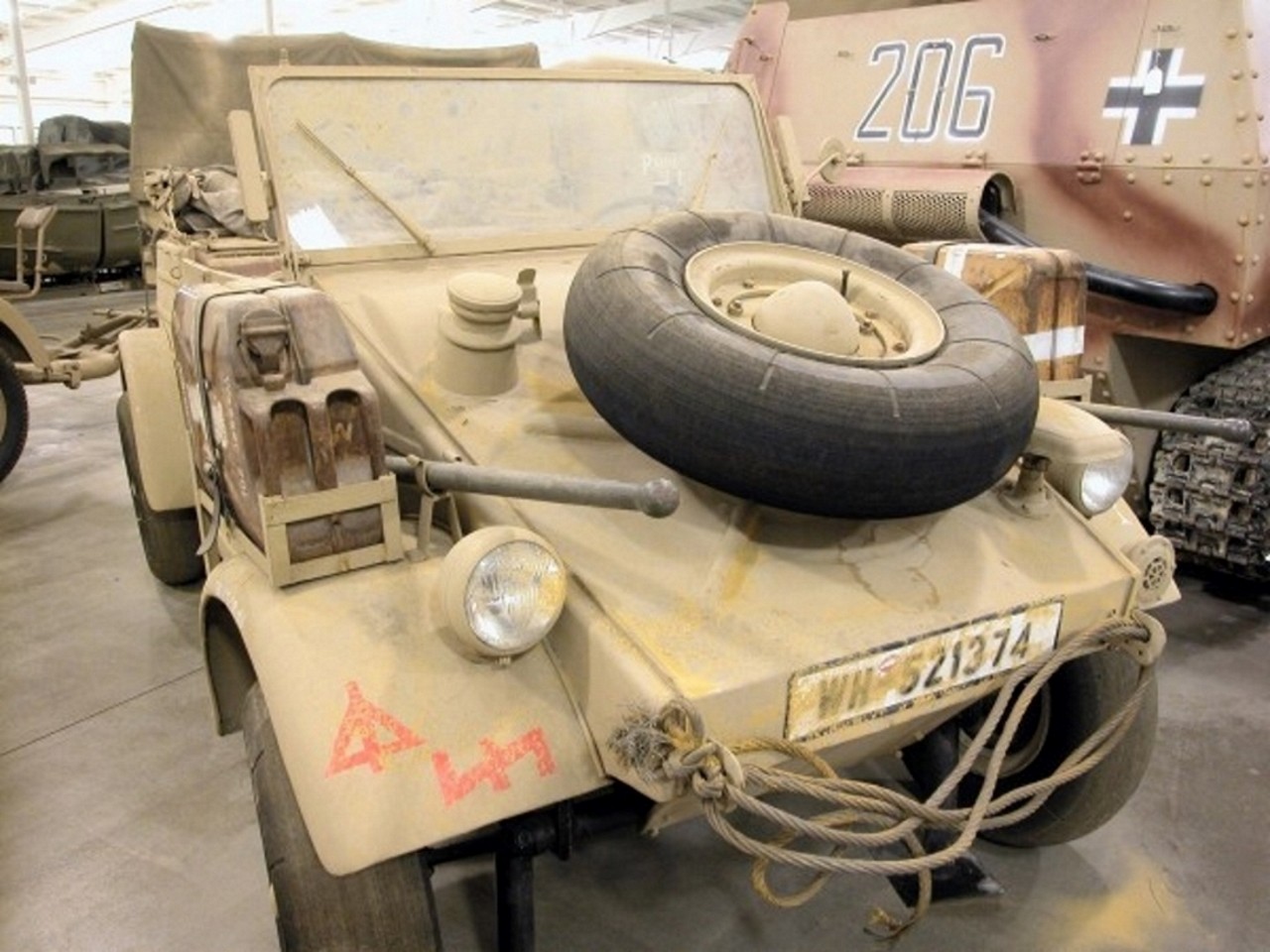
sziasztok én е епитени кездтем 1 db ГАЗ 67-est talán kész lesz 2016 ноемврире ! Азерт сок apró hiányoságal küszkődöm амит ritka találni hozzá .