军用飞机 | |
|---|---|
| 国家 | 意大利 |
| 类型 | 轰炸机 |
| 模型 | SM-79 |
| 主题 | 专辑 53 飞机的照片 萨沃亚·马尔切蒂 SM-79 |
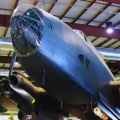
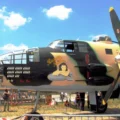
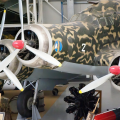
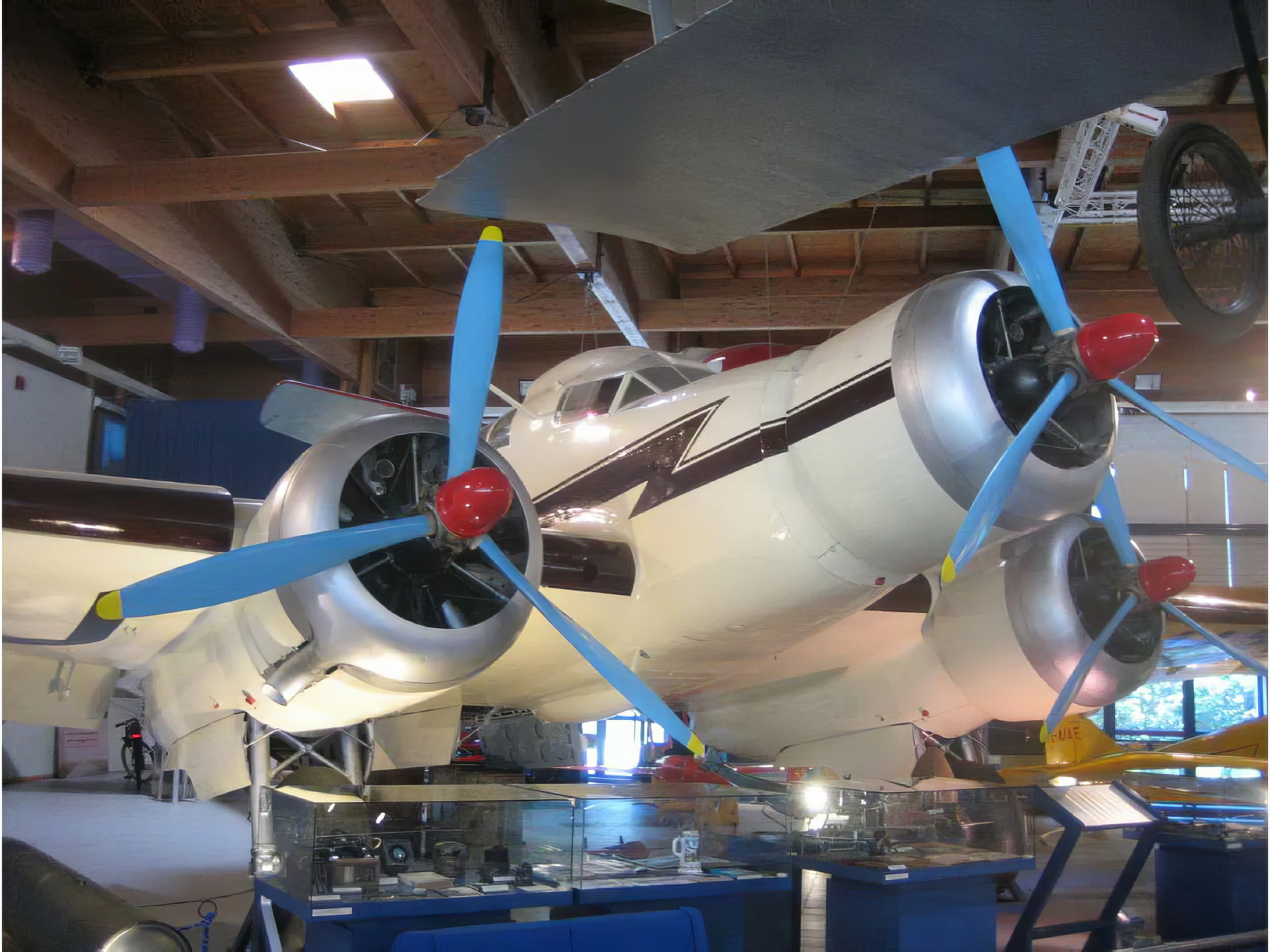
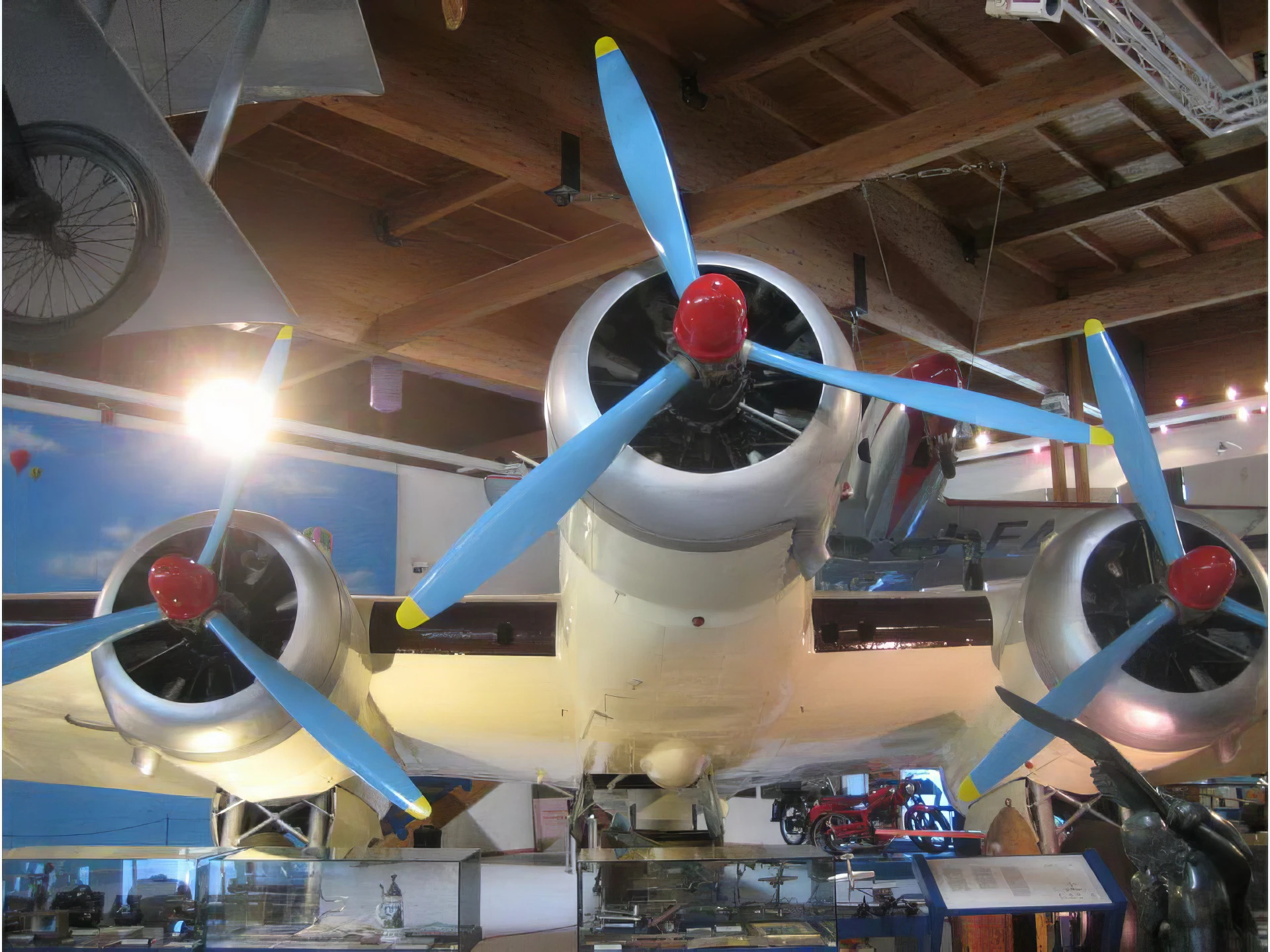
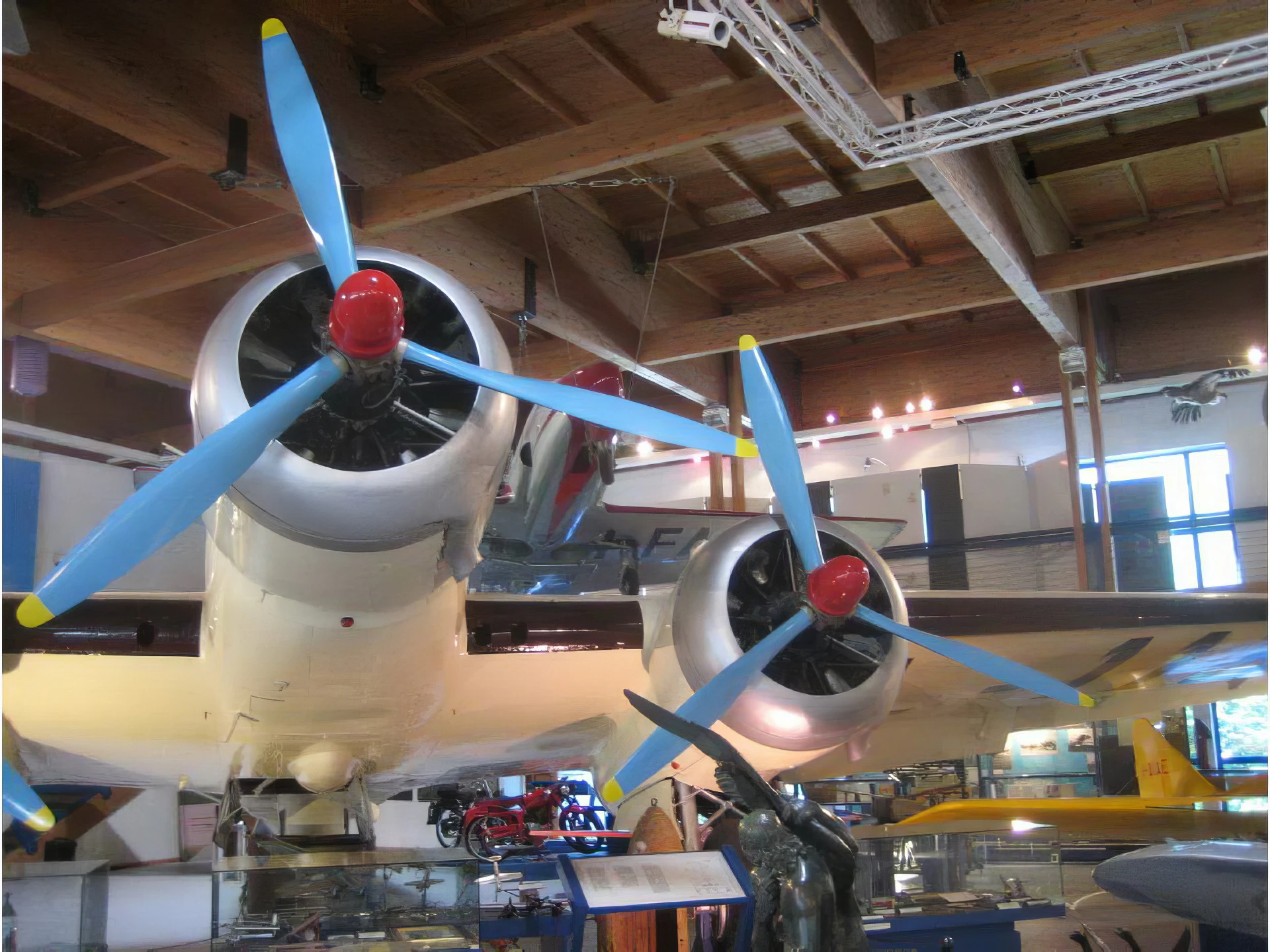
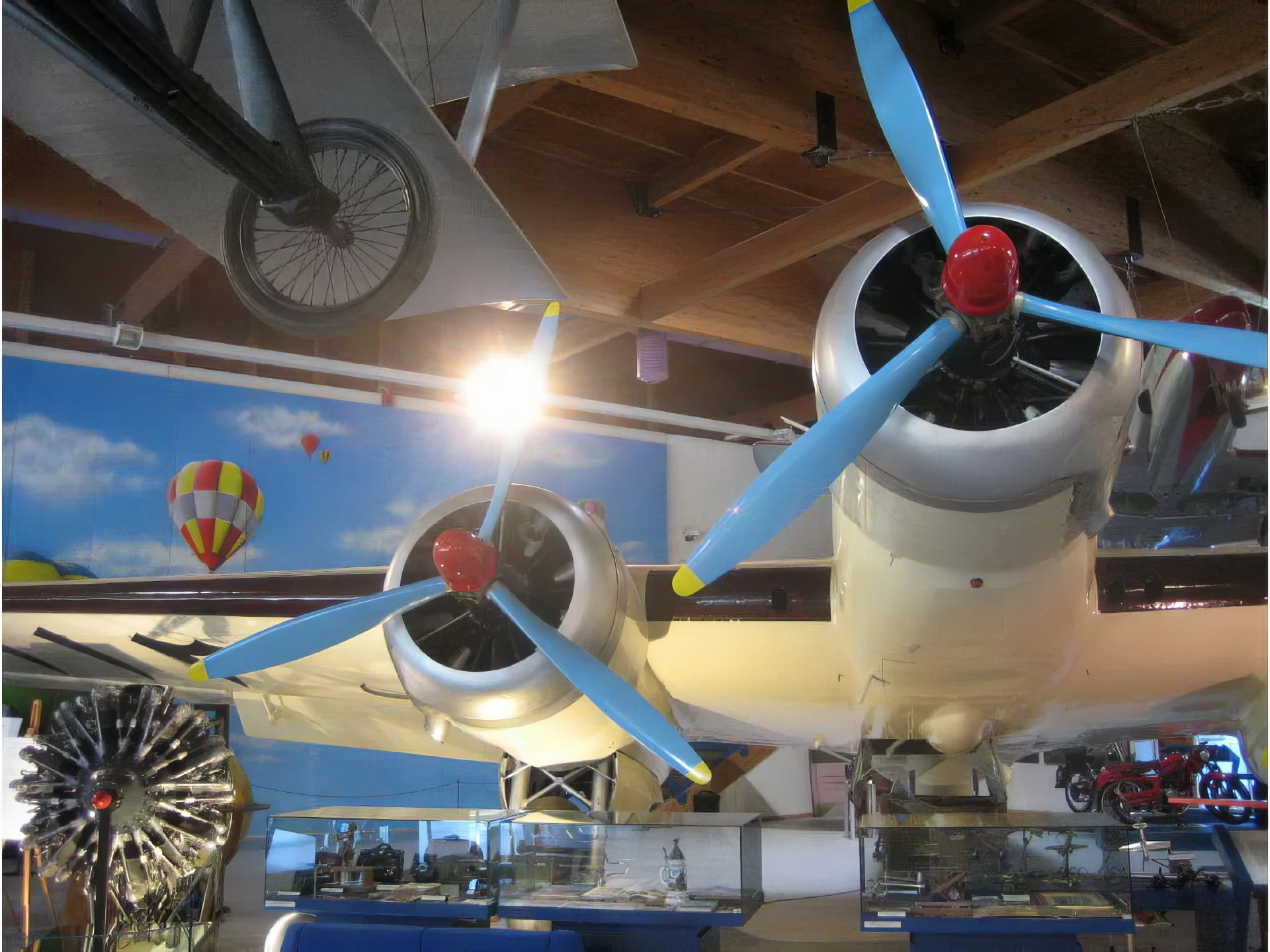
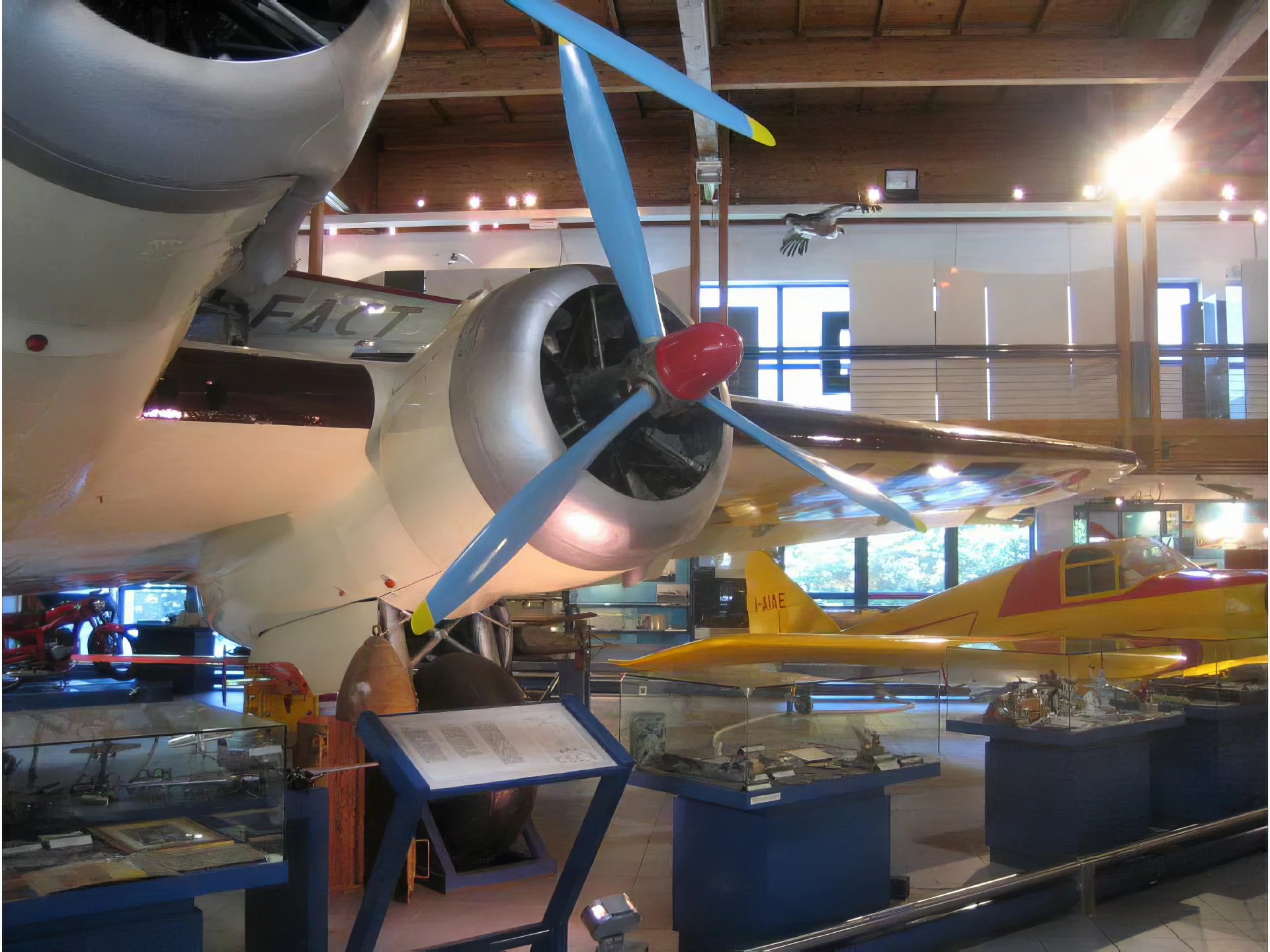
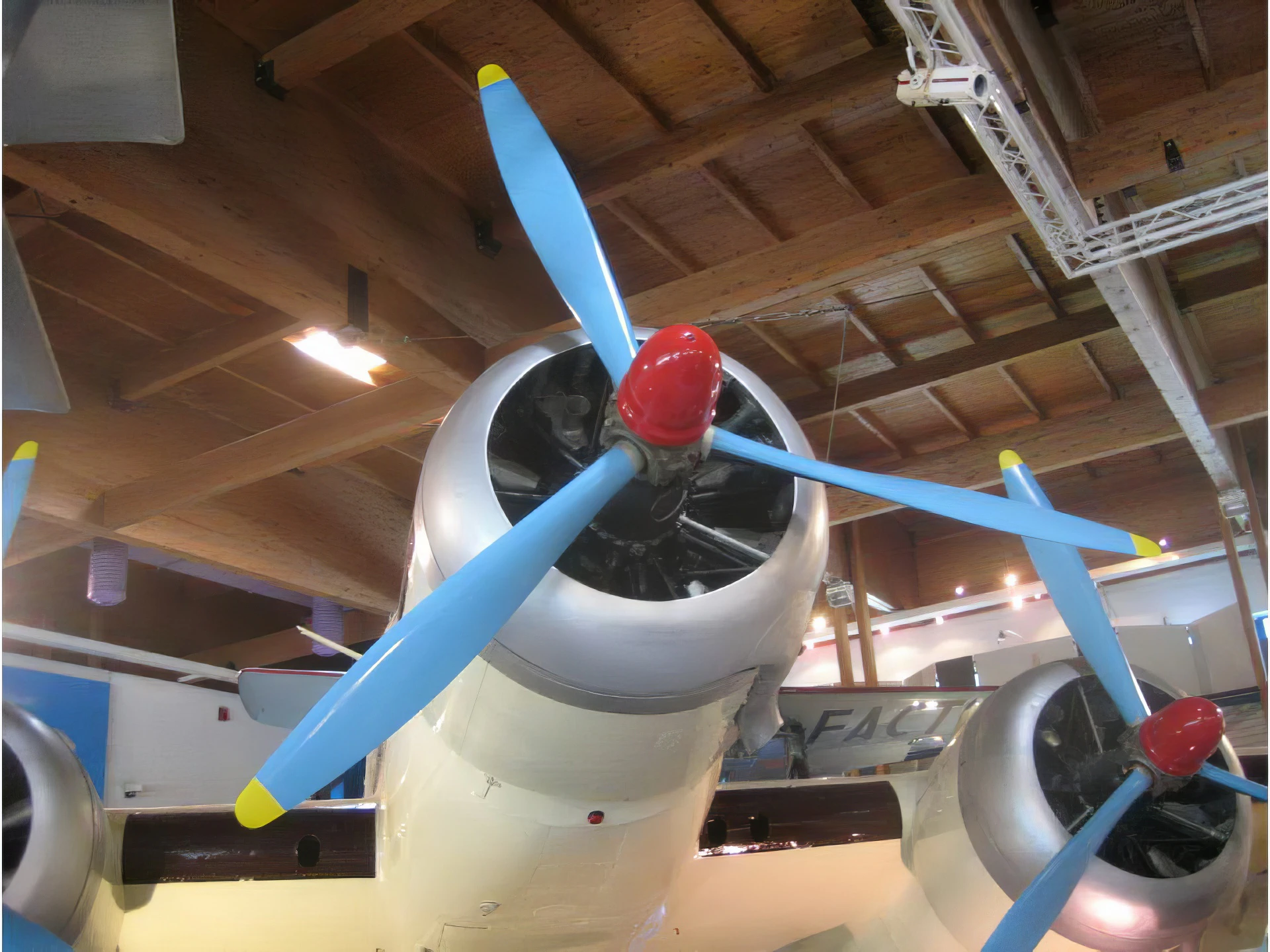
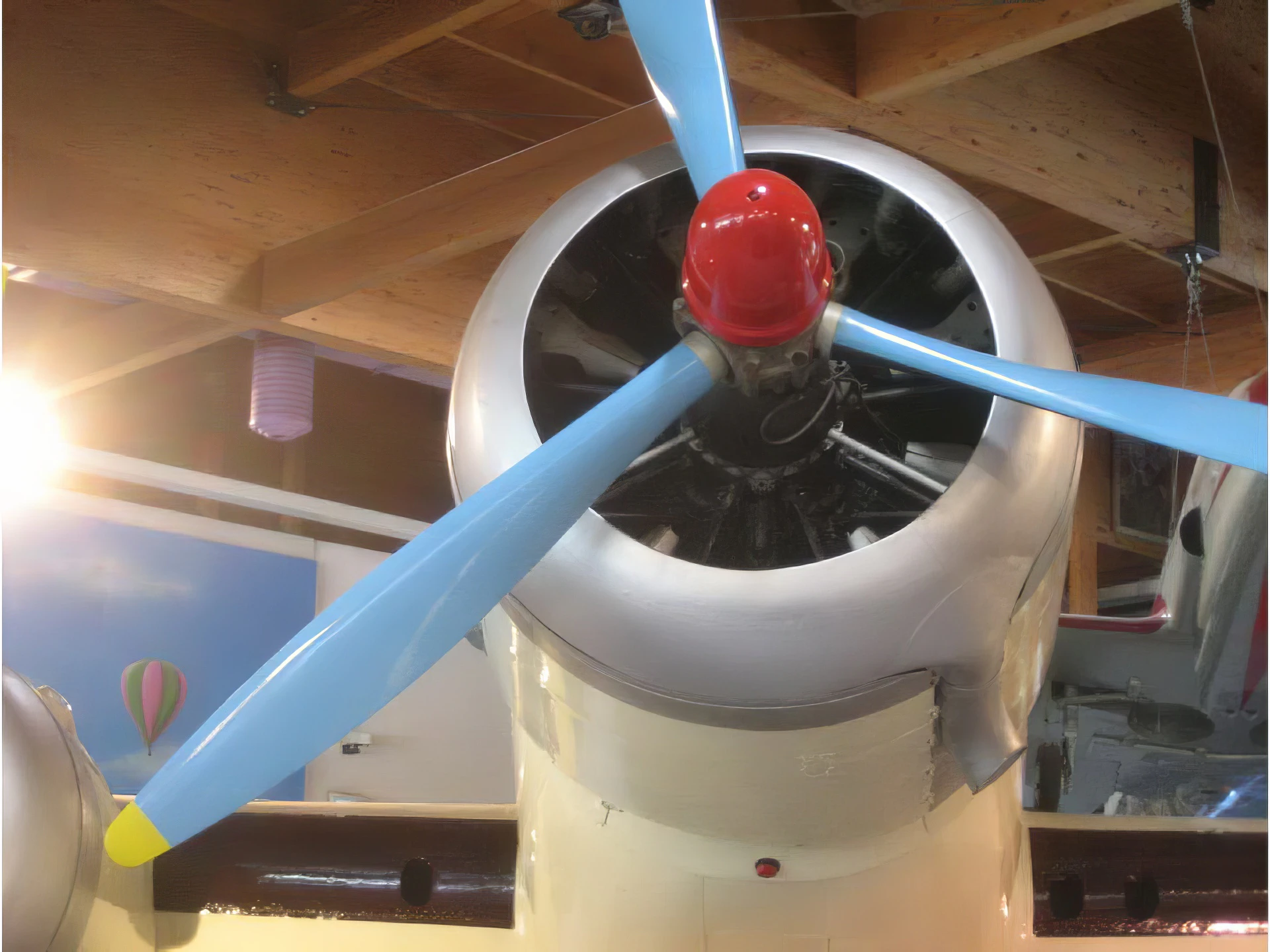
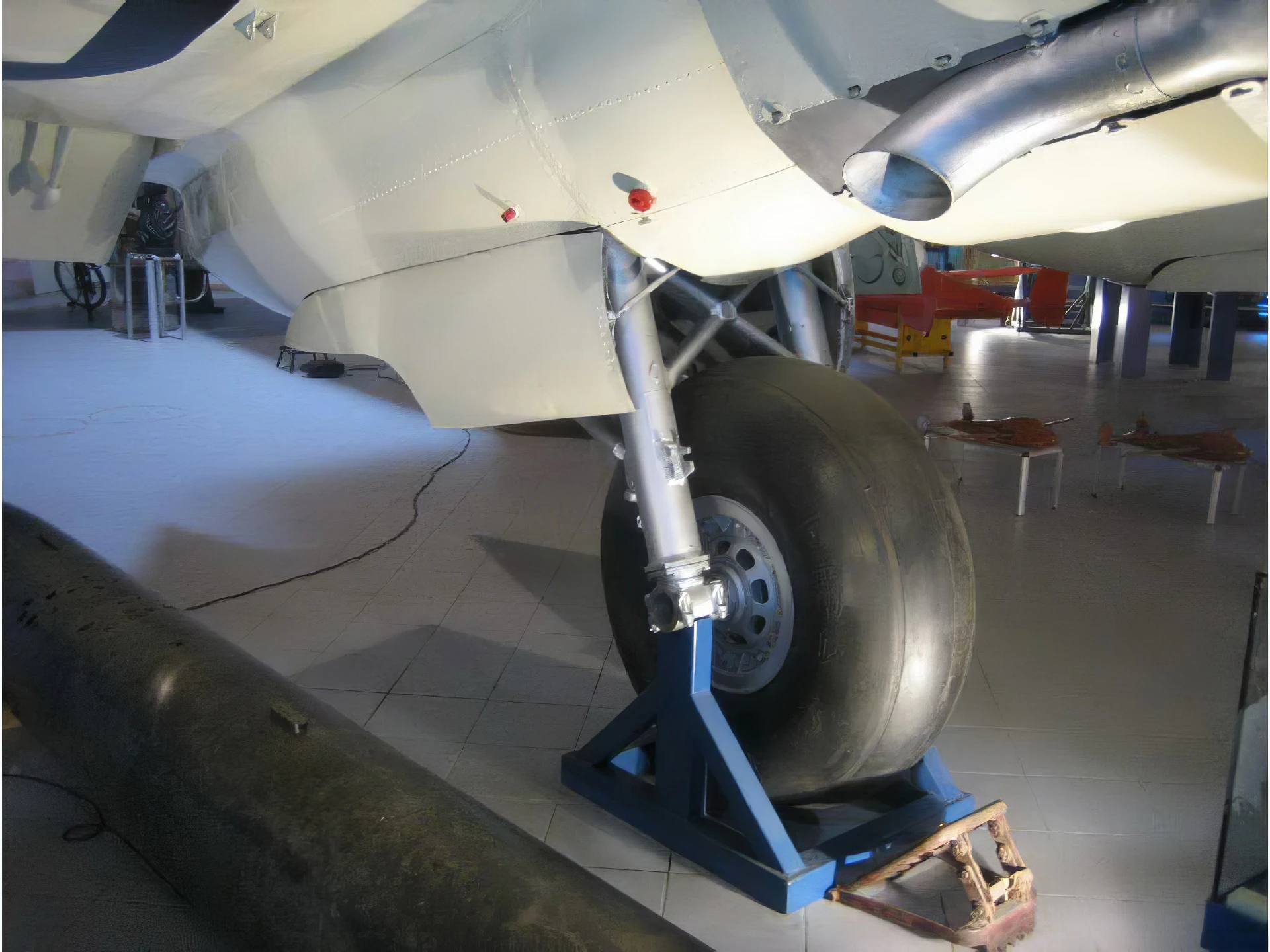
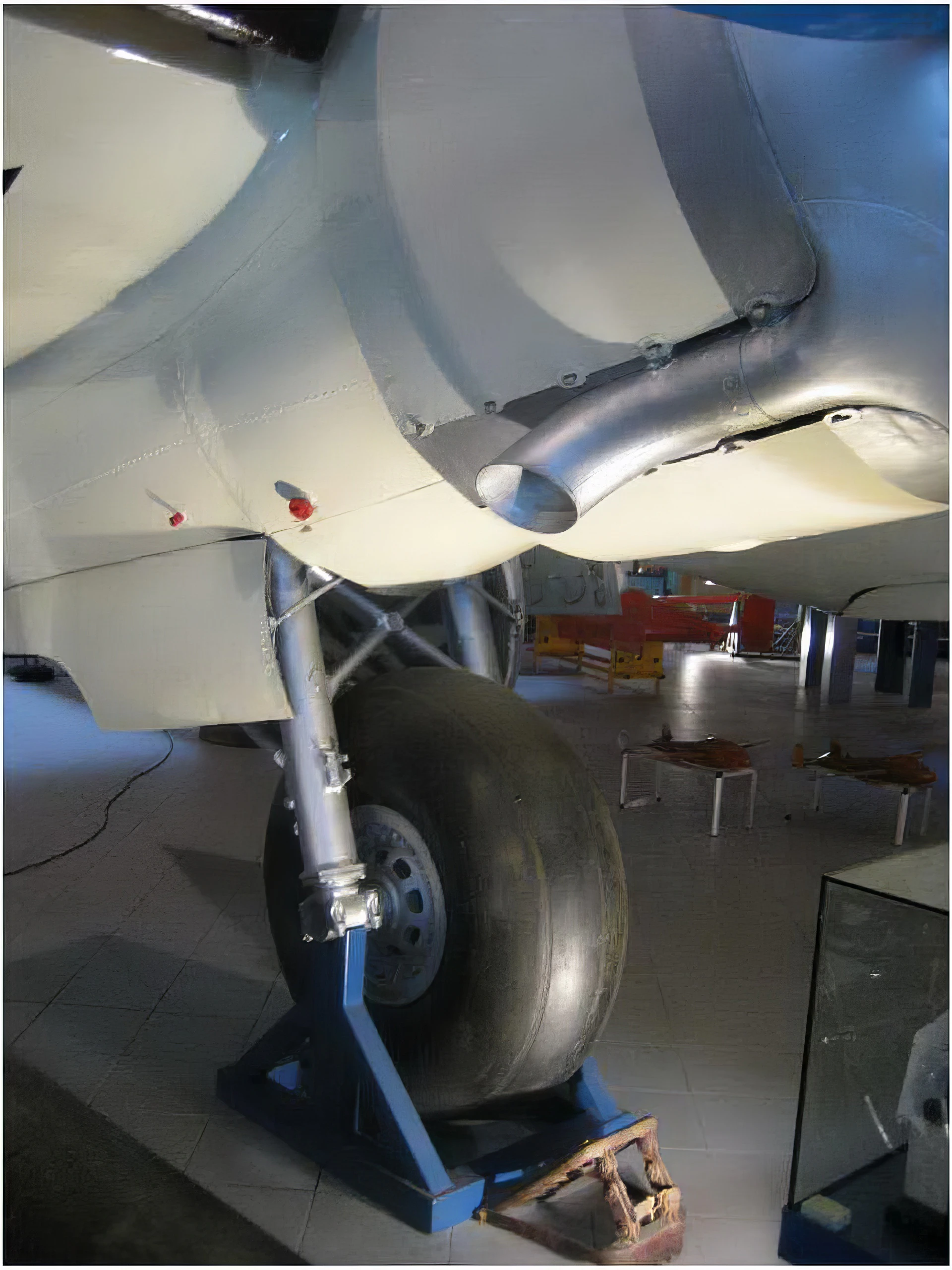
萨沃亚-马尔切蒂SM.79斯帕维耶罗(意大利语为"麻雀鹰")是一个三引擎的意大利中型轰炸机与木材和金属结构。在1937-39年,它最初被设计成一架快速客机,这种低翼单翼飞机,创造了26项世界纪录,在一段时间内,它有资格成为世界上最快的中型轰炸机。
它第一次看到西班牙内战期间的行动,并在第二次世界大战期间飞遍了意大利参与的所有战线。它成为著名的,并取得了许多成功,作为一个鱼雷轰炸机在地中海剧院。SM.79是一架杰出的飞机,肯定是二战中最著名的意大利飞机。它很容易辨认,因为它独特的机身背驼背,并深受其船员谁绰号它 Gobbo 马列德托(的驼背)。它是二战中生产最广泛的意大利轰炸机,建造了约1,300架,一直服役到1952年。源: 维基百科上的SM-79

另请参阅:


The Savoia-Marchetti SM.79 Sparviero was a famous Italian three-engined medium bomber and torpedo bomber that became arguably the best-known Italian aircraft of World War II. Initially designed as a fast, eight-passenger transport in the early 1930s, its excellent performance led to its adoption by the *Regia Aeronautica* (Italian Royal Air Force) for military service.
Design and Nickname
The SM.79 was a cantilever low-wing monoplane. Its construction was a combination of wood and metal, with a fuselage featuring a distinctive dorsal “hump” housing the fixed forward-firing machine gun and the dorsal gunner’s position. This unique silhouette earned it the crew nickname *il gobbo maledetto* (“damned hunchback”).
- Configuration: Trimotor (three engines), with one engine in the nose and one on each wing.
- 建设: Welded tubular steel fuselage frame, covered with a mix of duralumin, plywood, and fabric. All-wood wings.
- 船员: Typically 5 or 6 (pilot, co-pilot, flight engineer/gunner, radio operator, bombardier, rear gunner).
- Powerplant: Various radial engines, commonly three Alfa Romeo 126 RC.34 engines, each producing around 780 hp.
- Performance: Early versions set 26 world records between 1937 and 1939, giving it a reputation as one of the fastest medium bombers in the world at the time. Max speed was around 430 km/h.
Wartime Role
The SM.79 first saw combat during the Spanish Civil War and became the backbone of Italy’s bomber force at the start of World War II. It was the most numerous Italian bomber produced during the conflict, with over 1,300 units built.
- Medium Bomber: Used for conventional bombing on multiple fronts, including the Mediterranean, North Africa, and the Eastern Front. It carried an internal bomb load of up to 1,250 kg.
- Torpedo Bomber: In its most successful role, the SM.79-II variant was adapted to carry one or two external torpedoes (450 mm naval torpedoes) and achieved notable success attacking Allied shipping in the Mediterranean. These crews were highly celebrated in Italy.
- 装备: Defensive weaponry typically included three to four machine guns: a fixed forward-firing 12.7 mm machine gun in the dorsal hump, one flexible 12.7 mm gun in the dorsal position, and a flexible 12.7 mm gun in the ventral “gondola” (a retractable belly position).
The type remained in Italian service until 1952.
意见:4838