Lockheed P-38 Lightning | |
|---|---|
| 国家 | 美国 |
| 作用 | 重型战斗机 |
| 第一只苍蝇 | 1939年1月27日 |
| 建立 | 10037 |
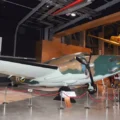
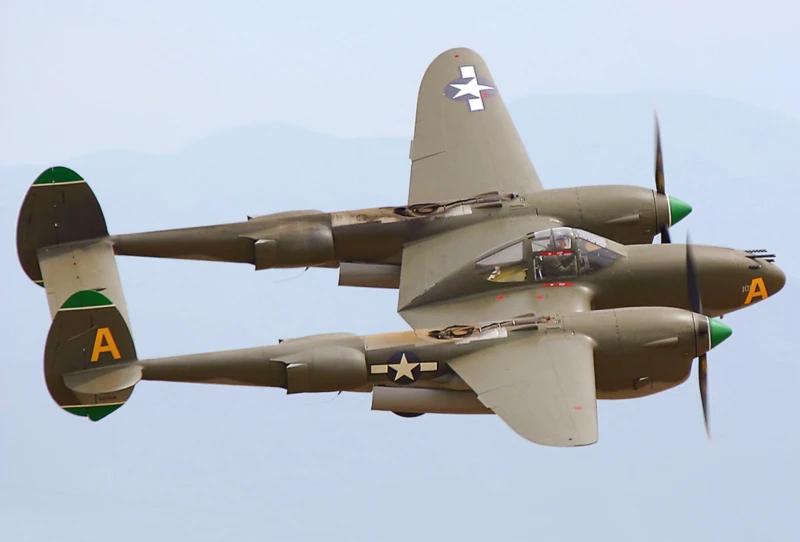
这 洛克希德P-38闪电 是二战时期的美国活塞发动机战斗机。P-38是根据美国陆军航空兵的要求研制的,具有独特的双动臂和包含驾驶舱和军备的中央导航器。盟军的宣传声称,它被拉夫特瓦夫和"两架飞机"戏称为叉尾魔鬼(德国人:德加贝尔施万茨-特费尔) 一个试点"(2+,+1+1000++日文日中真纪子,伊帕伊罗托)。P-38用于拦截、潜水轰炸、水平轰炸、地面攻击、夜间战斗、照片侦察、雷达和轰炸机的视觉路径搜寻以及疏散任务,并在机翼下配备投下坦克时广泛用作远程护航战斗机。
源: 洛克希德P-38闪电维基百科
| 洛克希德P-38闪电 | |
|---|---|
| 摄影师 | 未知 |
| 本地化 | 未知 |
| 照片 | 20 |
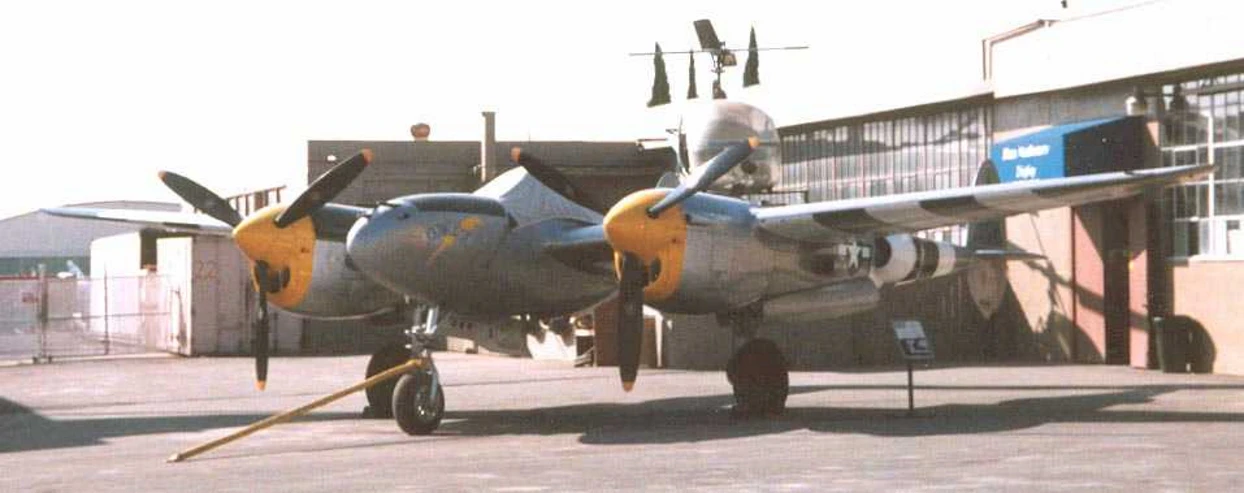
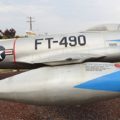
Lockheed P-38 Lightning 01
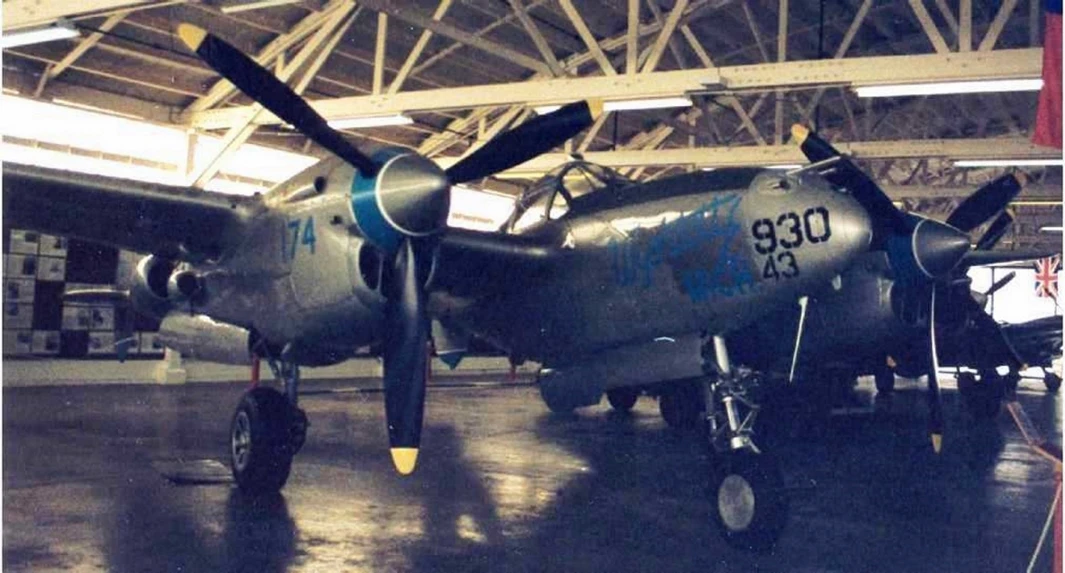
Lockheed P-38 Lightning 02
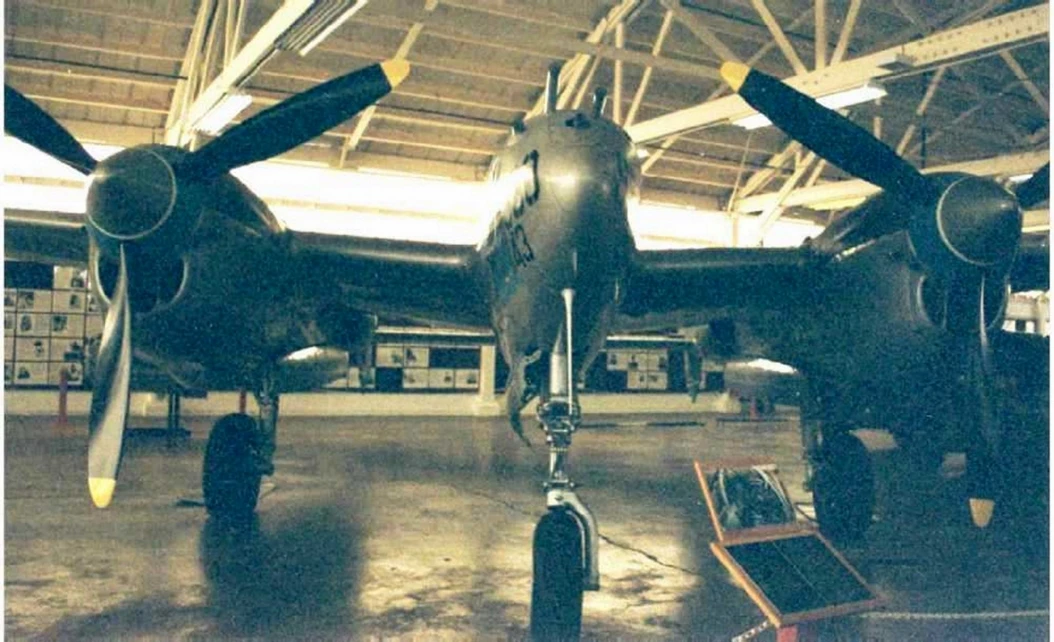
Lockheed P-38 Lightning 03
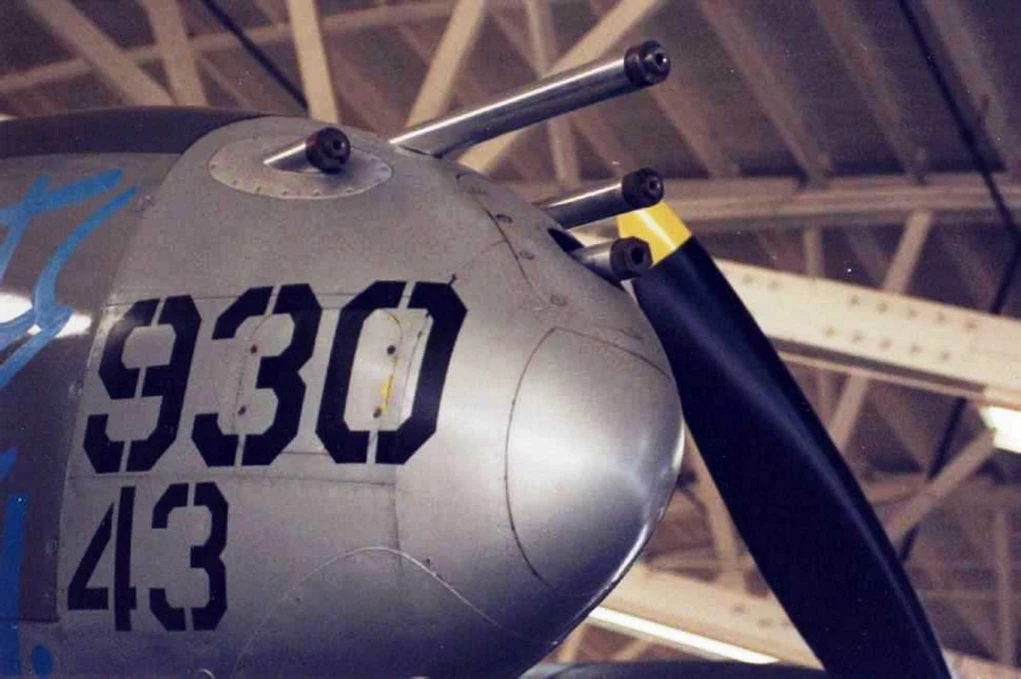
Lockheed P-38 Lightning 04
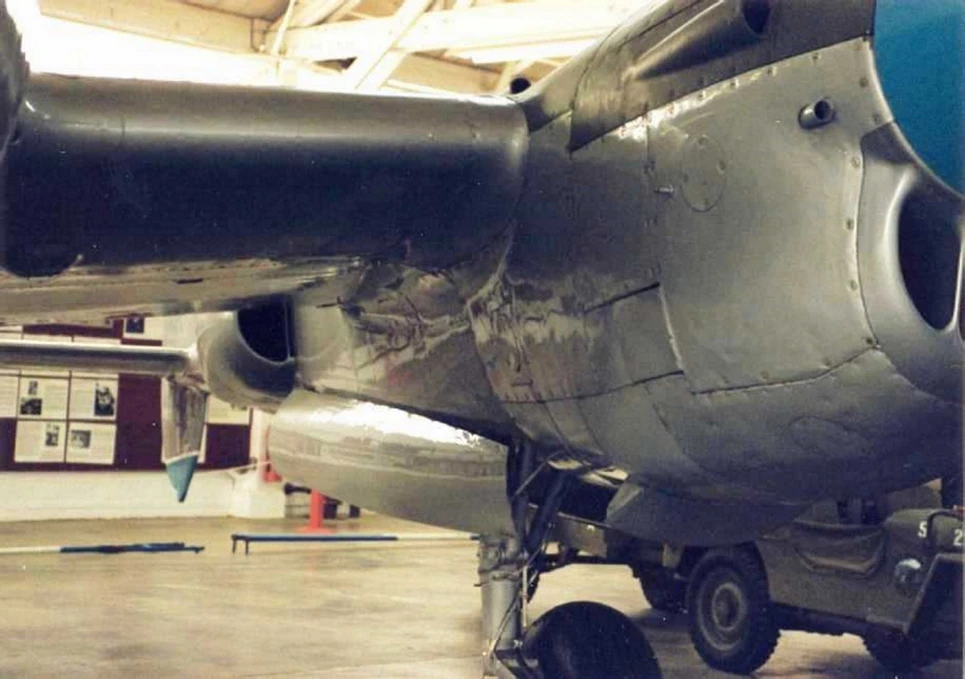
Lockheed P-38 Lightning 05
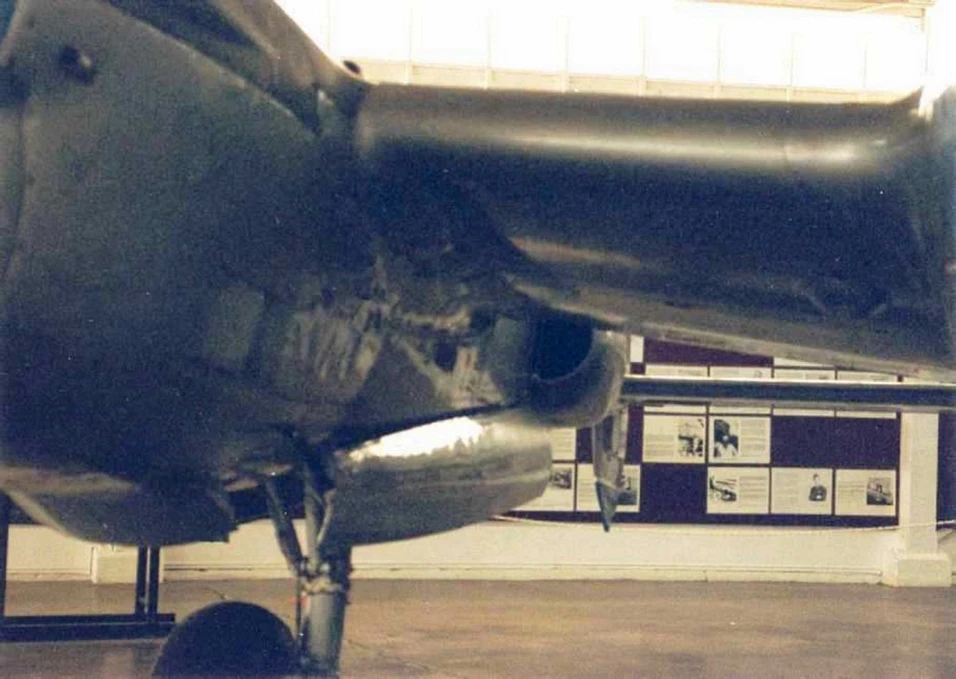
Lockheed P-38 Lightning 06
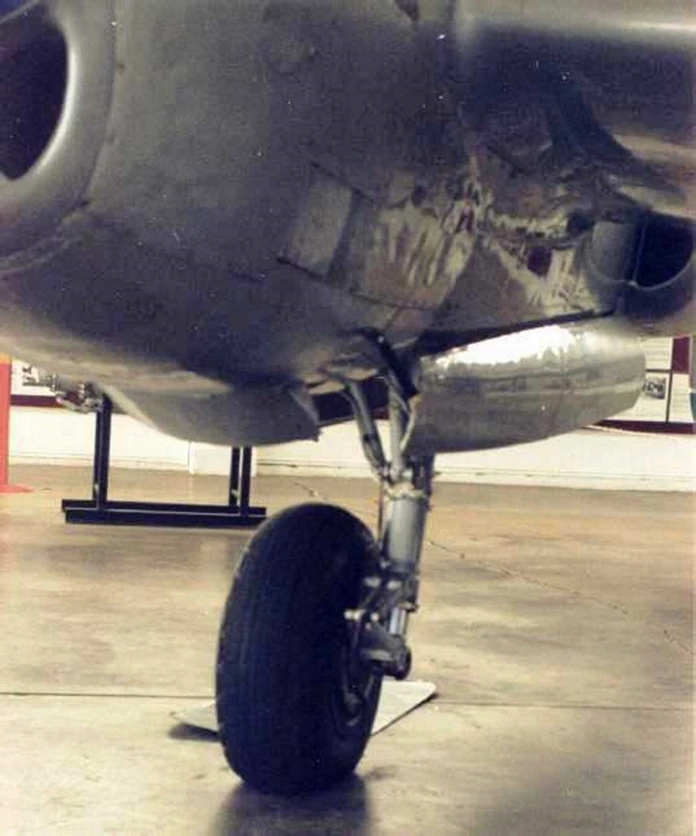
Lockheed P-38 Lightning 07
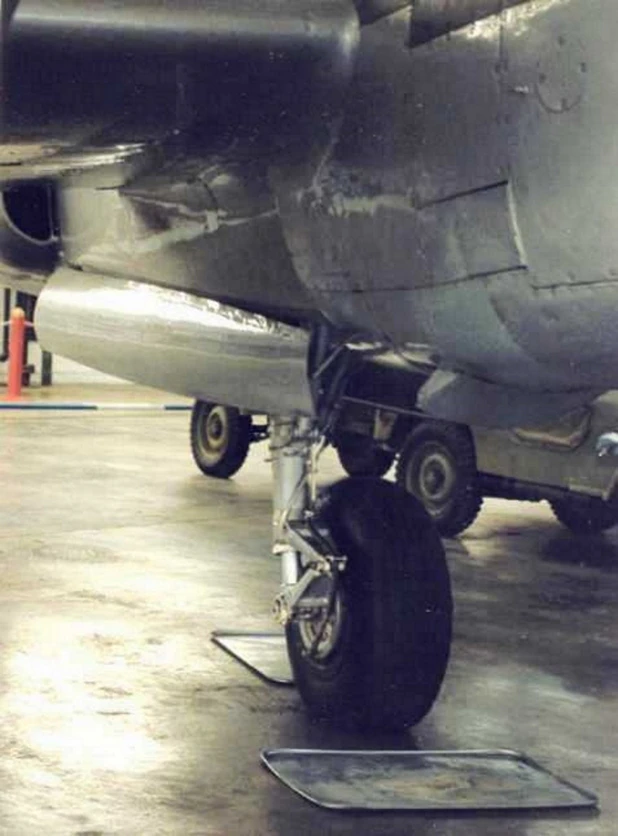
Lockheed P-38 Lightning 08
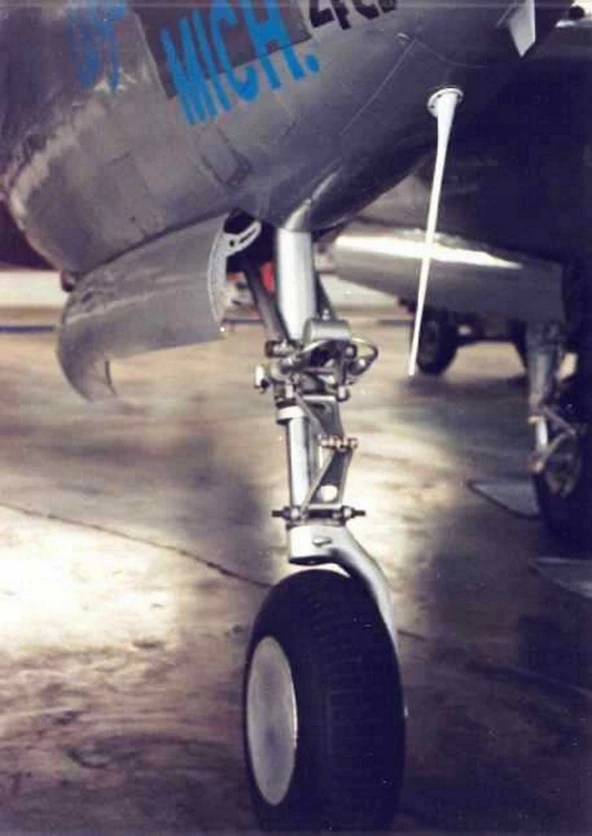
Lockheed P-38 Lightning 09
等等, 搜索洛克希德 P - 38 闪电给你...

| 洛克希德P-38闪电(完整版) | |
|---|---|
| 摄影师 | 未知 |
| 本地化 | 未知 |
| 照片 | 52 |
| Lockheed P-38L Lightning Walk Around | |
|---|---|
| 摄影师 | 塞斯·亨德里克斯 |
| 本地化 | 未知 |
| 照片 | 25 |
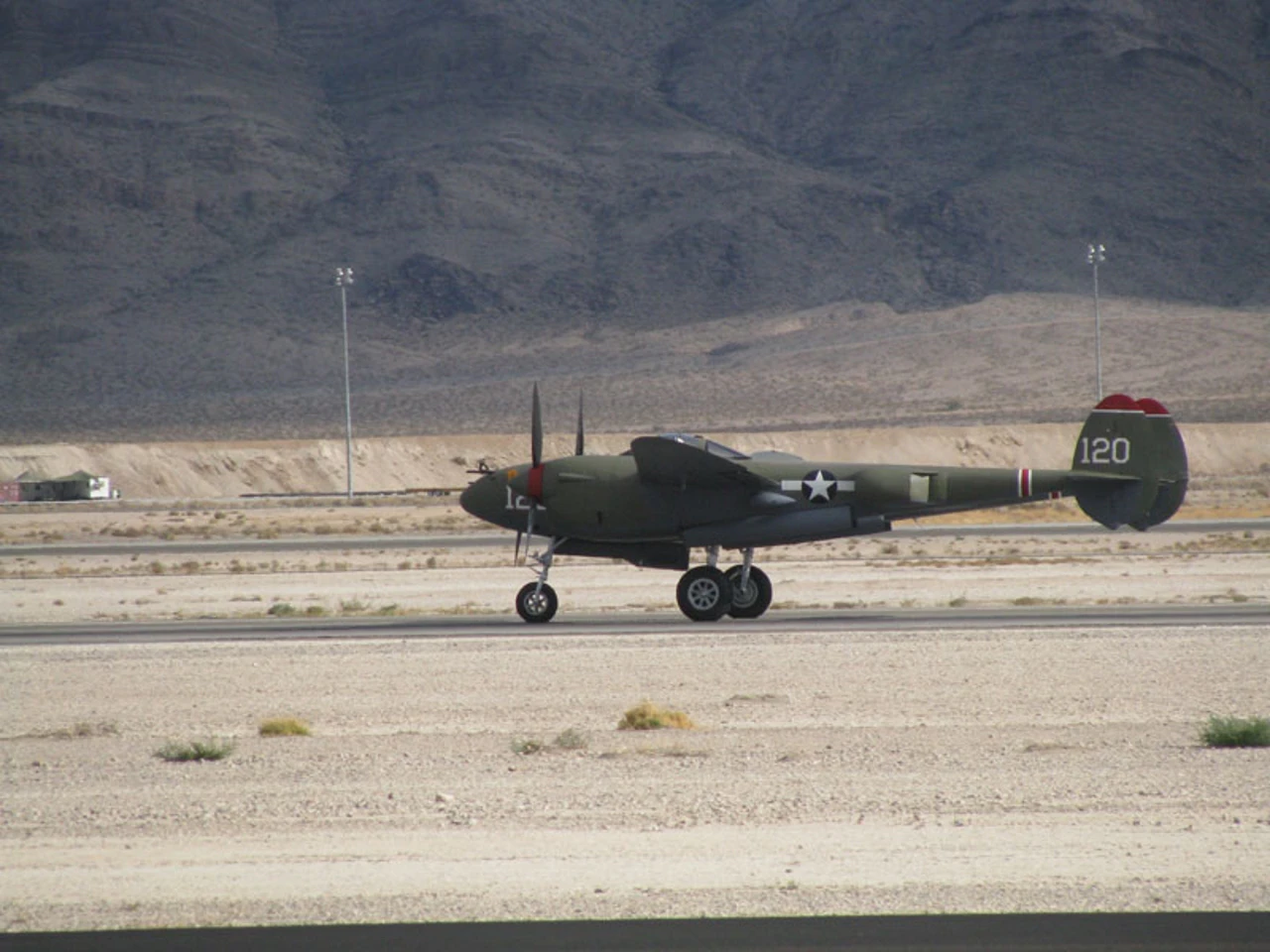
Lockheed P-38L Lightning 01
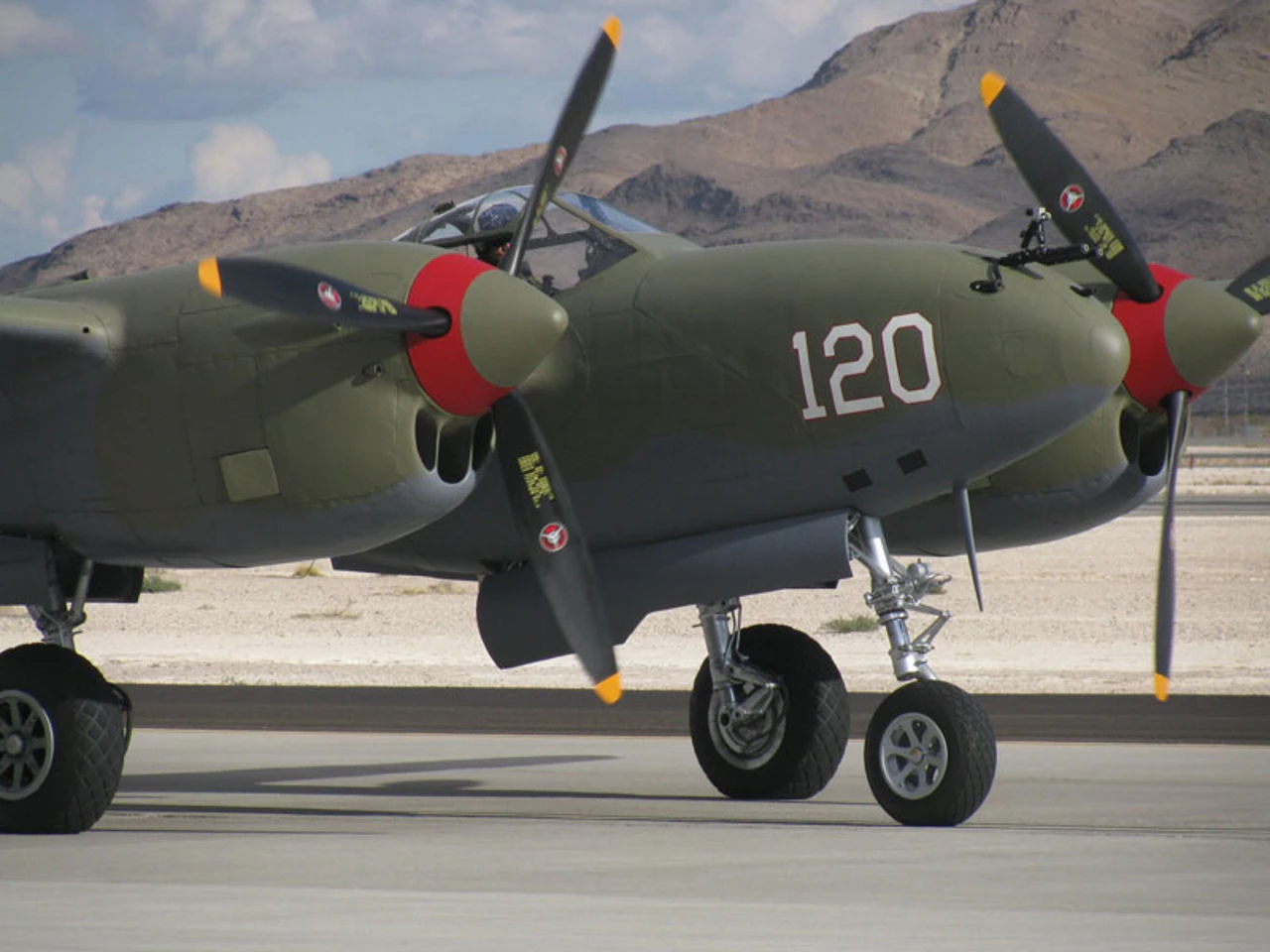
Lockheed P-38L Lightning 02
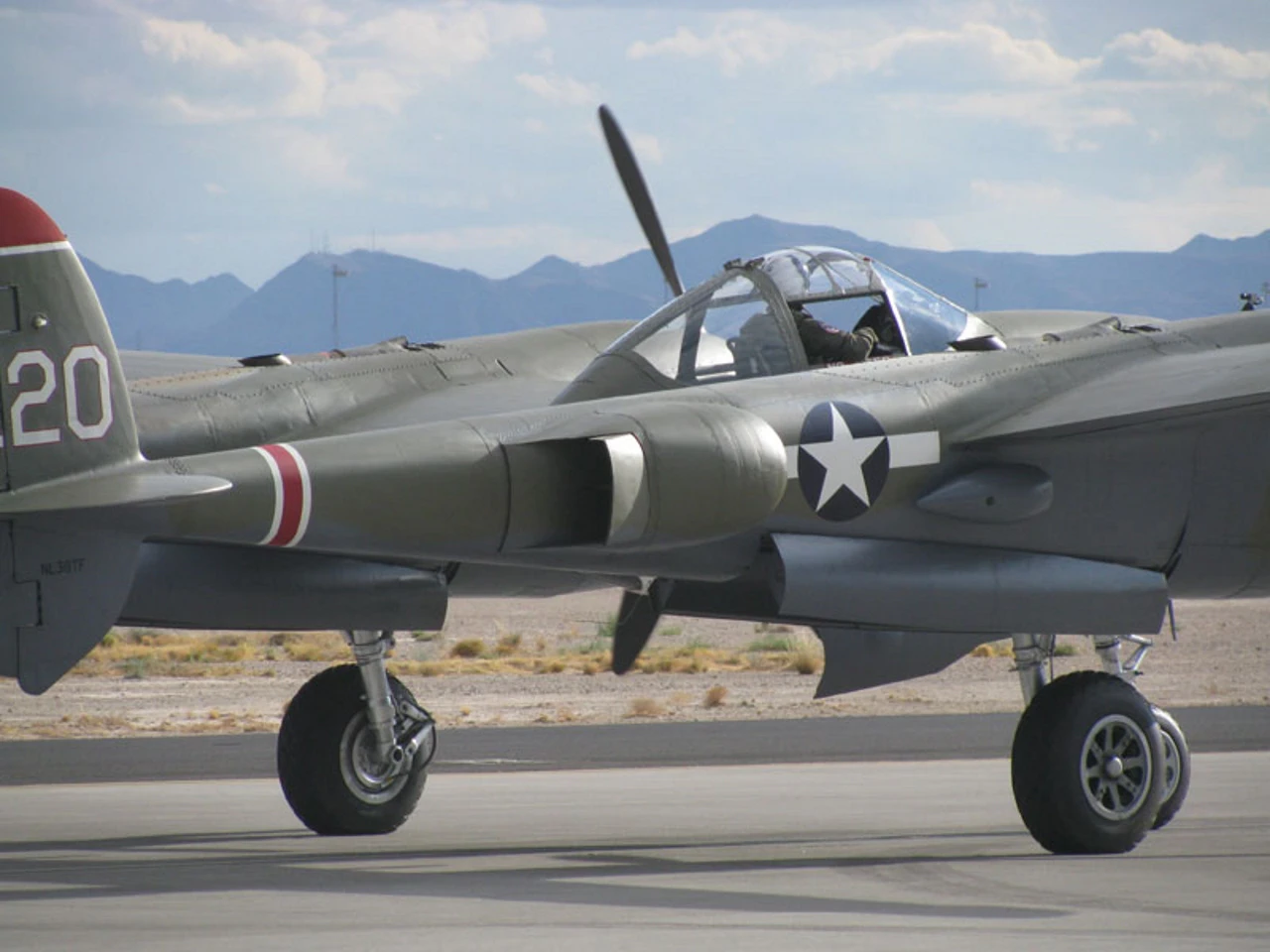
Lockheed P-38L Lightning 03
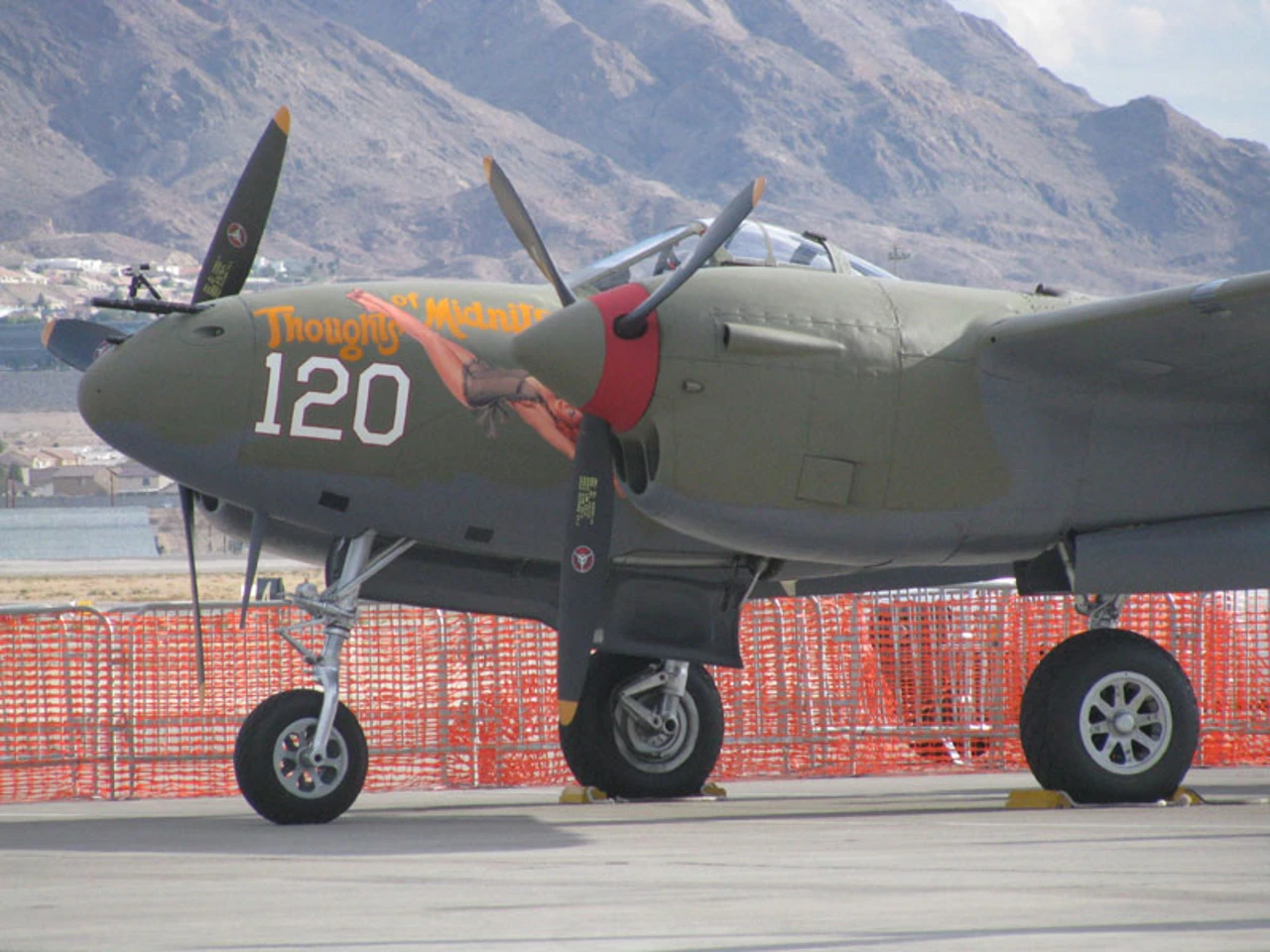
Lockheed P-38L Lightning 04
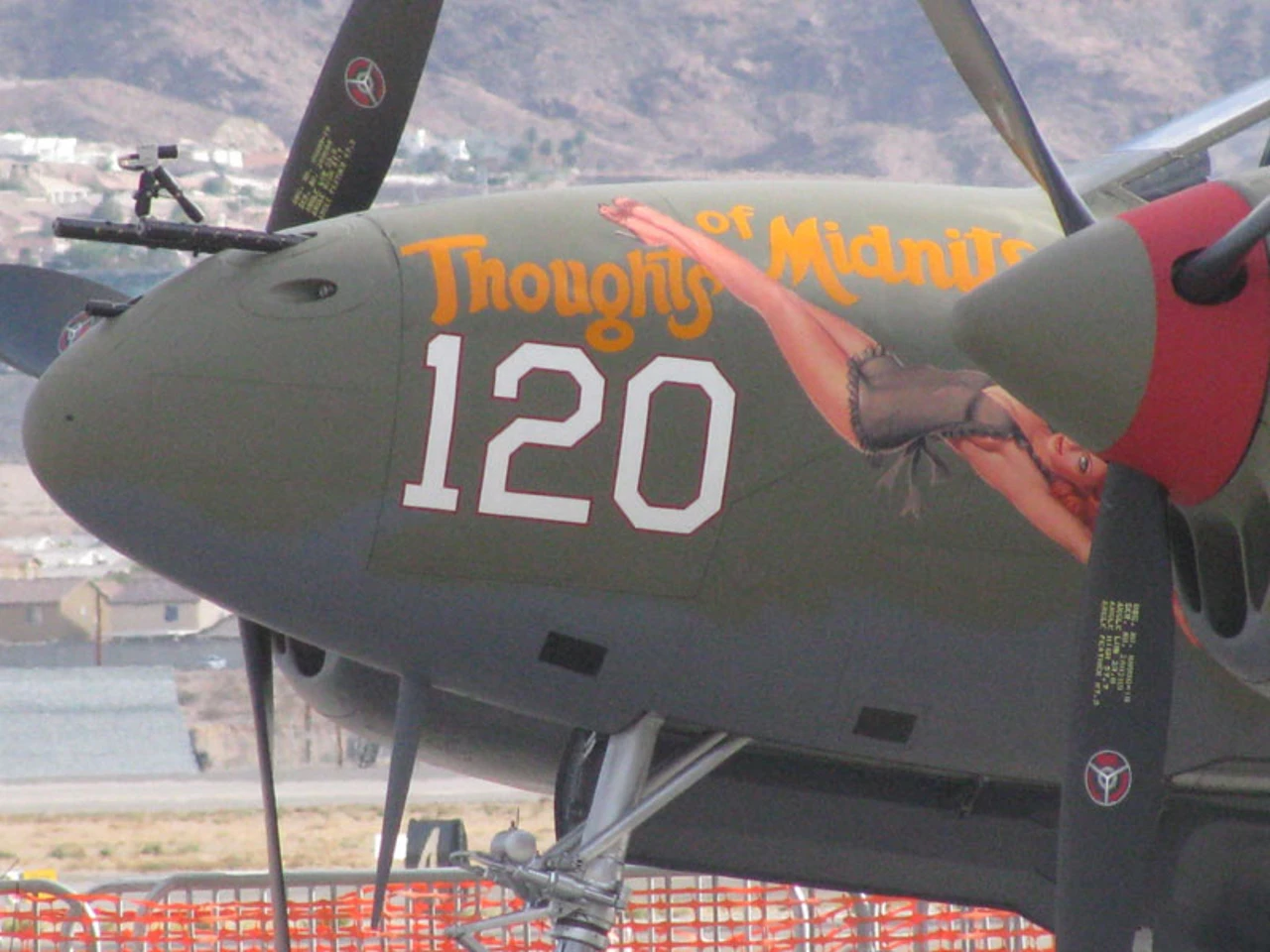
Lockheed P-38L Lightning 05
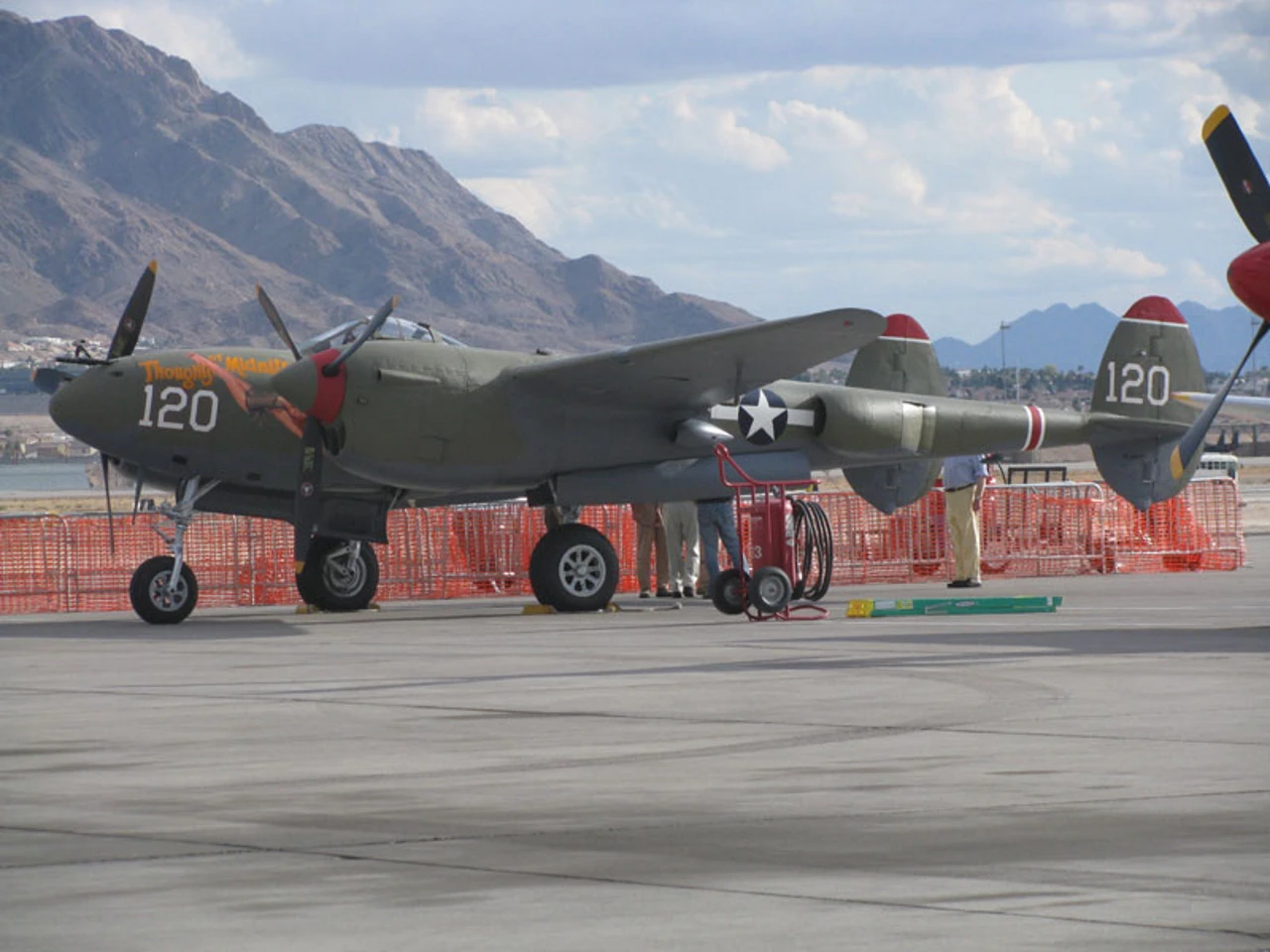
Lockheed P-38L Lightning 06
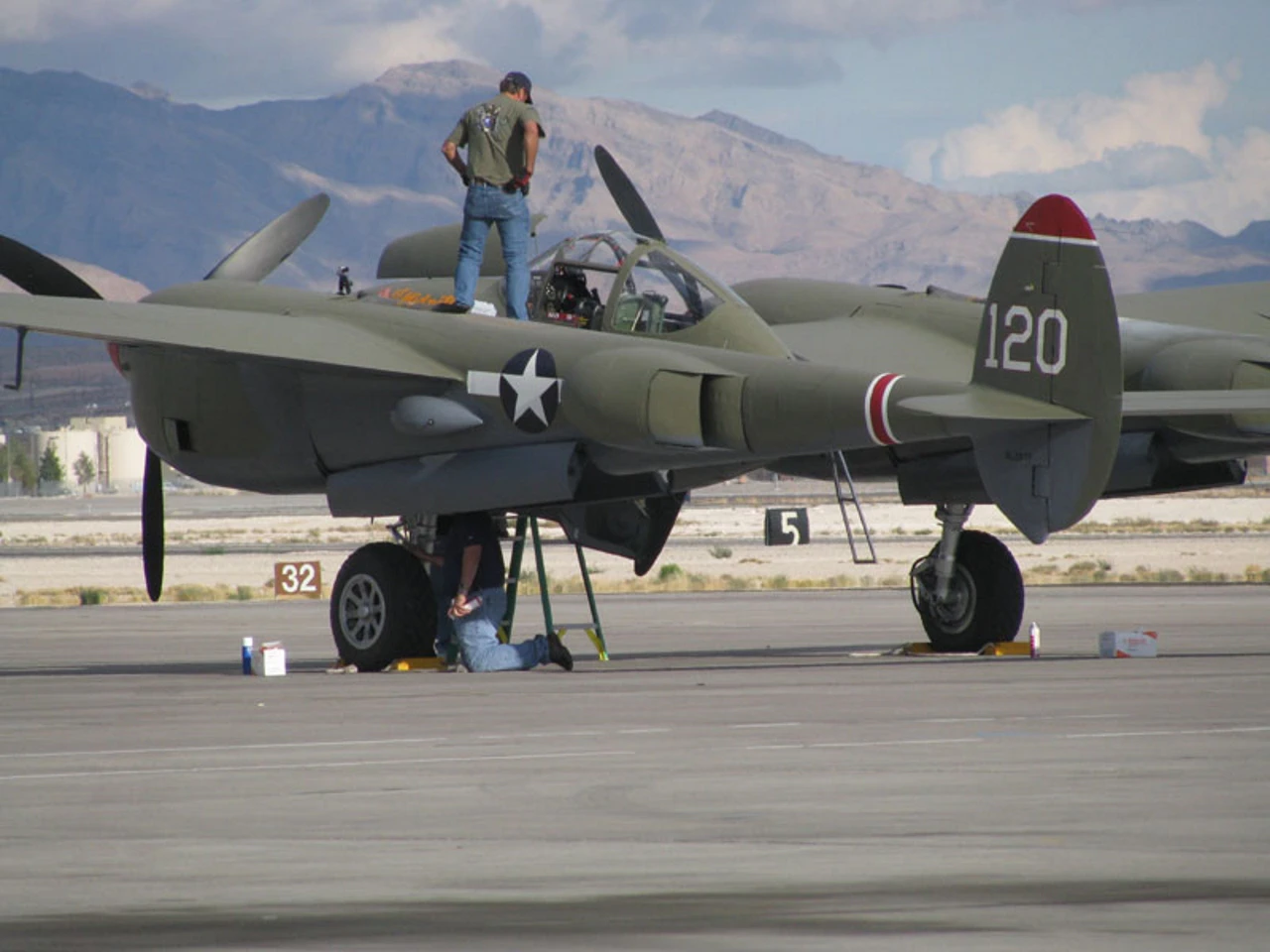
Lockheed P-38L Lightning 07
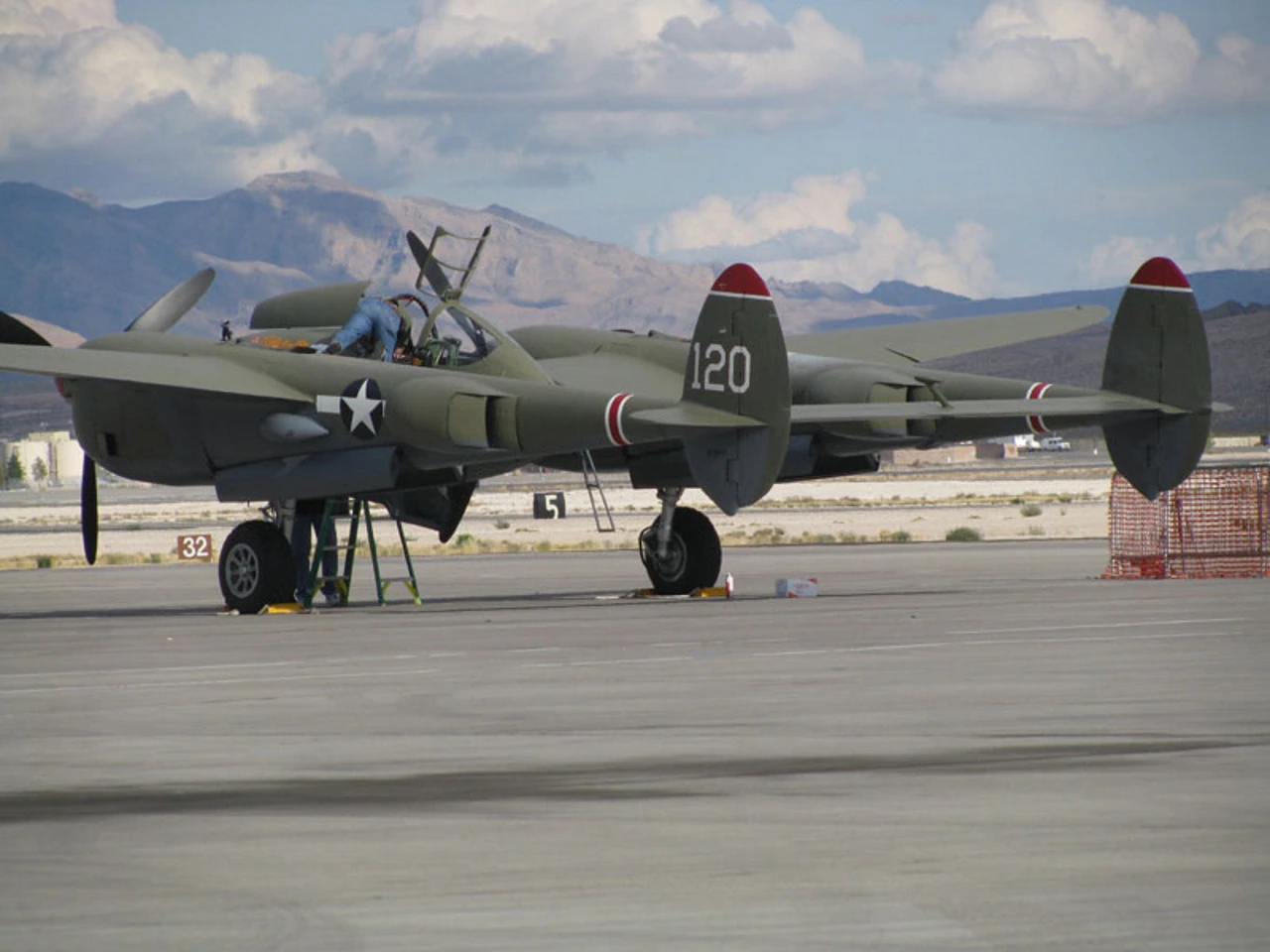
Lockheed P-38L Lightning 08
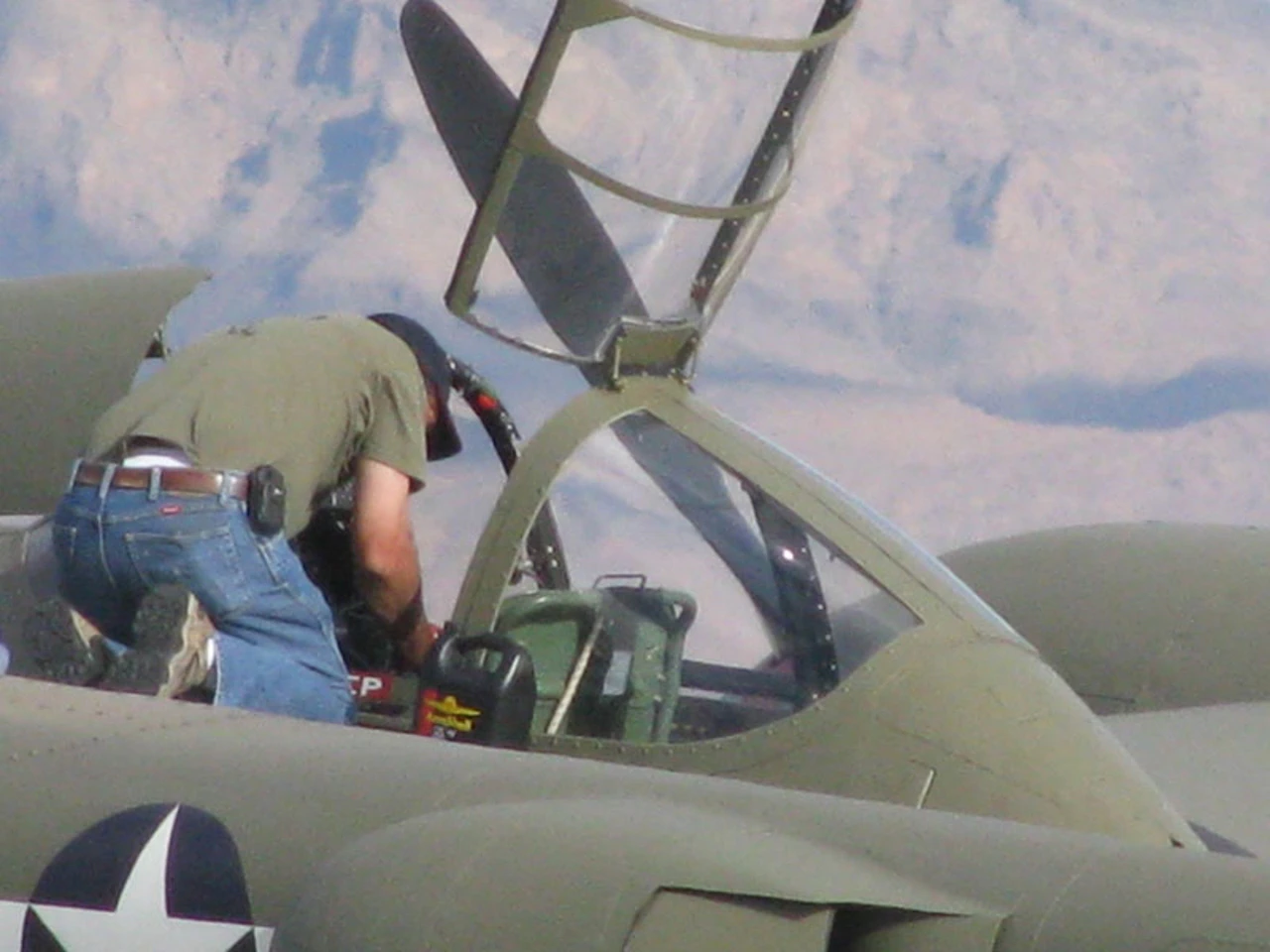
Lockheed P-38L Lightning 09
 给我买杯咖啡
另请参阅:


| Lockheed P-38J-10-LO Lightning Walk Around | |
|---|---|
| 摄影师 | 塞斯·亨德里克斯 |
| 本地化 | 未知 |
| 照片 | 65 |
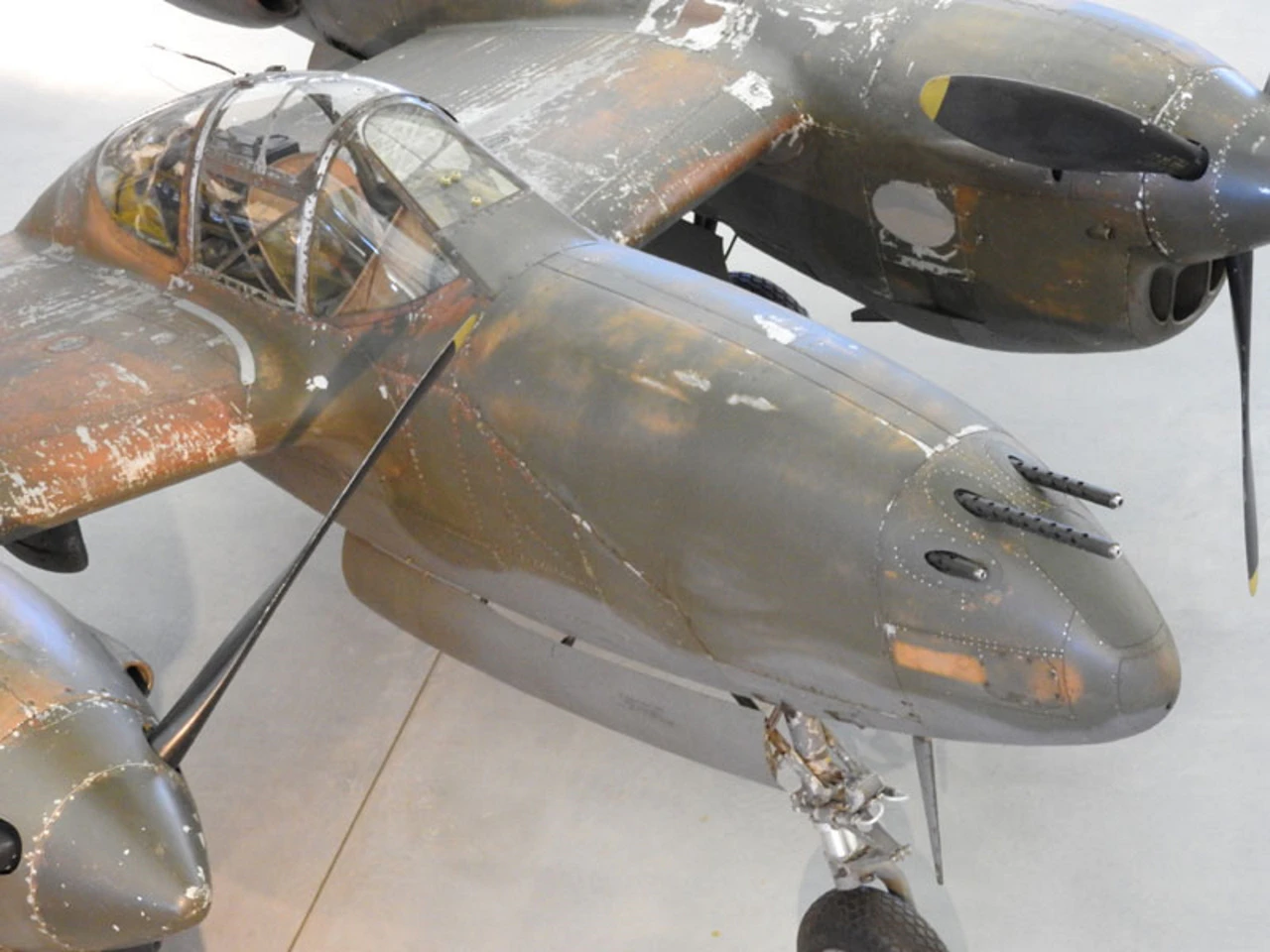
Lockheed P-38J-10-LO Lightning 01
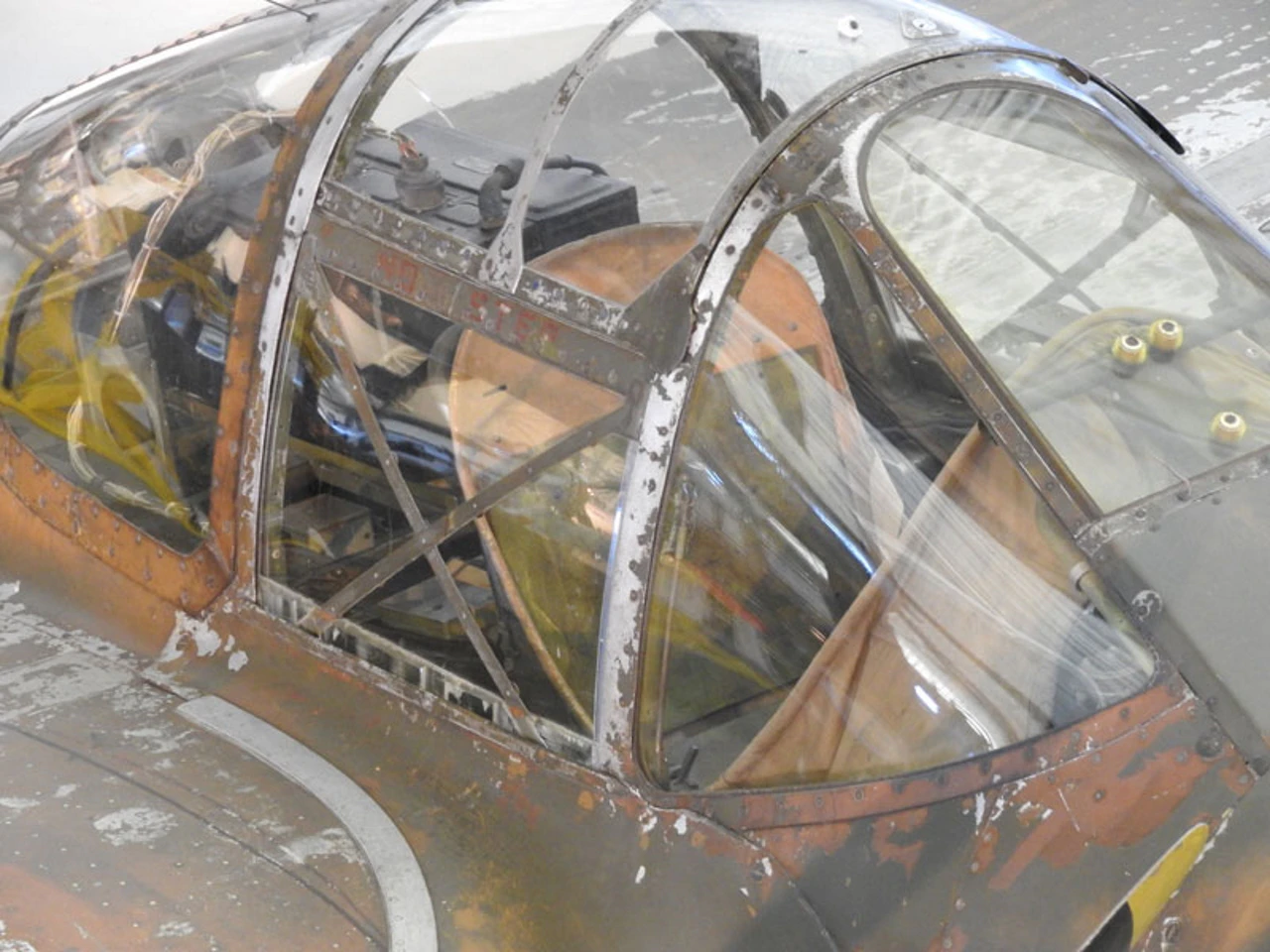
Lockheed P-38J-10-LO Lightning 02
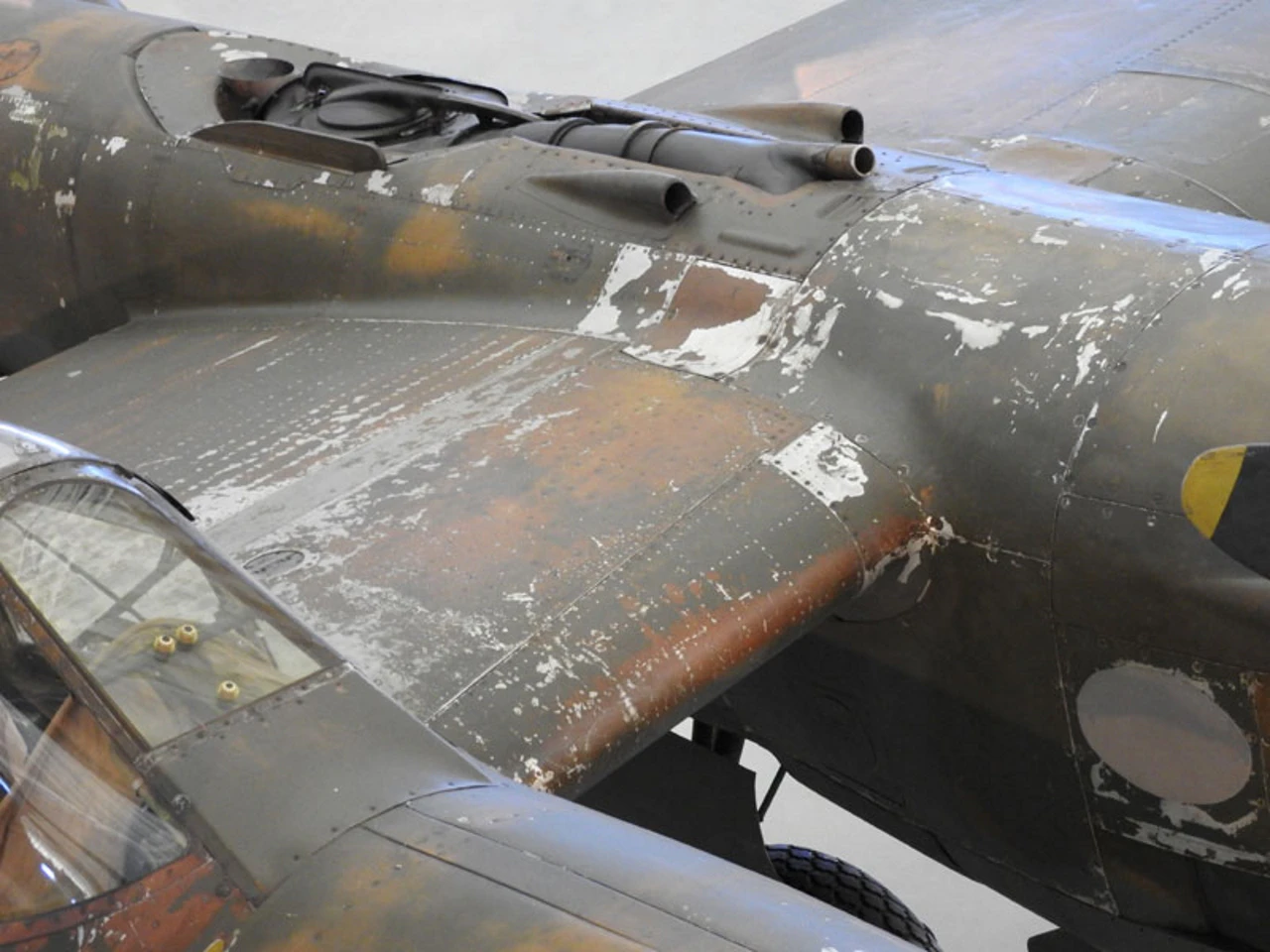
Lockheed P-38J-10-LO Lightning 03
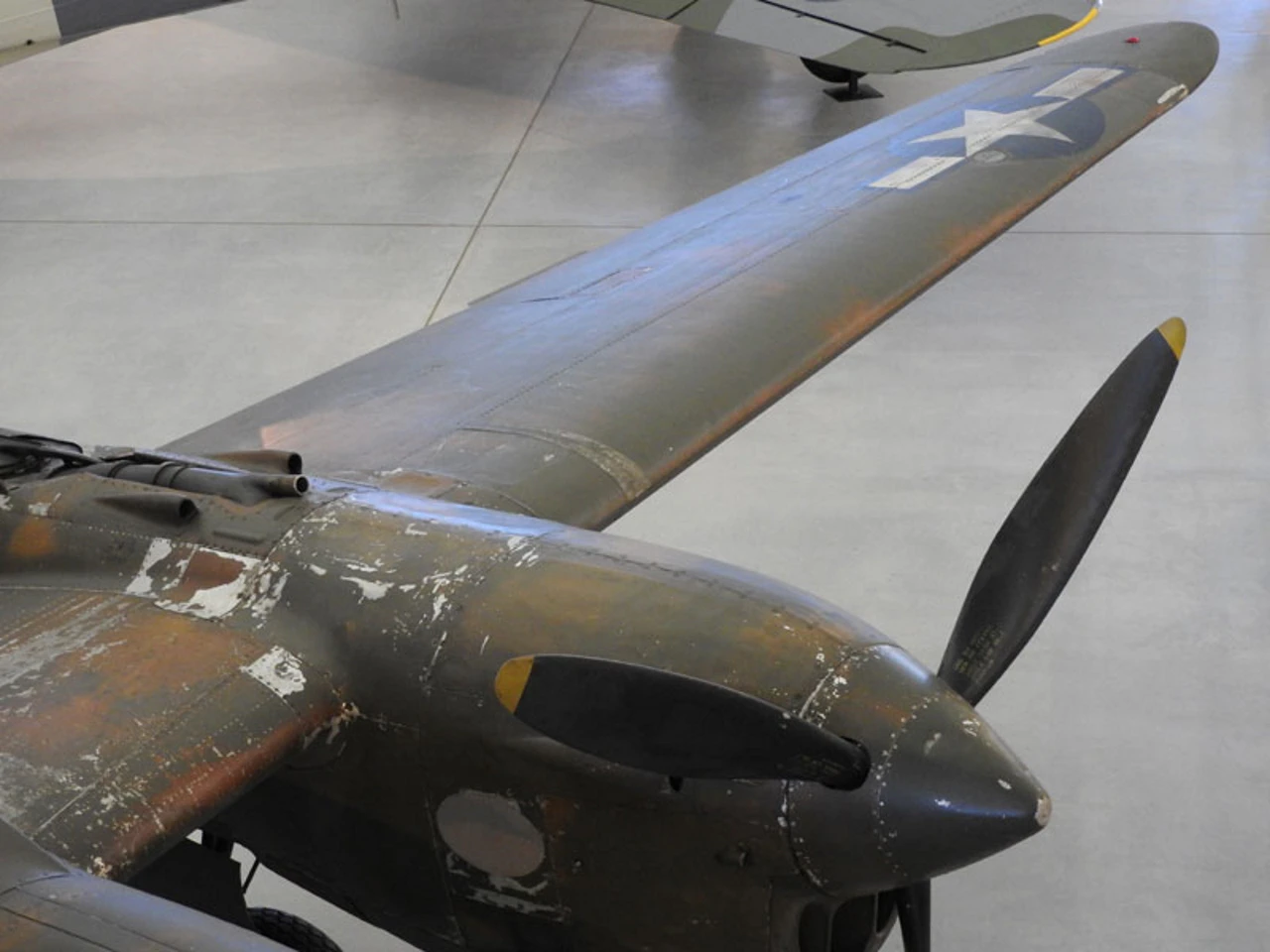
Lockheed P-38J-10-LO Lightning 04
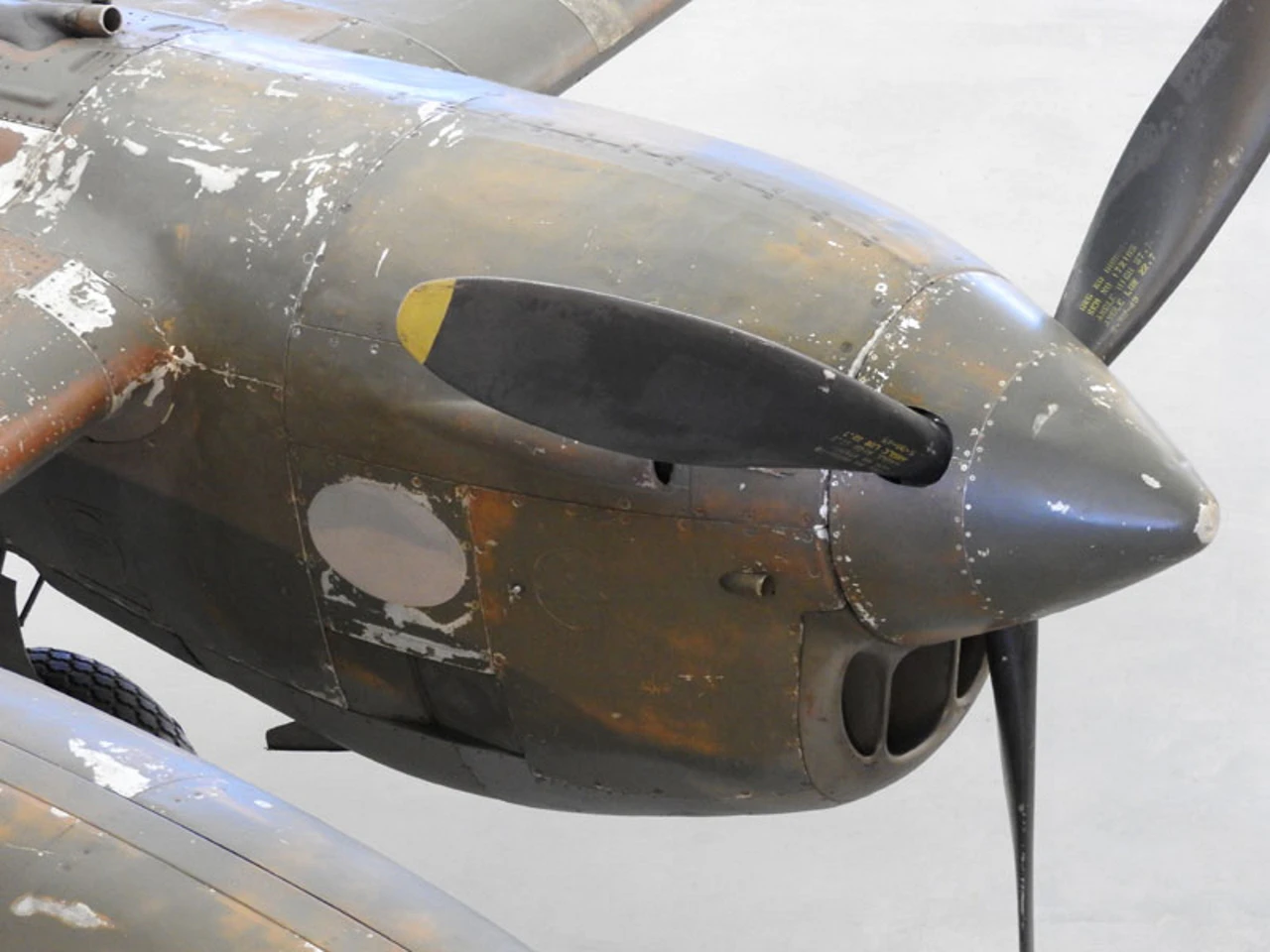
Lockheed P-38J-10-LO Lightning 05
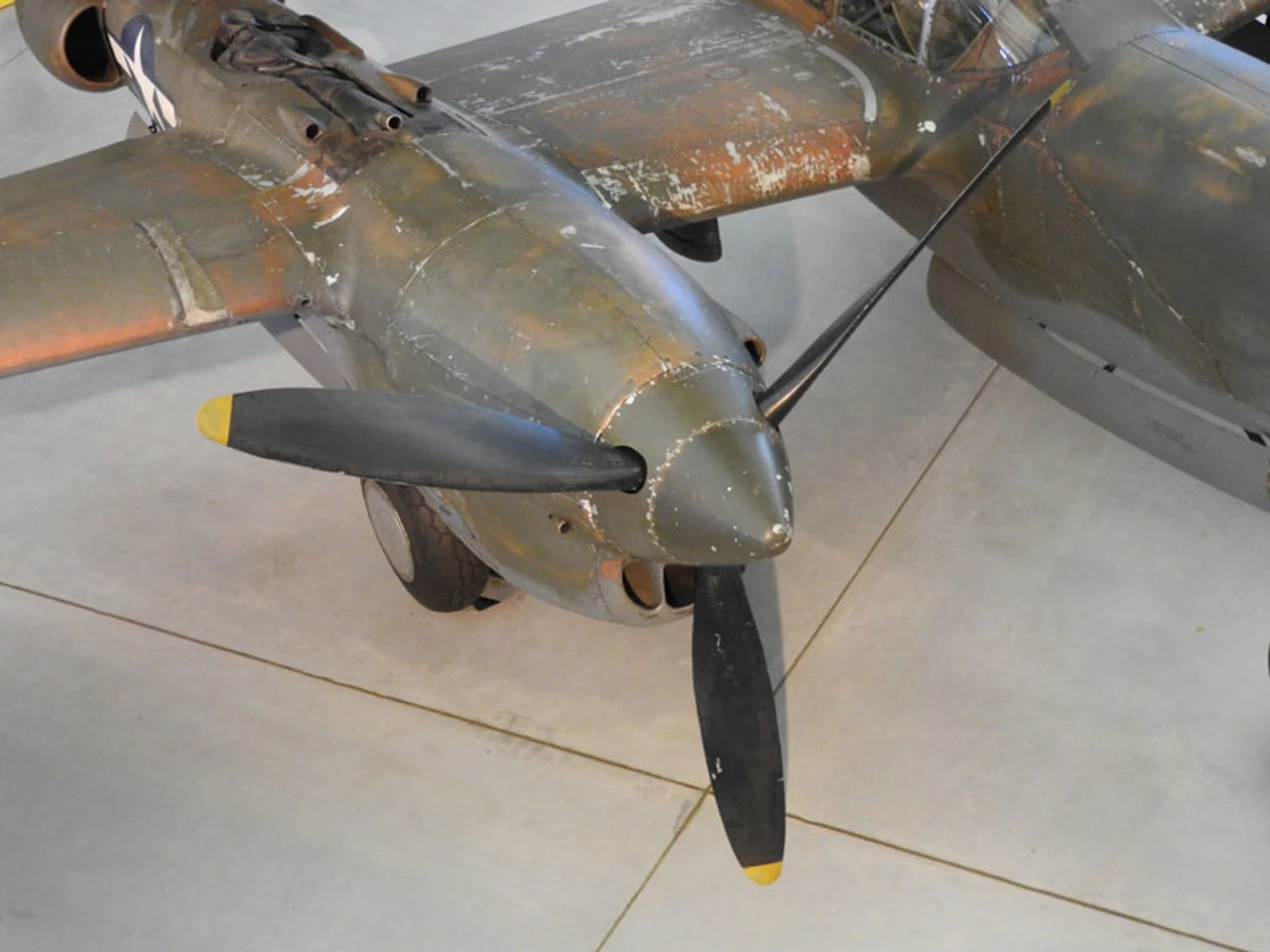
Lockheed P-38J-10-LO Lightning 06
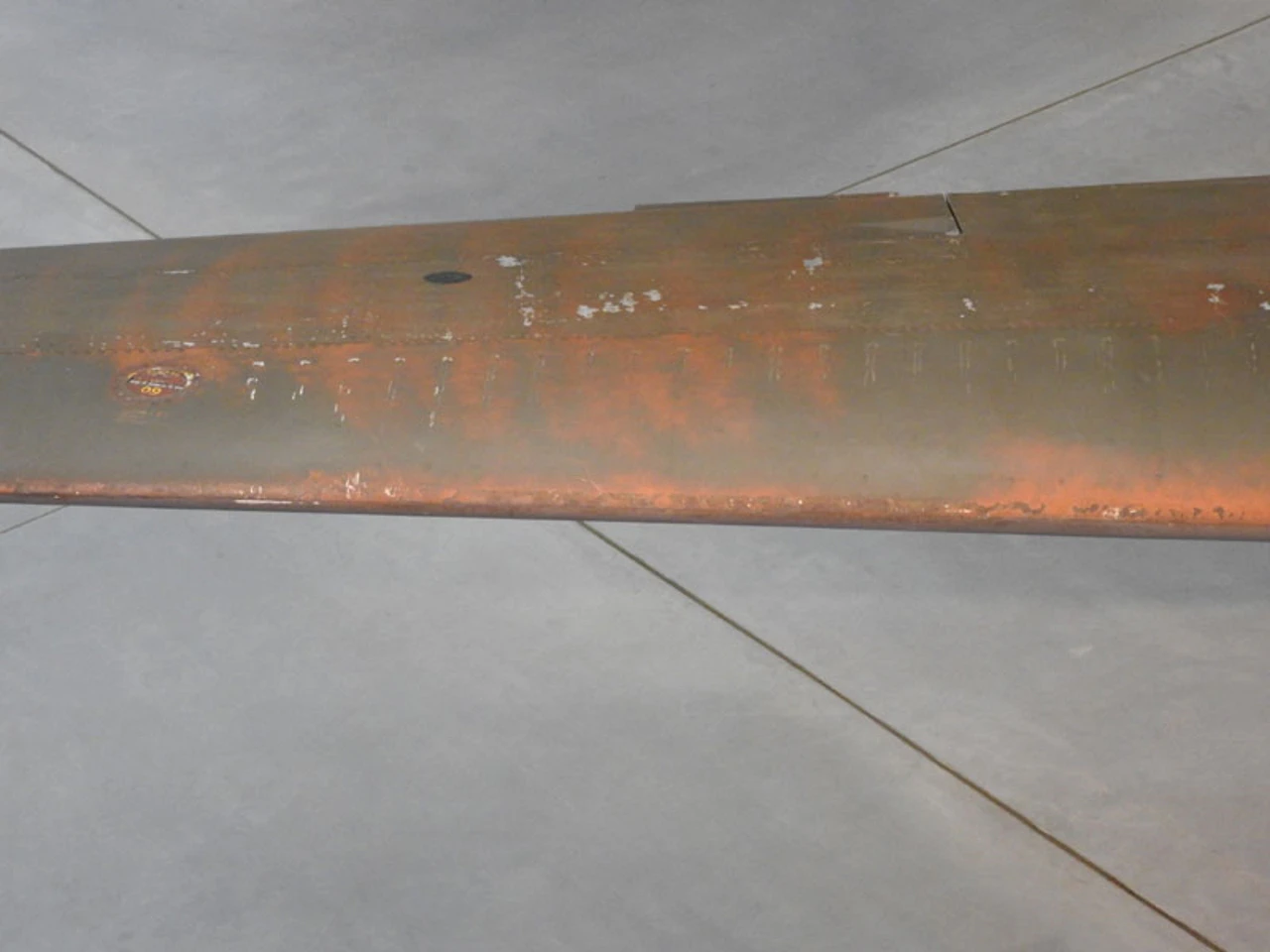
Lockheed P-38J-10-LO Lightning 07
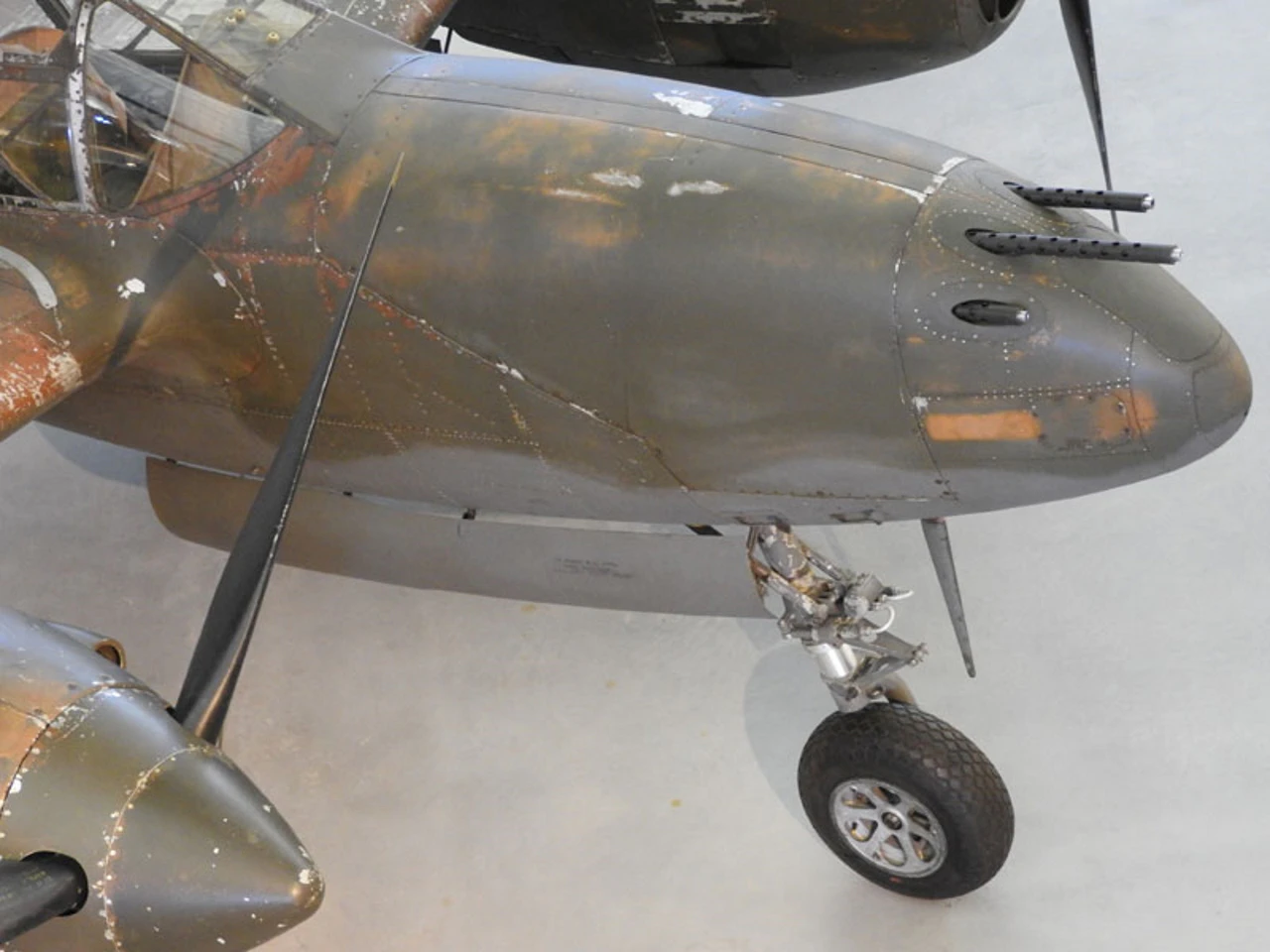
Lockheed P-38J-10-LO Lightning 08
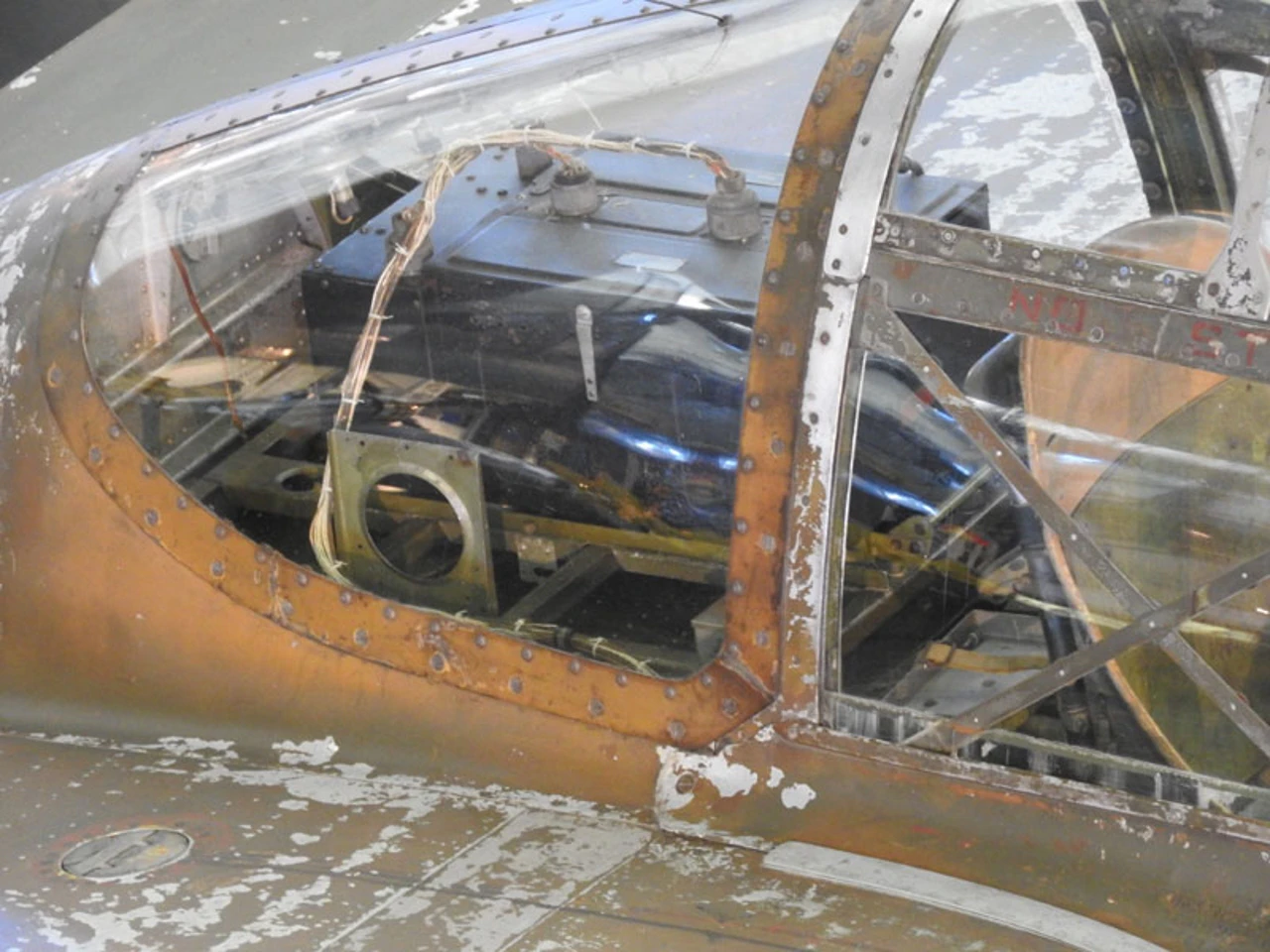
Lockheed P-38J-10-LO Lightning 09
A Radical Departure in Aviation Design
这 洛克希德P-38闪电 was one of the most innovative and recognizable fighters of World War II. Designed by the legendary **Kelly Johnson**, it featured a unique twin-boom tail and a central nacelle for the pilot and armament. It was the only American fighter in large-scale production from the start of the war at Pearl Harbor until V-J Day. While it struggled with the freezing high altitudes of Europe early on, it became the undisputed king of the Pacific, where its long range and twin-engine reliability were literal lifesavers for American pilots flying over thousands of miles of ocean.
| Attribute | Technical Specification (P-38L) |
|---|---|
| 作用 | Heavy Fighter / Interceptor / Fighter-Bomber |
| 船员 | 1 (Pilot) |
| 发动机 | 2 × Allison V-1710 V12 liquid-cooled (1,475 hp each) |
| 最高速度 | 666 km/h (414 mph) at 7,600 m |
| Combat Range | 2,100 km (1,300 miles) with external tanks |
| 主要武器装备 | 1 × 20 mm M2 cannon + 4 × .50 cal M2 Browning MGs |
| Climb Rate | 1,448 meters per minute (4,750 ft/min) |
| 翼展 | 15.85 meters (52 feet) |
Design Engineering: The “Nose-Punch” Accuracy
- Concentrated Firepower: Unlike most fighters (like the P-51 or Spitfire) which had guns in the wings that required “convergence” to hit a target, the P-38 had all five guns in the nose. This meant the pilot could fire straight ahead like a sniper, with no drop-off in accuracy at different distances.
- The Compressibility Crisis: The P-38 was so fast that in high-speed dives, it was the first aircraft to encounter “compressibility”—where air moved over the wings at the speed of sound, causing the controls to lock up. Engineers solved this in later models by adding small dive flaps under the wings to restore lift and control.
- Turbo-Superchargers: The P-38 used massive General Electric turbo-superchargers tucked into the rear of the tail booms. These allowed the engines to maintain sea-level power even at 30,000 feet, making it a formidable high-altitude interceptor.
- Counter-Rotating Props: To eliminate engine torque (which makes a plane want to pull to one side), the P-38’s propellers rotated in opposite directions. This made the Lightning an exceptionally stable and easy-to-fly gun platform.
Operational History: The Ace Maker of the Pacific
- Operation Vengeance: The P-38’s long range was put to its ultimate test in 1943, when a flight of Lightnings flew a 1,000-mile round trip to intercept and shoot down the transport carrying Admiral Isoroku Yamamoto, the architect of the Pearl Harbor attack.
- The Top Aces: America’s two highest-scoring aces of all time, Richard Bong (40 kills) and Thomas McGuire (38 kills), both flew the P-38 Lightning exclusively in the Pacific Theater.
- The “Fork-Tailed Devil”: German pilots (the Luftwaffe) allegedly nicknamed the P-38 the Der Gabelschwanz-Teufel. While it was lethal in the Pacific, in Europe it faced challenges with cockpit heating and engine cooling in the frigid European winters until the “J” and “L” models arrived.
- Versatile Variants: The P-38 airframe was so stable it was modified into the F-4 and F-5 photo-reconnaissance planes (which carried no guns and relied on speed), and even a “Droop Snoot” version with a clear nose for a bombardier.
浏览数 : 10159