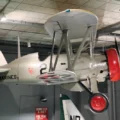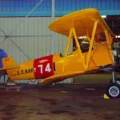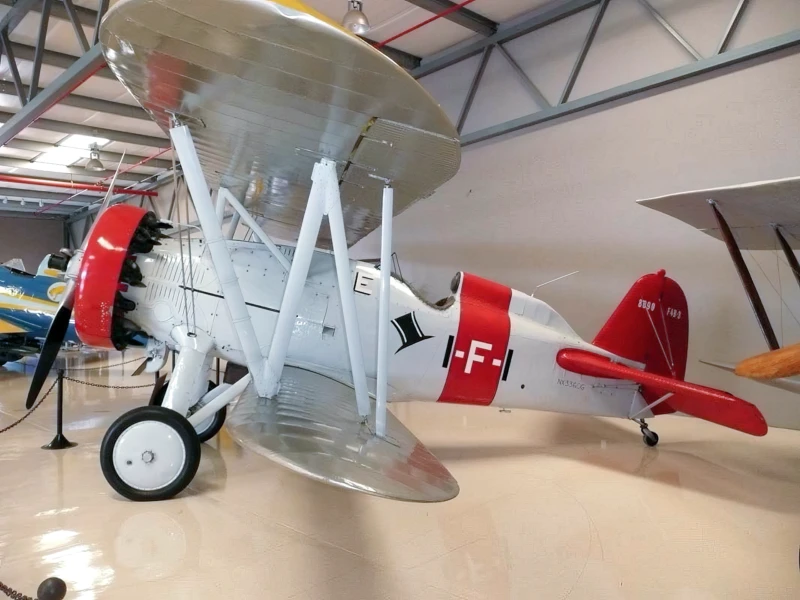
波音P-12E | |
|---|---|
| 国家 | 美国 |
| 类型 | 战斗机 |
| 首次飞行 | 1928年6月25日 |
| 建造飞行 | 586 |
这 波音P-12 is a military biplane between the two wars in service in the U.S. Air Force in 1930 and 1941. The production runs are shown below with the P-12 designations for Army aircraft and the F4B designations being for the Navy. The remaining aircraft are civilian or export.
源: 维基百科上的波音P-12
| Boeing P-12E | |
|---|---|
| 摄影师 | Unknow |
| 本地化 | 未知 |
| 照片 | 80 |
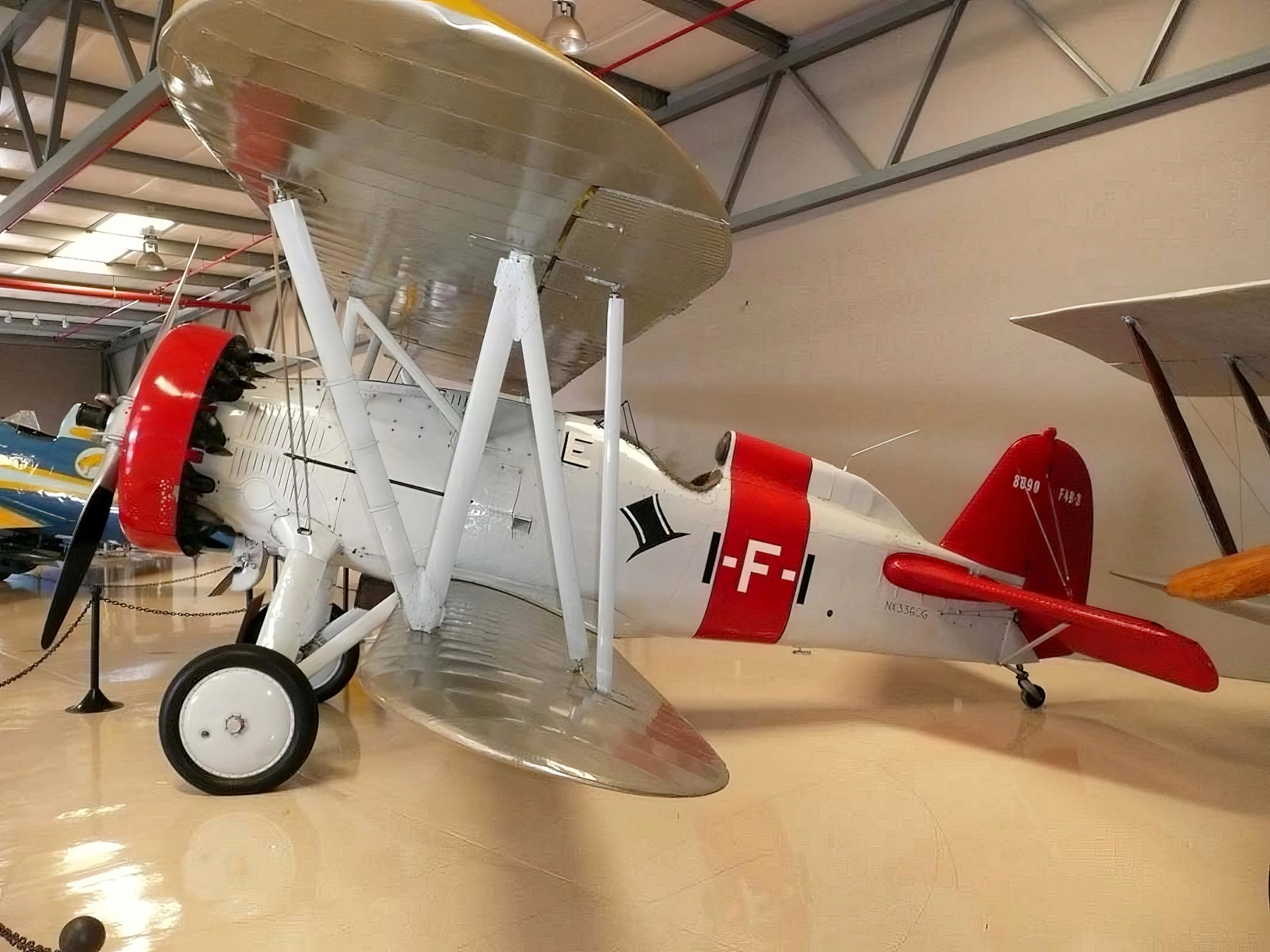
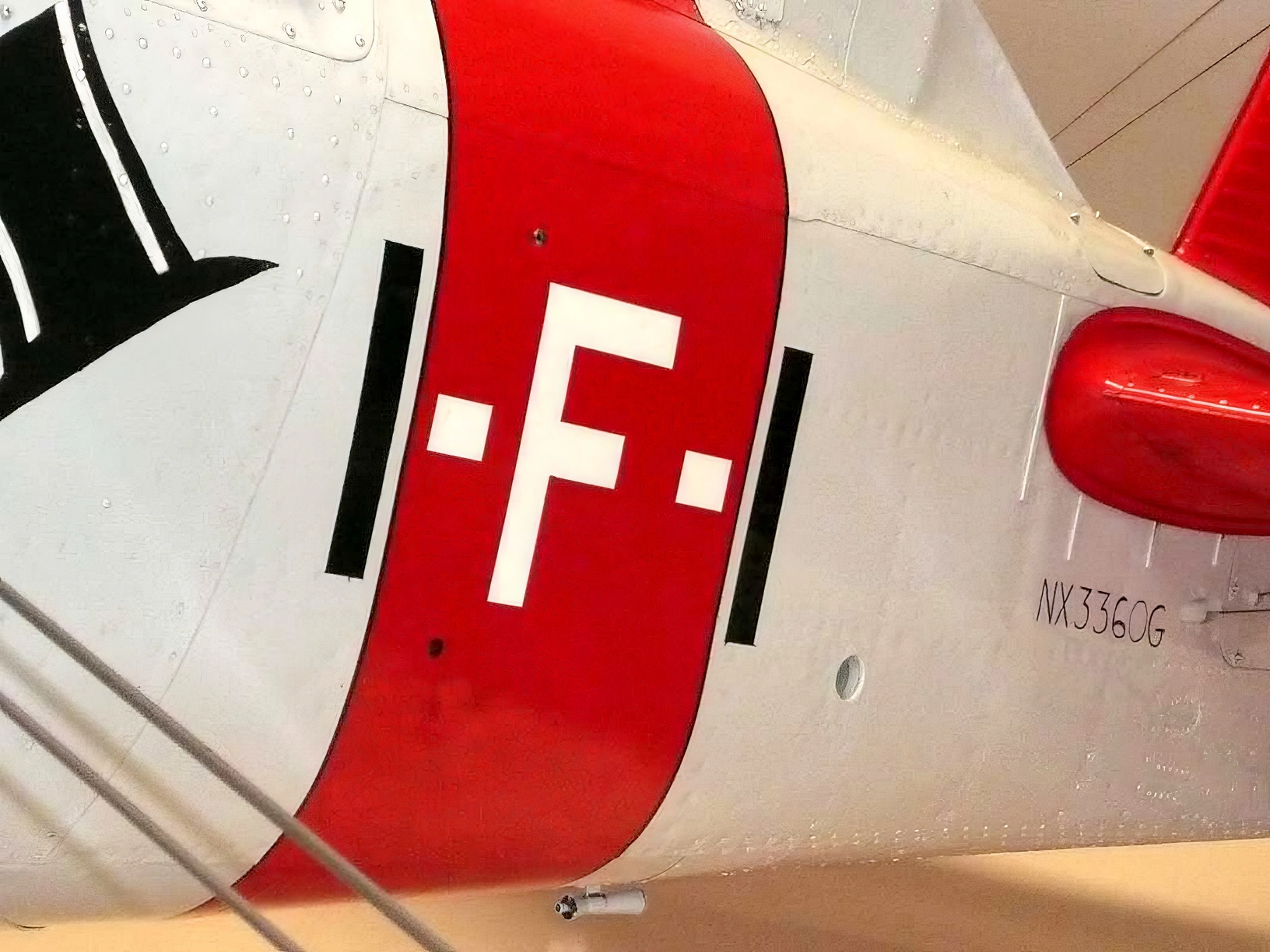
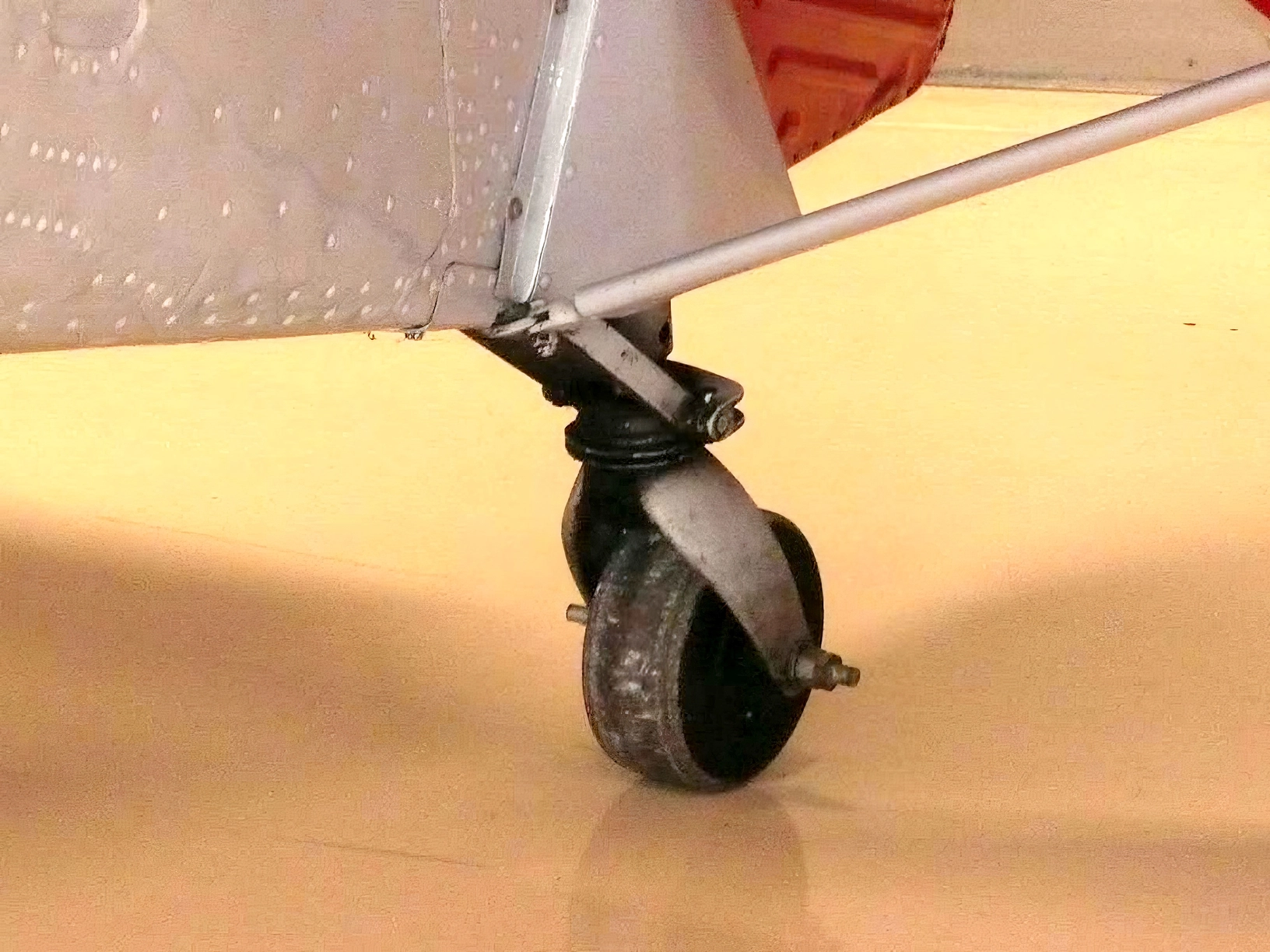
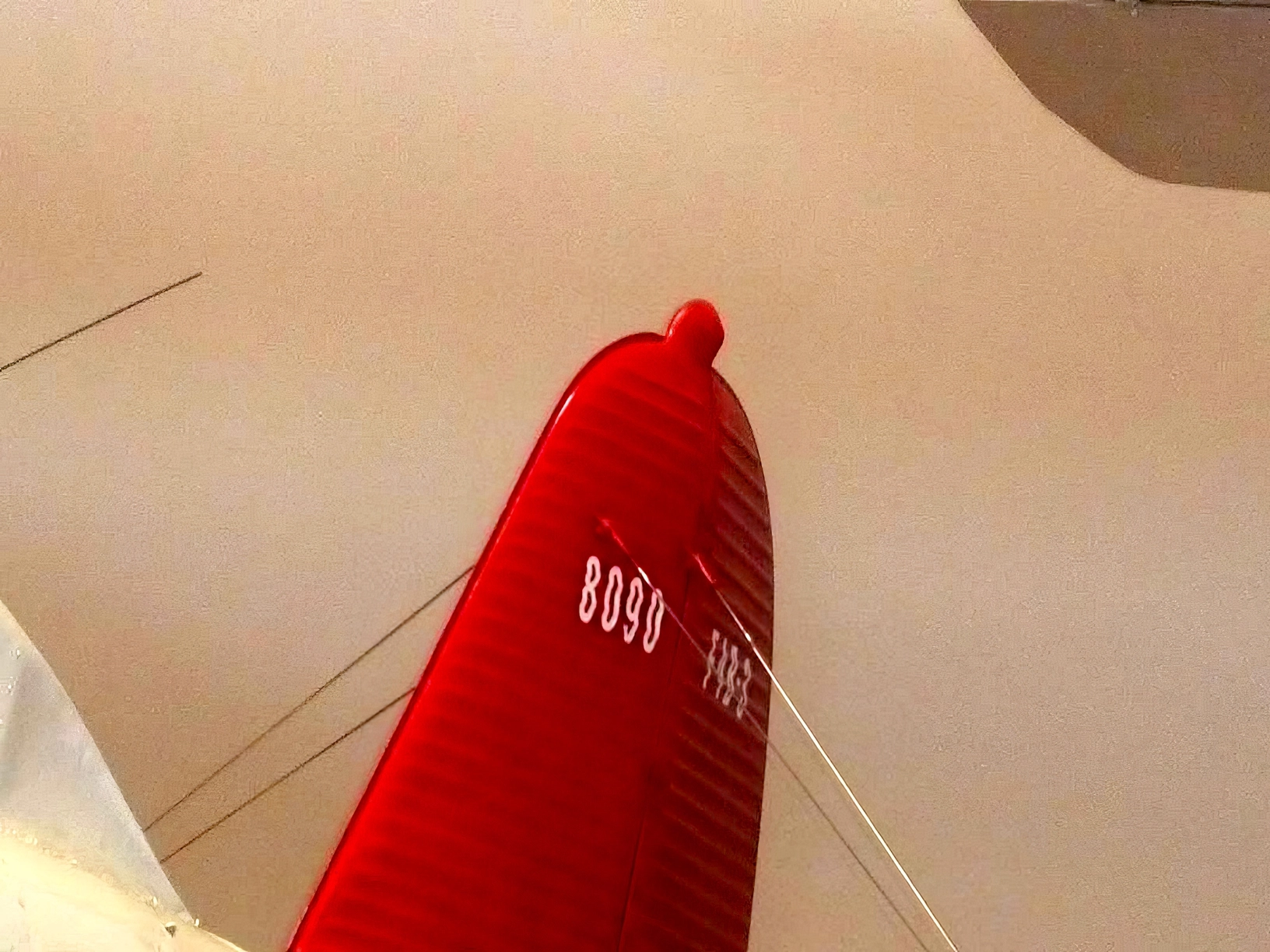
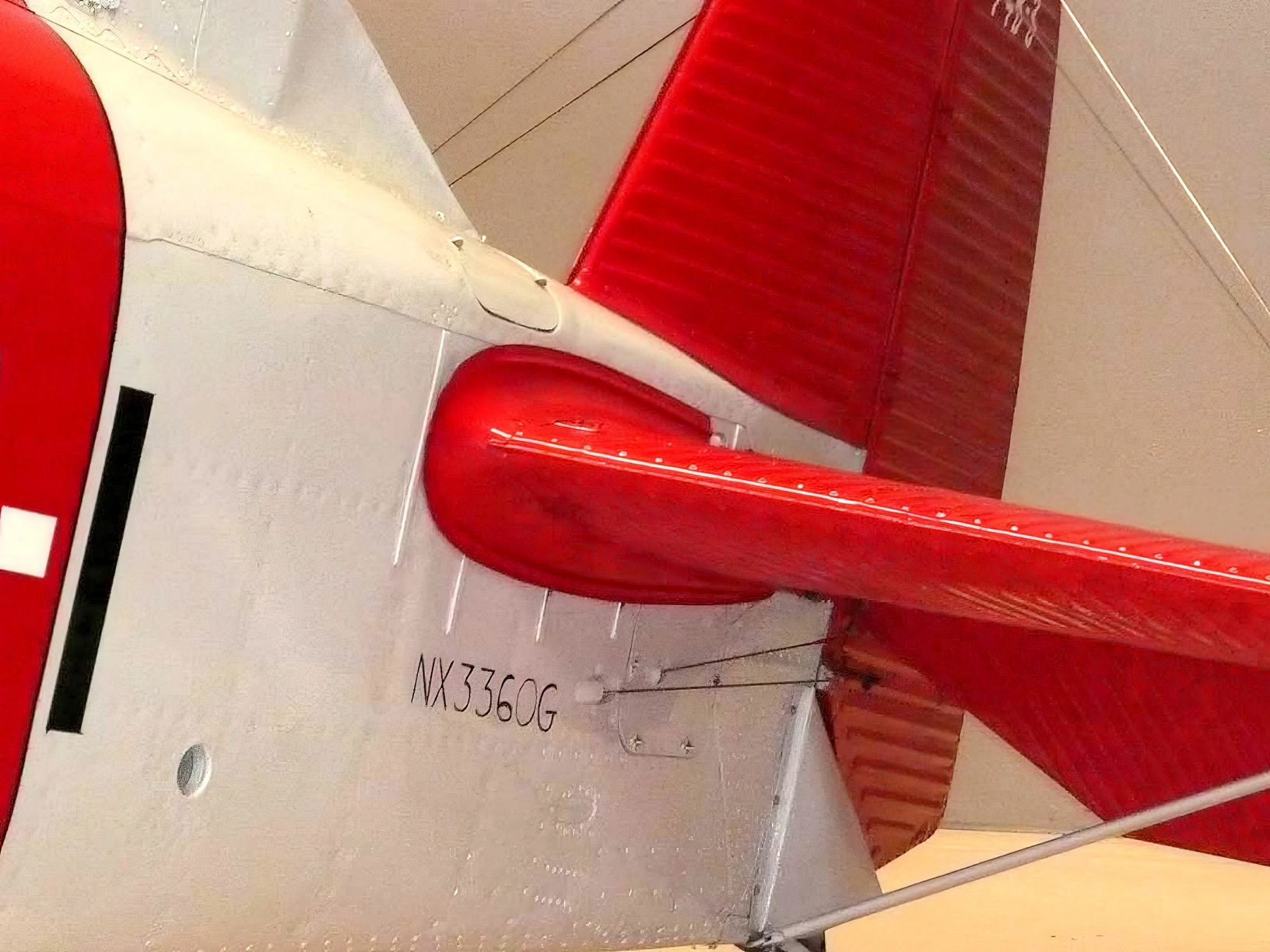
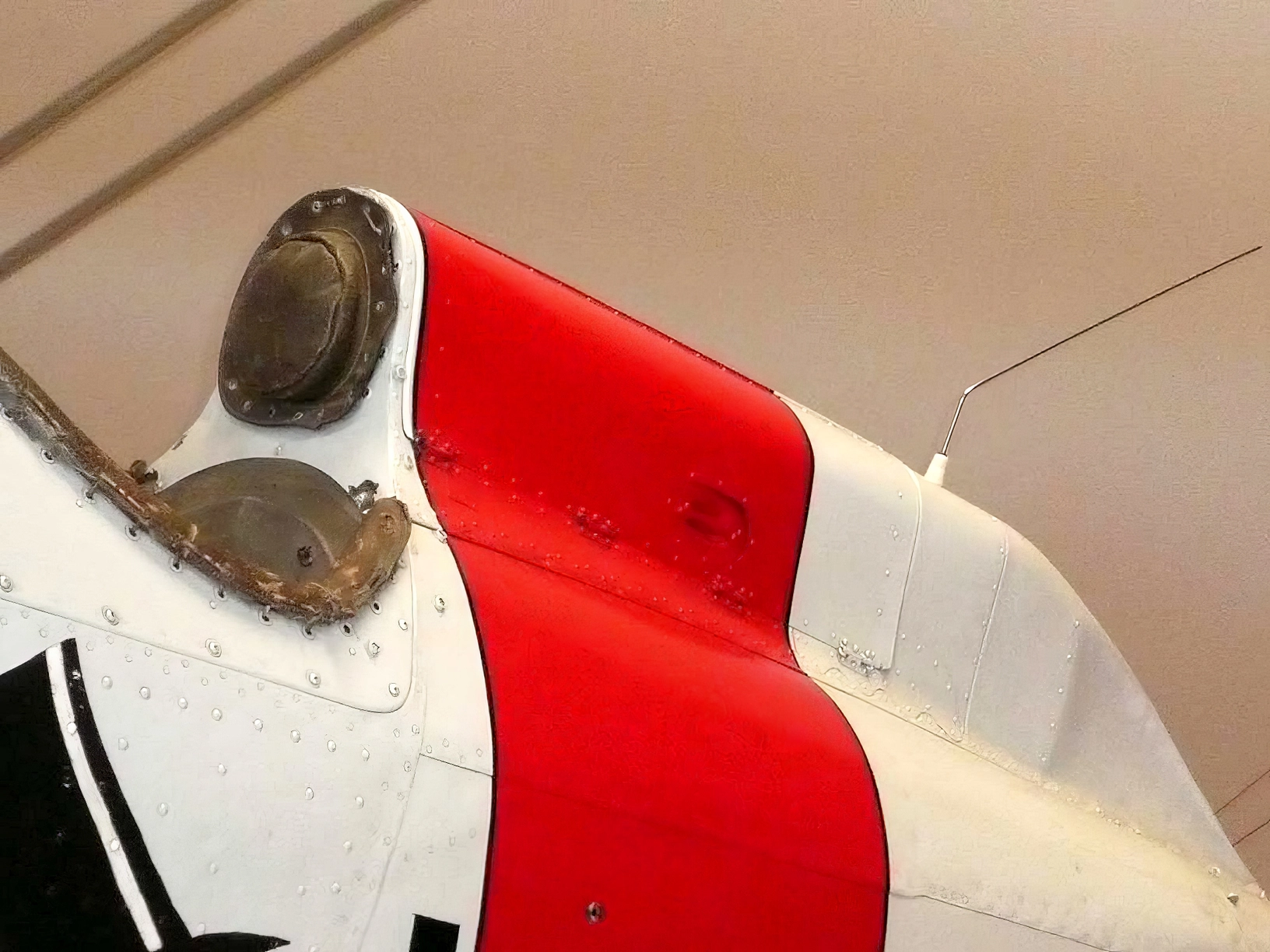
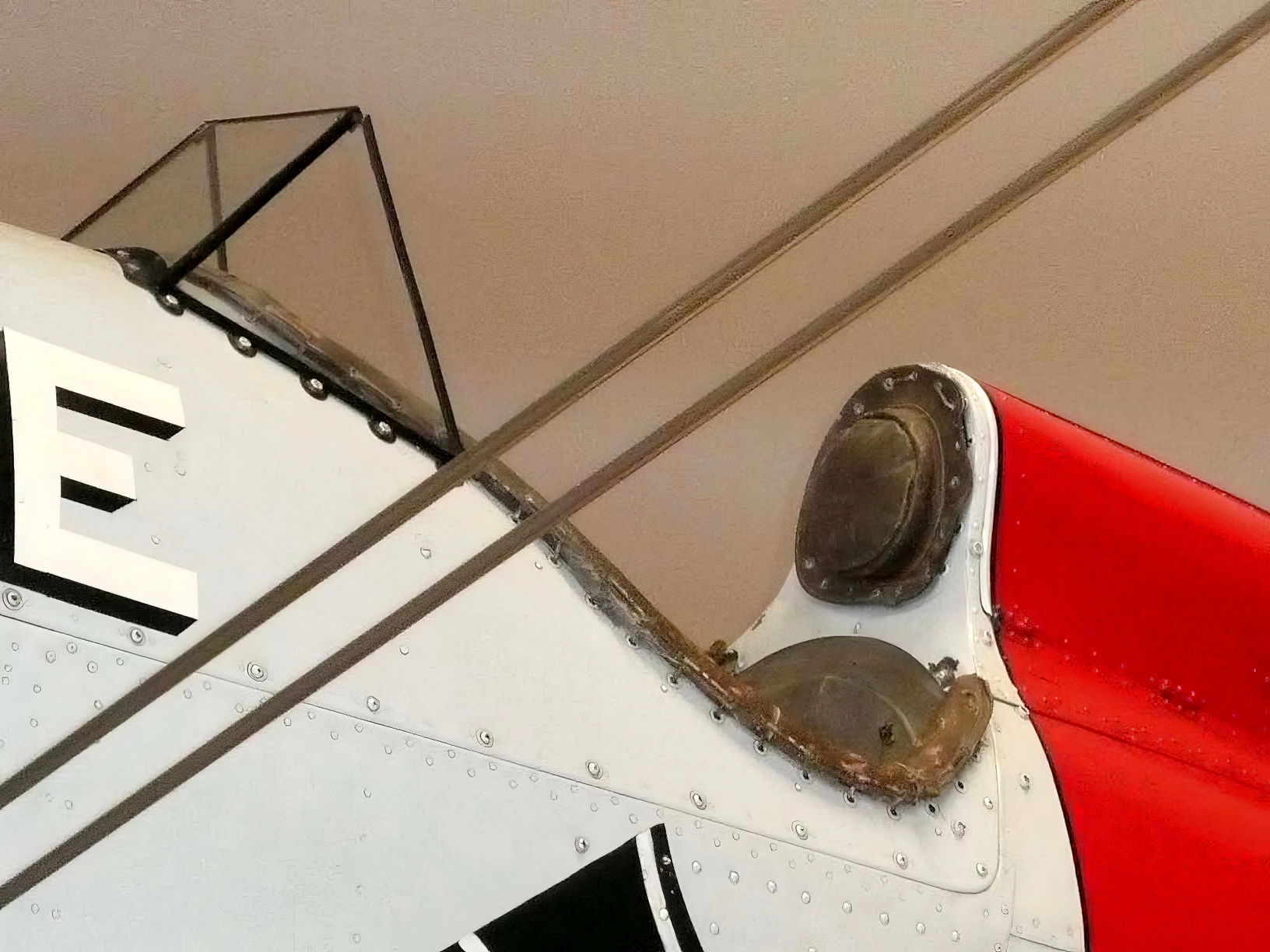
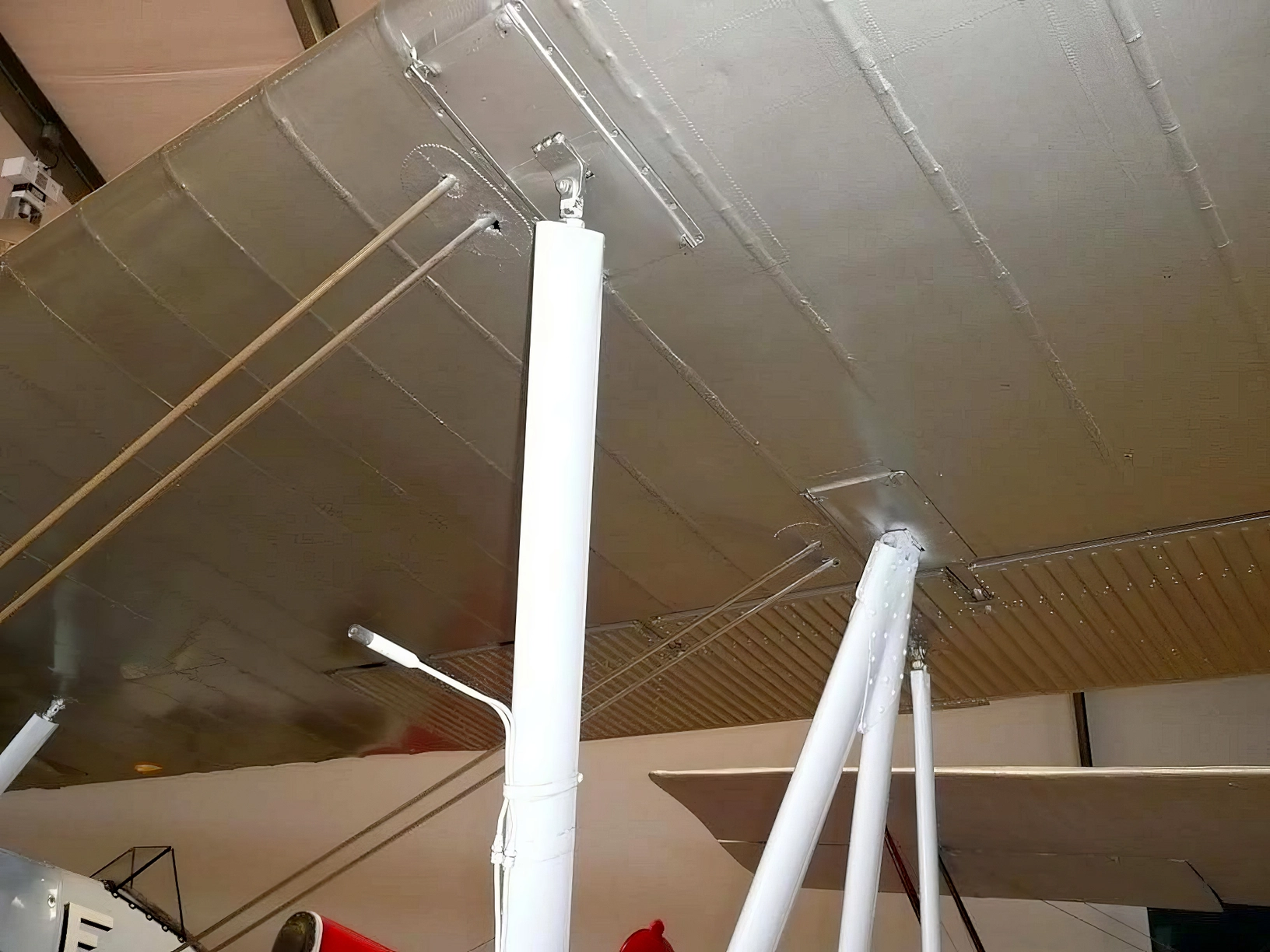
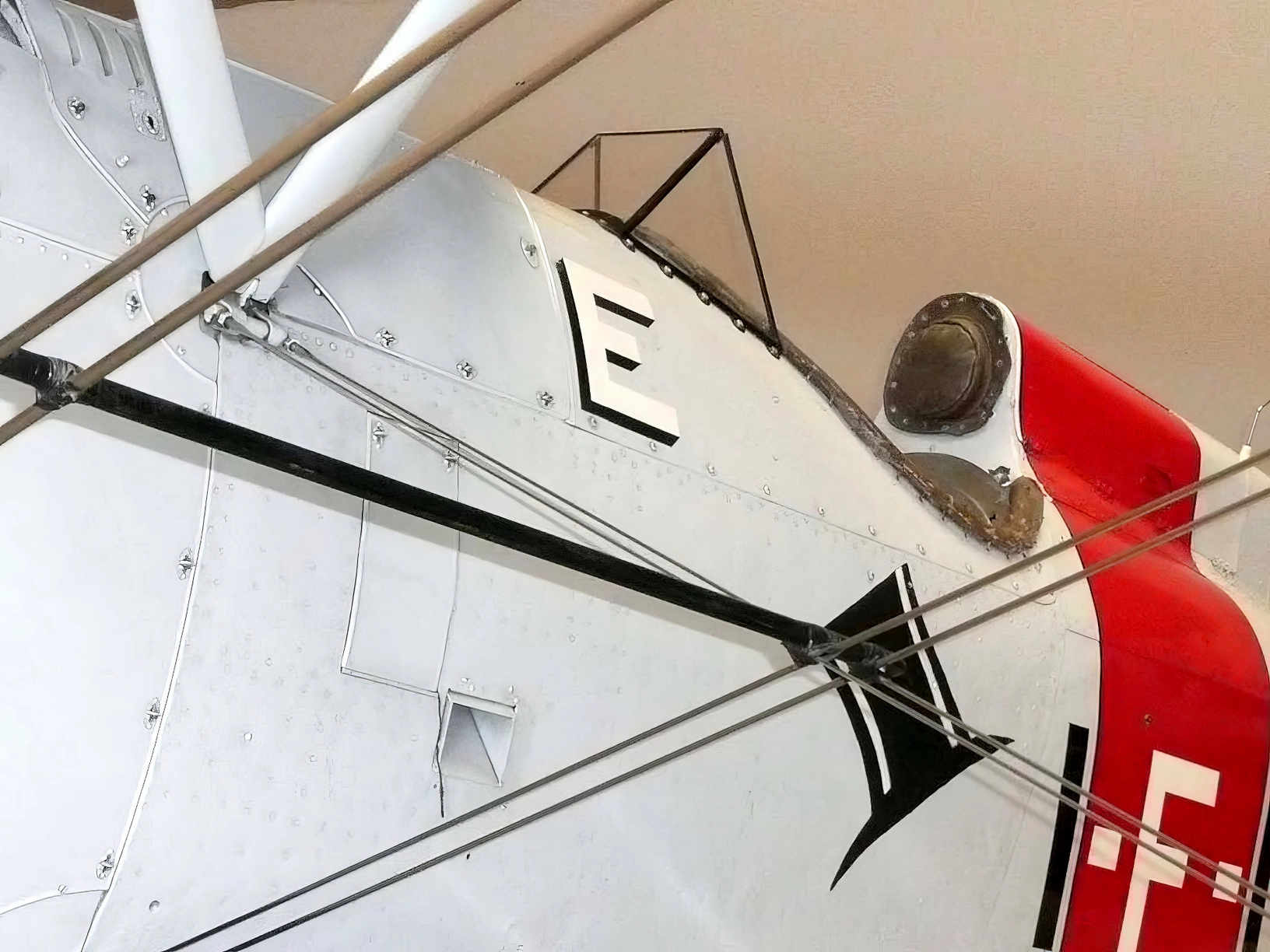

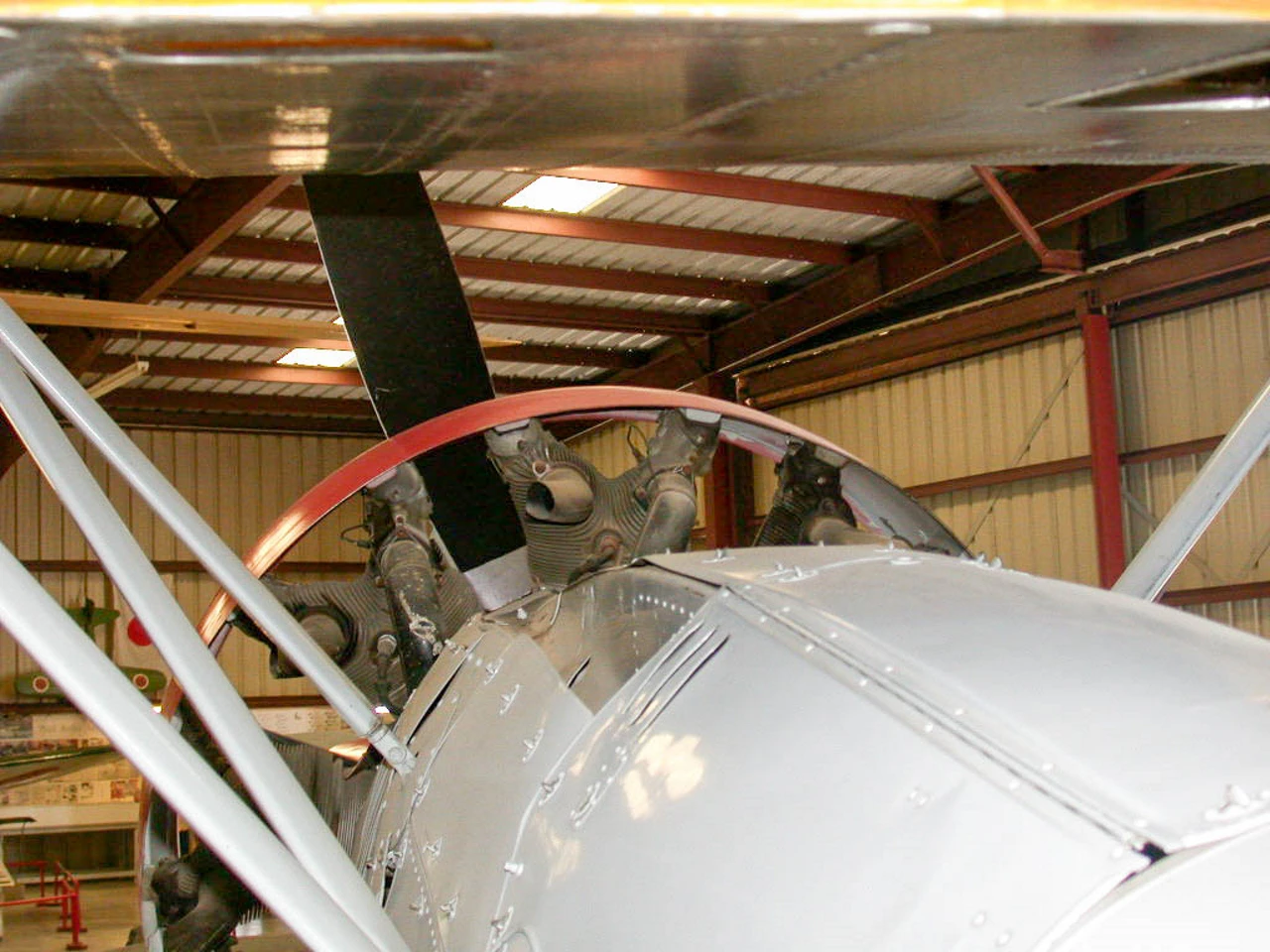
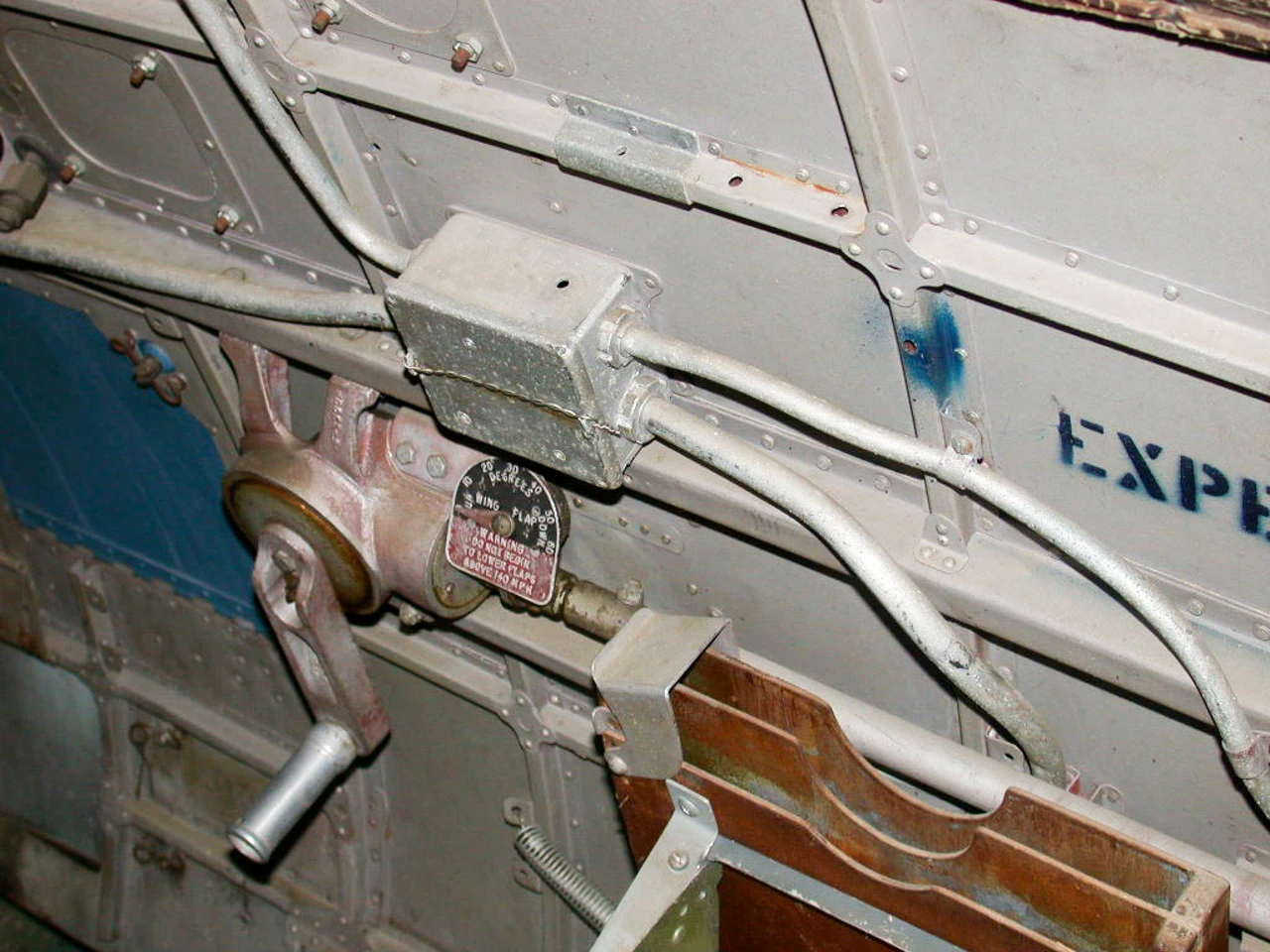
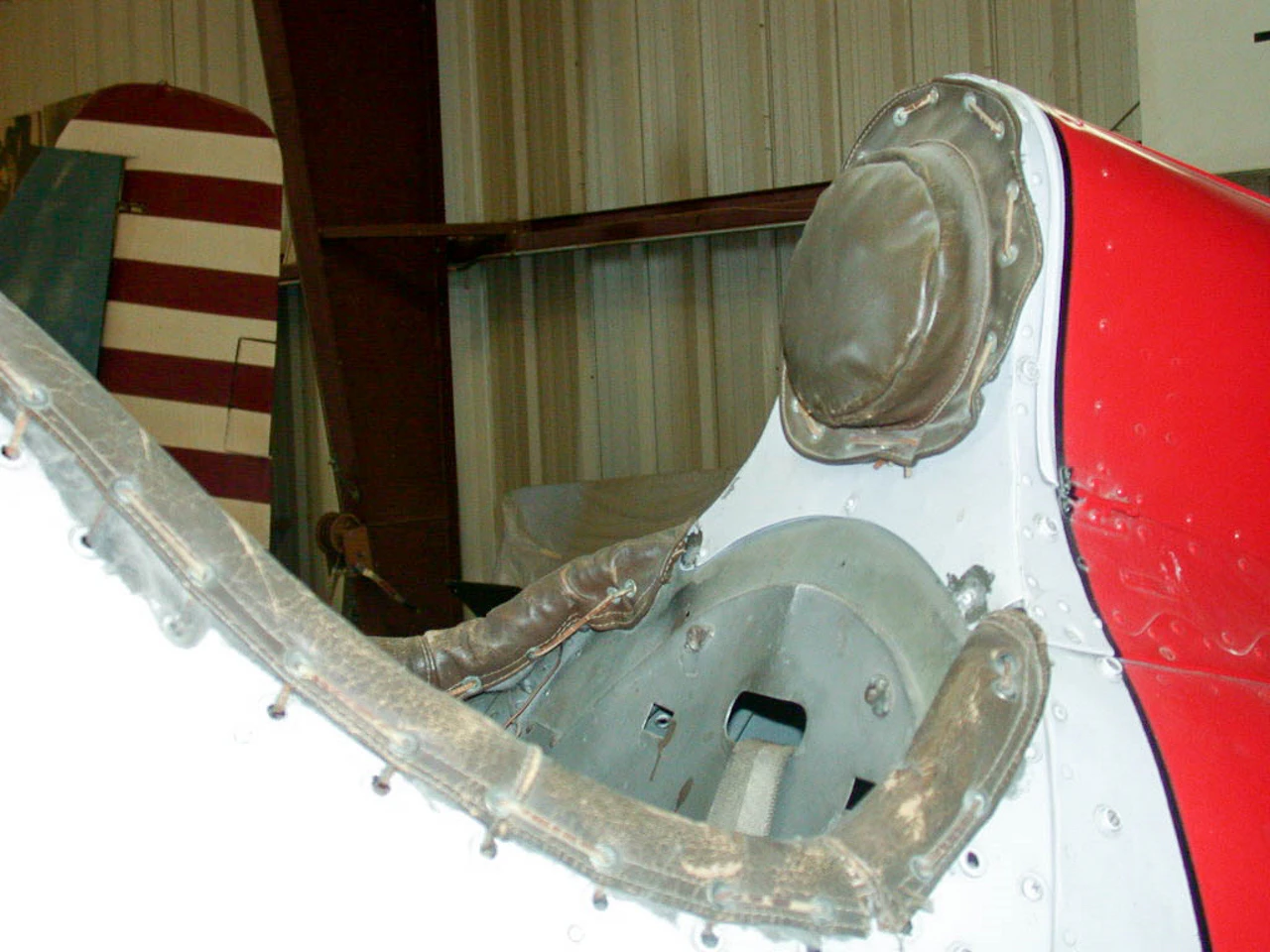
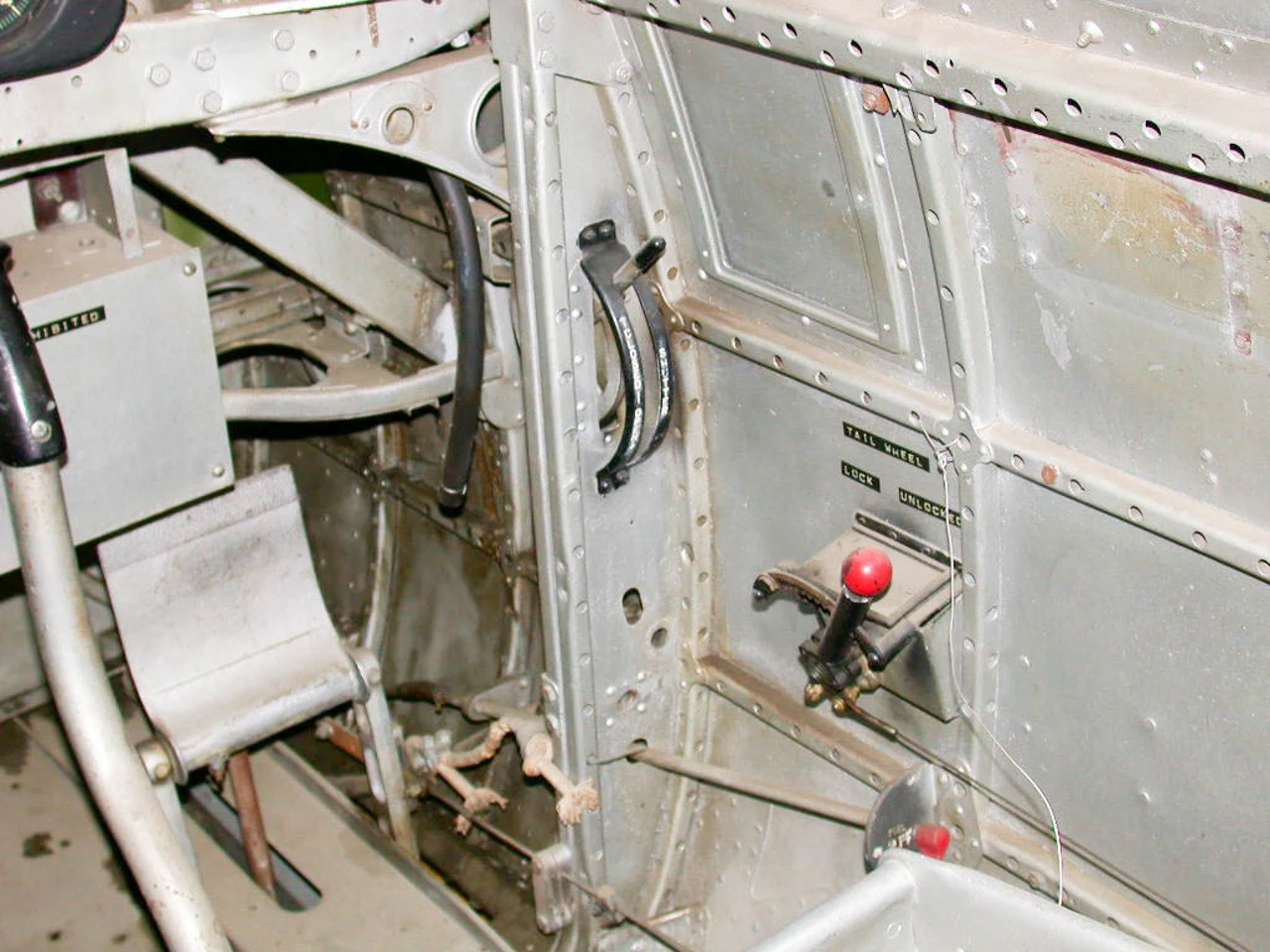
| Boeing P-12E Walk Around | |
|---|---|
| 摄影师 | Fotios Rouch |
| 本地化 | 未知 |
| 照片 | 17 |
另请参阅:


The Masterpiece of the Interwar Years
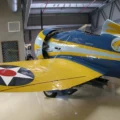
这 波音P-12E (and its Navy twin, the F4B) represented the absolute pinnacle of biplane fighter technology before the monoplane revolution took hold. Developed in the late 1920s and early 1930s, the “E” model was the most numerous and refined version produced for the U.S. Army Air Corps. It was famous for its incredible agility, robust construction, and “peppy” performance. While it was destined to be outclassed by the faster monoplanes of the mid-30s, the P-12E remains an icon of the “Yellow Wing” era, a time when military aviation was as much about aerobatic finesse as it was about firepower.
| Attribute | Technical Specification (P-12E) |
|---|---|
| 作用 | Pursuit (Fighter) Biplane |
| 船员 | 1 (Pilot) |
| 发动机 | 1 × Pratt & Whitney R-1340-17 Wasp radial (500 hp) |
| 最高速度 | 304 km/h (189 mph) |
| Service Ceiling | 8,000 m (26,300 ft) |
| 装备 | 2 × .30 cal machine guns (or 1 × .30 and 1 × .50 cal) |
| 建设 | Semi-monocoque metal fuselage with fabric-covered wings |
| 地位 | Front-line service 1932–1935 |
Design Engineering: Metal Meets Fabric
- Semi-Monocoque Fuselage: Unlike earlier versions that used bolted square-tubing, the P-12E featured an all-metal semi-monocoque fuselage. This made the aircraft significantly lighter and stronger, allowing it to withstand the high-G maneuvers that pilots loved to perform during air shows and training.
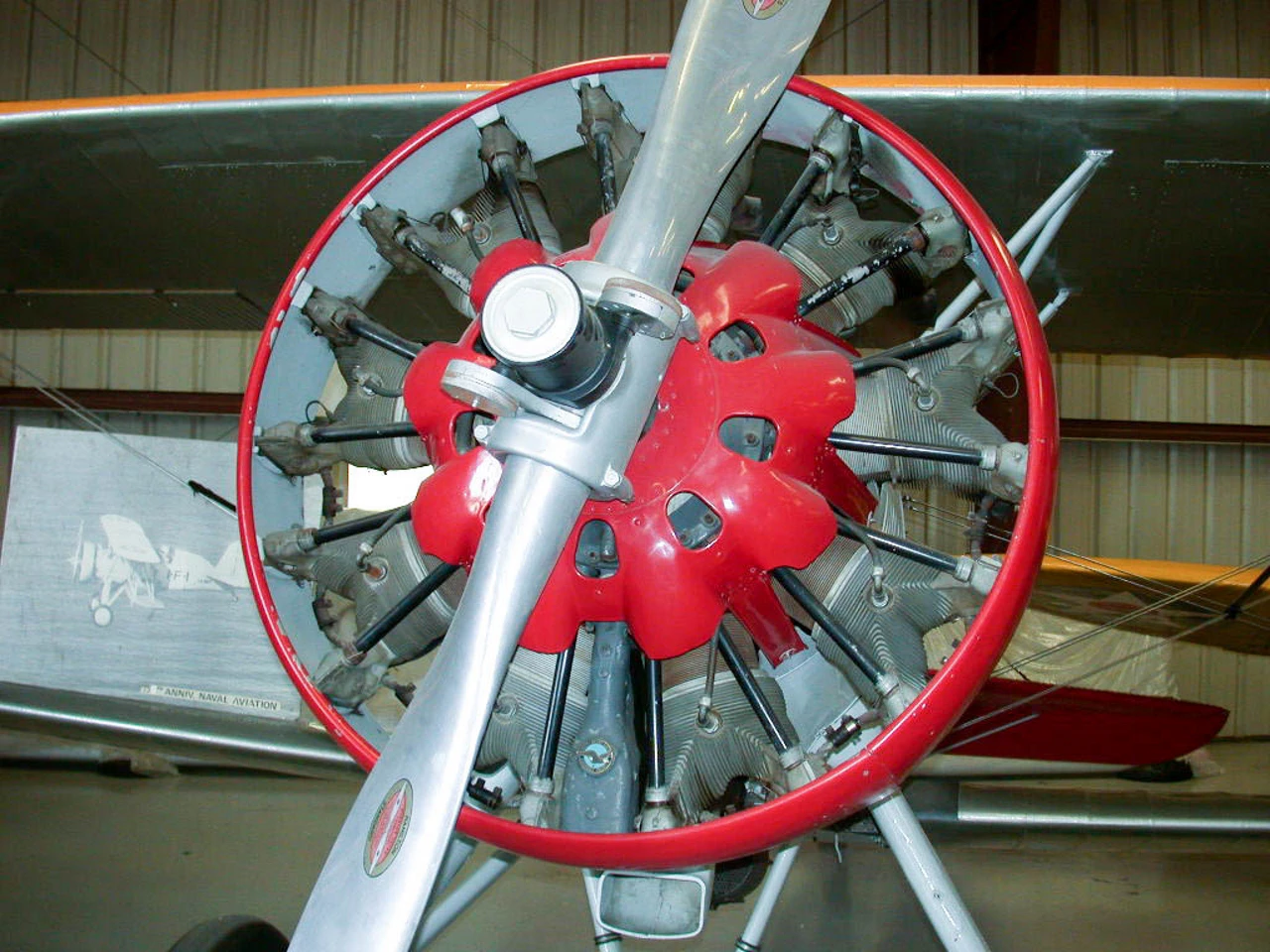
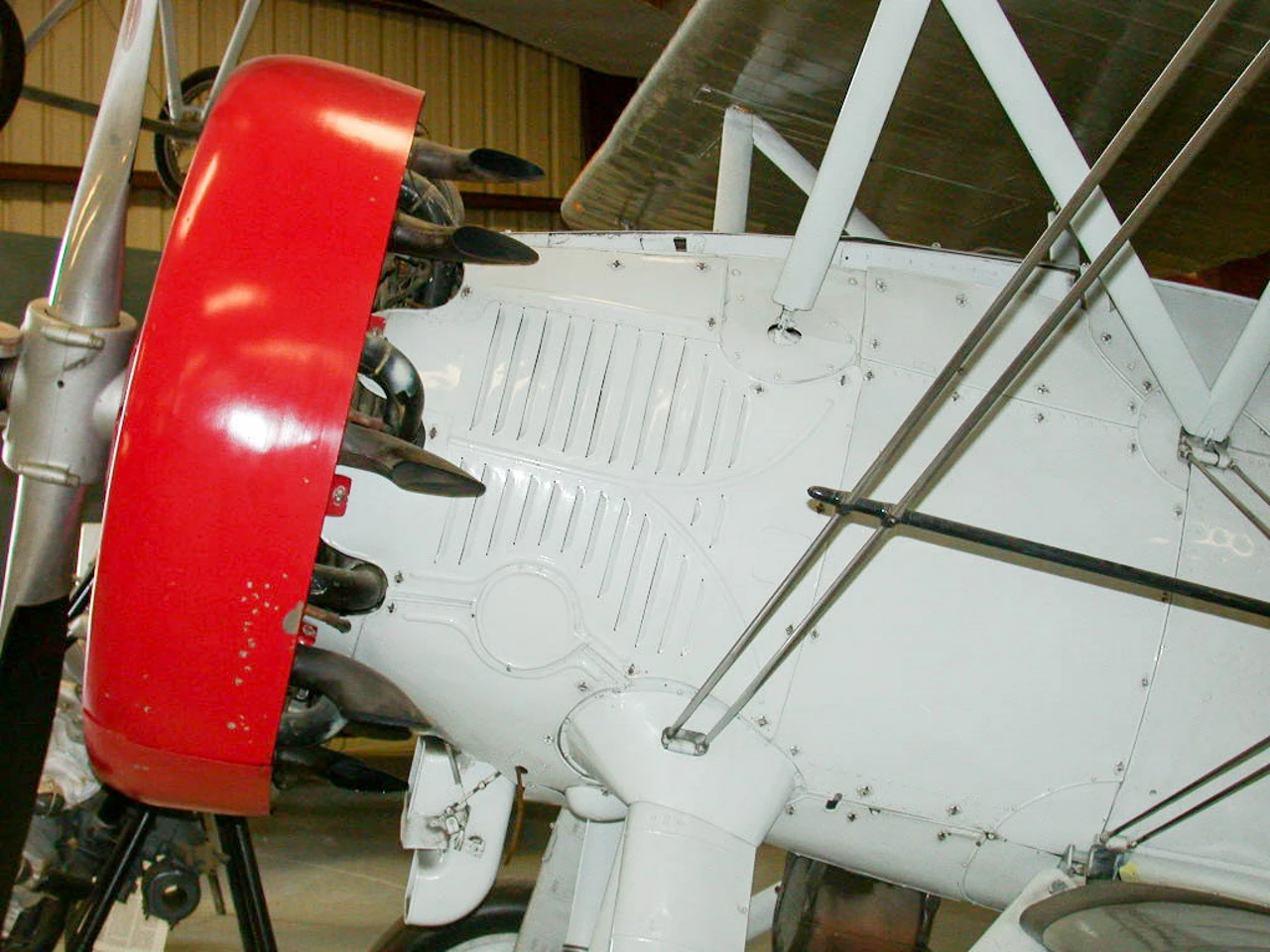
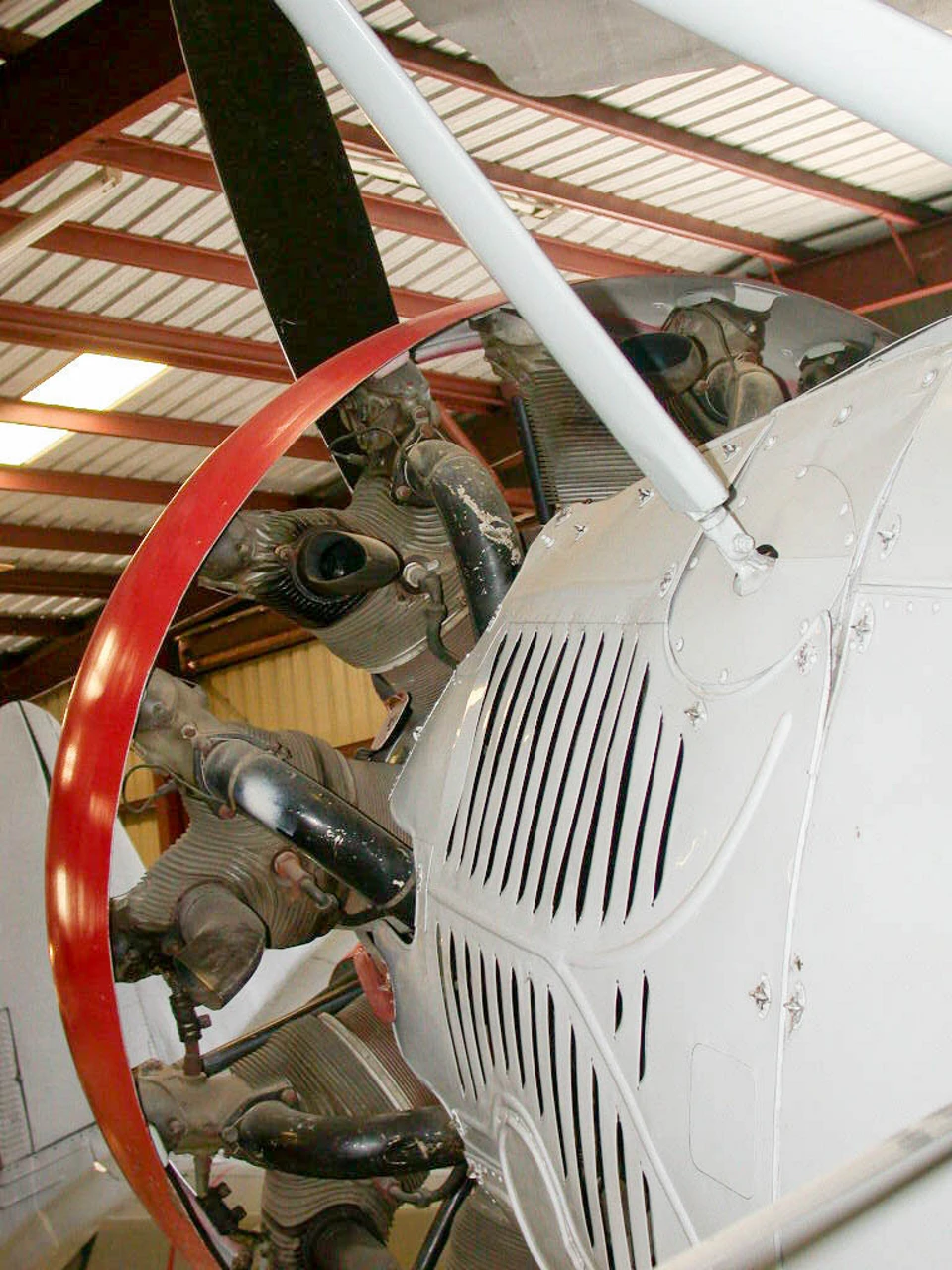
- The Townend Ring: One of the most recognizable features of the P-12E was the narrow ring cowling around its Pratt & Whitney engine. This wasn’t just for looks; it streamlined the airflow over the radial cylinders, significantly reducing drag and boosting the top speed compared to un-cowled versions.
- Frise Ailerons: The P-12E utilized “Frise-type” ailerons on the upper wing, which provided exceptional roll response with very little “adverse yaw.” This made the aircraft a dream to fly in a dogfight, as it responded almost instantly to pilot input.
- The “Headrest” Streamlining: To squeeze out every bit of speed, Boeing added a long, tapered fairing behind the pilot’s head. On some models, this also housed life rafts or emergency equipment for over-water flights.
Operational History: The Golden Age Warrior
- The “Yellow Wings”: The P-12E served during the colorful era of the Air Corps, where planes featured bright yellow wings and colorful squadron bands. It was the primary fighter for elite units like the 1st Pursuit Group and the 20th Pursuit Group.
- Transition to Monoplanes: By 1934, the P-12E began to be replaced by the Boeing P-26 “Peashooter.” Despite the P-26 being faster, many pilots initially preferred the P-12E because the newer monoplane felt “clumsy” compared to the biplane’s agility.
- Advanced Training: After being pulled from front-line combat units, the P-12E served for several more years as an advanced trainer, teaching the next generation of WWII aces how to handle high-performance aircraft.
- Survivor: Today, only one original P-12E is known to exist. It is on display at the National Museum of the United States Air Force in Dayton, Ohio, meticulously restored to its 1932 glory.
意见:3043