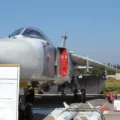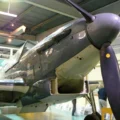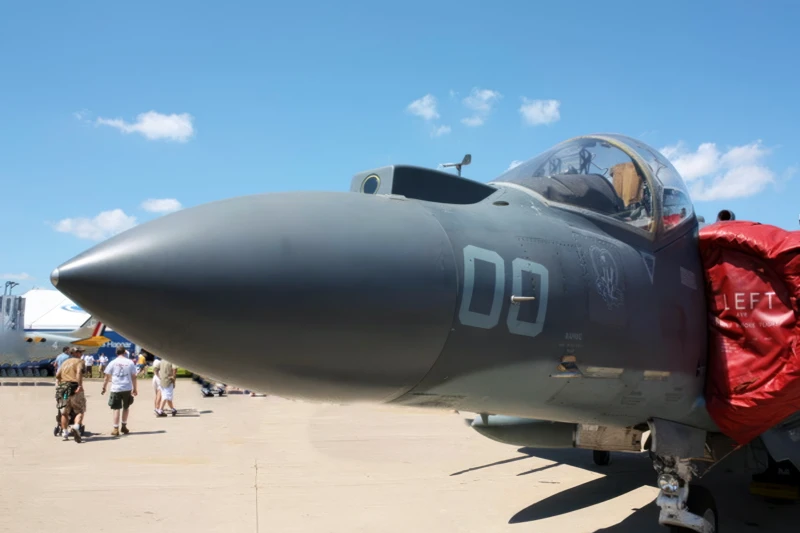
AV-8B猎犬II加号 | |
|---|---|
| 国家 | 美国 |
| 类型 | 垂直/短距离起飞和着陆 |
AV-8B猎犬II加的照片库,麦克唐纳道格拉斯 AV-8B 猎犬II 是第二代垂直/短程起降(V/STOL)地面攻击机。
| AV-8B猎犬II加号 | |
|---|---|
| 摄影师 | 肖恩·安图内斯 |
| 本地化 | 未知 |
| 照片 | 100 |
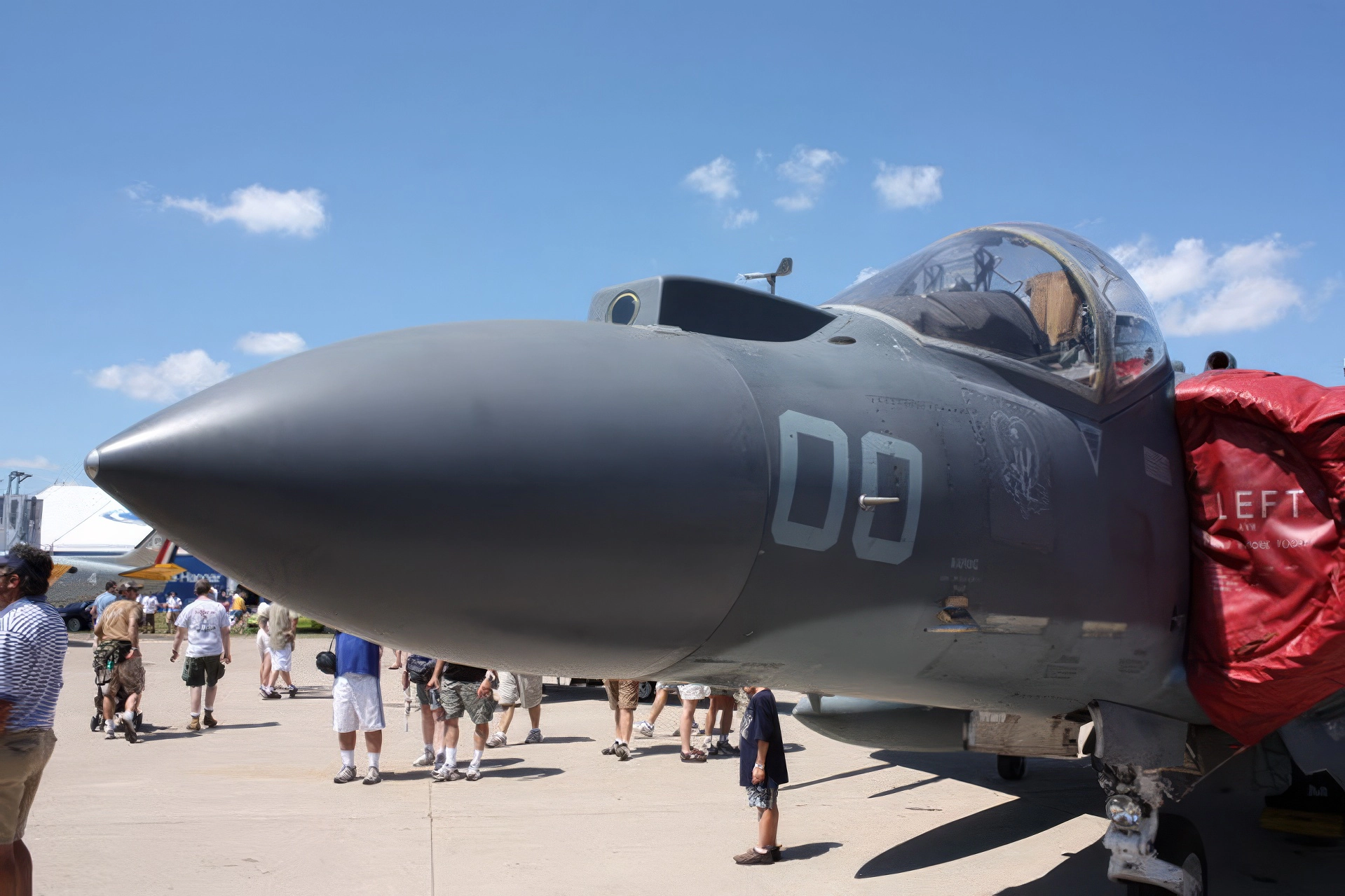
AV-8B 鹞式 II Plus 01
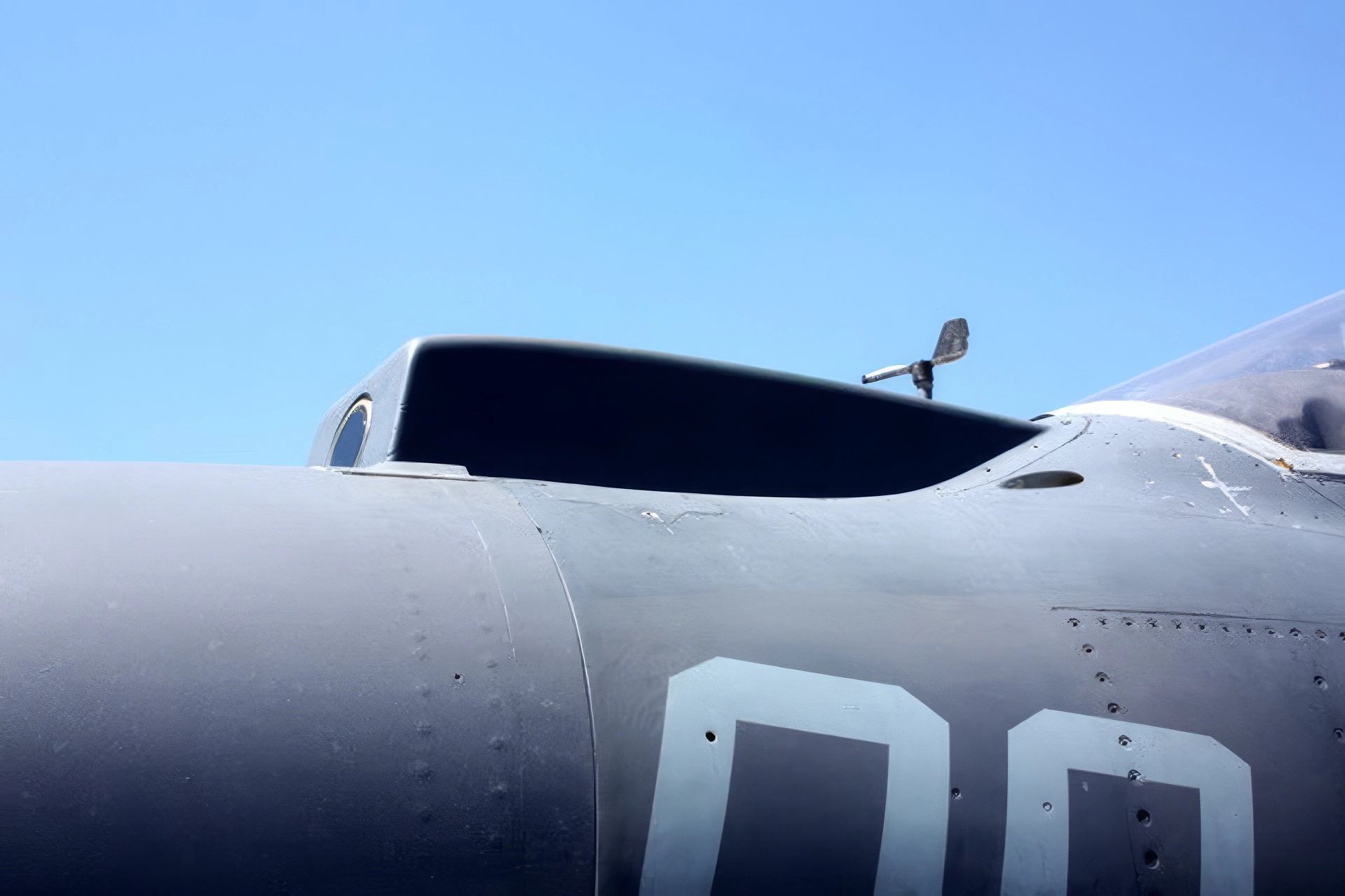
AV-8B 鹞式 II Plus 02
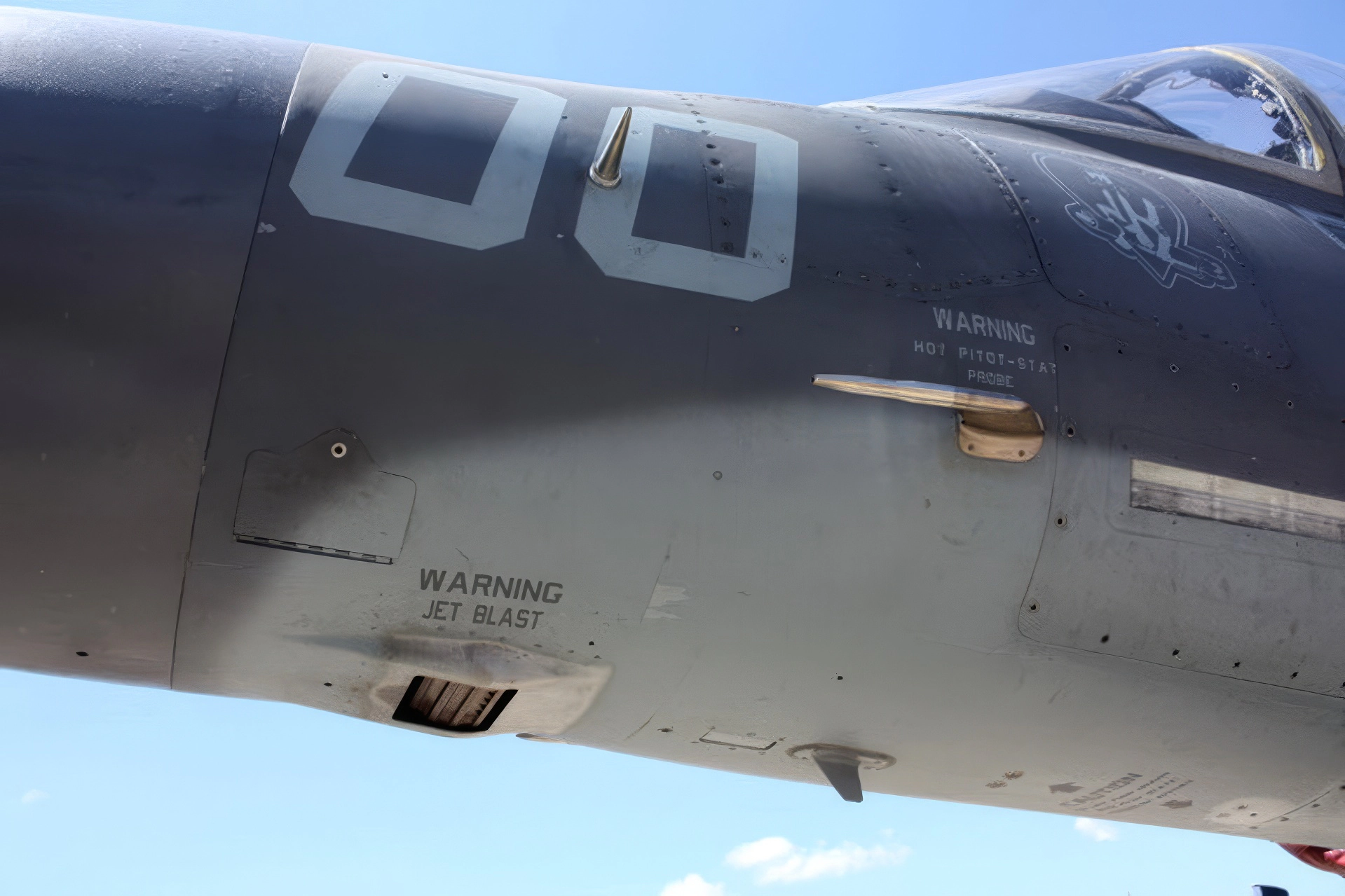
AV-8B 鹞式 II Plus 03
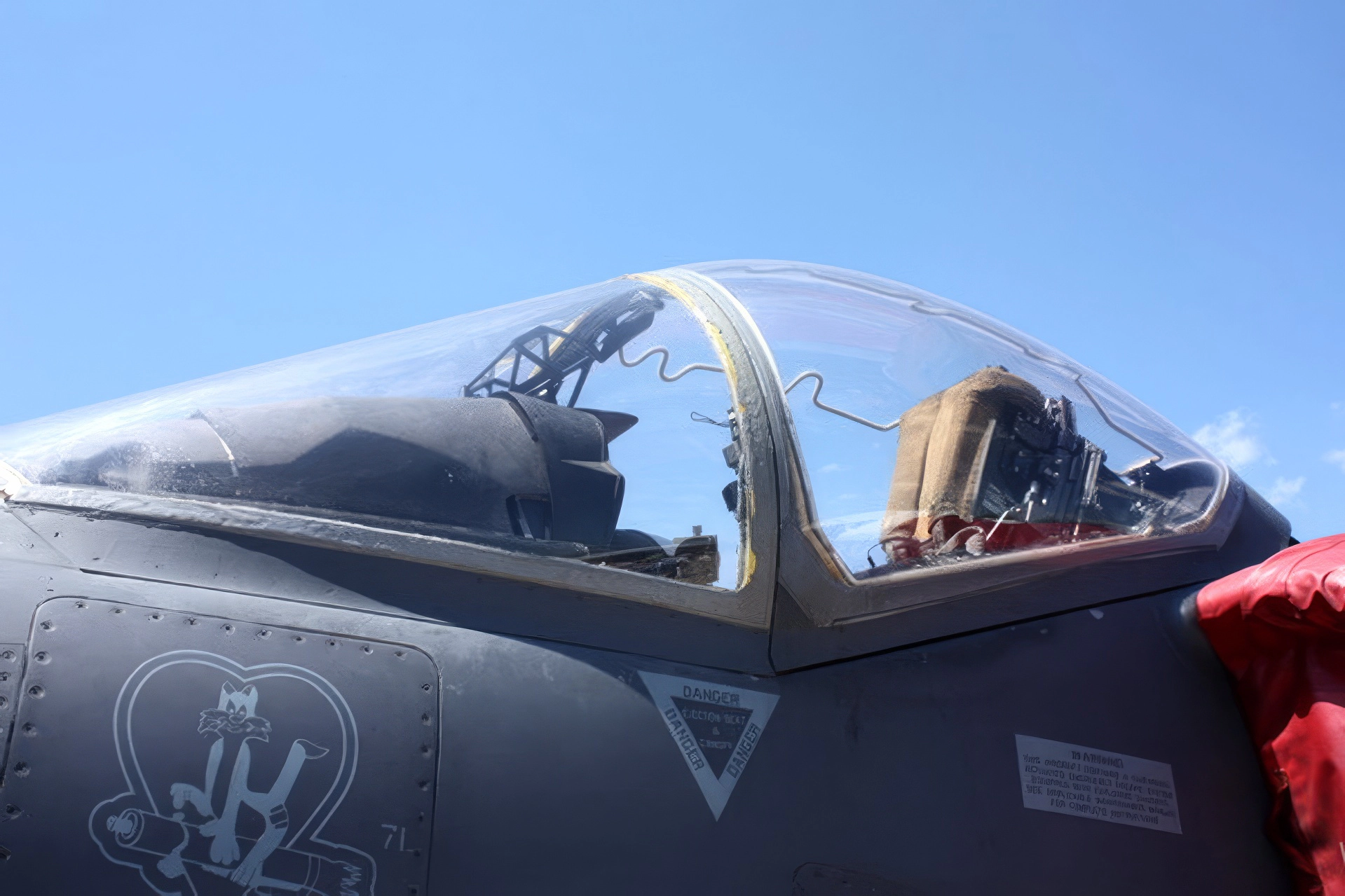
AV-8B 鹞式 II Plus 04
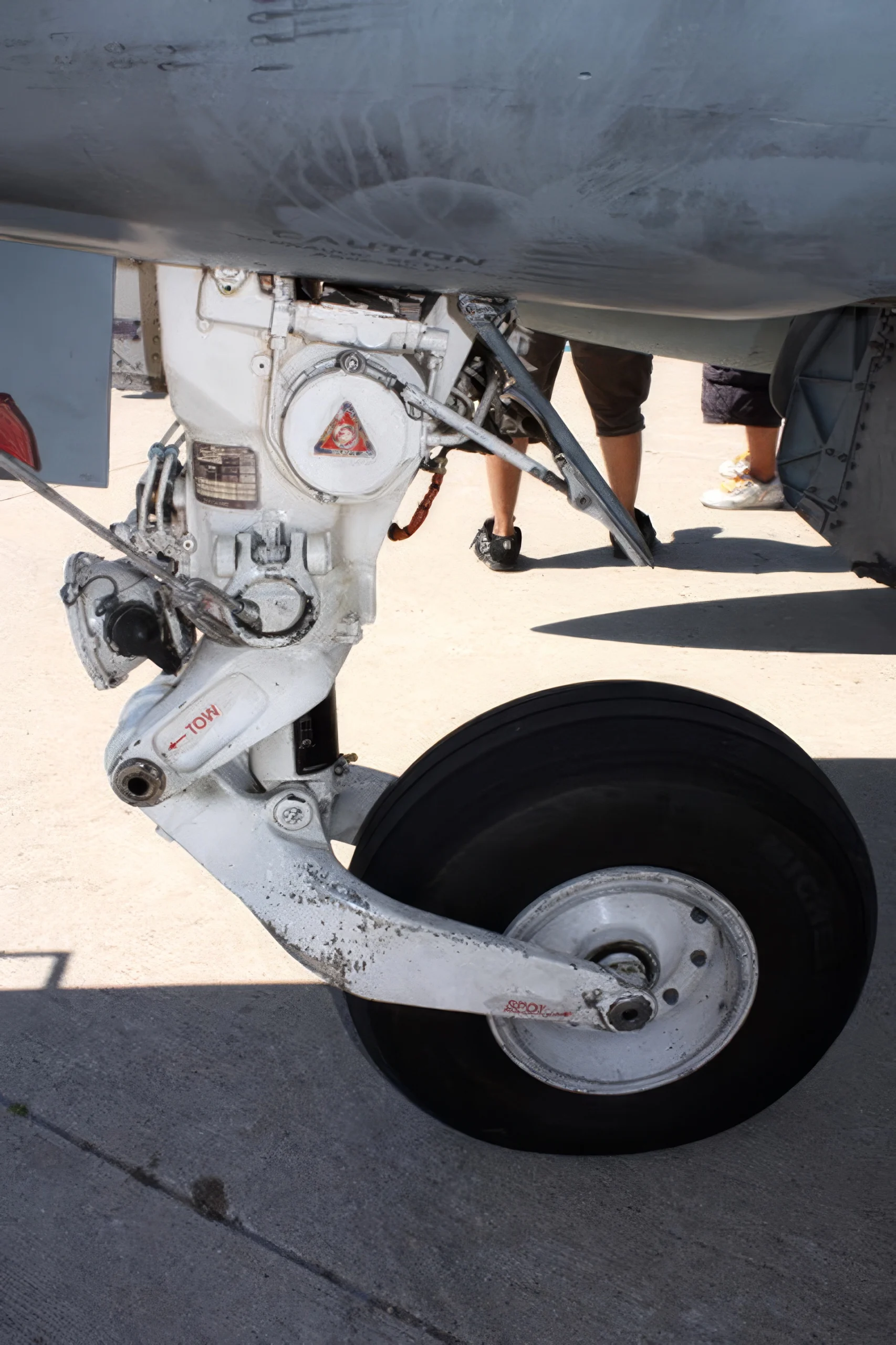
AV-8B 鹞式 II Plus 06
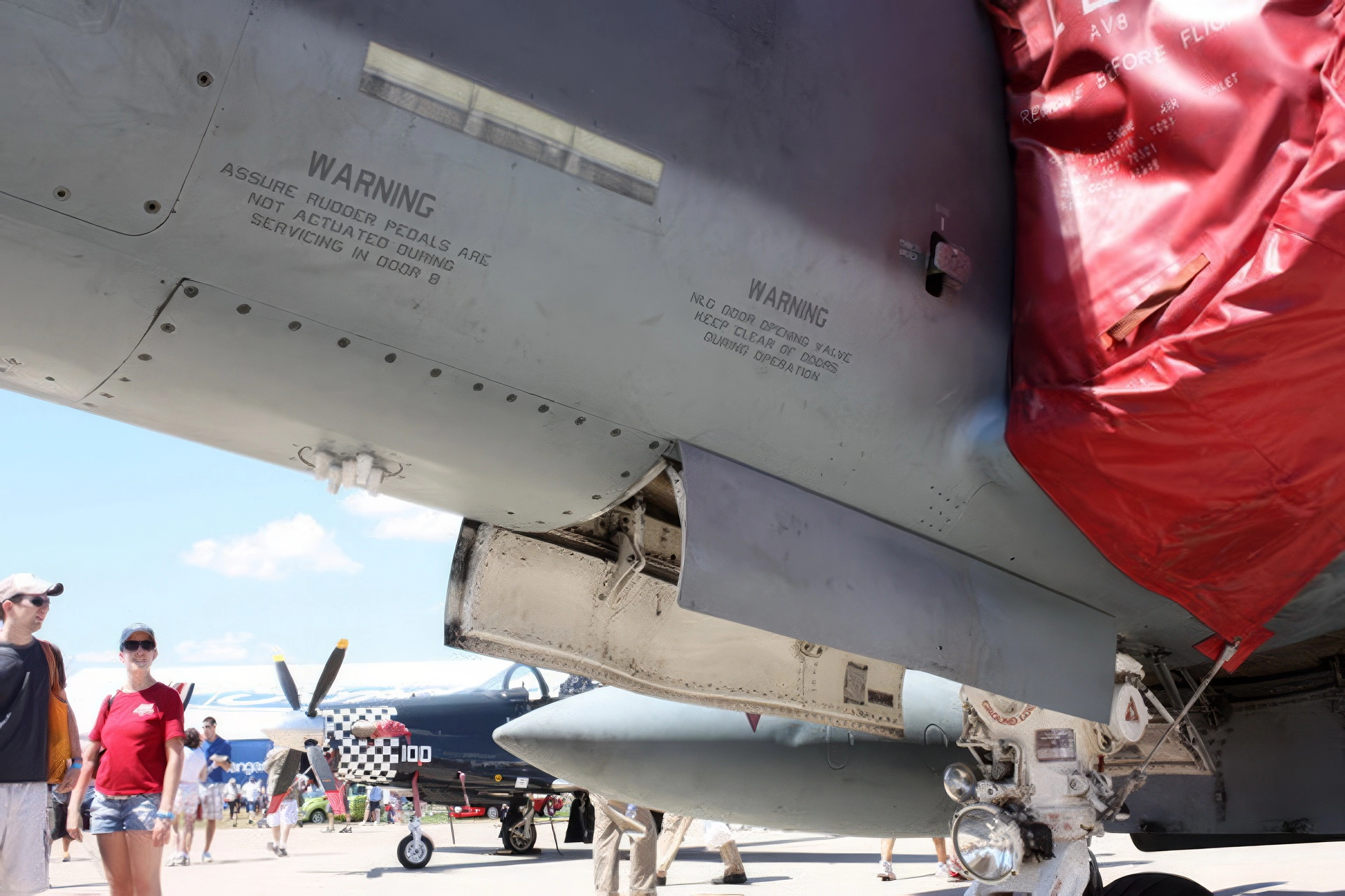
AV-8B 鹞式 II Plus 05
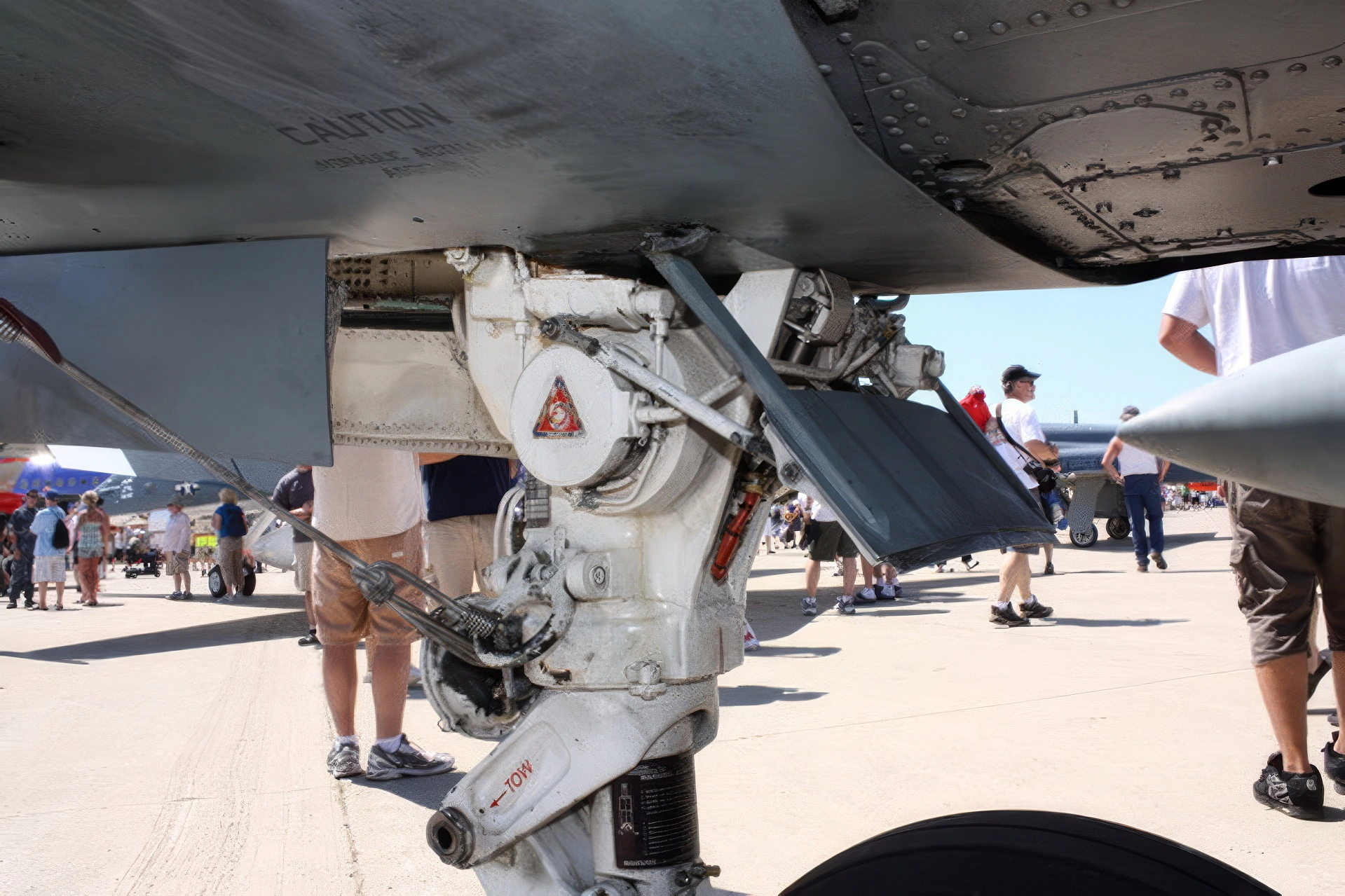
AV-8B 鹞式 II Plus 07
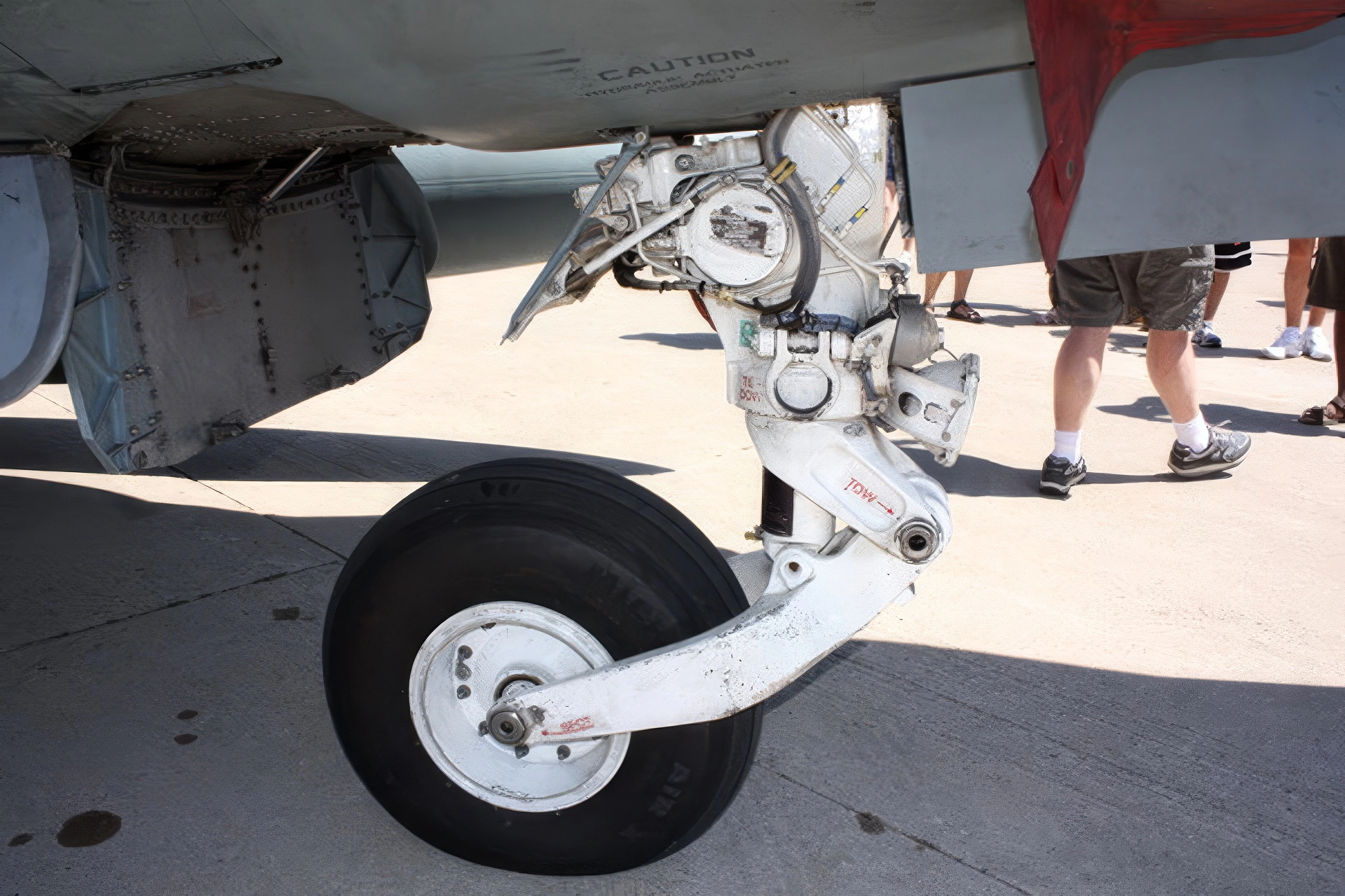
AV-8B 鹞式 II Plus 08
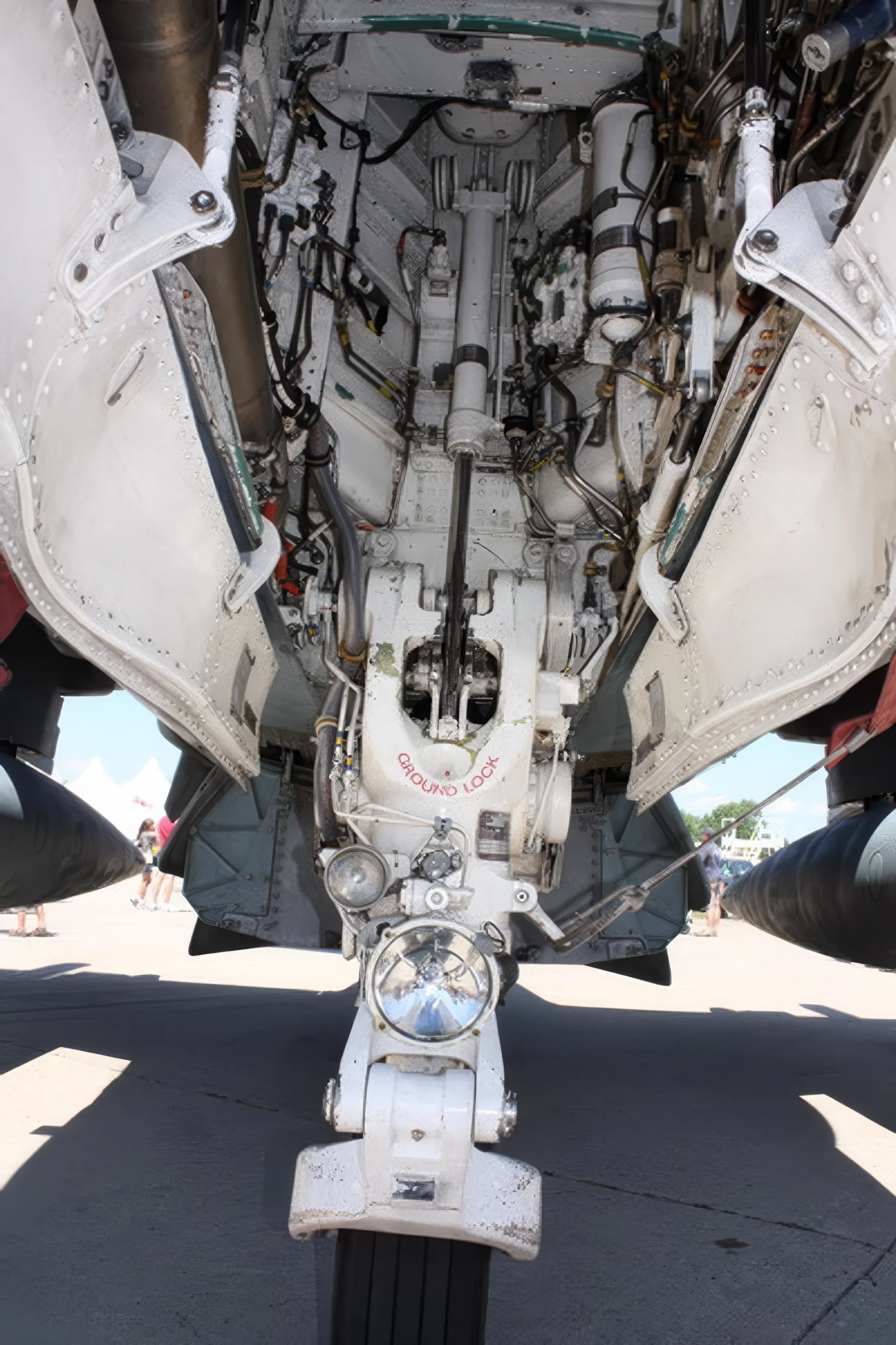
AV-8B 鹞式 II Plus 10
等等,为您搜索AV-8B猎犬II加照片。。。

| Av - 8c 猎犬四处走动 | |
|---|---|
| 摄影师 | 肖恩·安图内斯 |
| 本地化 | 未知 |
| 照片 | 227 |
| AV-8C Harrier Walk Around | |
|---|---|
| 摄影师 | Burhand Donke |
| 本地化 | 未知 |
| 照片 | 25 |
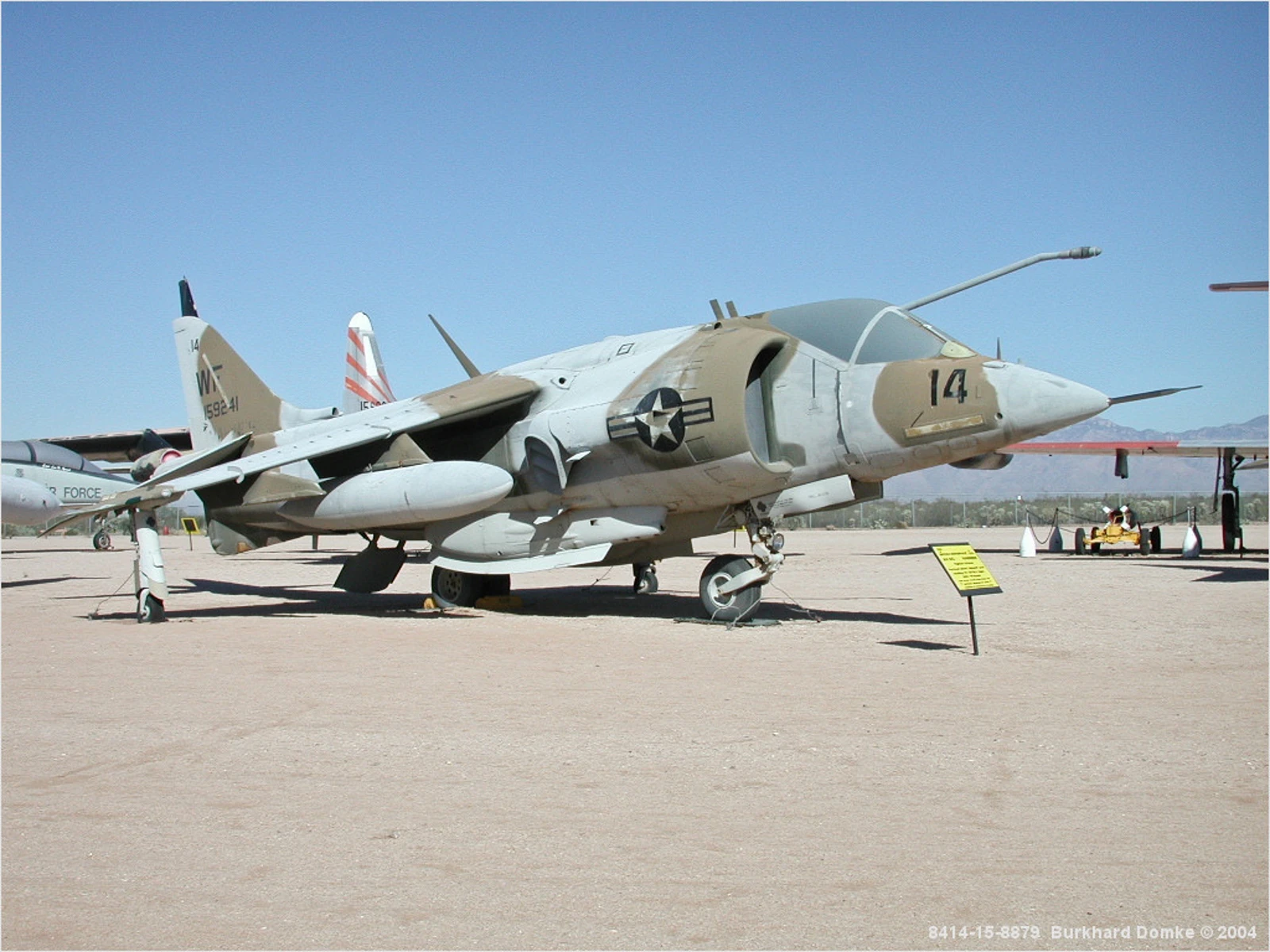
AV-8C Harrier 01
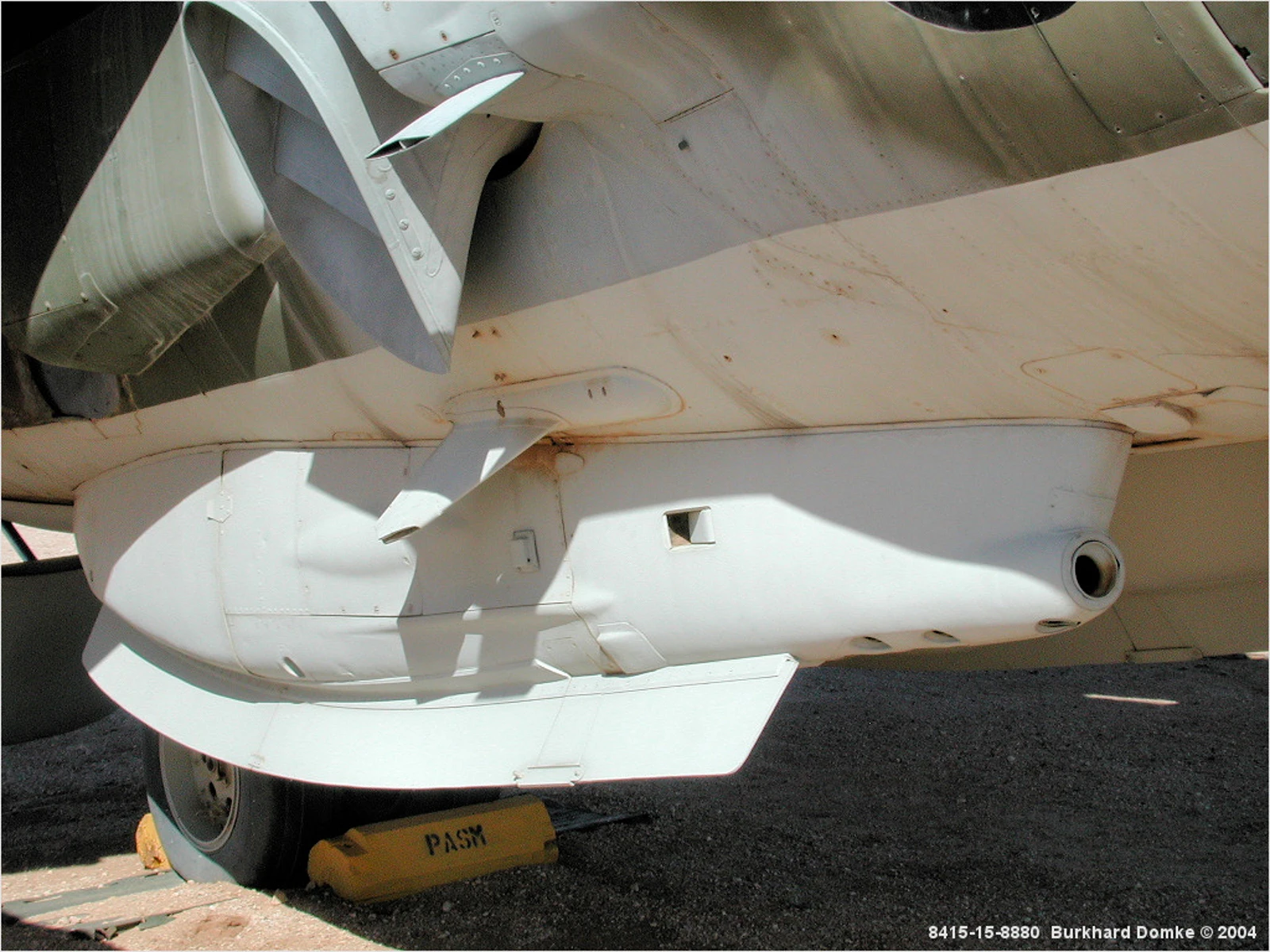
AV-8C Harrier 02
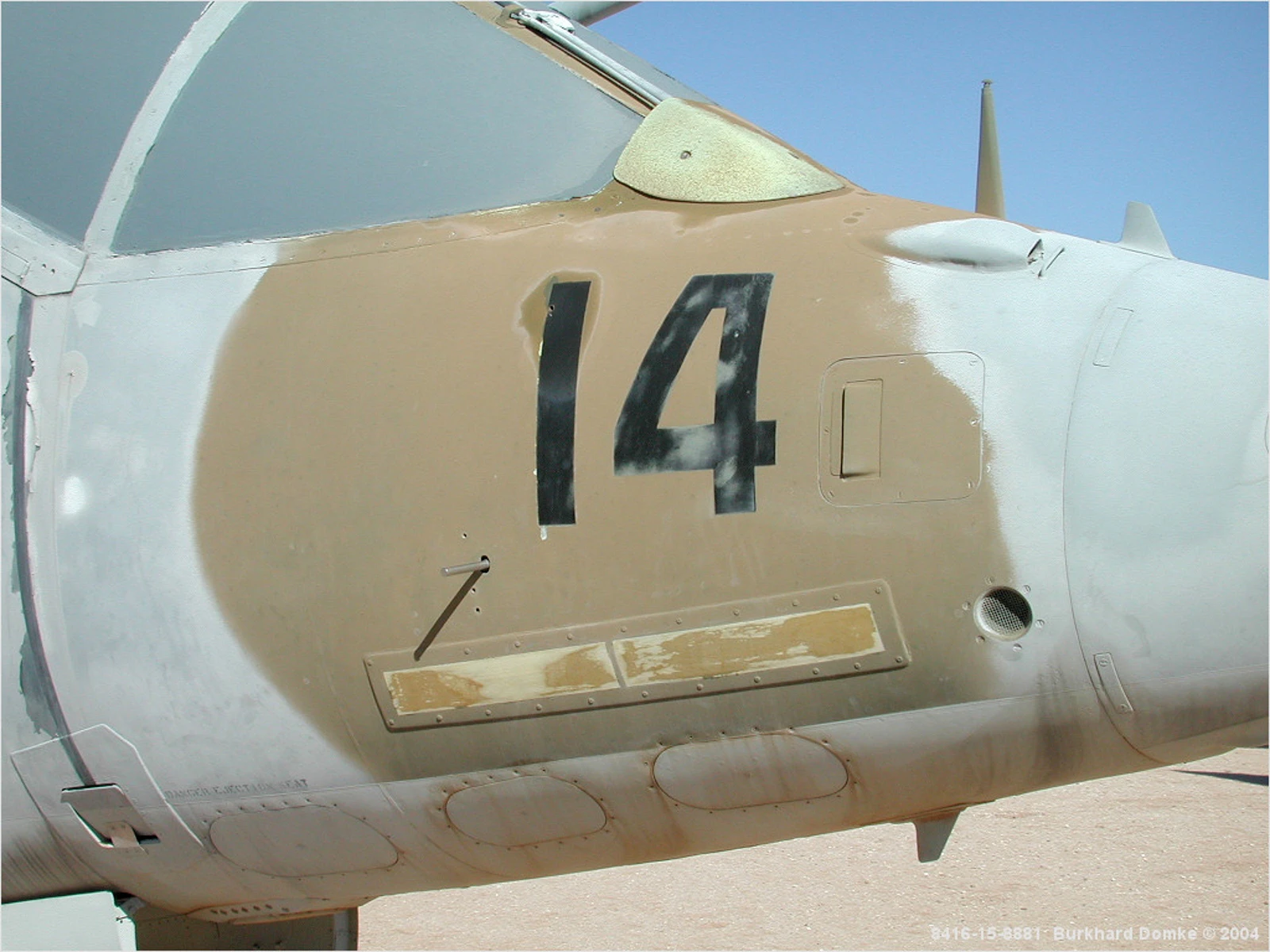
AV-8C Harrier 03
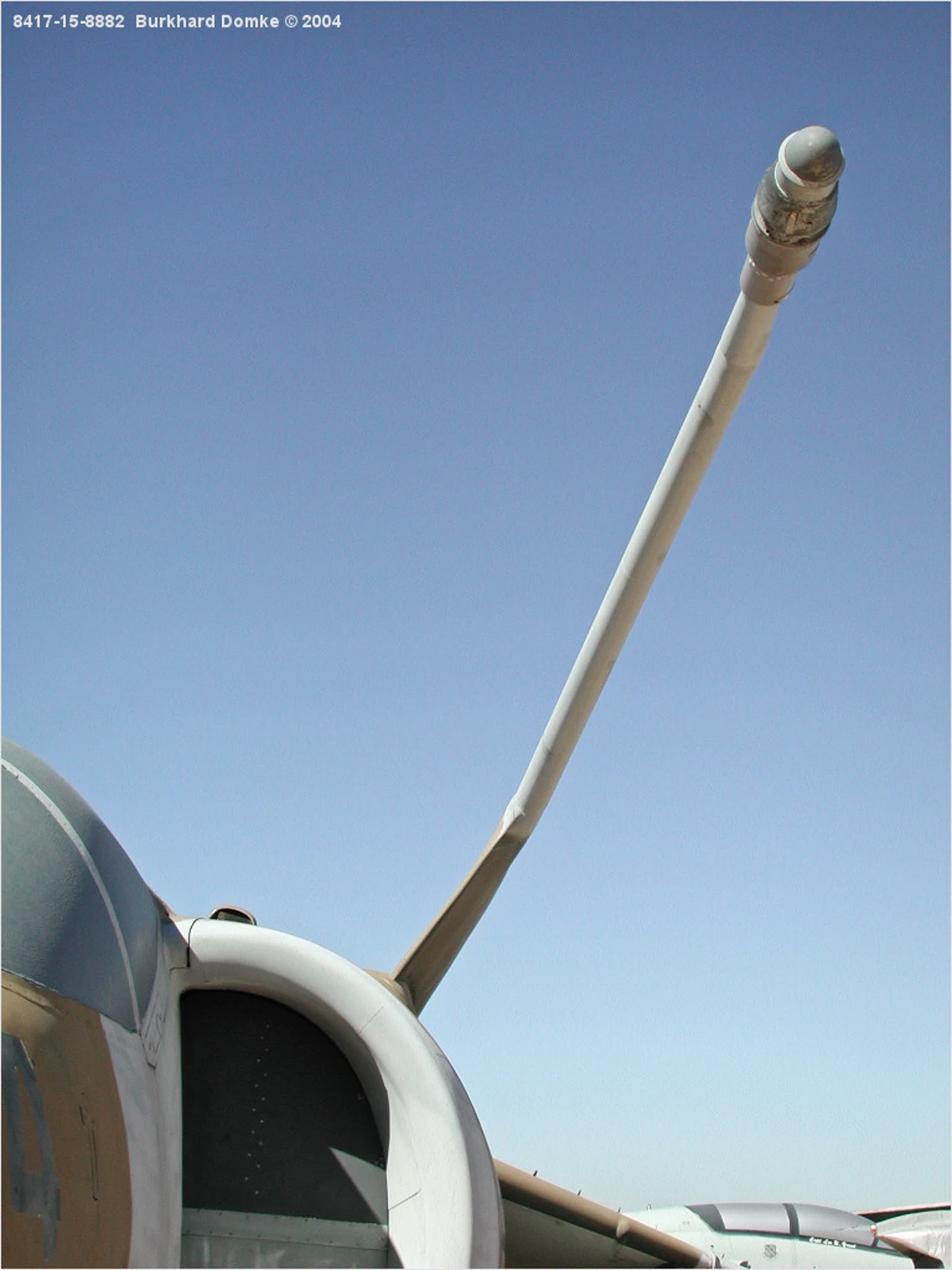
AV-8C Harrier 04
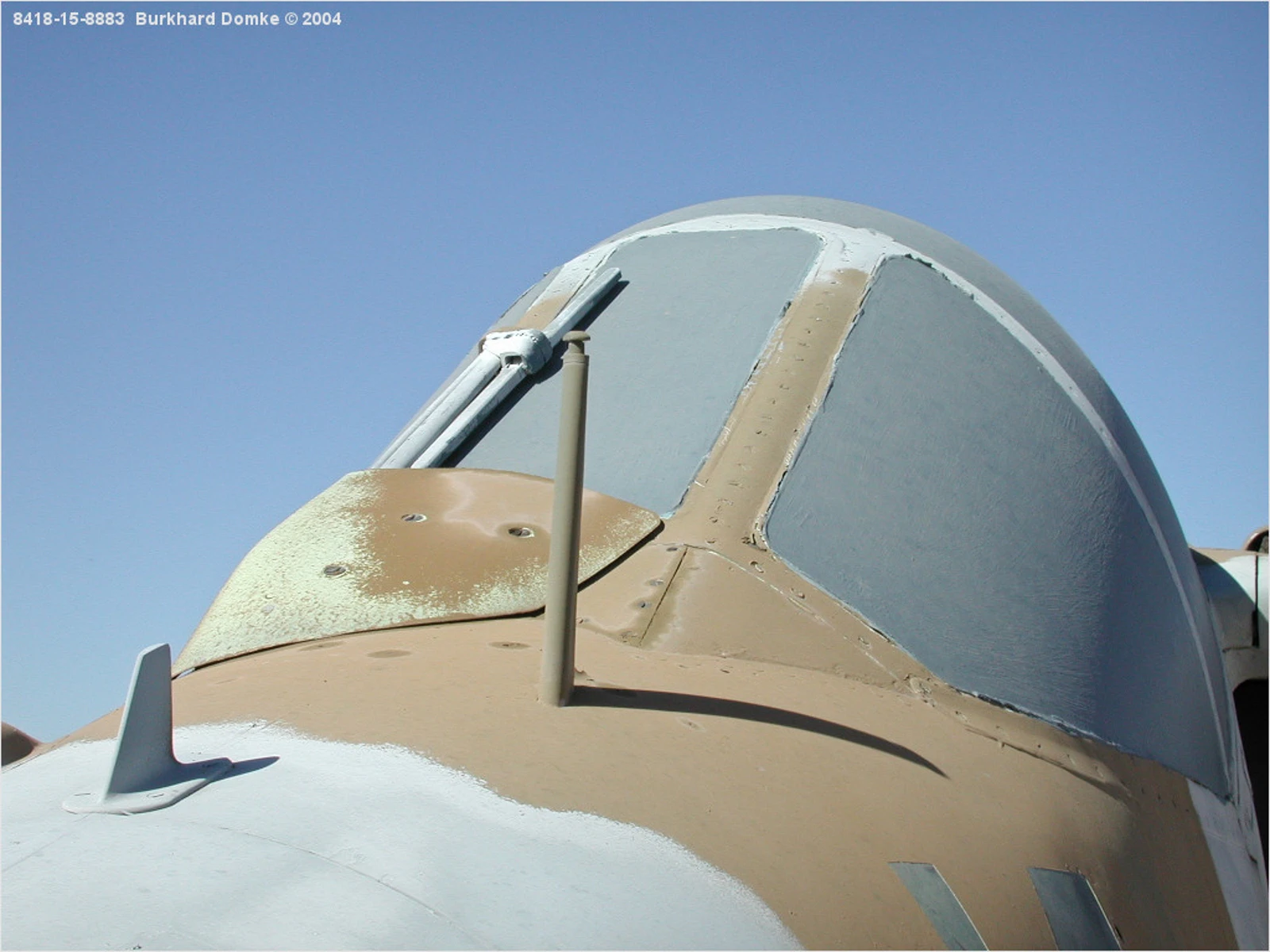
AV-8C Harrier 05
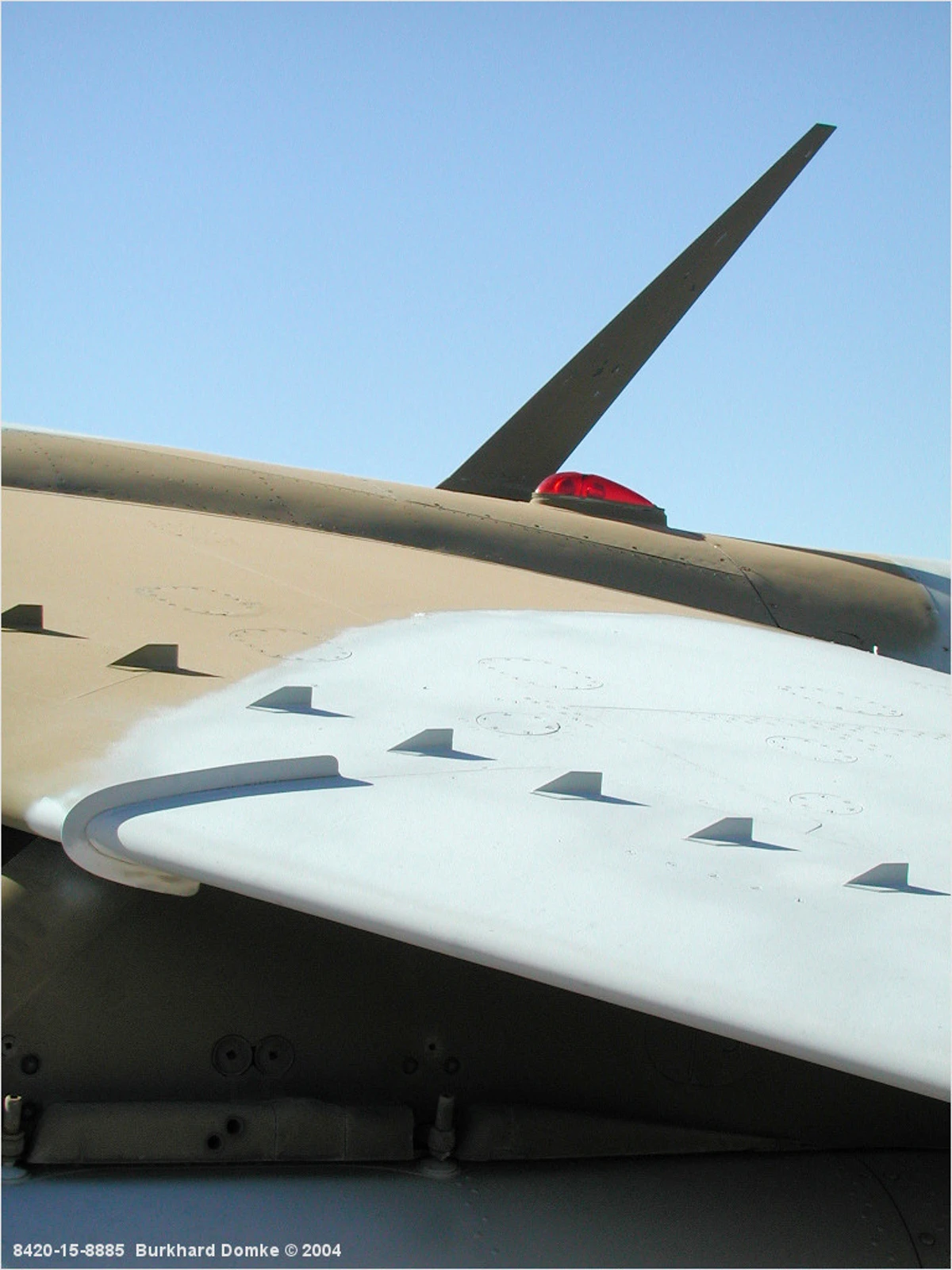
AV-8C Harrier 06
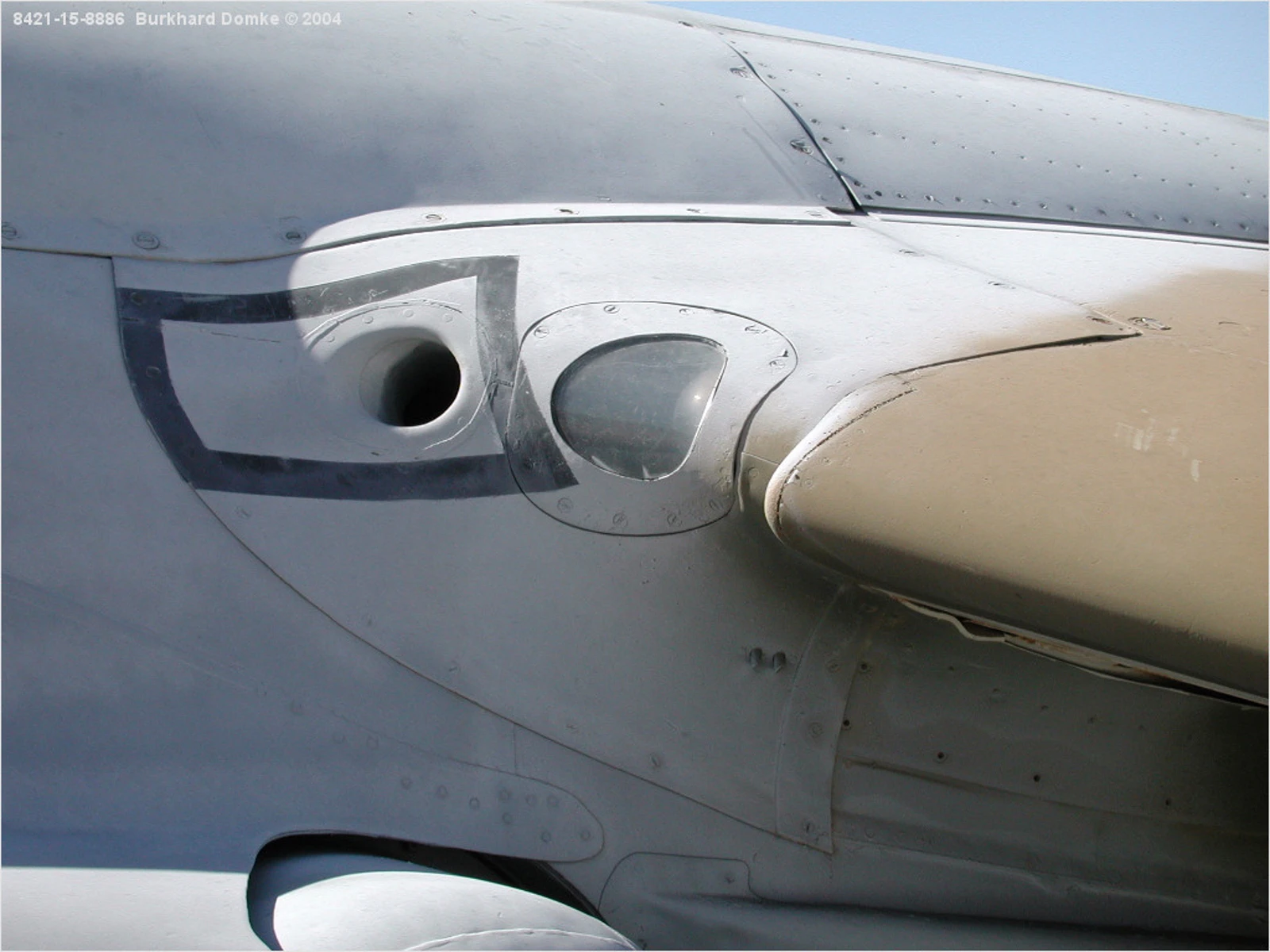
AV-8C Harrier 07

AV-8C Harrier 08
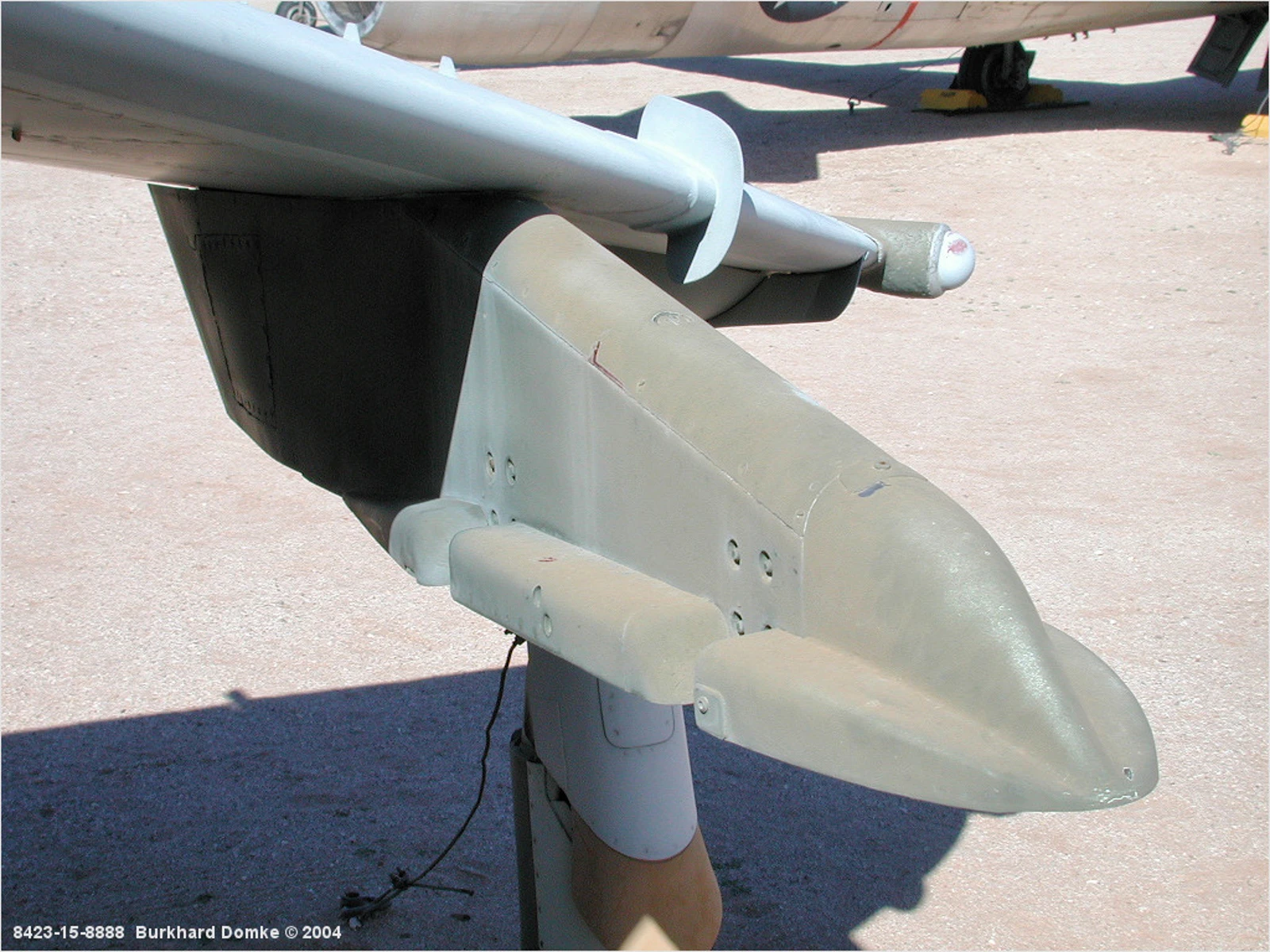
AV-8C Harrier 09
另请参阅:


The Vertical Jump-Jet with a Sting
这 AV-8B猎犬II加号 is the most advanced version of the famous “Jump Jet” family. While earlier Harriers were strictly “day fighters” limited to visual range, the Harrier II Plus (introduced in 1993) added the APG-65 radar—the same radar used in the early F/A-18 Hornet. This transformed the Harrier from a close-air-support specialist into a true multi-role fighter capable of “Beyond Visual Range” (BVR) combat using the AIM-120 AMRAAM. It allowed the U.S. Marine Corps, Italy, and Spain to operate miniature aircraft carriers with a level of air-superiority previously reserved for full-sized “supercarriers.”
| Attribute | Technical Specification (AV-8B Harrier II Plus) |
|---|---|
| 作用 | V/STOL Multi-role Attack Aircraft |
| 船员 | 1 (Pilot) |
| 发动机 | 1 × Rolls-Royce Pegasus F402-RR-408 vectored-thrust turbofan (23,500 lbf) |
| 最高速度 | 1,083 km/h (673 mph / Mach 0.9) |
| Combat Radius | 556 km (300 nmi) with payload |
| 主要武器装备 | 1 × 25 mm GAU-12 Equalizer 5-barrel Gatling cannon |
| Missile Payload | AIM-120 AMRAAM, AIM-9 Sidewinder, AGM-65 Maverick |
| V/STOL Capability | Vertical Take-Off and Landing / Short Take-Off and Vertical Landing |
Design Engineering: Thrust Vectoring Mastery
- The Pegasus Engine: The heart of the Harrier is the Rolls-Royce Pegasus. It uses four rotating nozzles (two for cold air in the front, two for hot exhaust in the back) that can tilt from 0° for horizontal flight to 98.5° for vertical hover and braking.
- Reaction Control System (RCS): Since traditional wings and rudders don’t work in a stationary hover, the Harrier uses tiny “puffer ducts” in the nose, tail, and wingtips. These vent high-pressure engine air to allow the pilot to pitch, roll, and yaw while hanging in mid-air.
- The “Plus” Nose: The “Plus” variant is easily identified by its lengthened, bulbous nose. This extension was necessary to house the APG-65 radar, which finally gave the Harrier the ability to hunt in the dark and fire radar-guided missiles.
- Supercritical Wing: The Harrier II wing is significantly larger than the original 1960s Harrier. It is made largely of composites (carbon fiber) and uses a “supercritical” airfoil design to increase lift and allow for more fuel storage, drastically improving the plane’s once-criticized short legs.
Operational History: The Marines’ Swiss Army Knife
- Desert Storm and Beyond: U.S. Marine Corps Harriers were often the first fixed-wing aircraft on the scene. Because they could operate from improvised “FARP” (Forward Arming and Refueling Points) right behind the front lines, their response time was faster than traditional jets flying from distant bases.
- “Viffing” (Vectoring in Forward Flight): During dogfights, Harrier pilots can rotate their nozzles slightly downward while moving forward. This creates a sudden “jump” or braking effect that can cause an enemy fighter to overshoot, turning the Harrier from the hunted into the hunter.
- The “Small Carrier” Revolution: The Harrier II Plus allowed nations like Italy (on the Giuseppe Garibaldi) and Spain (on the Príncipe de Asturias) to have a “Fleet Defender” that could shoot down enemy bombers at long range, despite only having small V/STOL carriers.
- Retirement and the F-35B: After decades of service, the Harrier II Plus is being replaced by the F-35B Lightning II. While the F-35 is stealthy and supersonic, many pilots still miss the raw, “seat-of-the-pants” flying required to master the Harrier’s notoriously difficult vertical landings.
Views : 11589