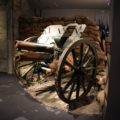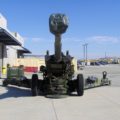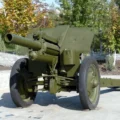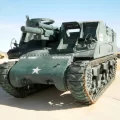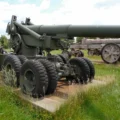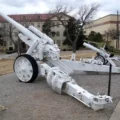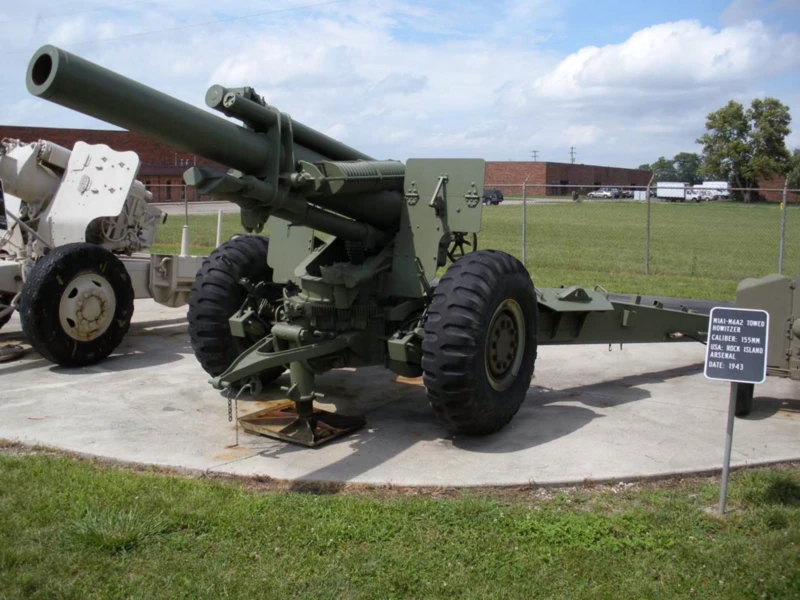
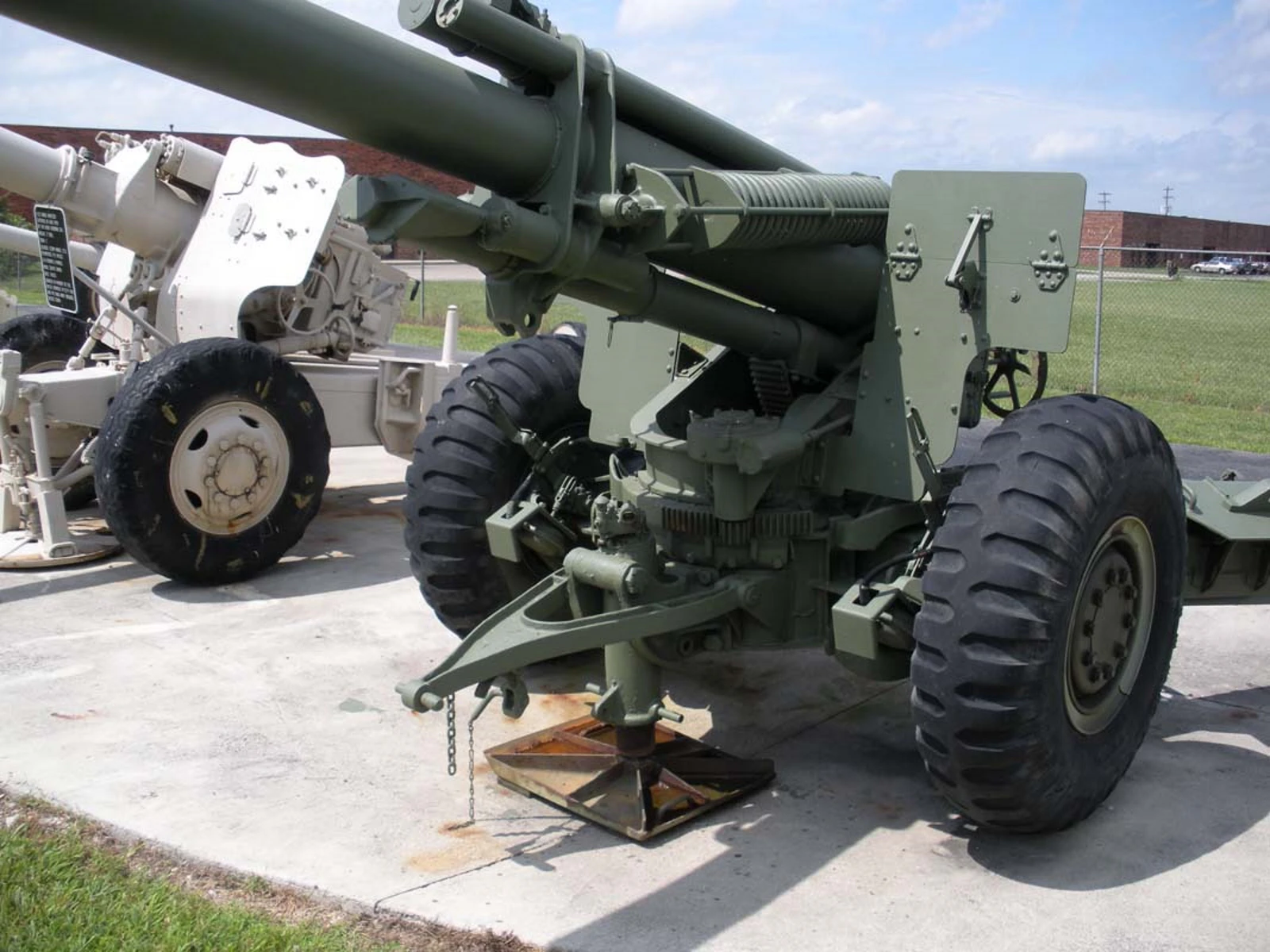
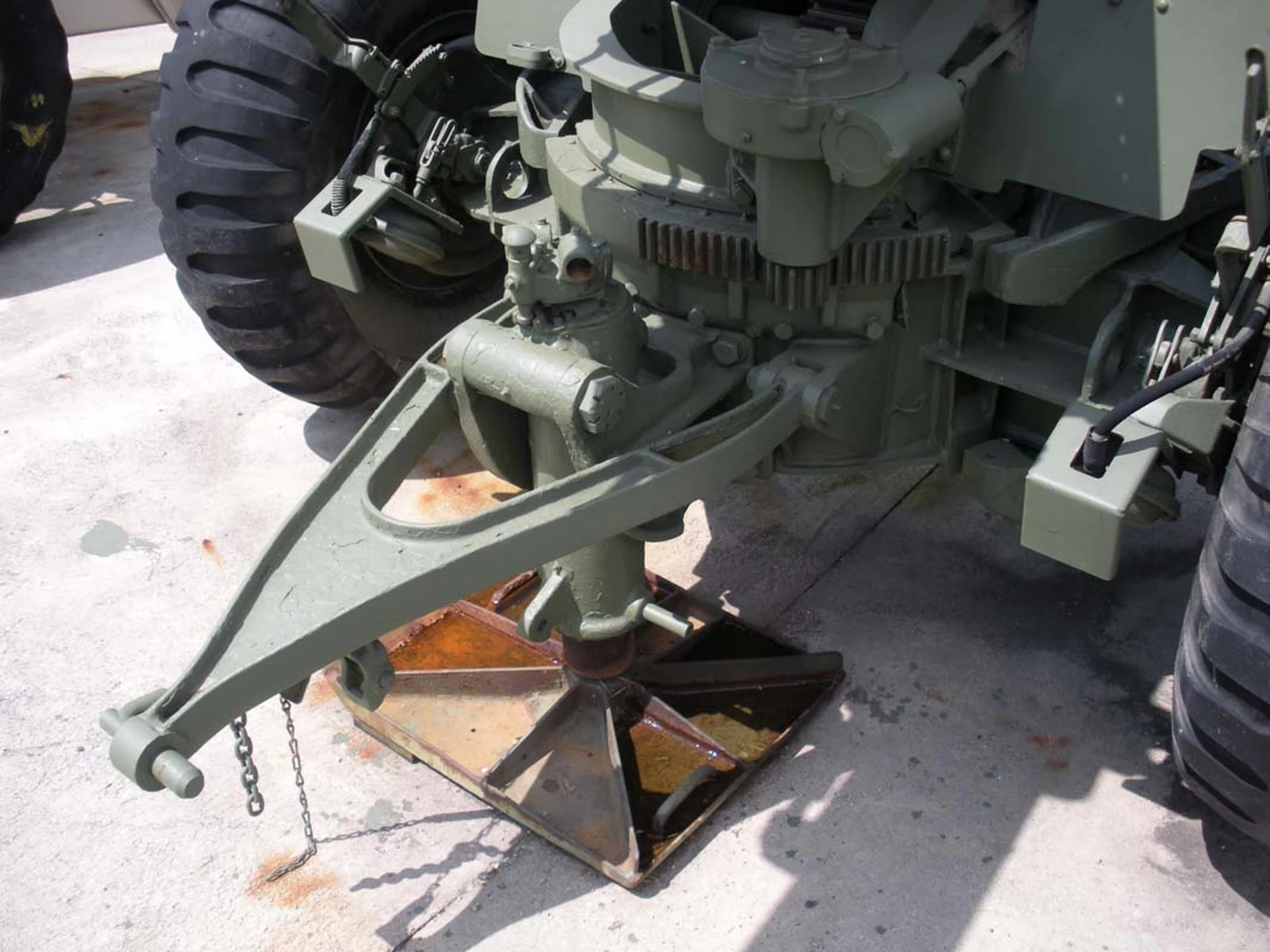
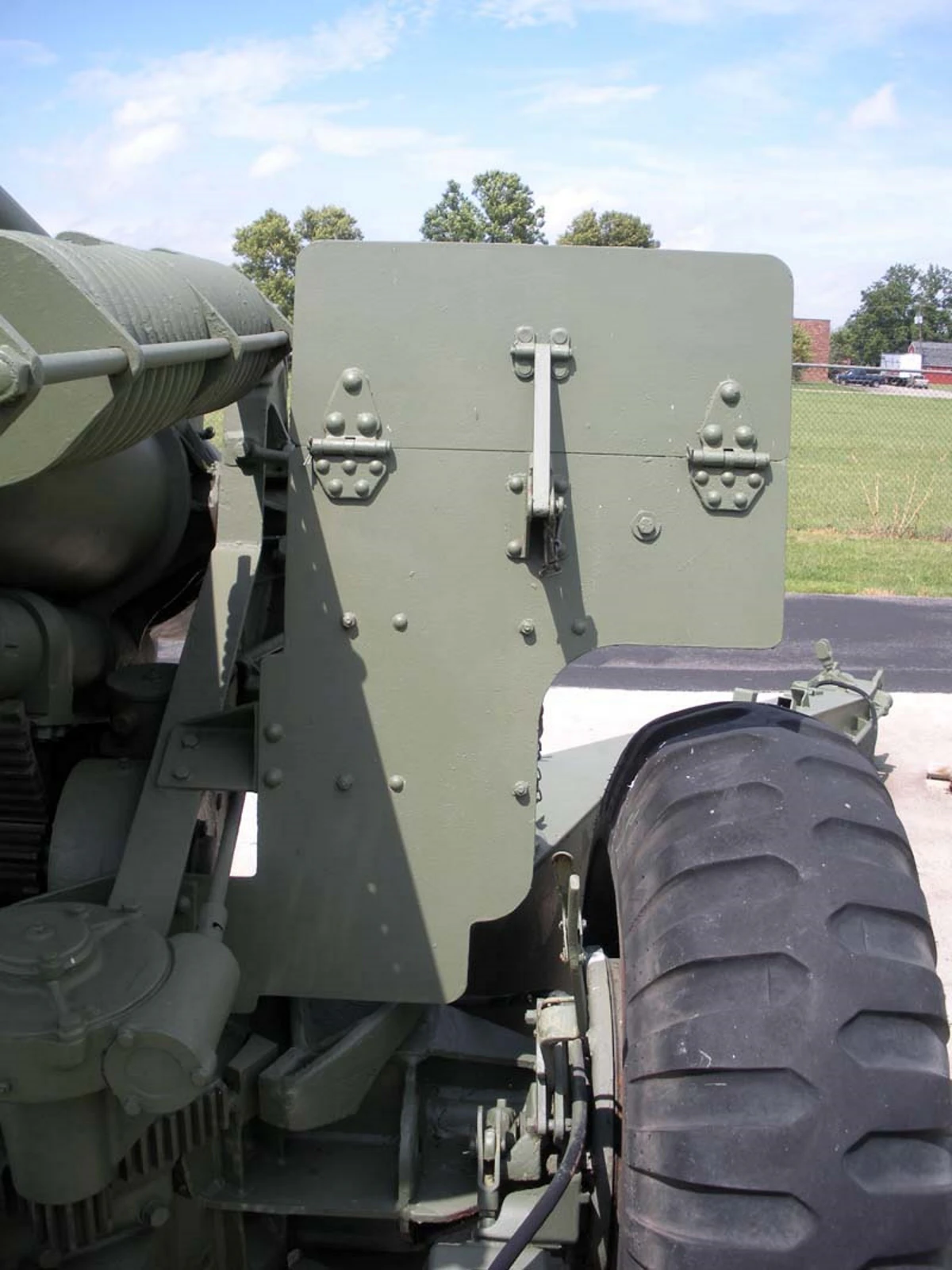
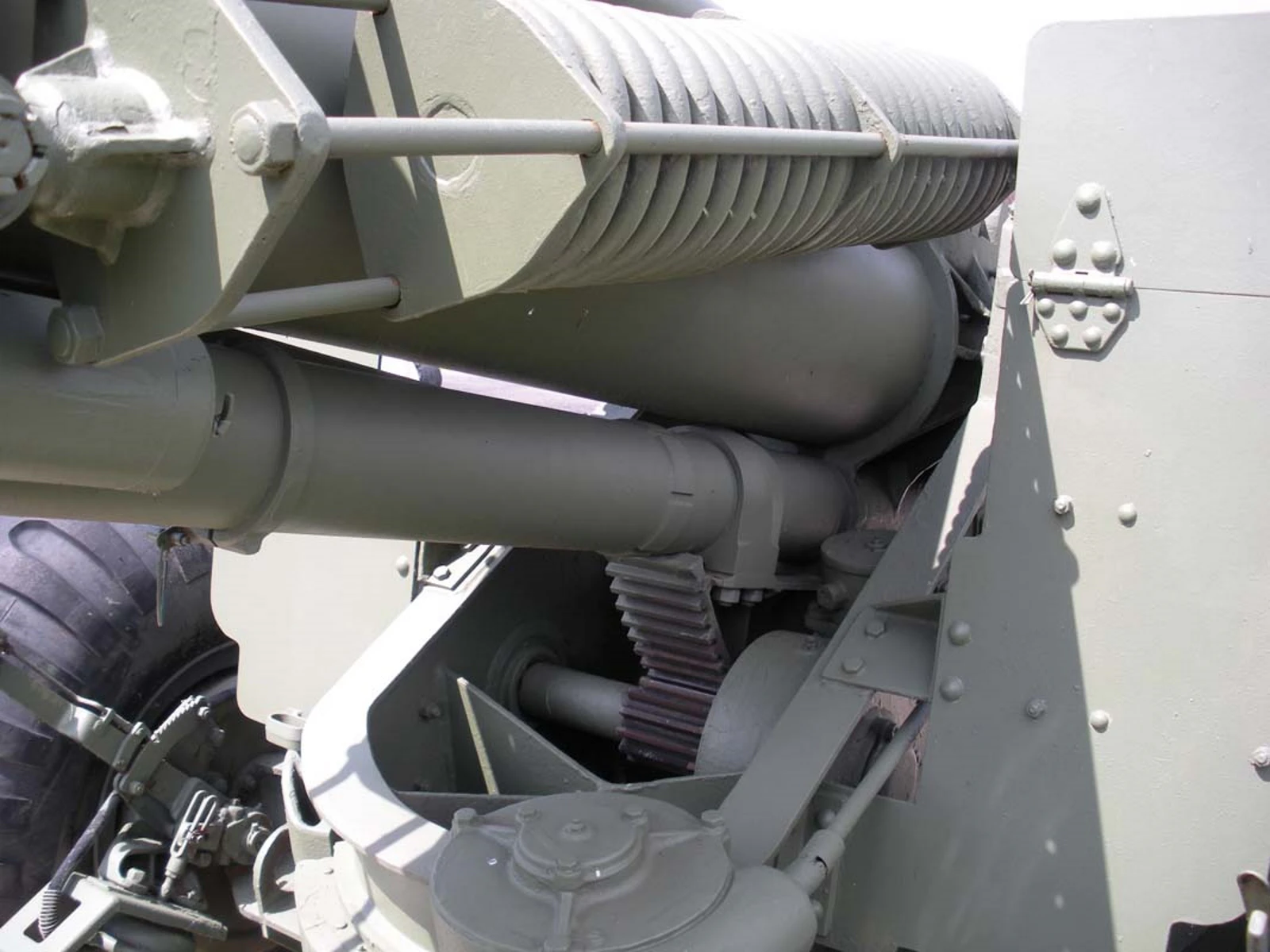
美国 155 毫米 M1A1 榴弹炮 | |
| 国家 | 美国 |
| 类型 | 榴弹炮 |
| 照片 | 兰迪 J 雷 |
| 找到 | 莫特斯军事博物馆 |
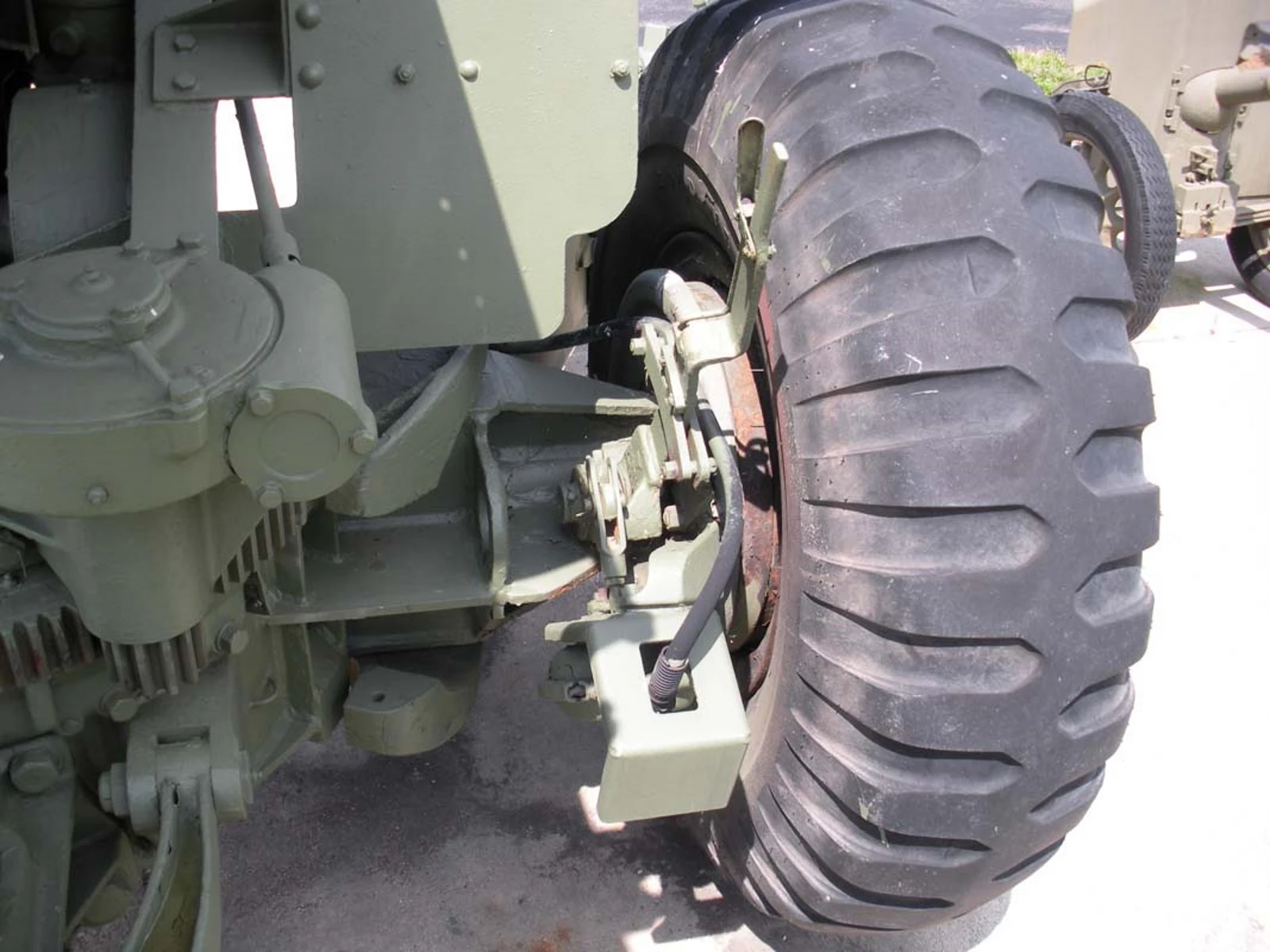
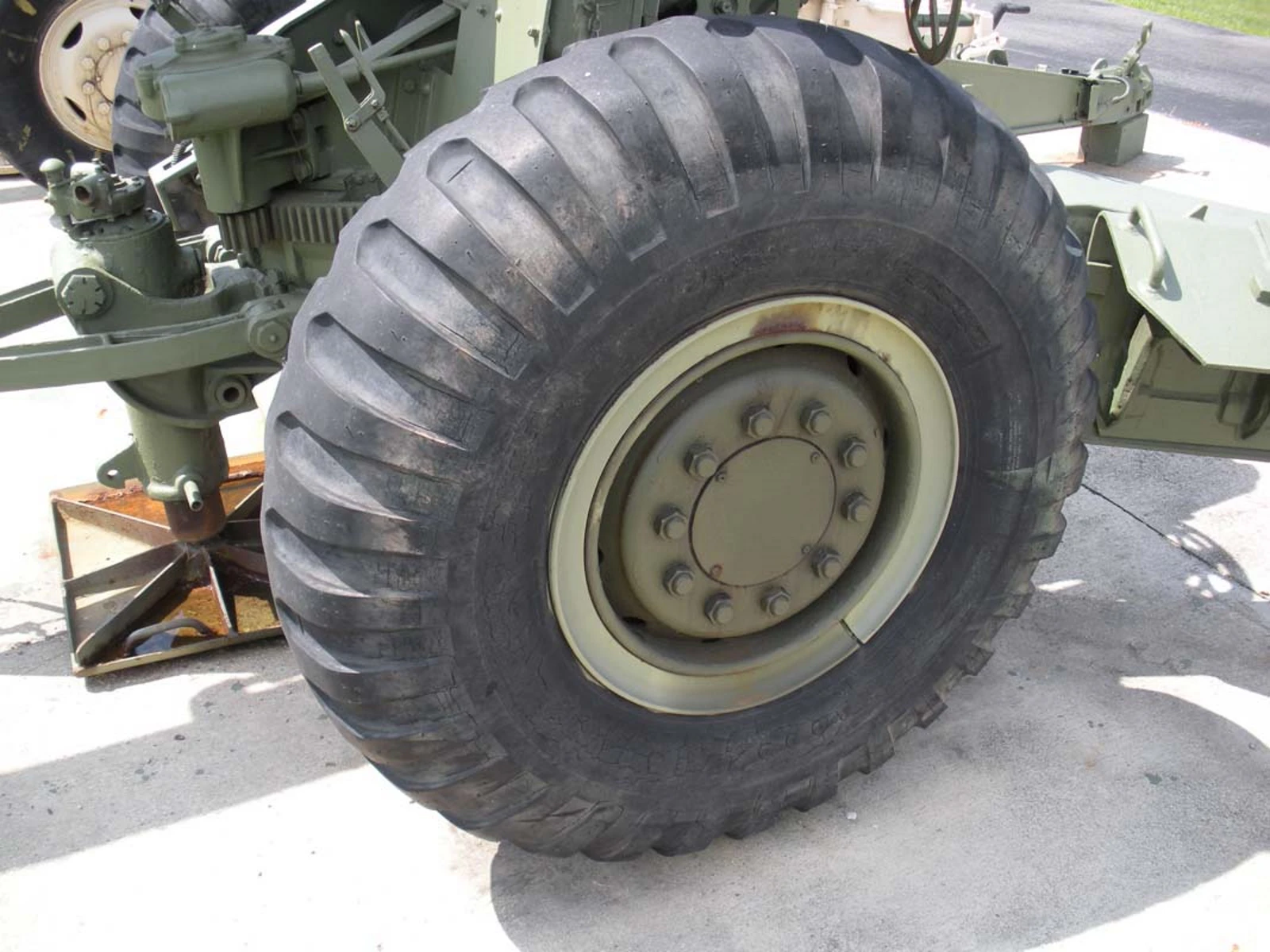
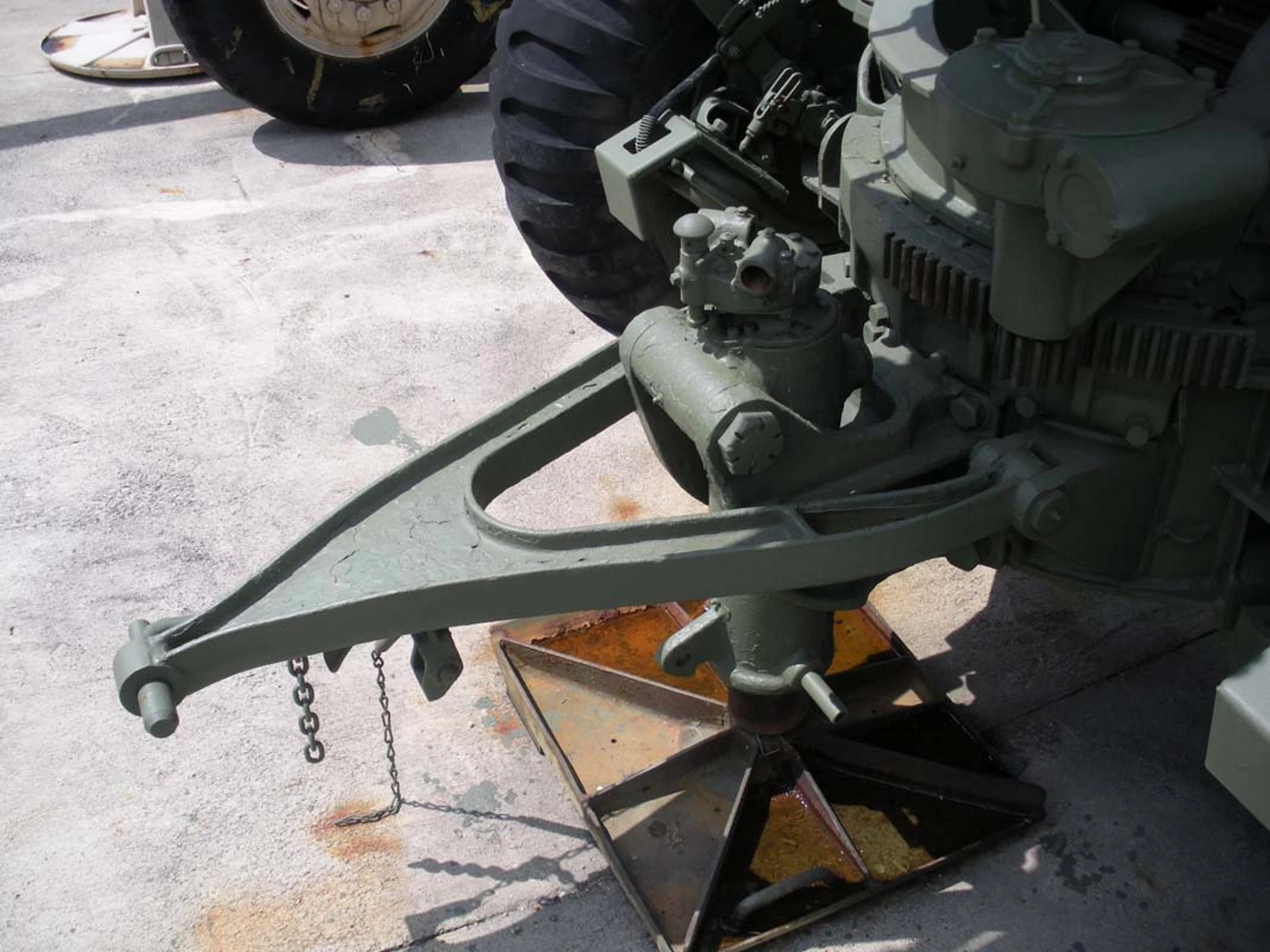
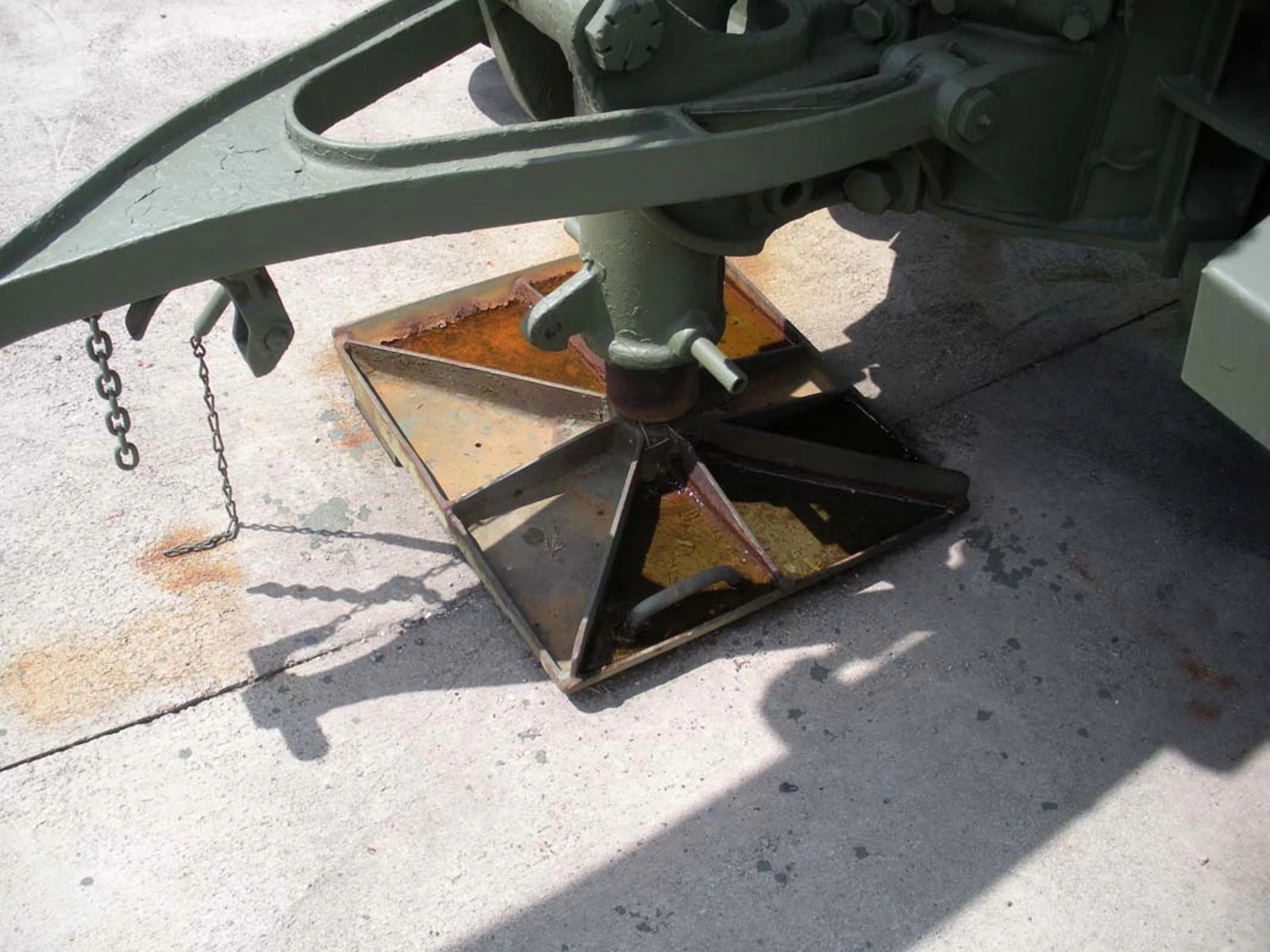
| 描述 | 专辑 49 照片走动的«美国155毫米M1A1榴弹炮» |
照片库的 美国 155 毫米 M1A1 榴弹炮, The M114 155 mm howitzer was a towed howitzer developed and used by the United States Army. It was first produced in 1942 as a medium artillery piece under the designation of 155 mm Howitzer M1. It saw service with the US Army during World War II, the Korean War, and the Vietnam War, before being replaced by the M198 howitzer.

 给我买杯咖啡
另请参阅:


The Heavy Punch of the Division
这 155mm Howitzer M1A1 (later redesignated the M114) was the definitive medium-heavy artillery piece for the United States during World War II, Korea, and Vietnam. While the lighter 105mm M2A1 was the workhorse for close support, the 155mm M1A1 provided the “heavy lifting”—demolishing bunkers, suppressing enemy batteries, and cratering roads far behind the front lines. It struck a perfect balance between devastating explosive power and tactical mobility, being light enough to be towed by a standard 6×6 truck or a high-speed tractor.
| Attribute | Technical Specification (M1A1) |
|---|---|
| 作用 | Medium Towed Howitzer |
| 船员 | 11 (Section Chief, Gunner, and Crew) |
| 口径 | 155 mm (6.1 in) |
| Shell Weight | 43 kg (95 lbs) for standard HE |
| Muzzle Velocity | 563 m/s (1,847 ft/s) |
| Maximum Range | 14,600 m (16,000 yards / 9.1 miles) |
| Rate of Fire | 4 rounds/min (burst); 1 round/min (sustained) |
| Weight (Travel) | 5,800 kg (12,787 lbs) |
Design Engineering: Strength in the Split Trail
- The M1 Carriage: The M1A1 utilized a “split-trail” carriage. When traveling, the two large trails were locked together for towing. When emplaced, they were swung wide to form a stable triangular base, allowing the gun to be traversed 29 degrees left or right and elevated up to 63 degrees for high-angle fire.
- Asbury Breech Mechanism: To handle the massive pressures of 155mm charges, the gun used a “step-thread” interrupted screw breech. The Asbury mechanism allowed the breech to be opened and swung out of the way in one smooth motion, significantly speeding up the loading process.
- Hydro-Pneumatic Recoil: A sophisticated recoil system sat above and below the barrel. It used a combination of oil and compressed nitrogen to soak up the violent energy of firing, ensuring the gun didn’t jump out of its spade-anchored position.
- Separate Loading Ammunition: Unlike smaller guns, the 155mm used separate components: the projectile was rammed first, followed by silk bags of propellant (powder), and finally a primer in the breech block. This allowed the crew to adjust the number of powder bags to change the range and trajectory.
Combat History: From Normandy to the Iron Triangle
- TOT (Time on Target): The M1A1 was a key part of the US Army’s “Time on Target” tactic, where multiple batteries at different distances timed their shots so that all shells arrived on the enemy position at the exact same second, preventing them from taking cover.
- The “Lumberjack” of the Forest: In the Hürtgen Forest and the Ardennes, 155mm HE shells were set to “delay” or “super-quick” fuses to create airbursts in the treetops, raining lethal splinters down on enemy troops.
- Global Proliferation: After WWII, the M1A1 was renamed the M114. It was supplied to dozens of nations and saw extensive use in the Vietnam War, where it was often airlifted by heavy-lift helicopters to remote “Fire Support Bases” on mountain peaks.
- Enduring Design: The design was so successful that it remained the primary medium howitzer of the US Army until it was replaced by the M198 in the late 1970s. Many are still in active service with various militaries around the world today.
意见:4329