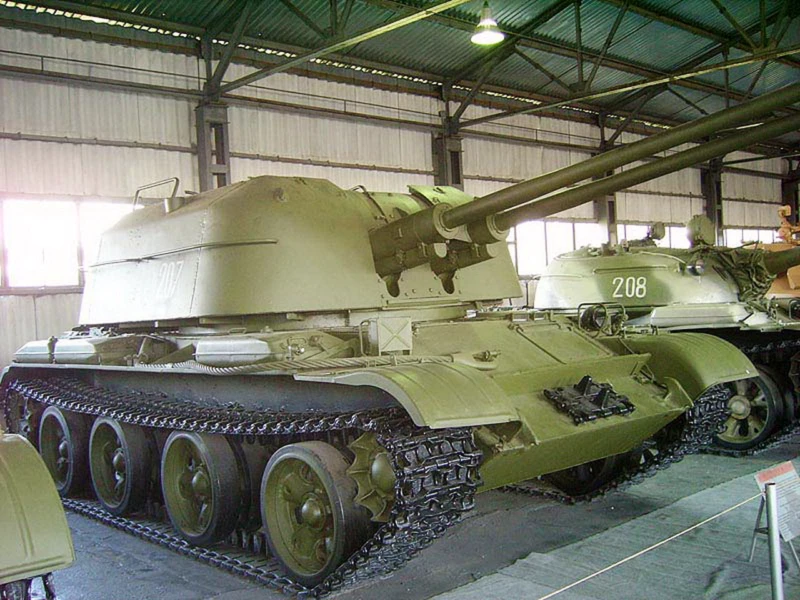
ЗДУ-57-2 | |
|---|---|
| Країні | URSS (2010) |
| Тип | Самохідна зенітна гармата |
| Тему | Альбом 37 фотографії прогулянки навколо ЗДУ-57-2 |
У 201 ЗДУ-57-2 Ob'yekt 500) — радянська самохідна зенітна установка (ЗСУ), озброєна двома 57-мм автоматичними гарматами. «ЗСУ» розшифровується як «Зенітна самохідна установка», що означає «зенітна самохідна установка», «57» означає діаметр ствола озброєння в міліметрах, а «2» означає кількість стволів гармат. Походження: Під час Другої світової війни штурмовики стали серйозною загрозою для механізованих підрозділів, що рухалися. Звичайна буксирувана зенітна артилерія (ППО) була неадекватною відповіддю в таких умовах через час, необхідний для приведення в дію зенітних кулеметів. Цей досвід дав зрозуміти, що потрібна зенітна гусенична машина, озброєна малоствольними автоматичними гарматами або великокаліберними кулеметами. Такі транспортні засоби, як німецький Wirbelwind, використовувалися з хорошим ефектом у фінальних битвах Другої світової війни.
Джерело: Вікіпедії
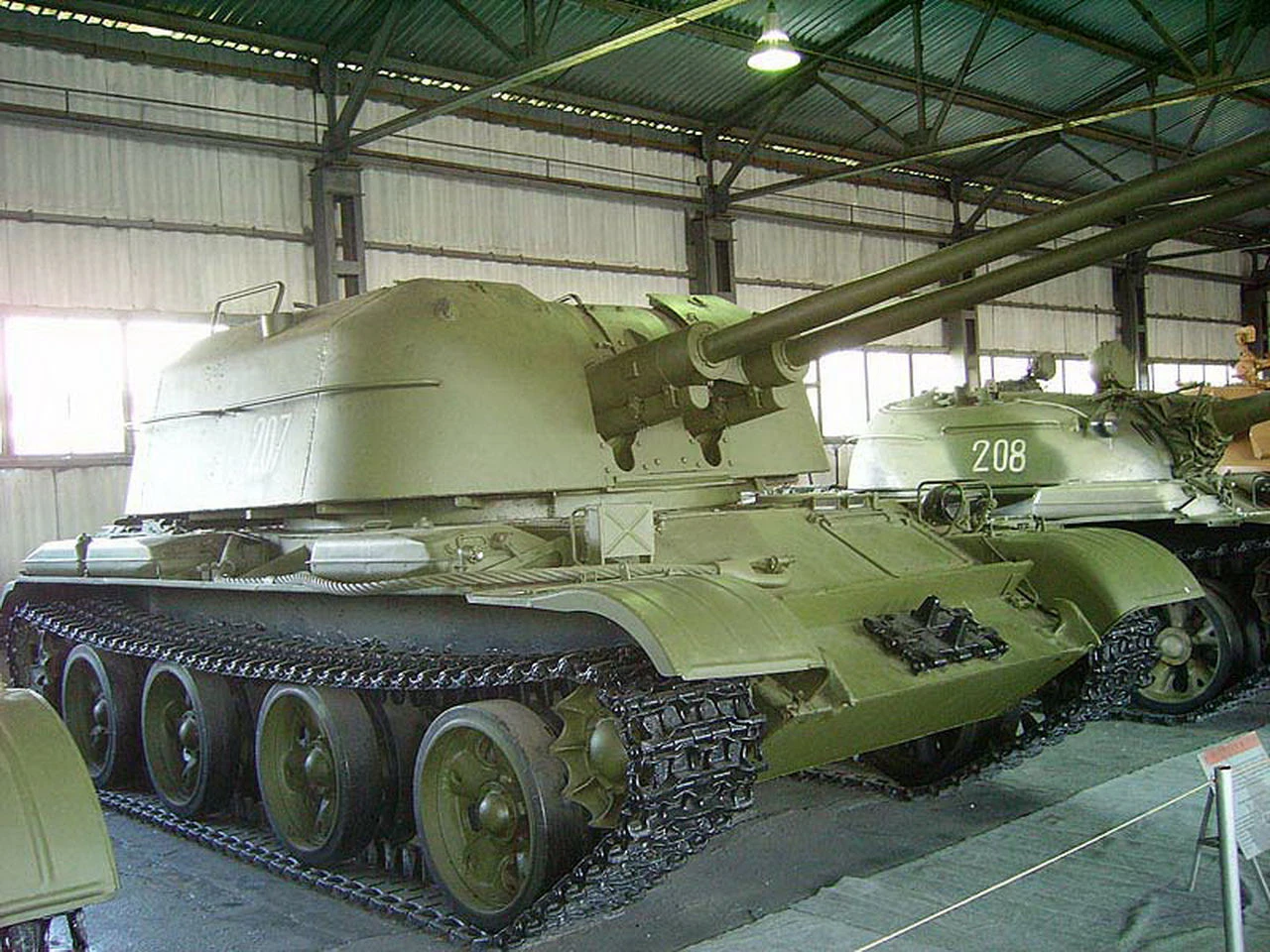
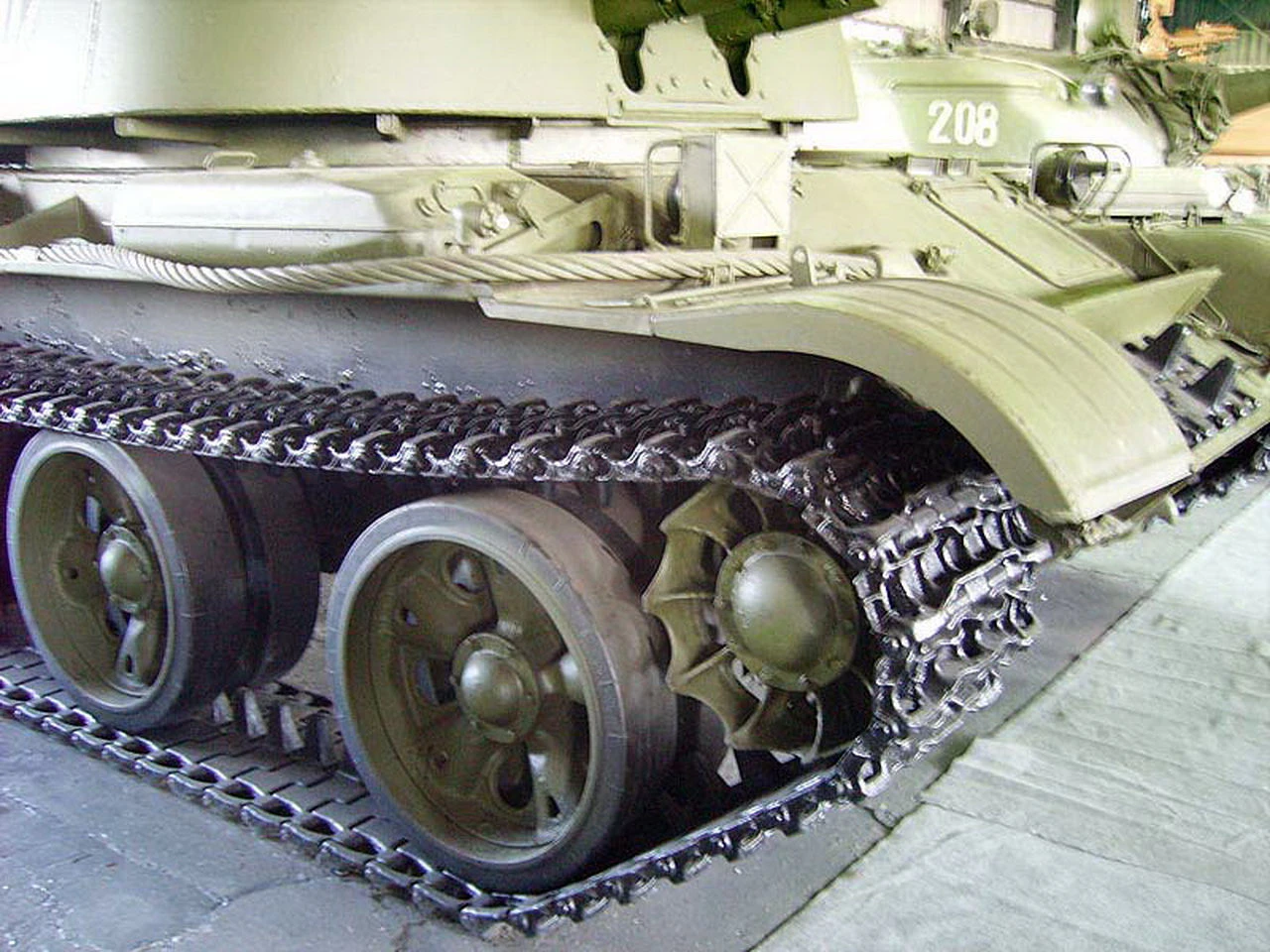
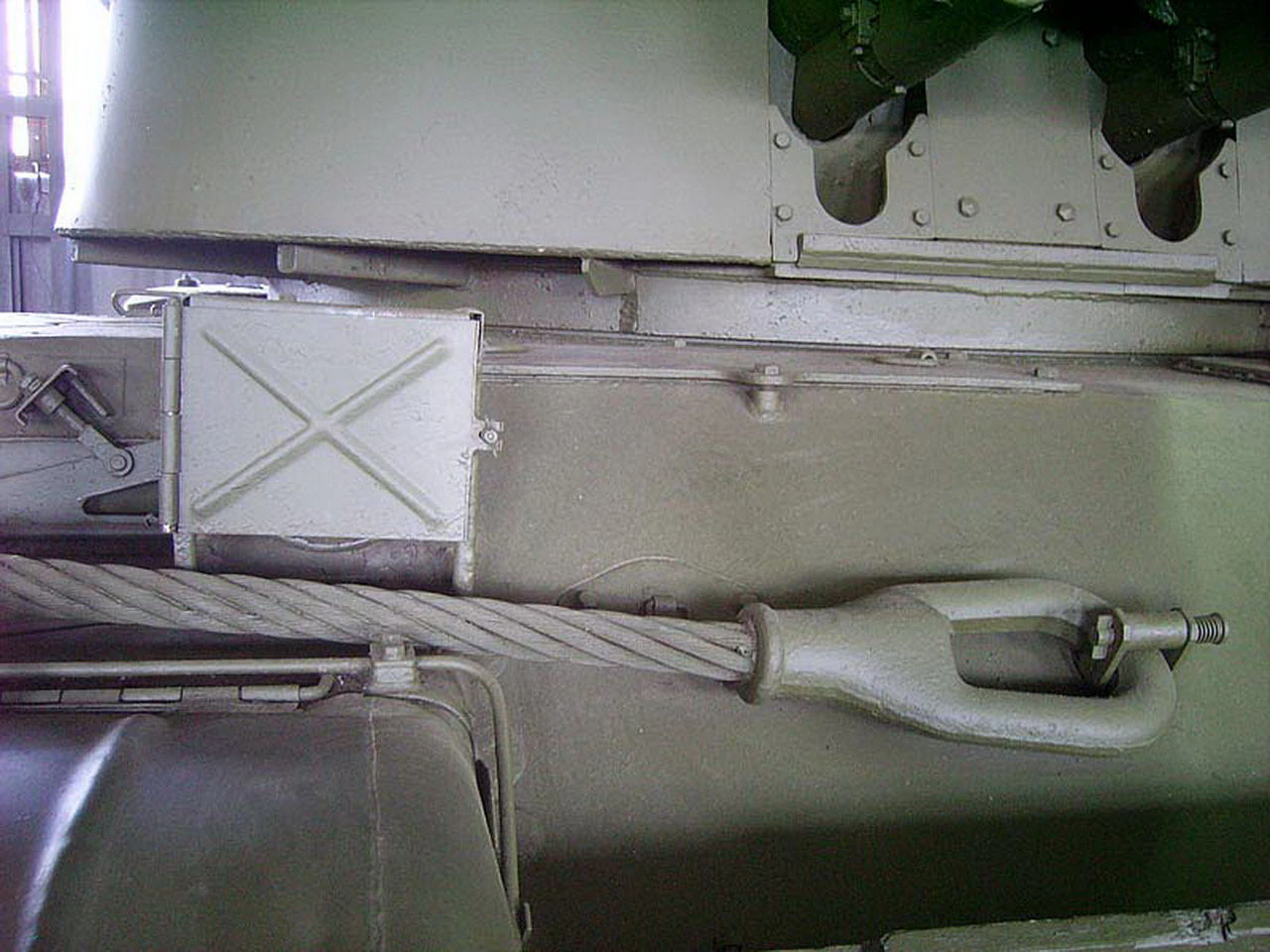
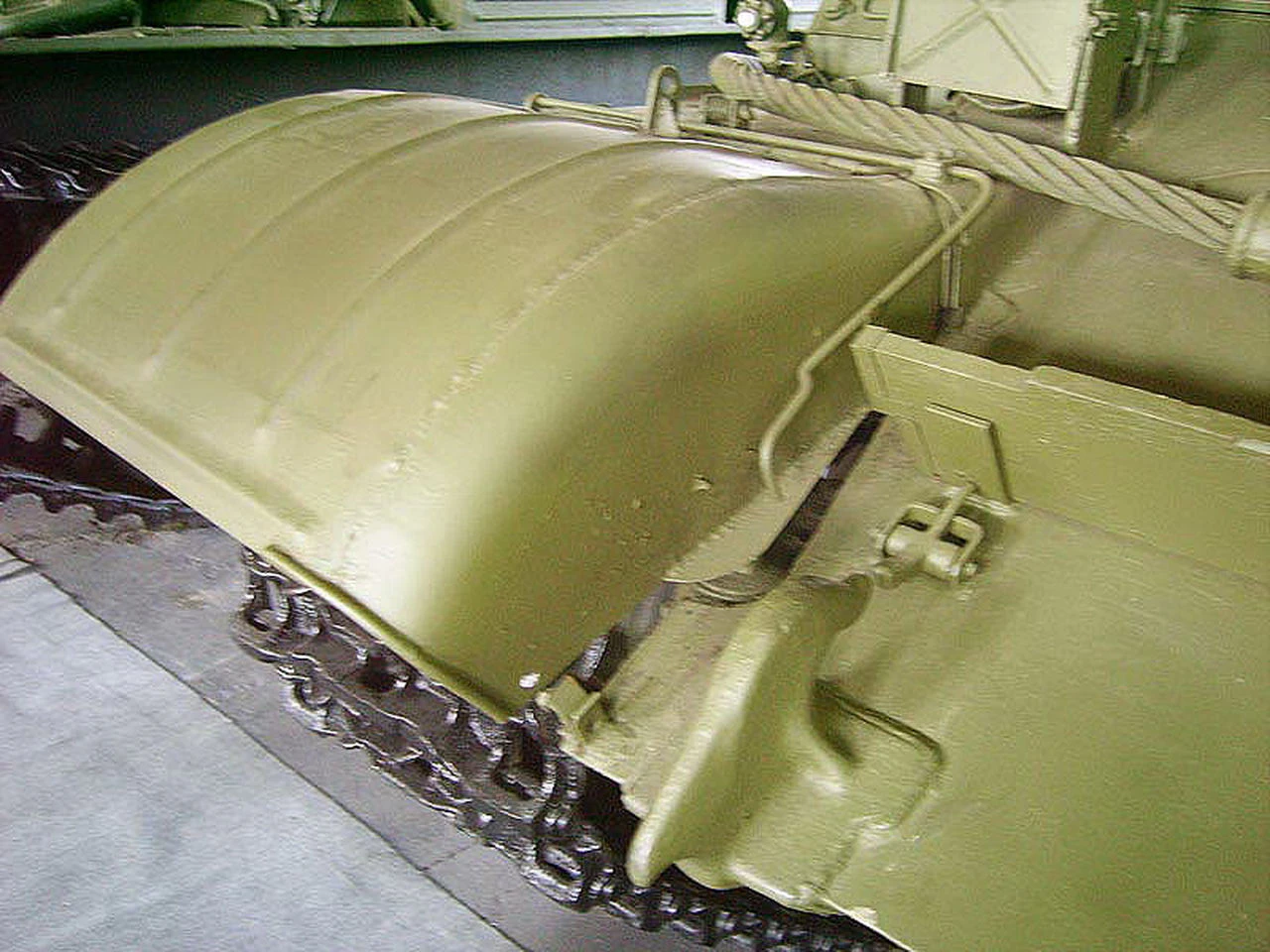
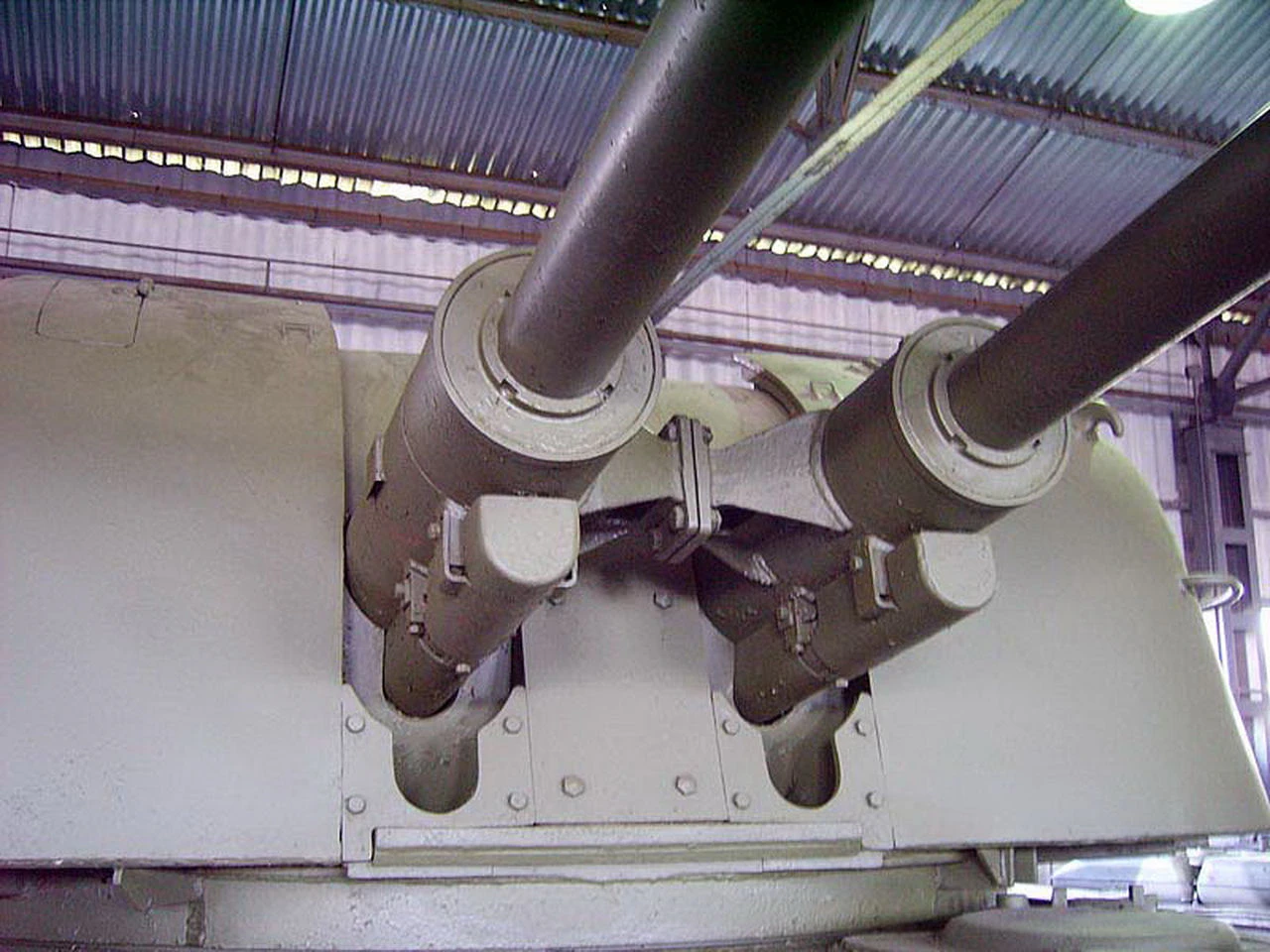
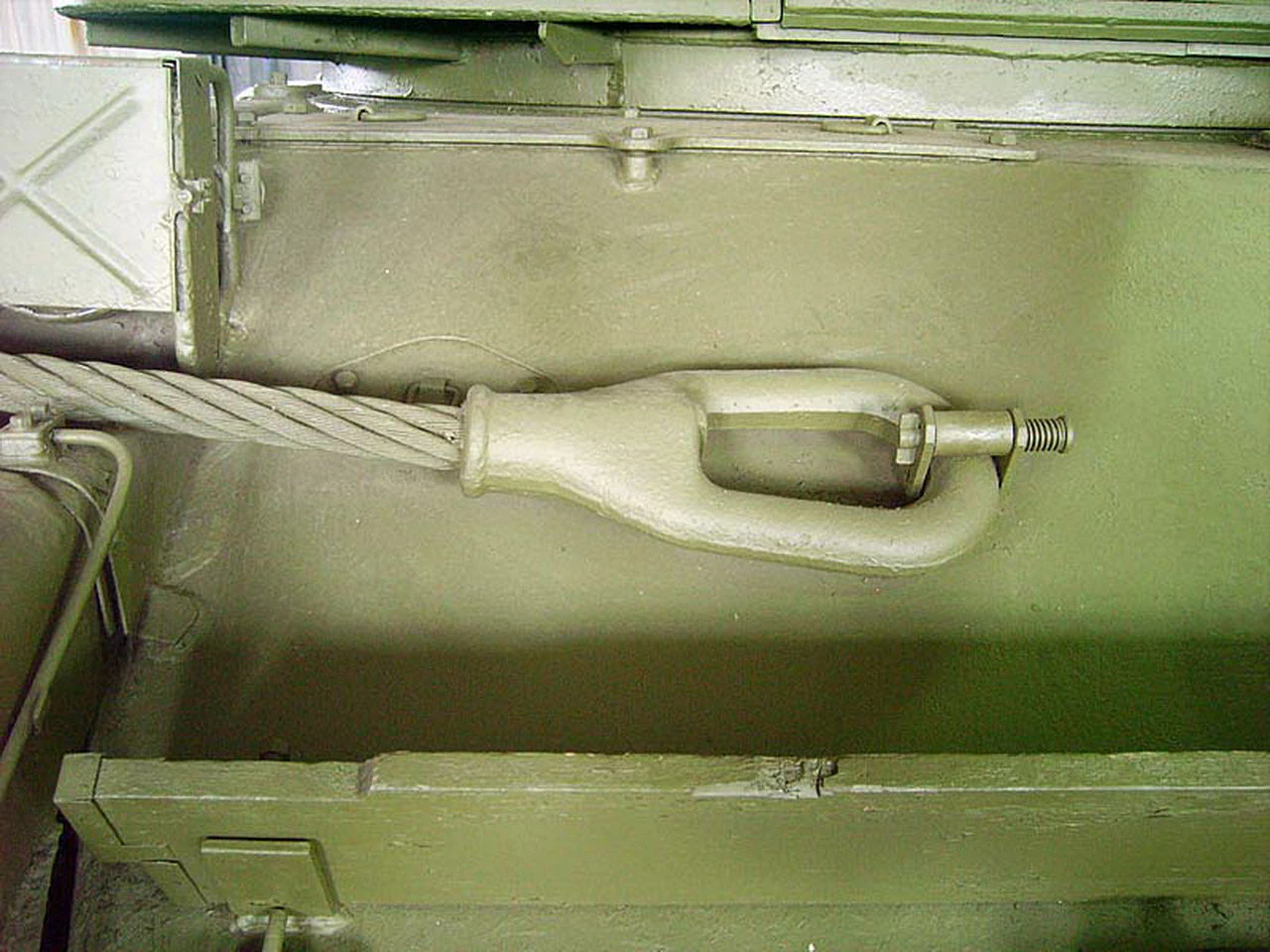
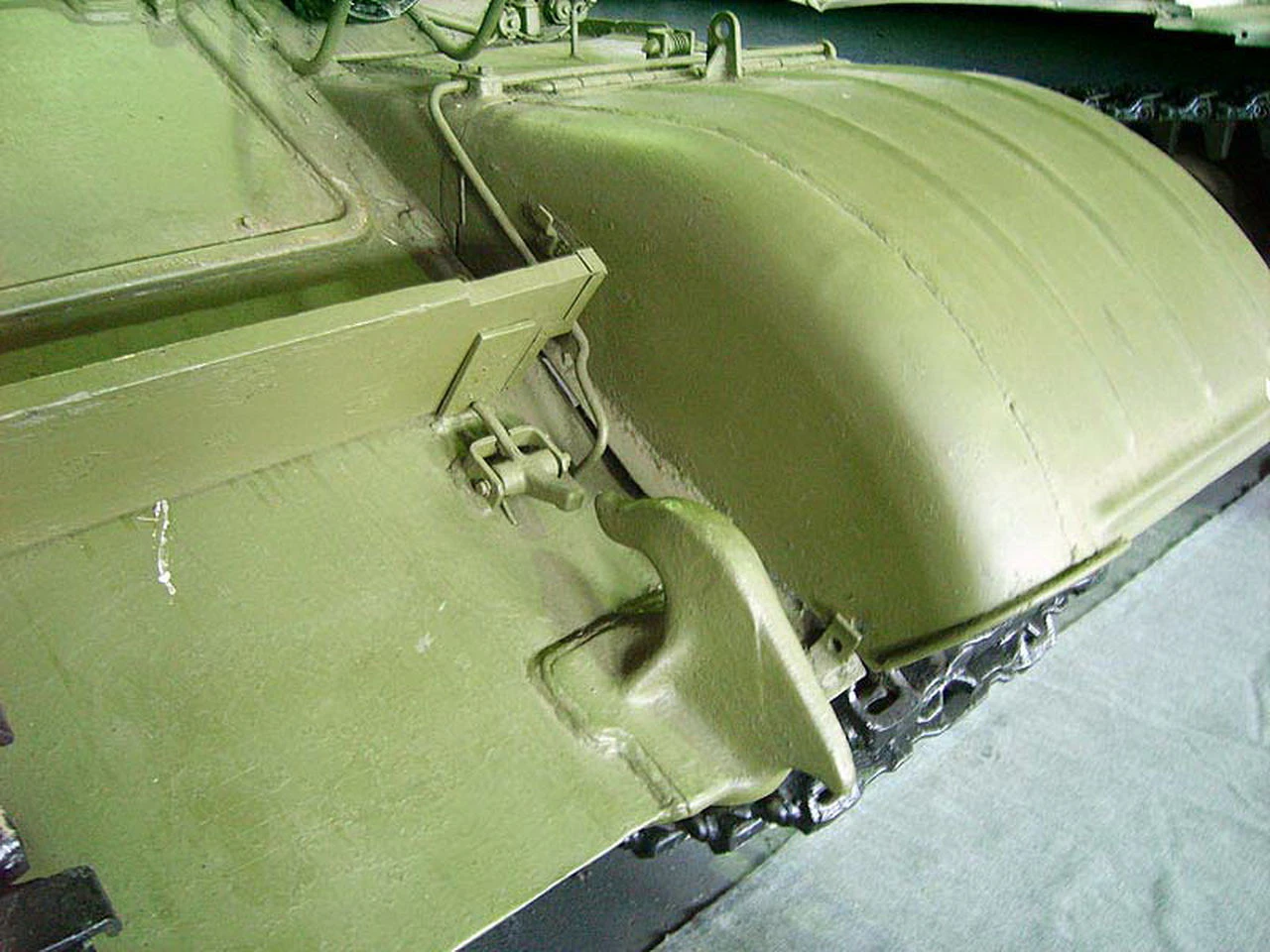
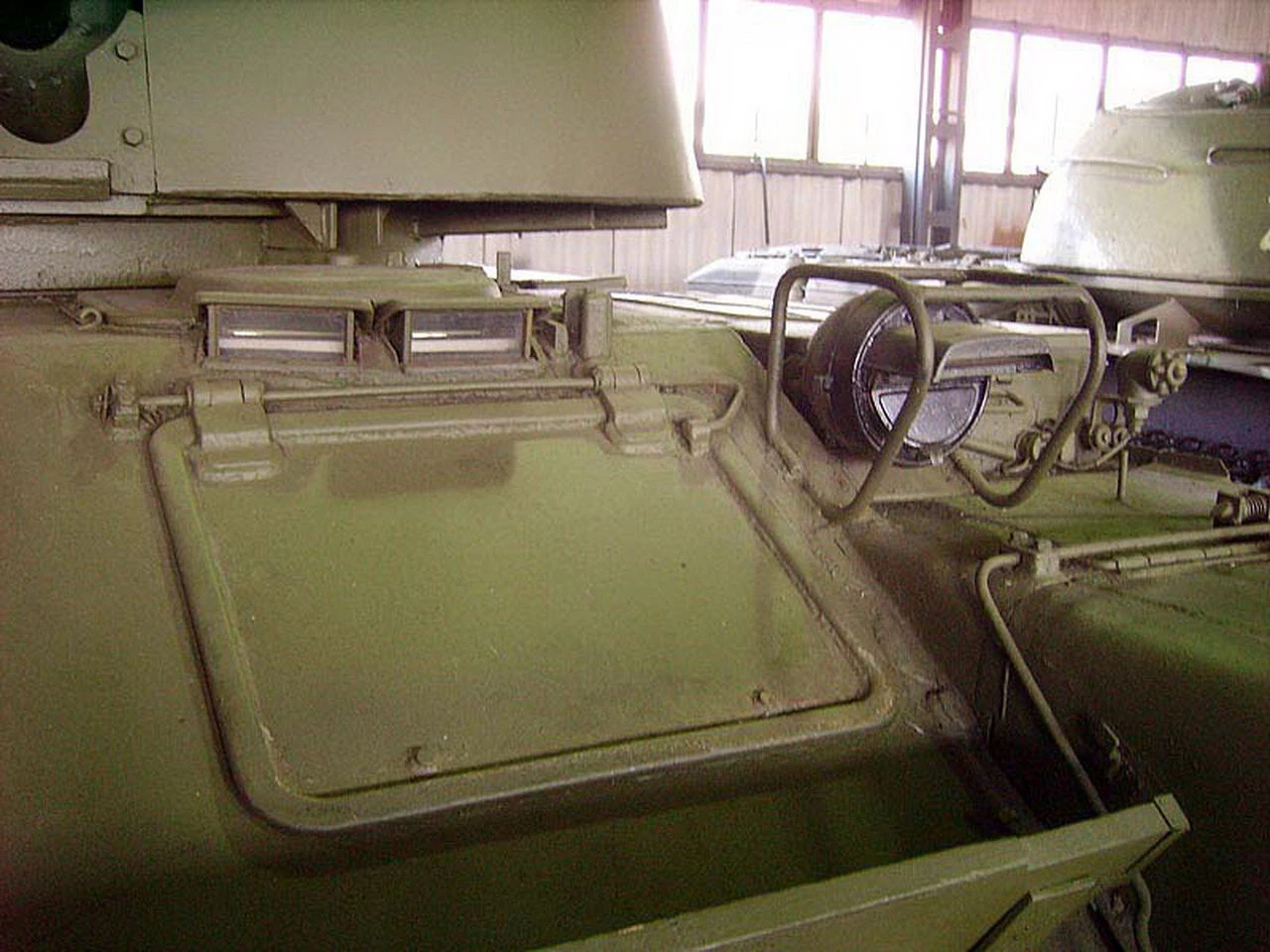
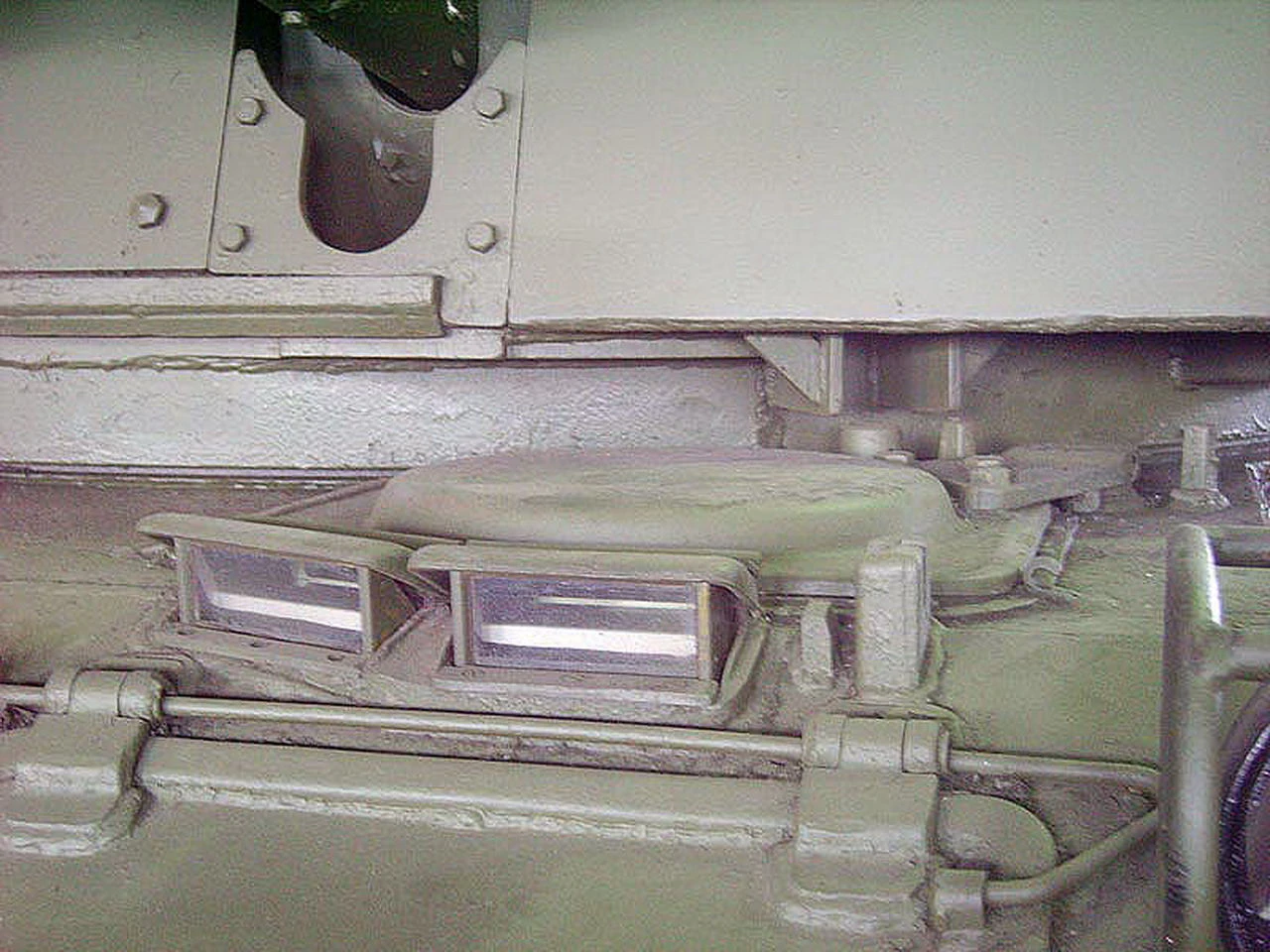

| ЗСУ-57-2 Прогулянка навколо | |
|---|---|
| Фотограф | Незнай |
| Локалізацією | Незнай |
| Фото | 59 |
Читайте також:


The Accidental Tank Destroyer
У 201 ЗДУ-57-2 (Zenitnaya Samokhodnaya Ustanovka) was intended to be the Soviet Union’s premier shield against jet aircraft. Entering service in 1955, it featured twin 57mm autocannons mounted on a lightened T-54 chassis. However, it was a “daylight only” weapon with no radar and a slow manual sighting system, making it nearly useless against fast modern jets. While it failed its primary mission, crews quickly discovered its true calling: ground support. Its massive high-velocity shells could shred light bunkers, APCs, and even the side armor of Main Battle Tanks, earning it the nickname “Sparka” (Twin-mount) and a fearsome reputation in urban combat.
| Attribute | Technical Specification (ZSU-57-2) |
|---|---|
| Роль | Self-Propelled Anti-Aircraft Gun (SPAAG) |
| команда | 6 (Commander, Driver, Gunner, Sight Adjuster, 2 Loaders) |
| Двигун | V-54 V12 water-cooled diesel (520 hp) |
| Максимальна швидкість | 50 km/h (31 mph) |
| Основне озброєння | 2 × 57 mm S-68 Autocannons |
| Rate of Fire | 210–240 rounds per minute (combined) |
| Armor | 8 mm to 15 mm (Steel) |
| вага | 28.1 tonnes |
Design Engineering: Thin Skin, Big Teeth
- The Lightened T-54 Chassis: To save weight for the massive turret, engineers removed one road wheel (reducing it from five to four) and thinned the armor down significantly. While a T-54 could take a hit, the ZSU-57-2 can be damaged by heavy machine gun fire.
- The S-68 Autocannon: These guns are modified versions of the towed S-60. They fire a massive 2.8 kg shell with a muzzle velocity of 1,000 m/s. This gives them incredible kinetic energy, allowing the Armor-Piercing (APC-T) rounds to penetrate over 100mm of armor at close range. [Image diagram of the twin S-68 recoil and loading mechanism]
- Open-Topped Vulnerability: The turret is massive and open to the sky. While this provides the crew with excellent visibility for tracking planes and prevents toxic fumes from building up, it makes the vehicle extremely vulnerable to airburst shells, grenades, and even rain.
- Manual Fire Control: Unlike the later radar-guided “Shilka,” the ZSU-57-2 relies on an optical-mechanical computing sight. A dedicated crew member has to manually input the target’s estimated speed and range—a near-impossible task against supersonic jets.
Operational History: A Global Menace
- Vietnam Service: North Vietnamese forces used the ZSU-57-2 during the 1972 Easter Offensive. While it struggled to hit U.S. Phantoms, it was devastatingly effective at clearing South Vietnamese defensive lines and bunkers.
- Middle East Wars: In the hands of Syrian and Egyptian forces during the Six-Day War and Yom Kippur War, it was often used as an improvised “assault gun.” Israeli tankers learned to prioritize these vehicles because their twin 57mm guns could disable a tank’s tracks or optics in seconds.
- The Yugoslav Wars: During the 1990s, Serbian and Croatian forces used the ZSU-57-2 almost exclusively for ground support. Its ability to elevate its guns nearly vertically made it the perfect tool for clearing snipers out of high-rise buildings.
- Modern Obsolescence: By the 1970s, the Soviet Army replaced it with the 23mm ЗСУ-23-4 Шилка, which traded the 57mm’s “punch” for radar-guided accuracy and a much higher rate of fire.
Views : 6101
Ви також можете побачити:
 K30 Biho – фото та відео
 M53/59 Praga – Фото & Відео
 75мм M51 Skysweeper – WalkAround
 Радянський 100 мм КС-19 – Прогулянковий шлях
 2 см Ерлікон – Флак-28 – Обхід
 20-мм зенітна гармата "Ерлікон" – WalkAround
 Німецька 20-мм зенітна гармата "Ерлікон" – WalkAround
 85-мм гармата протиповітряної оборони M1939 (52-K) – WalkAround
 M42 Duster – Обхідний шлях
 Бофорс 40 мм – Прогулянка Навколо