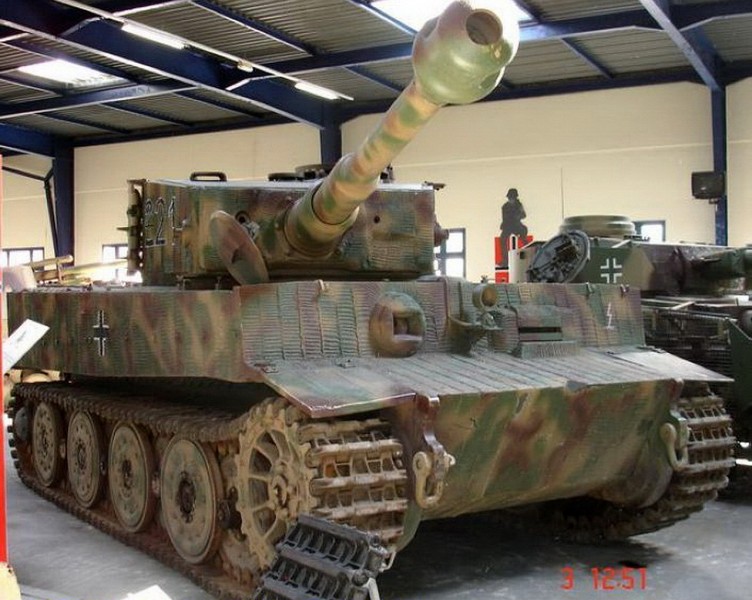
Тигр I – Sdkfz.181 | |
|---|---|
| Платить | Німеччина |
| Категорі | Бронетехніка |
| Тип | Чар |
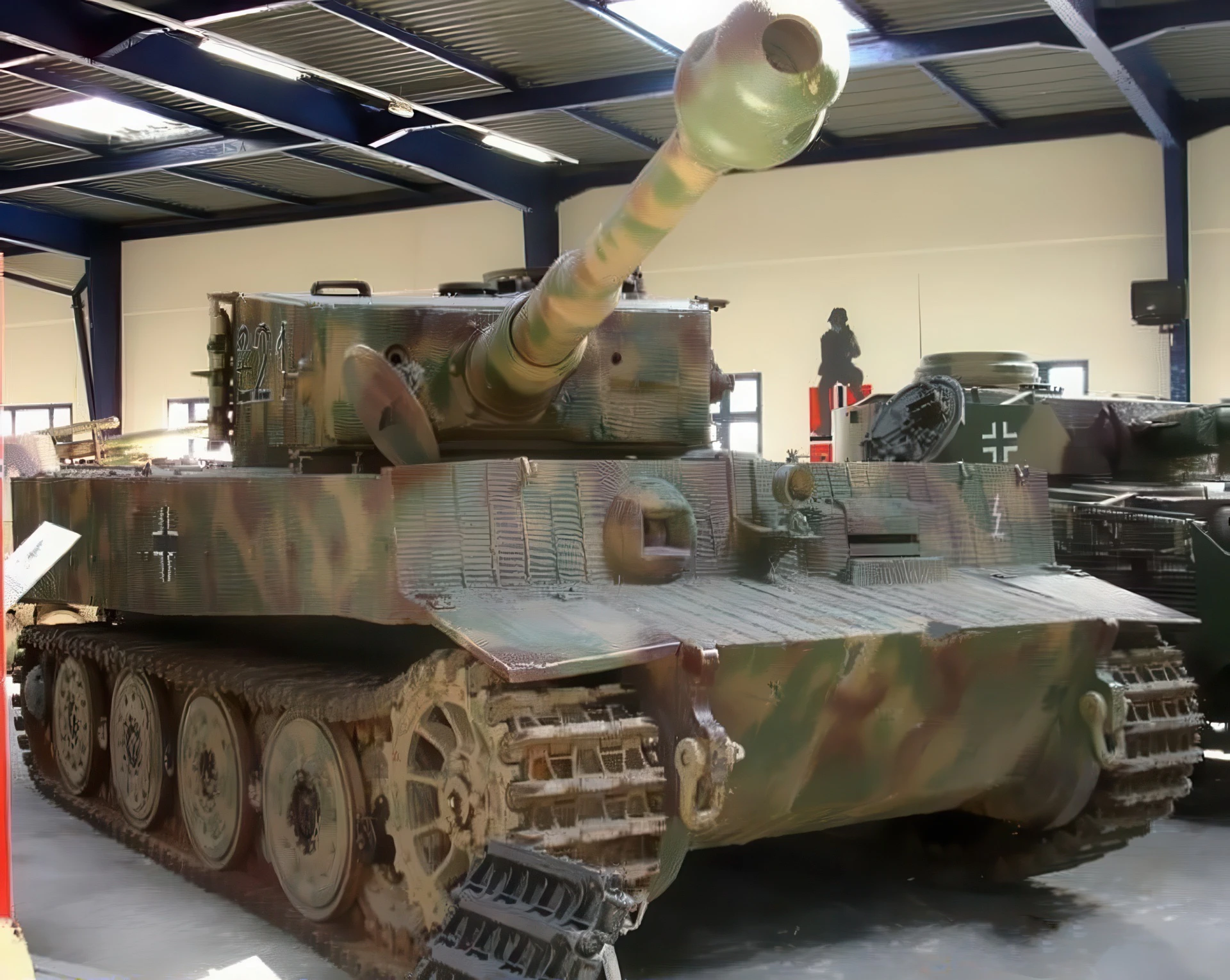
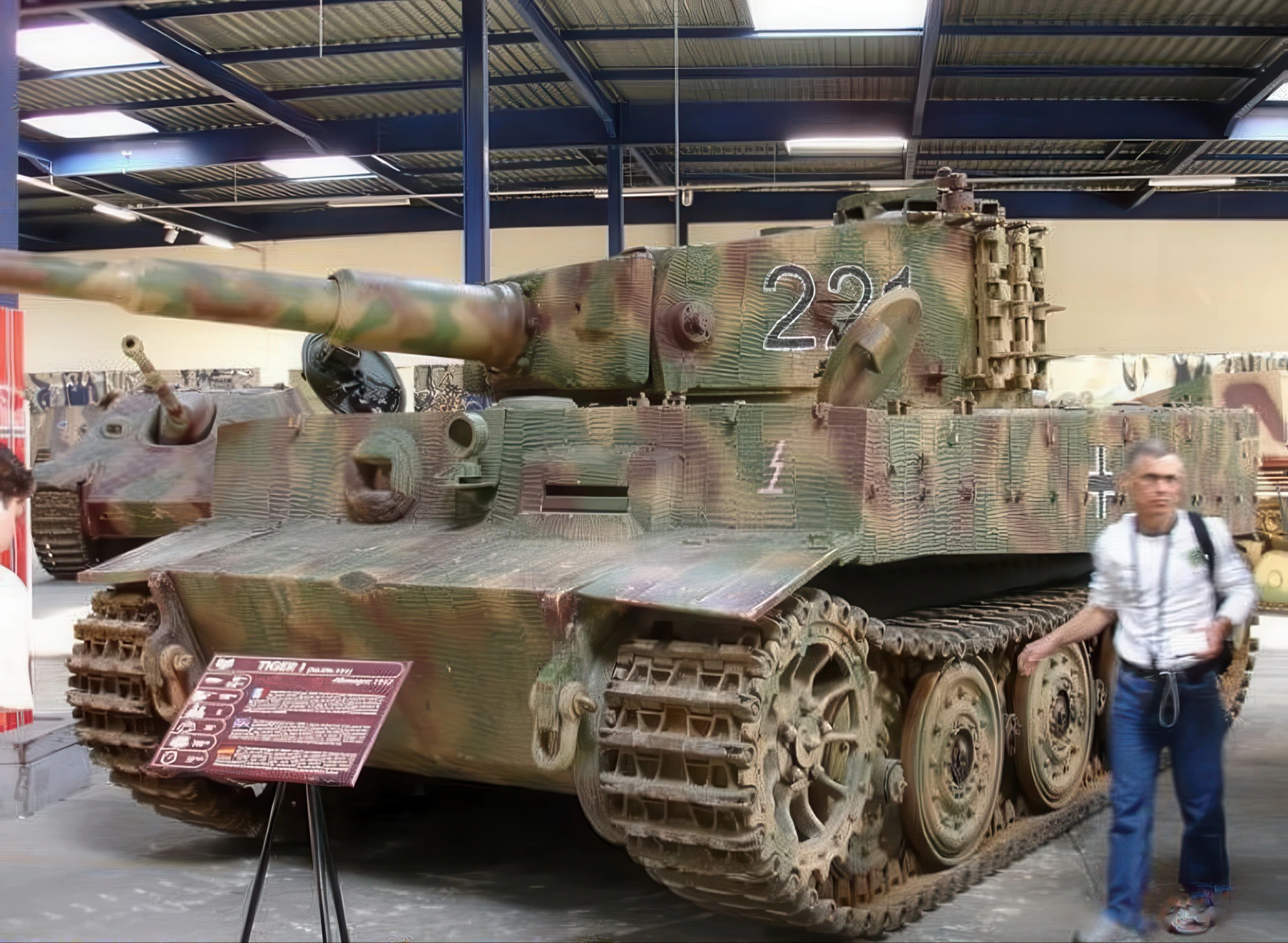
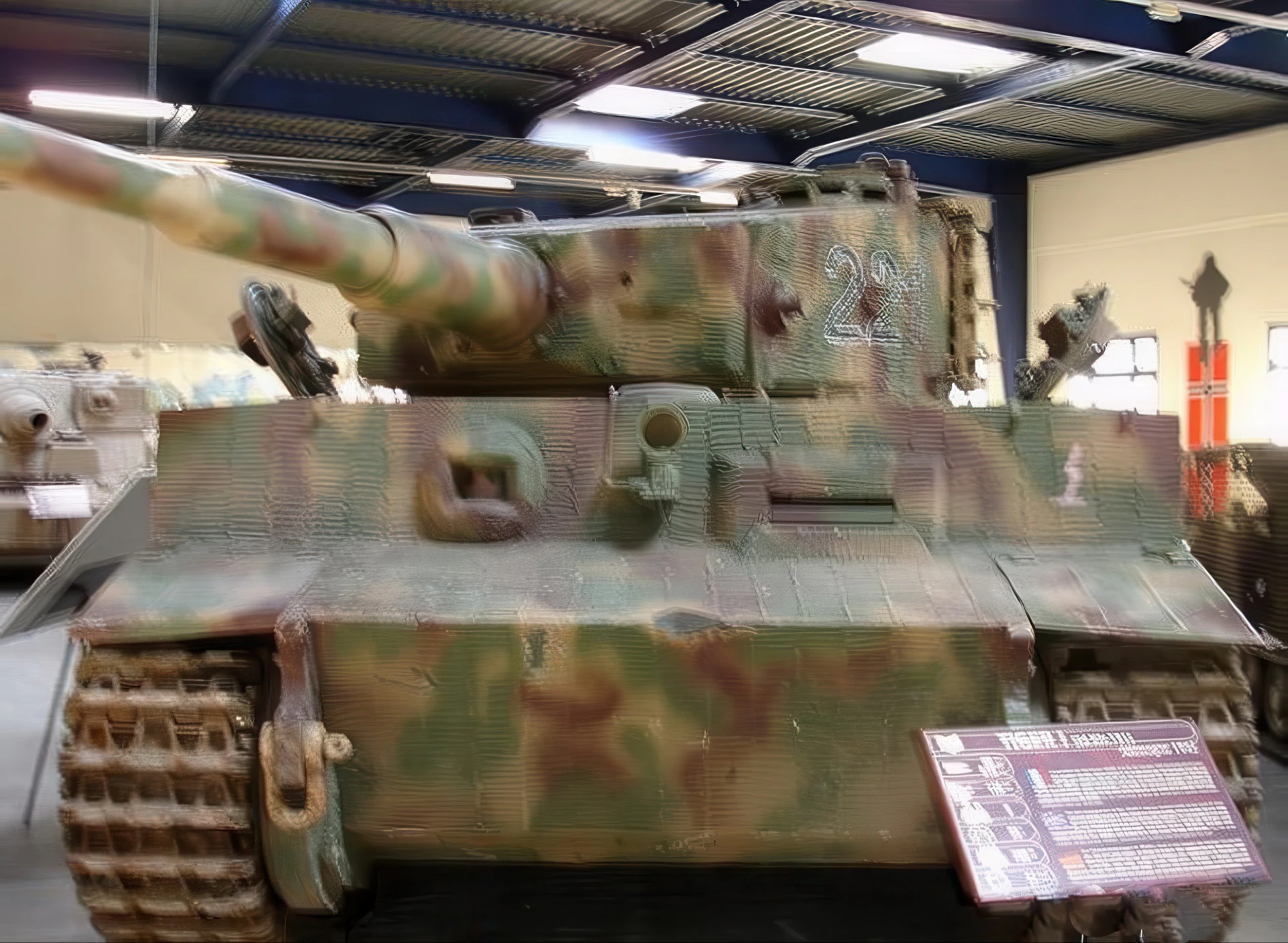
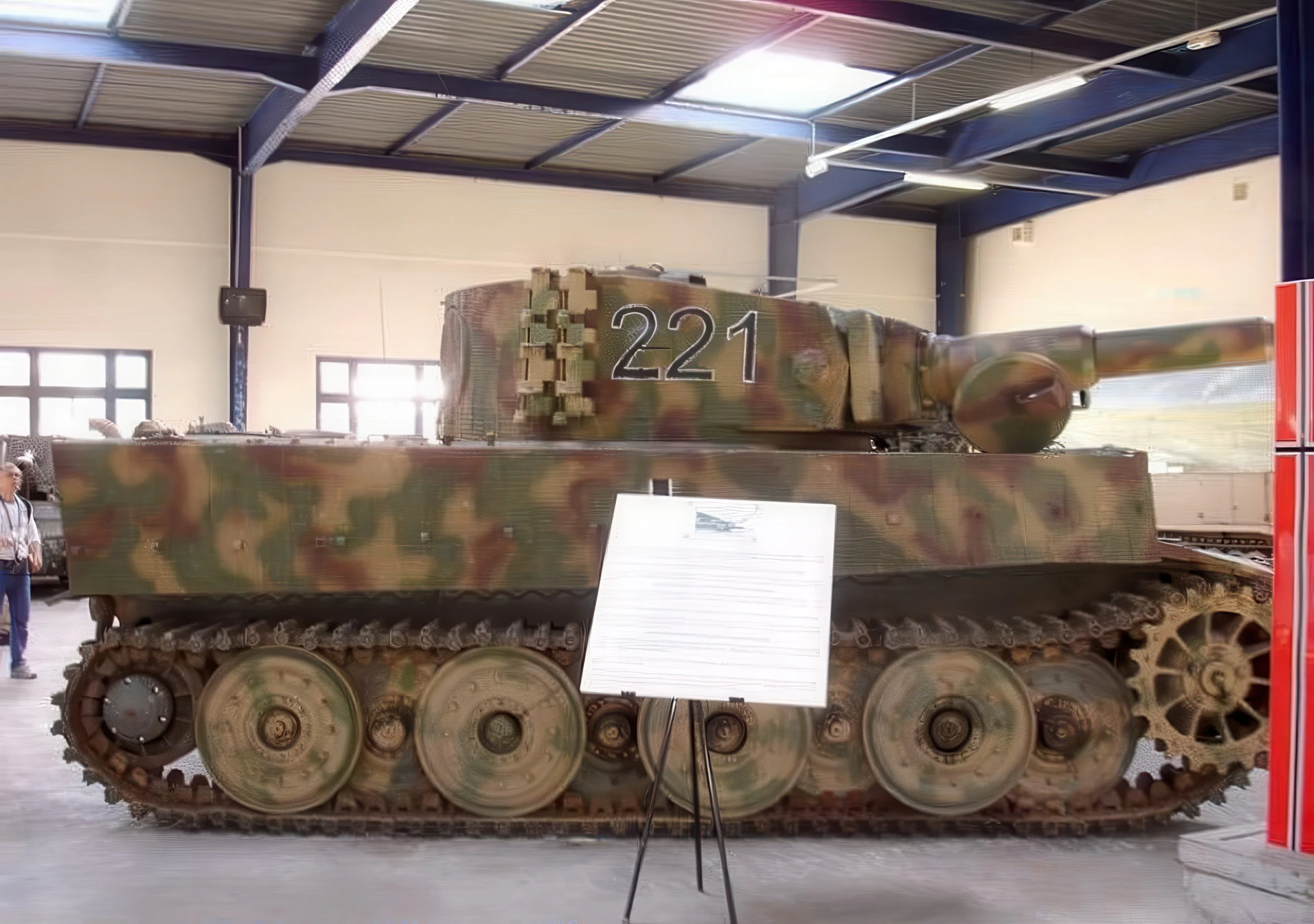
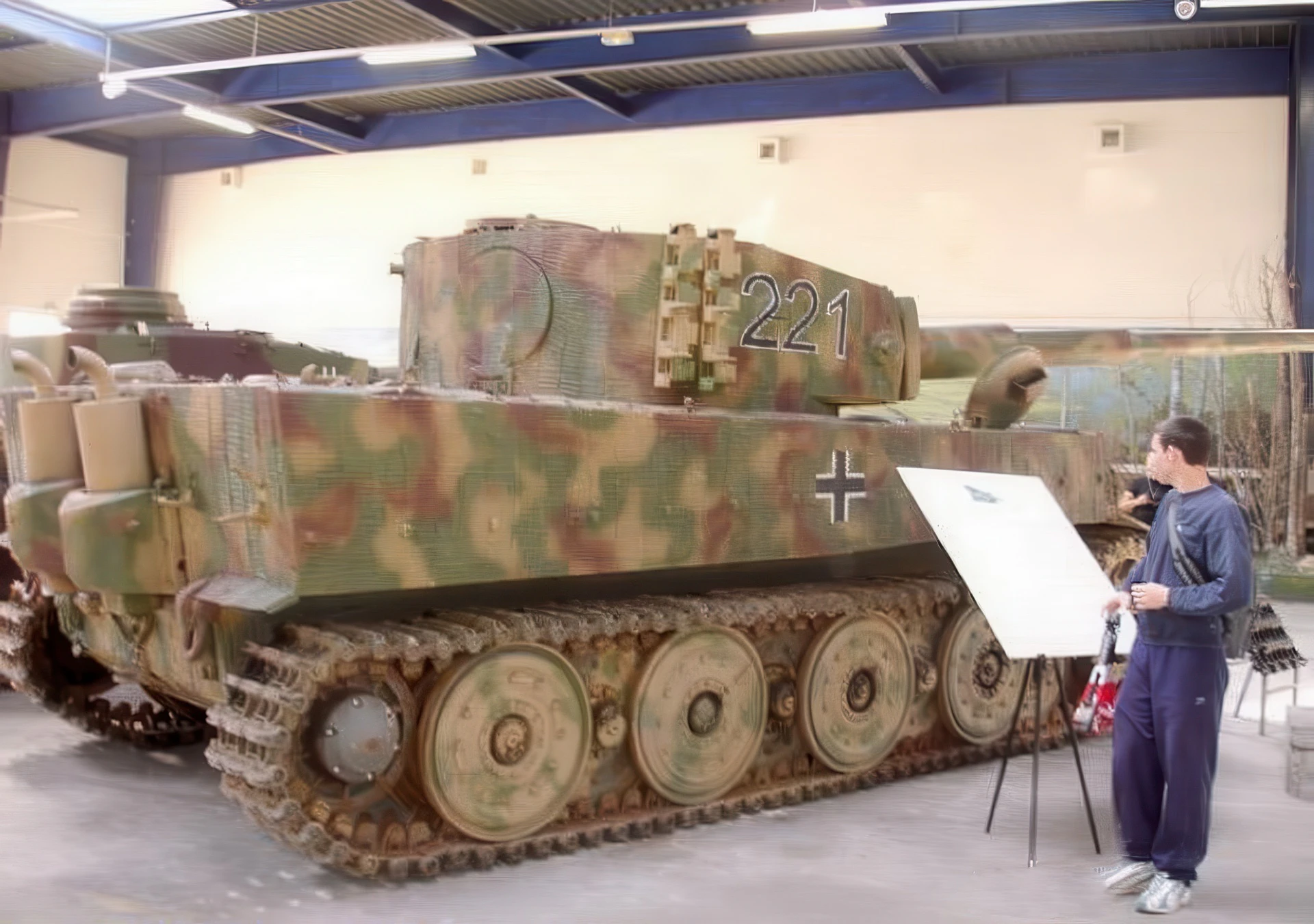
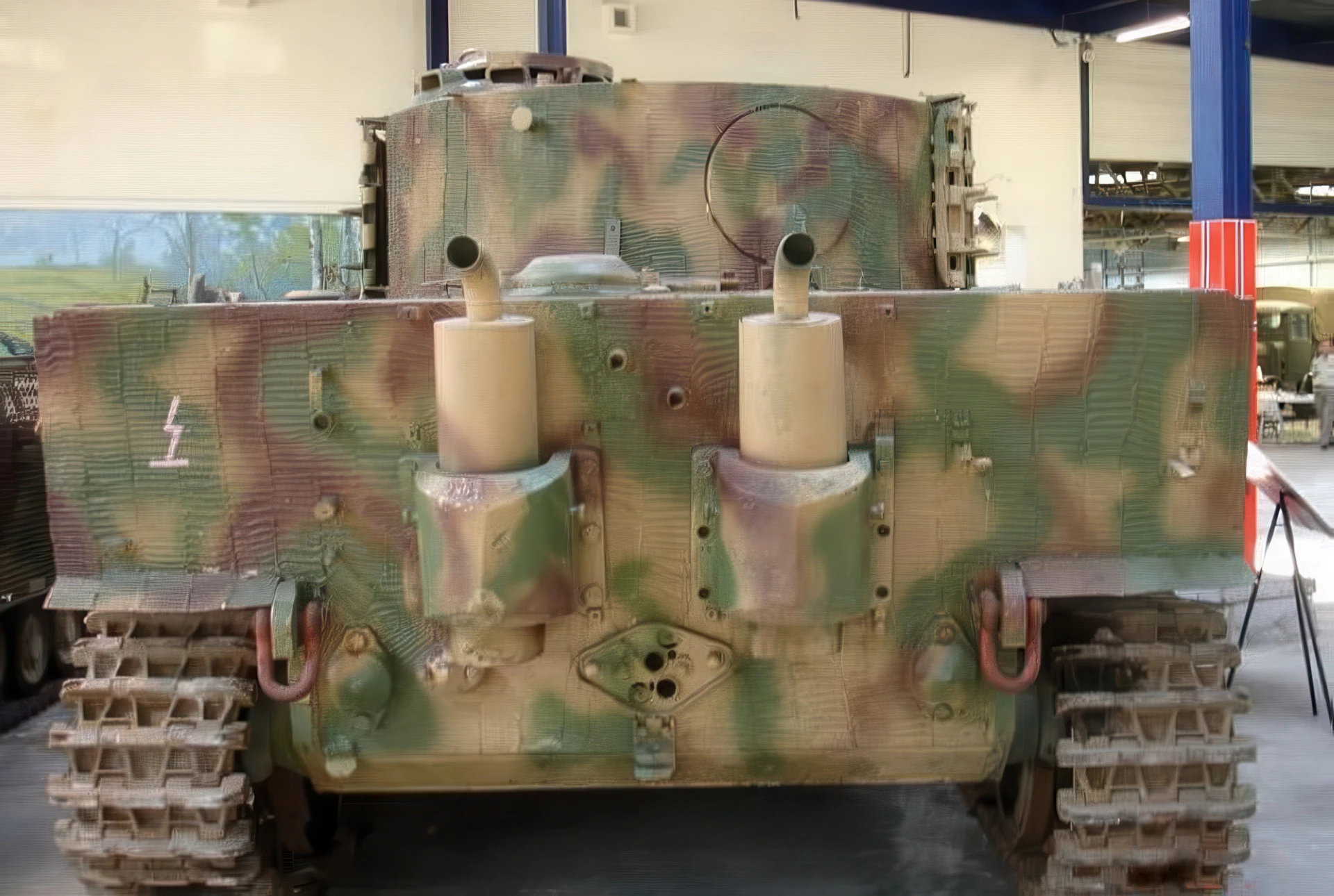
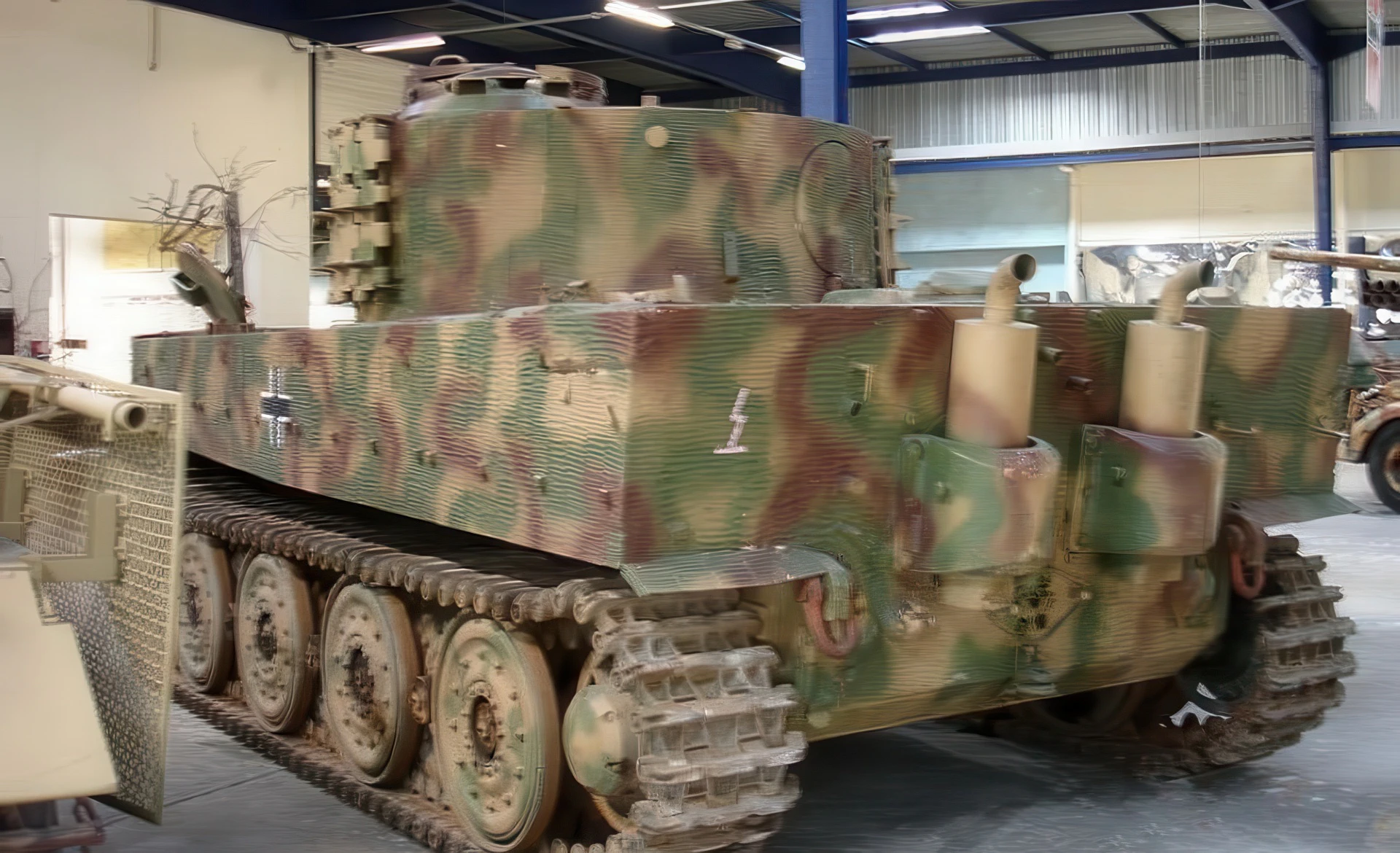
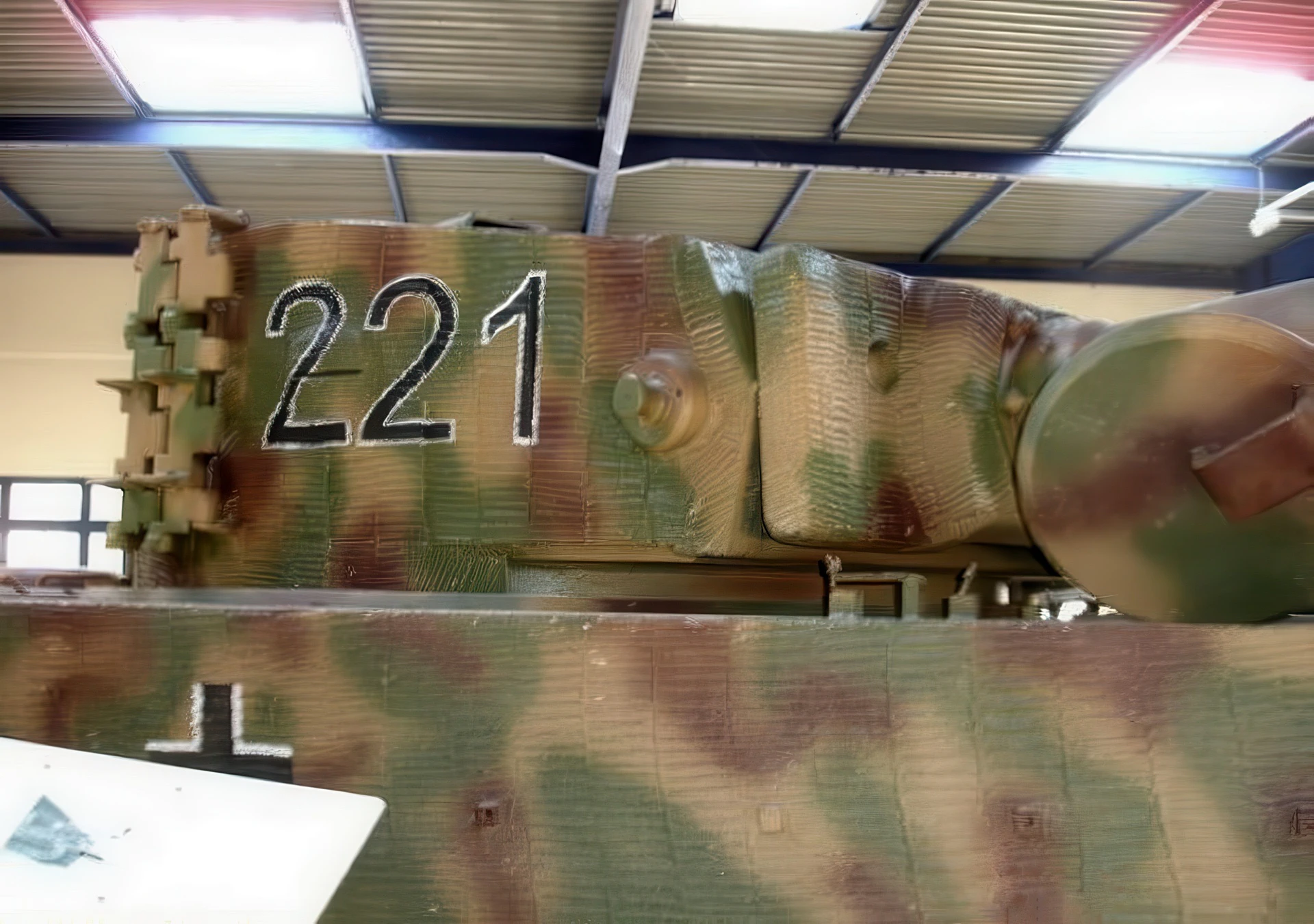
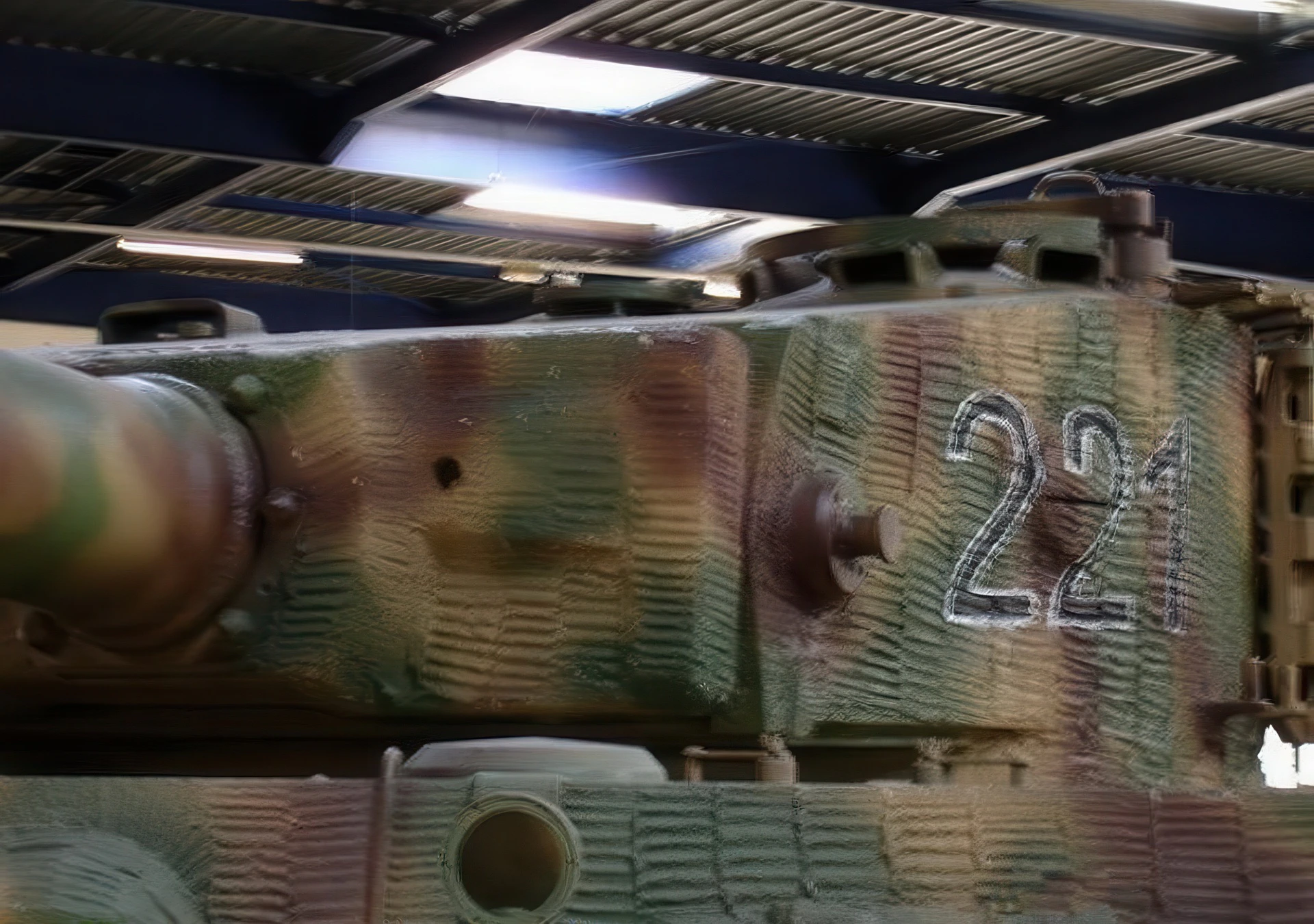
| Опис | Альбом 41 обхідні фото тигрового танка "Тигр I – Sdkfz.181" |
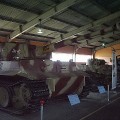
Фотогалерея на PzKpfw HIV Tiger, the Тигр I (Tigre) est un char d’assaut lourd allemand en service durant la seconde guerre mondiale. Le développement du Тигр почалася в 1937 році, перші її заручини відбулися на Східному фронті в Ленінграді 29 серпня 1942 року. Потім Tiger I став найпотужнішим і броньованим німецьким танком, але його велика вага (майже вдвічі більша, ніж у інших танків) мала наслідки для його мобільності. Протягом усієї своєї взаємодії він відчував механічні проблеми, які зменшували його вплив на операції. Це танк, який через свою складність і вартість було випущено всього 1 350 примірників, можна сказати.
Джерело: PzKpfw HIV Tiger у Вікіпедії

Читайте також:


The PzKpfw VI Ausf. E, commonly known as the Tiger I, was a German heavy tank of World War II. It was famous for its formidable combination of heavy armor and a powerful main gun, making it a terrifying opponent for Allied forces upon its debut in 1942.
Key Specifications
| Ознака | Detail |
|---|---|
| Official Designation | Pz.Kpfw. VI Tiger Ausf. E (Sd.Kfz. 181) |
| Роль | Важкий танк |
| У службі | 1942–1945 |
| вага | 57 tons (approx.) |
| команда | 5 (Commander, Gunner, Loader, Driver, Radio Operator) |
Armament and Protection
The Tiger I was built around its two most feared features: the high-velocity gun and its thick, almost vertical armor plating.
- Main Gun: The 8.8 cm KwK 36 L/56 (88 mm), an adaptation of the famous anti-aircraft gun. This gun could reliably penetrate any Allied tank from long ranges.
- Secondary Armament: Two 7.92 mm MG 34 machine guns.
- Frontal Armor: Up to 100–120 mm (on the hull and turret), which was impervious to most Allied tank guns at typical engagement distances.
- Side and Rear Armor: Generally 80 mm thick. Crew training often involved “angling” the tank to increase the effective thickness of this armor.
Mobility and Operational Challenges
Despite its combat power, the Tiger I was mechanically complex and demanded extensive logistical support.
- Engine: Maybach HL230 P45 V-12 gasoline engine (700 horsepower).
- Speed: Road speed was approximately 38 km/h (24 mph).
- Complex Design: The intricate interleaved road wheel suspension provided a stable ride but was highly susceptible to mud and freezing in the Russian winter, and was difficult to maintain.
- Logistics Nightmare: Its great weight often led to breakdowns, especially with the transmission and final drive. The tank’s size complicated rail transport, requiring the tracks to be swapped out for narrower ones.
- Production Numbers: Due to its complexity and high resource cost, only about 1,350 were ever produced, a low number compared to Allied production.
Переглядів : 6656
Ви також можете побачити:
 TOG2 – Фото & Відео
 Танк P26/40 – фото & Відео
 Надважкий танк Т-28 – фото та відео
 Отамота танк – прогулянка навколо
 Pz.Kpfw. VI Тигр I – ХОБІ БОС 82601
 Тигр танк в дії - WalkAround
 IS-2 vol3 – Прогулянка Навколо
 Тигр II – Königstiger vol3 – Прогулянка Навколо
 Тигр I - Прогулянка Навколо
 JS2-M – прогулянка навколо