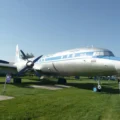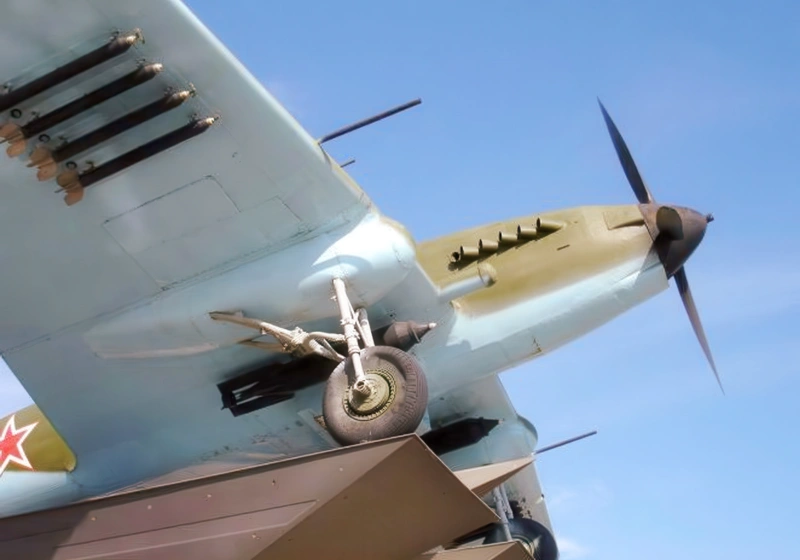
Ільюшин Іл-2 | |
|---|---|
| Країні | URSS (2010) |
| Тип | Наземні штурмовики |
| Перший політ | : 2 жовтня 1939 |
| Побудований | 38183 |
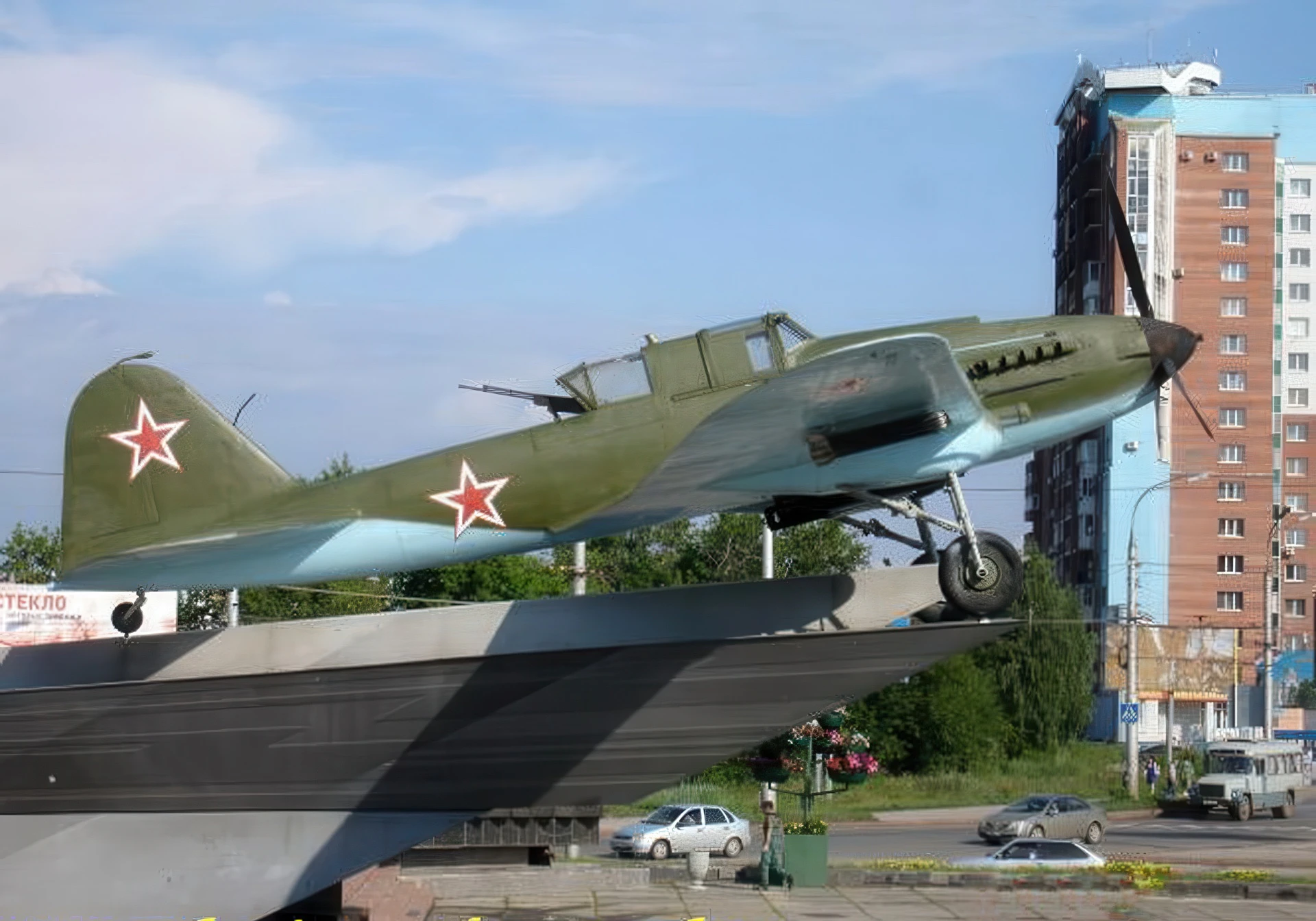
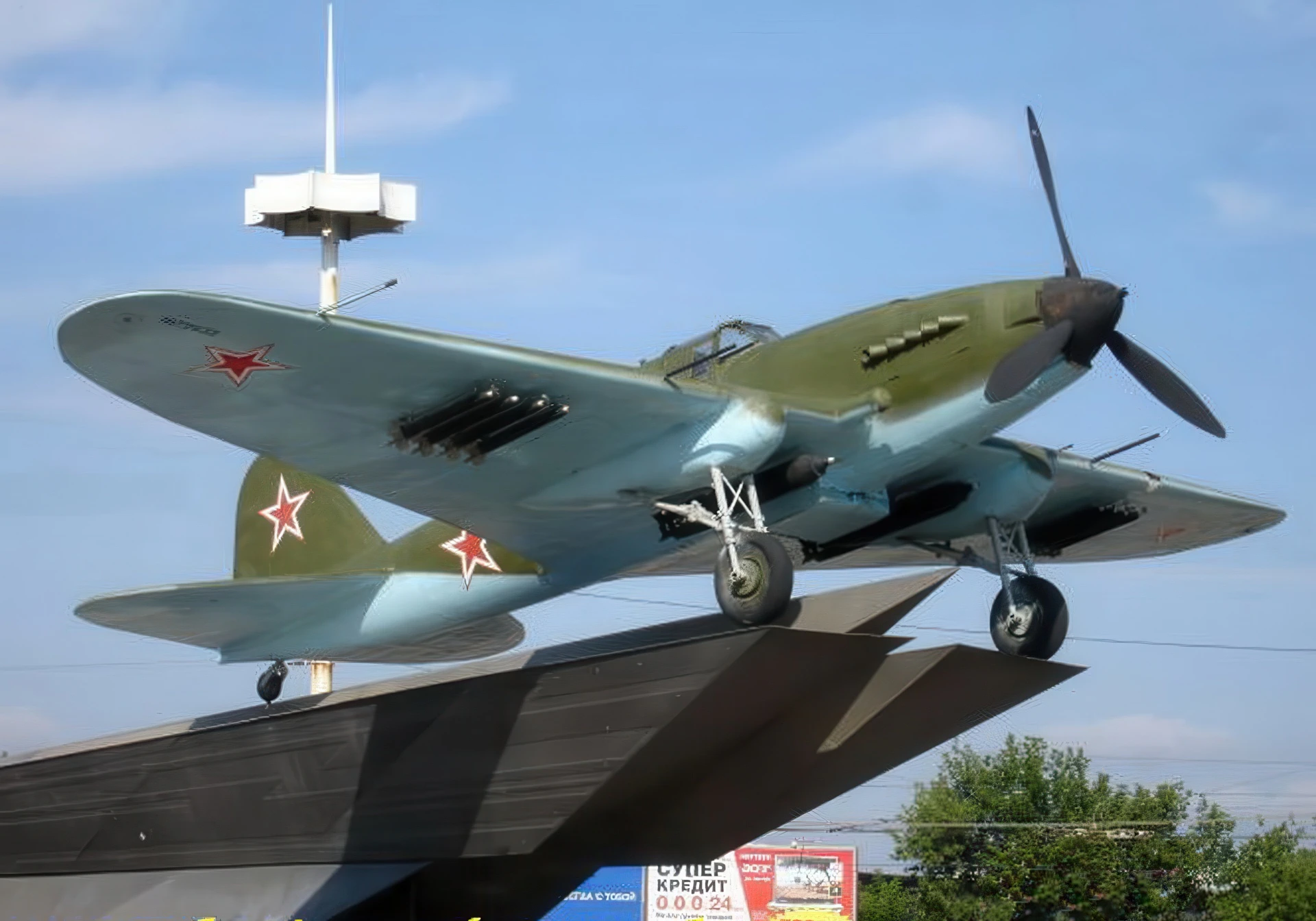
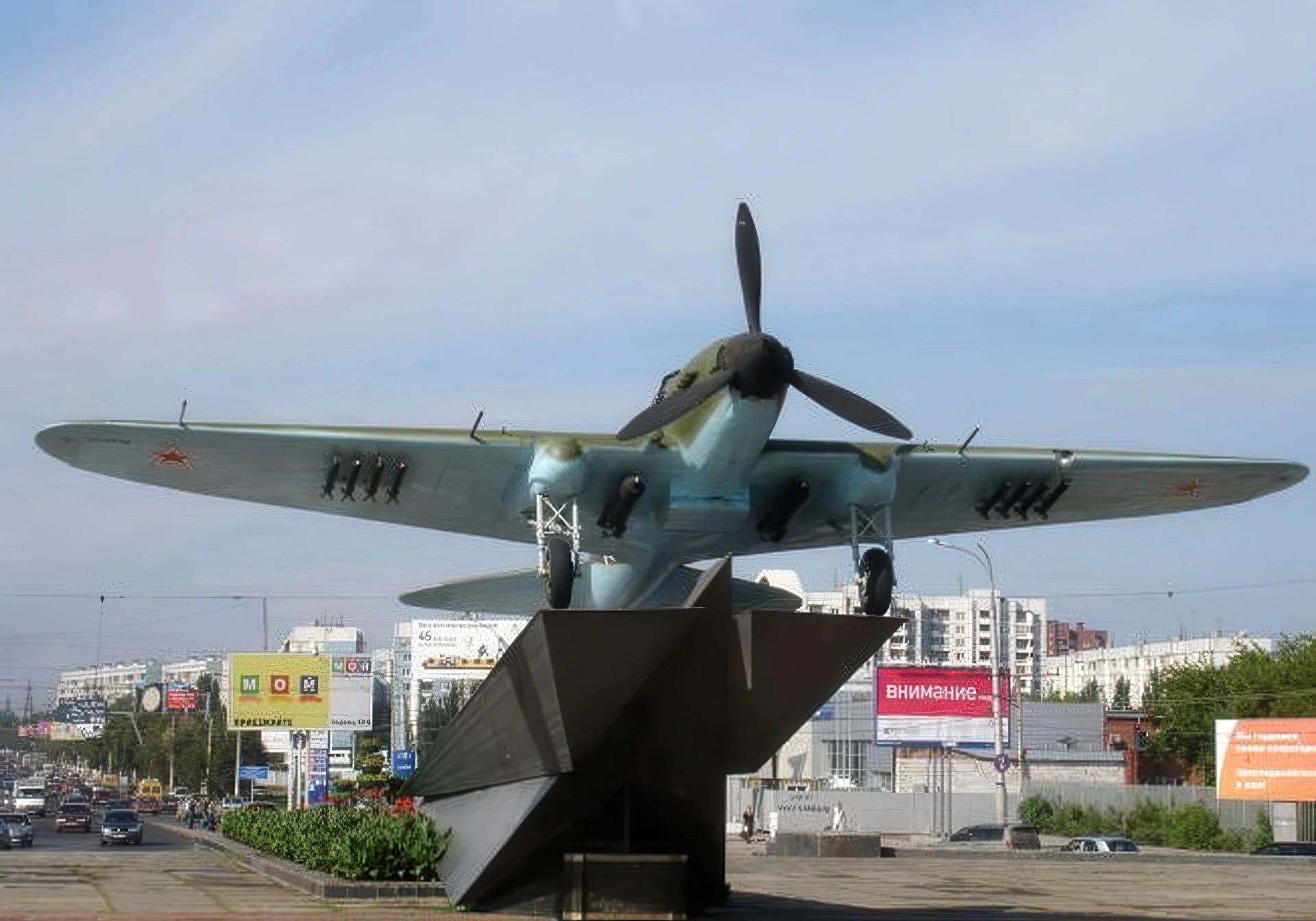
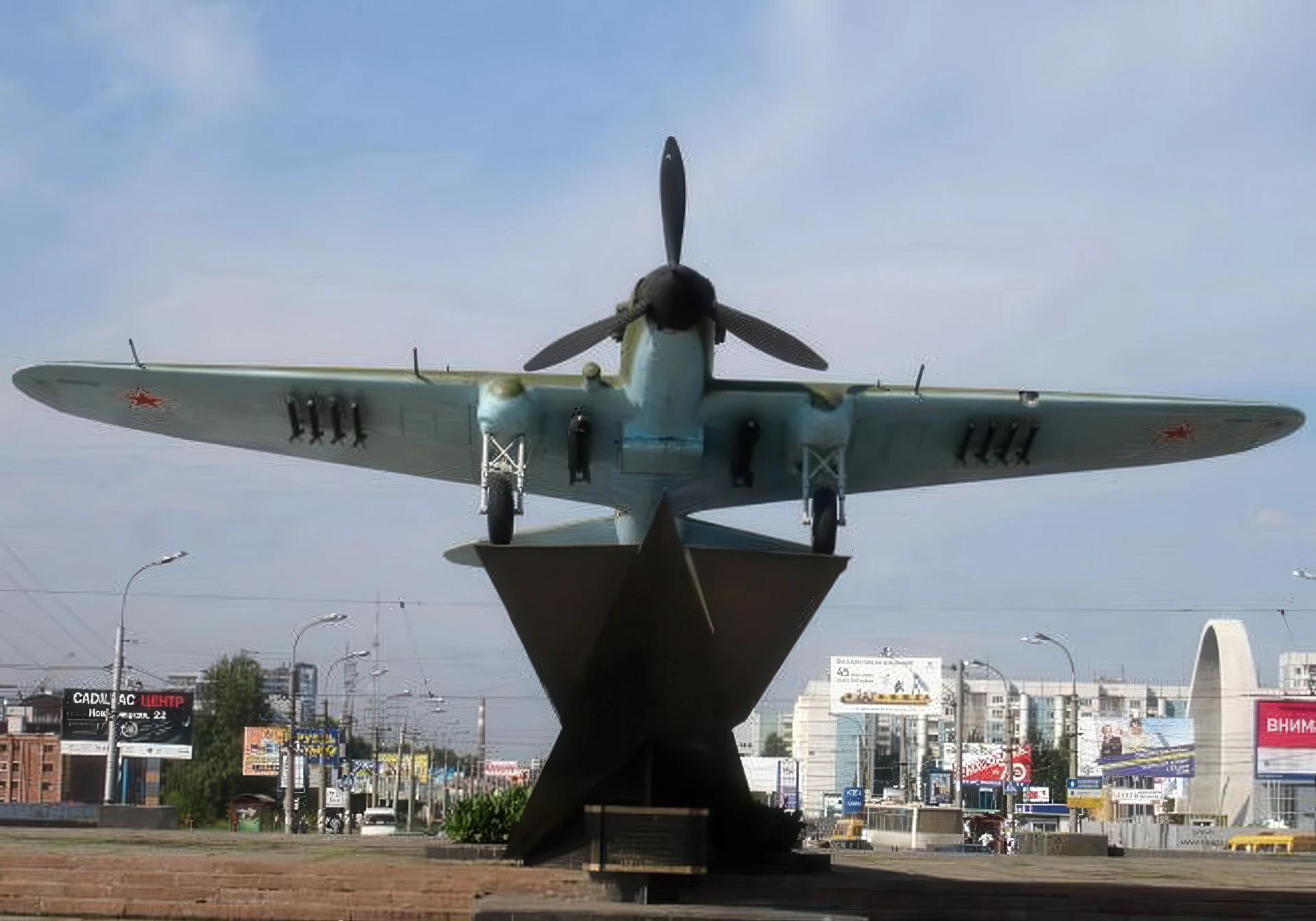
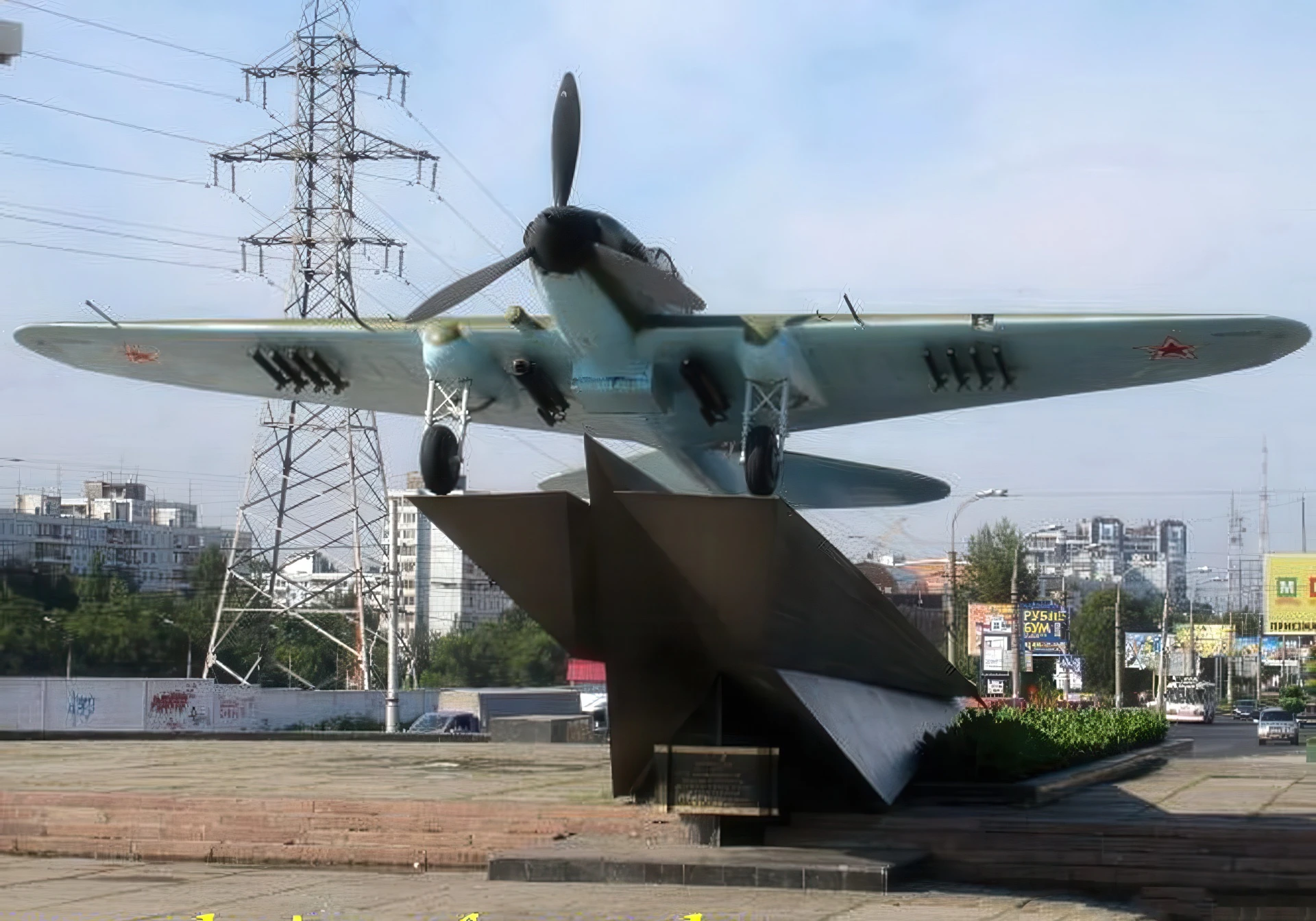
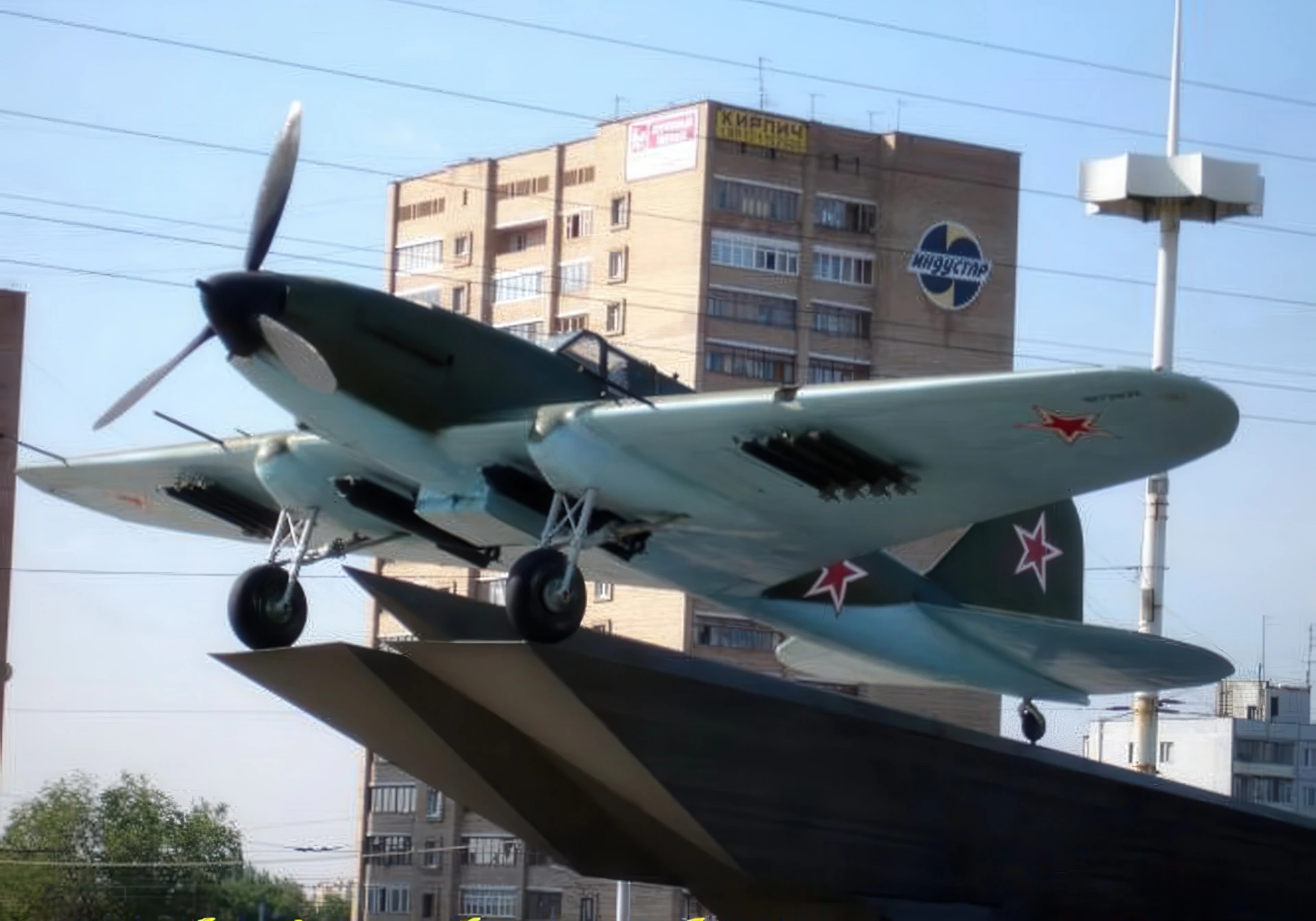
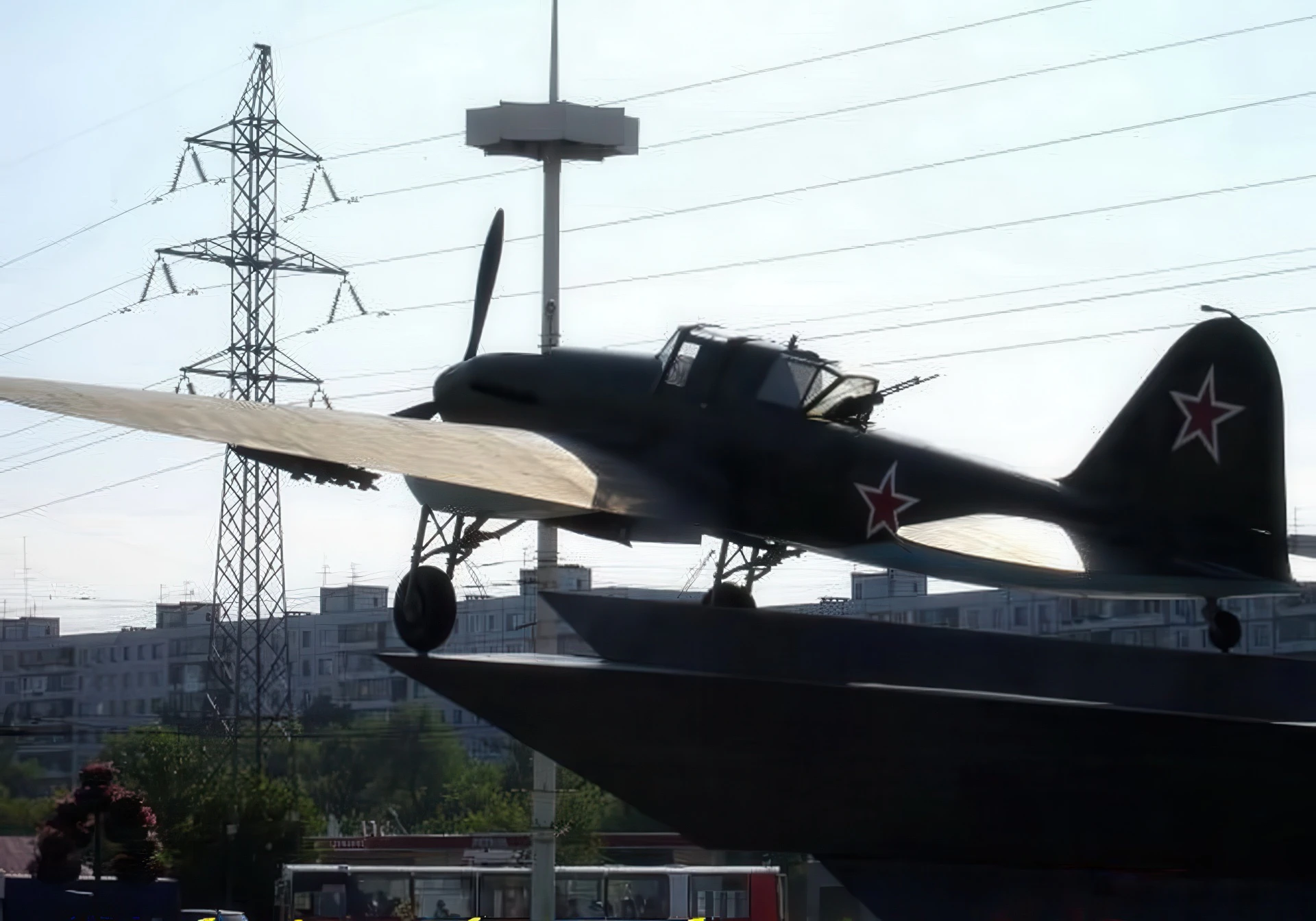
У 201 Ільюшин Іл-2 (Кирилиця: Илью́шин Ил-2) Штурмовик — наземний штурмовик (кирилиця: Штурмовик, Штурмовик), що випускався Радянським Союзом у великій кількості під час Другої світової війни. З 36 183 одиниць Іл-2, випущених під час війни, і в поєднанні з його наступником Іл-10 Ільюшиним, було побудовано в цілому 42 330 одиниць, що зробило його єдиним найбільш виробленим військовим літаком конструкції в історії авіації, а також одним з найбільш випускаються пілотованих літаків в історії поряд з американським післявоєнним цивільним Cessna 172 і власним на той час ще сучасником Радянським Союзом багатоцільовим біпланом «Полікарпов По-2 Кукурузник».
Джерело: Вікіпедії
| Iliouchine Il-2 | |
|---|---|
| Фотограф | Незнай |
| Локалізацією | Незнай |
| Фото | 36 |
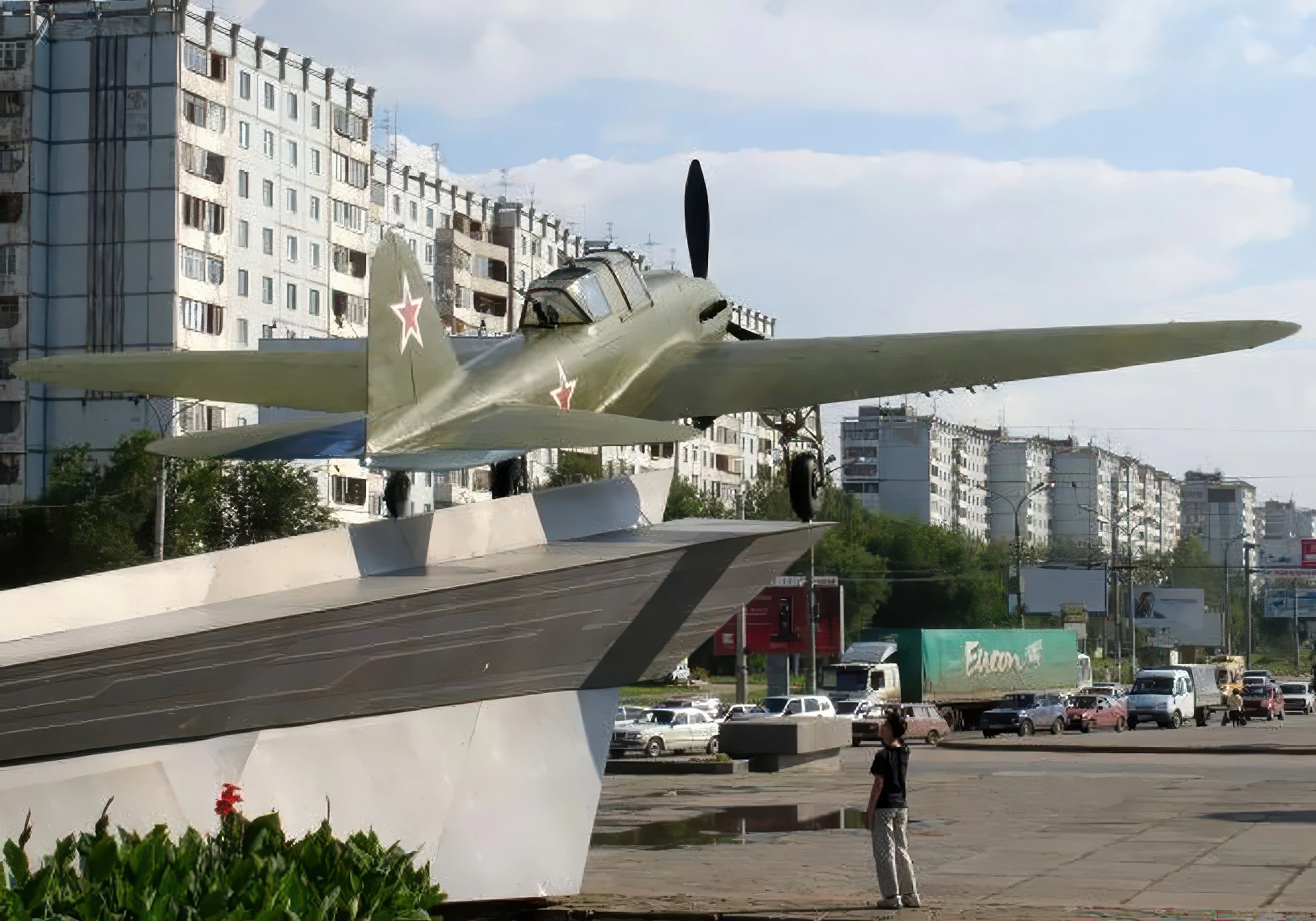
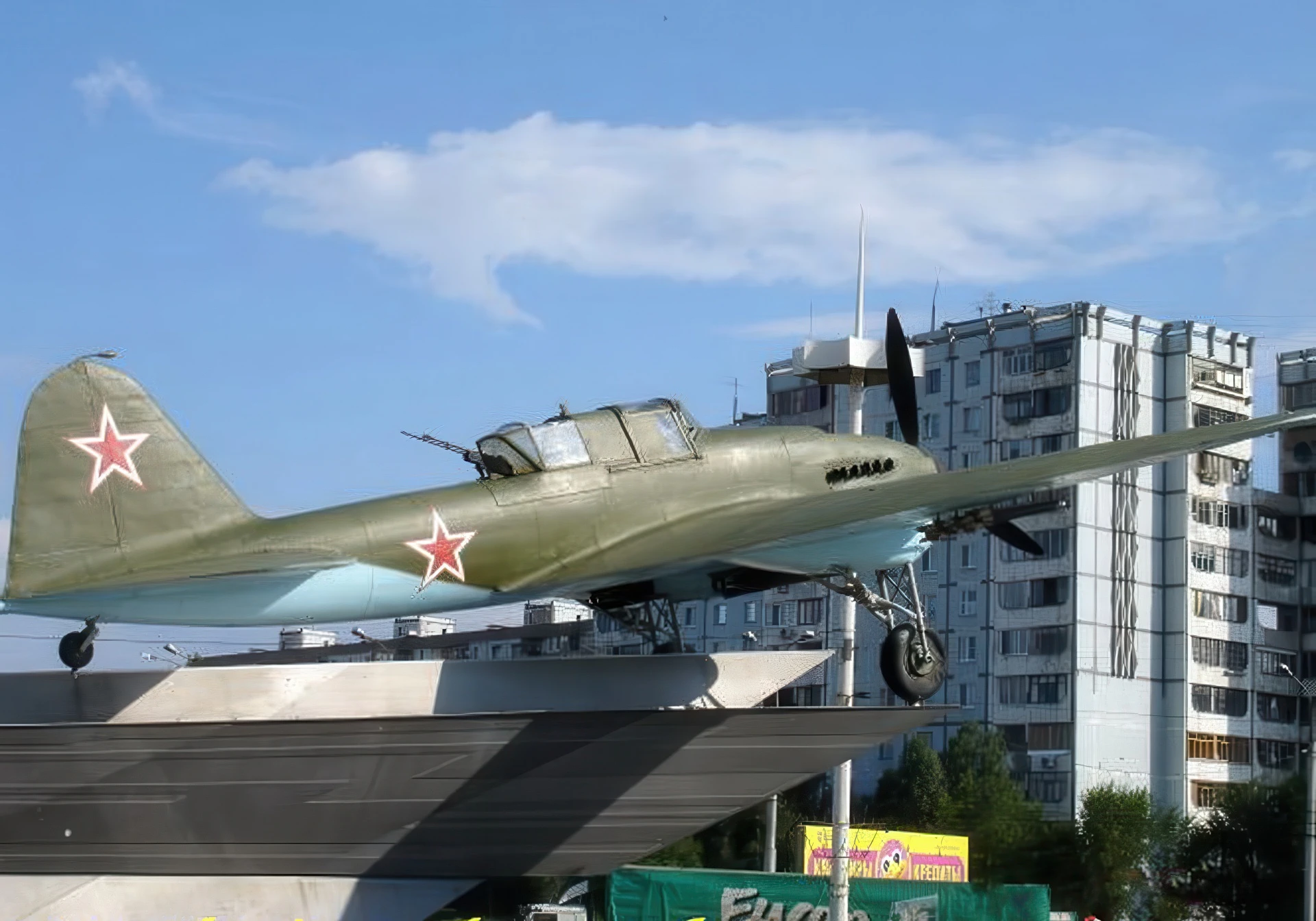

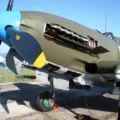
| Ilyushin Il-2M3 Walk Around | |
|---|---|
| Фотограф | Володимир Якубов |
| Локалізацією | Колекція літаючої спадщини |
| Фото | 72 |
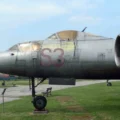
| Ilyushin Il-2 Walk Around | |
|---|---|
| Фотограф | Незнай |
| Локалізацією | Незнай |
| Фото | 14 |
Читайте також:


| IL-2M3 Walk Around | |
|---|---|
| Іл-2 виробництва 1944 року «крило зі стрілою»: Referred in West as “Il-2M3” or “Il-2 Type 3”. As more duralumin became available for the Soviet aviation industry, the Il-2 received a set of all-metal wing panels. At the same time, the outer wing planform was swept back, with a straight trailing edge, since the centre of gravity was shifted rearwards after the gunner was added. The wing planform change regained controllability of the two-seat Il-2 back to level of the single-seat Il-2. | |
| Фотографів | Себастьян Ріос, Мартін Седлачек |
| Локалізацією | Незнай |
| Фото | 26 |
Role and Design Concept
The Ilyushin Il-2, known as the Штурмовик (Russian for “Storm Bird”), was the primary Soviet ground-attack aircraft of World War II. It was designed from the outset by Sergey Ilyushin’s bureau to be a low-altitude attack platform, built around a unique protective “armored tub.”
The “Flying Tank”
The most distinctive and vital feature of the Il-2 was its integrated armor protection. The forward section of the fuselage—which encased the engine, cockpit, radiators, and fuel tank—was constructed as a single, welded, armored shell of thick steel plate (up to 12 mm). This heavy protection earned it the German nicknames of “Flying Tank” І “Concrete Plane,” making it famously resistant to small arms fire and light anti-aircraft weapons.
Early models were single-seaters, but high losses from enemy fighters attacking from the rear quickly led to the development of the most common version, the two-seat **Il-2M3**. This variant added a gunner position with a defensive 12.7 mm machine gun, albeit often in a less-protected section of the fuselage. The airframe itself utilized a mix of materials; while the front was steel, the aft fuselage and wings were often constructed with wood due to wartime shortages of strategic metals.
Armament and Impact
The Shturmovik delivered a devastating punch to enemy ground forces. Its typical armament package was designed for maximum destruction of armored columns and troop concentrations:
- Main Guns: Two fixed forward-firing 23 mm VYa-23 cannons and two machine guns. Later versions mounted larger 37 mm cannons for greater anti-tank capability.
- Rockets and Bombs: It carried a load of rockets (RS-82 or RS-132) and high-explosive bombs. Crucially, it was one of the first aircraft to effectively utilize **PTAB anti-tank bomblets**, which, when scattered from low altitude, could strike the thinly armored tops of German tanks.
Its effectiveness in stopping German Panzer (tank) divisions, particularly during pivotal battles like Kursk, led Joseph Stalin to famously state that the aircraft was “as necessary to the Red Army as air or bread.” Its service life extended beyond WWII, continuing in use with various Soviet-allied nations.
Views : 6519