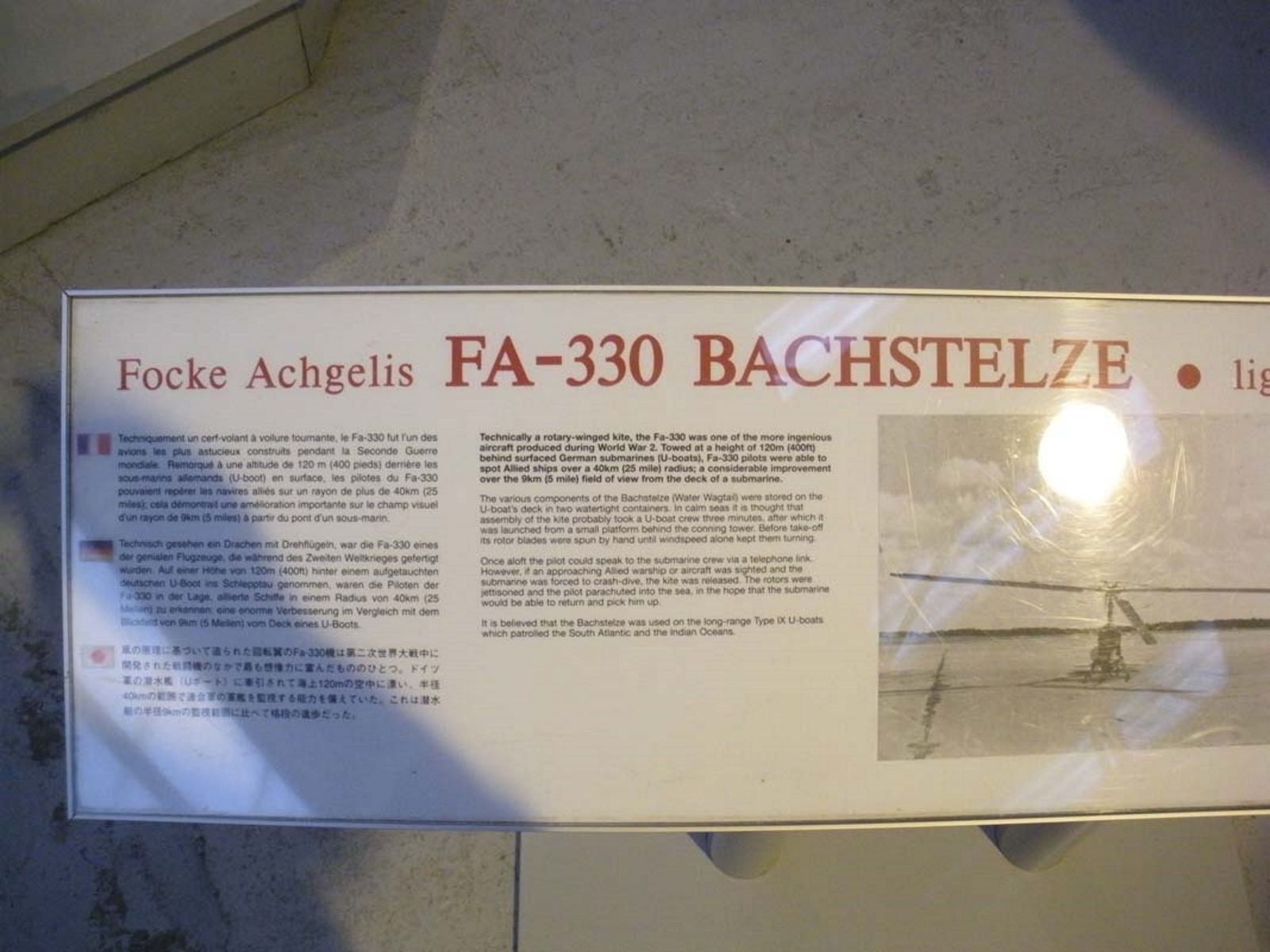
Focke-Achgelis Fa 330 | |
|---|---|
| Країні | Нацистська Німеччина |
| Роль | Повітряний змій з автожиром |
| Перший політ | Незнай |
| Побудований | 200 |
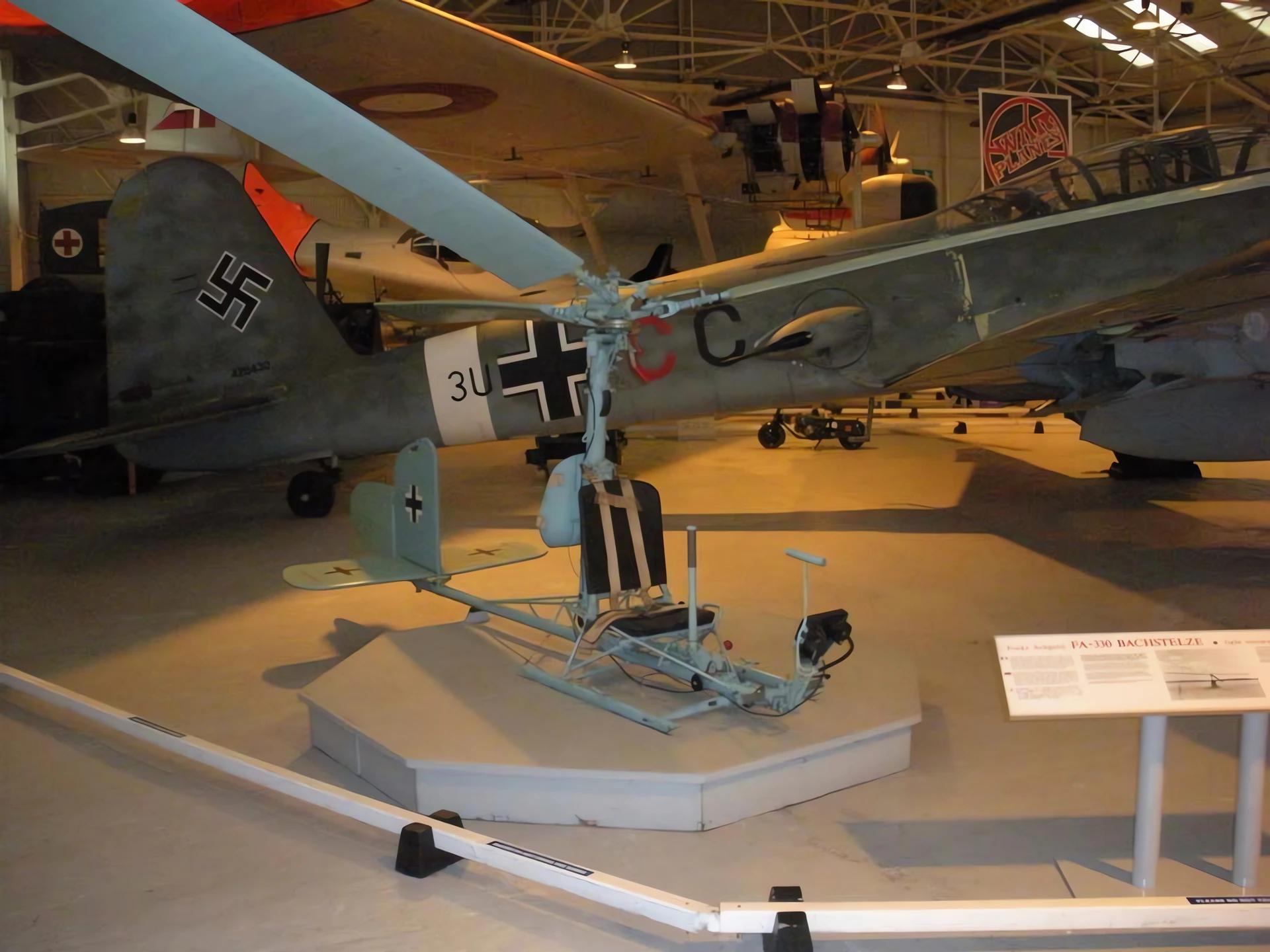
У 201 Focke-Achgelis Fa 330 Bachstelze Wagtail) — тип гвинтового повітряного змія, відомий як гіропланер або гвинтовий повітряний змій. Під час Другої світової війни їх буксирували за німецькими підводними човнами, щоб спостерігач міг бачити далі.
Джерело: Focke-Achgelis Fa 330 у Вікіпедії
| Focke-Achgelis FA 330 Bachstelze Walk Around | |
|---|---|
| Фотографів | Володимир Якубов, Ренді Рей |
| Локалізацією | Незнай |
| Фото | 44 |
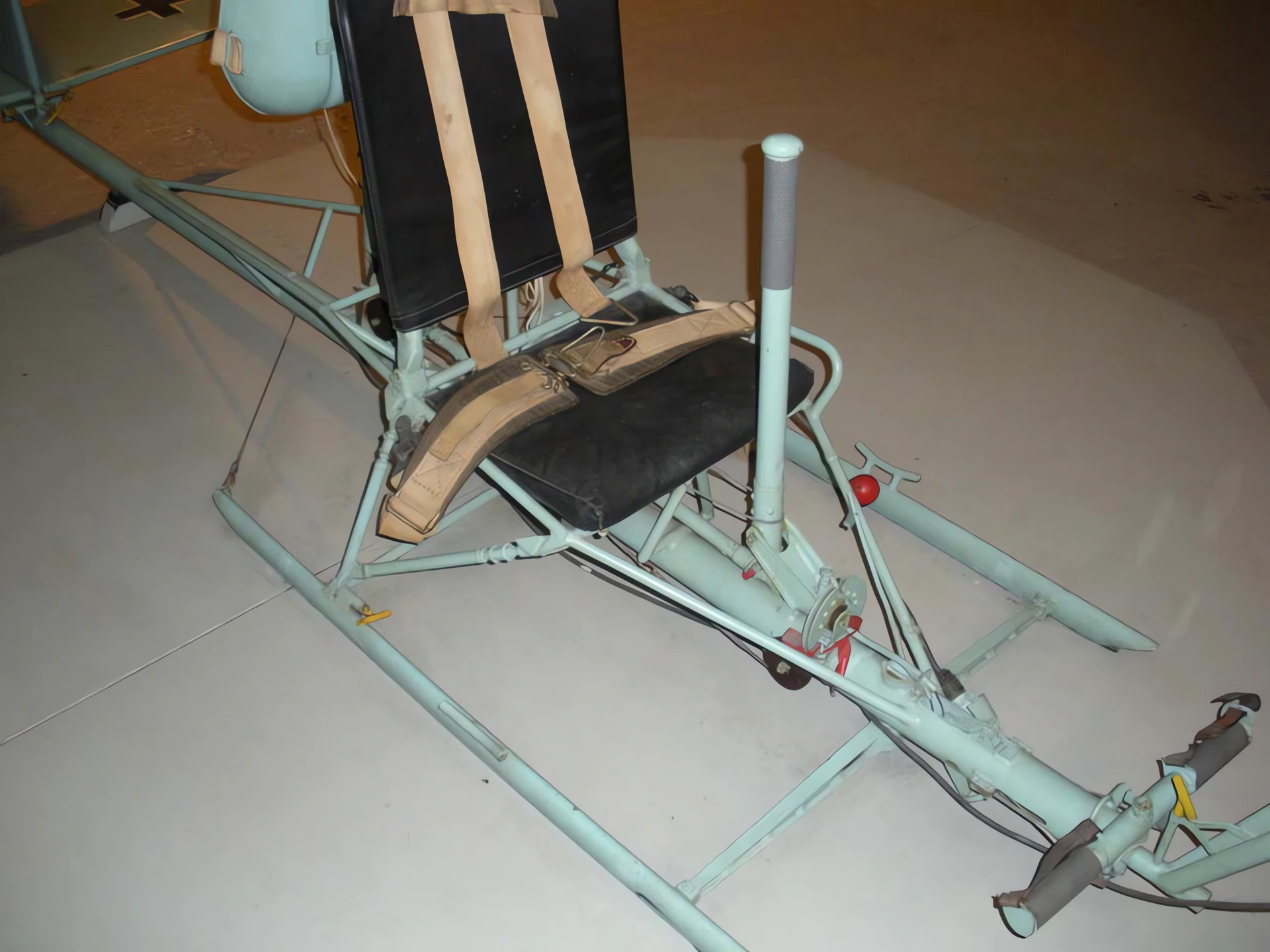
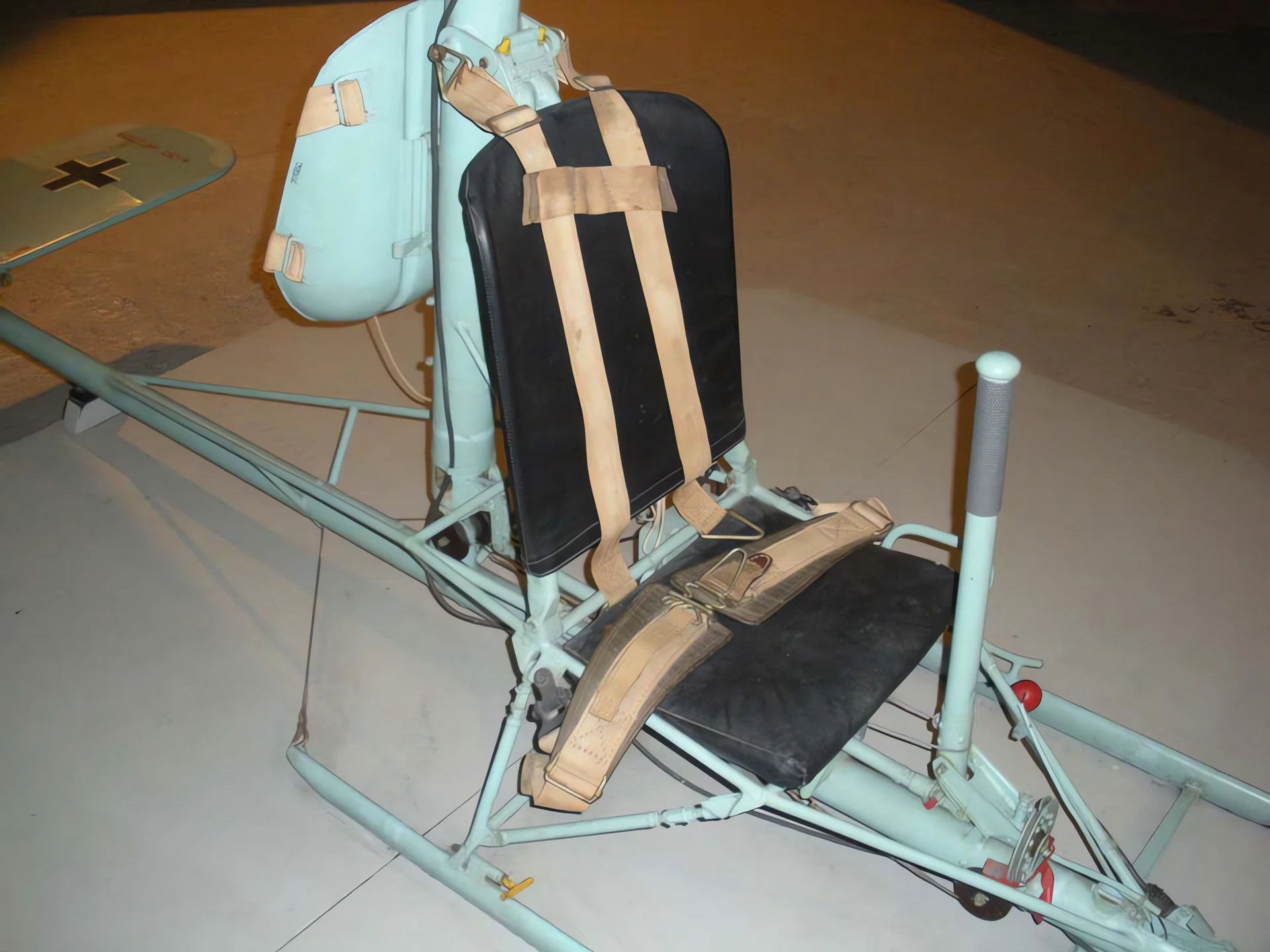
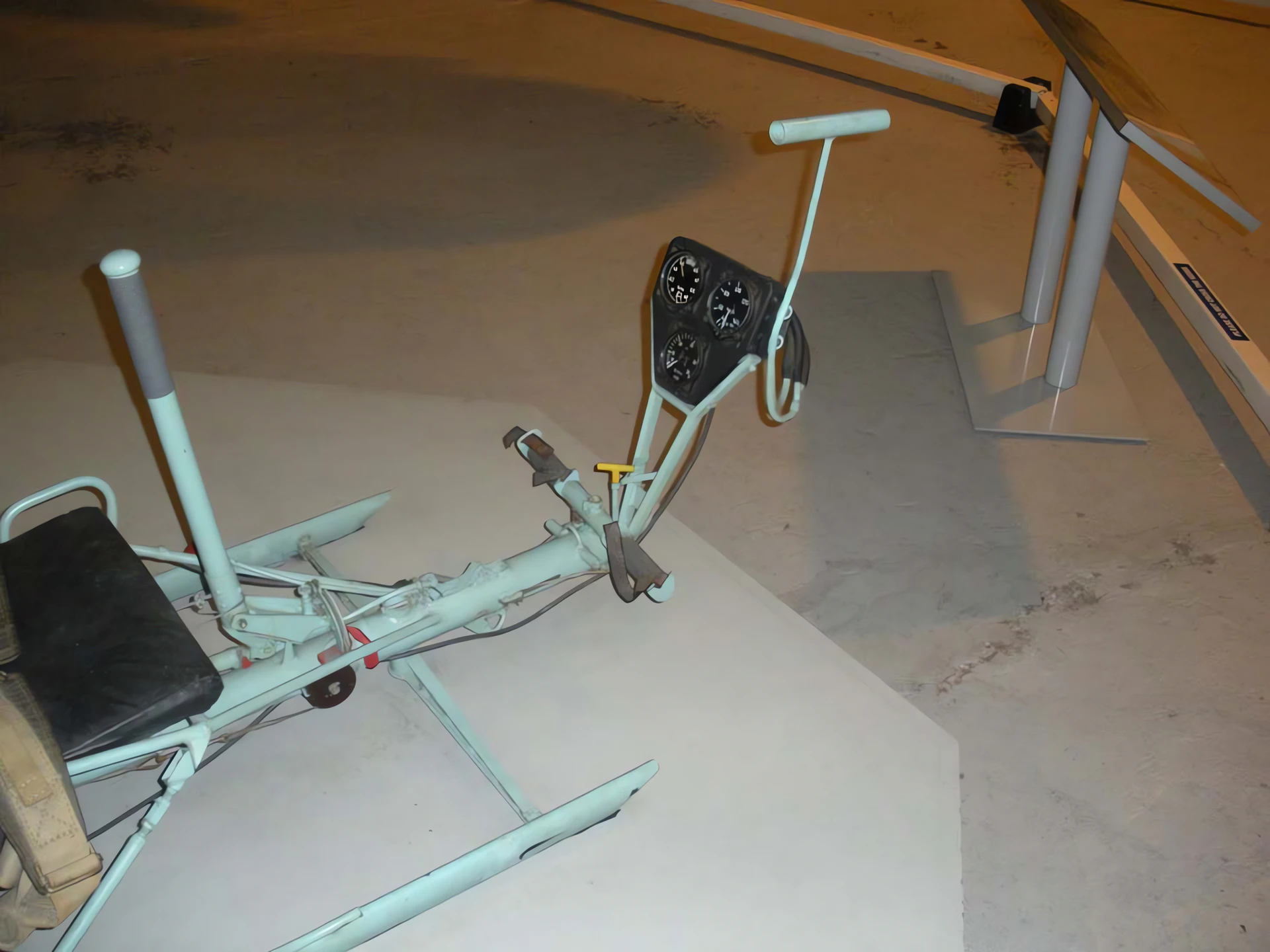
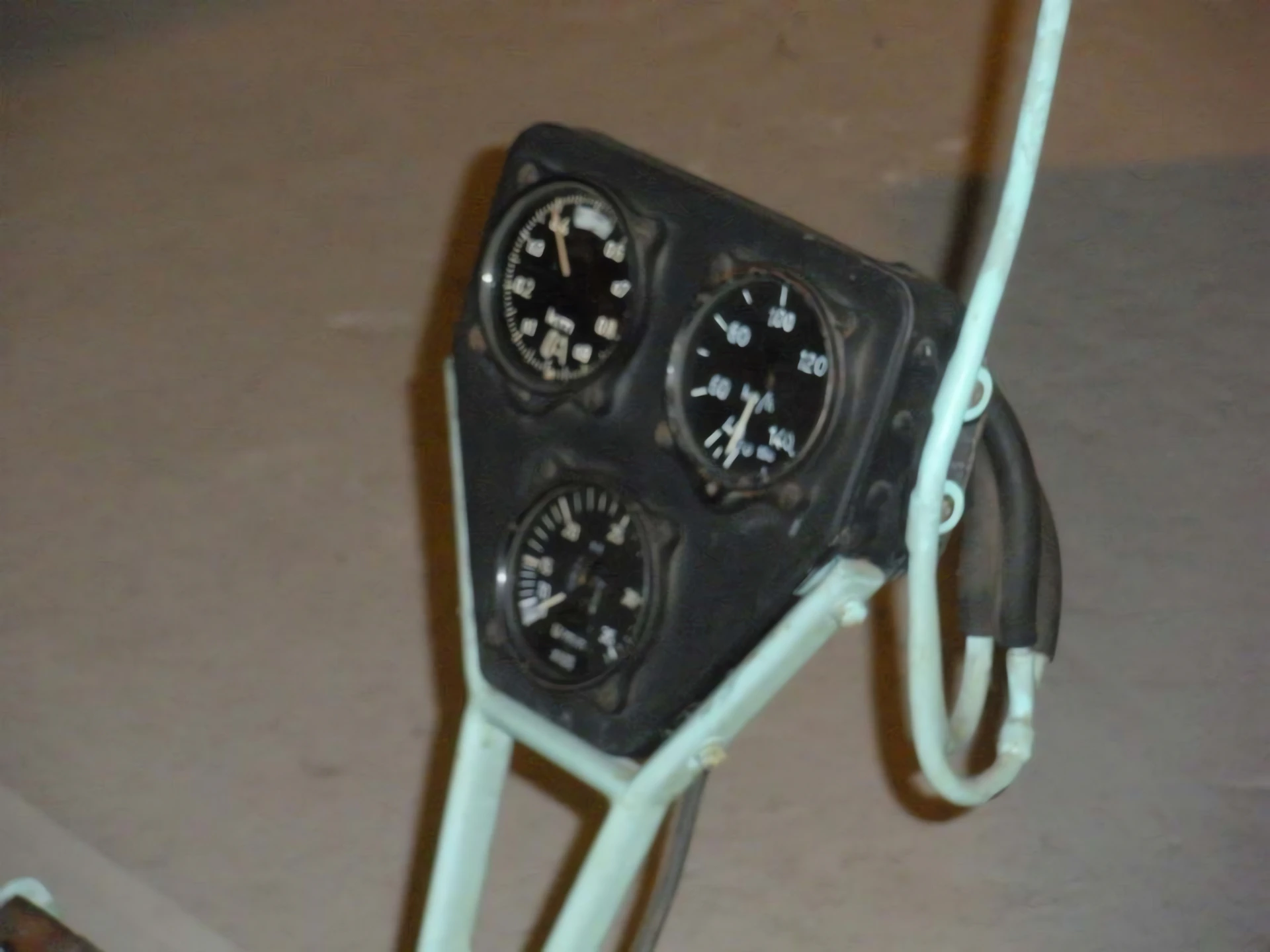
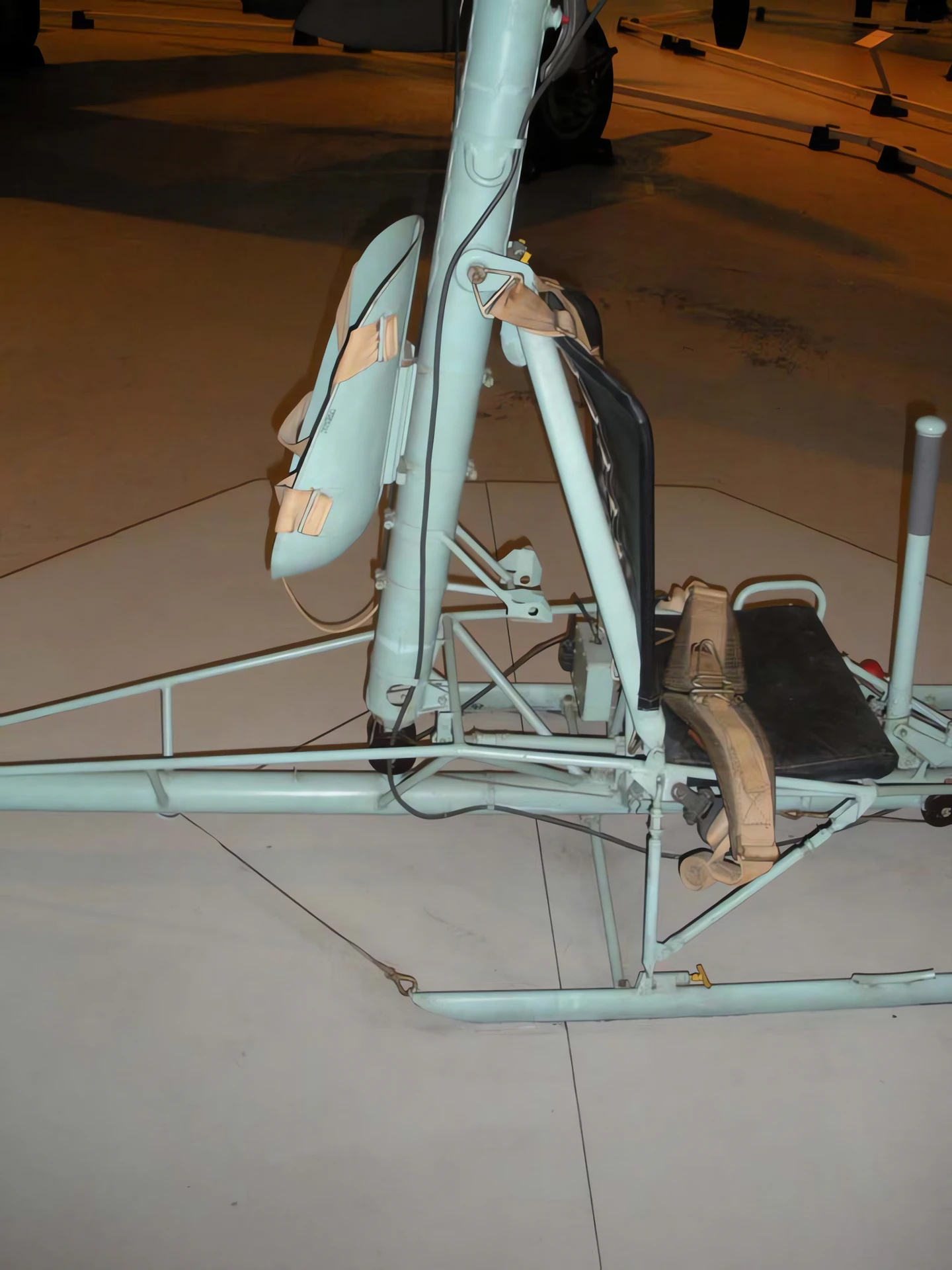
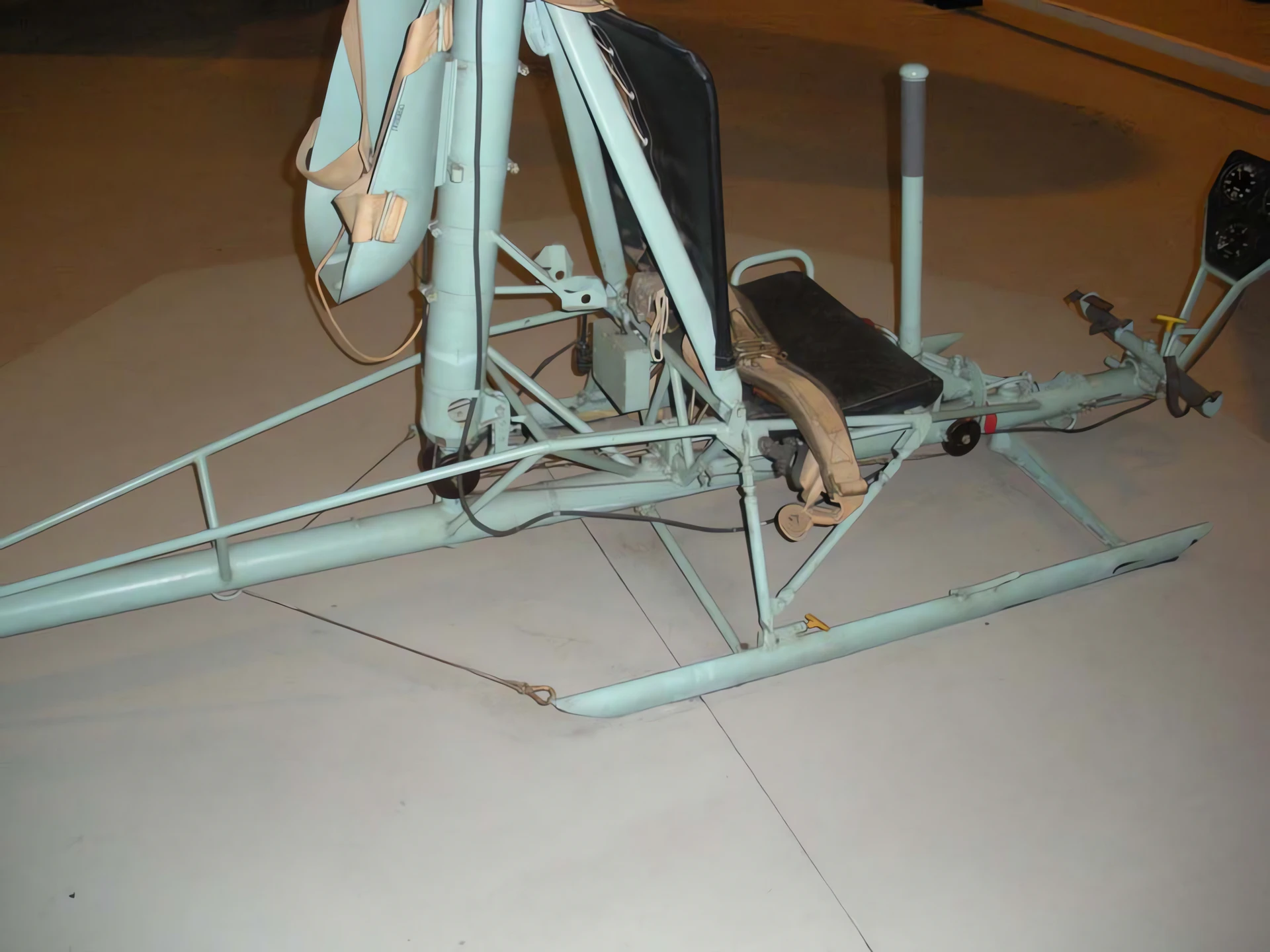

Читайте також:


The Kite with Rotors
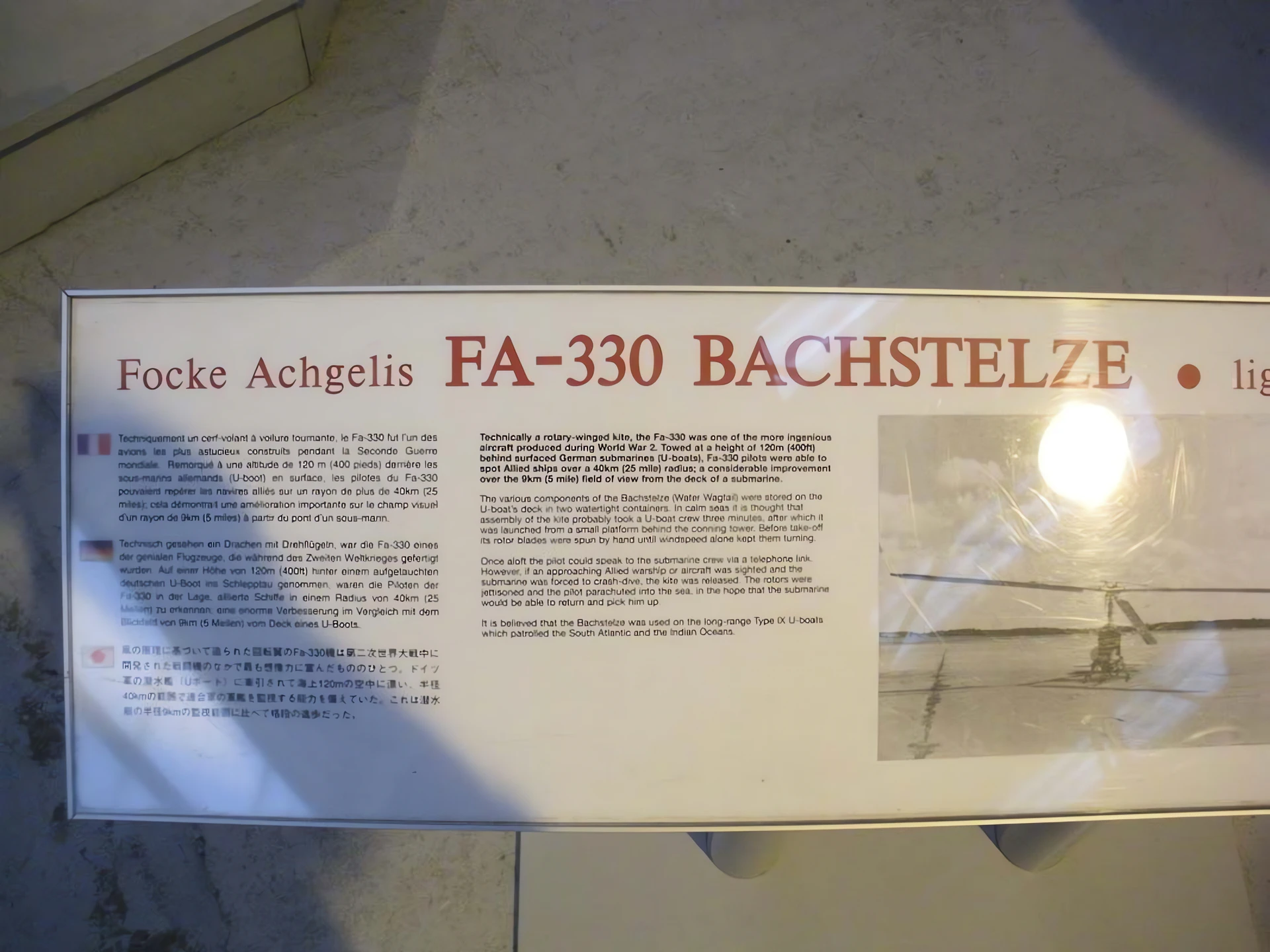
У 201 Фокке-Ахгеліс Фа 330 was a unique, unpowered autogyro kite used by German U-boats during World War II. Because a submarine’s low profile limited its horizon to about 5 miles, the Fa 330 was developed to lift a lookout 400 feet into the air, extending their view to 25 miles. It had no engine; instead, it relied on the movement of the submarine and the wind to spin its rotors and provide lift. It was simple, foldable, and arguably one of the most dangerous assignments a sailor could receive.
| Attribute | Technical Specification (Fa 330) |
|---|---|
| Роль | Ship-borne Observation Autogyro Kite |
| команда | 1 (Pilot/Observer) |
| First Flight | 1942 |
| Силова установка | None (Tethered / Wind-driven) |
| Launch Method | Tethered cable and winch |
| Maximum Tow Speed | 25 mph (on surface) |
| Rotor Diameter | 24 ft (7.3 m) |
| Operational Altitude | Approx. 400 feet (120 m) |
Engineering Simplicity and Autorotation
- Autorotation Principle: Unlike a helicopter, the Fa 330’s rotors were not driven by an engine. The wind caused by the submarine’s forward motion blew upward through the blades, causing them to spin and create lift.
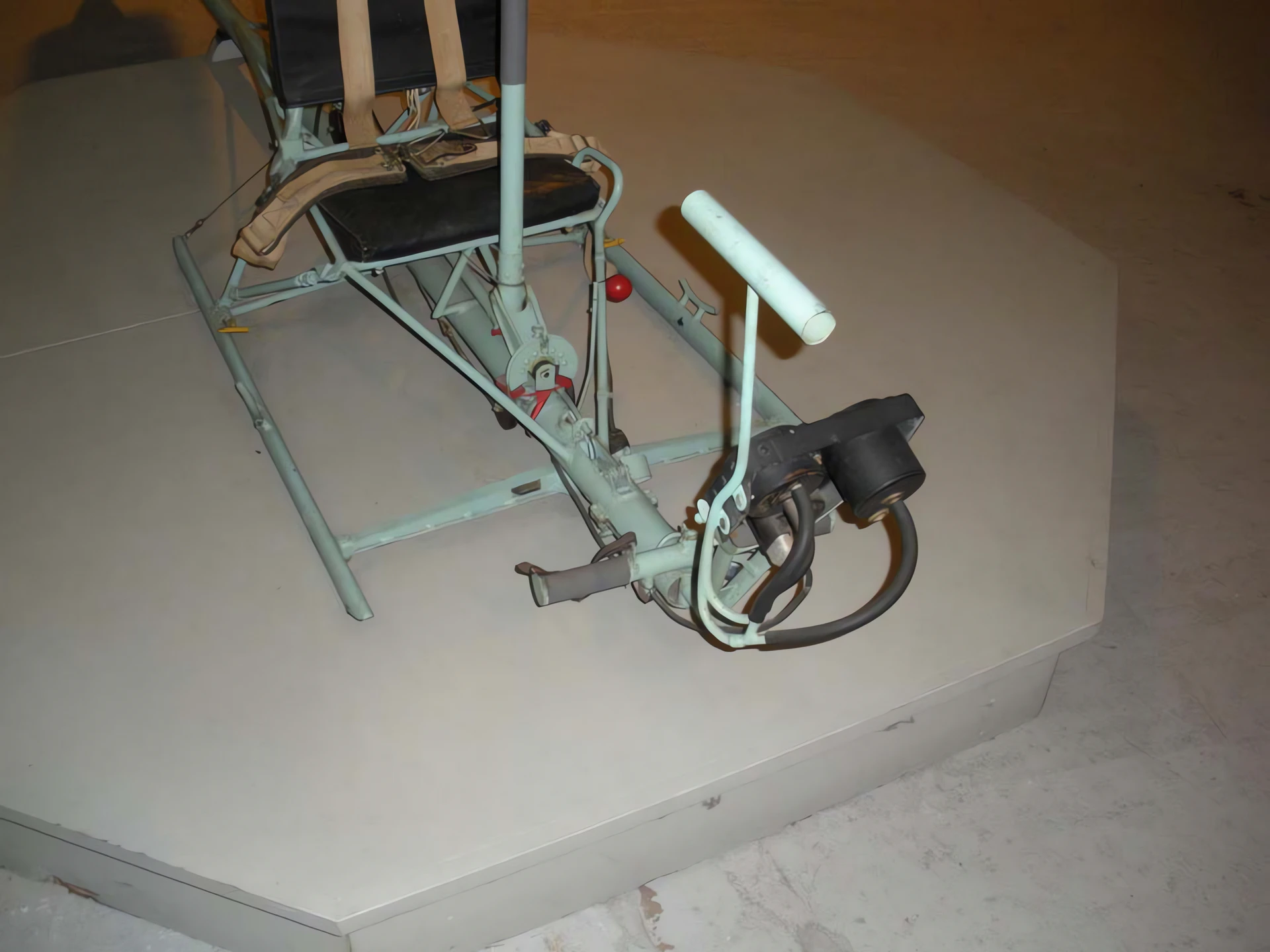
- Minimalist Airframe: The craft consisted of little more than a steel tube frame, a pilot’s seat, a small instrument panel, and a rudder. There was no fuselage to speak of, leaving the pilot completely exposed to the elements.
- Folding Design: To be stored in the limited space of a Type IX U-boat, the entire craft could be dismantled and packed into two vertical pressure-tight canisters on the deck in just a few minutes.
- Emergency Release: If the submarine had to perform an emergency dive (Alarm!), the pilot could pull a lever to jettison the rotor. A parachute would then deploy from the hub to bring the pilot (and the seat) back to the water.
The Danger of the “Wagtail”
- U-boat Vulnerability: While the Fa 330 helped find targets, it also made the submarine easier to spot from a distance. Furthermore, the time required to winch the pilot back down and stow the kite prevented the U-boat from diving instantly if attacked by Allied aircraft.
- Deployment Areas: They were mostly used in the Indian Ocean and South Atlantic, away from heavy Allied air cover where the risk of being caught on the surface was lower.
- Communications: The pilot communicated with the U-boat captain via a telephone wire integrated into the steel tethering cable.
- Survival: About 200 were built, and many survive today in museums—including the Музей Королівських ВПС та Smithsonian—because they were often captured intact when U-boats surrendered.
Переглядів : 2039
Ви також можете побачити:
 Agusta-Bell AB.212 – Фото & Відео
 Denel Rooivalk – фото та відео
 Eurocopter EC135 – Фото & Відео
 TAI/AgustaWestland T129 ATAK – Фото та відео
 Harbin Z-6 – Фото & Відео
 Sikorsky H-5 – Фото & Відео
 Sikorsky S-61R – фото & відео
 Мі-8Т ХІП – обхідний шлях
 Bell V-22 Osprey – мобільний
 Мі-24 Хінді – окунія