M8 Vinthund | |
|---|---|
| Betalar | Usa |
| Typ | Lätt pansarbil |
| nyckelord | Album de 78 bilder på "M8 Greyhound Light Armored Car" |
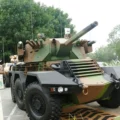
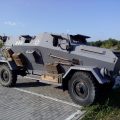
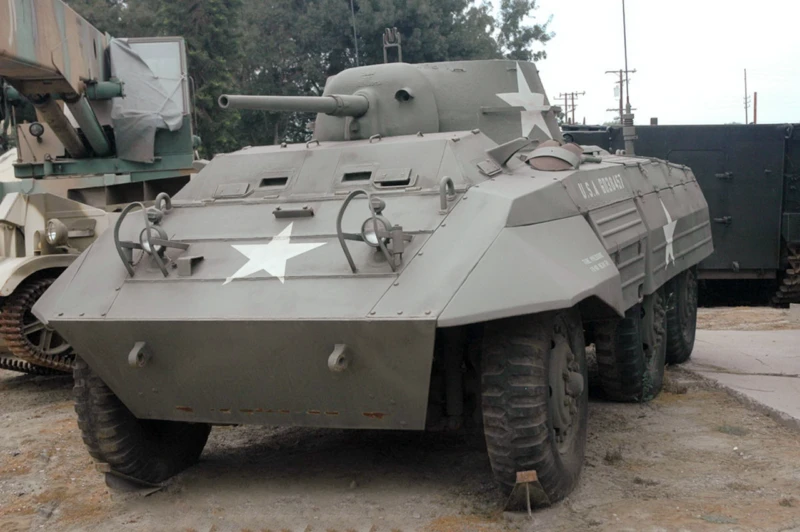
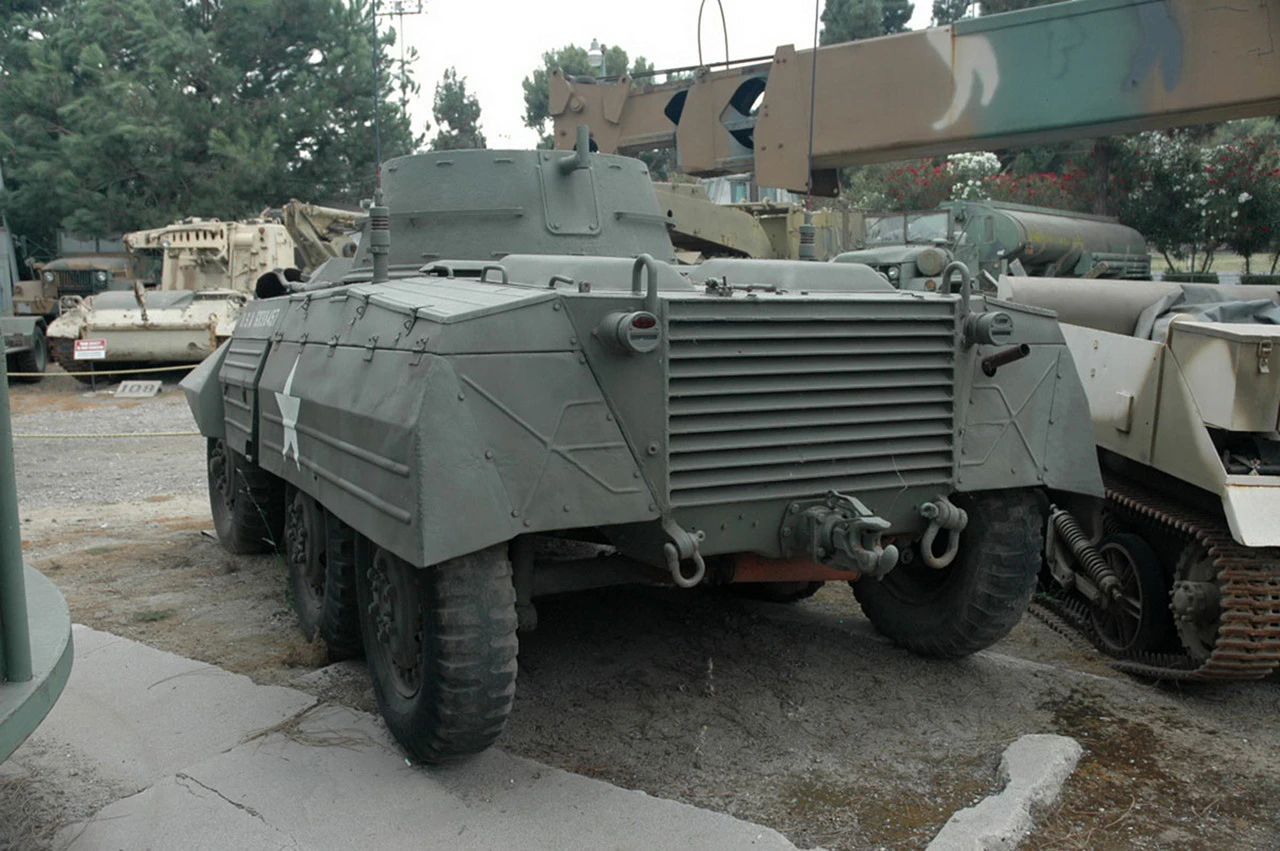
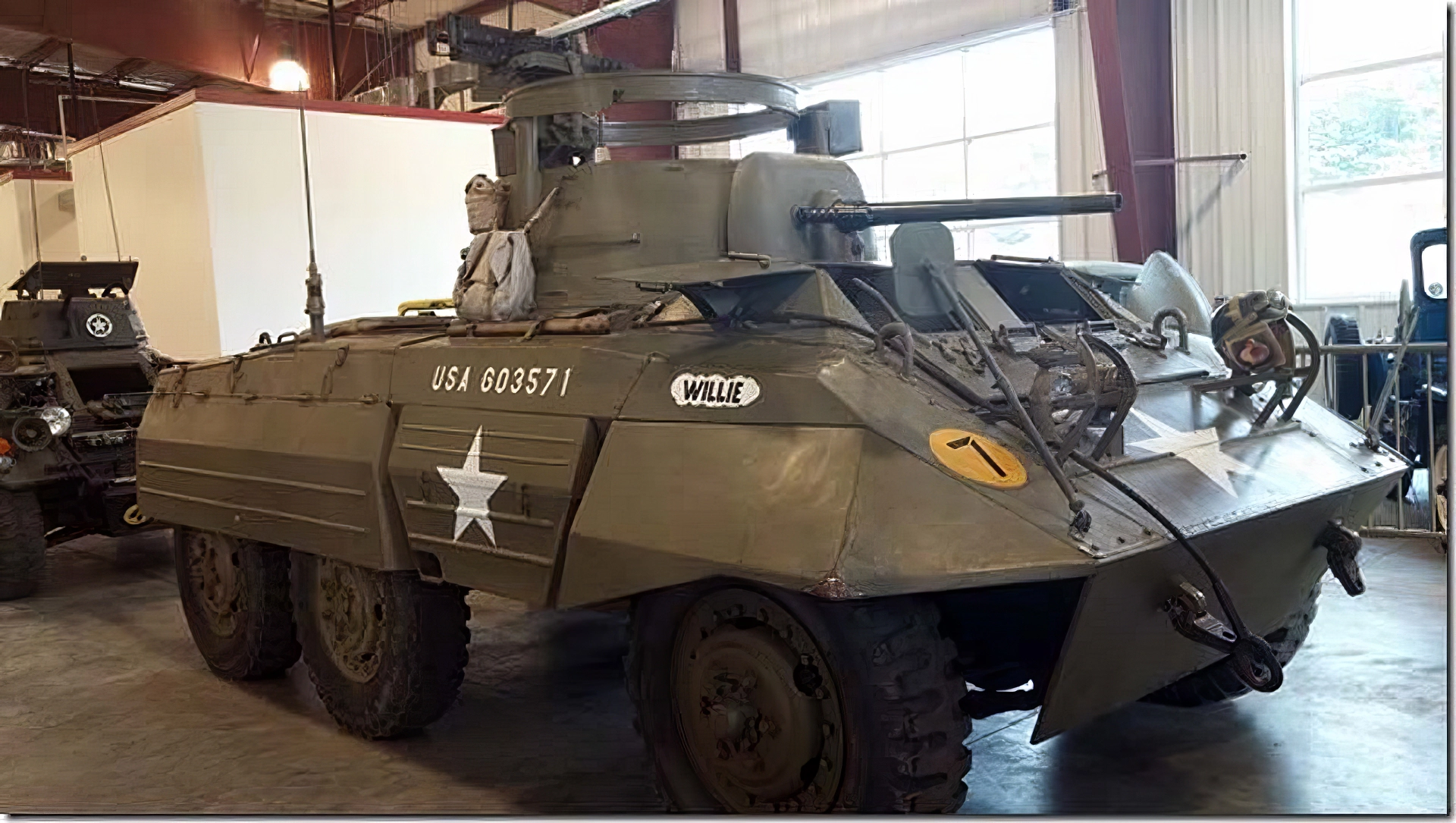
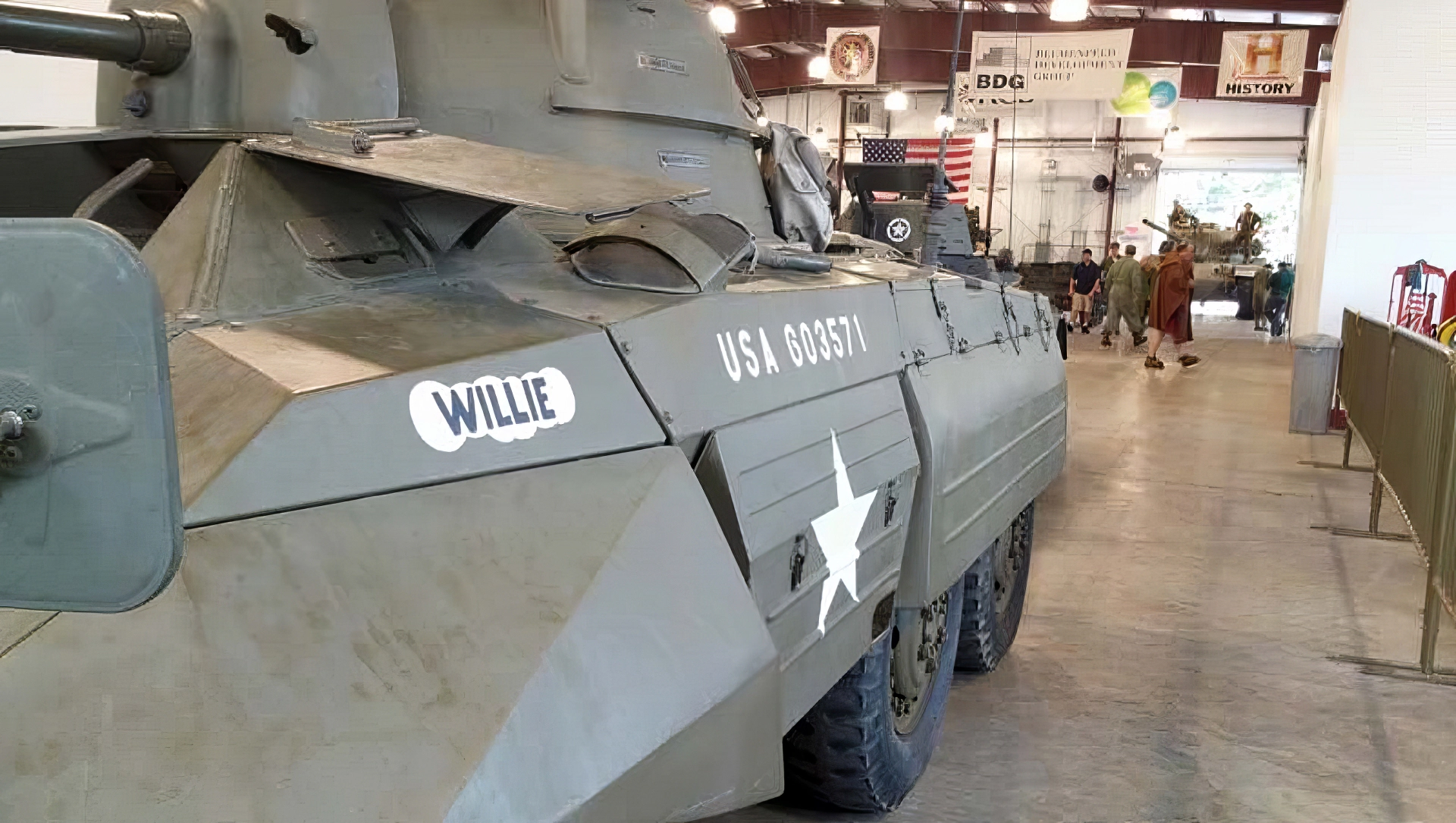
Fotogalleri på en M8 Greyhound Light Armored Car, La M8 Lätt bepansrad bil (AM-M8 eller AMM8 i Frankrike) var ett hjulförsett pansarfordon som tillverkades av Ford Motor Company och användes av de allierade under andra världskriget. Den M8 sågs fortfarande i strid fram till 2006 i utvecklingsländernas arméer. Britterna gav honom smeknamnet Vinthund (vinthund).
Källkod: M8 Greyhound på Wikipedia
| M8 Greyhound Walk Around | |
|---|---|
| Fotograf | Unknow |
| Lokalisering | Unknow |
| Bilder | 78 |
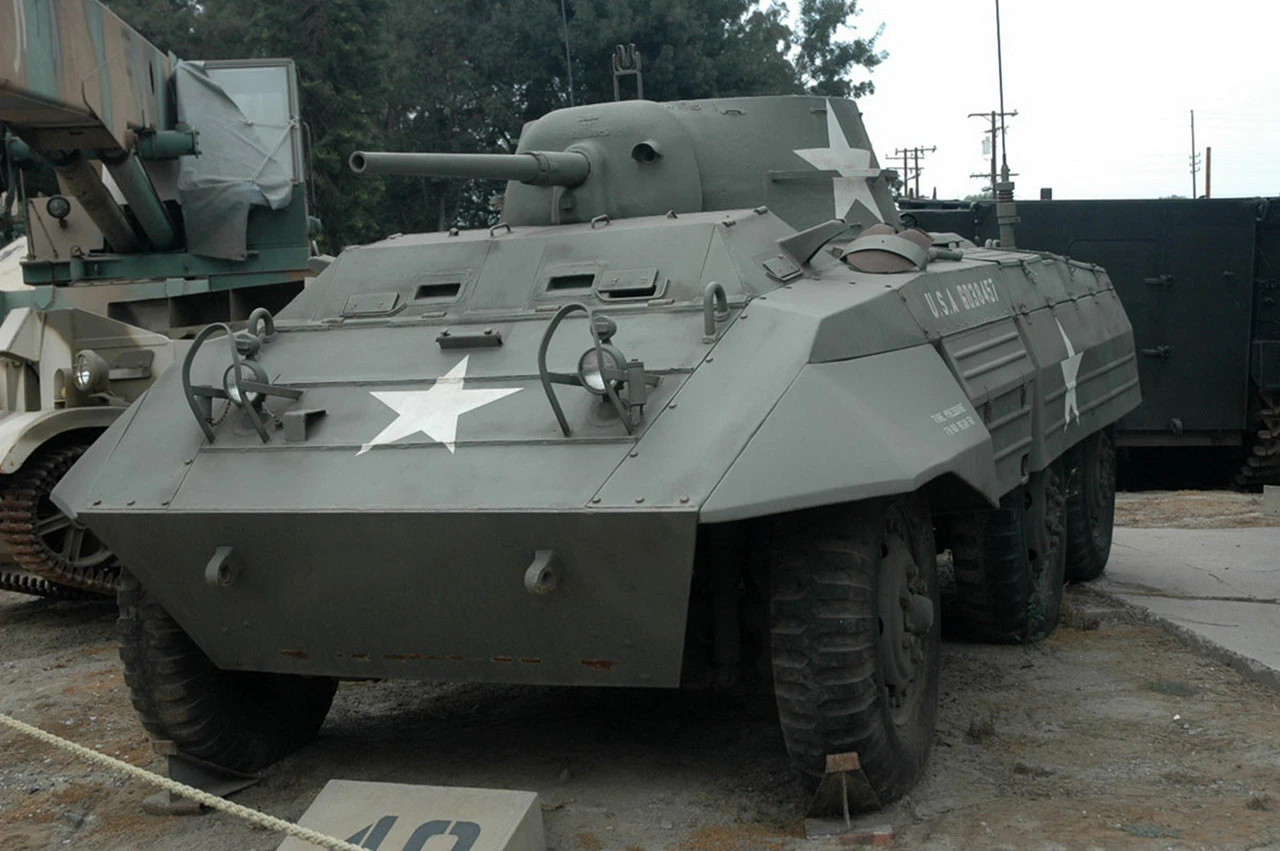
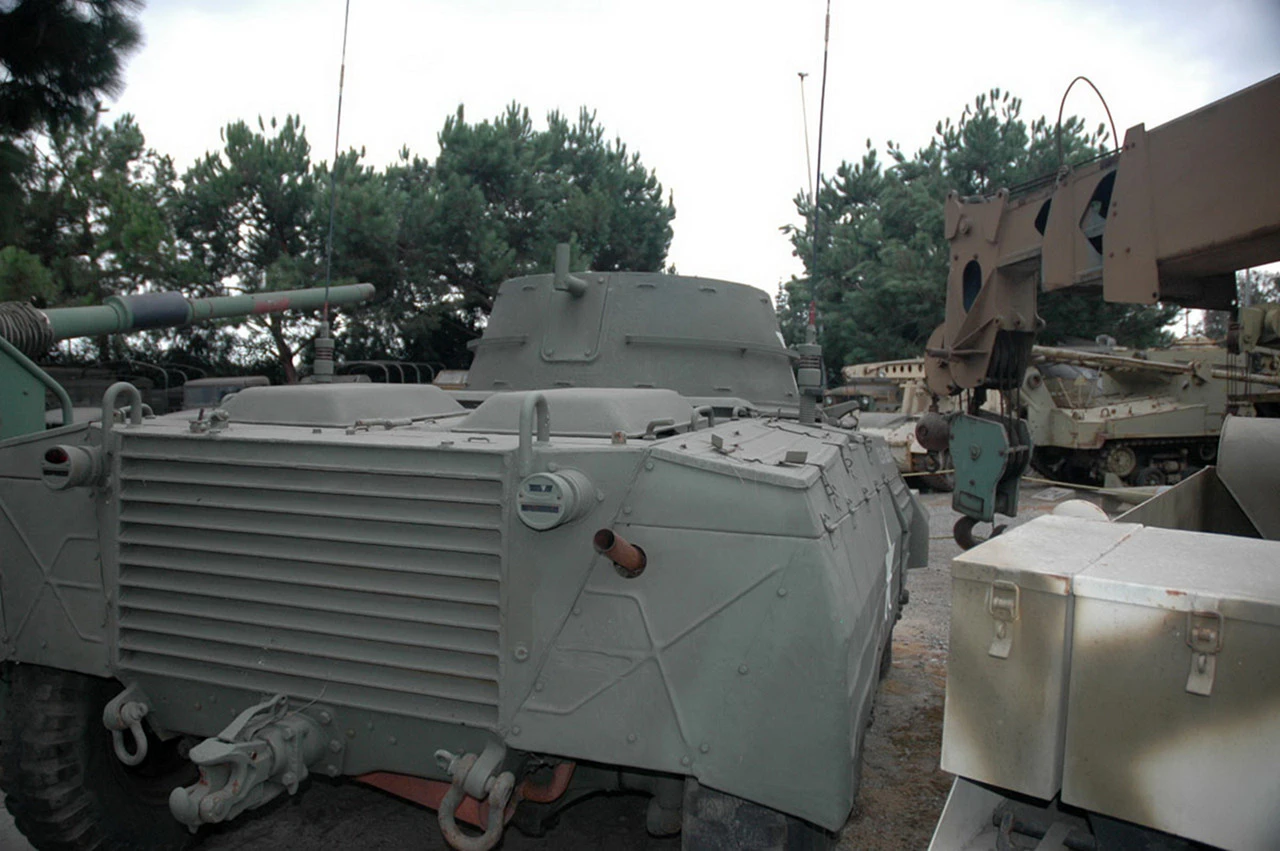
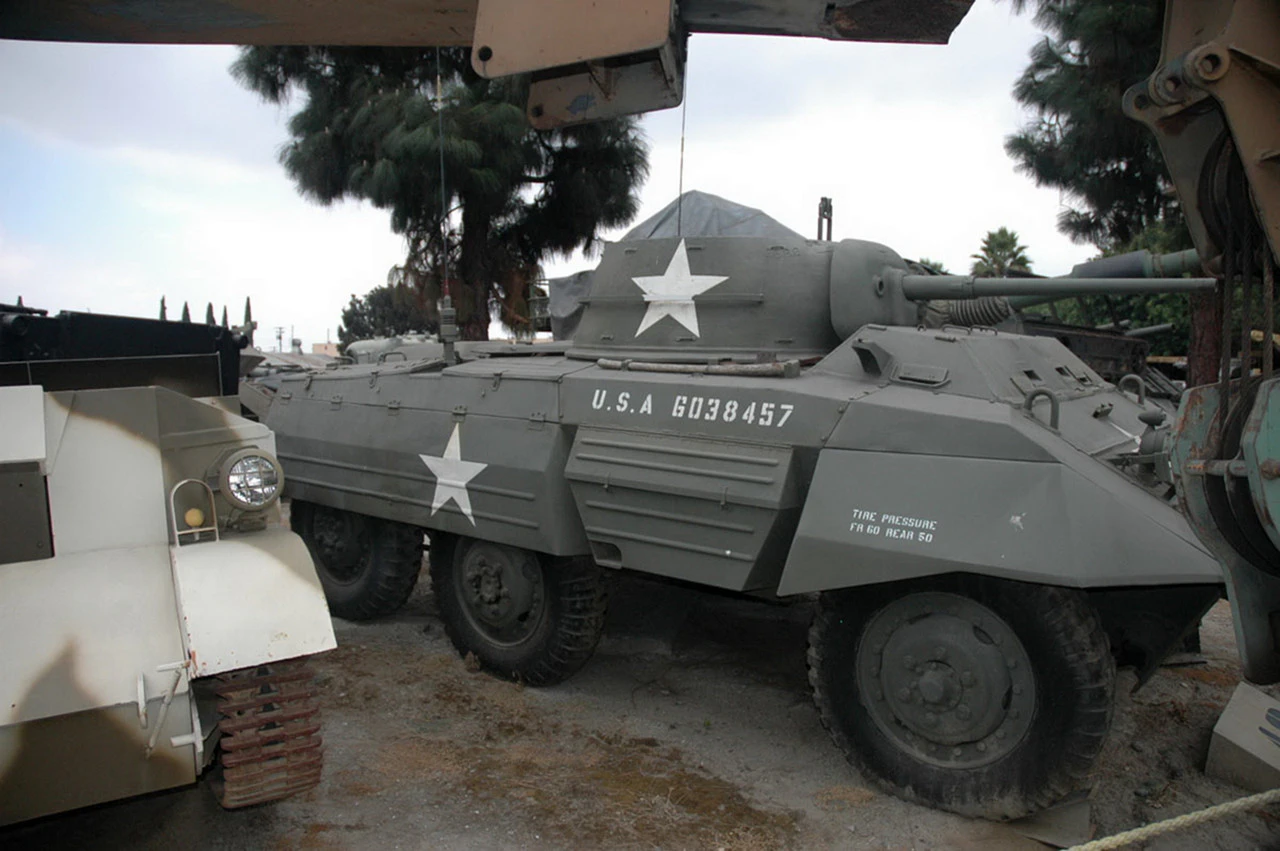
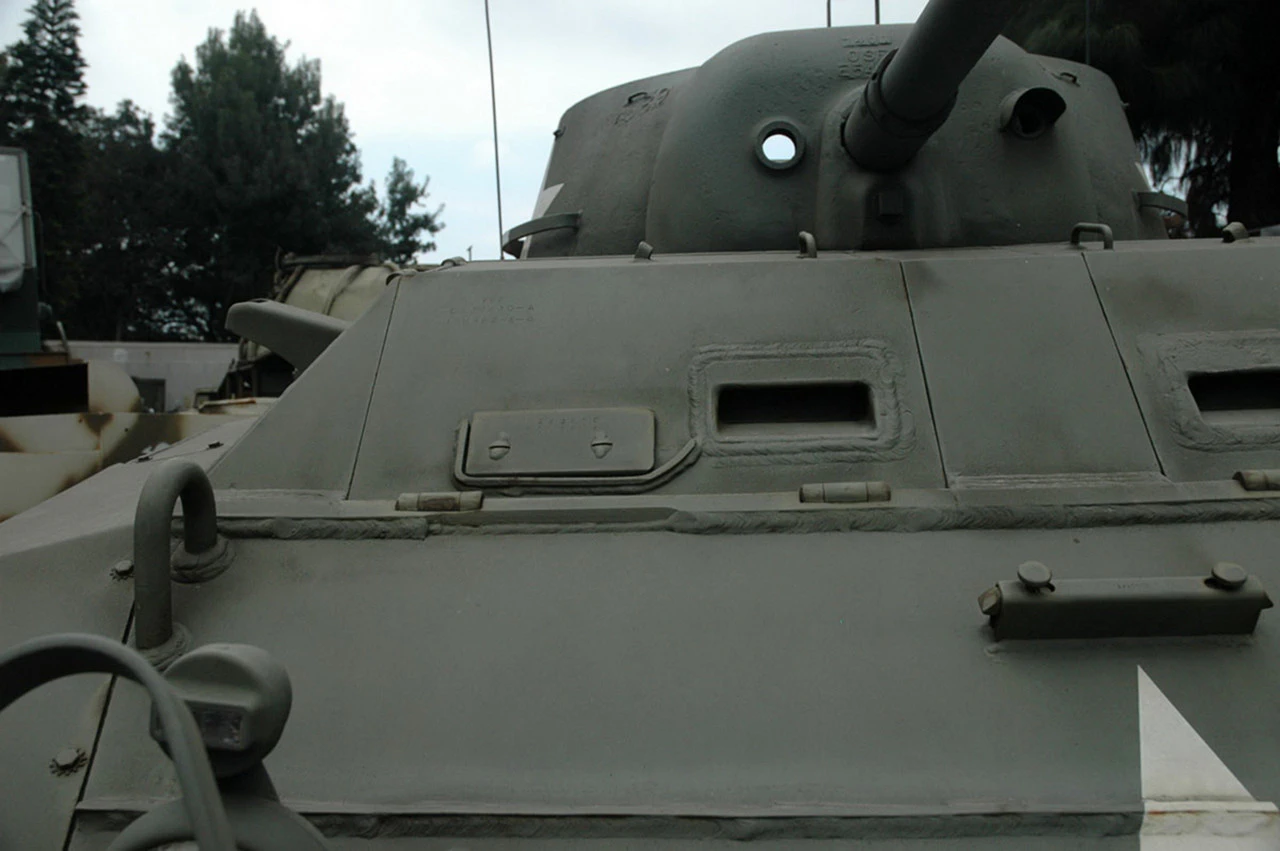
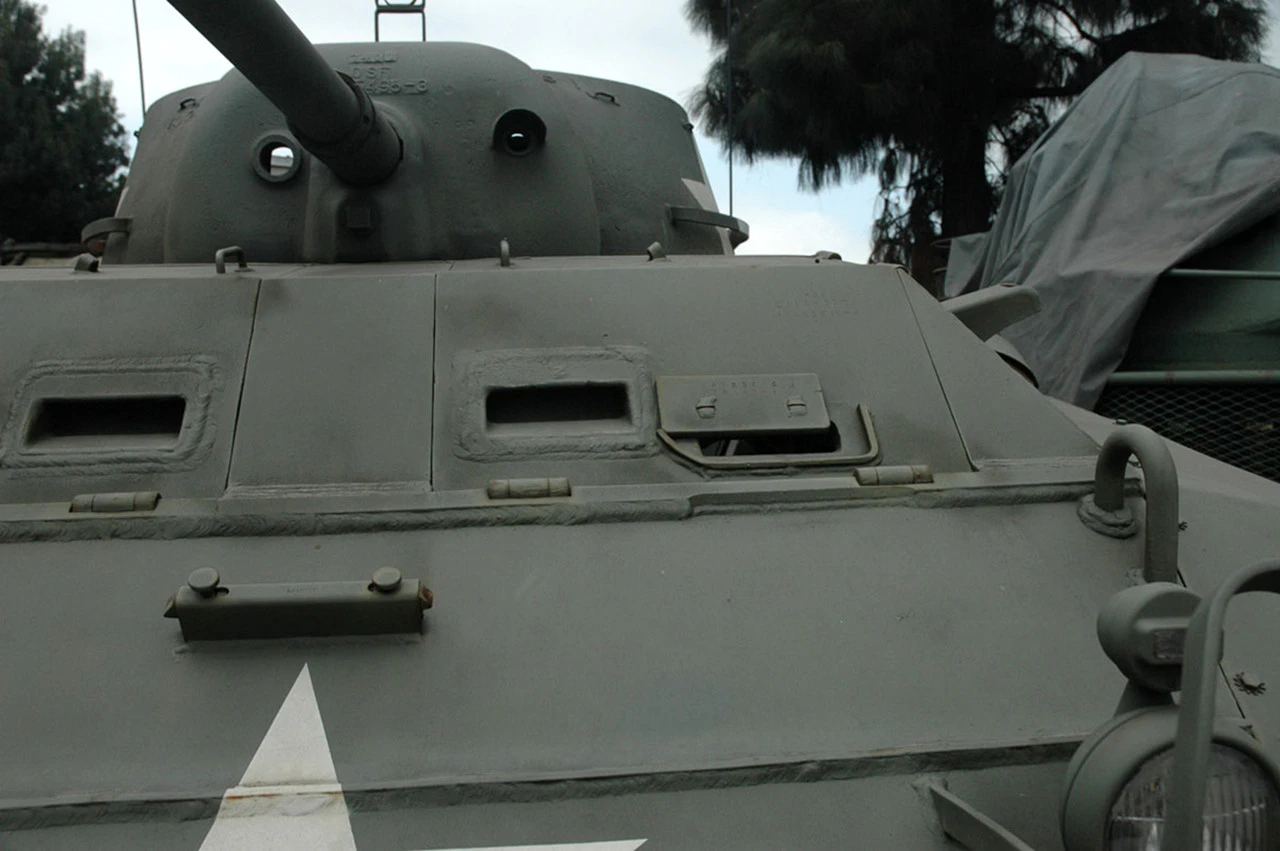
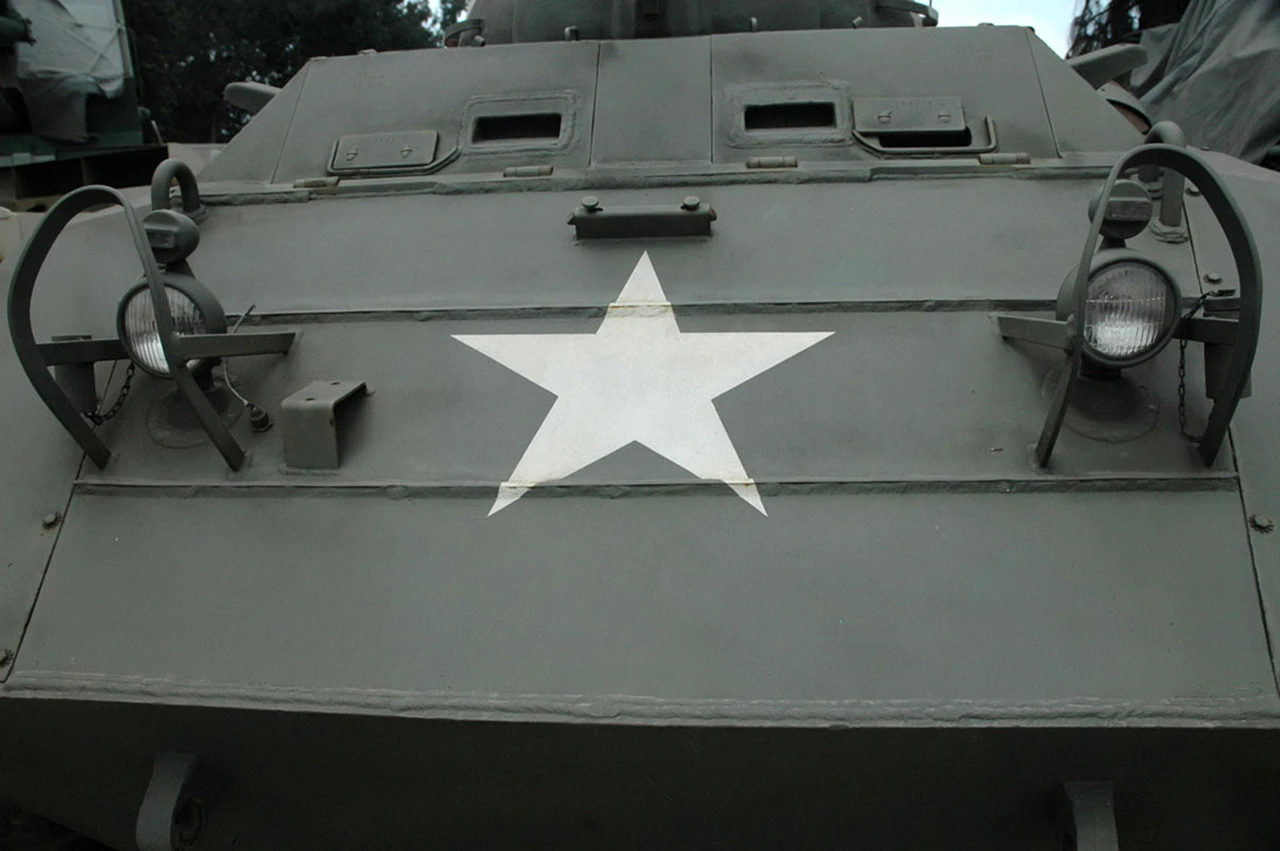
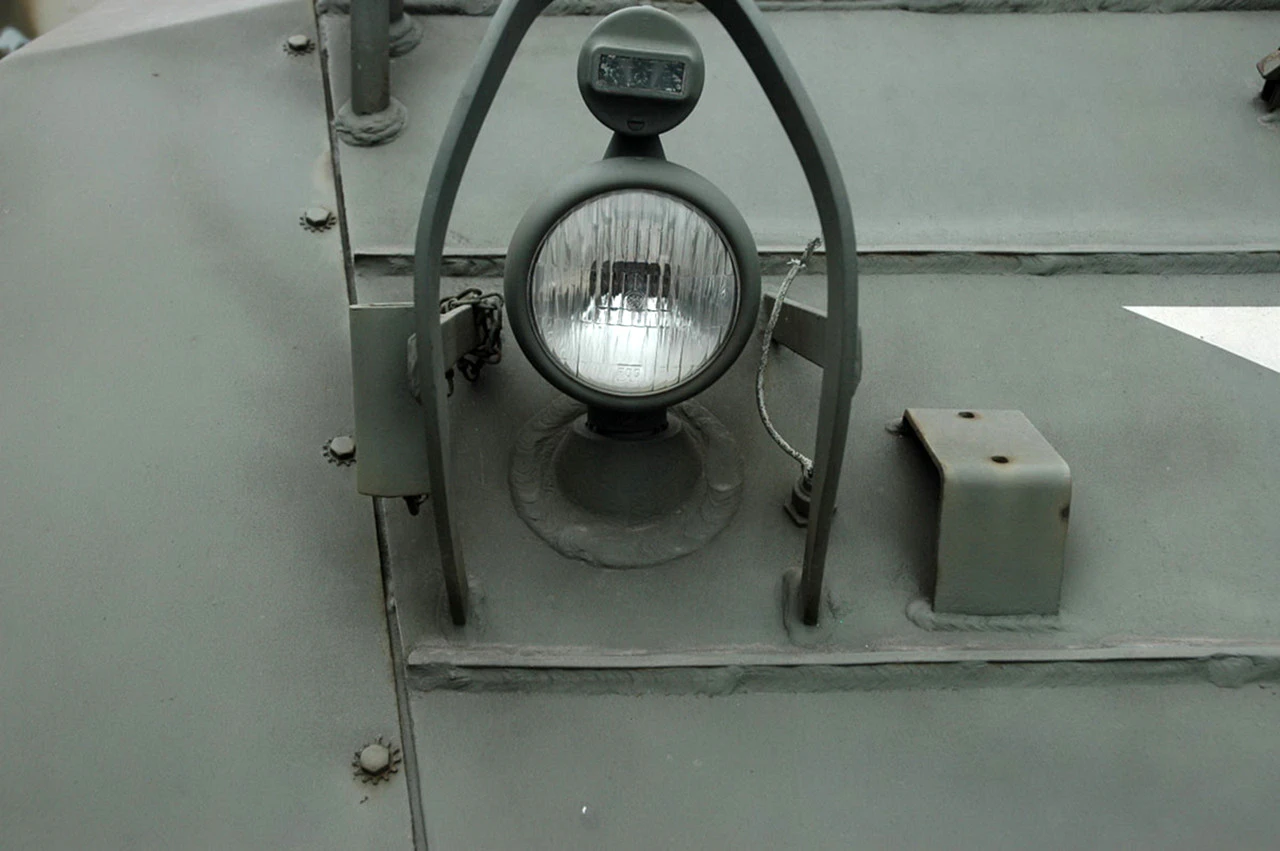
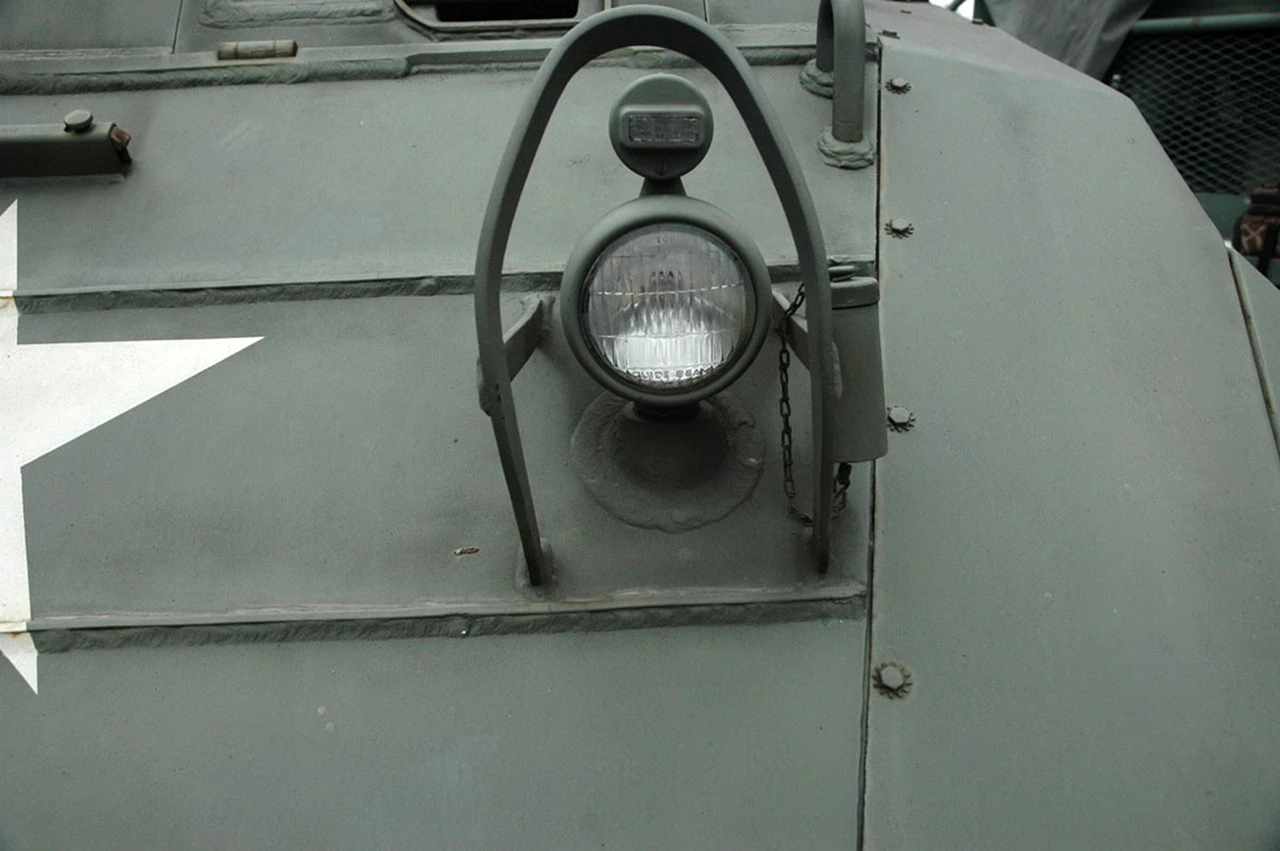

| M8 Greyhound Walk Around | |
|---|---|
| Fotograf | César Ferreira |
| Lokalisering | Unknow |
| Bilder | 29 |
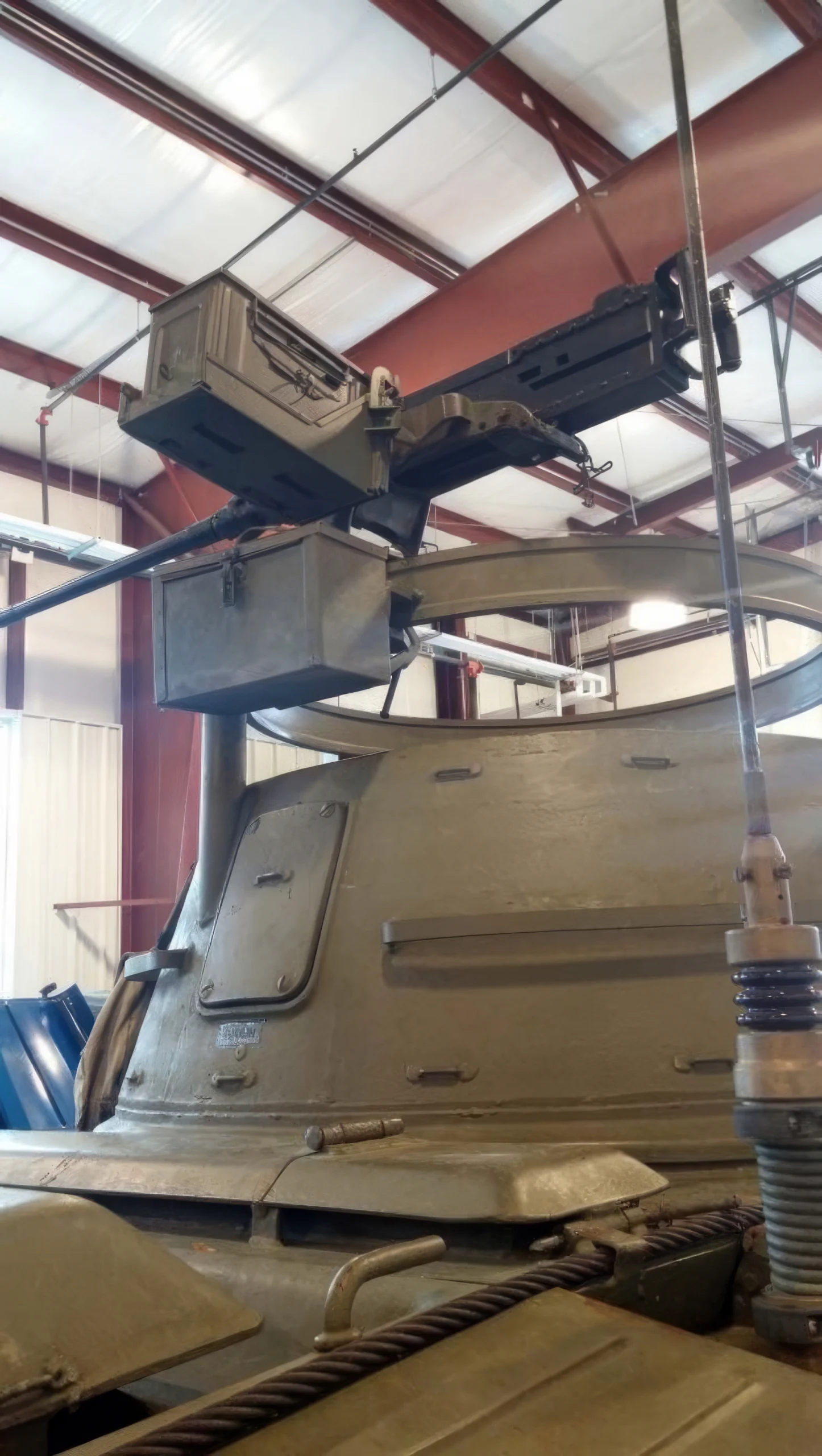
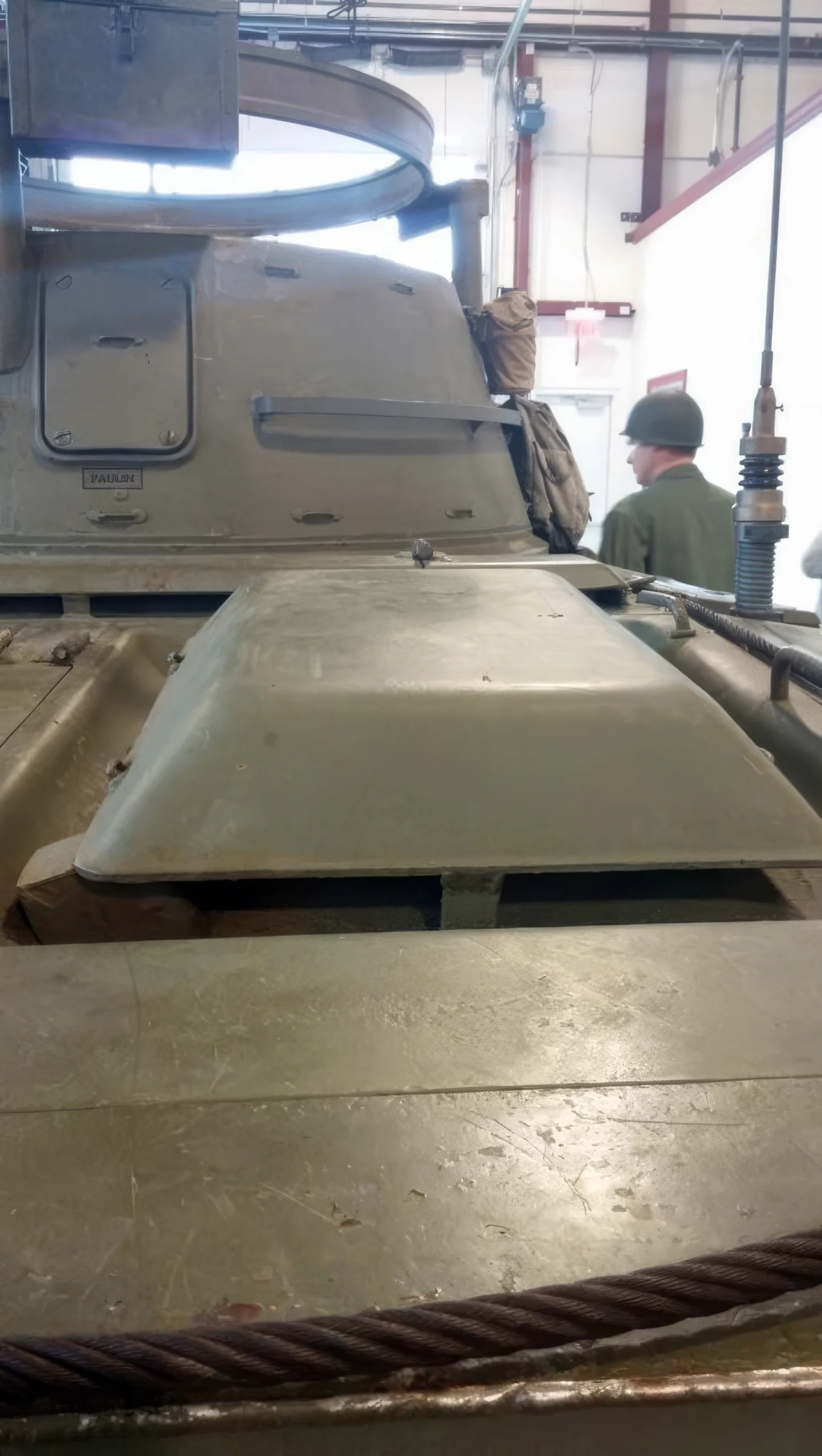
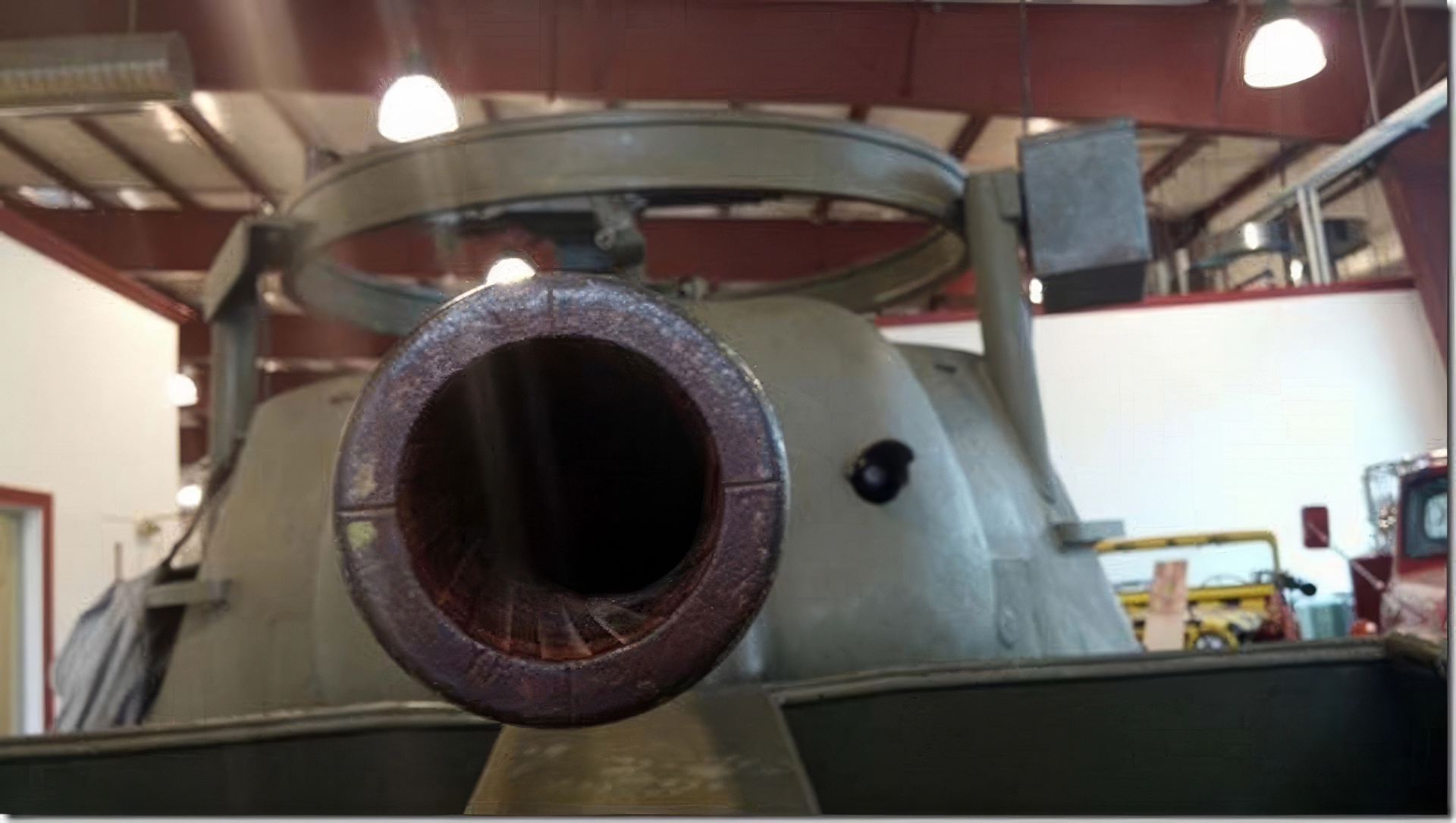
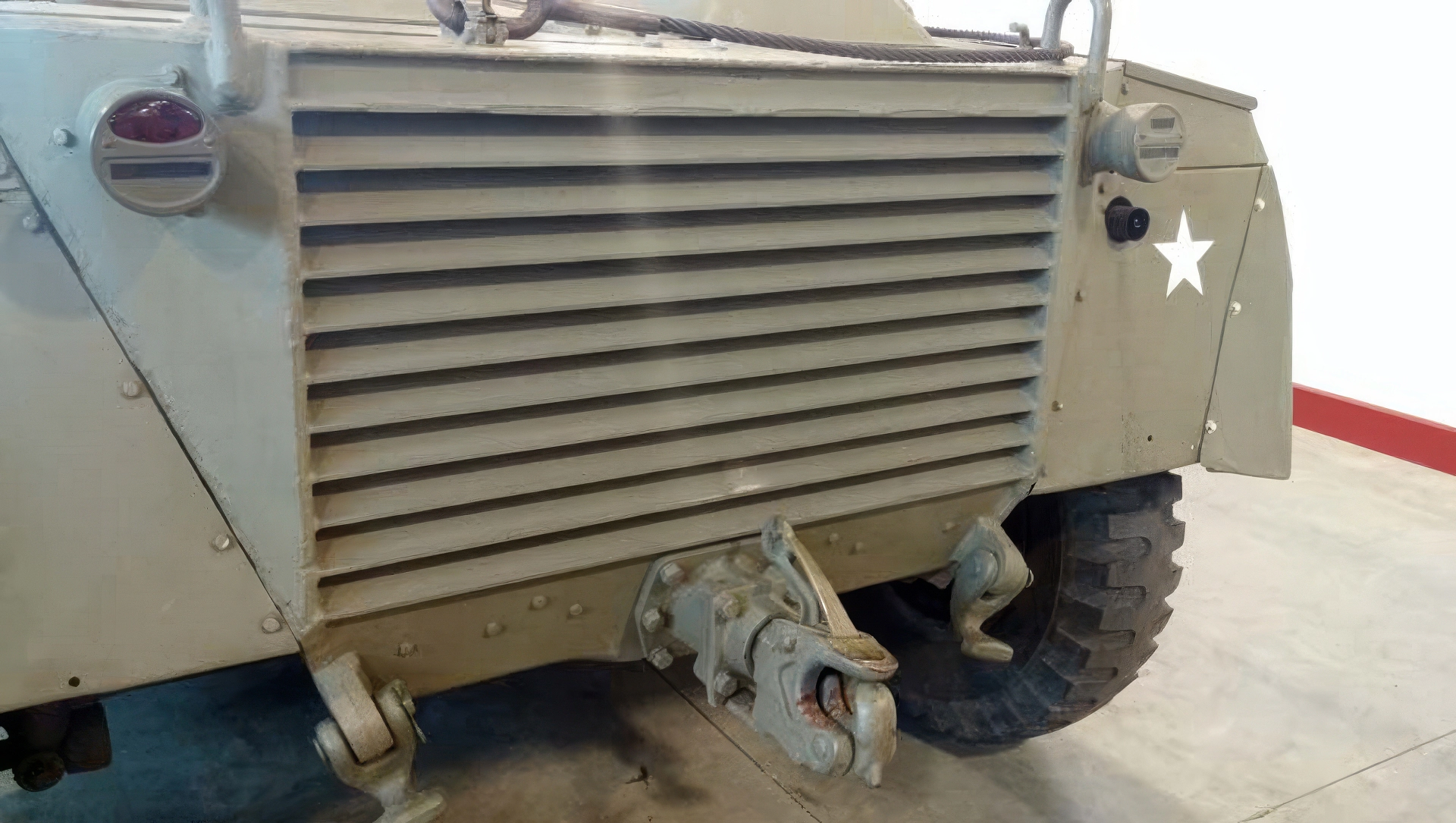
Se även:


The High-Speed Scout of the American Cavalry
Den M8 Lätt bepansrad bil, famously nicknamed the Vinthund by British troops due to its exceptional speed and slender build, was the premier armored reconnaissance vehicle utilized by the US Army during World War II. Developed by the Ford Motor Company, the M8 was initially intended to be a lightweight tank destroyer. However, as tank armor rapidly thickened across Europe, the military cleverly pivoted the vehicle into an agile, 6×6 long-range scout car. Designed to steer completely clear of heavy, head-on brawls, the Greyhound’s primary mission was to spearhead infantry advances, map out enemy movements, and maintain rapid communication networks behind frontline sectors. Its whisper-quiet engine, impressive road mobility, and rugged dependability made it a vital asset in the sweeping Allied dashes across France, Italy, and Germany.
| Attribute | Technical Specification (M8 Greyhound Production Baseline) |
|---|---|
| Roll | Armored Reconnaissance Car / Scout Vehicle |
| besättning | 4 (Commander, Gunner, Driver, Radio Operator/Co-Driver) |
| Kraftverk | 1 × Hercules JXD 5.2-liter inline 6-cylinder liquid-cooled gasoline engine (110 hp) |
| Maximum Speed | 90 km/h (56 mph) on paved roads | ~48 km/h (30 mph) cross-country |
| Combat Weight | 7.8 metric tons (8.6 short tons) |
| Operational Range | ~480 km (300 miles) on roads | ~160-240 km cross-country |
| Primary Armament | 1 × 37mm M6 gun in an open-topped turret (80 rounds carried) |
| Secondary Armament | 1 × .30 caliber M1919A4 coaxial machine gun | 1 × .50 BMG Browning M2 anti-aircraft machine gun mounted on a rear turret ring |
| Armor Thickness | Hull Front: 16mm (sloped) | Hull Sides: 9.5mm | Turret Sides: 19mm |
| Production Total | 8,523 units manufactured between 1943 and 1945 |
Design Engineering: The Whisper-Quiet Hercules and the Open-Topped Turret
- The Silent Predator (Hercules JXD Engine): Reconnaissance relies heavily on stealth, and the M8 was uniquely brilliant at it. Its rear-mounted, 6-cylinder Hercules gasoline engine ran with a remarkably muffled, smooth hum. Allied crews frequently reported that the Greyhound could cruise down a dark European road and sneak up to within a few dozen yards of an enemy outpost before German sentries could even hear its approach over ambient noise.
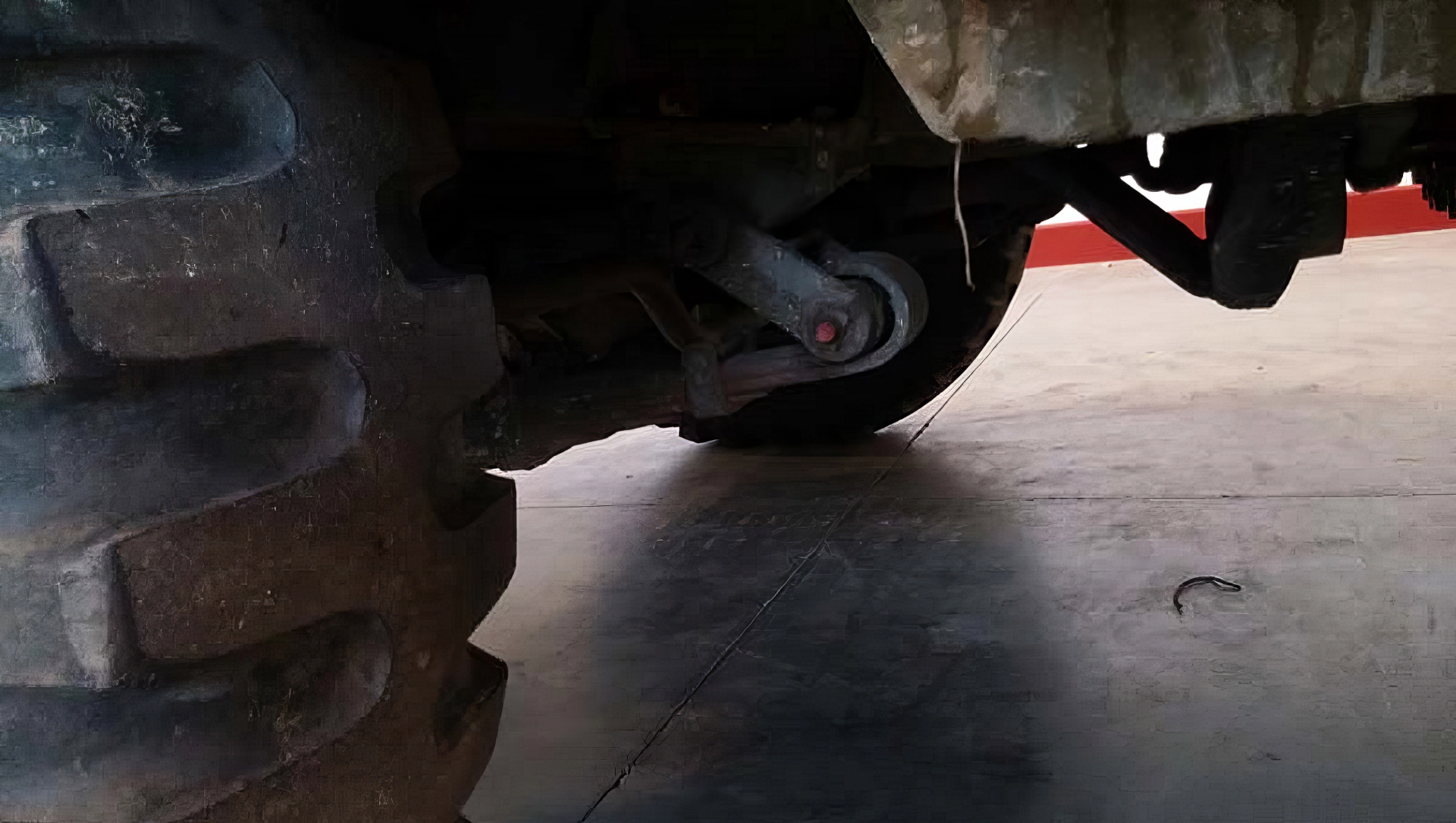
- The Specialized 6×6 All-Wheel-Drive Chassis: To ensure high-speed stability across cratered fields and slippery muddy pathways, Ford built the M8 on a custom six-wheeled, four-wheel-drive platform (with selectable 6×6 engagement). The dual rear axles utilized leaf-spring suspensions that gave the vehicle a surprisingly smooth ride, allowing the gunner a more stable platform when firing on the move compared to standard tracked light tanks.
- The Vulnerable Open-Topped Turret: To save weight and maximize visibility for the commander, the M8 was built with an open-topped turret design. While this gave the crew an exceptional, unhindered 360-degree view of the surrounding terrain to spot hidden ambushes, it left them completely exposed to overhead artillery airbursts, hidden snipers firing down from urban windows, and enemy infantry tossing hand grenades over the sides during close-quarters city fighting.
- Wafer-Thin Underside Armor: Because it was prioritized for high road speeds, the Greyhound sacrificed heavy protection. Its underbelly armor plates were a mere 4.8mm (less than a quarter-inch) thick. This glaring engineering vulnerability meant that hitting a standard German Teller mine would instantly blow clean through the floorboards, reliably killing or severely injuring the driver and radio operator on impact. Frontline crews quickly learned to line the cabin floor with heavy sandbags to absorb blast fragments.
Operational History: Clearing the Way for Patton and the Mythical Tiger Encounter
- The Eyes and Ears of Patton’s Third Army: During the massive Allied breakout following Operation Cobra in Normandy, General George S. Patton utilized the M8 Greyhound to perfection. Armored cavalry groups equipped with M8s raced miles ahead of the main tank columns, identifying weak points in the retreating German lines, seizing vital bridge crossings, and calling in devastating P-47 Thunderbolt air strikes before the enemy could organize a defense.
- The David vs. Goliath Clash at St. Vith (1944): One of the most famous, near-mythical actions involving an M8 occurred during the Battle of the Bulge. Outside the town of St. Vith, a rogue Greyhound from the 7th Armored Division reportedly managed to sneak up directly behind a massive German Tiger tank. Exploiting the Tiger’s slow turret rotation, the M8 rapidly fired three 37mm armor-piercing shells directly into the tank’s thin rear engine armor, causing it to burst into flames. While atypical for a scout car, it proved that the nimble Greyhound could bite when cornered.
- The Pacific Theater Utility: Though primarily deployed in Europe, the M8 saw highly effective action in the Philippines and Okinawa against Japanese forces. Because Japanese anti-tank weaponry was far less advanced than Germany’s, the Greyhound’s 37mm canister shot—essentially a massive shotgun shell packed with steel balls—was devastatingly lethal when clearing out entrenched tropical banzai charges and jungle pillboxes.
- A Prolific Global Post-War Career: Following the conclusion of WWII, the United States exported thousands of surplus M8s to allies around the globe. The vehicle saw heavy combat use with French forces during the First Indochina War and was adopted by dozens of militaries across Latin America, Africa, and Asia. Its simplicity, low operating costs, and extreme reliability allowed some law enforcement and paramilitary units to keep the Greyhound in active service well into the early 21st century.
Views : 6680