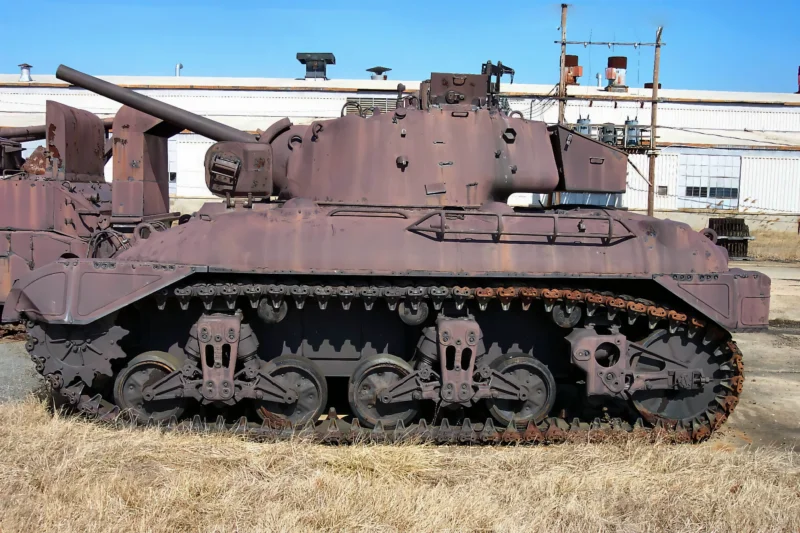
M7 lätt stridsvagn | |
|---|---|
| Betalar | Usa |
| Catégorie (kattégorie) | Véhicules blindés |
| Typ | Lätt tank |
| Beskrivning | Album de 94 Walk-around bilder av "M7 Light Tank" |
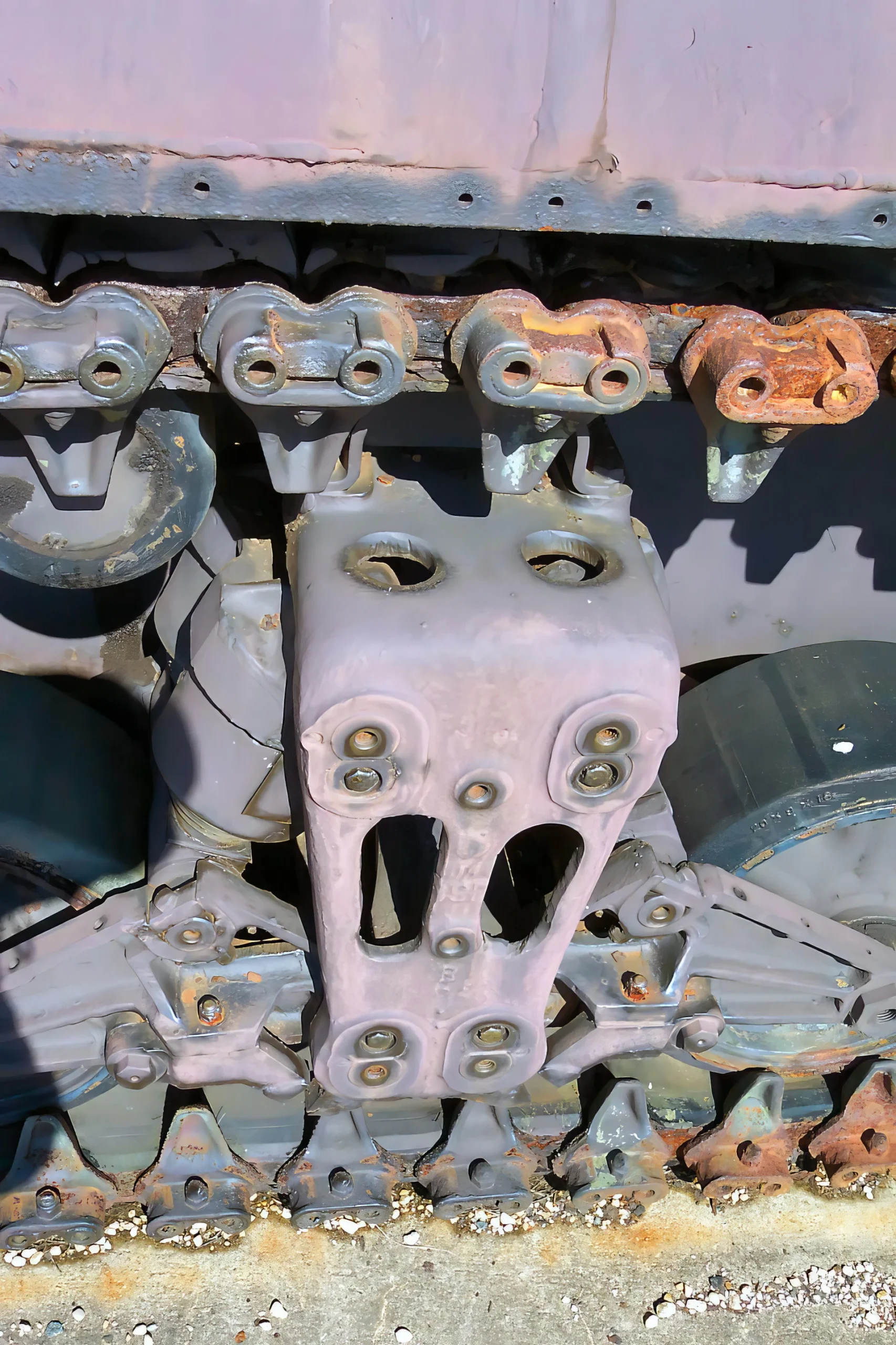
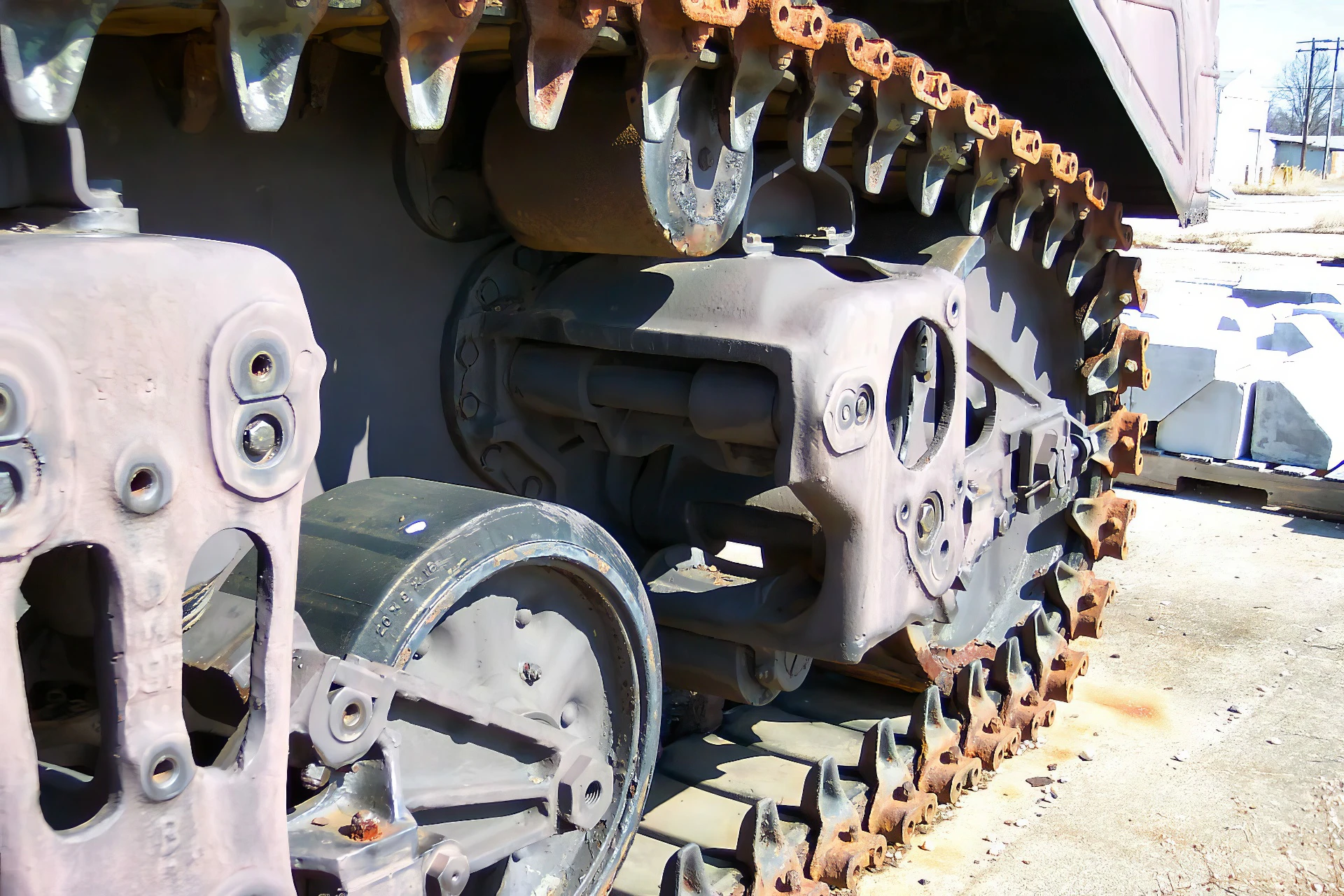
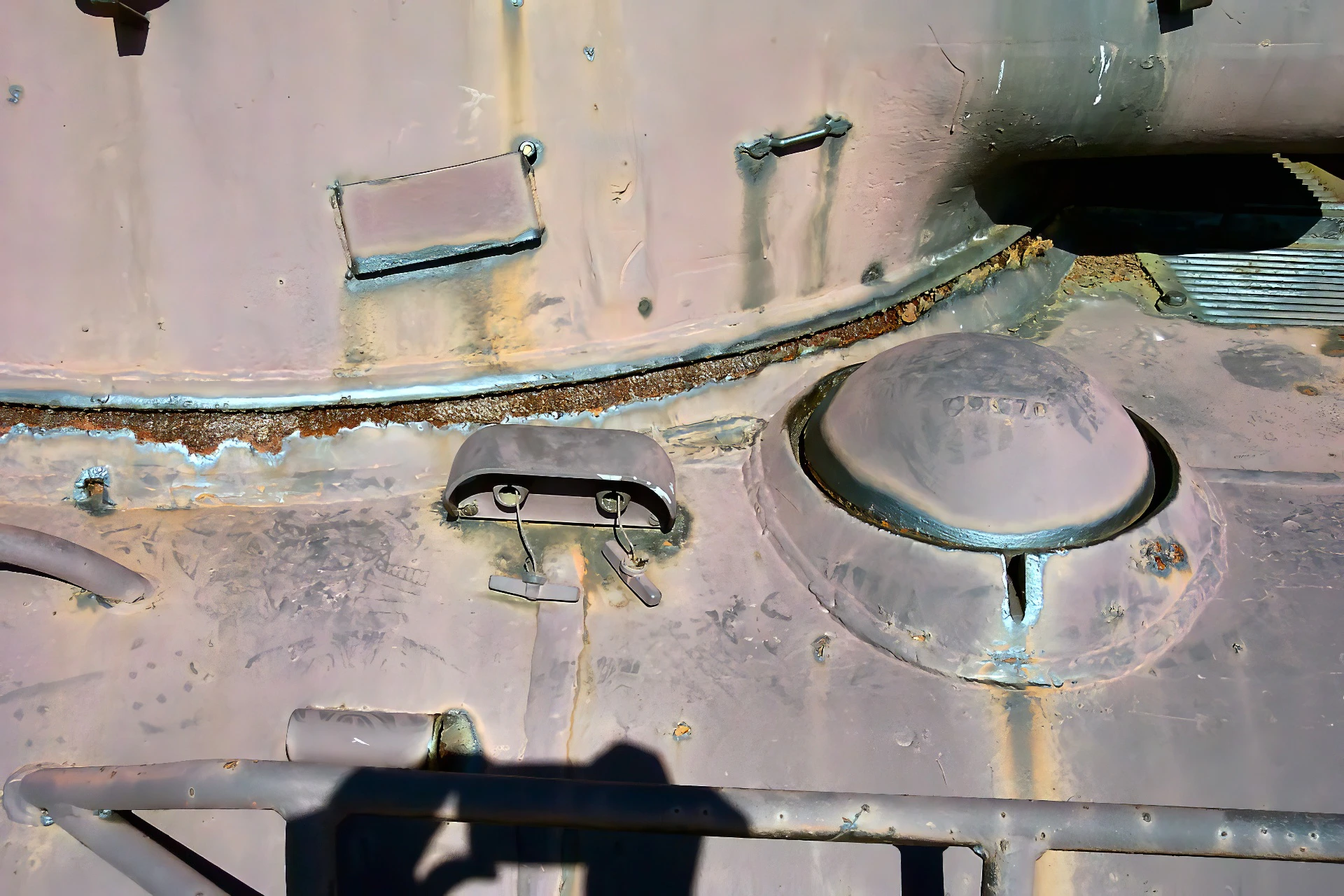
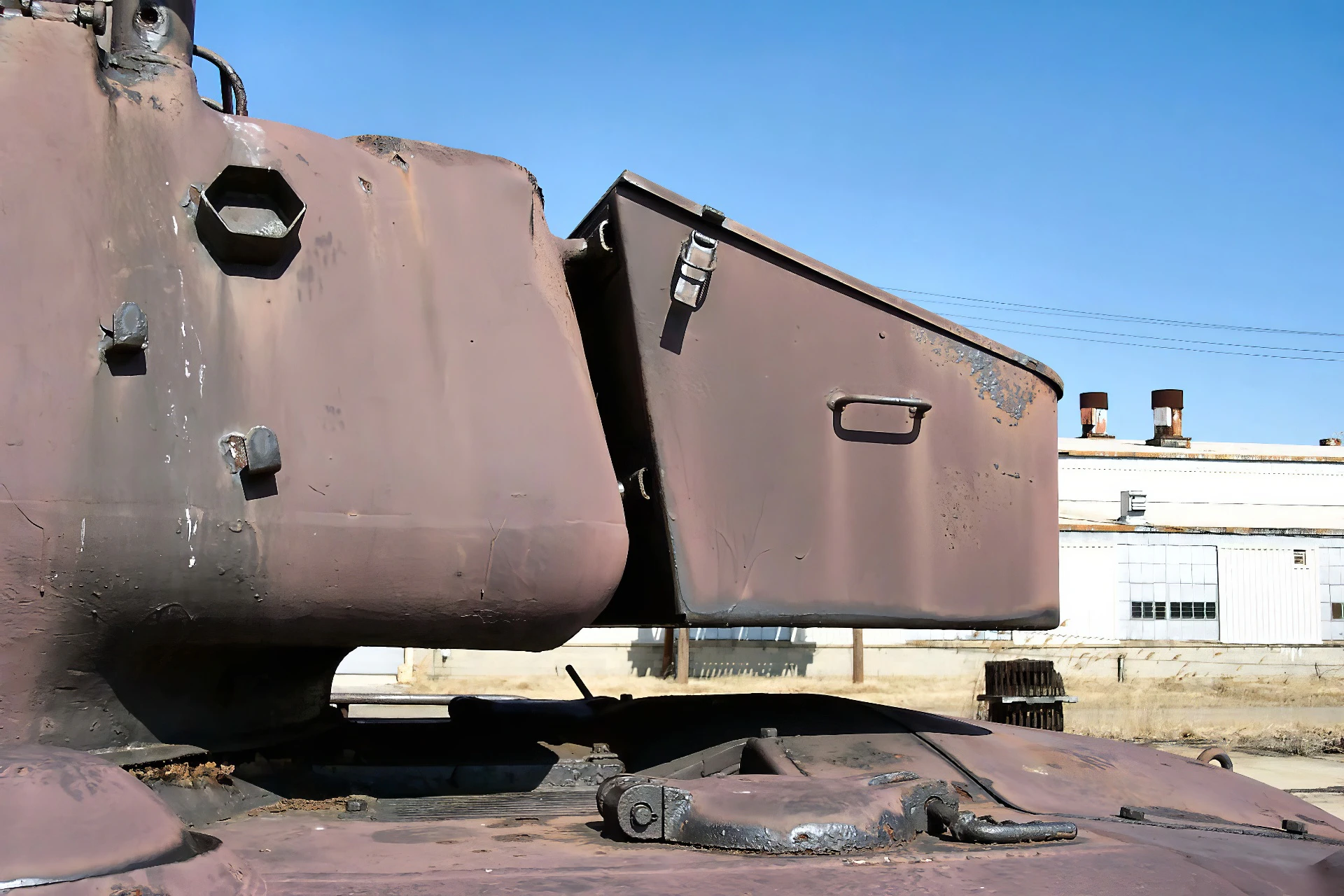
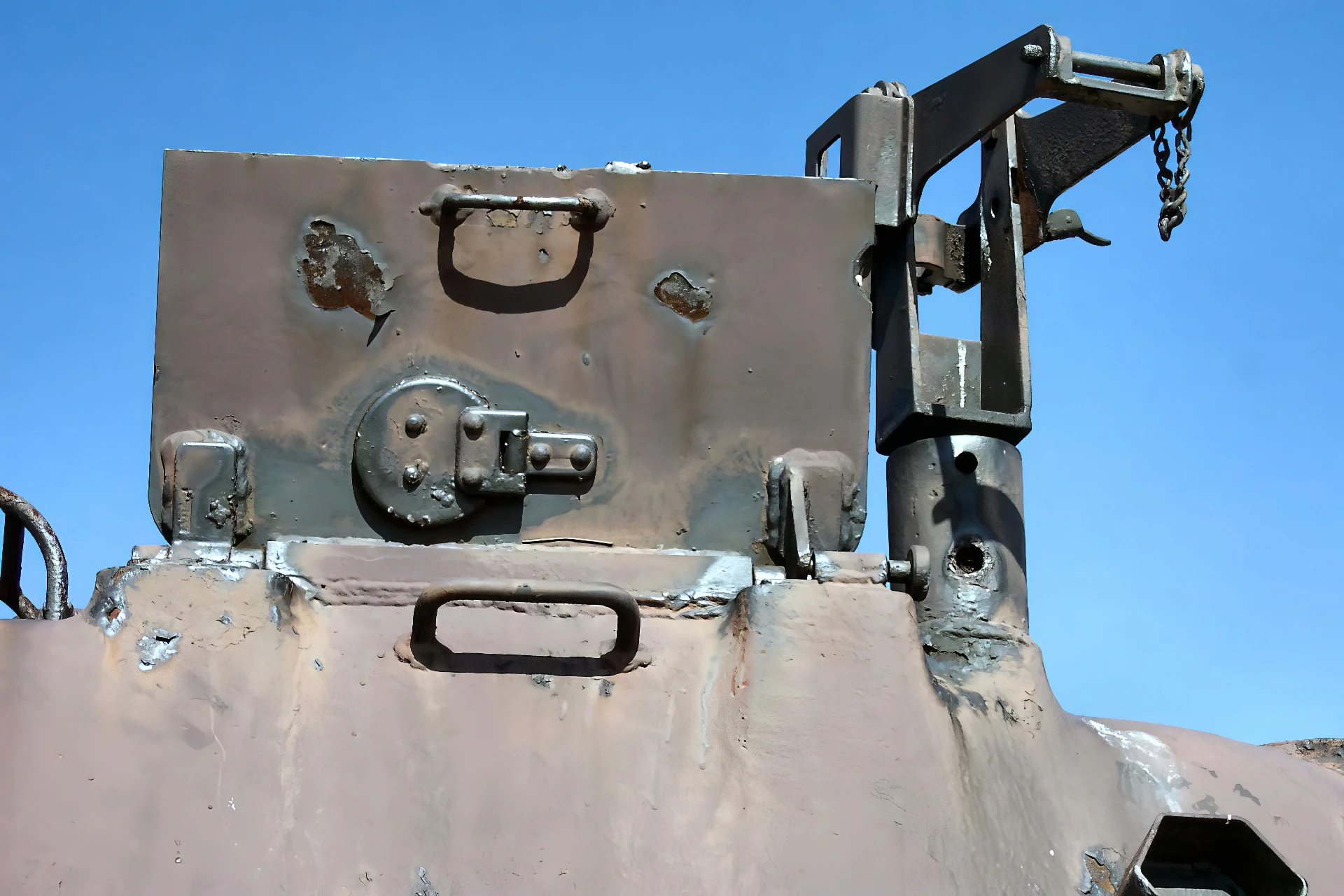
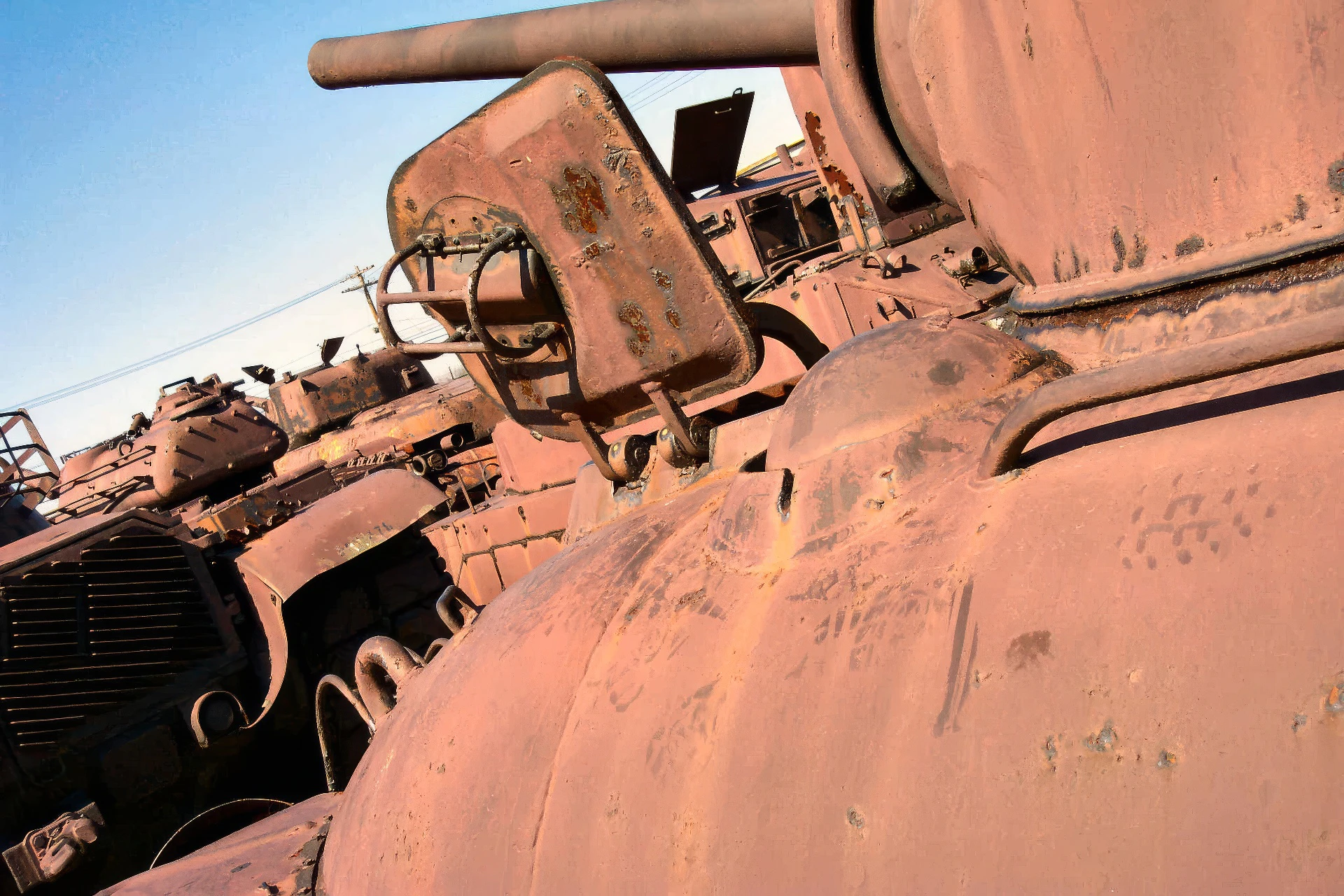
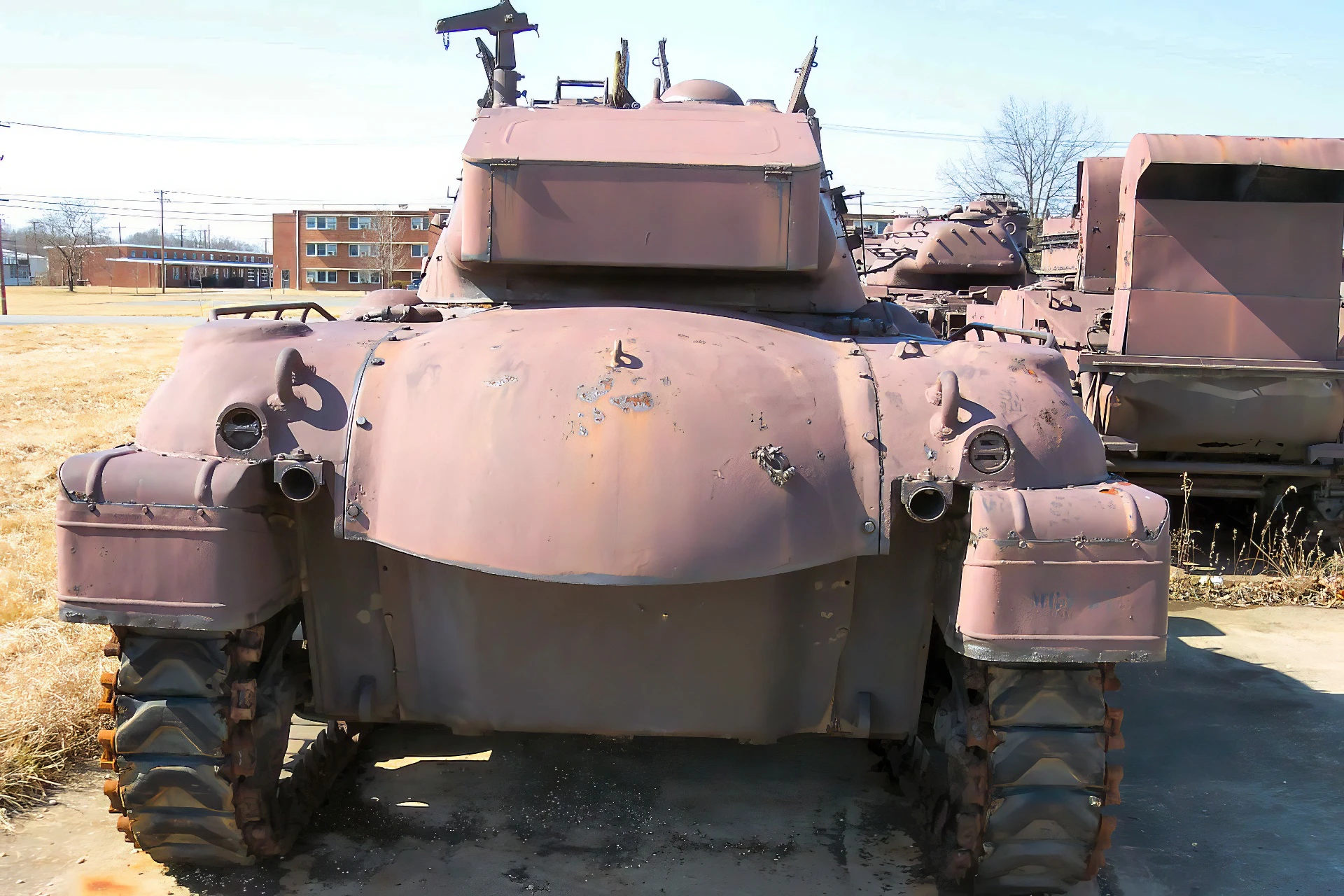
Fotogalleri på en M7 Light Tank, beställd som en efterföljare till den populära M5 stridsvagnen gick den aldrig längre än till prototypstadiet, endast 7 byggdes. M5 kunde inte konkurrera med M4 Sherman.
Tekniska funktioner: Armement: canon de 75mm et une mitrailleuse MG 0.3″ Moteur: Wright R975, 9 cyl. Whirlwind radial, gas, 340 hp Vitesse: 50 Km/h Autonomie: 160 Km Poids: 25t
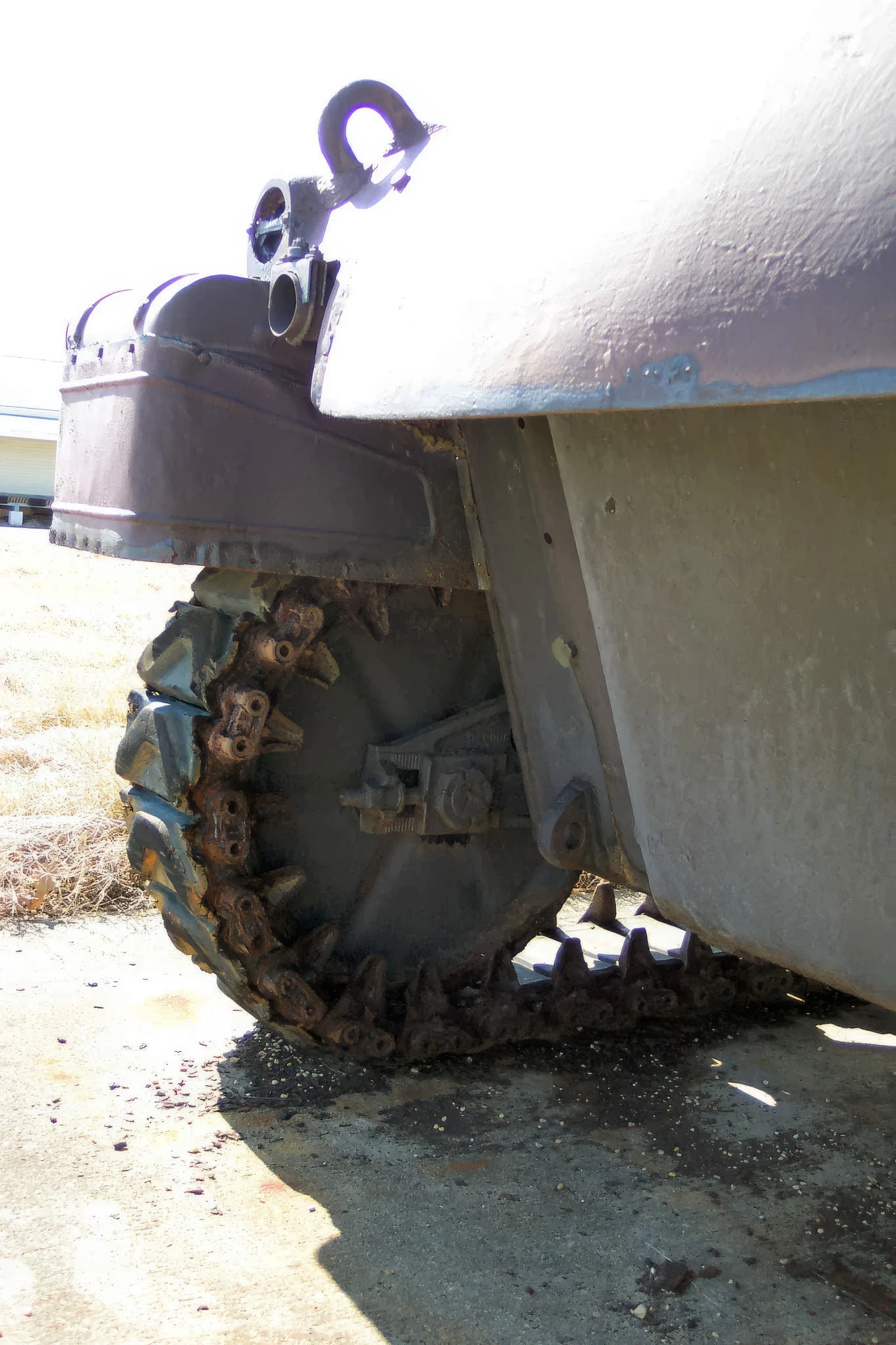
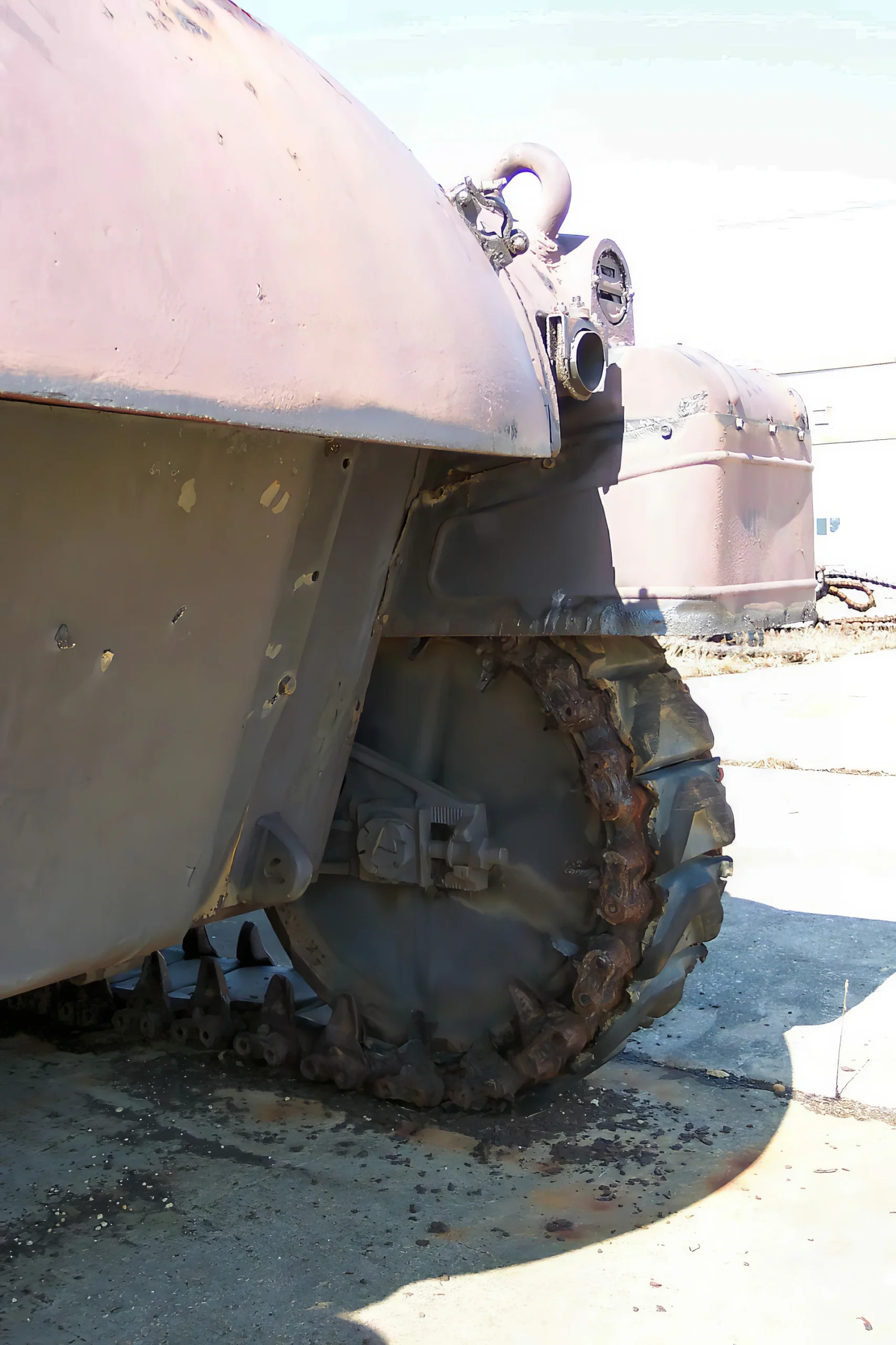

Se även:


The M7 Medium Tank, initially conceived as the T7 Light Tank, was a World War II armored vehicle project by the United States intended to replace the M3/M5 “Stuart” light tank series. Due to successive requirements for increased armor and firepower, the tank grew significantly in weight during its development, ultimately exceeding the specifications for a light tank and leading to its reclassification as a medium tank.
Development and Classification Changes
The T7 Light Tank Program
- Initial Requirement: The program began in 1941 to design a new light tank, aiming for a combat weight of under 14 short tons (12.7 tonnes), armed with a 37 mm gun, and featuring a low silhouette.
- Weight Creep: As development progressed through prototypes (T7E2, T7E3, T7E4), the Ordnance Department and Armored Force requested a heavier main gun—first the British 57 mm (6-pounder), and finally the American 75 mm M3 gun (the same as the M4 Sherman).
- Armor Increase: Correspondingly, armor thickness was increased to handle the heavier armament and match contemporary threats, pushing the weight past the original 14-ton limit.
Standardization and Cancellation
- Reclassification: By the time the T7E5 prototype was ready, its combat weight had reached approximately **24.5 short tons** (22.2 tonnes). It was standardized as the **M7 Medium Tank** in August 1942.
- Production Failure: International Harvester Co. was contracted to build 3,000 M7s, but production models were found to be even heavier than the prototypes, approaching 29 short tons.
- Project Cancellation: The M7 was deemed **inferior** in performance and reliability to the already standardized and mass-produced **M4 Sherman**, while offering no significant operational benefit. Production was halted in July 1943 after only **13 units** were fully completed.
Technical Specifications (M7 Medium Tank)
General Characteristics
| Specifikation | Detail |
|---|---|
| Designation | Medium Tank M7 |
| besättning | 5 (Commander, Gunner, Loader, Driver, Co-Driver) |
| Mass (Combat) | Approx. 24.5 tonnes (54,000 lb) |
| längd | 5.23 m (17 ft 2 in) |
| bredd | 2.84 m (9 ft 4 in) |
Armament and Armor
| Component | Detail |
|---|---|
| Main Armament | 1 x 75 mm M3 L/40 gun |
| Ammunition Capacity | 71 rounds (75 mm) |
| Secondary Armament | 3 x .30 cal (7.62 mm) M1919A4 machine guns |
| Armor (Max Frontal) | Up to 64 mm (2.5 in) on the gun shield |
| Hull Construction | Predominantly cast homogeneous steel with sloped frontal armor. |
Mobility and Powerplant
| Component | Detail |
|---|---|
| Motor | Continental R975-C1 9-cylinder radial gasoline |
| Engine Power | 400 hp (298 kW) |
| Maximum Speed | Approx. 48 km/h (30 mph) on road |
| Upphängning | Vertical Volute Spring Suspension (VVSS) |
The M7 project represents a transitional design in American tank development, illustrating the difficulty of balancing speed, armor, and firepower as battlefield requirements evolved in World War II.
Views : 4084
Du kan också se:
 T-18 tank – Foton & Videos
 Typ 63 - Foton och videor
 T-60 tank - Foton och videor
 FCM36 – Foton och video
 T-30 – Foton &; Video
 XM-8 Armored Gun System – Foton &; Video
 T-92 Light Tank – Foton &; Video
 Sex tons tank M1917 – WalkAround
 Sovjetisk kavalleritank BT-7 – Gå runt
 T-46 Ljustank - WalkAround