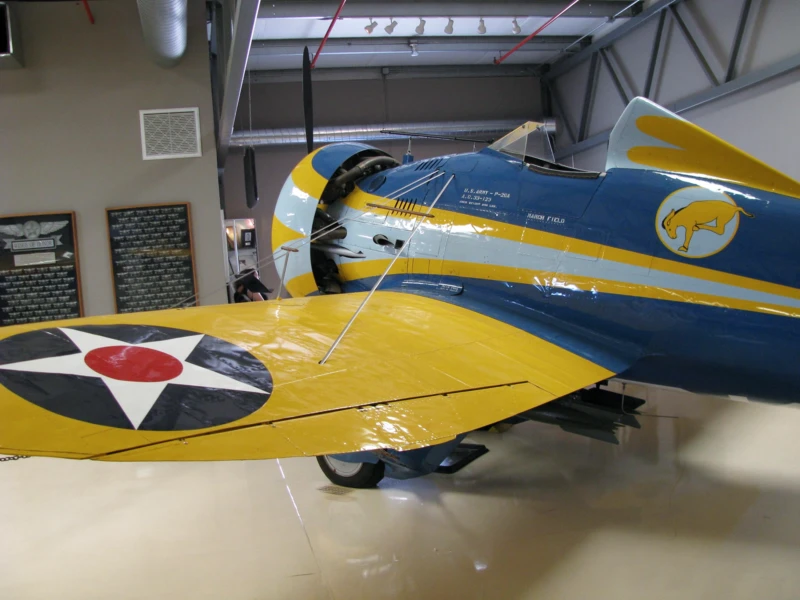
Boeing P-26 | |
|---|---|
| Land | Usa |
| Typ | Jaktflygplan |
| Första flygningen | Den 20 mars 1932 |
| Byggd | 151 |
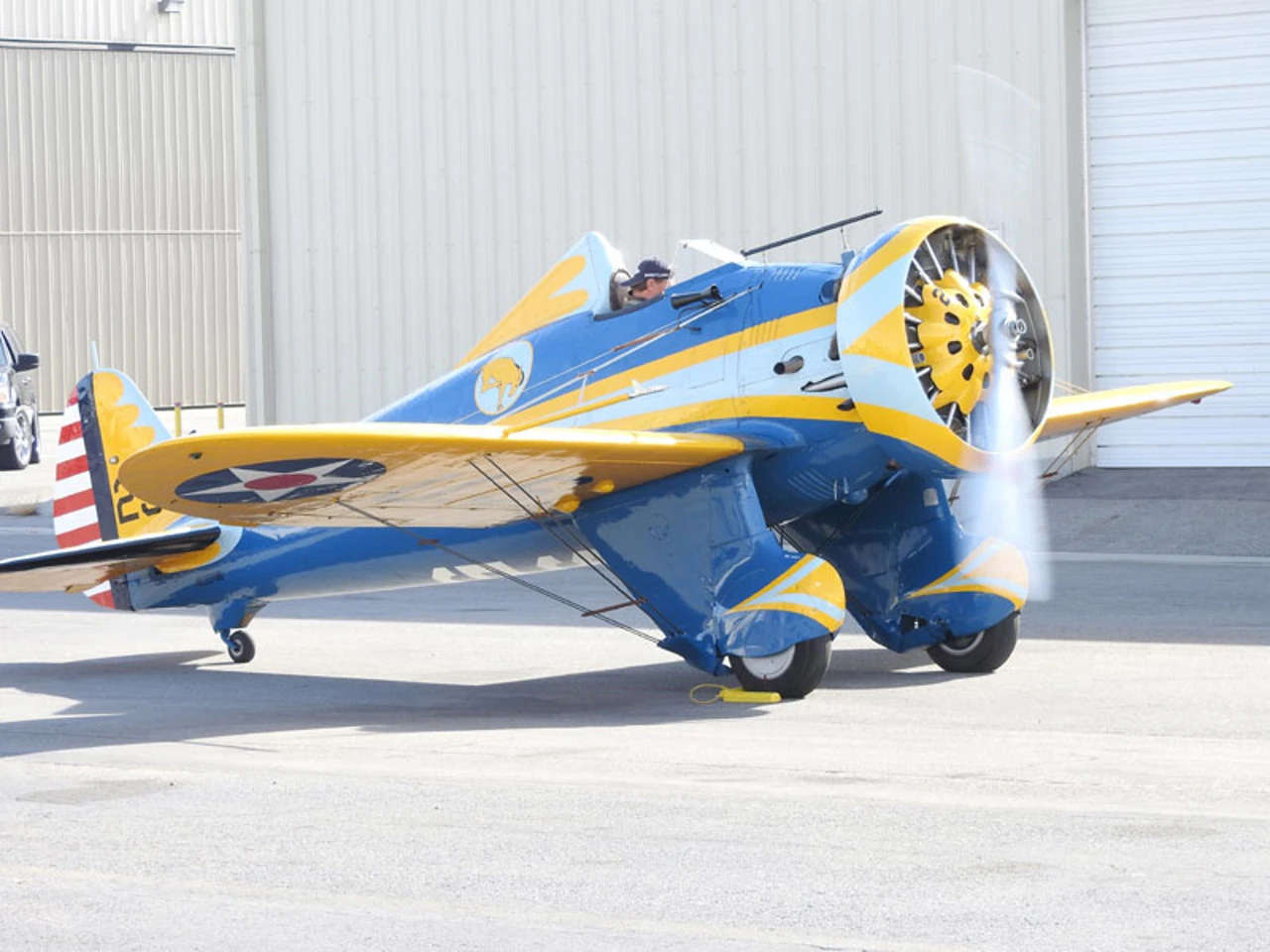
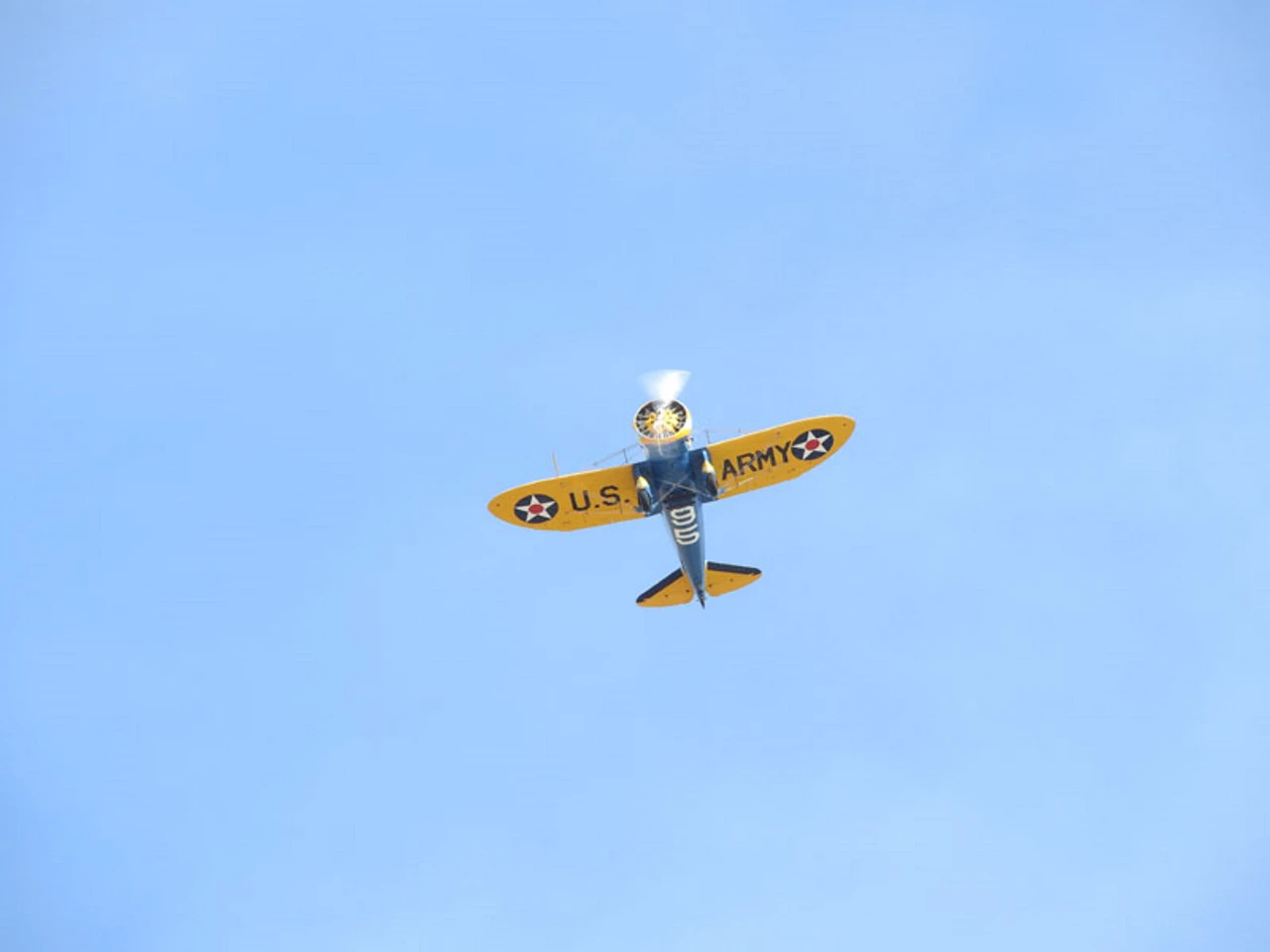
Den Boeing P-26 "Peashooter" var det första amerikanska stridsflygplanet i allmetall och det första monoplanet som gick in i skvadrontjänst med USA:s arméflygvapen. Prototypen designades och byggdes av Boeing och flög första gången 1932, och typen användes fortfarande med den amerikanska arméns flygvapen så sent som 1941 i Filippinerna. Det finns bara två överlevande Peashooters, men det finns tre reproduktioner på utställning med ytterligare två under uppbyggnad.
Källkod: Boeing P-26 på Wiki
| Boeing P-26 | |
|---|---|
| Fotograf | Råna brun |
| Lokalisering | Unknow |
| Bilder | 22 |
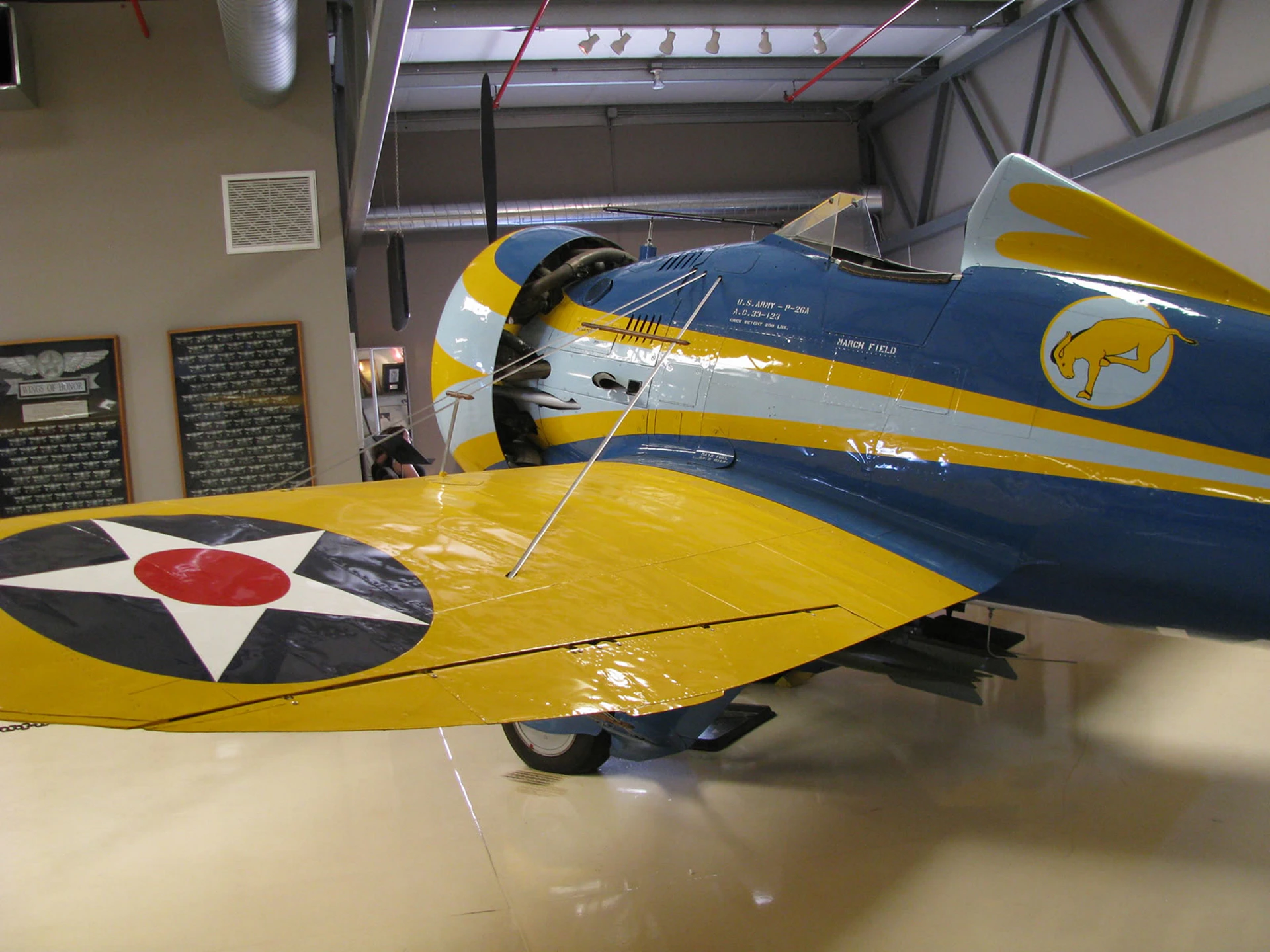
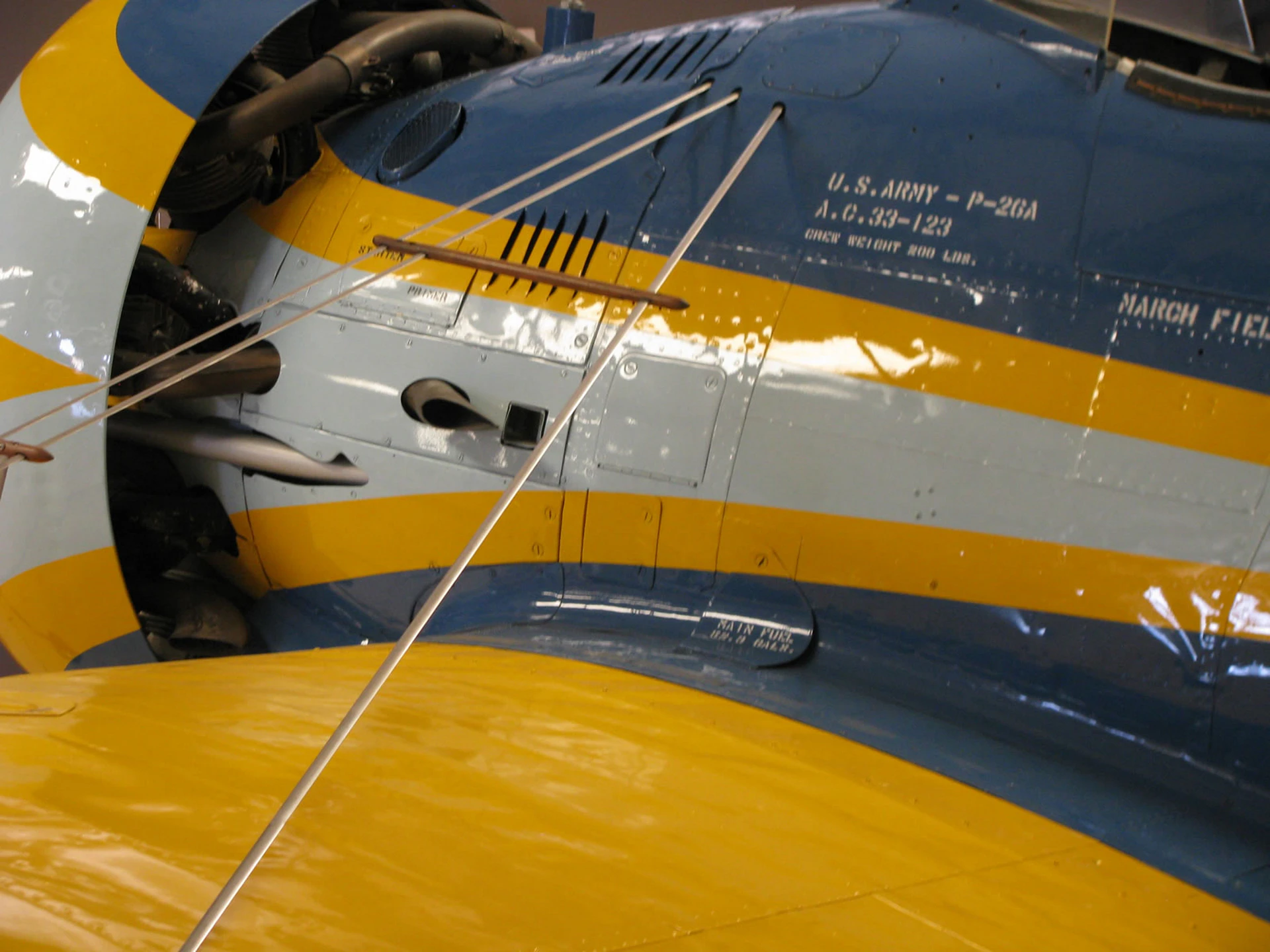
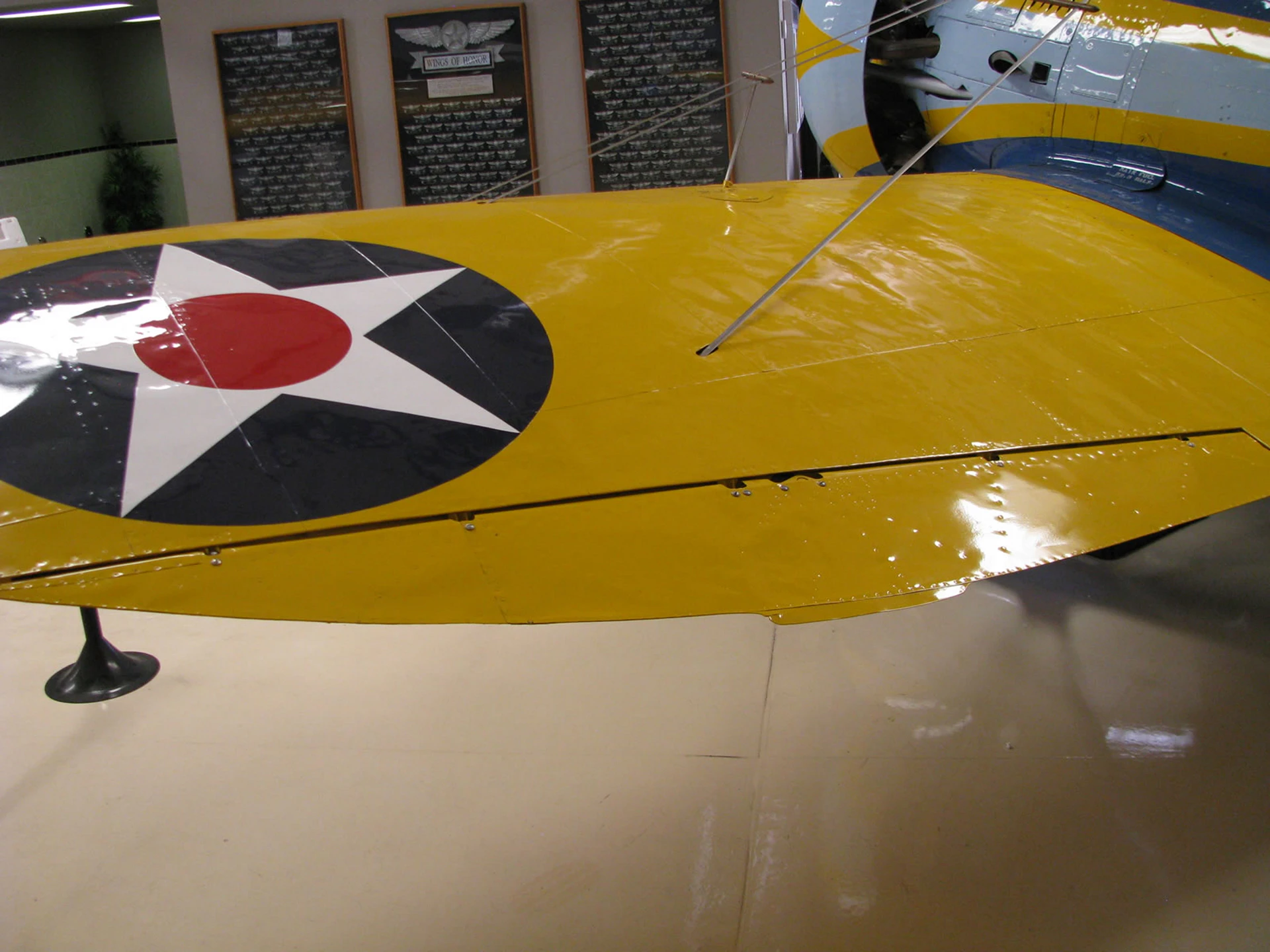
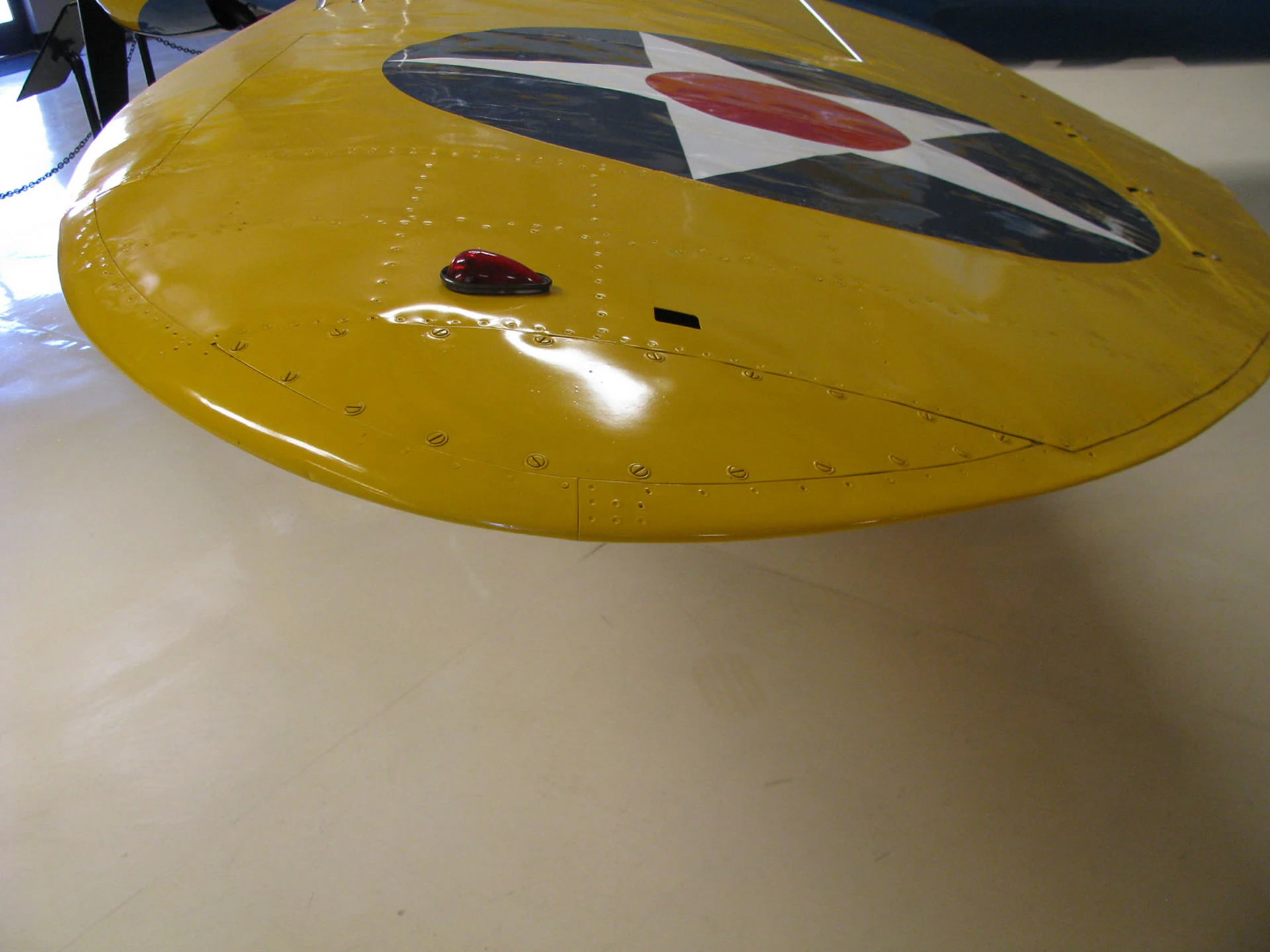
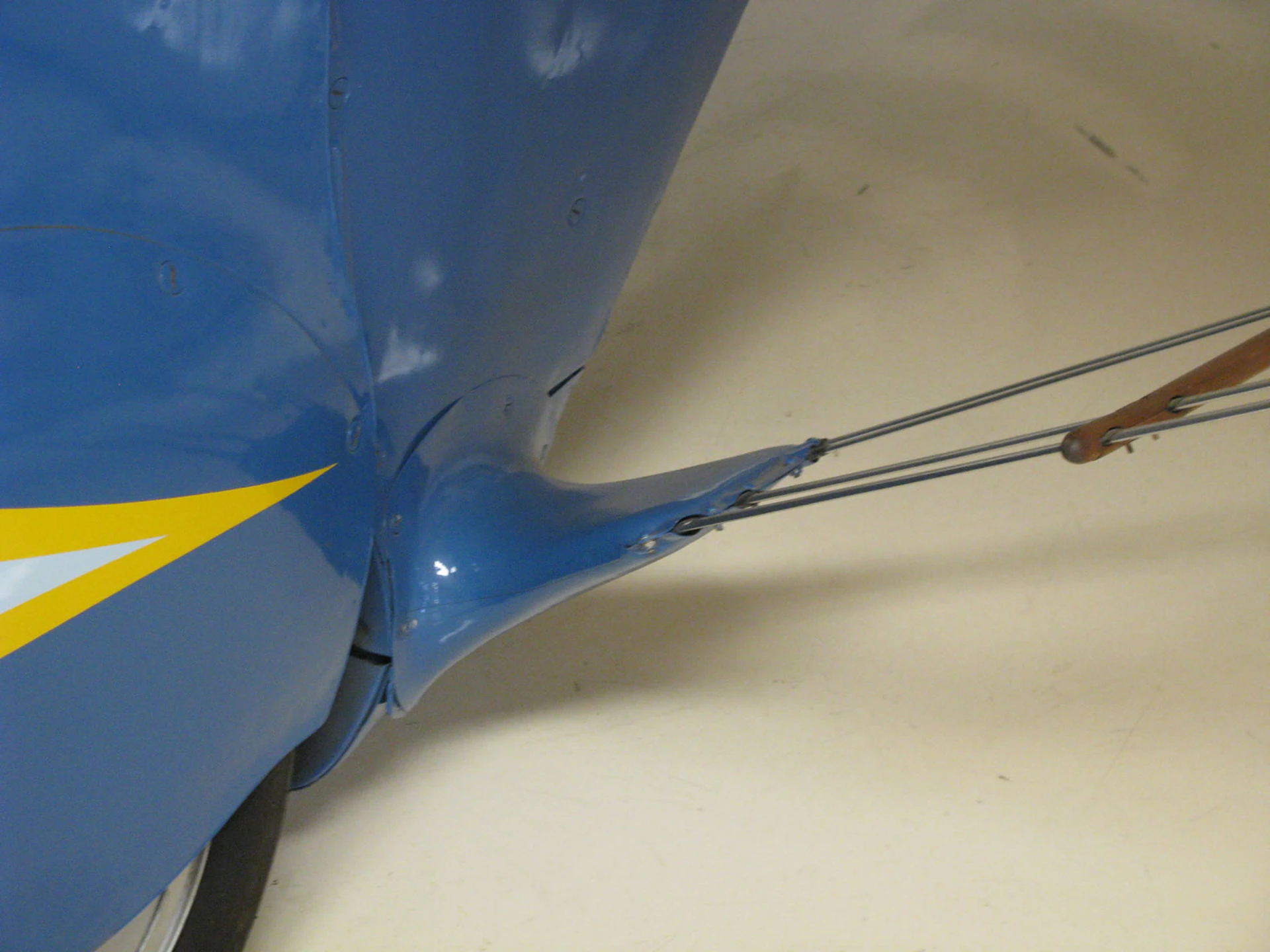
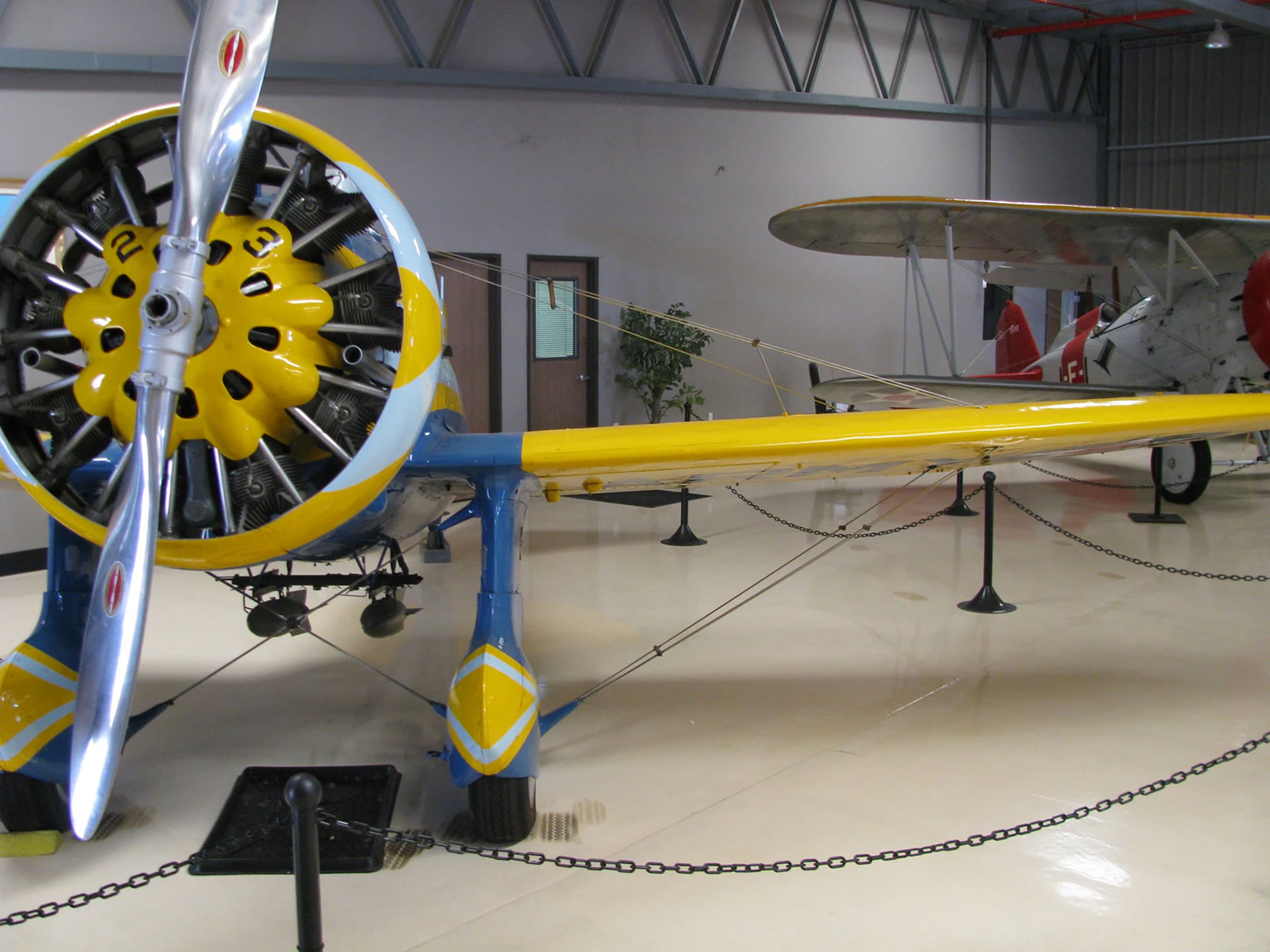
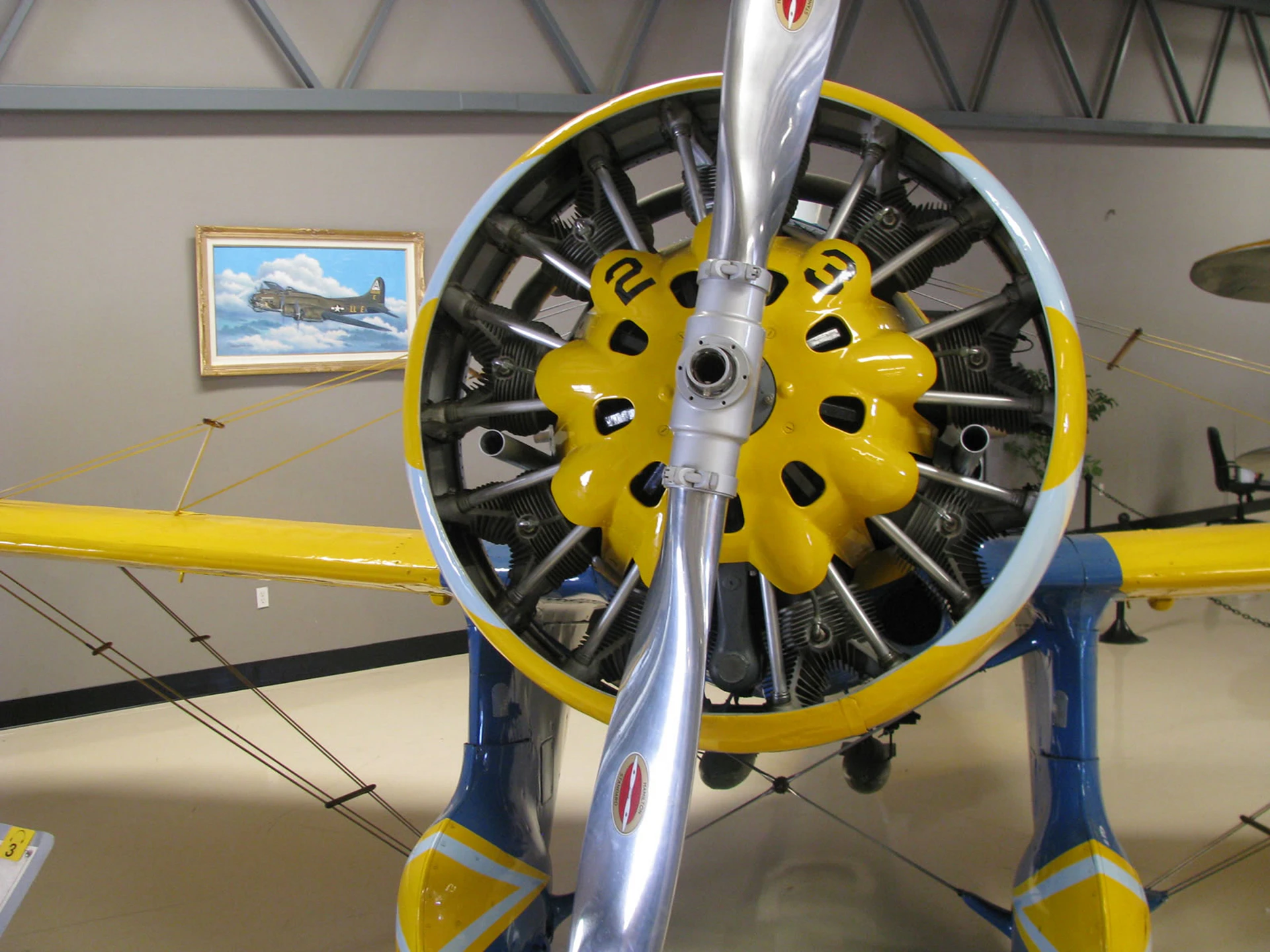
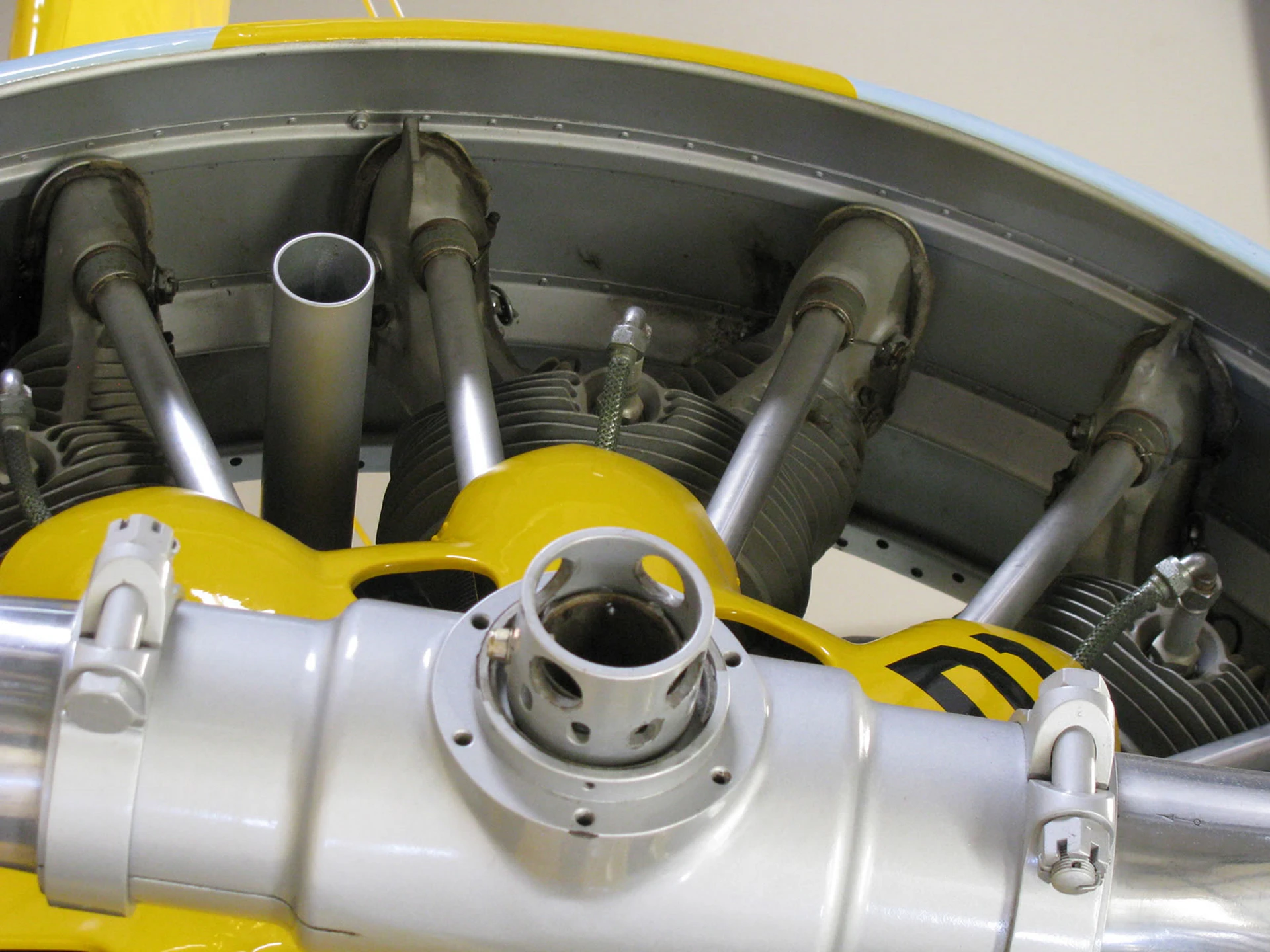
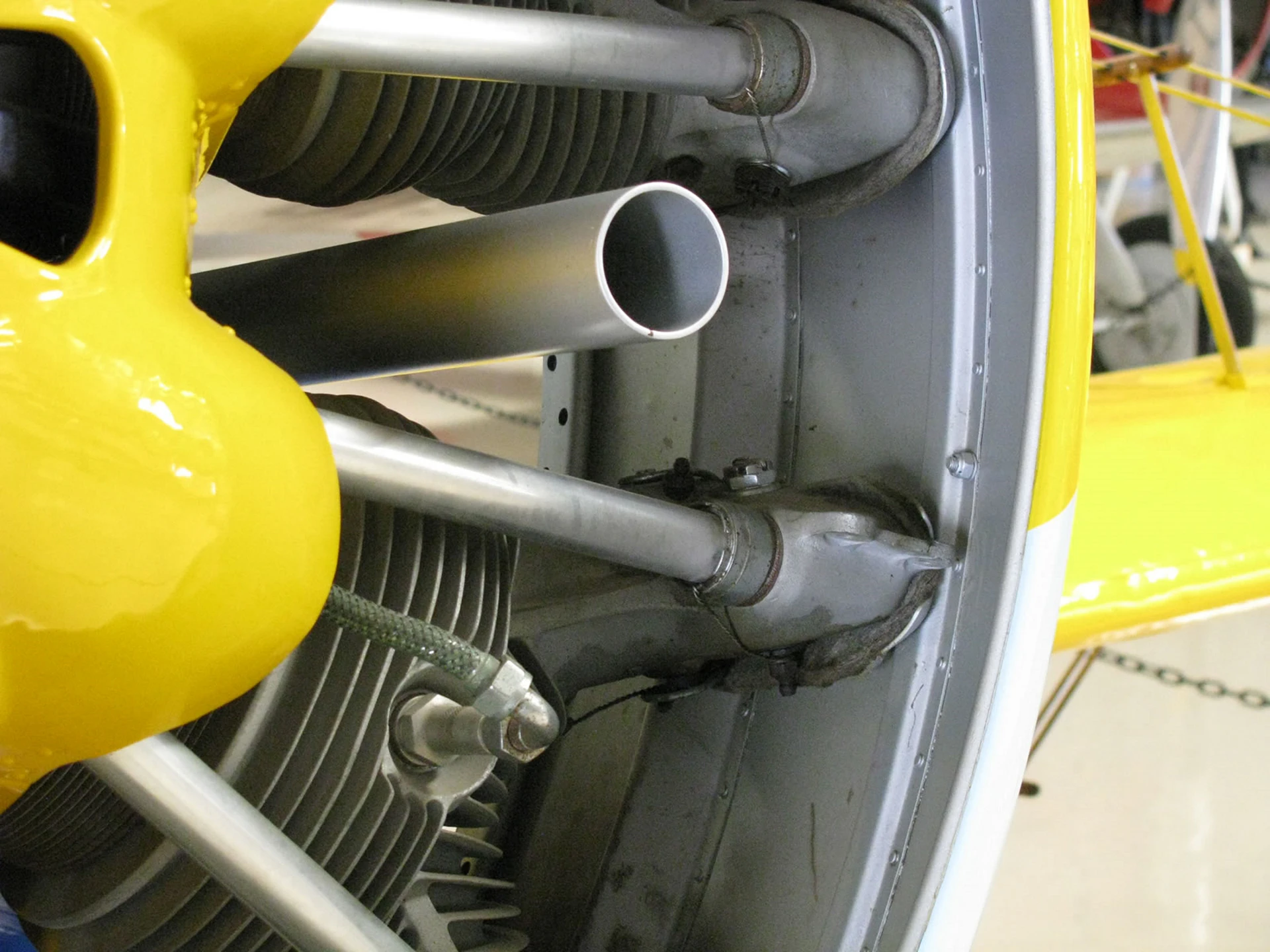

| P-26 Peashooter går runt | |
|---|---|
| Fotograf | Bevilja Moulton |
| Lokalisering | Unknow |
| Bilder | 34 |
| Boeing P-26A Peashooter | |
|---|---|
| Fotograf | Cees Hendriks |
| Lokalisering | Unknow |
| Bilder | 42 |
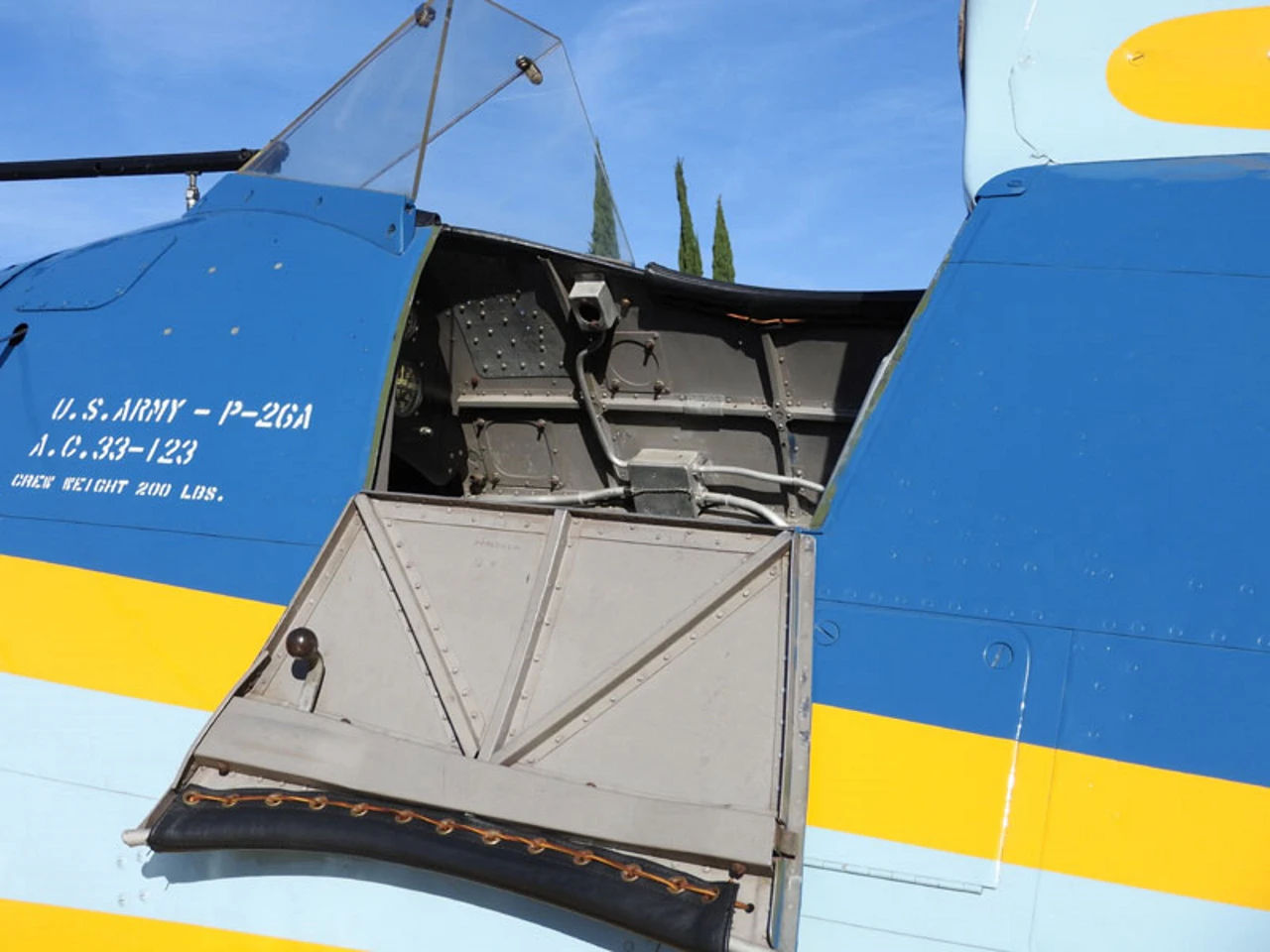
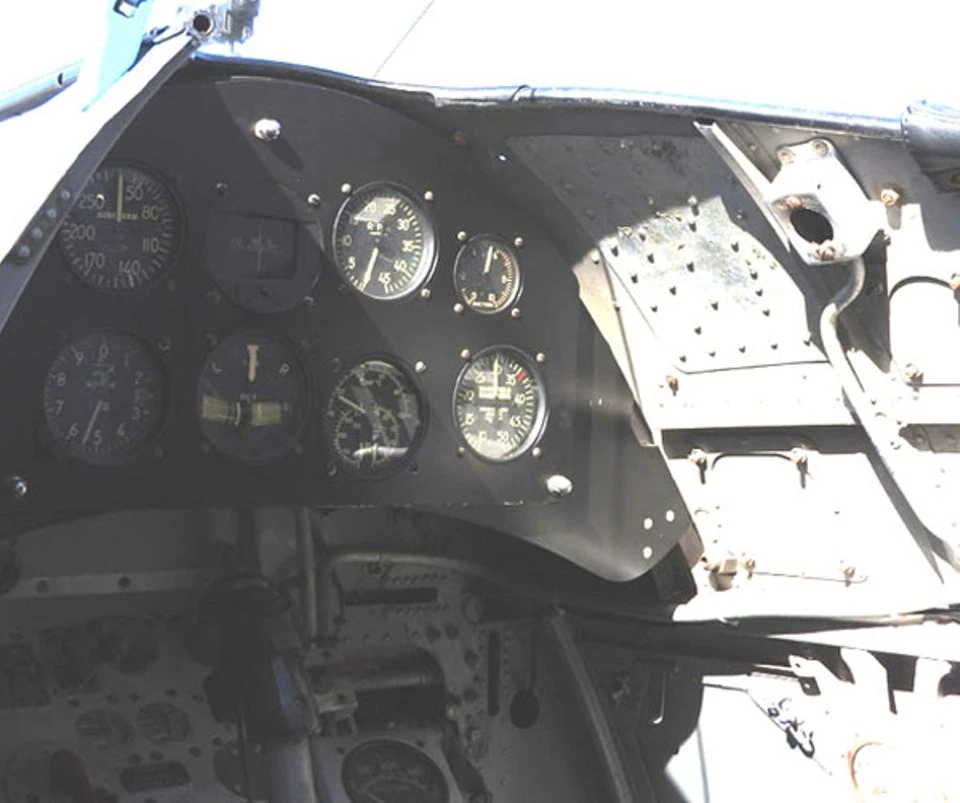
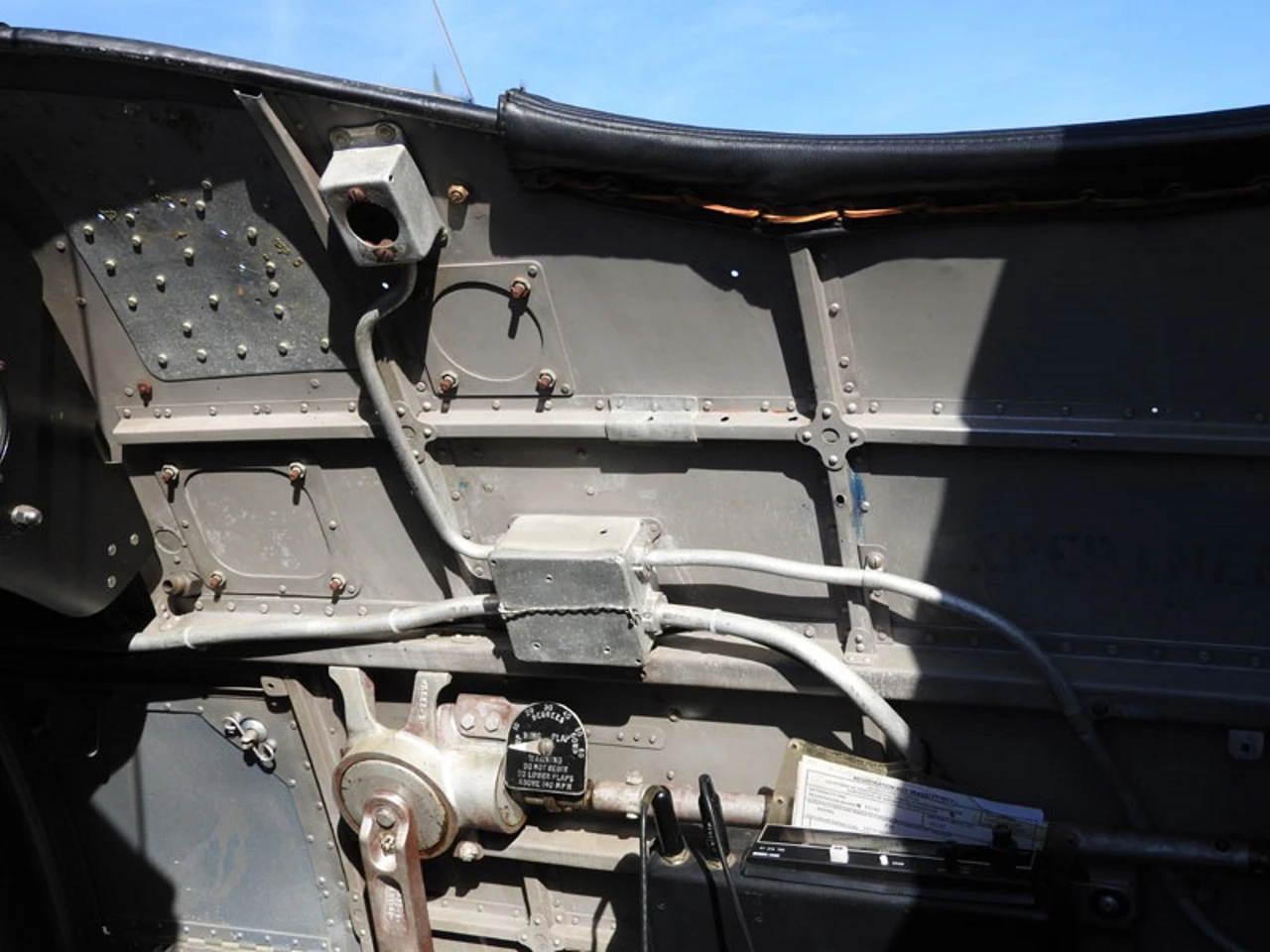
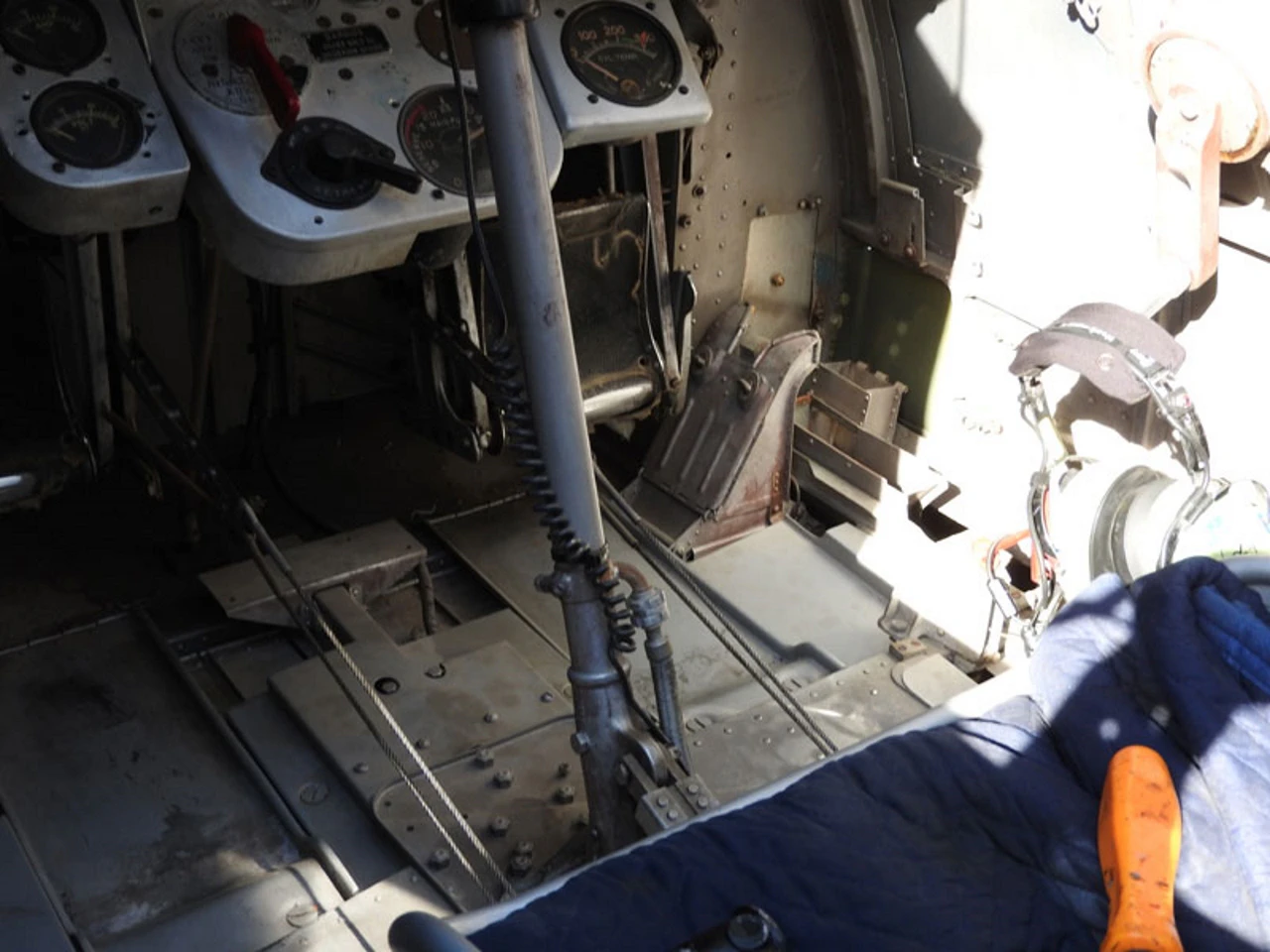
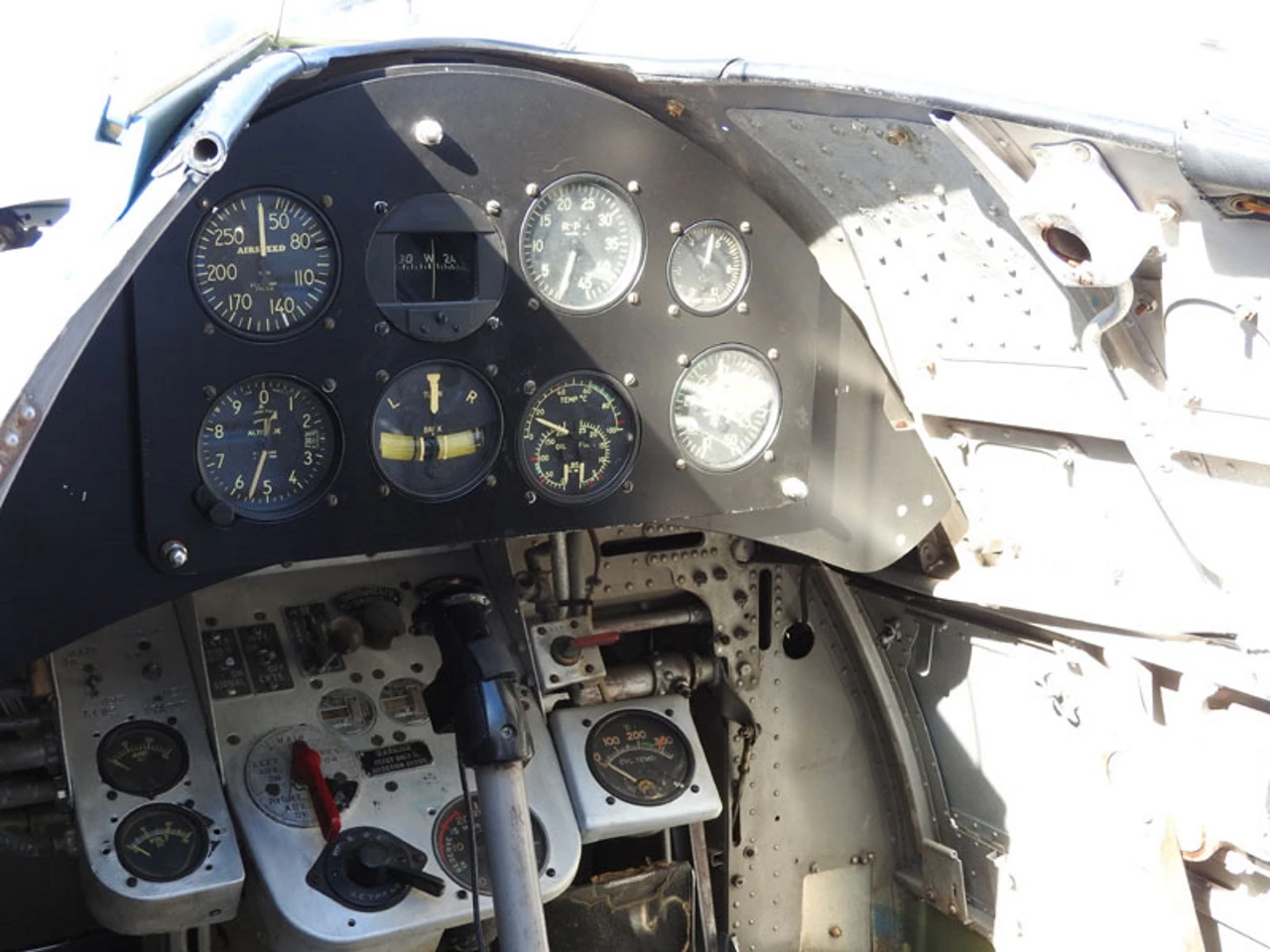
Se även:


The End of the Biplane Era
Den Boeing P-26, affectionately known as the “Peashooter” due to its blast tube for the guns, was a revolutionary aircraft for the U.S. Army Air Corps. Entering service in 1933, it was a “transitional” fighter: it ditched the traditional double wings for a modern, low-wing monoplane design and featured an all-metal semi-monocoque fuselage. However, it still clung to the past with its open cockpit, fixed landing gear, and external wire bracing. Though it was obsolete by the time WWII began, it was the fastest fighter in the world upon its debut and paved the way for the legendary fighters that followed.
| Attribute | Technical Specification (P-26A) |
|---|---|
| Roll | Fighter / Pursuit Aircraft |
| besättning | 1 (Pilot) |
| First Flight | March 20, 1932 |
| Kraftverk | 1 × Pratt & Whitney R-1340-27 “Wasp” radial |
| Horsepower | 600 hp (450 kW) |
| Maximum Speed | 234 mph (377 km/h) |
| Beväpning | 2 × .30 cal machine guns (or 1 × .50 and 1 × .30) |
| Nyttolast | 2 × 100 lb bombs or 5 × 31 lb anti-personnel bombs |
Design Engineering: Old World Meets New
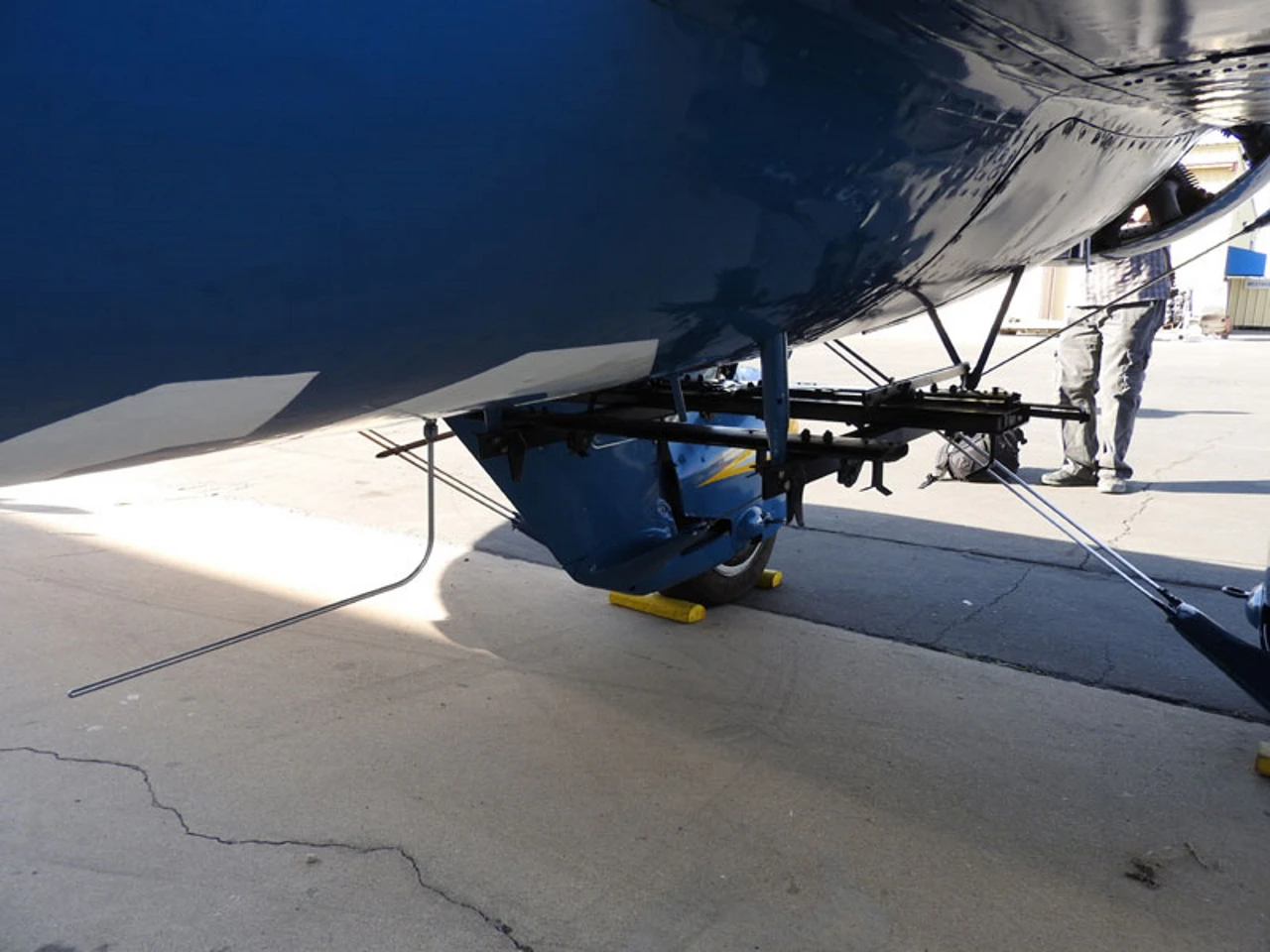
- External Wire Bracing: Unlike later “cantilever” monoplanes (like the Spitfire) where the wing’s strength was internal, the P-26 relied on external wires attached to the fuselage and landing gear for support. This allowed for a thinner, faster wing but created significant drag. [Image diagram of the Boeing P-26 wing bracing and rigging system]
- The “Tuna Can” Cowling: The P-26 used a narrow Townend ring or NACA cowling around its radial engine. This was a cutting-edge aerodynamic feature at the time, designed to reduce drag while still allowing the air-cooled engine to breathe.
- Wheel Spats (Fairings): To eke out every bit of speed, the fixed landing gear was enclosed in large, streamlined fairings. While aerodynamic, these were prone to clogging with mud on unpaved airfields. [Image detail of the P-26 landing gear fairings and fixed struts]
- Flap Integration: Due to its high landing speed (for the time), the P-26 was eventually fitted with wing flaps to help pilots touch down safely on shorter runways—a relatively new concept for American pursuit pilots in the early 30s.
Combat History and the Pacific Sunset
- First Blood in China: The P-26 saw its first real combat not with the U.S., but with the Chinese Nationalist Air Force. Flying exported “Model 281” variants, Chinese pilots successfully intercepted Japanese Mitsubishi G3M bombers in 1937, scoring the first monoplane fighter victories.
- Defense of the Philippines: When Japan attacked in December 1941, the Philippine Army Air Corps was still flying the P-26. Against all odds, Captain Jesus Villamor and his squadron used the aging Peashooters to knock down modern Japanese A6M Zeros, proving that pilot skill could occasionally overcome technological gaps.
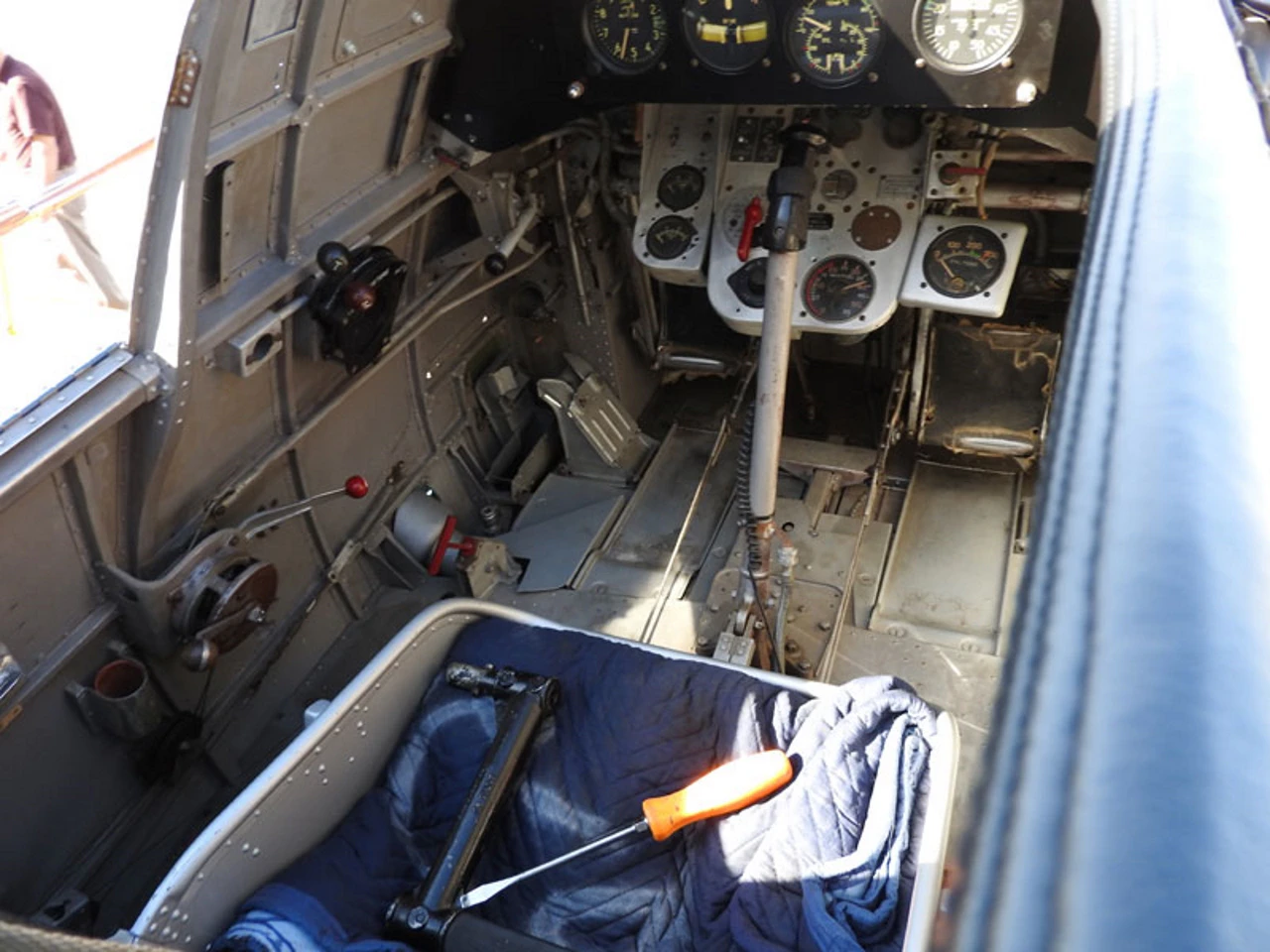
- The Headrest Safety: The P-26 featured a very high, prominent headrest. This was designed to protect the pilot in the event of a “nose-over” landing, a common accident given the plane’s light weight and high center of gravity. [Image detail of the P-26 cockpit and large protective headrest fairing]
- Guatemalan Service: Long after the U.S. retired them, the P-26 lived on in Central America. Guatemala used the Peashooter as its primary fighter until 1954, making it one of the longest-serving frontline fighters of the 1930s era.
Views : 5061
Du kan också se:
 Boeing YC-14 – Foton &; Videor
 Boeing 80 – Foton och videor
 Boeing KC-97 Stratofreighter – Foton & Videor
 Boeing X-40A – Foton &; Videor
 Boeing 247 – Foton och videor
 Boeing 367-80 – Foton &; Videor
 Boeing EA-18G Growler – Foton &; Video
 Boeing RC-135 – Foton &; Video
 Boeing T-43 Bobcat – Foton &; Video
 C-17 Globemaster – WalkAround