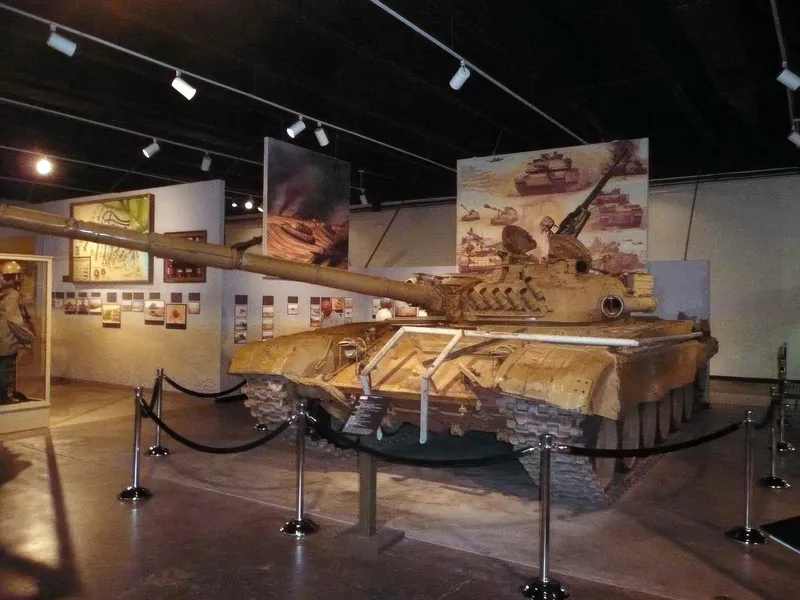
T-72 M1 | |
|---|---|
| Country | Soviet Union |
| Type | Main battle tank |
| Production | 25000 1973-2005 |
V T-72 is a family of Soviet main battle tanks that first entered production in 1971. About 20,000 T-72 tanks were built, The T-72A version introduced in 1979 is considered a second-generation main battle tank. It was widely exported and saw service in 40 countries and in numerous conflicts. The T-72B3 version introduced in 2010 is considered a third-generation main battle tank.
| T-72 M1 | |
|---|---|
| Fotograf | Neznano |
| Lokalizacijo | Neznano |
| Fotografije | 68 |
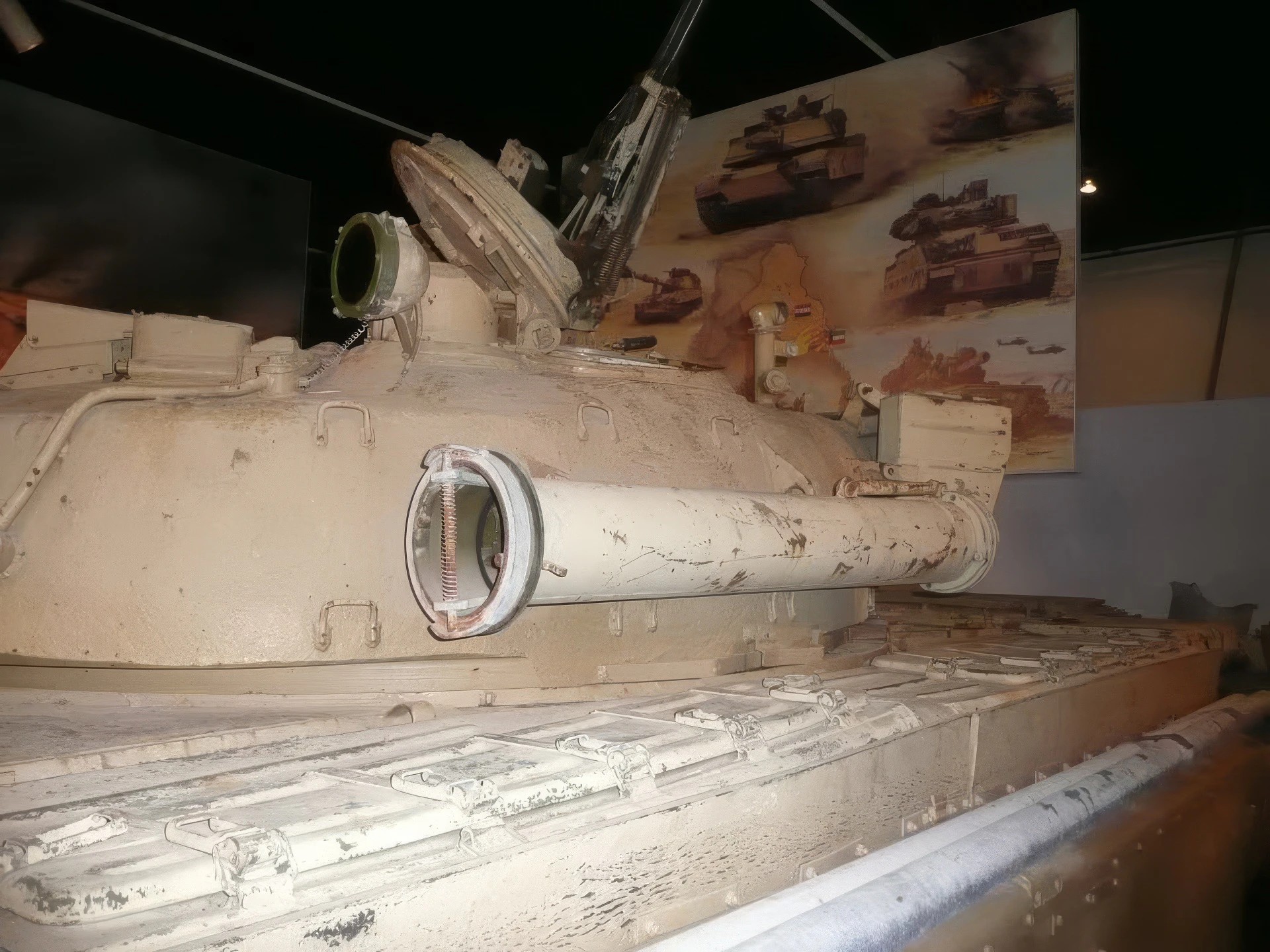
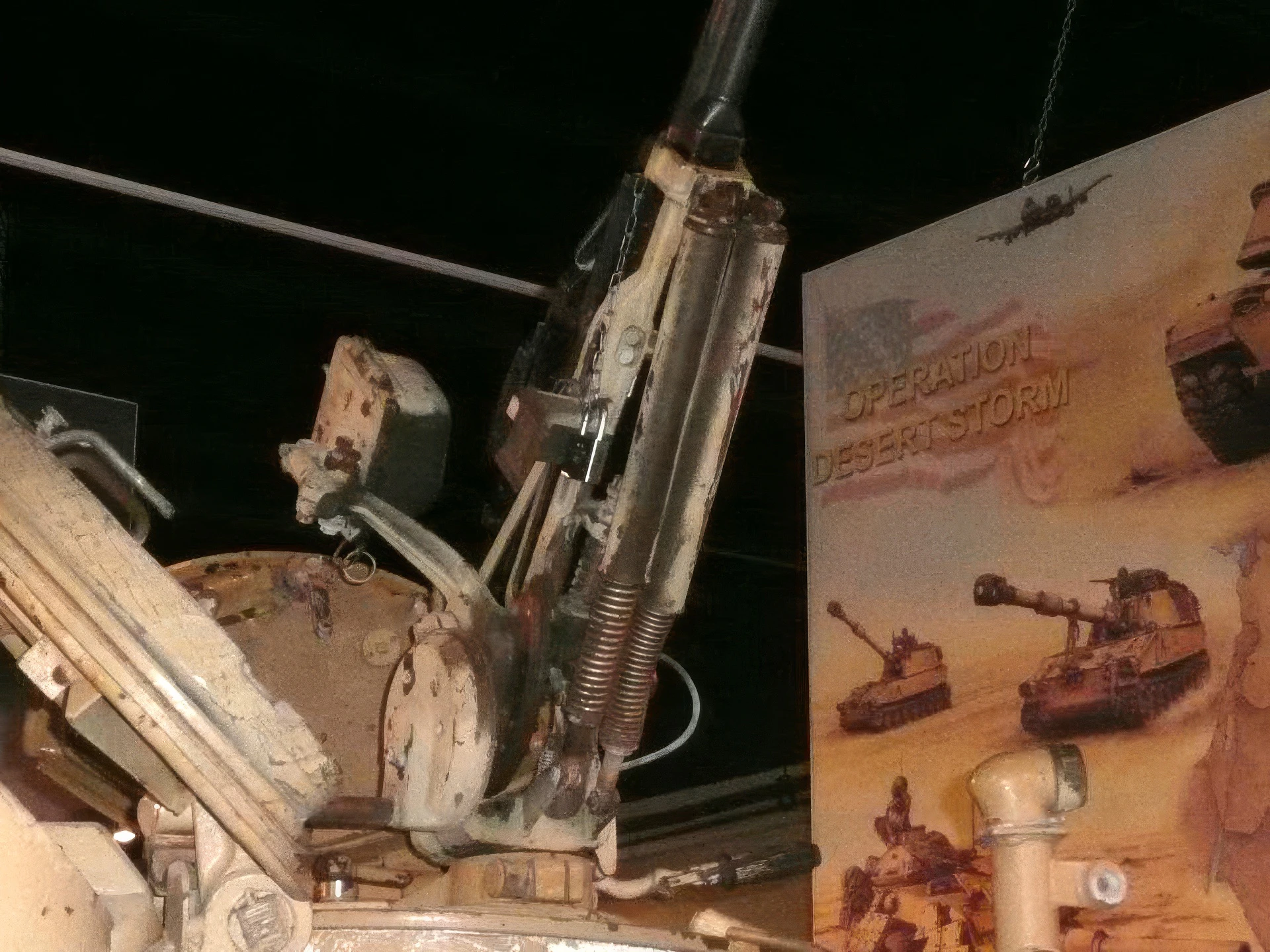
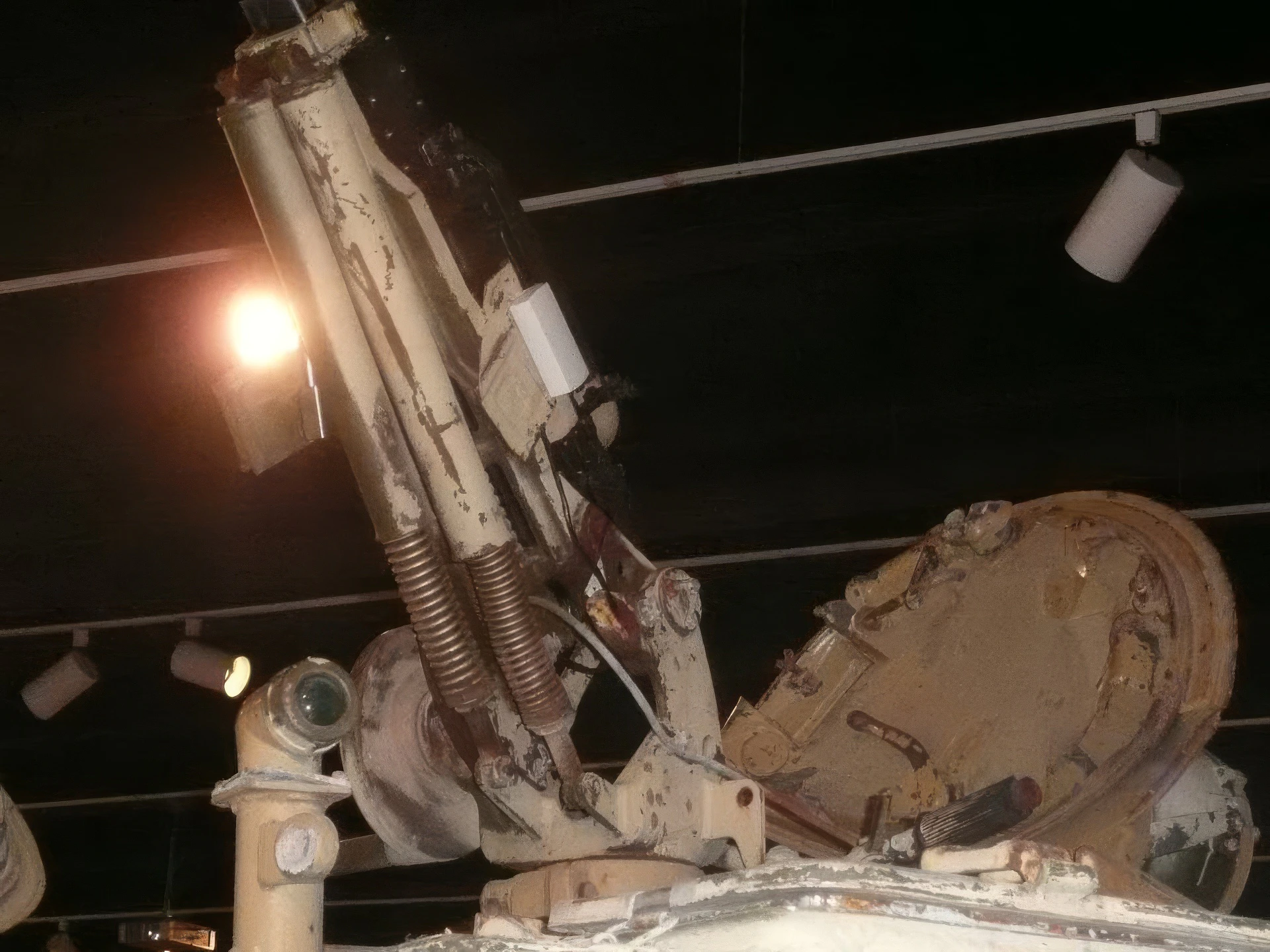
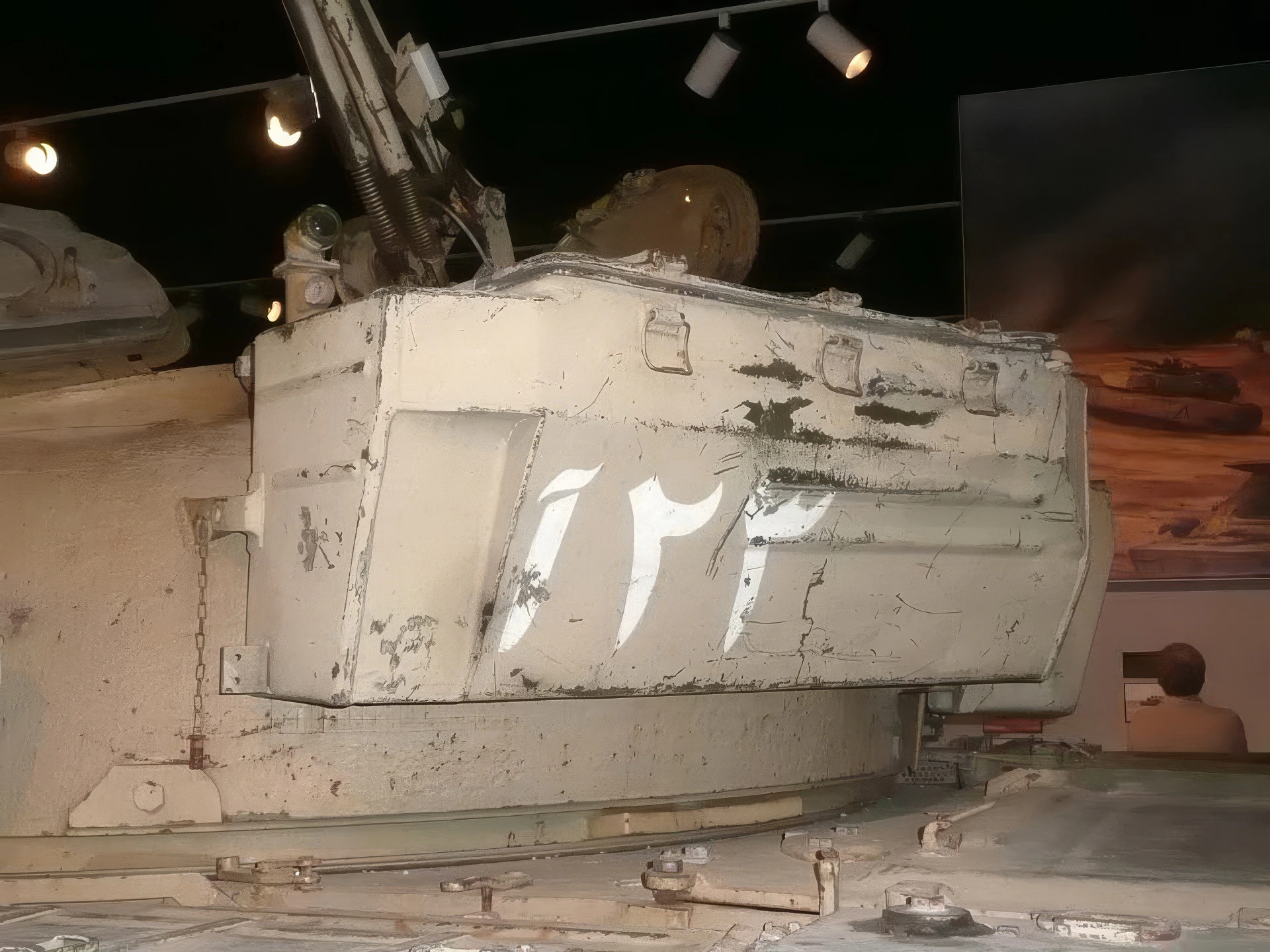
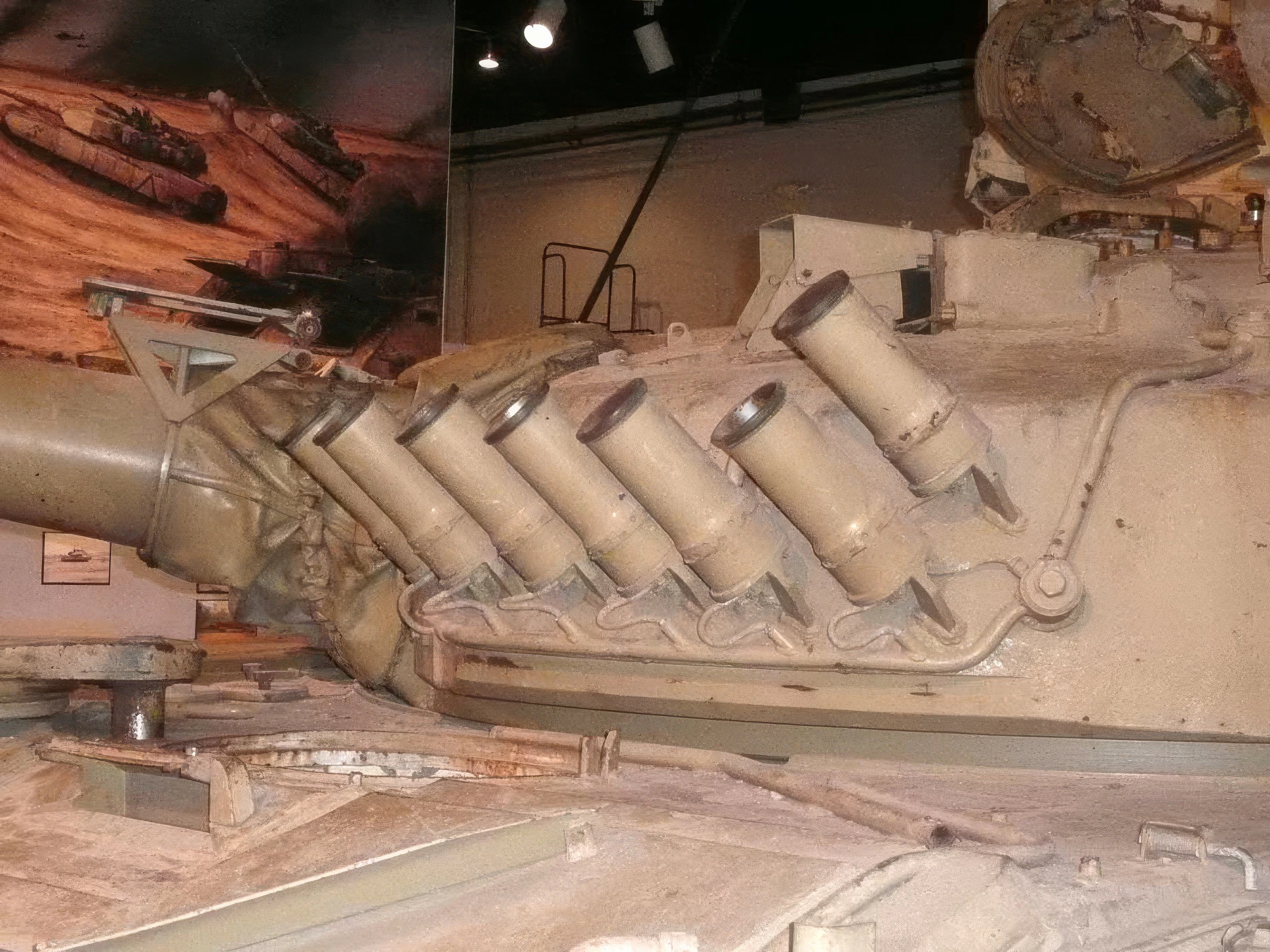
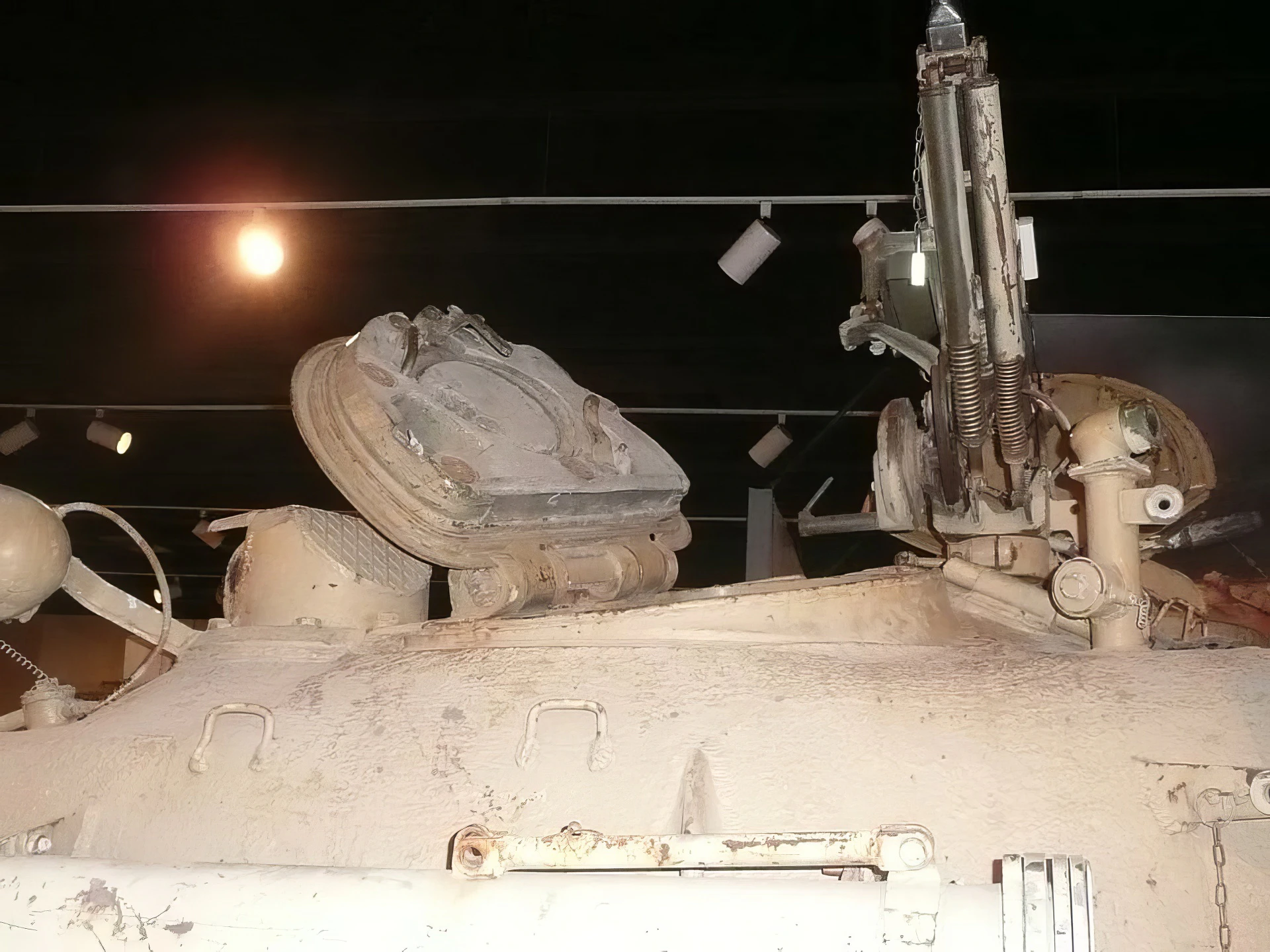
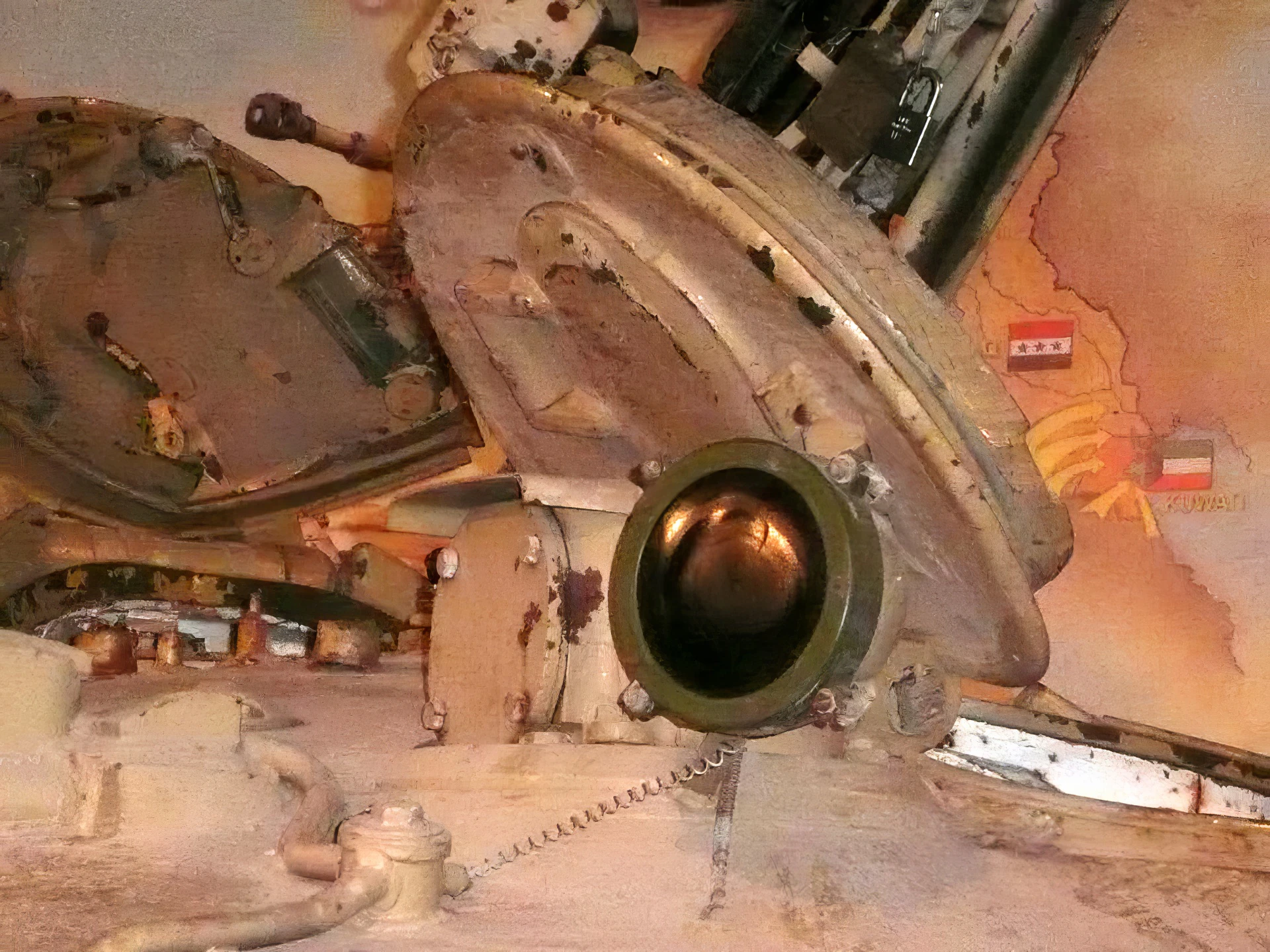
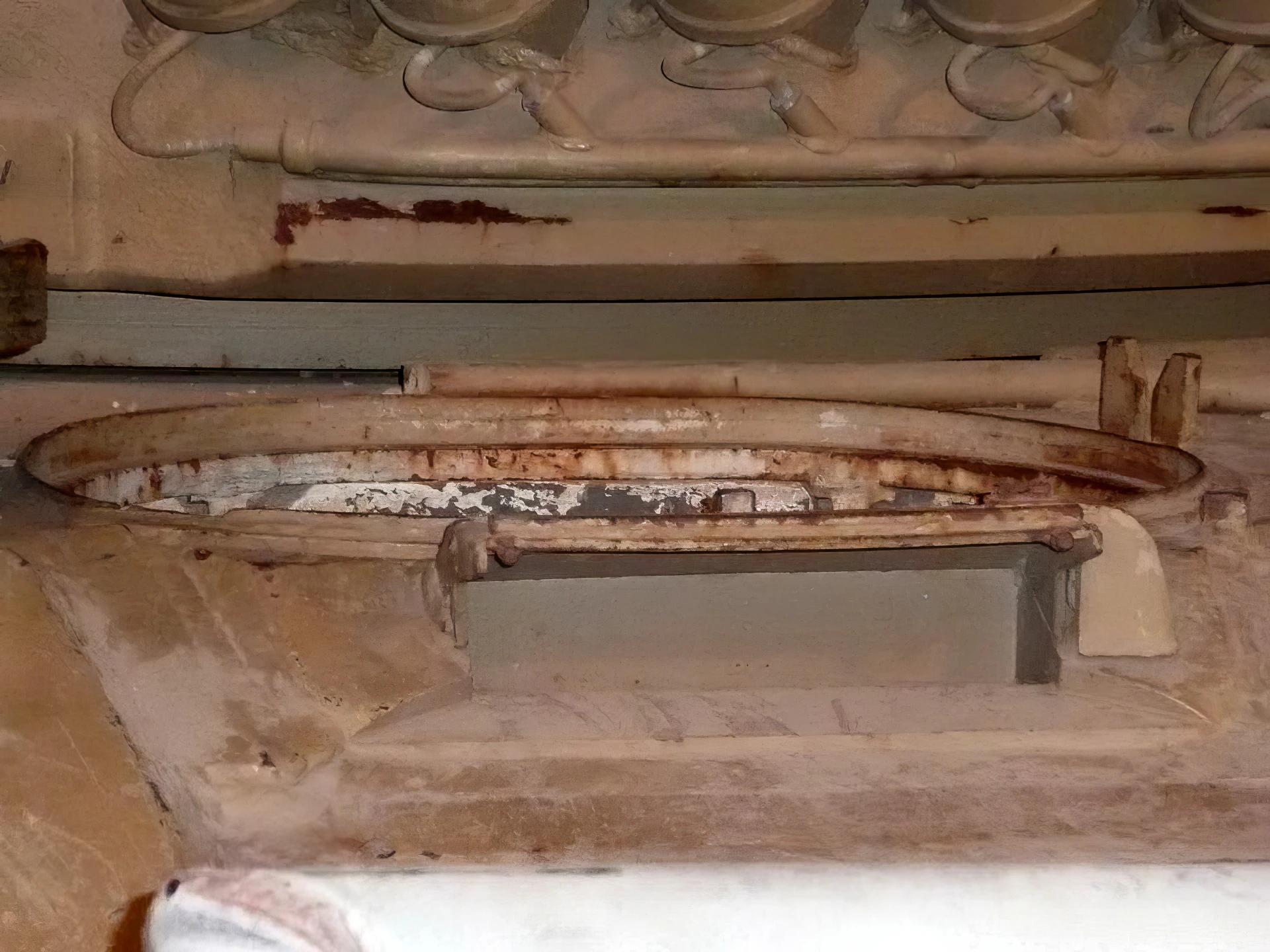
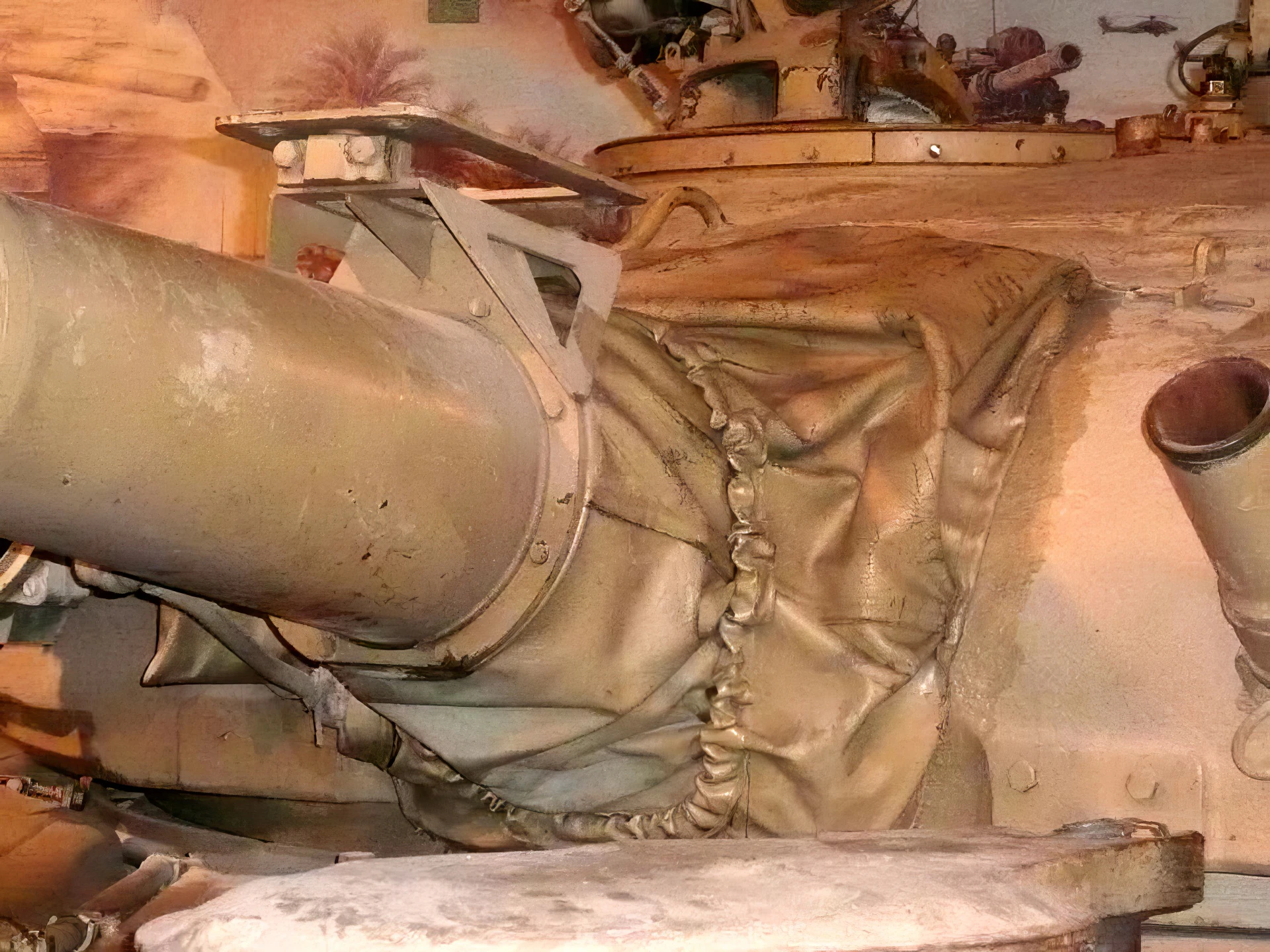

| T-72 MBT Walk Around | |
|---|---|
| Fotograf | Stephen Sutton |
| Lokalizacijo | Neznano |
| Fotografije | 38 |
| T-72M1 Main Battle Tank Walk Around | |
|---|---|
| Fotograf | Bill Maloney |
| Lokalizacijo | Muzej Patton |
| Fotografije | 18 |
| T-72M-M1 Walk Around | |
|---|---|
| Fotograf | Matthew Flegal |
| Lokalizacijo | Neznano |
| Fotografije | 51 |
| T-72M1 Walk Around | |
|---|---|
| Fotograf | Unknow |
| Lokalizacijo | Neznano |
| Fotografije | 126 |
| T-72 Walk Around | |
|---|---|
| Fotograf | Unknowl |
| Lokalizacijo | Neznano |
| Fotografije | 19 |
General Overview
| Vrsta | Main Battle Tank (MBT) |
|---|---|
| Place of Origin | Soviet Union (Russia, Ukraine) |
| Service History | 1973–Present |
| Posadke | 3 (poveljnik, topnik, voznik) |
| Oblikovalec | Uralvagonzavod (UVZ) |
| Production Built | Over 25,000 (Widely produced and exported) |
| Vlogo | Successor to T-55/62; less costly alternative to the T-64/T-80. |
Technical Specifications (T-72 ‘Ural’ Base Model)
| Weight (Mass) | Approx. 41 tonnes (Relatively light for an MBT) |
|---|---|
| Main Armament | 125 mm 2A46 smoothbore gun |
| Secondary Armament | 7.62 mm coaxial MG, 12.7 mm Anti-Aircraft MG |
| Armor | Composite armor (Hull Front) and Cast steel (Turret) |
| Motor | V-46 V-12 Diesel, 780 hp |
| Top Speed (Road) | Up to 60 km/h (37 mph) |
| Power/Weight Ratio | ~19.0 hp/tonne |
Key Design Characteristics
Autoloader: The T-72 uses a carousel-type automatic loader, which allows the tank to operate with a crew of three by eliminating the human loader. This mechanism contributes to the tank’s low silhouette and small size.
Low Profile: The compact design provides a very small target, a hallmark of Soviet tank design philosophy. However, this sacrifices crew comfort and internal space.
Vulnerability: The design of the autoloader and the storage of ammunition in a carousel beneath the turret floor has historically been a significant vulnerability, sometimes leading to the turret being violently detached upon a critical hit (“jack-in-the-box” effect).
Views : 7766
Prav tako si lahko ogledate:
 Heavy Tank M6 - fotografije in video posnetki
 Objekt 770 – Fotografije & Video posnetki
 Schneider CA1 – fotografije in videoposnetki
 ARL-44 - Fotografije in video
 Pz.Kpfw VI Ausf B – WalkAround
 Tiger Tank v akciji – WalkAround
 Centurion Mk5 vol2 – Sprehod Okoli
 IS-2 vol3 – Sprehod Okoli
 PzKpfw HIV Tiger – Sprehod Okoli
 Char lourd IS-3 – WalkAround