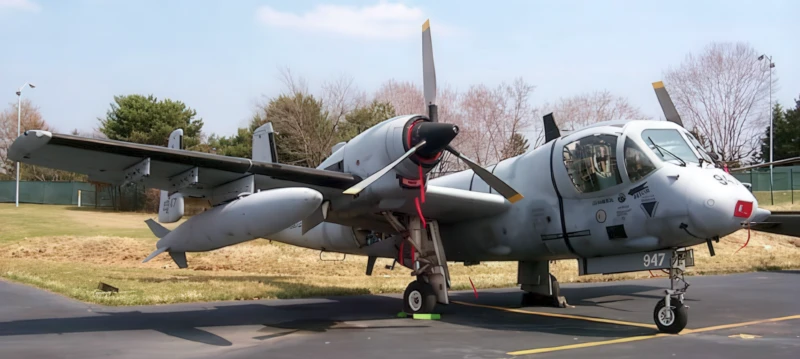
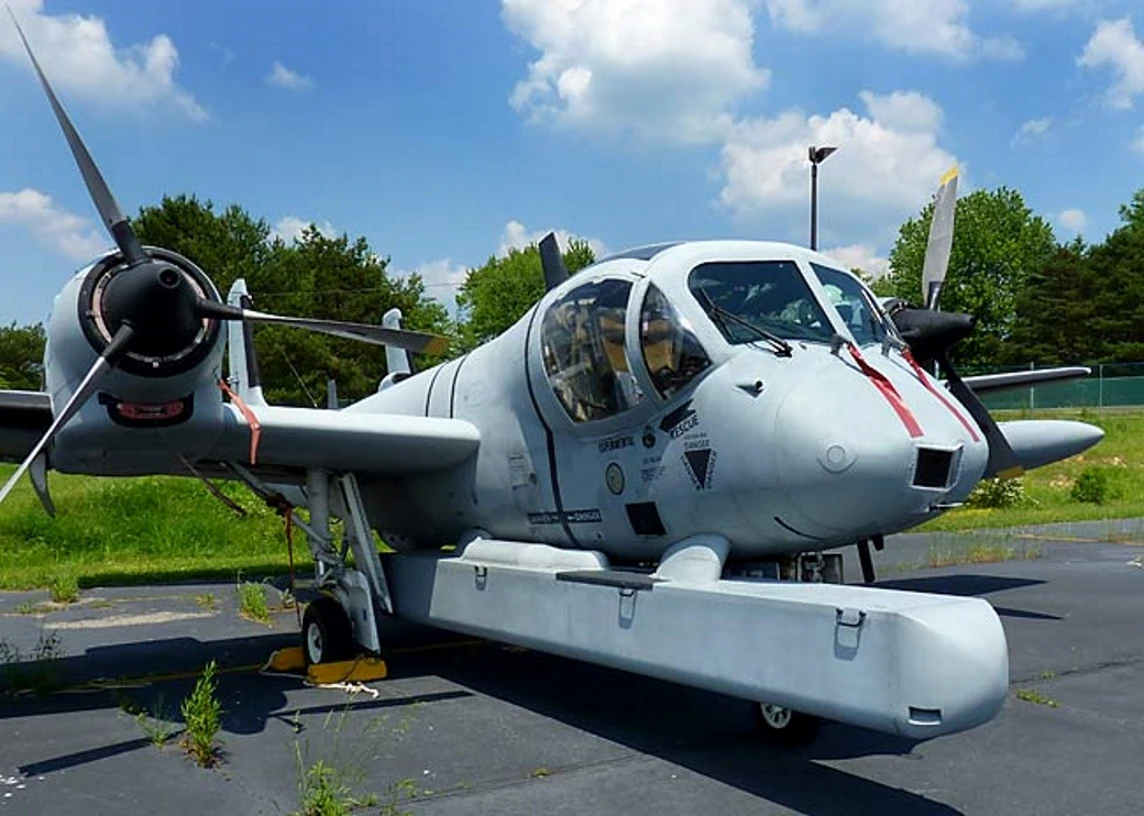
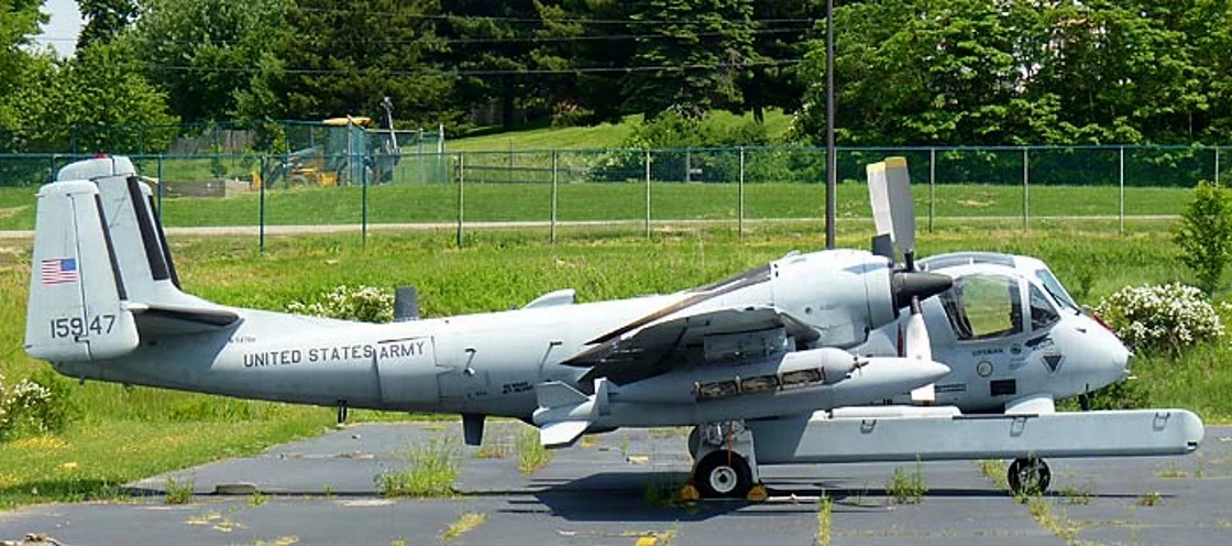
Komisia Grumman OV-1 Mohawk je ozbrojené vojenské pozorovacie a útočné lietadlo určené na sledovanie na bojisku a spôsobilosti ľahkého úderu. Má dvojitú konfiguráciu turbovrtuľových motorov a prepravuje dvoch členov posádky s bočným sedením. Mohawk mal operovať z krátkych, bezchybných pristávacích dráh na podporu manévrov armády Spojených štátov.
Verzia RV-1D :
Quick Look II ELINT stroj (31 konverzií).
Komisia Grumman OV-1 Mohawkis one of the most unique aircraft ever to serve the U.S. Army. Designed as a dedicated battlefield surveillance and light strike platform, it was built to operate from short, rugged clearings near the front lines. With its distinctive bug-eyed canopy for downward visibility and its triple-fin tail, the Mohawk looked like nothing else in the sky. During the Vietnam War, it became the Army’s premier intelligence gatherer, using advanced infrared and radar sensors to find hidden enemy movements at night and through thick jungle canopy.
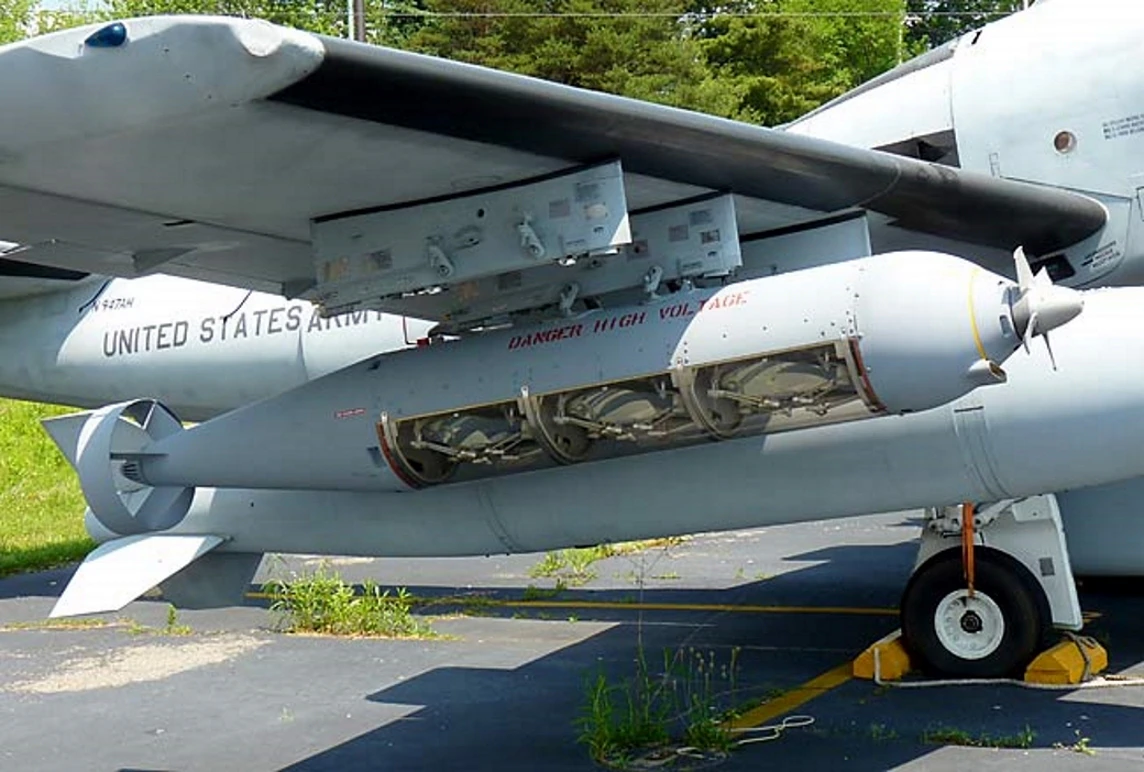
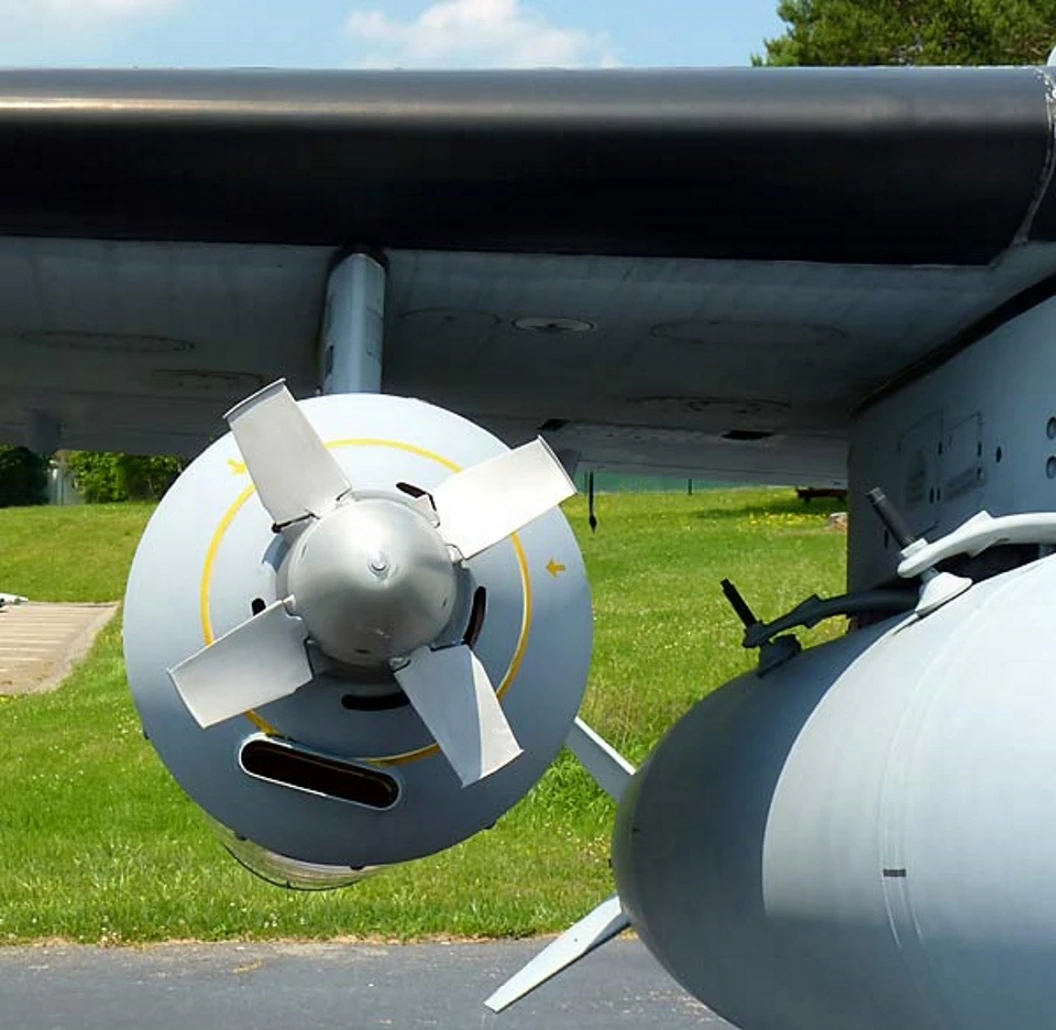
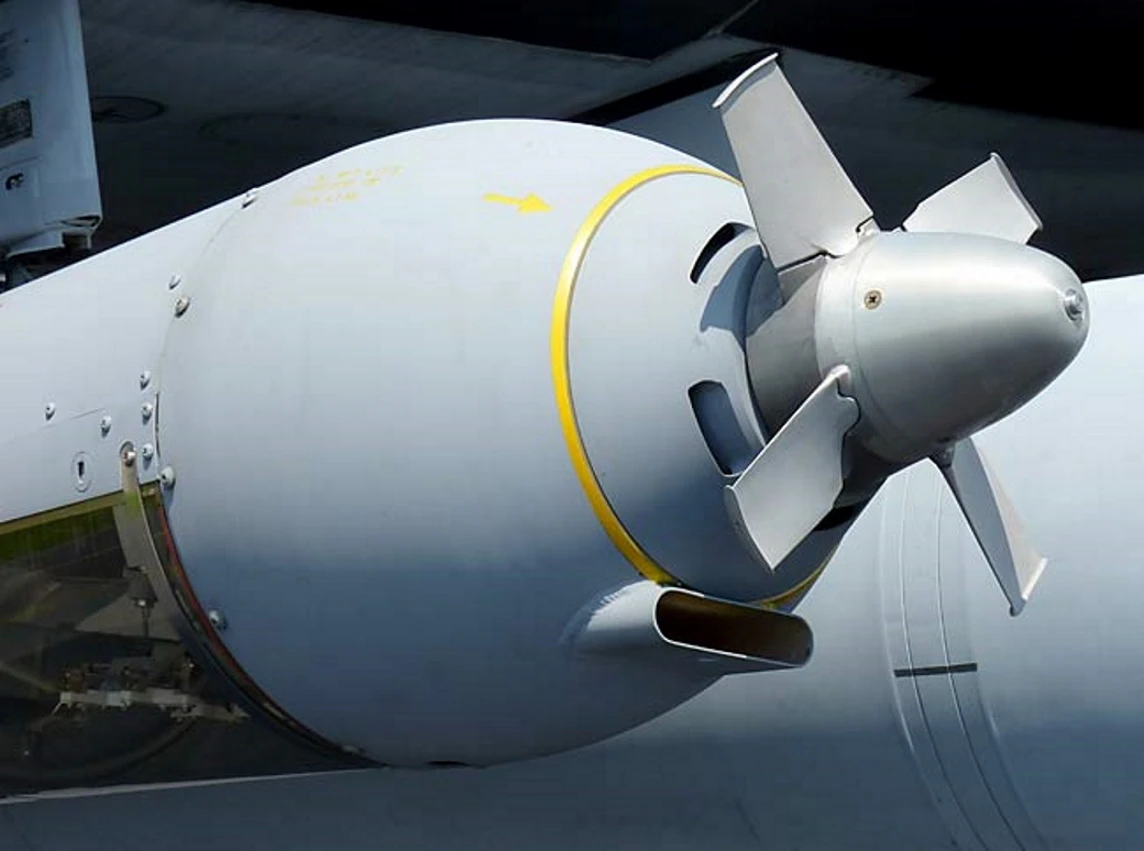
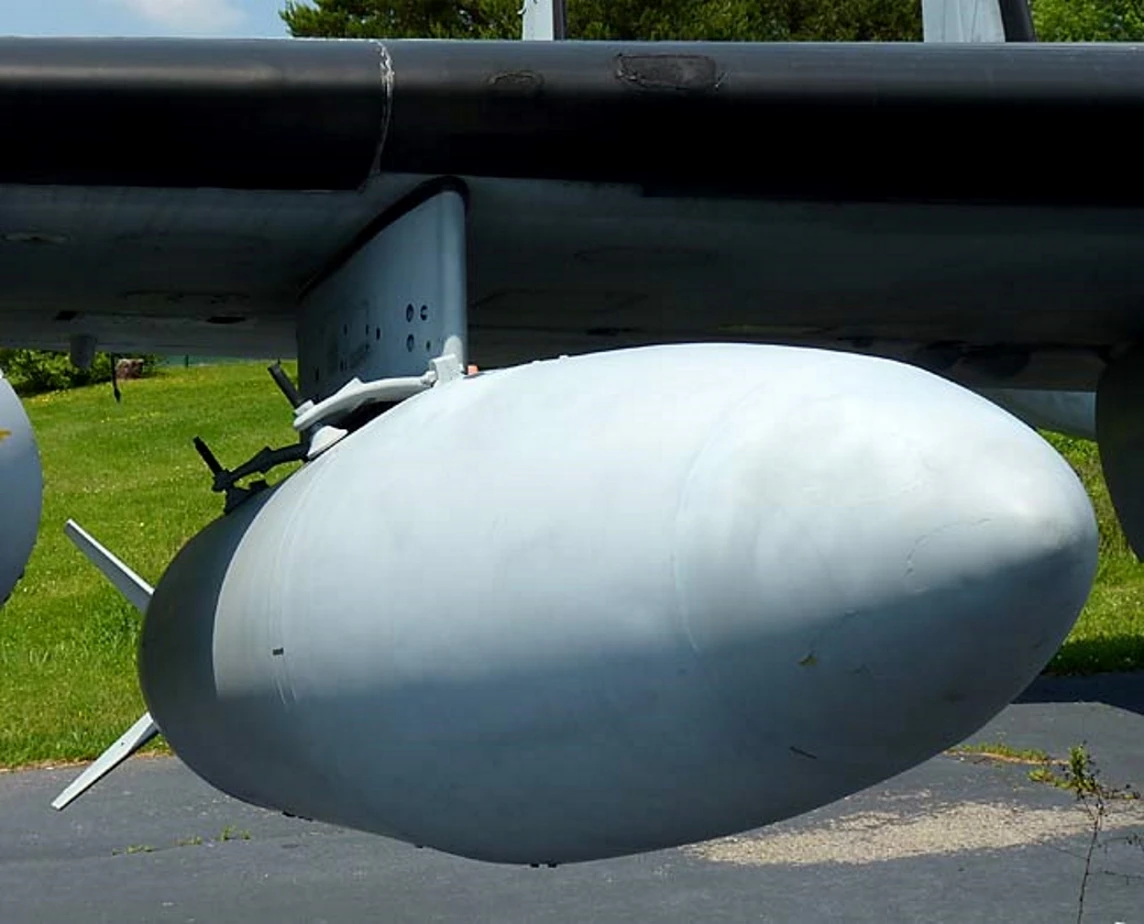
Underwing pods for 2.75-inch rockets or .50 cal machine guns
Rozsah
1,520 km (945 miles) with external tanks
Design Engineering: STOL and SLAR
STOL Capability:The Mohawk was designed for Short Takeoff and Landing. Its massive propellers and large wing area allowed it to “jump” out of small dirt strips. The pilot and observer also sat in ejection seats—a rare safety feature for a turboprop aircraft at the time.
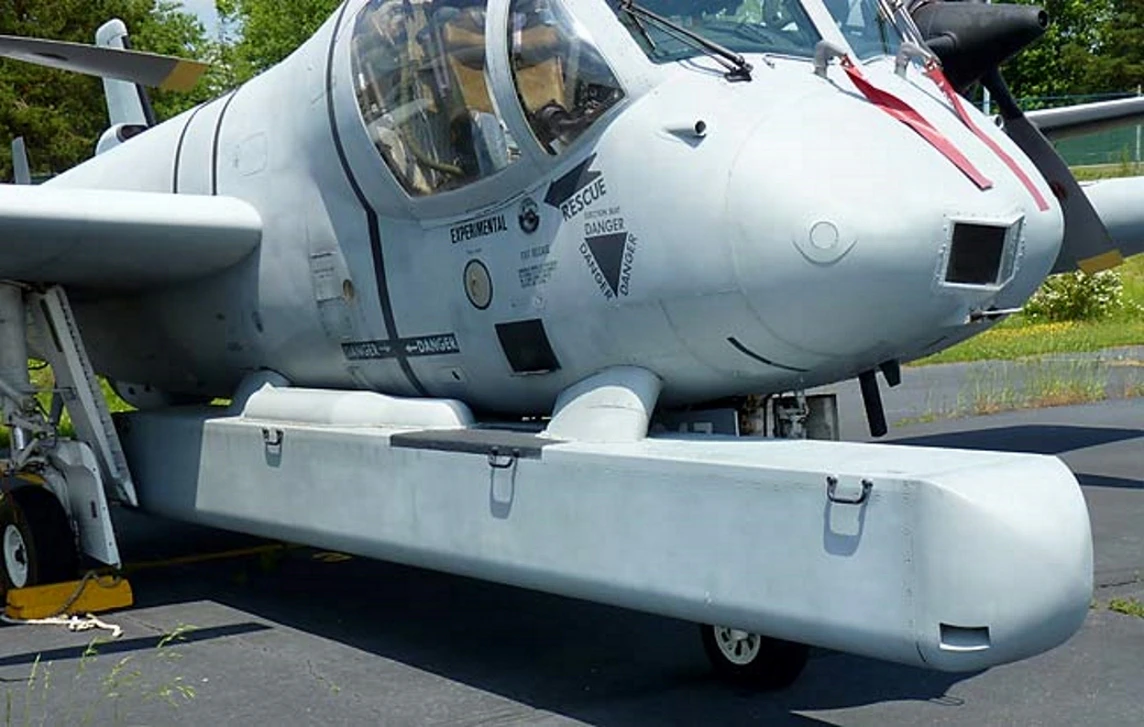
The “Bug Eye” Canopy:The cockpit glass bulged out past the sides of the fuselage. This allowed the pilot and observer to look straight down at the ground beneath them, a critical feature for spotting hidden bunkers or trail disturbances.
SLAR Pod:The OV-1B and D models carried a long, rectangular pod under the belly. This Side-Looking Airborne Radar could map the terrain on either side of the flight path, detecting moving vehicles or metal objects through clouds and smoke.
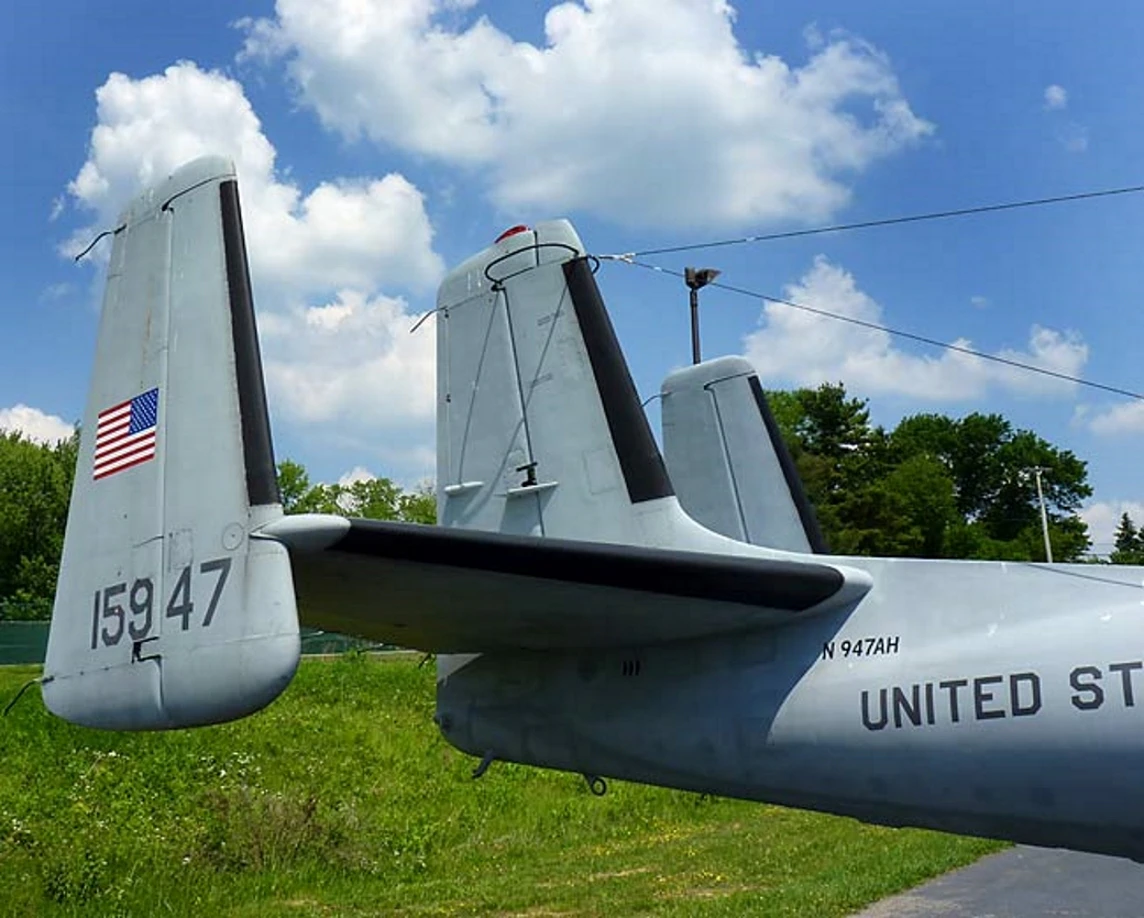
Triple-Tail Design:The triple vertical fins were a solution to ensure the aircraft remained controllable even if one engine failed at low speeds during a takeoff from a short, obstructed jungle runway.
Operational History: The Silent Hunter
“Whispering Death”:In Vietnam, the Mohawk was known for being remarkably quiet. Its turboprops allowed it to orbit over enemy positions without being heard until it was too late. This earned it a fearsome reputation among the Viet Cong.
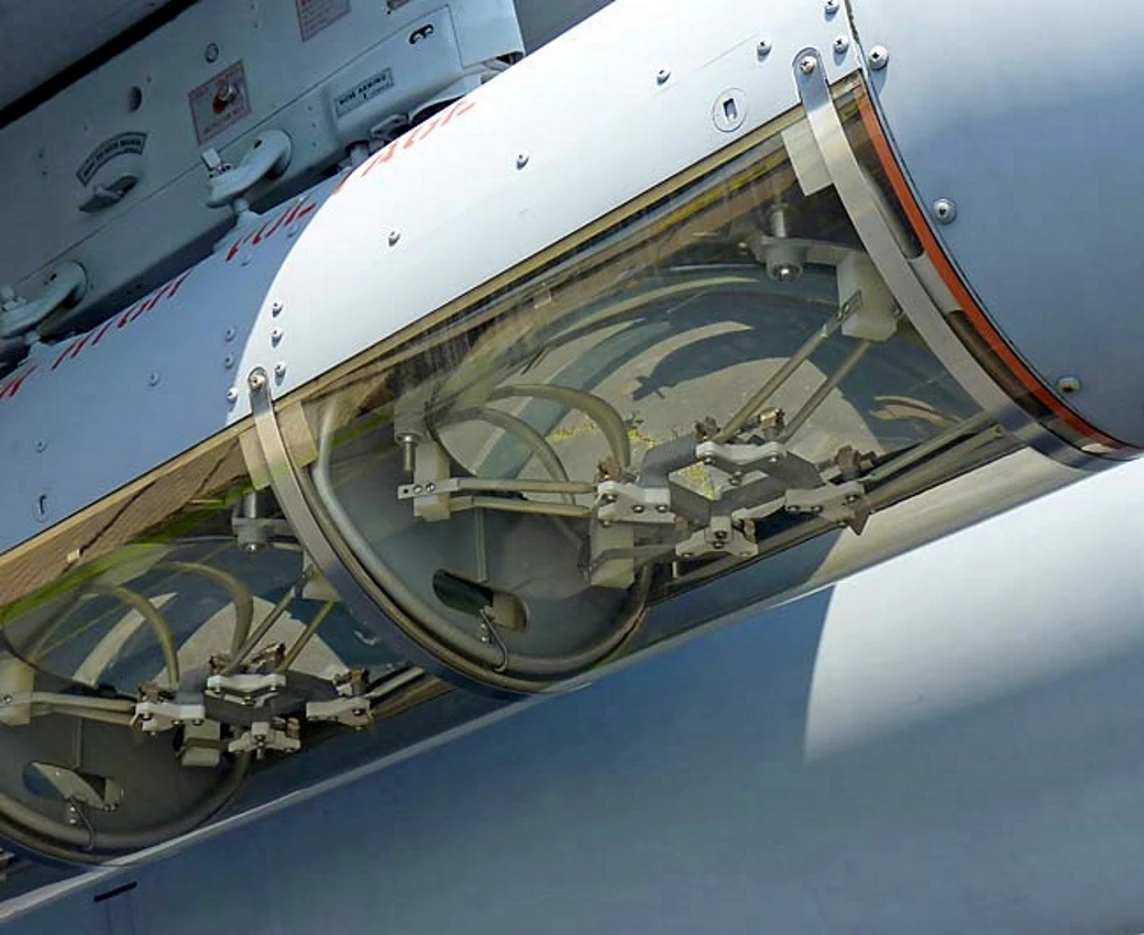
Inter-Service Rivalry:The Air Force was jealous of the Mohawk’s capabilities. They successfully lobbied to prevent the Army from arming the Mohawk with permanent guns, insisting that “close air support” was an Air Force job. The Army bypassed this by using “detachable” weapon pods.
Operation Desert Storm:Even decades after Vietnam, the Mohawk was still in action. During the 1991 Gulf War, OV-1Ds provided real-time intelligence on Iraqi Republican Guard movements, proving that its radar-mapping capabilities were still world-class.
Electronic Warfare:The EV-1 variant was used for “signals intelligence” (SIGINT), intercepting enemy radio transmissions to locate headquarters and anti-aircraft missile sites.


 Grumman F9F Panther – fotografie a videá
 Grumman AF Guardian – fotografie a videá
 Grumman G-21 Goose – fotografie a videá
 Grumman C-1 Trader – fotografie a video
 Grumman F6F Hellcat – fotografie a video
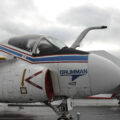 Grumman A-6A Intruder – fotografie a video
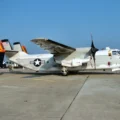 C-2A chrt – fotografie a video
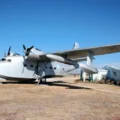 Grumman HU-16 Albatross – fotografie a videá
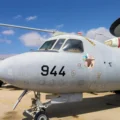 Northrop Grumman E-2 Hawkeye – WalkAround
 Grumman F-14 Tomcat – WalkAround