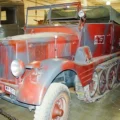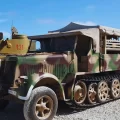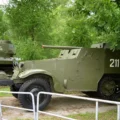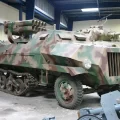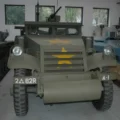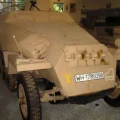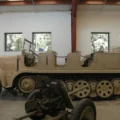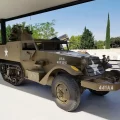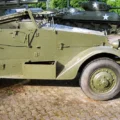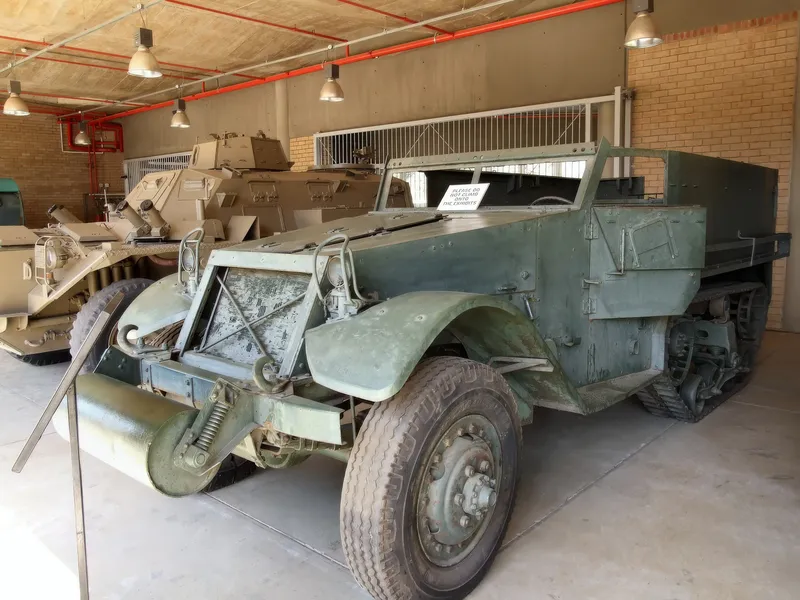
M9A1 | |
|---|---|
| Krajiny | Spojené štáty americké |
| Typ | Polovičný pás |
| Tému | Album 47 fotografie, ktoré sa prechádzajú okolo M9A1 |
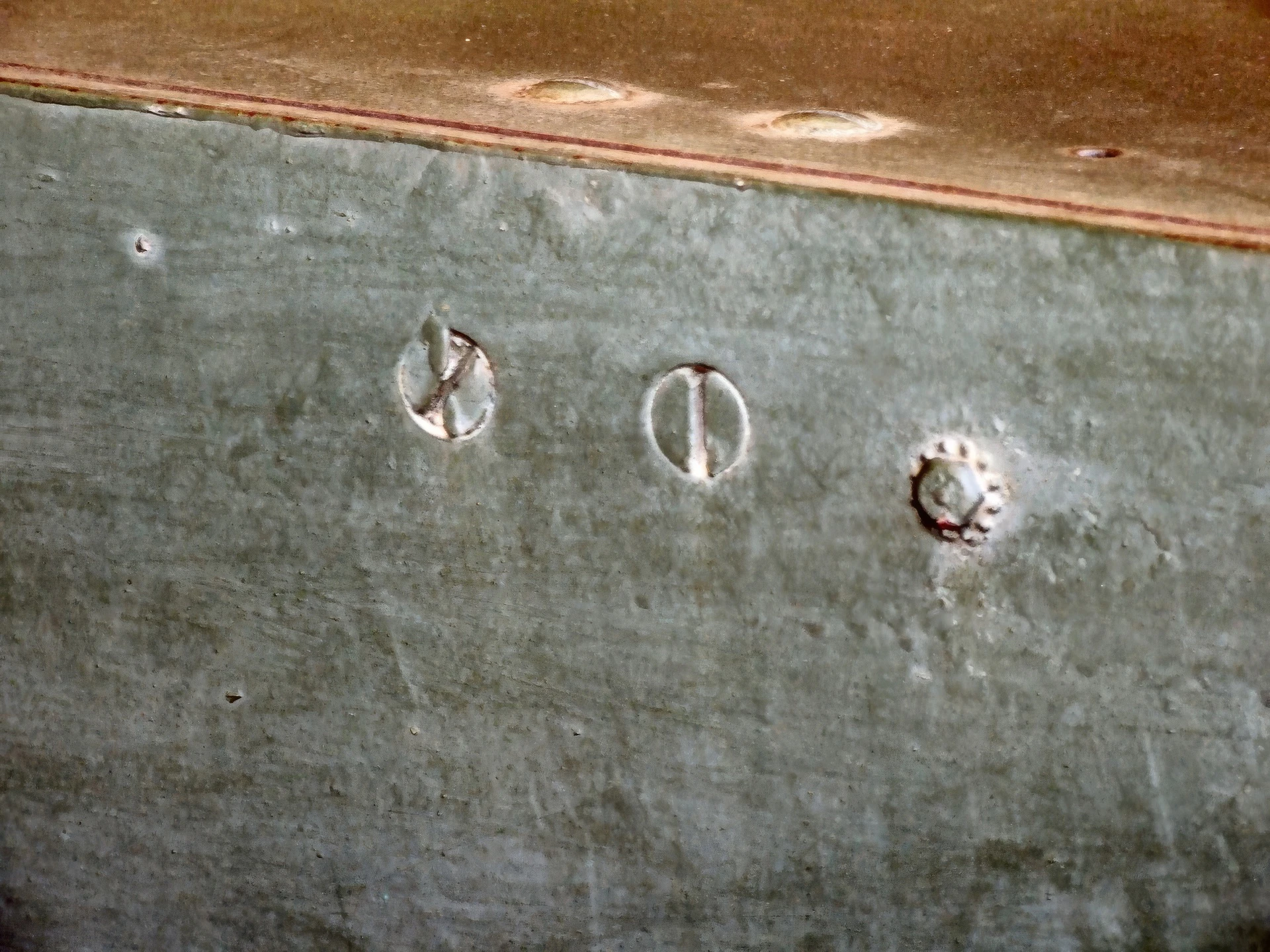
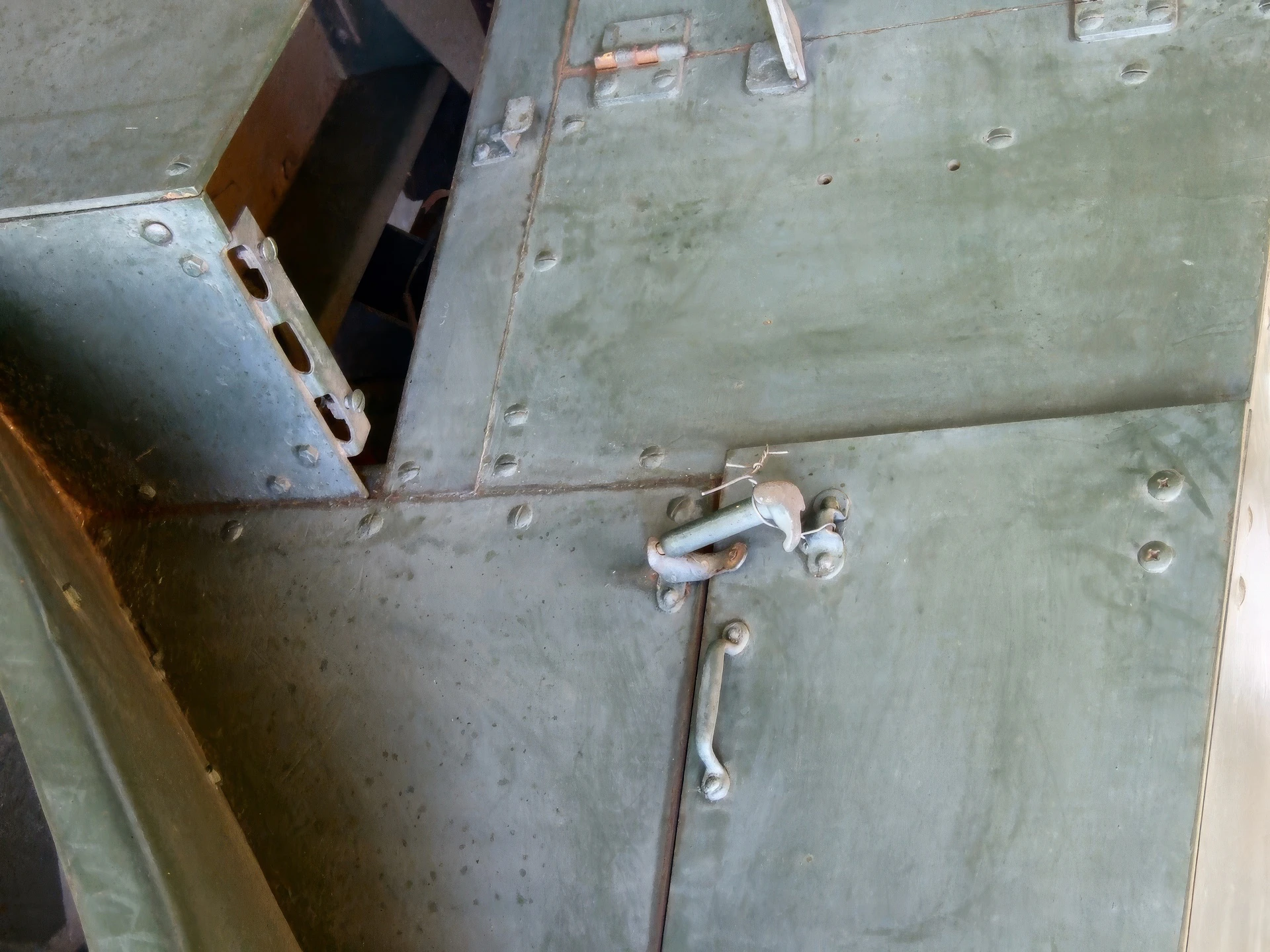
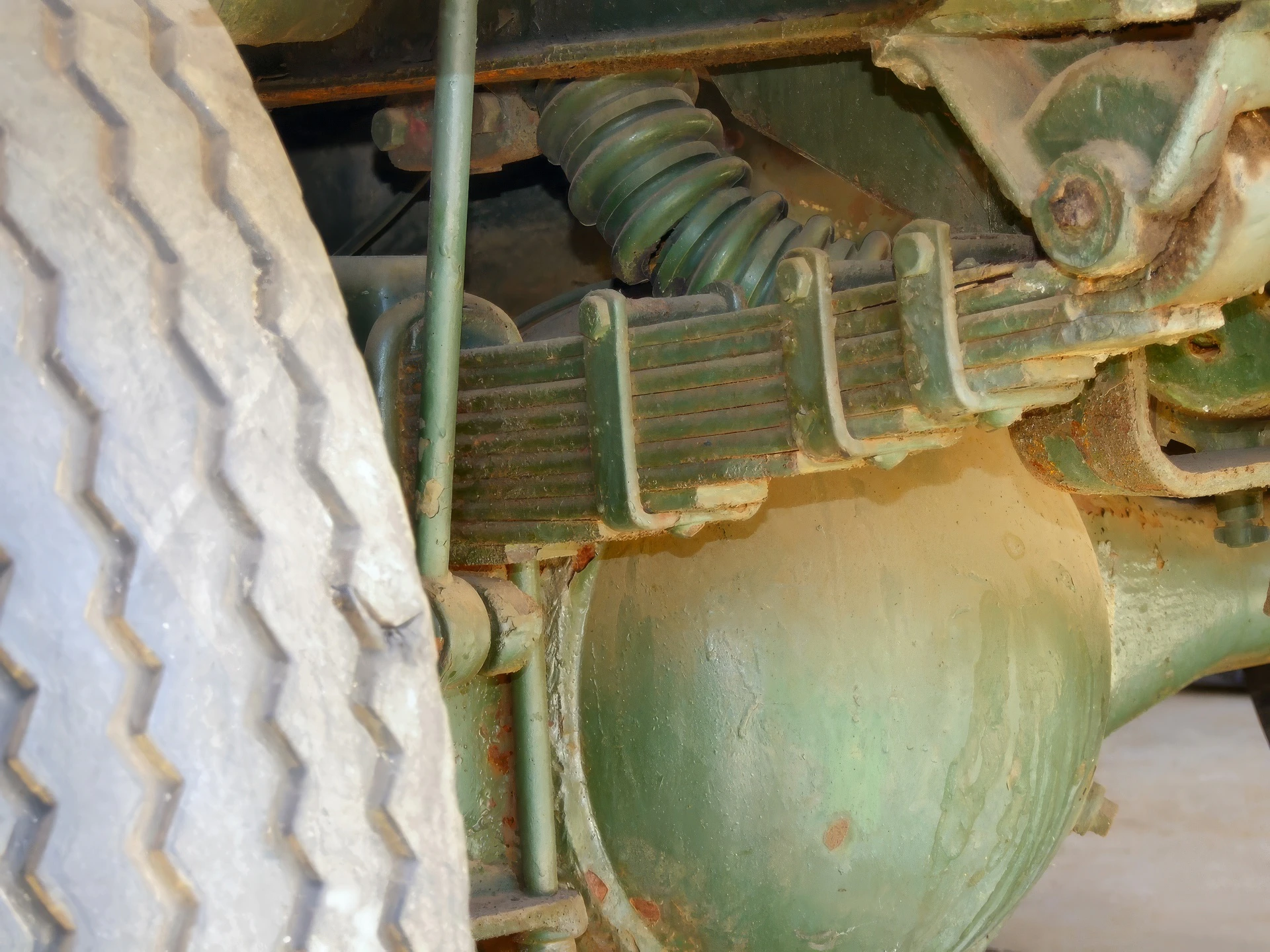
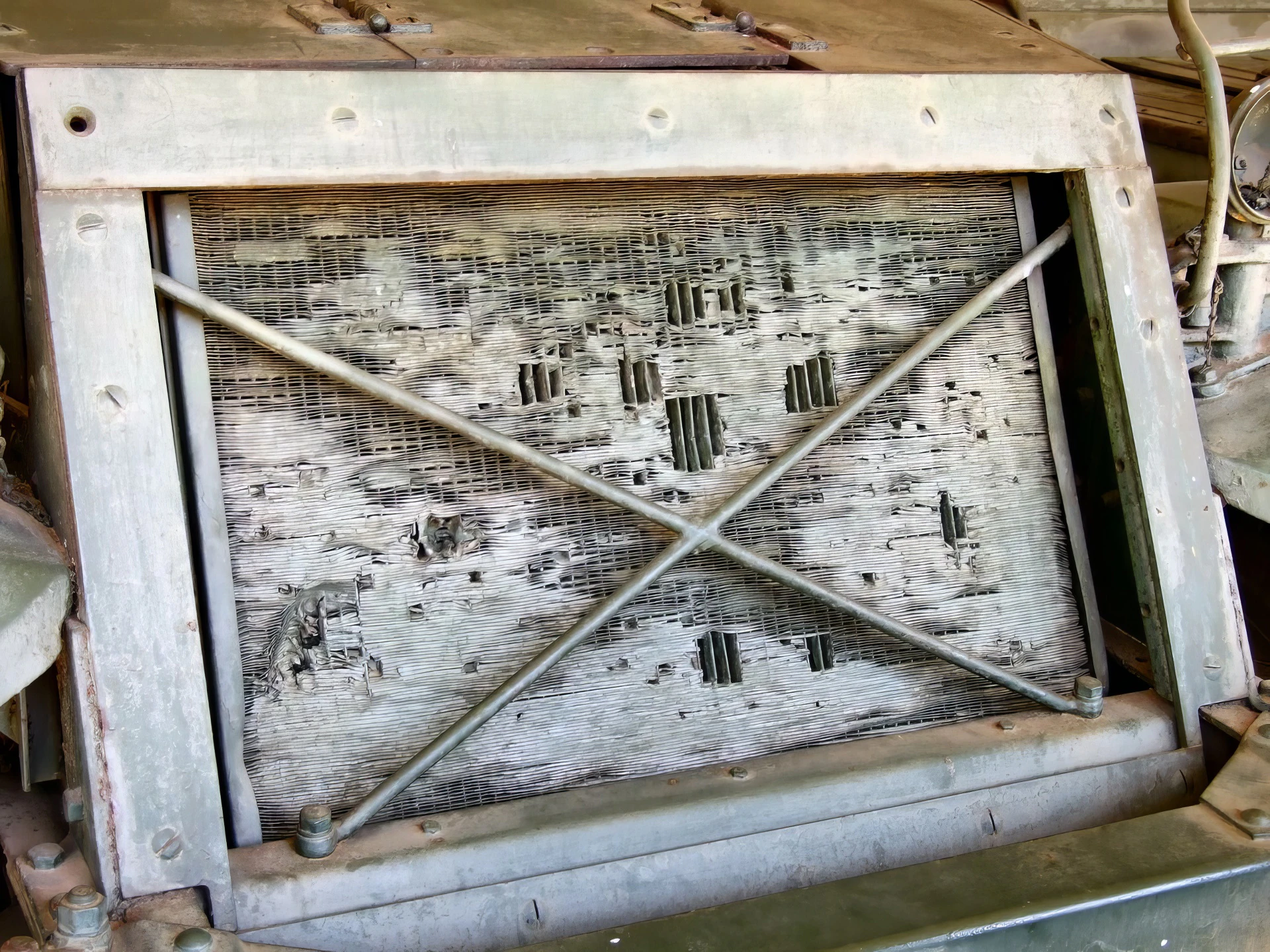
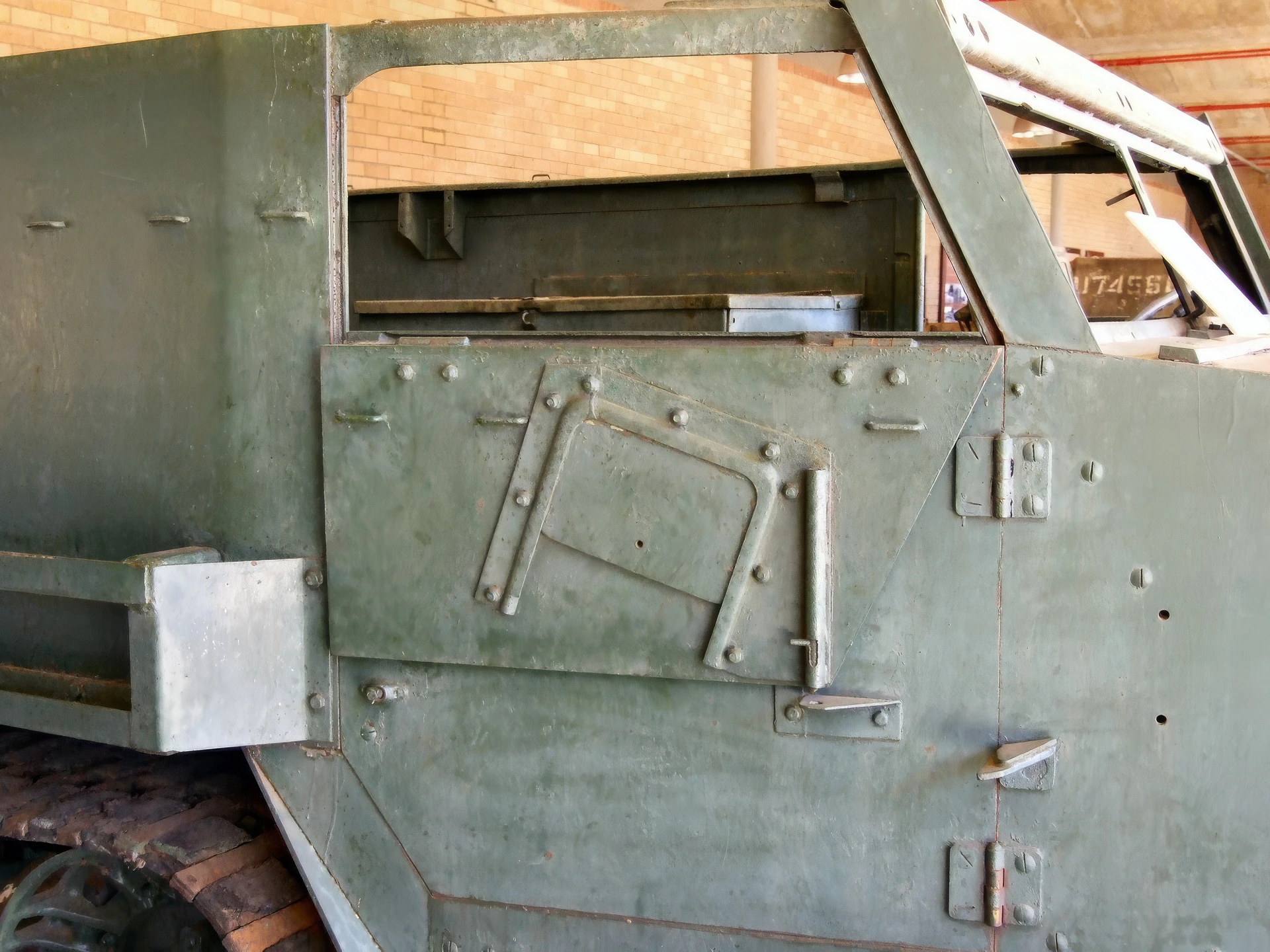
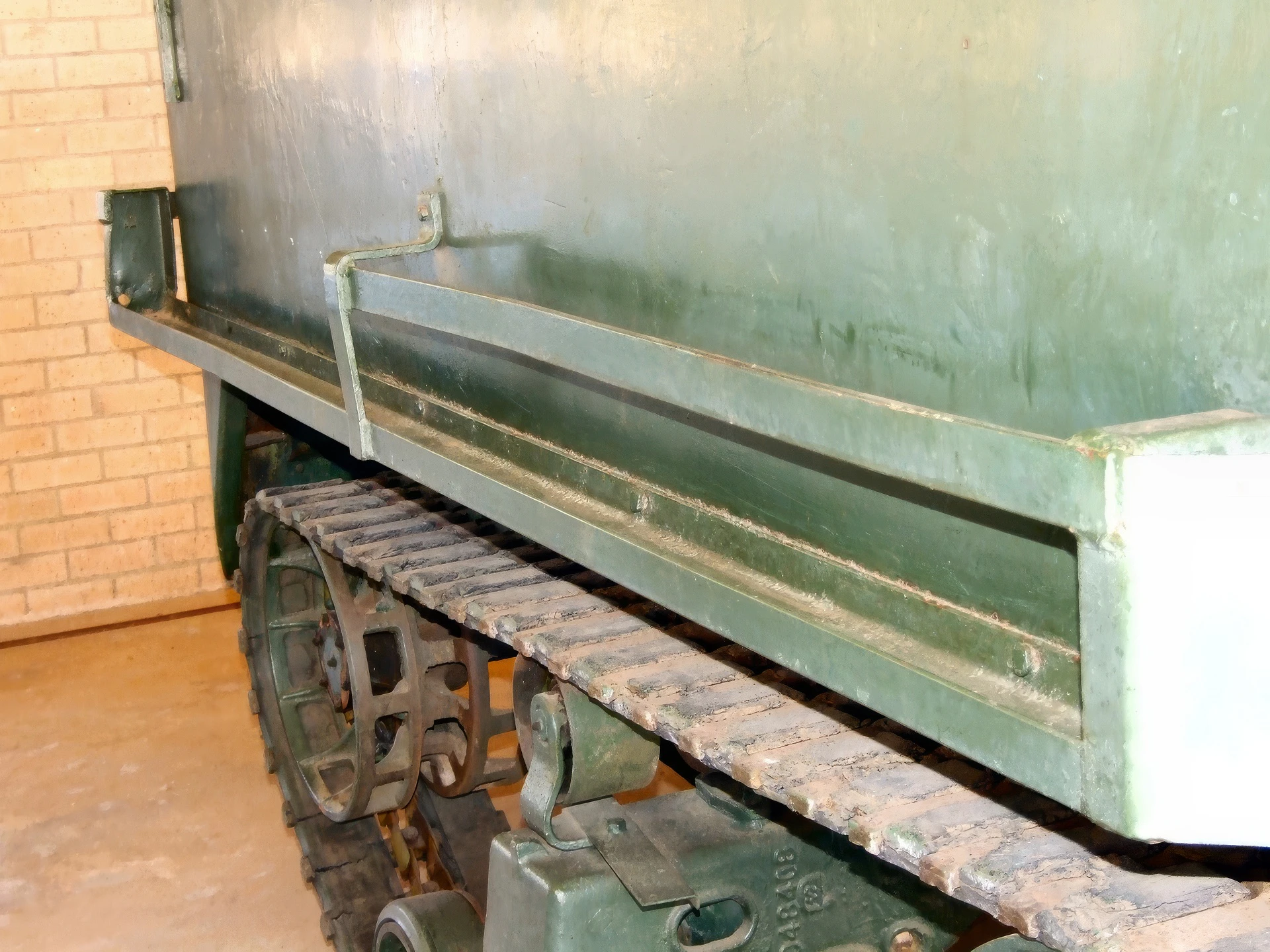
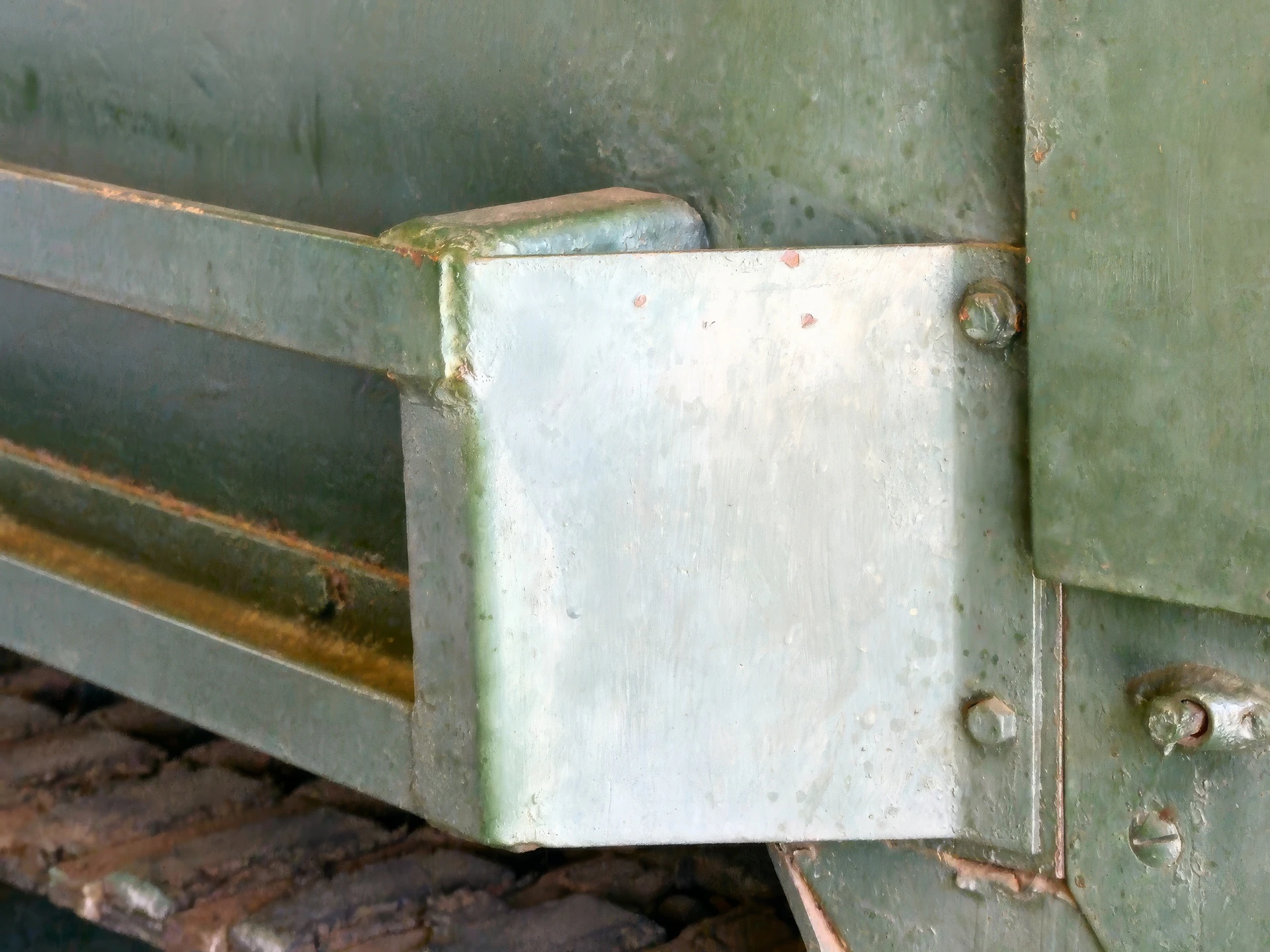
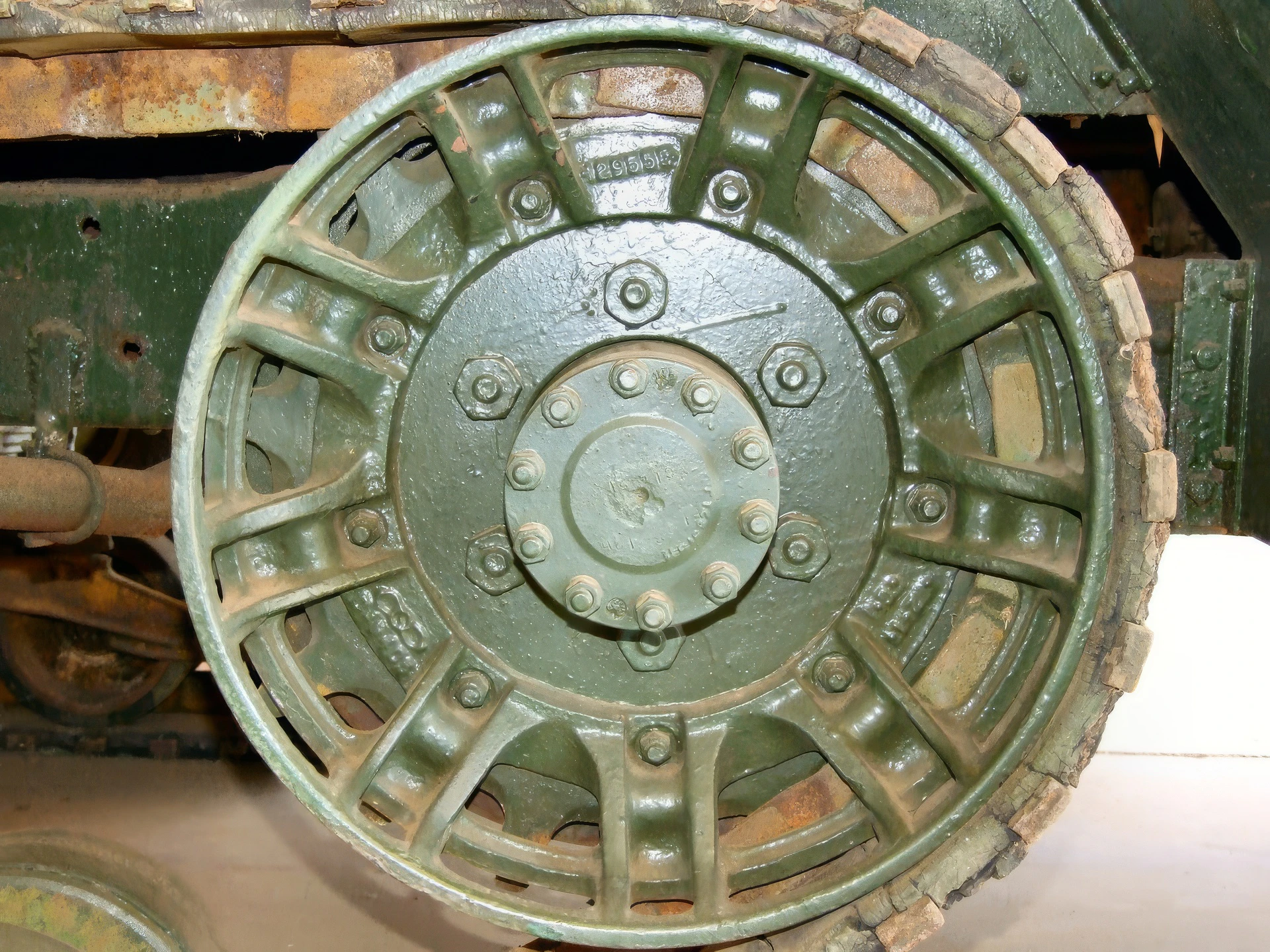
Fotogaléria M9A1 HalfTrack, M9A1 vyplýval zo skutočnosti, že White a Autocar nedokázali držať krok s dopytom po polopásových autách a bol analogický s polovičným pásom M2. M9A1 sa však líšili v niekoľkých ohľadoch od M2A1. M9A1 chýbali bočné muničné priestory, mali zadné dvere, blatníky na M9A1 boli ploché v priereze a na rozdiel od M2A1 bola karoséria M9A1 rovnako dlhá ako M5, jej náprotivok z transportéra. M9A1 tiež nikdy nemal veľké svetlomety namontované na blatníkoch. Spoločnosť International Harvester použila na svojich vozidlách valcované homogénne oceľové pancierovanie, ktoré umožňovalo zváranie dosiek, vďaka čomu mali polopásy IHC hladší vzhľad ako skrutkovacie polopásy.
Zdrojový: Afvdb

Pozri tiež:


Komisia M9A1 Half-Track Car was a variant of the M5 Half-Track produced by International Harvester (IHC) primarily for Lend-Lease to Allied nations during World War II, complementing the M2 and M3 Half-Tracks built by other manufacturers for US Army service. It served mainly as an armored personnel carrier and scout car.
Key Specifications and Features (M9A1)
| Characteristic | Detail |
|---|---|
| Úlohu | Armored Personnel Carrier (APC) / Scout Car |
| Výrobca | International Harvester (IHC) |
| Crew / Capacity | 3 Crew + 10 Troops |
| Weight (Combat) | Approx. 9.6 tonnes (21,200 lbs) |
| Engine / Speed | IHC RED-450-B 6-cyl gasoline engine (141 hp) / Max. 42 mph (68 km/h) |
| Armor | Rolled Homogeneous Steel (approx. 8–16 mm) |
| Hlavná výzbroj | 1 × .50 cal (12.7 mm) M2HB machine gun on an M49 Ring Mount |
| Sekundárna výzbroj | 1 or 2 × .30 cal (7.62 mm) M1919A4 machine guns on pintle mounts |
Design & Operational Context
The M9A1 was developed as an export version analogous to the US Army’s M2A1 Half-Track Car, but was based on the longer M5 chassis (similar length to the M3 APC). The key difference between the M9A1 and its M2/M2A1 counterparts were:
- It featured rear access doors for the troop compartment, unlike the standard M2.
- It used a different type of armor (Rolled Homogeneous Steel) which, though thicker, offered slightly less ballistic protection than the face-hardened armor on the M2/M3. This IHC armor gave it distinguishing rounded rear corners.
- It was fitted with the **M49 machine gun ring mount** over the co-driver’s seat, allowing a .50 cal machine gun 360-degree traverse, which was the key update over the base M9 model.
The M9A1 was widely supplied to Allies, particularly the French and British forces, who valued the vehicle for its role in transporting infantry squads, providing fire support, and acting as a motorized artillery prime mover during the Western Front and beyond. It was a rugged and reliable, though lightly armored, part of the Allied armored transport fleet.
Views : 3235