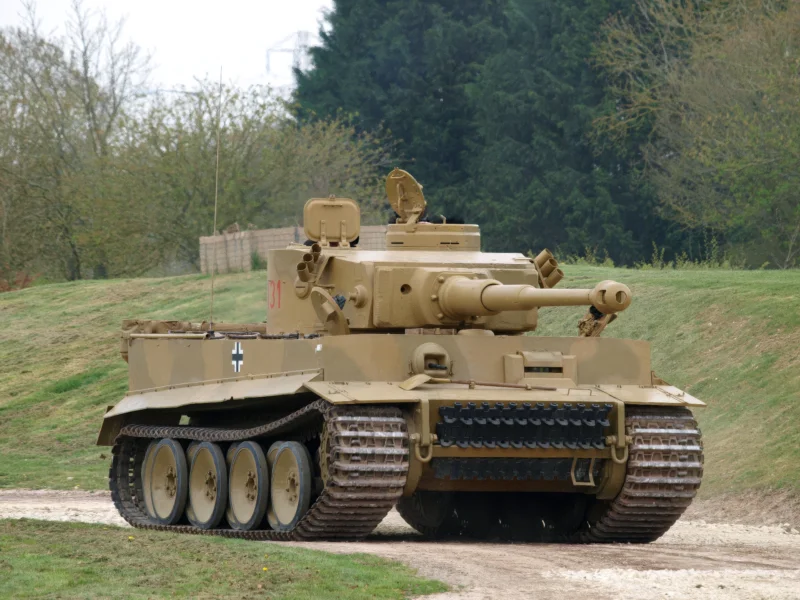
Тигр танк | |
|---|---|
| Страны | Германия |
| Тип | Тяжелый танк |
| Описание | Album of 27 photos walk-around of a «Tiger Tank» |
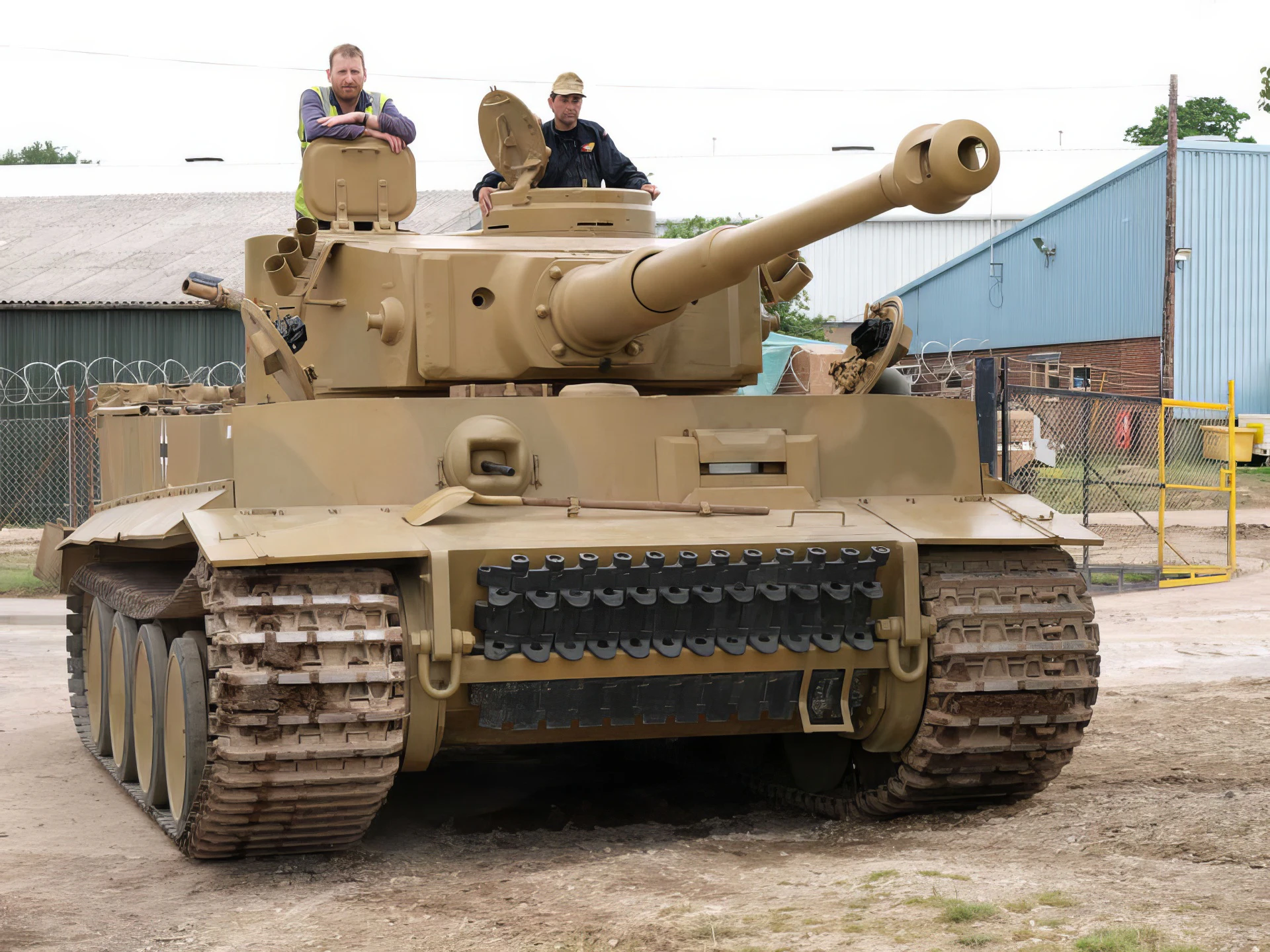
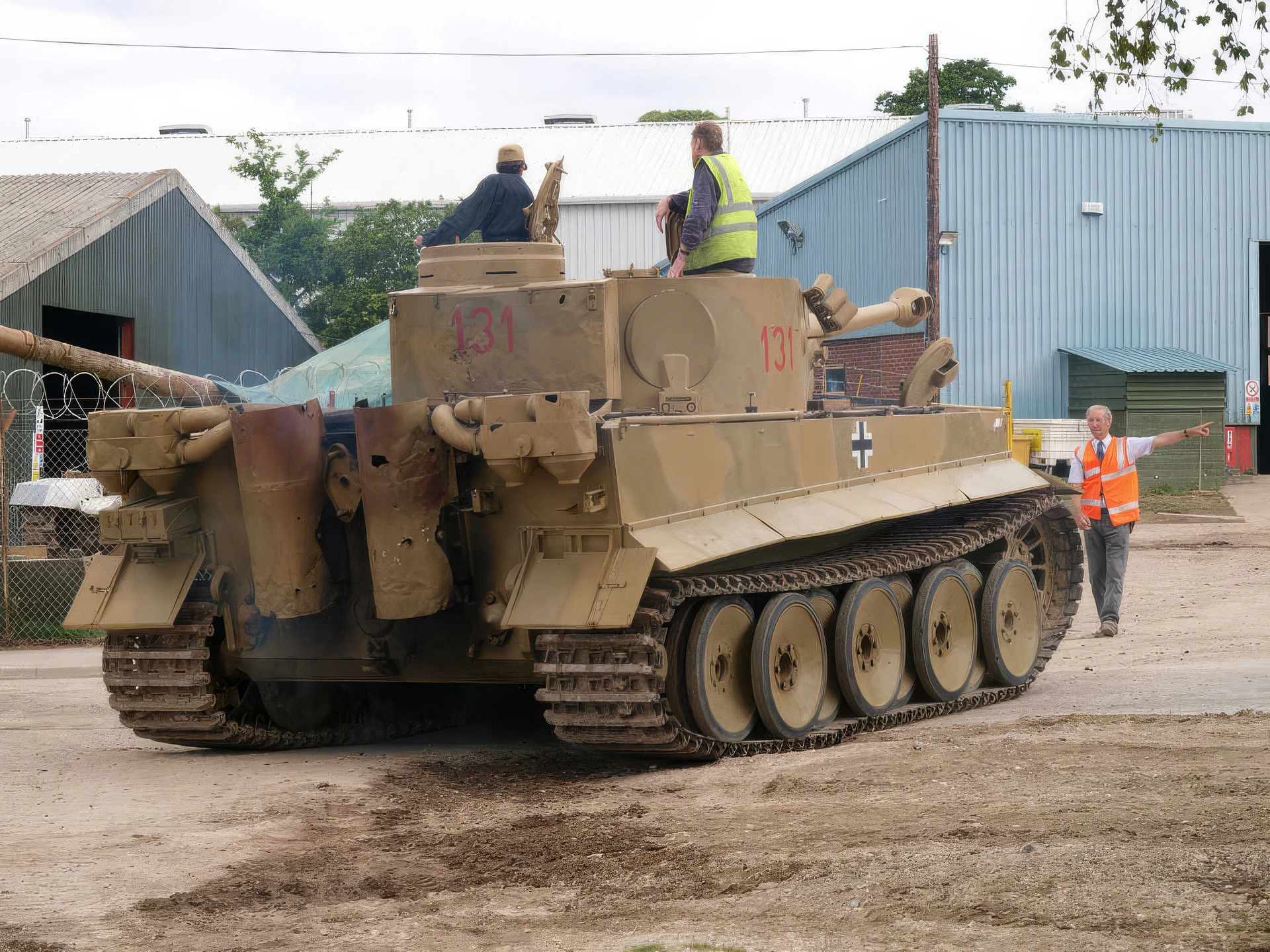
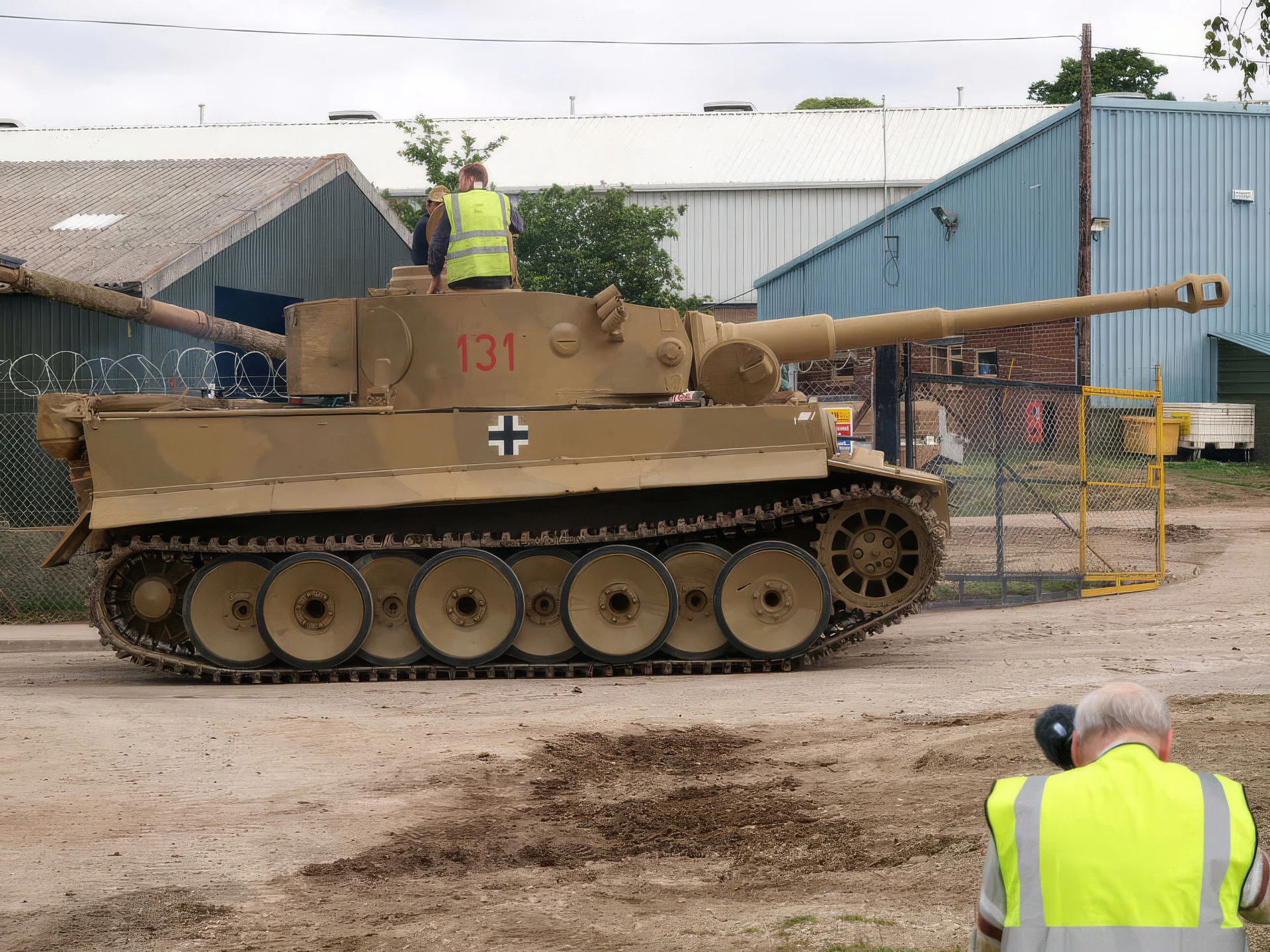
Фотогалерея тигра танк в действии, Тигр I это общее название немецкого тяжелого танка, разработанного в 1942 году и используемого во Второй мировой войне. Окончательное официальное немецкое обозначение было Panzerkampfwagen VI Тигр Ausf.E, часто сокращено до тигра. Это был ответ на неожиданно грозные советские доспехи, с которыми столкнулись в первые месяцы вторжения оси в Советский Союз, в частности Т-34 и КВ-1. Конструкция Tiger I дала вермахту свой первый танк, монтируемый 88-мм пушкой, в своей первоначальной бронированной боевой машине, выделенной версией, которая в своей версии Flak ранее продемонстрировала свою эффективность против воздушных и наземных целей. Во время войны, Тигр я видел бой на всех немецких фронтах. Обычно он был развернут в независимых танковых батальонах, которые оказались весьма грозными.
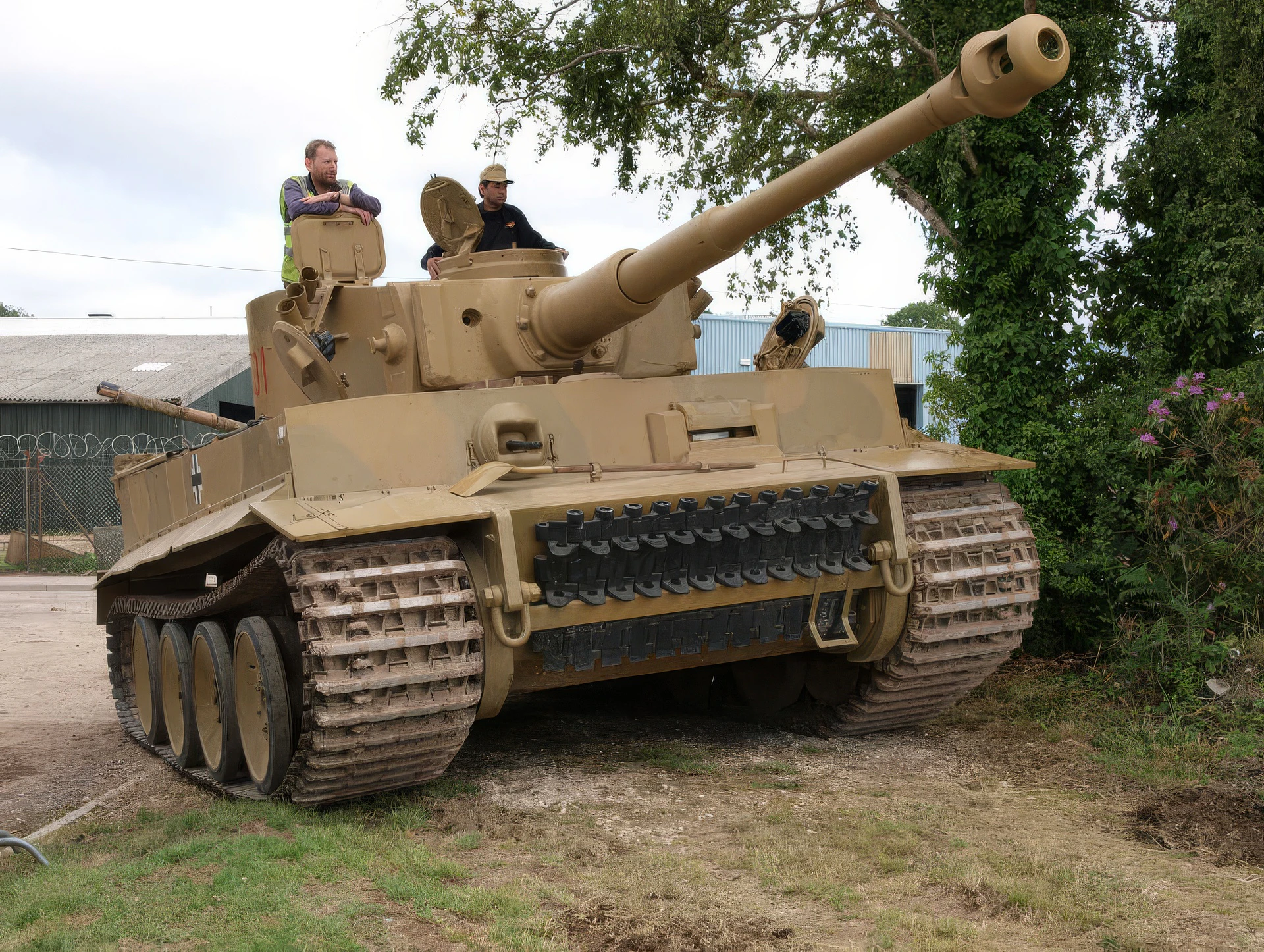
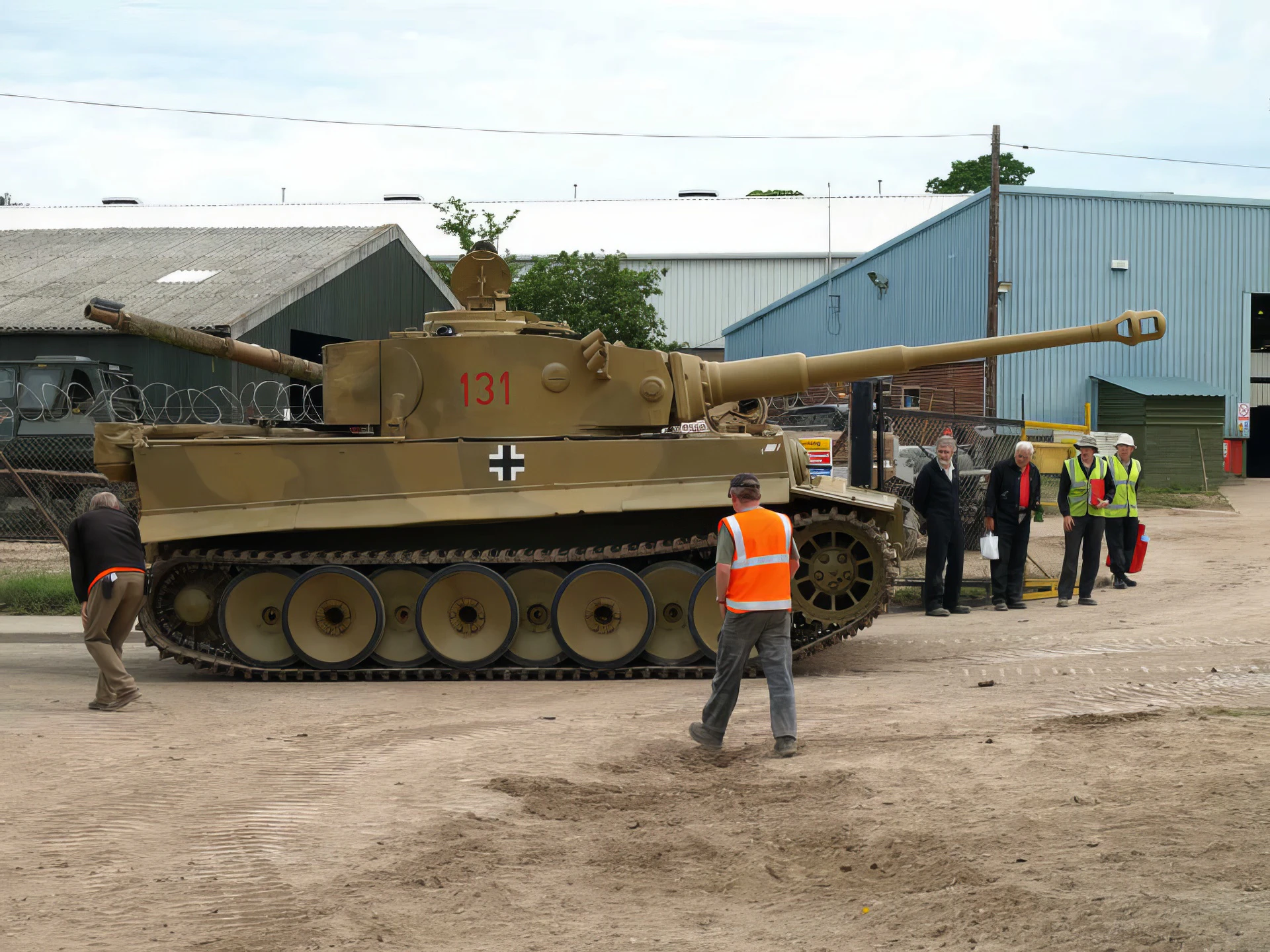
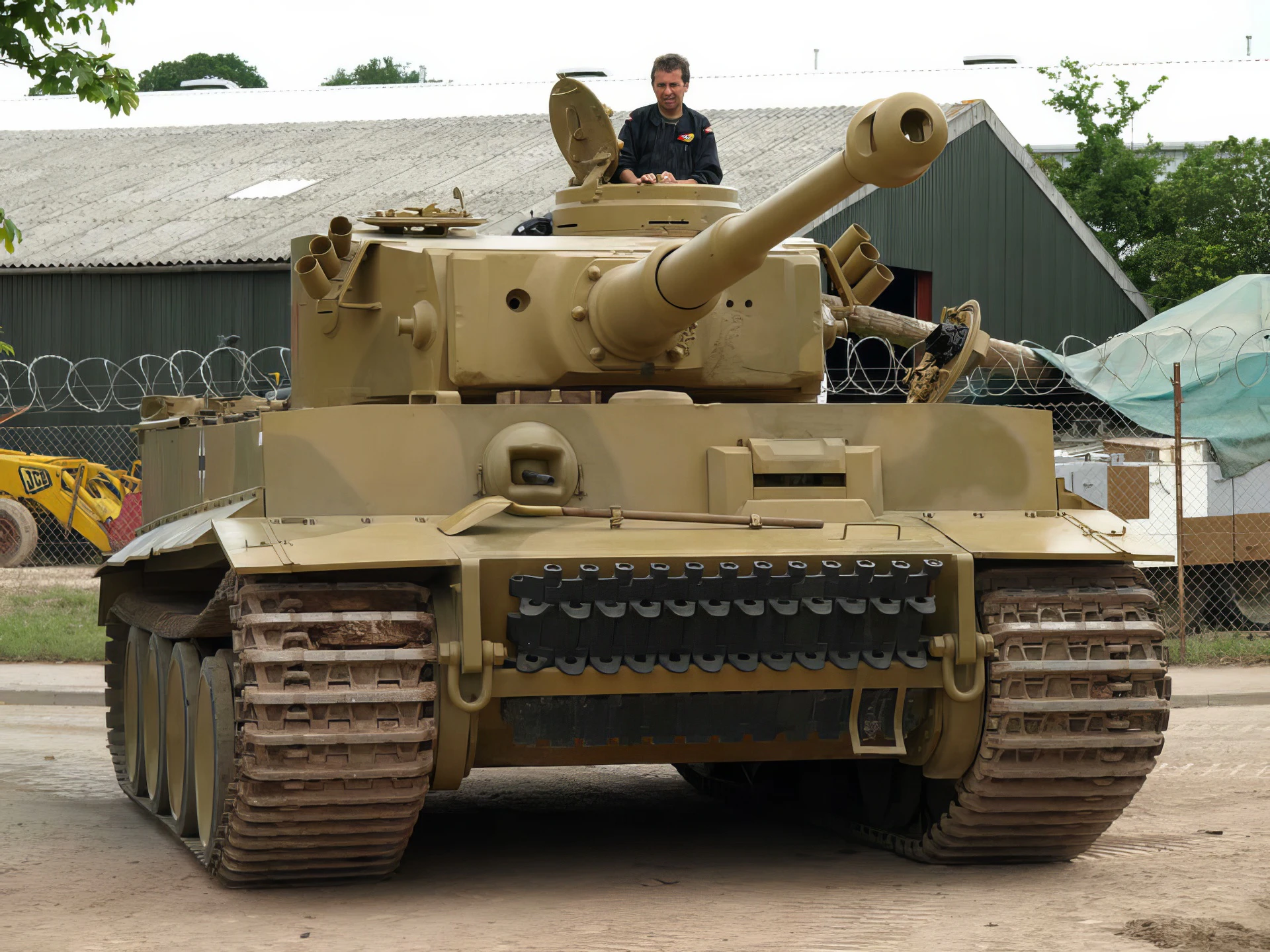
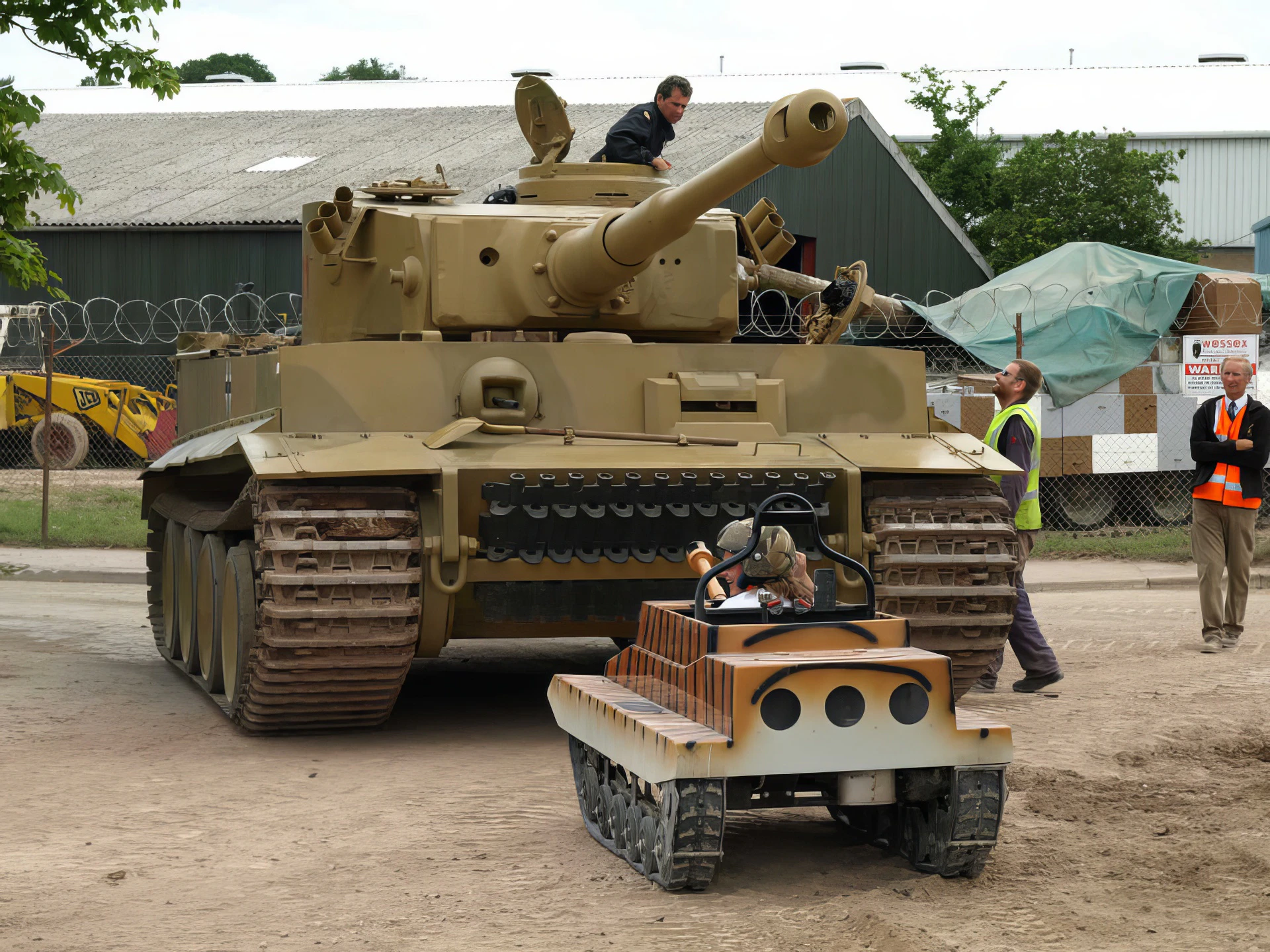
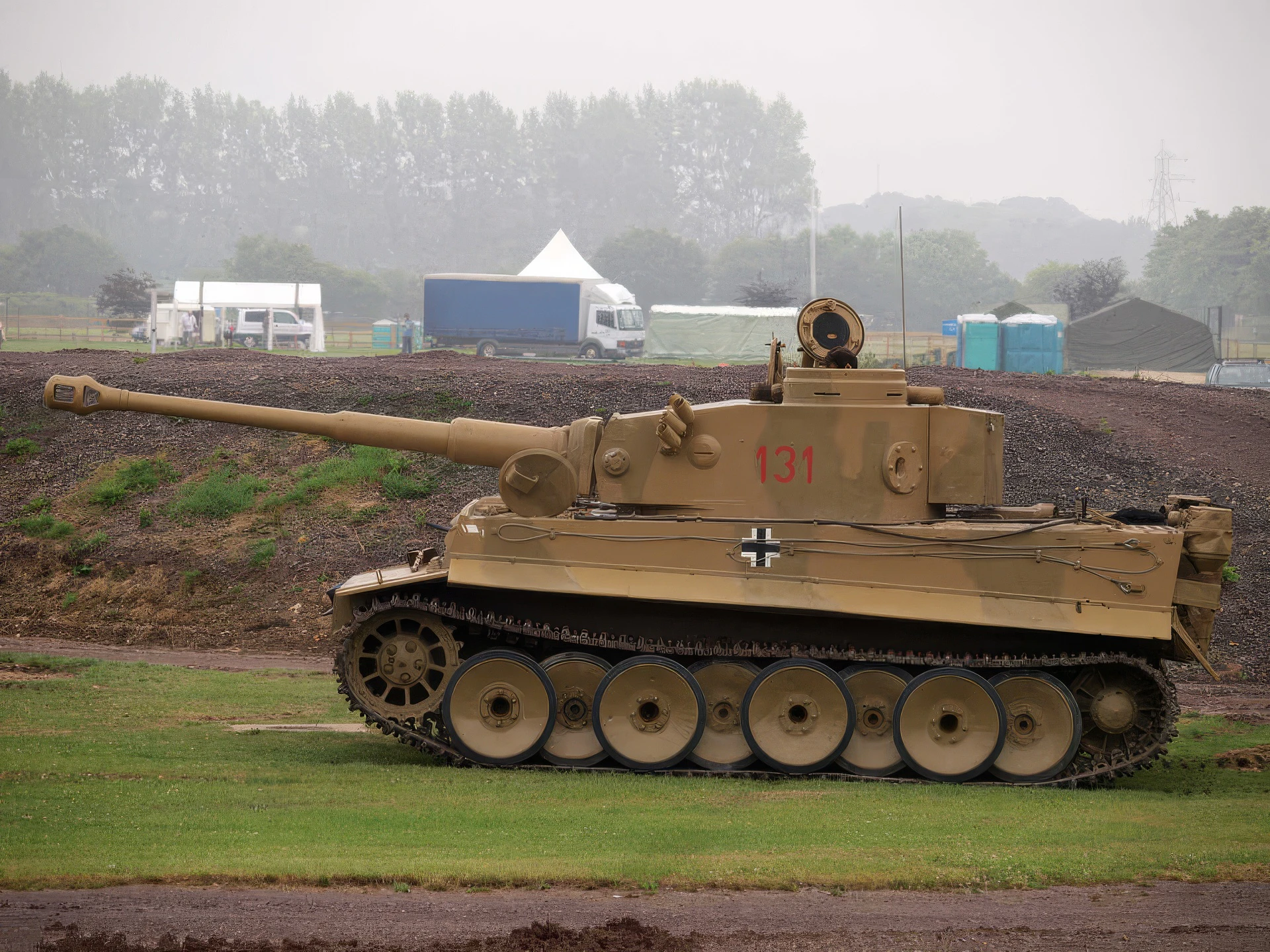
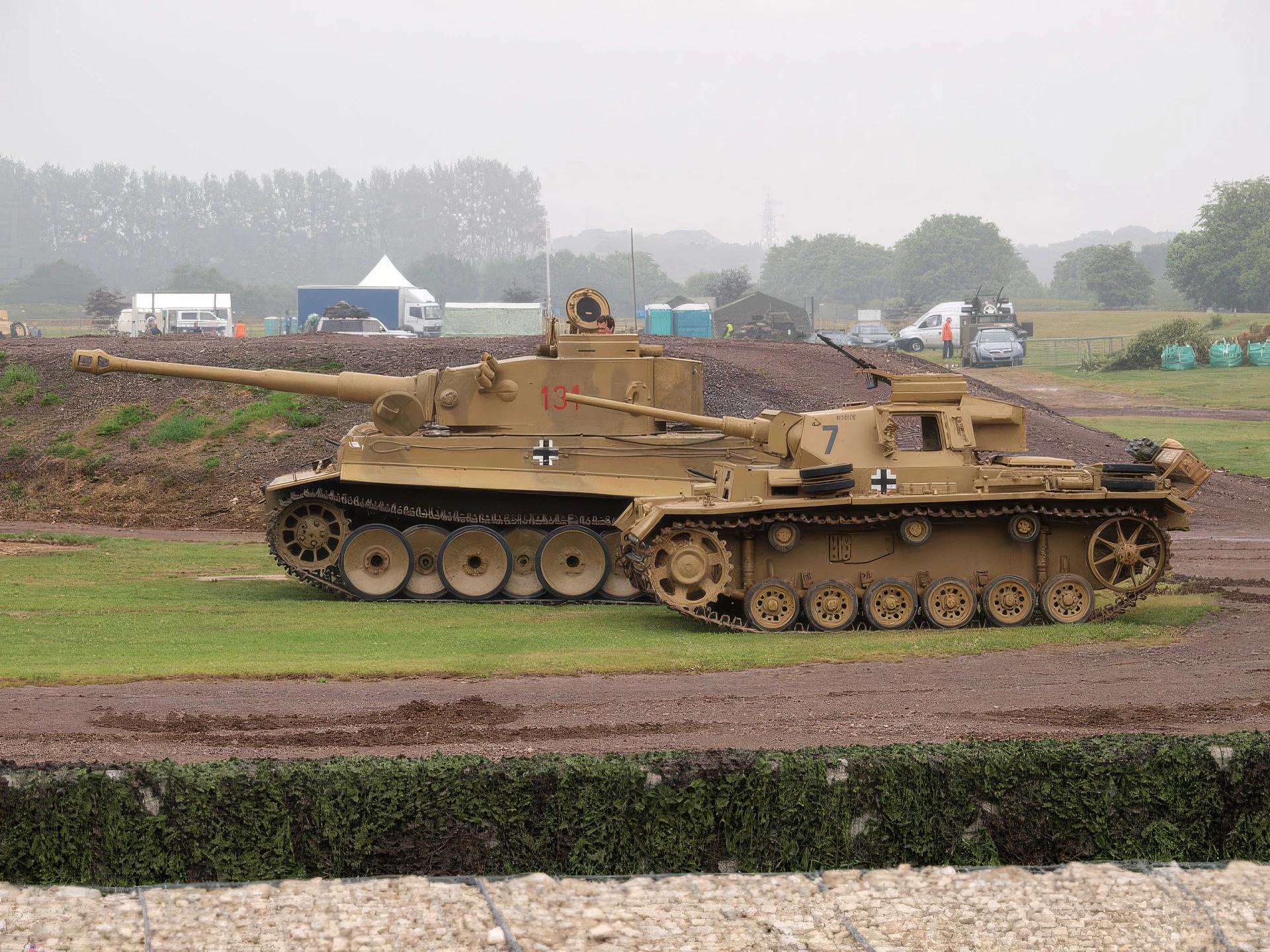

Читайте также:


Teh Panzerkampfwagen VI (Pz.Kpfw. VI), commonly known as the Тигр, was a series of German heavy tanks used during World War II. It was a formidable and revolutionary design, primarily known for its incredibly heavy armor and powerful main gun. The series includes two primary models: the Tiger I and the Tiger II.
1. Panzer VI Tiger I (Sd.Kfz. 181)
The original Tiger I was a response to the unexpectedly strong Soviet tanks encountered during the invasion of the USSR. It entered service in 1942 and quickly established a fearsome reputation.
- Роль: Heavy Tank, designed for breakthrough and long-range engagement.
- Main Armament: The devastating 88 mm KwK 36 L/56 cannon, which could penetrate most Allied tank armor at extreme distances.
- Броня: Featured very heavy, though largely flat and vertical, armor. Frontal hull armor was typically 100 mm thick, with the gun mantlet up to 200 mm. Its protection relied on sheer thickness.
- Вес: Приблизительно 57 tonnes.
- Мобильность: Powered by a 700 hp Maybach V-12 engine. Capable of speeds up to 38 to 45 km/h on roads. Its complex interleaved road wheel suspension provided good off-road performance but was mechanically demanding and maintenance-intensive.
- Экипаж: 5 (Commander, Gunner, Loader, Driver, Radio Operator).
2. Panzer VI Tiger II (Königstiger / King Tiger) (Sd.Kfz. 182)
The Tiger II, or “King Tiger,” was the successor to the Tiger I and represented an evolution in German tank design. It entered production in late 1943.
- Роль: Heavy Tank.
- Main Armament: The superior 88 mm KwK 43 L/71 cannon. This longer-barreled gun significantly increased muzzle velocity and anti-tank performance.
- Броня: Combined the sheer thickness of the Tiger series with sloped armor. The frontal hull plate was 150 mm thick and angled at 50, making it virtually impervious to most Allied tank guns from the front.
- Вес: Почти 68.5 tonnes, making it the heaviest tank used by Germany during the war.
- Drawbacks: Its extreme weight severely strained its powertrain, leading to significant mechanical reliability issues and placing a massive burden on German logistics and manufacturing.
Views : 9238
Вы также можете увидеть:
 TOG2 – Фото и видео
 Танк P26/40 – Фото и Видео
 Сверхтяжелый танк Т-28 – фото и видео
 Вождь танк - Прогулка вокруг
 Pz.Kpfw. VI Тигр I - HOBBY BOSS 82601
 PzKpfw VIH Тигр - Прогулка вокруг
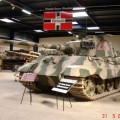 Тигр II - Кёнигстигер vol3 - Прогулка вокруг
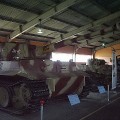 Тигр I - Прогулка вокруг
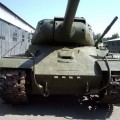 JS2-M - Прогулка вокруг
 Panzerkampfwagen VI - TIGER - Sdkfz.181 - Военное издательство 074