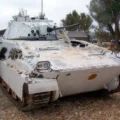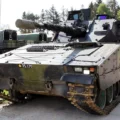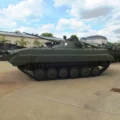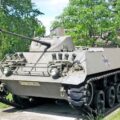
Veículo blindado blindado warrior rastreado | |
| País | Reino unido |
| Tipo | Veículo blindado |
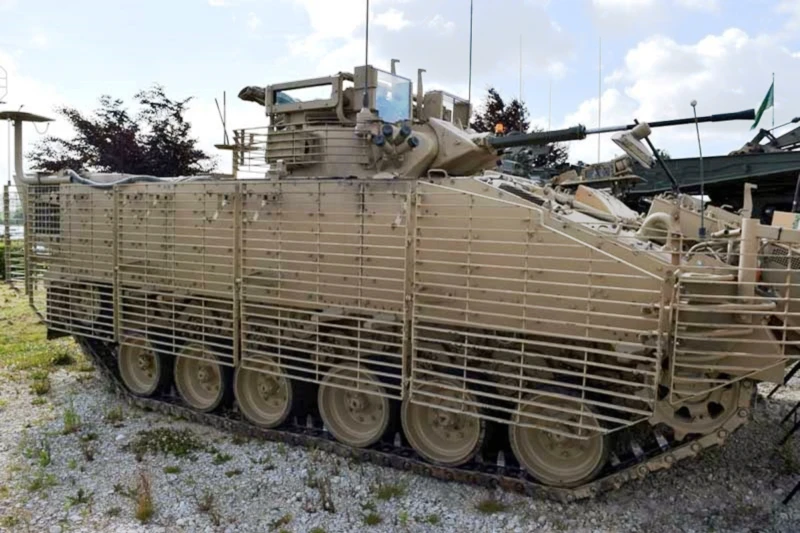
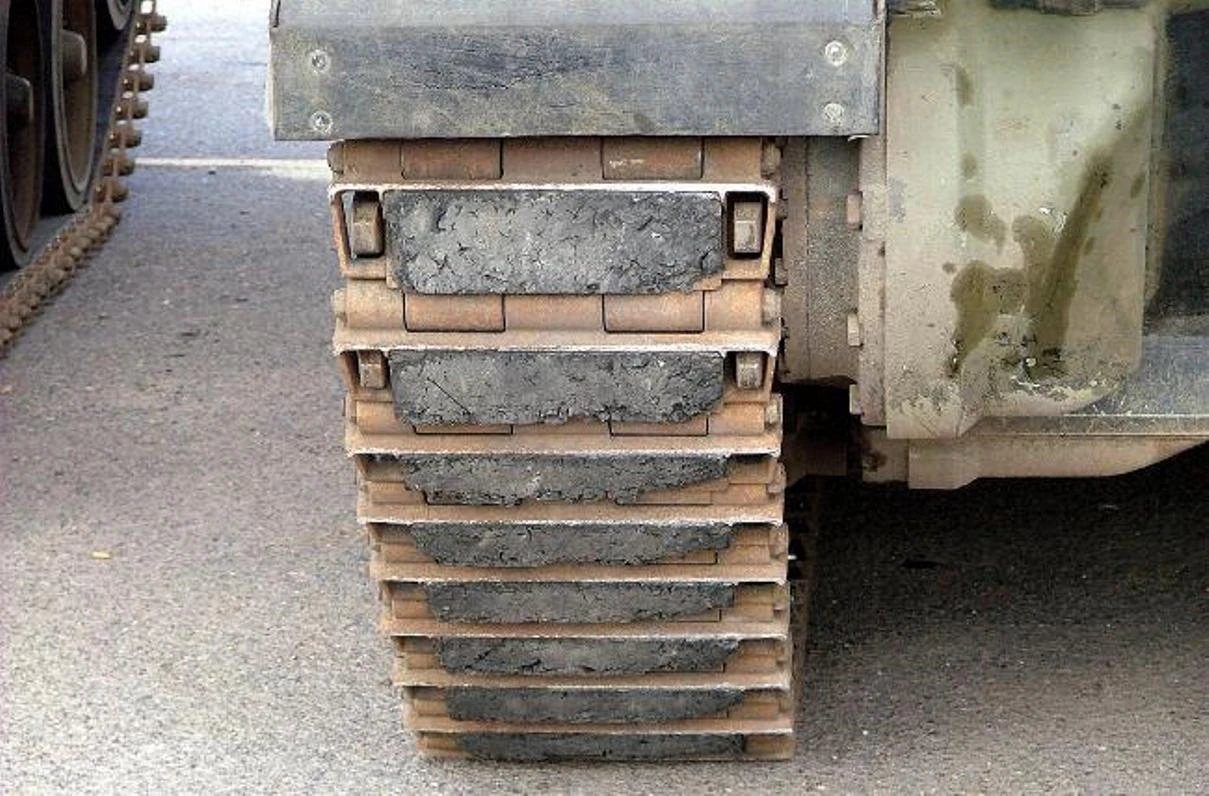
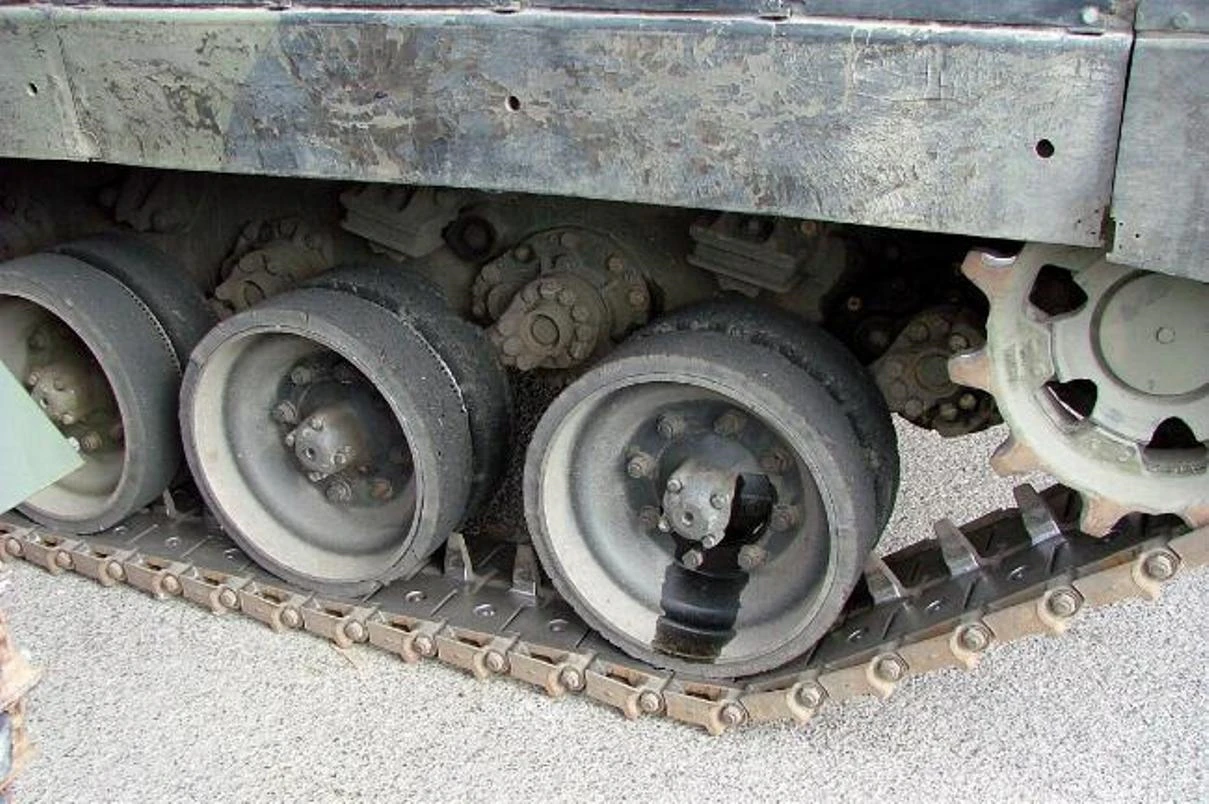
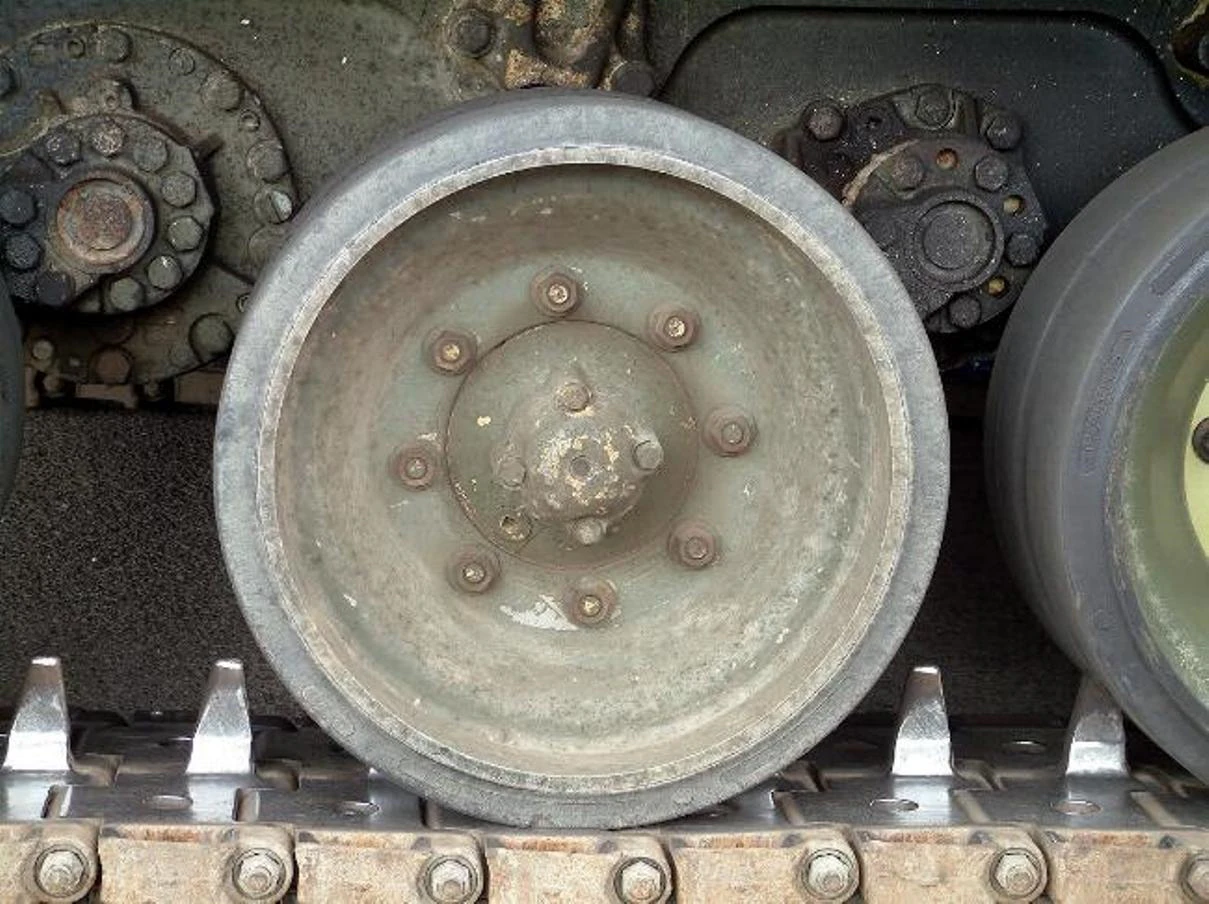
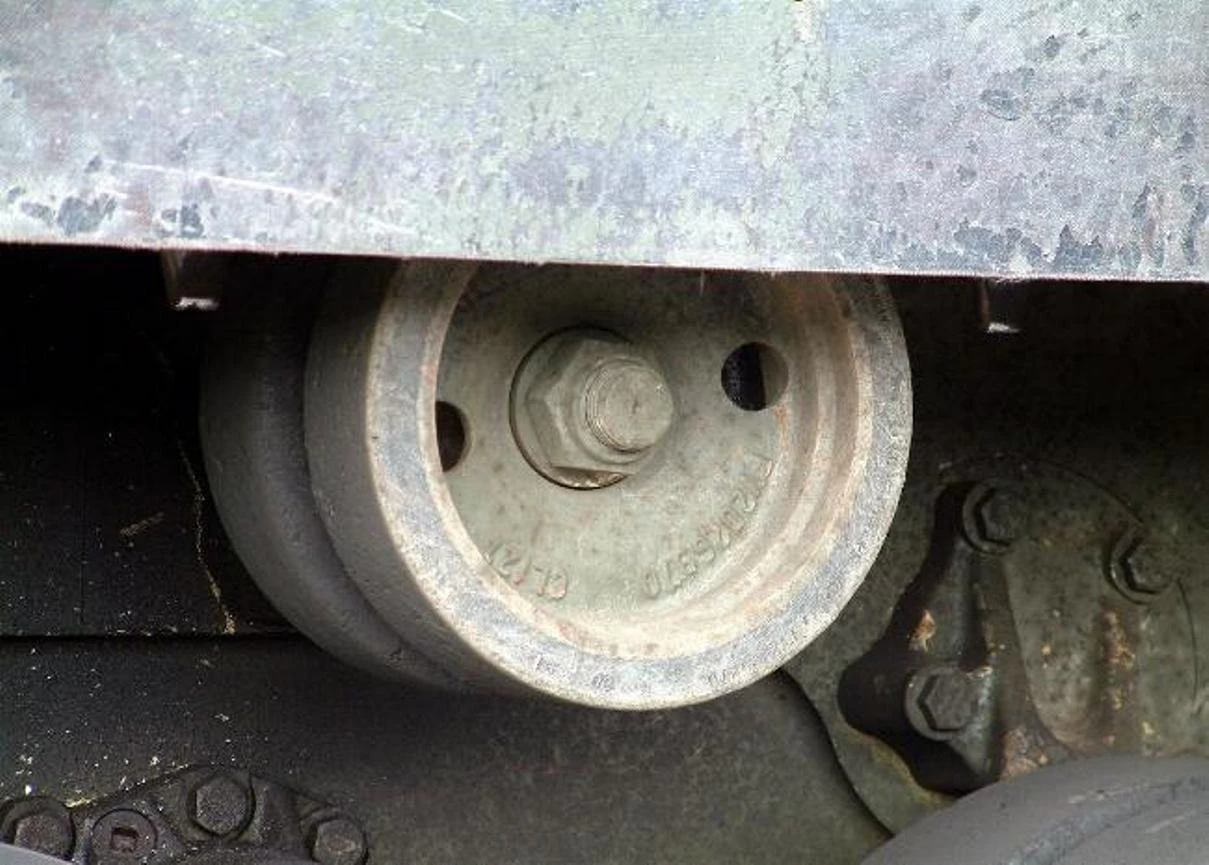
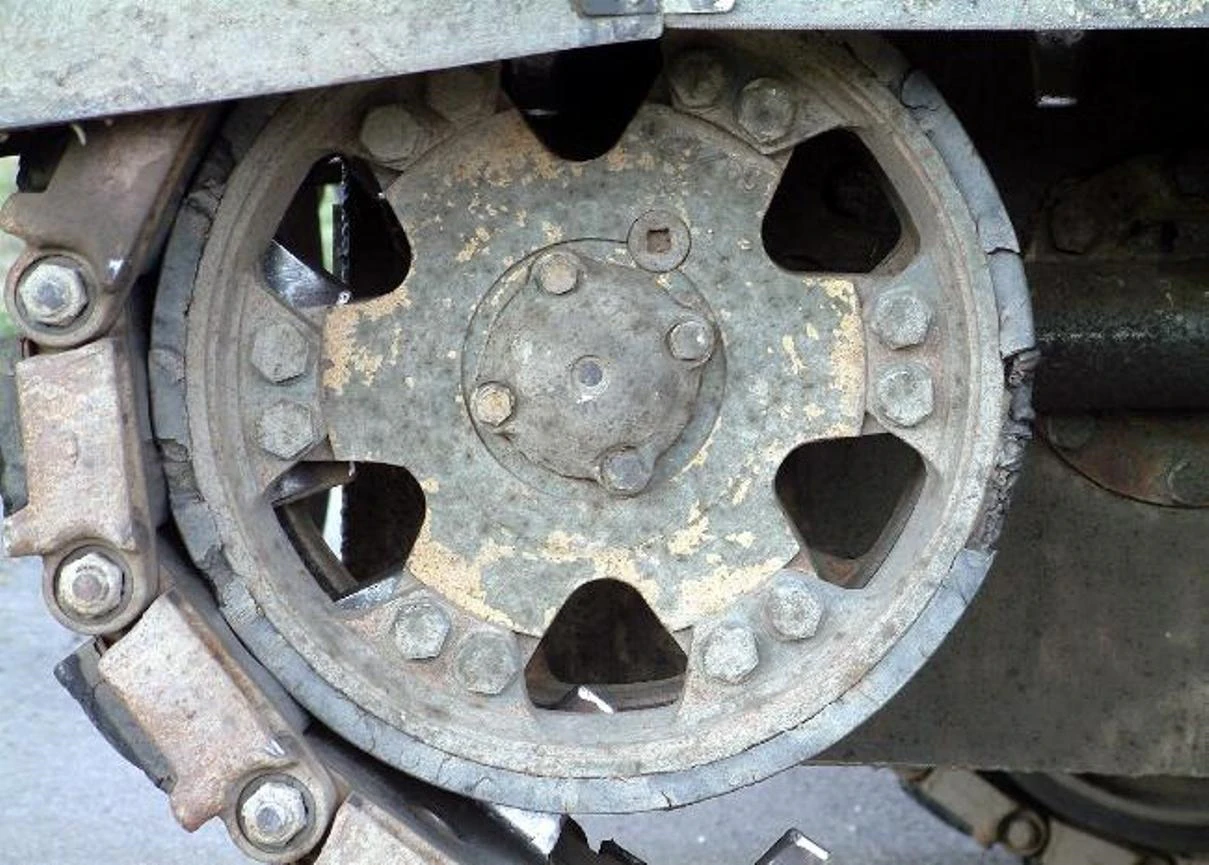
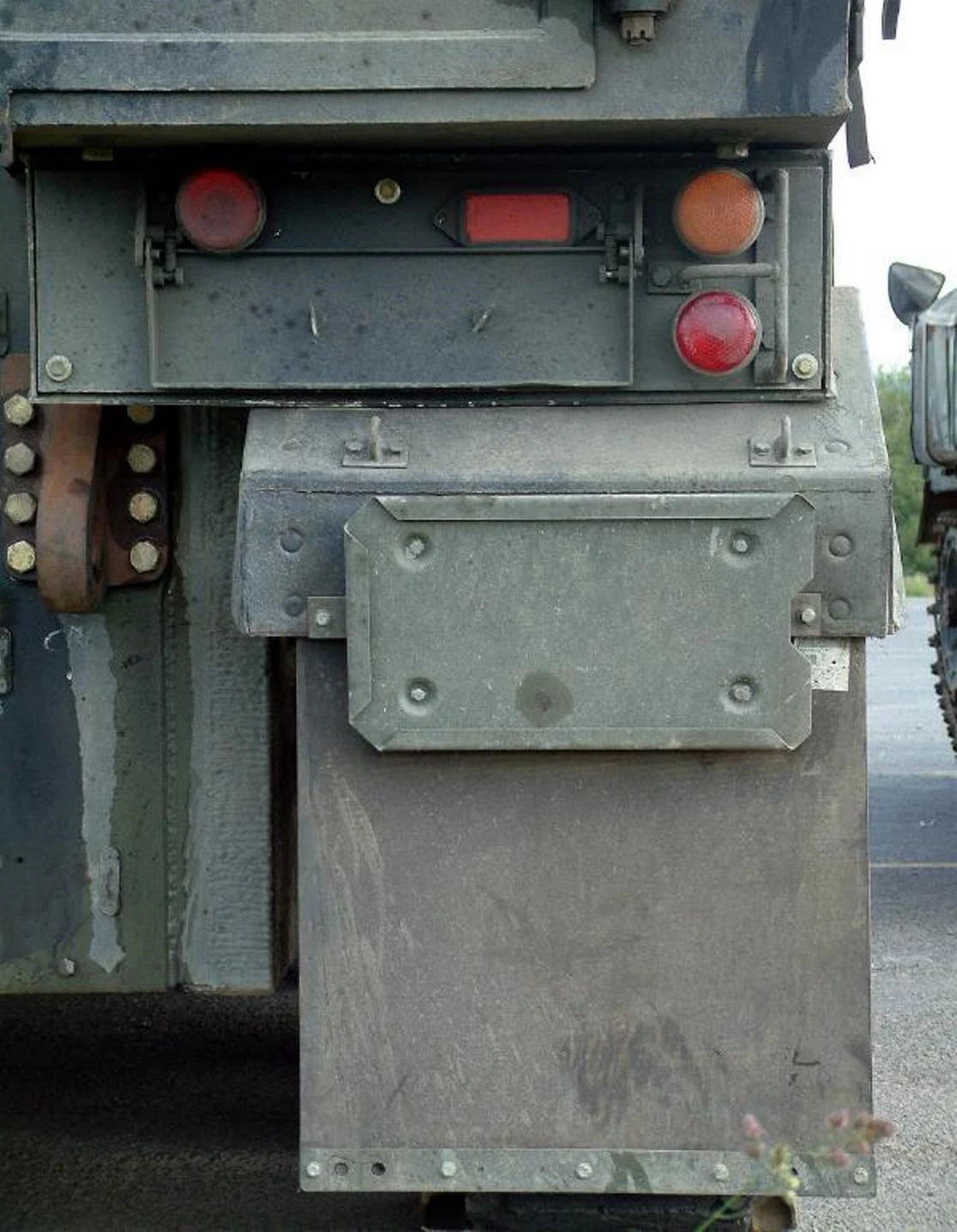
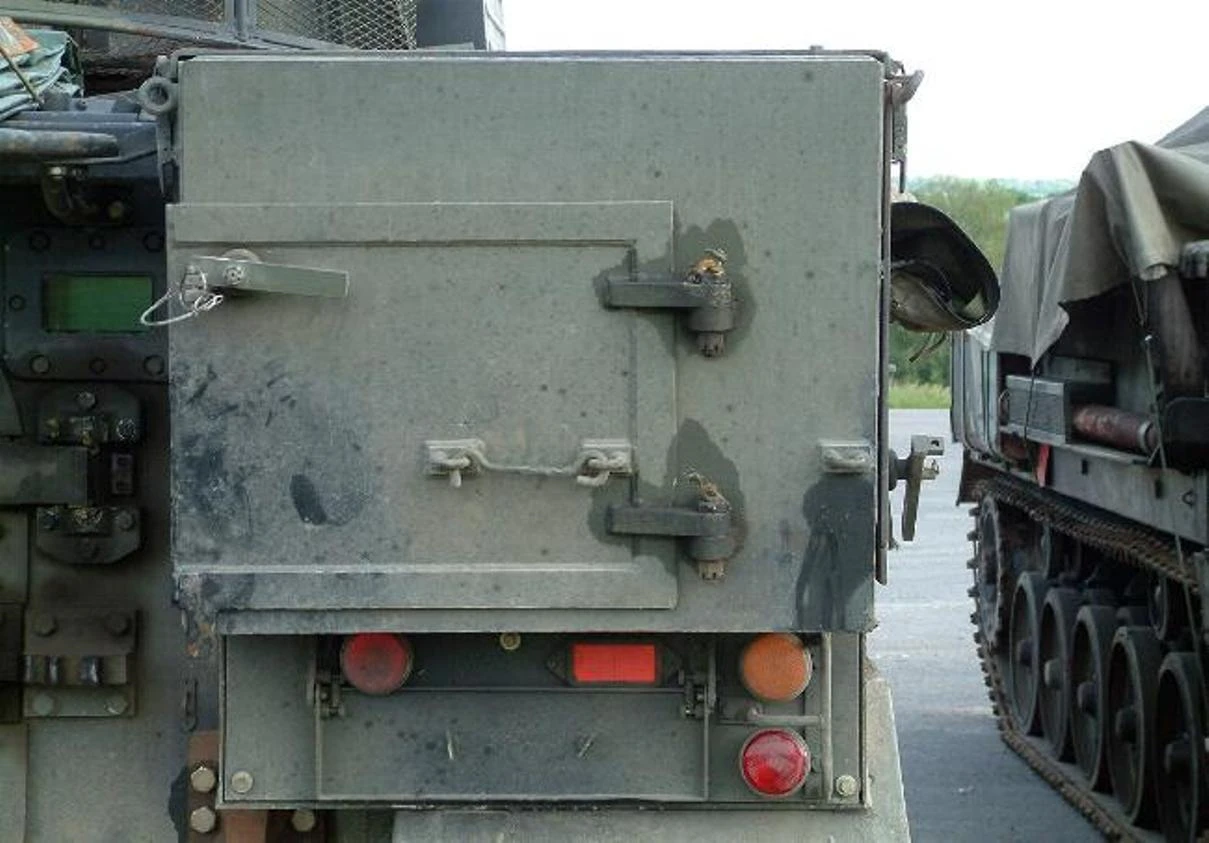
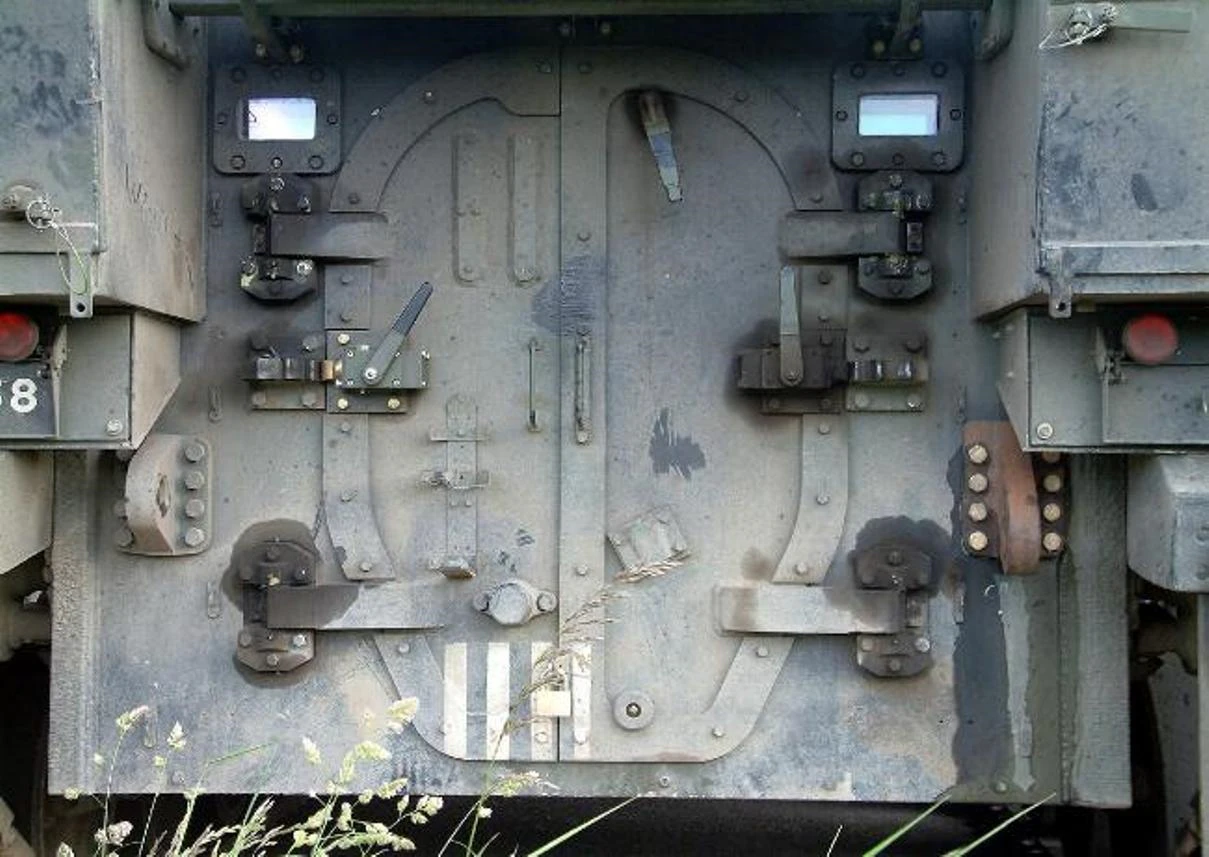
Galeria de fotos de um Veículo blindado blindado warrior rastreado, The Warrior tracked vehicle family is a series of British armoured vehicles, originally developed to replace the older FV430 series of armoured vehicles. The Warrior started life as the MCV-80 project that was first broached in the 1970s, GKN Sankey/Defence winning the production contract in 1980. GKN Defence was subsequently purchased by BAE Systems (via Alvis plc). A total of 789 FV510 and variants were manufactured for the British Army, and 254 of a modified version (Desert Warrior) were produced for the Kuwaiti Army.
| Warrior tracked armoured vehicle – WalkAround | |
|---|---|
| Fotógrafo | Unknow |
| Localização | Desconhecido |
| Fotos | 54 |

| Especificações | |
|---|---|
| desenhista | GKN Sankey / GKN Defesa |
| Fabricante | Sistemas GKN Sankey/BAe |
| Número construído | 1,000+ |
| peso | 25,4 toneladas |
| comprimento | 6,3 milh |
| Largura | 3.03 milh |
| altura | 2,8 m |
| tripulação | 3 (comandante, artilheiro, motorista) + 7 tropas |
 Compre-me um café
| Warrior 510 Walk Around | |
|---|---|
| Fotógrafo | Darren Baker |
| Localização | Desconhecido |
| Fotos | 106 |
Veja também:


The Rugged Infantry Fighting Vehicle
O FV510 Warrior entered service in 1988 as the British Army’s answer to the need for a fast, armored, and heavily armed Infantry Fighting Vehicle (IFV). Designed to keep pace with the Challenger 1 main battle tank, the Warrior replaced the aging FV432 series. Unlike its American counterpart, the Bradley, the Warrior was built without a massive anti-tank missile launcher, focusing instead on carrying seven fully-equipped soldiers into the heart of the fight while providing suppressive fire with its 30mm RARDEN cannon. It is renowned for its reliability and its ability to be “up-armored” for modern asymmetric warfare.
| Attribute | Technical Specification (Standard FV510) |
|---|---|
| Papel | Infantry Fighting Vehicle (IFV) |
| tripulação | 3 (Commander, Gunner, Driver) + 7 Soldiers |
| Missa | 25.4 tonnes (Standard) / Up to 30 tonnes (Up-armored) |
| Usina | 1 × Perkins CV8 TCR V8 Diesel |
| Horsepower | 550 hp (410 kW) |
| Maximum Speed | 75 km/h (46 mph) |
| Main Armament | 30mm L21A1 RARDEN cannon (Clip-fed) |
| Secondary Armament | 7.62mm L94A1 Chain Gun (Coaxial) |
Design Engineering: The Non-Stabilized RARDEN
- The RARDEN Cannon: The 30mm L21A1 RARDEN is a unique weapon. Unlike the high-speed chain guns used by many nations, the RARDEN is clip-fed (3 rounds per clip) and specifically designed for high accuracy and long-range penetration. However, the original Warrior lacks gun stabilization, meaning it usually has to stop to fire accurately.
- The Perkins CV8: Powering the Warrior is a turbocharged V8 diesel engine that provides the high torque needed to traverse deep mud and steep gradients. Its position in the front right of the hull provides extra protection for the driver and crew.
- TES (Theatre Entry Standard): In response to the threat of RPGs and IEDs in Iraq and Afghanistan, Warriors were fitted with “Wrap Two” and “TES” armor kits. These include heavy appliqué plates, slat armor (cage armor) to pre-detonate shaped charges, and sophisticated electronic jamming equipment.
- Hydrogas Suspension: To provide a stable ride for the infantry in the back, the Warrior uses a hydrogas suspension system. This allows the vehicle to maintain high speeds over broken ground without exhausting the soldiers inside before they reach the objective.
Combat History: From the Gulf to the Balkan Mountains
- Operation Granby (1991): During the First Gulf War, the Warrior proved its mettle by successfully engaging Iraqi APCs and even some older tanks. The vehicle’s speed and reliability in the desert environment were highly praised.
- Peacekeeping in Bosnia: Painted in stark white UN colors, the Warrior became a symbol of British presence in the Balkans. Its thick armor provided vital protection against sniper fire and mines during aid convoys.
- The “Warrior Capability Sustainment Programme” (WCSP): For years, the UK attempted to upgrade the Warrior with a new 40mm cased telescoped cannon and full stabilization. However, the program was eventually cancelled in 2021 in favor of the upcoming Boxer wheeled vehicle and Ajax scout vehicle.
- Survival Record: The Warrior has one of the best crew-protection records in the British Army. Numerous vehicles have survived massive IED blasts that would have completely destroyed lighter personnel carriers.
Views : 4809