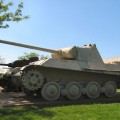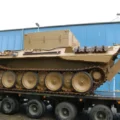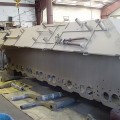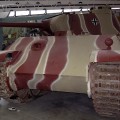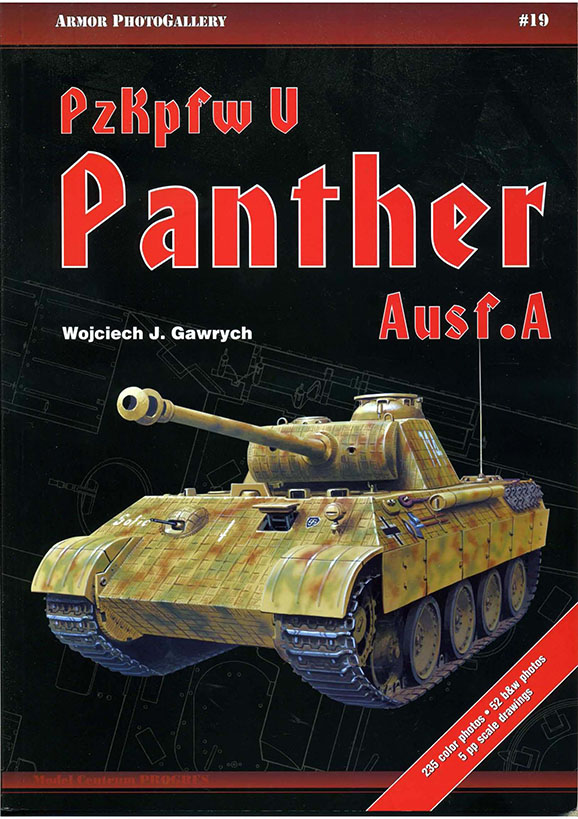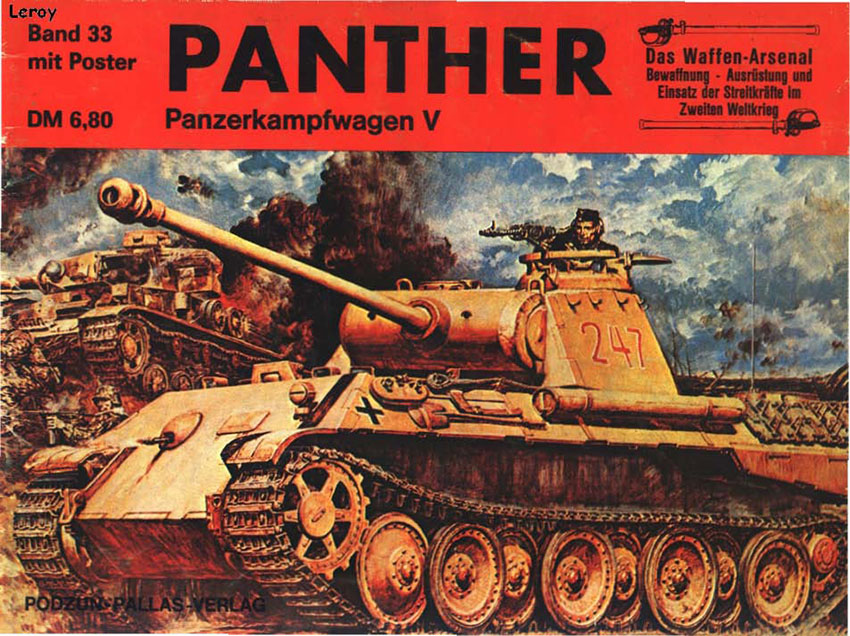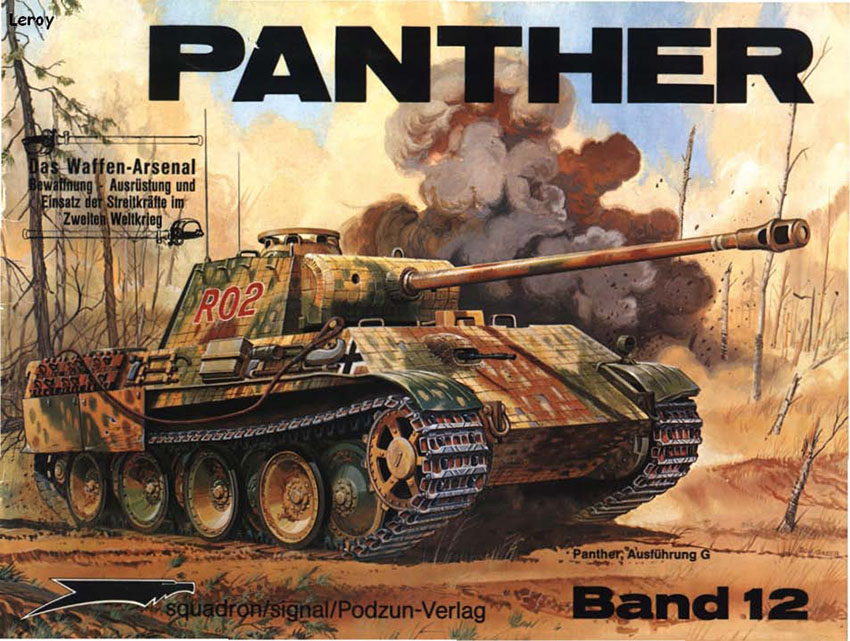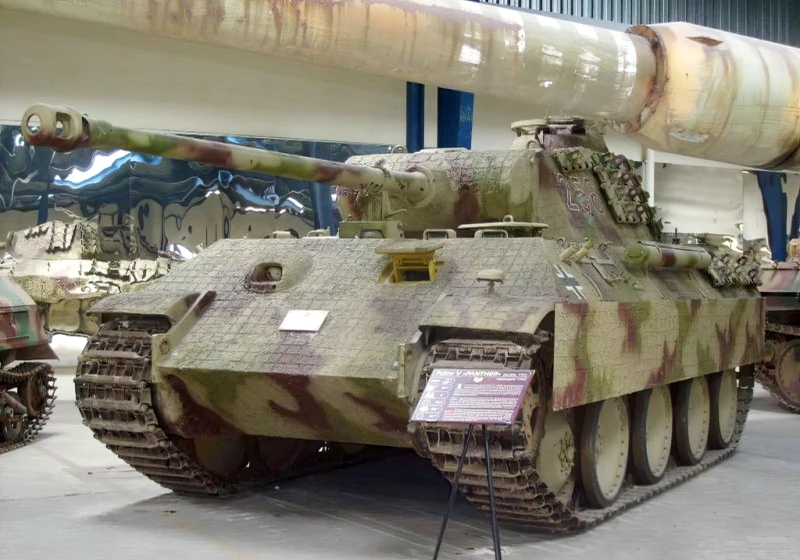
PzKpfw V ausf. A - Pantera | |
|---|---|
| Płaci | Niemcy |
| Kategorii | Pojazdy opancerzone |
| Typu | Samochód |
Tthe Panther SdKfz 171 Panzer V Był niemieckim czołgiem podczas II wojny światowej. Po raz pierwszy zaangażował się w bitwie pod Kurskiem w 1943 roku. Zaprojektowany, aby zastąpić przestarzały pzkszt III i IV i stanąć do radzieckiego T-34, musiał być używany oprócz swoich poprzedników, aby zrekompensować jego niedobór personelu.
Głównym uzbrojeniem Panther był długi 75mm Kwk 42 75mm 70 kalibru długości, odpowiednik mocy tiger i zbiornika. Przewiózł 79 pocisków i był wyposażony w koncentryczny karabin maszynowy MG34, drugi karabin maszynowy skrzyni z przodu i trzecią maszynę do obrony powietrznej na wieży.
Źródła: PzKpfw V ausf. A na Wikipedii
| PzKpfw V ausf.A | |
|---|---|
| Fotograf | Niewiedzy |
| Lokalizacja | Niewiedzy |
| Zdjęcia | 54 |
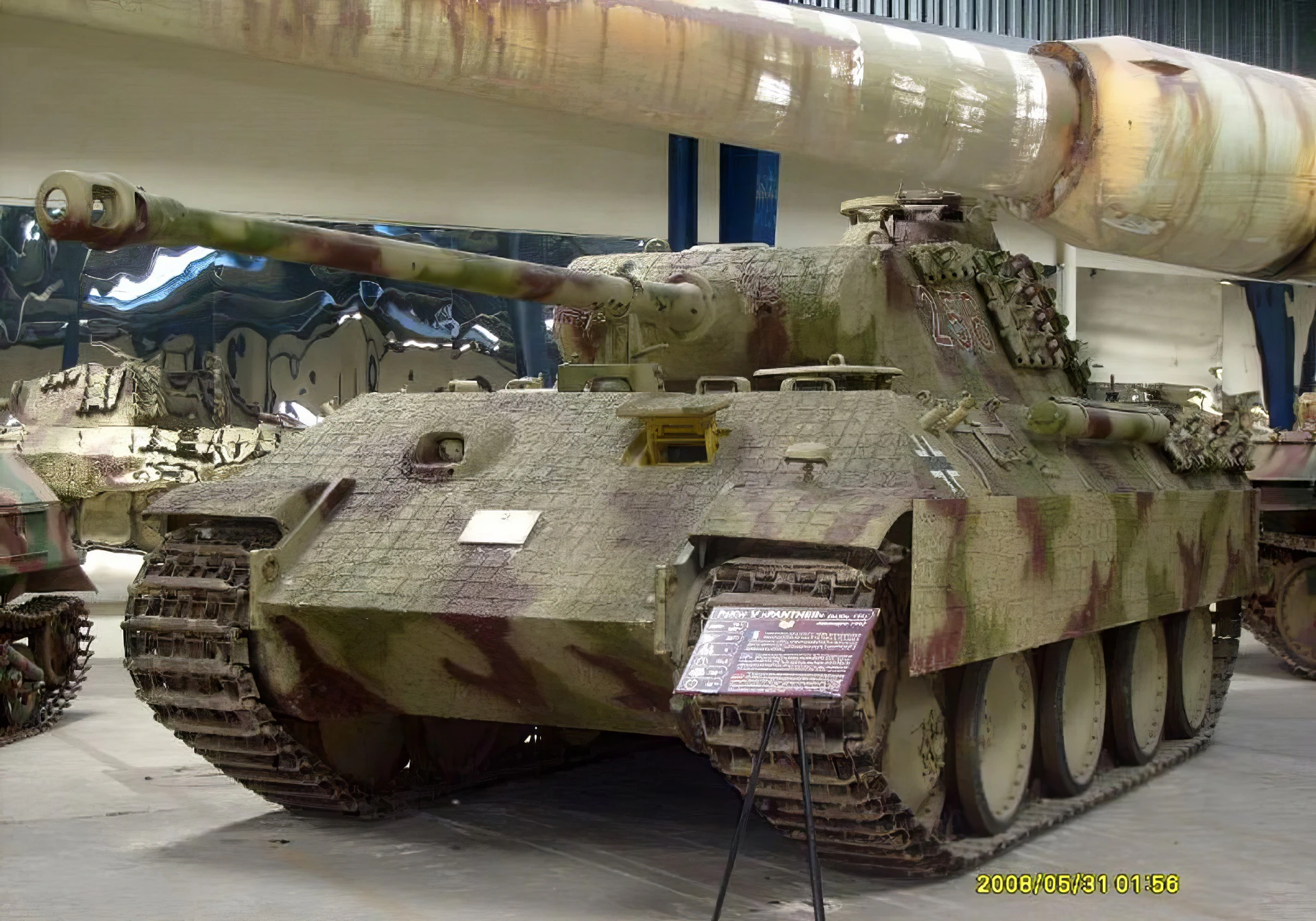
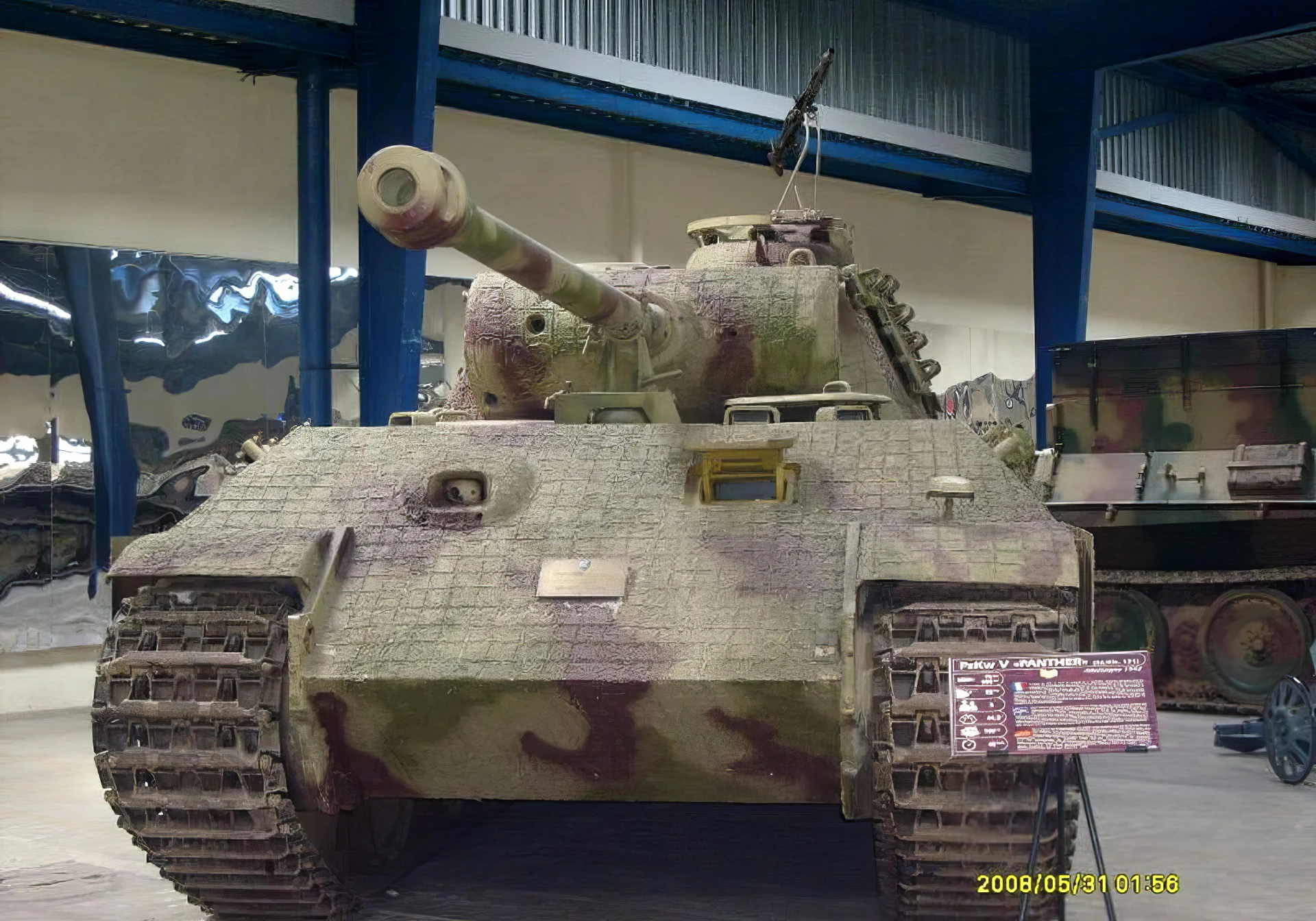
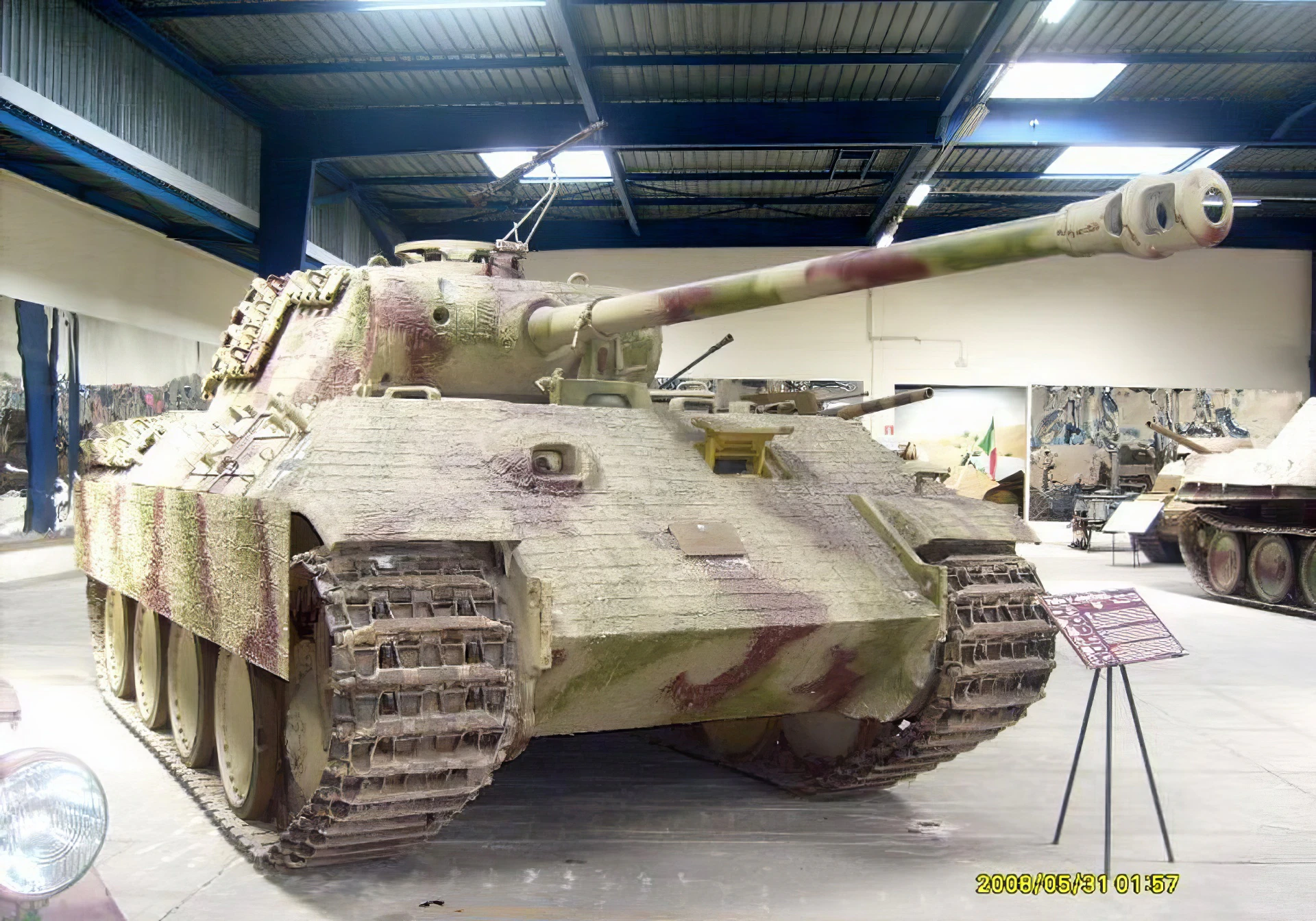
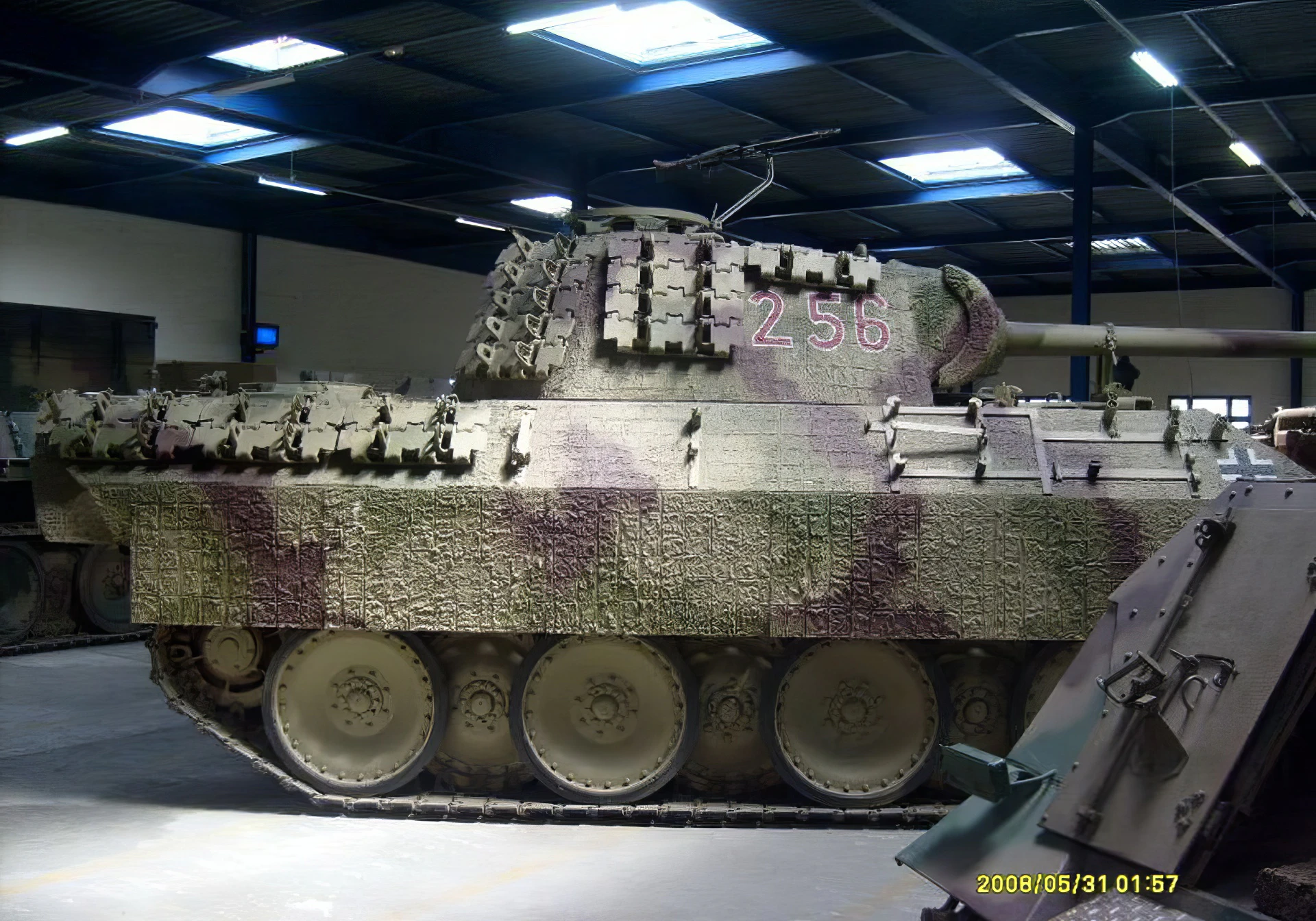
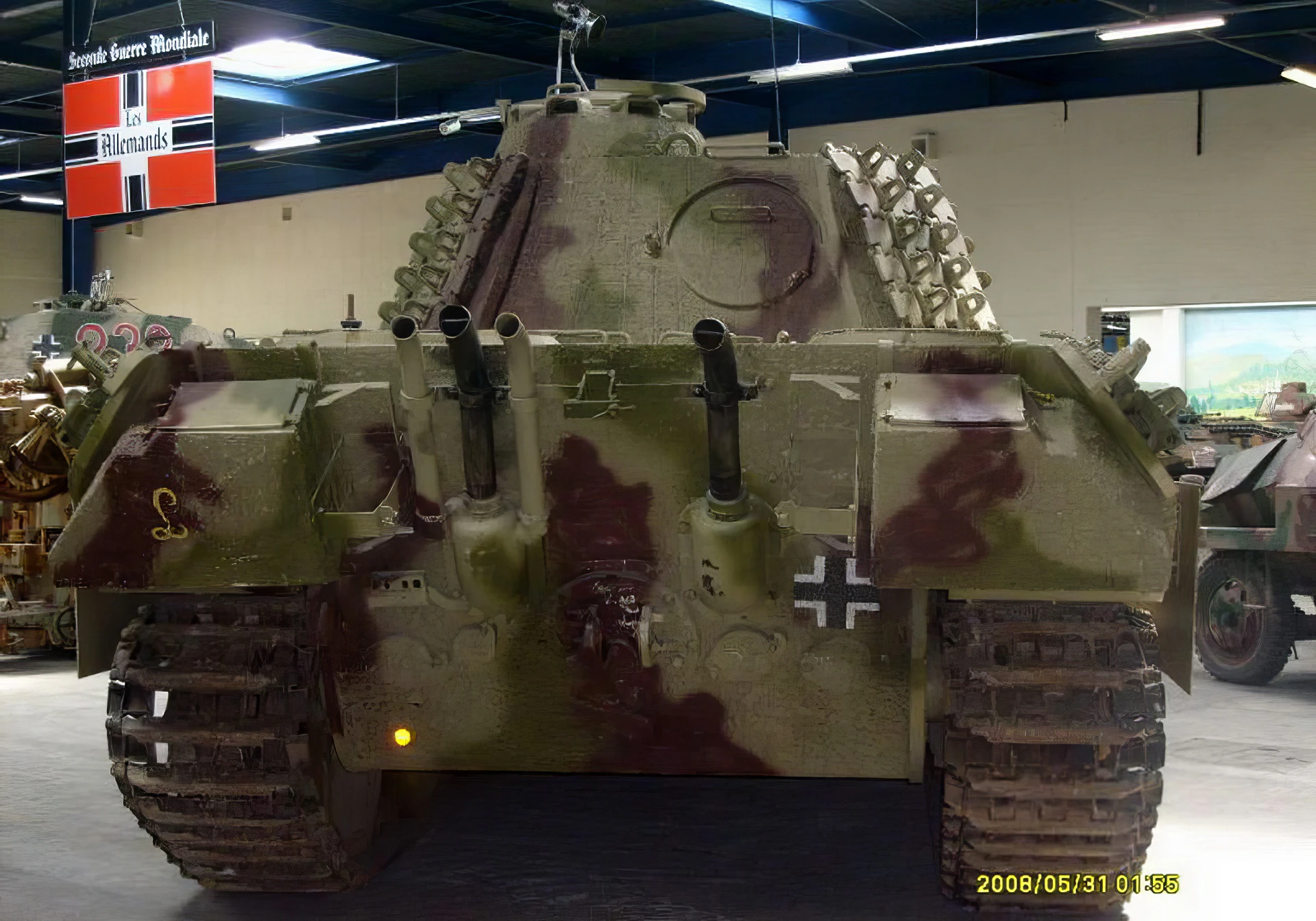
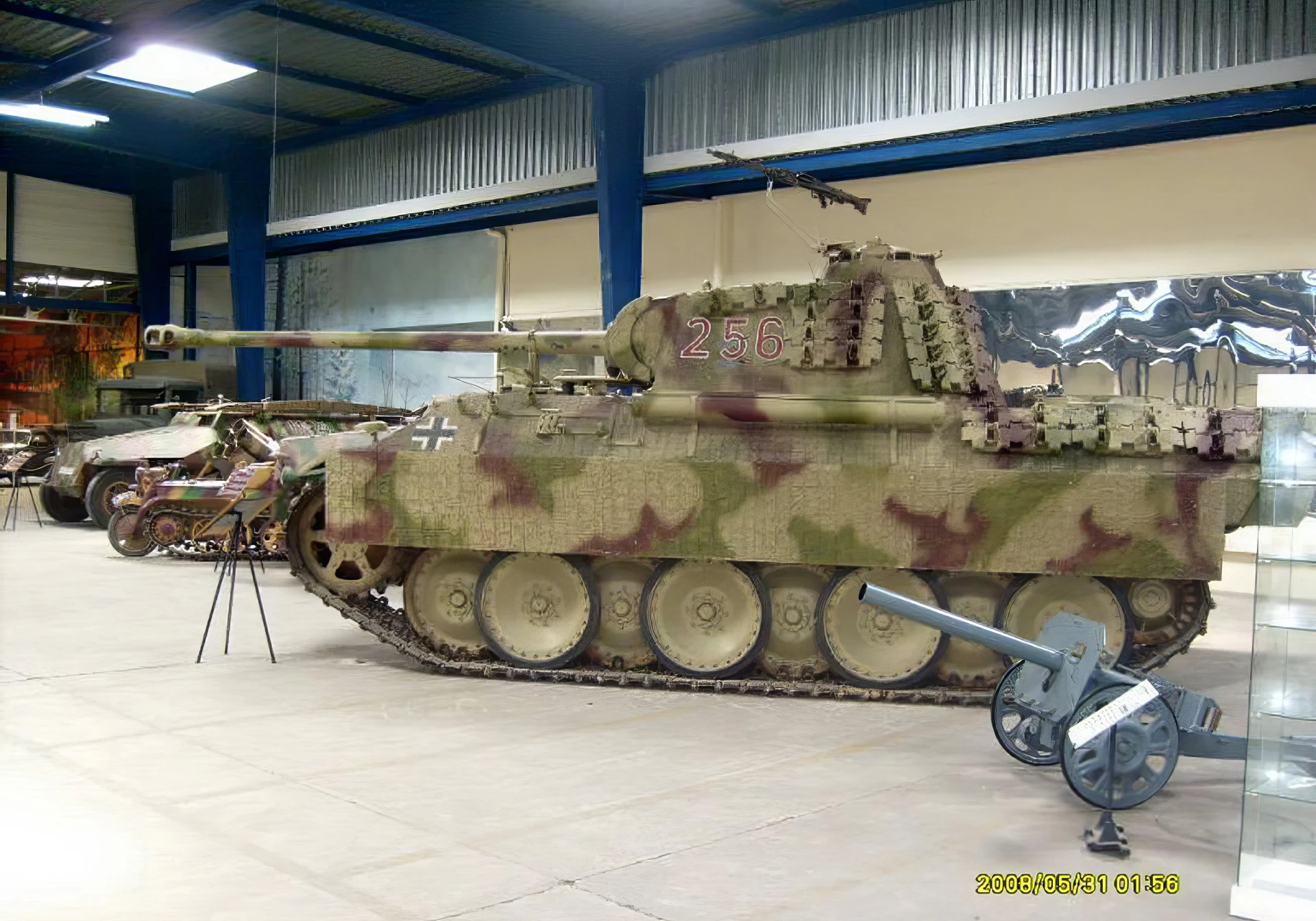
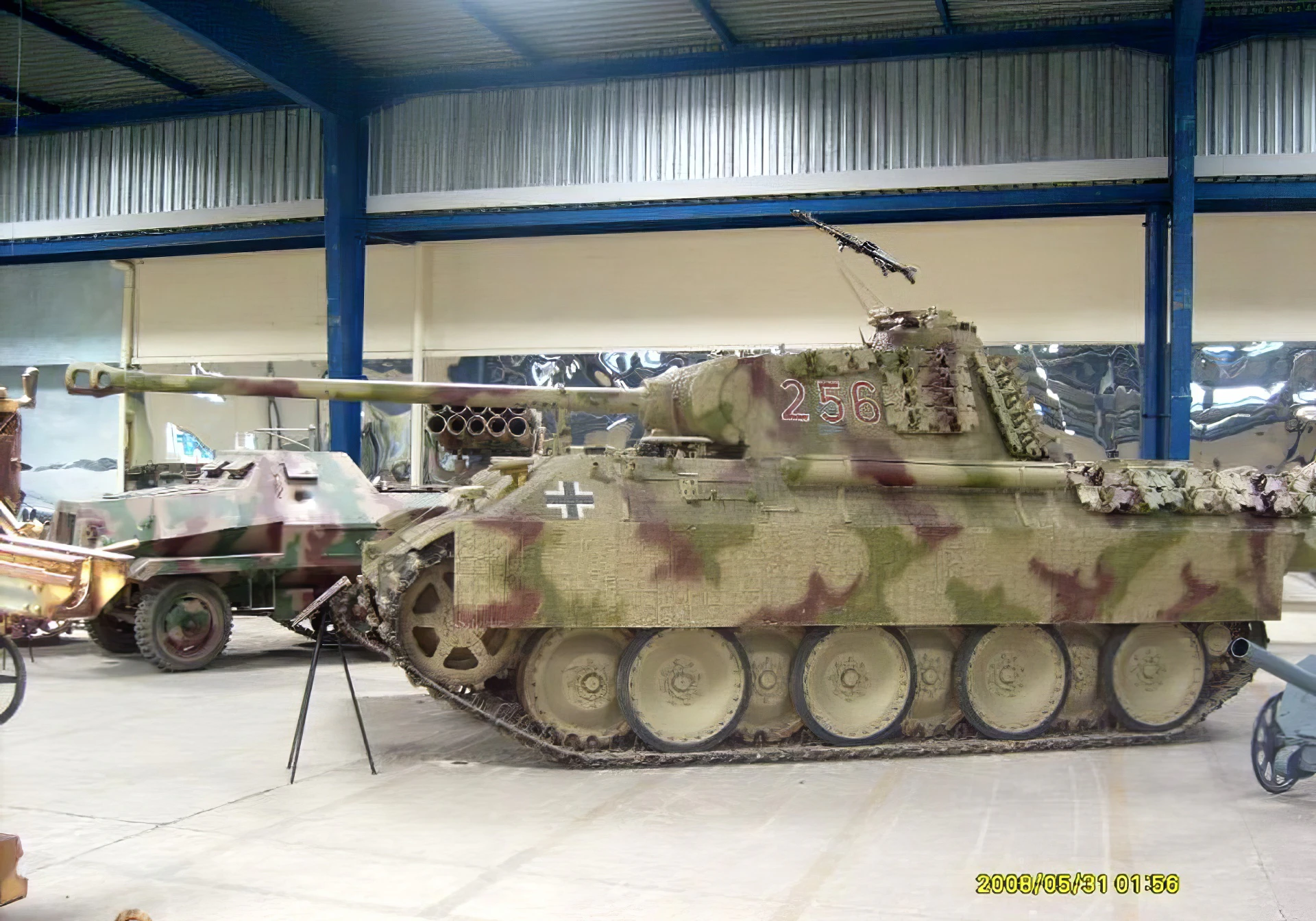
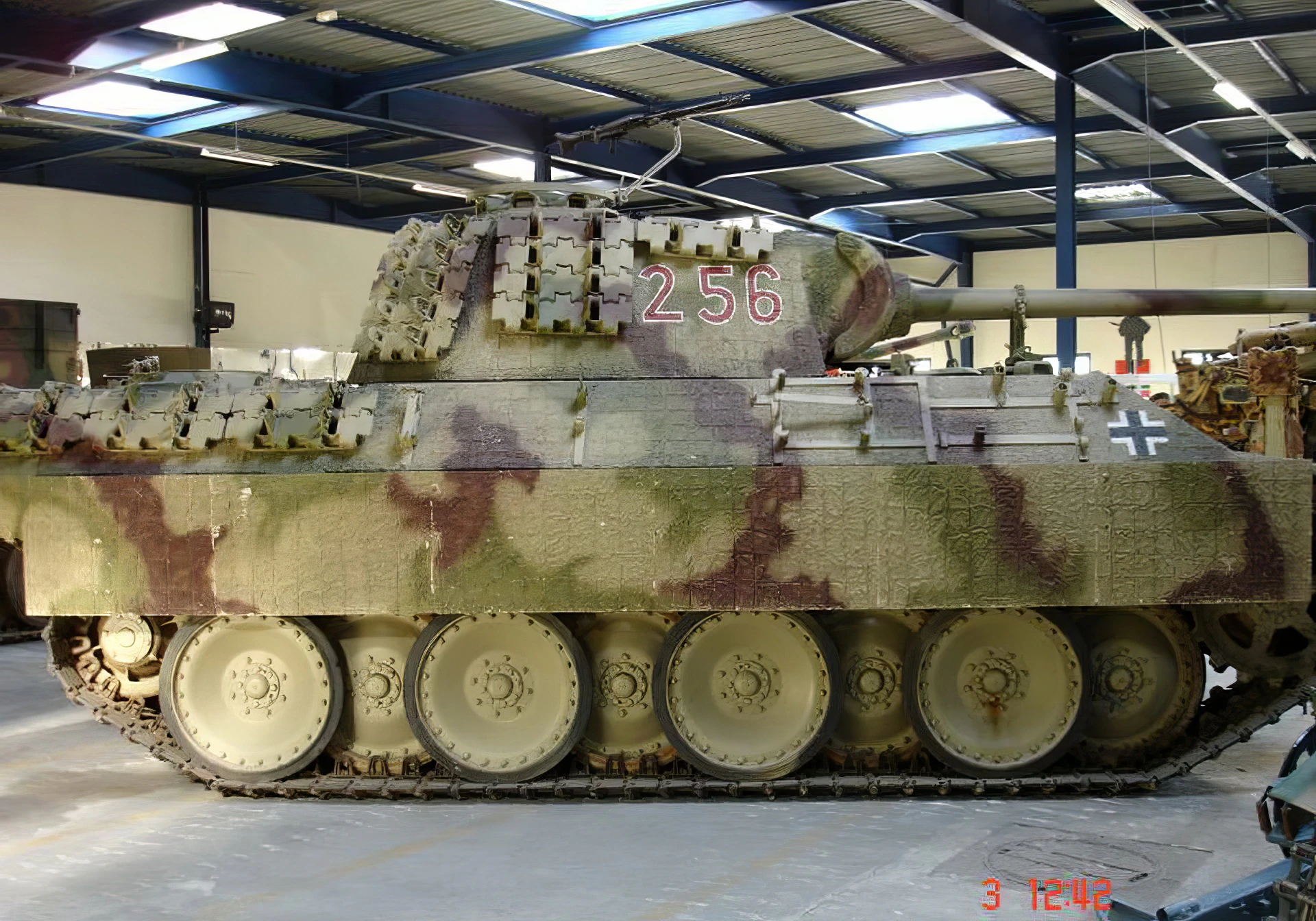
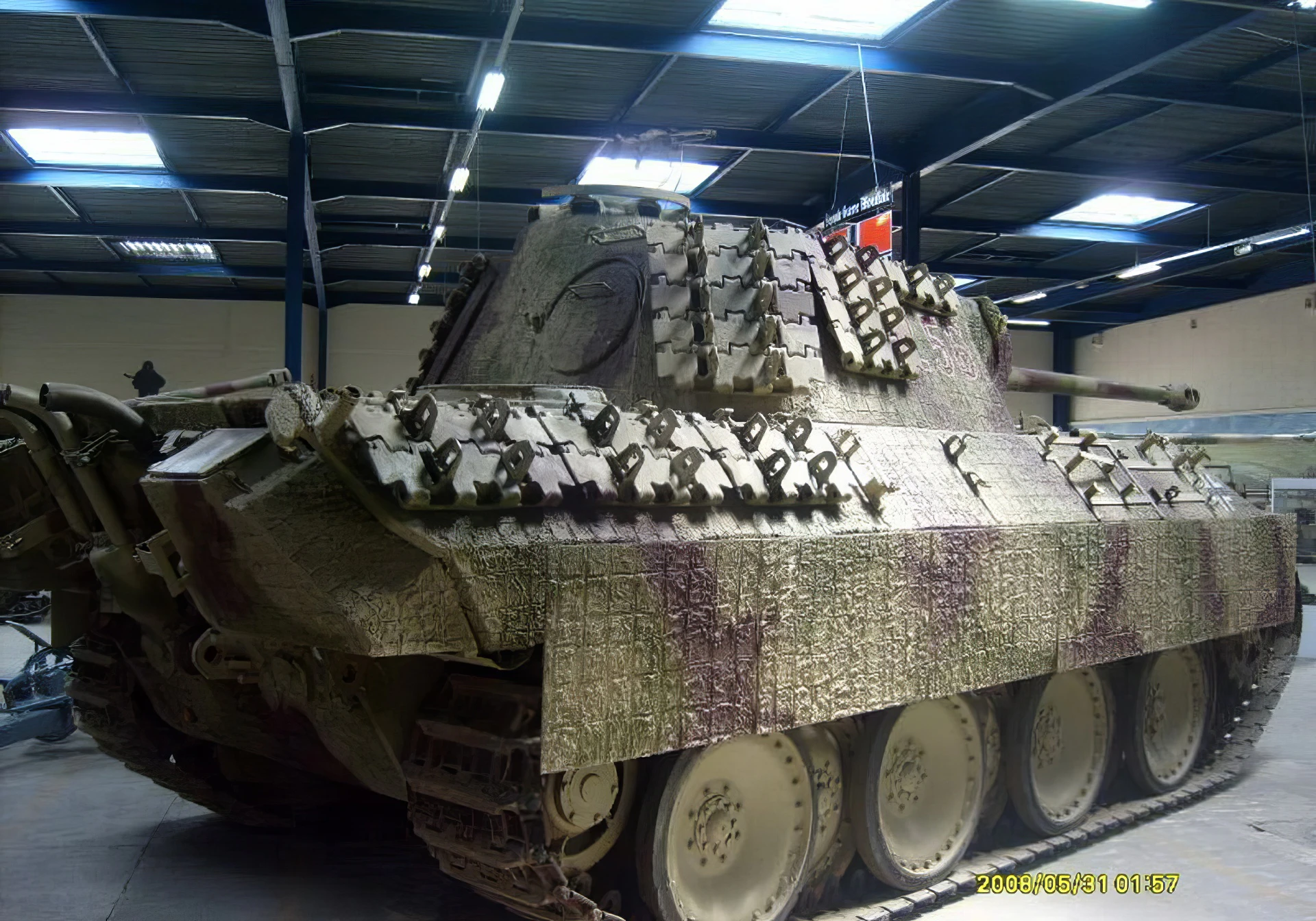

| PzKpfw V Panther Ausf Spacer | |
|---|---|
| Fotograf | Władimir Yakubov |
| Lokalizacja | Kolekcja Jacques'a Littlefielda |
| Zdjęcia | 87 |
Zobacz też:


The **Panzerkampfwagen V Ausführung A (PzKpfw V Ausf. A)**, or **Panther Ausf. A**, was the second production model of the German Panther medium tank. It addressed significant reliability and operational flaws found in the initial Ausf. D variant and is considered one of the most effective and influential tank designs of World War II.
Core Design and Firepower
The Panther Ausf. A retained the revolutionary design features intended to counter the Soviet T-34:
- Sloped Armor: It featured highly **sloped frontal armor** (80 mm at 55 degrees on the glacis plate), which drastically increased the effective thickness and provided excellent protection against most Allied anti-tank fire at long range.
- Main Gun: The tank was armed with the high-velocity **7.5 cm KwK 42 L/70 gun**. This cannon provided superb armor penetration, allowing the Panther to engage and destroy most Allied tanks from distances exceeding 1,500 meters.
- Ruchliwość: Powered by a **Maybach HL230 P30 V-12 gasoline engine** (700 hp), the 45-ton tank was relatively fast, capable of reaching speeds of around 46 km/h (29 mph) on roads, balancing protection with tactical speed.
Key Improvements (Ausf. A over Ausf. D)
The Ausf. A, produced from August 1943 to May 1944, incorporated several crucial modifications for improved combat effectiveness and crew functionality:
- Commander’s Cupola: The troublesome drum-shaped cupola of the Ausf. D was replaced with a **new cast, hemispherical cupola**. This offered the commander much better all-around vision via seven periscopes and greater ballistic protection.
- Hull Machine Gun Mount: The vulnerable “letterbox” flap for the hull machine gun was replaced by a more practical and better-protected **ball mount** (*Kugelblende*) for the 7.92 mm MG 34 machine gun.
- Turret Traverse: A new, **single-speed hydraulic turret traverse system** was installed, significantly improving the gunner’s ability to track and engage targets quickly.
- Anti-Magnetic Coating: Most Ausf. A tanks left the factory coated with **Zimmerit**, an anti-magnetic paste intended to prevent the attachment of magnetic anti-tank mines.
- Niezawodność: Numerous mechanical and cooling system improvements were implemented to address the severe engine and transmission reliability issues that plagued the initial Panther D production.
Specifications Summary
| Category | Detail |
|---|---|
| Typu | Czołg średni |
| Waga | ~45 metric tons |
| Uzbrojenie główne | 7.5 cm KwK 42 L/70 cannon |
| Frontal Armor (Glacis) | 80 mm @ 55° |
| Silnika | Maybach HL230 P30 V-12 (700 hp) |
| Załogi | 5 (Commander, Gunner, Loader, Driver, Radio Operator) |
Views : 12053