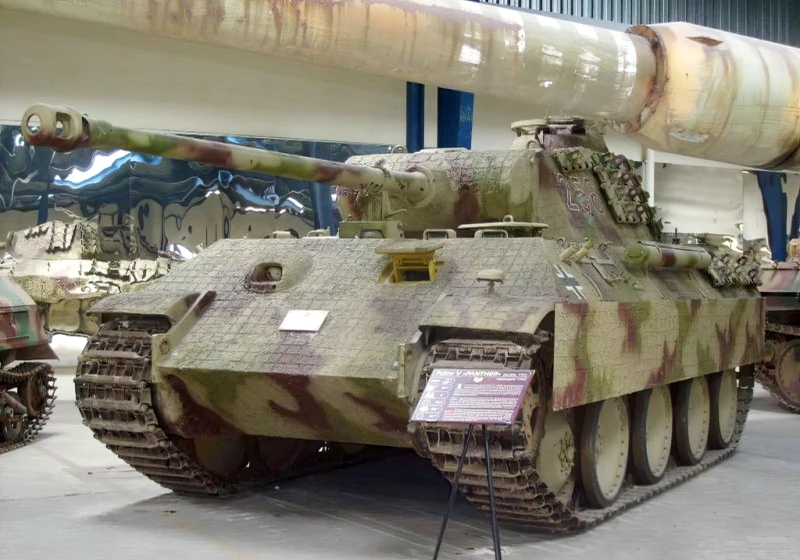
PzKpfw V ausf. A Pantera | |
|---|---|
| Paese | Germania |
| Categoria | Veicoli corazzati |
| digitare | Char |
Le Panther SdKfz 171 Panzer V Era un carro armato tedesco durante la seconda guerra mondiale. Il suo primo scontro fu nella battaglia di Kursk nel 1943. Progettato per sostituire gli obsoleti Panzer III e IV e resistere al T-34 sovietico, doveva essere usato in aggiunta ai suoi predecessori per compensare la sua carenza di personale.
Il principale armamento della Pantera era un lungo calibro 75mm Kwk 42 75mm 70, l'equivalente di potenza del carro armato Tiger I. Trasportava 79 proiettili ed era equipaggiato con una mitragliatrice MG34 coassiale, una seconda mitragliatrice a cassa nella parte anteriore e una terza macchina per la difesa aerea sulla torretta.
| PzKpfw V ausf.A | |
|---|---|
| Fotografo | Inconsapevole |
| Localizzazione | Inconsapevole |
| Foto | 54 |
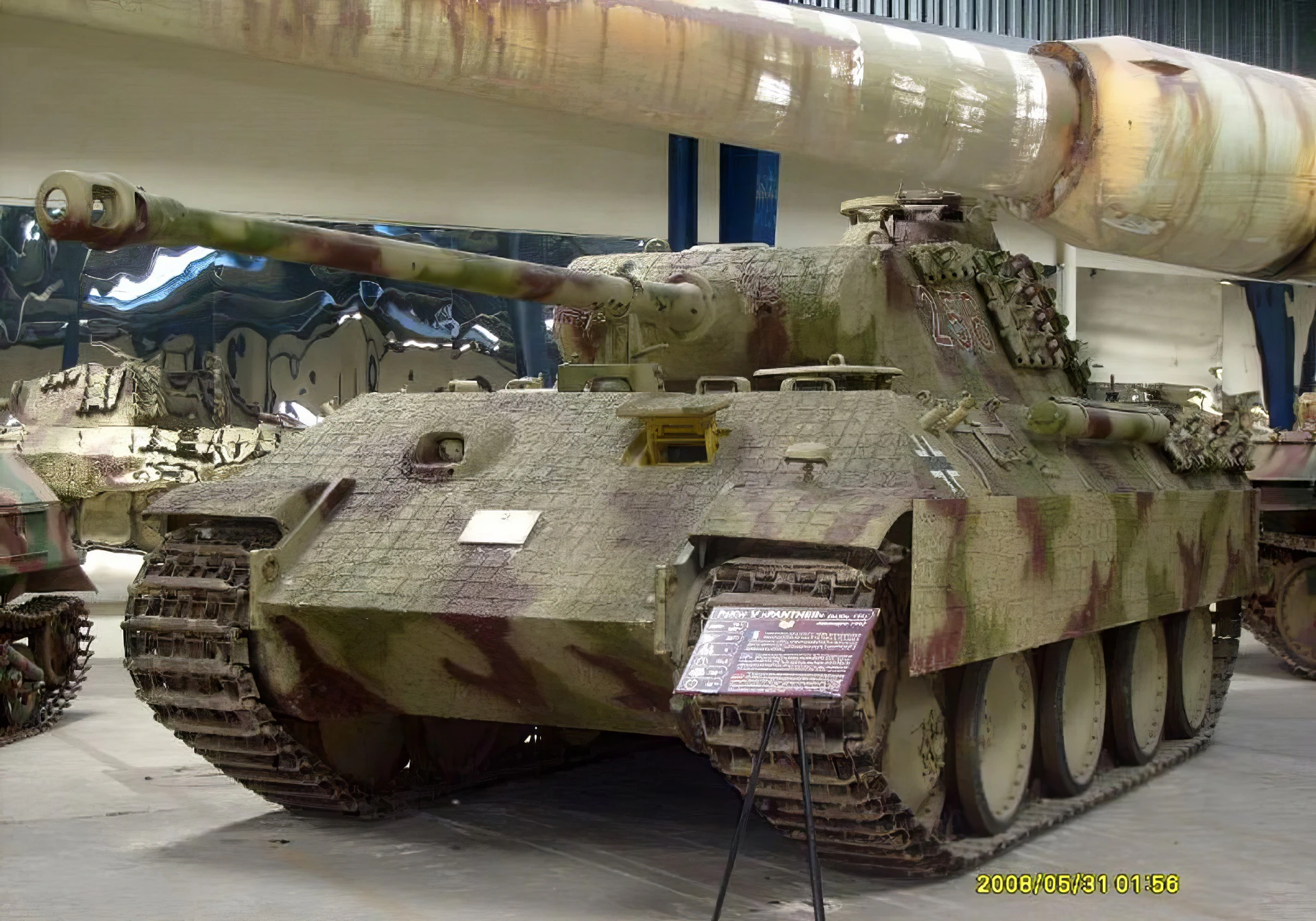
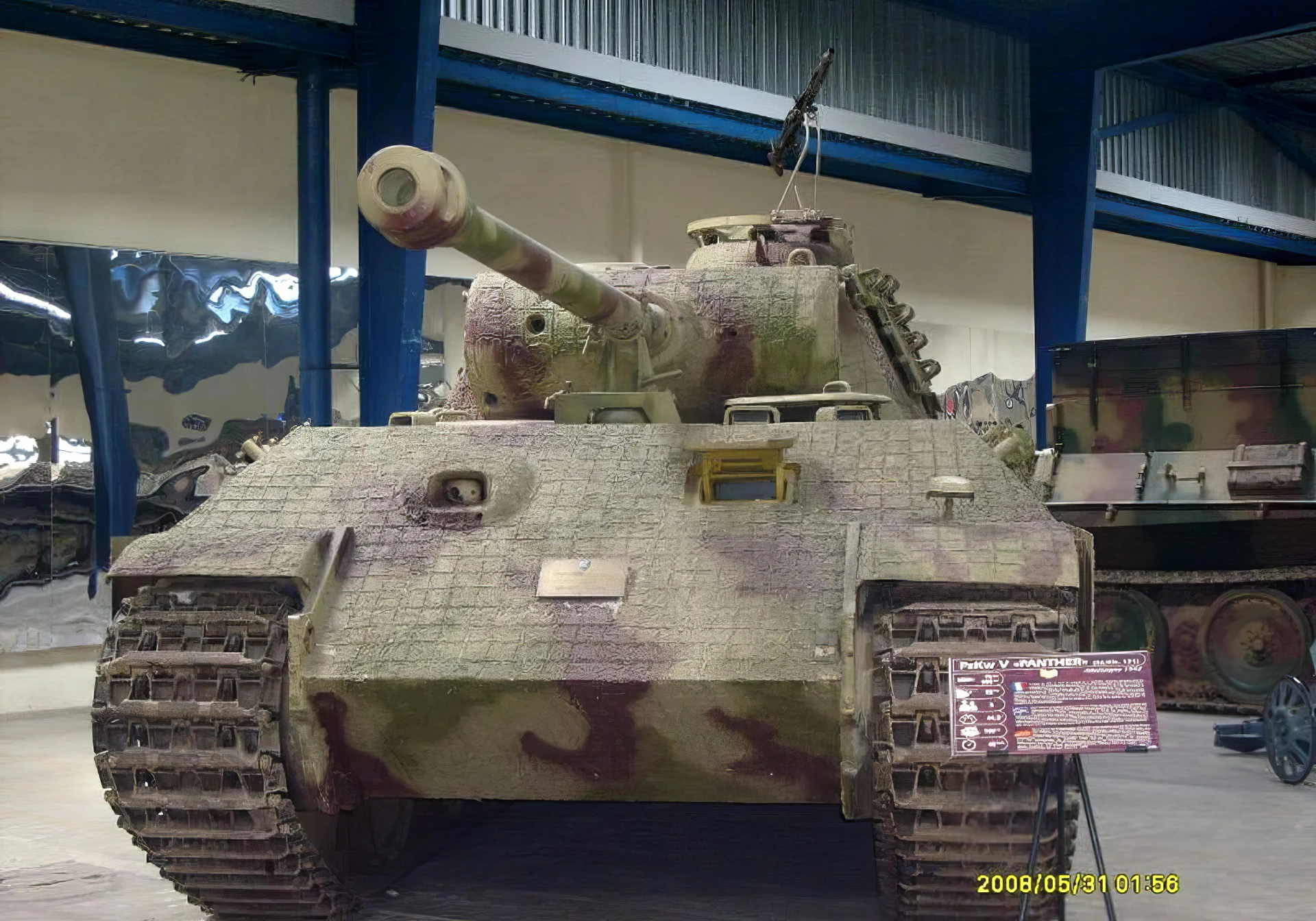
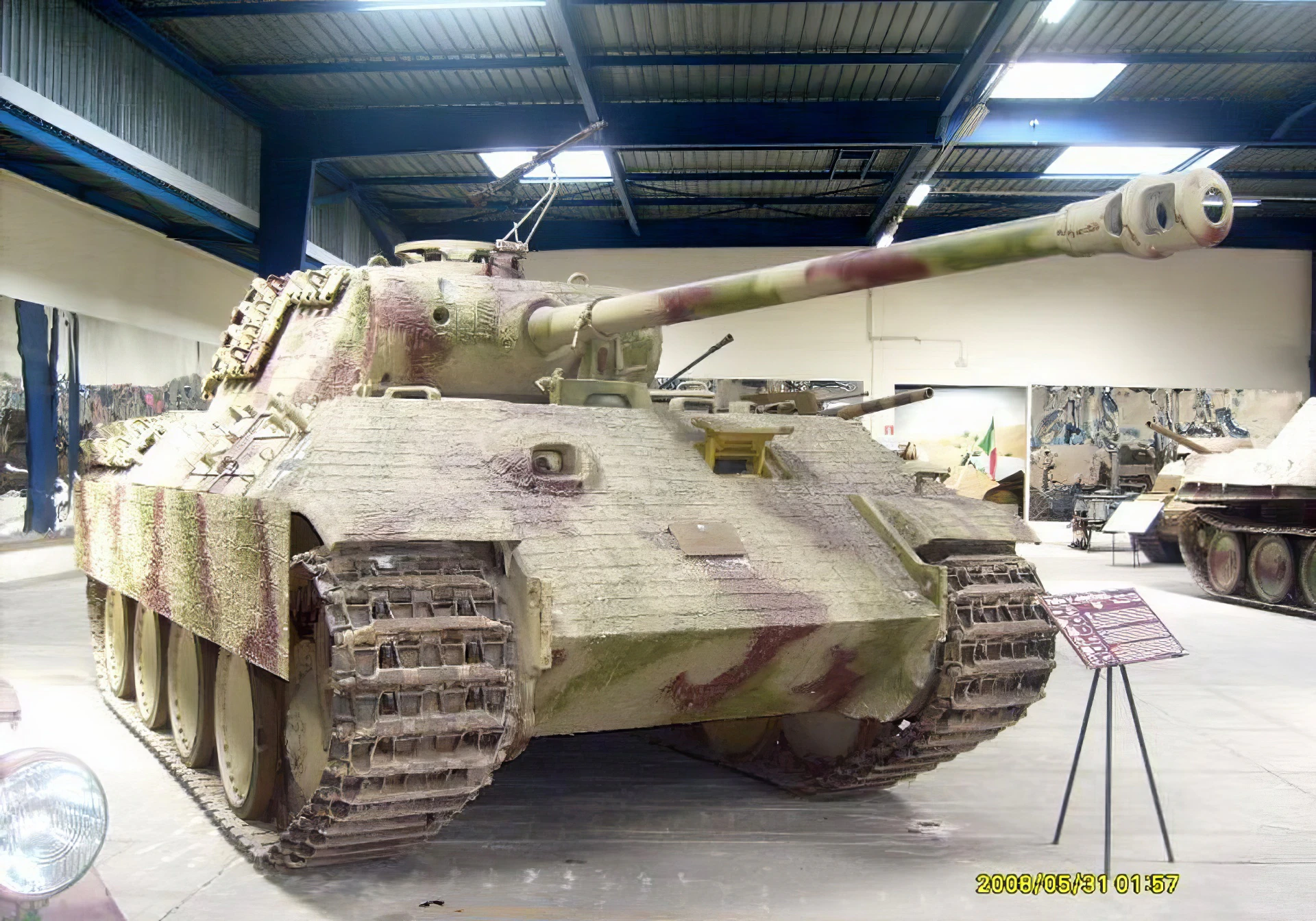
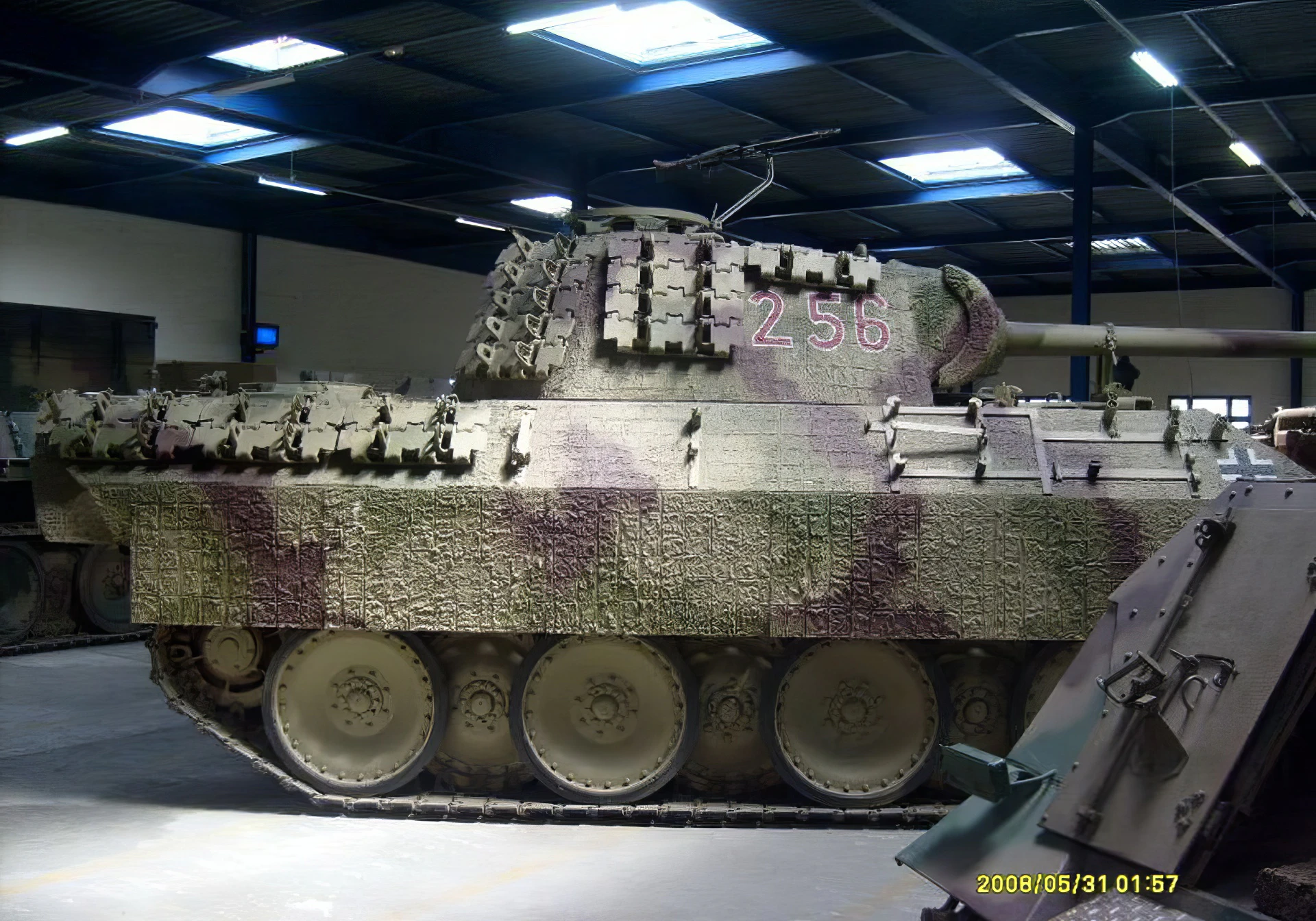
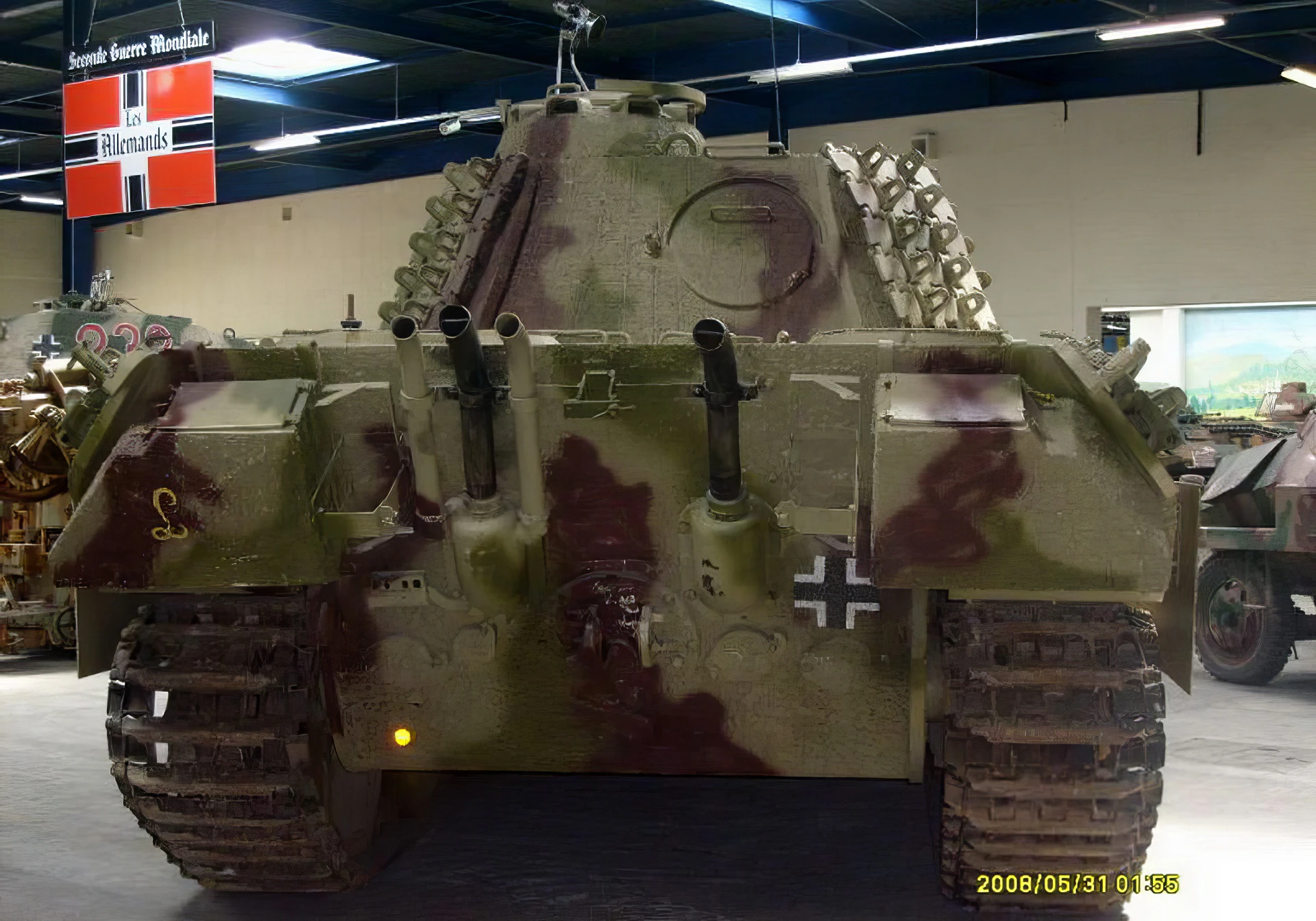
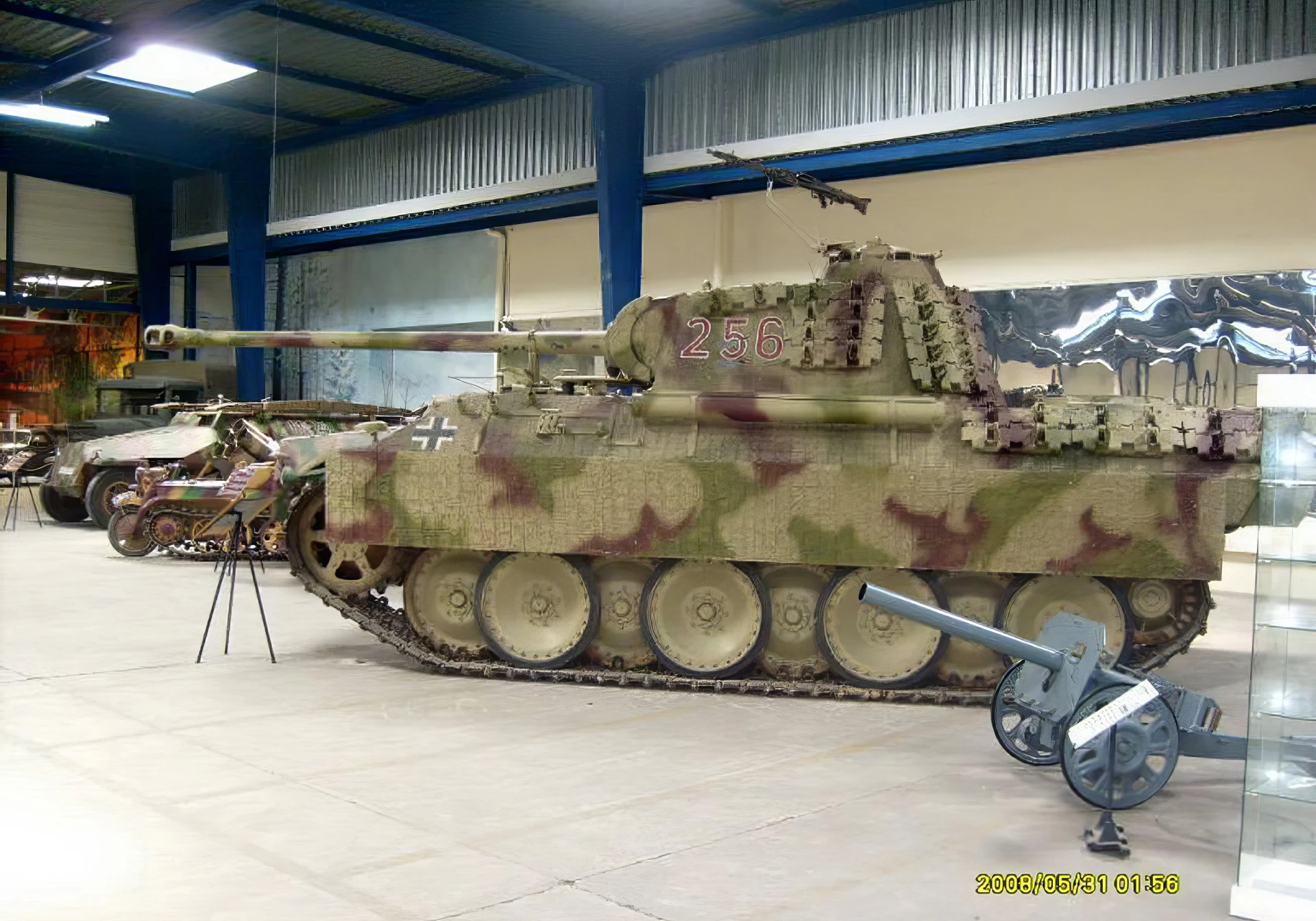
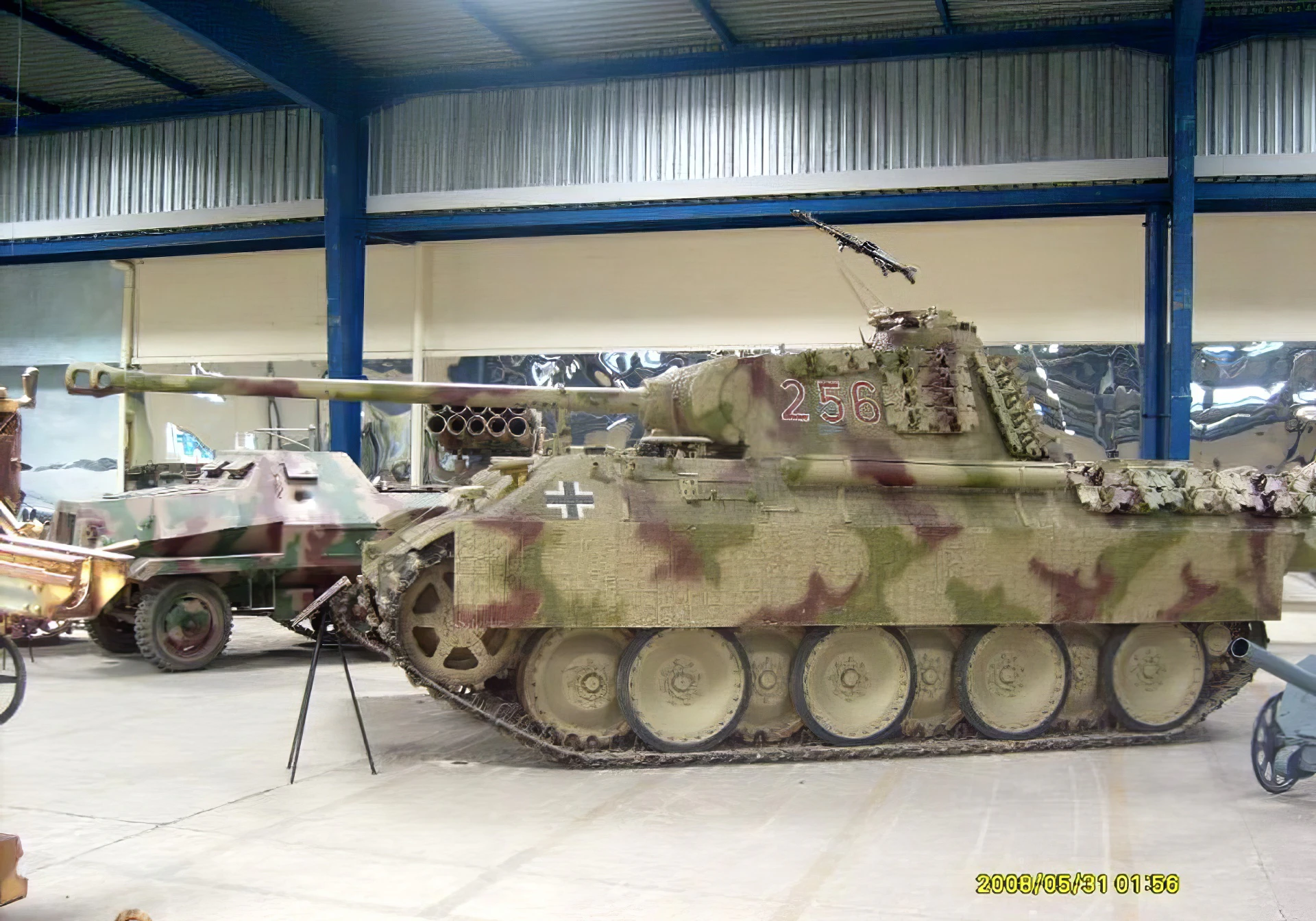
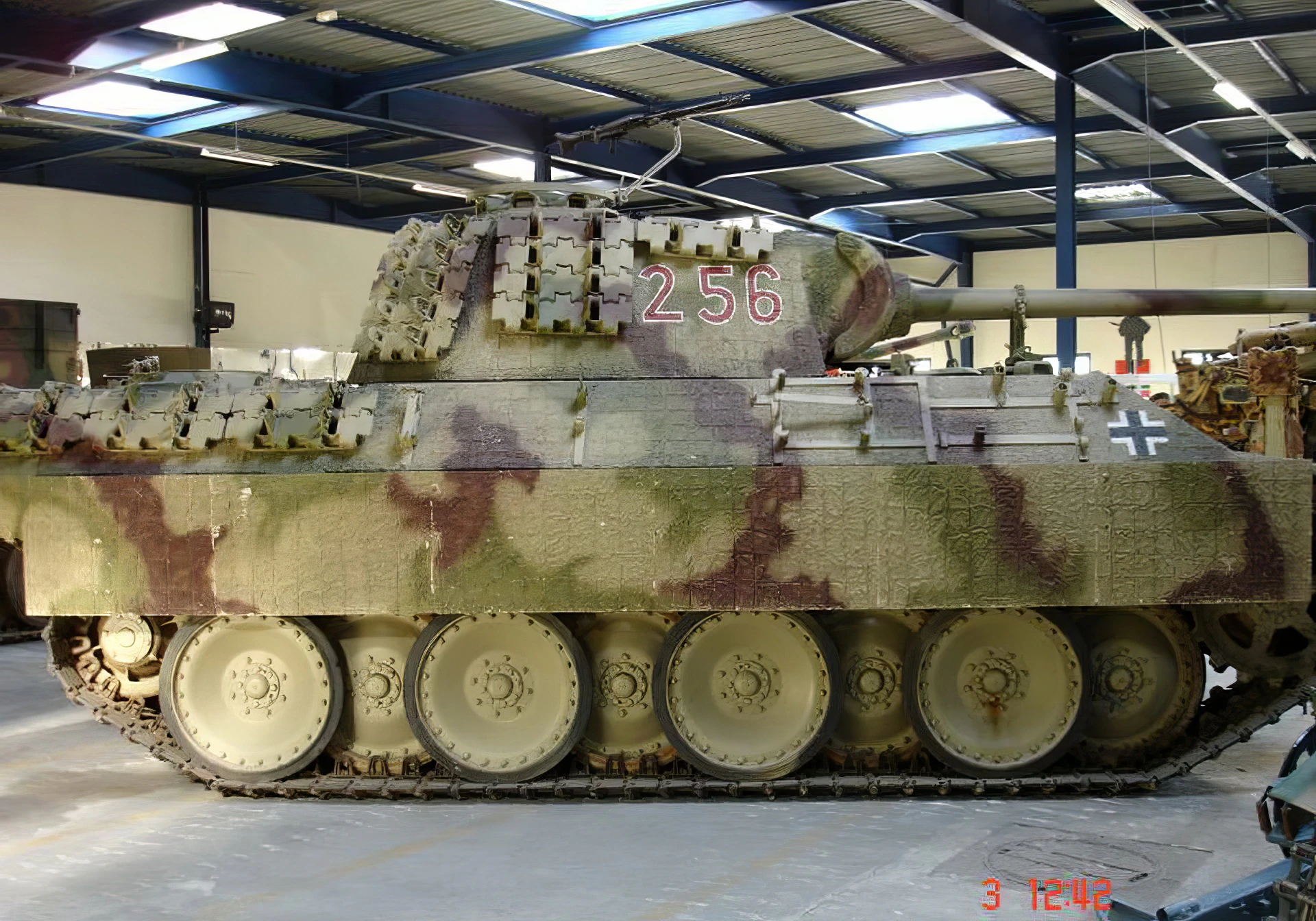
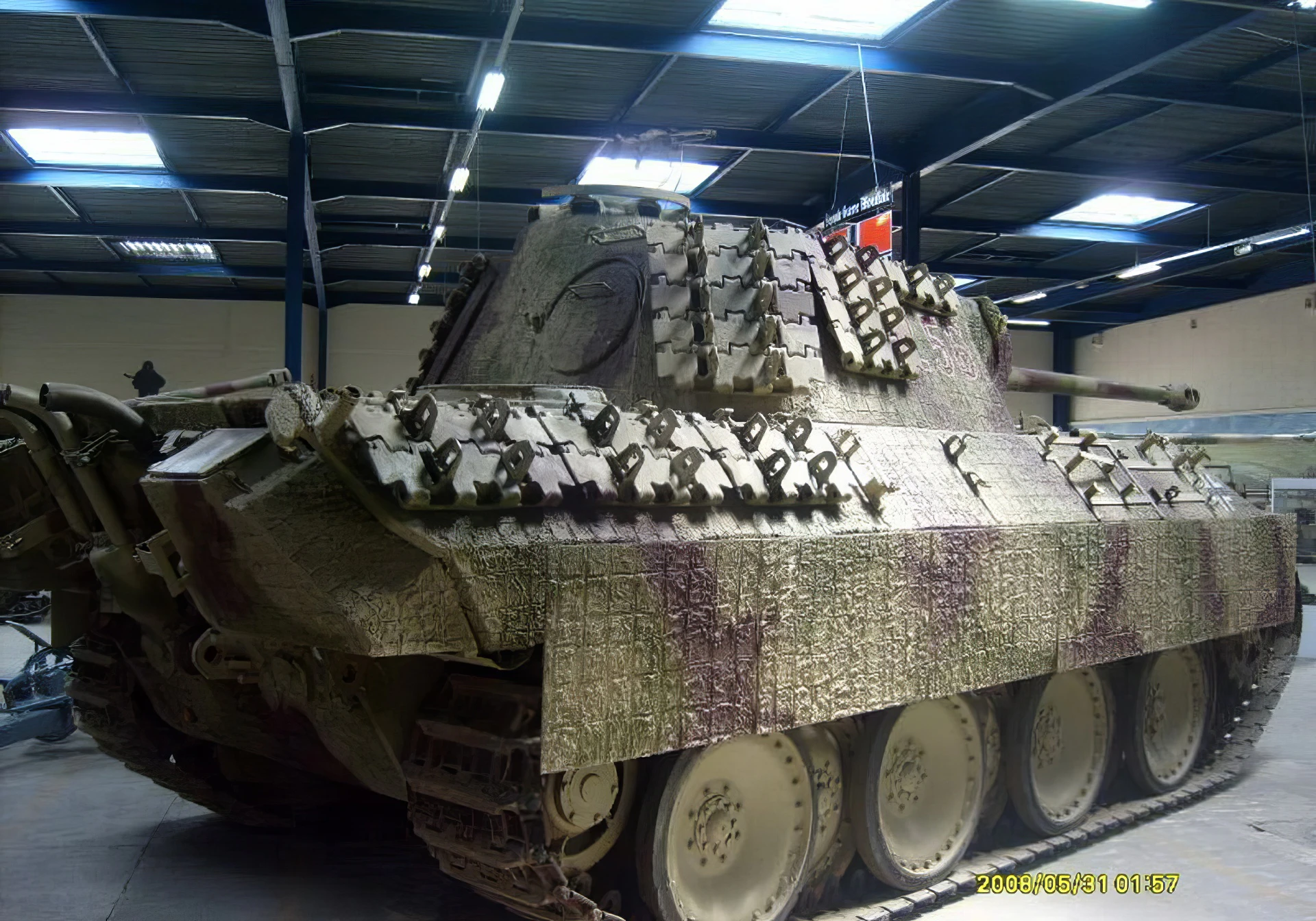

| PzKpfw V Panther Ausf Una passeggiata | |
|---|---|
| Fotografo | Vladimir Jakubov |
| Localizzazione | Collezione Jacques Littlefield |
| Foto | 87 |
Vedi anche:


The **Panzerkampfwagen V Ausführung A (PzKpfw V Ausf. A)**, or **Panther Ausf. A**, was the second production model of the German Panther medium tank. It addressed significant reliability and operational flaws found in the initial Ausf. D variant and is considered one of the most effective and influential tank designs of World War II.
Core Design and Firepower
The Panther Ausf. A retained the revolutionary design features intended to counter the Soviet T-34:
- Sloped Armor: It featured highly **sloped frontal armor** (80 mm at 55 degrees on the glacis plate), which drastically increased the effective thickness and provided excellent protection against most Allied anti-tank fire at long range.
- Main Gun: The tank was armed with the high-velocity **7.5 cm KwK 42 L/70 gun**. This cannon provided superb armor penetration, allowing the Panther to engage and destroy most Allied tanks from distances exceeding 1,500 meters.
- Mobilità: Powered by a **Maybach HL230 P30 V-12 gasoline engine** (700 hp), the 45-ton tank was relatively fast, capable of reaching speeds of around 46 km/h (29 mph) on roads, balancing protection with tactical speed.
Key Improvements (Ausf. A over Ausf. D)
The Ausf. A, produced from August 1943 to May 1944, incorporated several crucial modifications for improved combat effectiveness and crew functionality:
- Commander’s Cupola: The troublesome drum-shaped cupola of the Ausf. D was replaced with a **new cast, hemispherical cupola**. This offered the commander much better all-around vision via seven periscopes and greater ballistic protection.
- Hull Machine Gun Mount: The vulnerable “letterbox” flap for the hull machine gun was replaced by a more practical and better-protected **ball mount** (*Kugelblende*) for the 7.92 mm MG 34 machine gun.
- Turret Traverse: A new, **single-speed hydraulic turret traverse system** was installed, significantly improving the gunner’s ability to track and engage targets quickly.
- Anti-Magnetic Coating: Most Ausf. A tanks left the factory coated with **Zimmerit**, an anti-magnetic paste intended to prevent the attachment of magnetic anti-tank mines.
- Affidabilità: Numerous mechanical and cooling system improvements were implemented to address the severe engine and transmission reliability issues that plagued the initial Panther D production.
Specifications Summary
| Category | Detail |
|---|---|
| digitare | Carro medio |
| Peso | ~45 metric tons |
| Armamento principale | 7.5 cm KwK 42 L/70 cannon |
| Frontal Armor (Glacis) | 80 mm @ 55° |
| Motore | Maybach HL230 P30 V-12 (700 hp) |
| Equipaggio | 5 (Commander, Gunner, Loader, Driver, Radio Operator) |
Views : 12061
Puoi anche vedere:
 Panther vol3 - Passeggiata in giro (Walk Around)
 Bergepanther - Passeggiata in giro (Walk Around)
 Panther Restauration - Passeggiata in giro (Walk Around)
 Panther Ausf.G - Cammina in giro (Walk Around)
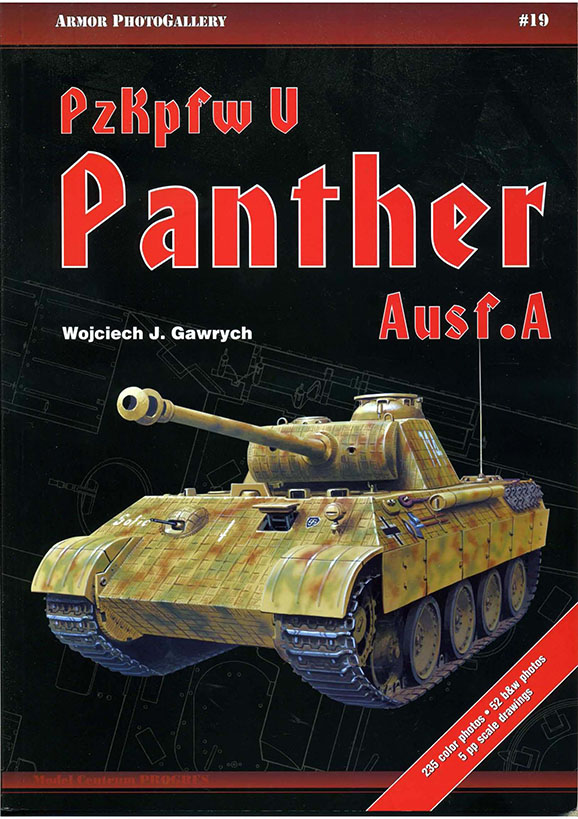 Panther Ausf.A - Armor Photogallery 019
 Panther Ausf.D - Passeggiata
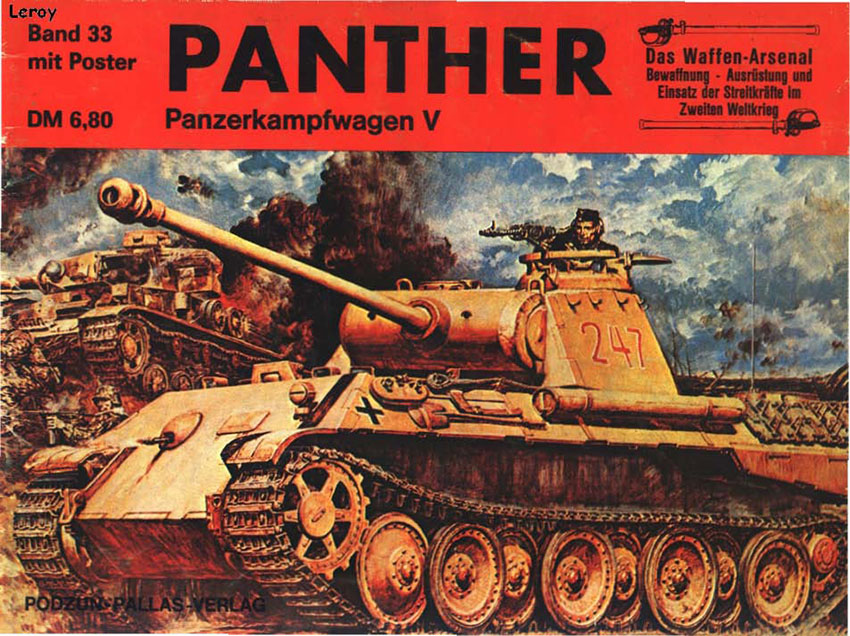 Panther - Waffen Arsenal 033
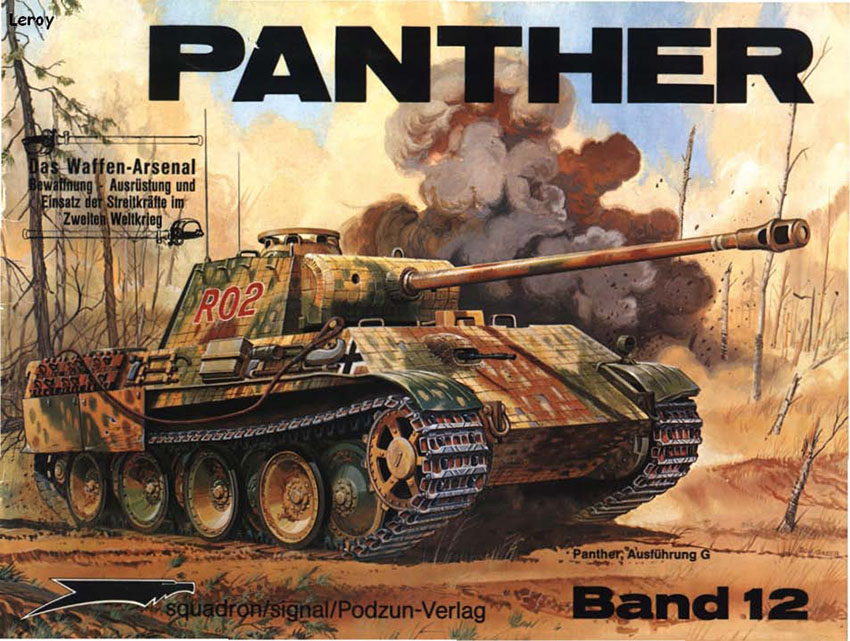 Panther - Waffen Arsenal 012