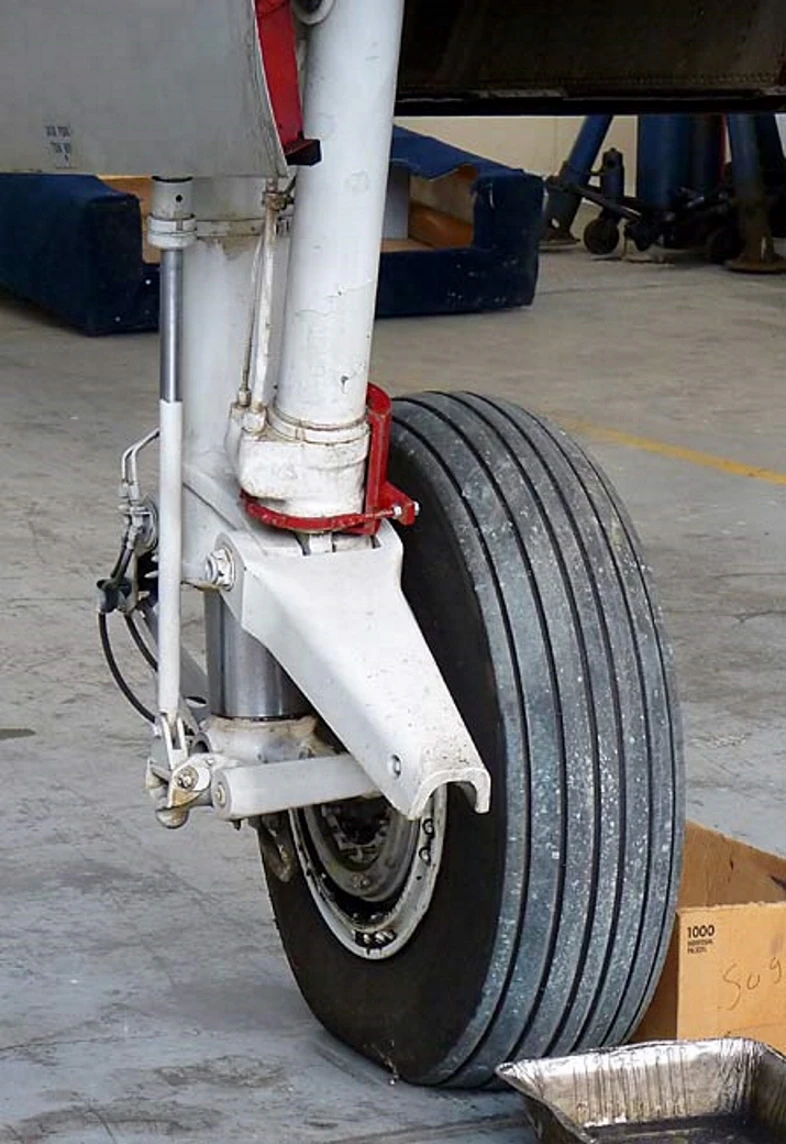
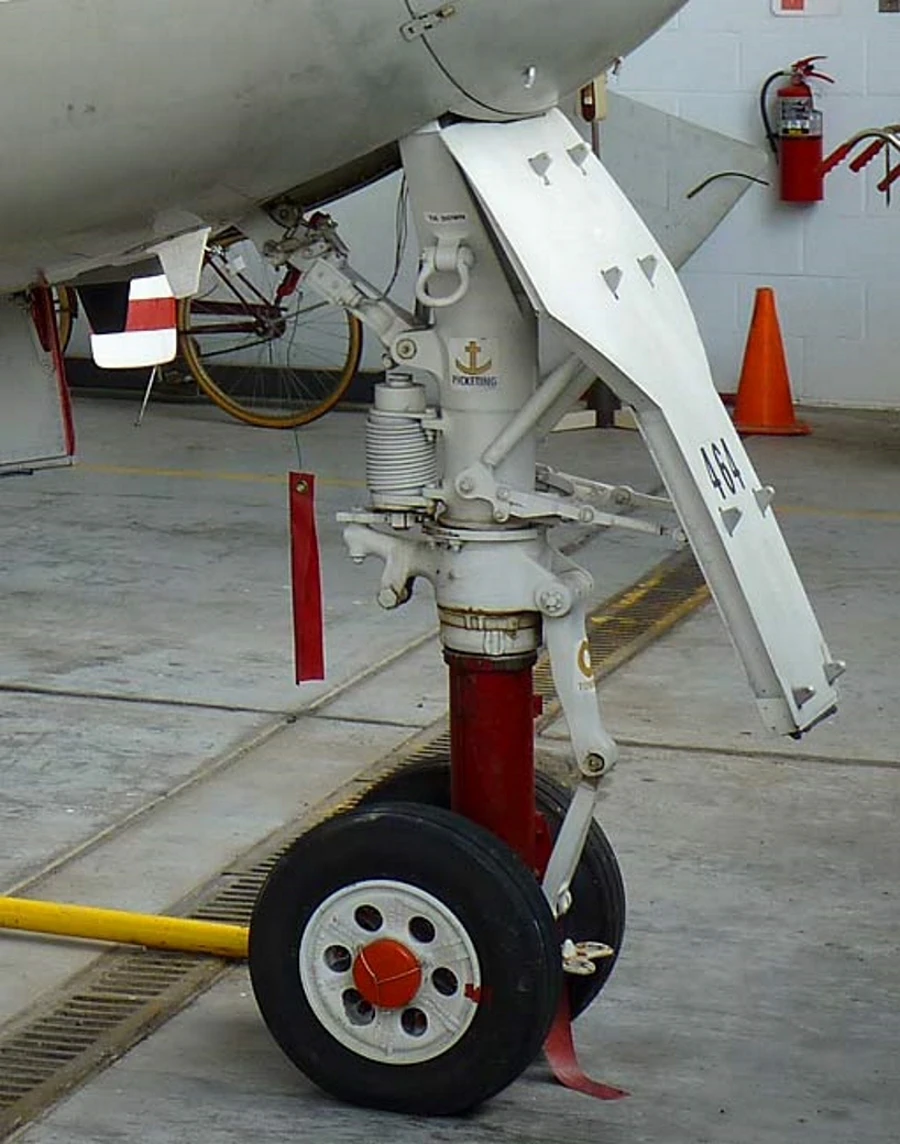
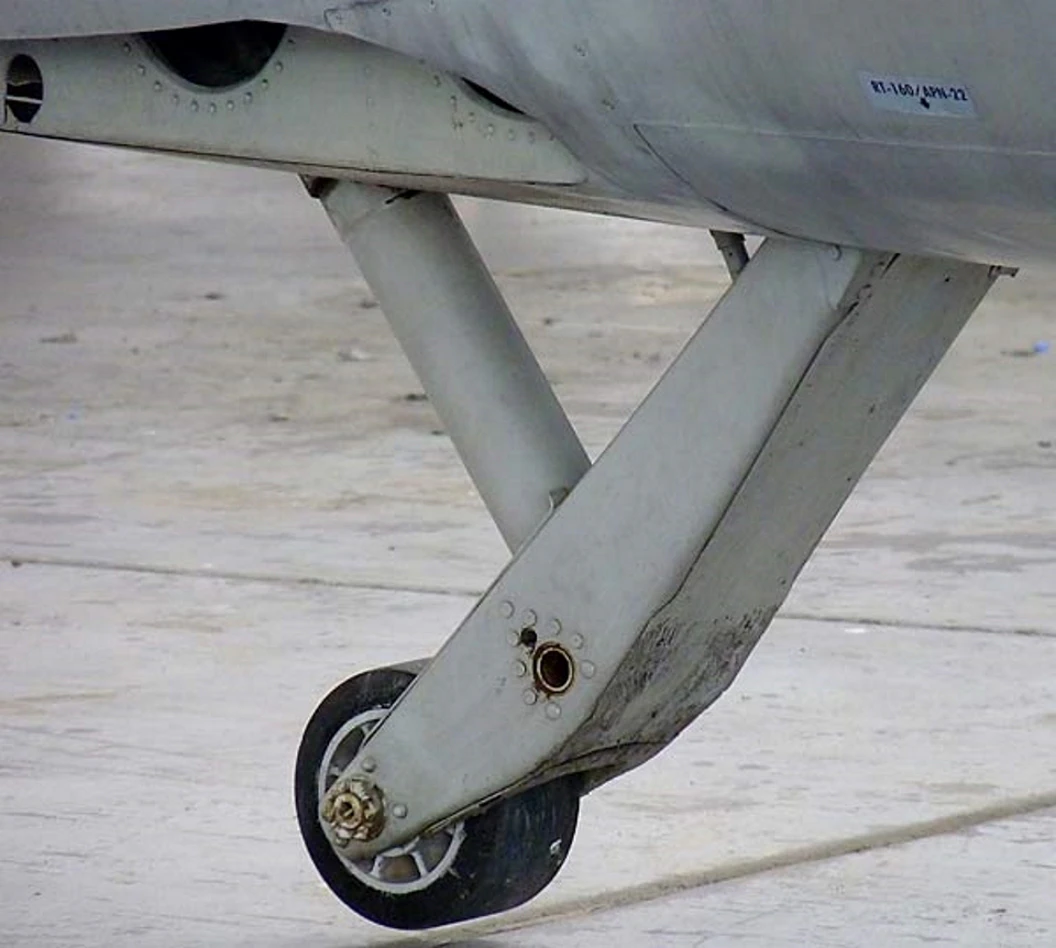
Galeria zdjęć Grumman S2F-1 Tracker,
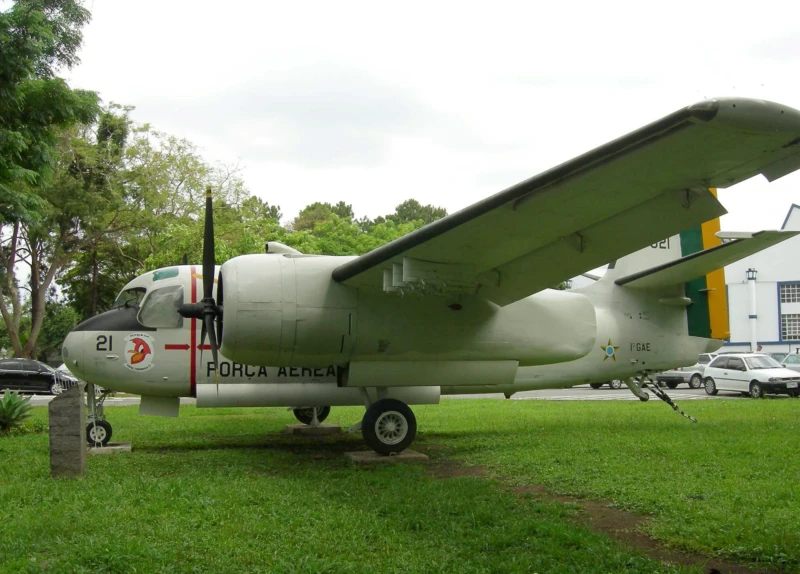
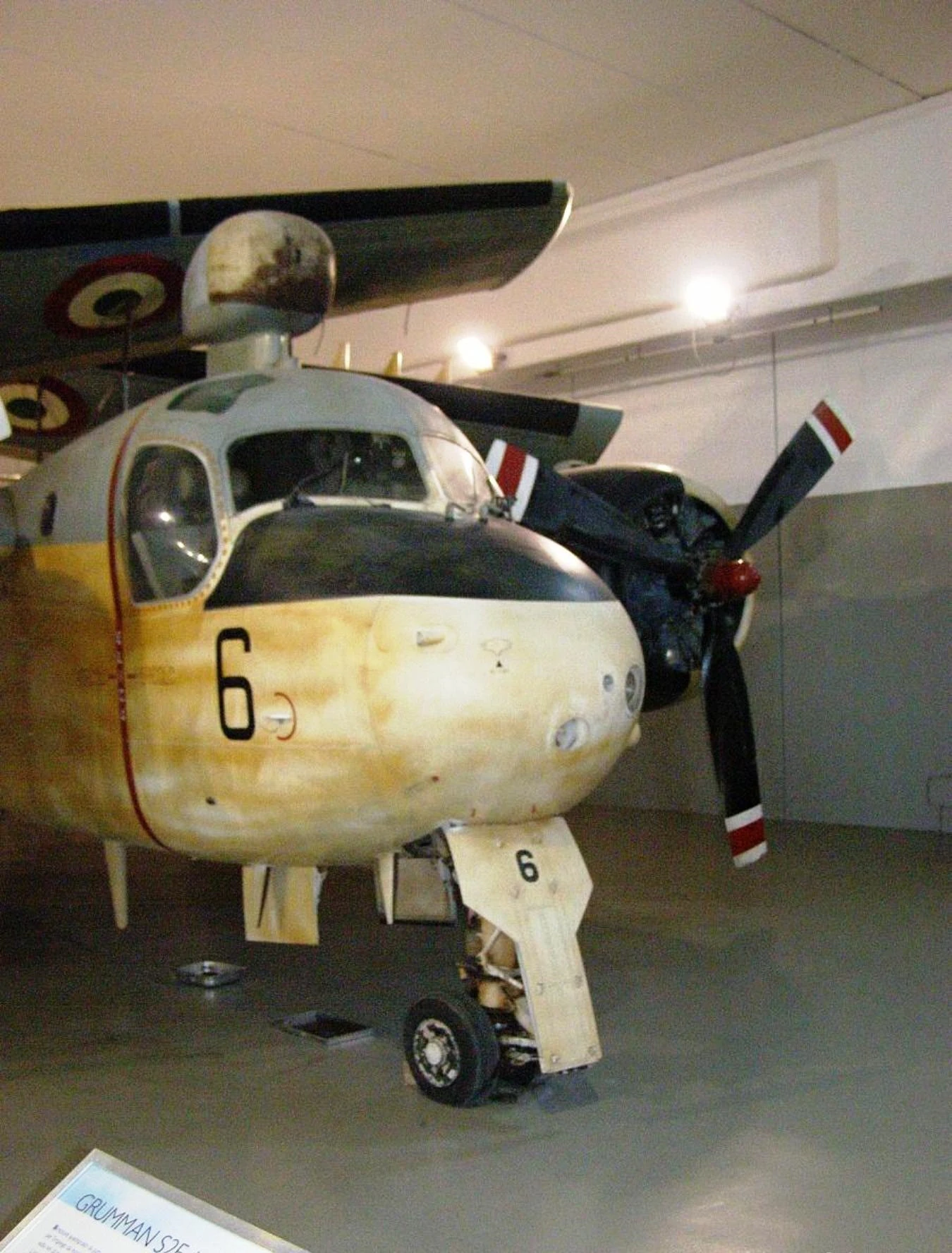
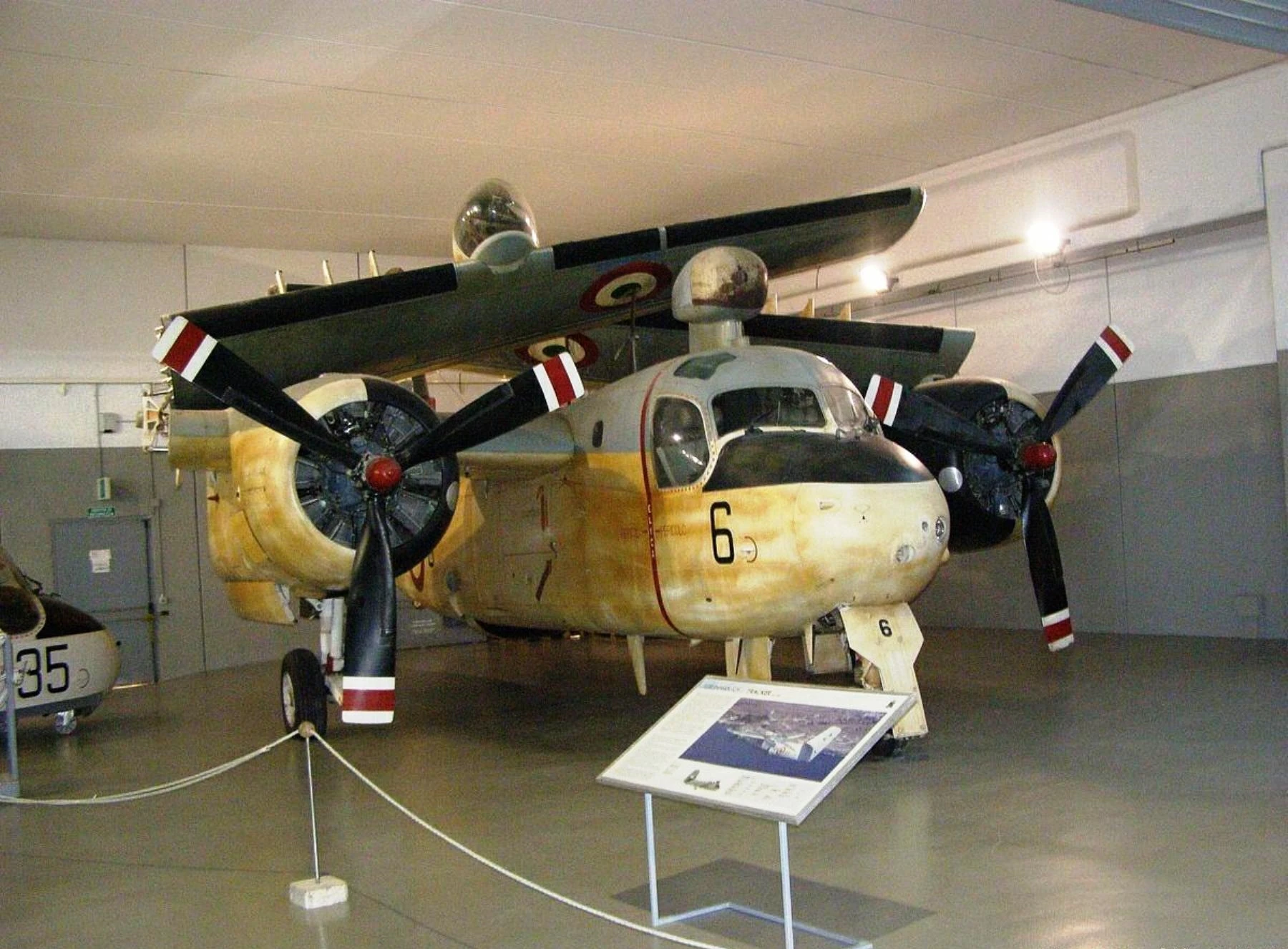
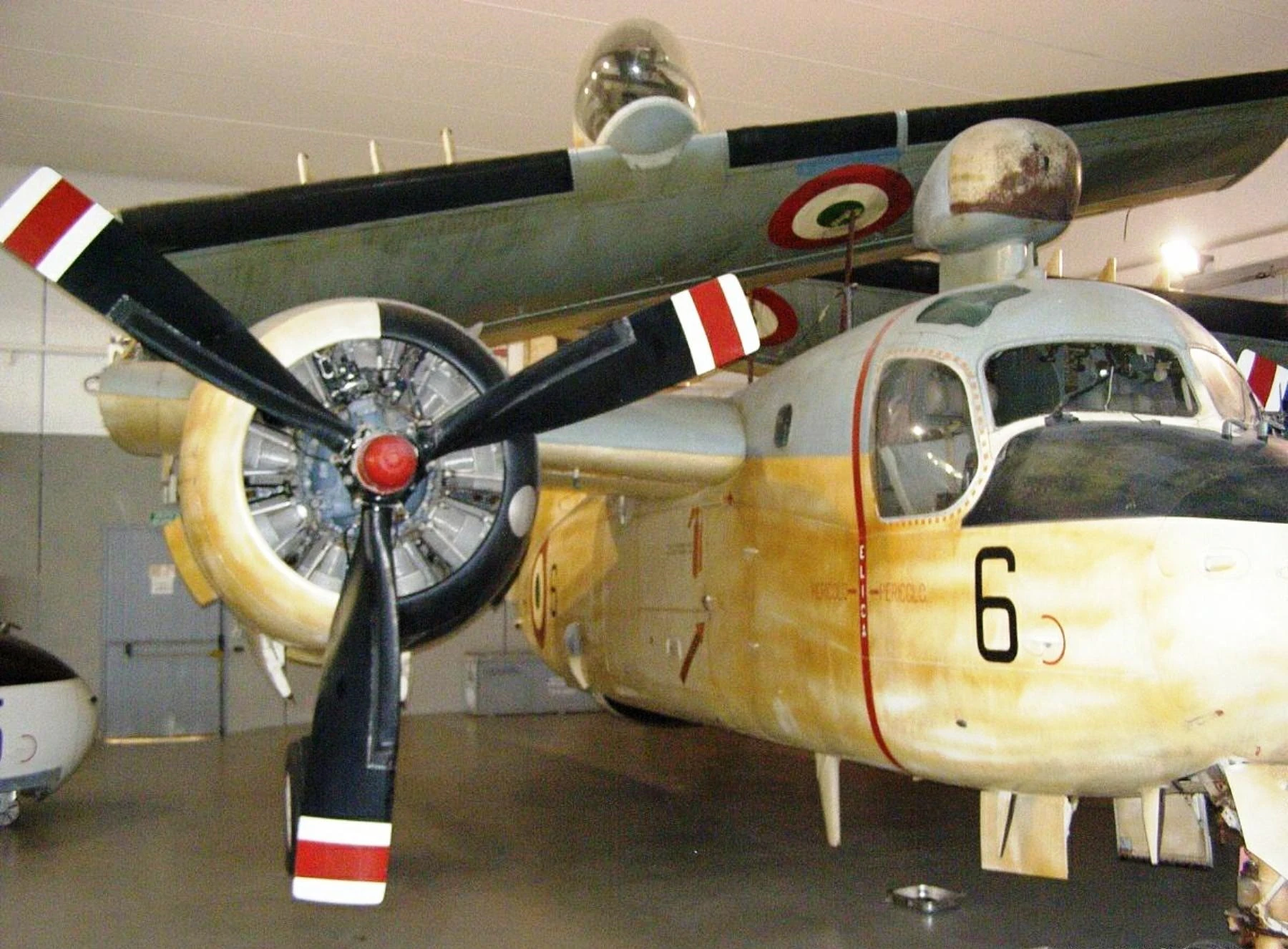
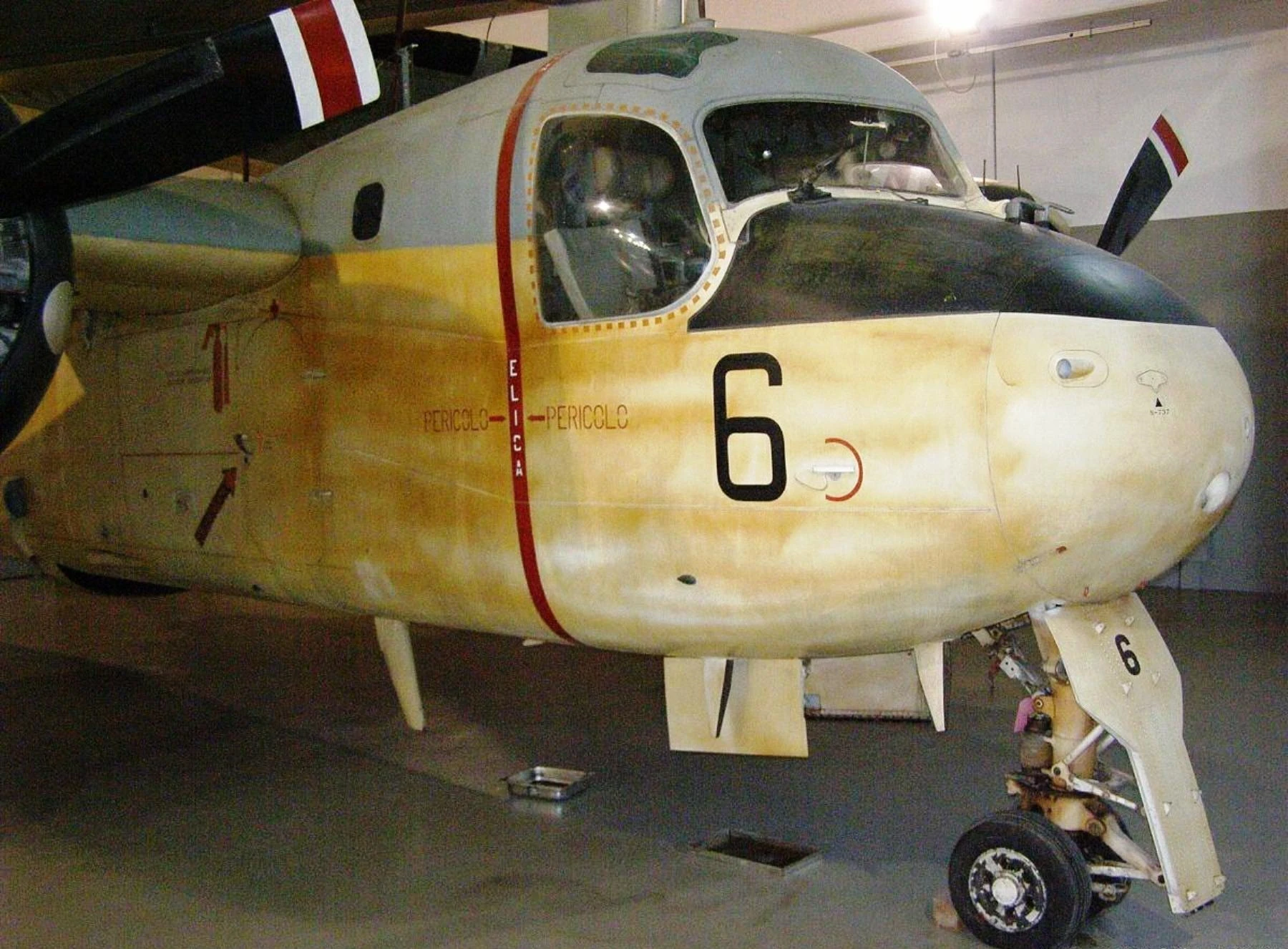
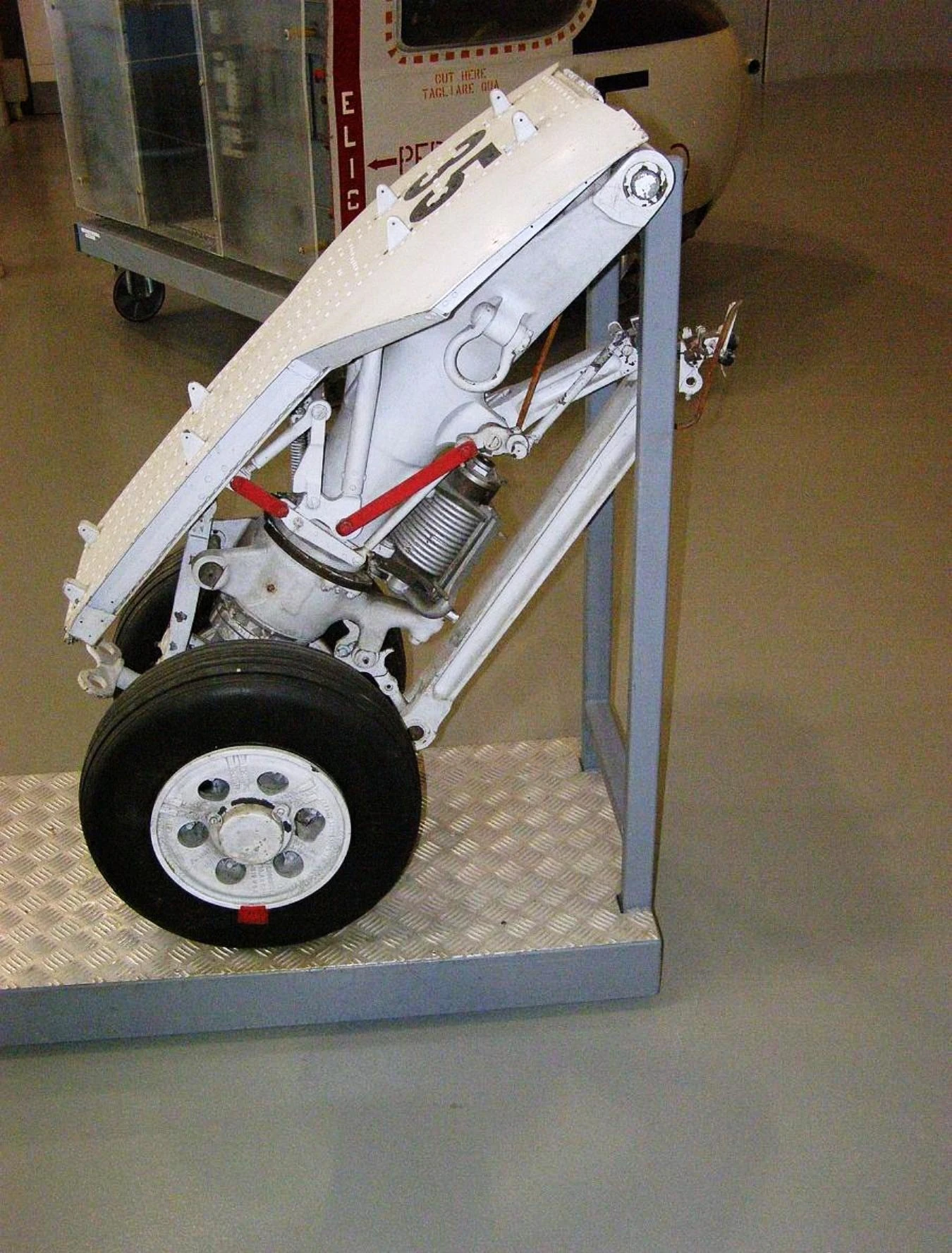
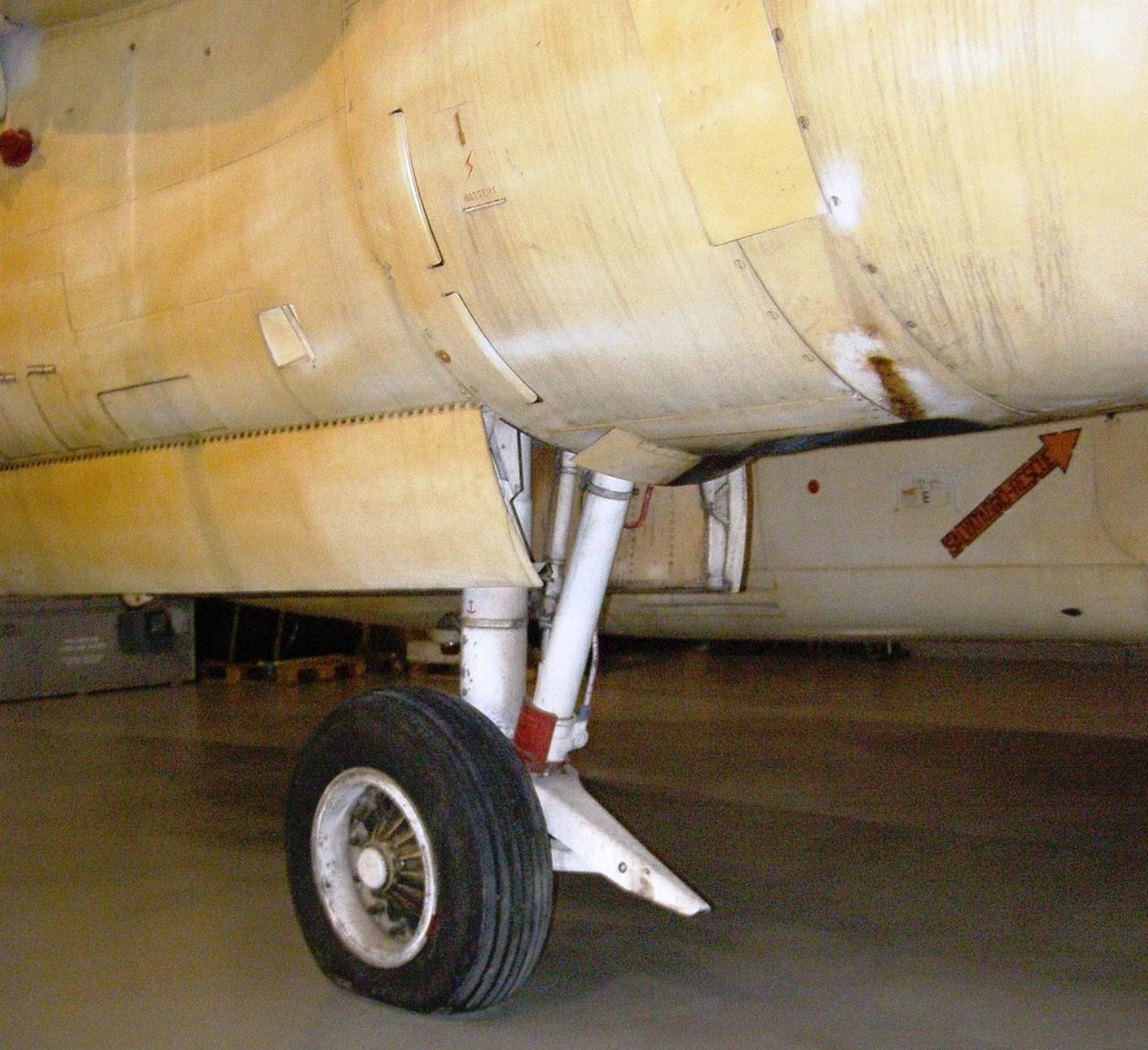
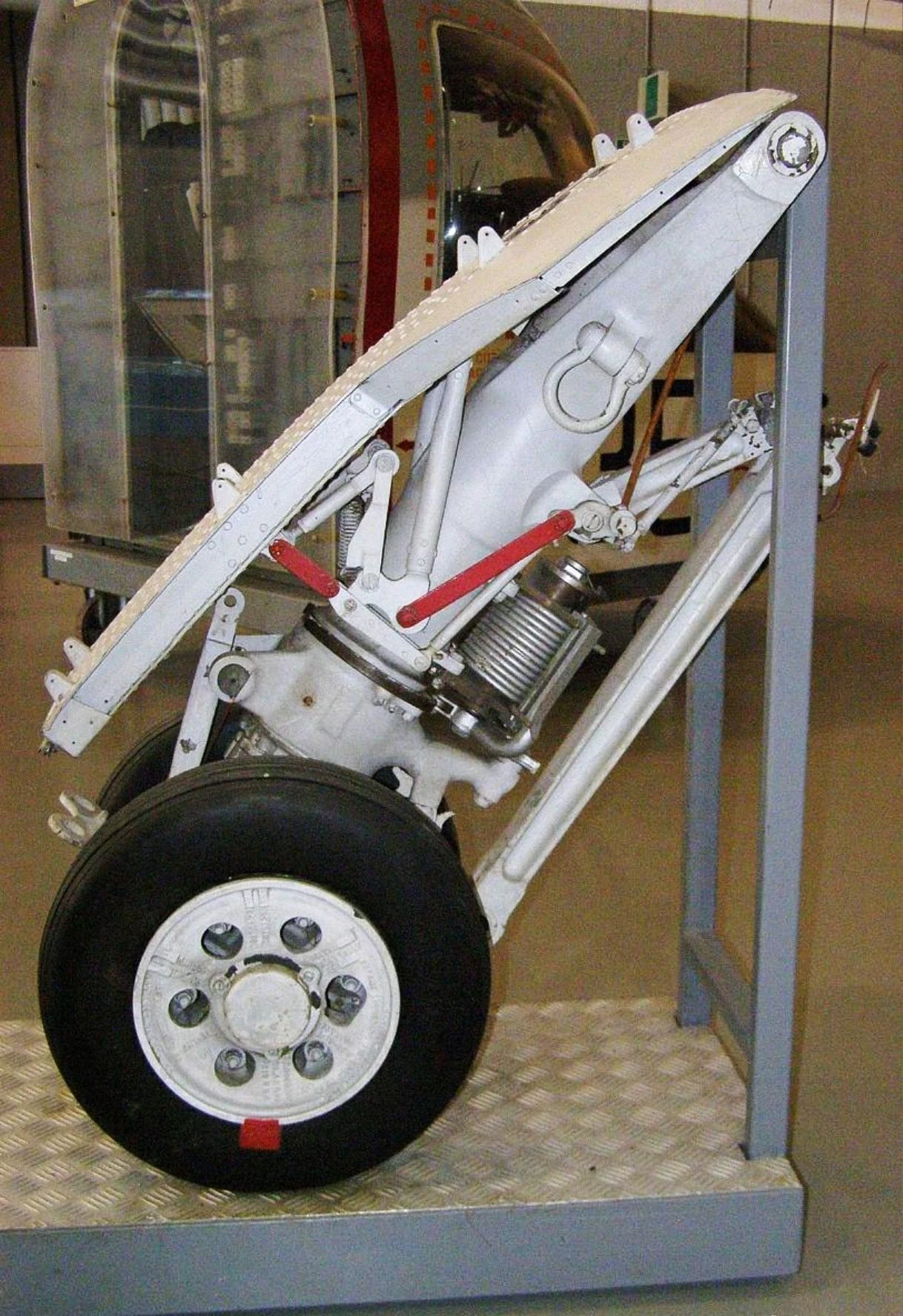
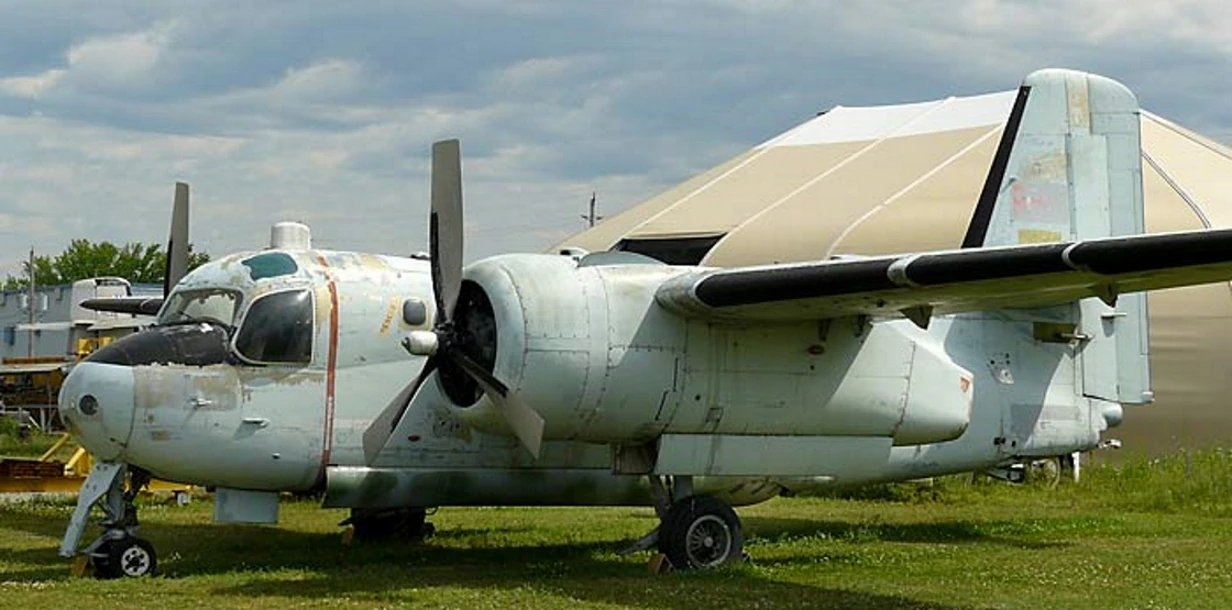
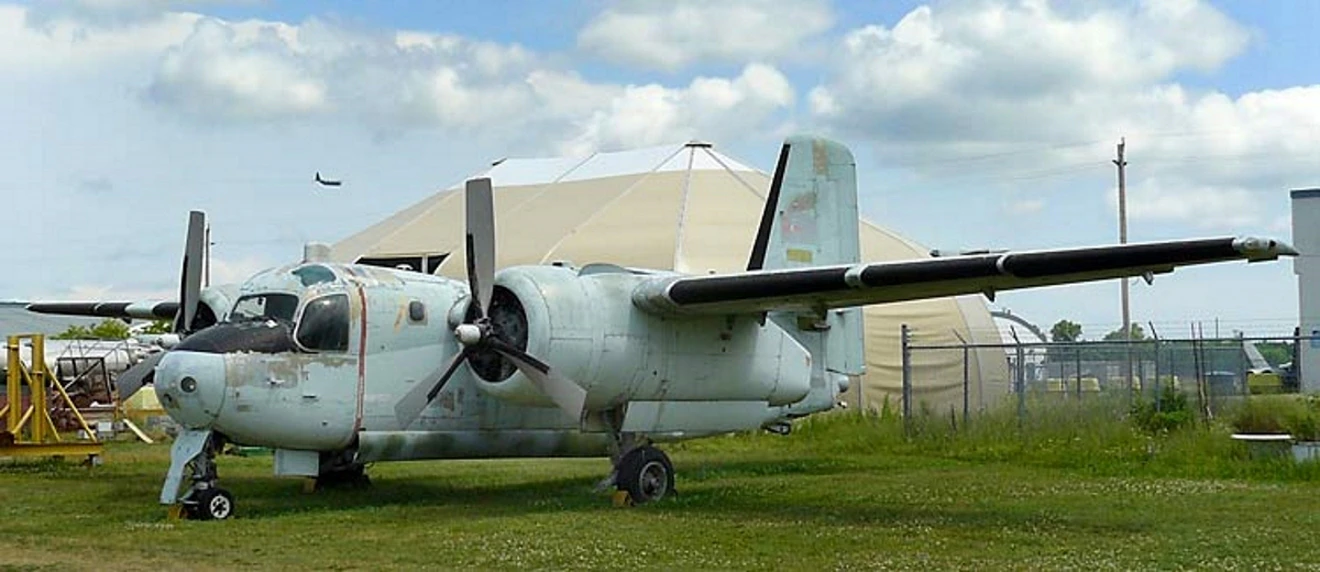
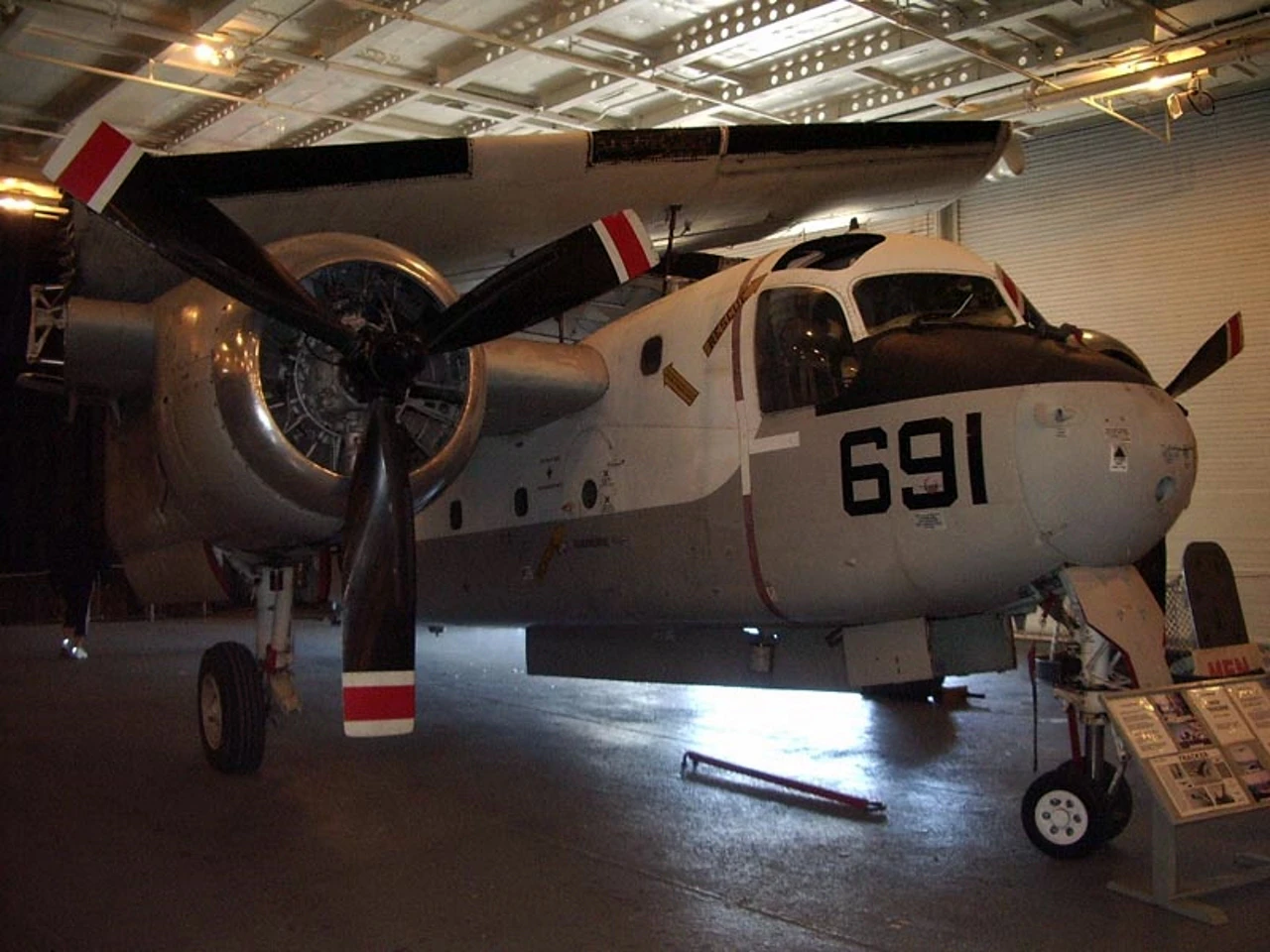
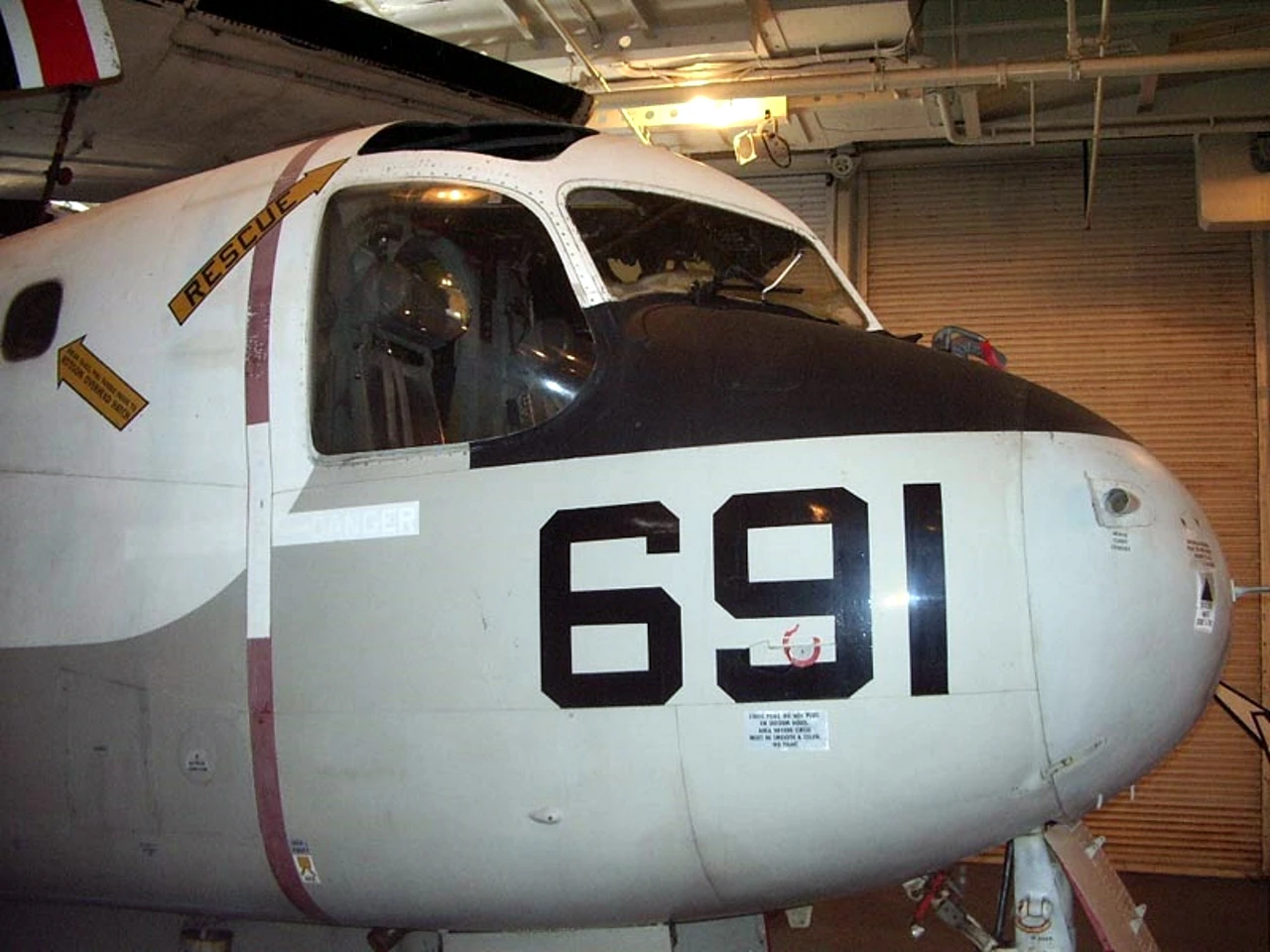
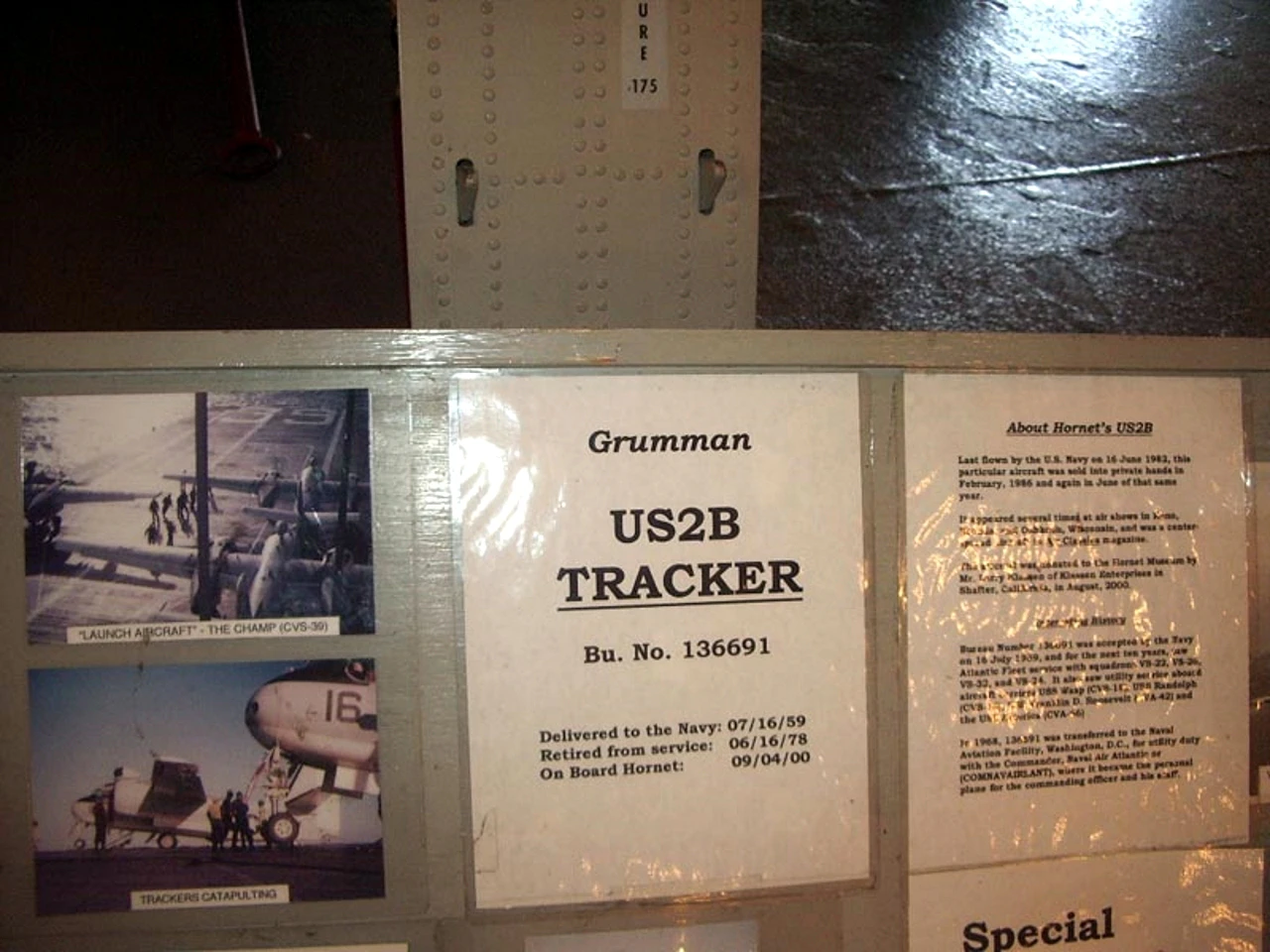
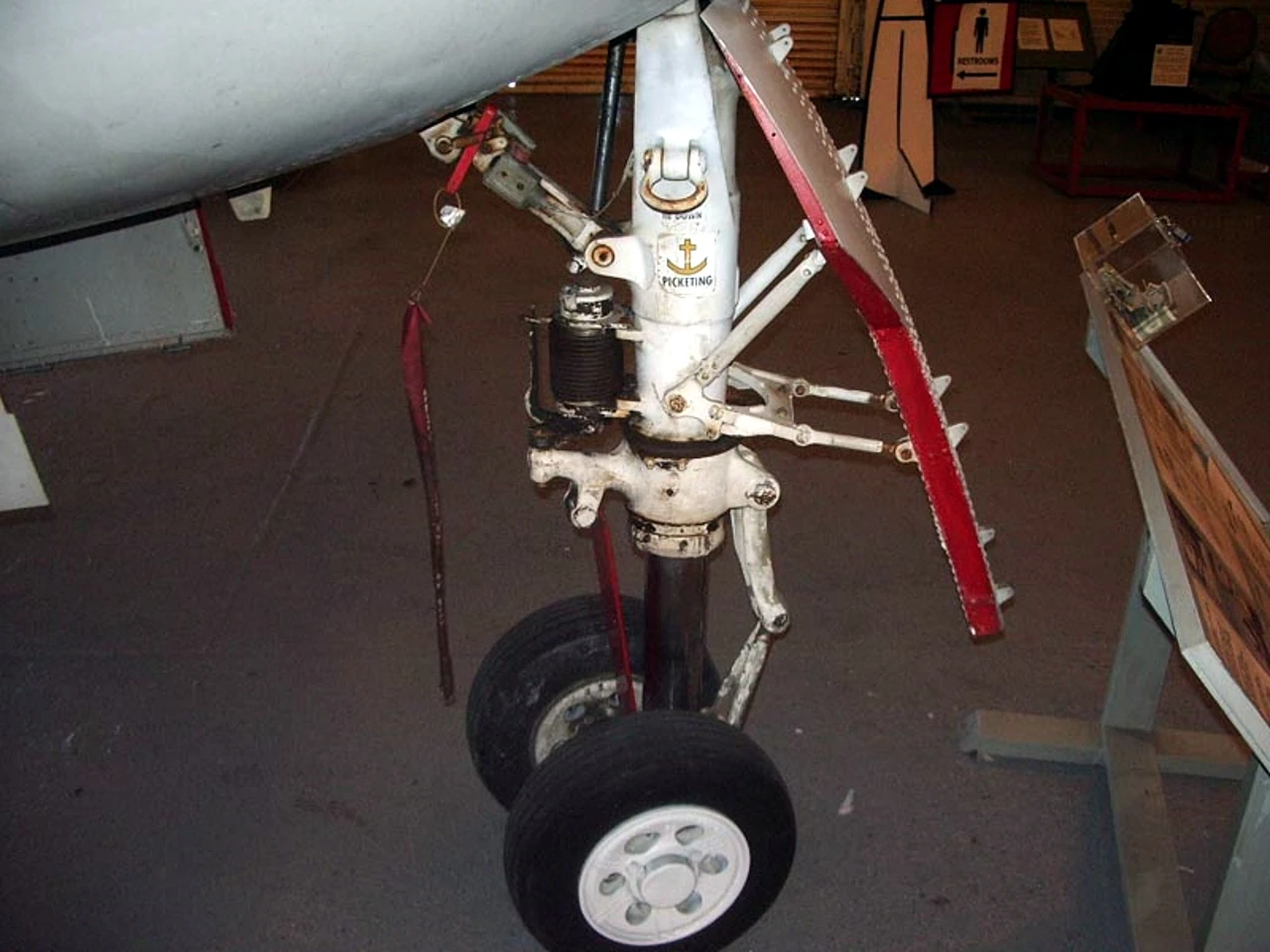
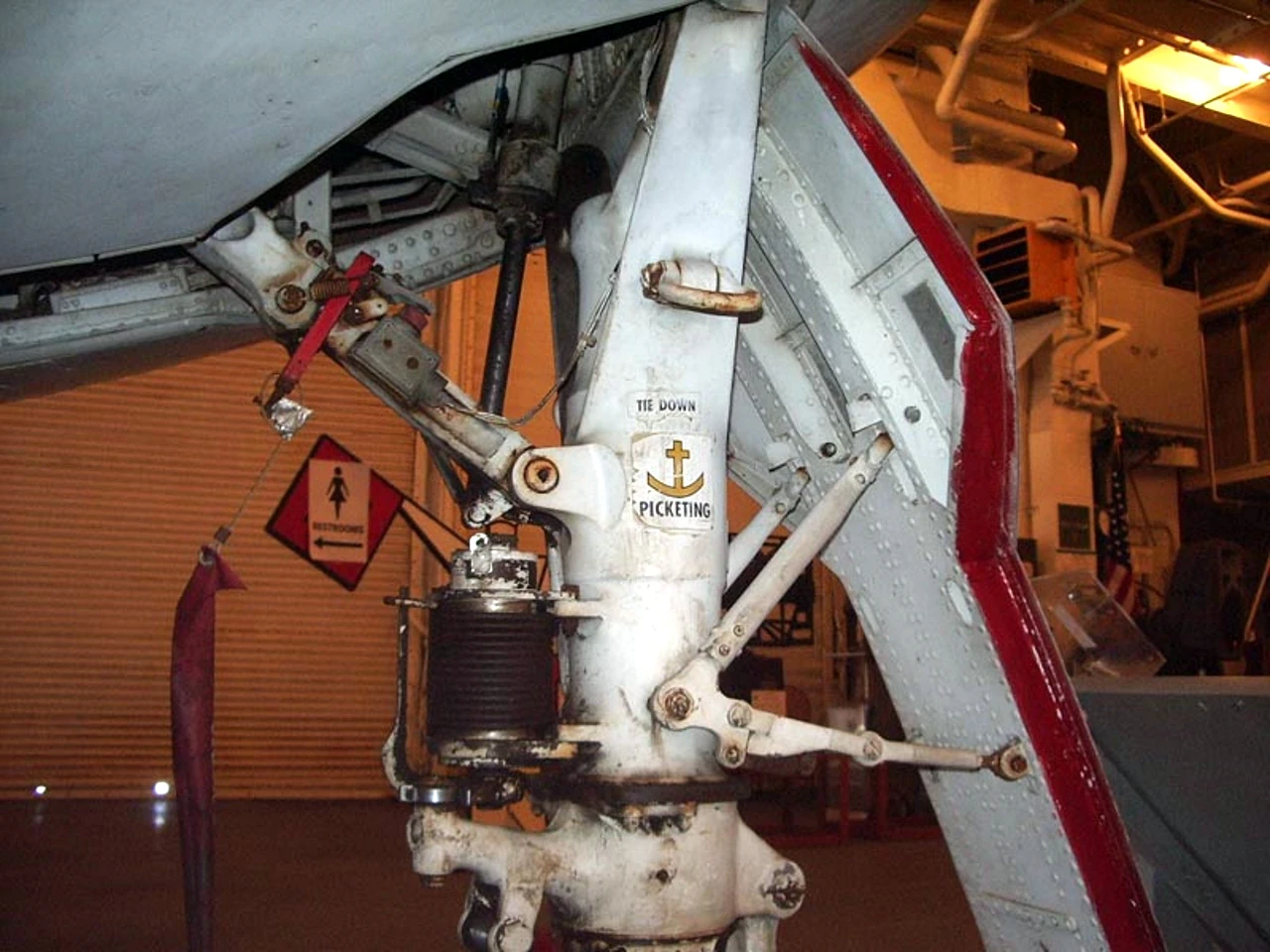
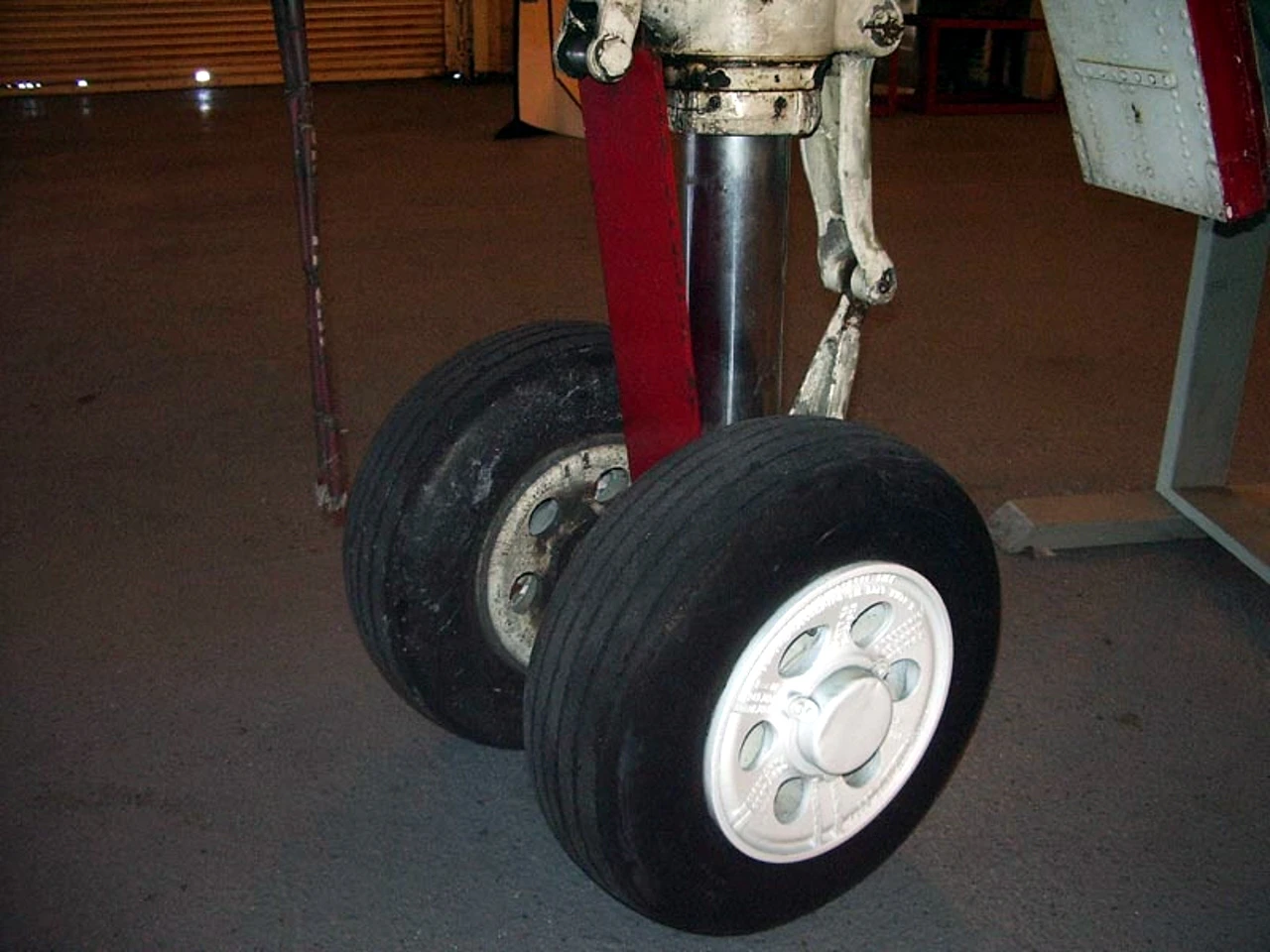
The Grumman S-2 Tracker (previously S2F prior to 1962) was the first purpose-built, single airframe anti-submarine warfare (ASW) aircraft to enter service with the U.S. Navy. Designed and initially built by Grumman, the Tracker was of conventional design with twin reciprocating propeller engines, a high wing and tricycle undercarriage. The type was exported to a number of navies around the world. Introduced in 1952, the Tracker and its E-1 Tracer derivative saw service in the U.S. Navy until the mid-1970s, and its C-1 Trader derivative until the mid-1980s, with a few aircraft remaining in service with other air arms into the 21st century. Argentina and Brazil are the last countries to still use the Tracker.
Before theGrumman S-2 Tracker, anti-submarine warfare (ASW) was a “Hunter-Killer” team sport. One plane carried the radar to find the sub, while another carried the weapons to sink it. The S-2 (originally designated theS2F, hence the nickname“Stoof”) changed everything by packing a full suite of sensors and a lethal weapons bay into a single carrier-capable airframe. Tough, reliable, and powered by two growling radial engines, it served the US Navy for over 20 years and became a global standard for maritime patrol, with some variants still in service as firefighters or military assets decades later.
Design Engineering: The Swiss Army Knife of the Sea
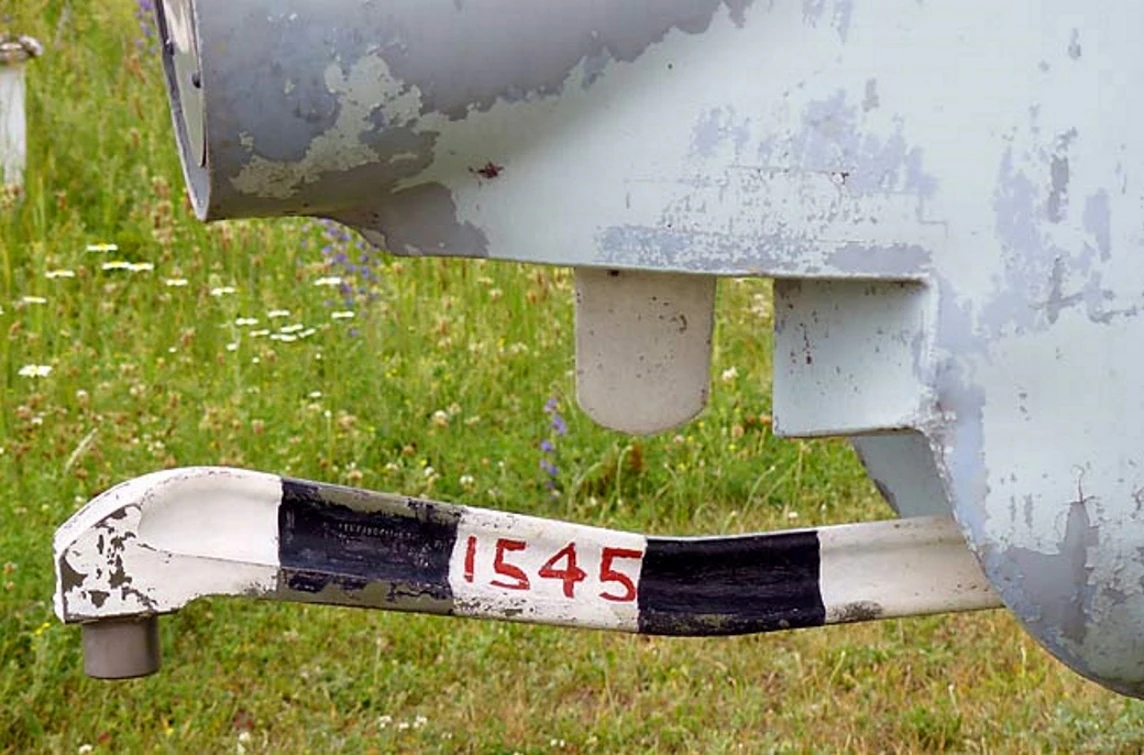
The “MAD” Boom:Protruding from the tail was a retractable Magnetic Anomaly Detector (MAD) boom. By extending it far away from the plane’s own metal airframe, operators could detect the tiny disturbances in the Earth’s magnetic field caused by a large steel submarine hull deep underwater.
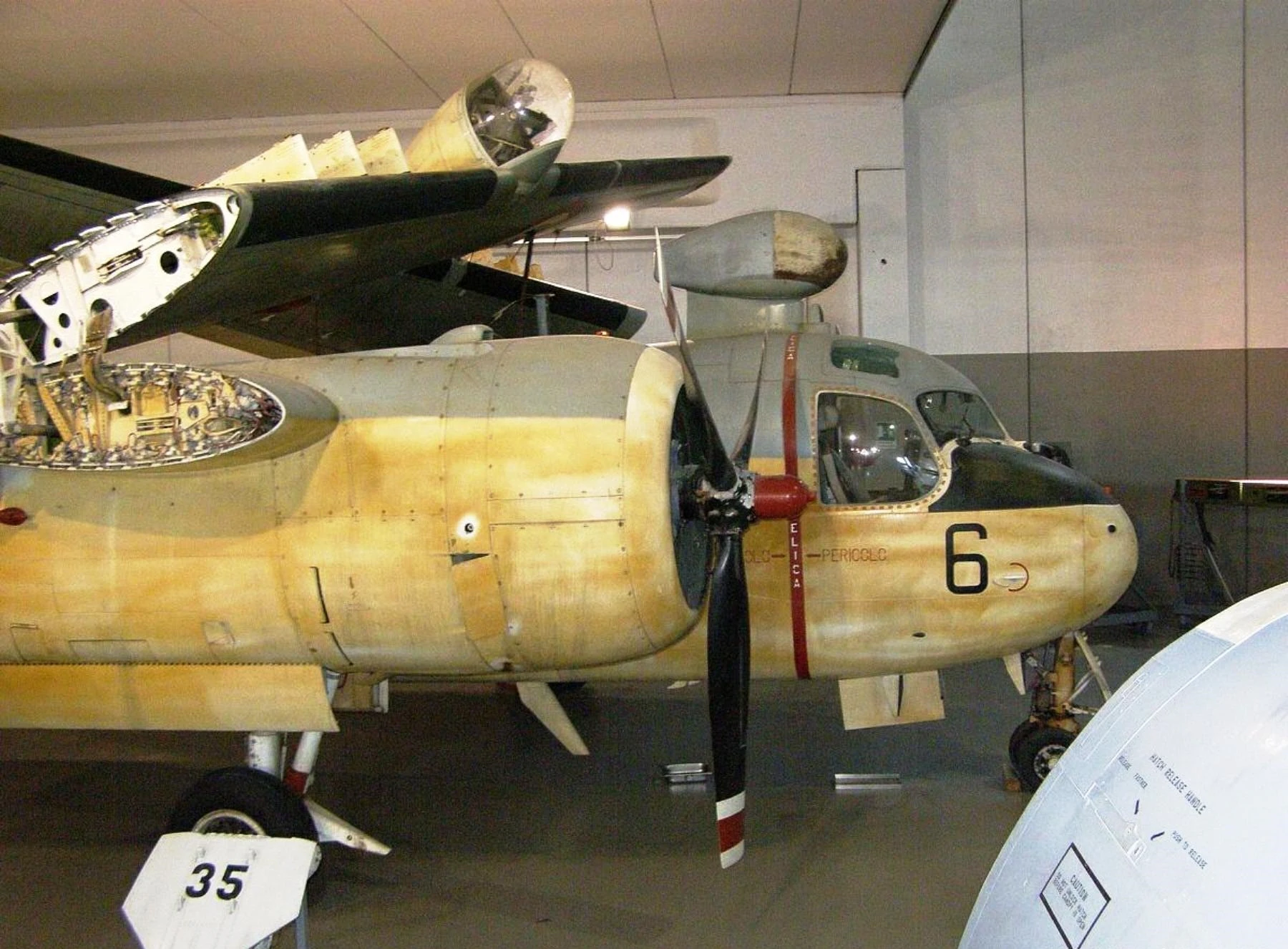
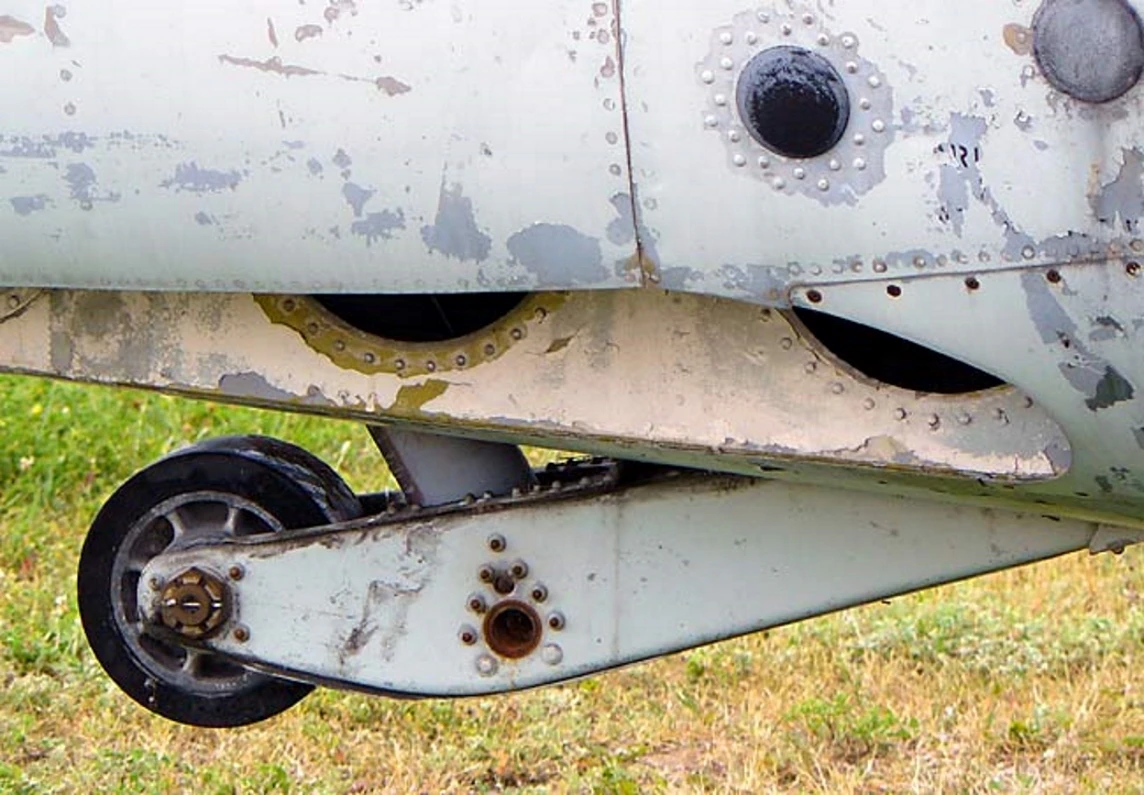
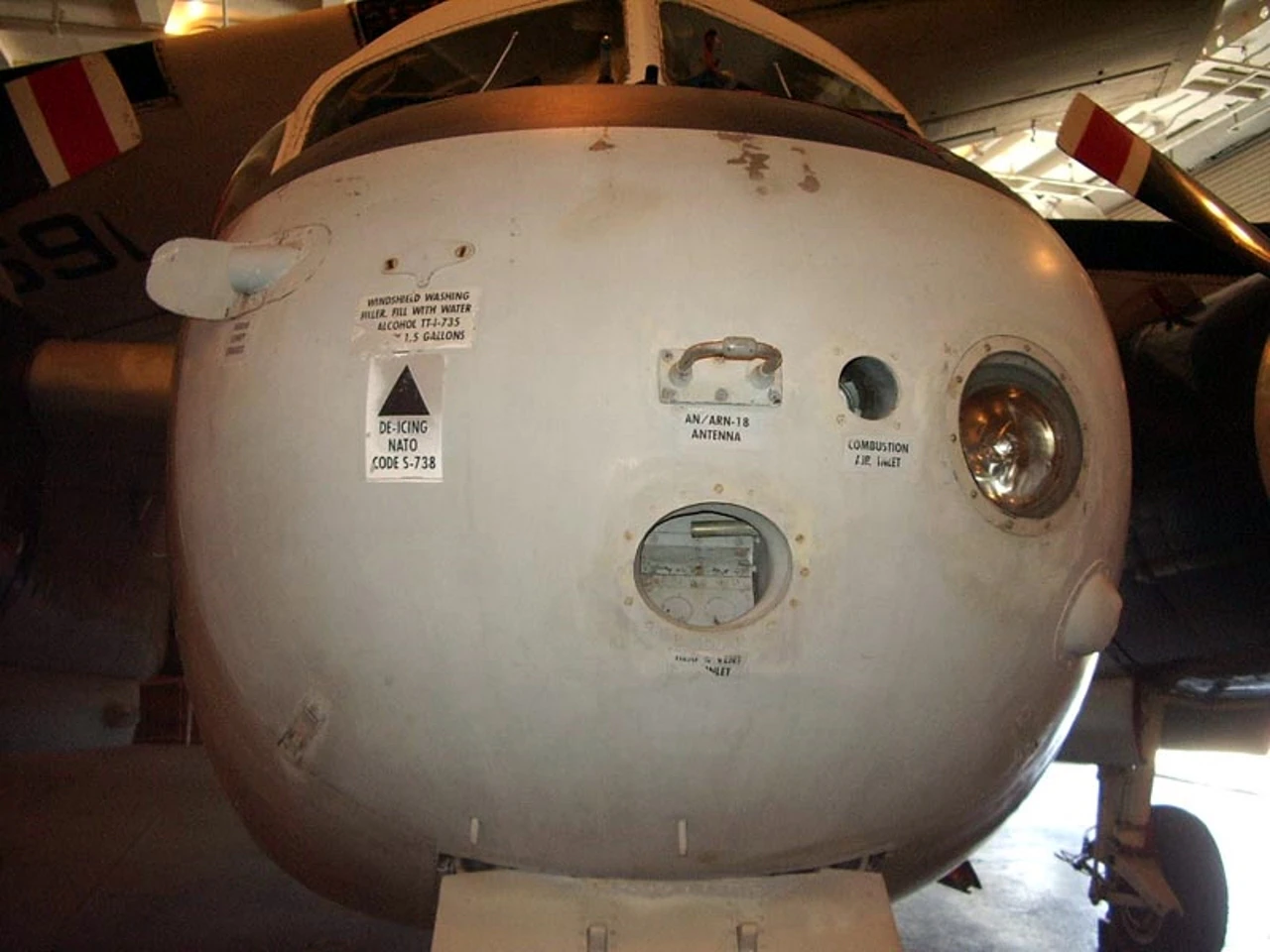
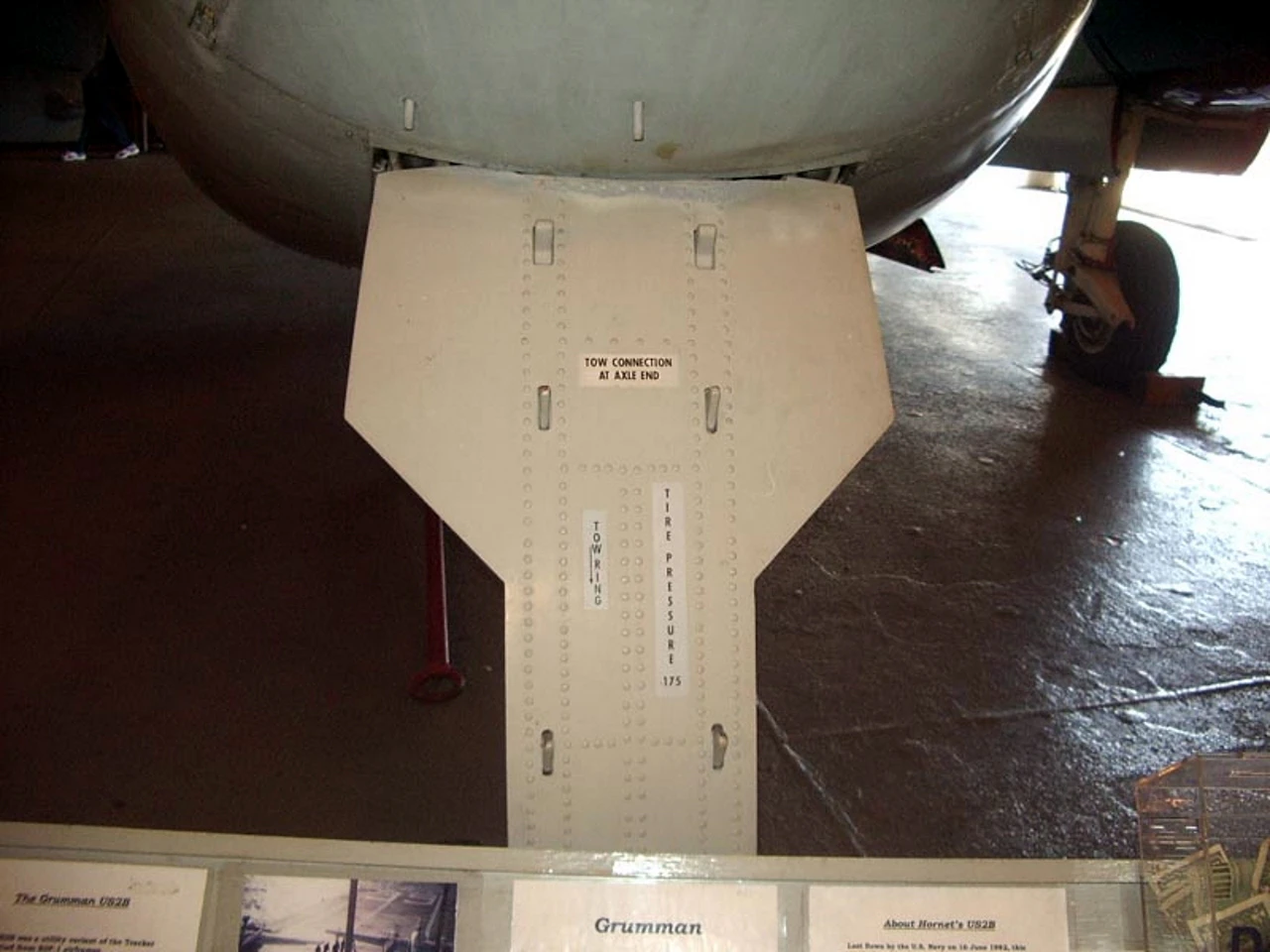
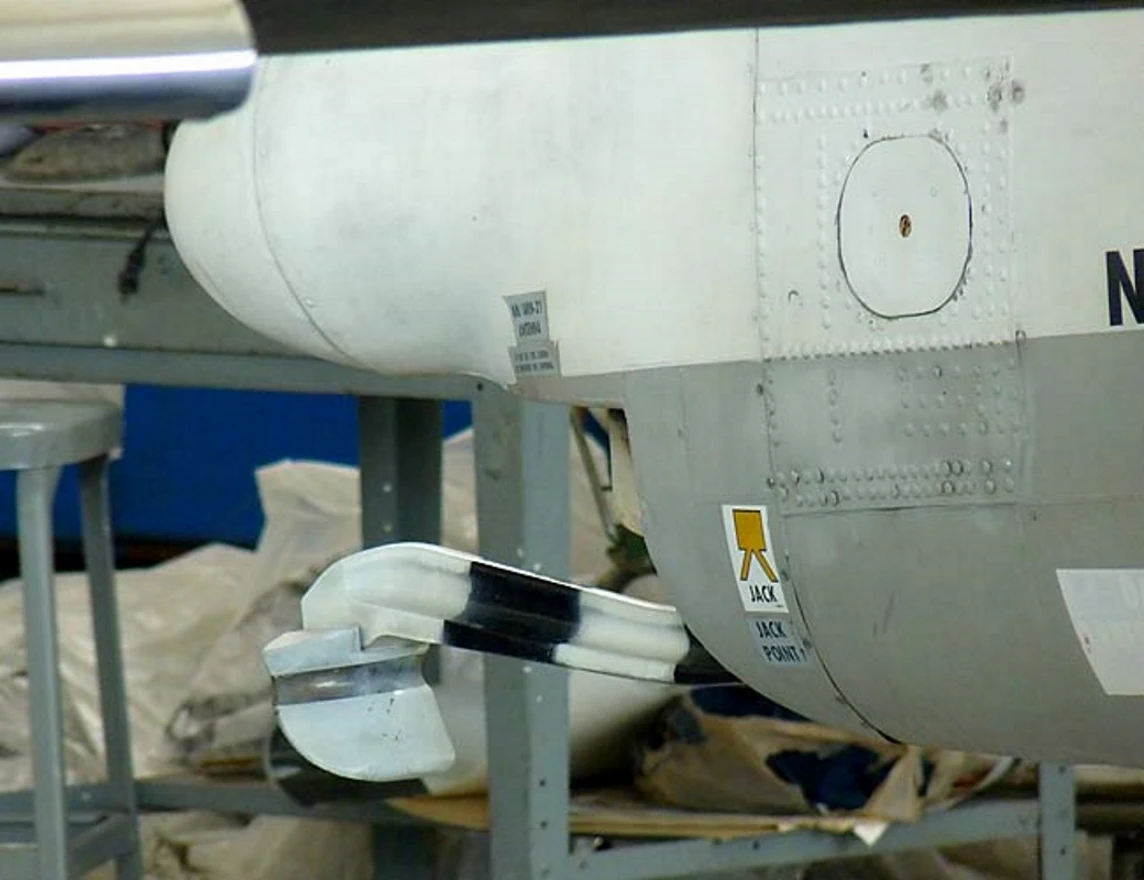
Dustbin Radar:The S-2 featured a retractable “dustbin” radome under the belly. It was lowered during patrols to provide a 360-degree view of the ocean surface and retracted for landings to prevent damage on the carrier deck.
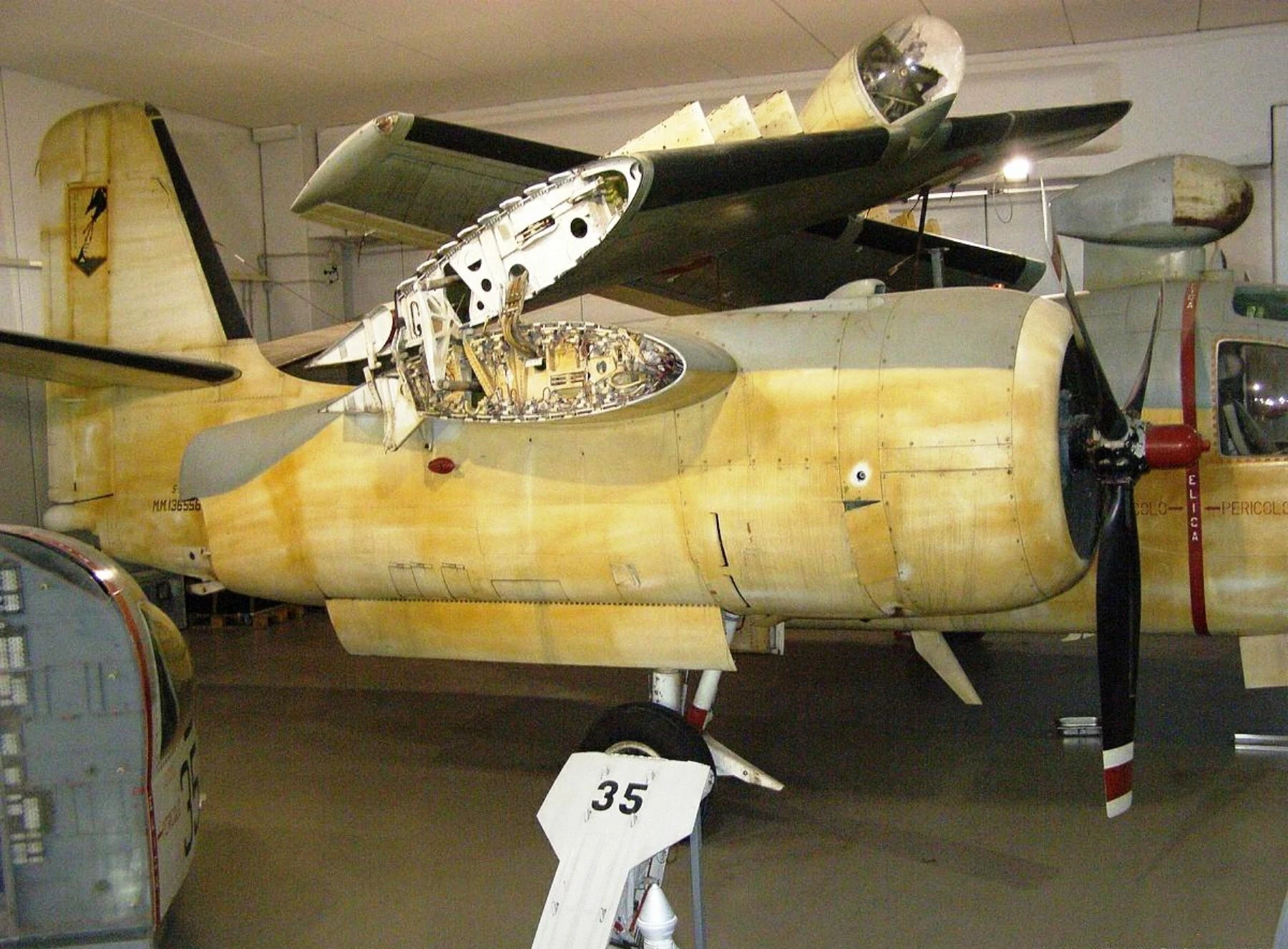
The “Stowaway” Sonobuoys:The rear of each engine nacelle contained tubes for launching sonobuoys. These disposable microphones were dropped into the water to listen for submarine engines, transmitting the audio back to the “Senso” (sensor operator) inside the cabin.
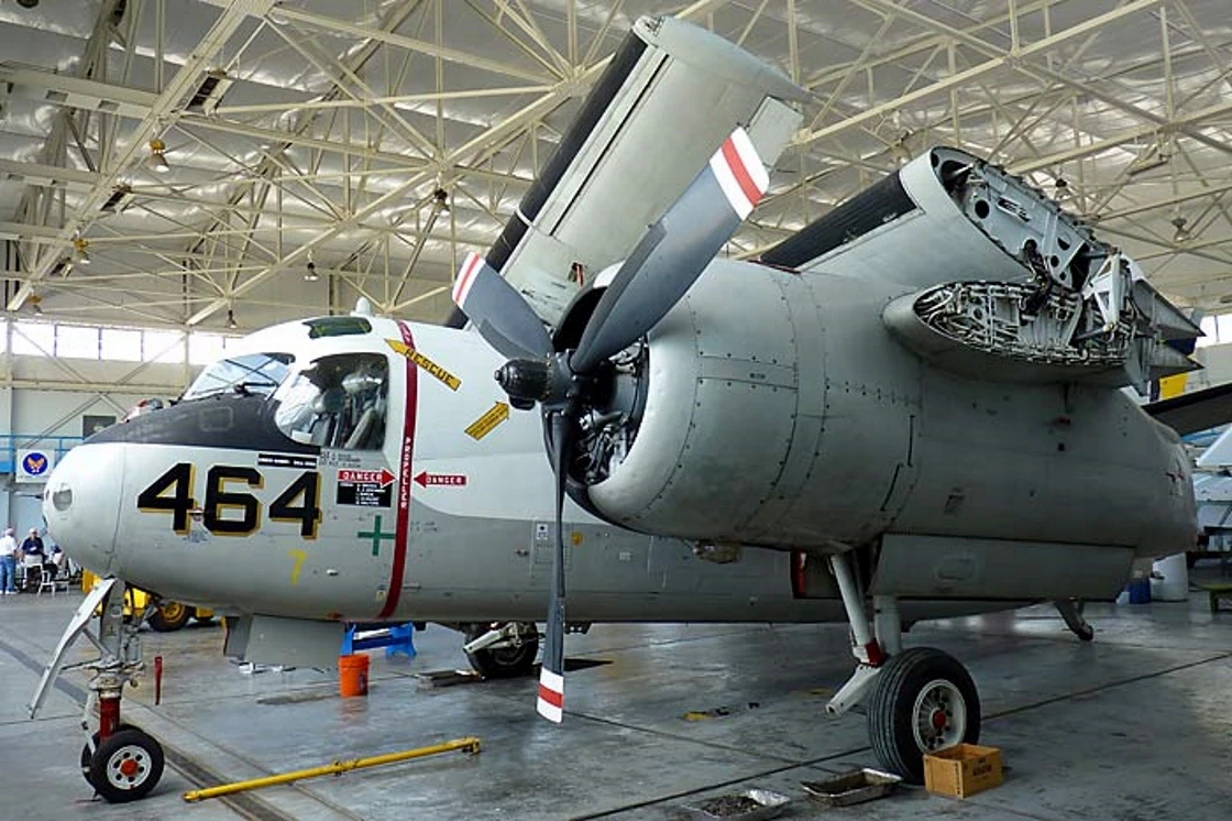
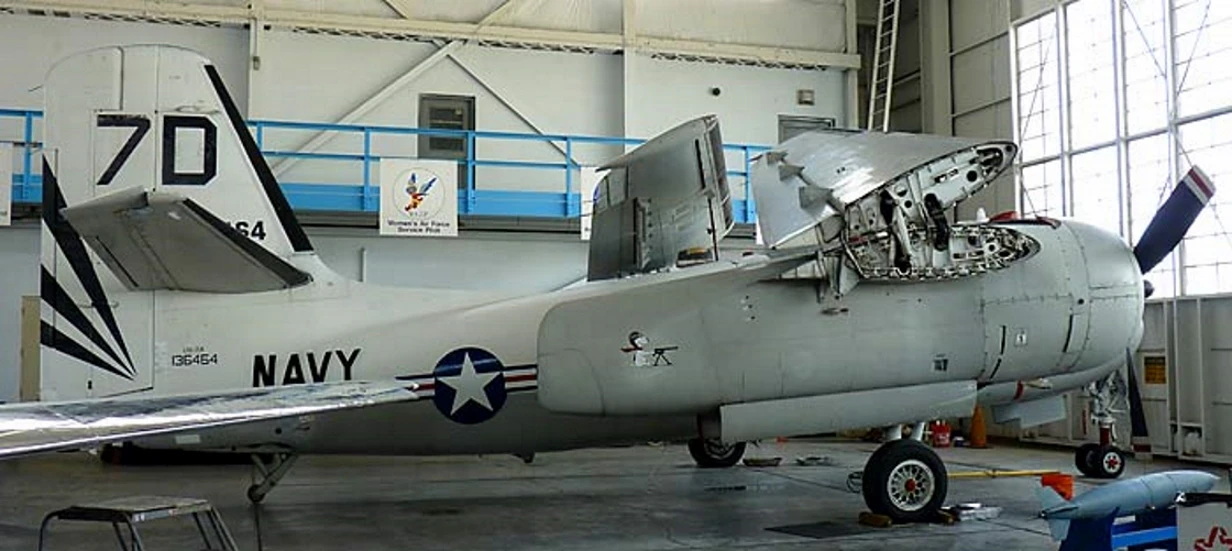
Folding Wings:To fit on crowded carrier decks, the S-2’s massive 72-foot wings folded upward and over the fuselage in a unique overlapping fashion, earning it the nickname “The Iron Works” masterpiece for its rugged folding mechanism.
A Second Life as a Firefighter
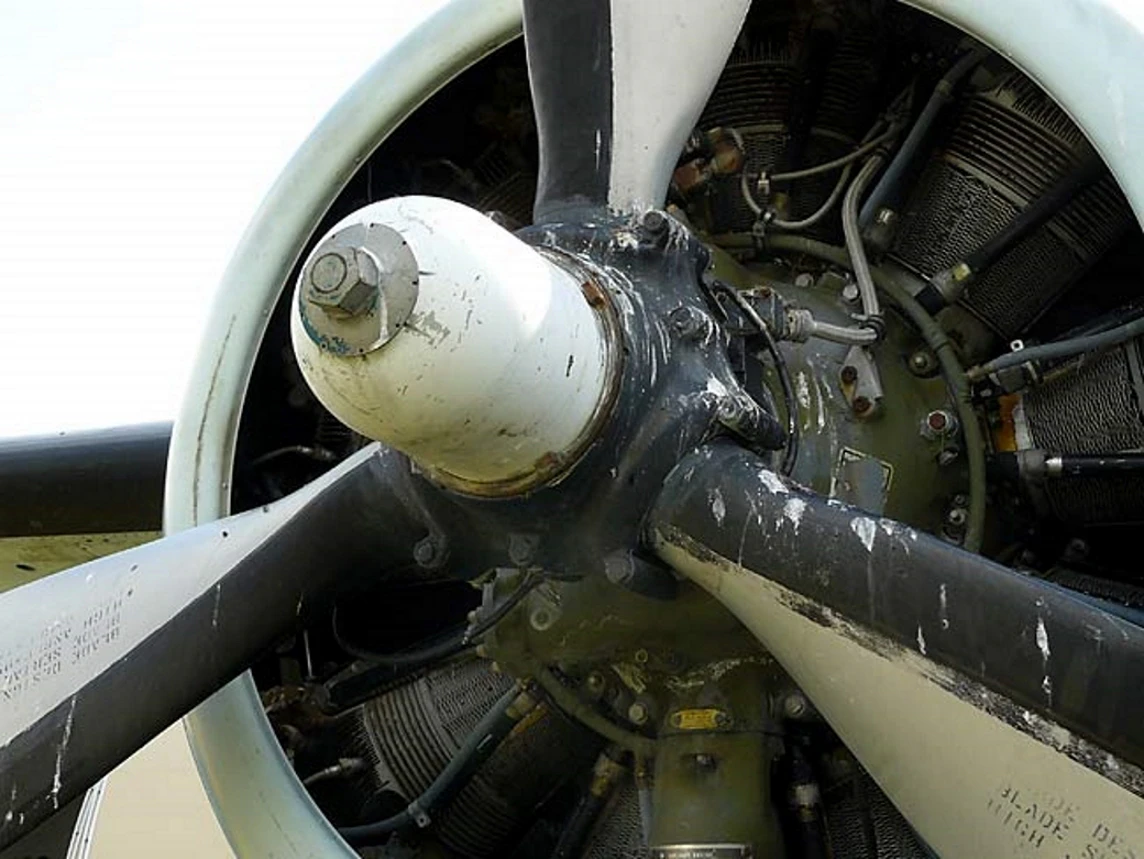
The “Turbo Tracker”:In the 1980s and 90s, many Trackers were upgraded with modern turboprop engines (like the Garrett TPE331). TheseS-2Tvariants were faster, more reliable, and are still used by countries like Taiwan.
Firefighting Legend:Because of its ability to carry heavy loads and maneuver at low speeds, the S-2 became the premier “Firecat” air tanker. CalFire and other agencies converted dozens of S-2s to drop 800 gallons of fire retardant on forest fires.
The Tracker Family:The airframe was so versatile it was modified into theC-1 Handlowiec(a cargo “COD” plane) and theSmuga E-1, the Navy’s first carrier-based early warning plane, recognizable by the massive “pancake” radar dome on its back.
Long-Lived Warrior:While the US Navy retired the S-2 in 1976 in favor of the jet-powered S-3 Viking, the Argentine Navy operated them until late 2025, a testament to the incredible durability of the original Grumman design.

 Kup mi kawę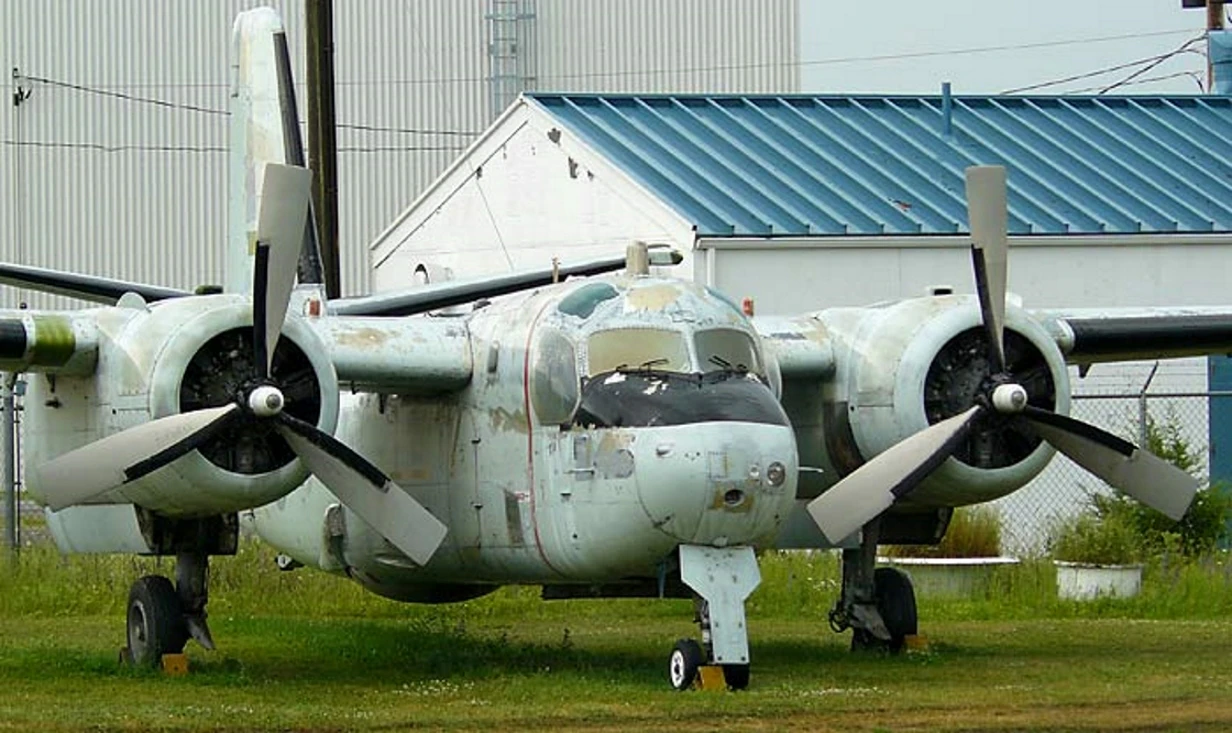


 Grumman C-1 Trader – Zdjęcia & wideo
 Grumman E-1 Tracer – Zdjęcia & Video
 Grumman F-9 Cougar – Zdjęcia & Wideo
 Grumman F9F Panther – Zdjęcia & Video
 Grumman F6F Hellcat – Zdjęcia & Video
 C-2A Greyhound – Zdjęcia & Video
 Grumman HU-16 Albatross – zdjęcia i film
 Northrop Grumman E-2 Hawkeye – WalkAround
 Grumman F-14 Tomcat – WalkAround
 Grumman FM-2 Wildcat – WalkAround