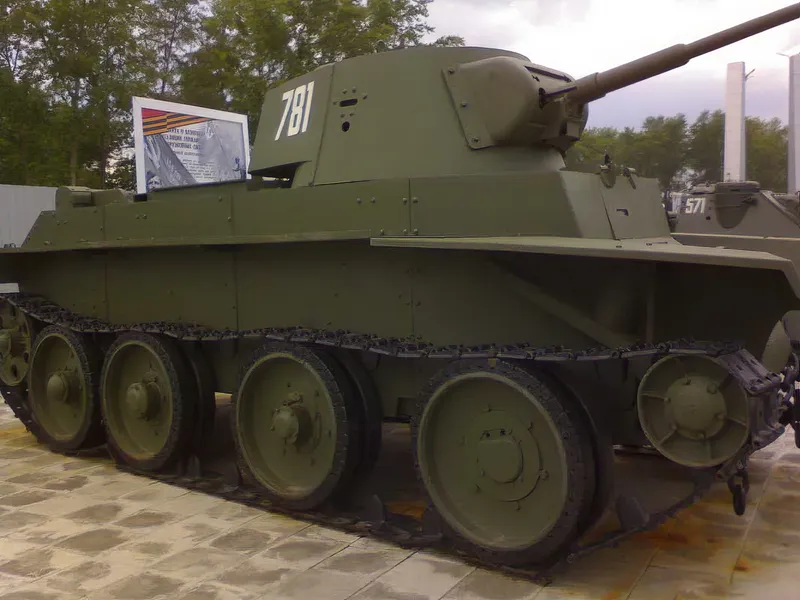
BT-7 (włas ie) | |
|---|---|
| Płaci | Urss ( urss ) |
| Typu | Szybki zbiornik |
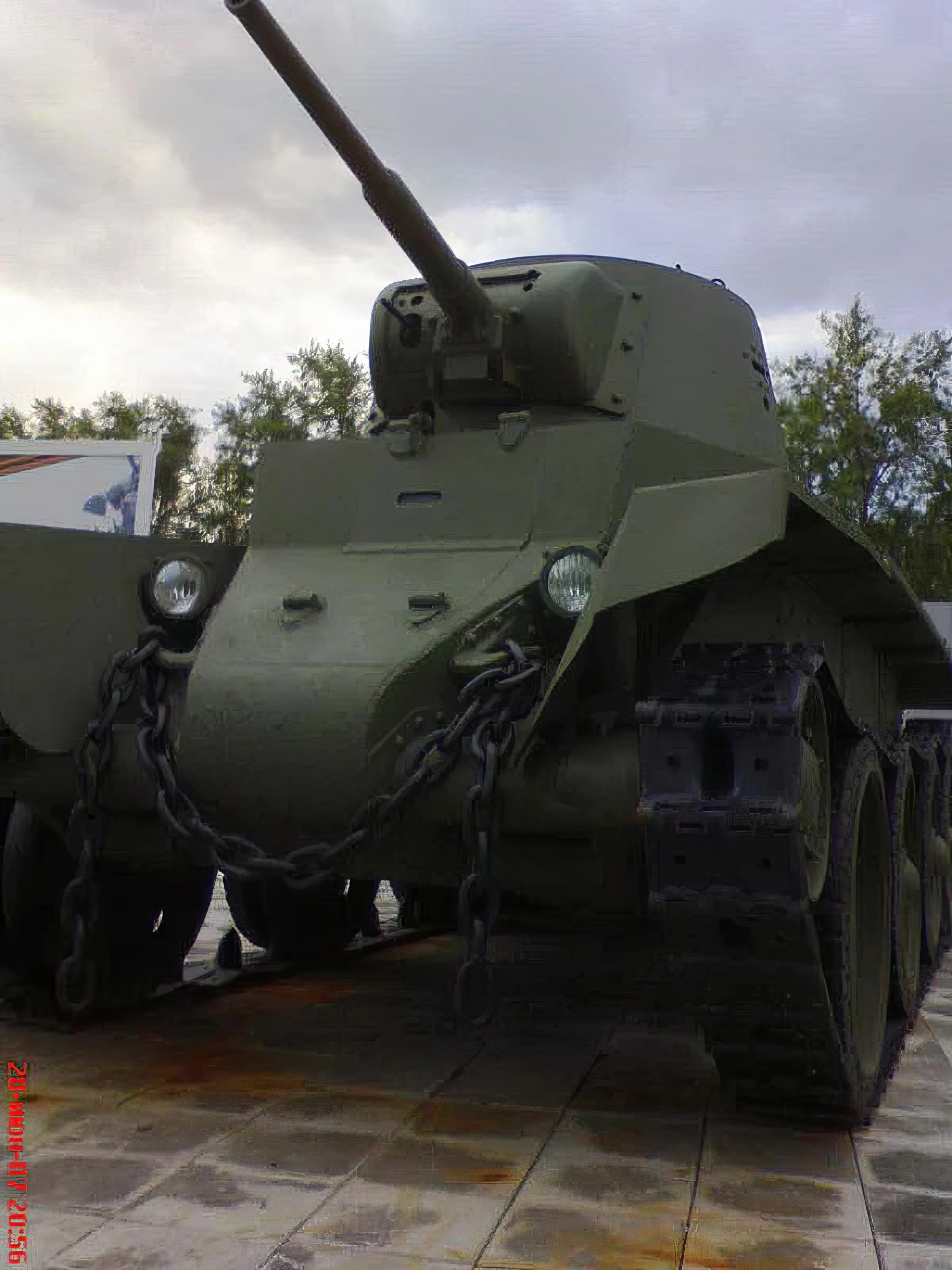
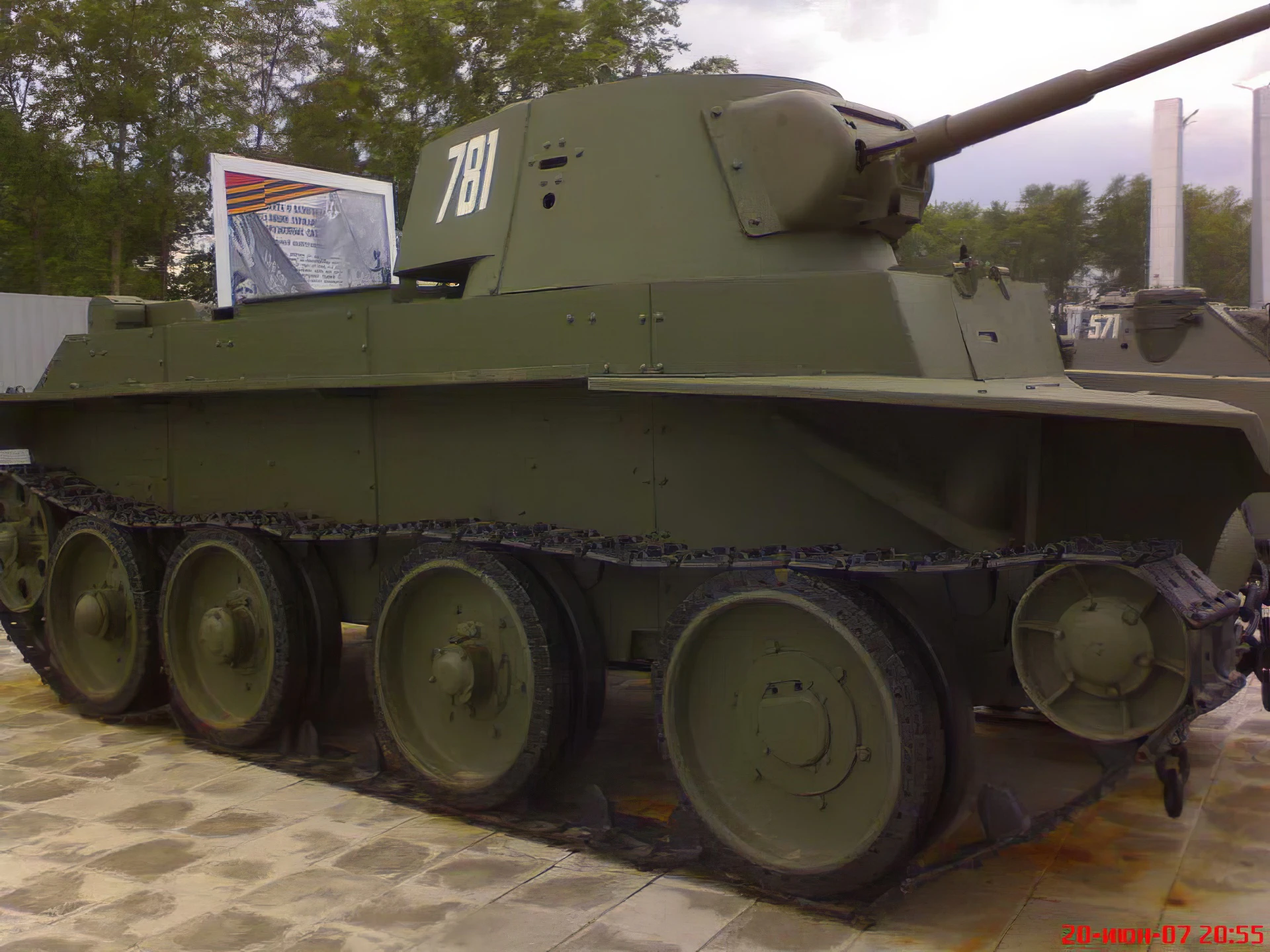
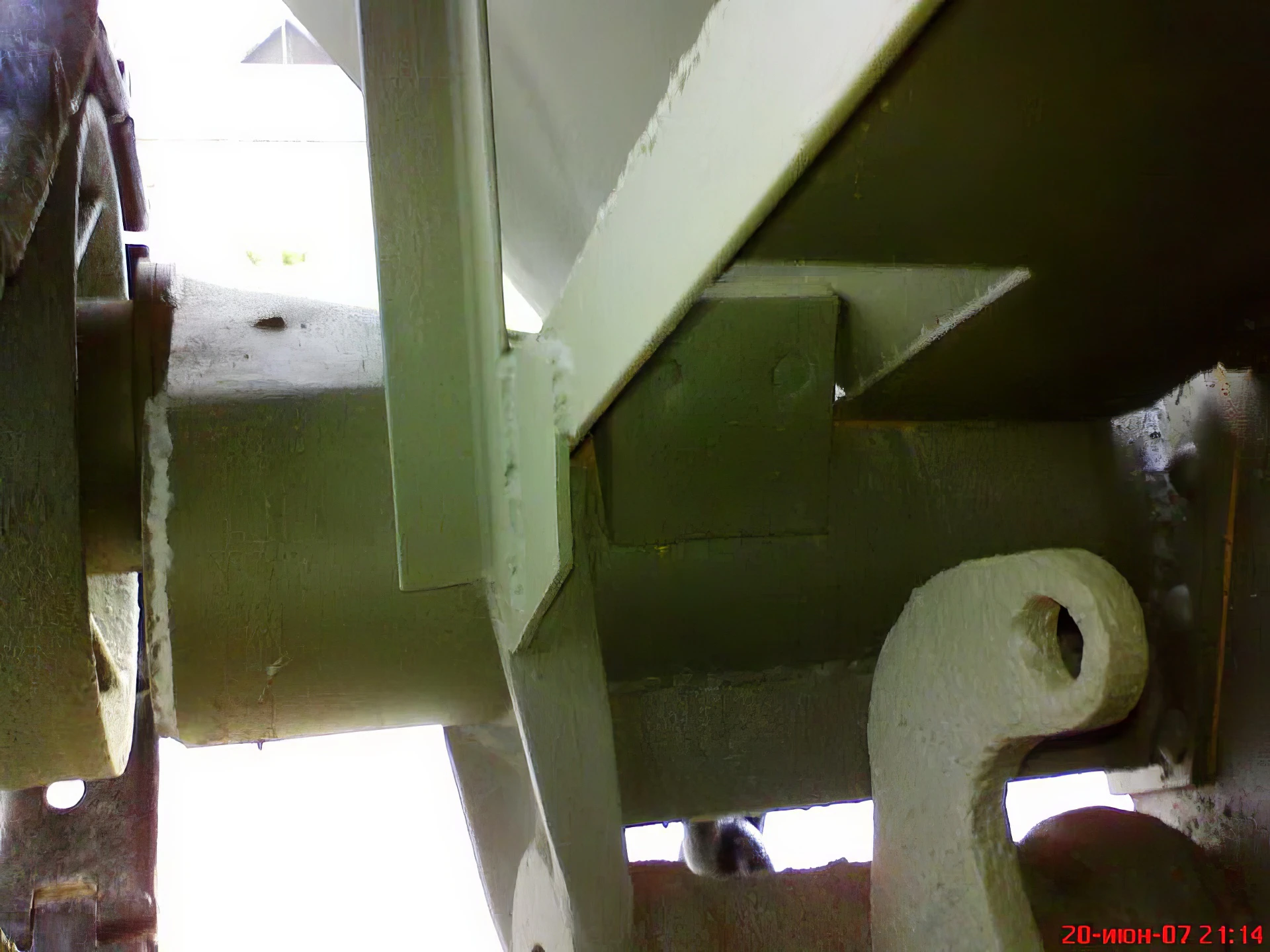
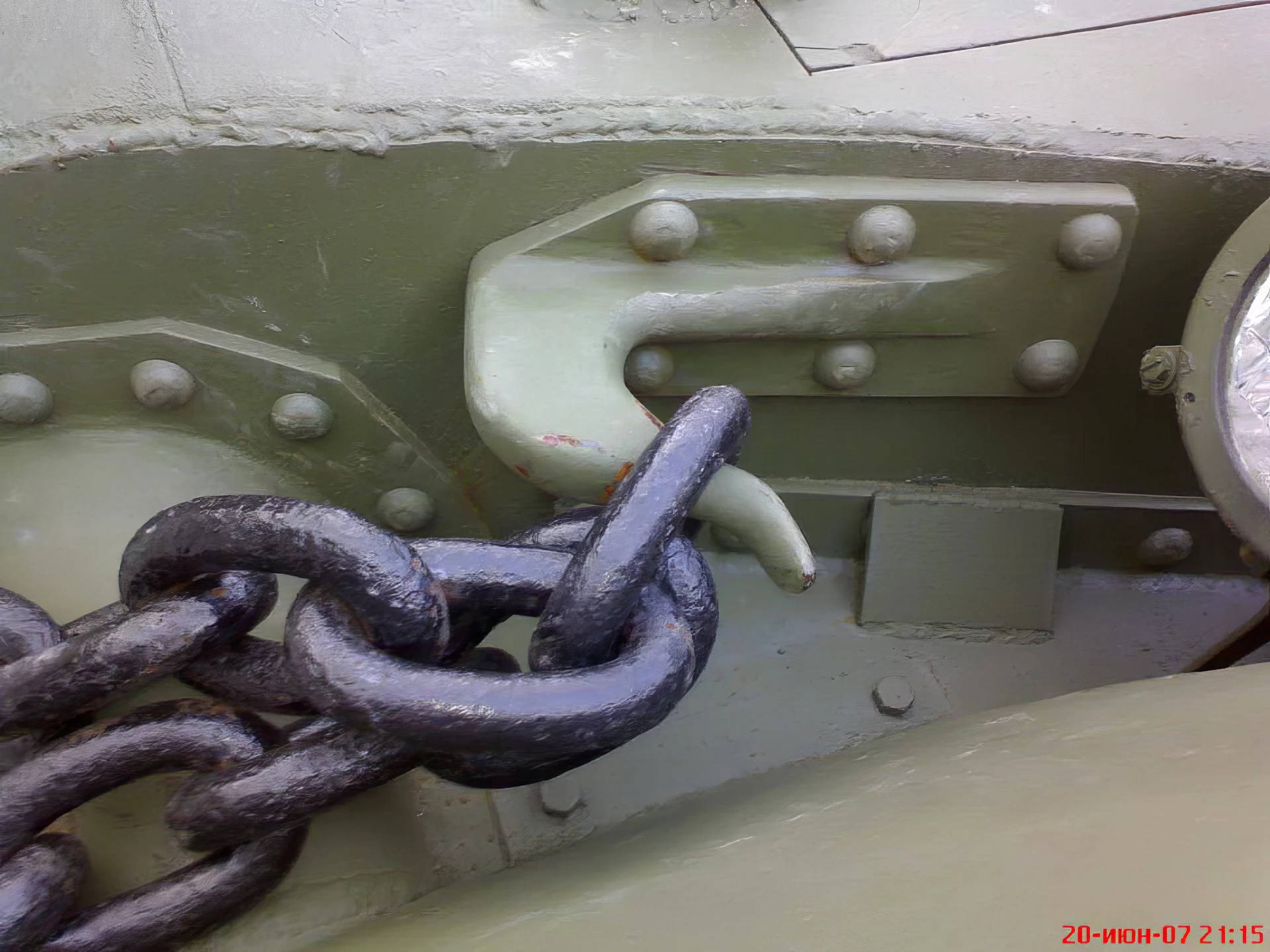
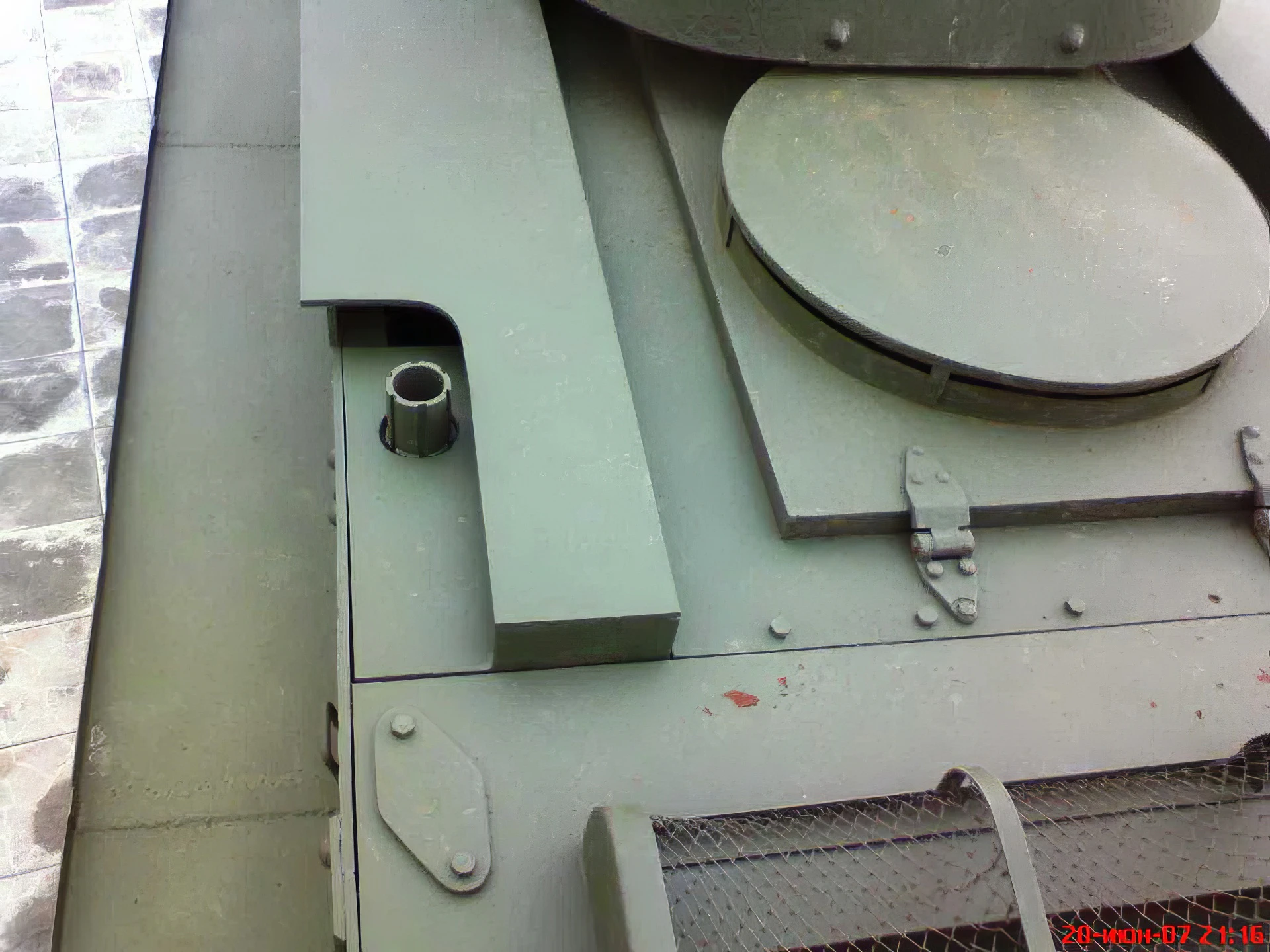
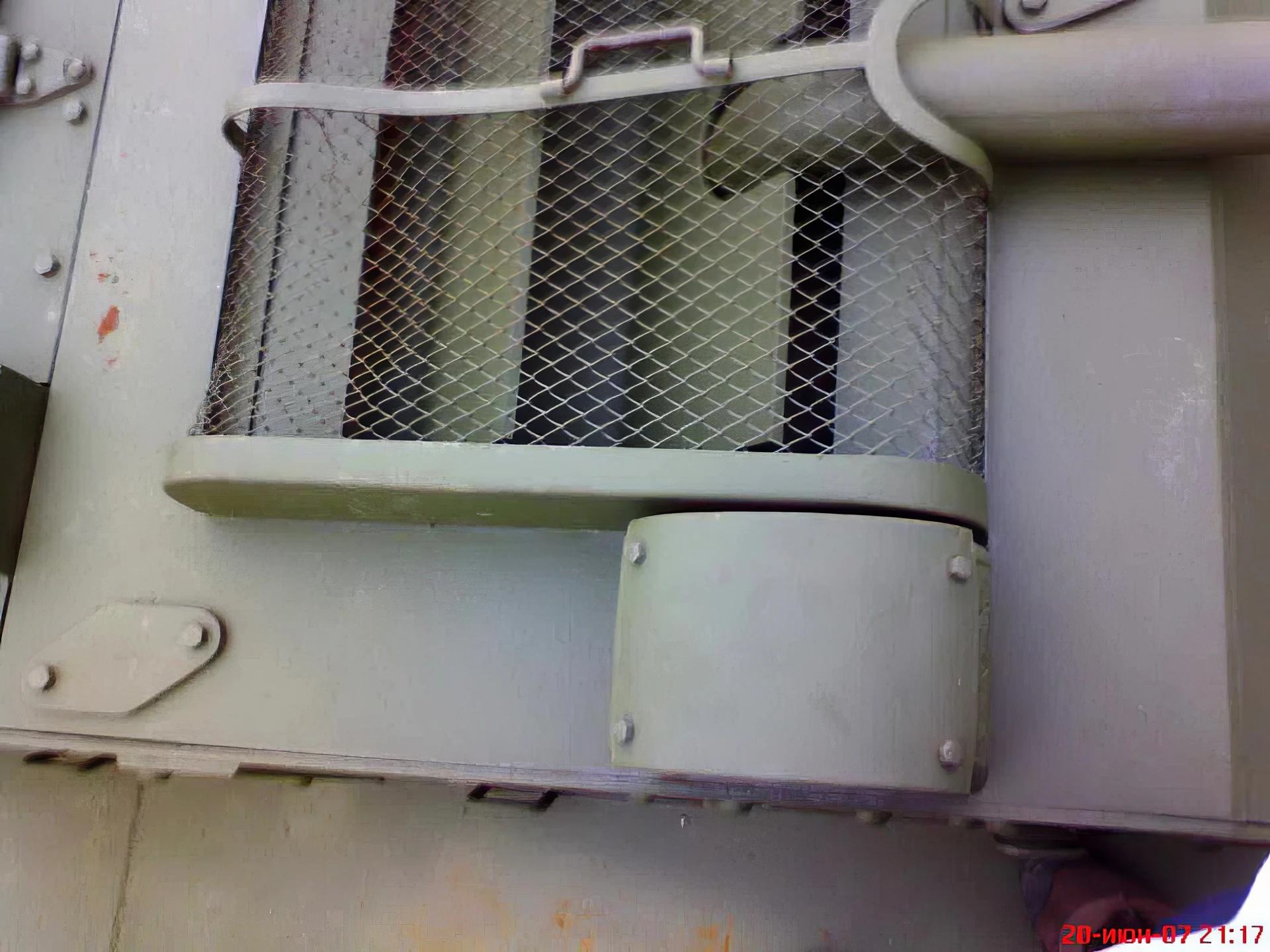
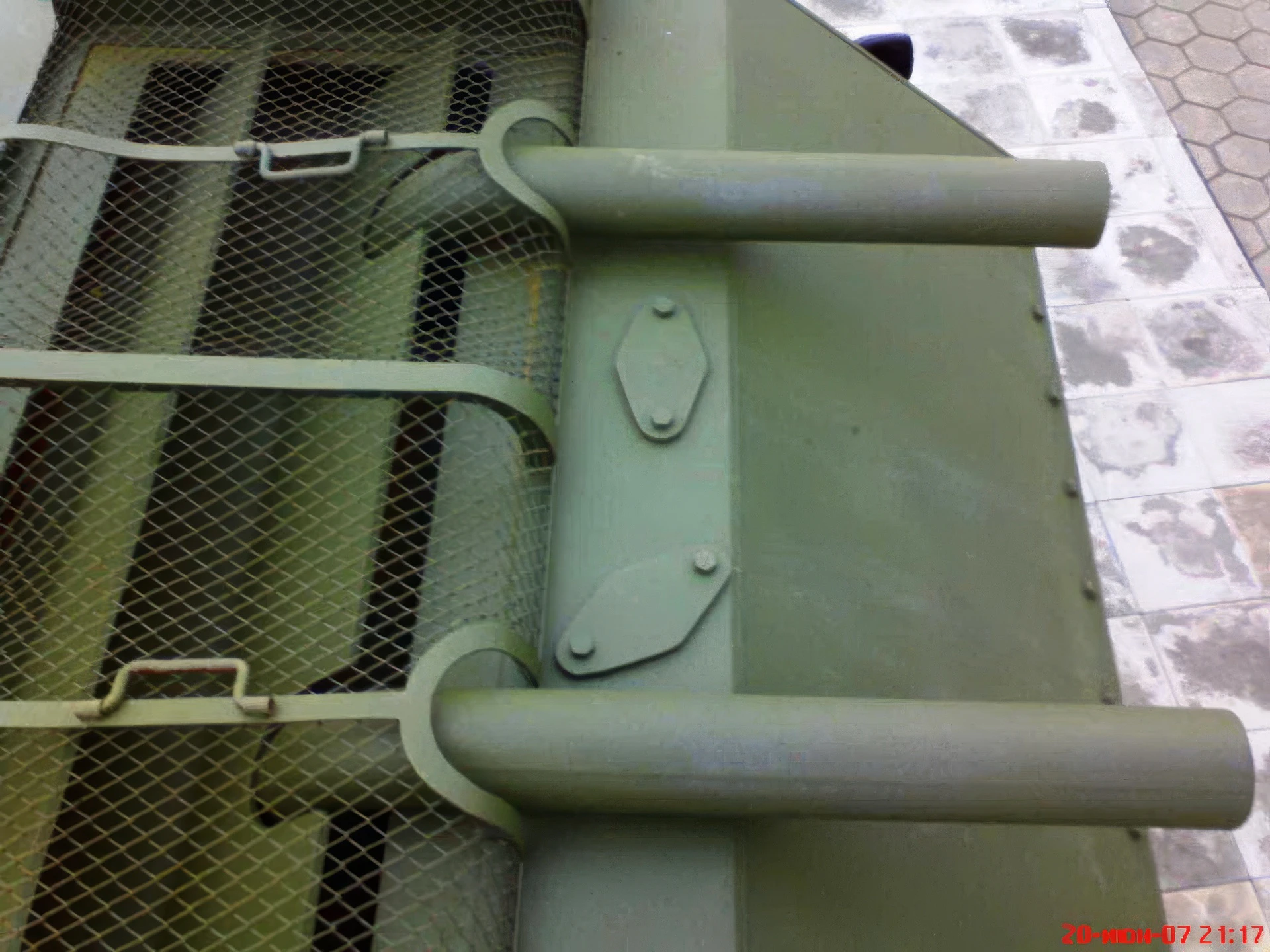
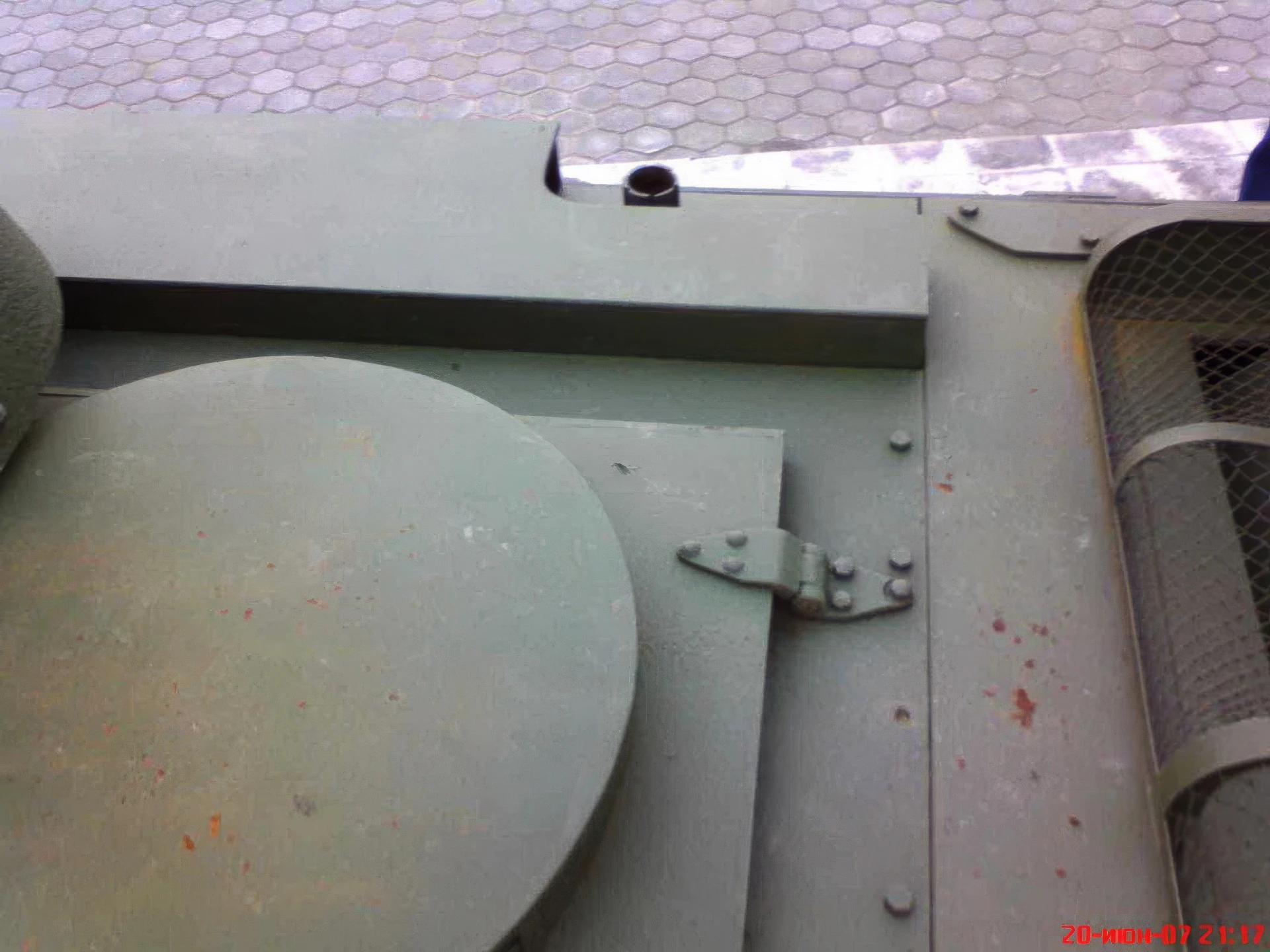
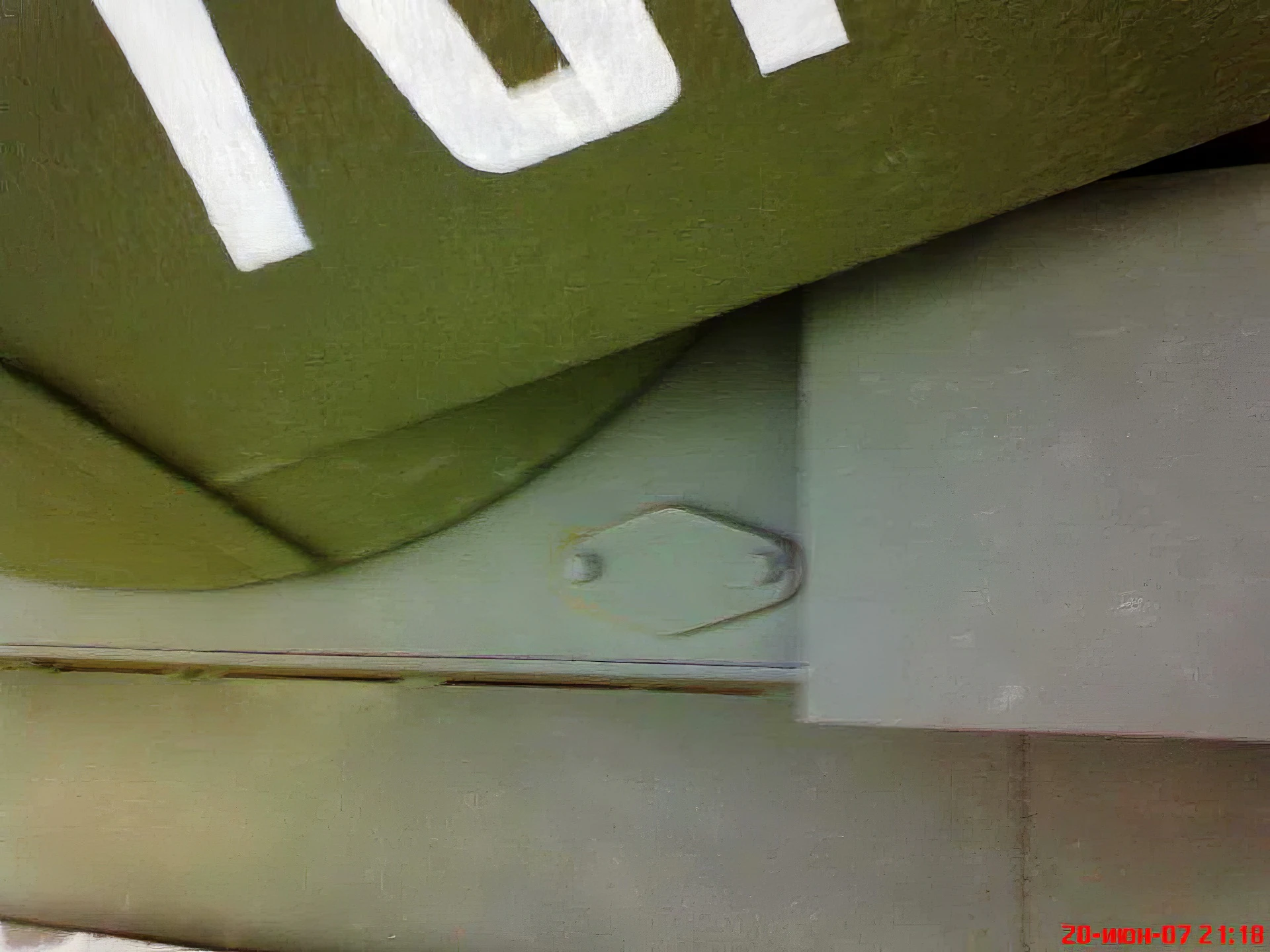
| Opis | Album 105 zdjęcia walk-around du char rapide «BT-7» |
Galerie photo sur un char rapide BT-7, Conçus au début des années trente, les chars rapides Bt odegrała ważną rolę w rozwoju radzieckich sił pancernych. Były to pierwsze modele czołgów dostępnych w dużych ilościach, które pozwalały na rozwój doktryn zemchanowanych. Chociaż doktryny te zostały zakwestionowane i zapomniane tuż przed rozpoczęciem niemieckiej inwazji, utorowały drogę tym, którzy później używali potomka BT, T-34.
Źródła: Chars BT sur Wikipedia

Zobacz też:


General Overview
| Typu | Light Cavalry Tank (Fast Tank) |
|---|---|
| Place of Origin | Radzieckiego |
| Service History | 1935–1945 |
| Załogi | 3 (Commander/Gunner, Loader, Driver) |
| Production Years | 1935–1940/41 |
| Total Built | Approximately 5,556 (all BT-7 variants) |
| Następcą | T-34 Medium Tank |
Technical Specifications (Standard BT-7 Model 1937)
| Weight (Mass) | Approx. 13.8 tonnes (15.2 short tons) |
|---|---|
| Uzbrojenie główne | 45 mm 20-K Model 1932/38 tank gun |
| Uzbrojenie dodatkowe | 1-3 × 7.62 mm DT machine guns |
| Zbroja | 6–22 mm (Lightly armored) |
| Silnika | Mikulin M-17T V-12 gasoline engine, 400 hp (298 kW) |
| Top Speed | 72 km/h (45 mph) (on wheels, on road) 50 km/h (31 mph) (on tracks) |
| Zawieszenie | Christie Suspension (Convertible drive) |
| Zasięg operacyjny | 200 km (120 mi) on tracks |
Key Characteristic: Convertible Drive
The BT-7 used the Christie Suspension which allowed the crew to remove the tracks and drive the tank directly on its large road wheels when traveling on roads. This capability was designed to reduce wear on the tracks and achieve extremely high speeds.
Note on Vulnerability The tank’s light armor and use of a gasoline engine made it highly vulnerable to enemy fire, a factor that contributed to significant losses early in World War II.
Views : 4306
Możesz również zobaczyć:
 Projekt ELC – Zdjęcia i filmy
 M551 Sheridan – zdjęcia i filmy
 System broni pancernej M8 – zdjęcia i filmy
 M3A1 Stuart vol2 – Zdjęcia & Video
 Vickers Mk VIb vol2 – Spacer
 Zbiornik typu 95 Ha-Go – WalkAround
 M3A1 Stuart – SpacerAround
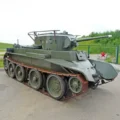 Radziecki czołg kawalerii BT-7 – Spacer
 Czołg lekki M24 Chaffee – Spacer
 Char rapide BT-5 – Spacer