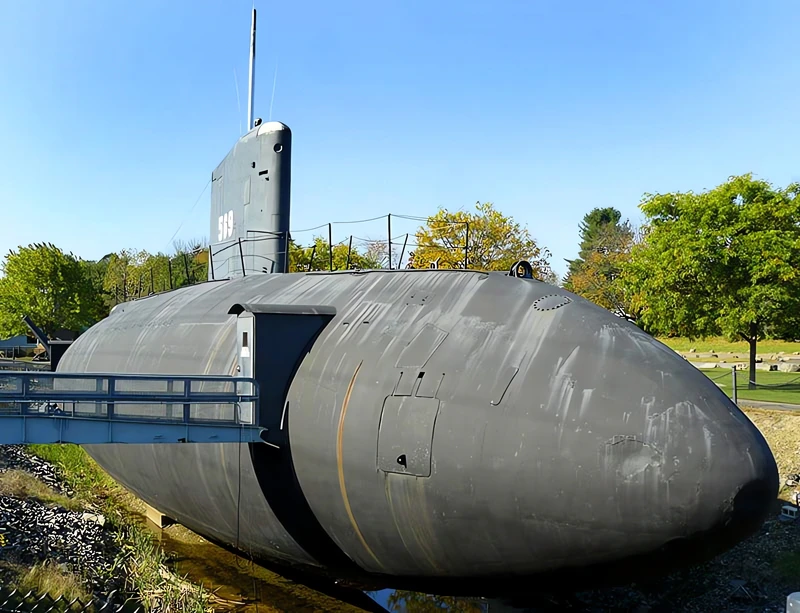
USS Albacore | ||
|---|---|---|
| Country | USA | |
| Role | Research submarine | |
| Launched | 1 August 1953 | |
| Decommissioned | 9 December 1972 | |
USS Albacore (AGSS-569) was a unique research submarine that pioneered the American version of the teardrop hull form (sometimes referred to as an “Albacore hull”) of modern submarines. The revolutionary design was derived from extensive hydrodynamic and wind tunnel testing, with an emphasis on underwater speed and maneuverability. She was the third ship of the United States Navy to be named for the albacore. Her keel was laid down on 15 March 1952 by the Portsmouth Naval Shipyard of Kittery, Maine. She was launched on 1 August 1953, sponsored by Mrs. J. E. Jowers, the widow of Chief Motor Machinist’s Mate Arthur L. Stanton, lost with the second Albacore (SS-218), and commissioned on 6 December 1953 with Lieutenant Commander Kenneth C. Gummerson in command
Source: USS Albacore on Wikipedia
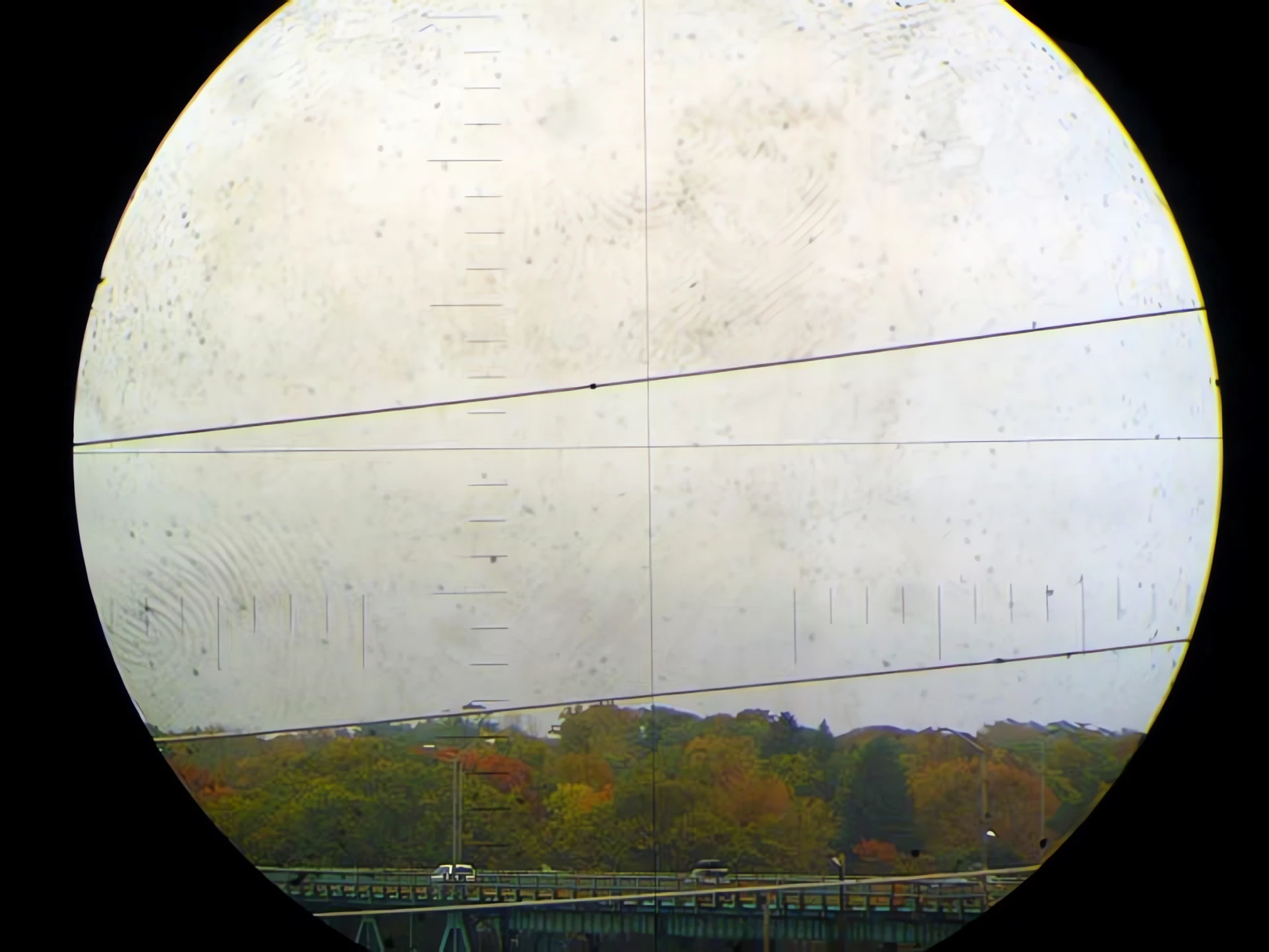
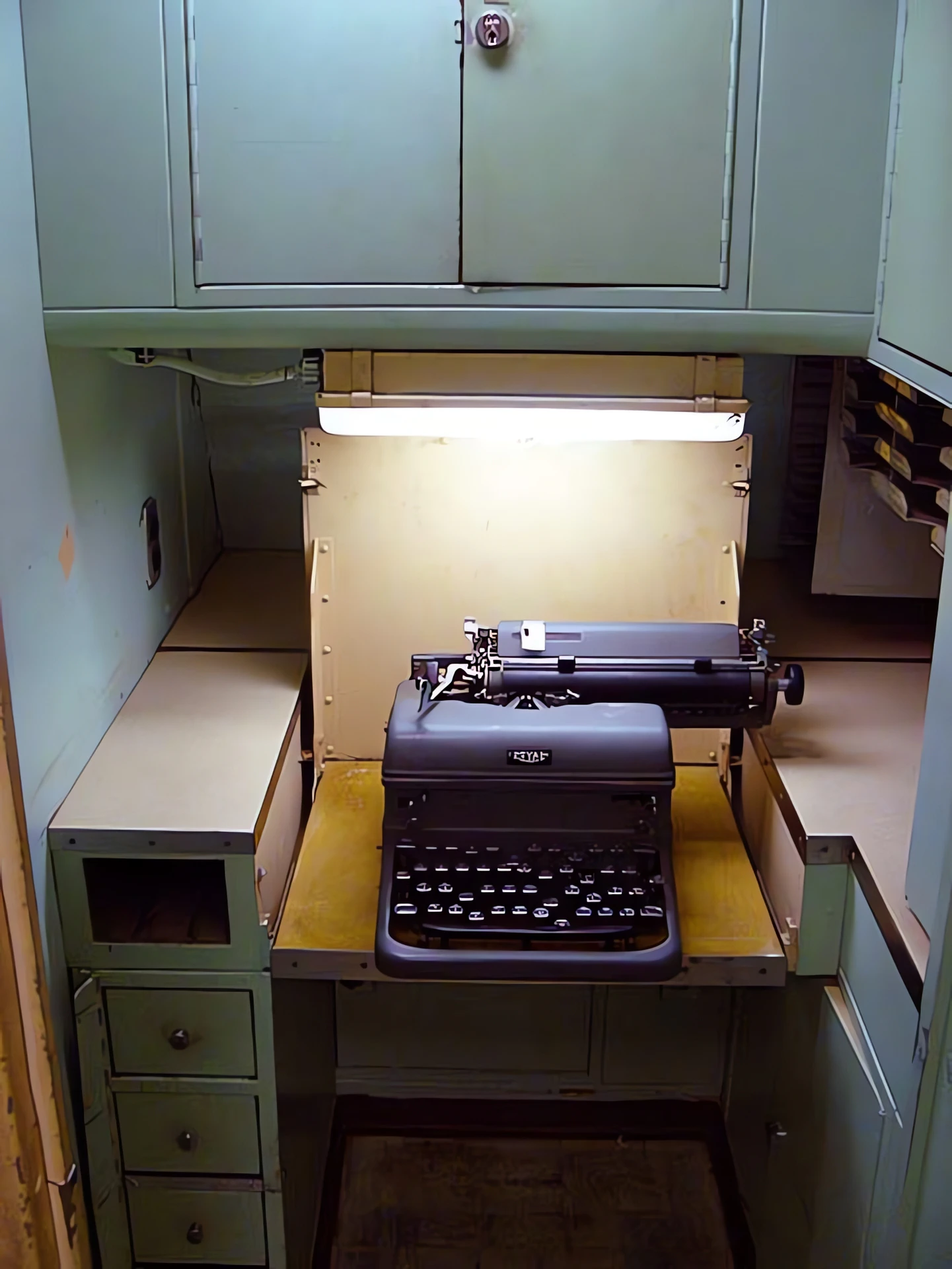
| USS Albacore Walk Around | |
|---|---|
| Photographer | Bill Maloney |
| Localisation | Unknow |
| Photos | 284 |
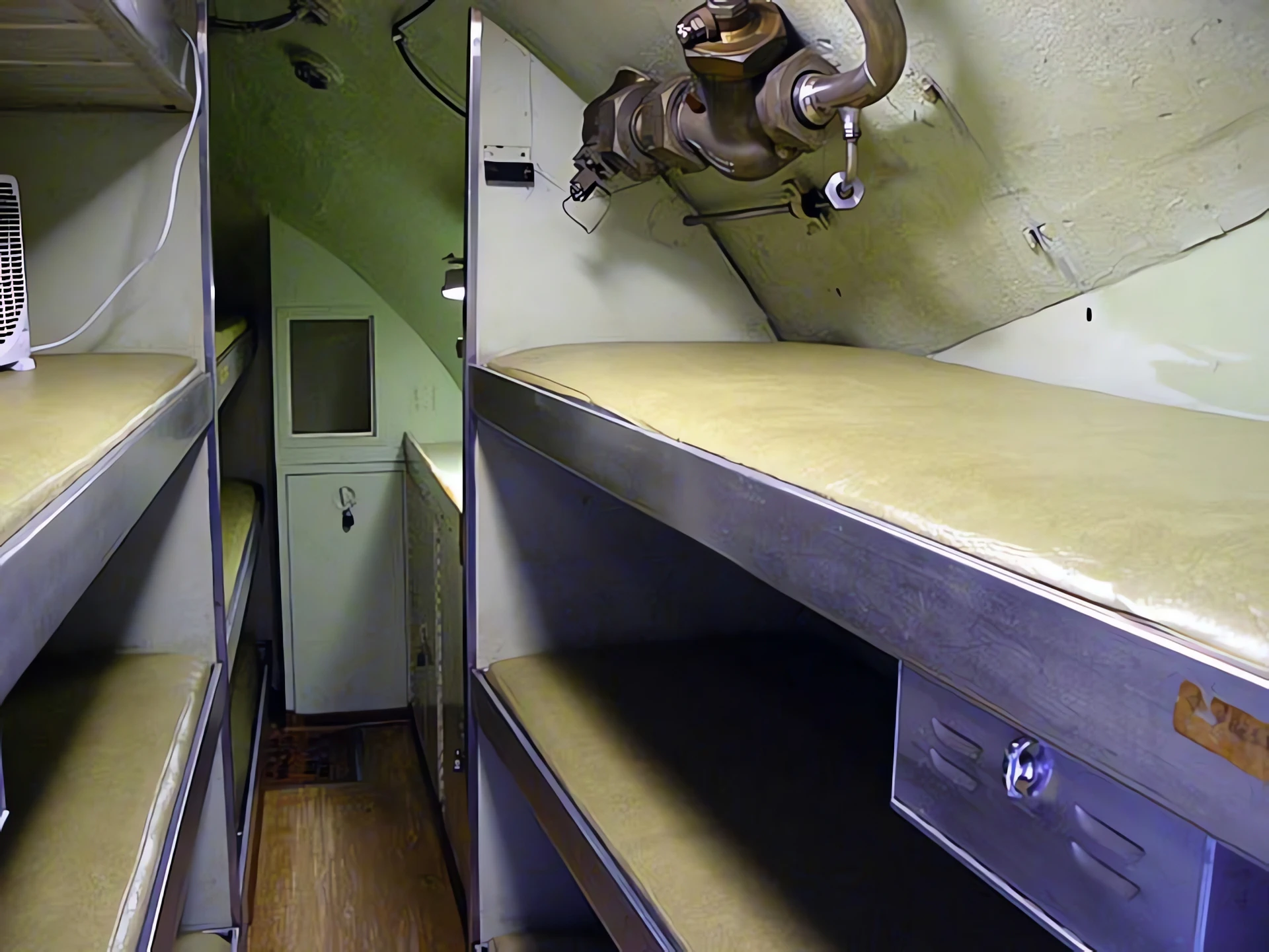
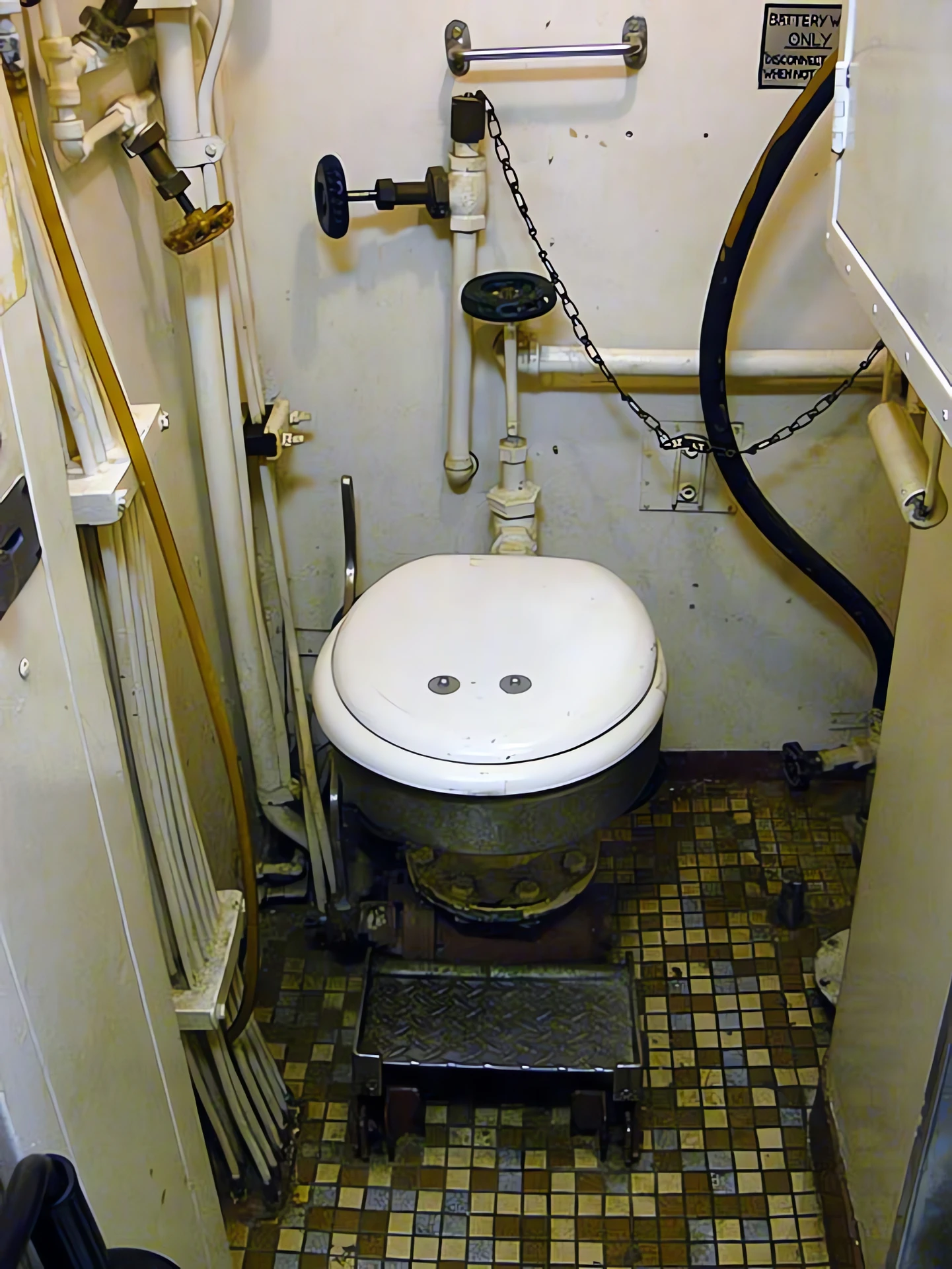
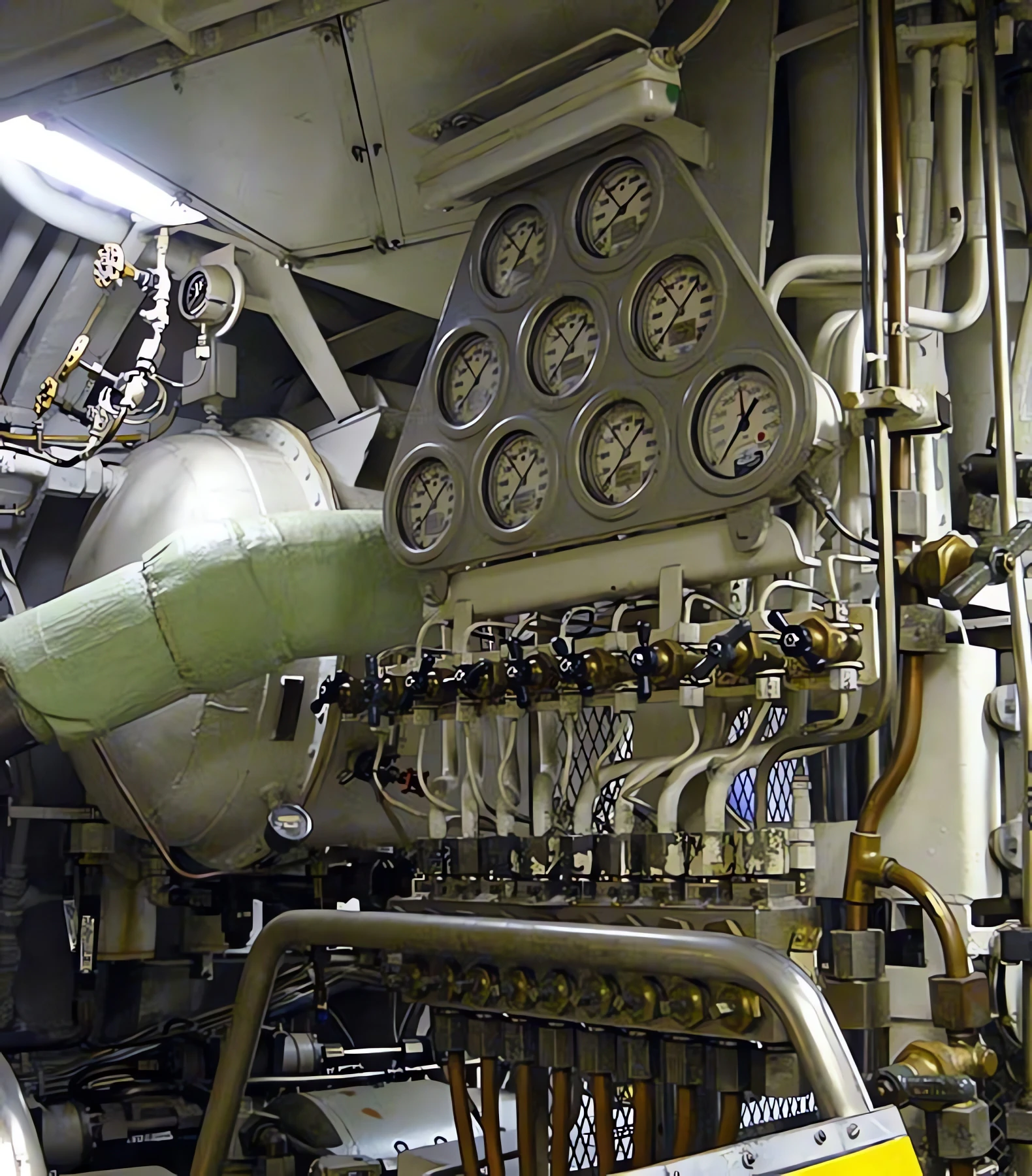
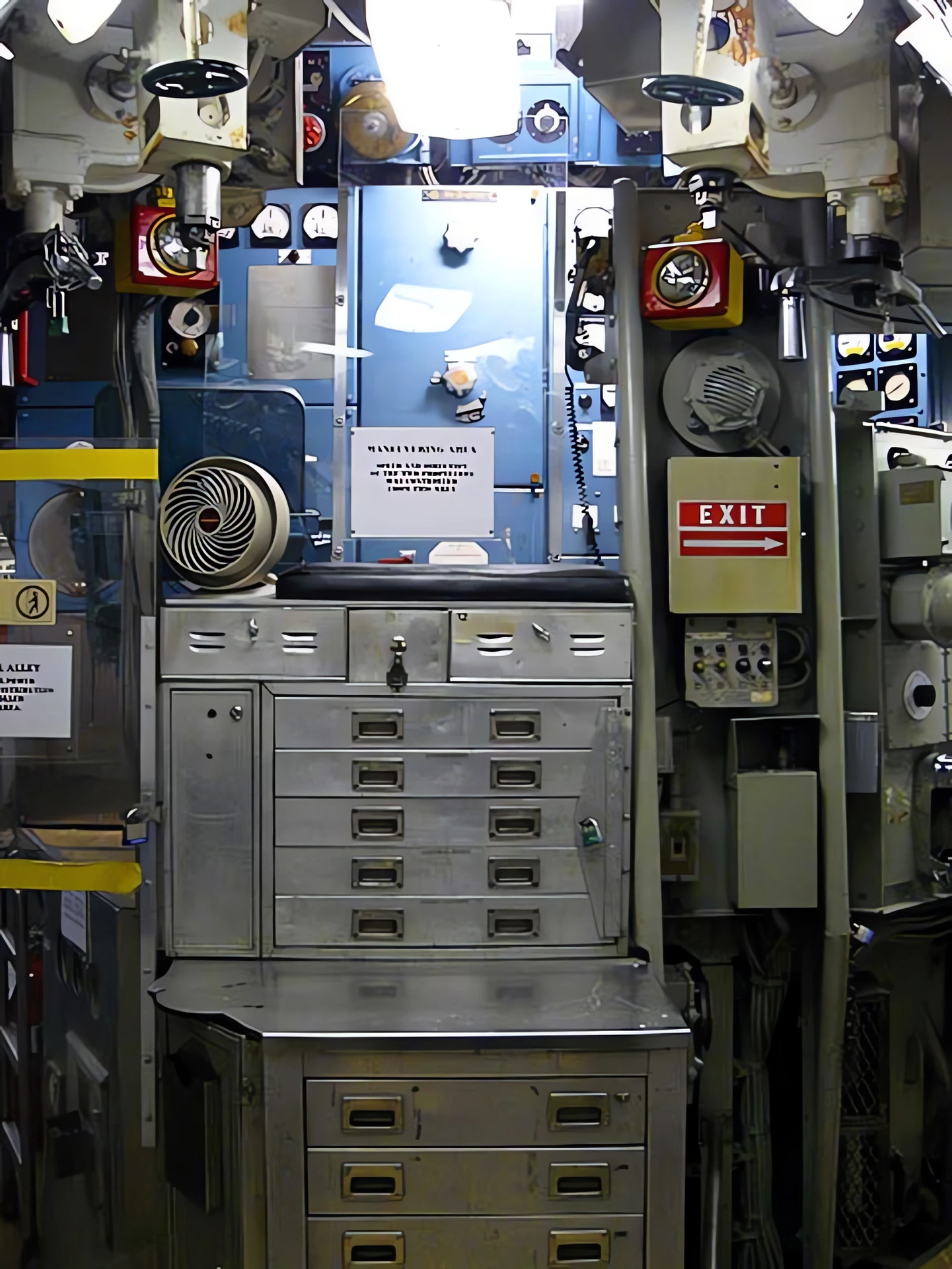

See also:


General Characteristics and Role
The USS Albacore (AGSS-569) was a unique, unarmed auxiliary submarine built for the United States Navy and commissioned in 1953. Her mission was purely experimental, serving as a high-speed, hydrodynamic testbed whose research revolutionized modern submarine design. Before the Albacore, submarines were essentially surface ships designed to submerge; the Albacore was the first to have its design wholly optimized for submerged performance. Her motto, **Praenuntius Futuri** (“Forerunner of the Future”), accurately reflects her legacy, as the hull form she pioneered—the famous “teardrop hull”—was adopted for every subsequent class of US Navy fast attack and ballistic missile submarines, beginning with the USS Skipjack.
| Property | Typical Value (Final Phase 4 Configuration) |
|---|---|
| Role | Experimental/Research Submarine |
| National Origin | United States |
| Manufacturer | Portsmouth Naval Shipyard |
| Commissioned | 6 December 1953 |
| Crew | ~5 Officers, ~49 Enlisted |
| Armament | None |
| Length | 62.6 m (205 ft 4.75 in) |
| Beam | 8.32 m (27 ft 3.75 in) |
| Displacement (Submerged) | 1,824 tonnes |
Design Innovations and Performance
- Hull Design: Featured the iconic teardrop or “Albacore hull” shape, adapted from aeronautical principles, which dramatically reduced hydrodynamic drag when submerged.
- Propulsion: Conventional diesel-electric. In Phase 4, she had a large electric motor and a high-capacity silver-zinc battery which provided explosive bursts of power.
- Maximum Submerged Speed: Estimated at over 30 knots (up to 33 knots in later tests), making her, for a time, the fastest submarine in the world.
- Hull Material: Built using HY-80 high-strength steel (80,000 psi yield strength), a new alloy that provided a greater margin of safety for the high-risk tests she conducted.
- Experimental Features: Throughout her career, she tested numerous concepts, including different stern configurations, various propeller types (including contra-rotating), hull-mounted dive brakes, a concave bow sonar dome, and the revolutionary “X-shaped stern control planes** for improved maneuverability.
Legacy and Final Resting Place
- Lifespan: Served as a vital test platform through five major phase conversions from 1953 until her decommissioning in 1972.
- Impact: The data gathered from the Albacore was crucial for the design of the Skipjack-class, which married the high-performance teardrop hull with nuclear propulsion to create the modern US fast attack submarine.
- Museum Ship: After being decommissioned, the USS Albacore was moved inland to Portsmouth, New Hampshire, and opened to the public in 1986 as a museum and National Historic Landmark.
Views : 2435
You can see also :
 USS Becuna – Photos & Videos
 USS Cod – Photos & Videos
 USS Croaker – Photos & Videos
 Intelligent Whale – Photos & Videos
 USS Pampanito (SS-383) – Photos & Videos
 Seehund – Photos & Videos
 USS Blueback (SS-581) – Photos & Video
 USS Bowfin SS-287 – Photos & Video
 USS Lionfish SS-298 – Photos & Video
 U-505 Type IXc U-Boat – Photos & Video