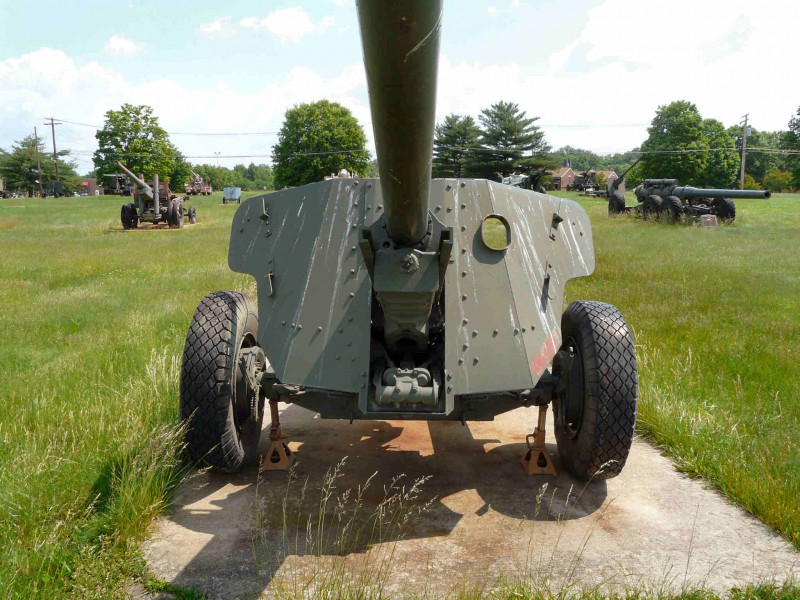
T25 90mm Anti-Tank Gun | |
|---|---|
| Country | USA ??? |
| Type | Anti-Tank Gun |
| Topic | Album of 31 photos walk-around of a Anti-Tank Gun |
Photo album of a T25 90mm Anti-Tank Gun
Somebody have info about this gun ? – Thks
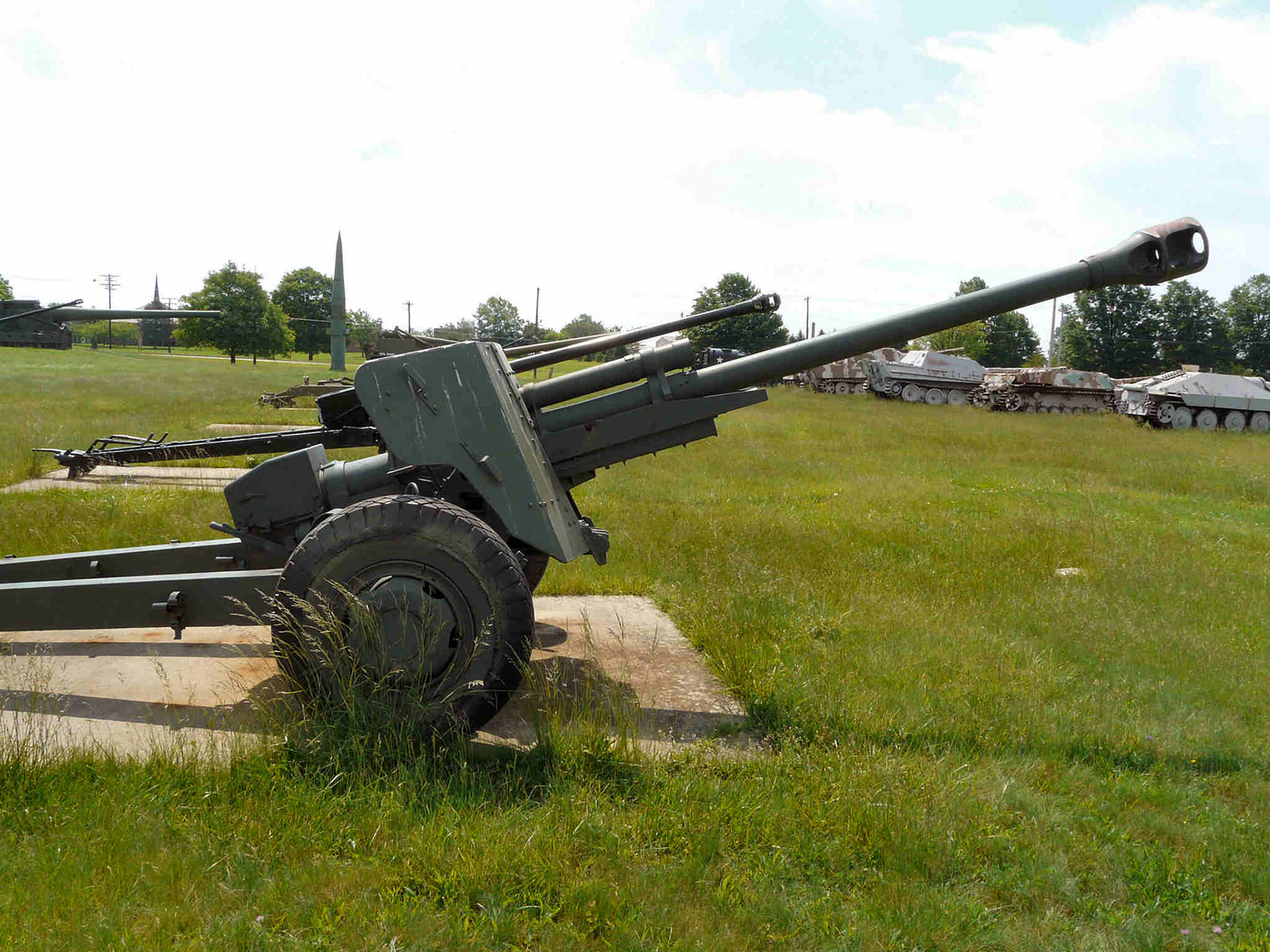
T25 90mm Anti-Tank Gun 01
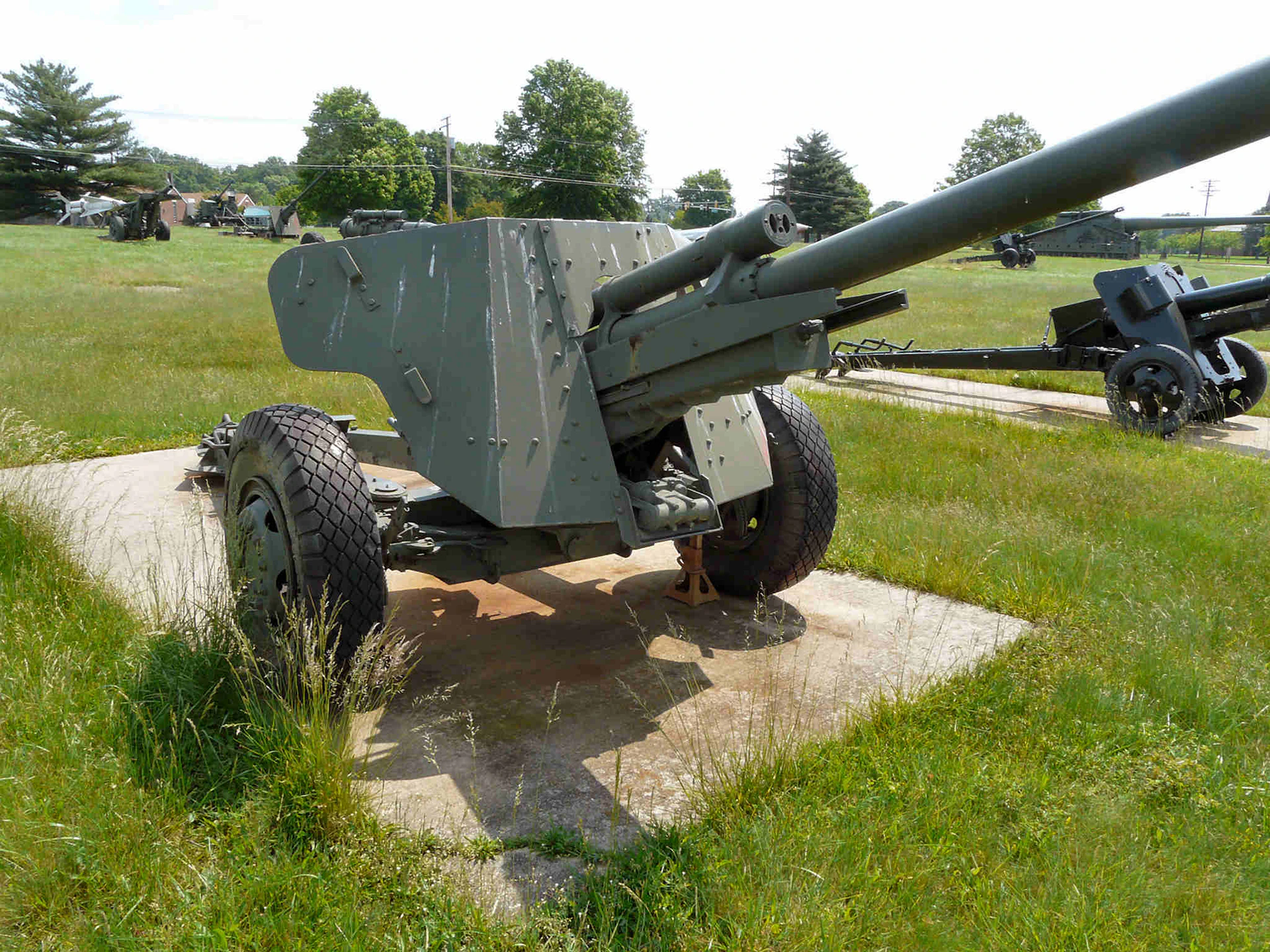
T25 90mm Anti-Tank Gun 02
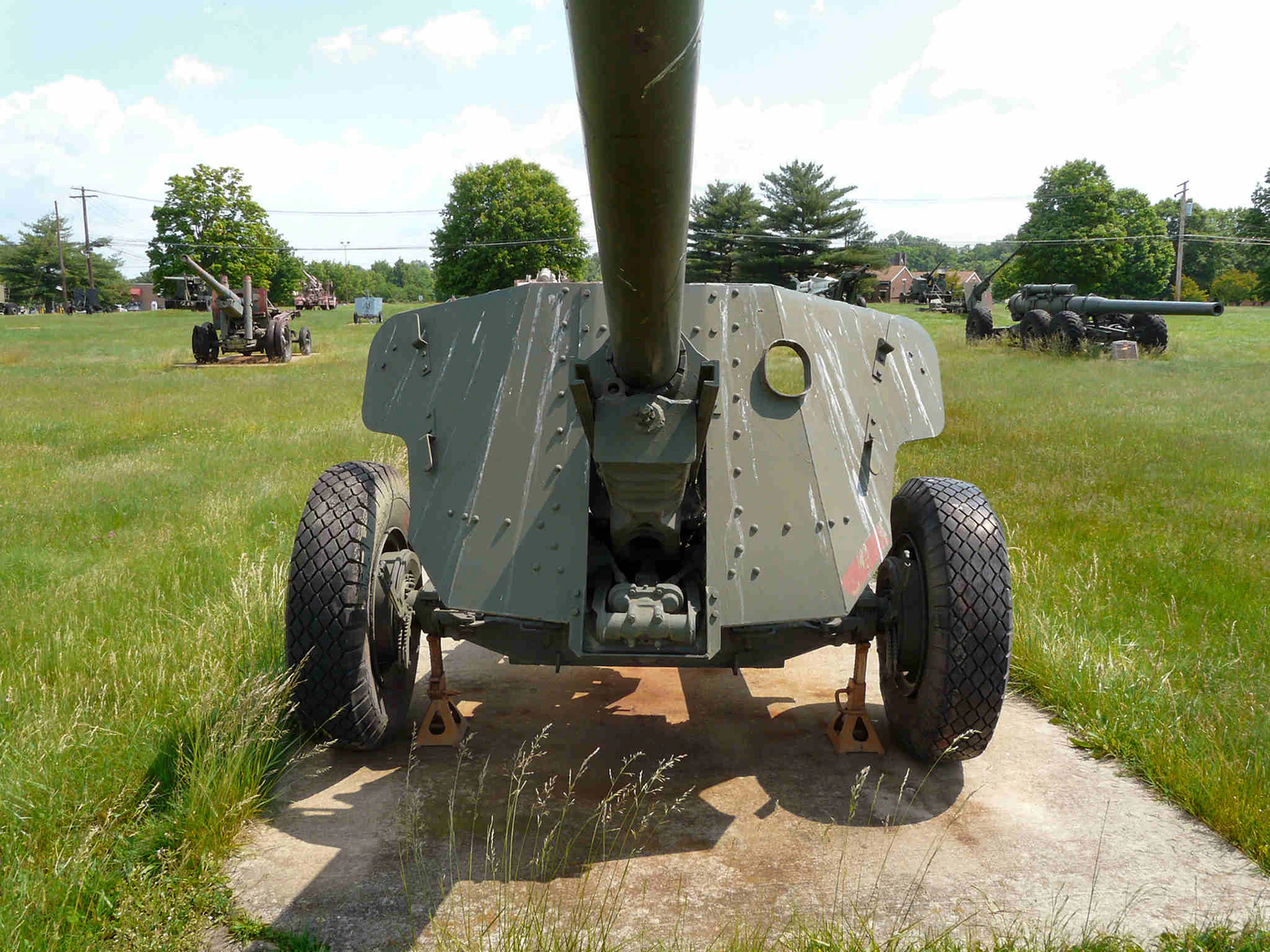
T25 90mm Anti-Tank Gun 03
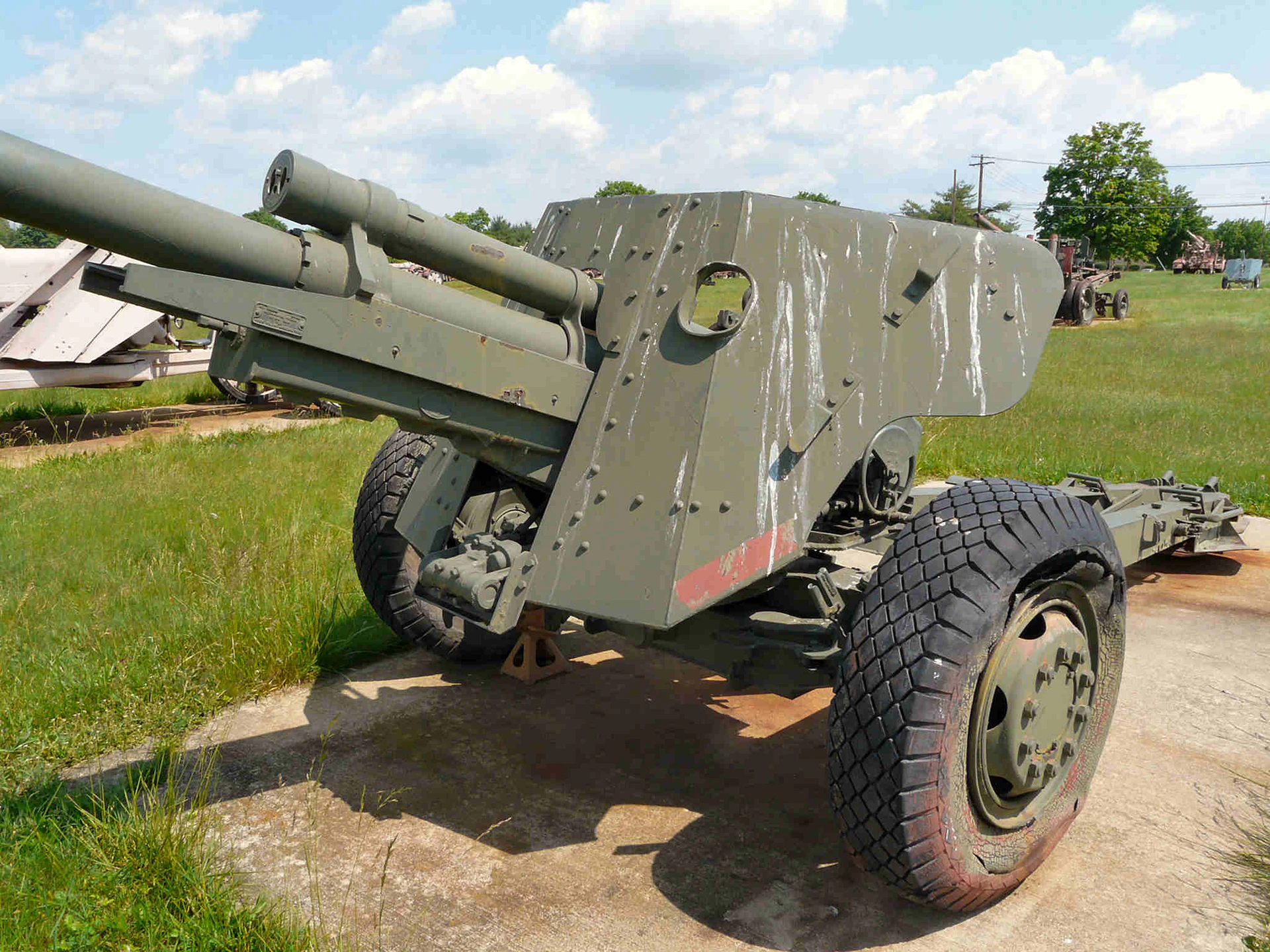
T25 90mm Anti-Tank Gun 04
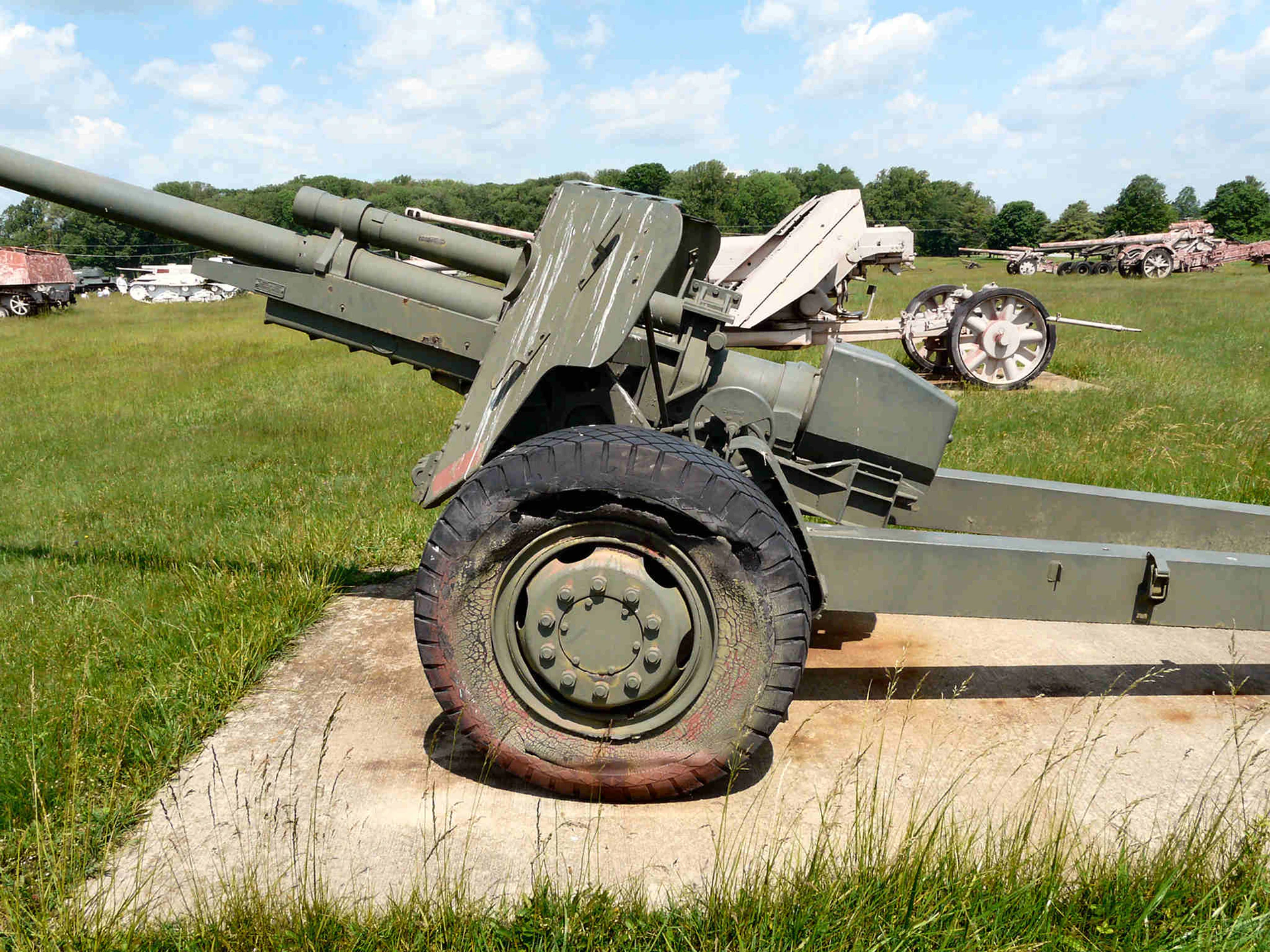
T25 90mm Anti-Tank Gun 05
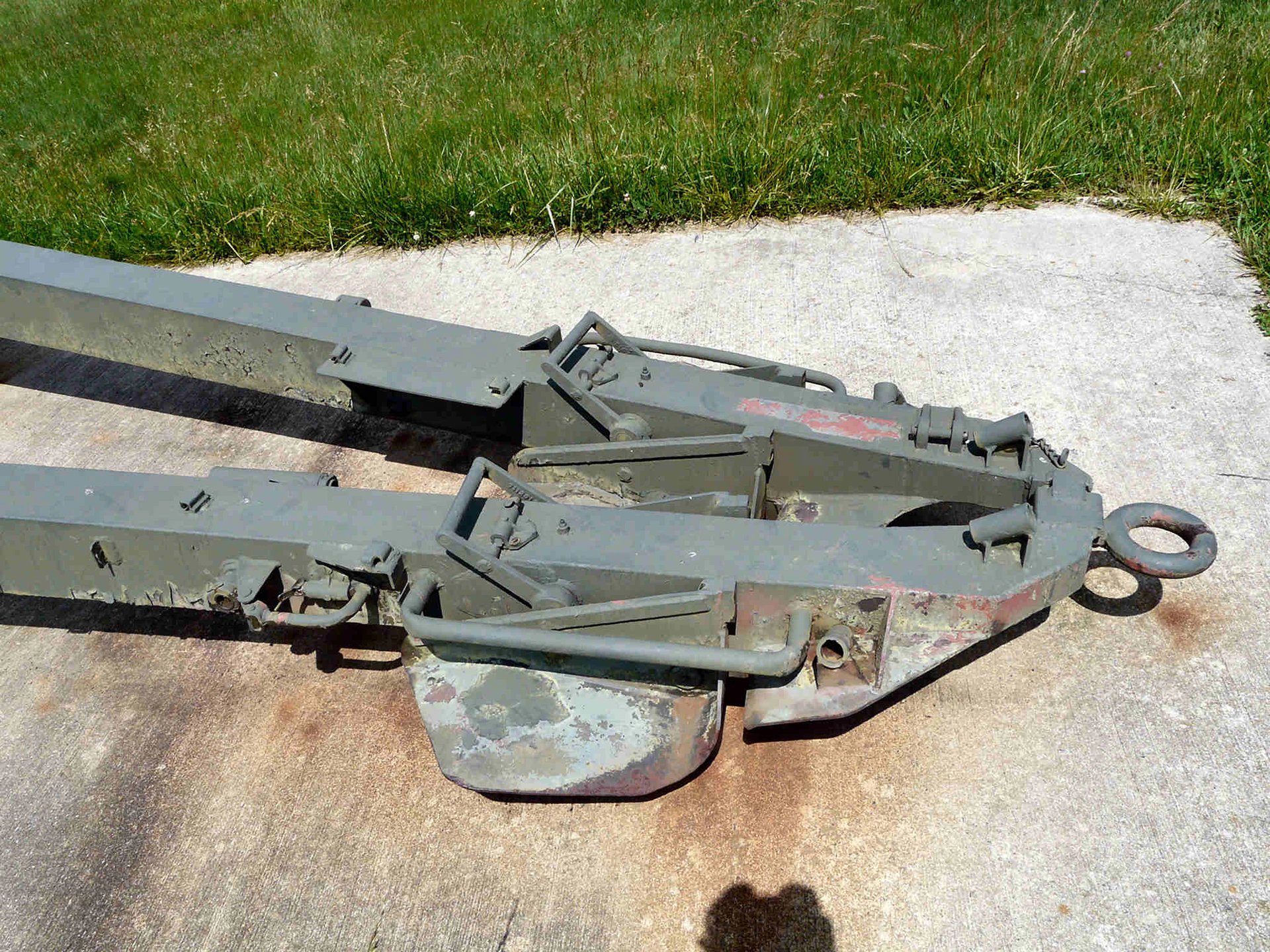
T25 90mm Anti-Tank Gun 06
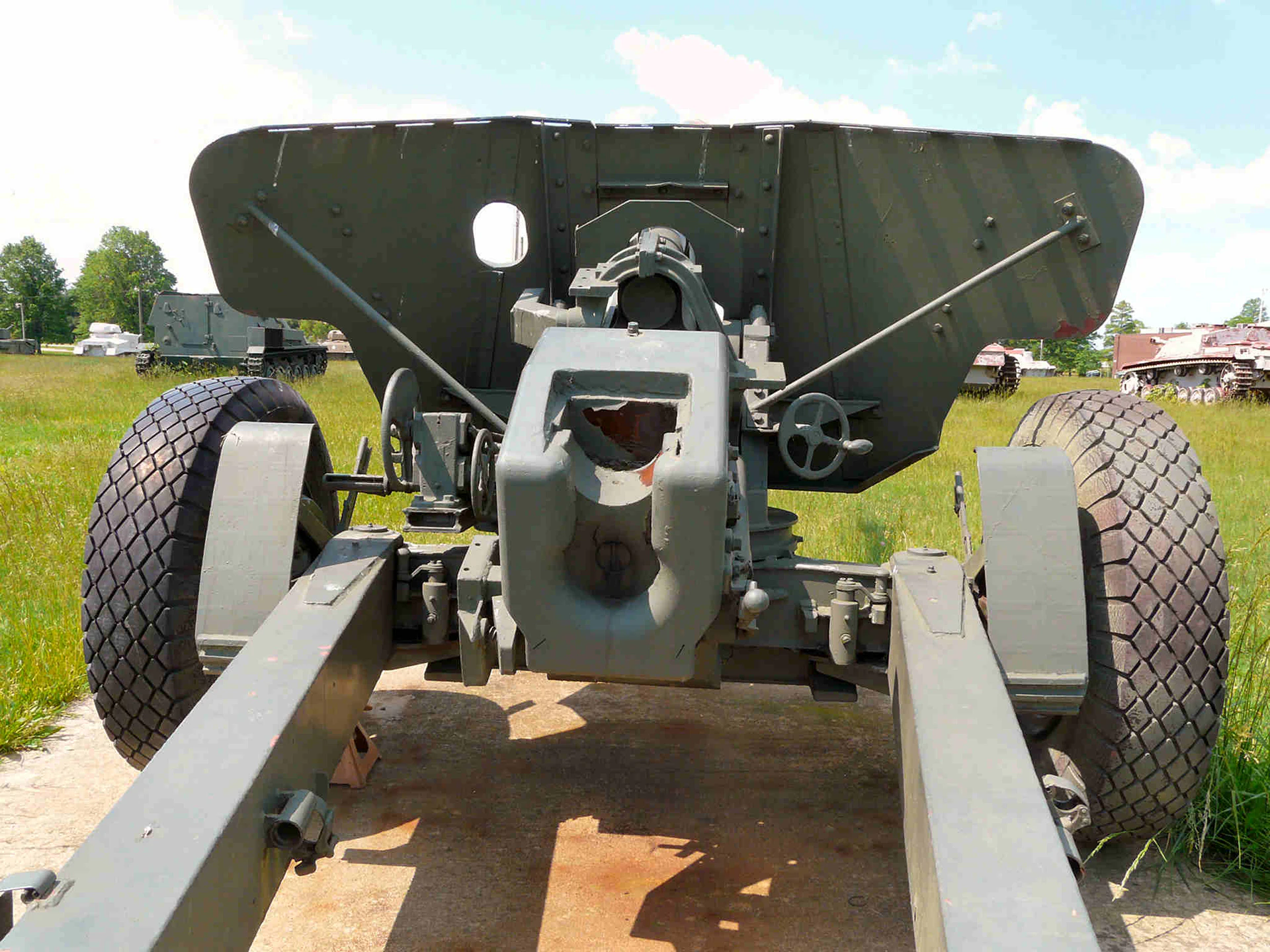
T25 90mm Anti-Tank Gun 07
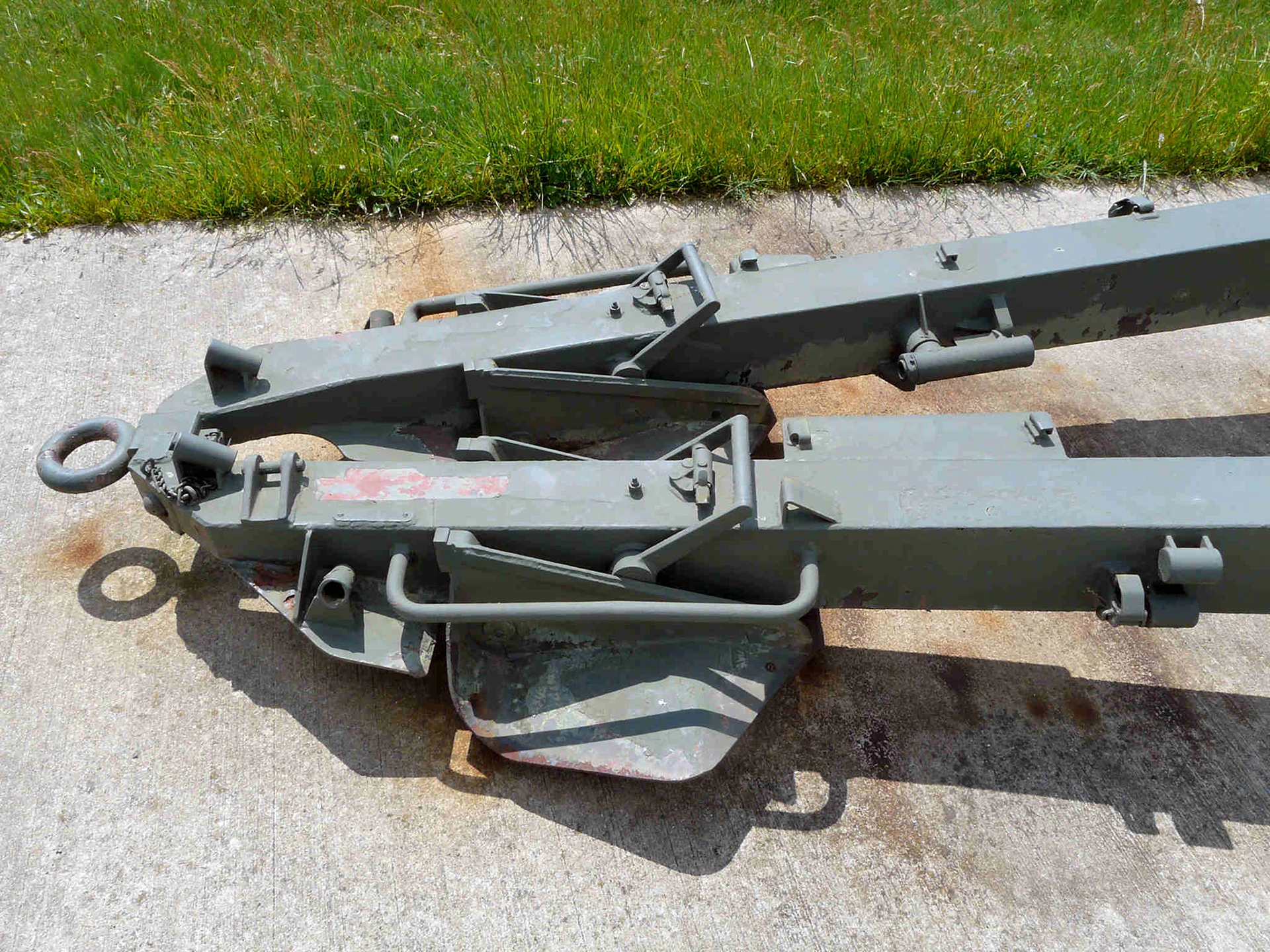
T25 90mm Anti-Tank Gun 08
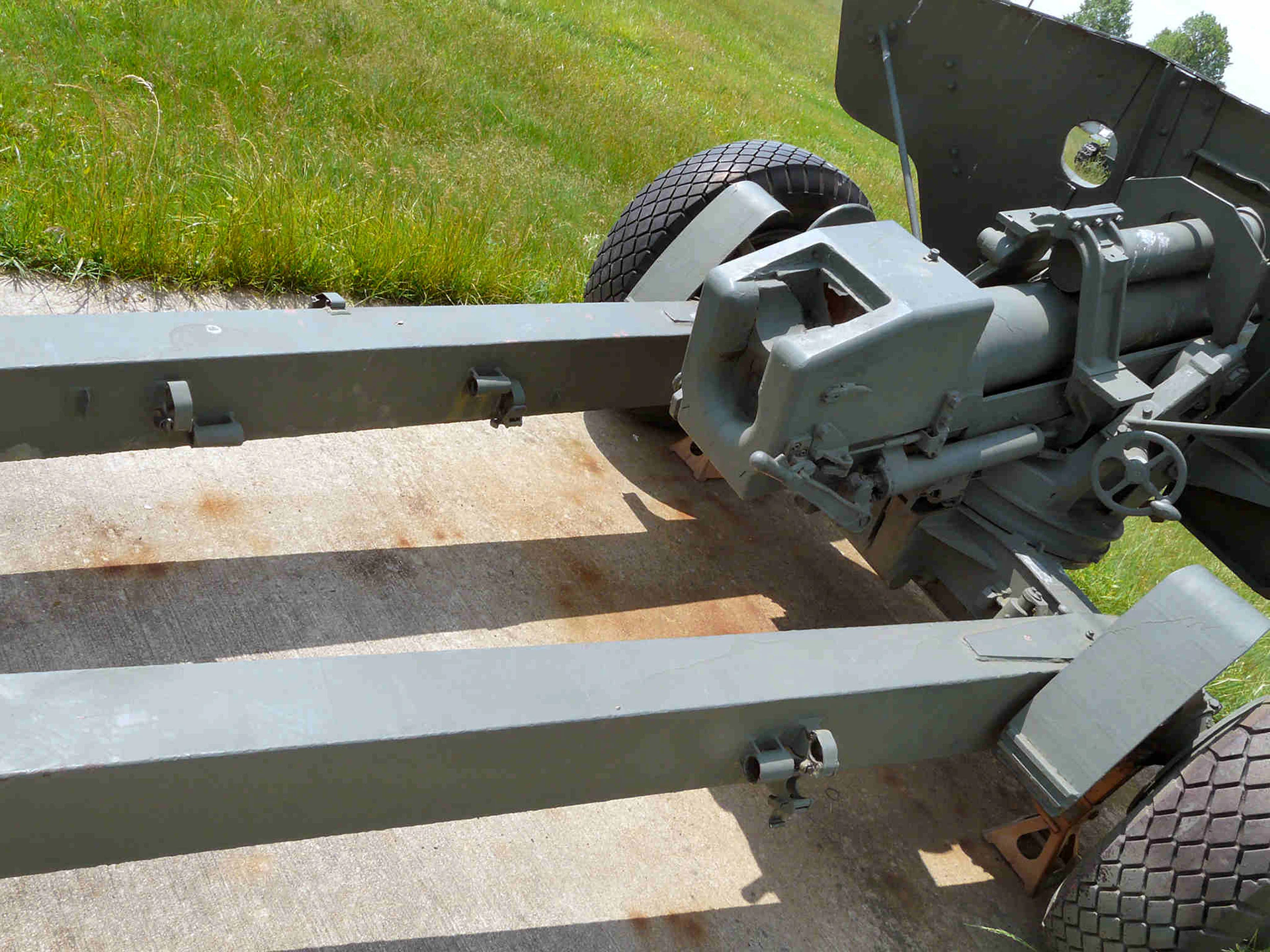
T25 90mm Anti-Tank Gun 09
Wait, Searching Anti-Tank Gun for you…

See also:


The Allied Answer to Heavy Armor
The T25 90mm Anti-Tank Gun (later standardized on various mounts during the war) was the United States’ hard-hitting response to encountering heavily armored German Tiger and Panther tanks. Derived from the highly successful 90mm M1 anti-aircraft gun, this weapon weaponized high muzzle velocity for flat, lethal trajectories over long distances. While the standard 57mm and 76mm guns struggled against thicker frontal armor plates, the 90mm T25 series delivered the raw kinetic punch needed to crack open the heaviest Axis panzers from safe engagement distances.
| Attribute | Technical Specification (T25 / 90mm Series) |
|---|---|
| Role | Anti-Tank Gun / Anti-Armor Artillery |
| Crew | 8 to 10 (For towed artillery variants) |
| Barrel Length | 4.6 m (15 ft) / L/53 caliber barrel |
| Muzzle Velocity | Up to 853 m/s (2,800 ft/s) with standard APCBC |
| Maximum Range | 17,800 m (19,500 yds) indirect fire |
| Armor Penetration | ~120mm of vertical steel at 1,000 meters (Standard AP) |
| Rate of Fire | 8 to 15 rounds per minute (Depending on crew efficiency) |
| Ammunition Weight | ~10.6 kg (23.4 lbs) projectile weight |
Design Engineering: High Velocity and Dual-Purpose Heritage
- The Anti-Aircraft Origin: Much like the famous German 8.8cm Flak, the American 90mm system was originally built to shoot down high-altitude bombers. This baseline requirement meant it already possessed a massive propellant charge and a very long barrel, making it naturally perfect for high-velocity anti-tank applications.
- T25 Carriage Innovation: The T25 designation specifically marked experimental adaptations to convert the massive weapon onto lightweight, mobile towed carriages. Designers focused on lowering the gun’s silhouette so anti-tank crews could easily conceal it in brush lines or hull-down positions.
- Muzzle Brake Adaptation: To counteract the punishing recoil generated by the 90mm rounds, variants utilized large single or double-baffle muzzle brakes at the end of the barrel. This deflected escaping gases sideways, saving the mechanical lifespan of the recoil cylinders and keeping the gun stable.
- Breech Mechanism: It utilized a semi-automatic, horizontal sliding-wedge breech block. When a round fired, the residual energy automatically opened the breech and ejected the empty brass casing, allowing loaders to slam the next heavy shell into place instantly.
Operational History: Proving Grounds to Panzer Hunters
- The Tiger Crisis: Early in the European campaign, standard infantry anti-tank weapons frequently bounced off German armor. The urgent field deployment of 90mm gun systems drastically shifted tactical advantages, allowing Allied lines to hold firm against sudden heavy armored counter-offensives.
- Evolution to Mobile Armor: While tested thoroughly as a towed anti-tank asset under the T25 projects, the underlying ballistics of this gun were so effective that they were rushed into mobile combat platforms. The weapon directly evolved into the main armament for the M36 Jackson Tank Destroyer and the M26 Pershing heavy tank.
- HVAP Special Ammo: When firing rare HVAP (High-Velocity Armor-Piercing) ammunition, the gun could push velocities past 1,020 m/s (3,350 ft/s). This specialized tungsten-core round allowed crews to puncture more than 220mm of armor plate, neutralizing any operational threat on the battlefield.
- Post-War Legacy: The engineering baselines proved by the T25 trials cemented the 90mm caliber as the primary standard for American medium tank armament throughout the late 1940s and early Cold War conflicts, proving its core ballistic architecture was years ahead of its time.
Views : 2528
You can see also :
 45 mm anti-tank gun M1937 – Photos & Videos
 QF 17 pdr Mk I-II – Walk Around
 Airborne 6pdr Anti-tank gun – Walk Around
 7.5 cm Pak 97/38 – Walk Around
 50mm PaK 38 – WalkAround
 37mm Type 1 – WalkAround
 8.8cm Pak 43-41 – Walk Around
 Pak 38 – WalkAround
 Pak 40 – Walk Around
 German 37mm Pak35-36 Anti-Tank Gun – Walk Around
Somebody have info about this gun ? – Thks