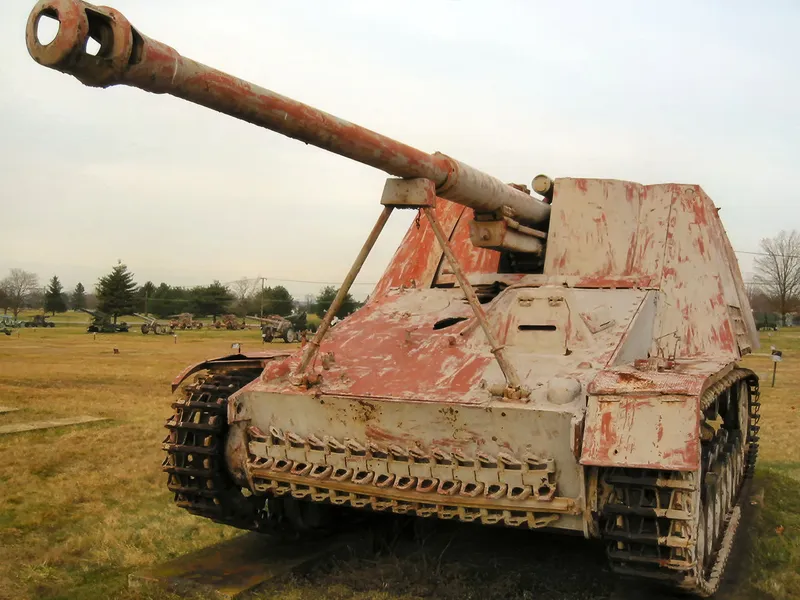
Nashorn | |
|---|---|
| Country | Germany |
| Type | Tank hunter |
| Description | Photo album on a Nashorn |
Photo Gallery on a Nashorn, The Nashorn (literally Rhinoceros), originally referred to as Hornisse (Frelon in German) was a German tank destroyer of the Second World War. It was developed as an intermediate solution in 1942 and was armed with the powerful 88 mm anti-tank gun. Although slightly armored and with a high figure, he remained in service until the end of the war and demonstrated that he was a pretty good tank destroyer.
Source: Nashorn on Wikipedia
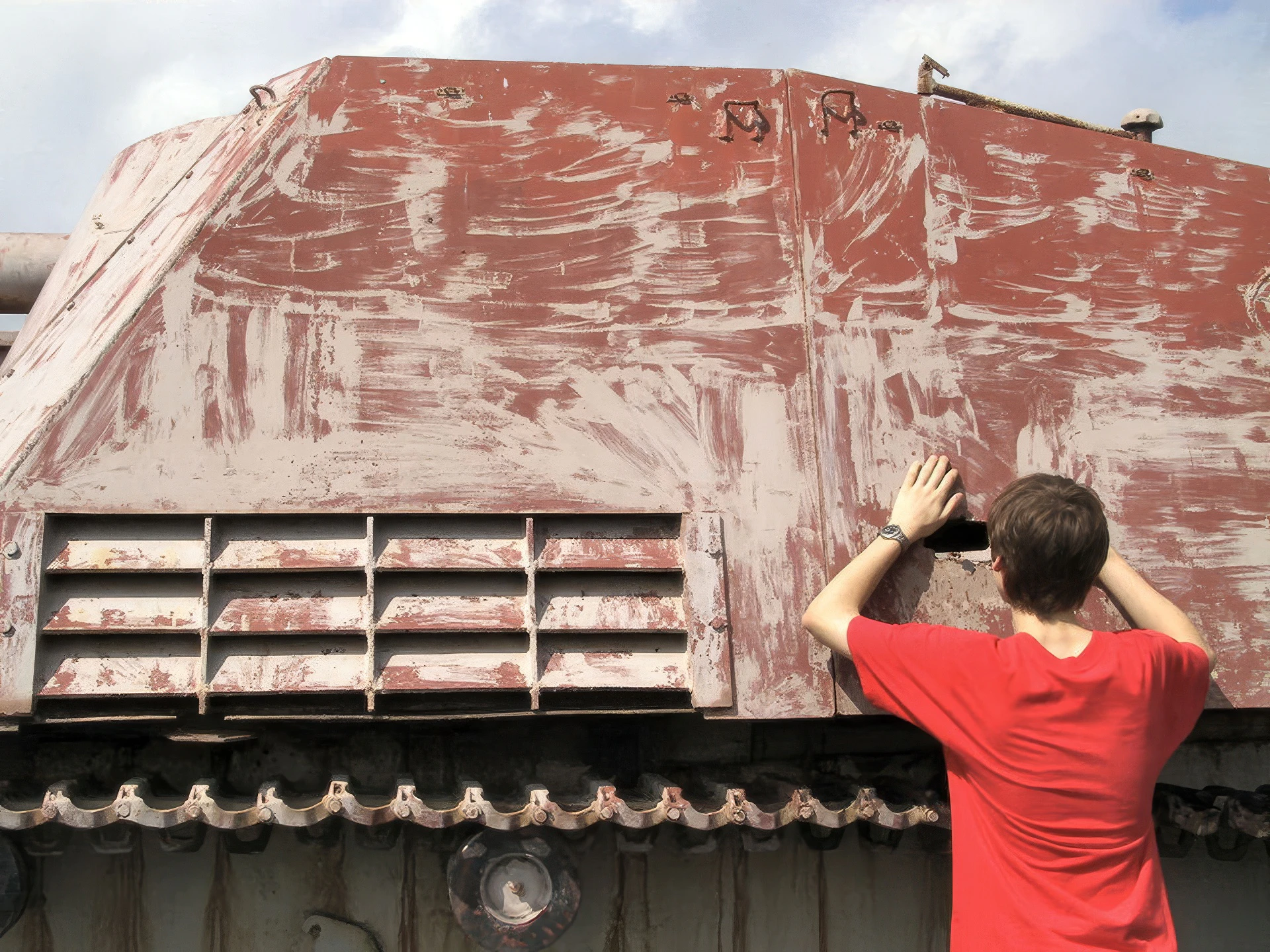
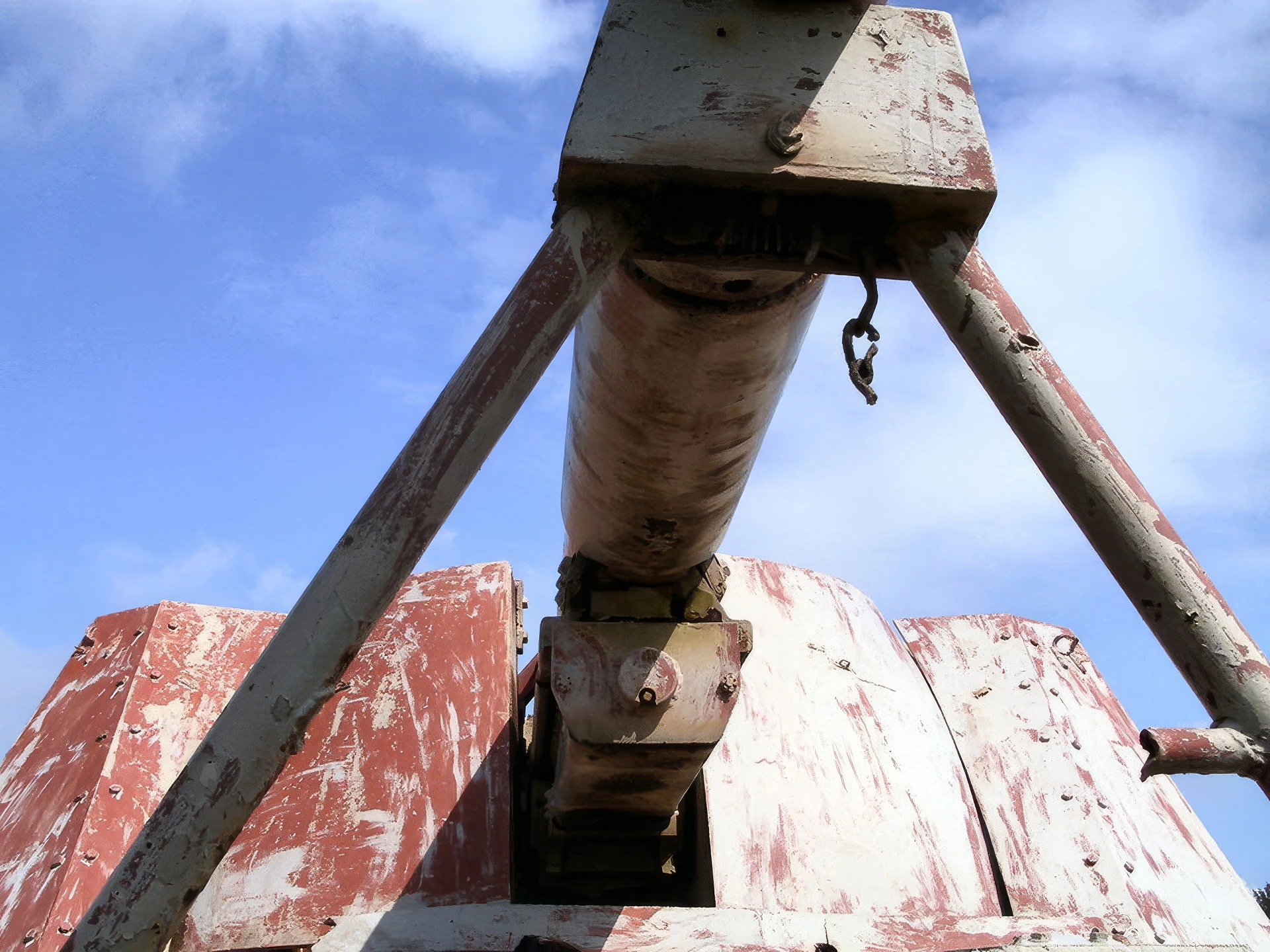
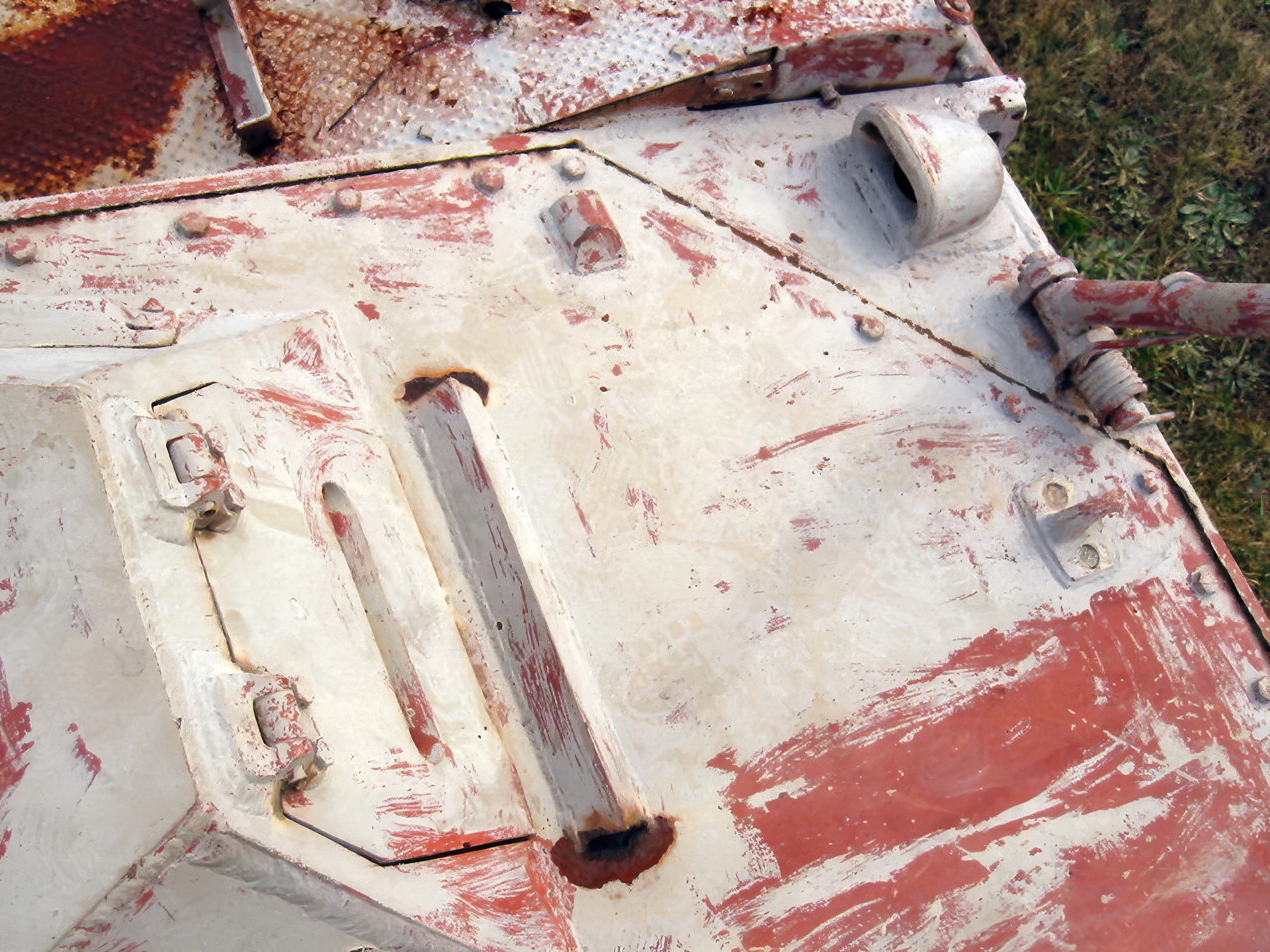
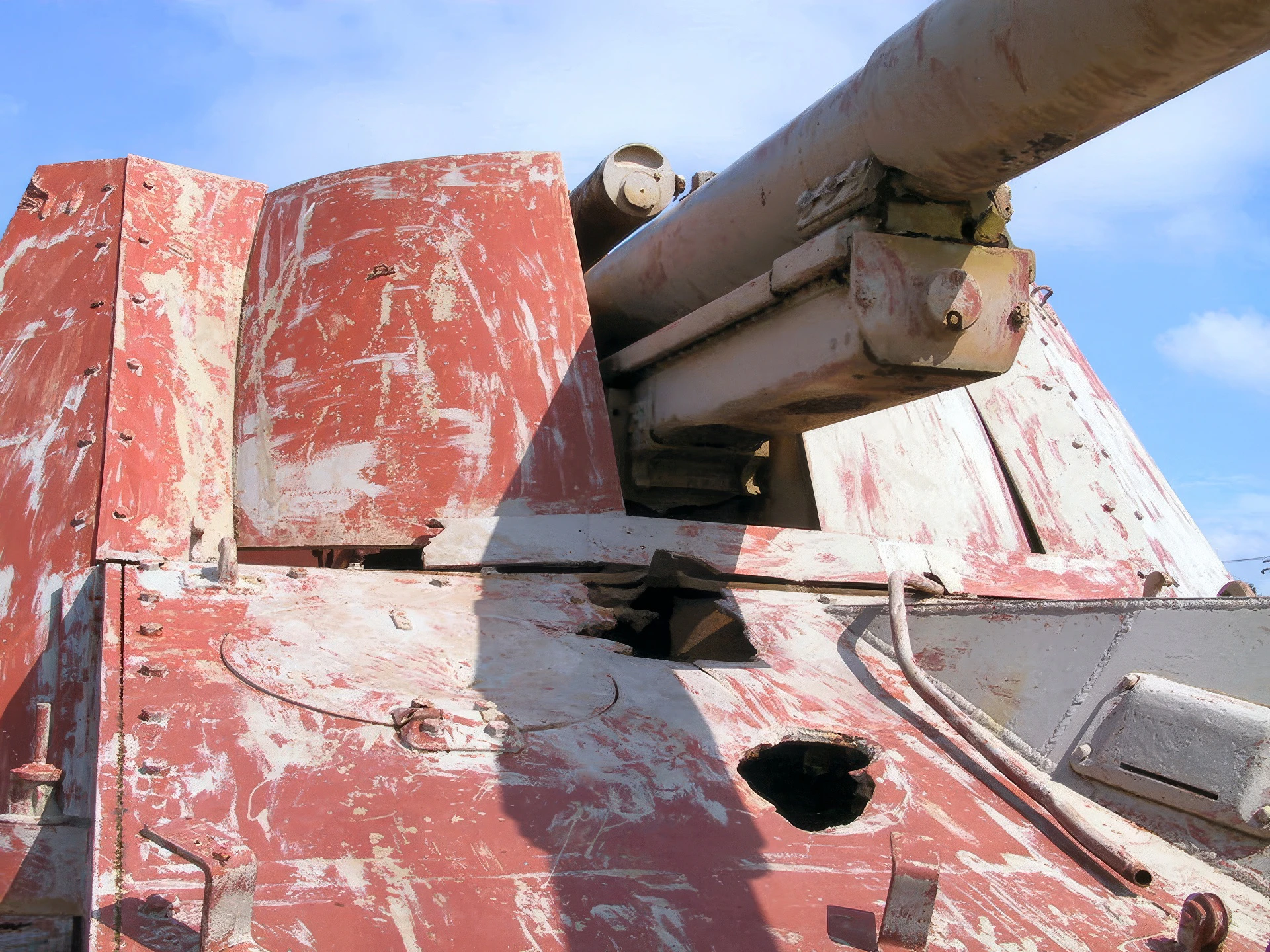
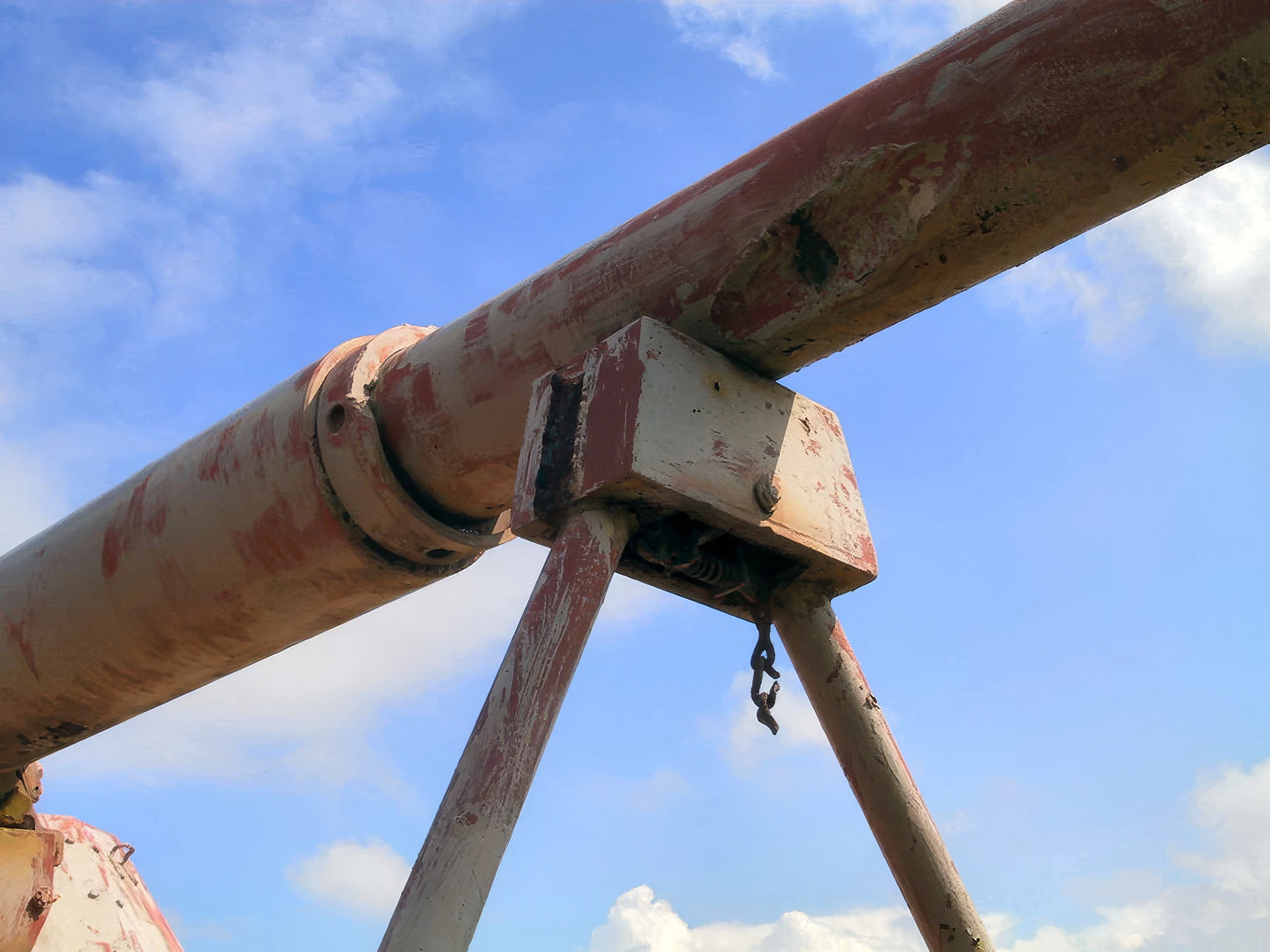
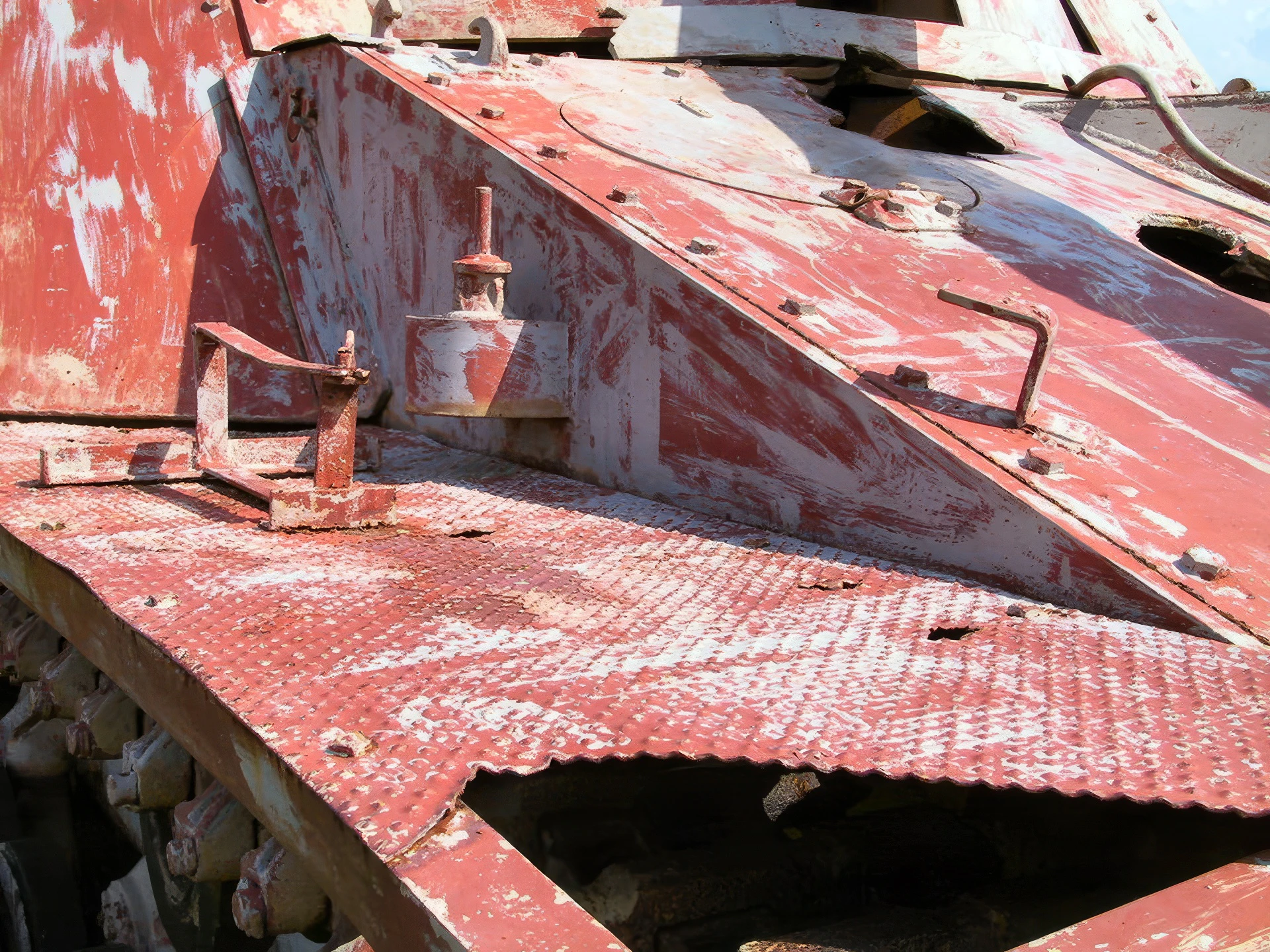
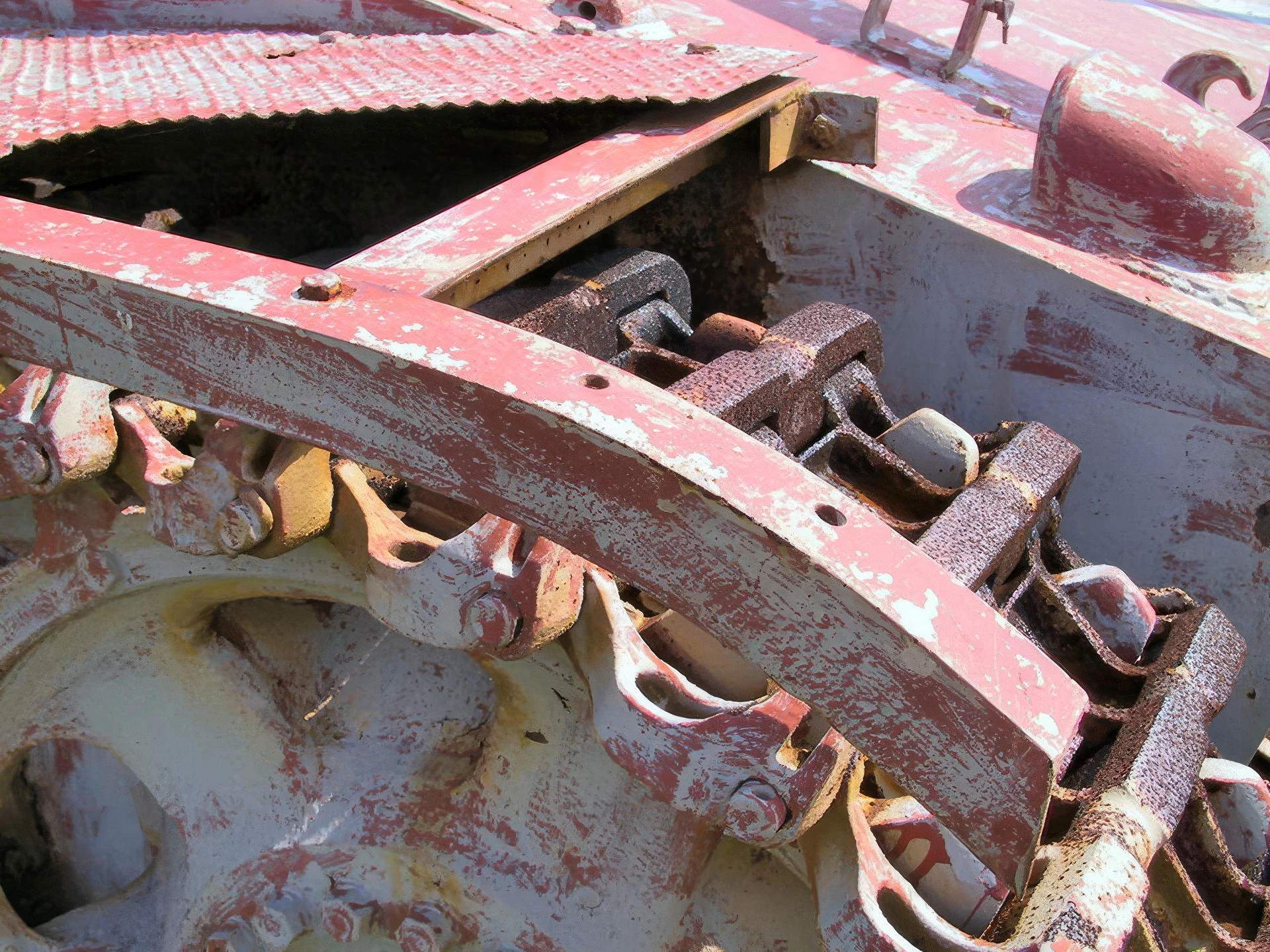
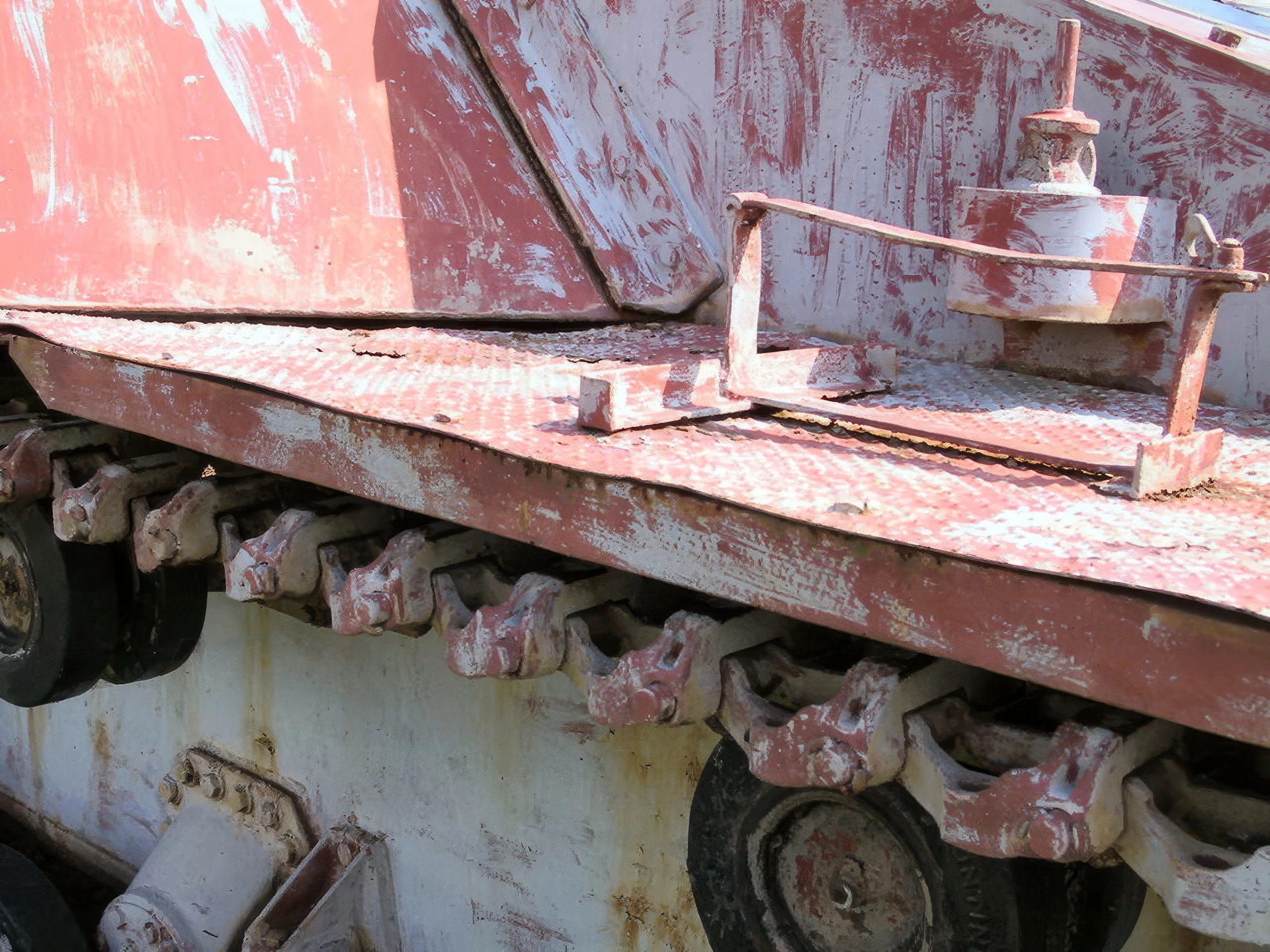
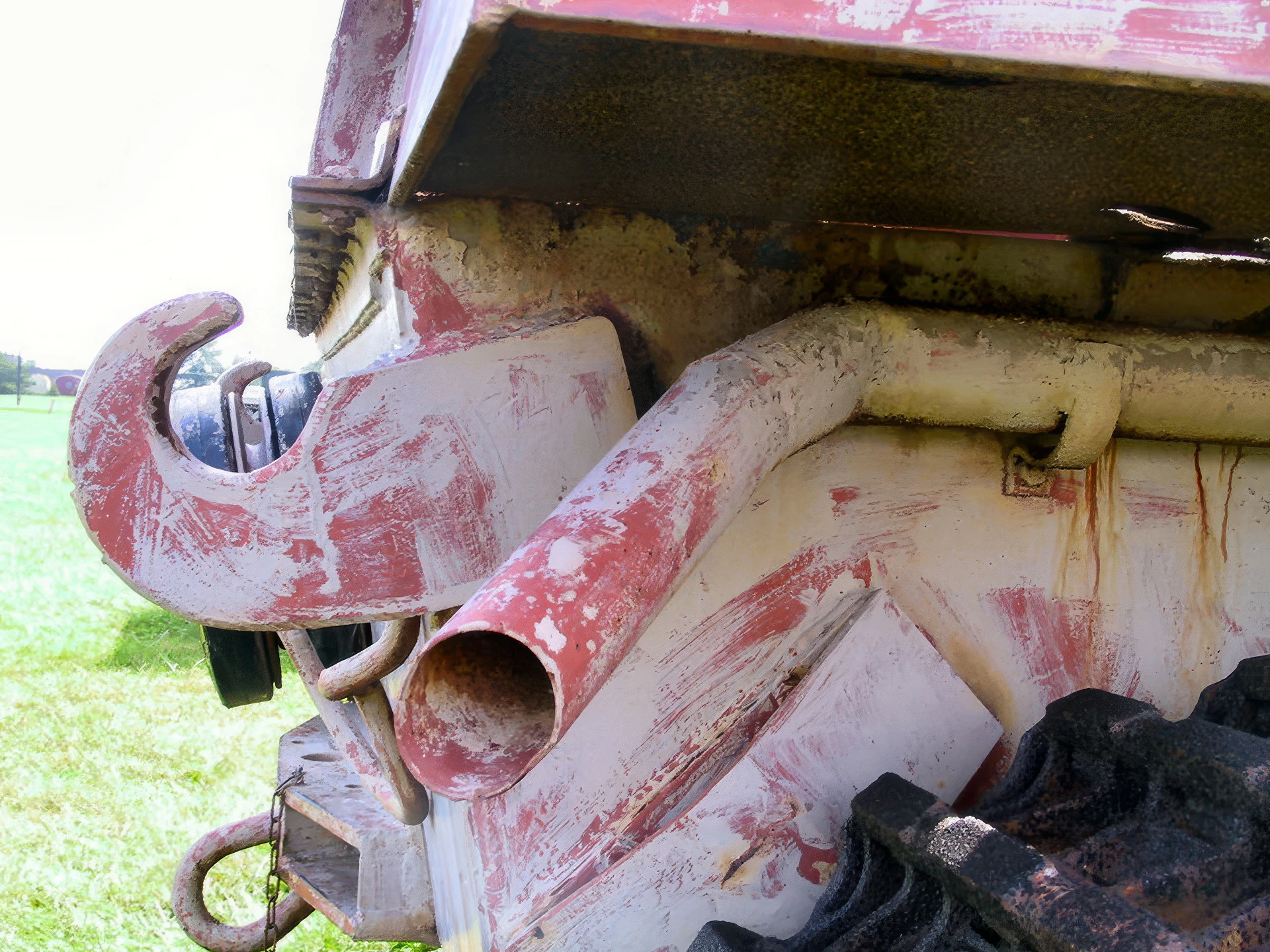

| Sd.Kfz.164 Nashorn Walk Around | |
|---|---|
| Photographers | Unknow |
| Localisation | Unknow |
| Photos | 19 |
See also:


General Characteristics and Role
The Nashorn (German for “Rhinoceros”), initially known as the Hornisse (“Hornet”), was a German tank destroyer (Panzerjäger) developed during World War II. Its design philosophy focused on mounting the most powerful available anti-tank gun onto a reliable, if lightly armored, chassis to prioritize long-range engagement and superior firepower. It was based on a common chassis component (Geschützwagen III/IV), which combined parts from the Panzer III and Panzer IV tanks. The Nashorn excelled at destroying Allied tanks from long distances, but its open-topped fighting compartment and thin armor made it highly vulnerable to enemy infantry, artillery, and close-range combat. It served on both the Eastern and Western Fronts from mid-1943 until the end of the war.
| Property | Typical Value (Sd.Kfz. 164) |
|---|---|
| Role | Tank Destroyer (Panzerjäger) |
| National Origin | Nazi Germany |
| Manufacturer | Deutsche Eisenwerke |
| Service Entry | 1943 |
| Crew | 5 (Commander, Driver, Gunner, 2 Loaders) |
| Length (Gun Forward) | 8.44 m (27 ft 8 in) |
| Width | 2.95 m (9 ft 8 in) |
| Height | 2.65 m (8 ft 8 in) |
| Weight (Combat) | 24 tons |
Powerplant and Mobility
- Engine: 1 x Maybach HL 120 TRM V-12 liquid-cooled gasoline engine.
- Power Output: 300 hp (224 kW).
- Maximum Speed (Road): 42 km/h (26 mph).
- Range (Road): 215 km (134 mi).
- Suspension: Leaf spring (based on combined Panzer III/IV components).
Armament and Armor
- Main Armament: 1 x 8.8 cm Pak 43/1 L/71 anti-tank gun. This was one of the most powerful anti-tank guns of the war.
- Ammunition Capacity: 40 rounds for the main gun.
- Secondary Armament: 1 x 7.92 mm MG 34 machine gun (carried for anti-infantry defense).
- Armor (Front Hull): Up to 30 mm (1.2 in).
- Armor (Superstructure): Only 10 mm (0.4 in) thick on all sides, designed mainly to protect against shrapnel and small arms fire.
- Key Advantage: The long-barreled 8.8 cm gun gave it a clear edge in range and penetration against nearly all Allied tanks, including the Soviet IS-2 and the American M4 Sherman.
Views : 5986
You can see also :
 B1 Centauro – Photos & Videos
 ELC project – Photos & Videos
 M18 Hellcat – Photos & Videos
 Valentine Archer – Photos & Videos
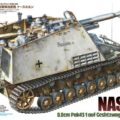 Tamiya – 35335
 Marder Hotchkiss – Photos & Video
 Pvkv m/43 – Photos & Video
 Type 1 Ho-Ni – Photos & Video
 Sturmgeschutz 40 – WalkAround
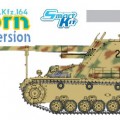 Sd.Kfz.164 Nashorn Command – DRAGON 6646