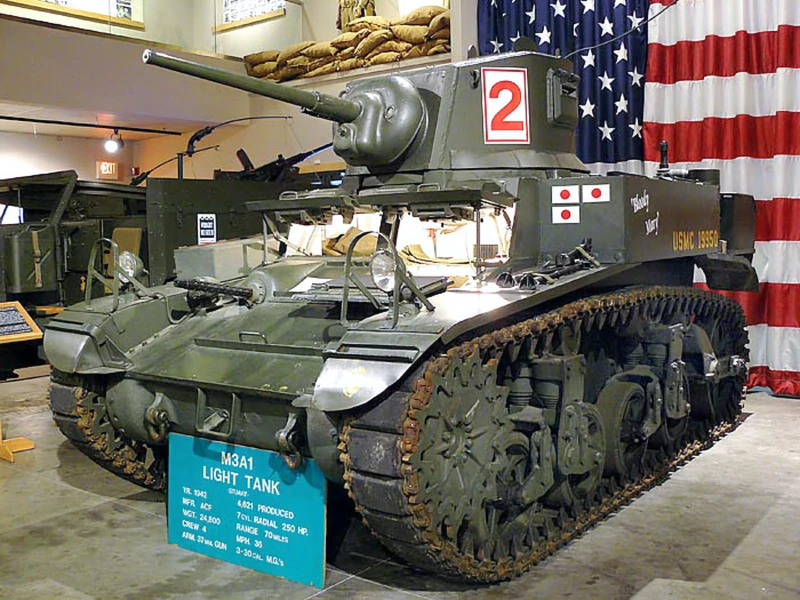
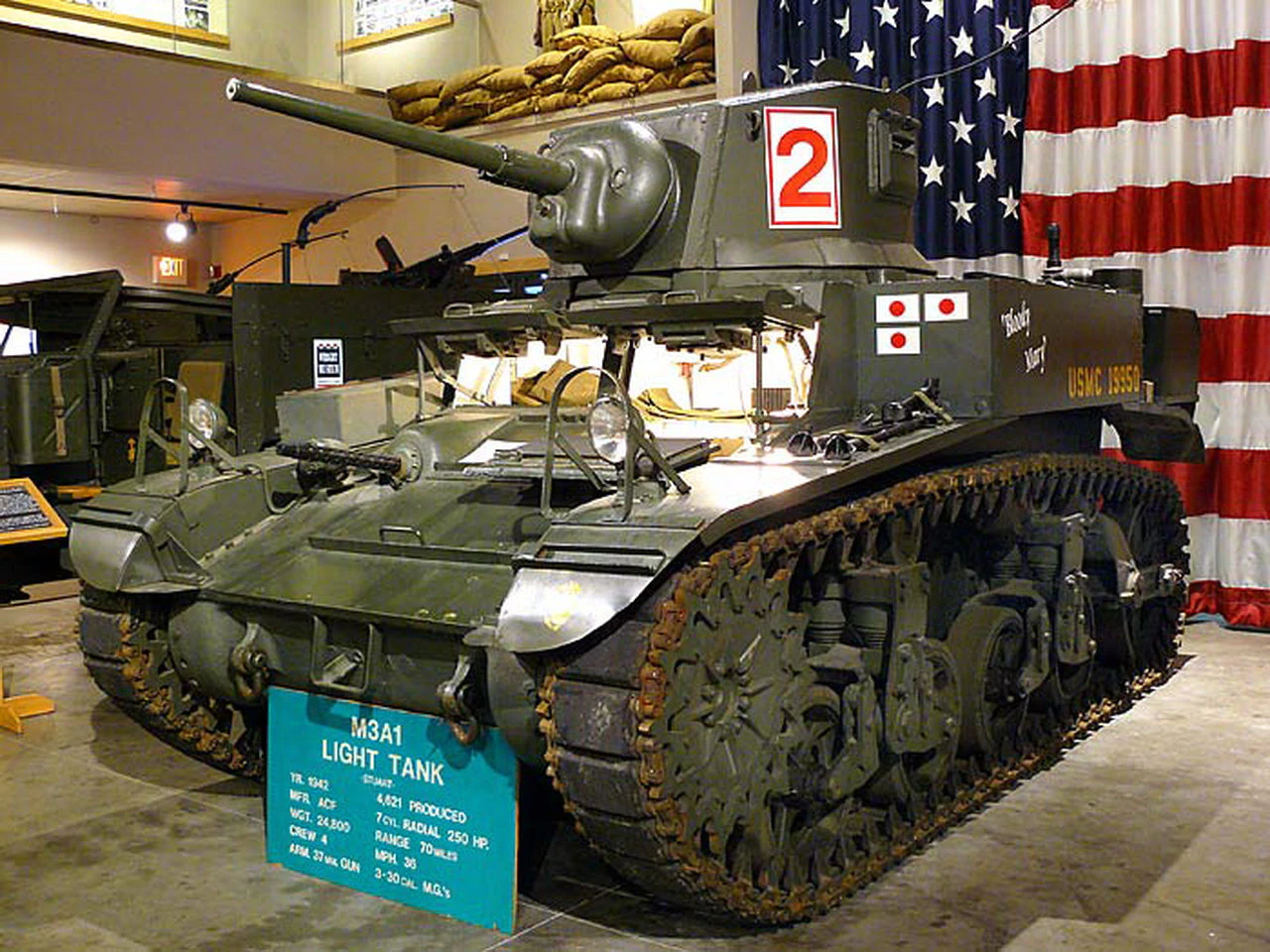
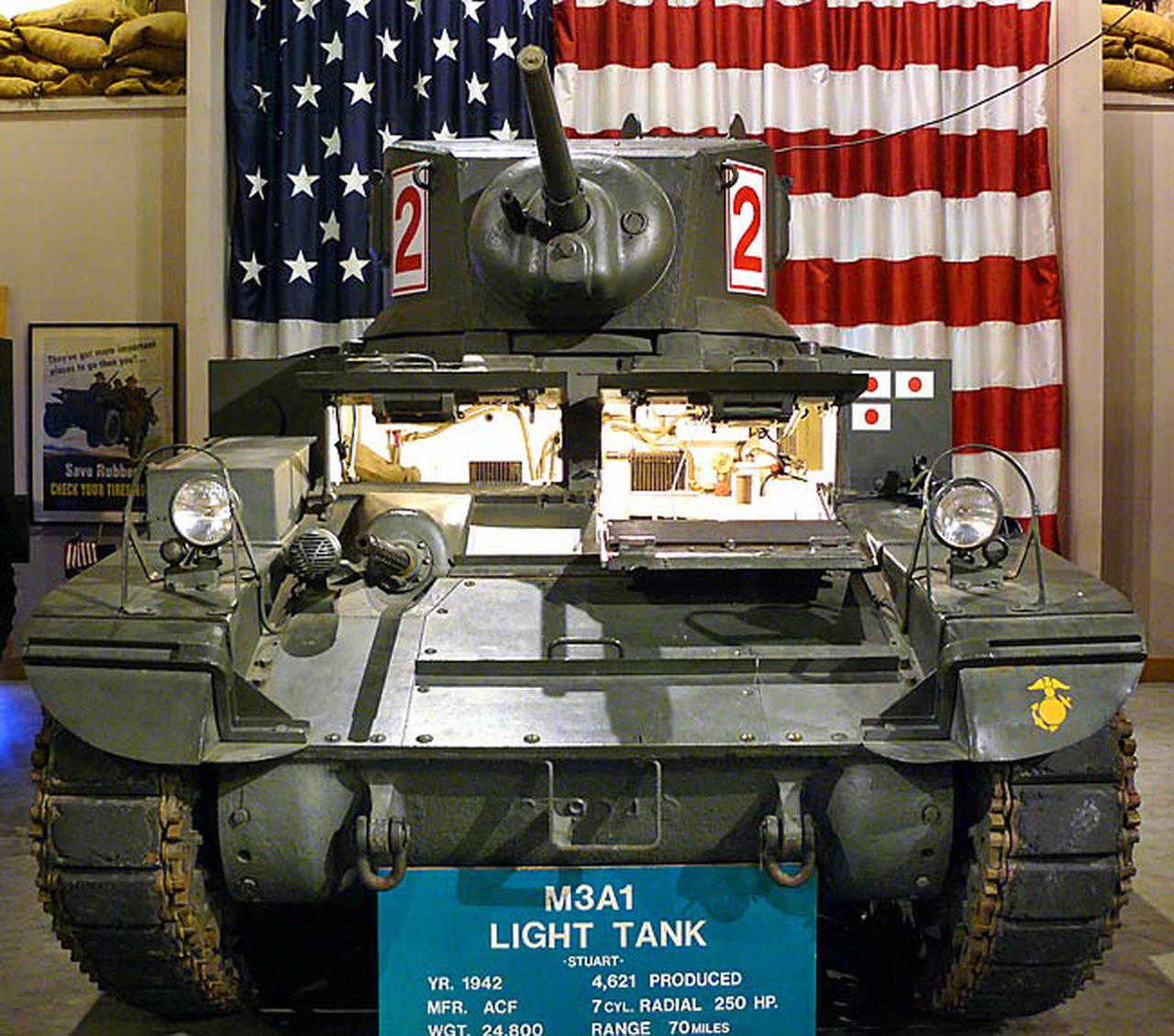
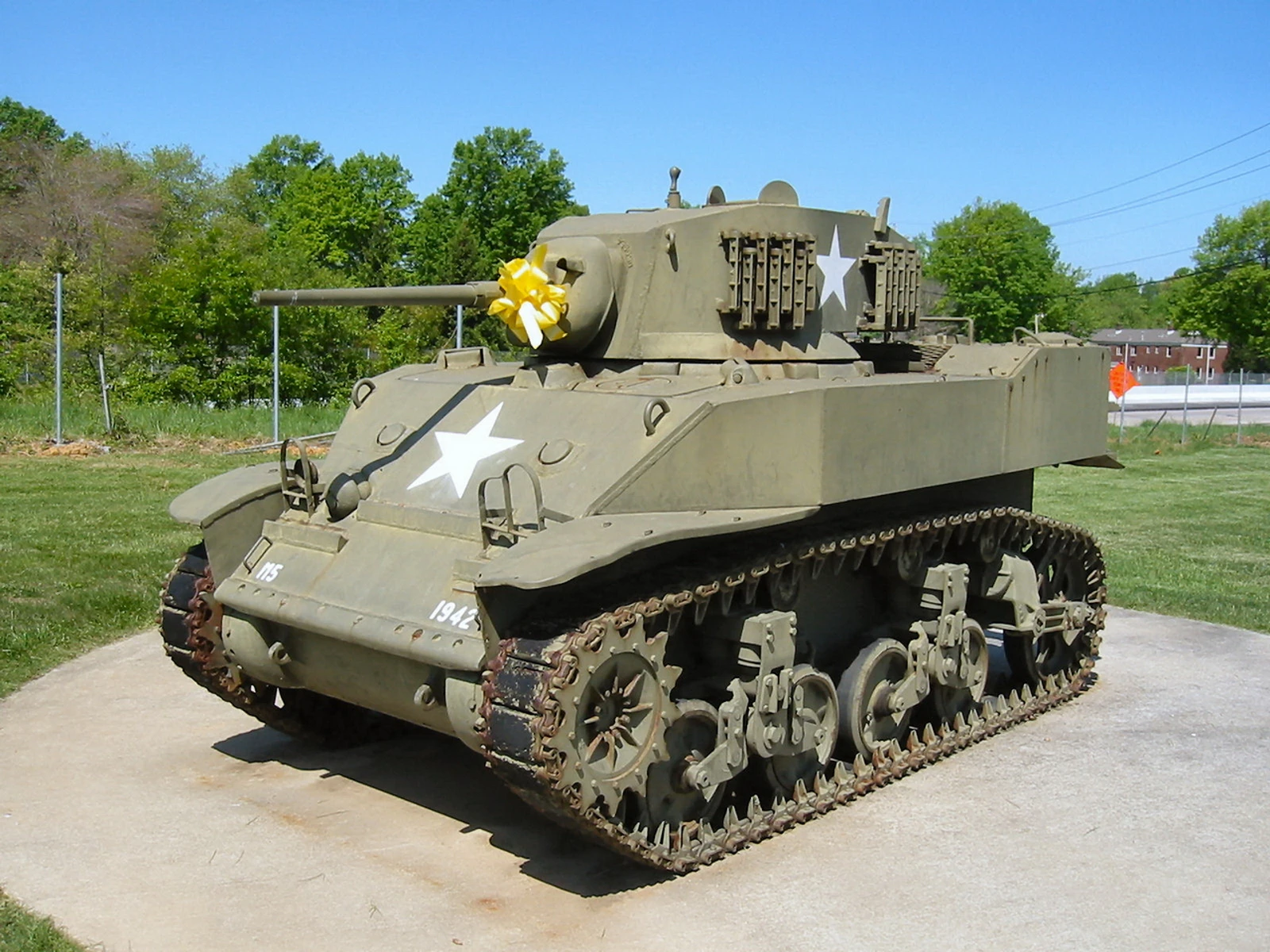
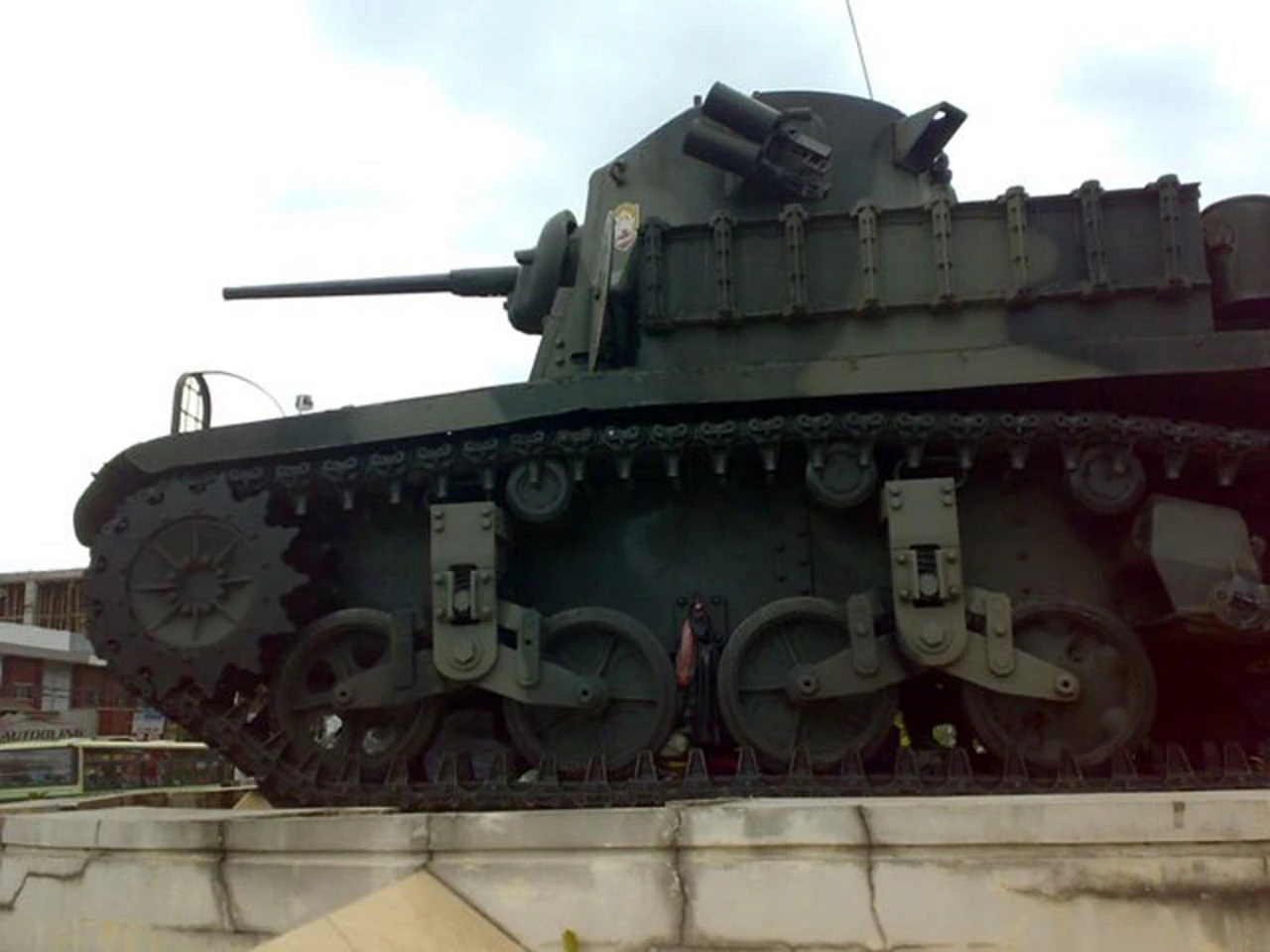
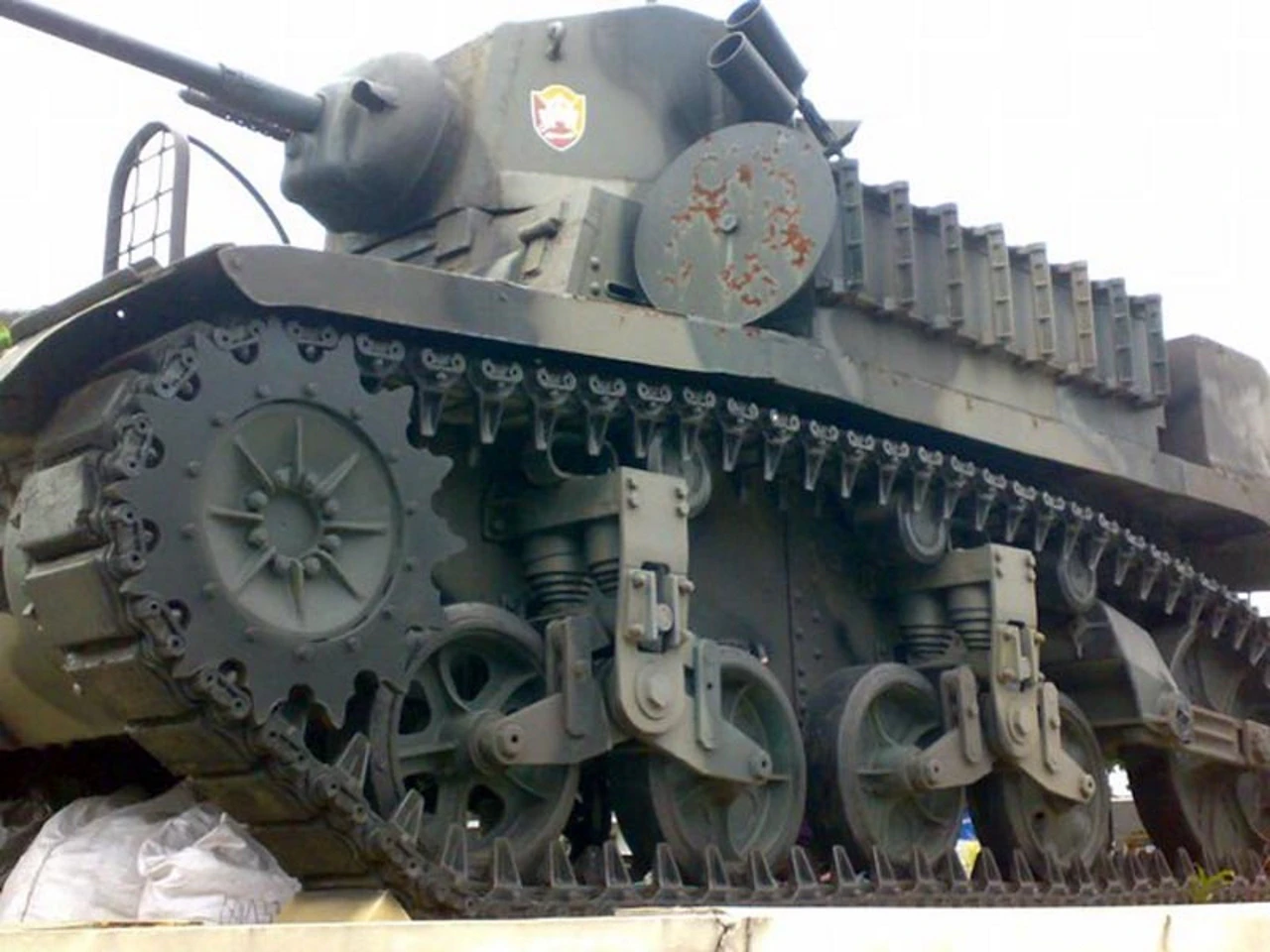
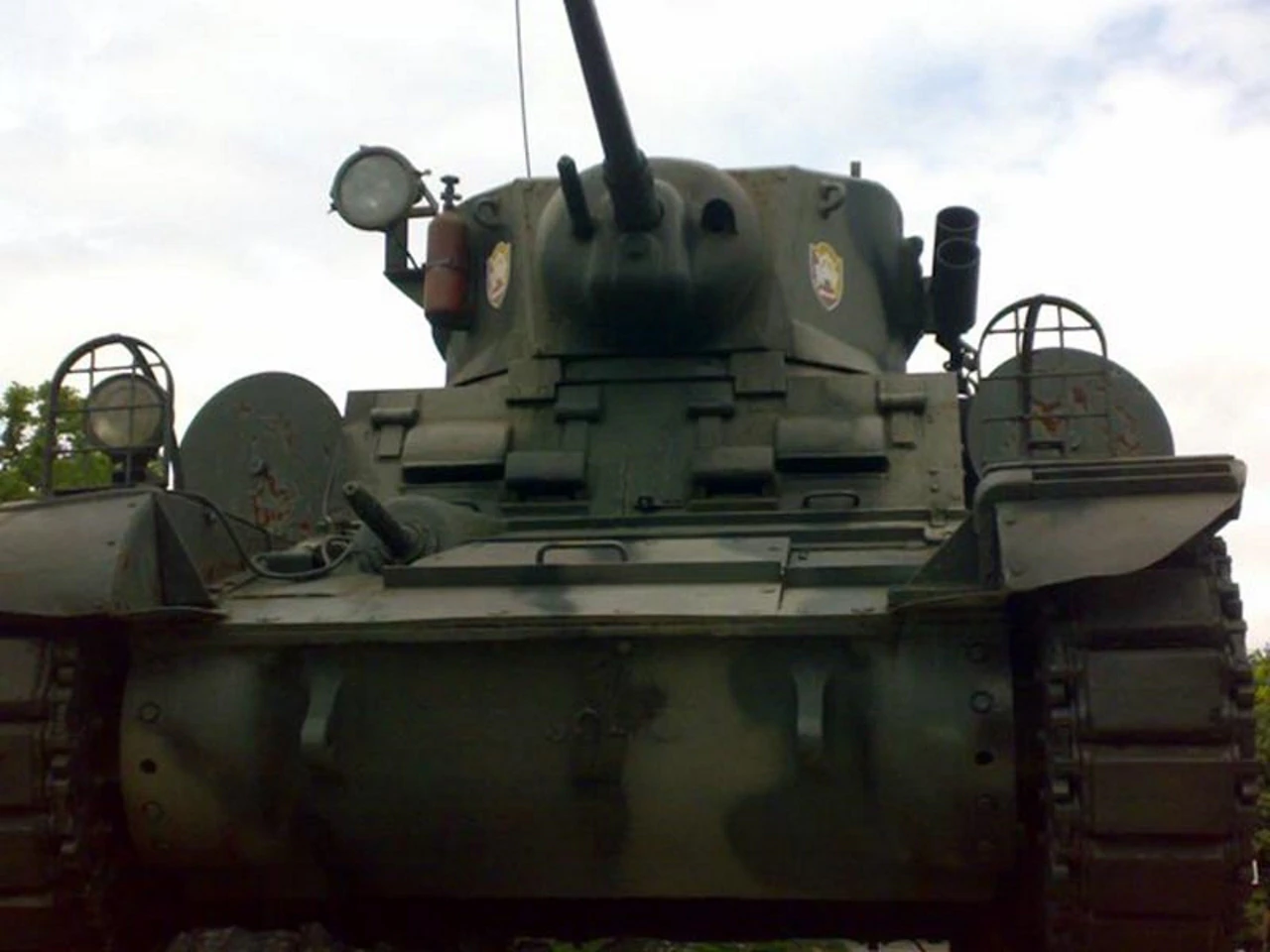
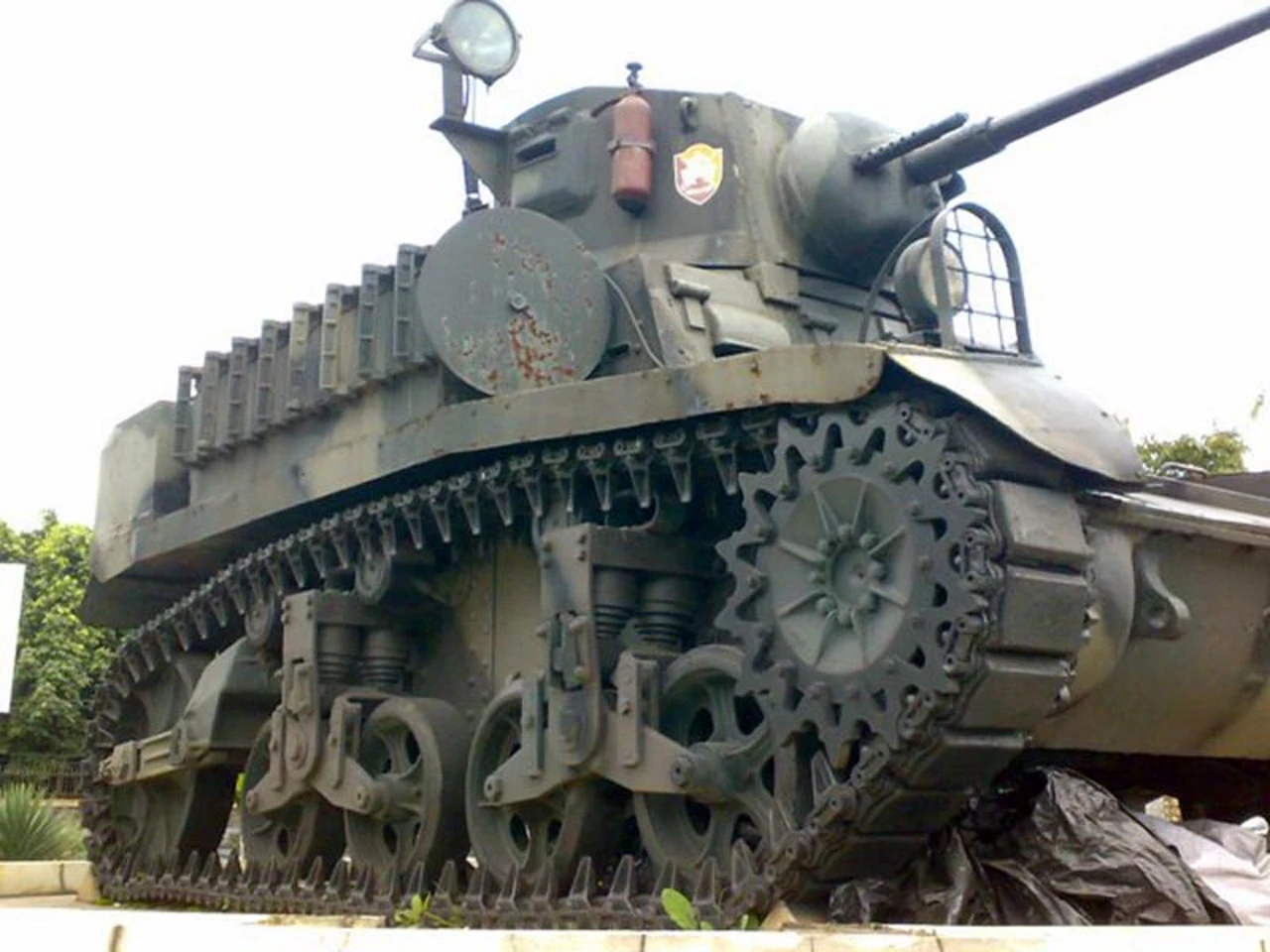
The M3 Stuart, officially Light Tank, M3, is an American light tank of World War II. It was supplied to British and Commonwealth forces under lend-lease prior to the entry of the U.S. into the war. Thereafter, it was used by U.S. and Allied forces until the end of the war.
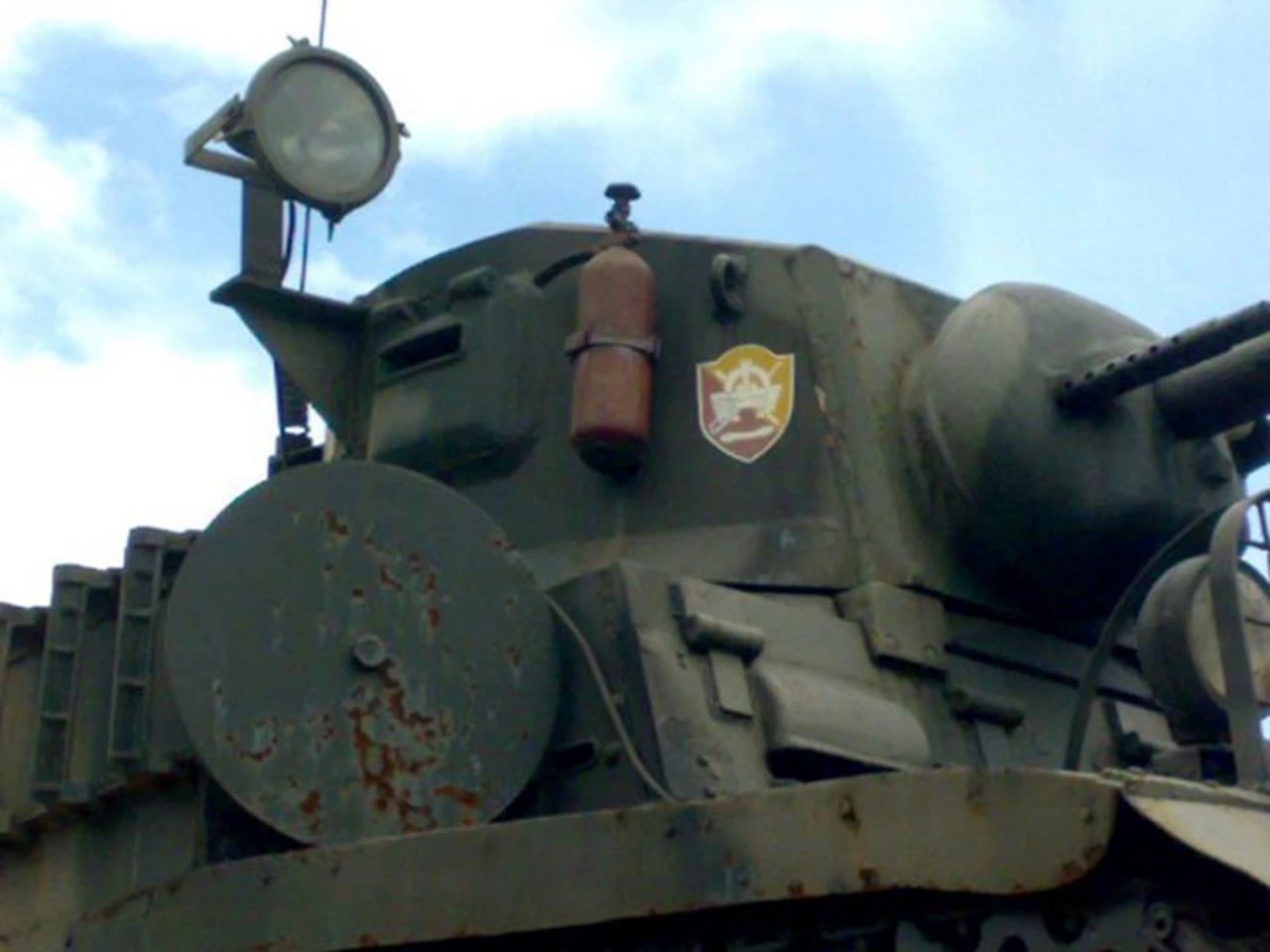
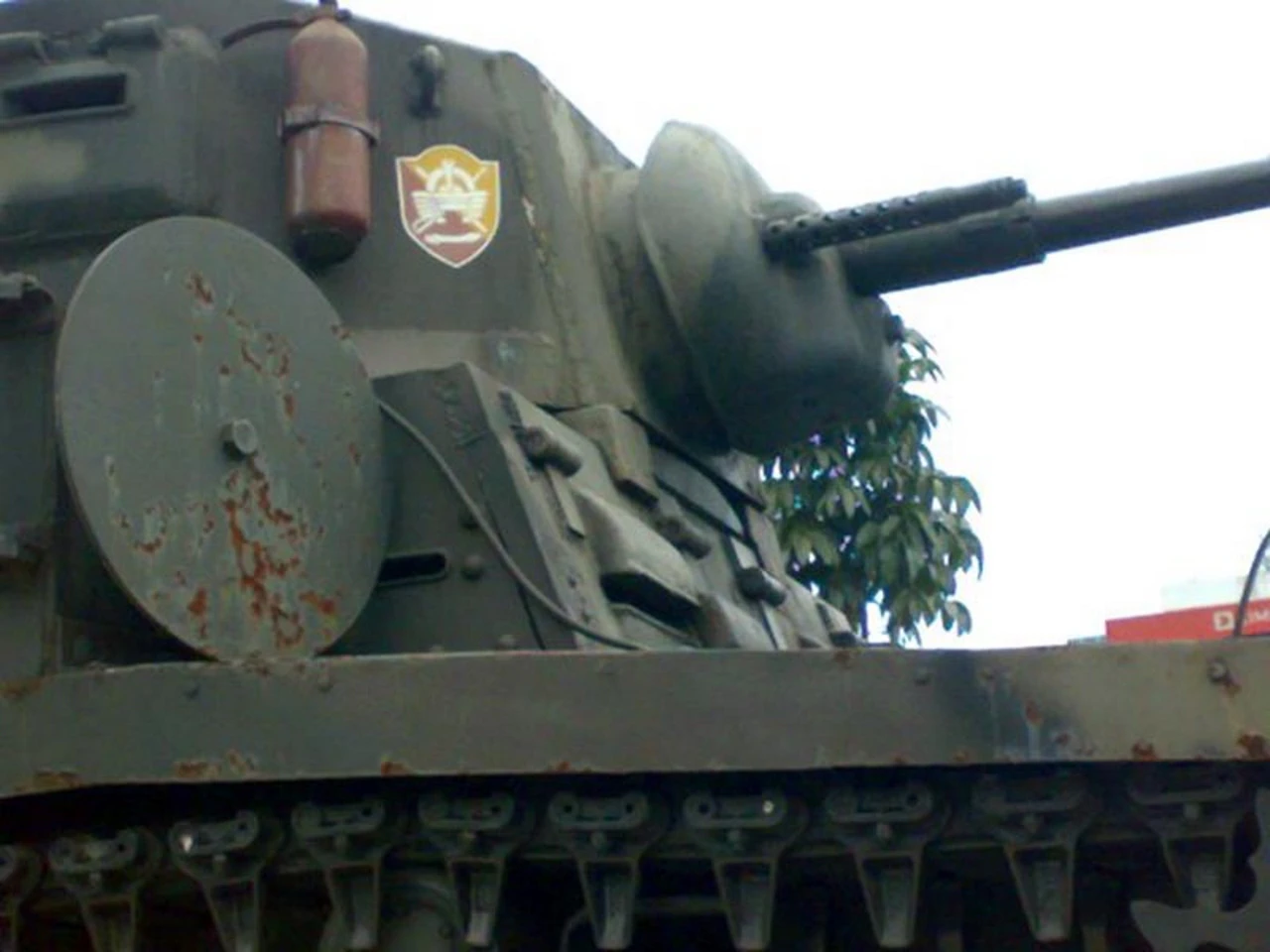
The M3A1 Stuart was the refined version of America’s first major wartime light tank. While it was eventually outclassed by heavier German and Soviet armor, the Stuart earned a place in history for its incredible mechanical reliability and blistering speed. When British crews first received them in North Africa, they nicknamed the tank “Honey” because it was a “honey of a ride” compared to the temperamental British tanks of the era. The A1 variant introduced a powered turret traverse and a “turret basket,” making it much more effective in combat than the original riveted M3.
Attribute
Technical Specification (M3A1)
Role
Light Tank / Reconnaissance
Crew
4 (Commander, Gunner, Driver, Assistant Driver)
Engine
Continental W-670-9A 7-cylinder radial (250 hp)
Maximum Speed
58 km/h (36 mph) on road
Main Armament
37 mm M6 gun (103 rounds)
Secondary Armament
3 × .30 cal M1919A4 machine guns
Armor
13 mm to 38 mm (Steel)
Operational Weight
12.9 tonnes
Design Engineering: Racing Car with a Gun
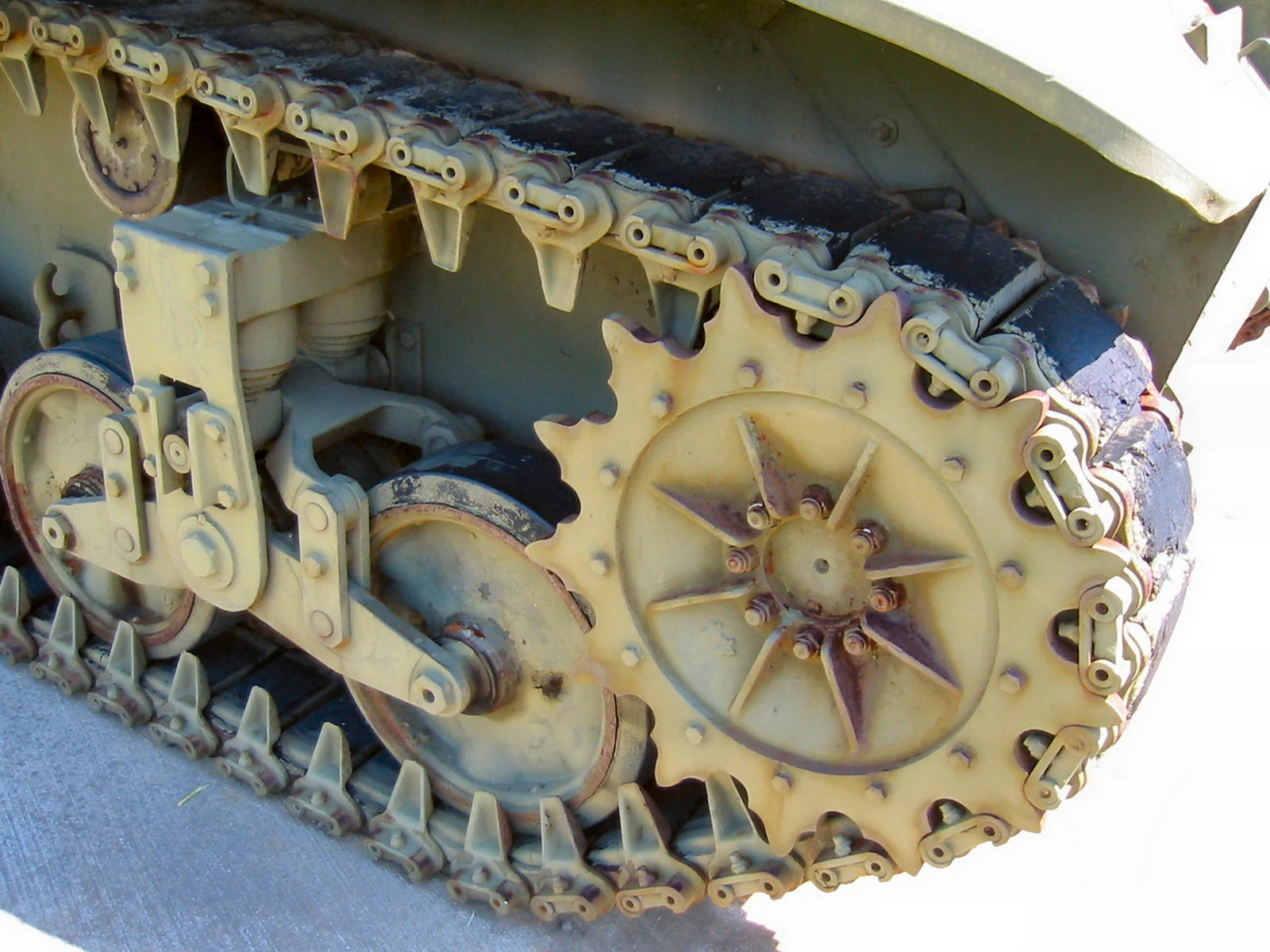
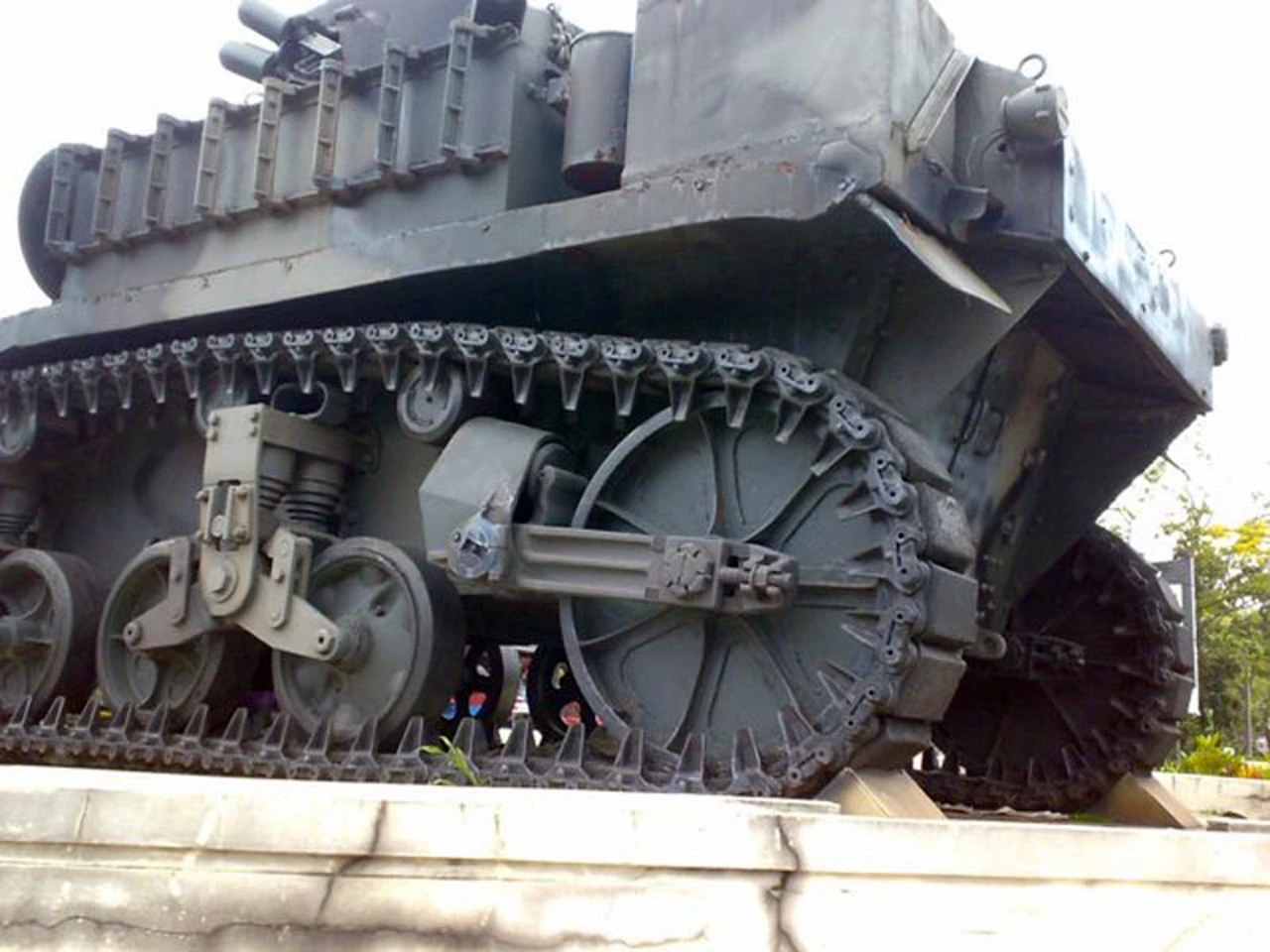
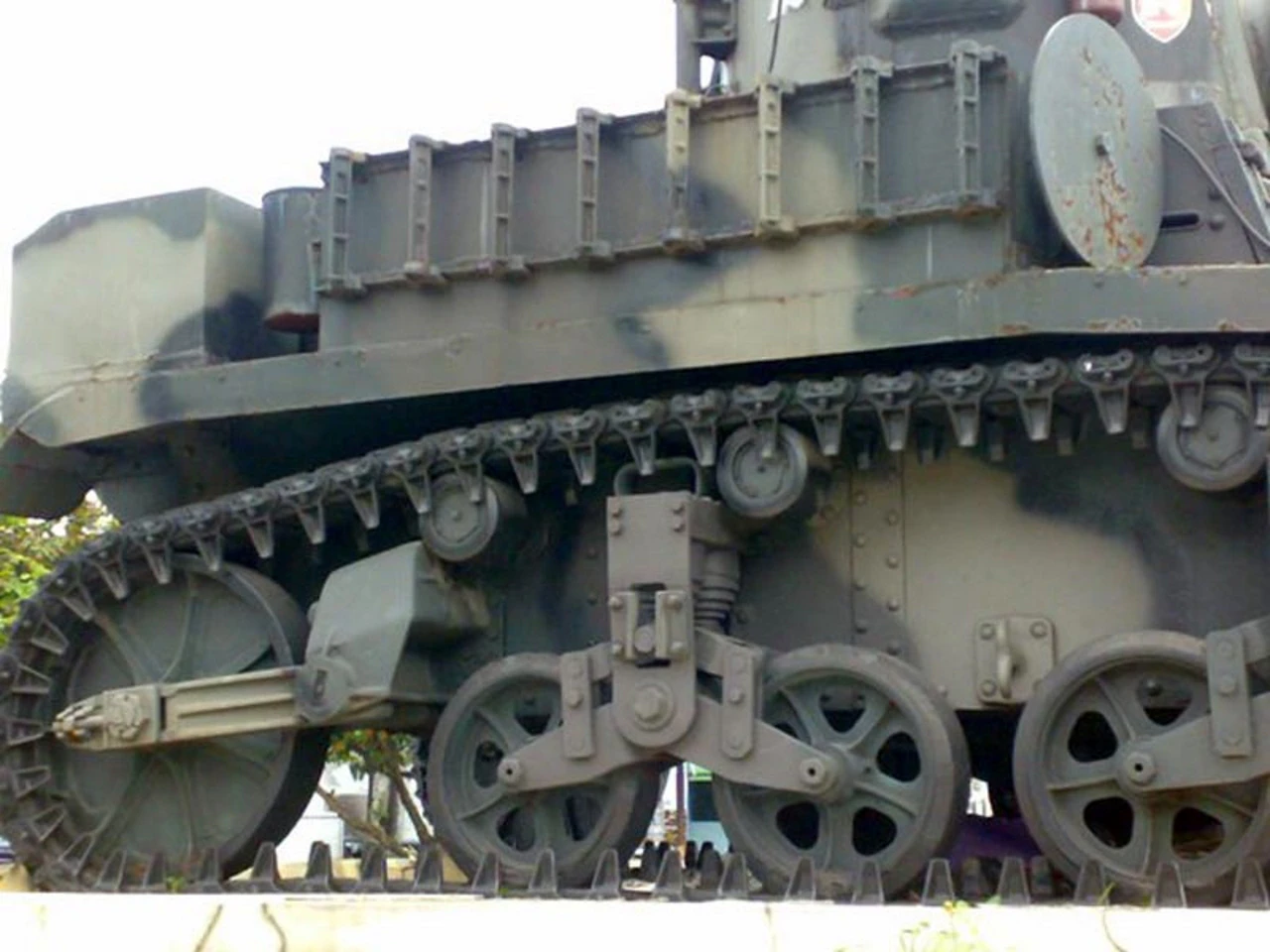
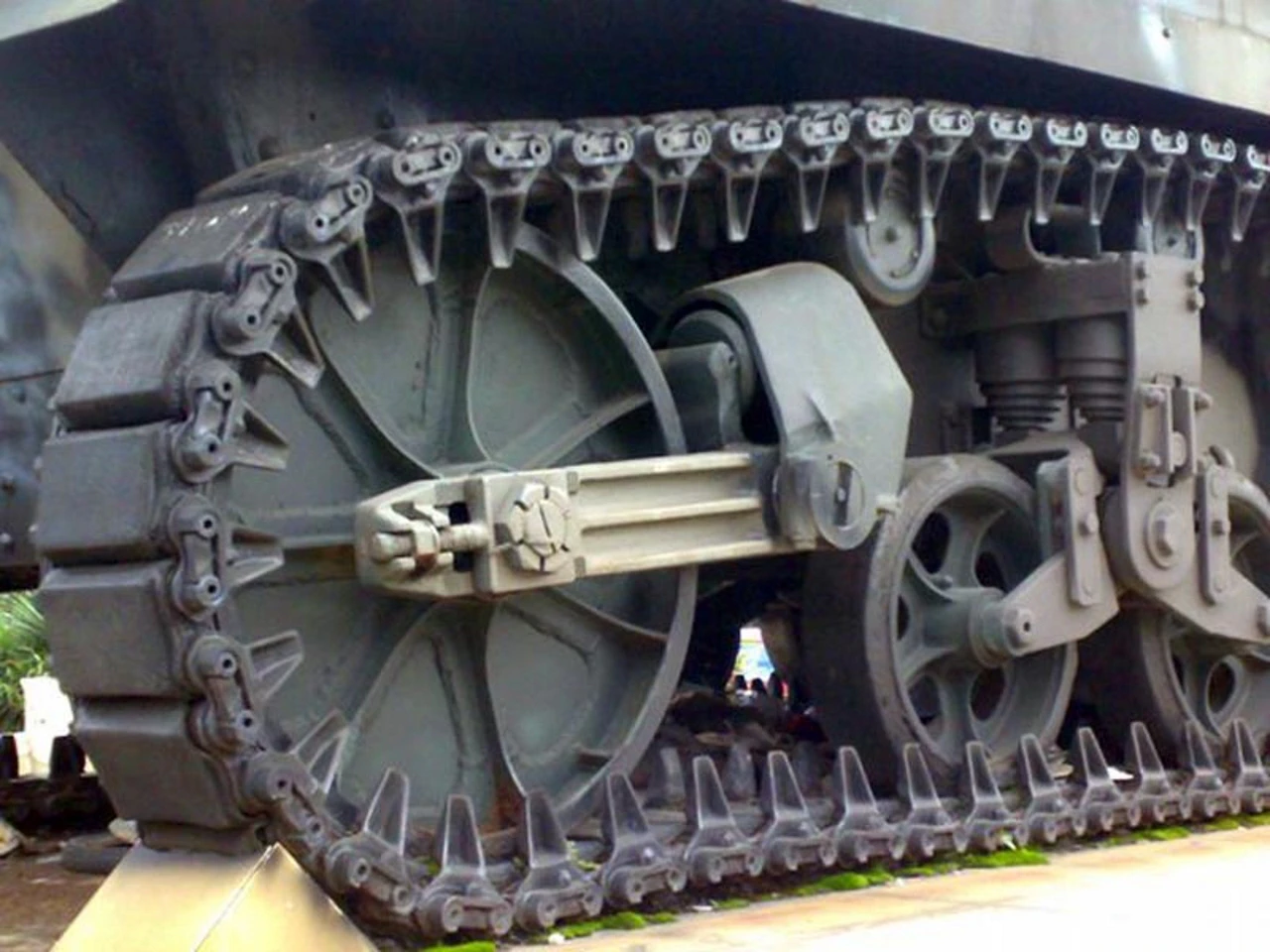
The Vertical Volute Spring Suspension (VVSS): The Stuart used a robust VVSS system that allowed it to maintain high speeds over broken terrain. It was so fast that it often outran its own supply lines during the dash across North Africa.
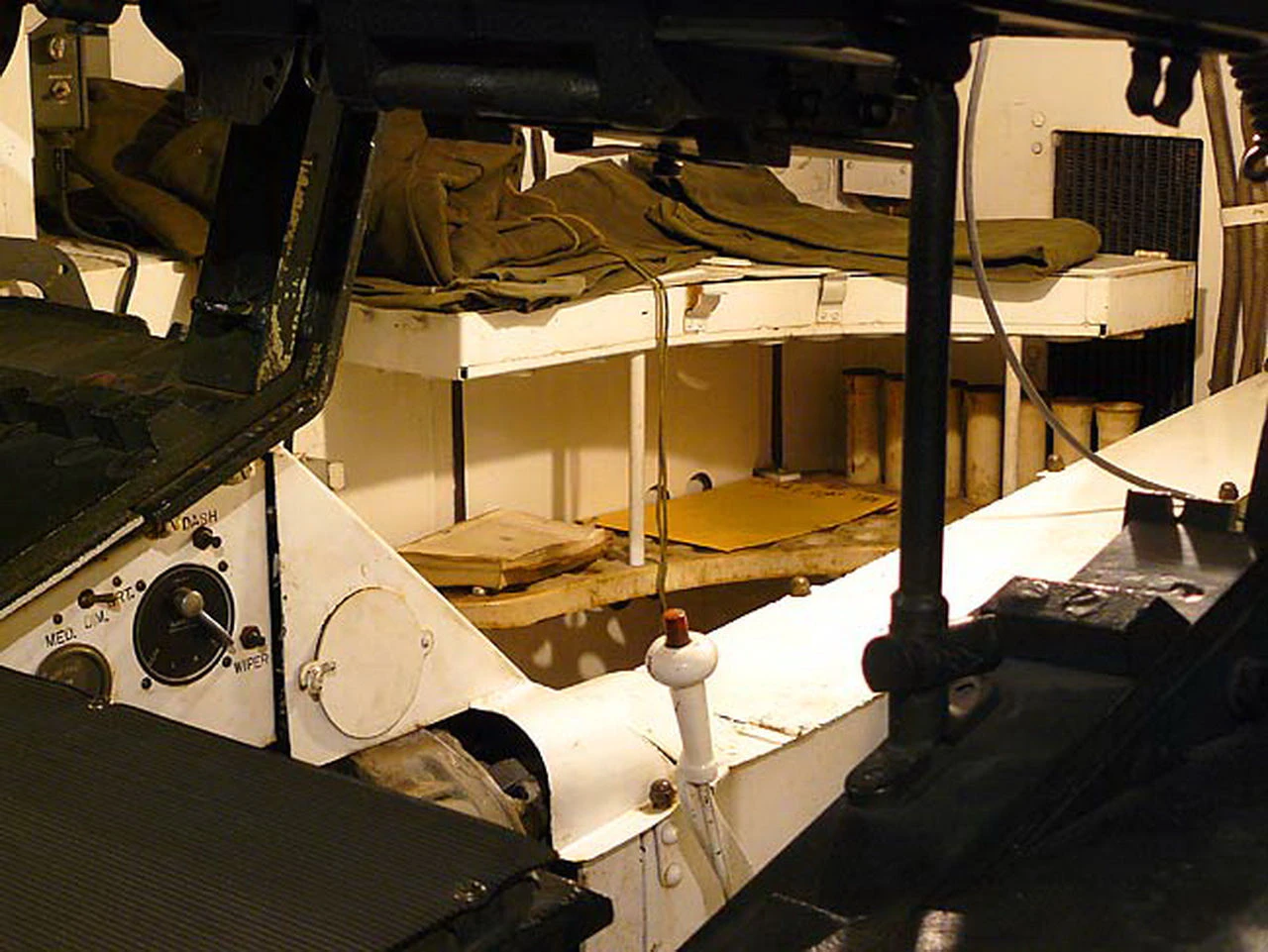
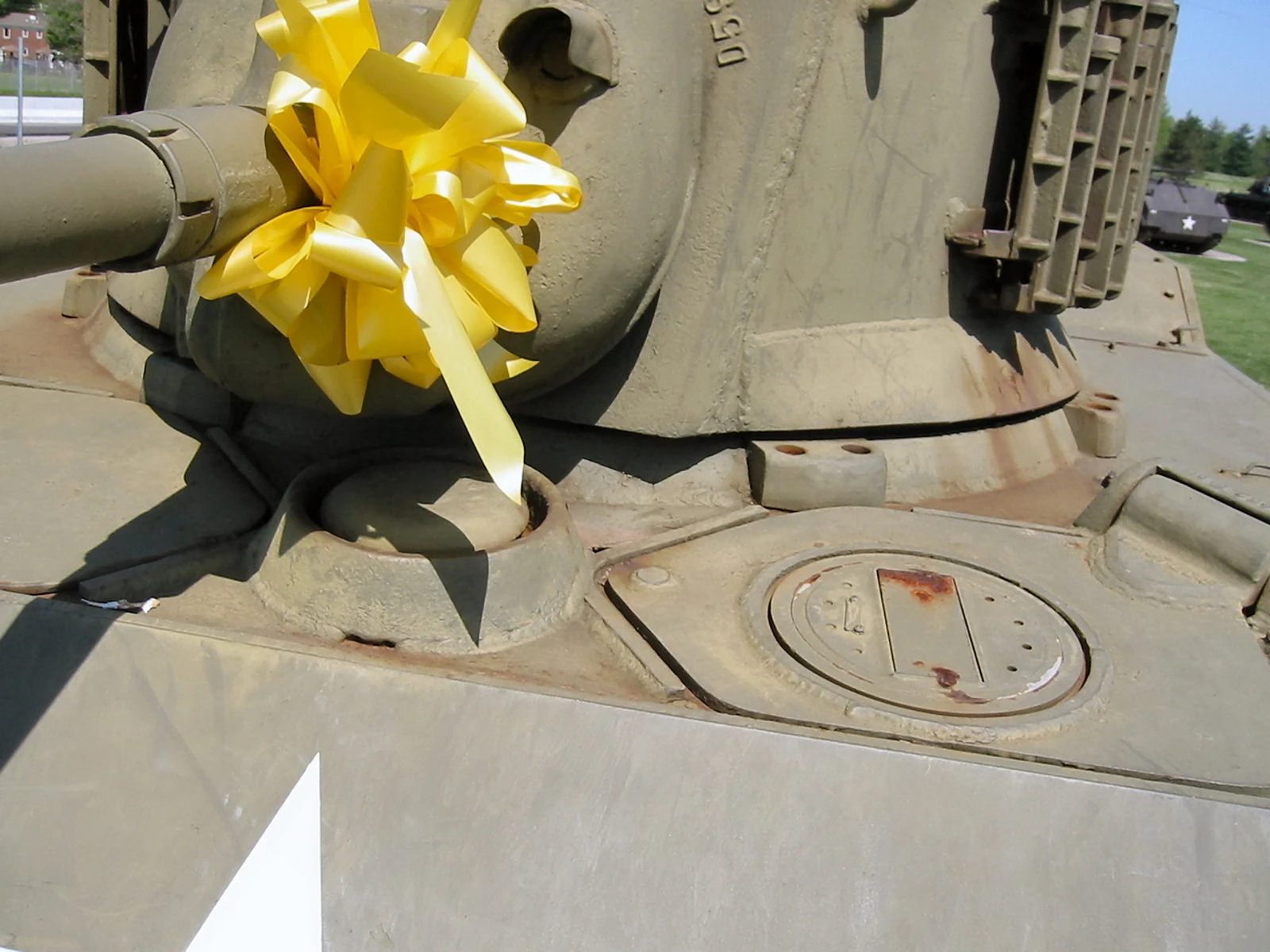
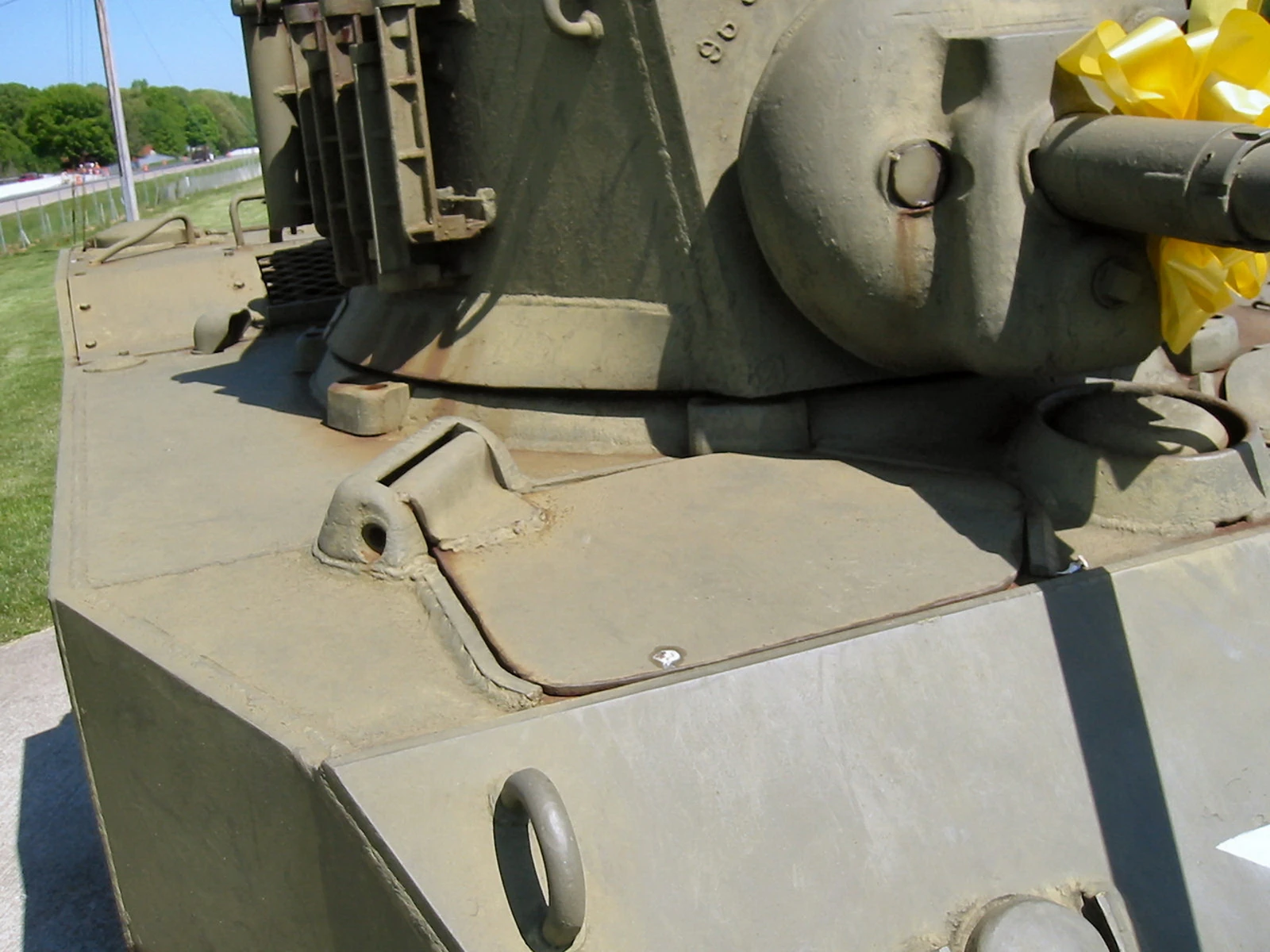
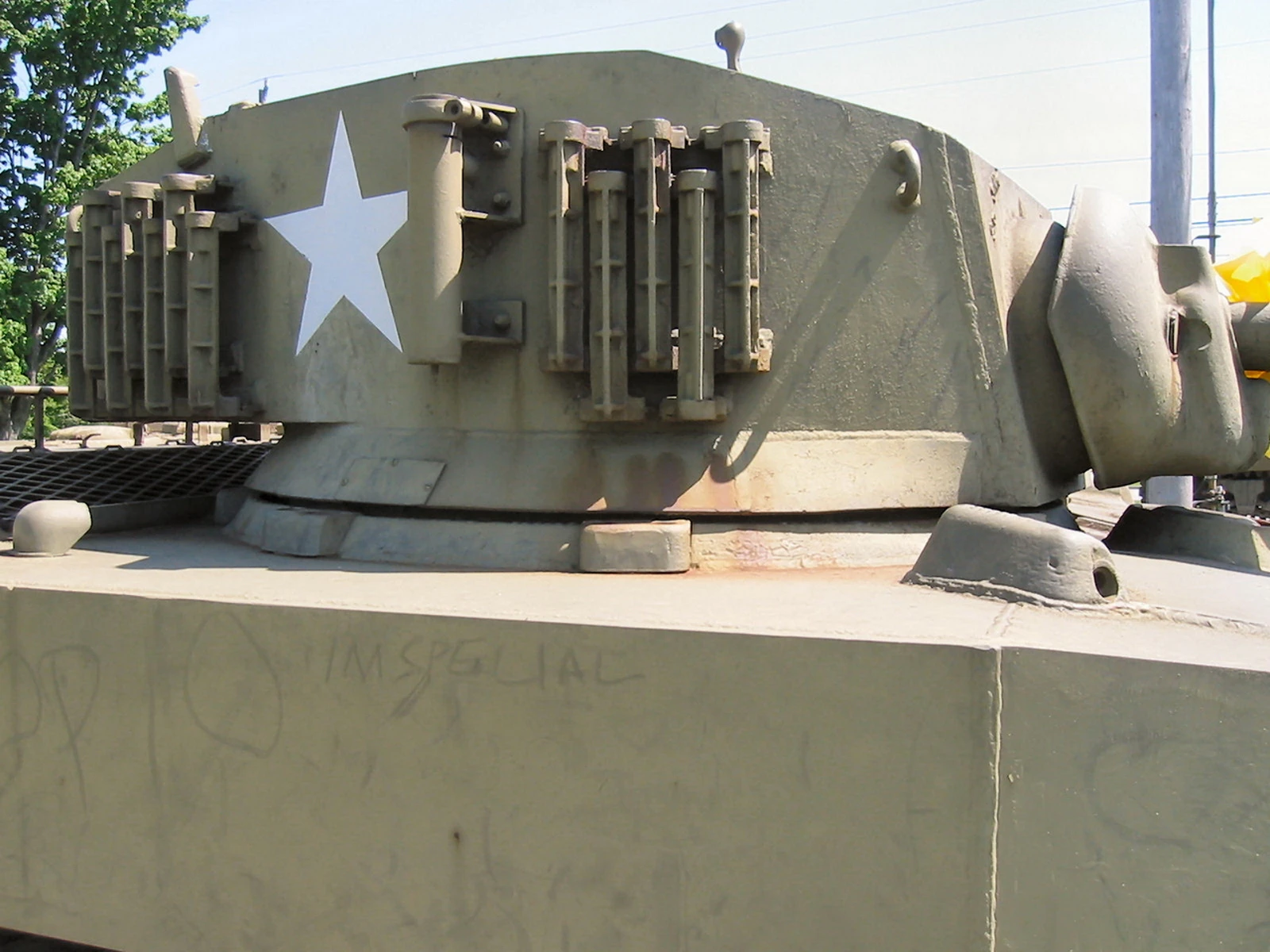
The Turret Basket: Unlike earlier light tanks where the crew had to “walk” around the floor as the turret turned, the M3A1 featured a rotating floor (basket) attached to the turret. This kept the gunner and commander perfectly aligned with the sights at all times.
The “Canister” Shot: While the 37mm gun was too weak to kill Tigers, it was devastating against infantry. The M2 Sherman and M3 Stuart frequently used “canister” rounds—essentially giant shotgun shells—to clear jungle brush and enemy trenches in the Pacific.
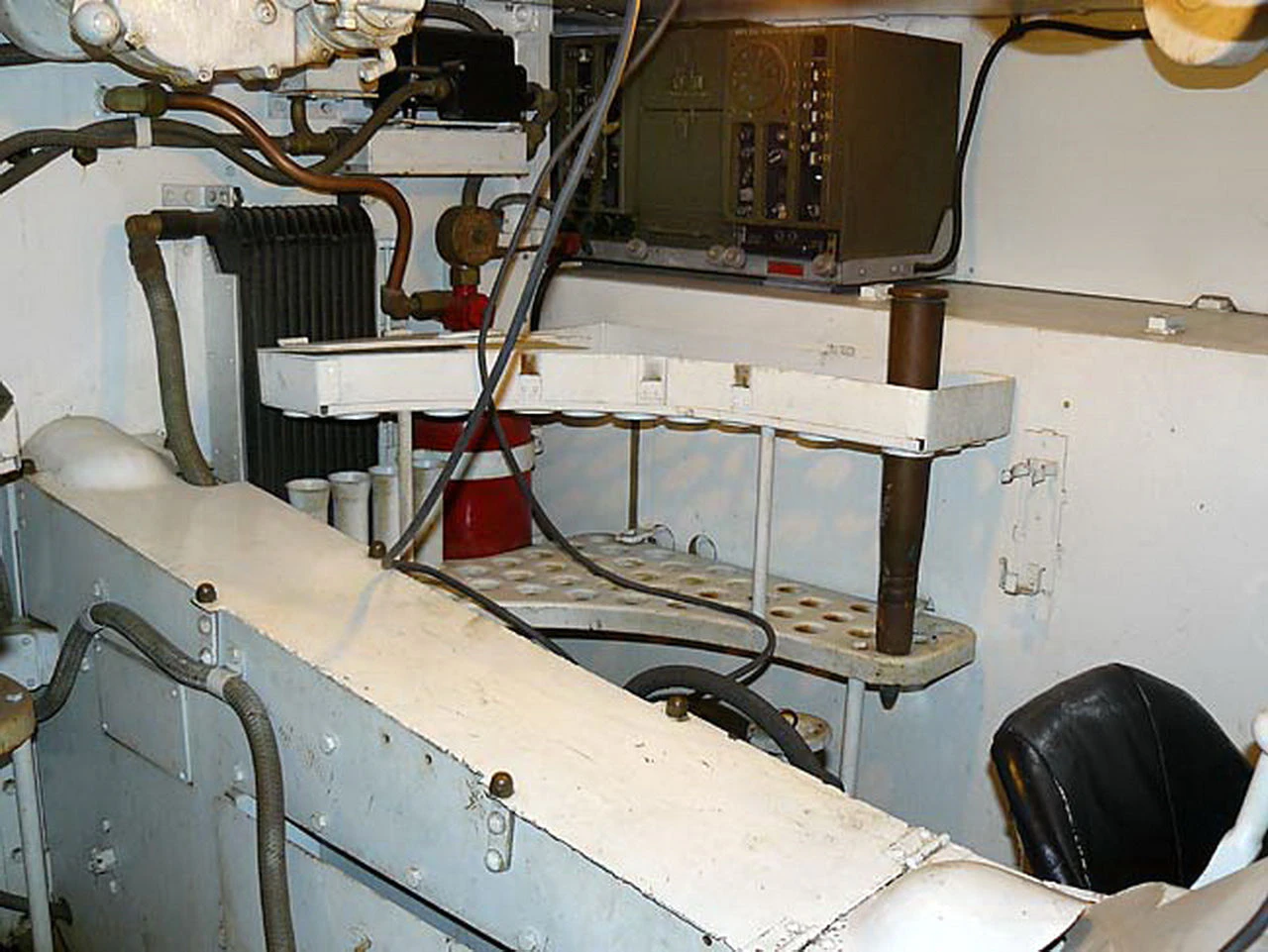
Aviation Roots: Like the Sherman M4A1, the Stuart used a radial aircraft engine. This forced the tank to have a very high profile to accommodate the vertical engine and the driveshaft, but the trade-off was a power-to-weight ratio that made it one of the most agile vehicles of WWII.
Operational History: Scouting and Survival
Battle of Gazala: The Stuart’s combat debut with the British 7th Armoured Division (“The Desert Rats”) proved it could survive the brutal heat of the Sahara, where its high speed allowed it to perform hit-and-run attacks on Rommel’s supply columns.
The Pacific Theater: In the jungles of Guadalcanal and Burma, the Stuart was the king of the battlefield. Since Japanese tanks were also lightly armored, the 37mm gun was more than sufficient, and its light weight allowed it to cross bridges and terrain that would swallow a Sherman.
The “Recce” Role: By 1944 in Europe, the Stuart was no longer used for tank-on-tank combat. It was moved to reconnaissance units, where its speed and small size (compared to a Panther) allowed it to scout ahead of the main army and “flush out” enemy positions.
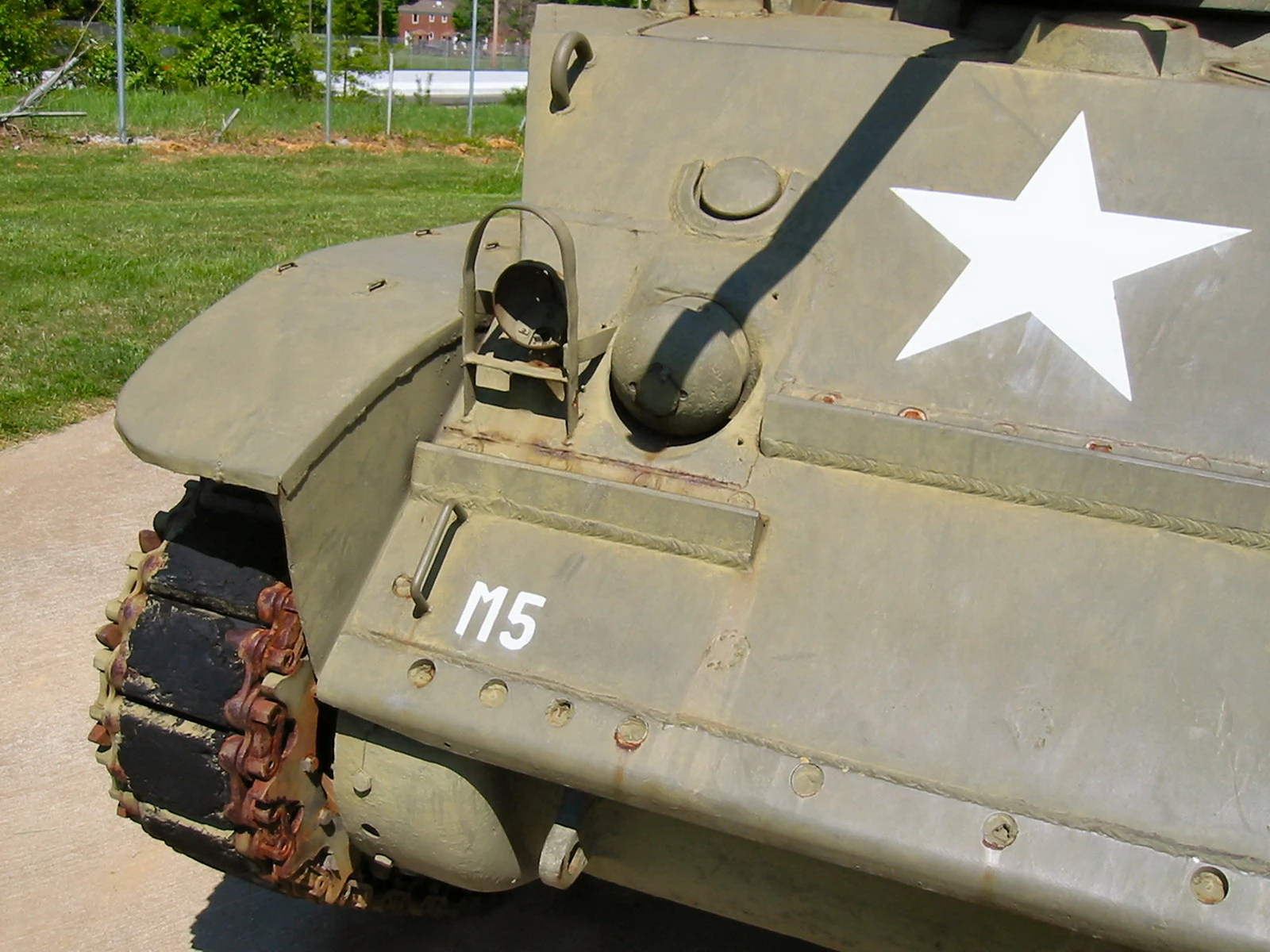
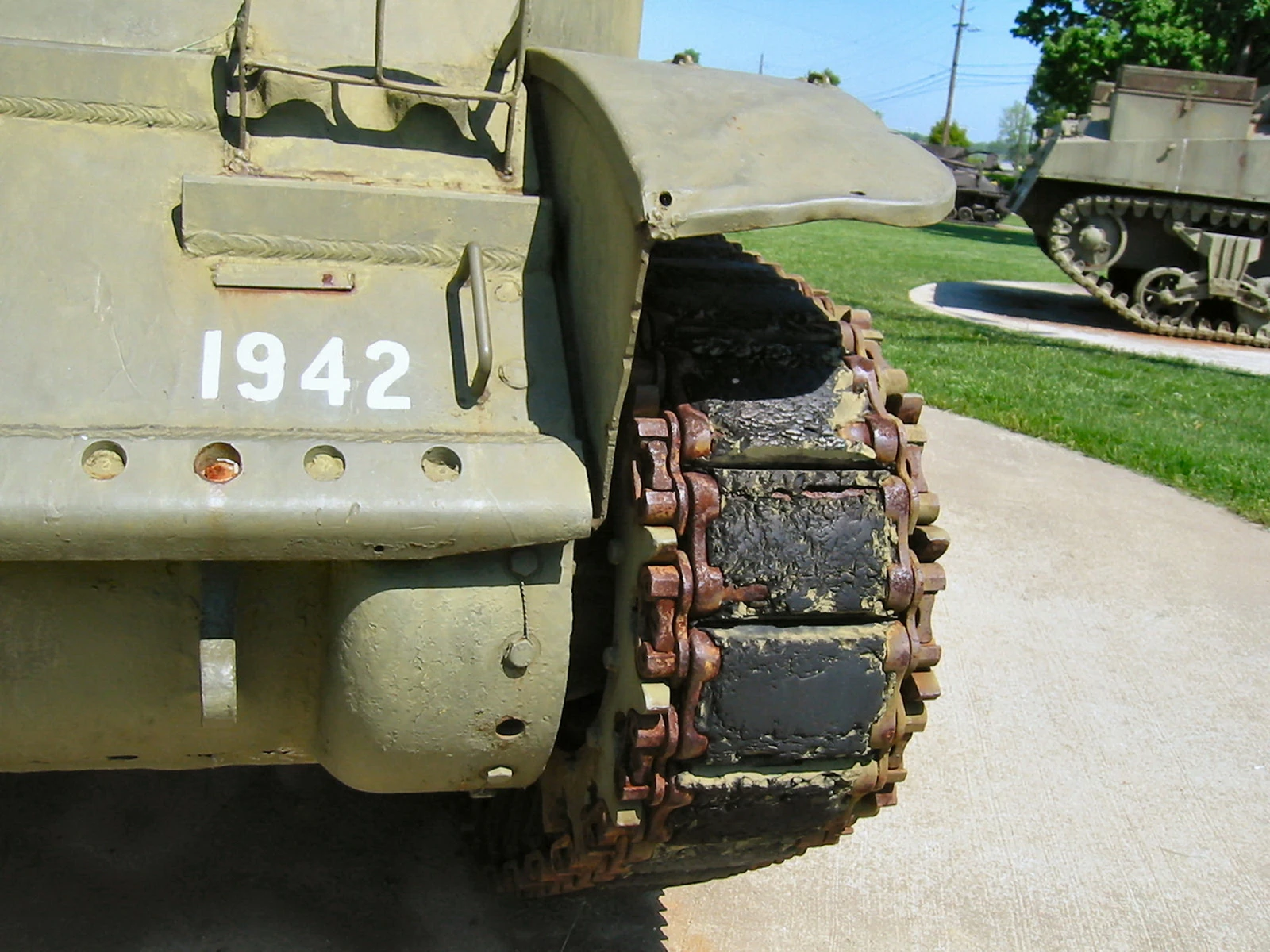
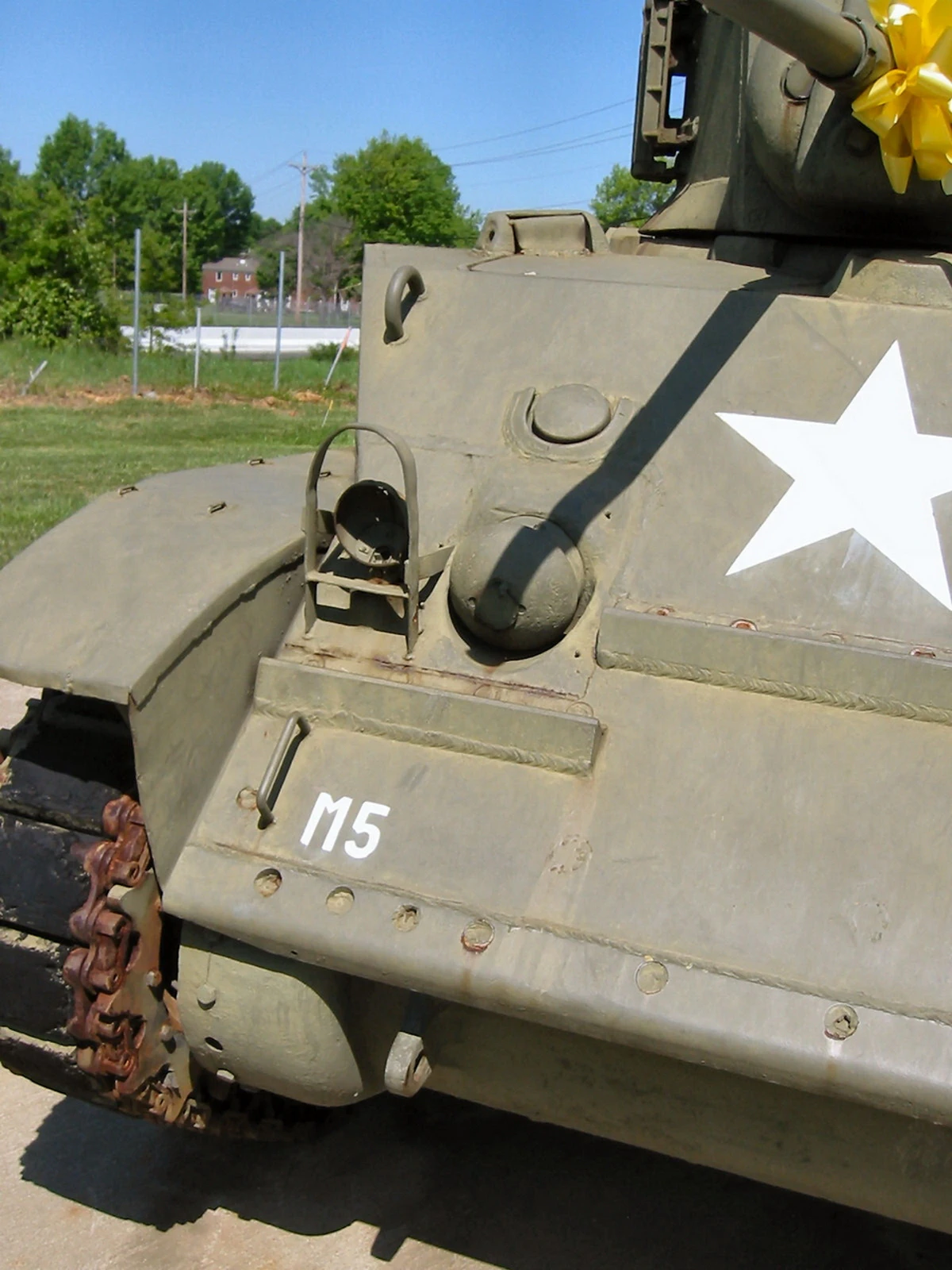
The M5 Evolution: The M3A1 eventually gave way to the M5 Stuart, which replaced the noisy radial engine with twin Cadillac V8s, making the tank much quieter and easier to drive with an automatic transmission.



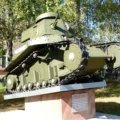 T-18 tank – Photos & Videos
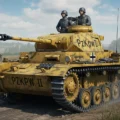 Panzer II – Photos & Videos
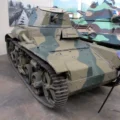 Renault AMR 33 – Photos & Video
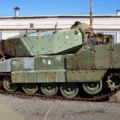 XM-8 Armored Gun System – Photos & Video
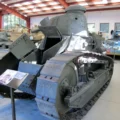 Six Ton Tank M1917 – WalkAround
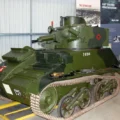 Vickers Mk VIb – Walk Around
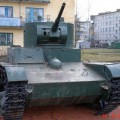 T-26 – WalkAround
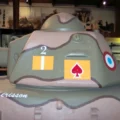 Renault R35 – WalkAround
 Char léger T-46 – WalkAround
 Stuart in Action – Squadron Signal SS2018