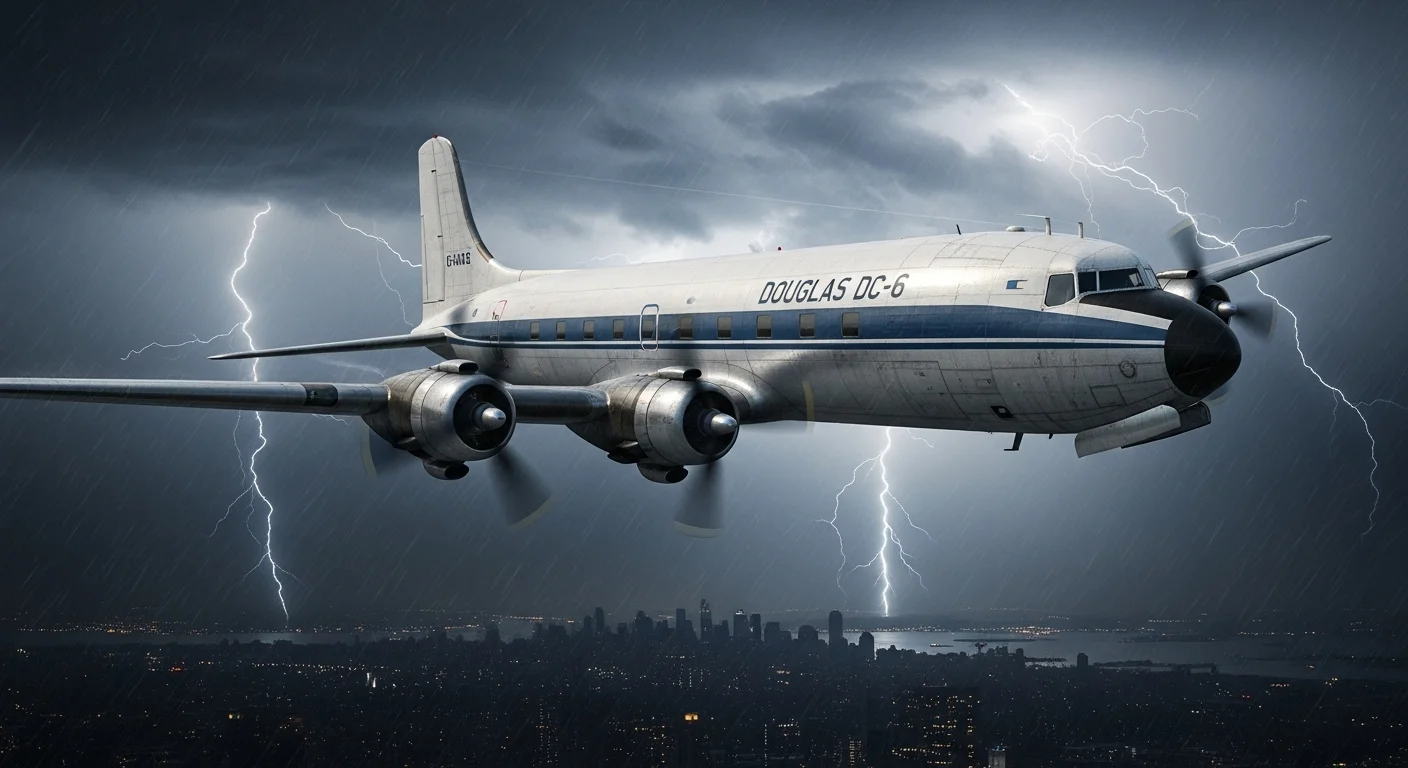
Douglas DC-6 | |
|---|---|
| Country | USA |
| Role | Airliner/transport aircraft |
| First flight | 15 February 1946 |
| Built | 704 |
The Douglas DC-6 is a piston-powered airliner and cargo aircraft built by the Douglas Aircraft Company from 1946 to 1958. Originally intended as a military transport near the end of World War II, Douglas reworked it after the war to compete with the Lockheed Constellation in the long-range commercial transport market. Douglas built over 700, and many still fly in cargo, military, and wildfire control roles.
Source: Douglas DC-6 on Wiki
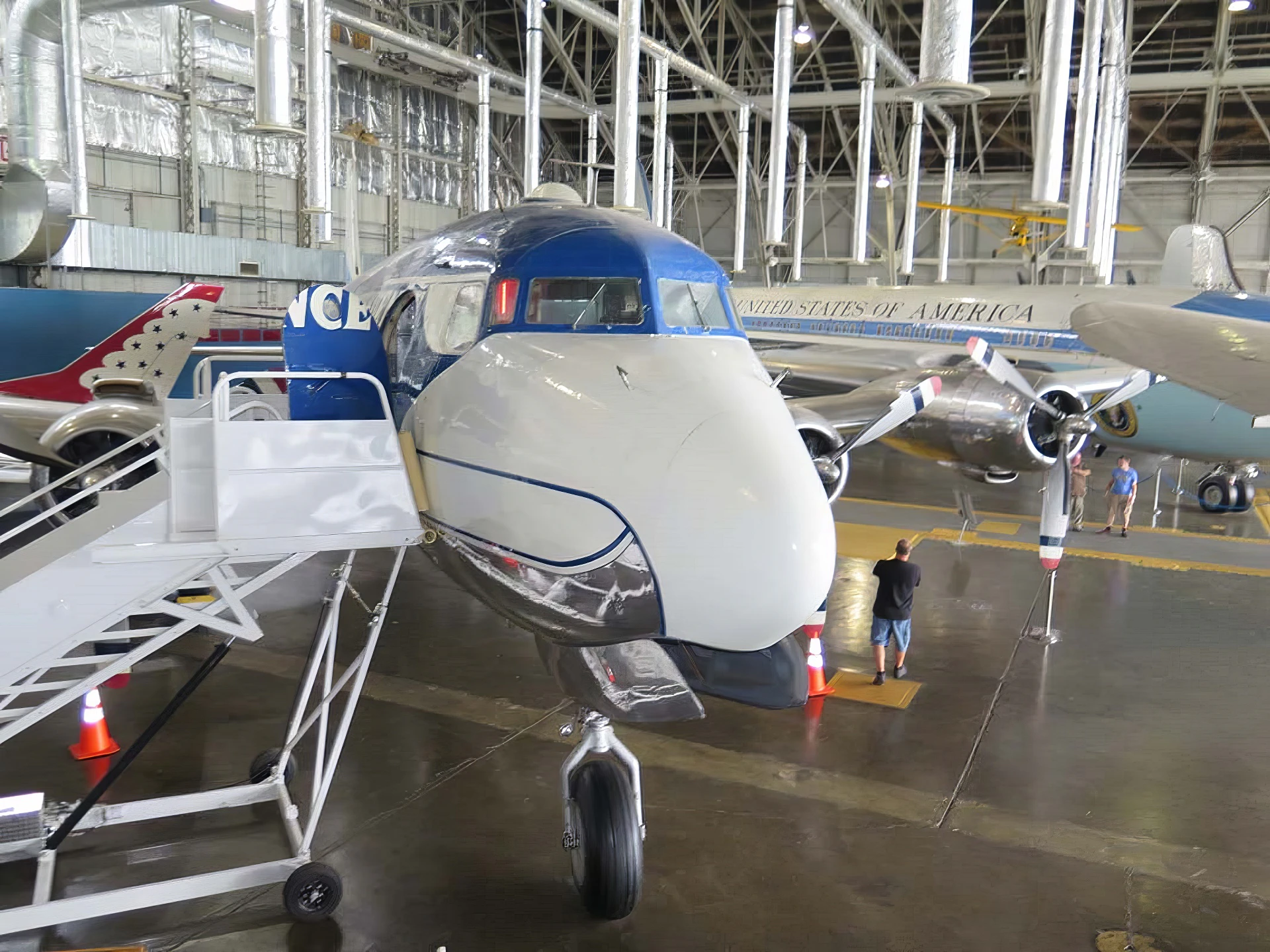
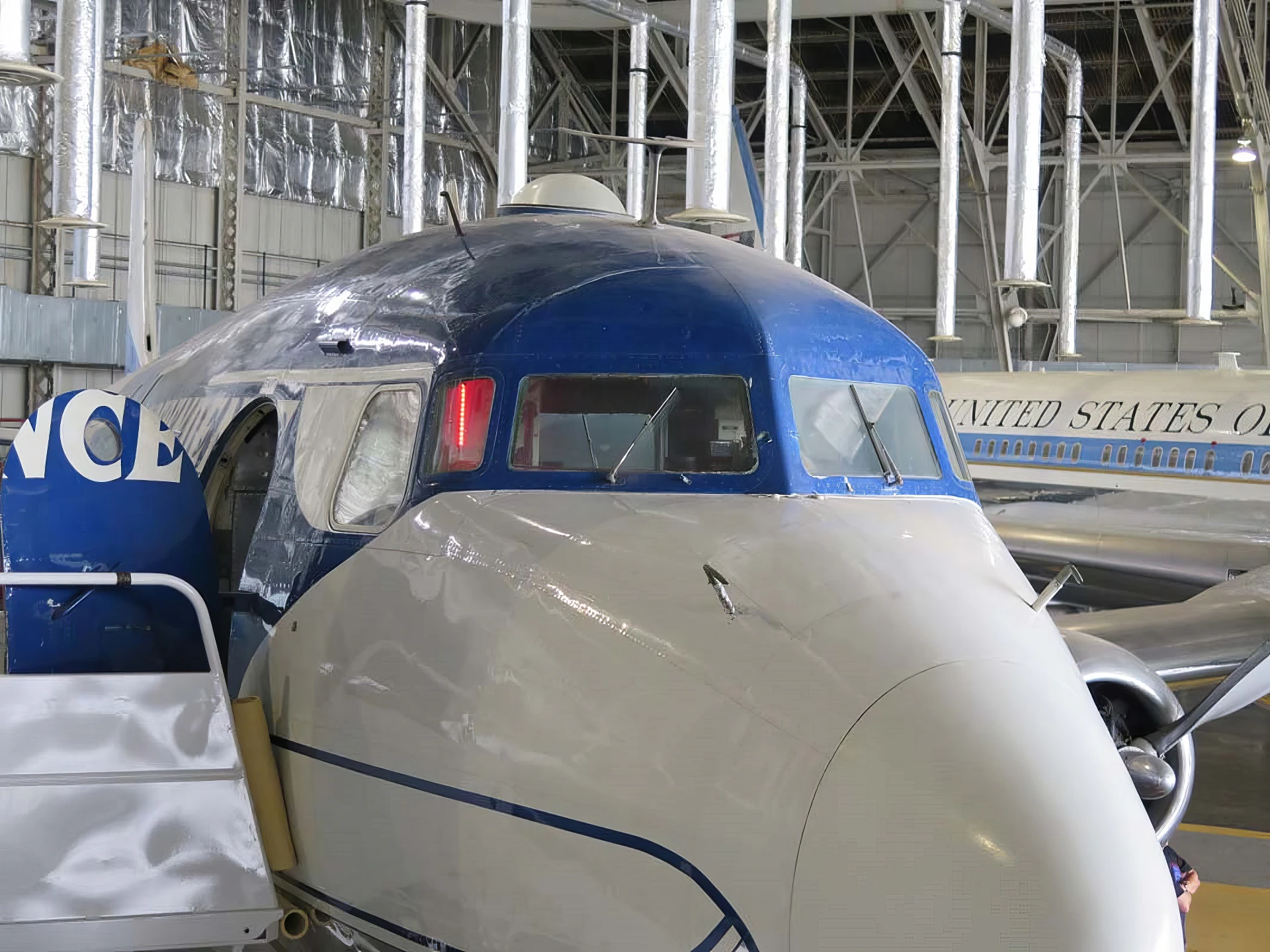
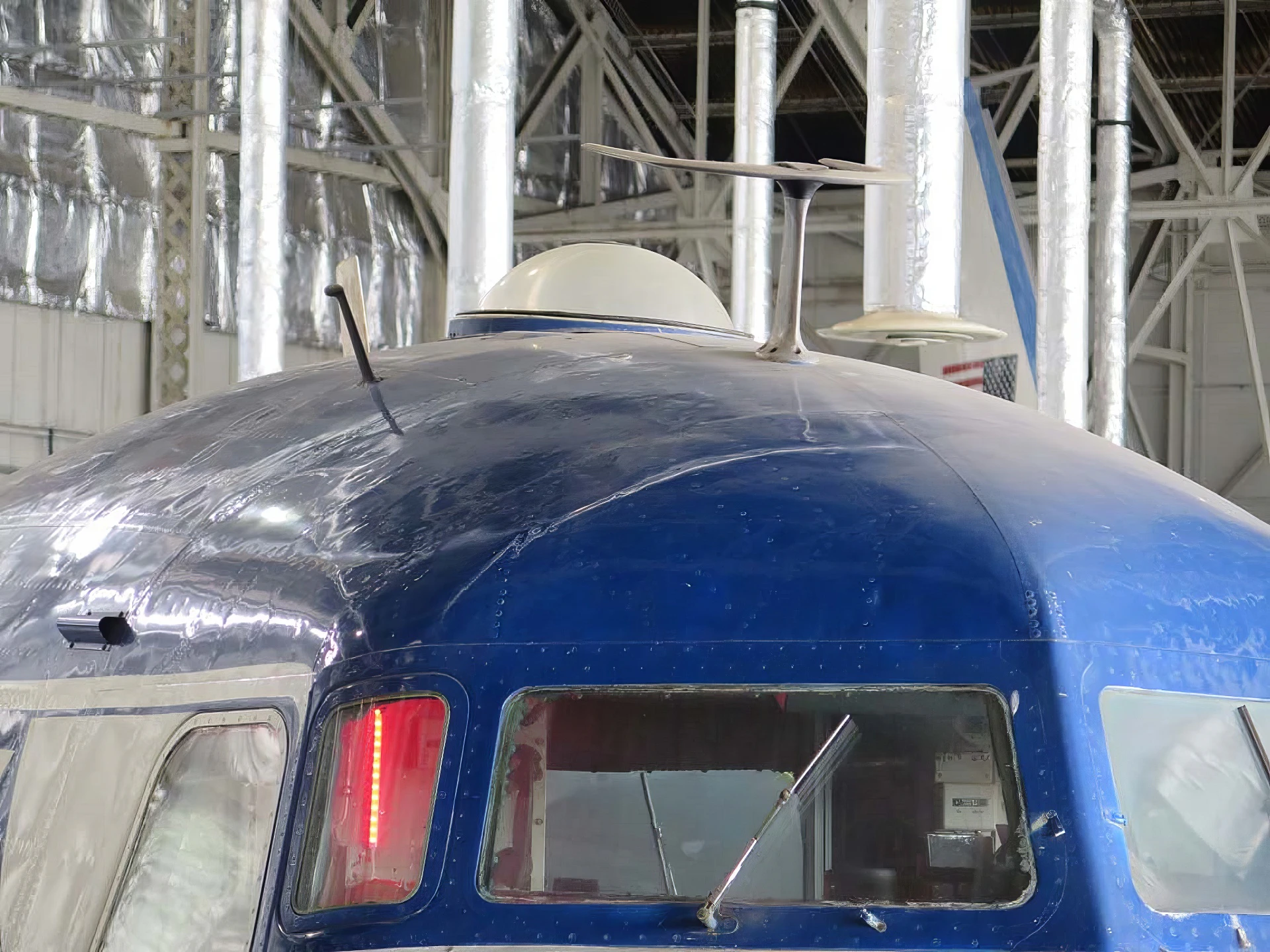
| Douglas VC-118 Independence Walk Around | |
|---|---|
| Photographers | Vladimir Yakubov |
| Localisation | National Museum of the USAF, Dayton, OH |
| Photos | 160 |



 Buy Me a Coffee

See also:


The Evolution of a Legend
The Douglas DC-6 was originally designed during World War II as the XC-112, a military transport aimed at improving upon the DC-4 (C-54). When the war ended, Douglas re-engineered it into a long-range civilian airliner to compete with the Lockheed Constellation. Its greatest advantage was a fully pressurized cabin, allowing it to fly above the weather for greater passenger comfort. The DC-6 became the backbone of the great post-war airline expansion, famously used by Pan Am, United, and American Airlines for transcontinental and transoceanic flights.
| Attribute | Standard Specification (Douglas DC-6B) |
|---|---|
| Role | Long-range Airliner / Military Transport (C-118) |
| Crew | 3 or 4 (Pilot, Co-pilot, Flight Engineer, Navigator) |
| Capacity | 54 to 102 passengers (depending on configuration) |
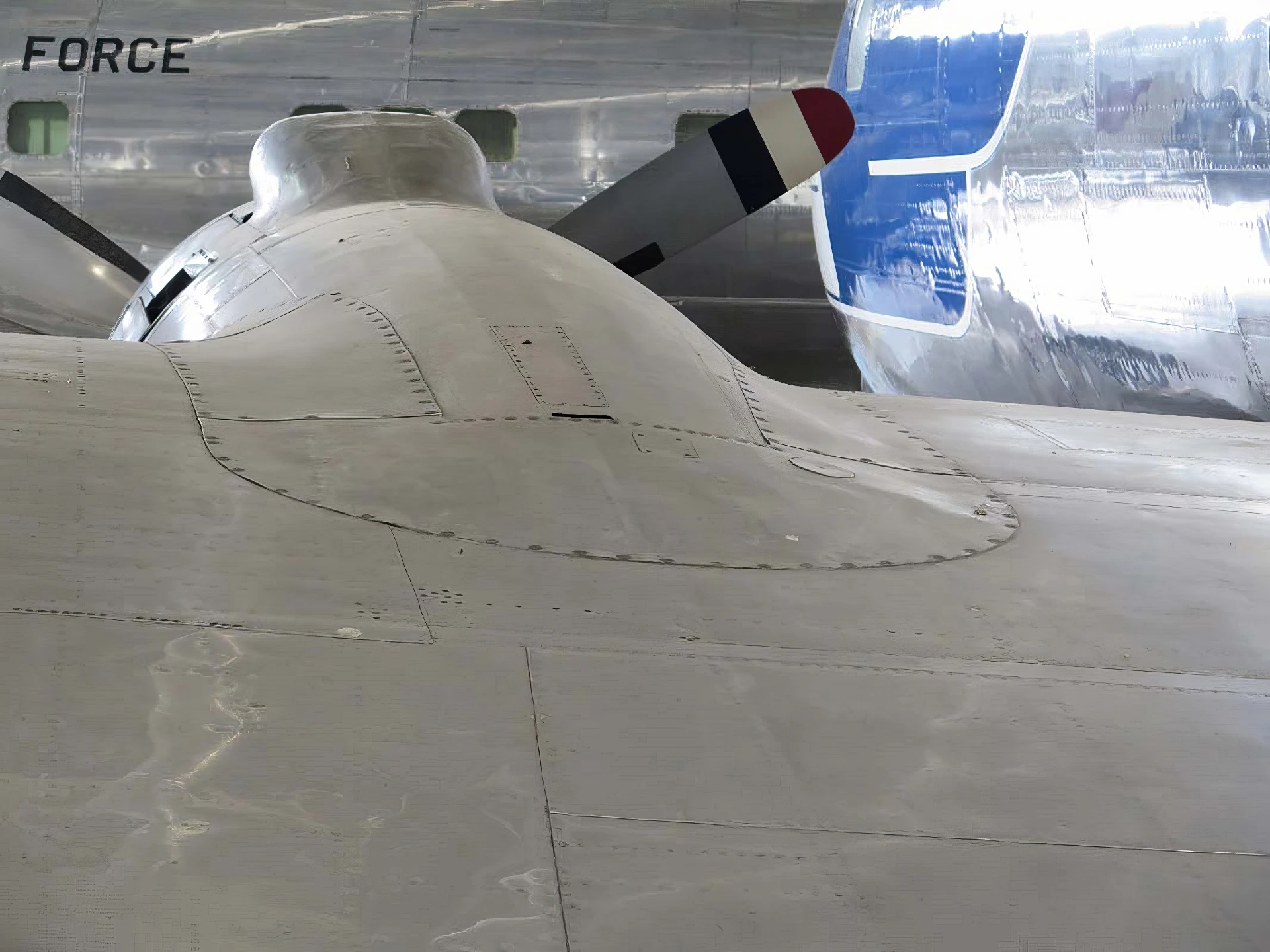
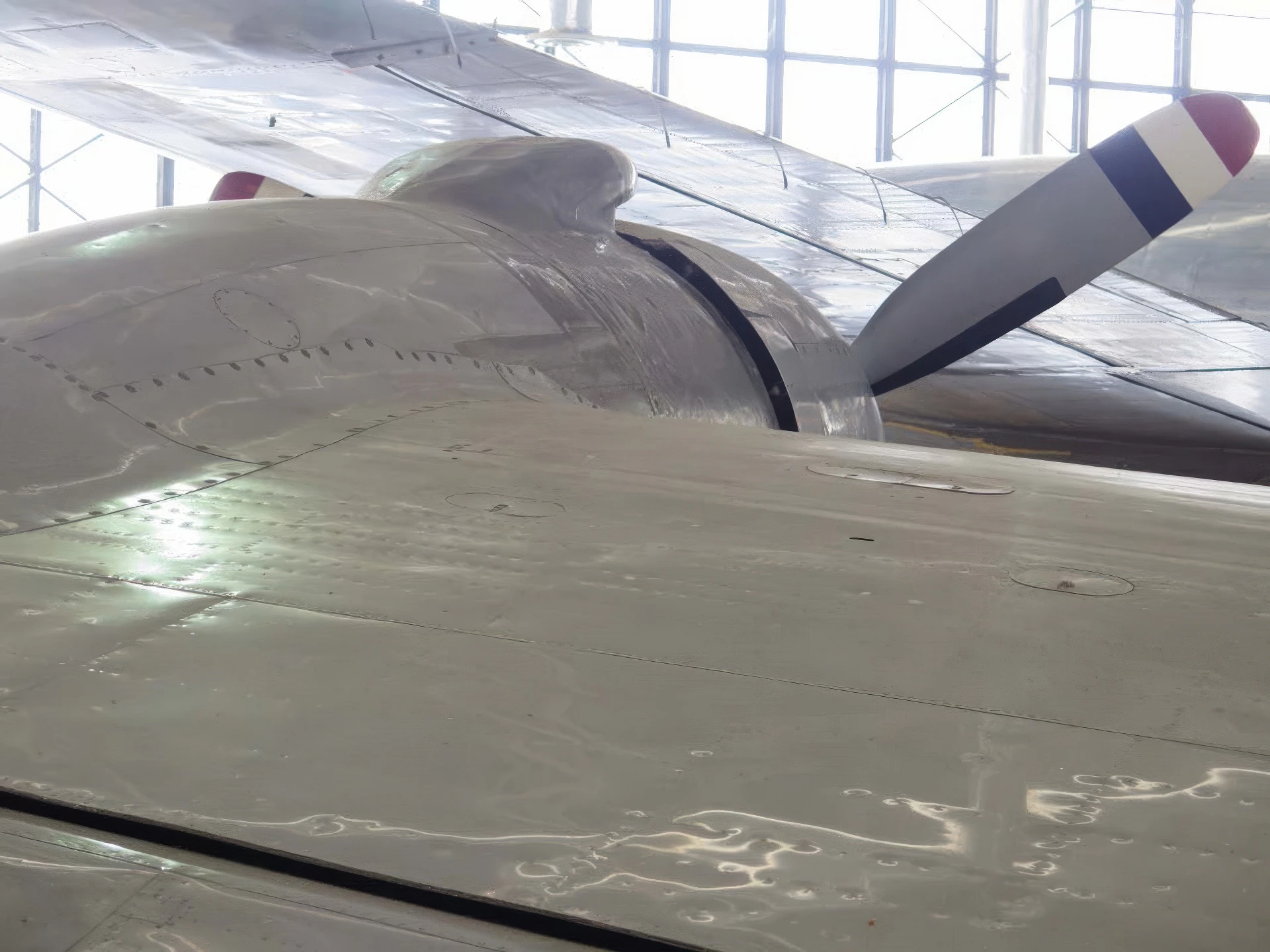
| Powerplant | 4 x Pratt & Whitney R-2800 Double Wasp radials |
| Horsepower | 2,400 hp to 2,500 hp per engine |
| Cruising Speed | 507 km/h (315 mph / 274 knots) |
| Maximum Range | approx. 7,600 km (4,100 nmi) |
| Service Ceiling | 7,600 meters (25,000 ft) |
Technological Advancements
- The R-2800 “Double Wasp”: The DC-6 utilized the 18-cylinder R-2800 engine, widely considered one of the finest radial engines ever built. It was the same engine that powered legendary warbirds like the P-47 Thunderbolt and F4U Corsair.
- Reversible Pitch Propellers: The DC-6 was one of the first airliners to feature “reverse thrust” by changing the pitch of its propellers. This allowed the aircraft to land on shorter, wet runways and even back up on the ground under its own power.
- Environmental Control: Sophisticated cabin pressurization and air conditioning systems meant that for the first time, “flying through a storm” could be avoided by simply flying over it at 20,000 feet.
- DC-6A & B Variants: The DC-6A “Liftmaster” was a dedicated freighter with large cargo doors, while the DC-6B was the ultimate passenger version, elongated and refined for maximum efficiency.
Military and Presidential Service
- The C-118 Liftmaster: The US Air Force and Navy operated large fleets of DC-6s for logistics and medical evacuations. It proved to be an incredibly reliable workhorse through the Korean War and the early Cold War.
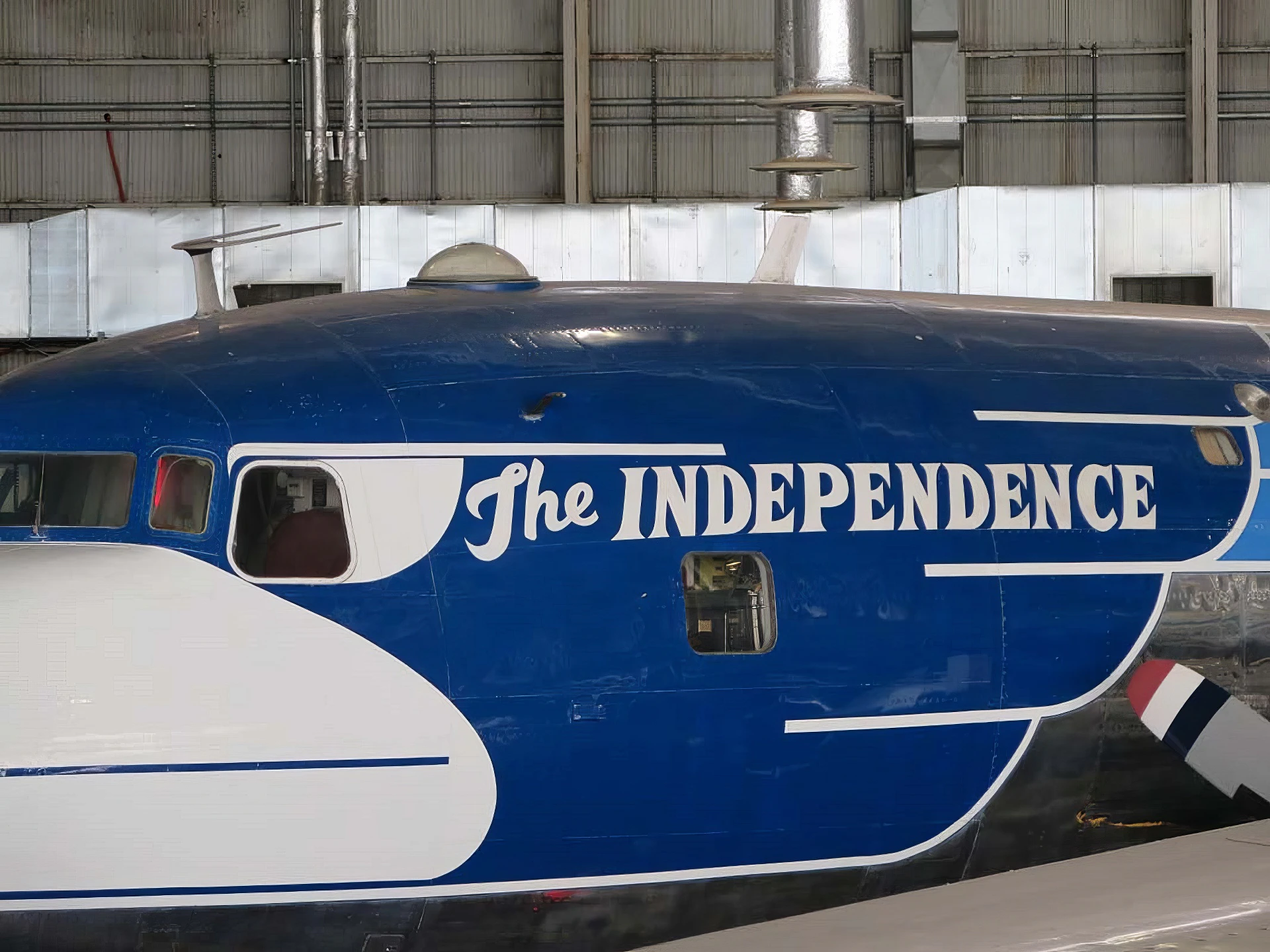
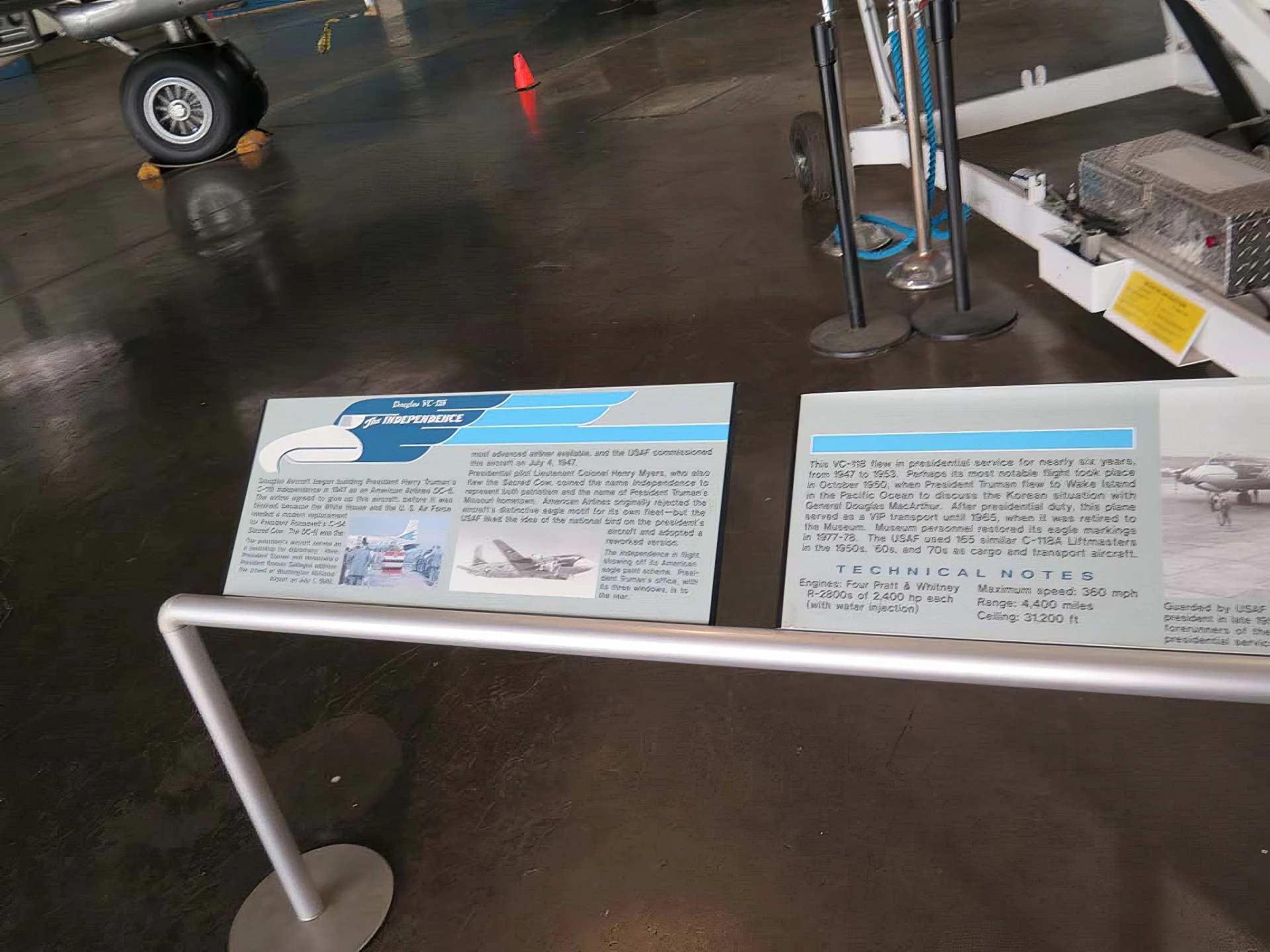
- Independence: A specialized VC-118, named The Independence, served as the presidential aircraft for Harry S. Truman. It featured a distinctive eagle-themed paint job.
- Air Force One: While the “Air Force One” callsign was officially established later, the DC-6 was a primary transport for several US presidents and high-ranking diplomats.
Historical Impact & Modern Day
- The Jet Age Transition: The DC-6 was so efficient and reliable that it continued to serve many airlines well into the 1960s, long after the first jets like the Boeing 707 arrived.
- Firefighters and Freighters: Today, the DC-6 enjoys a legendary second career. Its high payload and low-speed stability make it an excellent aerial firefighter (water bomber) and a rugged cargo hauler for remote areas like Alaska.
Views : 919
You can see also :
 ST Aerospace A-4SU Super Skyhawk – Photos & Videos
 Douglas B-18 Bolo – Photos & Videos
 Douglas X-3 Stiletto – Photos & Videos
 Douglas B-23 Dragon – Photos & Videos
 Douglas O-38 – Photos & Video
 McDonnell Douglas F/A-18 Hornet – Photos & Video
 Douglas A-4 Skyhawk – Photos & Video
 Douglas WB-66 Destroyer – Photos & Video
 A-7B Corsair II – WalkAround
 Douglas EA-1F Skyraider – WalkAround