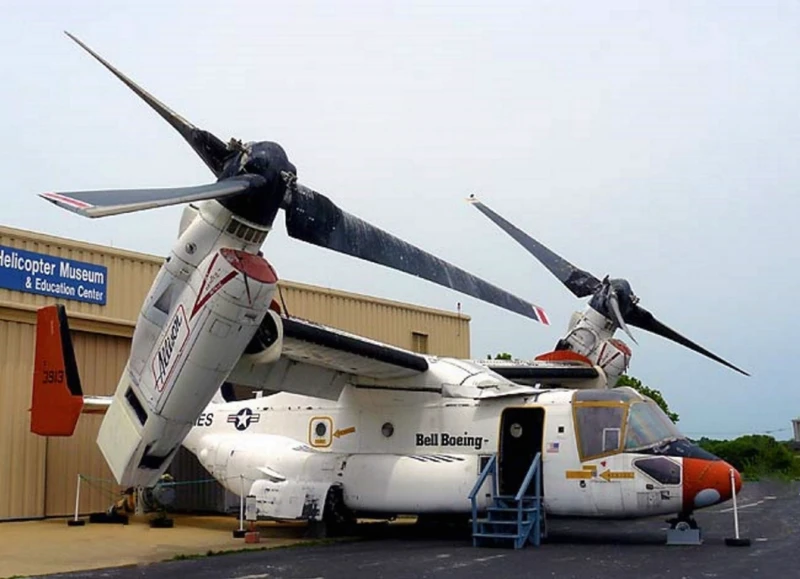
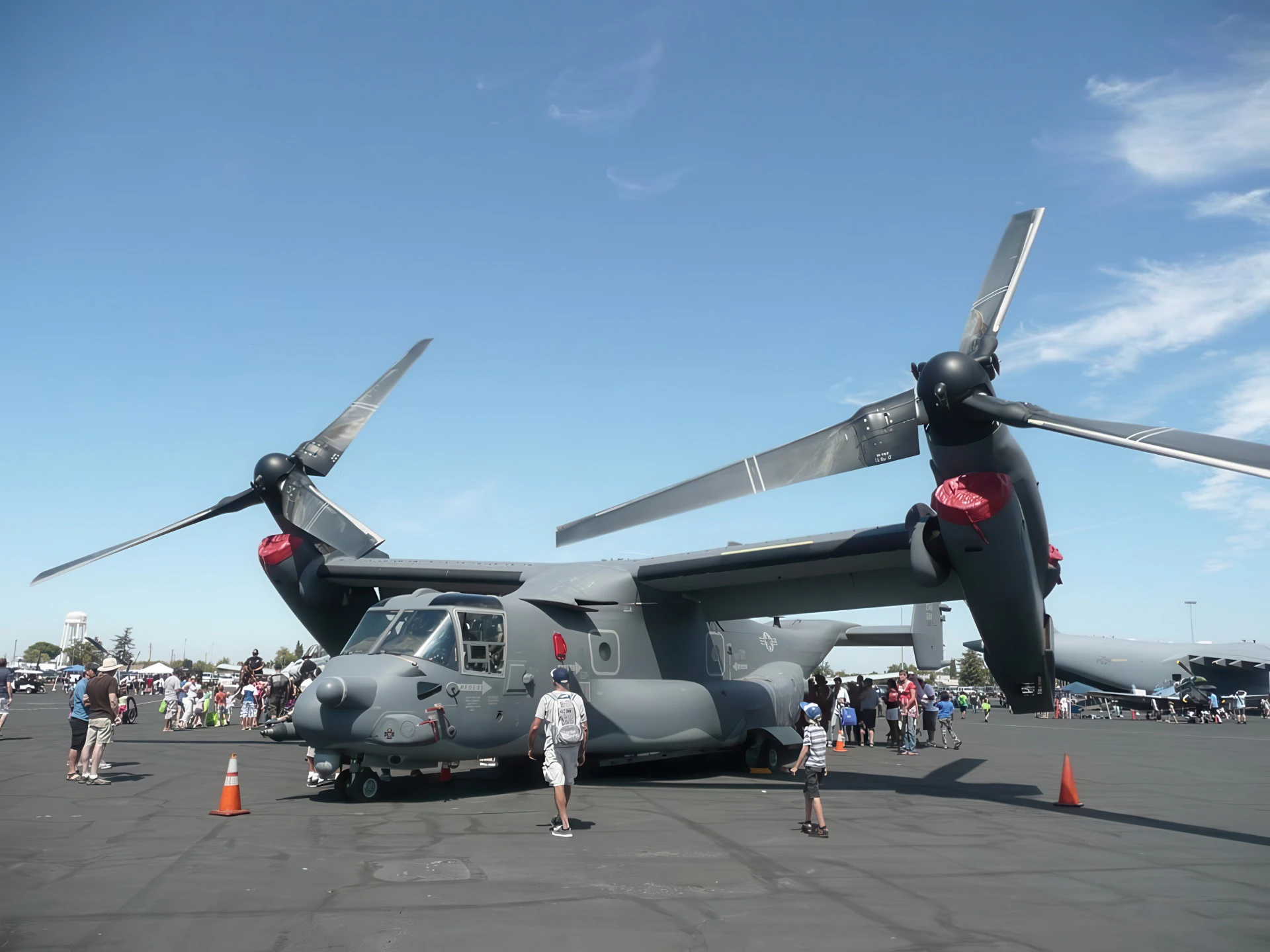
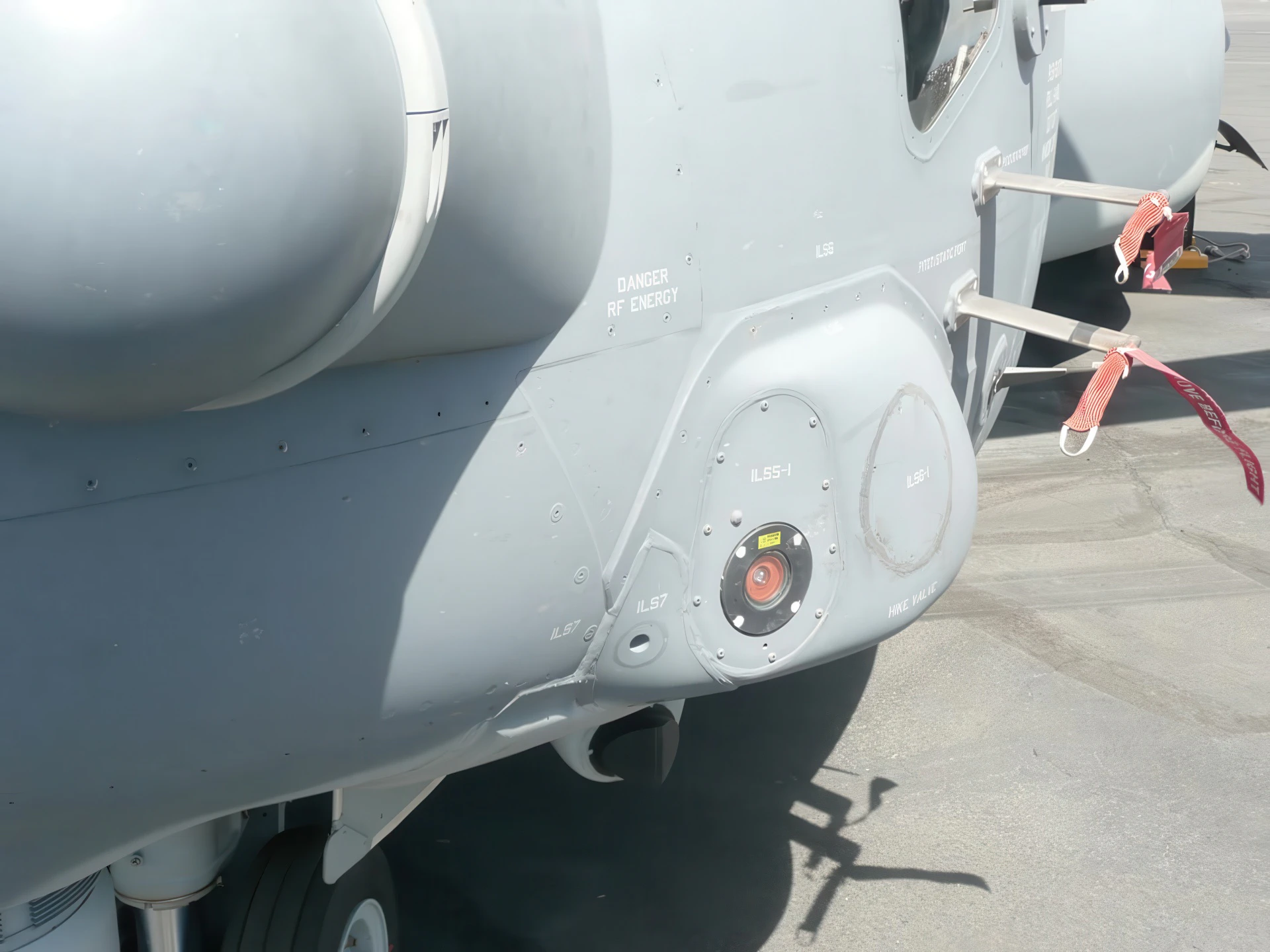
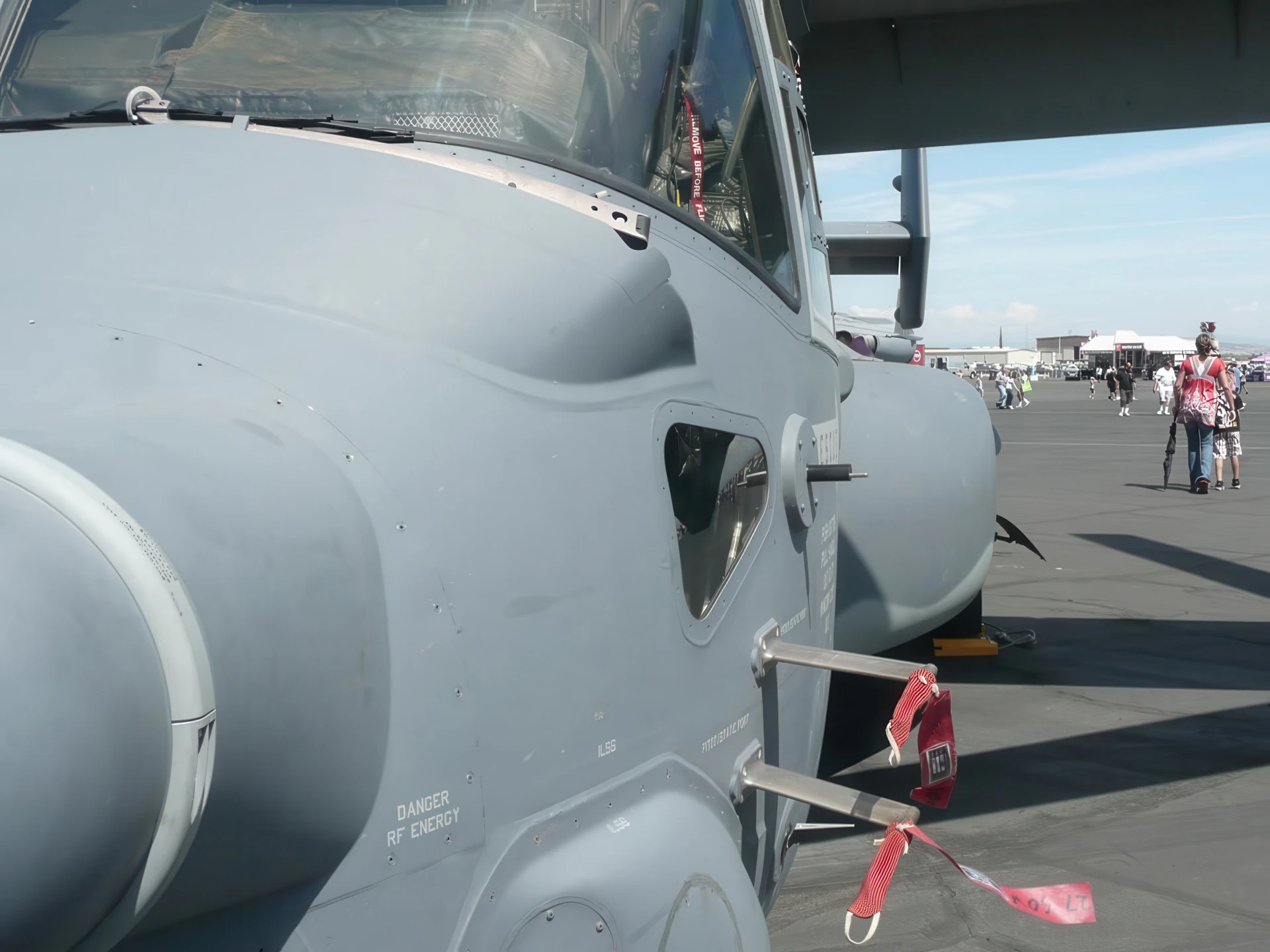
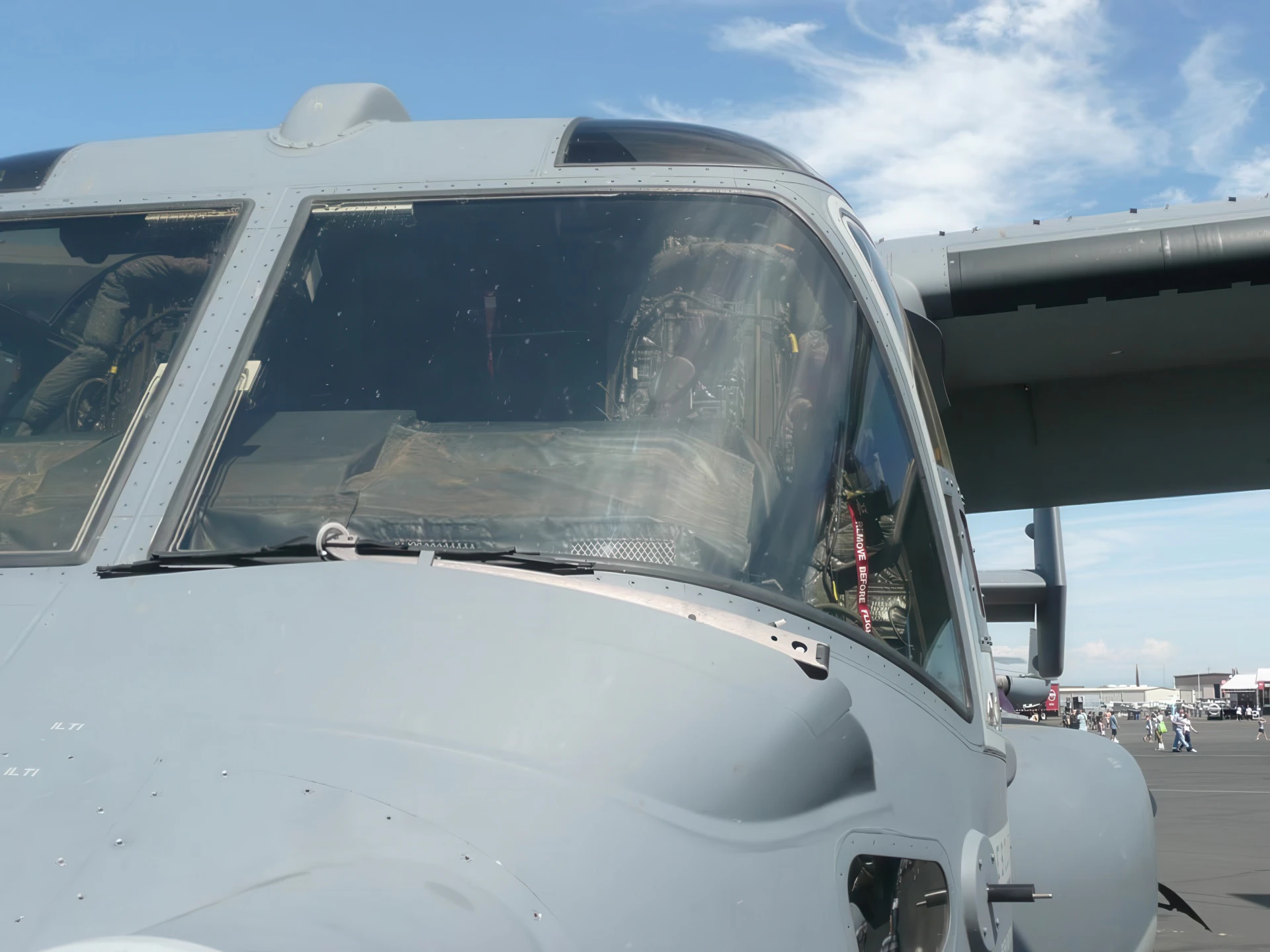
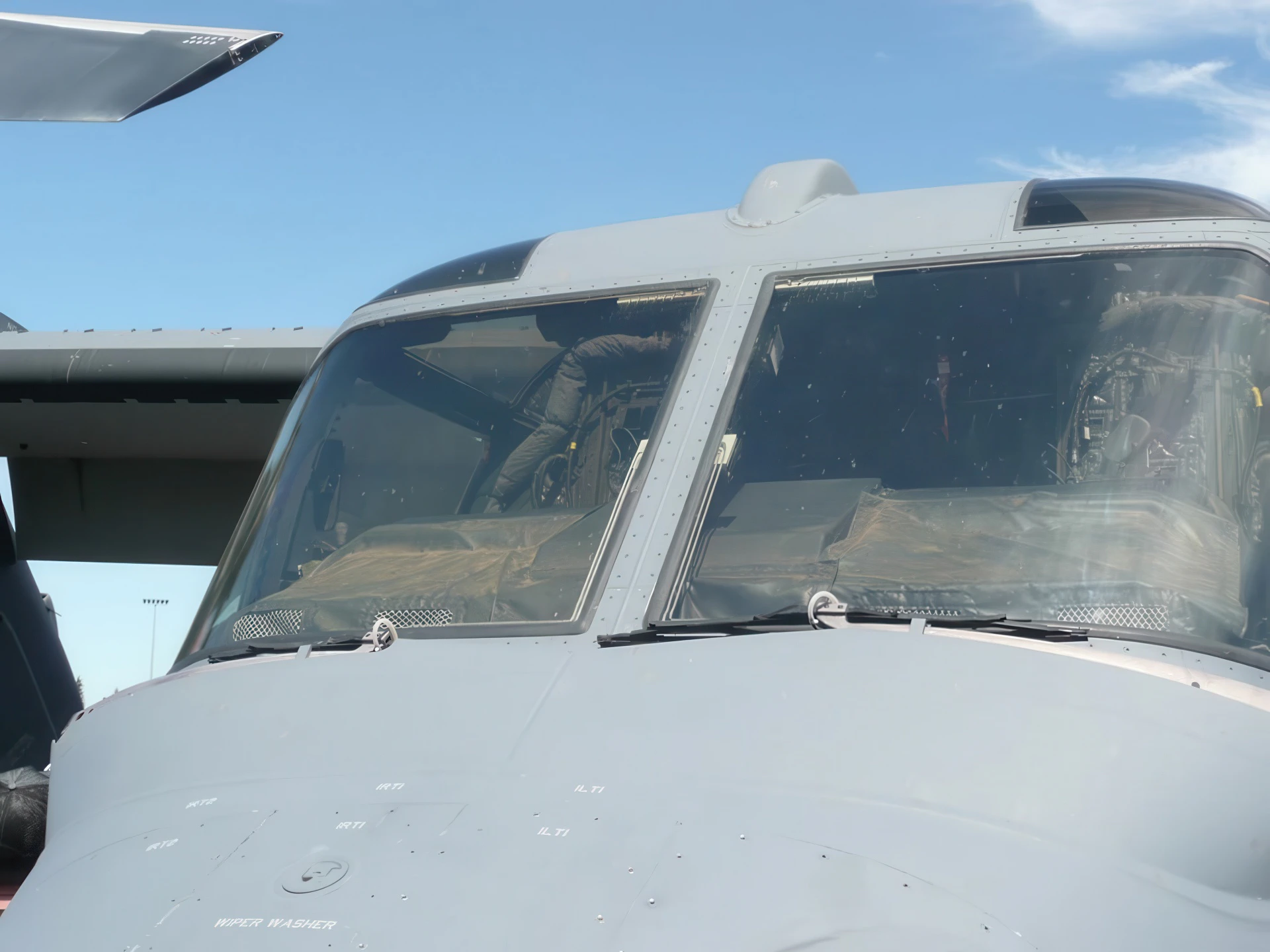
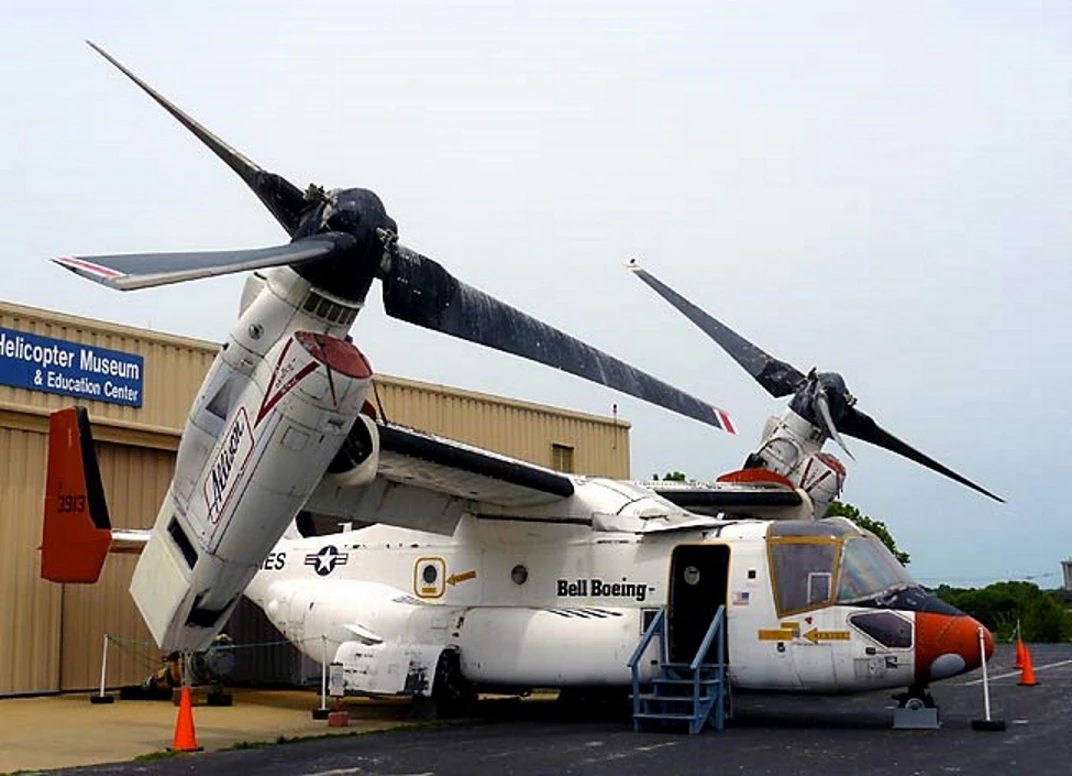
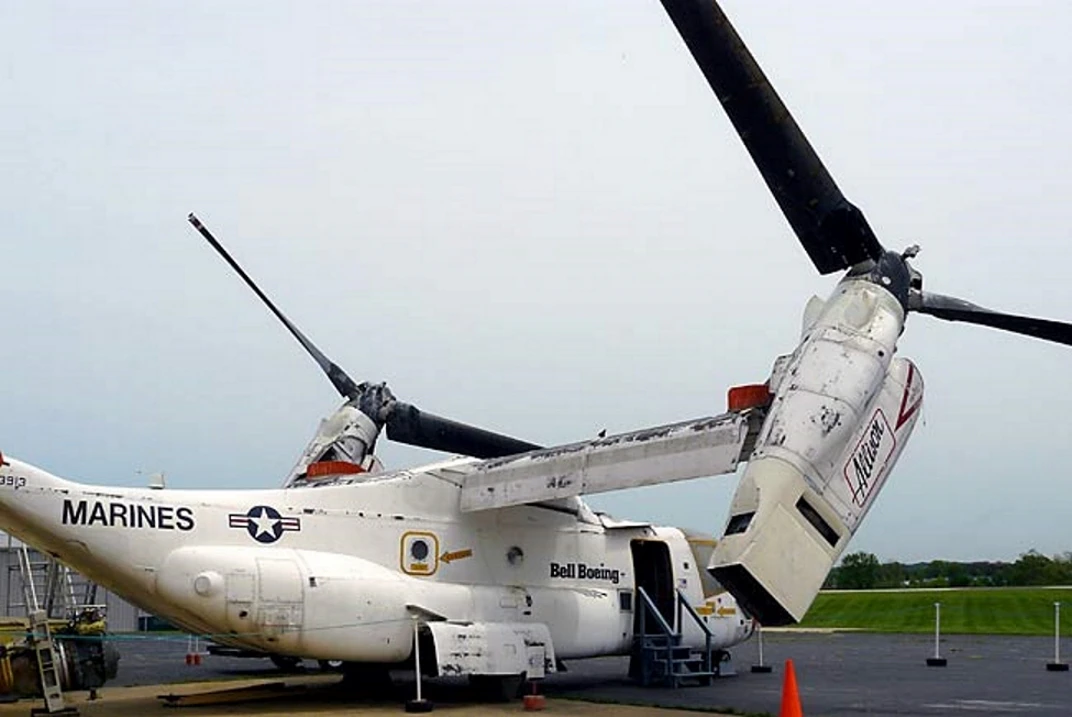
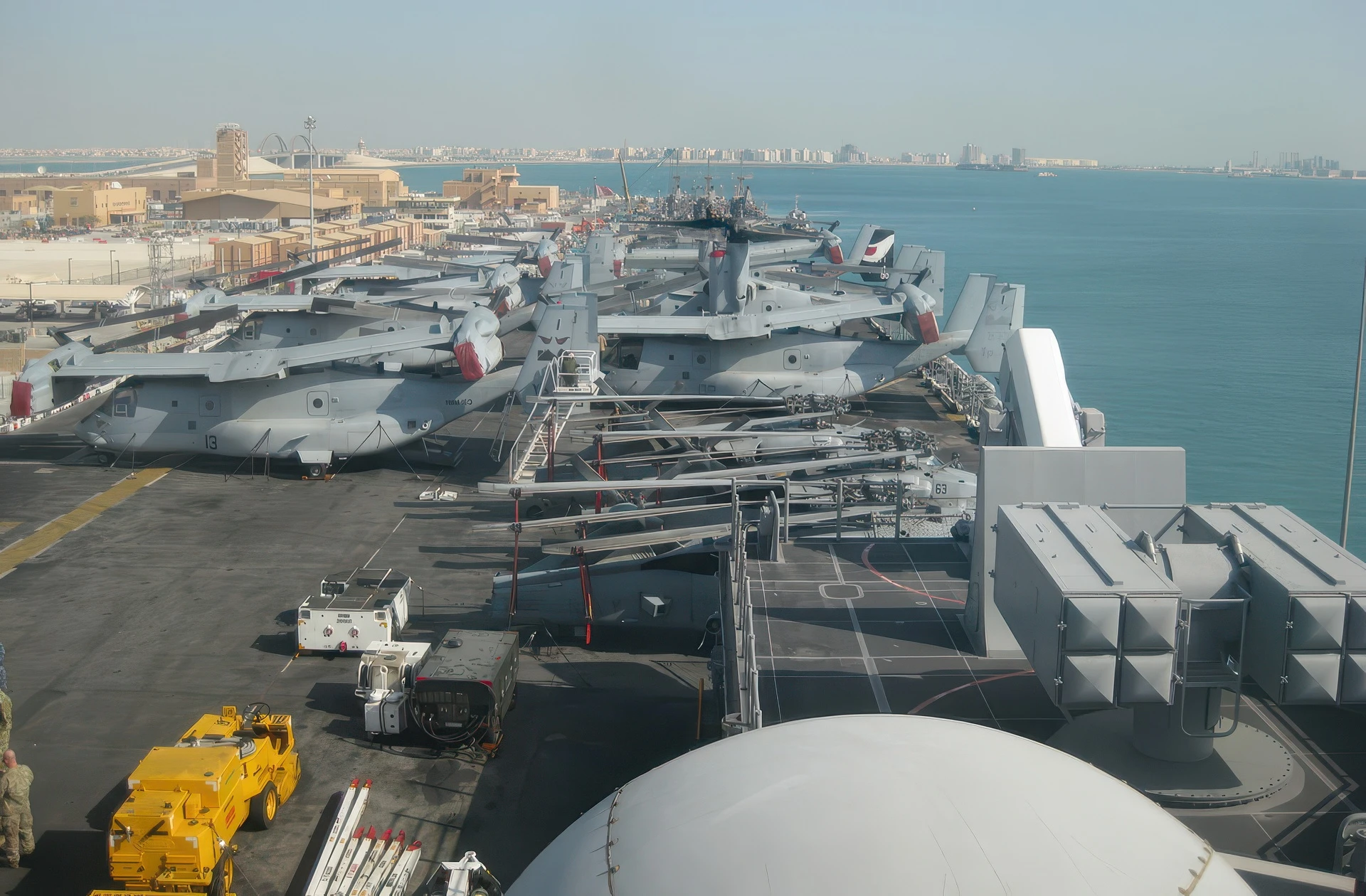
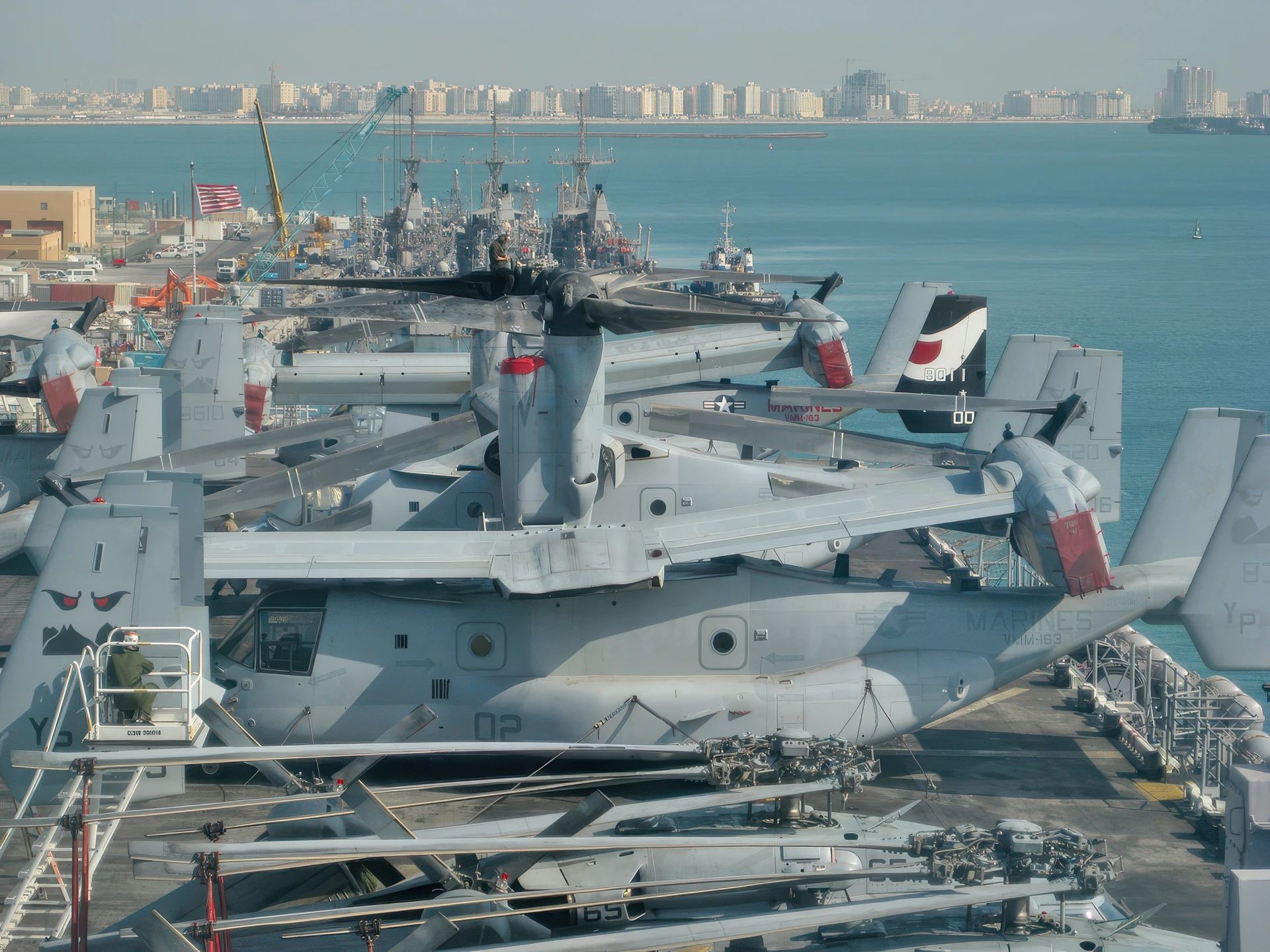
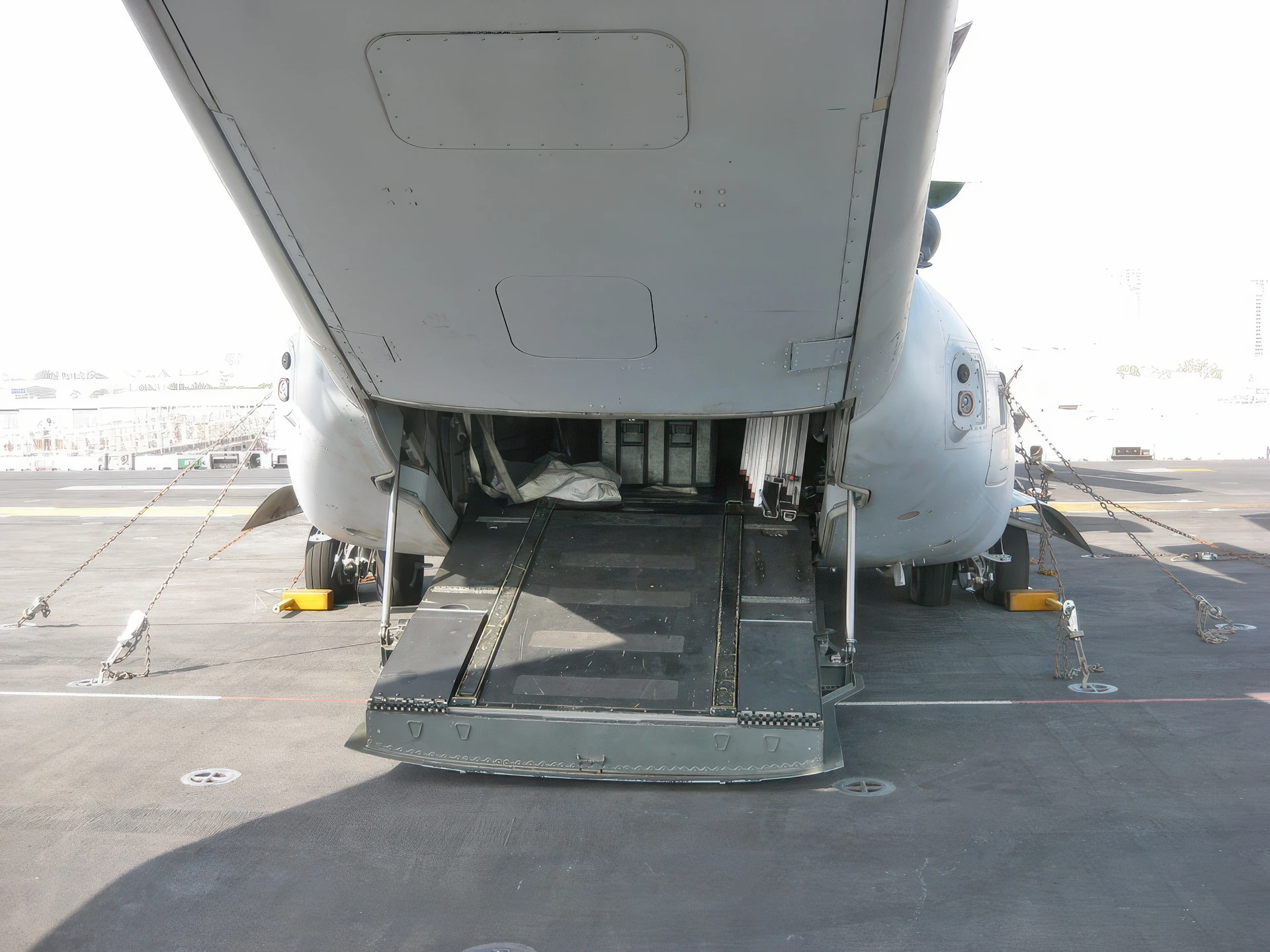
The Bell Boeing V-22 Osprey is an American multi-mission, military, tiltrotor aircraft with both a vertical takeoff and landing (VTOL), and short takeoff and landing (STOL) capability. It is designed to combine the functionality of a conventional helicopter with the long-range, high-speed cruise performance of a turboprop aircraft.
The V-22 Osprey is the world’s first production tiltrotor aircraft. Born from the failure of Operation Eagle Claw (the 1980 Iranian hostage rescue mission), the U.S. military realized it needed an aircraft that could fly twice as fast and twice as far as a helicopter, but still land in a jungle or on a small ship. The Osprey achieved this by mounting two massive Rolls-Royce Liberty engines on nacelles that rotate 90 degrees. It revolutionized Marine Corps amphibious assaults and Special Operations by shrinking the battlefield, allowing troops to strike from over the horizon before an enemy even knows they are coming.
24 troops (seated) or 9,070 kg (20,000 lbs) internal cargo
Engines
2 × Rolls-Royce Liberty AE1107C turboshafts (6,150 hp each)
Maximum Speed
509 km/h (316 mph / 275 knots) in Airplane Mode
Combat Radius
722 km (450 miles)
Service Ceiling
7,620 meters (25,000 feet)
Rotor Diameter
11.6 meters (38 feet)
Design Engineering: The Magic of Transition
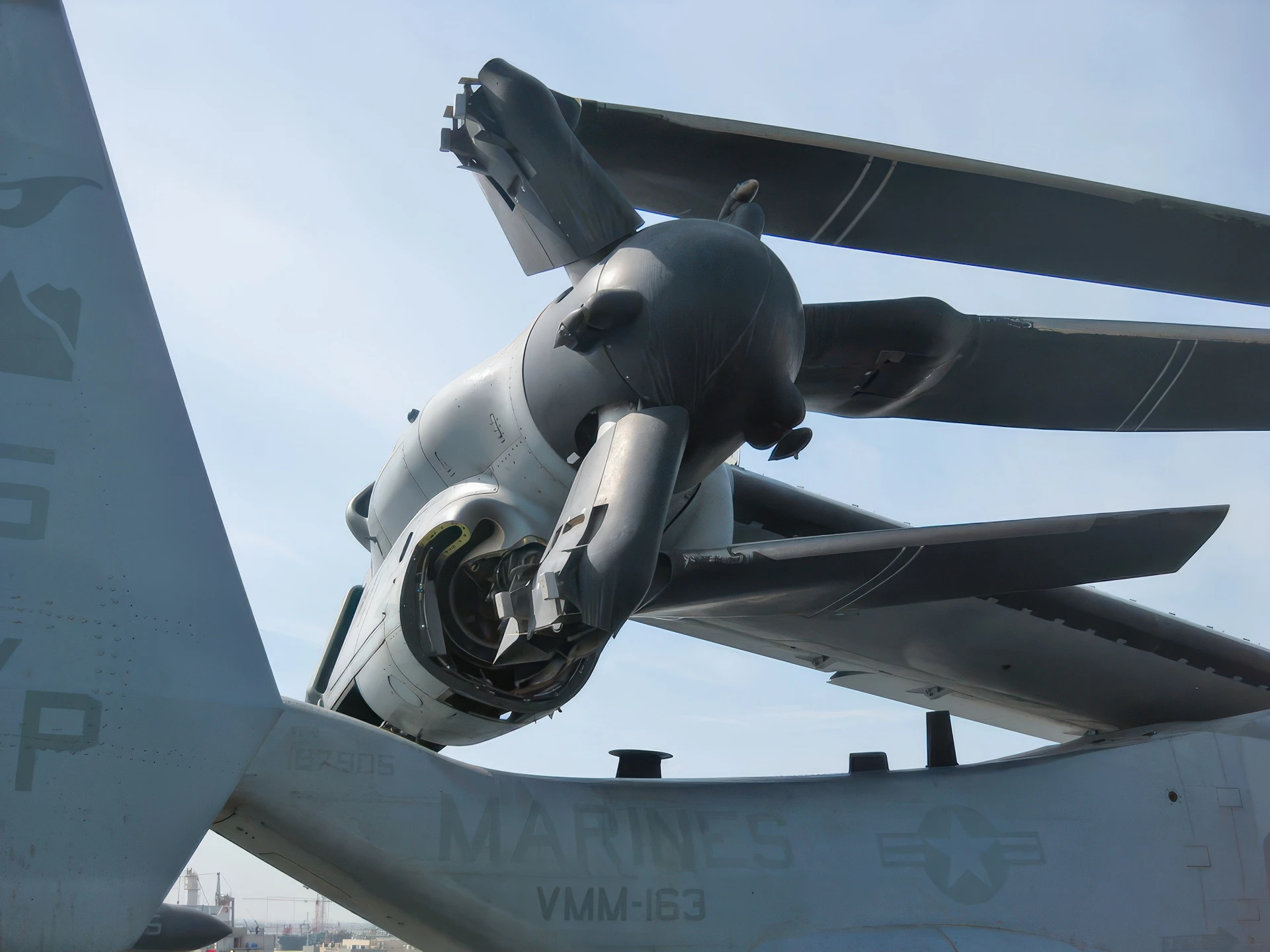
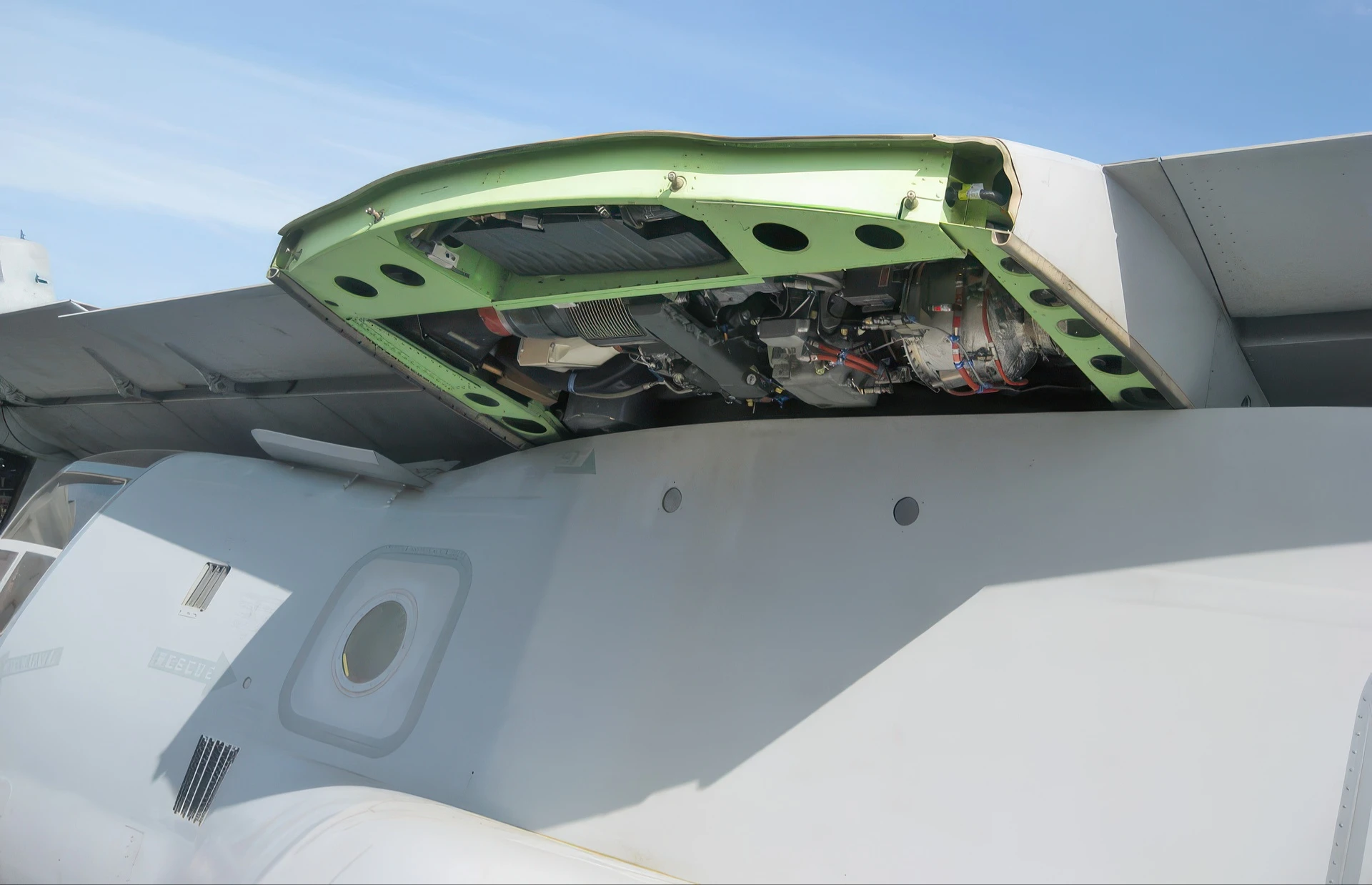
Cross-Shafting Reliability: The two engines are connected by a drive shaft that runs through the entire wing. If one engine fails, the remaining engine can power both rotors simultaneously, preventing the aircraft from flipping over and allowing for a safe landing.
Proprotor Control: In helicopter mode, the V-22 controls pitch, roll, and yaw by changing the “blade pitch” (angle) of the rotors. In airplane mode, it transitions to using traditional flaperons and rudders on the tail, making it a true hybrid flyer.
Composite Construction: Over 40% of the Osprey’s airframe is made of carbon-fiber reinforced plastics. This was necessary to keep the aircraft light enough for vertical takeoff while being strong enough to handle the immense vibration of the rotors.
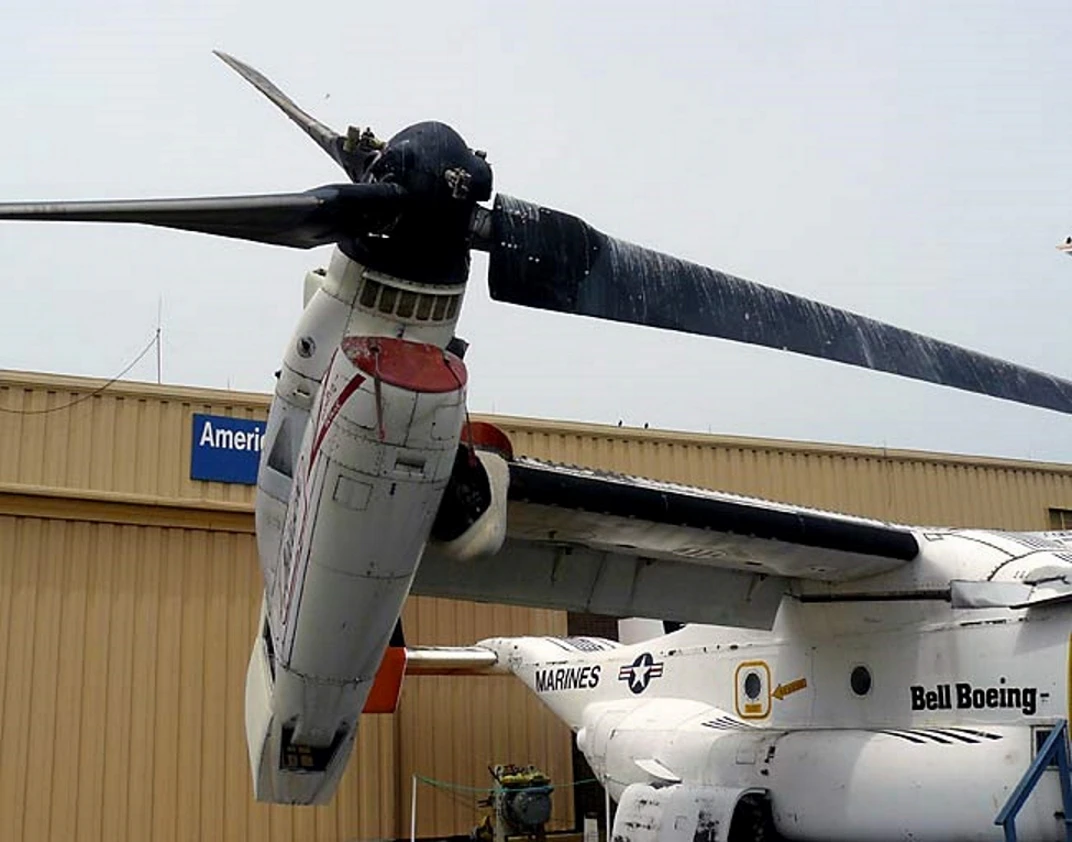
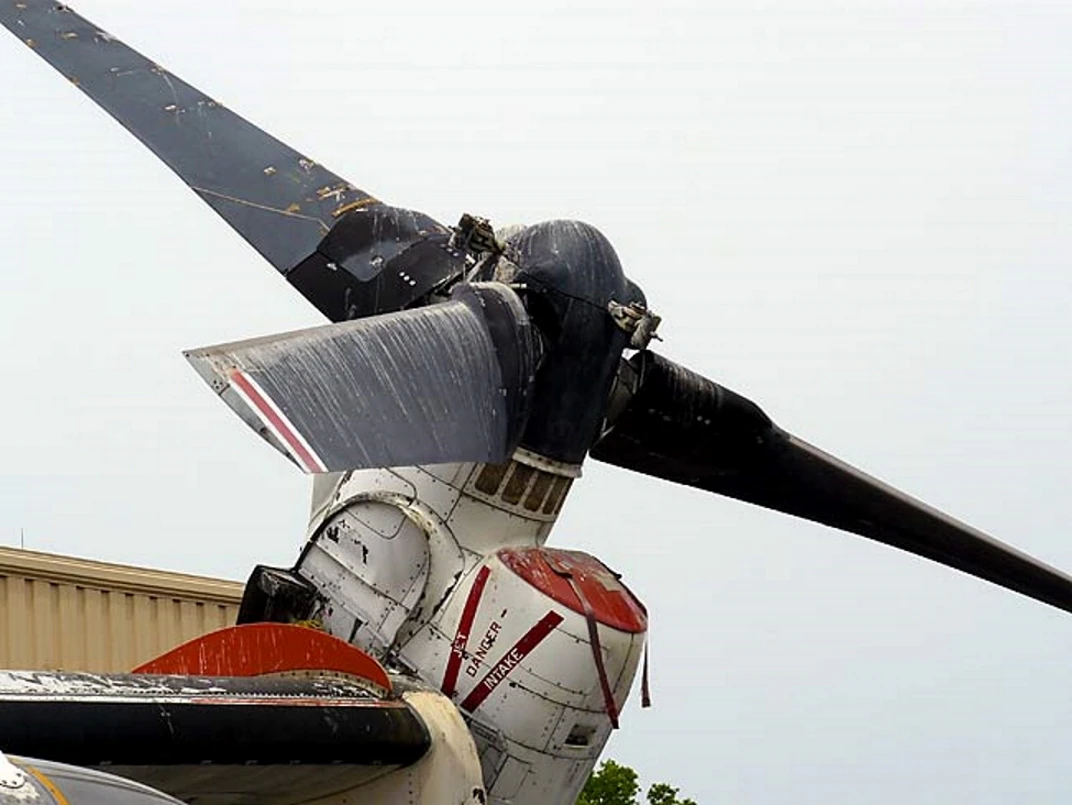
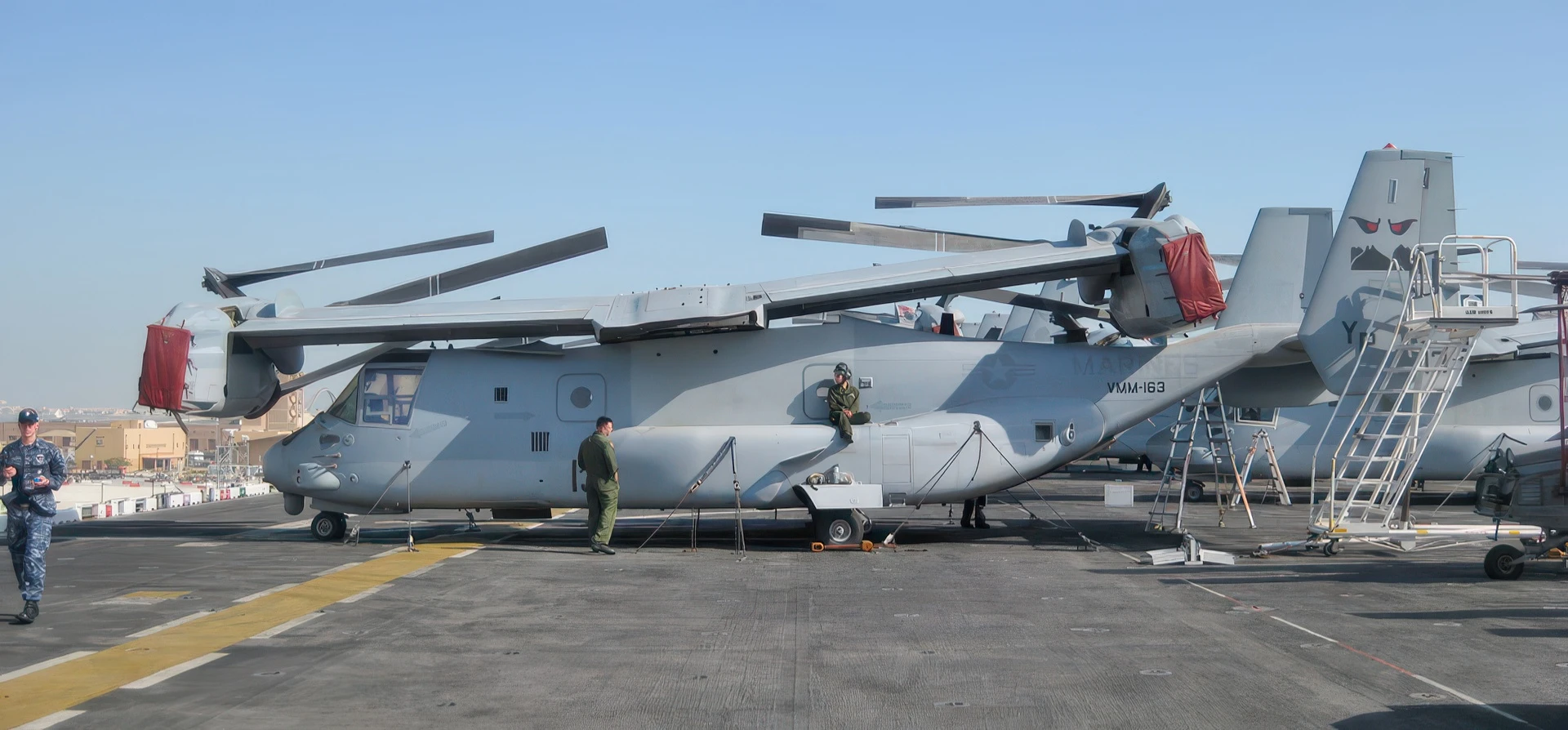
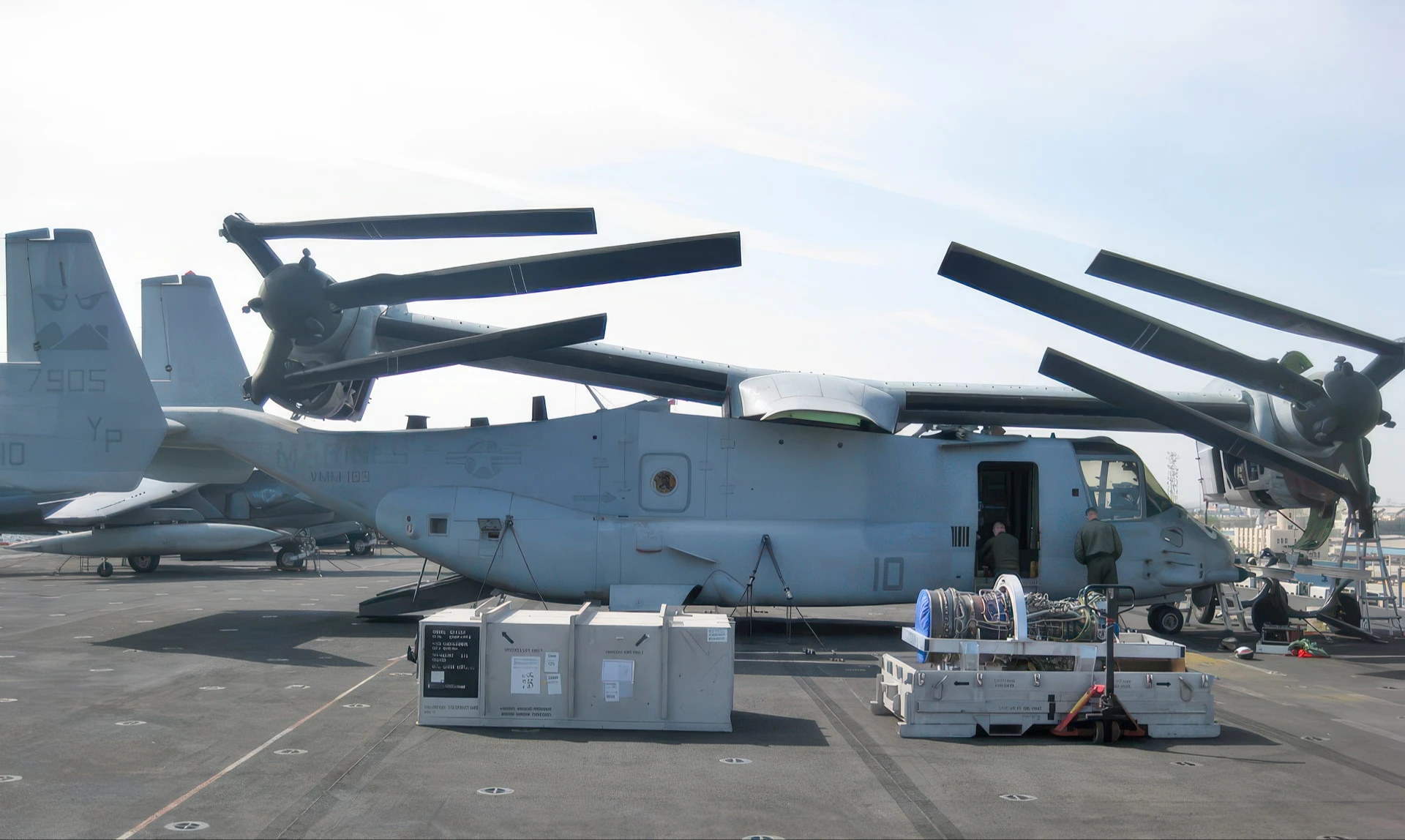
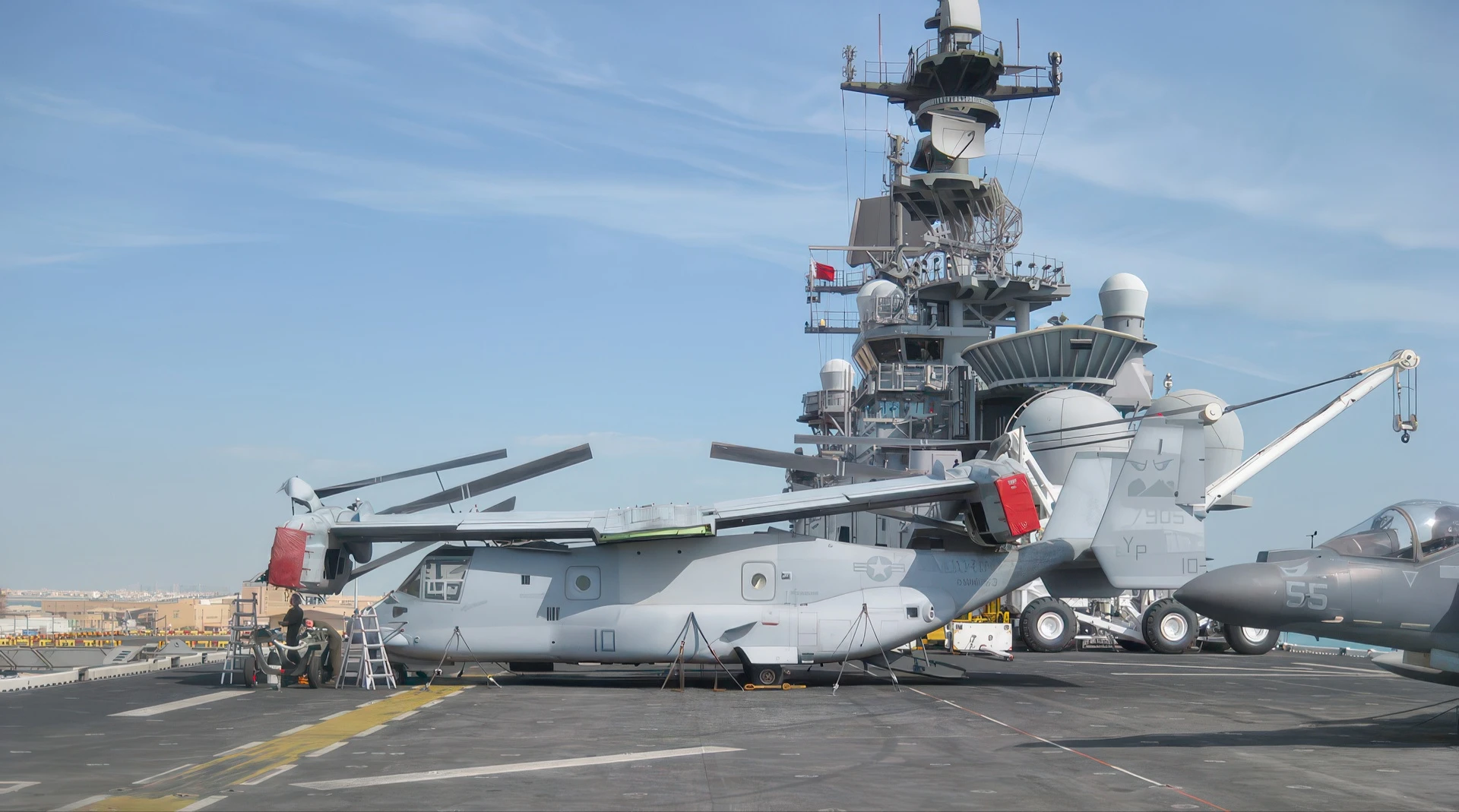
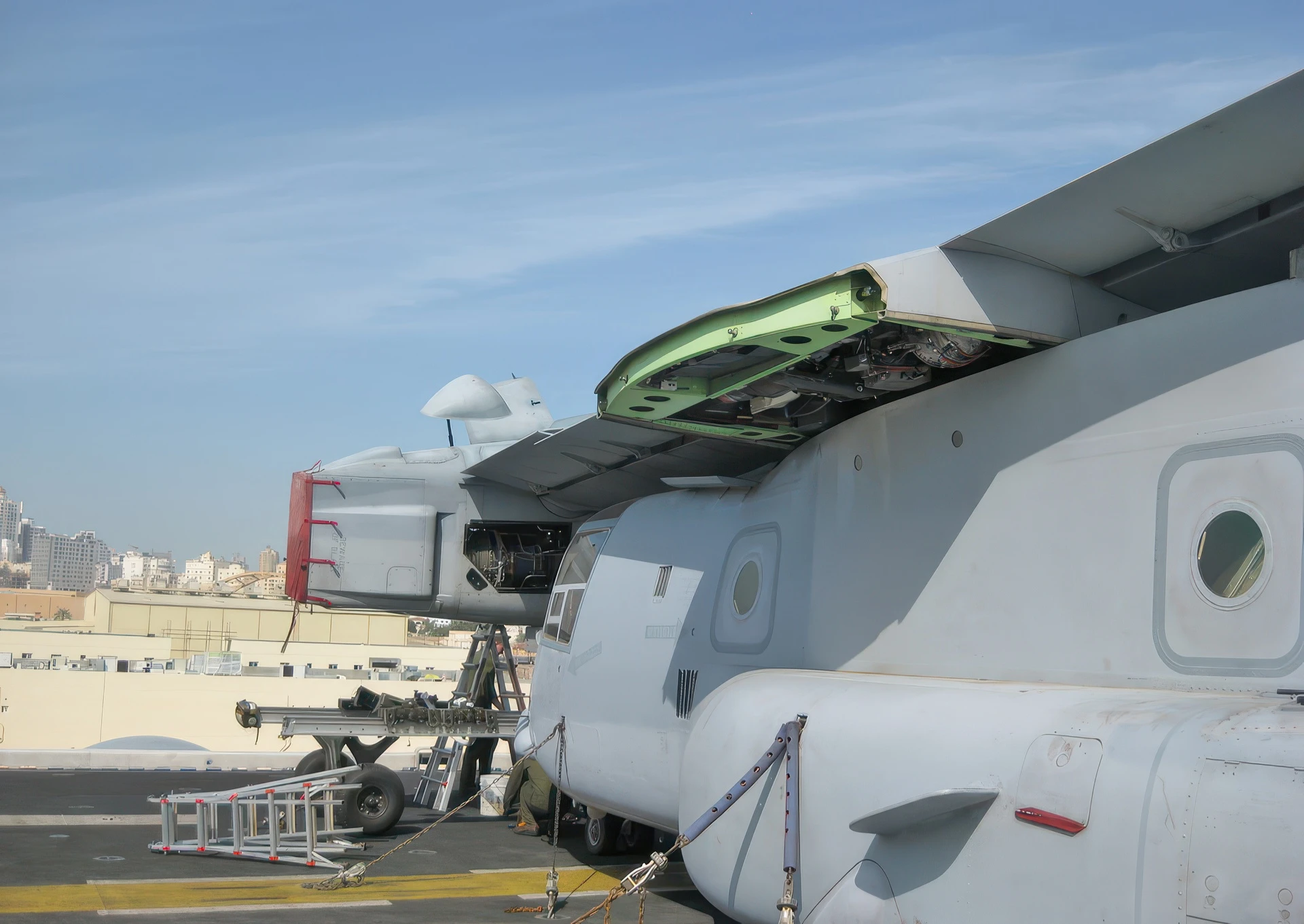
Blade Folding & Wing Stow: To fit on the tight decks of aircraft carriers and amphibious assault ships, the V-22’s rotors fold inward and the entire wing rotates 90 degrees to sit flush along the top of the fuselage. It is a mechanical ballet that takes only 90 seconds.
Operational History: From Controversy to Combat Legend
Early Growing Pains: The V-22’s development was plagued by high-profile crashes and political pressure to cancel the program. Critics called it a “widowmaker,” but the Marine Corps fought to keep it, knowing that no other aircraft offered its unique capabilities.
Vortex Ring State (VRS): Early accidents were caused by descending too quickly into the aircraft’s own downwash (VRS), which causes a loss of lift. Modern V-22s now have “sink rate” warning systems to prevent this.
Global Reach: The **CV-22B** (Air Force version) is used for long-range clandestine insertions, while the **CMV-22B** (Navy version) has replaced the C-2 Greyhound for Carrier Onboard Delivery (COD) missions, proving the tiltrotor is the future of sea-logistics.
The Rescue Hero: In 2011, two MV-22s launched from the USS Kearsarge flew hundreds of miles into Libya to rescue a downed F-15E pilot in record time, a mission that would have been impossible for standard helicopters without forward refueling.



 Sikorsky R-4 – Photos & Videos
 AgustaWestland AW109 – Photos & Videos
 Eurocopter Tiger – Photos & Videos
 Hughes TH-55 Osage – Photos & Videos
 Sikorsky SH-3 Sea King – Photos & Videos
 Piasecki HUP Retriever – Photos & Videos
 Bell UH-1 Iroquois – Photos & Video
 Mil Mi-14 – Photos & Video
 Piasecki HU-21 – Photos & Video
 Mil Mi-4 – Photos & Video