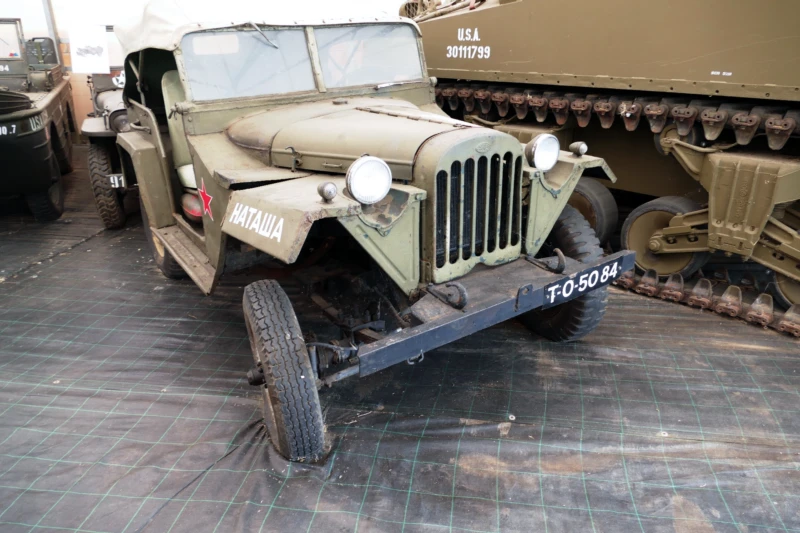
GAZ-67 | |
|---|---|
| Land | URSS |
| Type | Militære kjøretøy |
| Kode | Jeep gaz |
| Bygget | 92843 (1943–53) |
Den GAZ-67 and the subsequent GAZ-67B were general purpose four wheel drive Soviet military vehicles built by GAZ starting in 1943. By the end of the war, it was the Soviet equivalent of the Willy’s Jeep.
Kilde: GAZ-67 på Wikipedia
| GAZ-67B Gå Rundt | |
|---|---|
| Fotograf | Unknow |
| Lokalisering | Unknow |
| Bilder | 18 |
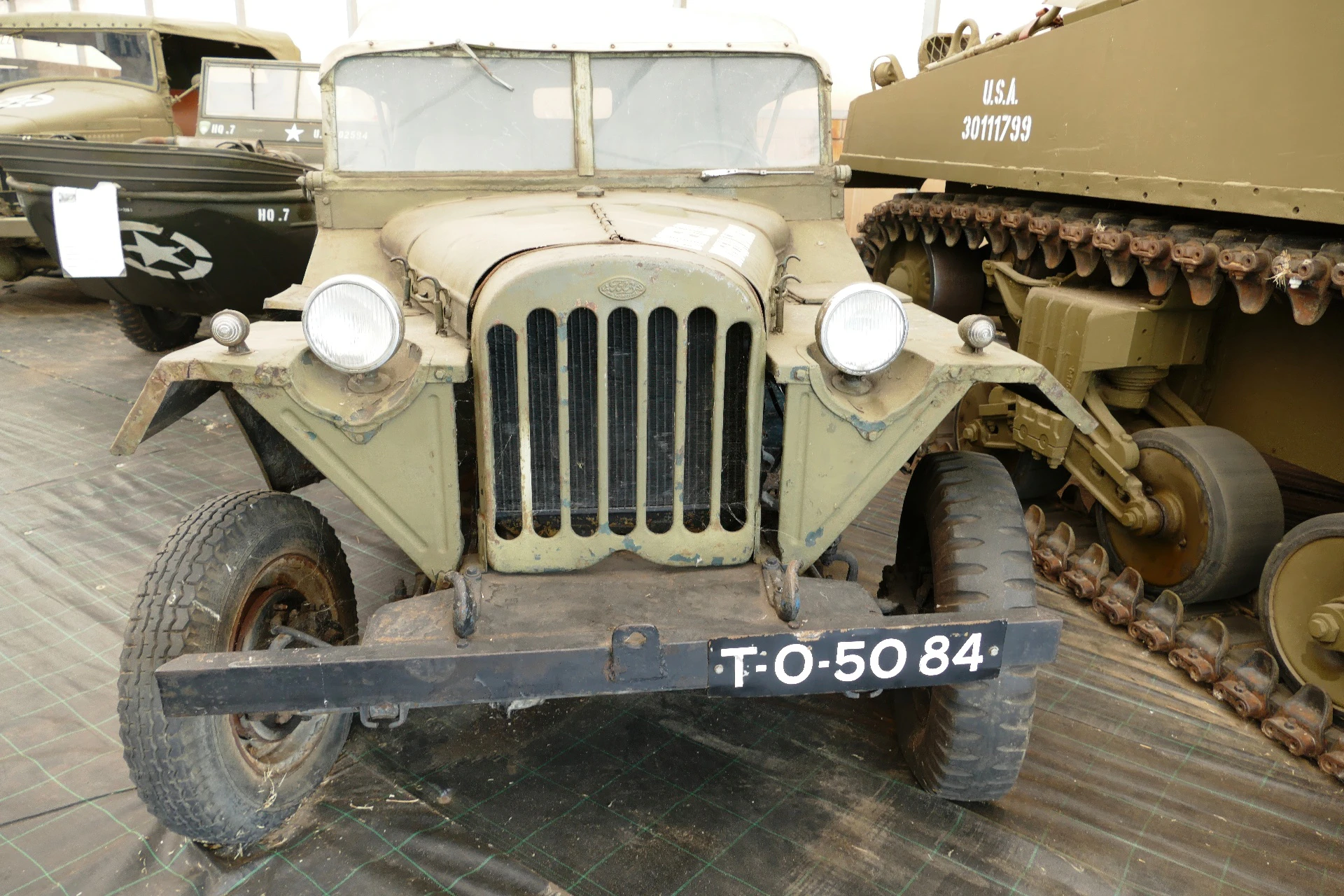
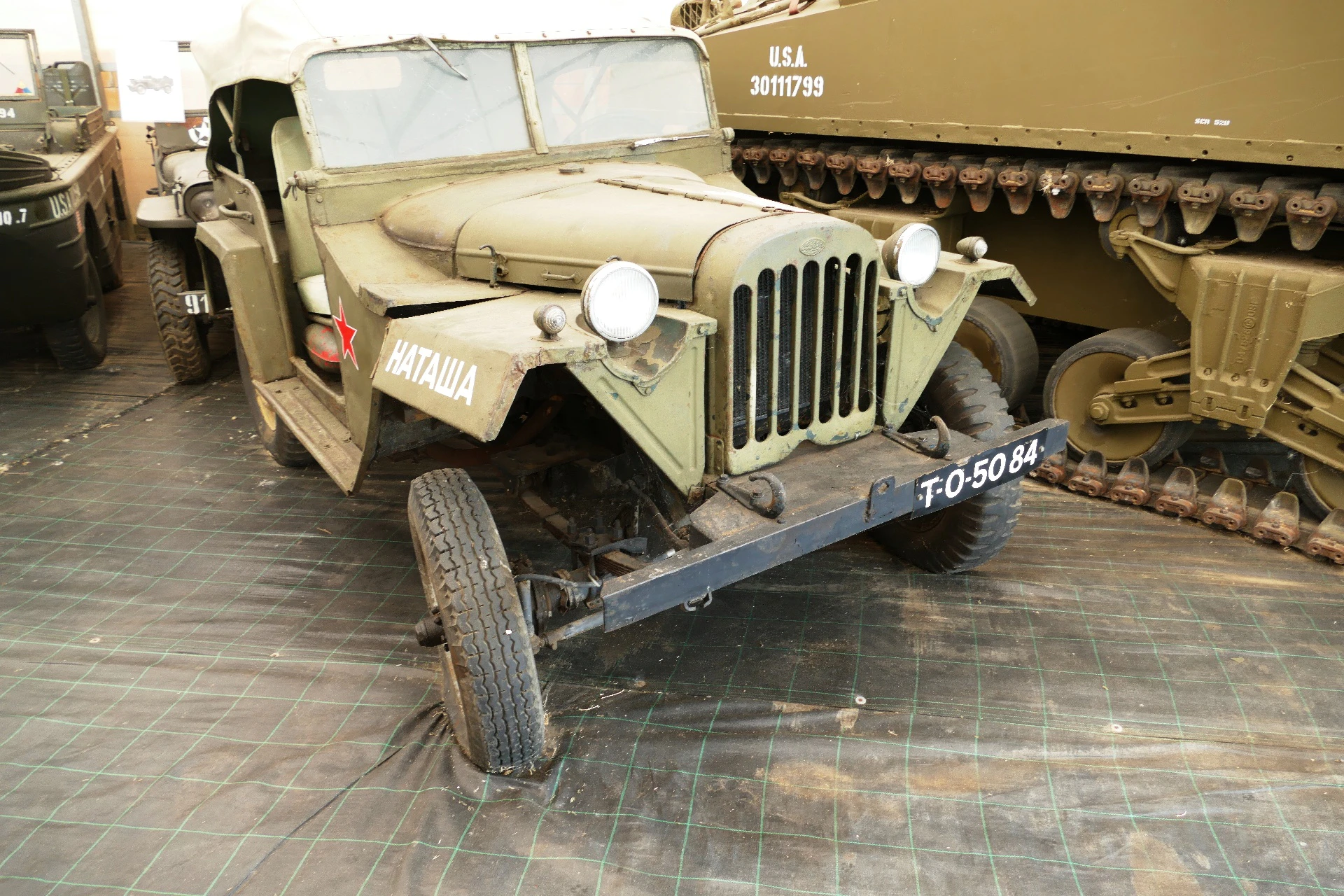
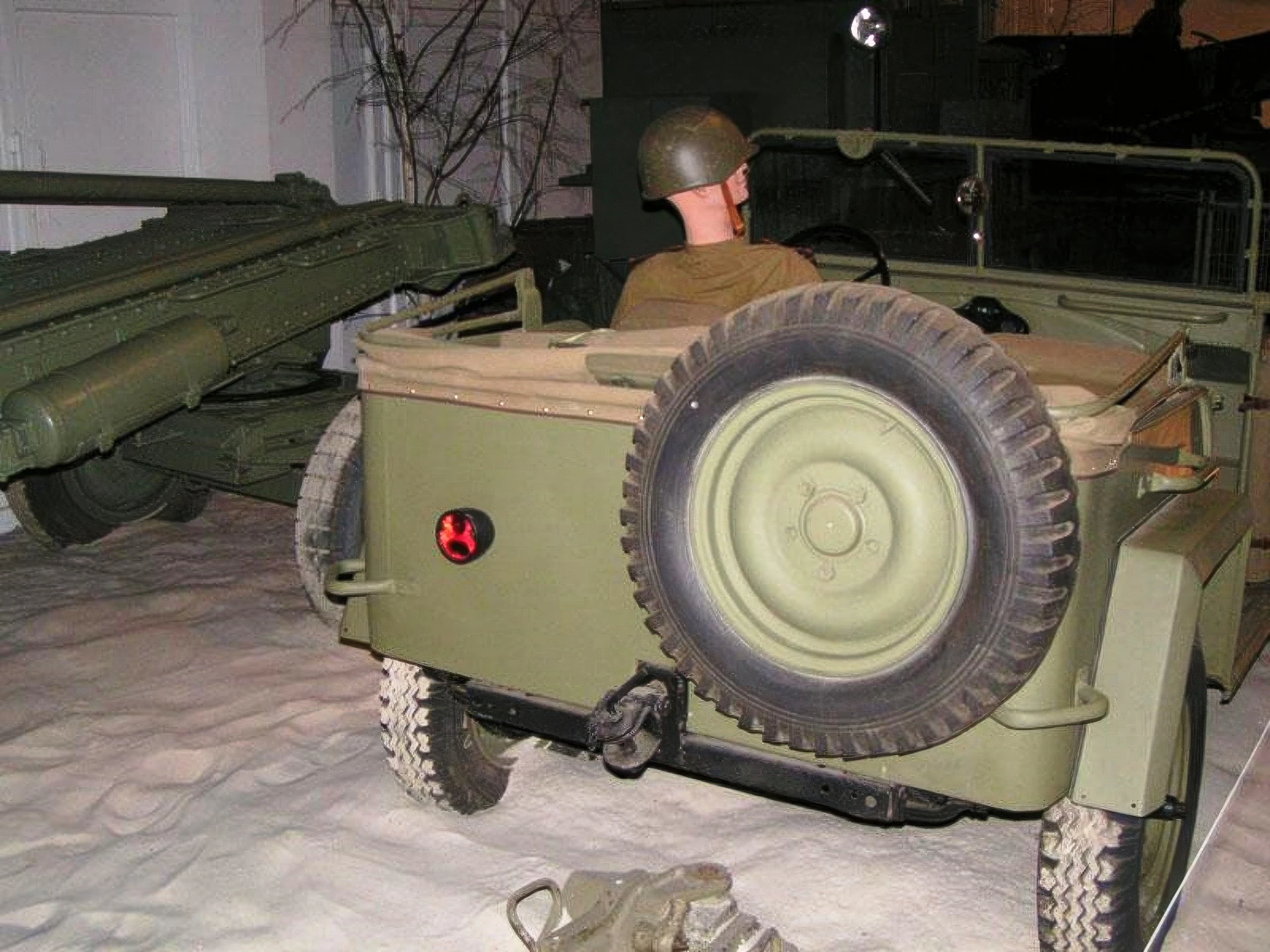
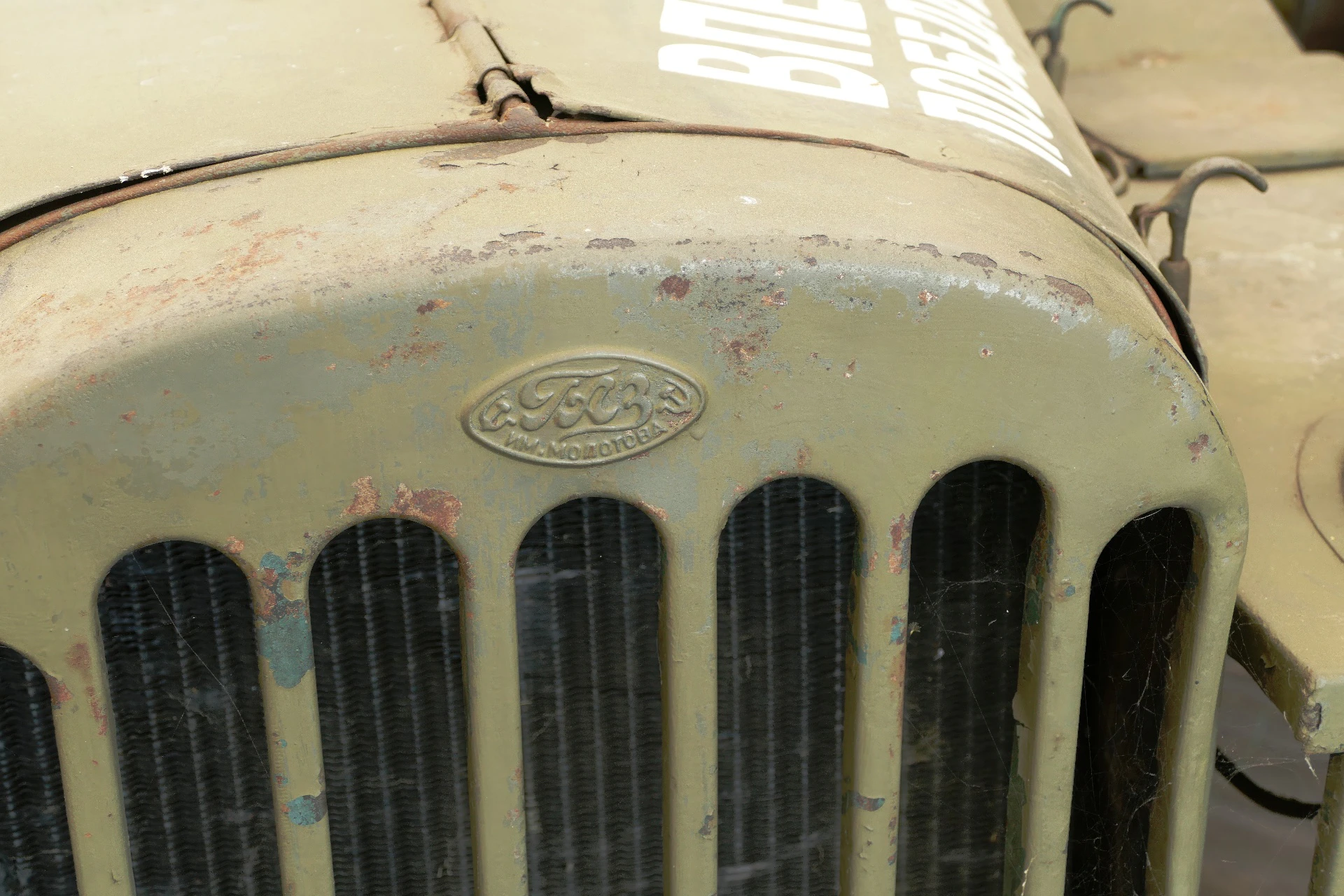
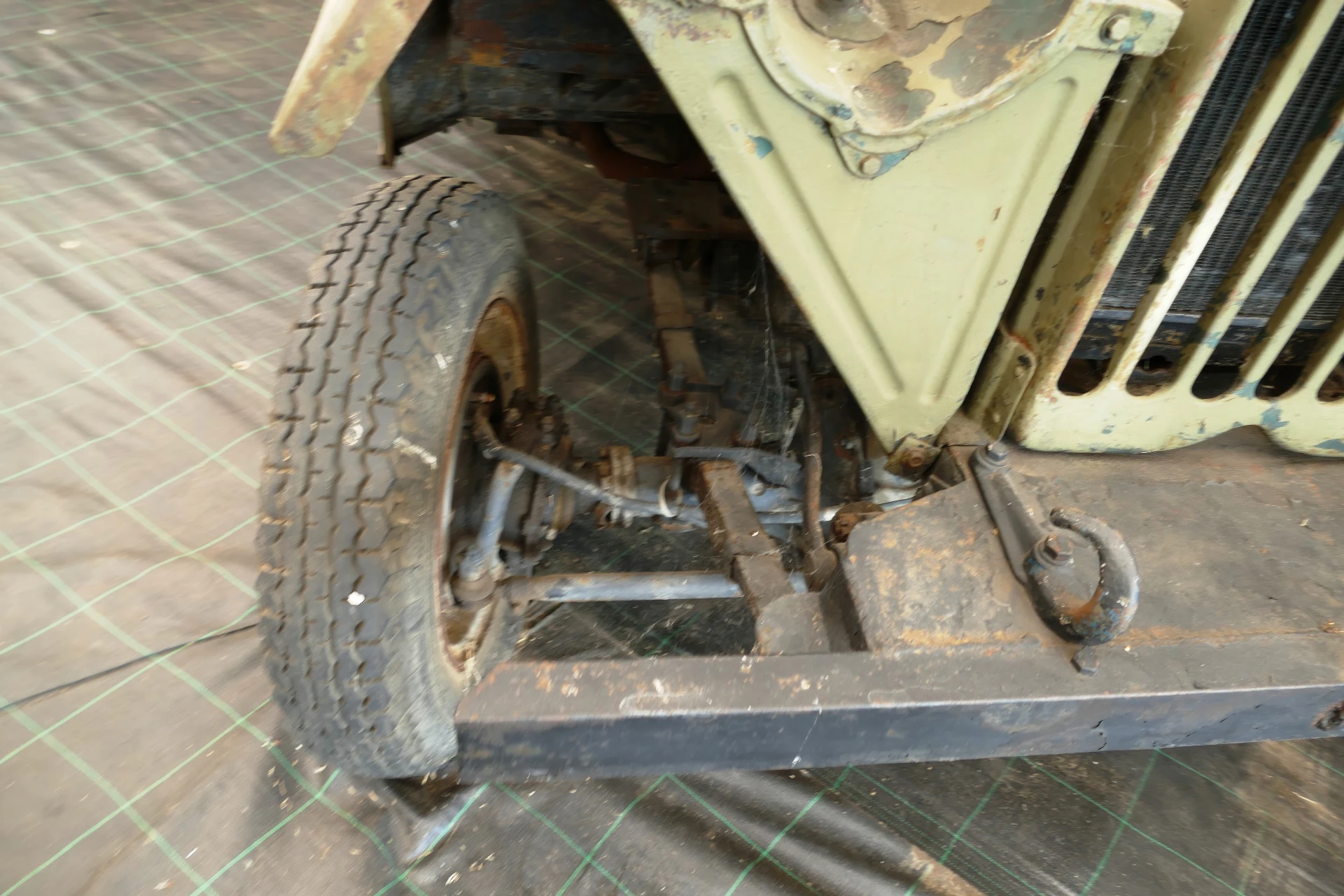
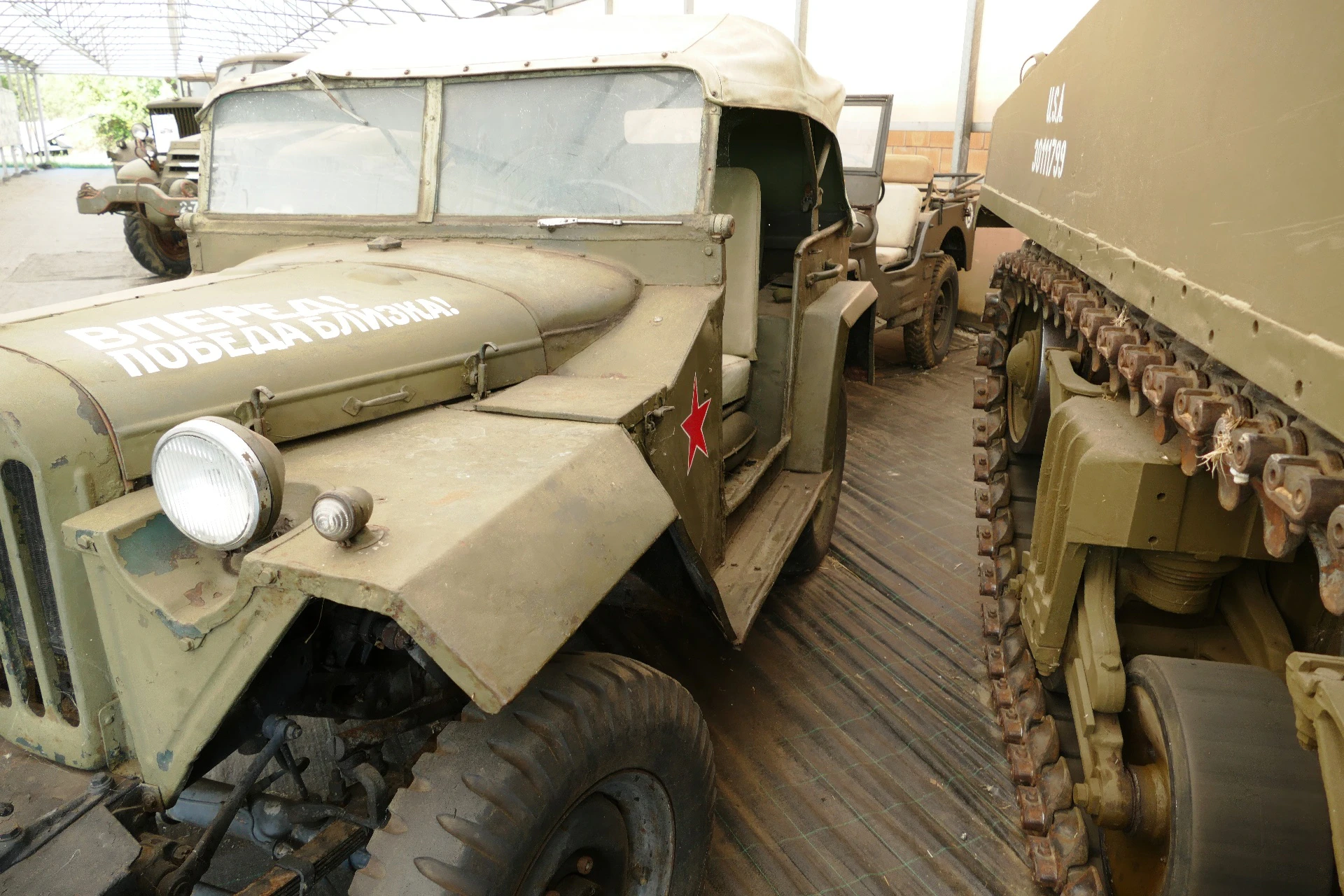
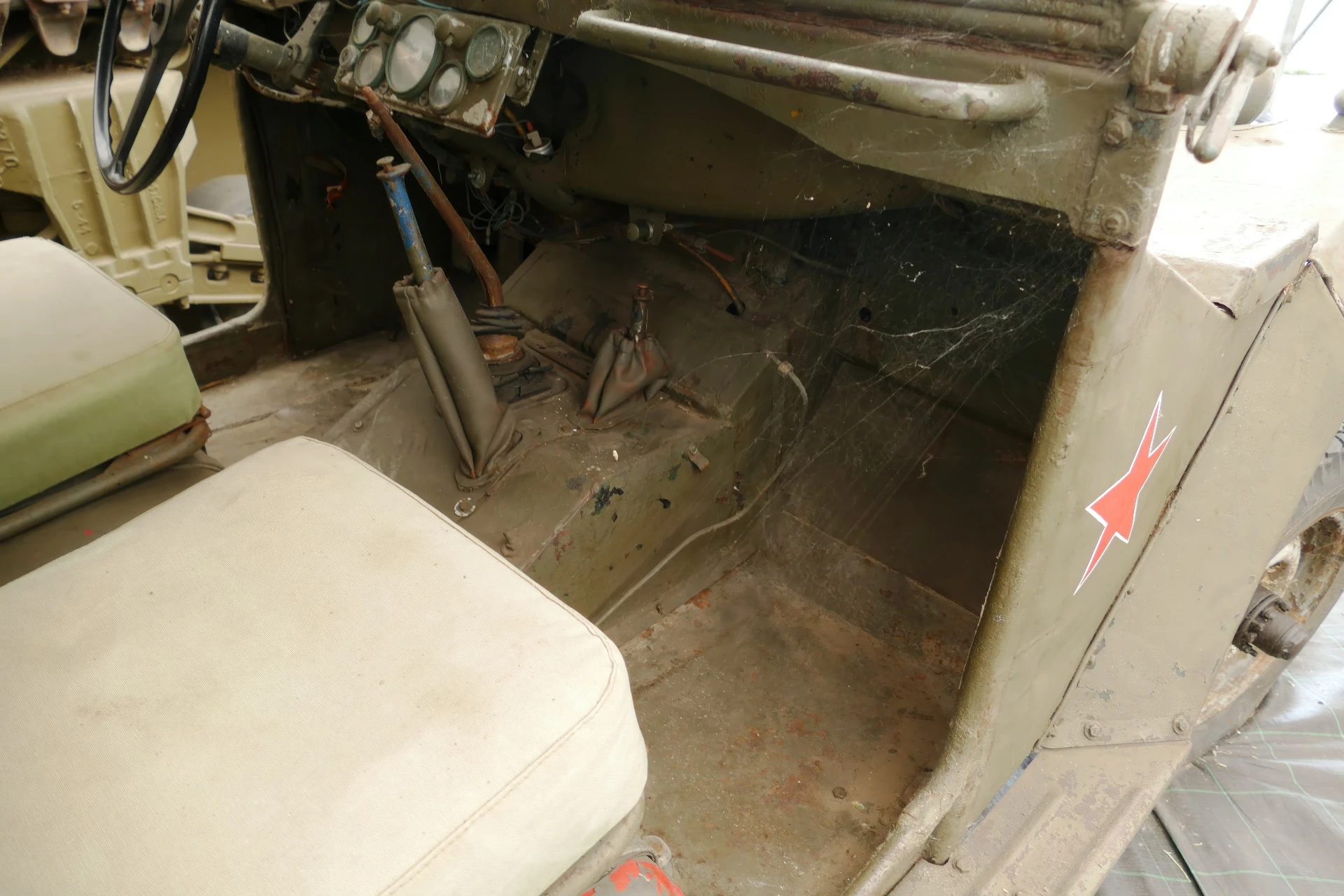
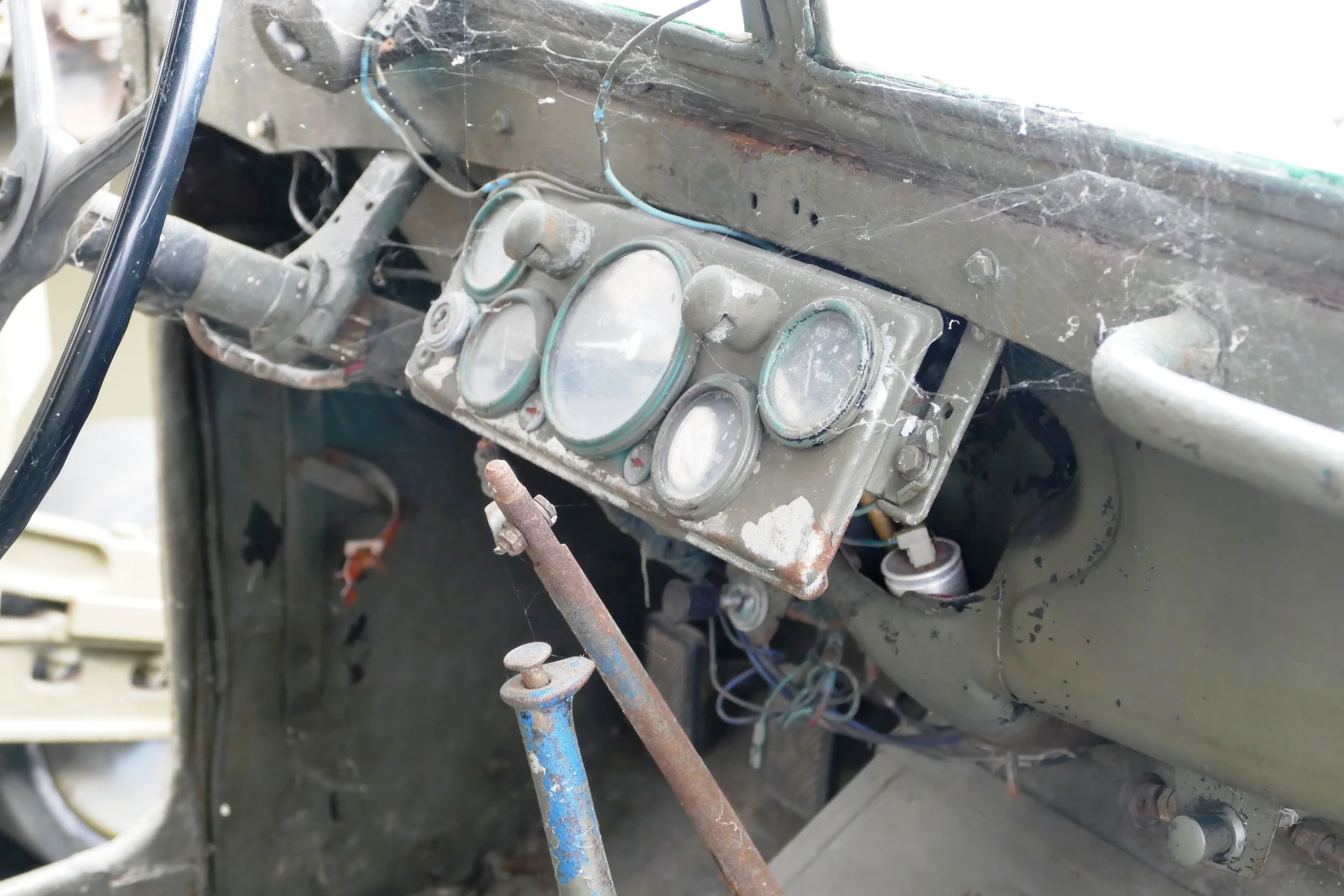
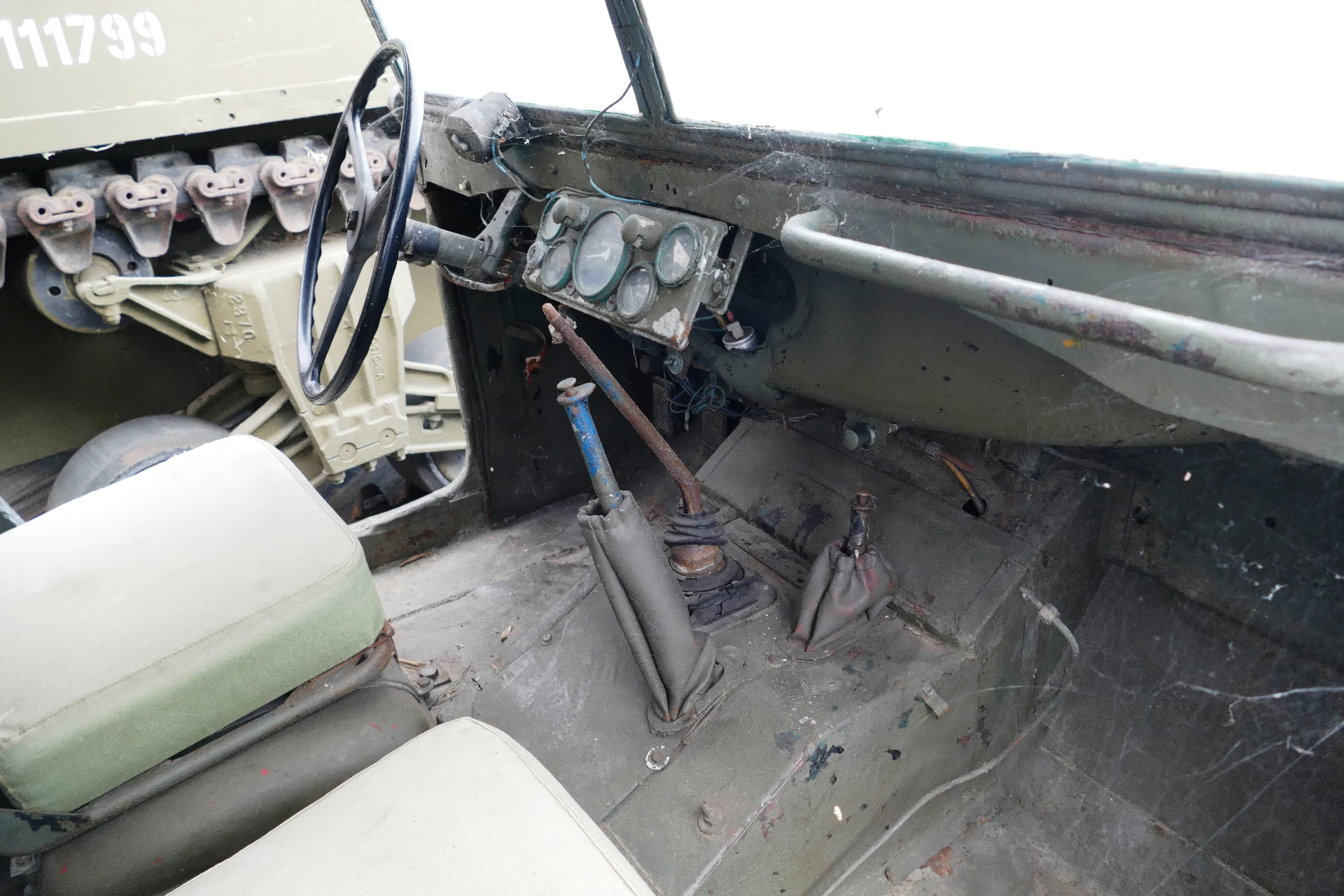

| GAZ-67B WalkAround | |
|---|---|
| Fotograf | Unknow |
| Lokalisering | Unknow |
| Bilder | 220 |
| GaZ-67B Gå rundt | |
|---|---|
| Fotograf | Andrei Nikolaev |
| Lokalisering | Unknow |
| Bilder | 31 |
| GAZ-67 Gå Rundt | |
|---|---|
| Fotograf | Unknow |
| Lokalisering | Unknow |
| Bilder | 36 |
Les også:


General Characteristics and Role
The GAZ-67B is a rugged, four-wheel-drive (4×4) light utility vehicle produced by the Gorky Automobile Plant (GAZ) in the Soviet Union during and immediately after World War II. It was an improved version of the earlier GAZ-64 and GAZ-67 models. Often referred to as the “Ivan-Willis” (a nod to the American Willys MB Jeep it superficially resembled and often served alongside), the GAZ-67B played a crucial role in the Red Army. Its main roles included transporting commanders and staff officers, acting as a reconnaissance and liaison vehicle, towing light artillery pieces (up to 45 mm anti-tank guns), and carrying small amounts of cargo or troops. The B-variant introduced wider tracks and other minor mechanical improvements over its predecessor.
| Property | Typical Value (GAZ-67B) |
|---|---|
| Type | Light Military Utility Vehicle / Command Car |
| National Origin | Sovjetunionen |
| Produsenten | Gorky Automobile Plant (GAZ) |
| Production Years | 1944–1953 (GAZ-67B) |
| Crew Capacity | 1 to 4 (Driver and Passengers) |
| Cargo Capacity | Approximately 400 kg (880 lb) |
| Lengde | 3.35 m (11 ft 0 in) |
| Bredde | 1.69 m (5 ft 6.5 in) |
| Ground Clearance | 220 mm (8.7 in) |
Powerplant and Performance
- Engine: GAZ 6-cylinder in-line, petrol (gasoline) engine (modified from a GAZ passenger car engine).
- Power Output: 54 hp (40 kW).
- Transmission: 4-speed manual gearbox with a 2-speed transfer case, providing 4×4 capability.
- Maximum Road Speed: 90 km/h (56 mph).
- Fuel Economy: Relatively poor fuel consumption compared to its rivals, a known trait of its truck-based engine.
- Key Feature: Known for its extreme robustness and excellent off-road performance due to high ground clearance, simple four-wheel-drive system, and solid axles.
Service History and Legacy
- Wartime Service: The GAZ-67B entered service late in World War II, replacing its less powerful predecessors and quickly becoming a staple for Soviet commanders across the Eastern Front.
- Post-War Use: Production continued long after the war, filling the Soviet Union’s need for a light, powerful off-road vehicle until it was replaced by the more modern GAZ-69 in 1953.
- Distinctive Features: The vehicle is easily identified by its lack of doors (or simple canvas doors), large steering wheel, and its characteristic wide, slatted grille.
- Enduring Symbol: Despite being less well-known internationally than the Willys Jeep, the GAZ-67B is a symbol of Soviet industrial resilience and played a key logistical and command role during the final years of the Great Patriotic War.
Visninger: 6462
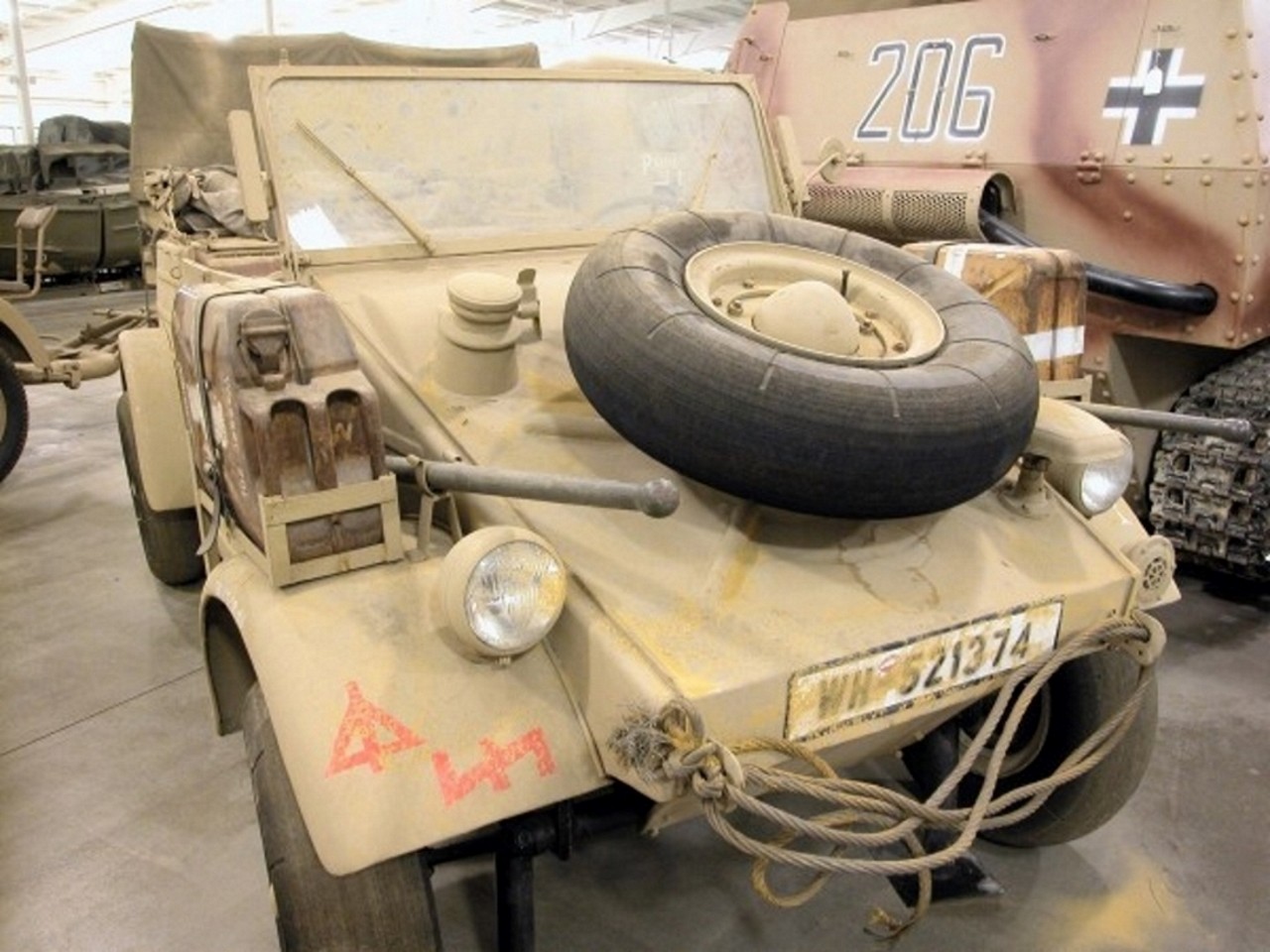
sziasztok én is épiteni kezdtem 1 db GAZ 67-est talán kész lesz 2016 novemberre ! Azért sok apró hiányoságal küszkődöm amit ritka találni hozzá .