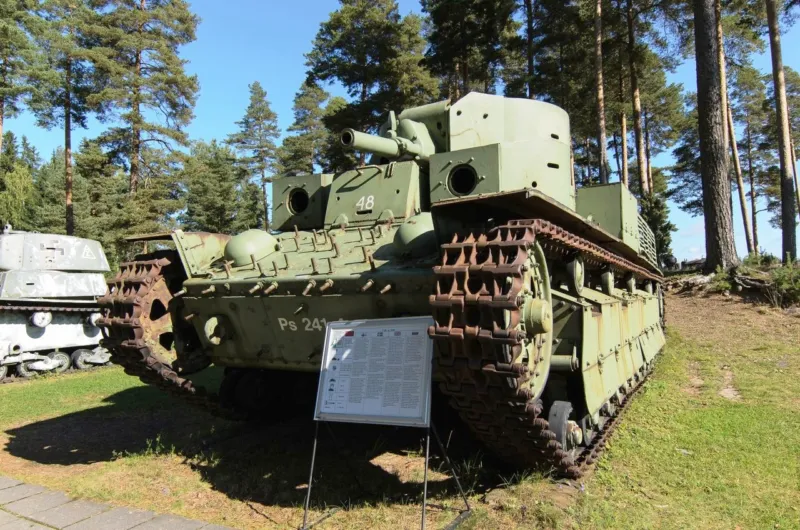
T-28 | |
|---|---|
| Šalies | Sovietų Sąjunga |
| Vaidmenį | Vidutinis bakas |
| Tarnyboje | 1933–45 |
| Pastatytas | 503 |
2007 T-28 buvo sovietinis daugiasluoksnis vidutinis bakas. Prototipas buvo baigtas 1931 m., O gamyba prasidėjo 1932 m. Pabaigoje. Tai buvo pėstininkų paramos bakas, skirtas pralaužti sustiprintą gynybą. T-28 buvo sukurtas taip, kad papildytų sunkesnį T-35 (taip pat daugialypį bokštelį), su kuriuo jis dalijasi bokštelio dizainu. Tipas neturėjo didelės sėkmės kovoje, tačiau jis suvaidino svarbų vaidmenį kaip sovietinių tankų dizainerių plėtros projektas. Vėliau į būsimus modelius buvo įtraukta keletas naujų idėjų ir sprendimų, kurie buvo išbandyti T-28.
Šaltinis: Tank T-28 Vikipedijoje
| Tank T-28 | |
|---|---|
| Fotografas | Nežinoti |
| Lokalizavimo | Nežinoti |
| Nuotraukos | 52 |
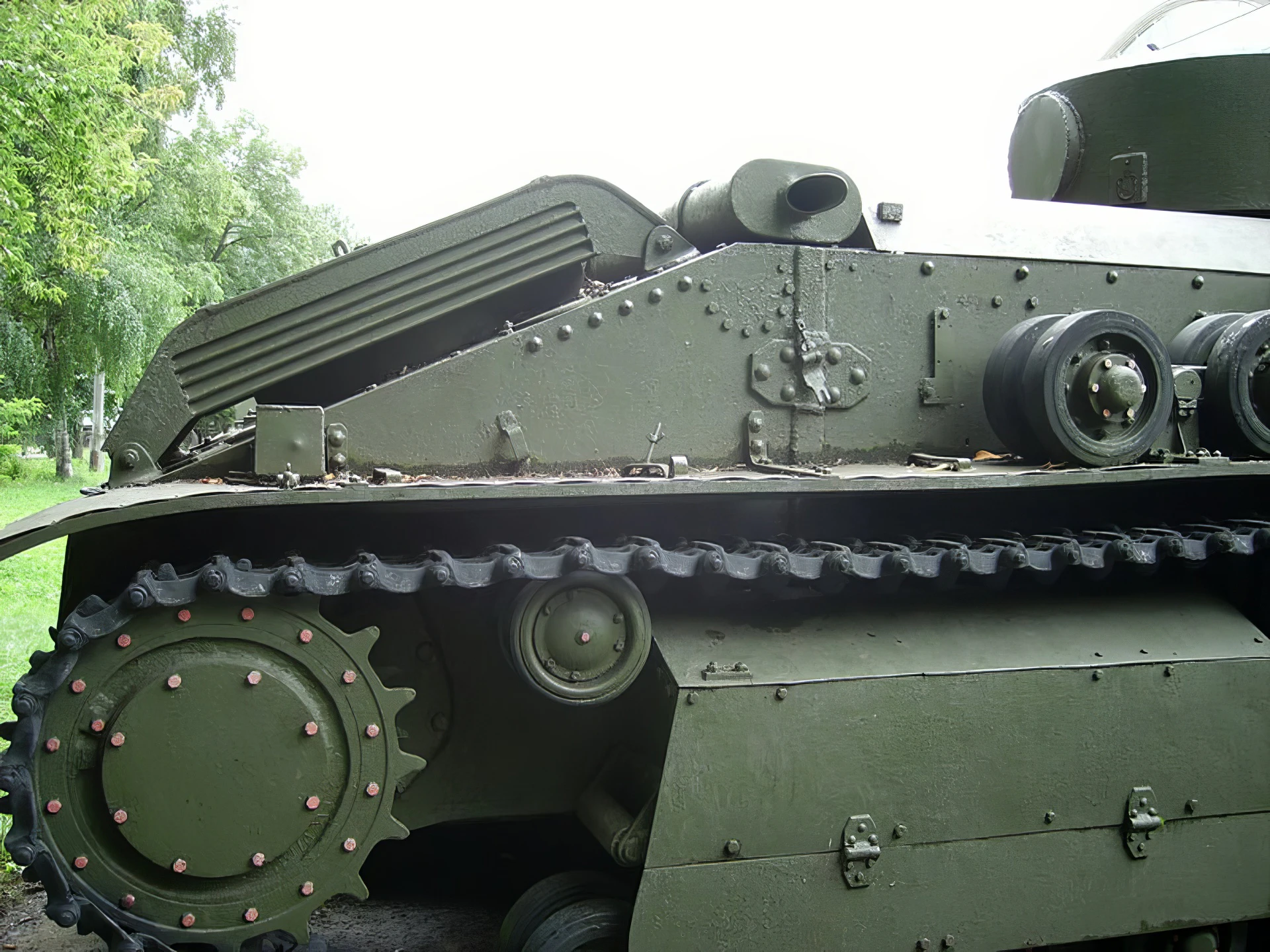
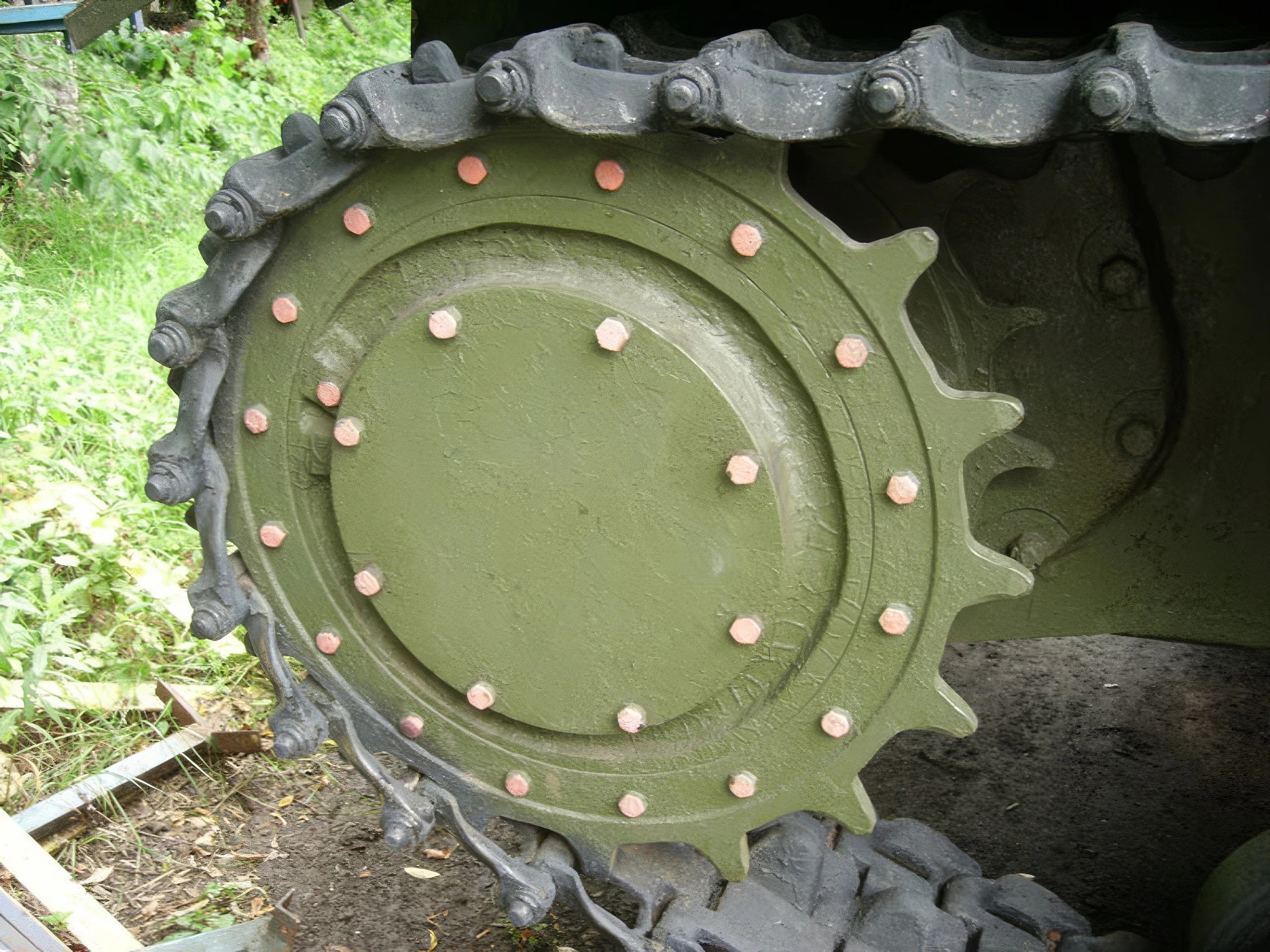
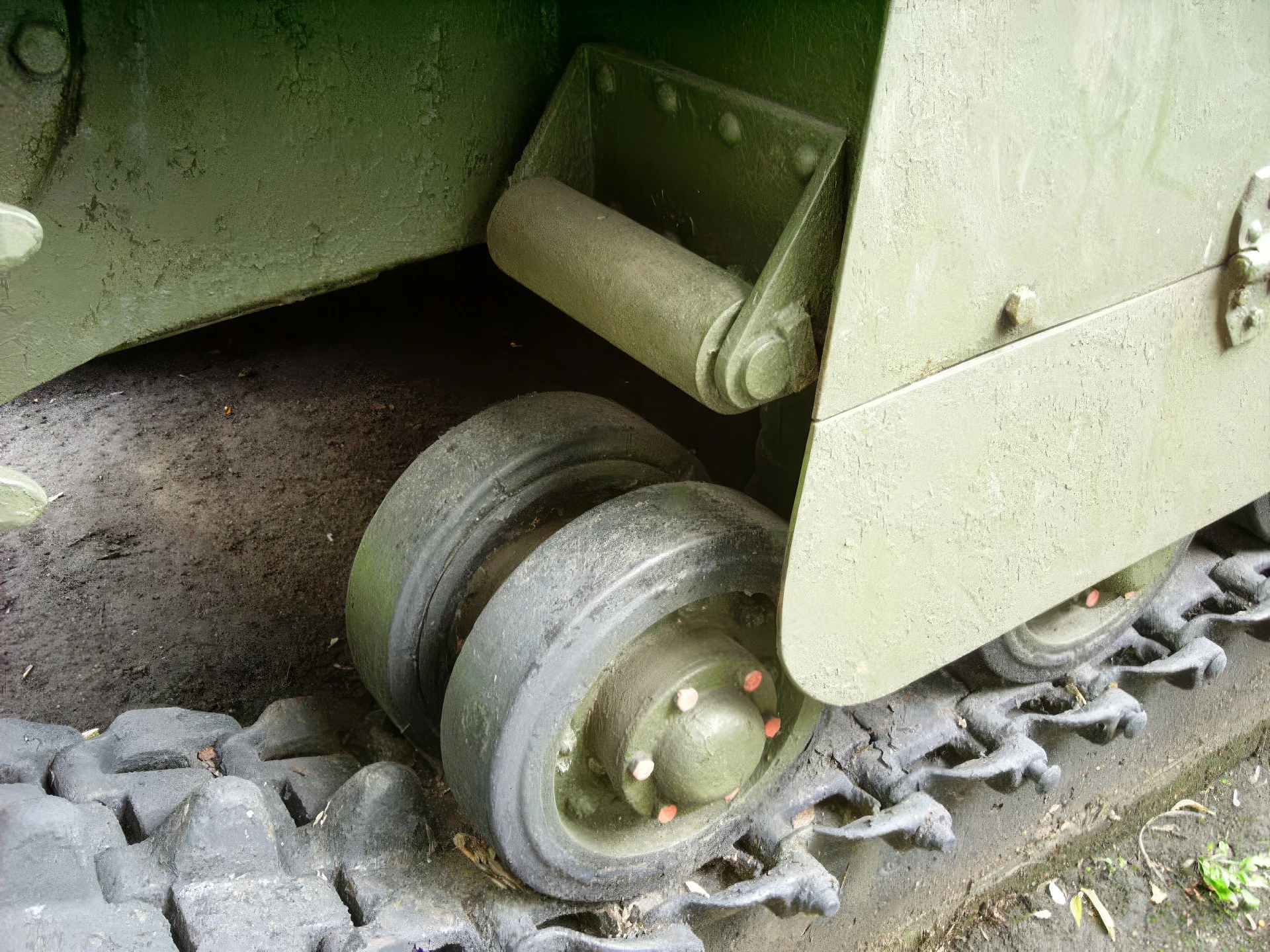
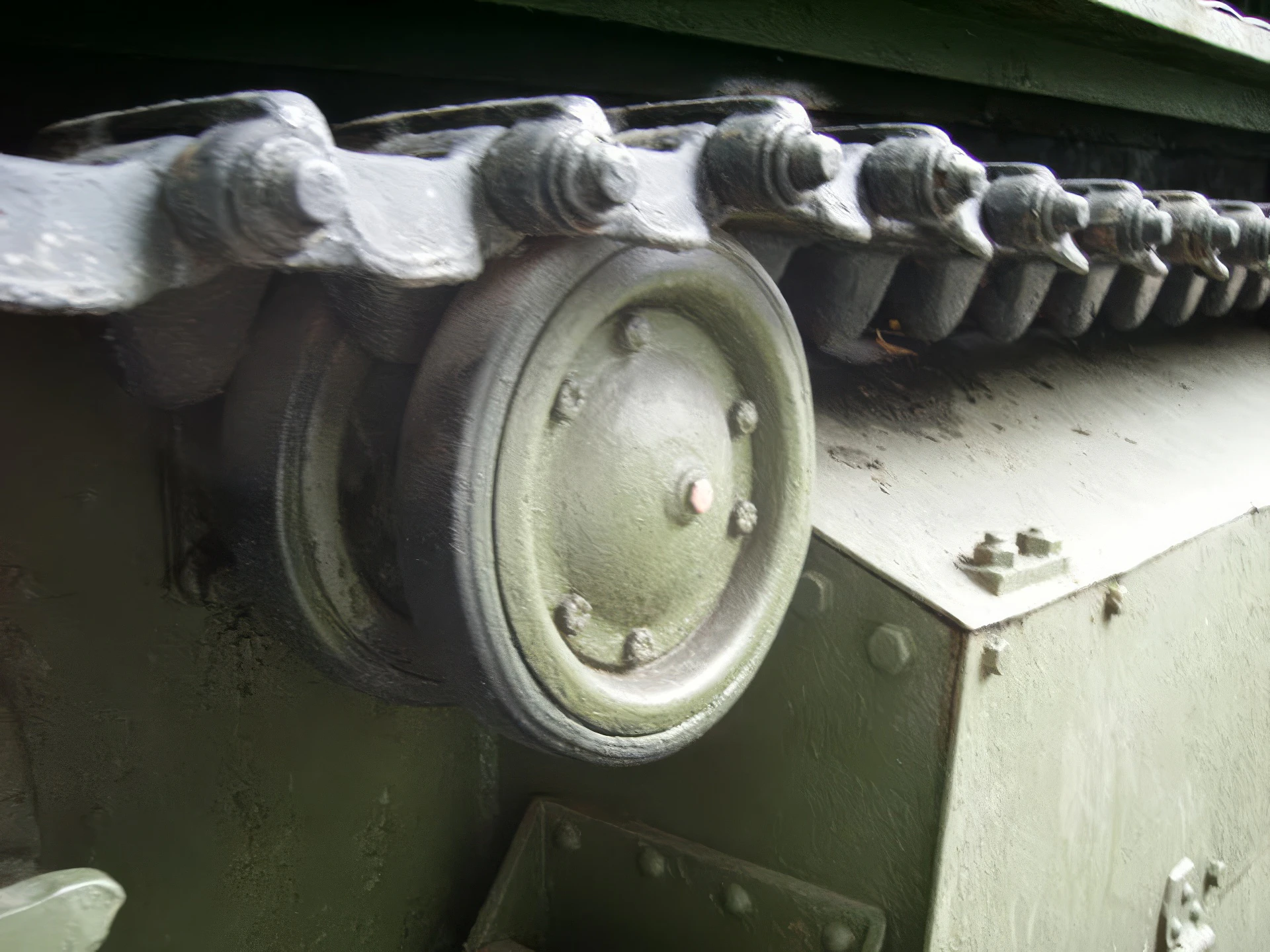
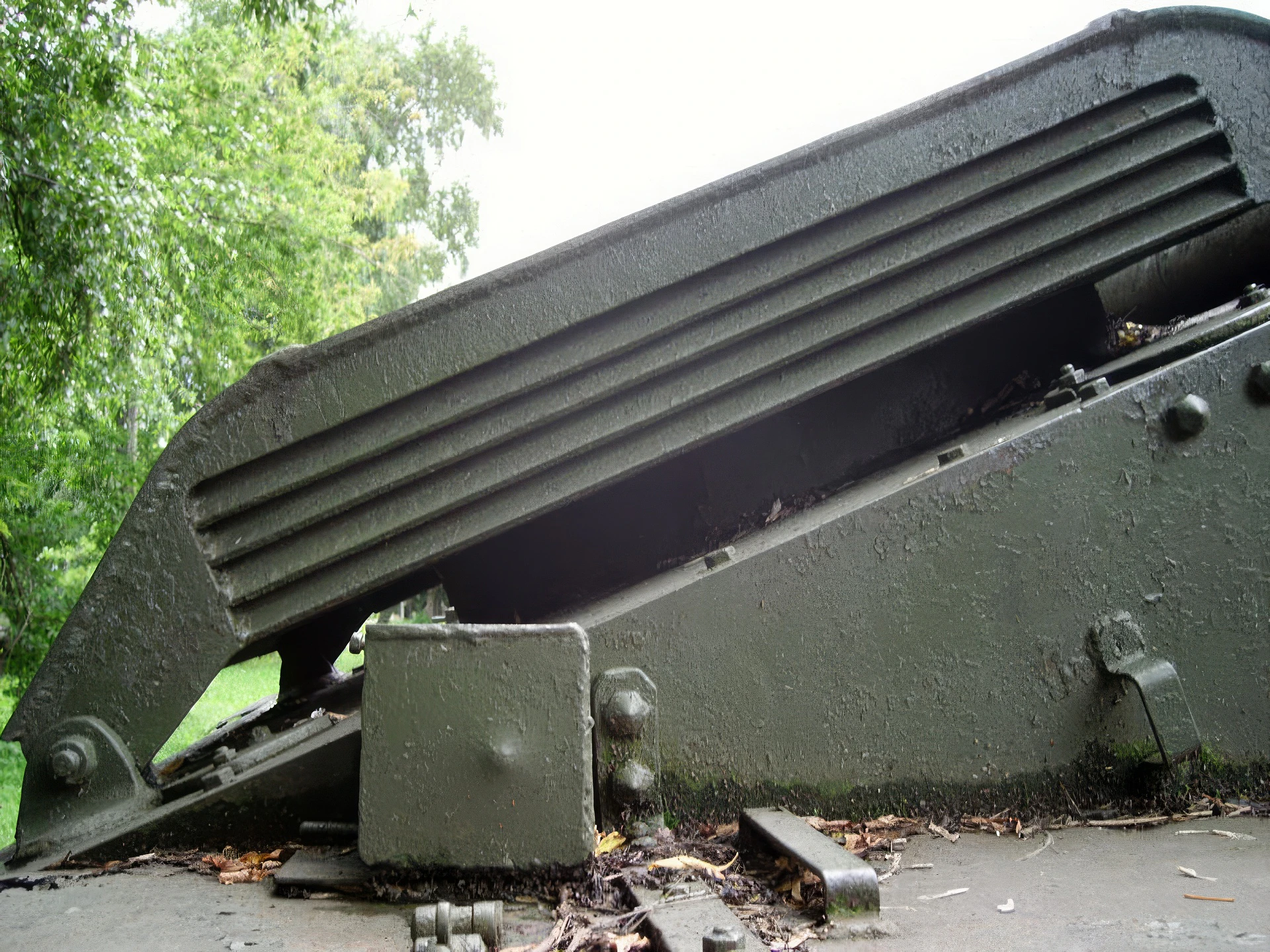
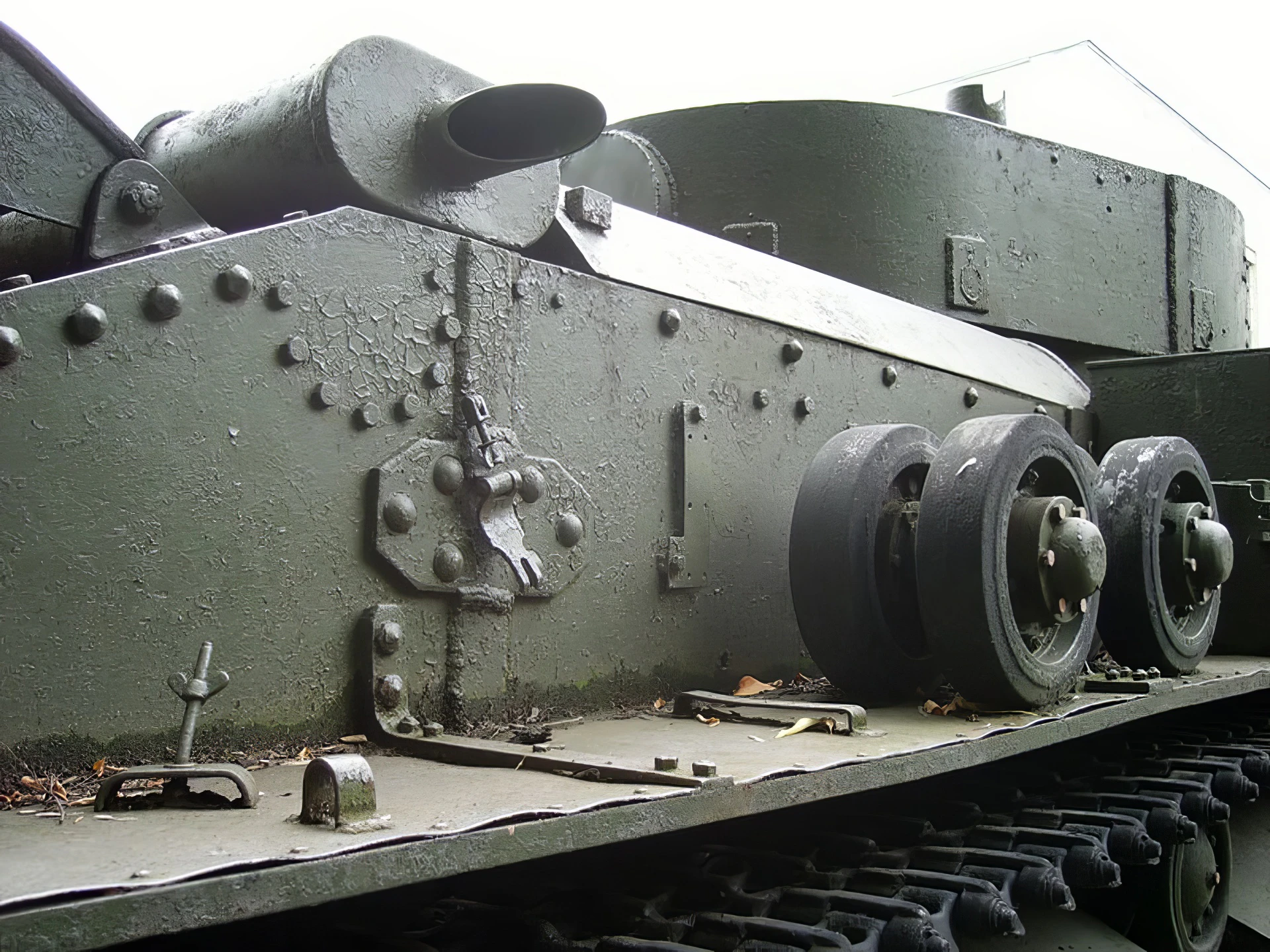
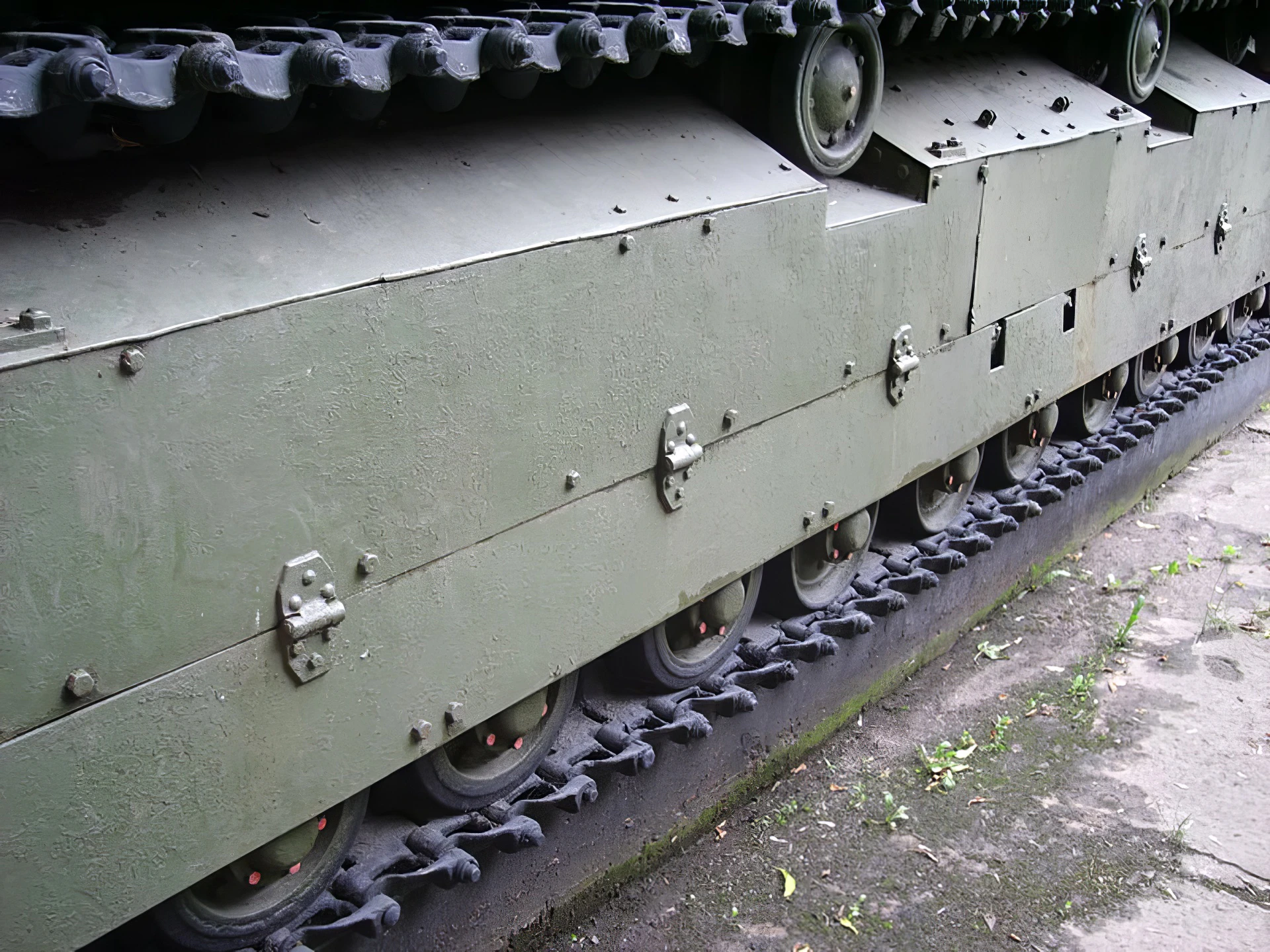
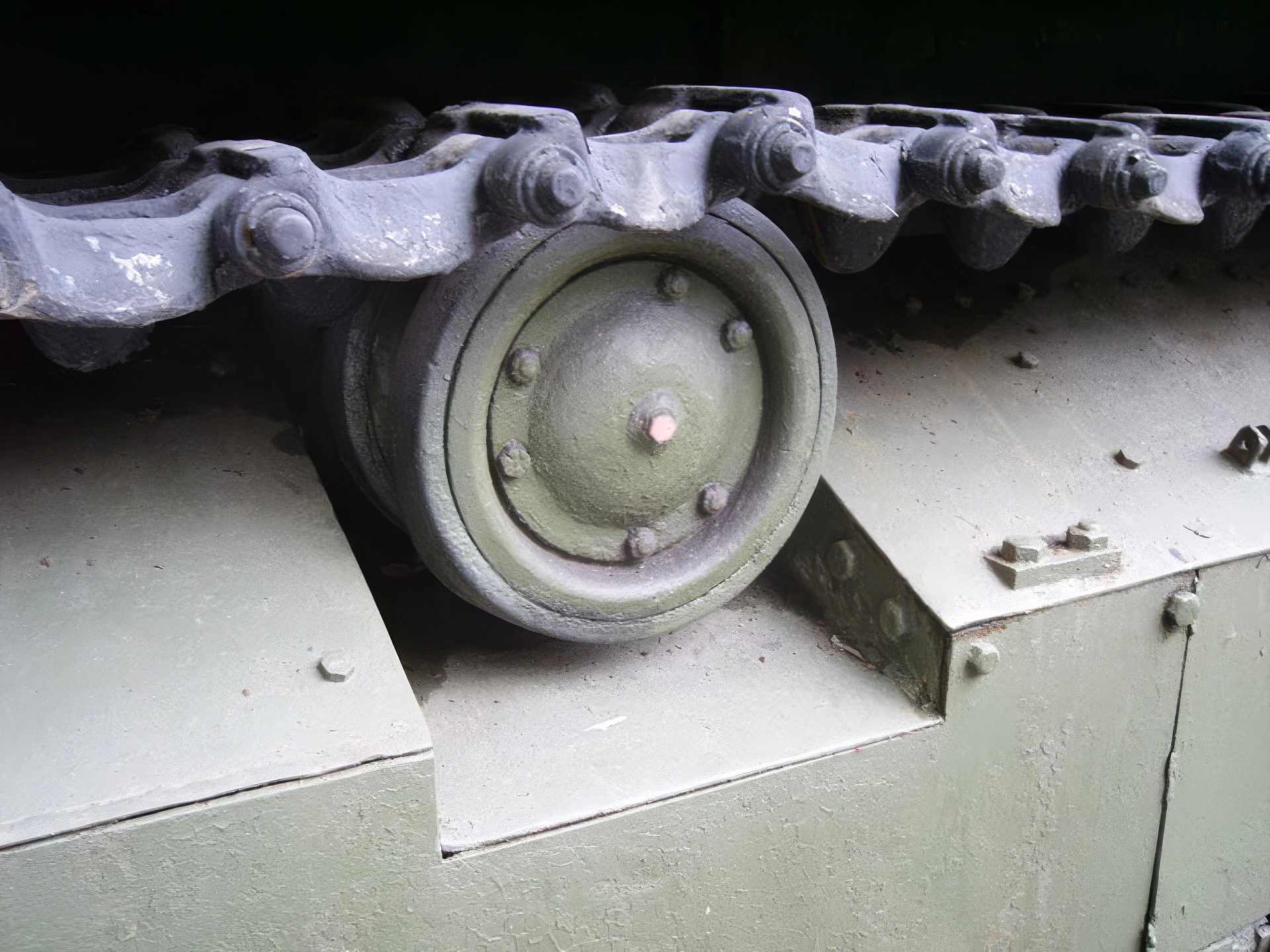
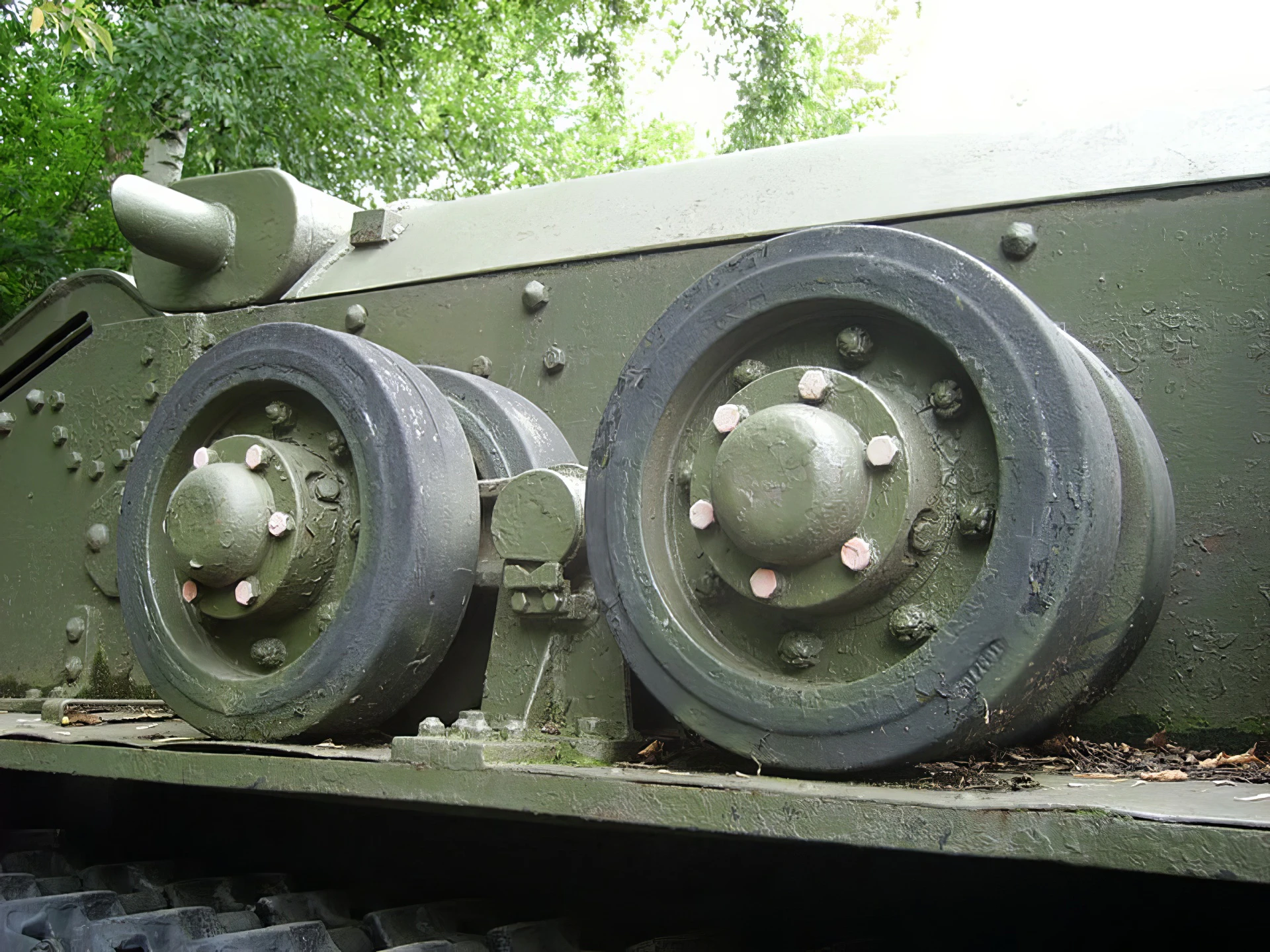

| T-28 Mod. 1938 Walk Around | |
|---|---|
| Fotografas | Nežinoti |
| Lokalizavimo | Nežinoti |
| Nuotraukos | 33 |
Taip pat žiūrėkite:


The T-28 Model 1938 was a Soviet medium tank, an evolution of the multi-turreted T-28 design which was developed in the early 1930s. It was designed primarily as an infantry support tank intended to break through fortified defensive lines.
Pagrindinės savybės
The T-28 is instantly recognizable due to its multi-turret design, a concept that was popular during the interwar period, influenced in part by the British Vickers A1E1 Independent.
- Multi-Turret Layout: The tank featured three turrets:
- Main Turret: A large, central cylindrical turret housing the primary armament.
- Two Small Turrets: Two smaller machine gun turrets mounted side-by-side at the front of the hull.
- Ginkluotės: The Model 1938 variant’s key feature was its main gun upgrade:
- Primary Armament: The 76.2 mm L-10 gun, a more powerful weapon with better muzzle velocity and armor penetration than the shorter-barreled KT-28 howitzer used on initial models.
- Secondary Armament: Typically four to five 7.62 mm DT machine guns, with one coaxial to the main gun and one in each of the two smaller forward turrets.
- Mobility and Engine:
- Powered by a Mikulin M-17 V12 engine producing 500 hp.
- It had a decent top speed for its size, around 40 km/h (25 mph).
- Its suspension used a plunger suspension with twin bogies.
- Šarvas: The armor protection was thin and flat, typical of early 1930s designs, with original frontal hull and turret armor around 30 mm.
- Įgula: The tank required a large crew of six.
Veiklos istorija
The T-28 was considered an impressive design for its time, featuring advanced elements like a radio in every tank and an electrically-traversed main turret.
- Combat Use: It was deployed during the Soviet invasion of Poland (1939) and the Winter War against Finland (1939-1940).
- Obsolete by 1941: During the Winter War, its thin armor proved inadequate against Finnish anti-tank guns, leading to the development of the up-armored T-28E variant. By the time of the German invasion of the Soviet Union in 1941, the multi-turreted design was outdated. Many were lost in the early stages of the war due to mechanical issues and superior enemy anti-tank capabilities. The few survivors served in limited capacity until around 1943.
Views : 5725
This is a T-28E, judging by the front of the machine gun turrets.