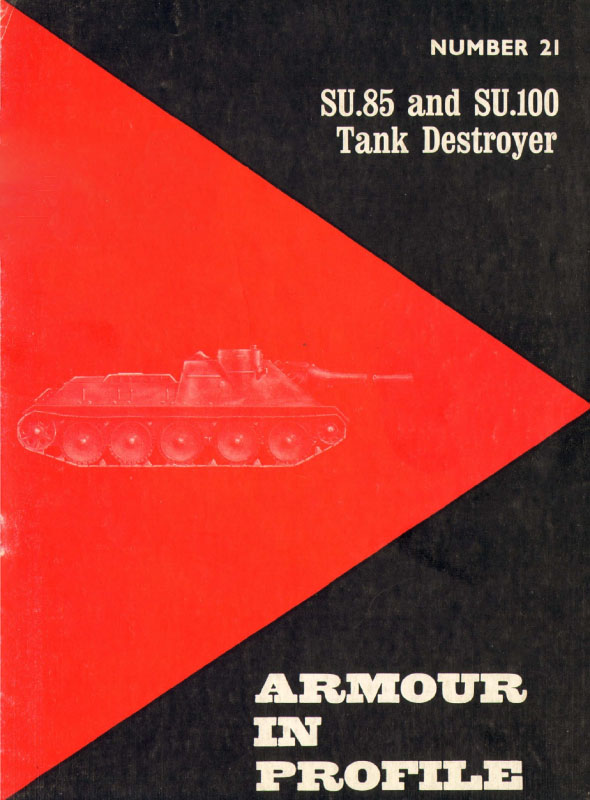
SU-100 | |
|---|---|
| Šalies | URSS (URSS) |
| Tipas | Savaeigis pistoletas |
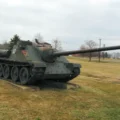
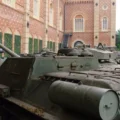
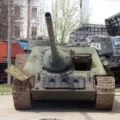
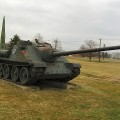
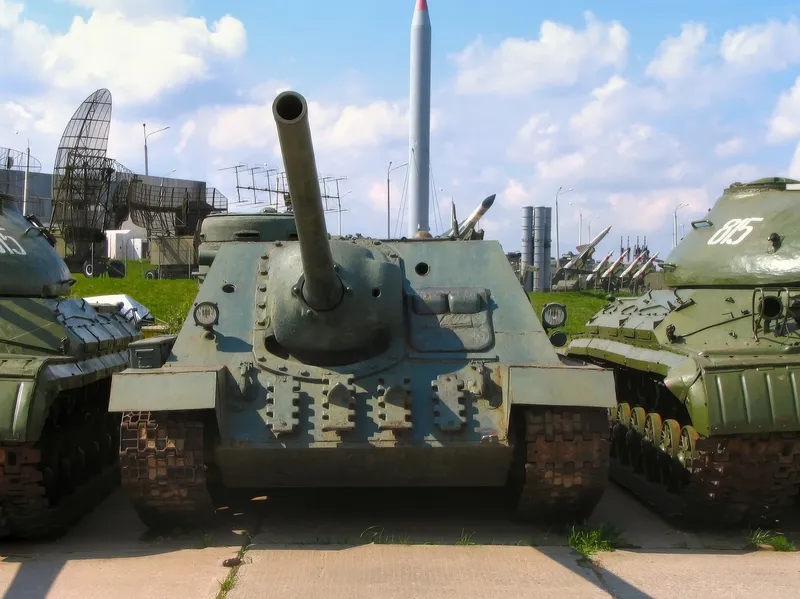
Nuotraukų galerija ant SU-100, SU-100 yra tankų naikintuvas, pagrįstas T-34 su 100 mm D-10S pistoletu priekiniame antstate.
Sovietai, kurie jau eksperimentavo su savaeigių ginklų statyba tiek sunkvežimių, tiek tankų bazėse, karo pradžioje pagamino keletą "Komsomoletz", remdamiesi 57 mm "Zis-2" pistoletu, sumontuotu ant traktoriaus važiuoklės. 1943 m. jie pagamino SU-85, o 1944 m. pabaigoje – SU-100, kuris sujungė galingą ginklą ant modernios važiuoklės, užtikrinančios pilnus šarvus. Jis turėjo pranašumą, nes buvo palyginti pigus gaminti ir turėjo ginklą, kuris buvo šiek tiek galingesnis nei tas, kuris įrengė tanką, iš kurio jis buvo gautas, o tai suteikė rusams didelį lankstumą.
Šaltinis: Vikipedija
| SU-100 vol.3 – WalkAround | |
|---|---|
| Fotografas | Nežinoti |
| Lokalizavimo | Nežinoti |
| Nuotraukos | 68 |
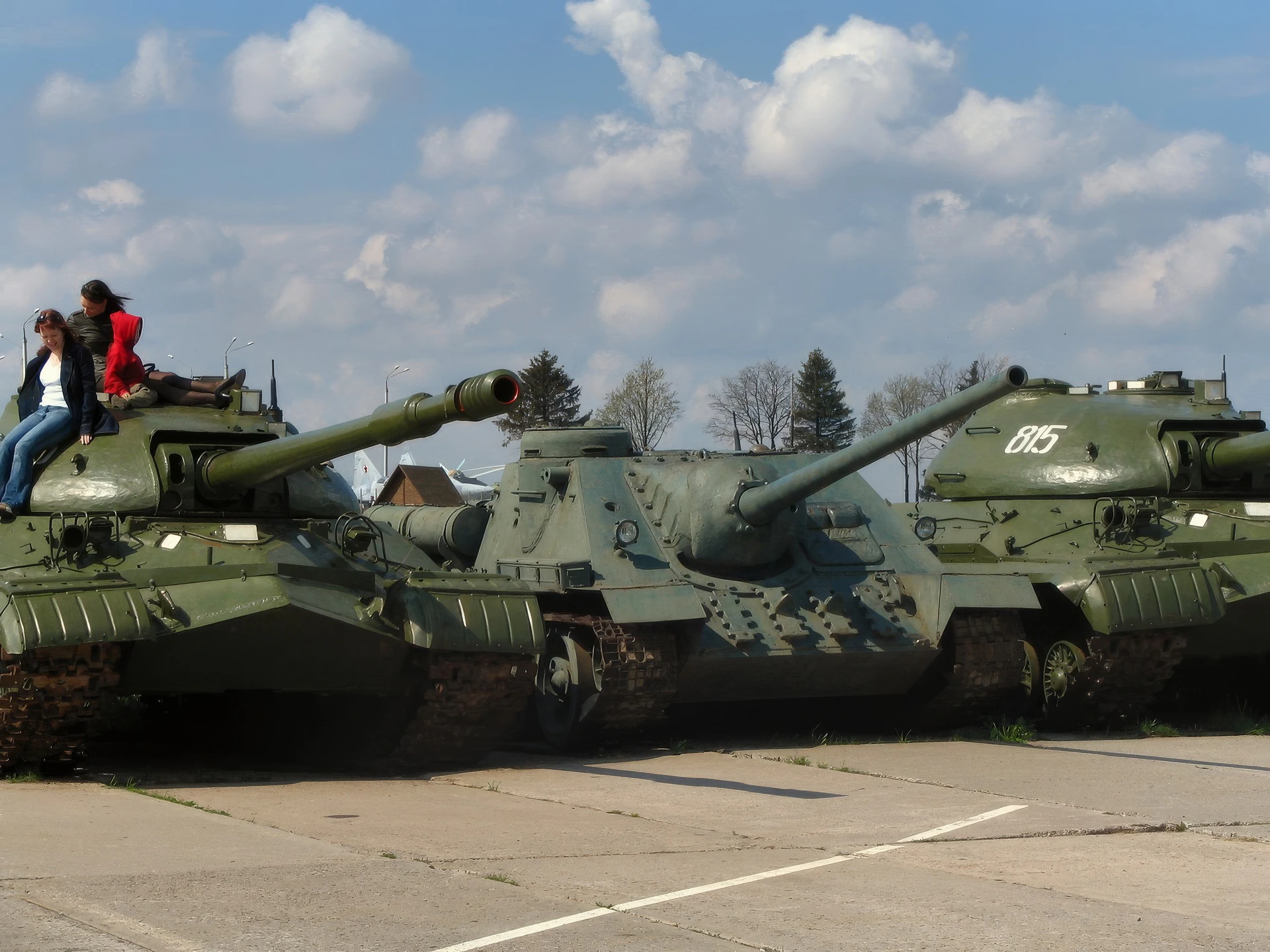
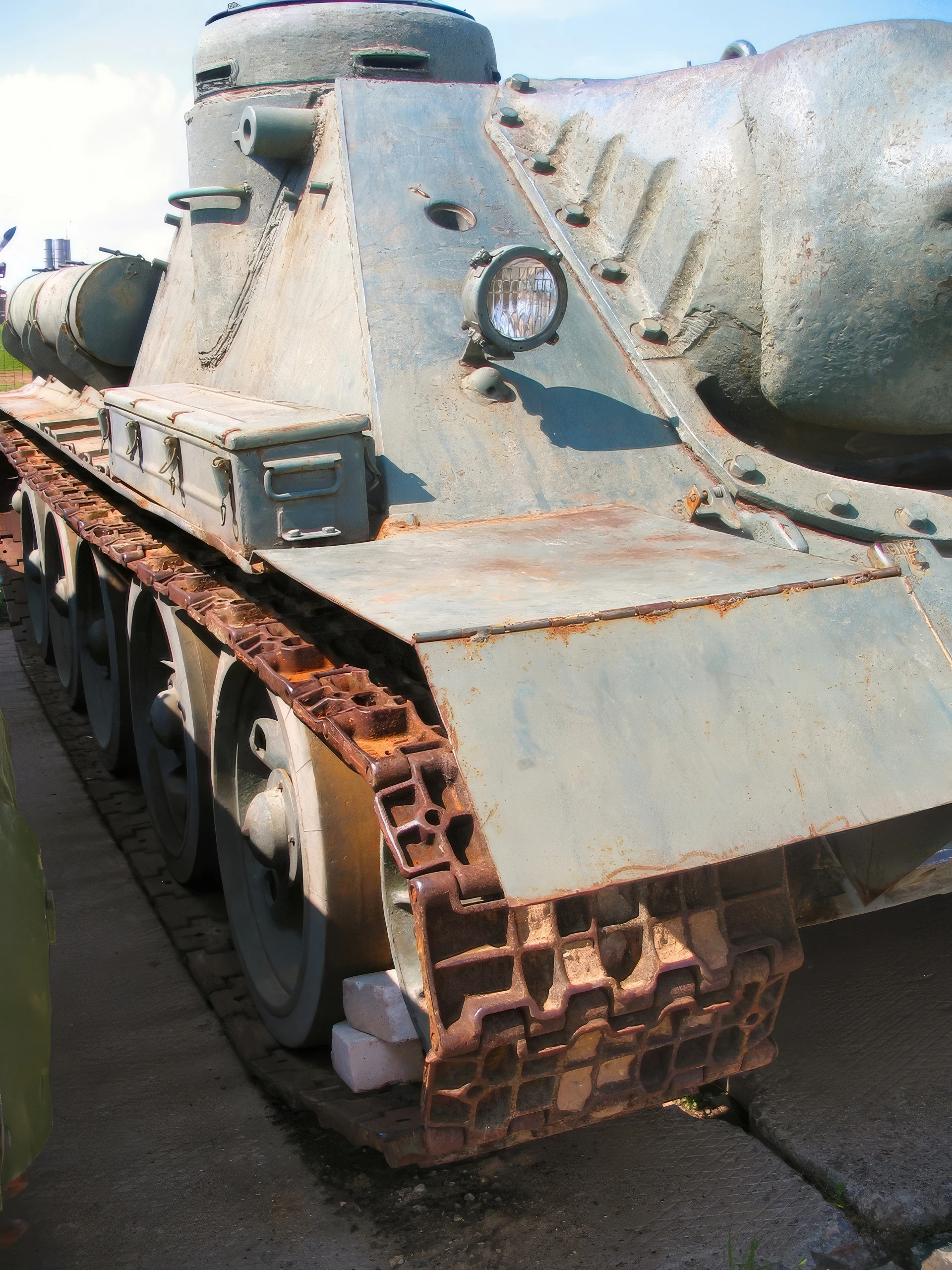
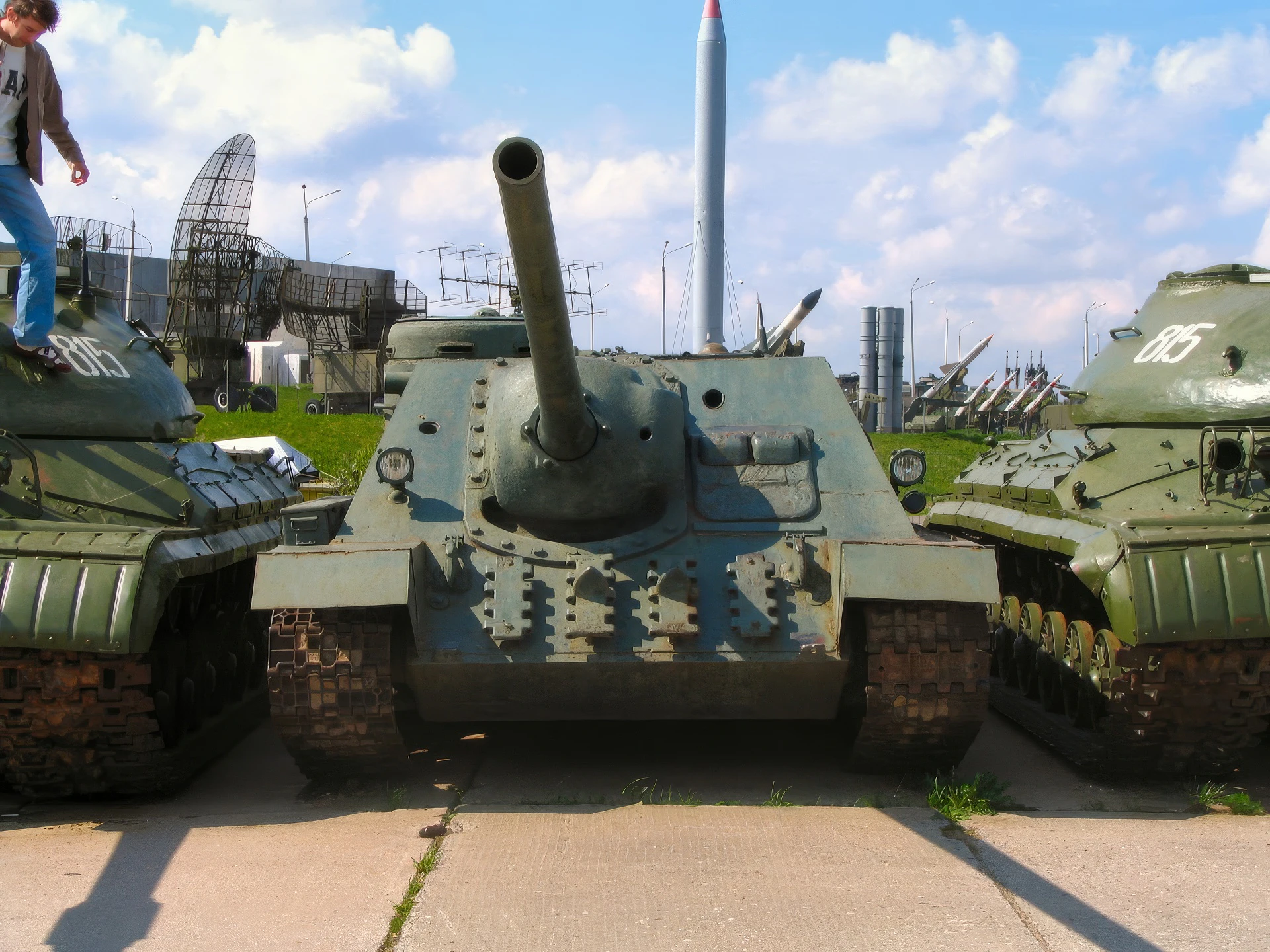
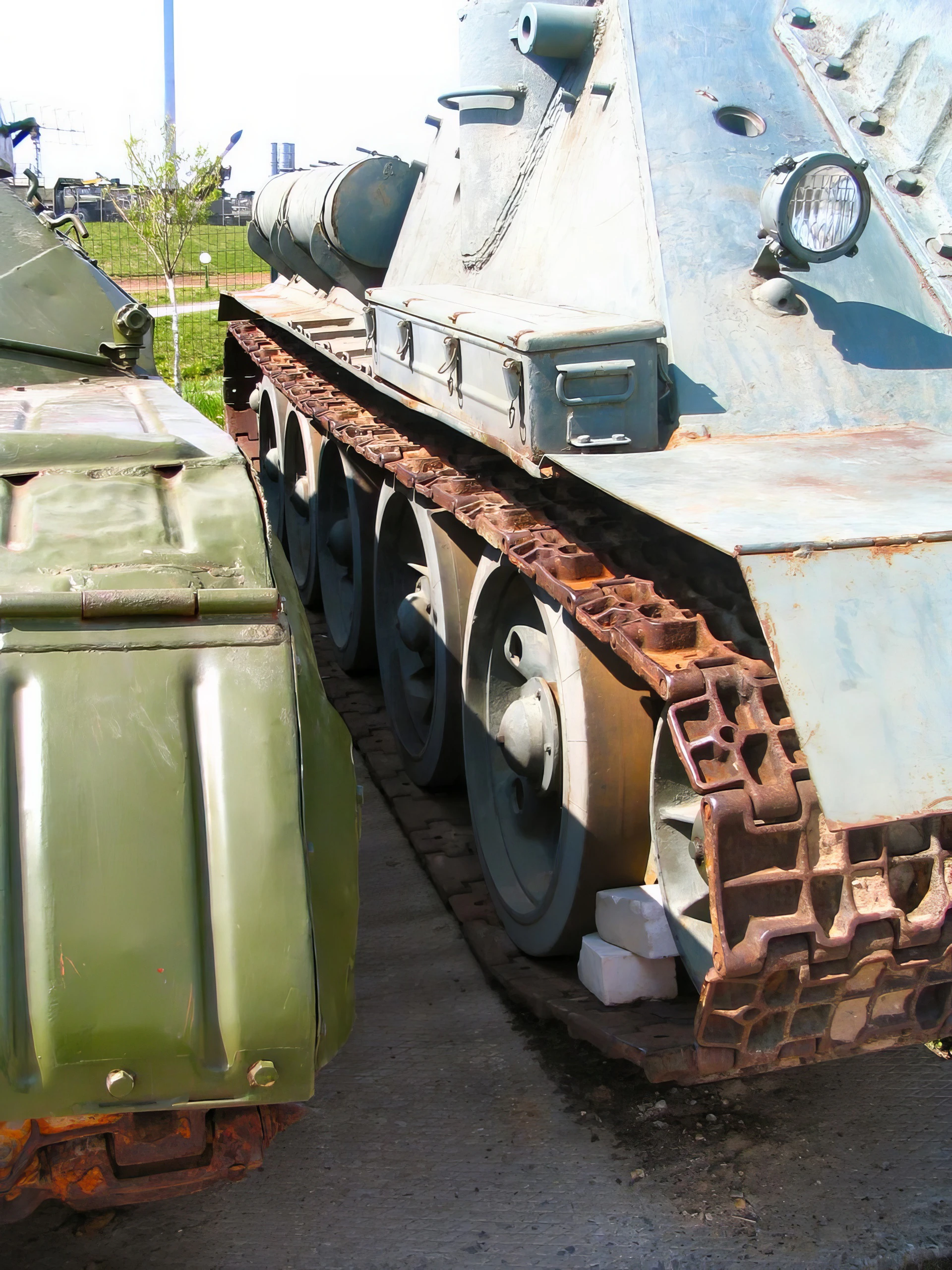
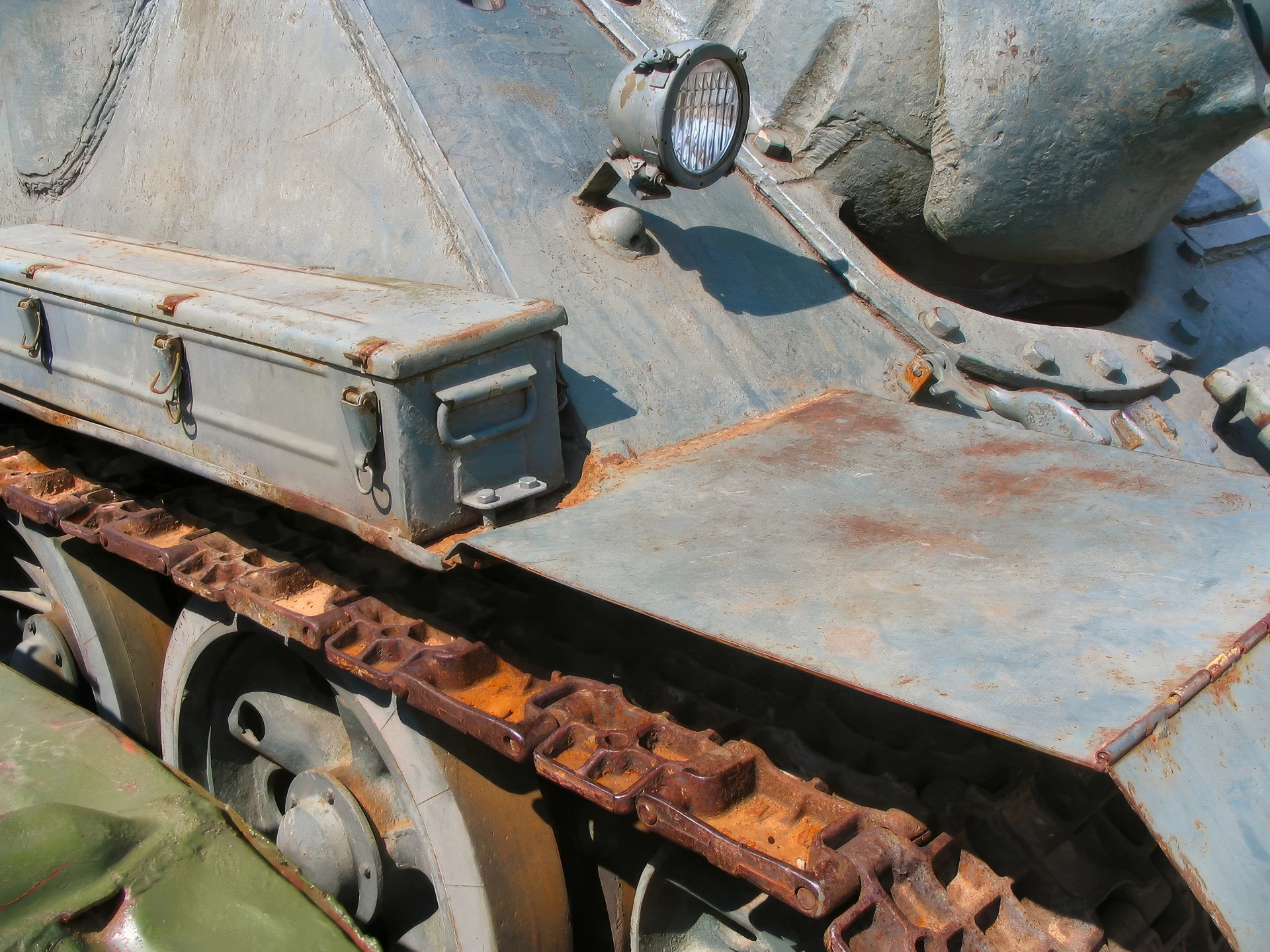
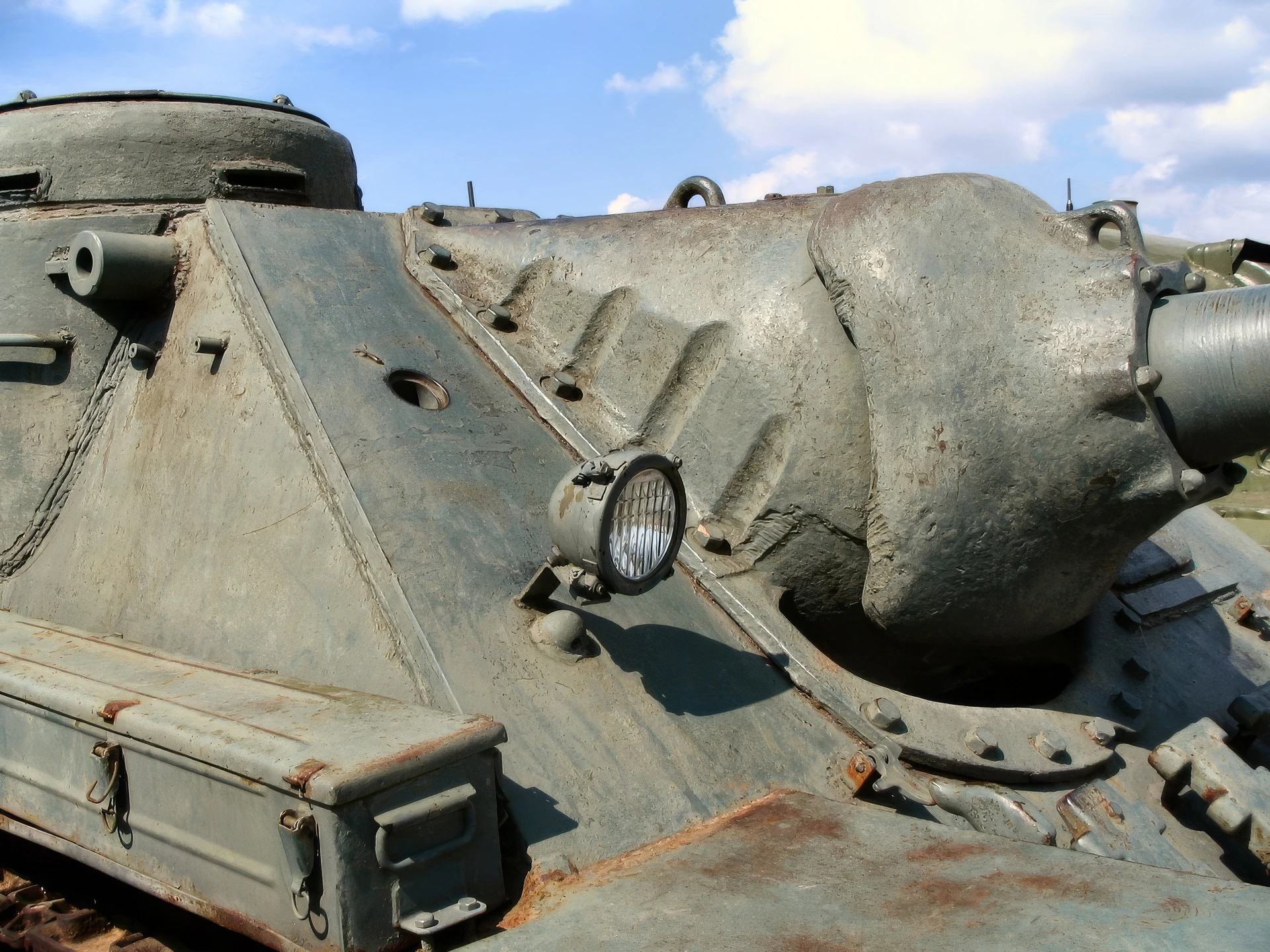
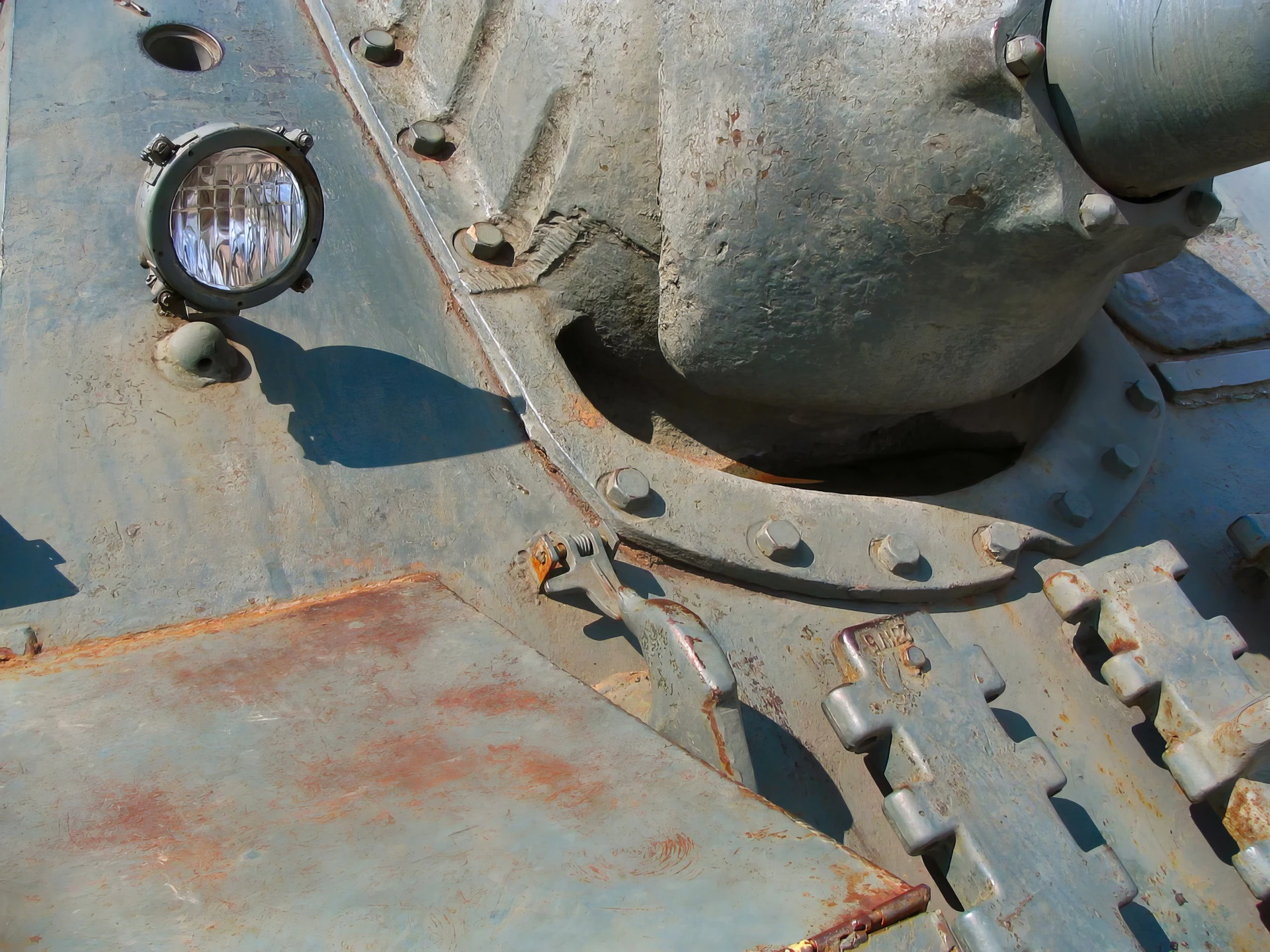
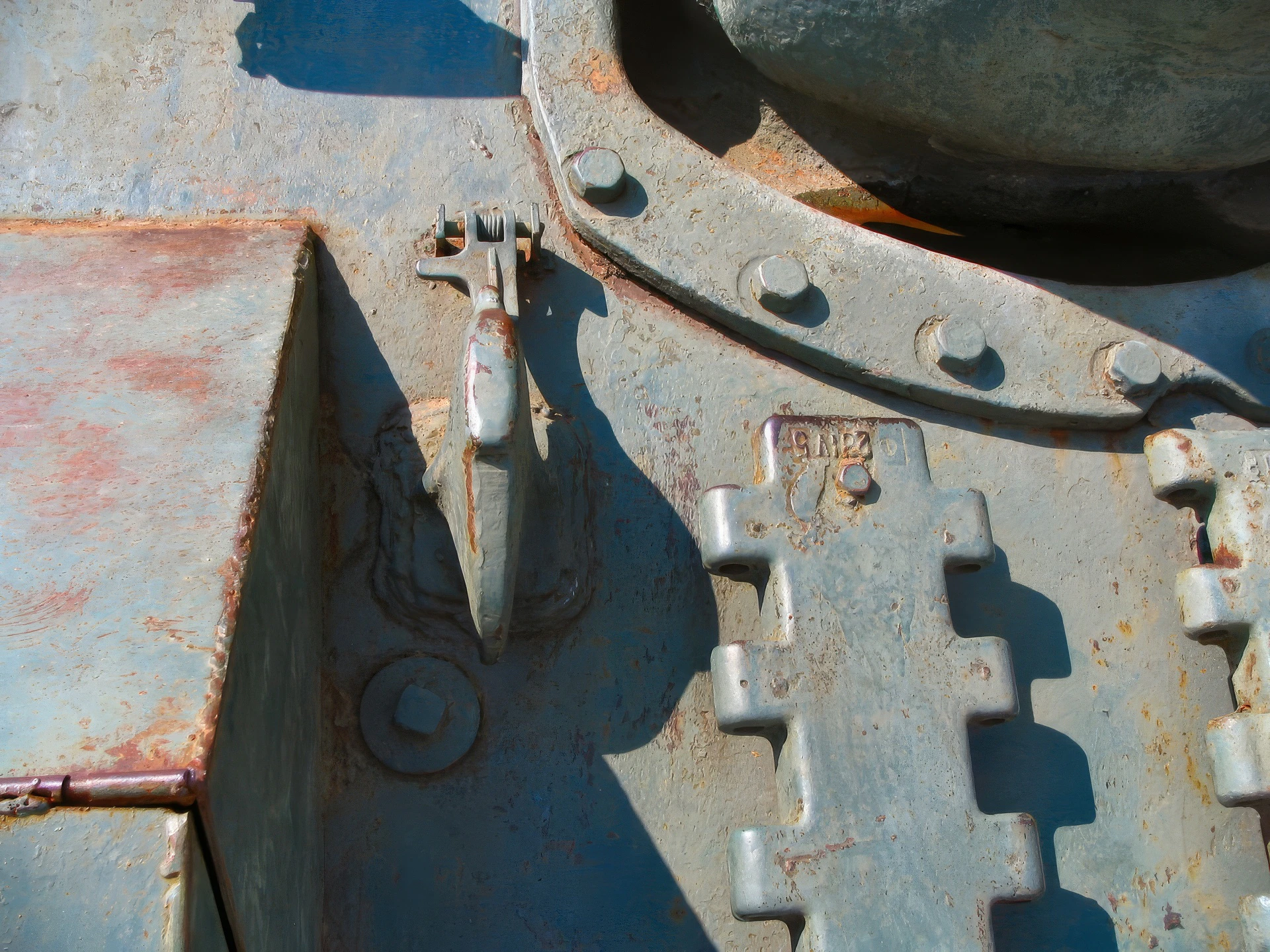
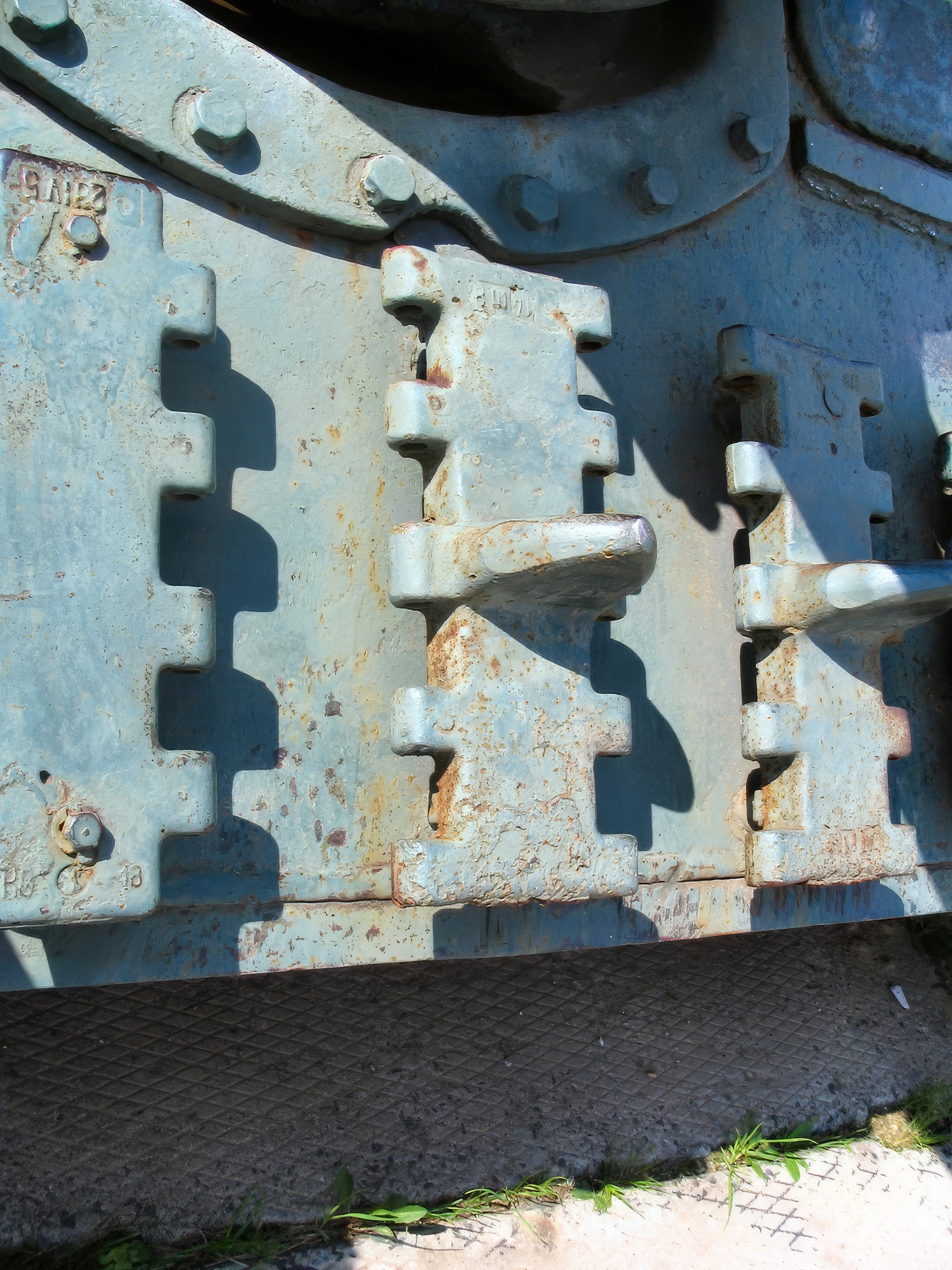

| SU-100 Pasivaikščiojimas aplink | |
|---|---|
| Fotografas | Viktoras Krestininas |
| Lokalizavimo | Batey ha-Osef muziejus |
| Nuotraukos | 65 |
Taip pat žiūrėkite:


2007 SU-100 (Samokhodnaya Ustanovka-100) was a Soviet savaeigis prieštankinis pistoletas developed in 1944. Based on the successful T-34-85 tank chassis, it was designed to counter the superior armor of late-war German heavy tanks, such as the Panther and Tiger I. It quickly earned a reputation as one of the most formidable tank killers on the Eastern Front.
Key Features and Design
- Main Armament: The vehicle’s power came from the 100 mm D-10S anti-tank gun, a potent weapon capable of penetrating the frontal armor of most German tanks at combat ranges. This gun was later used on the post-war T-54/T-55 main battle tanks.
- Važiuoklės: It utilized the reliable and mobile chassis of the T-34 medium tank, retaining good off-road mobility.
- Design Type: It employed a casemate (turretless) superstructure, which provided a lower profile and allowed for mounting a much larger gun than the standard T-34 turret could accommodate. However, this design limited the gun’s traverse to a narrow arc ($\pm 8^{\circ}$).
- Šarvas: The frontal armor of the casemate was significantly upgraded from its predecessor (the SU-85) to 75 mm at a 55-degree slope, giving it an effective thickness superior to many German tank guns.
- Įgula: Operated by a crew of four (Commander/Radio Operator, Gunner, Loader, Driver).
Operational Role in WWII
The SU-100 entered service in late 1944 and saw extensive combat during the final year of the war, particularly in massive engagements:
- Tank Killer: Its primary role was as a mobile anti-tank asset attached to tank and motorized corps, intended to ambush and destroy heavy German armor at long ranges.
- Major Engagements: It was notably used in large numbers during the final Soviet offensives, including the heavy fighting in Hungary (e.g., the Battle of Lake Balaton) in March 1945.
- Weakness: The design lacked any secondary machine gun, making it vulnerable to close-range infantry attacks and necessitating infantry support during urban combat, such as the Battle of Berlin.
Views : 3640