СУ-100 | |
|---|---|
| Страны | Ссср |
| Тип | Самоходная пушка |
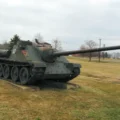
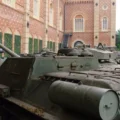
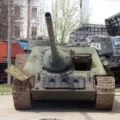
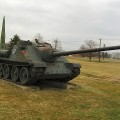
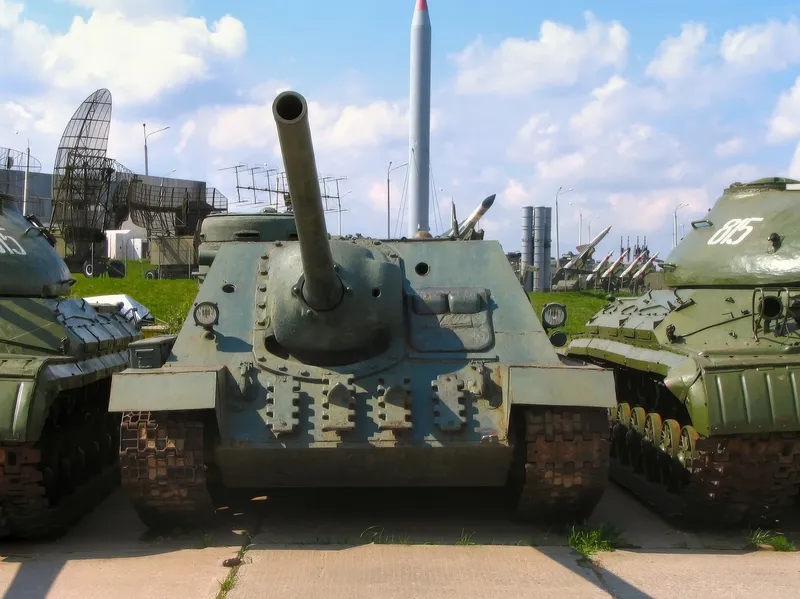
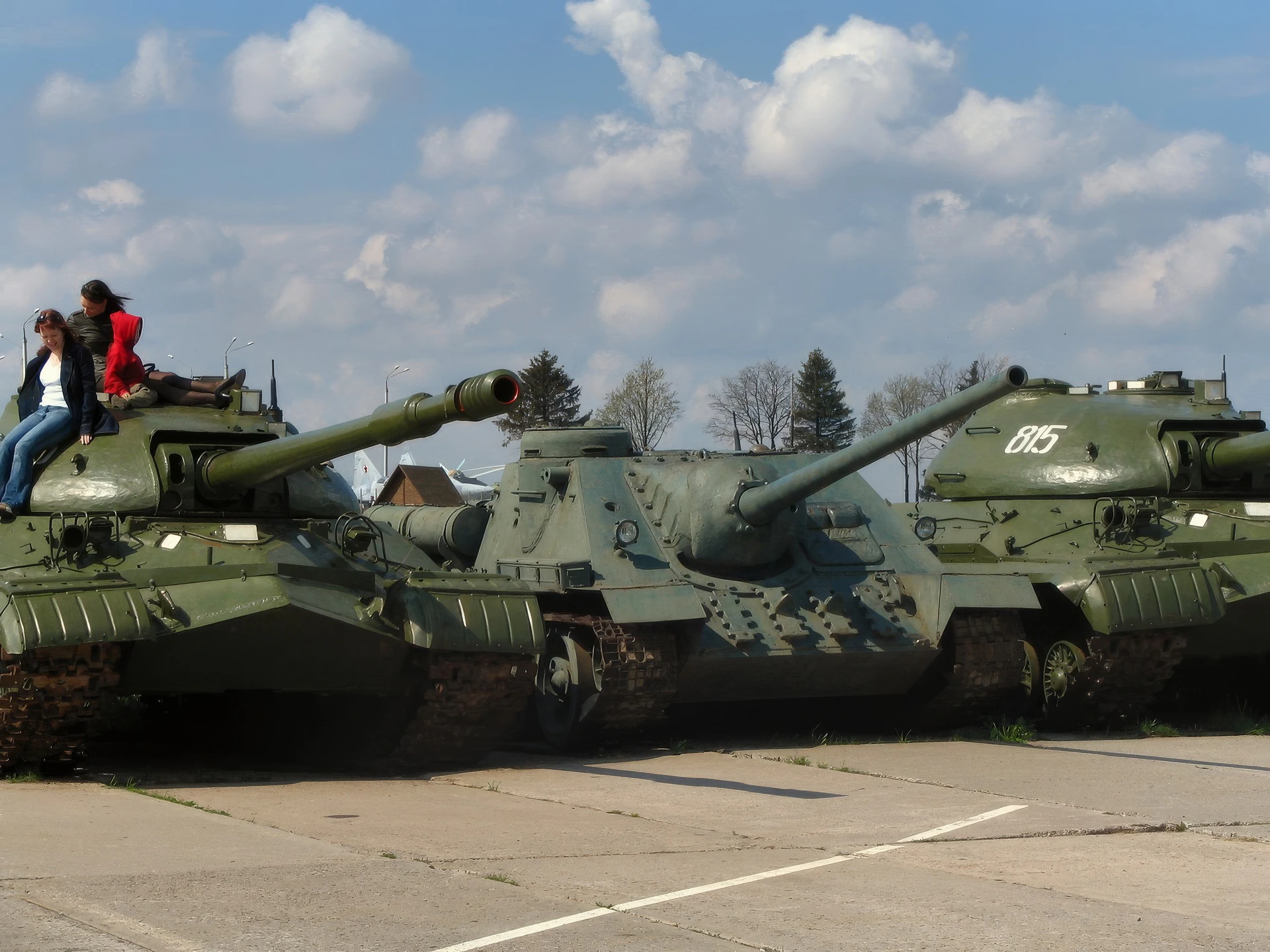
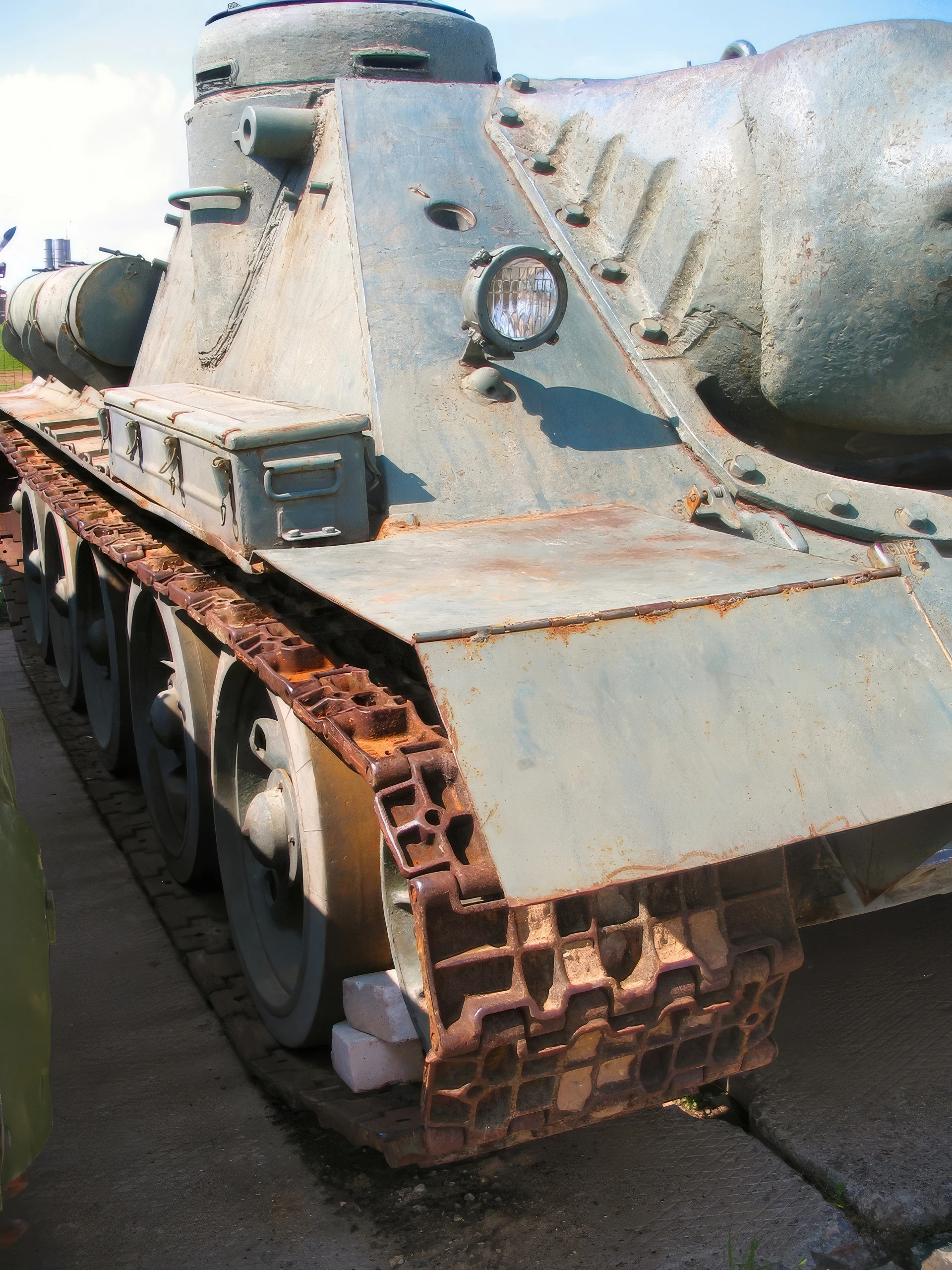
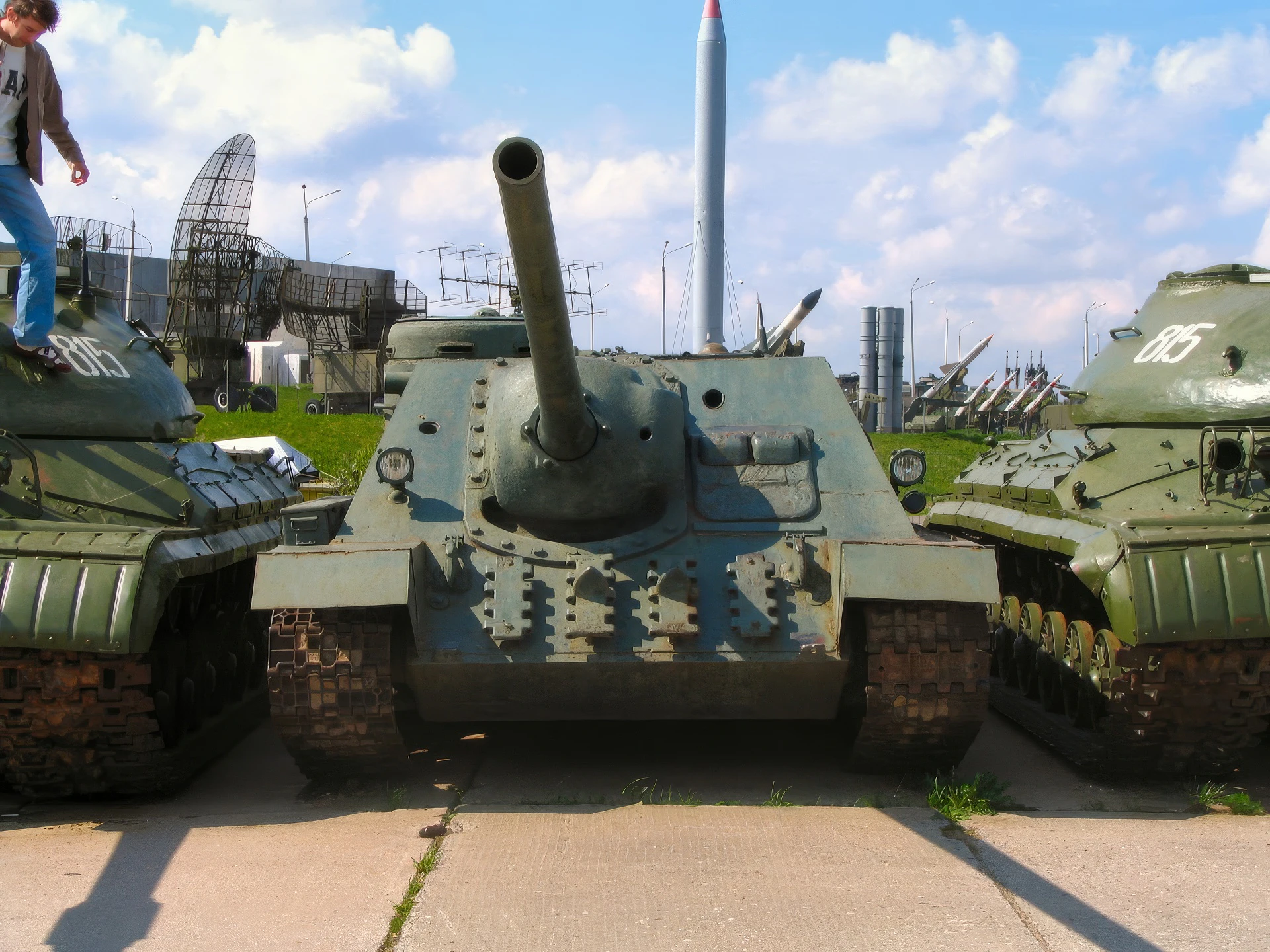
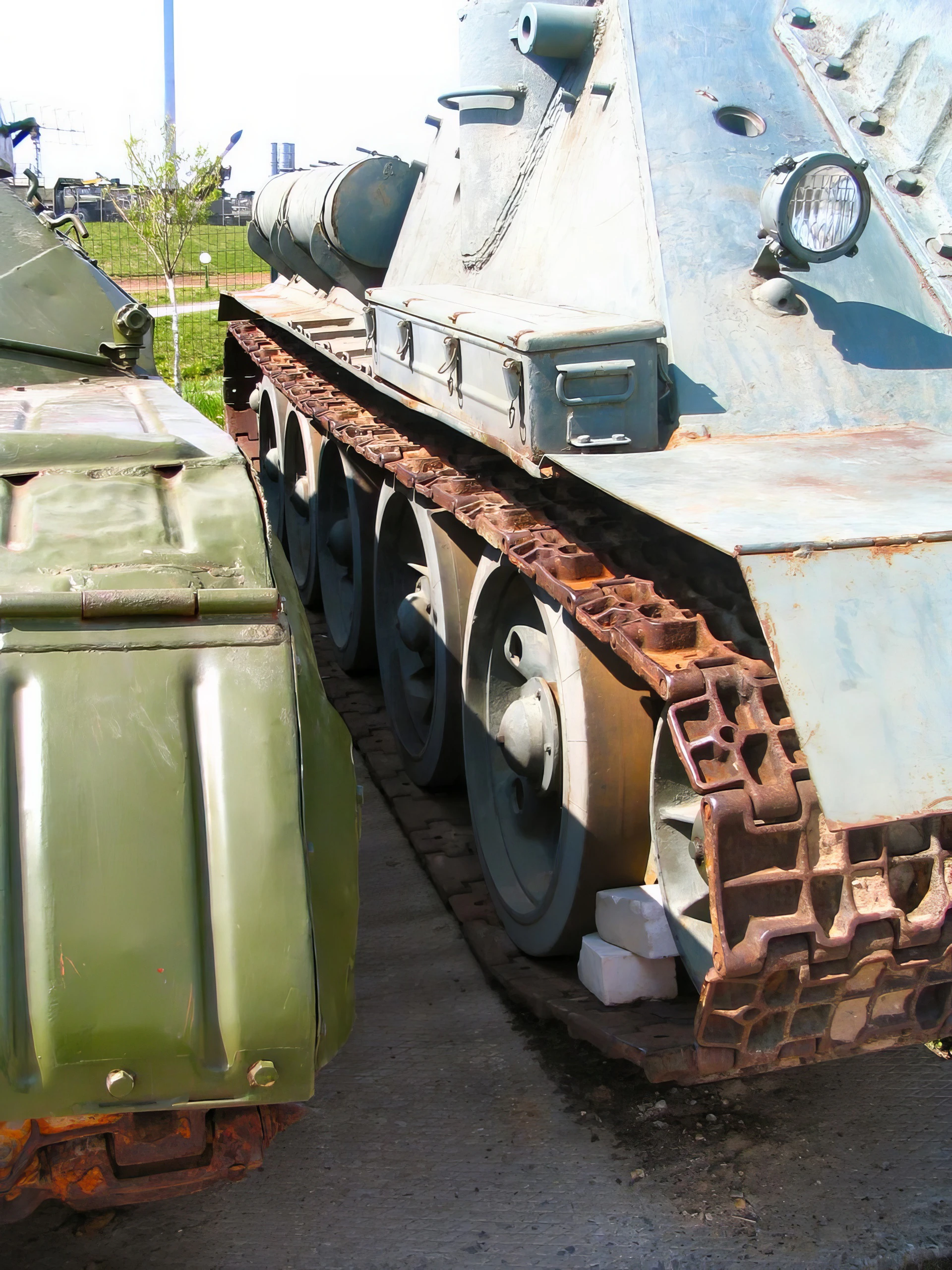
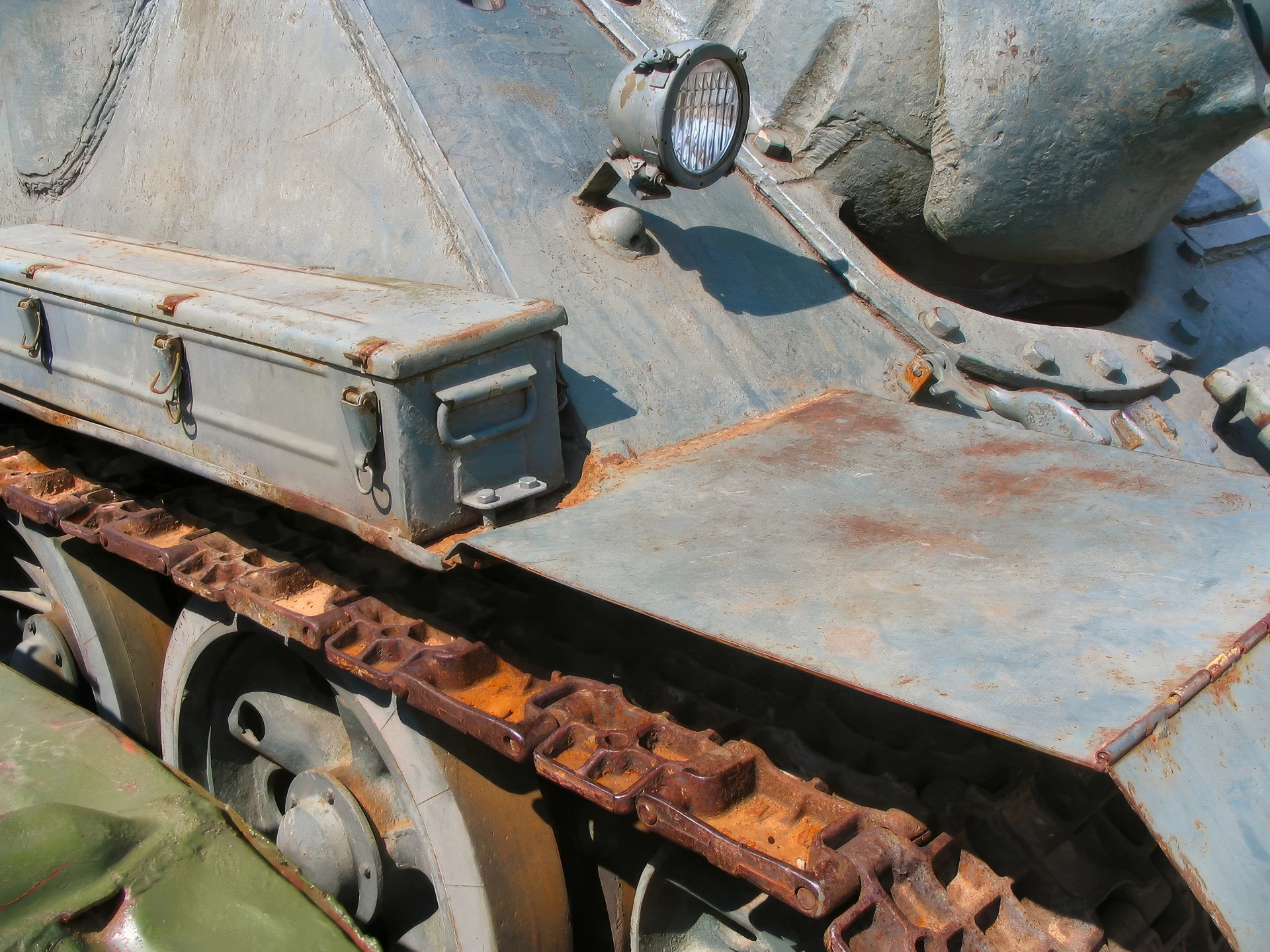
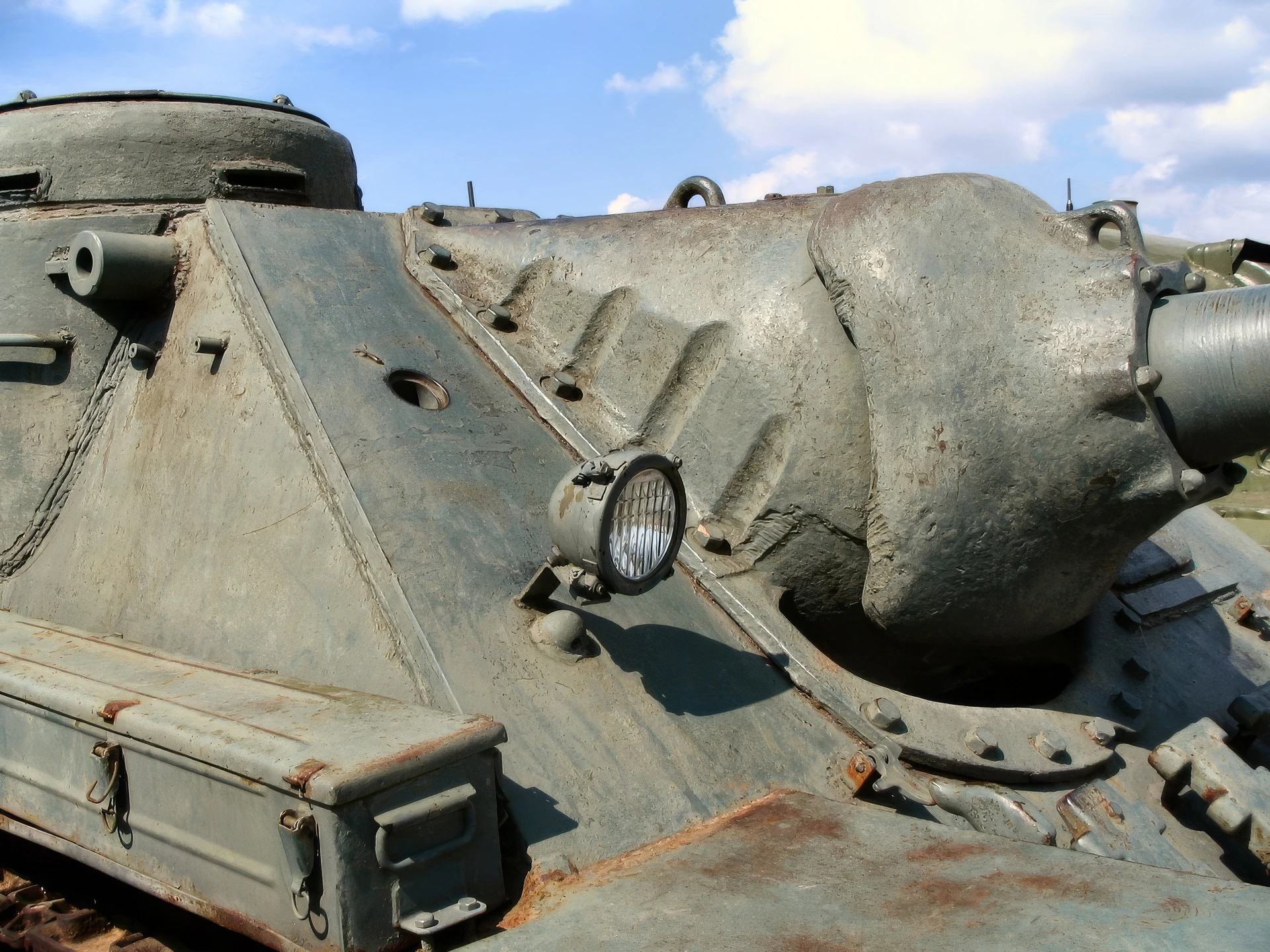
Фотогалерея на СУ-100, СУ-100 — танковый эсминец на базе Т-34 со 100-мм D-10S частью передней надстройки.
Советы, которые уже экспериментировали со строительством самоходных пушек, как на основе грузовика, так и на танковой основе, произвели несколько комсомолец в начале войны, на основе 57-мм пушки Зис-2, установленной на шасси трактора. В 1943 году они выпустили Су-85, а в конце 1944 года Су-100, который объединил мощную пушку на современном шасси, обеспечивающую полную броню. Преимущество этого в том, что он был относительно дешевым в производстве и имел пушку немного более мощную, чем тот, который оборудовал танк, из которого он высмеивал, что давало русским большую гибкость.
Источник: Википедии
| СУ-100 vol.3 - WalkAround | |
|---|---|
| Фотограф | Неизвестная |
| Локализации | Неизвестная |
| Фотографии | 68 |
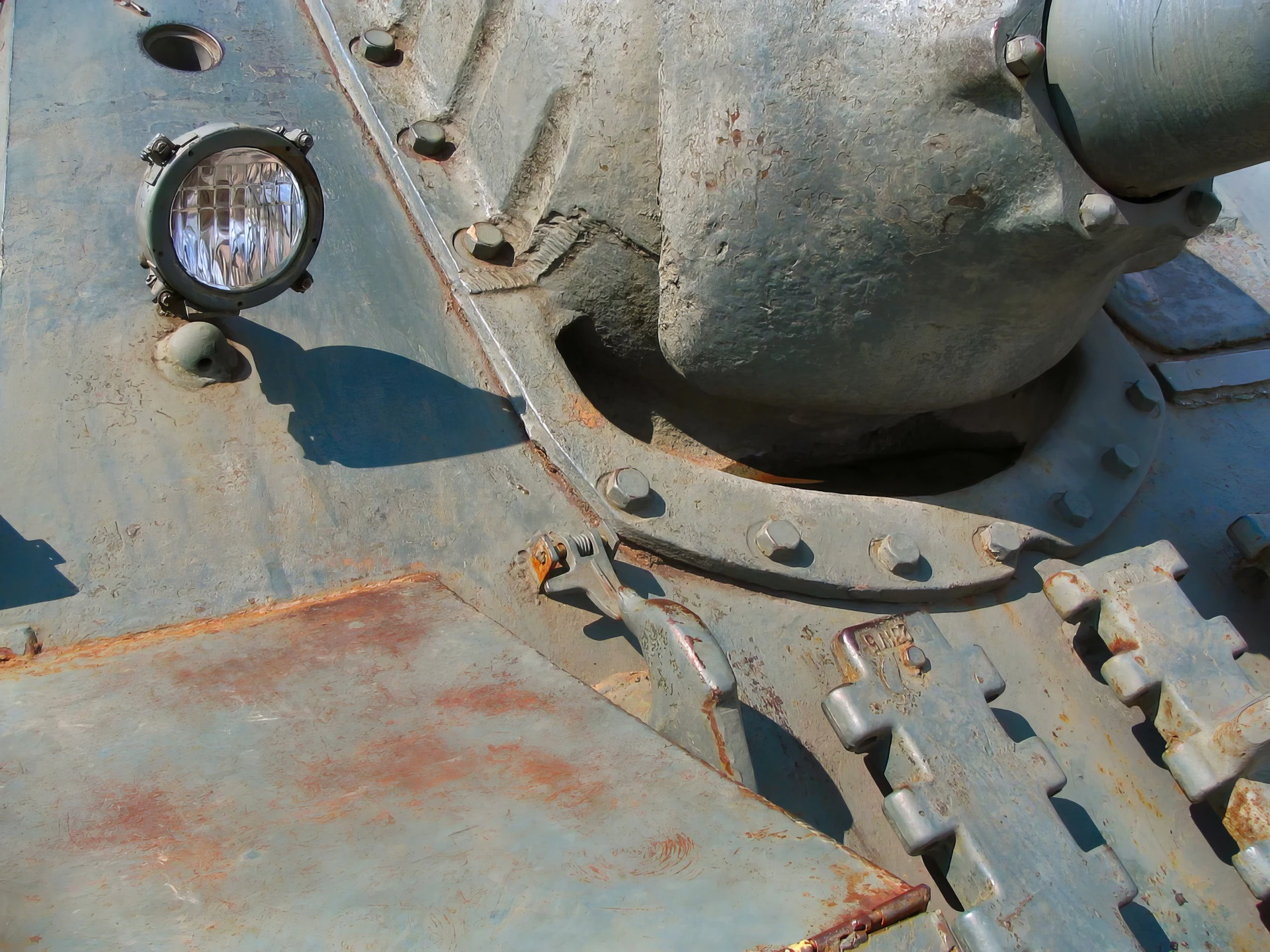
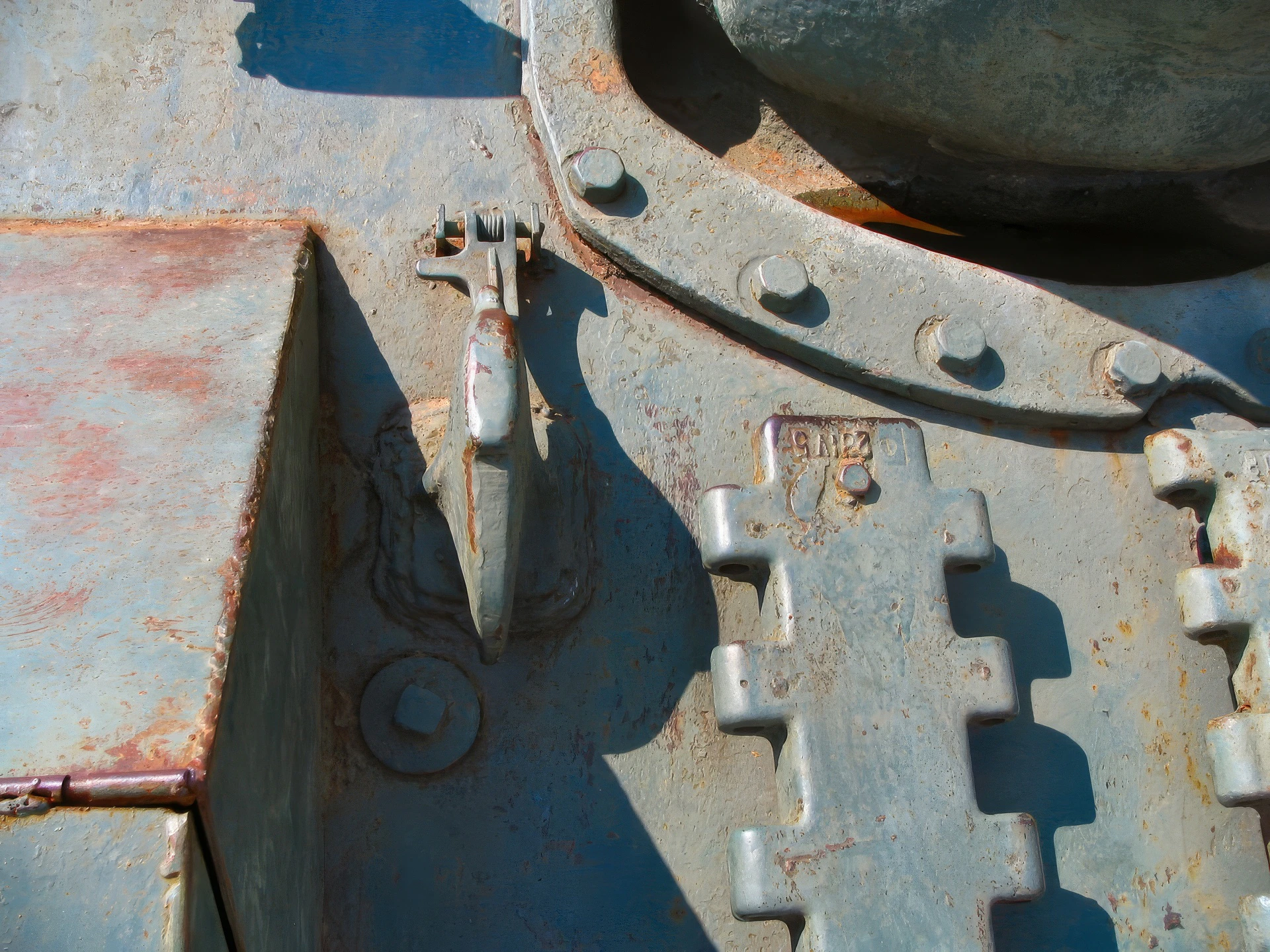
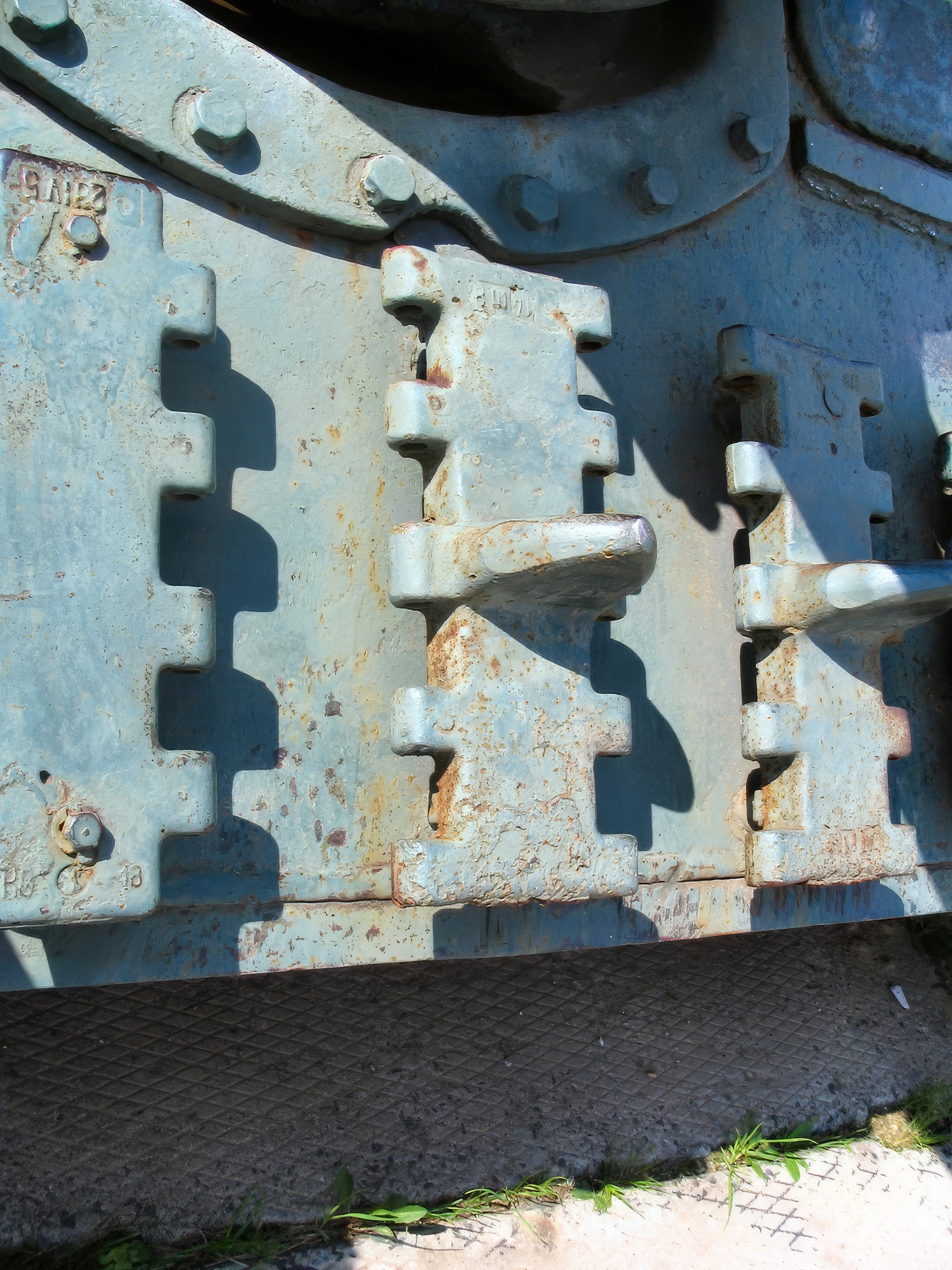

| СУ-100 Прогулка вокруг | |
|---|---|
| Фотограф | Виктор Крестинин |
| Локализации | Музей Батей-ха-Осеф |
| Фотографии | 65 |
Читайте также:


Teh СУ-100 (Samokhodnaya Ustanovka-100) was a Soviet Самоходная противотанковая пушка developed in 1944. Based on the successful T-34-85 tank chassis, it was designed to counter the superior armor of late-war German heavy tanks, such as the Panther and Tiger I. It quickly earned a reputation as one of the most formidable tank killers on the Eastern Front.
Key Features and Design
- Main Armament: The vehicle’s power came from the 100 mm D-10S anti-tank gun, a potent weapon capable of penetrating the frontal armor of most German tanks at combat ranges. This gun was later used on the post-war T-54/T-55 main battle tanks.
- Шасси: It utilized the reliable and mobile chassis of the T-34 medium tank, retaining good off-road mobility.
- Design Type: It employed a casemate (turretless) superstructure, which provided a lower profile and allowed for mounting a much larger gun than the standard T-34 turret could accommodate. However, this design limited the gun’s traverse to a narrow arc ($\pm 8^{\circ}$).
- Броня: The frontal armor of the casemate was significantly upgraded from its predecessor (the SU-85) to 75 mm at a 55-degree slope, giving it an effective thickness superior to many German tank guns.
- Экипаж: Operated by a crew of four (Commander/Radio Operator, Gunner, Loader, Driver).
Operational Role in WWII
The SU-100 entered service in late 1944 and saw extensive combat during the final year of the war, particularly in massive engagements:
- Tank Killer: Its primary role was as a mobile anti-tank asset attached to tank and motorized corps, intended to ambush and destroy heavy German armor at long ranges.
- Major Engagements: It was notably used in large numbers during the final Soviet offensives, including the heavy fighting in Hungary (e.g., the Battle of Lake Balaton) in March 1945.
- Weakness: The design lacked any secondary machine gun, making it vulnerable to close-range infantry attacks and necessitating infantry support during urban combat, such as the Battle of Berlin.
Просмотров : 3639