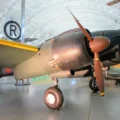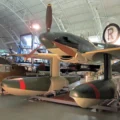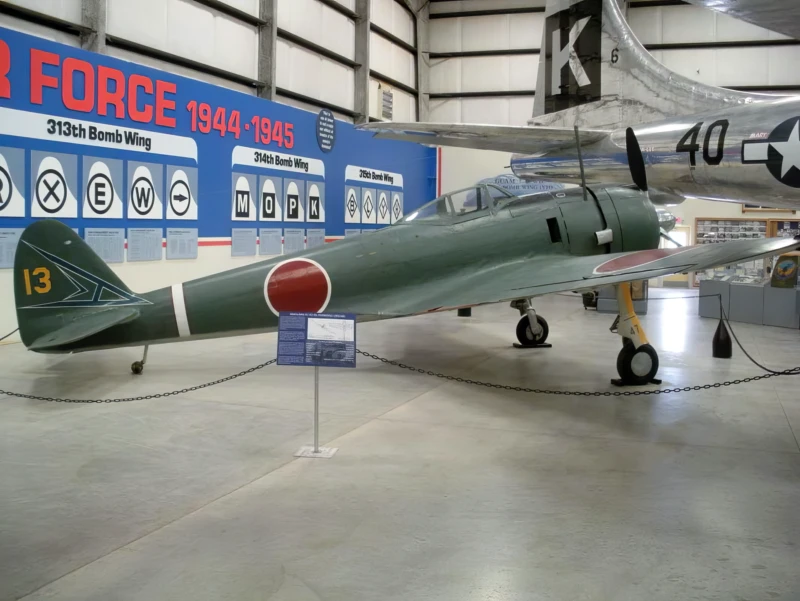
Nakajima Ki-43-IIb Hayabusa | |
|---|---|
| Šalies | Japonija |
| Laikotarpį | Ii pasaulinis karas |
| Tipas | medžiotojas |
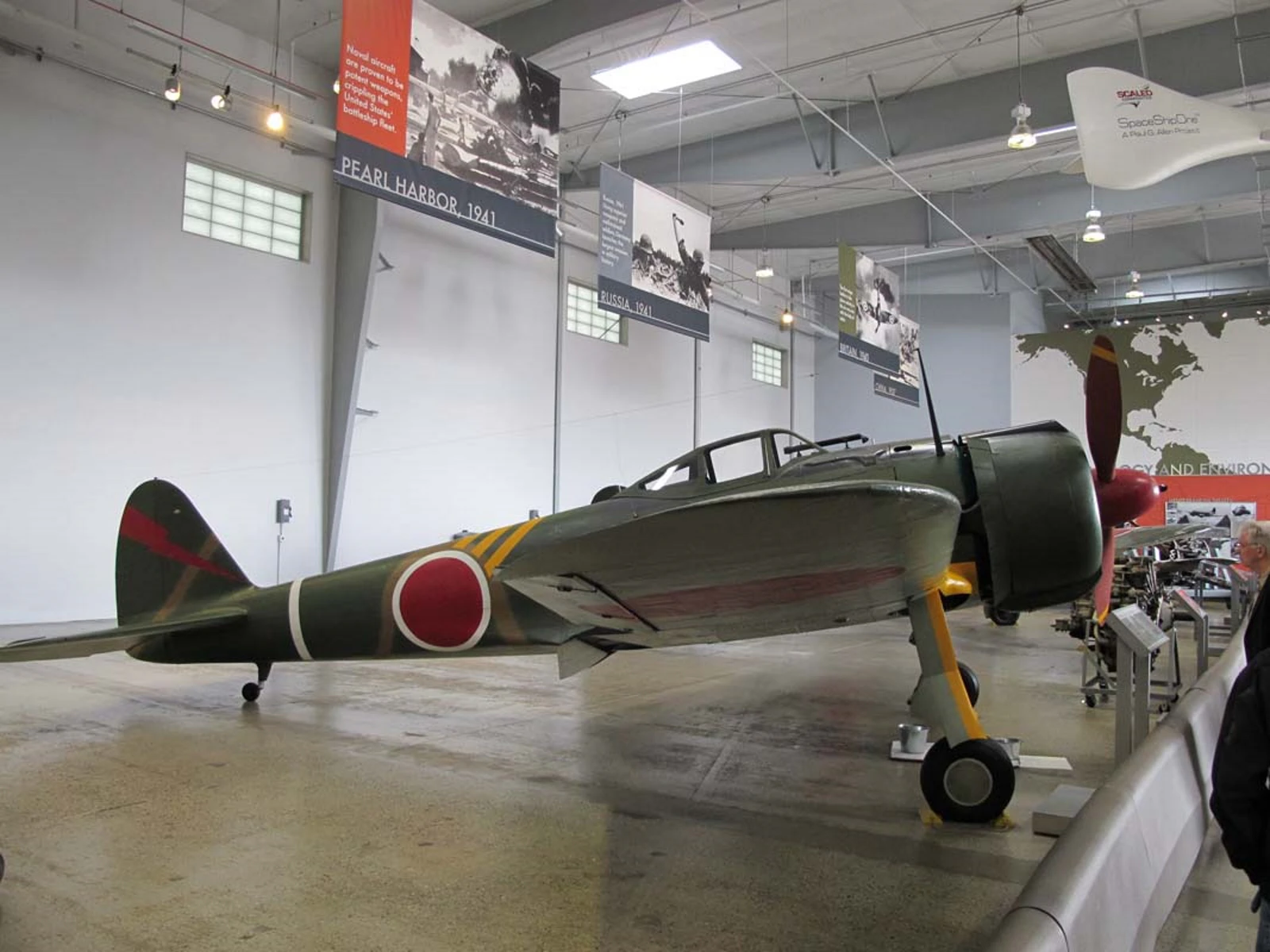
2007 Ki-43 Hayabusa ou chasseur type 1 ou encore Oscar était un chasseur de l’armée de terre japonaise, cousin du célèbre Zéro de la marine. Il fut conçu à la même période selon la même philosophie et utilisait les mêmes équipements : moteur, armes etc… Le Ki-43 était un appareil bien né, tirant les enseignements de « l’incident de Nomonhan » : une guerre rapide avec la Russie en 1939. Le Ki-43 succéda donc au Ki-27 au train d’atterrissage fixe. Il était ainsi équipé de réservoirs-obturants (en toile sur le modèle I, en caoutchouc à partir modèle II) et d’un train rentrant. La philosophie était de favoriser à tout prix la maniabilité au détriment de la protection du pilote. La structure était légère, facilement inflammable même s’il possédait des réservoirs auto-obturants. Il était prévu dès le départ que l’armement soit de 2 canons Ho-103 de 12.7 mais des retards dans la fabrication de cette arme firent que les versions purent avoir une 7.7 en lieu et place d’une 12.7 (Ki-43 Ib).
Šaltinis: Nakajima Ki-43-IIb Hayabusa Vikipedijoje
| Nakajima Ki-43-IIb Hayabusa | |
|---|---|
| Fotografas | Nežinoti |
| Lokalizavimo | Nežinoti |
| Nuotraukos | 66 |
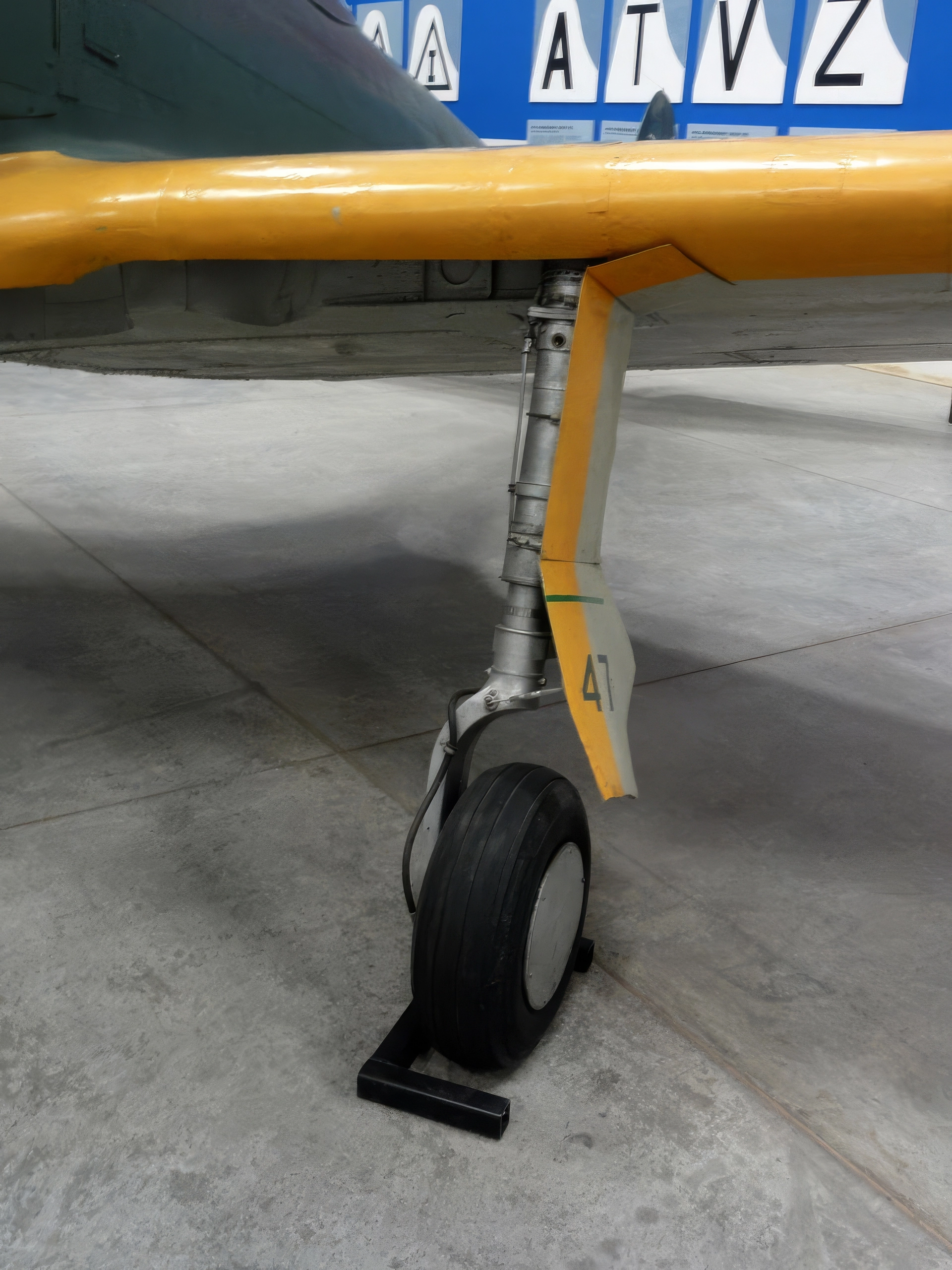
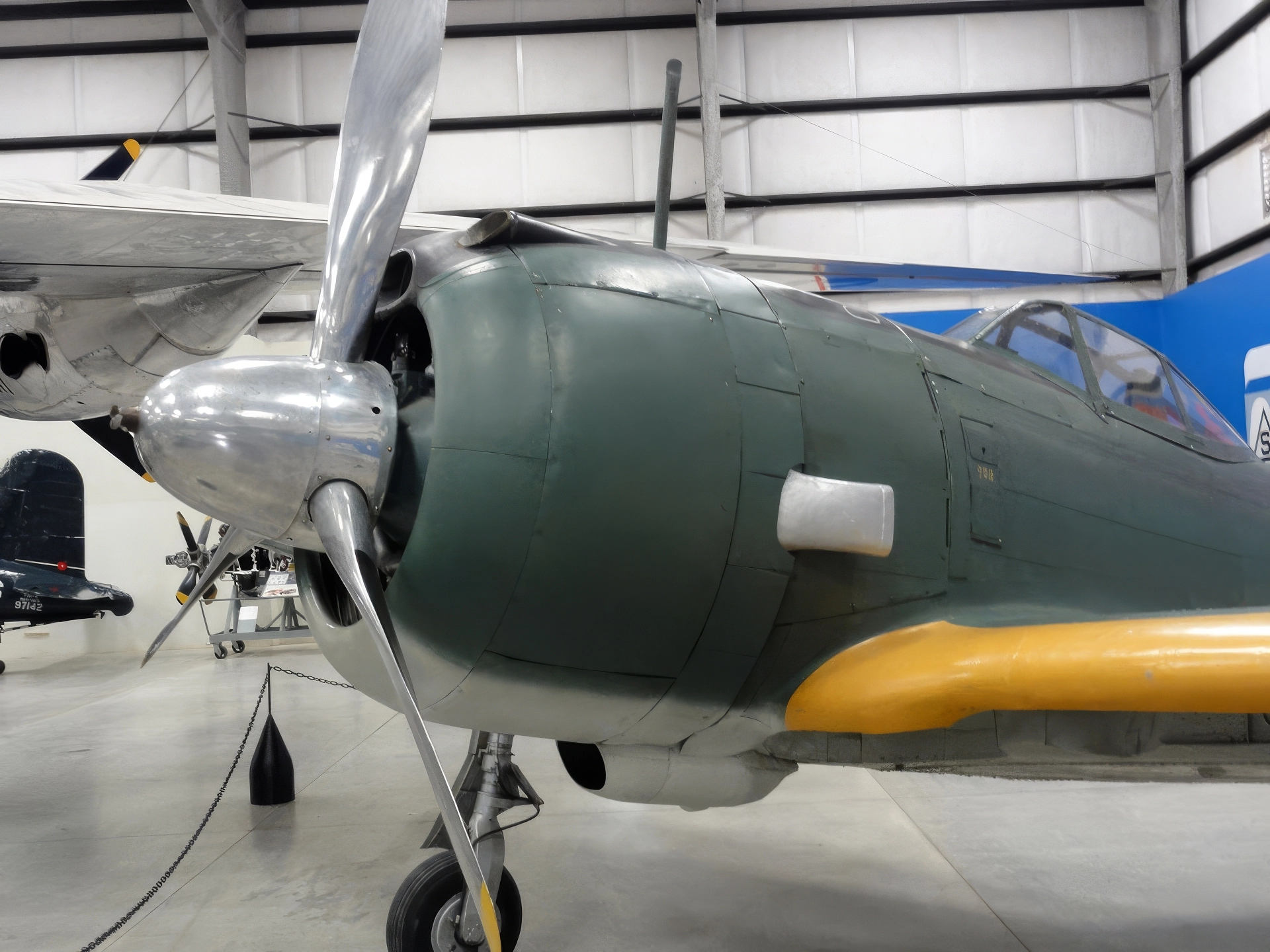
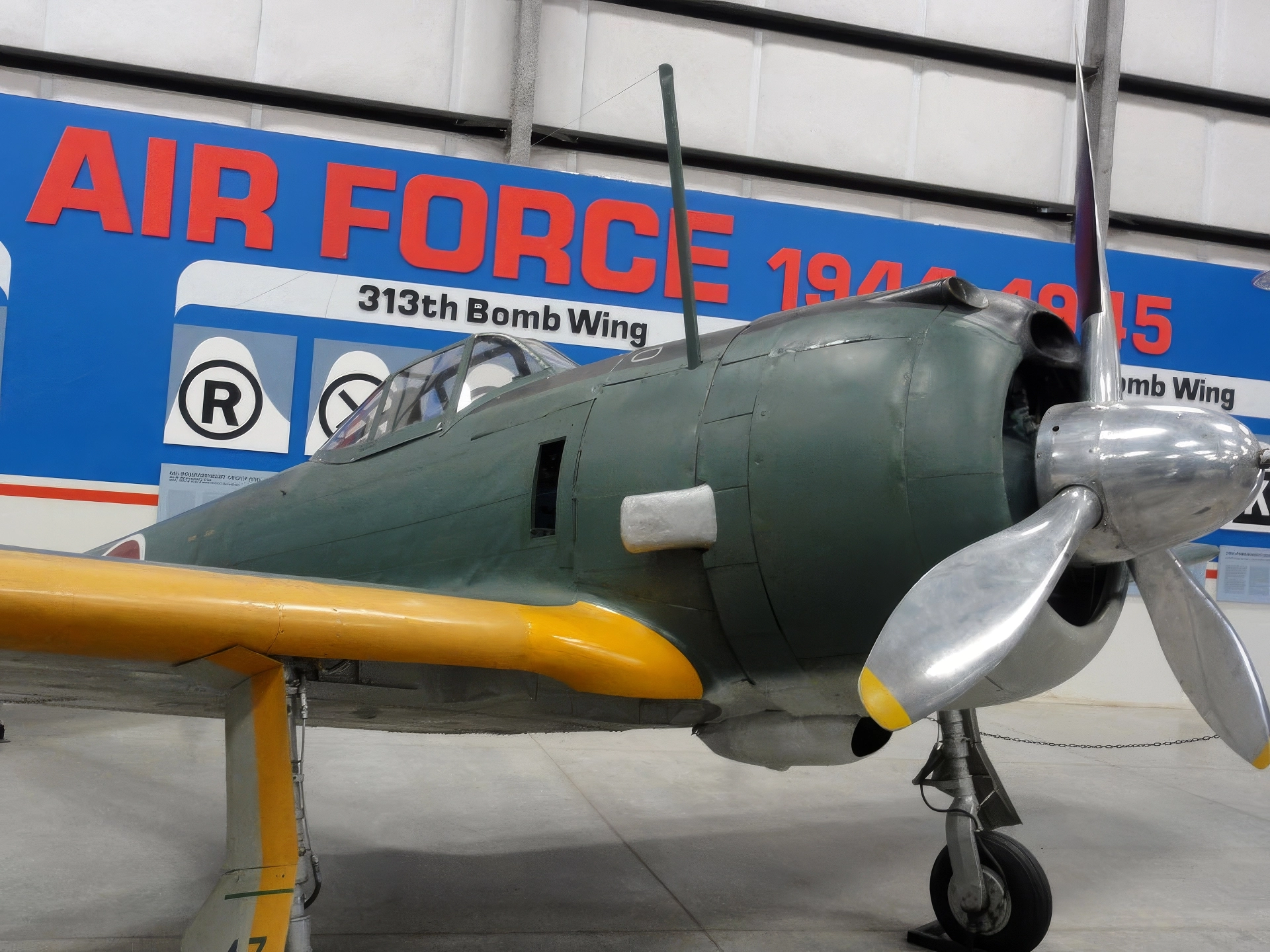
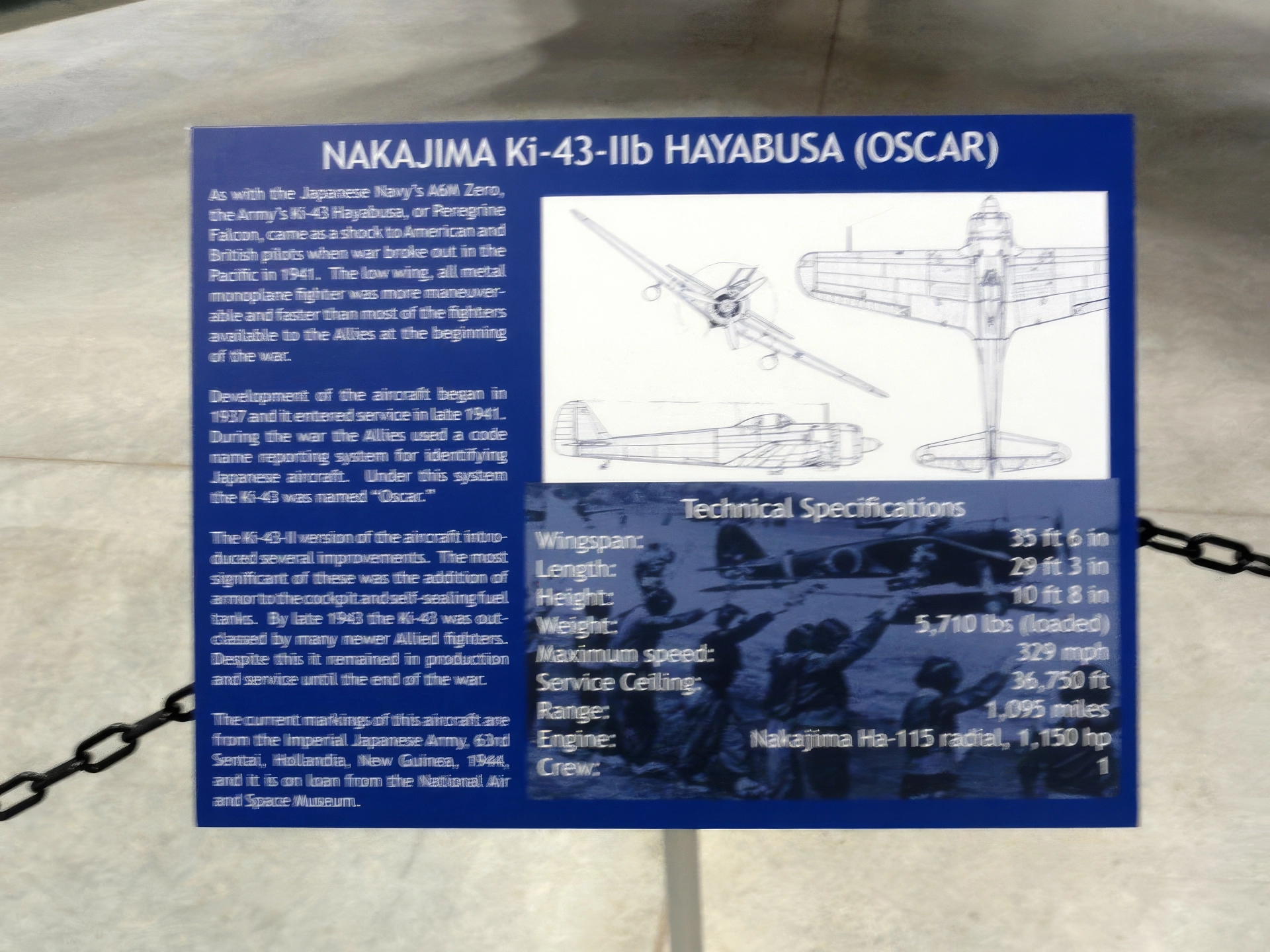
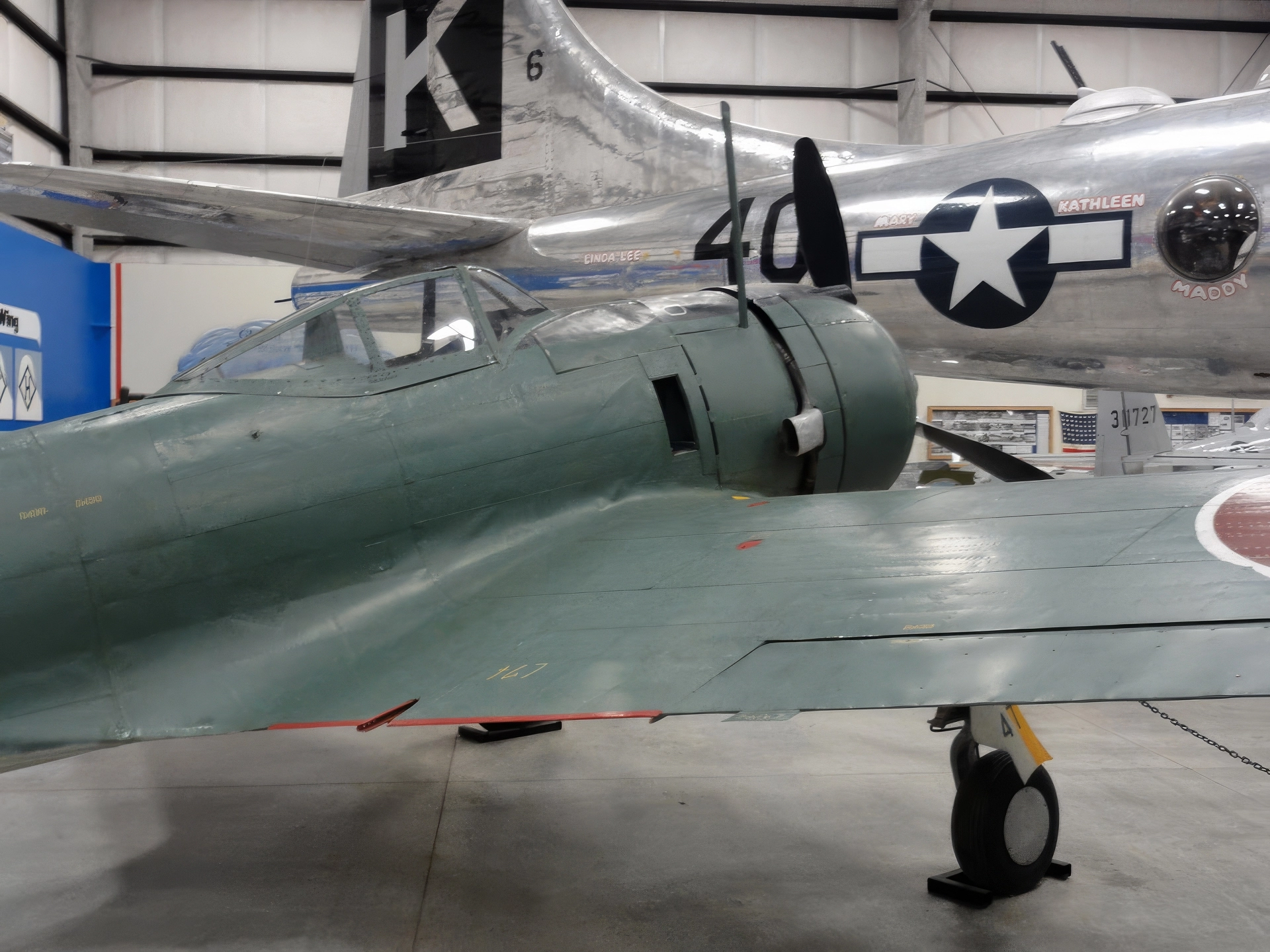
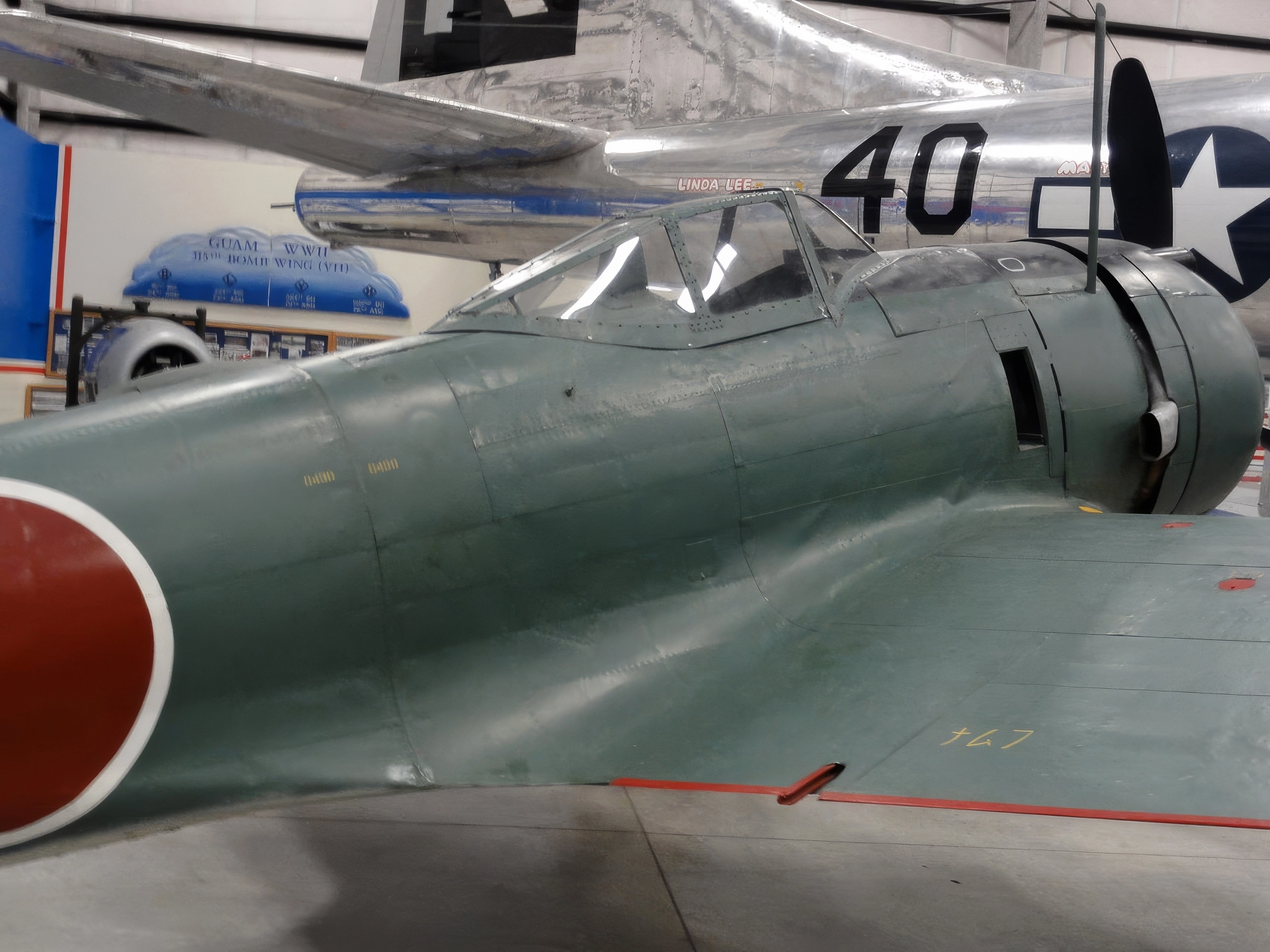
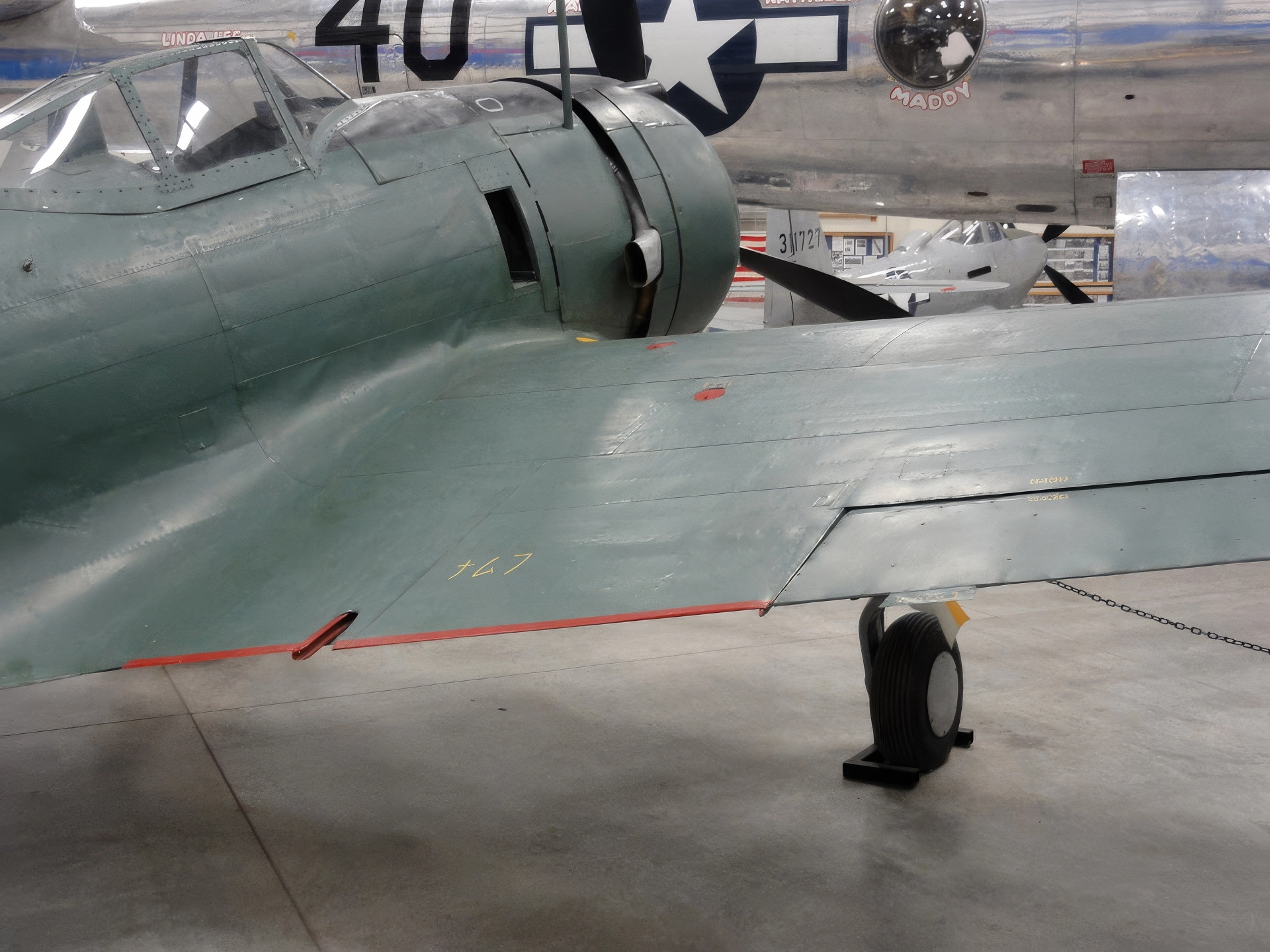
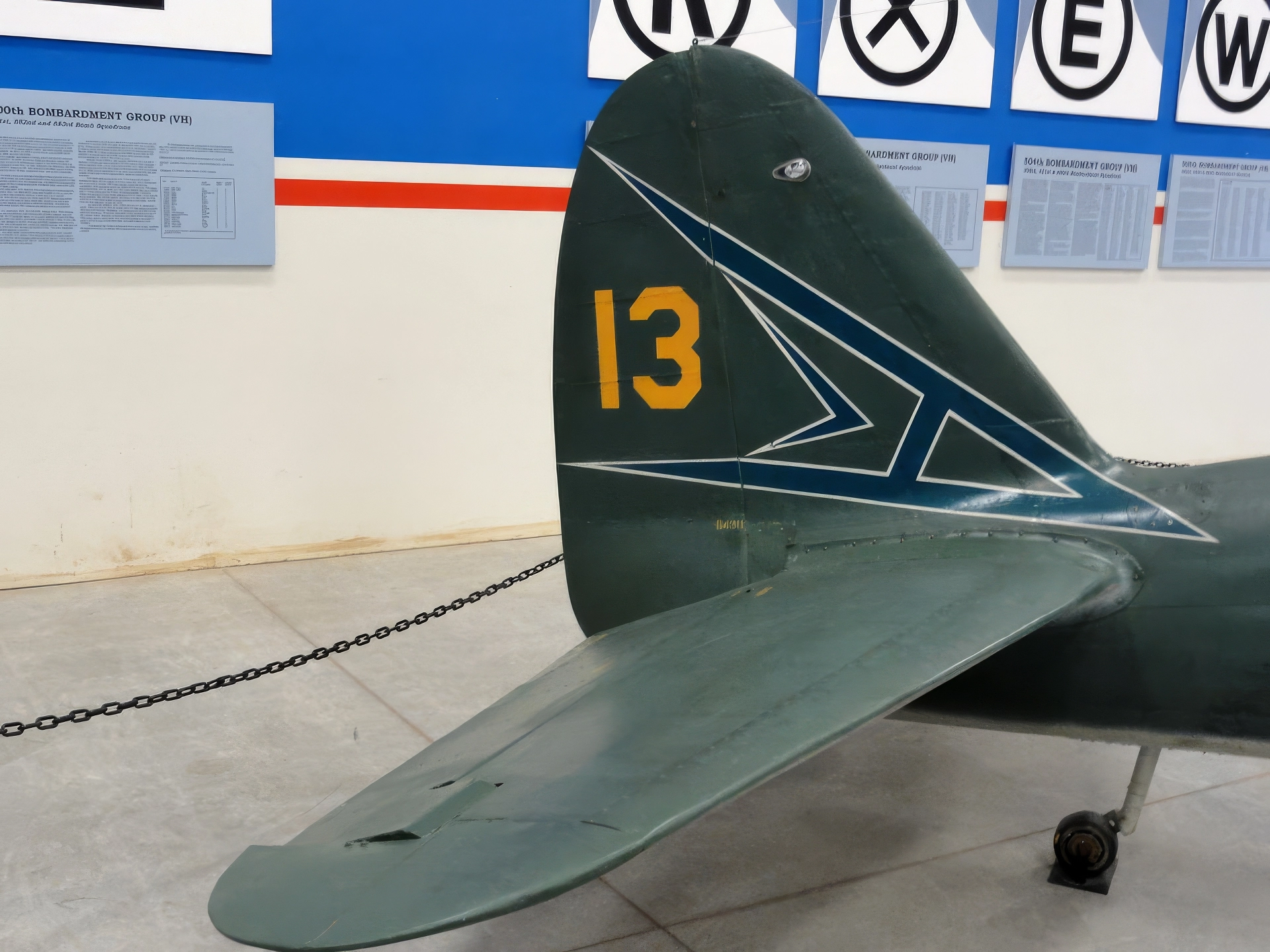
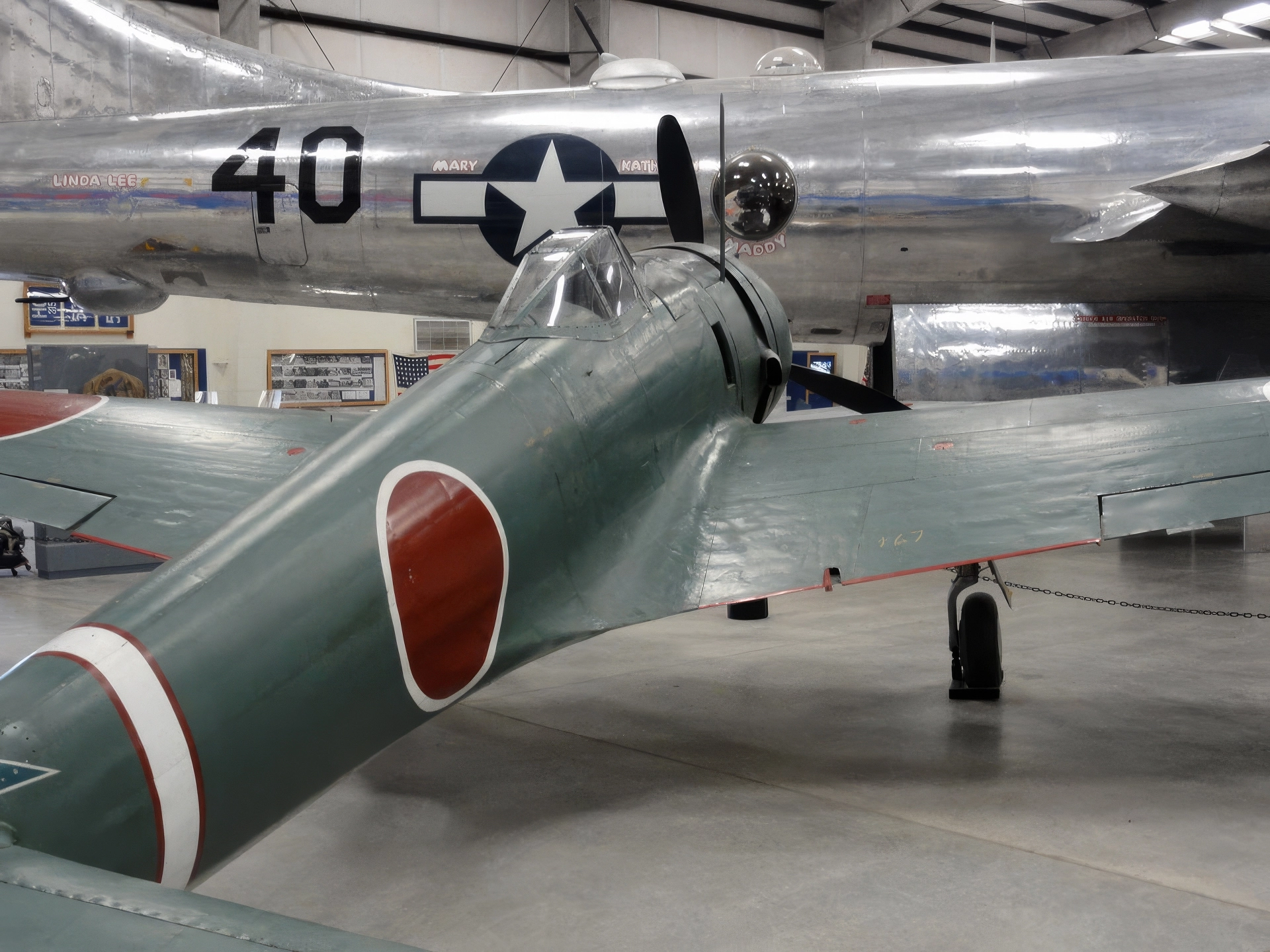

Caractéristiques metodai: Équipage : 1 Moteur : Nakajima Ha-115, Type : 14 cylindres en double étoile à refroidissement par air Puissance unitaire : 1 150ch Envergure : 10,84 m Longueur : 8,92 m Surface alaire : 21,40 m2 Masse à vide : 1 975 kg Avec armement : 2 590 kg Vitesse maximale : 530 km/h Plafond : 11 200 m Vitesse ascensionnelle : 990 m/min Rayon d’action : 1 760 km Armement interne : 2 canons Ho-103 de 12,7 mm approvisionnées à 250 coups Externe : 2 bombes de 250 kg
| Nakajima Ki-43-1b Hayabusa | |
|---|---|
| Fotografas | Vladimiras Yakubovas |
| Lokalizavimo | Skraidančio paveldo kolekcija |
| Nuotraukos | 53 |
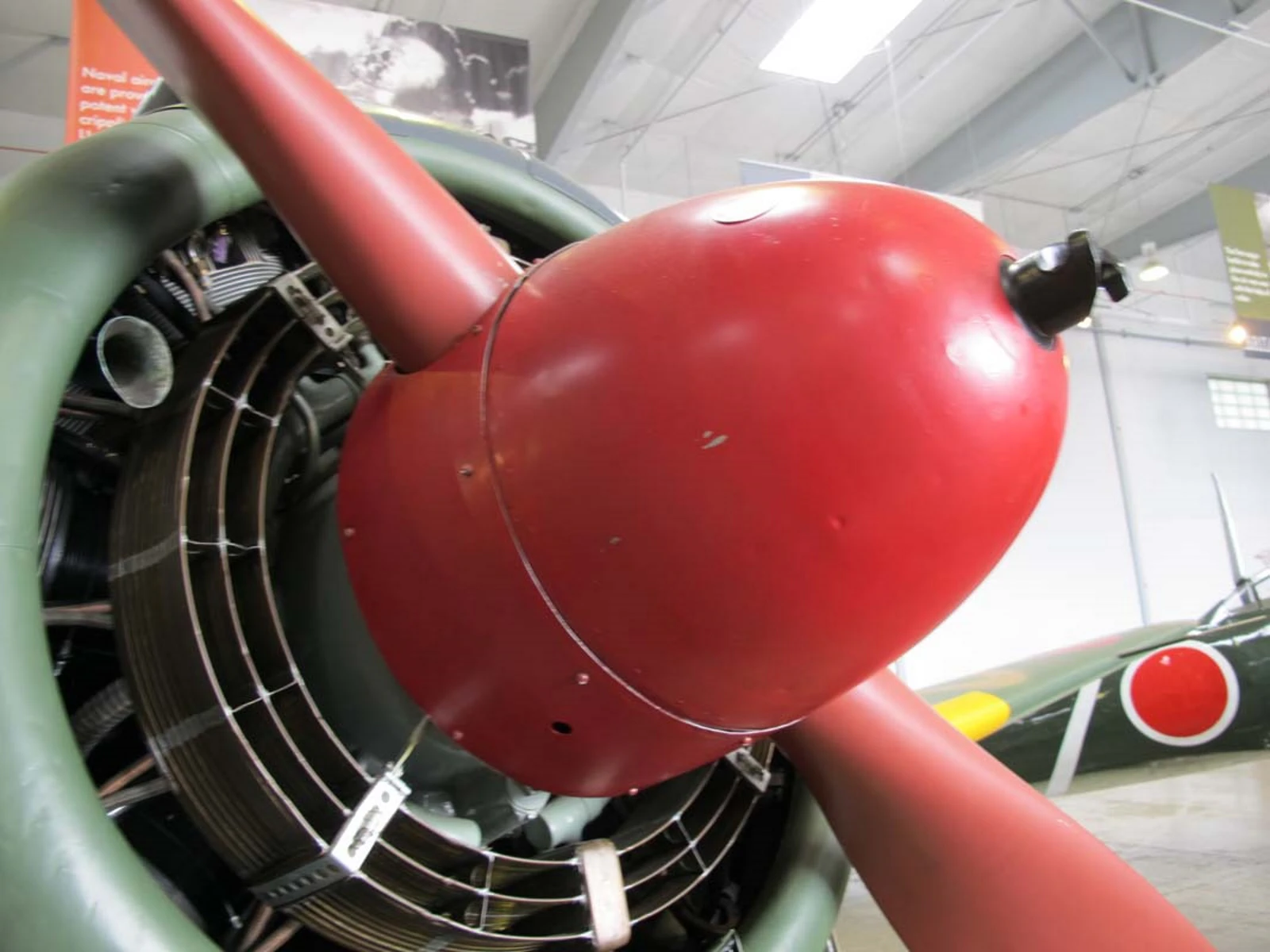
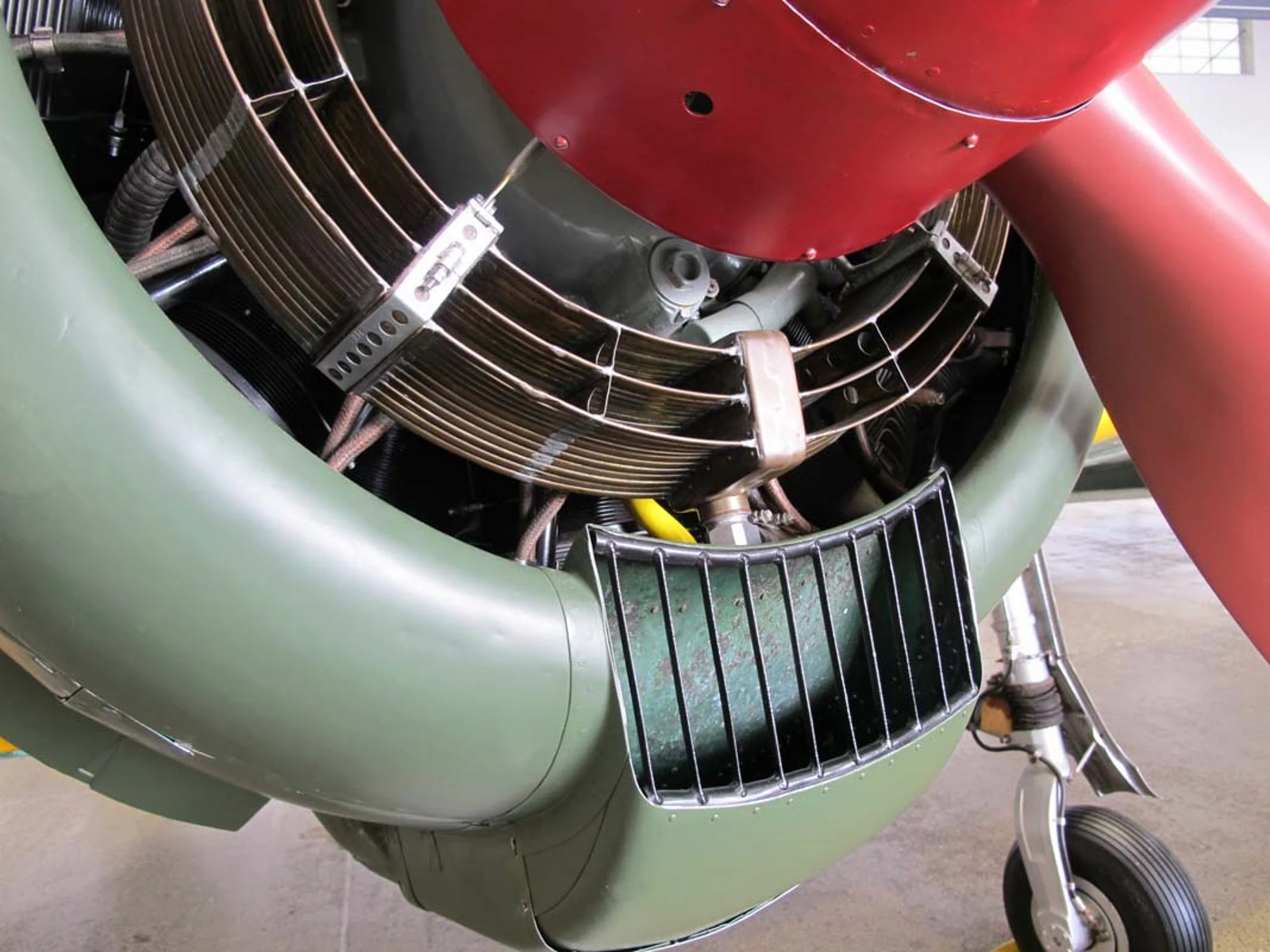
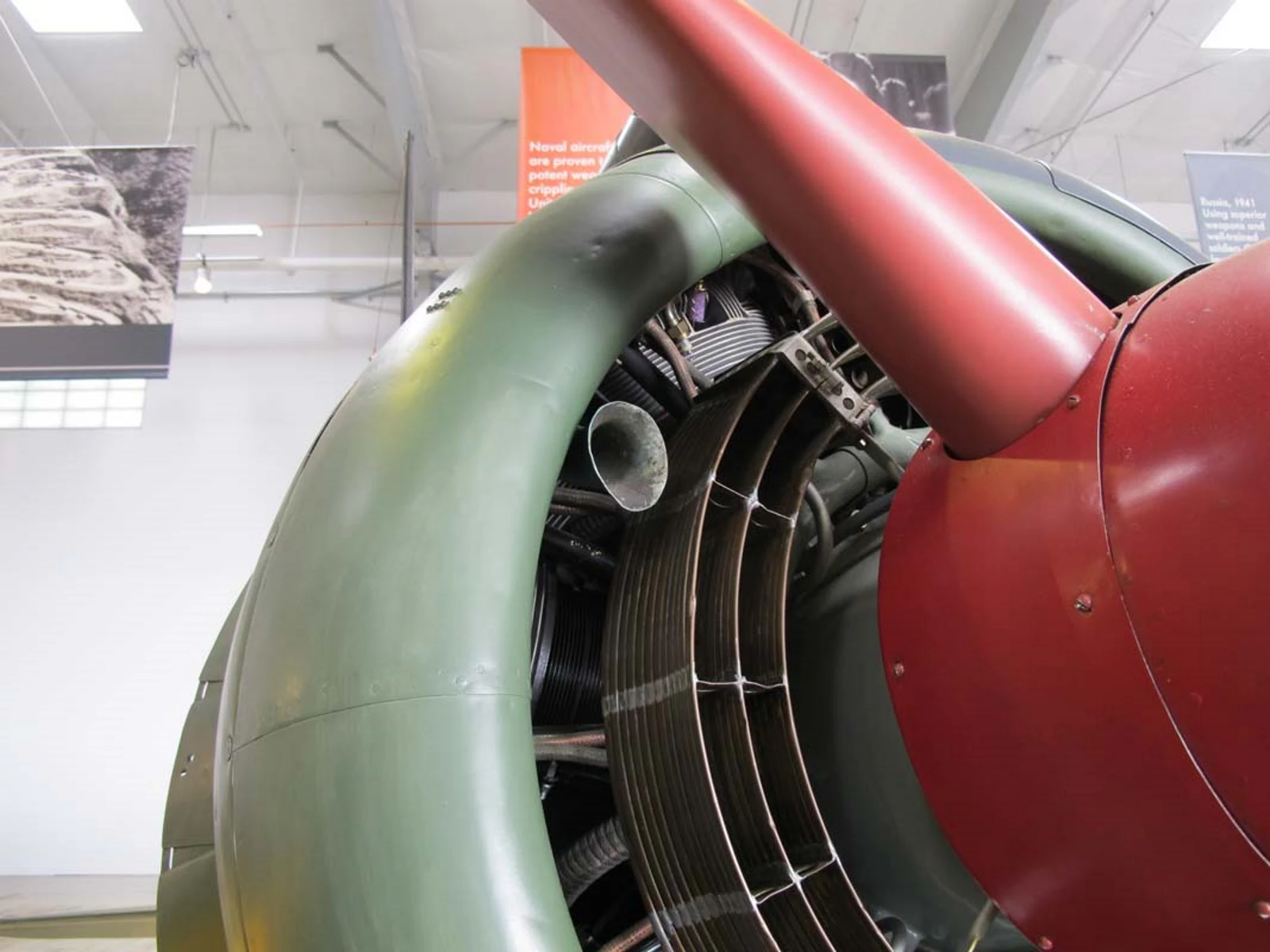
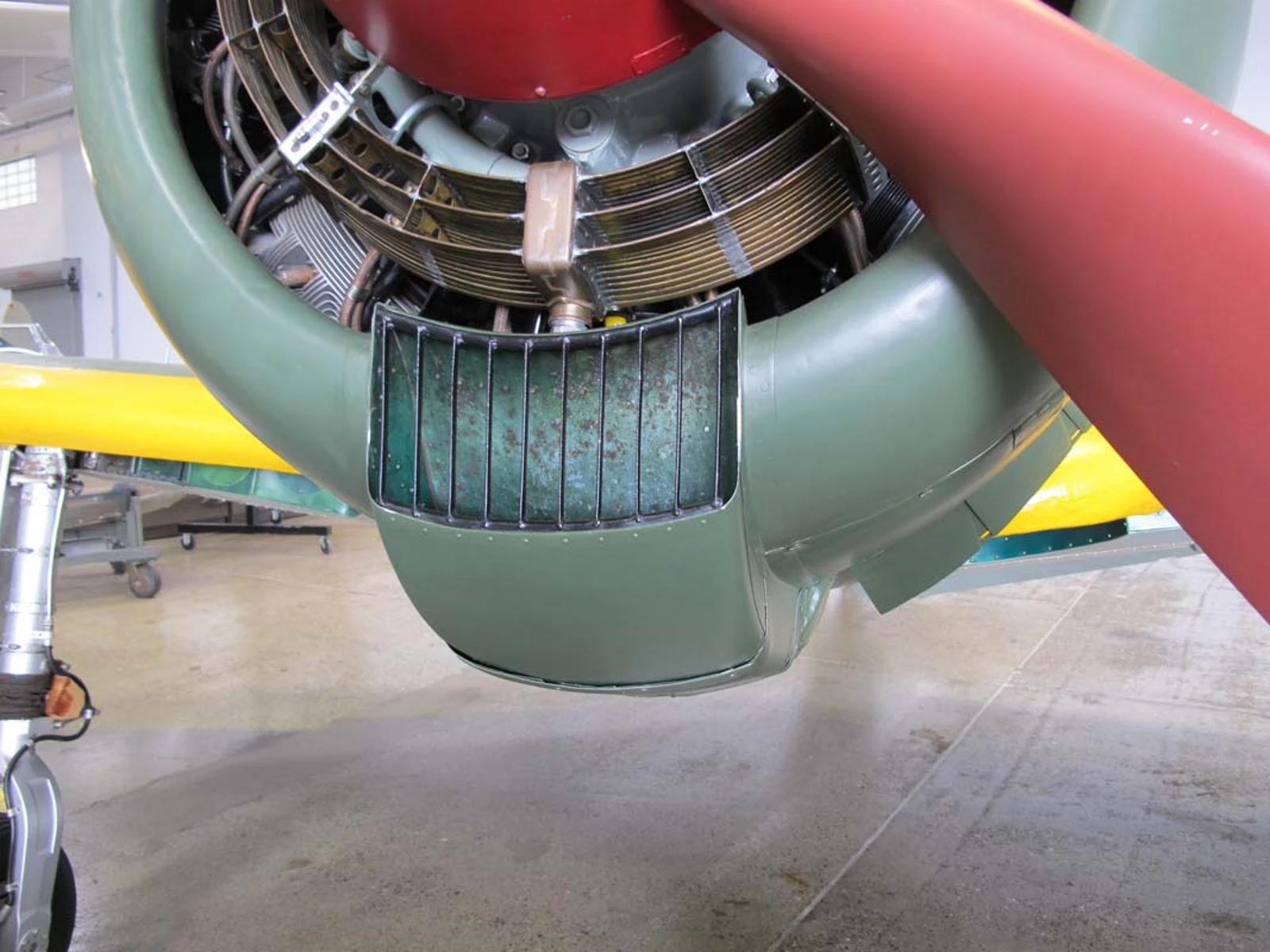
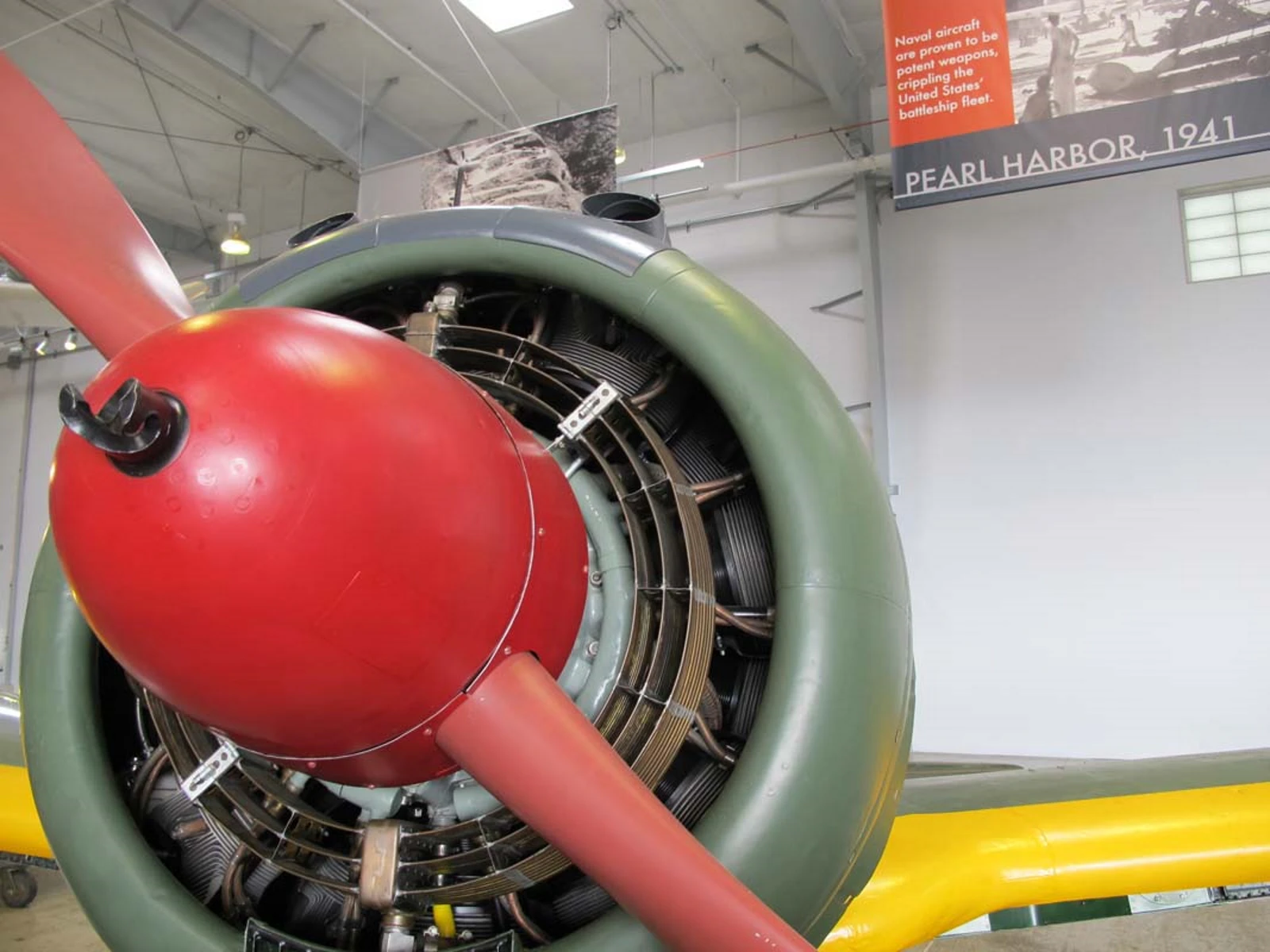
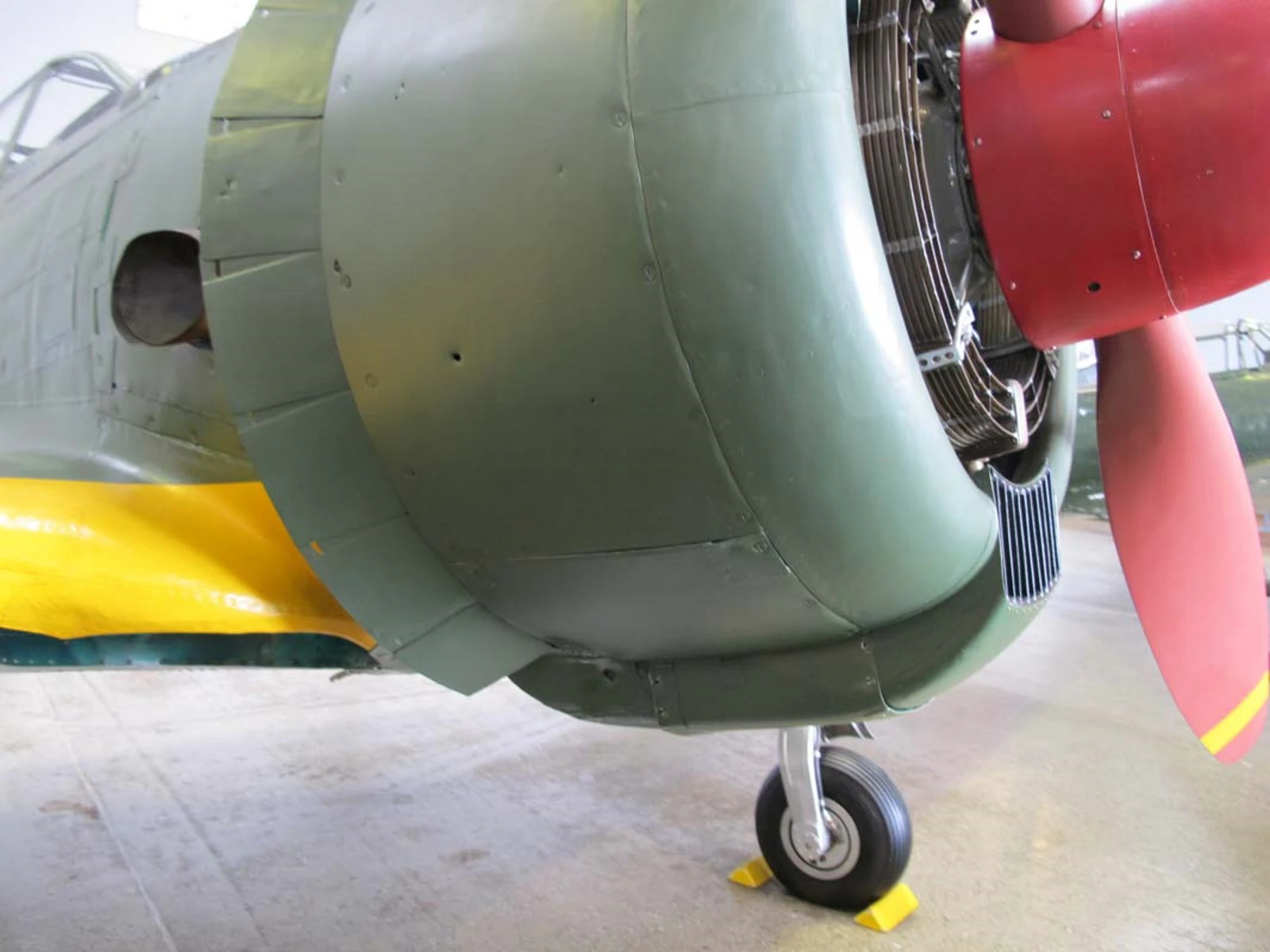
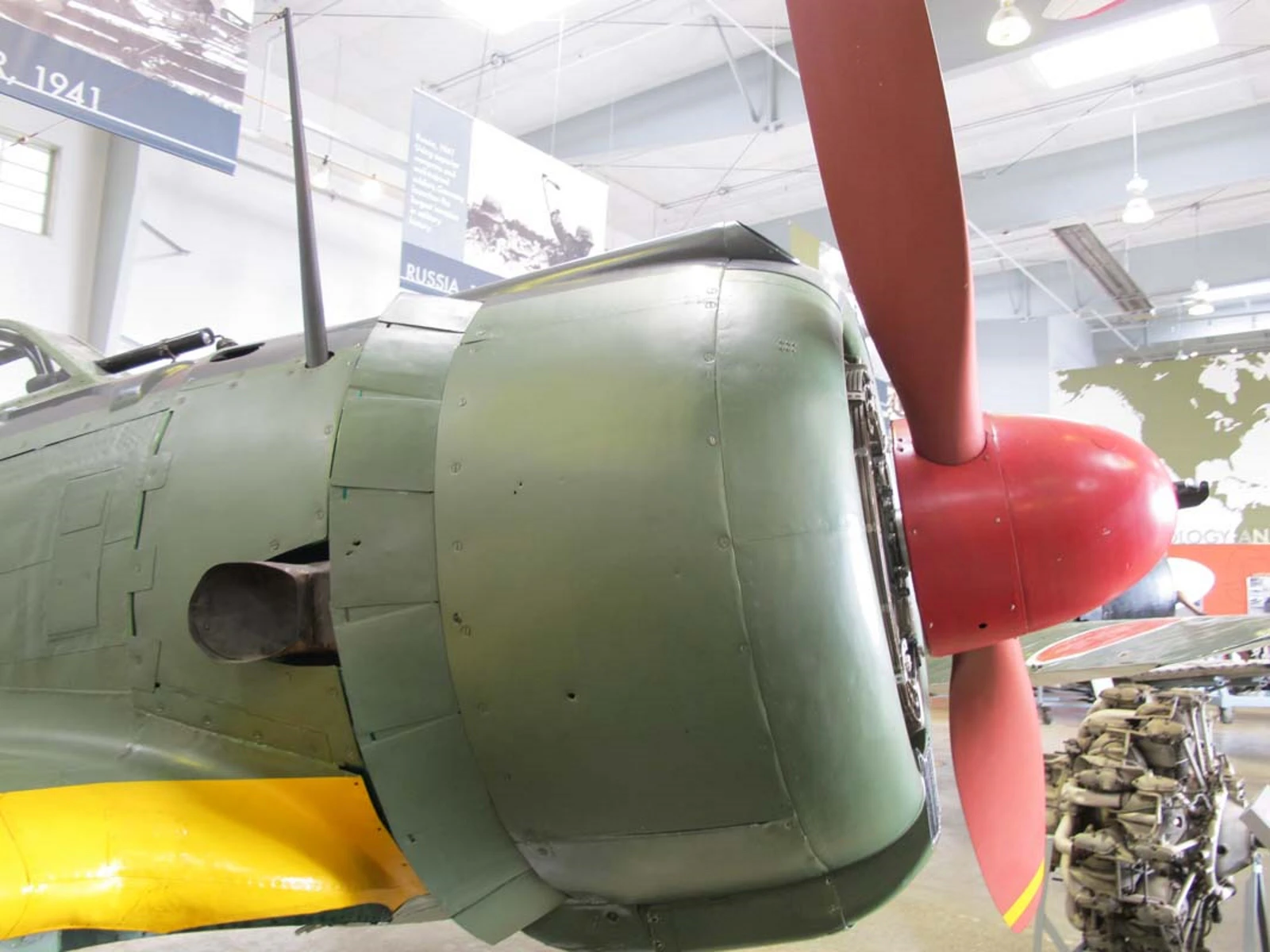
| Ki-43 Hayabusa (Oscar) Composite Walk Around | |
|---|---|
| Fotografas | Michael Benolkin |
| Lokalizavimo | Nežinoti |
| Nuotraukos | 32 |
Taip pat žiūrėkite:


The Lightweight King of the Pacific Skies
2007 Nakajima Ki-43 Hayabusa, codenamed “Oscar” by the Allies, was the most widely produced fighter of the Imperial Japanese Army Air Force (IJAAF). While the Navy had the Zero, the Army had the Hayabusa. The Ki-43-IIb variant represented the mid-war effort to bring the design up to modern standards, adding pilot armor and self-sealing fuel tanks—features famously missing from earlier Japanese fighters. Despite its light armament, its legendary turn rate meant that in the hands of a veteran, it could out-maneuver almost any Allied aircraft it encountered.
| Attribute | Technical Specification (Ki-43-IIb) |
|---|---|
| Vaidmenį | Land-Based Fighter / Interceptor |
| Įgulos | 1 (Pilot) |
| Variklis | 1 × Nakajima Ha-115 14-cylinder radial (1,130 hp) |
| Maximum Speed | 530 km/h (329 mph) at 4,000 m |
| Climb Rate | Reached 5,000 m (16,400 ft) in 5 min 49 sec |
| Main Armament | 2 × 12.7 mm Ho-103 machine guns (synchronized in the cowl) |
| External Load | 2 × 250 kg (550 lb) bombs |
| Empty Weight | 1,910 kg (4,211 lbs) — Extremely light |
Design Engineering: The “Butterfly” Wing
- Butterfly Maneuvering Flaps: The Ki-43 featured unique “combat flaps” that extended rearward from the wing. This increased lift and drag simultaneously, allowing the pilot to make incredibly tight turns without stalling, often getting inside the turning circle of faster Allied fighters.
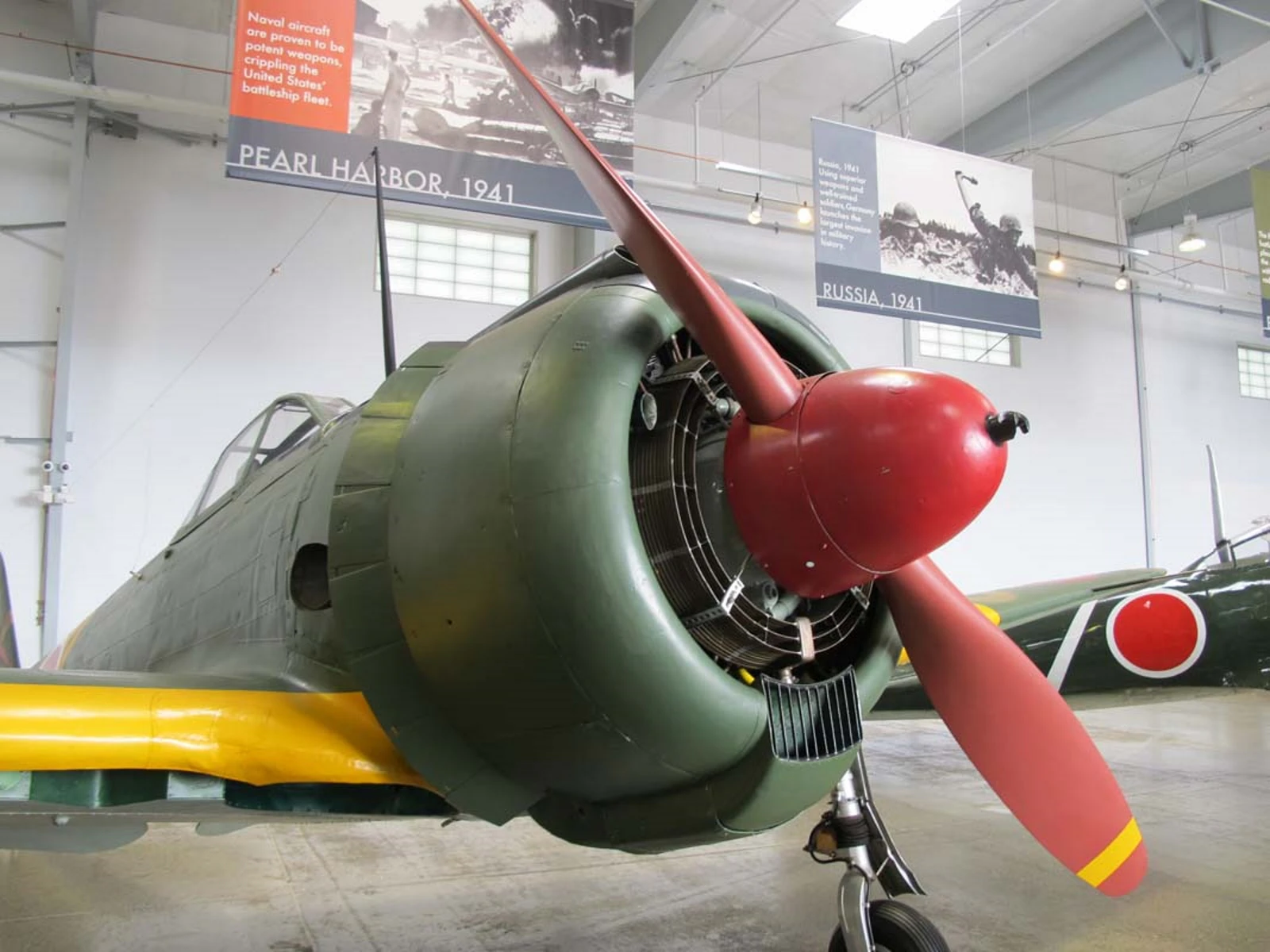
- The Ha-115 Engine: The IIb variant utilized a two-stage supercharged engine, which improved its performance at higher altitudes compared to the original Ki-43-I. However, it still lacked the raw horsepower of the American P-38s or P-47s it faced.
- Structural Frailty: To achieve its light weight, the airframe was built with a low margin of safety. Pilots were warned not to exceed certain speeds in dives, as the wings were known to shed their skin or even fold under extreme G-loads.
- Synchronized Fire: Both 12.7mm machine guns were located on top of the engine cowl, firing through the propeller arc. While this made aiming intuitive, two machine guns provided very little “hitting power” compared to the six or eight guns found on US fighters.
Operational History: The Jungle Fighter
- The “Oscar” Legend: Early in the war, the Ki-43 dominated the skies over Malaya and Burma. British Hurricane pilots were shocked to find an aircraft that could easily fly circles around them.
- CBI Theater Workhorse: The Hayabusa was the primary opponent of the famous “Flying Tigers” (AVG) in China. The AVG learned quickly that they could not win a “dogfight” with an Oscar and developed “Boom and Zoom” tactics to strike and run instead.
- Mid-War Obsolescence: By 1943, the Ki-43-IIb was struggling. Allied planes were becoming faster and more heavily armed. The Hayabusa’s light construction meant that even a short burst from a .50 caliber machine gun was often enough to cause a catastrophic fire or structural failure.
- The Final Sacrifice: In the final months of the war, many surviving Ki-43s were used in Kamikaze missions, as their maneuverability made them difficult for shipborne anti-aircraft gunners to track during the final dive.
Views : 6204