Bristol Beaufighter | |
|---|---|
| Šalies | Jk |
| Vaidmenį | Sunkūs kovotojai / streikų orlaiviai |
| Pirmasis skristi | 1939 m. liepos 17 d. |
| Pastatytas | 5928 |
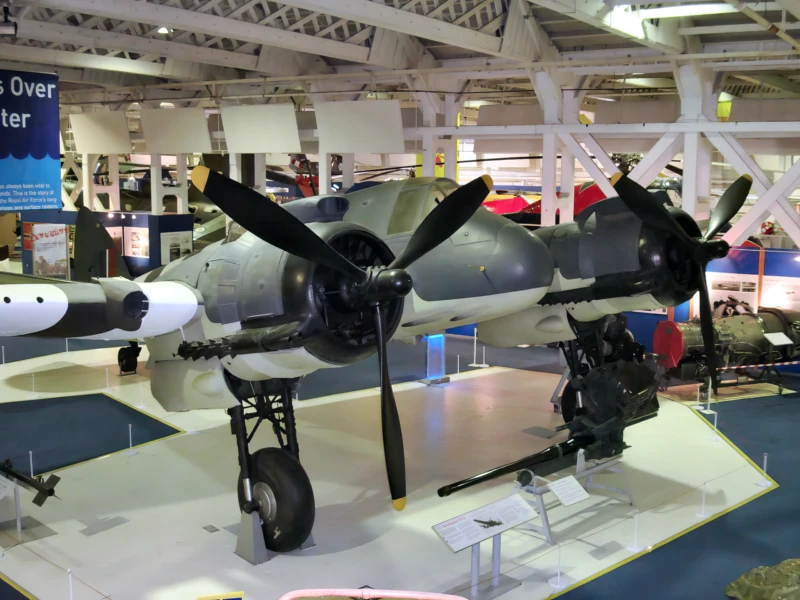
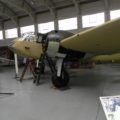
2007 Bristolio tipas 156 Beaufighter (dažnai vadinamas tiesiog "Beau") yra daugiafunkcis orlaivis, kurį Antrojo pasaulinio karo metu sukūrė "Bristol Aircraft Company" Jungtinėje Karalystėje. Iš pradžių jis buvo sukurtas kaip sunkus "Bristol Beaufort" bombonešio kovotojo variantas. Pradėjęs tarnybą, "Beaufighter" pasirodė esąs tinkamas naktinio kovotojo vaidmeniui, kuriam Karališkosios oro pajėgos (RAF) iš pradžių dislokavo tipą Didžiosios Britanijos mūšio įkarštyje, iš dalies dėl savo didelio dydžio, leidžiančio jam sutalpinti tiek sunkiąją ginkluotę, tiek ankstyvą oro perėmimo radarą be didelių veiklos nuobaudų.
Šaltinis: Beaufighter Vikipedijoje
| Beaufighter WalkAround | |
|---|---|
| Fotografas | Nežinoti |
| Lokalizavimo | Nežinoti |
| Nuotraukos | 21 |
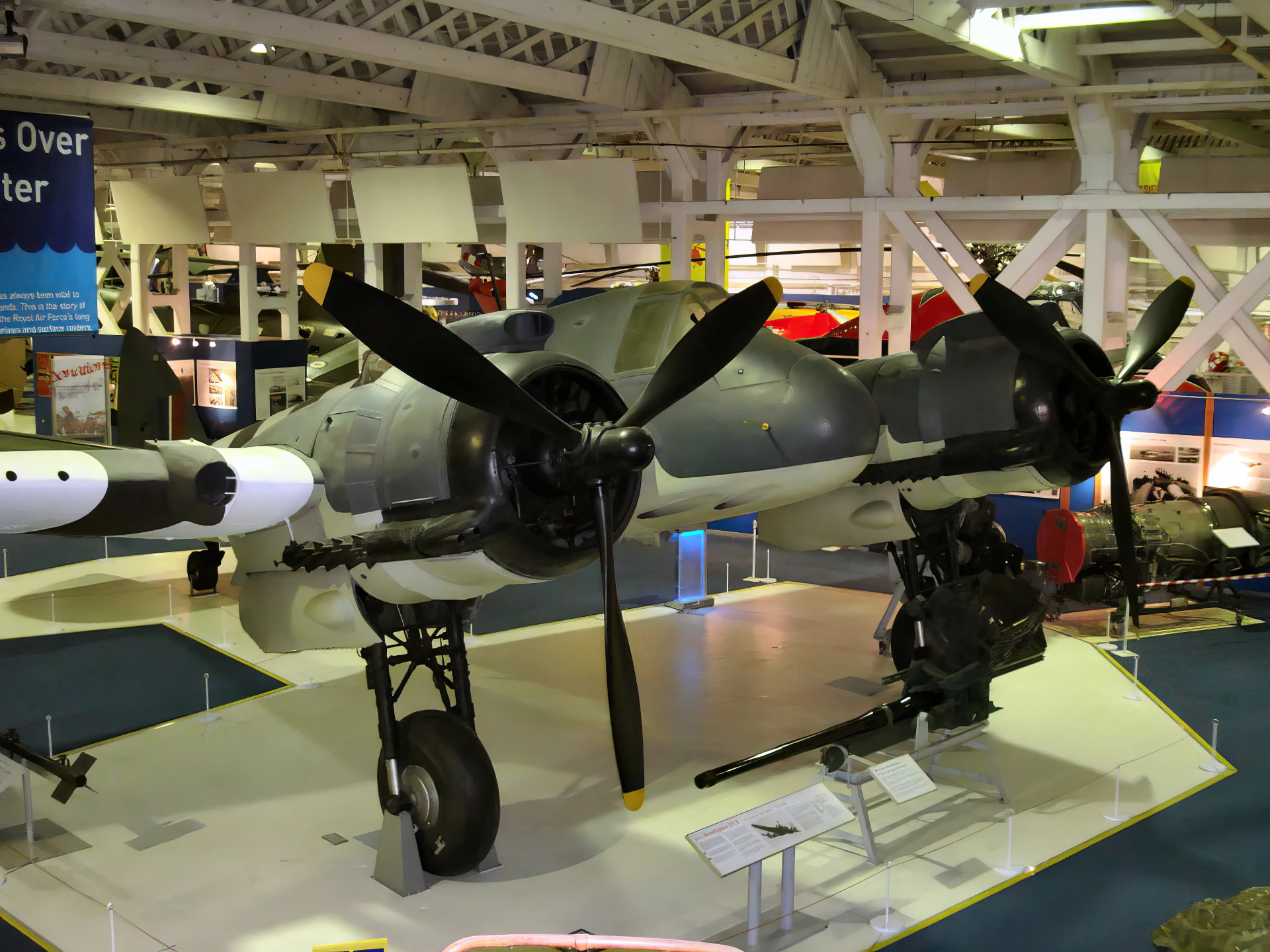
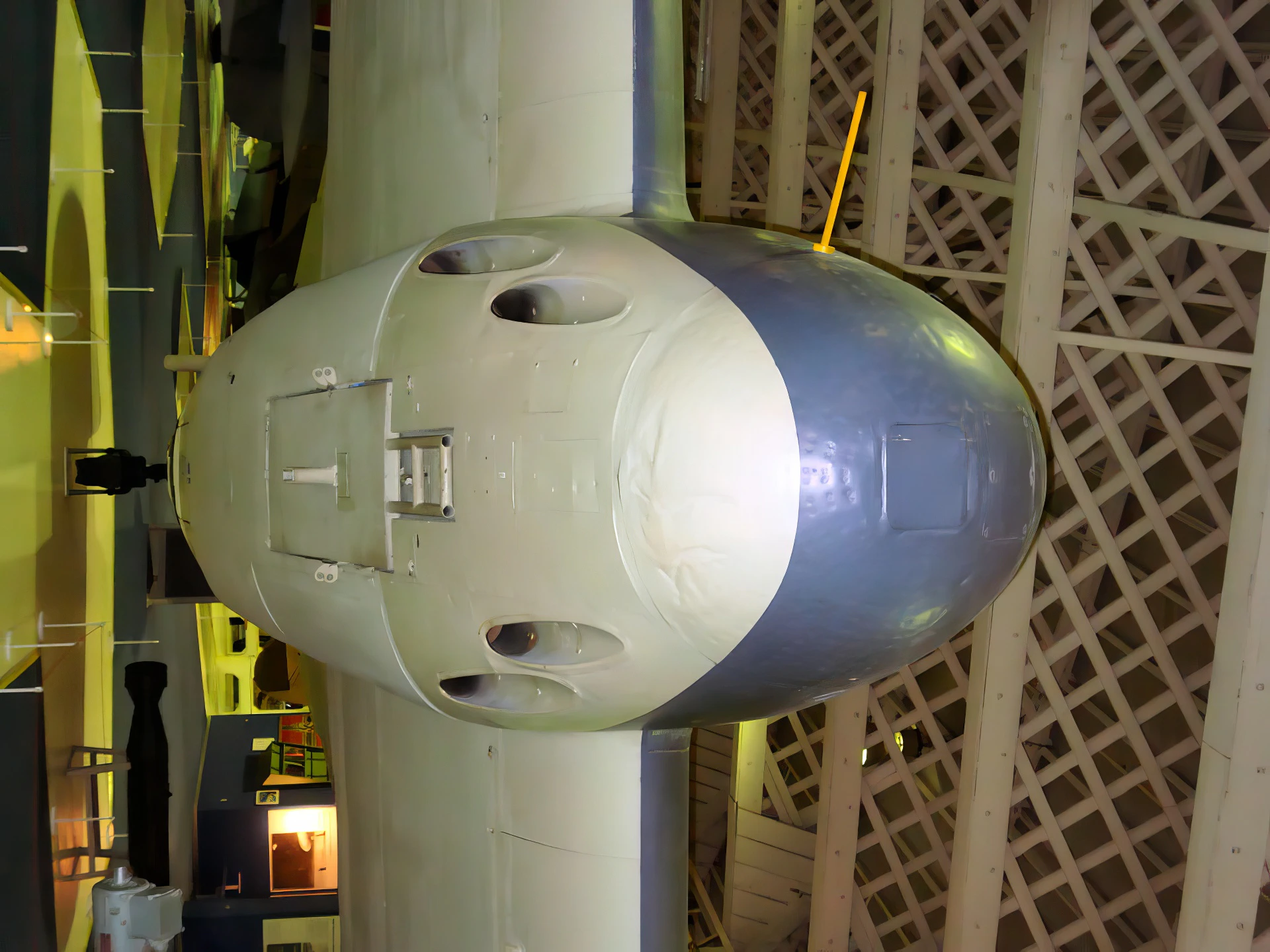
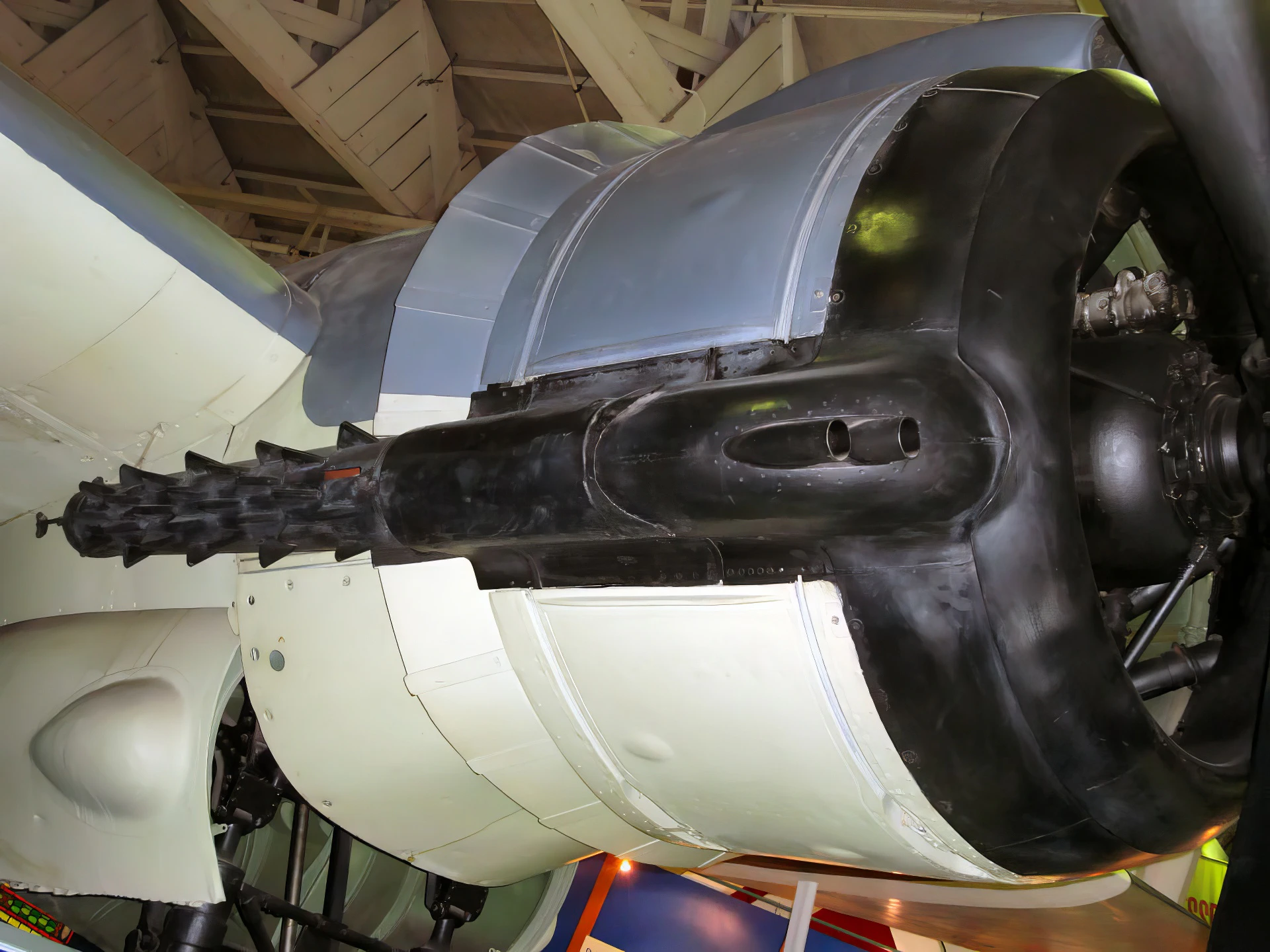
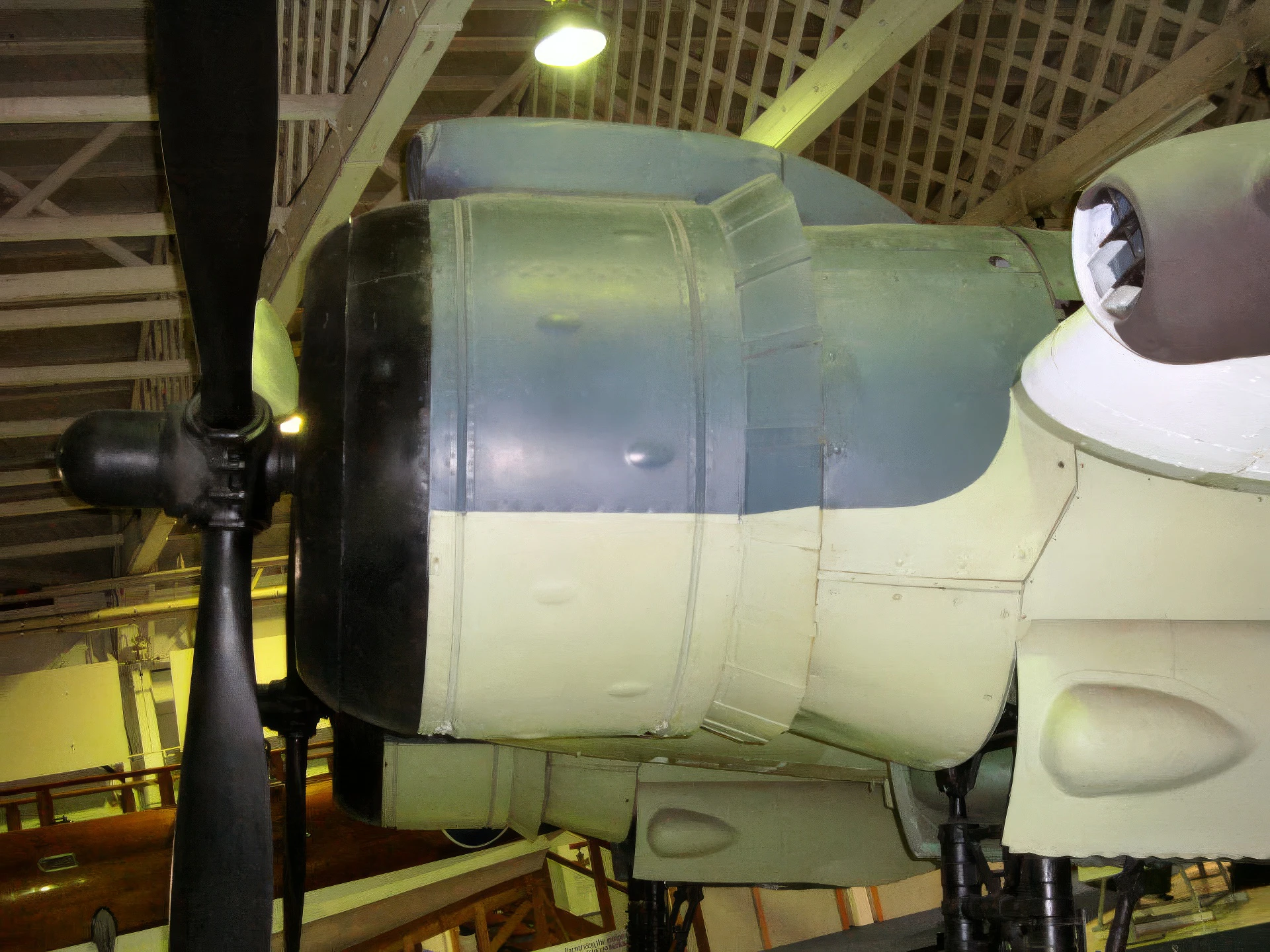
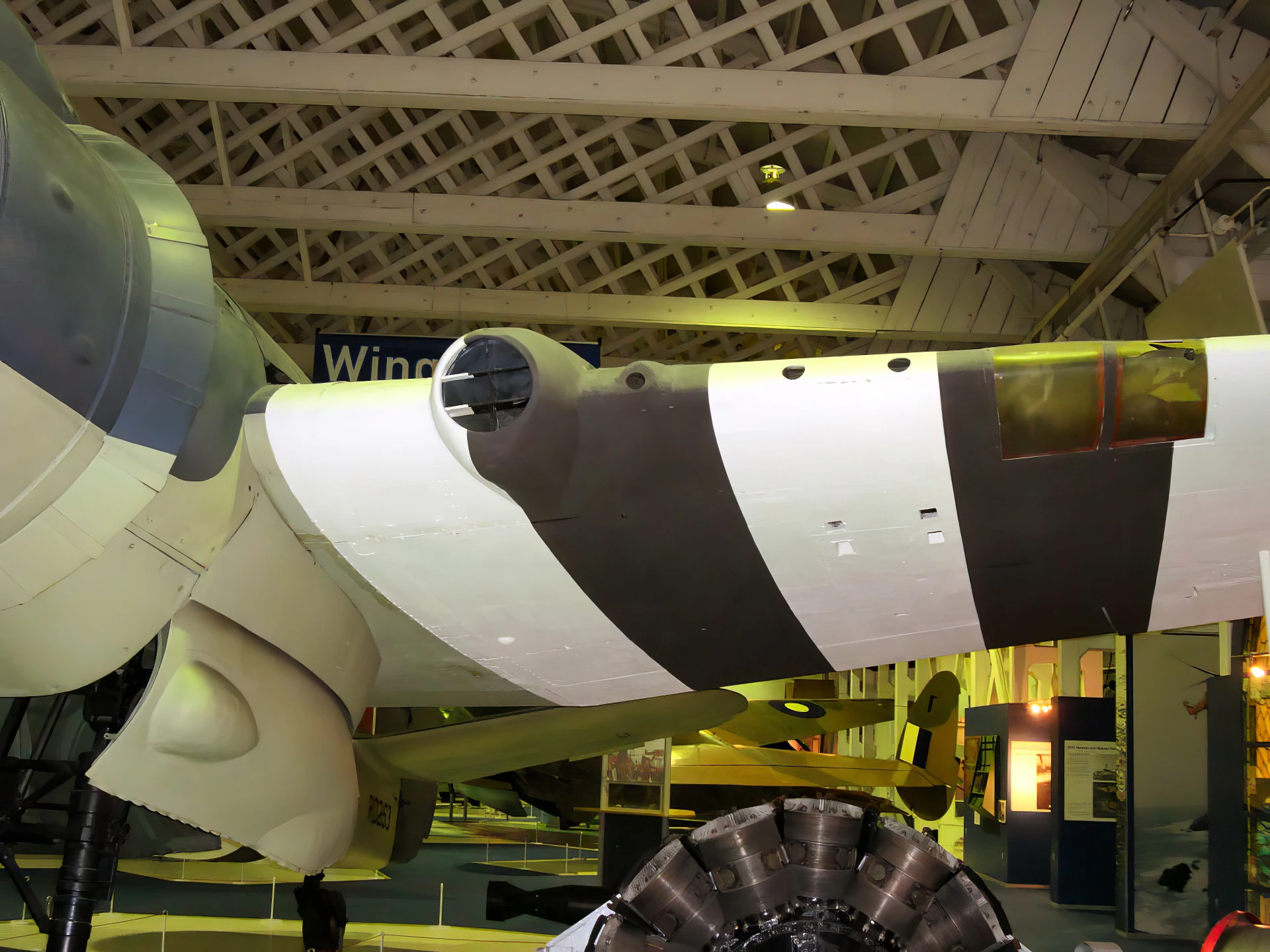
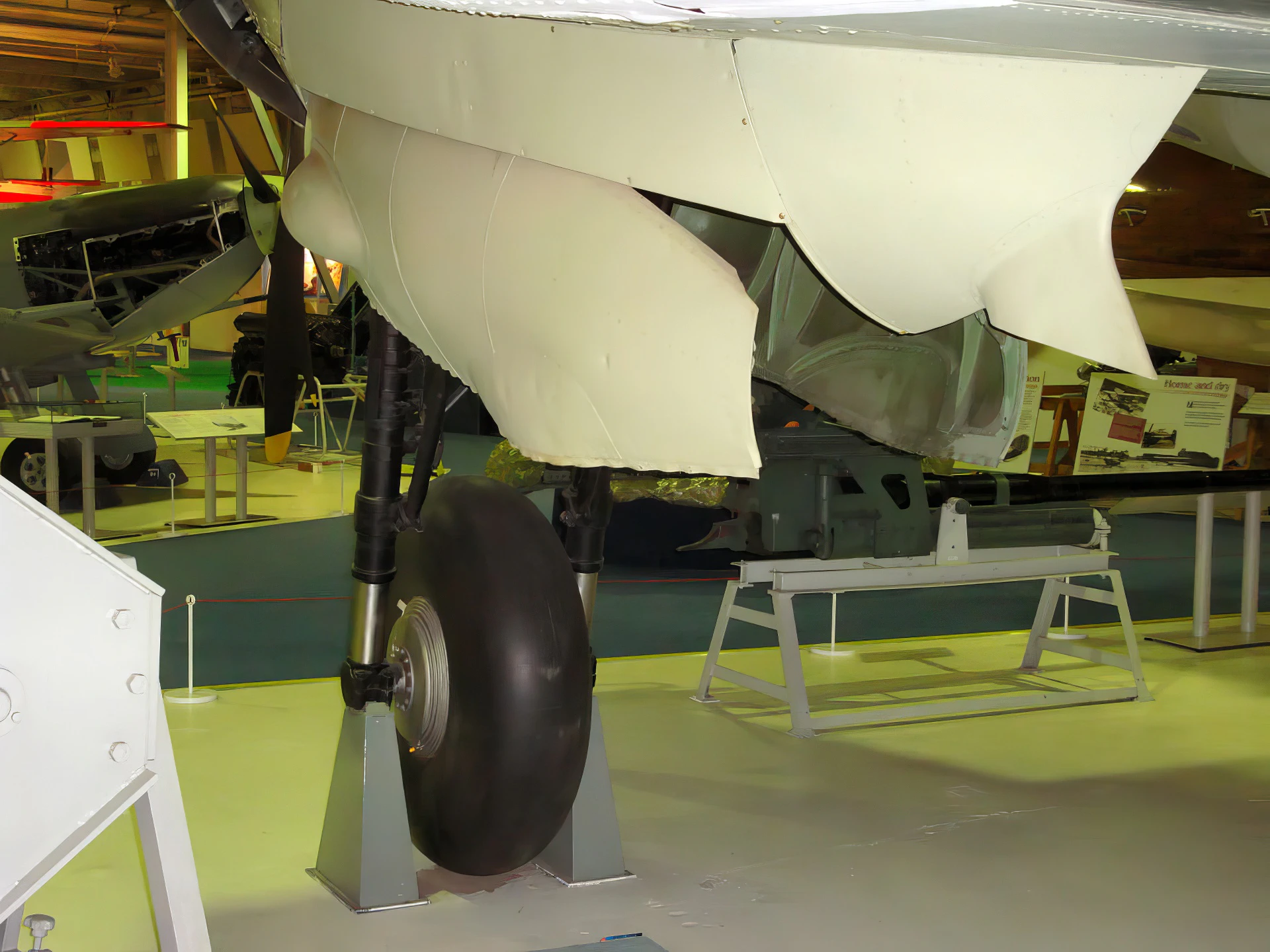
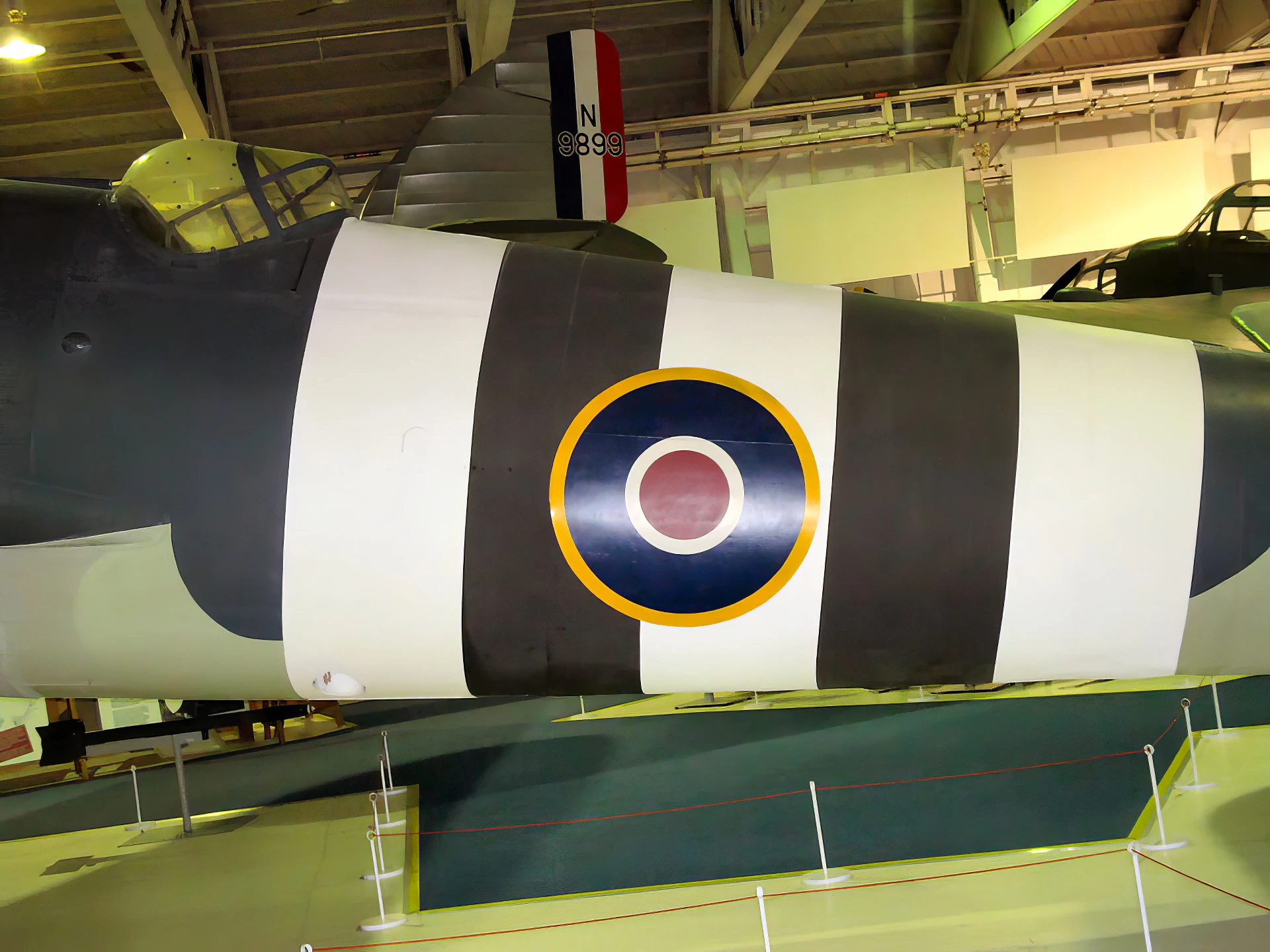
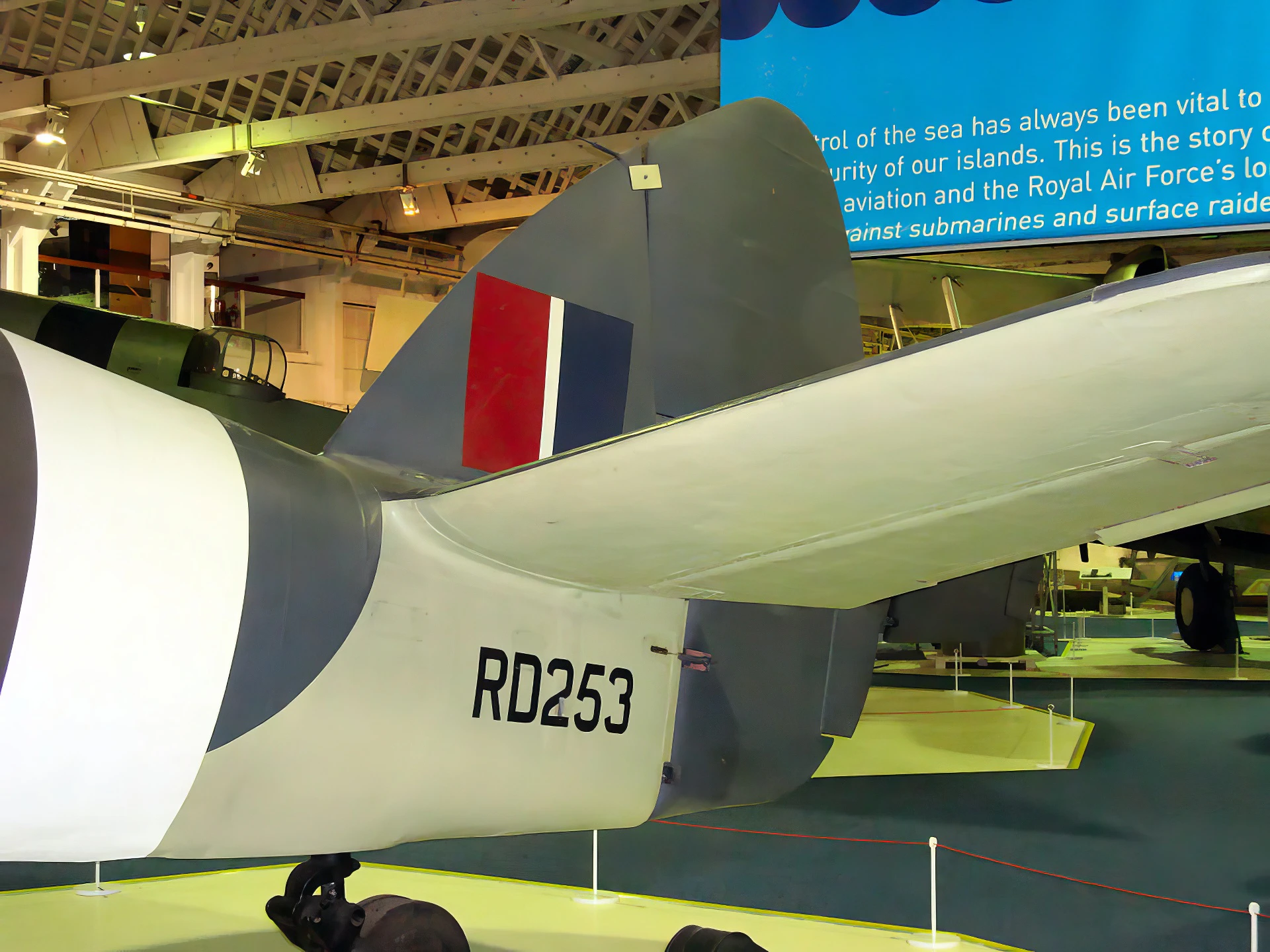
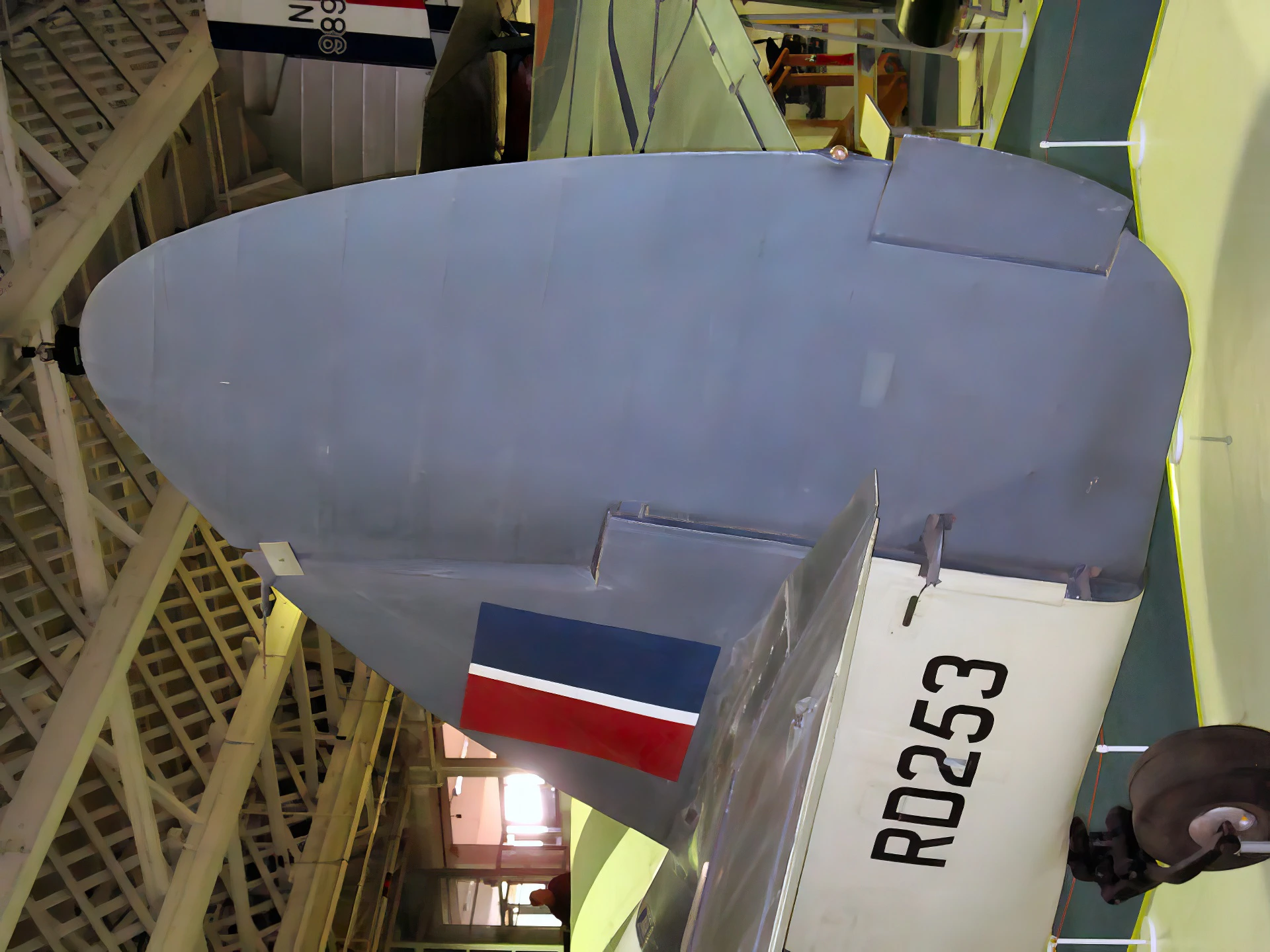

| Bristolio Beaufighter TF. X Pasivaikščiojimas | |
|---|---|
| Fotografas | Cees Hendriksas |
| Lokalizavimo | Nežinoti |
| Nuotraukos | 20 |
| Bristol Beaufighter Mk.Ic Walk Around | |
|---|---|
| Fotografas | Vladimir Yakubov |
| Lokalizavimo | Nežinoti |
| Nuotraukos | 71 |
| Bristol Beaufighter Walk Around | |
|---|---|
| Fotografas | Michael Benolkin |
| Lokalizavimo | Nežinoti |
| Nuotraukos | 45 |
Taip pat žiūrėkite:


| Beaufighter TF.X Walk Around | |
|---|---|
| Fotografas | Michael Benolkin |
| Lokalizavimo | Nežinoti |
| Nuotraukos | 31 |
| Bristol Beaufighter Mk.XXI Walk Around | |
|---|---|
| Fotografas | Azrael Raven |
| Lokalizavimo | Nežinoti |
| Nuotraukos | 93 |
| Bristol Beaufighter TFX Walk Around | |
|---|---|
| Fotografas | Unknow |
| Lokalizavimo | Nežinoti |
| Nuotraukos | 35 |
Development and Design
The Bristol Type 156 Beaufighter, often simply called the “Beau,” was a heavy, multi-role aircraft developed by the Bristol Aeroplane Company during World War II. It was cleverly derived as a fighter variant of the earlier Bristol Beaufort torpedo bomber, which sped up its design and production. This twin-engine, two-seat design allowed it to carry a substantial payload and heavy equipment, including early Airborne Interception (AI) radar systems.
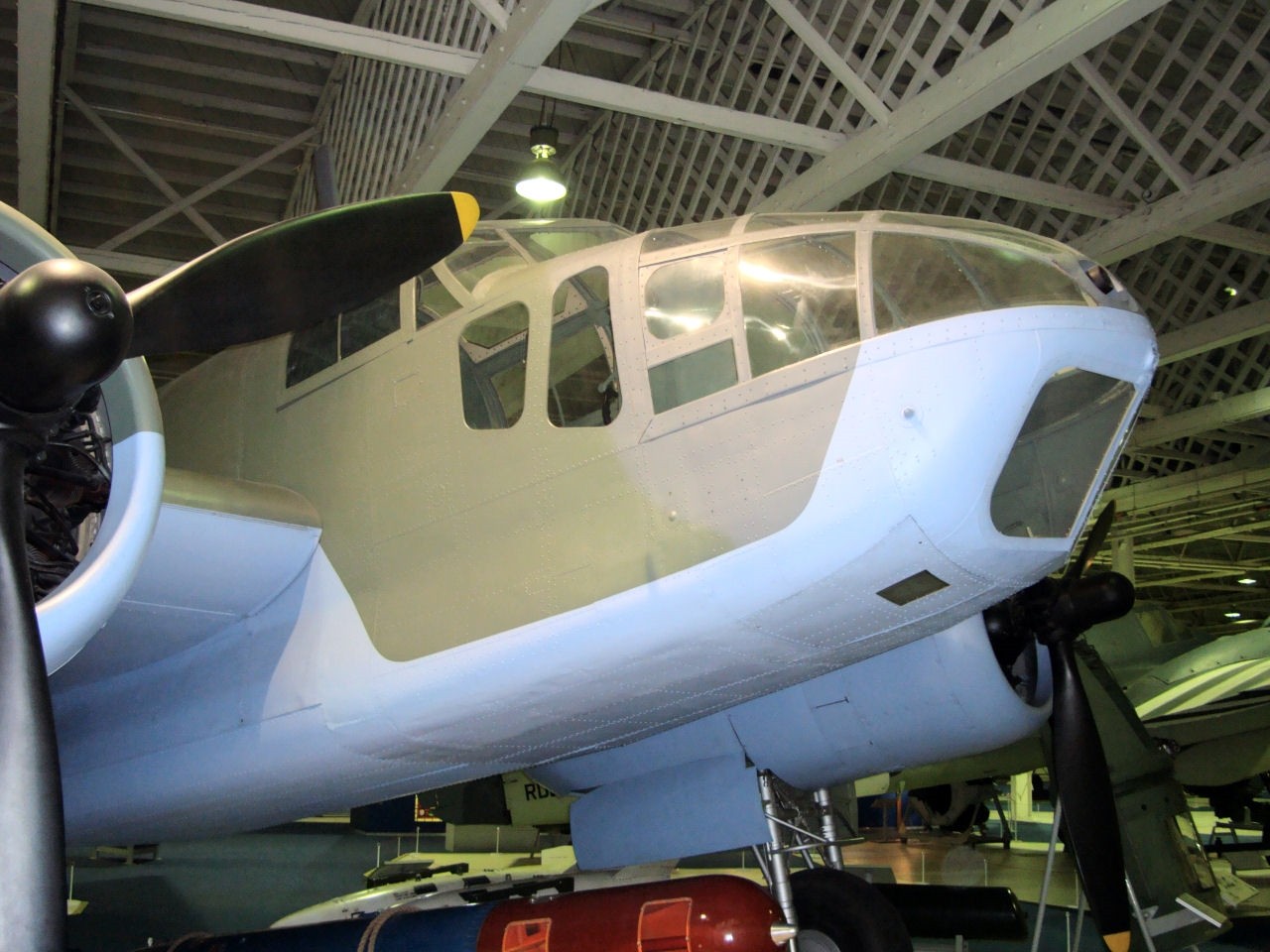
The Beaufighter was a large, all-metal aircraft with a distinctly stubby appearance, resulting from its nose being shortened to accommodate the powerful twin **Bristol Hercules radial engines** and to adjust the center of gravity.
Primary Roles and Nicknames
Few aircraft of the war were as adaptable as the Beaufighter. It excelled in several critical missions across various theaters, including the European, Mediterranean, and Pacific fronts:
- Night Fighter: Early variants (Mk I and IIF) served as formidable night fighters, using their size to carry heavy armament and radar, successfully defending Britain during the Blitz.
- Maritime Strike: It became a potent maritime attack aircraft, particularly with Coastal Command. Armed with a torpedo, it earned the popular nickname “Torbeau” and was highly successful against Axis shipping.
- Ground Attack: Equipped with rockets, it performed devastating low-level ground attack missions, sometimes referred to as the “Rockbeau.”
Intimidating Armament
The Beaufighter was famous for its heavy and concentrated firepower. Its standard fixed armament, mounted in the lower nose section, was exceptionally potent for the era:
- Cannons: Typically four 20 mm Hispano cannons, giving it a concentrated “punch” unparalleled by many contemporary fighters.
- Machine Guns: Various models also carried several machine guns in the wings or a defensive machine gun for the observer/navigator in the rear cockpit.
- External Stores: It could carry bombs, depth charges, unguided rockets, or an 18-inch torpedo, depending on the mission variant.
Views : 7919
Taip pat galite pamatyti:
 Bristolis Bolingbroke'as - nuotraukos ir vaizdo įrašai
 "Bristol Bloodhound" – nuotraukos ir vaizdo įrašai
 "Bristol F.2 Fighter" - nuotraukos ir vaizdo įrašai
 "Bristol Freighter" - nuotraukos &; Vaizdo įrašai
 "Airfix" – A05043
 Bristol Beaufort – nuotraukos ir vaizdo įrašas
 Bristol Blenheim Mk IV – Vaikščioti aplink
Naujas 20 nuotraukų rinkinys