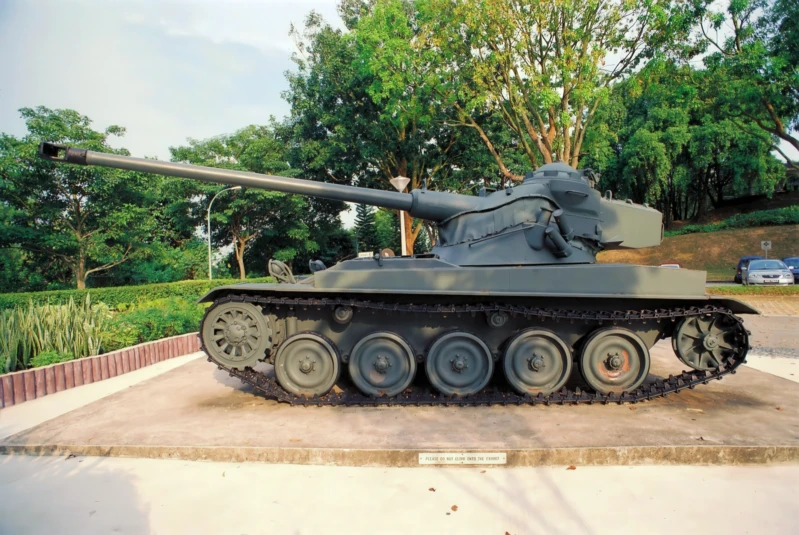
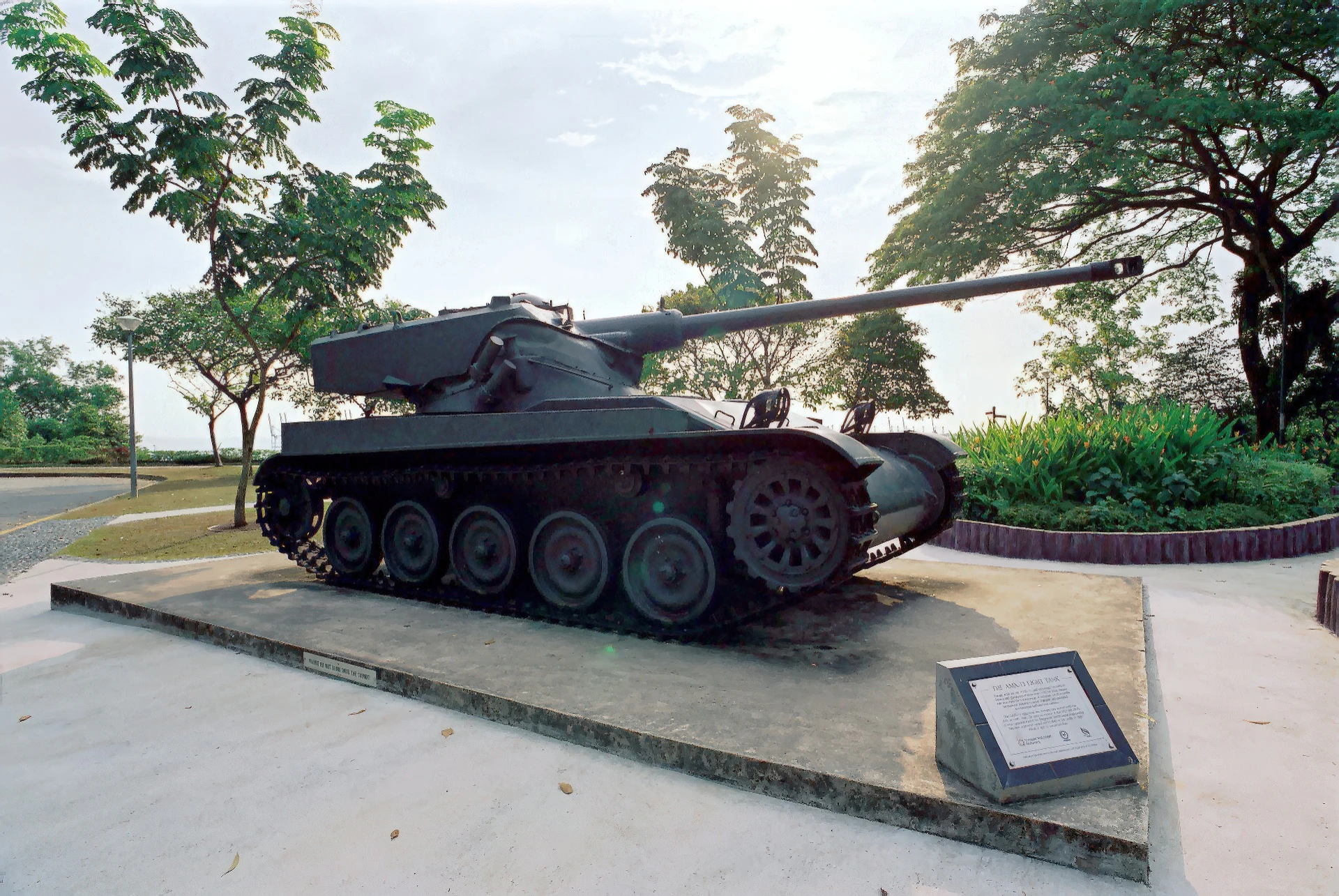
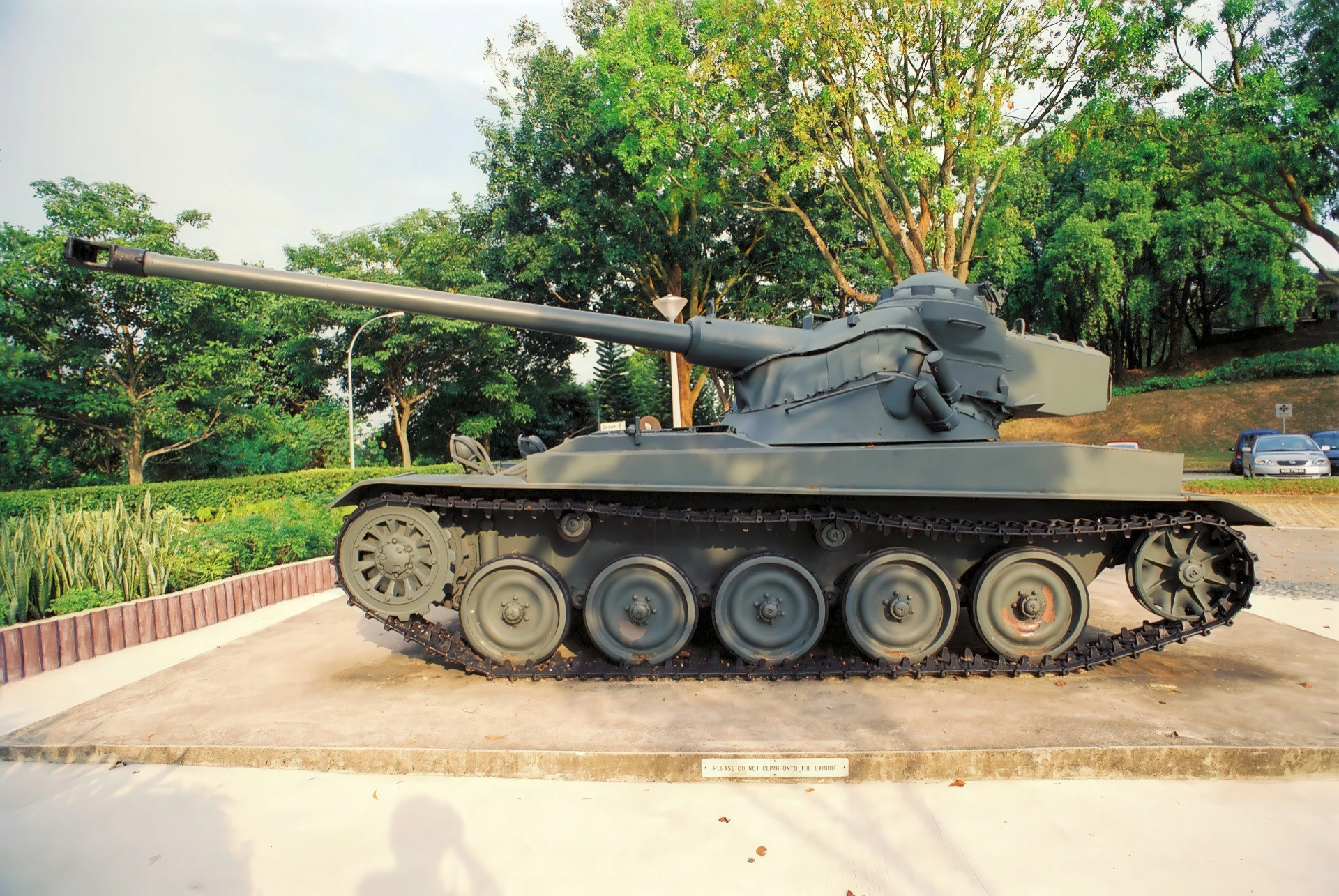
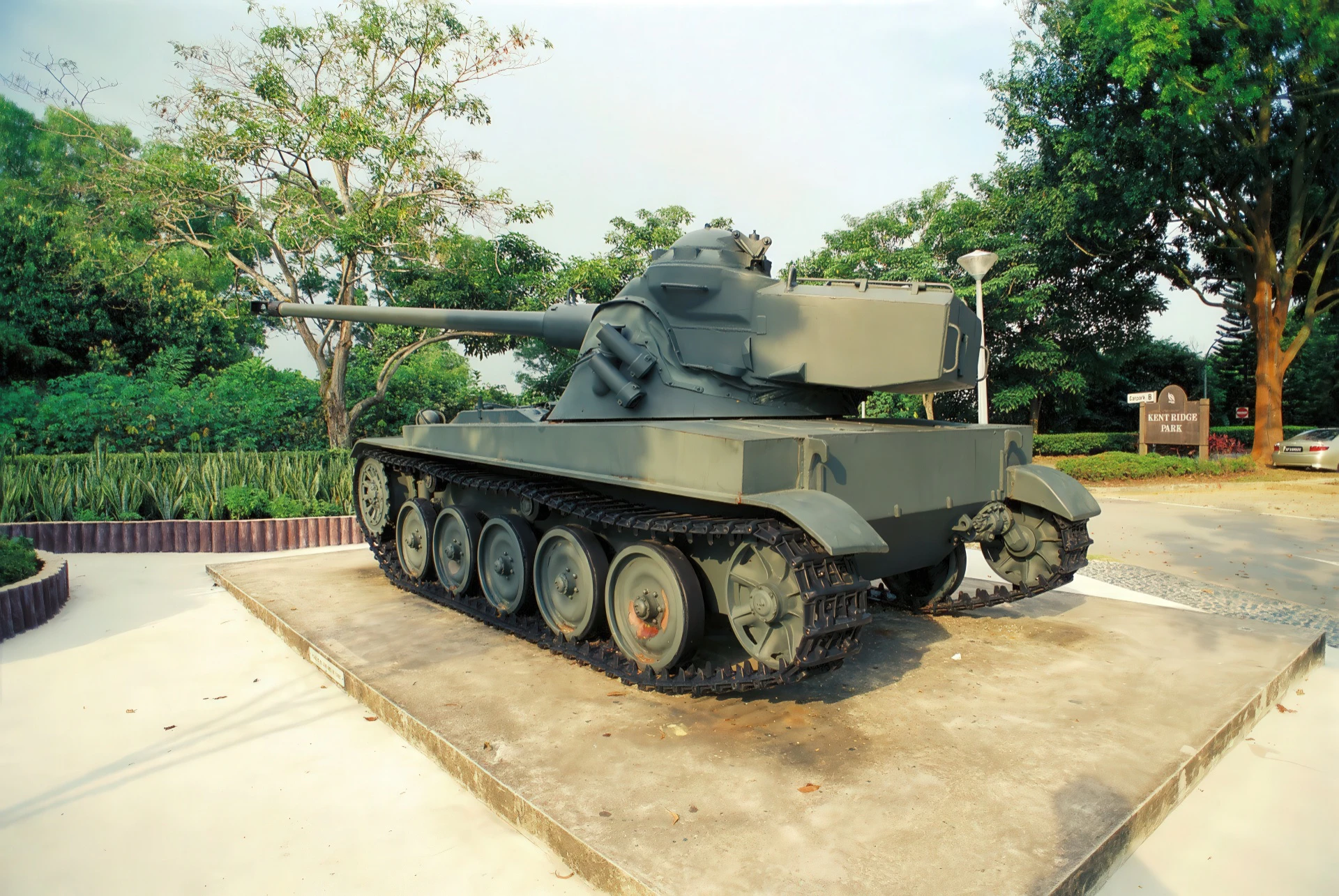
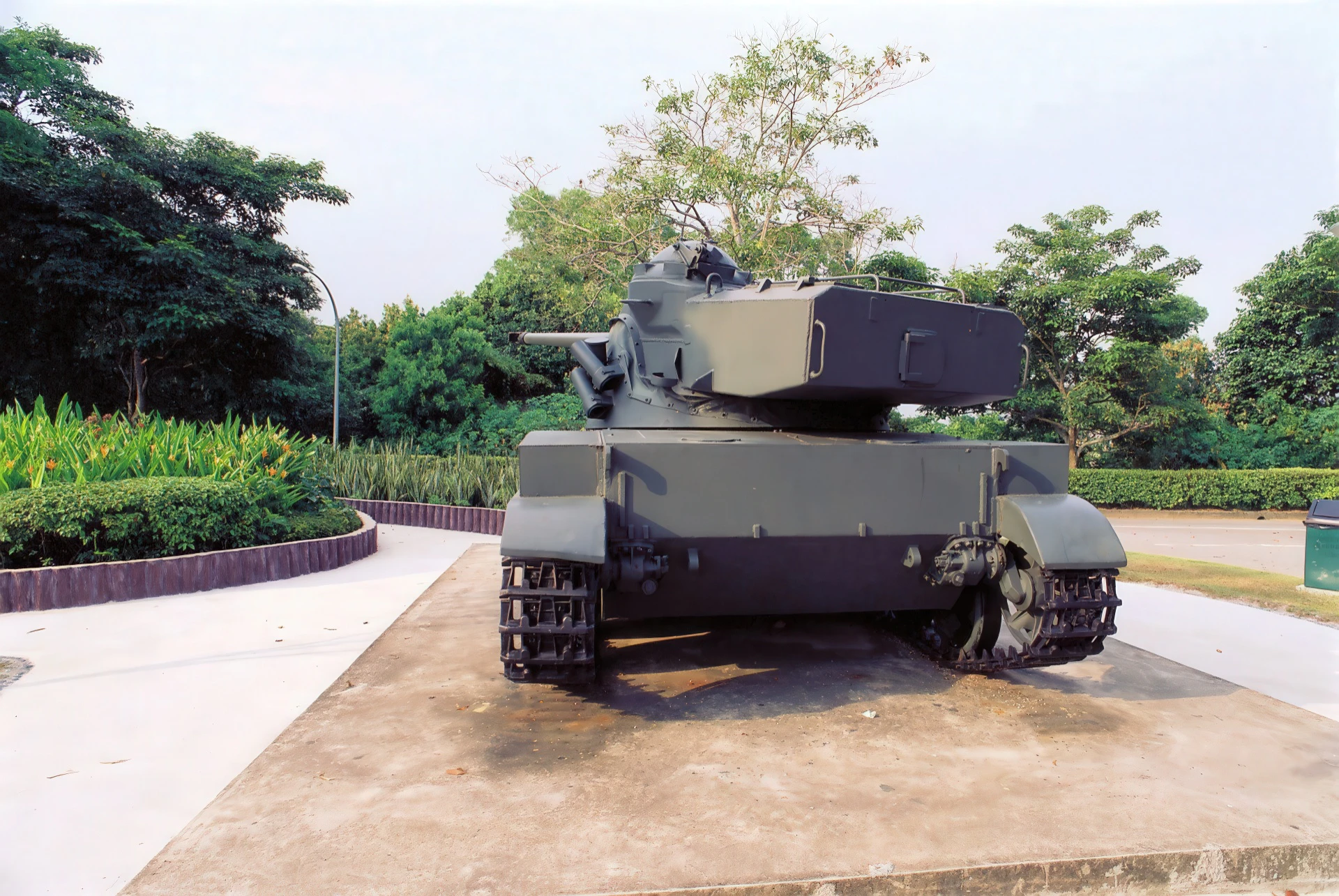
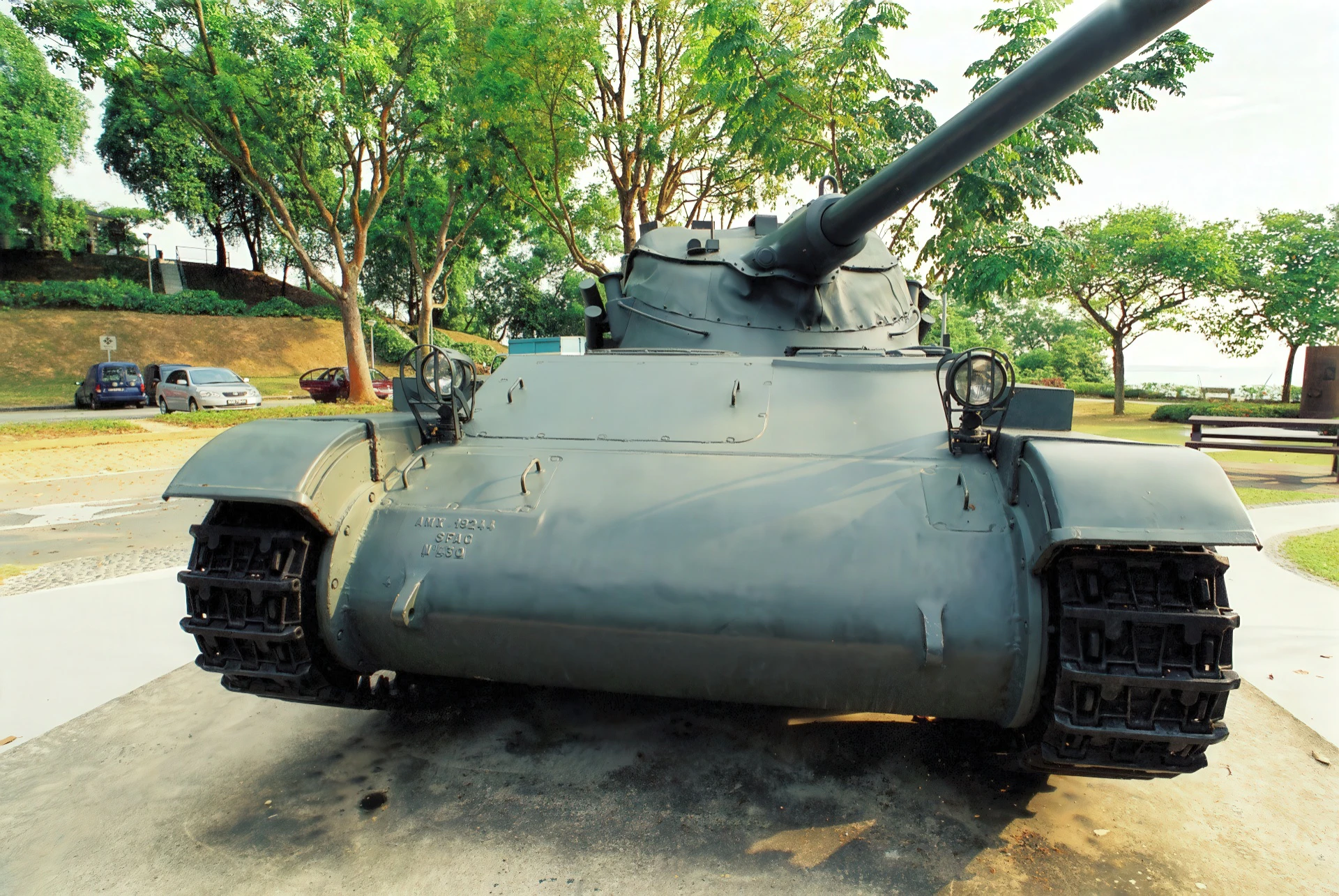
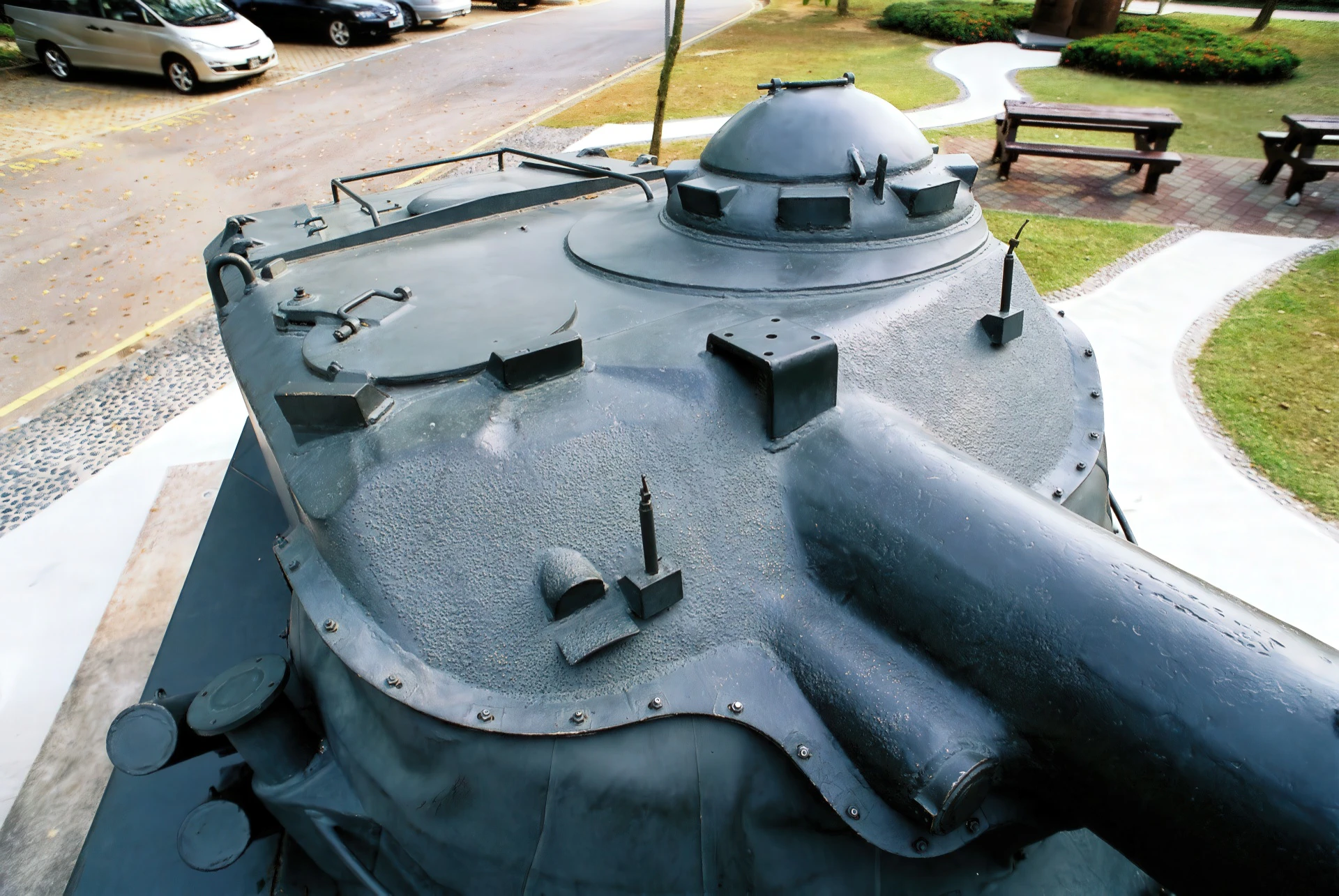
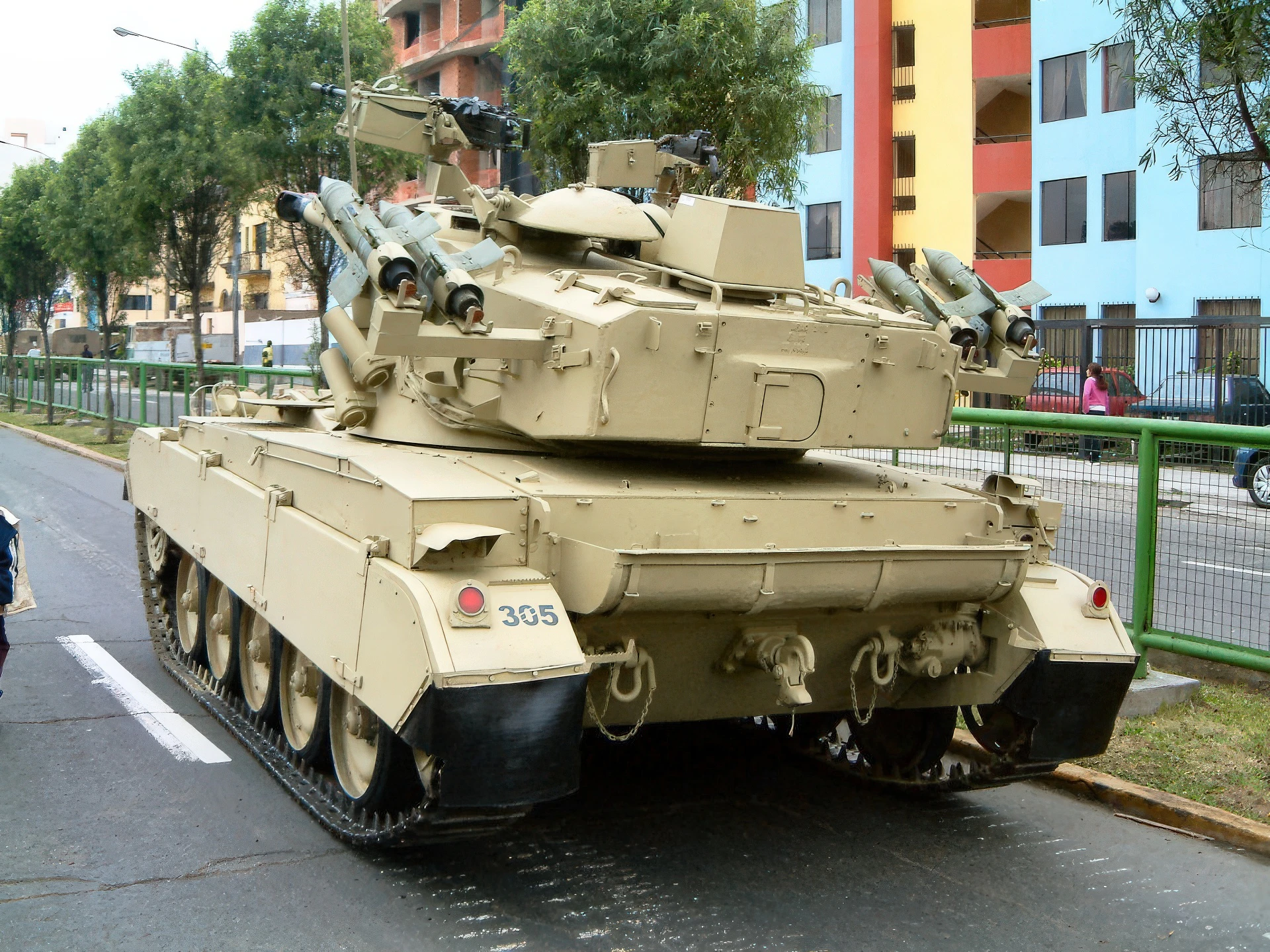
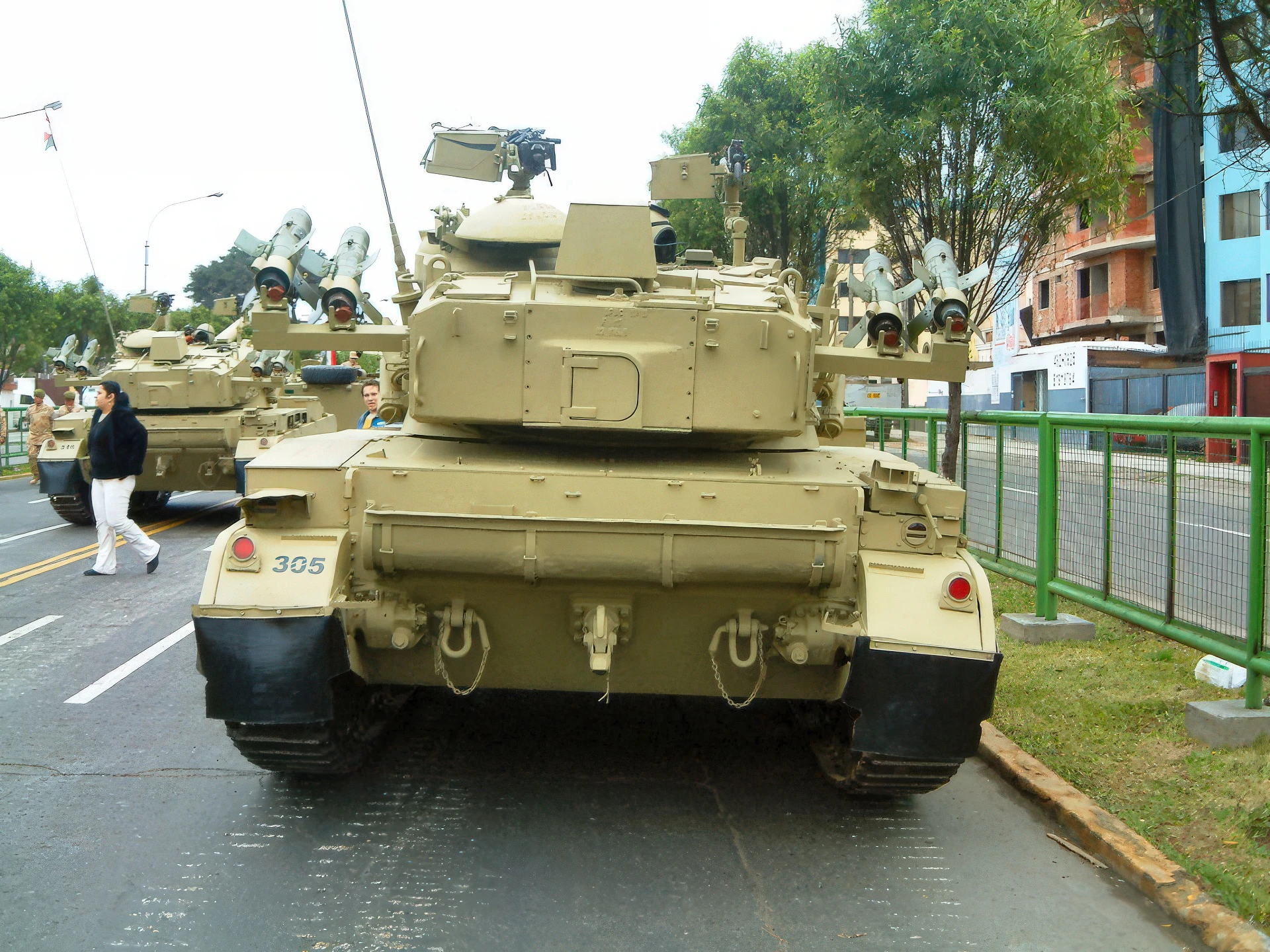
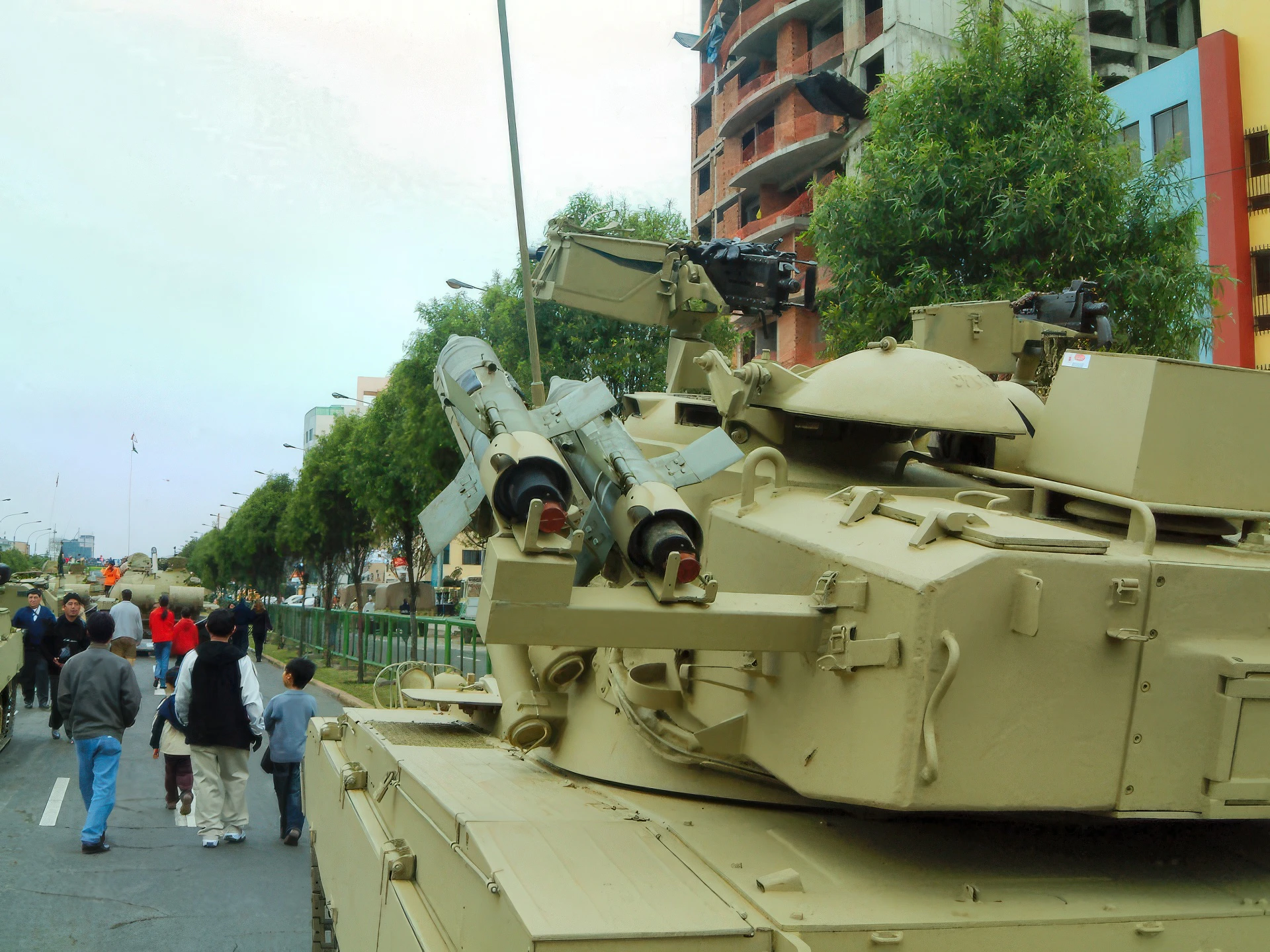
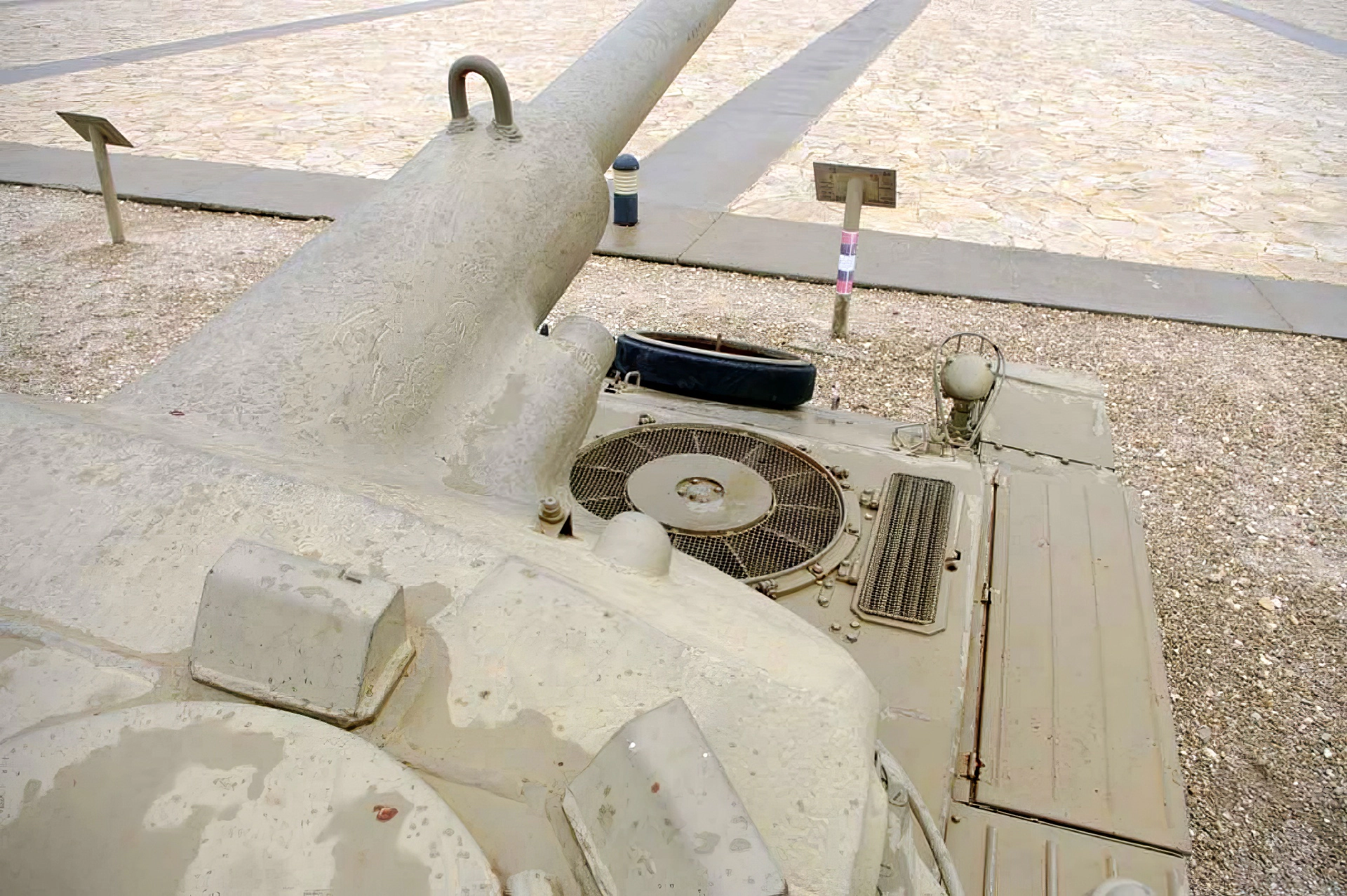
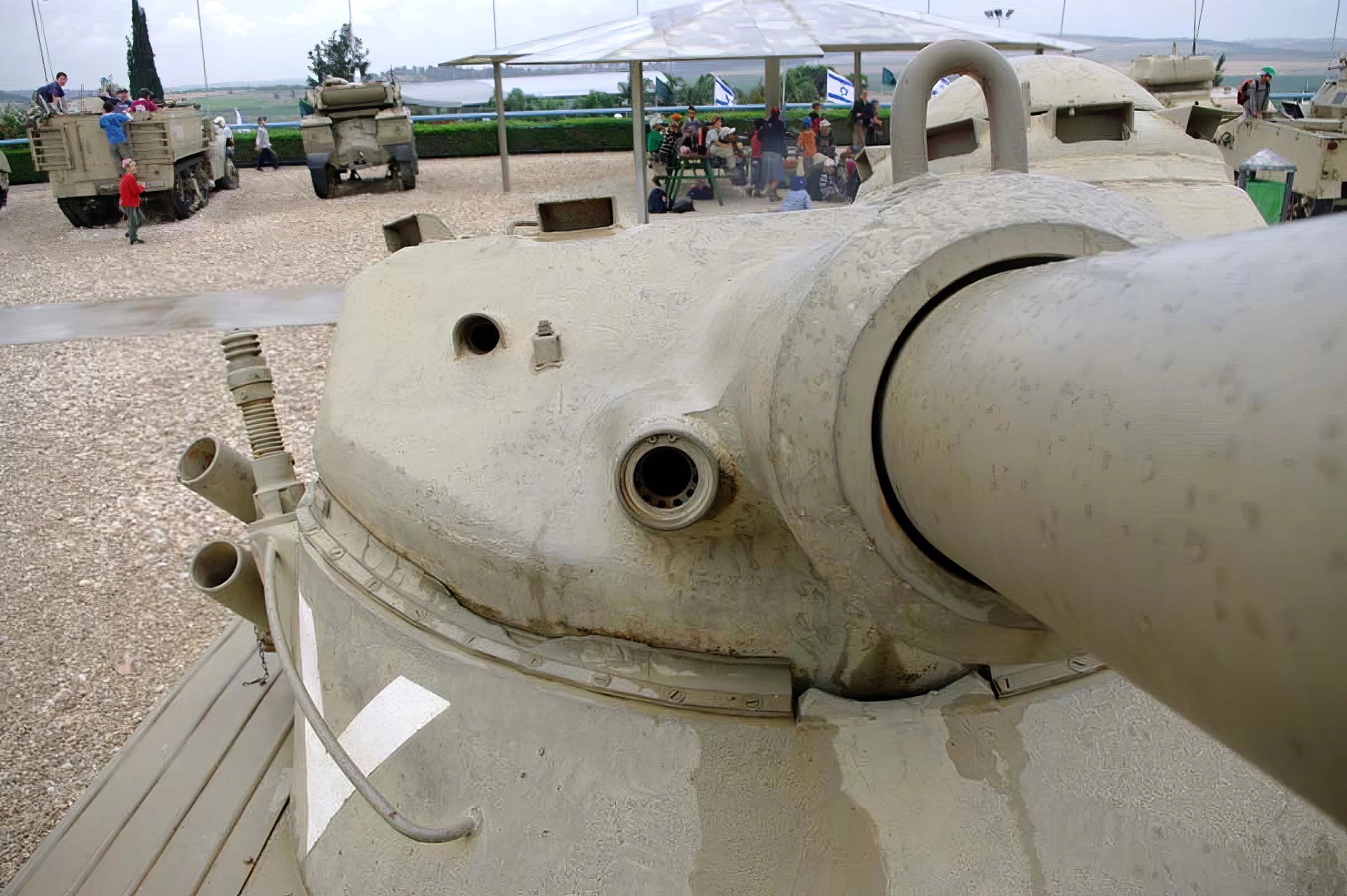
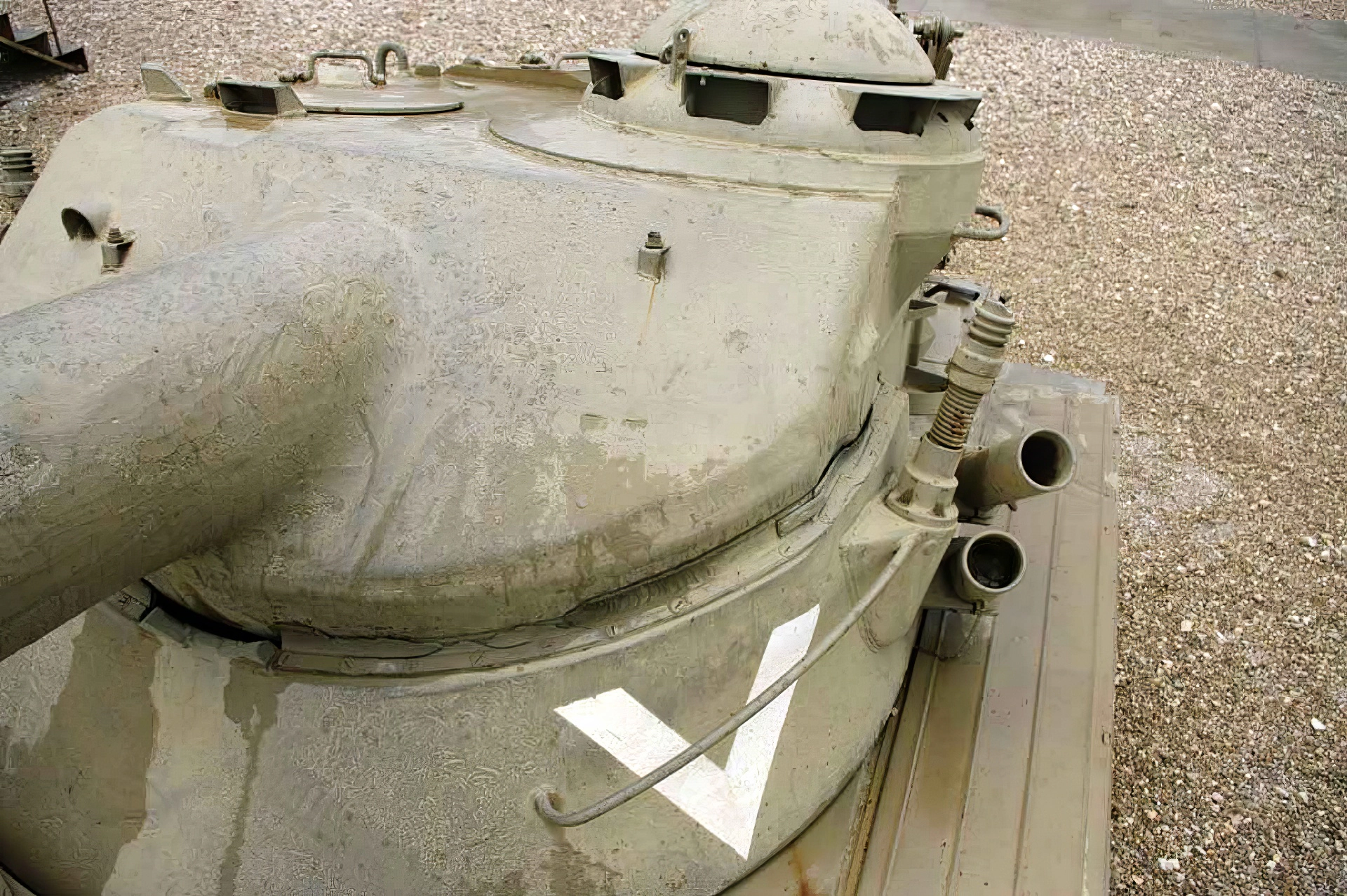
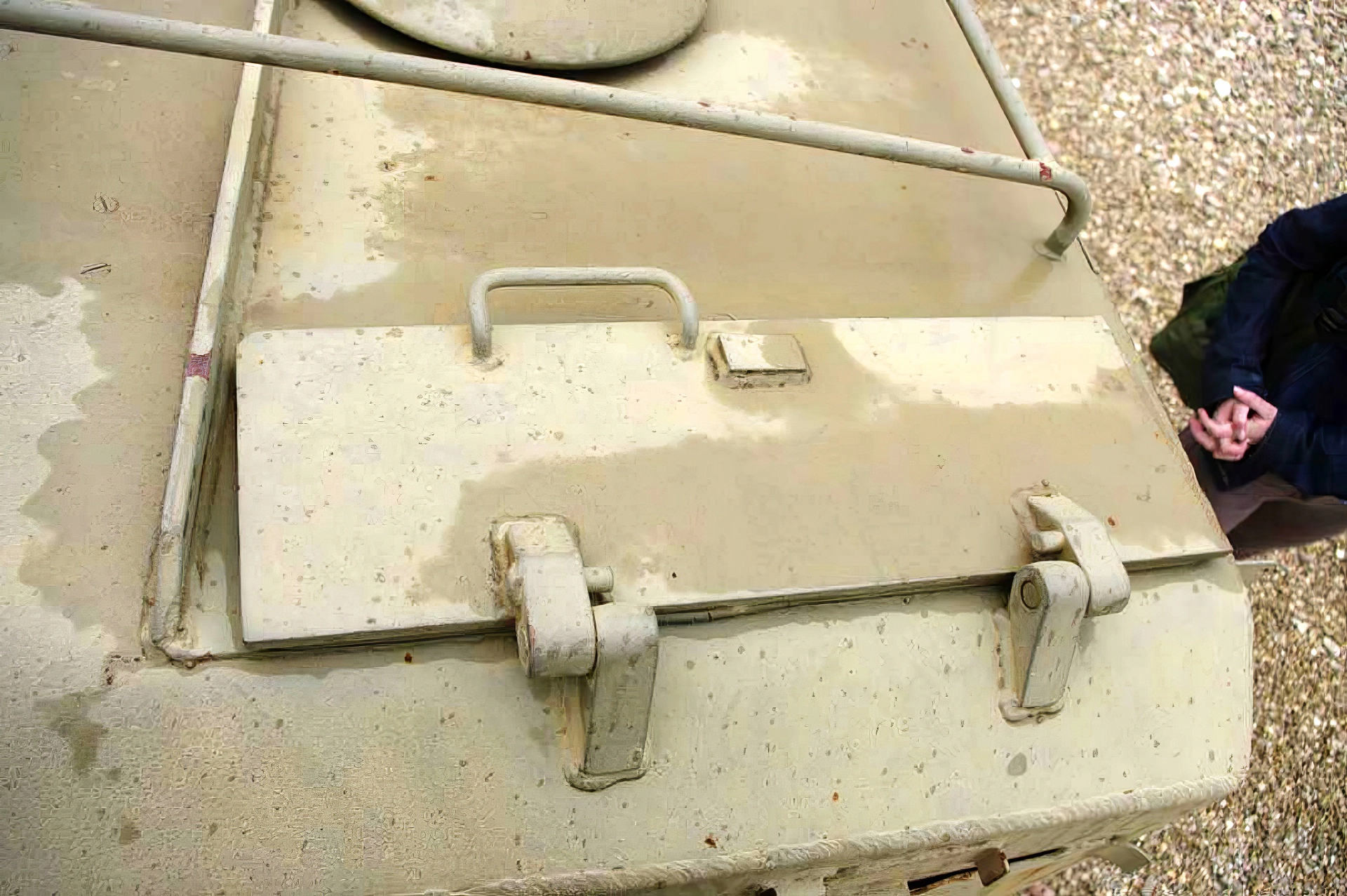
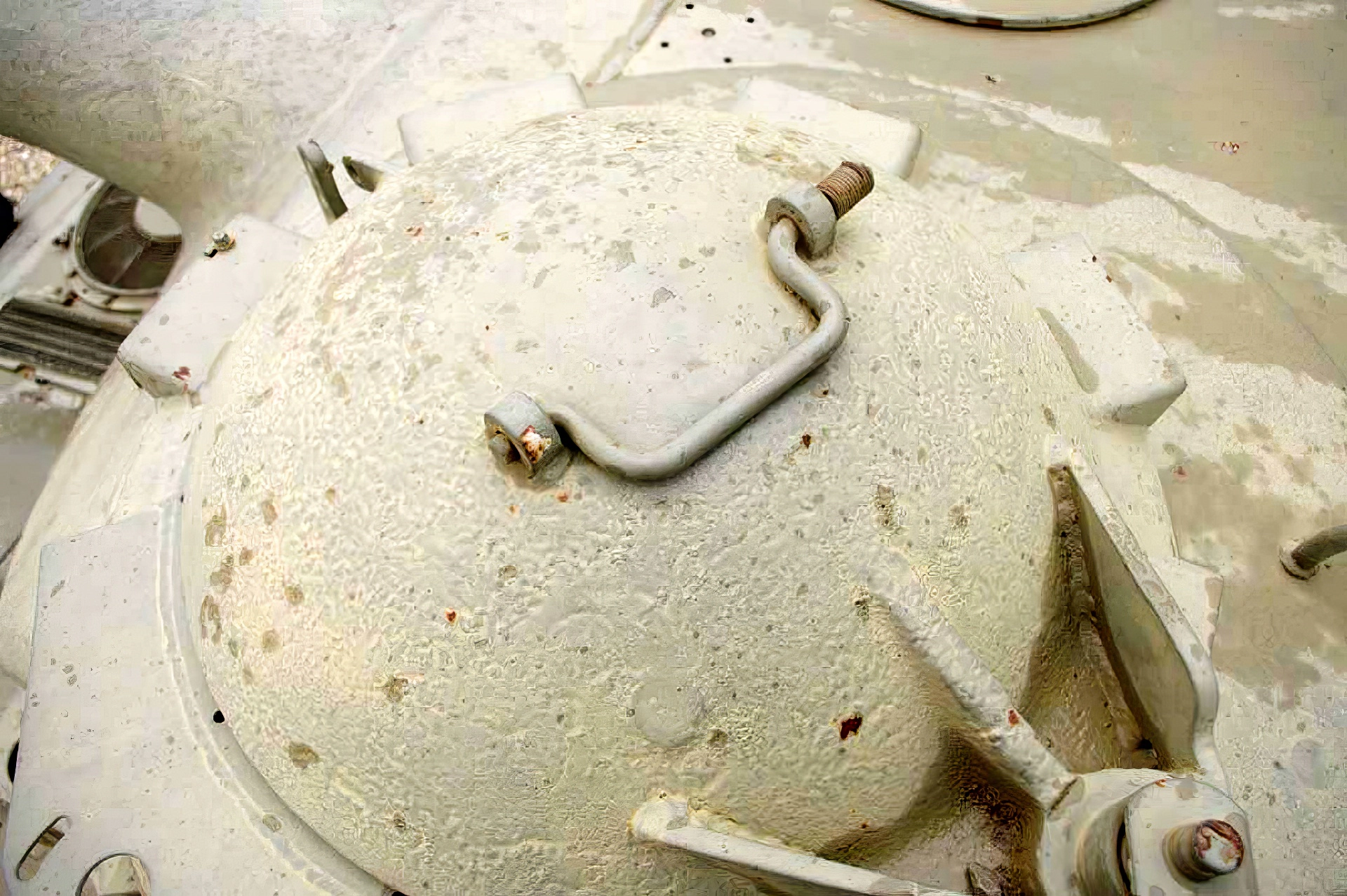
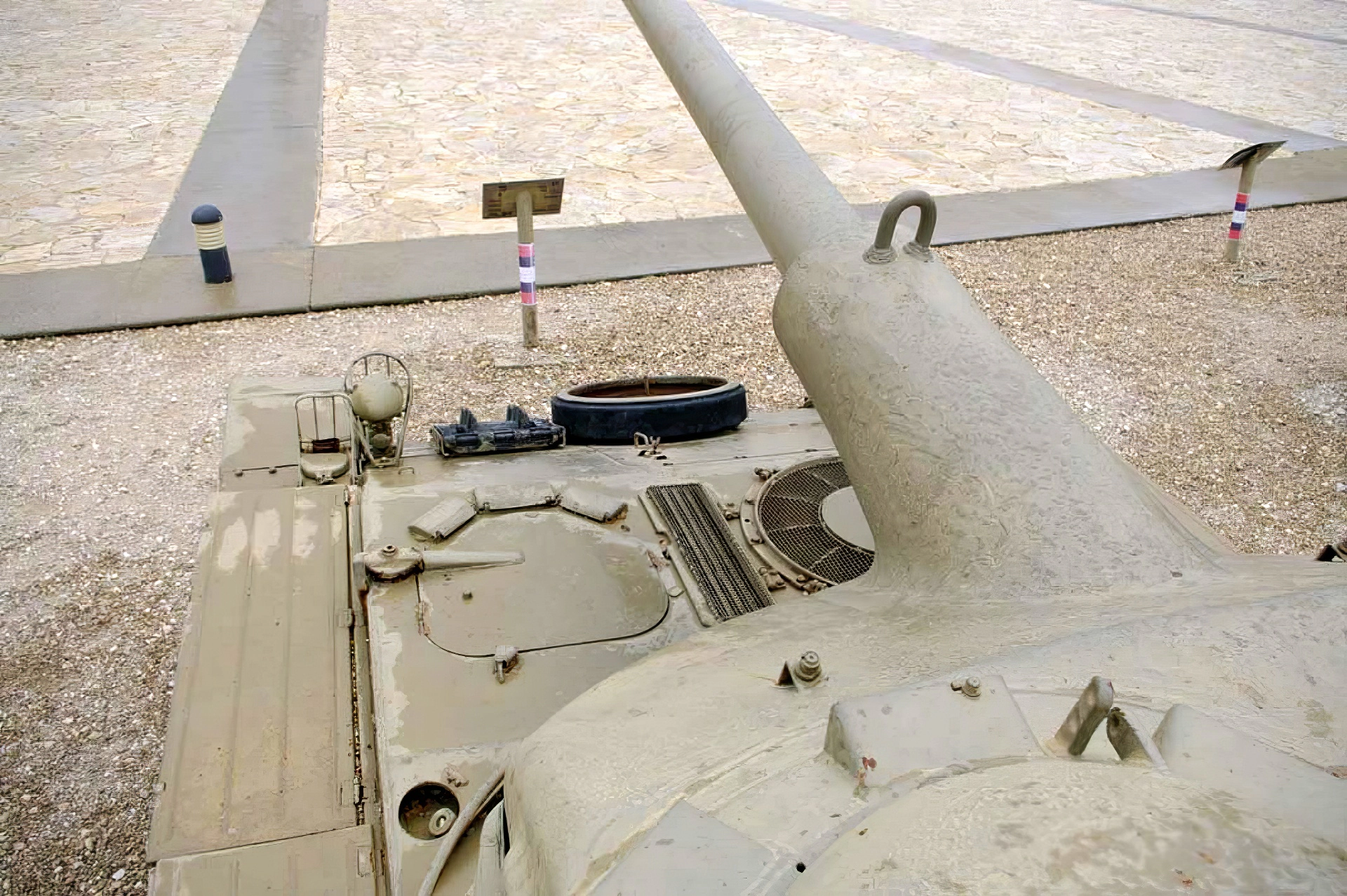
AMX-13 nuotraukų galerija, AMX-13 Tai prancūzų lengvasis tankas, pagamintas nuo 1953 iki 1985 metų. Jis tarnavo Prancūzijos armijoje kaip Char 13t-75 Modele 51 ir buvo eksportuojamas į daugiau nei dvidešimt penkias kitas tautas. Pavadintas pagal savo pradinį 13 tonų svorį ir su kieta ir patikima važiuokle, jis buvo sumontuotas "GIAT Industries" (dabar "Nexter") pagamintas svyruojantis bokštelis su revolverio tipo žurnalais, kurie taip pat buvo naudojami Austrijos SK-105 Kürassier. Įskaitant prototipus ir eksporto versijas, yra daugiau nei šimtas variantų, įskaitant savaeigį ginklą, priešlėktuvines sistemas, APC ir ATGM versijas. Bendra AMX-13 šeimos produkcija yra apie 7700 vienetų, iš kurių apie 3400 buvo eksportuota.
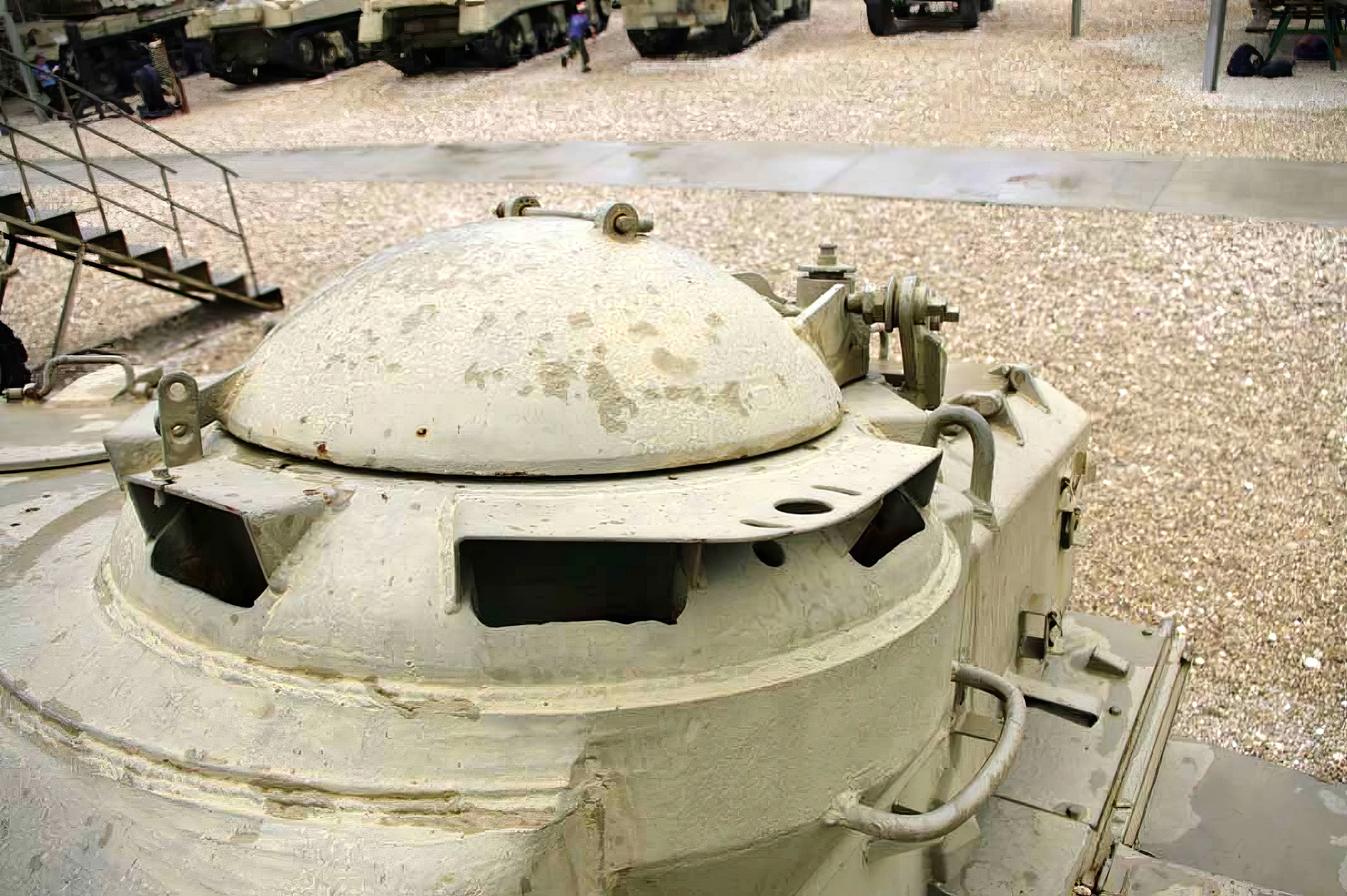
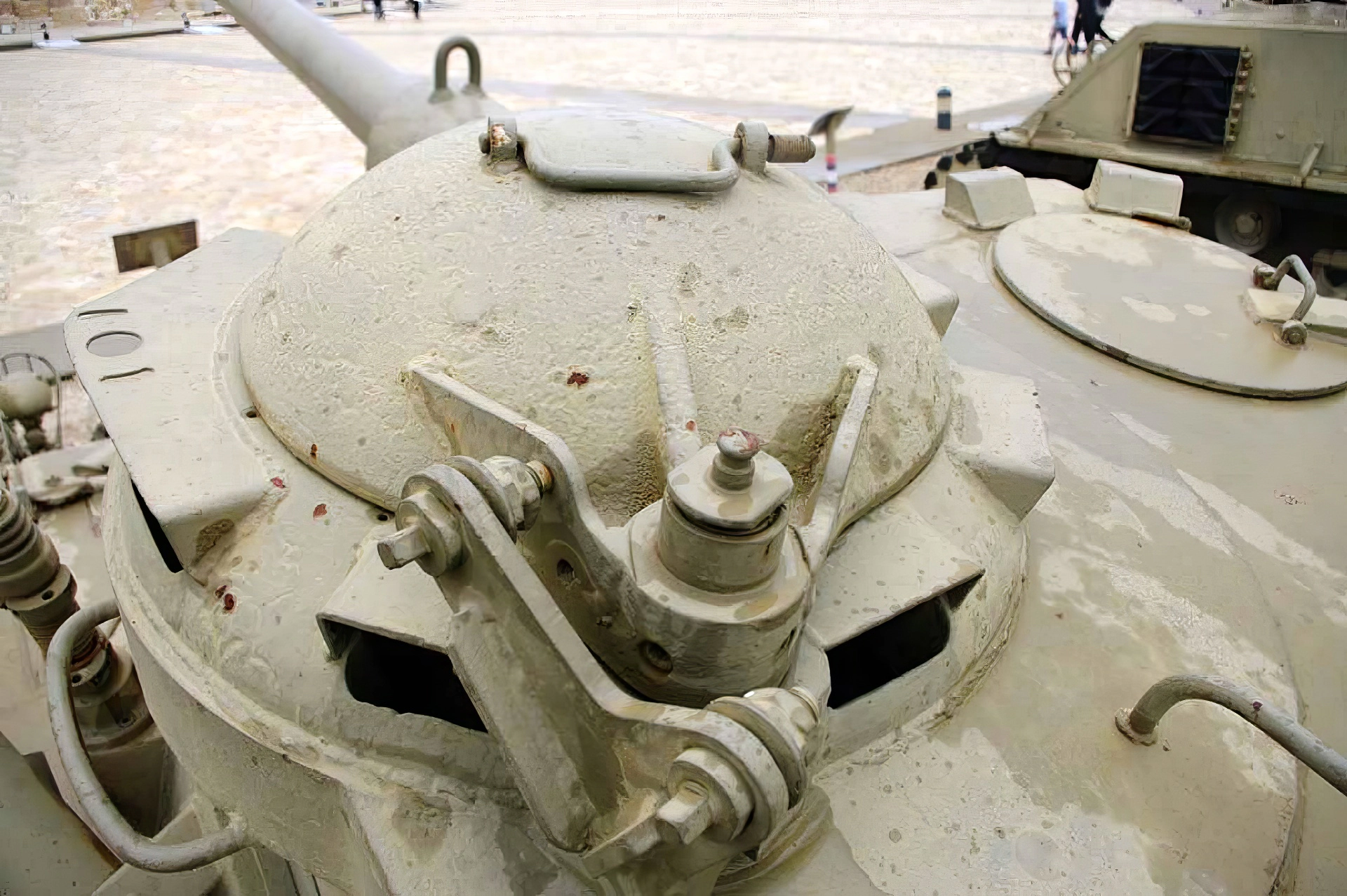
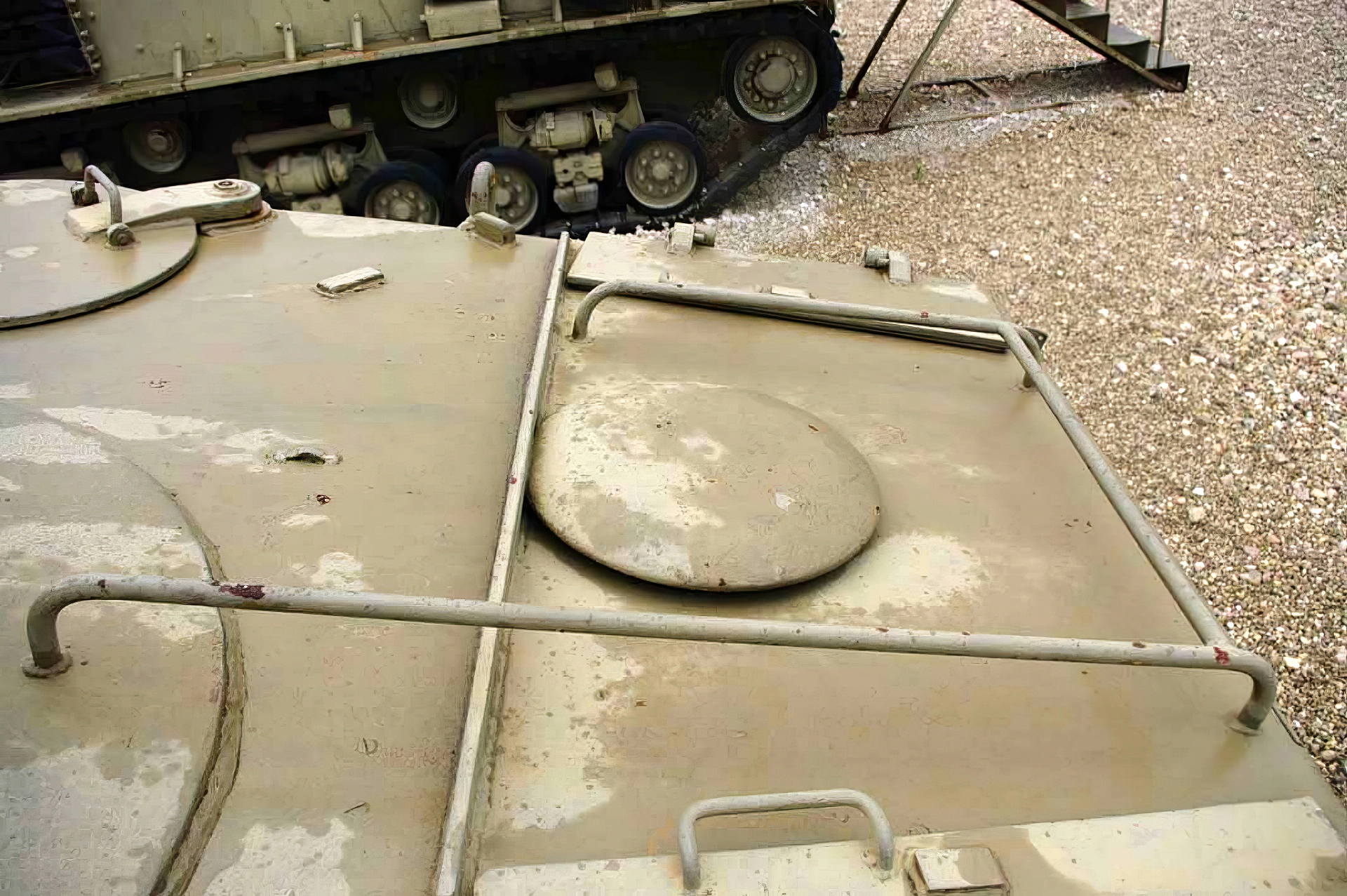
The AMX-13 is a French light tank designed shortly after World War II. It was conceived to be a highly mobile, air-transportable, and effective armored vehicle suitable for reconnaissance and fire support roles. Its defining feature is the oscillating turret, a highly innovative design where the gun is fixed to the upper half of the turret, which pivots relative to the lower half. This design allowed for the use of an autoloader system fed by two six-round revolver-style magazines, providing a high rate of fire without requiring a dedicated loader. Despite its light armor, the AMX-13 proved incredibly successful due to its excellent firepower, small size, and reliability, resulting in one of the largest export successes in post-war armored vehicle history.
Property
Typical Value (Initial AMX-13 Model)
Tipas
Light Tank / Reconnaissance Vehicle
National Origin
Prancūzija
Gamintojas
Ateliers de construction d’Issy-les-Moulineaux (AMX)
Entered Service
1953
Įgulos
3 (Commander, Gunner, Driver)
Combat Weight
Approx. 15 tonnes
Length (Gun Forward)
6.45 m (21 ft 2 in)
Powerplant and Firepower
Engine: 1 x SOFAM Model 8Gxb eight-cylinder water-cooled gasoline engine.
Engine Power: 250 hp (186 kW).
Maximum Road Speed: 60 km/h (37 mph).
Main Armament: Initially equipped with a 75 mm gun derived from the German 7.5 cm KwK 42 (used on the Panther). Later variants were upgraded to a 90 mm gun and eventually a 105 mm gun.
Secondary Armament: 1 x 7.5 mm or 7.62 mm coaxial machine gun.
Oscillating Turret (FL 10/12/15): This turret design allowed the gun to be autoloaded from two side magazines. Once the 12 rounds (2 x 6) were expended, the crew had to manually reload the magazines from outside the vehicle, creating a period of vulnerability.
Armor: Ranged from 10 mm to 40 mm, sufficient for small arms and shell splinters but vulnerable to dedicated anti-tank weapons.
Service History and Legacy
Export Success: The AMX-13 was a tremendous export vehicle, adopted by over 35 countries, often serving as their primary armored fighting vehicle due to its low cost and maintenance.
Combat Use: It saw extensive combat in several major conflicts, including the Suez Crisis (1956) with the French and Israeli forces, the Indo-Pakistani War of 1965, and the Six-Day War (1967).
Variants: Its light chassis proved incredibly versatile, forming the basis for numerous specialized vehicles, including the AMX-13 VCI (armored personnel carrier), self-propelled artillery, bridge layers, and anti-aircraft platforms.
Modernization: Many nations performed extensive modernization programs, upgrading the engine (often to diesel power), improving the fire control system, and replacing the original guns with larger 90 mm or 105 mm cannons.
Longevity: Despite being a Cold War-era design, the AMX-13 remains in limited service with several countries, a testament to its successful, adaptable design and cost-effectiveness.

 Nupirk man kavos

 T-18 bakas - nuotraukos ir vaizdo įrašai
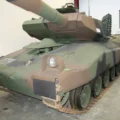 M8 šarvuotų ginklų sistema – nuotraukos ir vaizdo įrašai
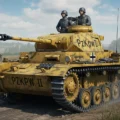 Panzer II – nuotraukos ir vaizdo įrašai
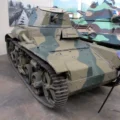 "Renault AMR 33" – nuotraukos ir vaizdo įrašai
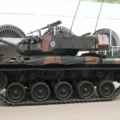 M41B Walker Bulldog – nuotraukos ir vaizdo įrašas
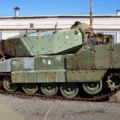 XM-8 šarvuotų ginklų sistema – nuotraukos ir vaizdo įrašas
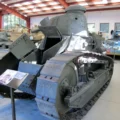 Šešių tonų bakas M1917 – WalkAround
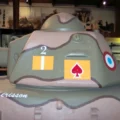 Renault R35 – WalkAround
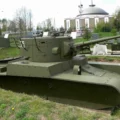 Char léger T-46 – WalkAround
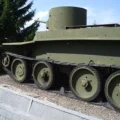 Char léger BT2 – Pasivaikščiojimas aplink