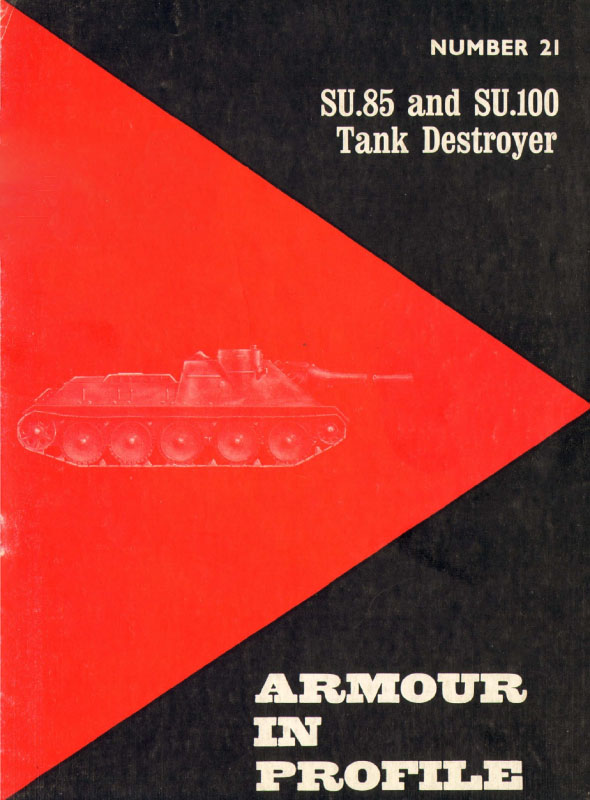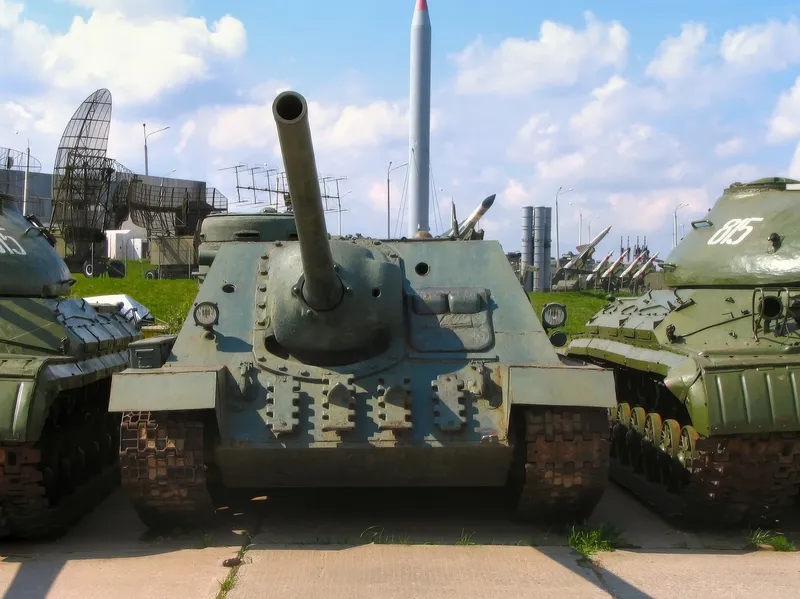
SU-100 | |
|---|---|
| 국가 | 소련 사회주의 연방 공화국 |
| 형식 | 자추진 총 |
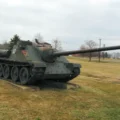
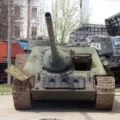
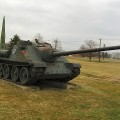
SU-100의 사진 갤러리, SU-100 전면 상부 구조에 100mm D-10S 부품이 있는 T-34 기지의 구축함입니다.
이미 트럭 과 탱크 기준으로 자추진 대포의 건설을 실험한 소련은 트랙터 섀시에 장착된 57mm Zis-2 총을 기반으로 전쟁 초기에 일부 콤소몰레츠를 생산했다. 1943년, 그들은 SU-85를 제작했고, 1944년 말, SU-100은 강력한 대포를 현대 섀시에 결합하여 완전한 갑옷을 제공했다. 그것은 생산 하는 상대적으로 저렴 하 고 러시아에 게 큰 유연성을 준 조롱 하는 탱크를 장착 하는 탱크를 장착 하는 것 보다 좀 더 강력한 대포를 갖는 장점이 있었다.
소스: 키 피 디 아
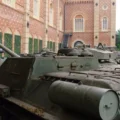
| SU-100 Vol.3 - 워크어라운드 | |
|---|---|
| 사진 작가 | Unknow |
| 로컬라이제이션 | Unknow |
| 사진 | 68 |
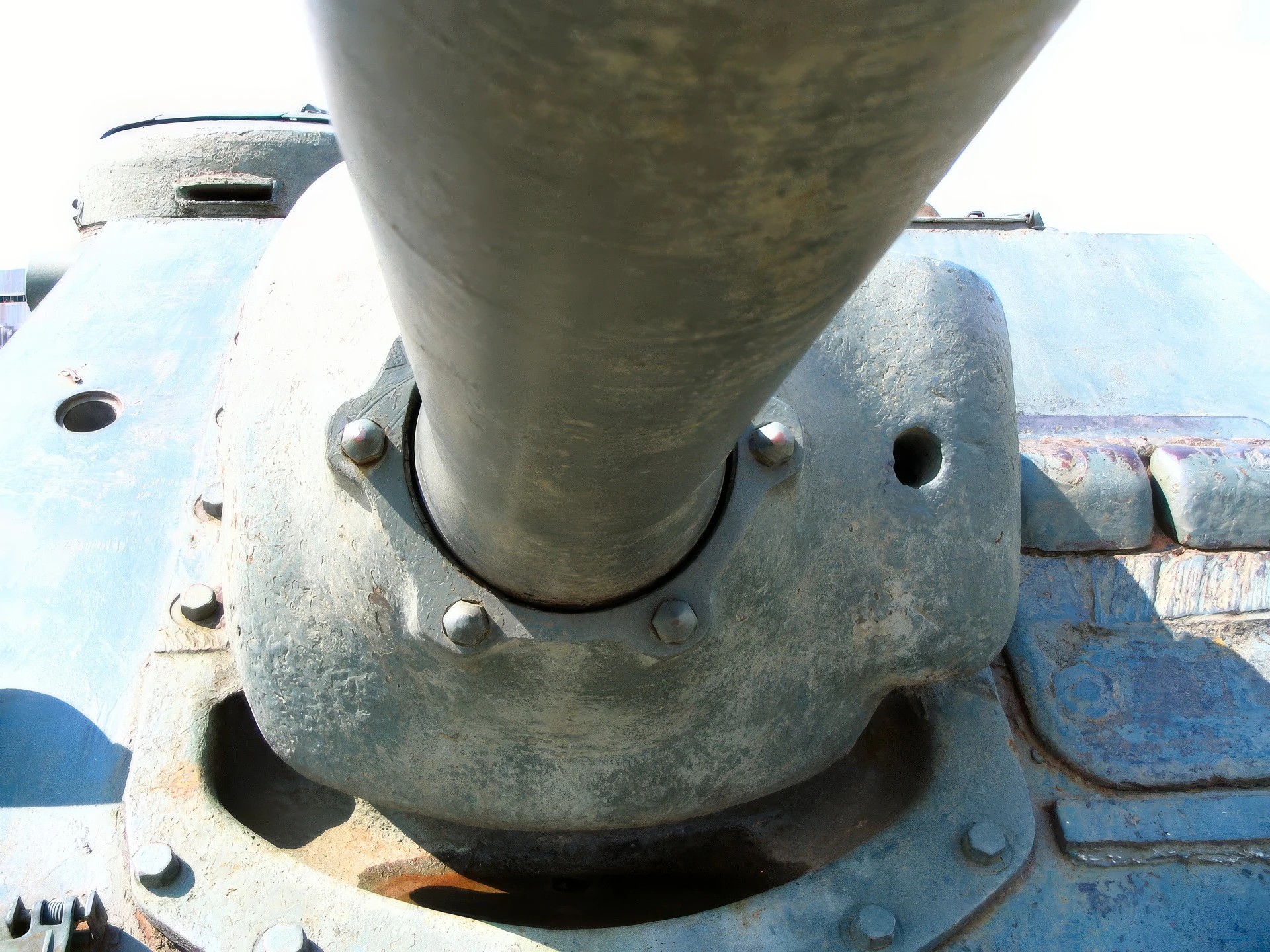
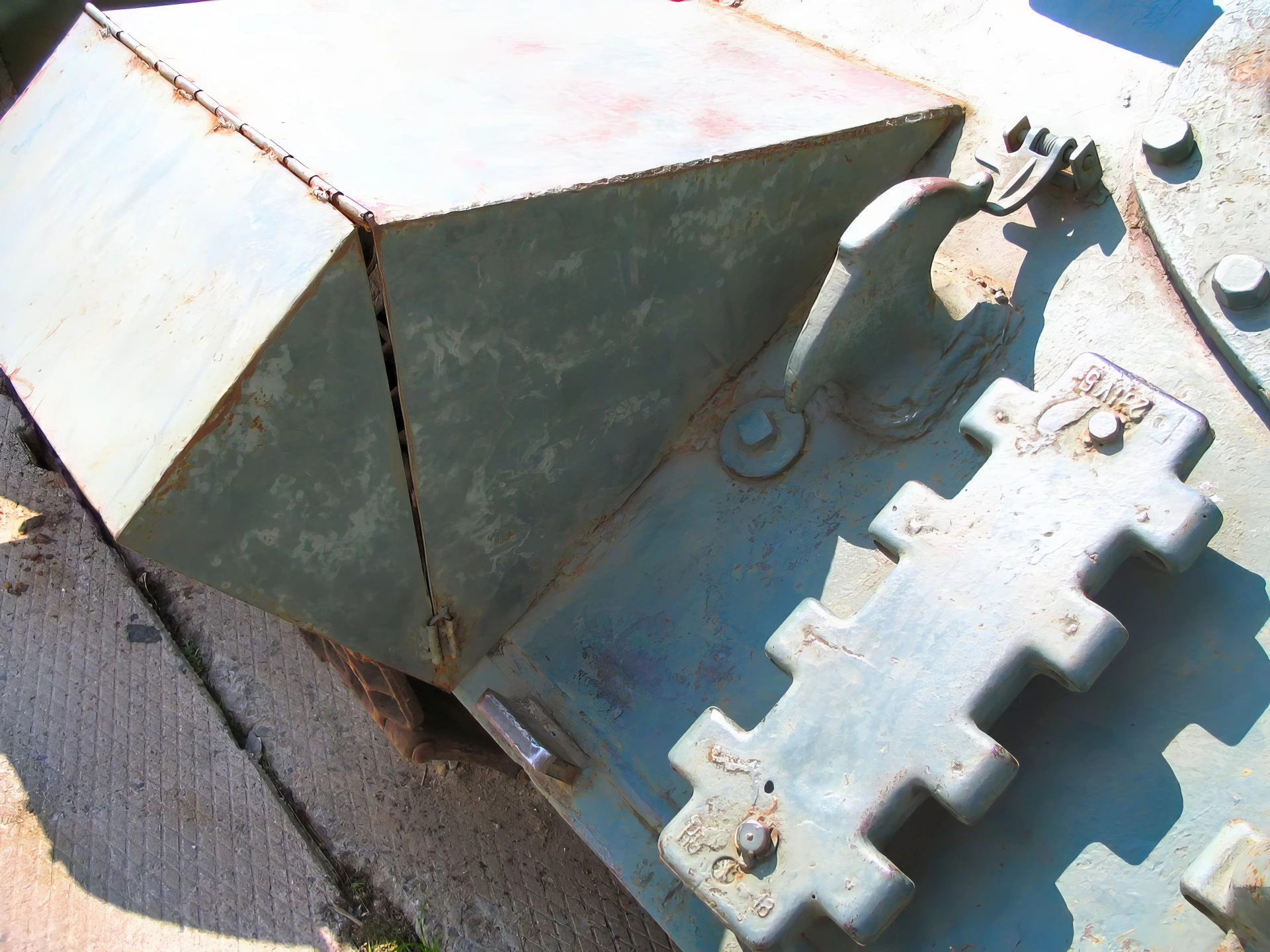
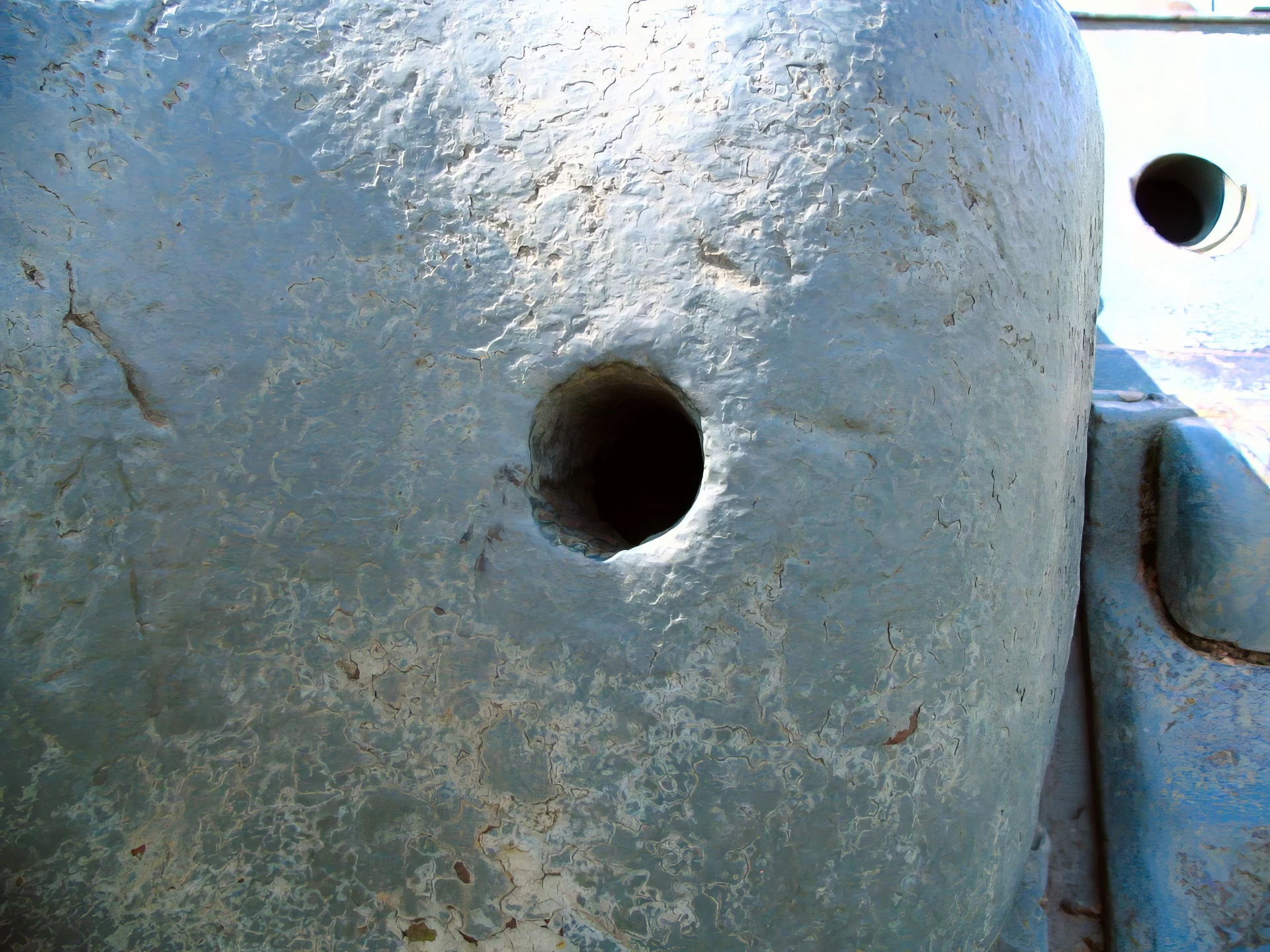
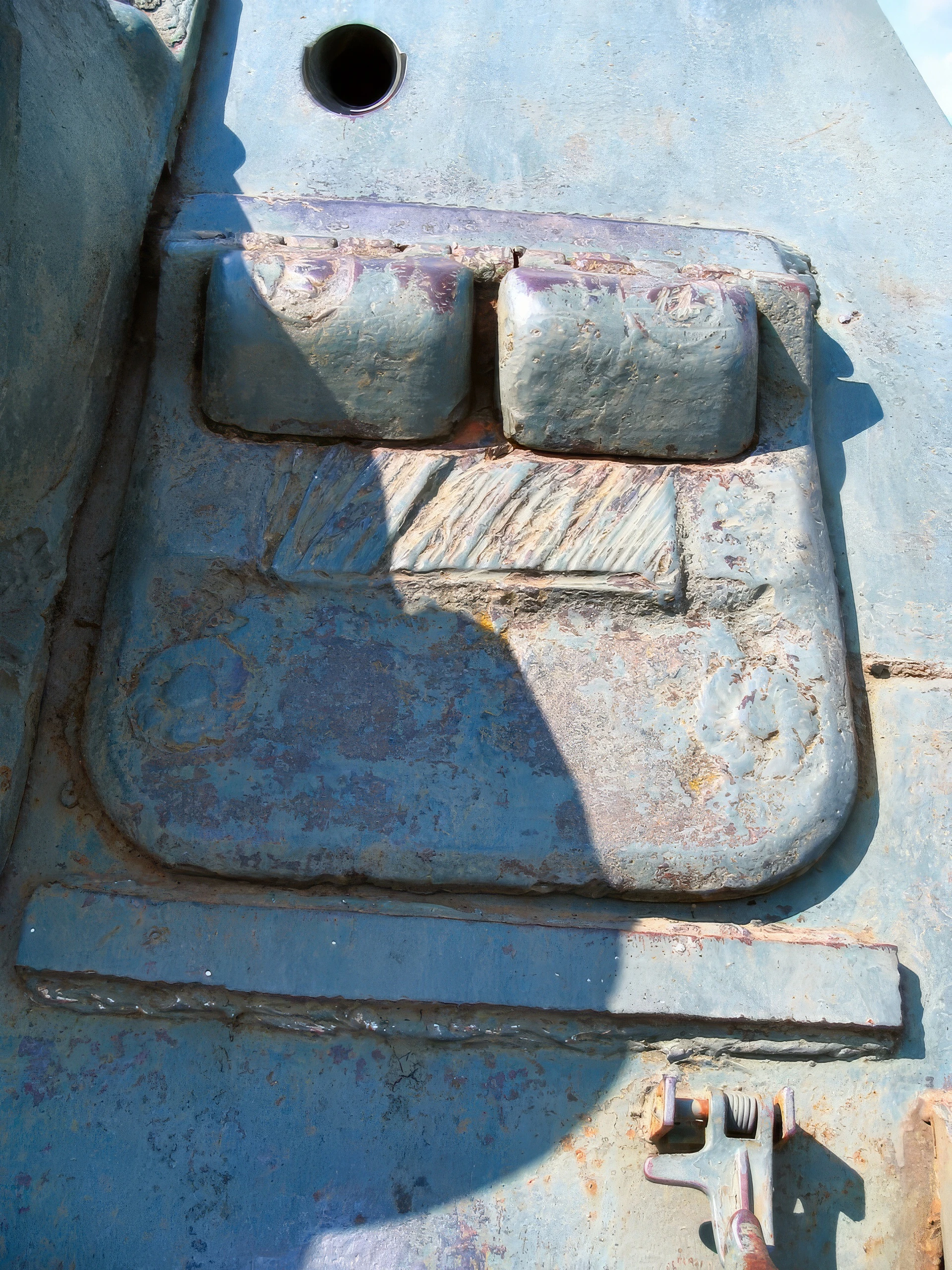
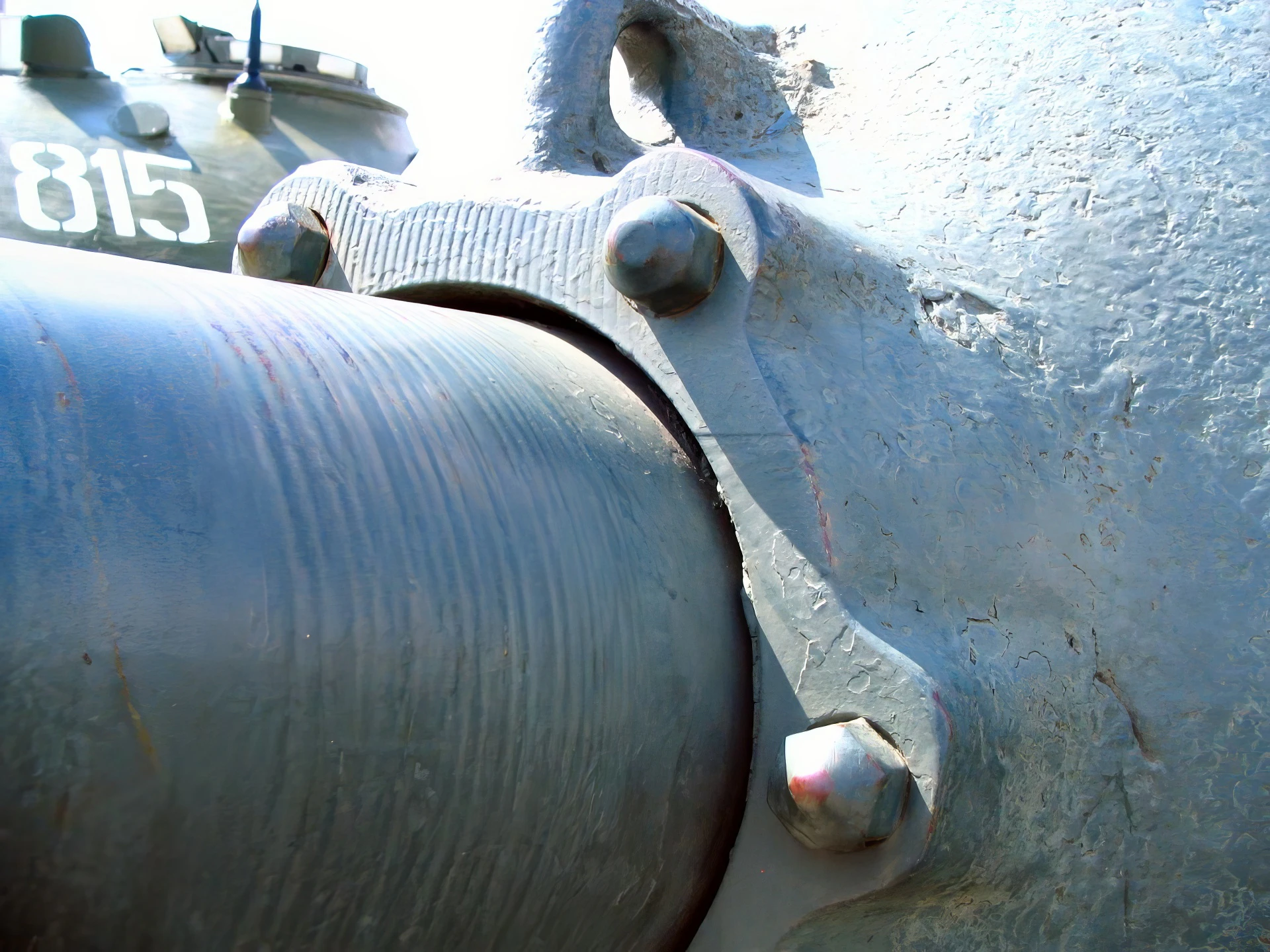
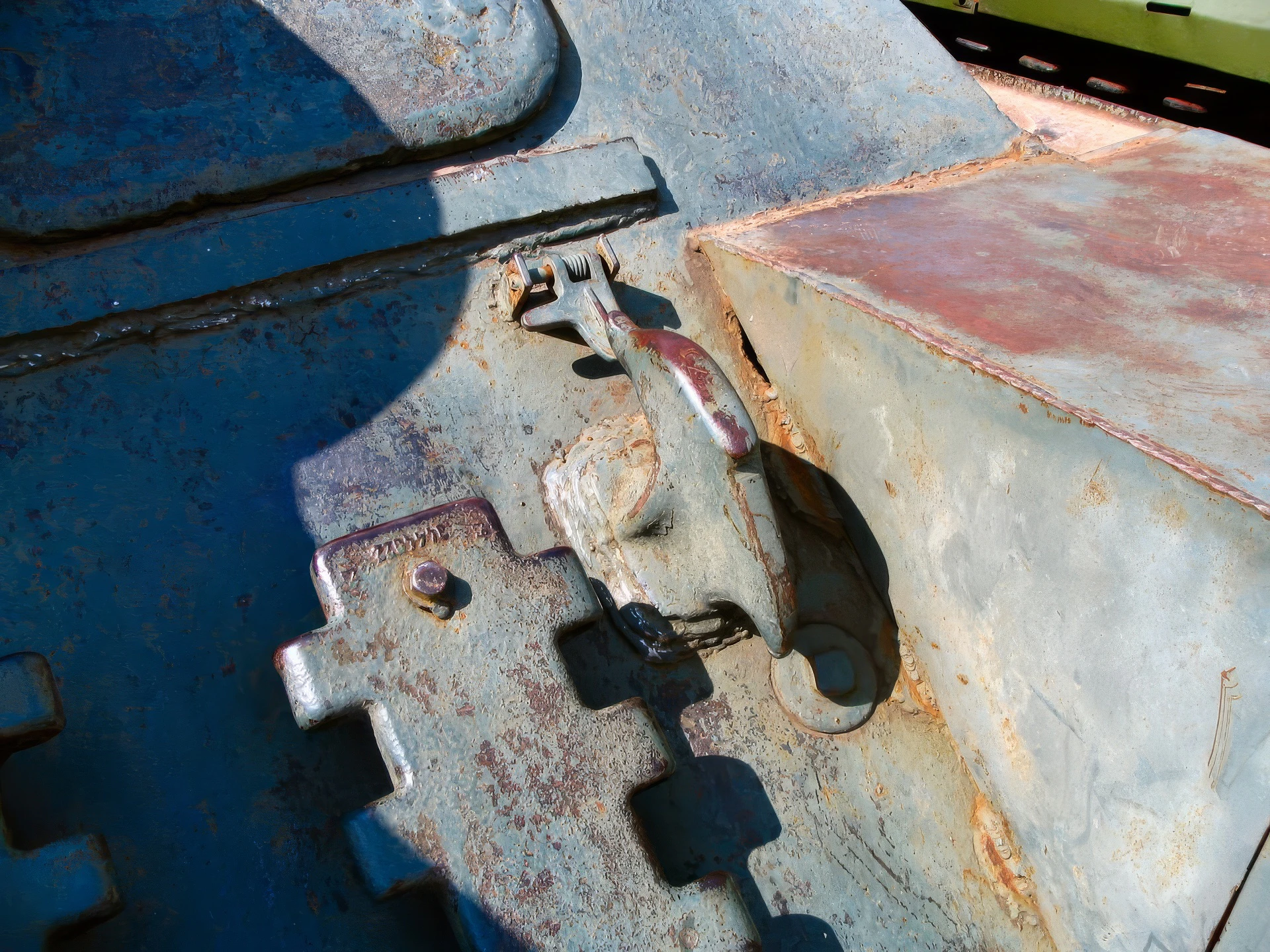
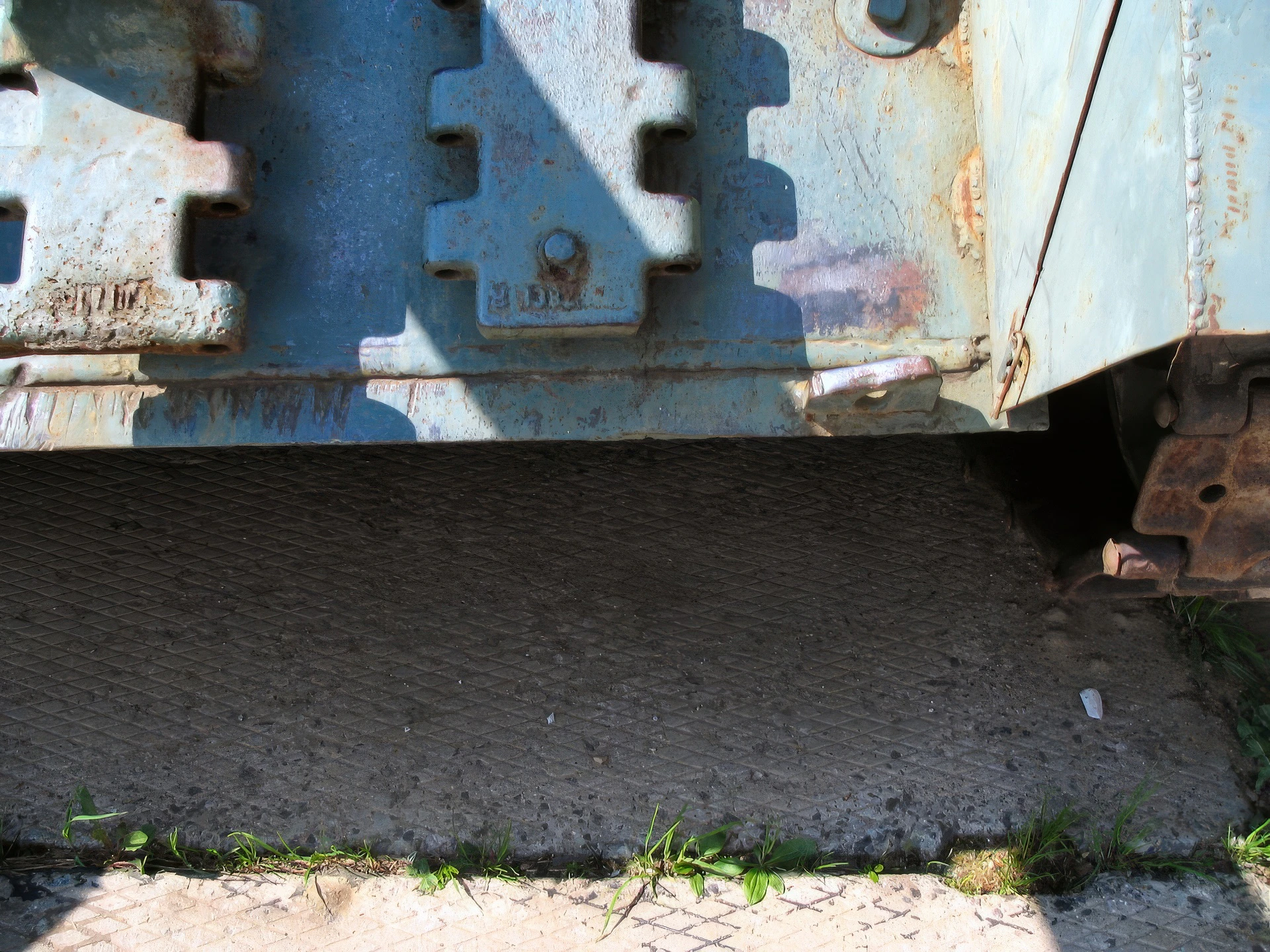
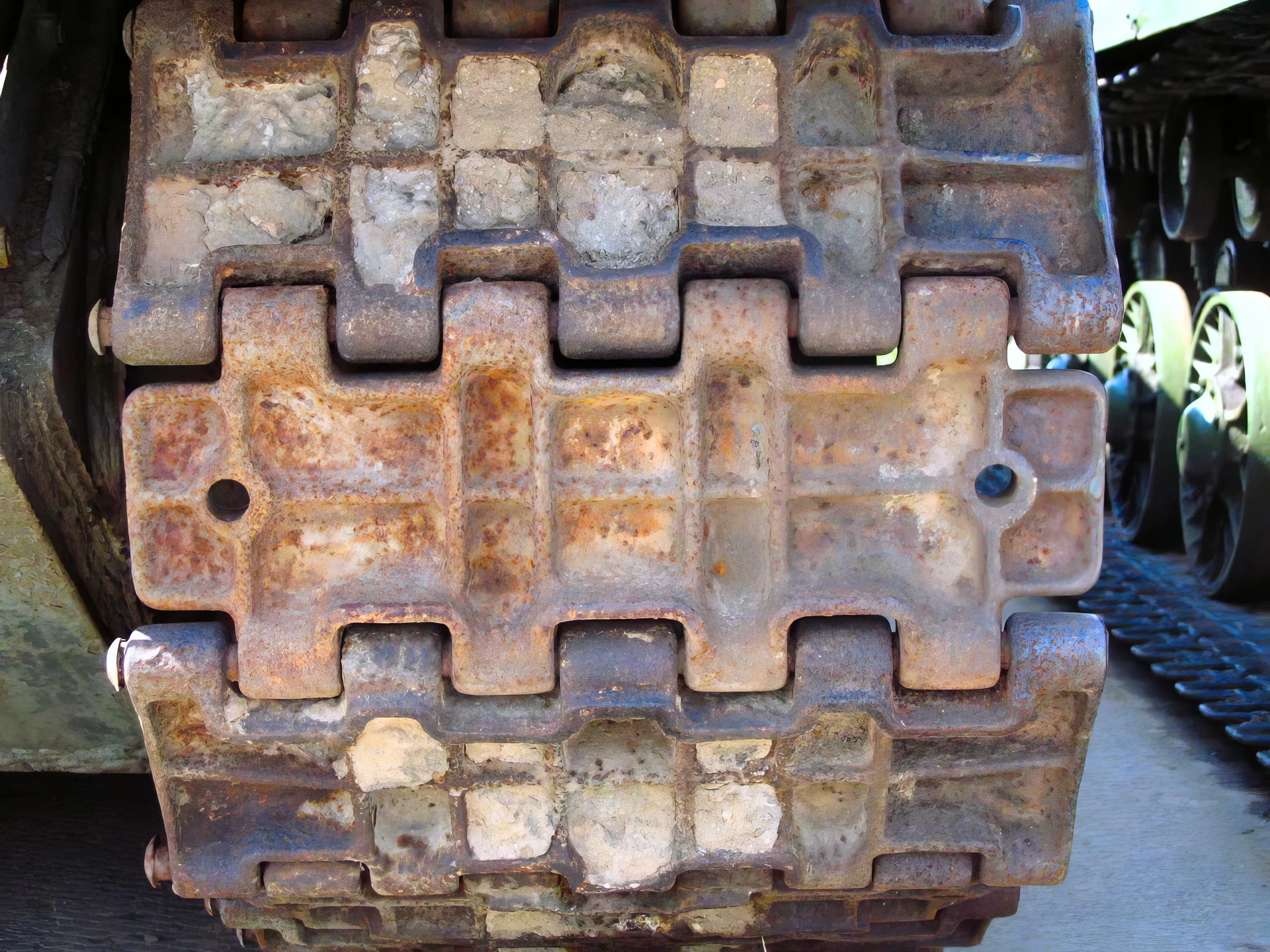
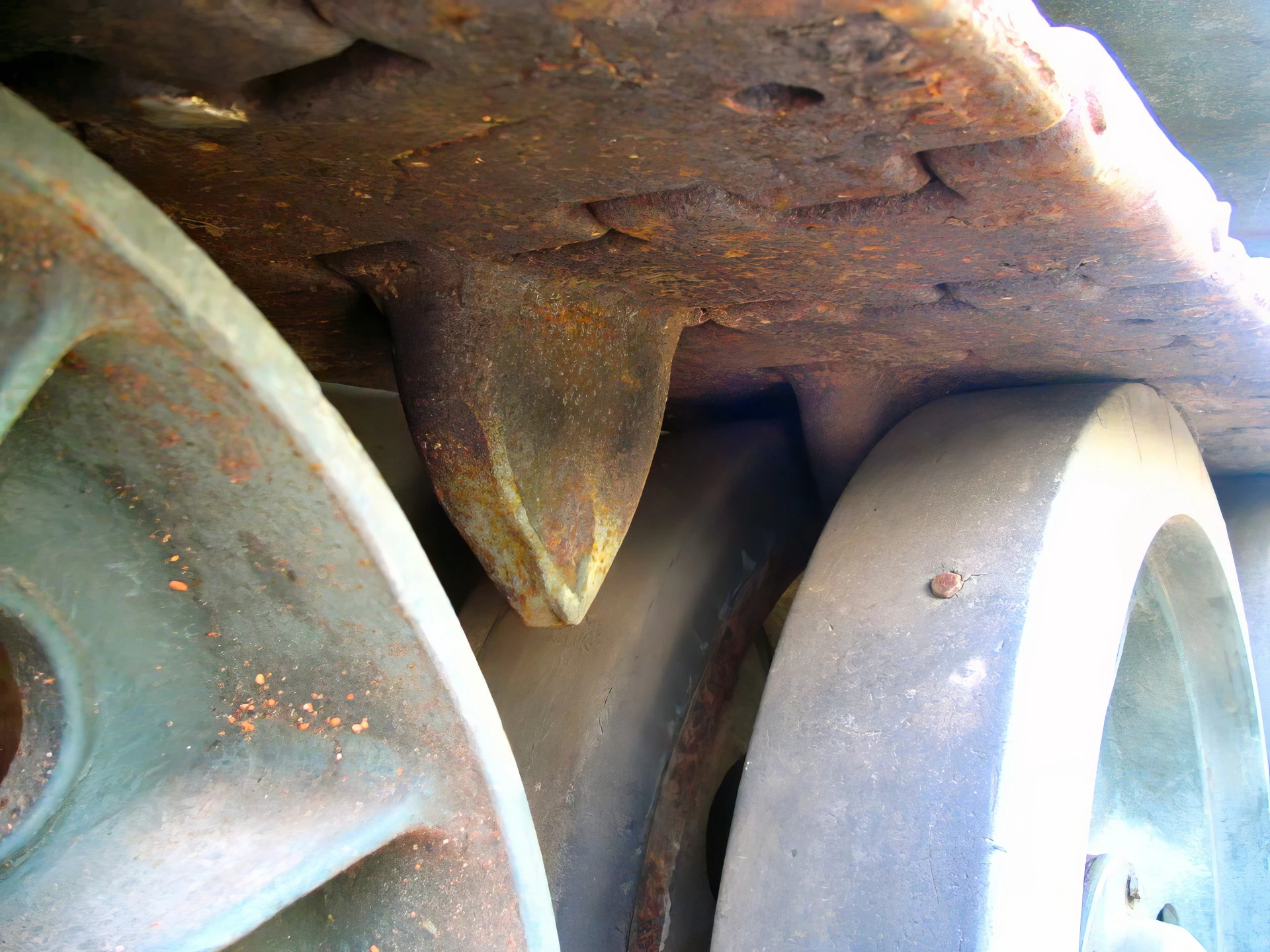

| SU-100 산책 | |
|---|---|
| 사진 작가 | 빅터 크레스타닌 |
| 로컬라이제이션 | 베이티 하 오세프 박물관 |
| 사진 | 65 |
참고 항목:


Tthe SU-100 (Samokhodnaya Ustanovka-100) was a Soviet 자체 추진 대전차포 developed in 1944. Based on the successful T-34-85 tank chassis, it was designed to counter the superior armor of late-war German heavy tanks, such as the Panther and Tiger I. It quickly earned a reputation as one of the most formidable tank killers on the Eastern Front.
Key Features and Design
- 주무장: The vehicle’s power came from the 100 mm D-10S anti-tank gun, a potent weapon capable of penetrating the frontal armor of most German tanks at combat ranges. This gun was later used on the post-war T-54/T-55 main battle tanks.
- Chassis: It utilized the reliable and mobile chassis of the T-34 medium tank, retaining good off-road mobility.
- Design Type: It employed a casemate (turretless) superstructure, which provided a lower profile and allowed for mounting a much larger gun than the standard T-34 turret could accommodate. However, this design limited the gun’s traverse to a narrow arc ($\pm 8^{\circ}$).
- Armor: The frontal armor of the casemate was significantly upgraded from its predecessor (the SU-85) to 75 mm at a 55-degree slope, giving it an effective thickness superior to many German tank guns.
- Crew: Operated by a crew of four (Commander/Radio Operator, Gunner, Loader, Driver).
Operational Role in WWII
The SU-100 entered service in late 1944 and saw extensive combat during the final year of the war, particularly in massive engagements:
- Tank Killer: Its primary role was as a mobile anti-tank asset attached to tank and motorized corps, intended to ambush and destroy heavy German armor at long ranges.
- Major Engagements: It was notably used in large numbers during the final Soviet offensives, including the heavy fighting in Hungary (e.g., the Battle of Lake Balaton) in March 1945.
- Weakness: The design lacked any secondary machine gun, making it vulnerable to close-range infantry attacks and necessitating infantry support during urban combat, such as the Battle of Berlin.
조회수 : 5165