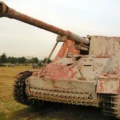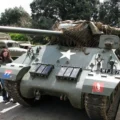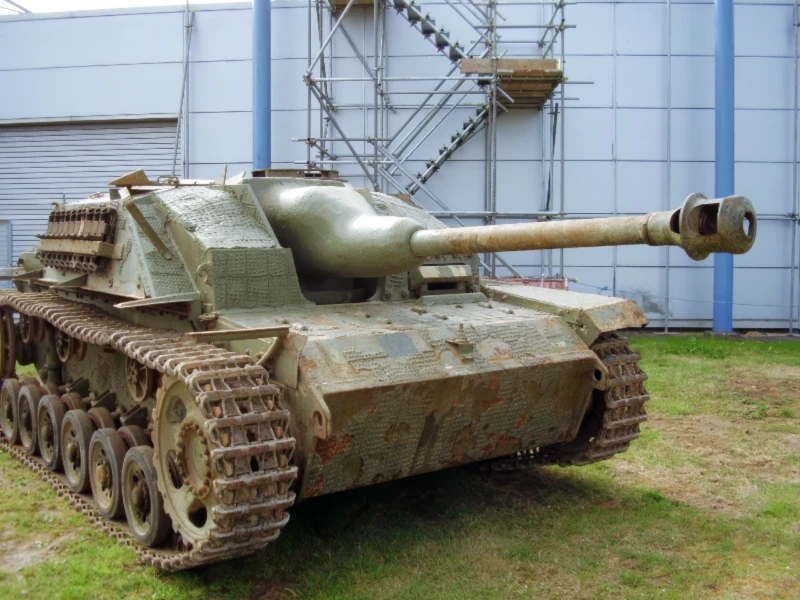
슈투름게슈츠 40 | |
|---|---|
| 국가 | 독일 |
| 형식 | 돌격 총 – 구축전차 |
| 설명 | 의 앨범 42 «Sturmgeschutz 40»의 산책 사진 |
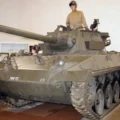
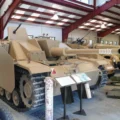
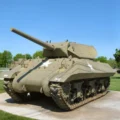
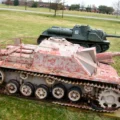
Sturmgeschutz 40의 사진 갤러리 스투름게슈슈츠 III & IV는 제 2 차 세계 대전 중 독일의 돌격포였습니다.
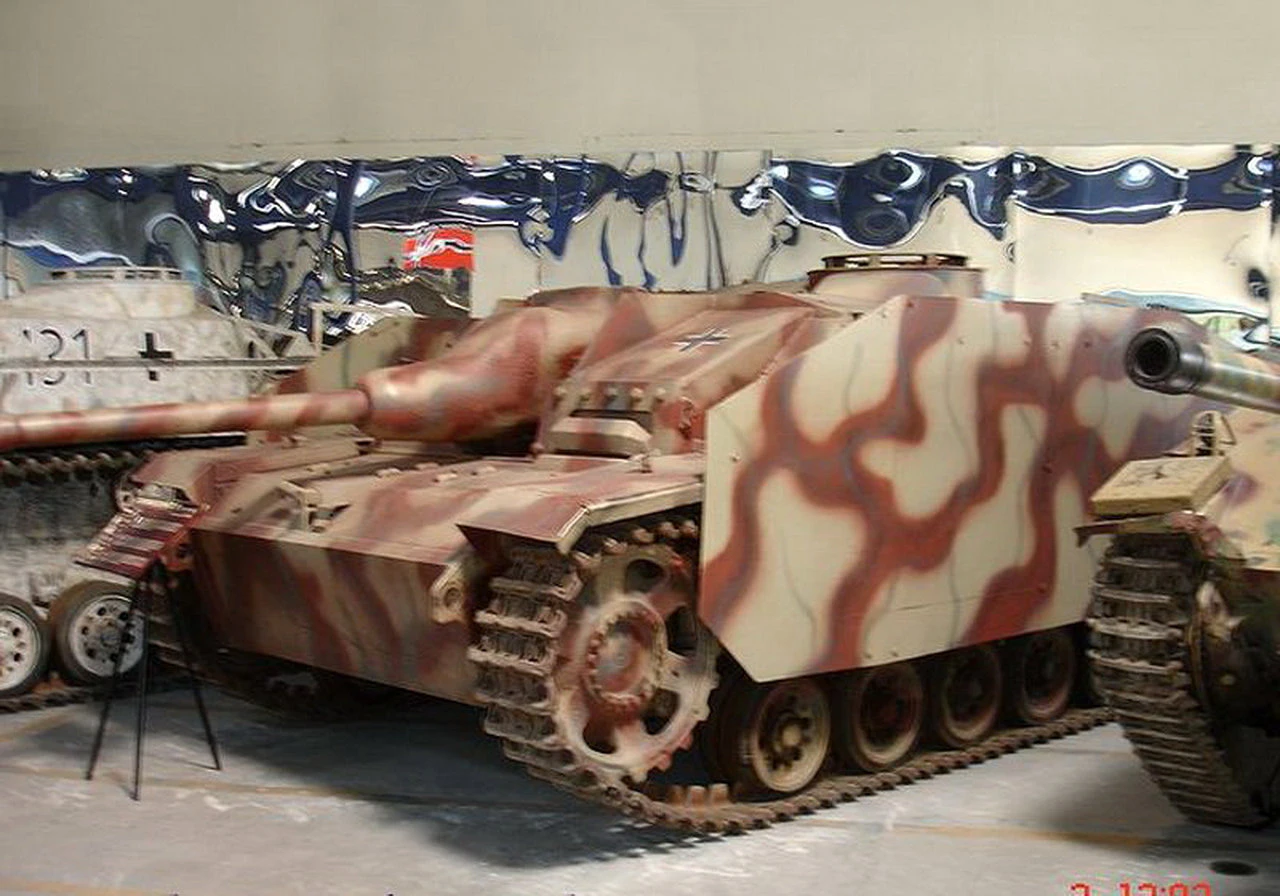
Sturmgeschutz 40 01
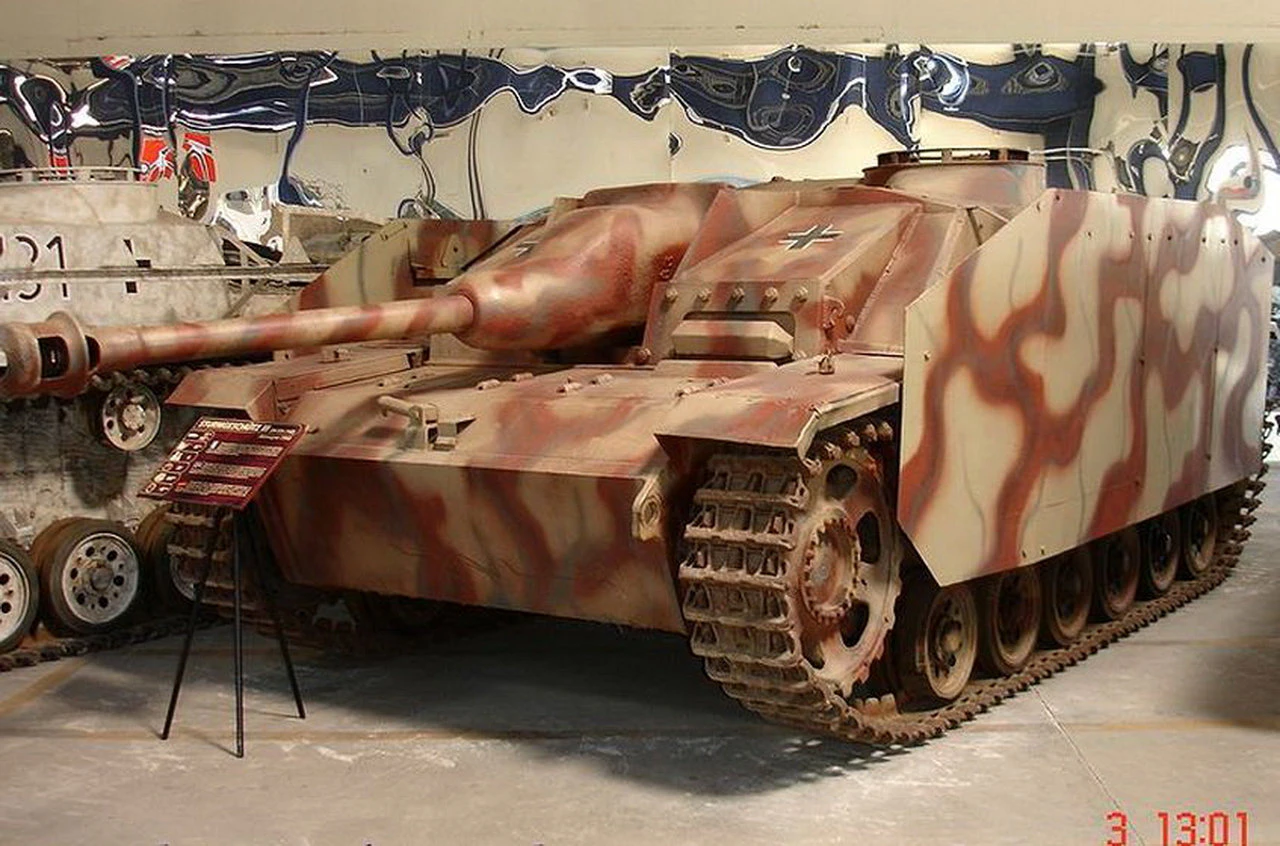
Sturmgeschutz 40 02
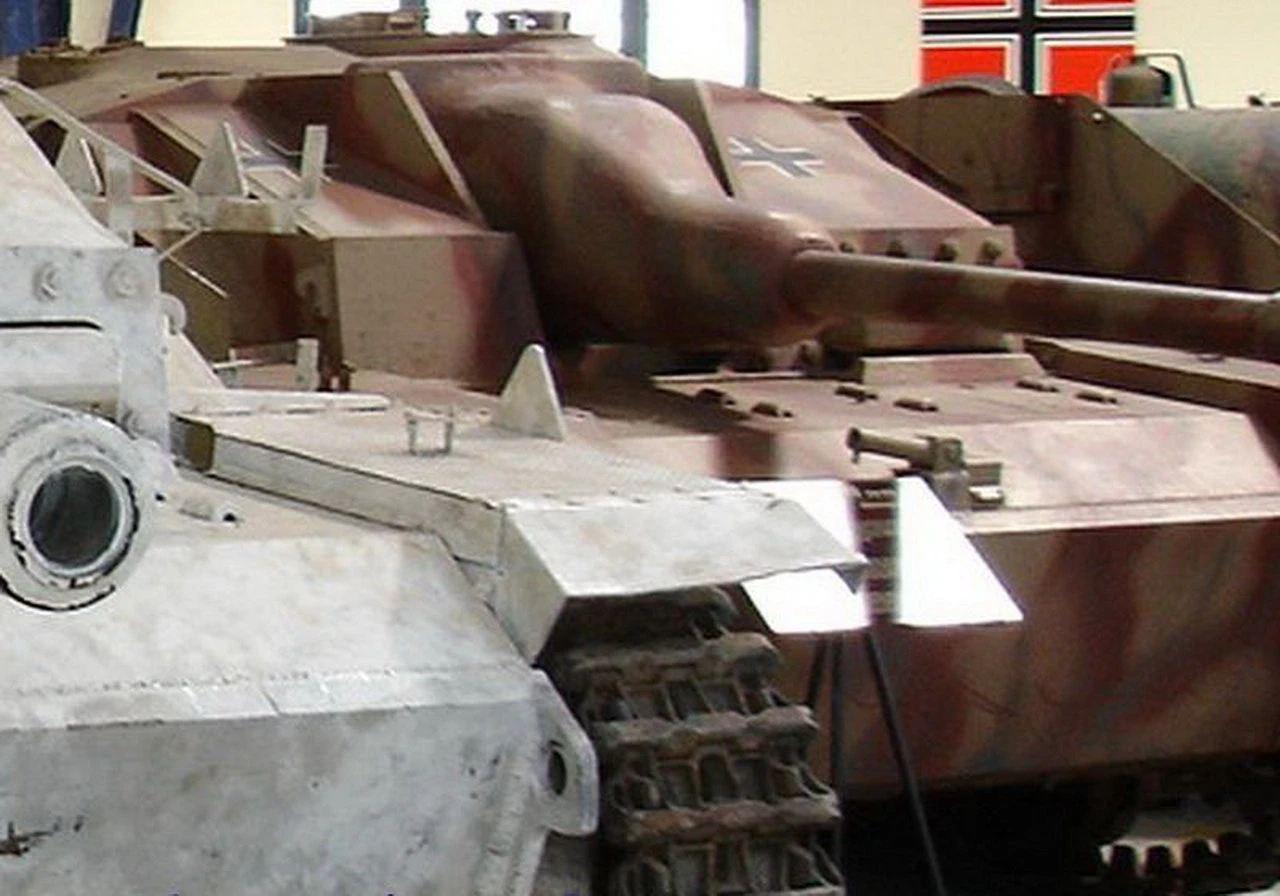
Sturmgeschutz 40 03
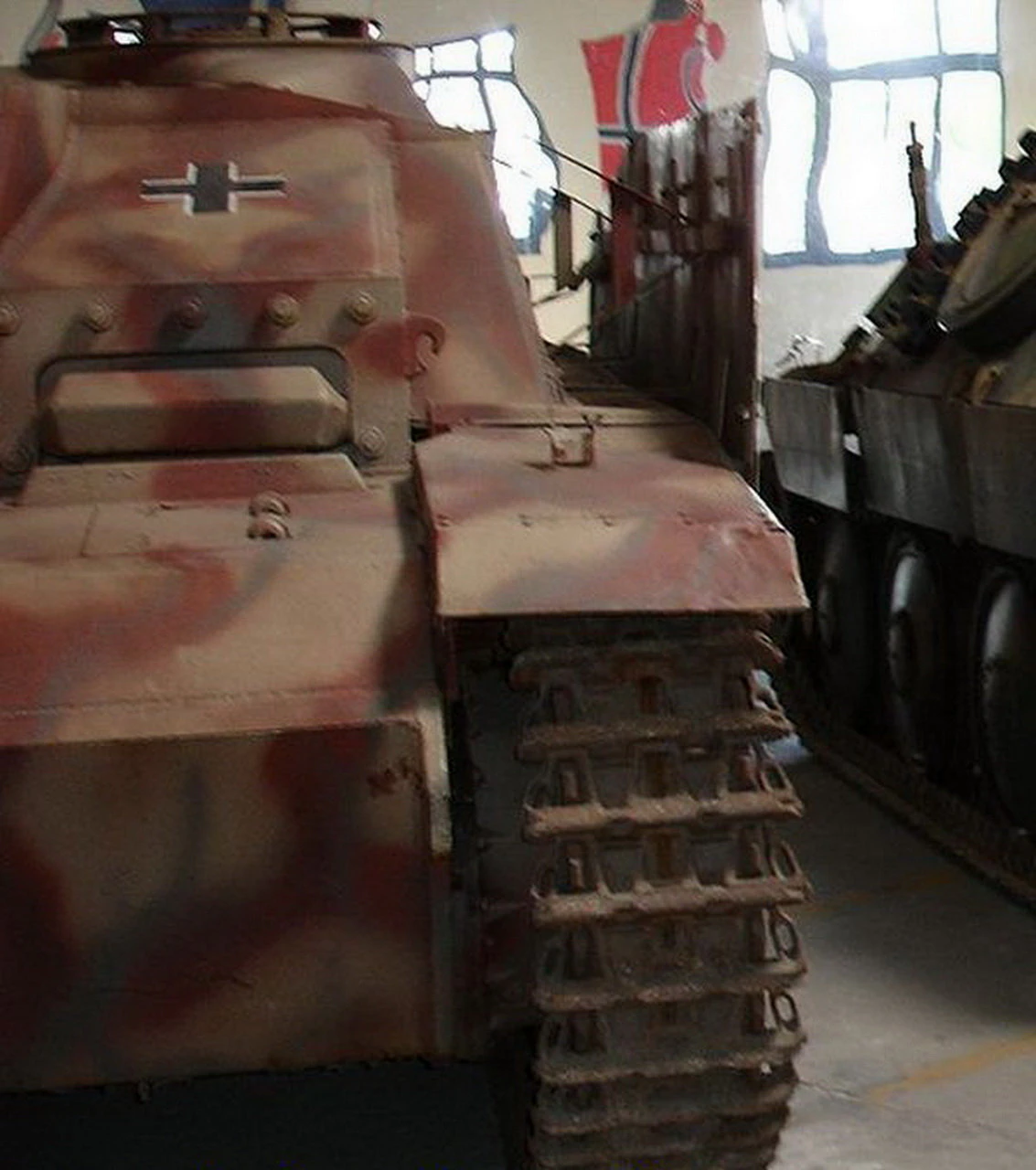
Sturmgeschutz 40 04
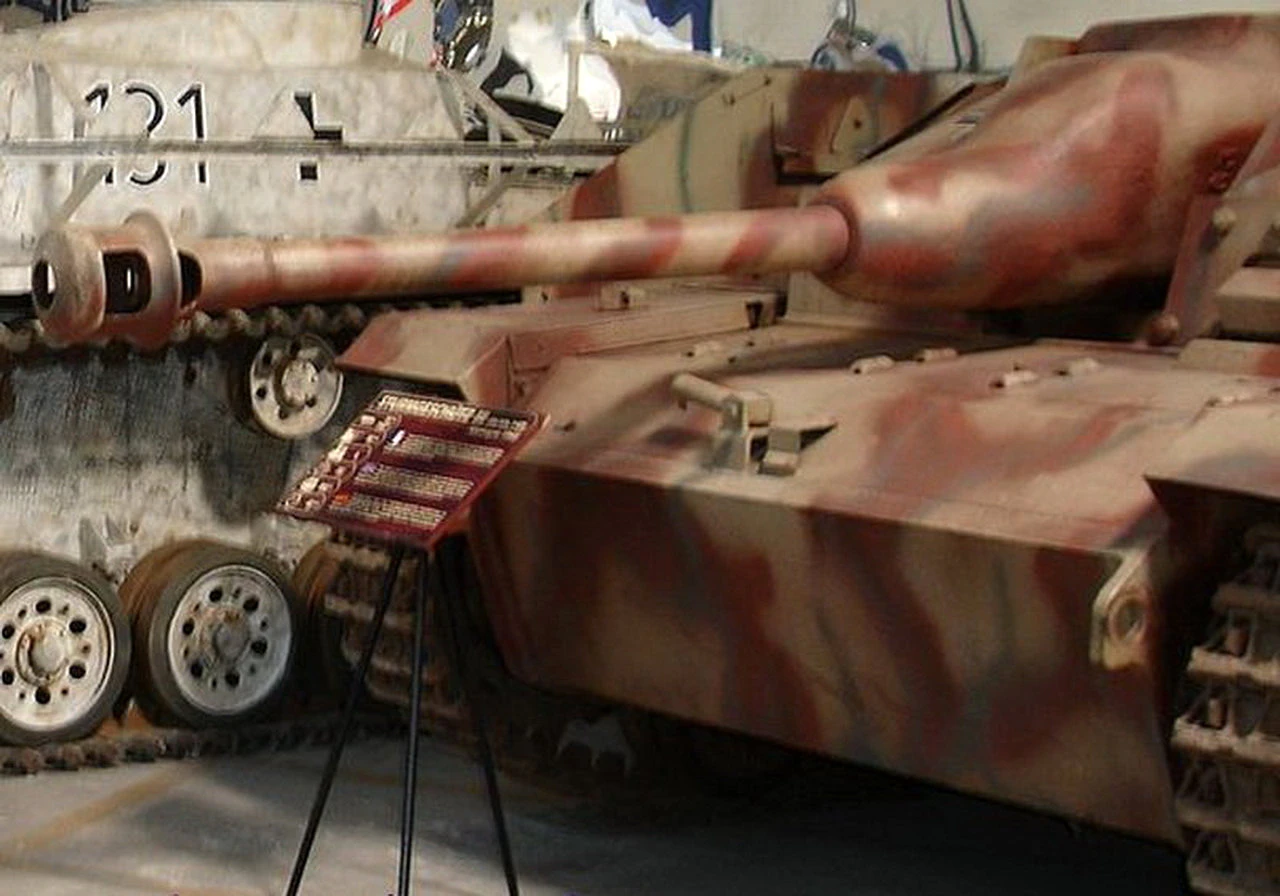
Sturmgeschutz 40 05
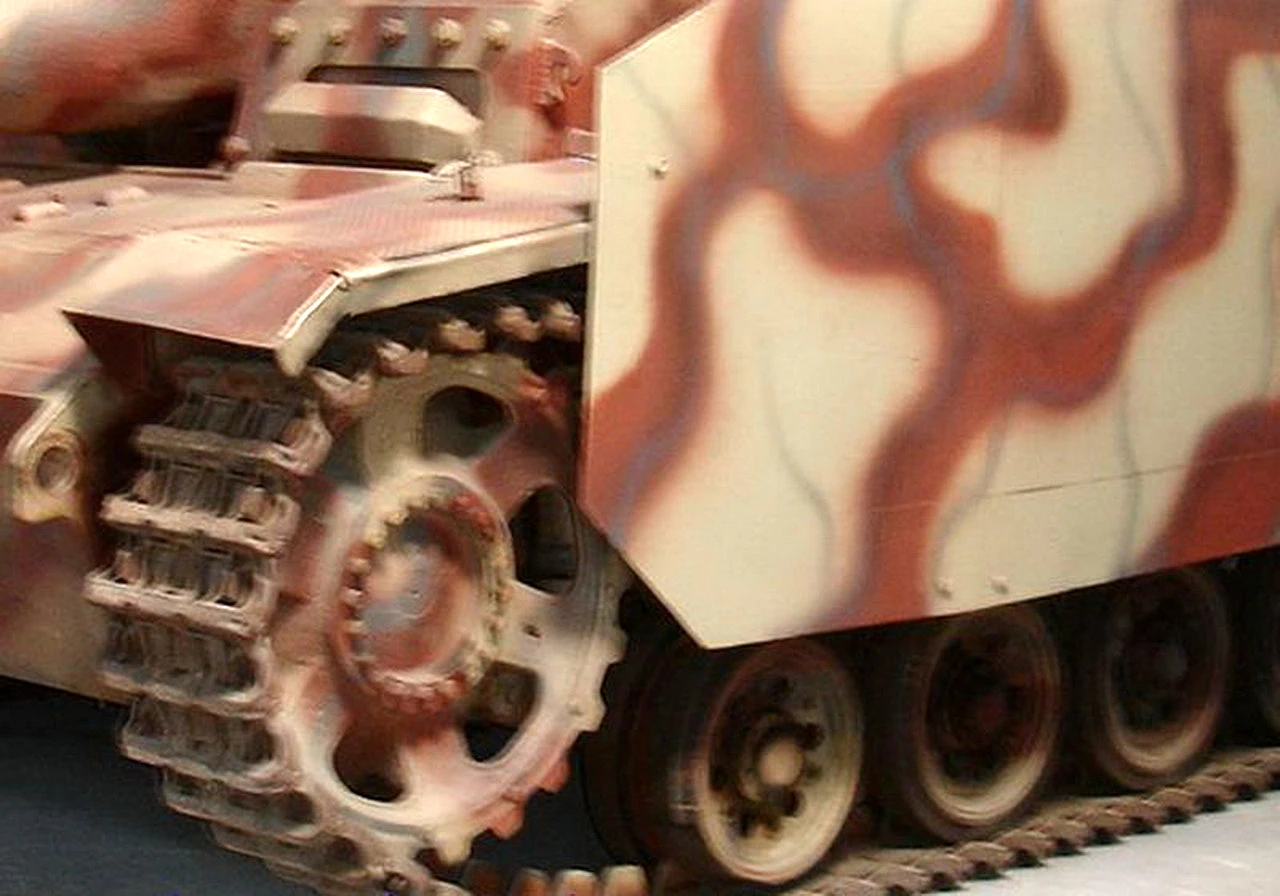
Sturmgeschutz 40 06
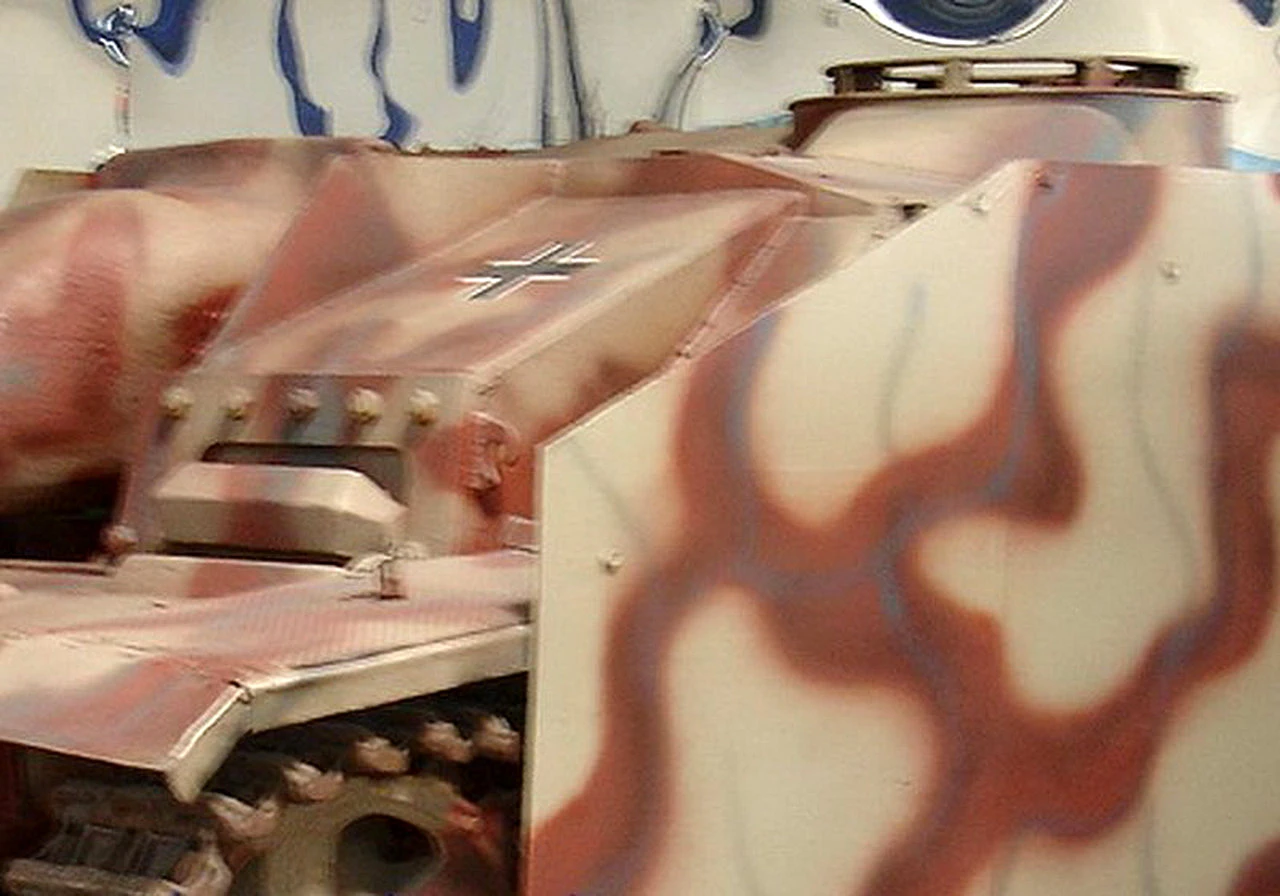
Sturmgeschutz 40 07
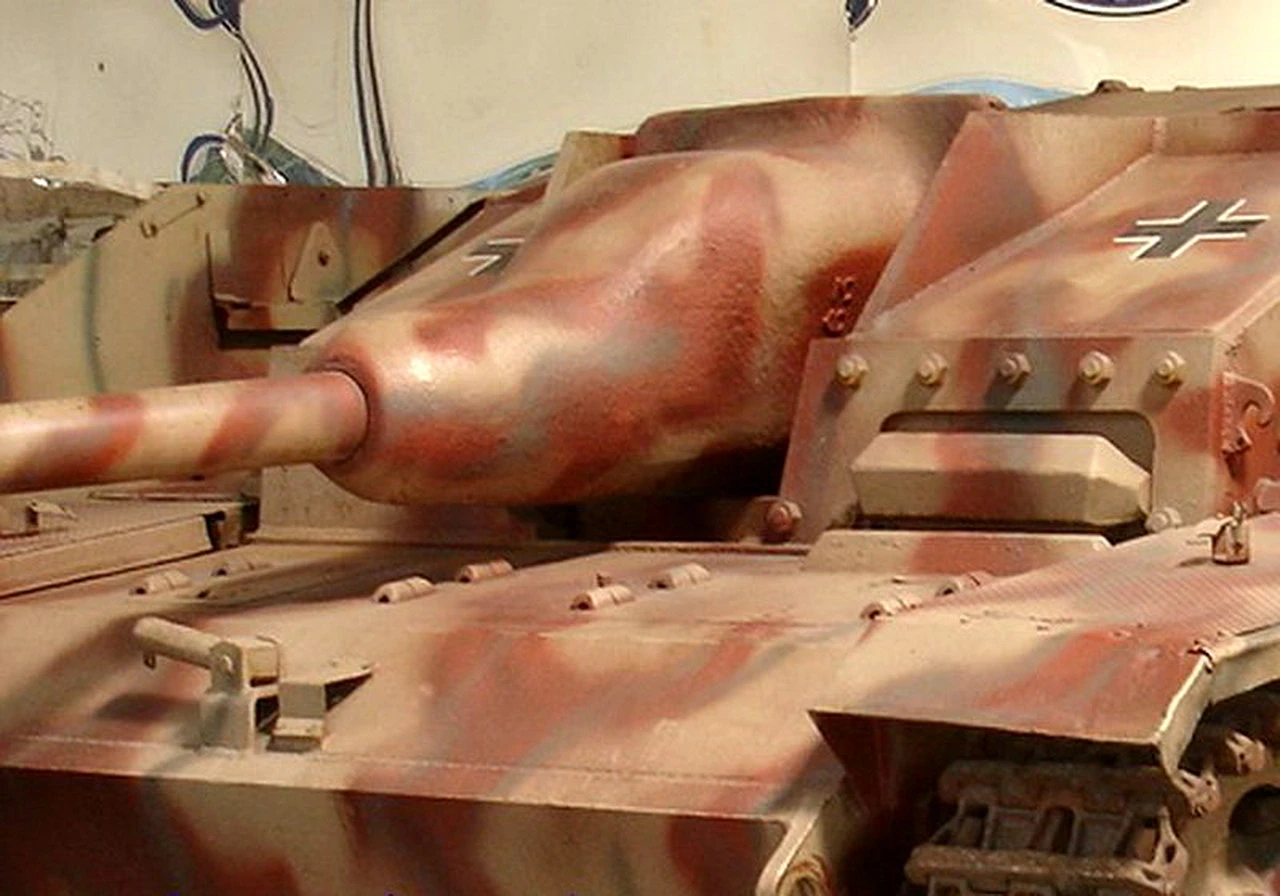
Sturmgeschutz 40 08
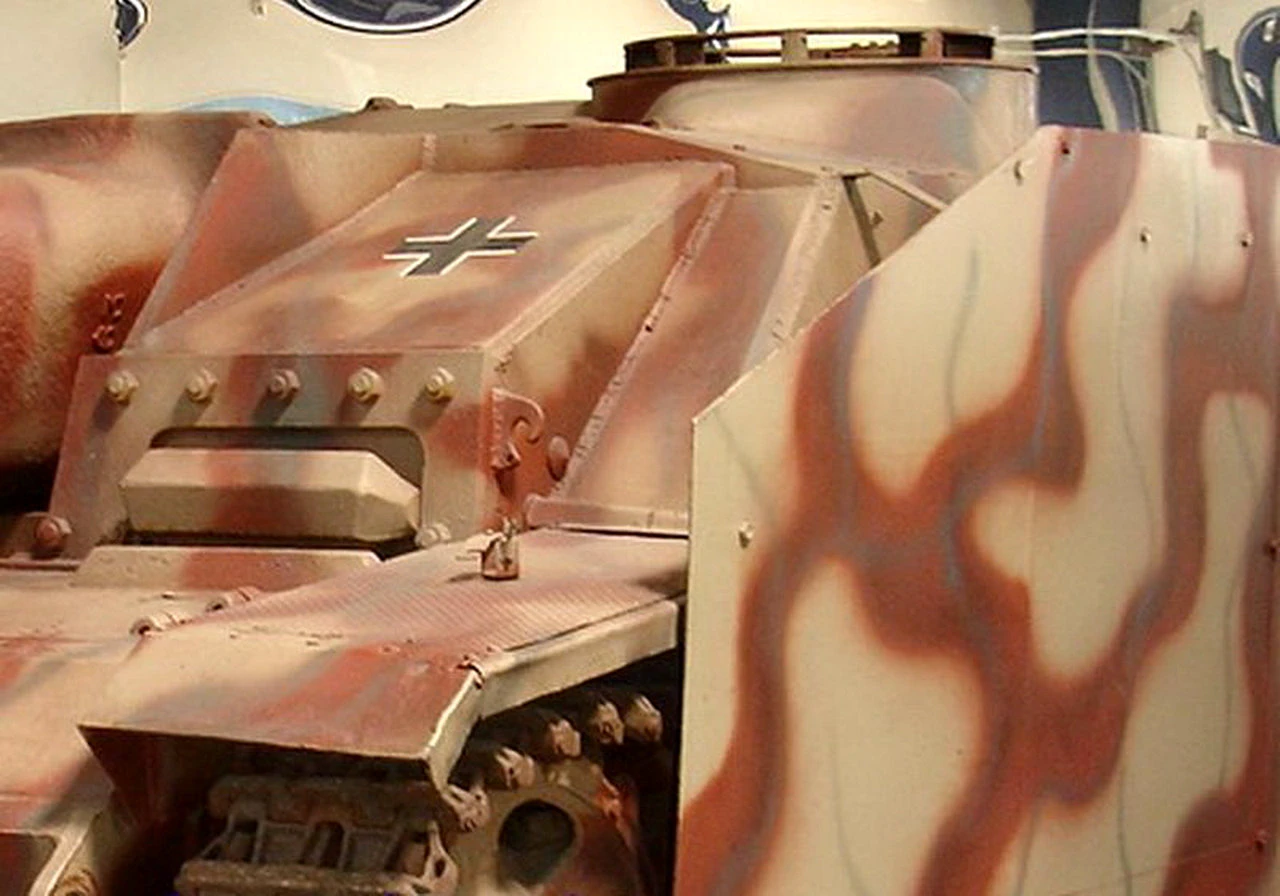
Sturmgeschutz 40 09
Wait, Searching Sturmgeschutz 40 for you…

참고 항목:


The Master of the Ambush
Tthe Sturmgeschütz 40 (specifically the StuG III Ausf. G) was the final and most produced version of the StuG III family. Originally designed as mobile infantry support, the “StuG” evolved into a lethal tank destroyer as the war progressed. By removing the heavy, expensive turret of the Panzer III, German engineers could mount a much more powerful 75mm long-barreled gun on a lower-profile chassis. It was cheaper to build, easier to hide, and arguably more effective than the tanks it fought alongside, accounting for more tank kills than any other German vehicle in WWII.
| Attribute | Technical Specification (StuG 40 Ausf. G) |
|---|---|
| 역할 | Assault Gun / Tank Destroyer |
| 승무원 | 4 (Commander, Gunner, Loader, Driver) |
| 엔진 | Maybach HL 120 TRM V12 gasoline (300 hp) |
| 최대 속도 | 40 km/h (25 mph) on road |
| 주무장 | 7.5 cm KwK 40 L/48 rifled gun (54 rounds) |
| 보조 무장 | 1 or 2 × 7.92 mm MG 34 (often with a remote shield) |
| 갑옷 | 80 mm (Frontal) to 30 mm (Side) |
| Operational Weight | 23.9 tonnes |
Design Engineering: Low Profile, High Velocity
- Casemate Design: By eliminating the turret, the StuG was significantly shorter than the Panzer III or IV. This low silhouette made it nearly invisible when dug into a defensive position or hidden in a tree line, allowing it to fire the first shot in almost every engagement.
- The Saukopf (Pig’s Head) Mantlet: Later models featured a cast gun mantlet known as the 사우코프. Its rounded shape was designed to deflect incoming shells away from the gun mount, providing superior protection compared to the earlier boxy, welded mantlets.
- 7.5 cm KwK 40 L/48: This long-barreled gun was the same one used on the late-model Panzer IVs. It was capable of knocking out Soviet T-34s and American Shermans at ranges where they struggled to even see the StuG.
- Remote Machine Gun: Because the crew was inside a fixed casemate, late-war StuGs often featured a “remote” machine gun on the roof that could be fired by the loader from 내부 the vehicle, protecting him from sniper fire.
Operational History: The Infantry’s Best Friend
- Versatile Combatant: Unlike the specialized “Jagdpanzers,” the StuG remained an “Assault Gun” at heart. It fired high-explosive (HE) shells to clear bunkers for infantry and armor-piercing (AP) shells to stop tank breakthroughs.
- Economic Efficiency: A StuG III cost significantly less to produce than a Panzer IV or Tiger. As German resources dwindled, the StuG became the mainstay of the Panzerwaffe, filling the gaps left by more complex tanks.
- Eastern Front Ace: The StuG 40 was particularly feared on the Eastern Front. Small “StuG Brigades” acted as mobile fire brigades, rushing to parts of the line where Soviet armor had broken through and using ambush tactics to stall much larger forces.
- Post-War Service: The StuG’s design was so effective that several countries, including Finland and Syria, continued to use them long after 1945. Syrian StuGs even faced off against Israeli Shermans in the mid-1960s!
조회수 : 3063