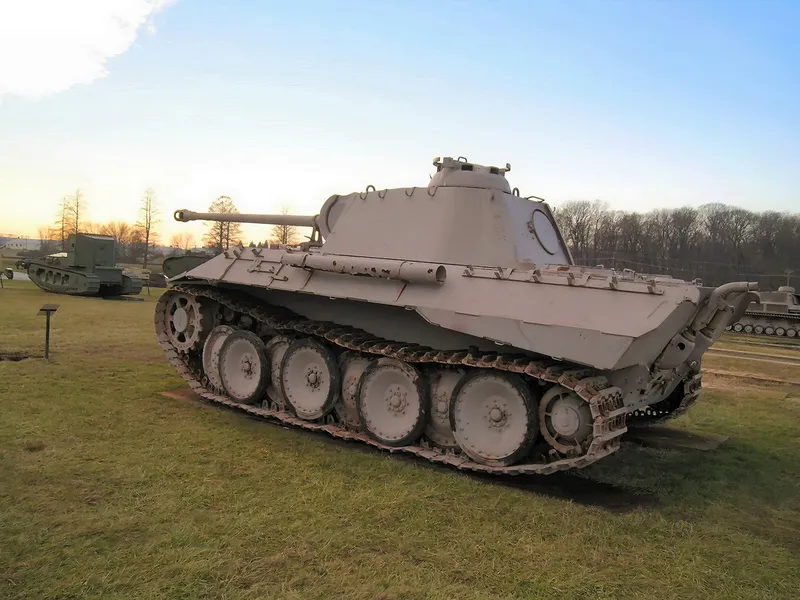
표범 - Sdkfz.171 | |
|---|---|
| 국가 | 나치 독일 |
| 역할 | 중형 전차 |
| 서비스 중 | 1943–1945 |
| 내장 | 6000+ |
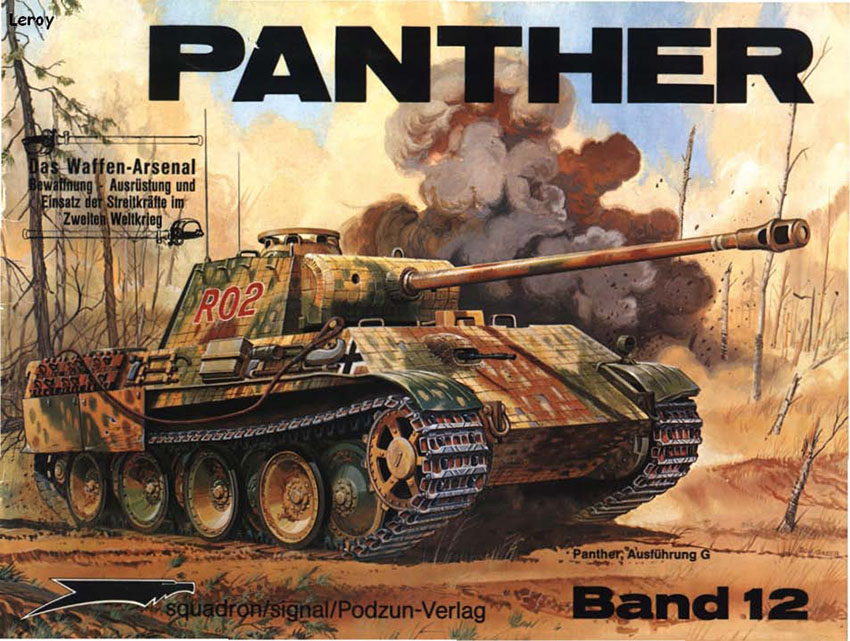
Tthe 팬더 1943년 중반부터 1945년 전쟁이 끝날 때까지 유럽의 동부 및 서부 전선에서 제2차 세계대전 중에 배치된 독일 중형 전차이다. 그것은 Sd.Kfz. 171의 의식 재고 지정을했다. 1944년 2월 27일까지 히틀러가 로마 숫자 "V"를 삭제하라고 명령할 때까지 기갑캄프바겐 V 팬더로 지정되었다. 【인용 필요】 현대 영어 보고서는 때때로 "마크 V"로 지칭합니다.
소스: 팬더 Ausf.D 에 위키백과
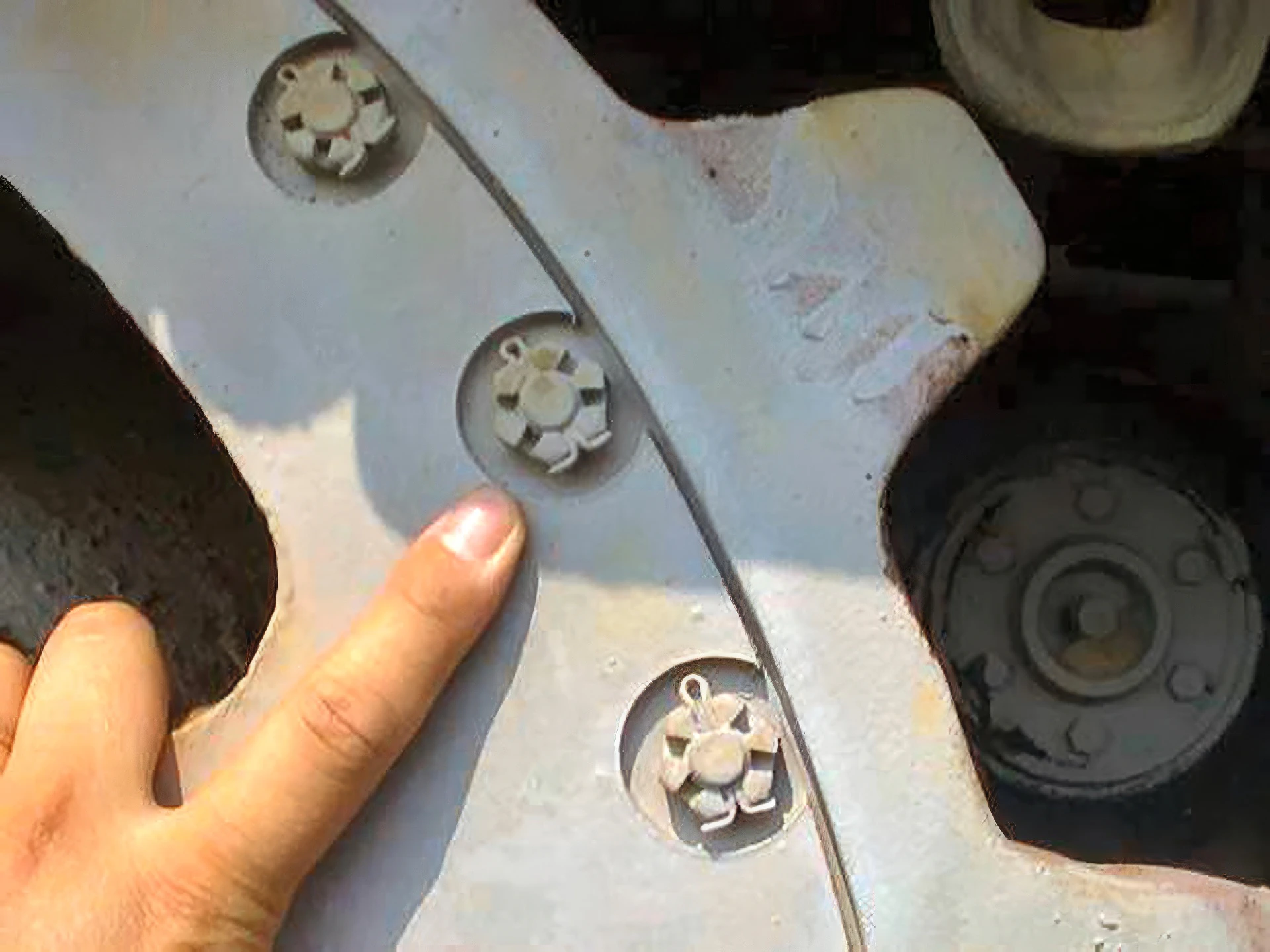
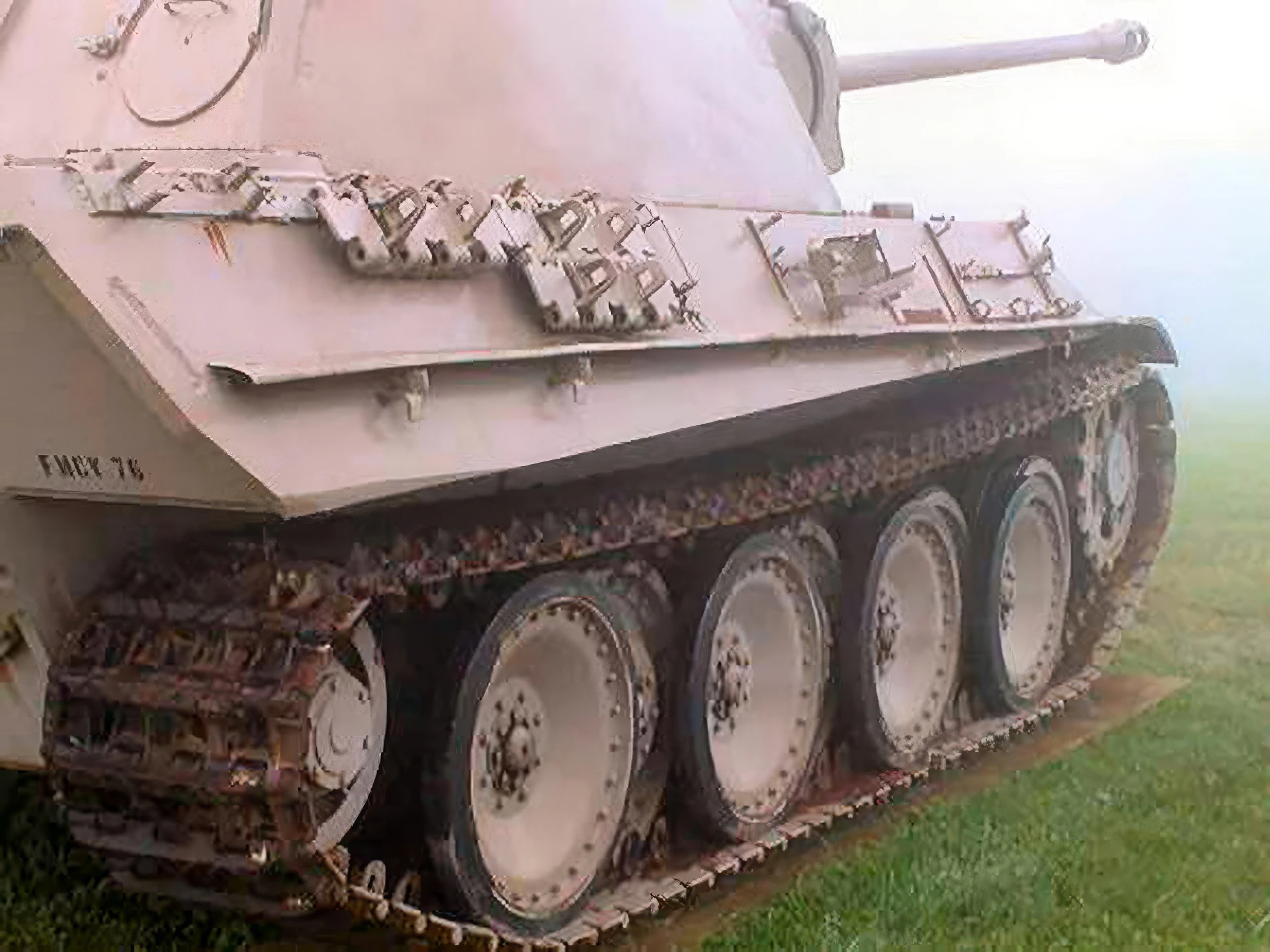
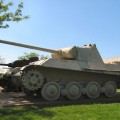
| Panther Ausf.D | |
|---|---|
| 사진 작가 | Unknow |
| 로컬라이제이션 | Unknow |
| 사진 | 59 |
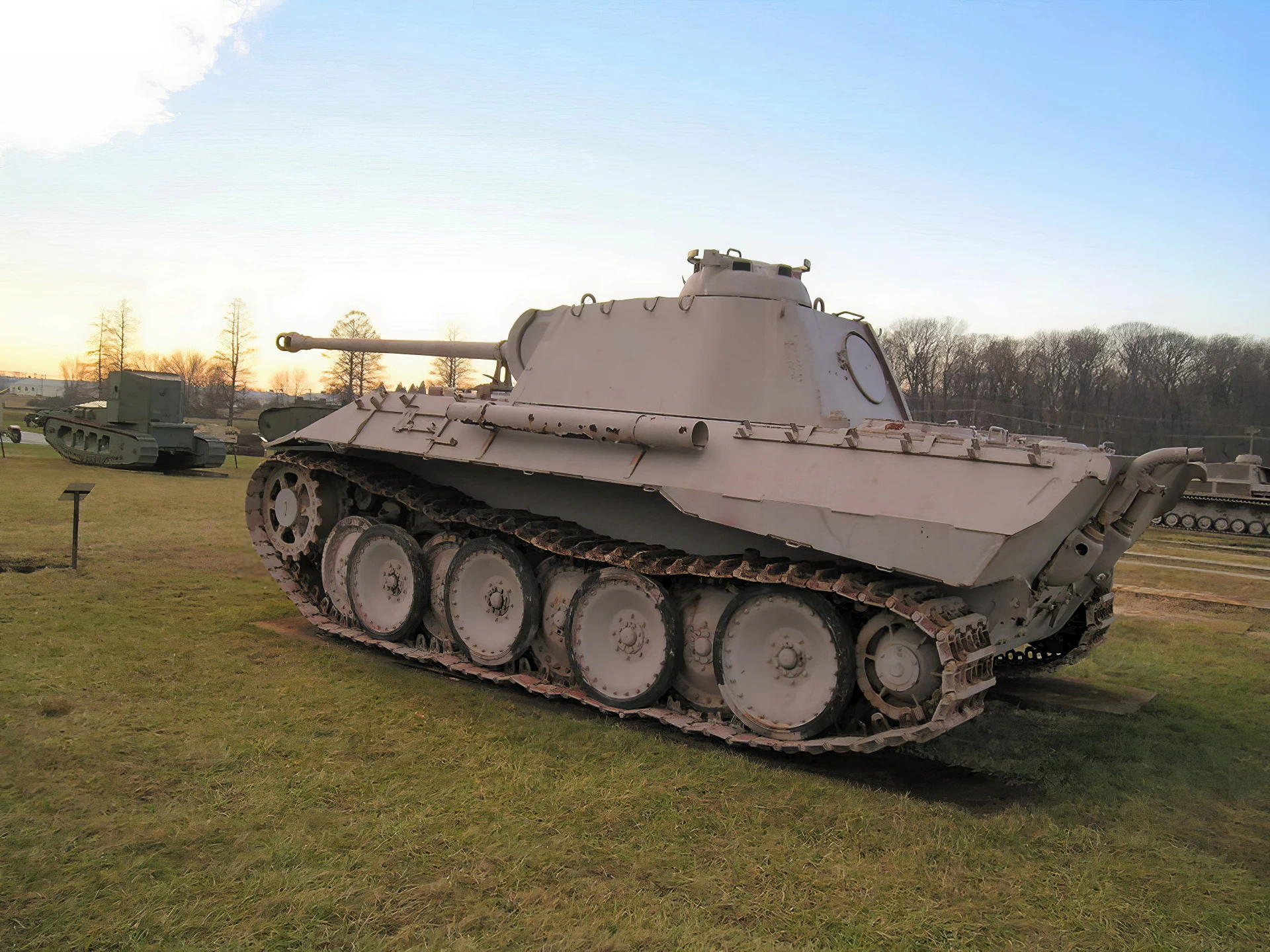
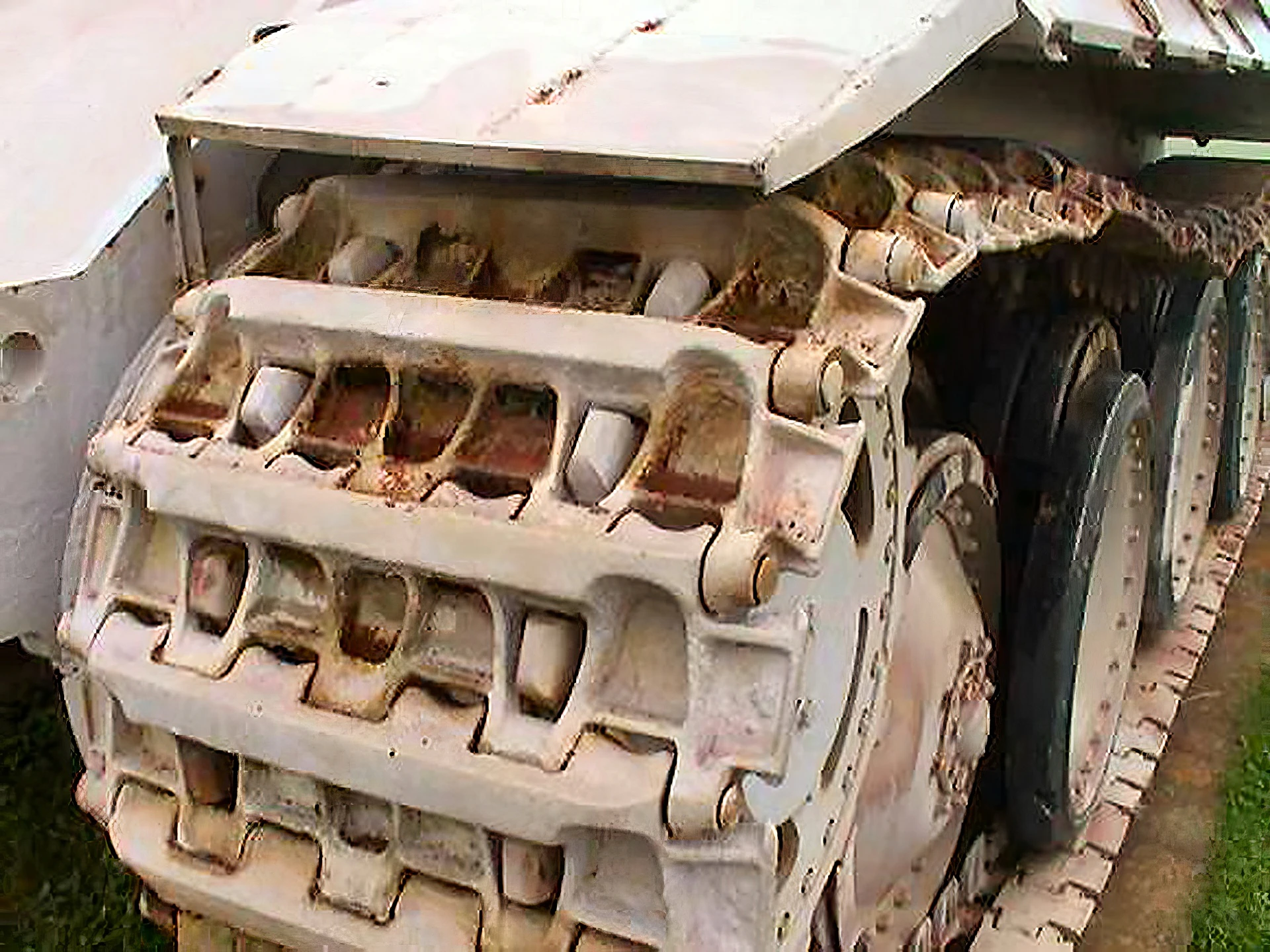
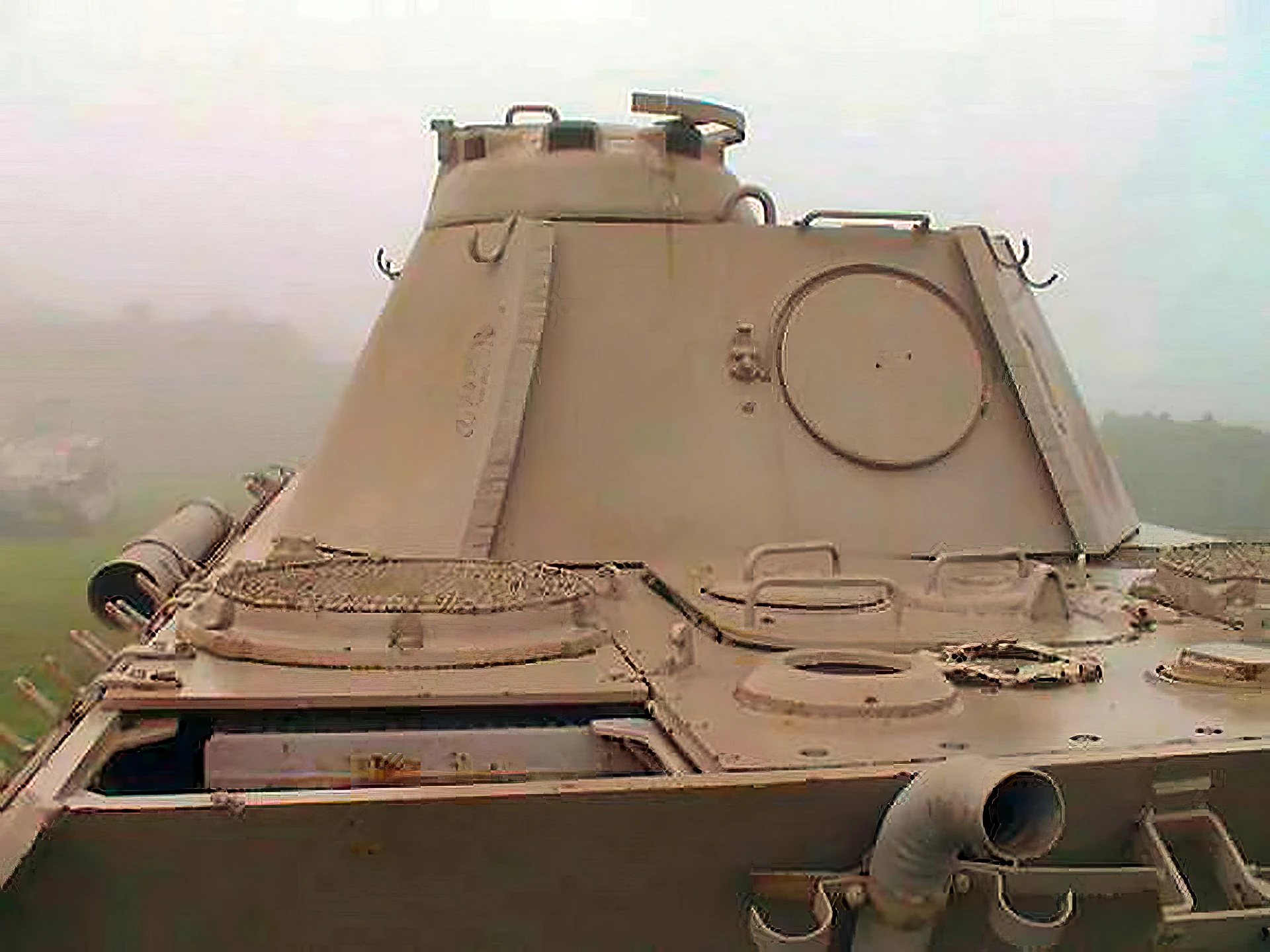
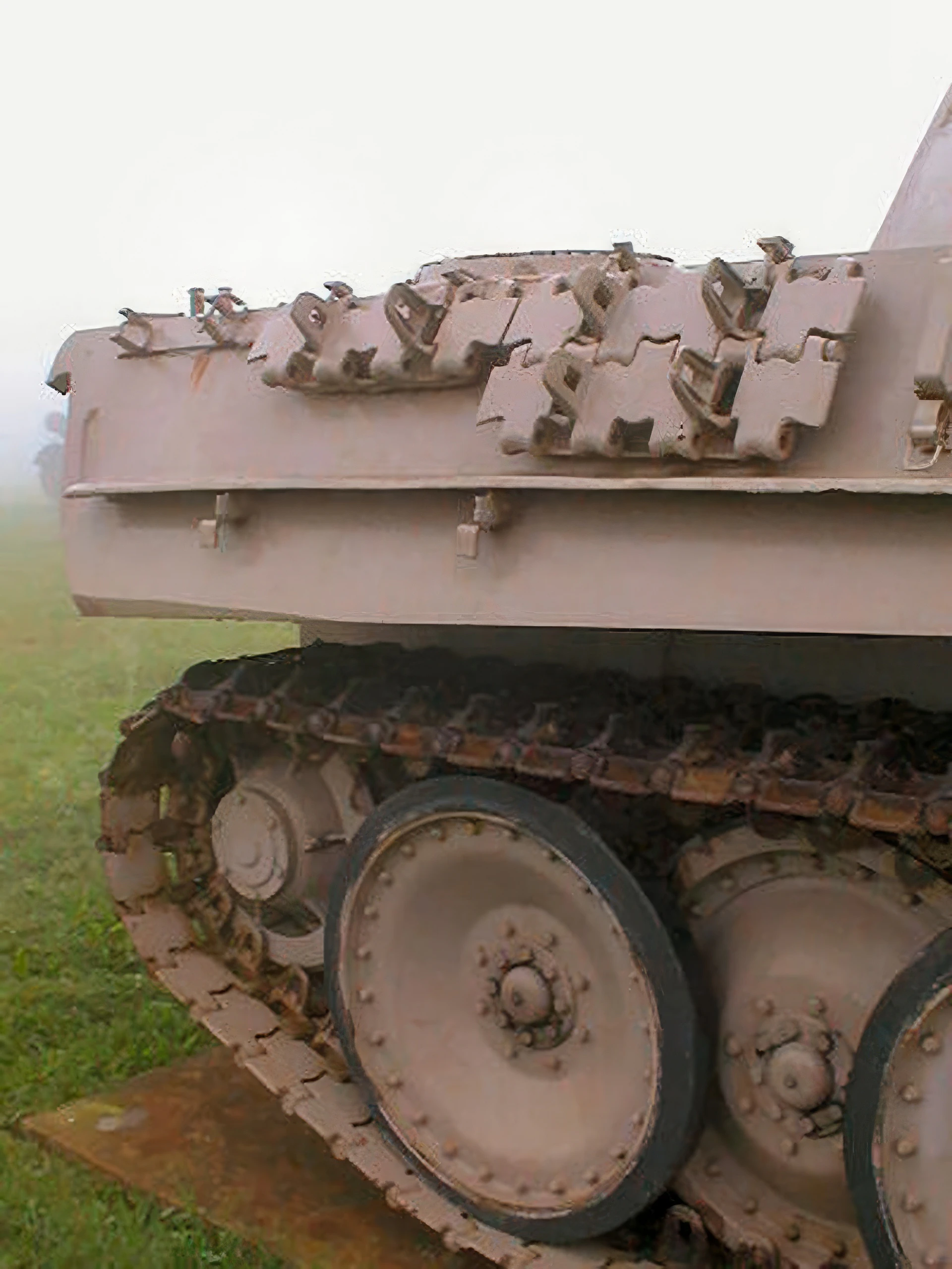
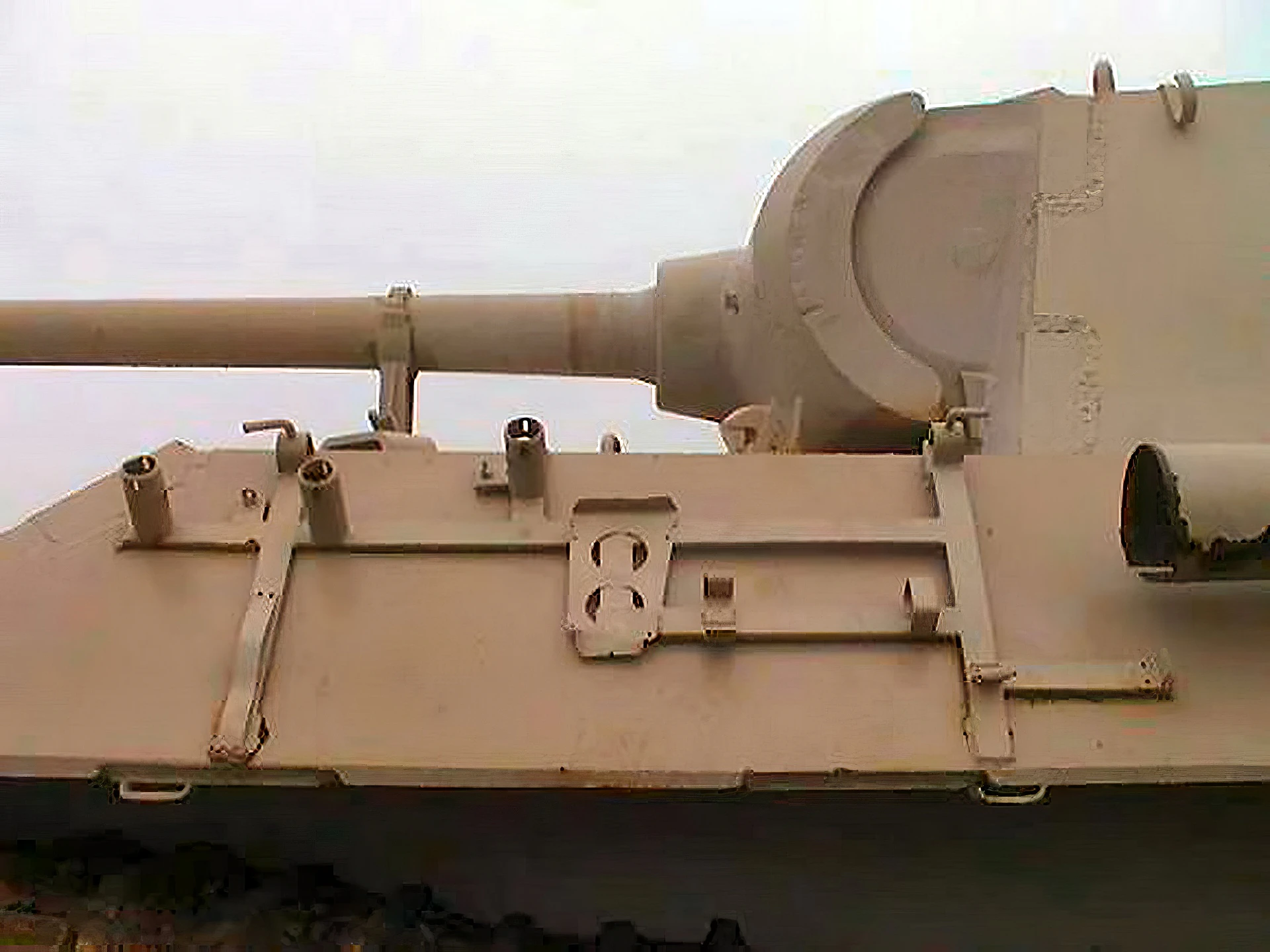
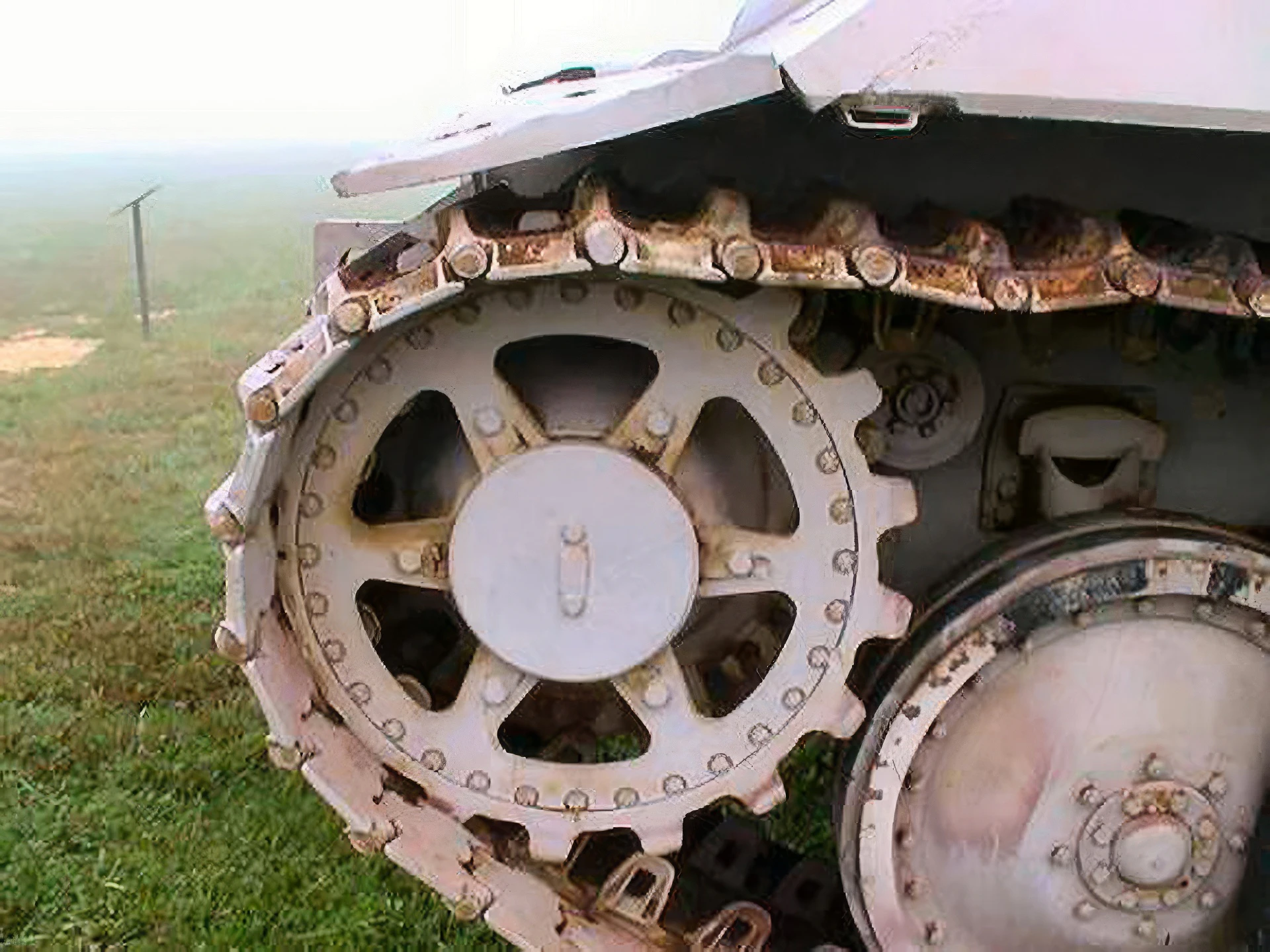
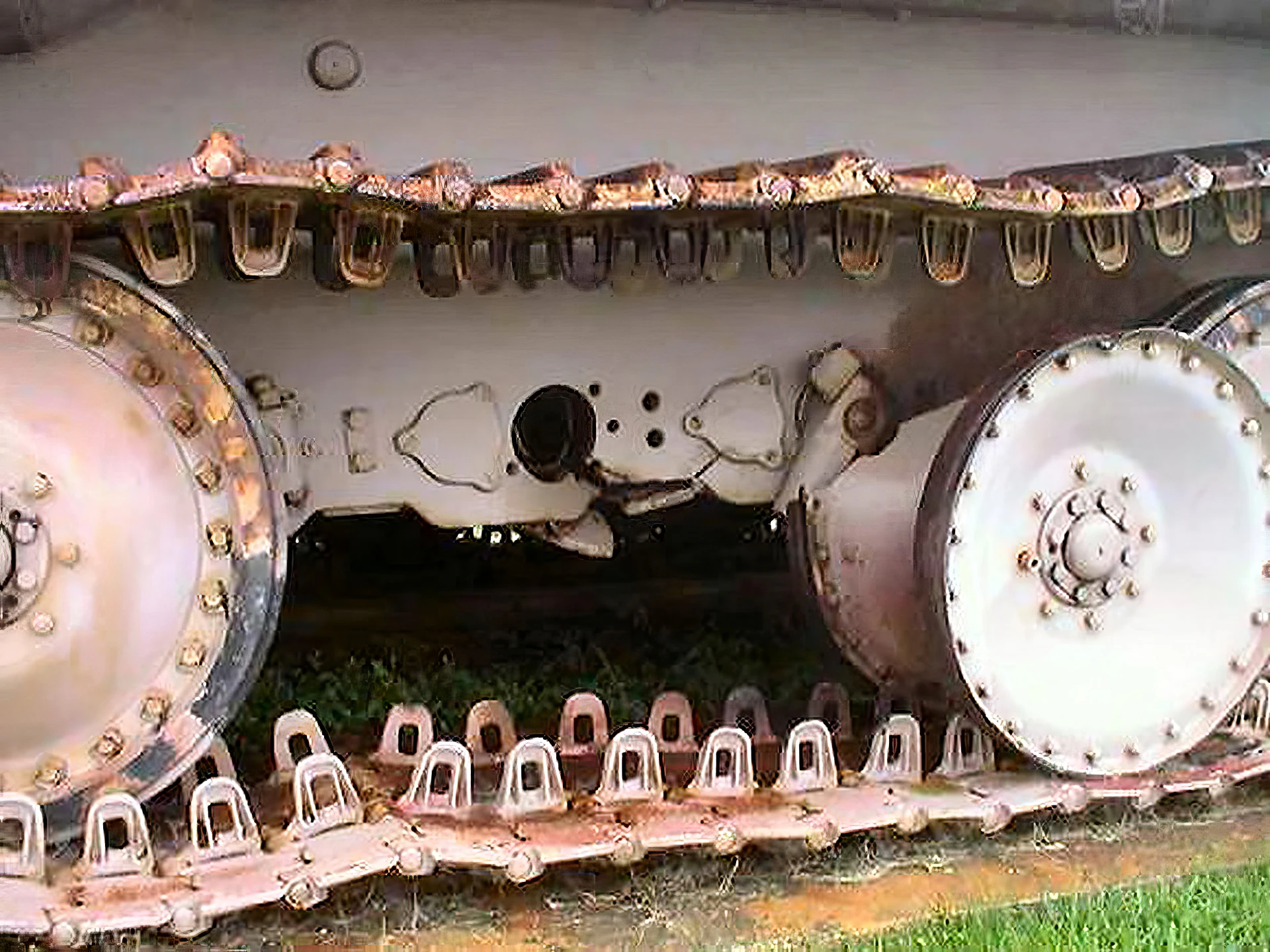

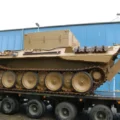
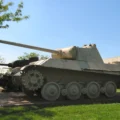
| Panther Ausf.D Breda, Netherlands Walk Around | |
|---|---|
| 사진 작가 | Daan Uiterwaal |
| 로컬라이제이션 | Unknow |
| 사진 | 31 |
참고 항목:


General Characteristics and Role
The Panzerkampfwagen V Panther (Sd.Kfz. 171) was a German medium tank deployed during World War II. It was designed as a direct response to the powerful Soviet T-34, which had surprised German forces on the Eastern Front. The Panther is widely considered one of the best tanks of the war, successfully blending protection, mobility, and firepower. The Ausführung A (Ausf. A) was the second major production version and introduced several key improvements over the initial Ausf. D, including a redesigned, cast commander’s cupola and an improved ball-mounted machine gun port in the glacis plate. It was intended to serve as a fast, highly effective medium tank, supplementing the heavier Tiger I and eventually replacing the older Panzer III and Panzer IV models in the primary tank role.
| Property | Typical Value (Panther Ausf. A) |
|---|---|
| 형식 | 중형 전차 |
| National Origin | 나치 독일 |
| 제조업체 | MAN, Daimler-Benz, MNH, Henschel |
| Entered Service (Ausf. A) | August 1943 |
| 승무원 | 5 (Commander, Gunner, Loader, Driver, Radio Operator) |
| Combat Weight | Approx. 45.5 tonnes |
| Length (Gun Forward) | 8.66 m (28 ft 5 in) |
| 높이 | 2.99 m (9 ft 10 in) |
Powerplant and Firepower
- Engine: 1 x Maybach HL 230 P30 V-12 water-cooled petrol engine.
- Engine Power: 700 hp (522 kW).
- Maximum Road Speed: Approx. 46 km/h (29 mph).
- Main Armament: 1 x 7.5 cm KwK 42 L/70 cannon (79 rounds). This long-barreled, high-velocity gun was extremely effective against nearly all Allied tanks.
- Secondary Armament: 2 x 7.92 mm MG 34 machine guns (one coaxial, one hull-mounted).
- Armor (Glacis Plate): 80 mm (3.15 in) angled at 55 degrees, providing effective protection equivalent to a much thicker plate.
- Transmission: ZF AK 7/20 seven-speed transmission.
Service History and Legacy
- First Major Action: The Panther tank debuted during the Battle of Kursk (Operation Citadel) in July 1943, where initial mechanical unreliability marred its performance.
- Improvements: The Ausf. A variant solved many of the transmission and engine reliability issues present in the initial Ausf. D, turning the Panther into a reliable and deadly fighting vehicle.
- Influence: The sloped armor design of the Panther, which maximized effective thickness and promoted projectile deflection, was highly influential, shaping post-war tank development worldwide.
- Production Numbers: Approximately 2,200 Ausf. A tanks were produced, making it the most numerous variant until the introduction of the Ausf. G.
- The Eastern and Western Fronts: The Panther saw extensive combat on both the Eastern Front against Soviet forces and the Western Front, playing a critical role in battles like the Battle of the Bulge.
Views : 14815
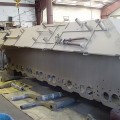
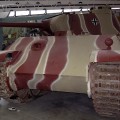
다스 킨 팬더 D
🙂