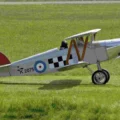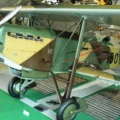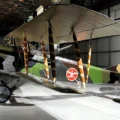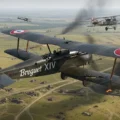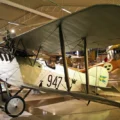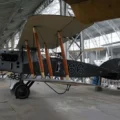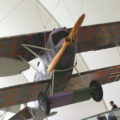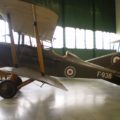
Hawker Hart | |
|---|---|
| 국가 | 영국 |
| 역할 | 라이트 폭격기 |
| 첫 비행 | 1928년 6월 |
| 내장 | Unknow |
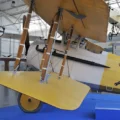
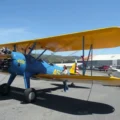
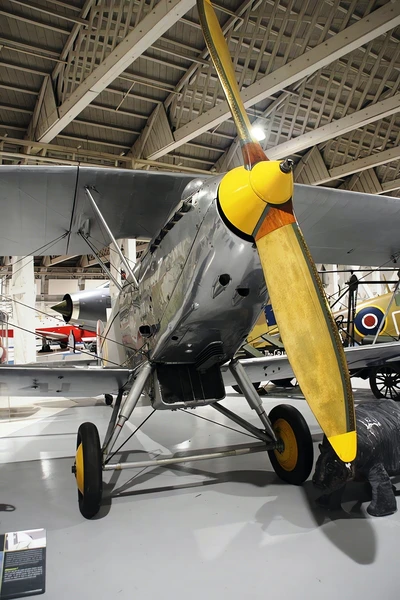
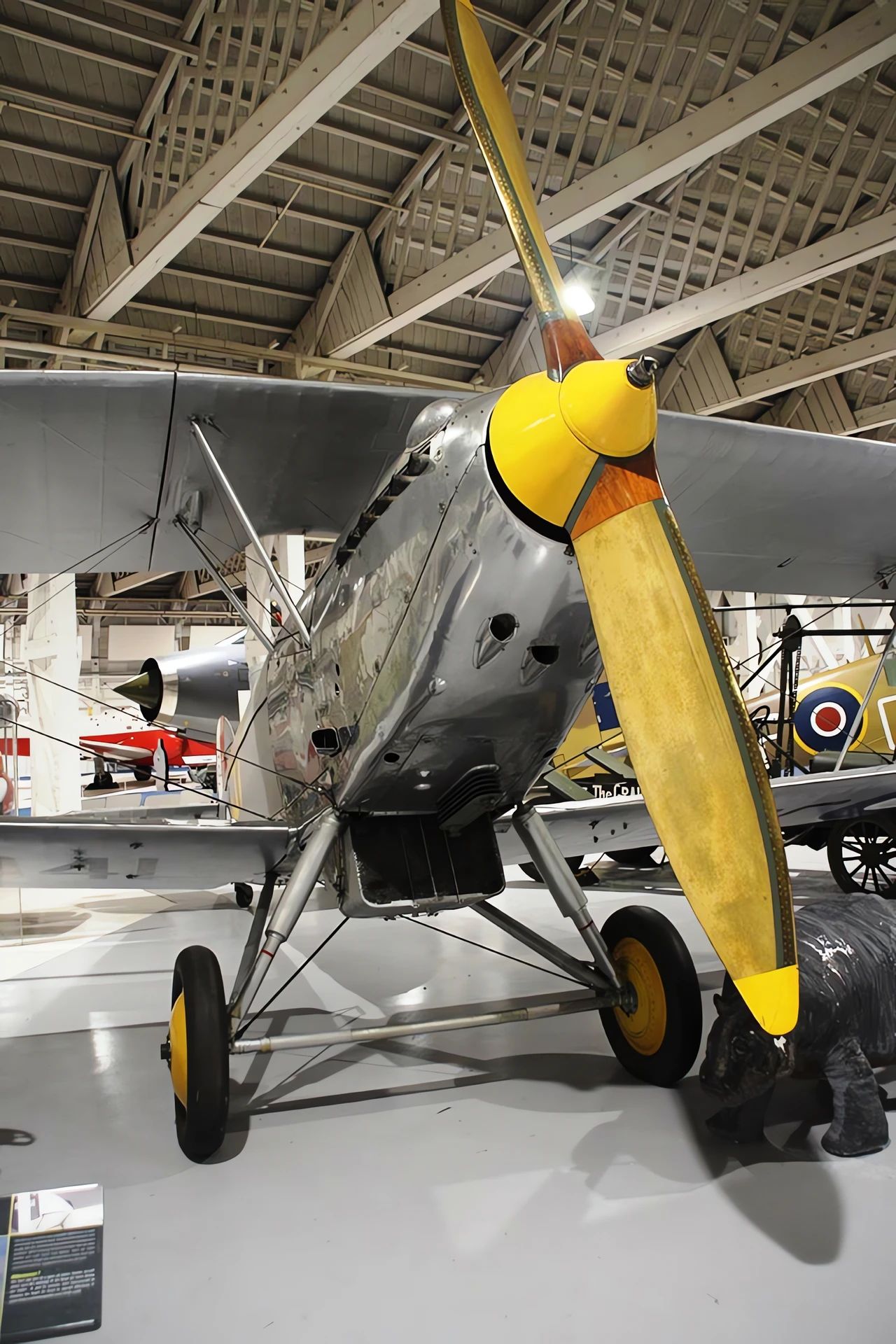
Tthe 호커 하트 was a British two-seater biplane light bomber aircraft of the Royal Air Force (RAF). It was designed during the 1920s by Sydney Camm and manufactured by Hawker Aircraft. The Hart was a prominent British aircraft in the inter-war period, but was obsolete and already side-lined for newer monoplane aircraft designs by the start of the Second World War, playing only minor roles in the conflict before being retired. Several major variants of the Hart were developed, including a navalised version for the Royal Navy’s aircraft carriers. Beyond Britain, the Hart would be operated by a number of foreign nations, including Sweden, Yugoslavia, Estonia, South Africa, and Canada.
소스: 호커 하트 ― 위키피디아
| 호커 하트 II 워크 어라운드 | |
|---|---|
| 사진 작가 | 로널드 반 보르스트 |
| 로컬라이제이션 | Unknow |
| 사진 | 32 |
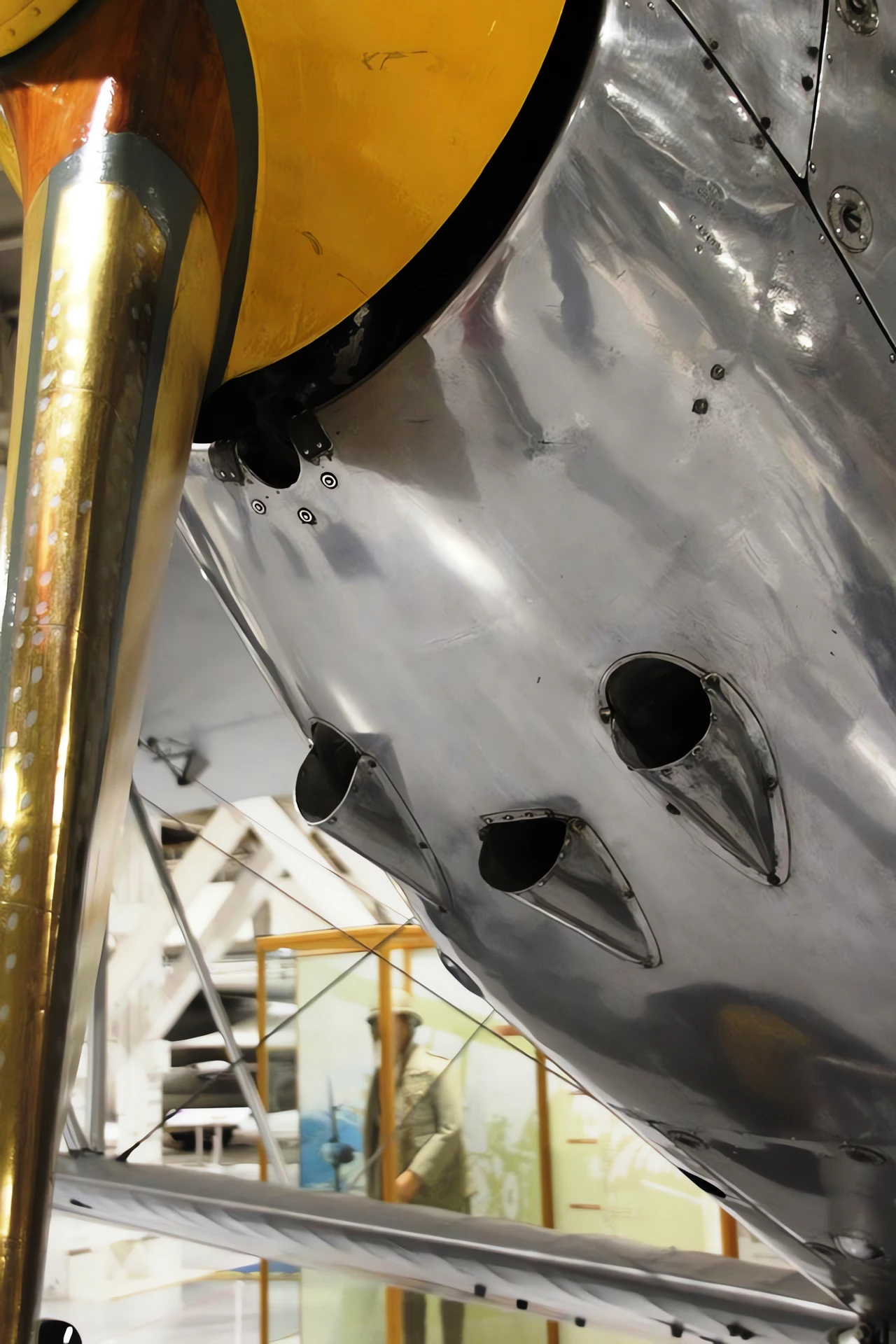
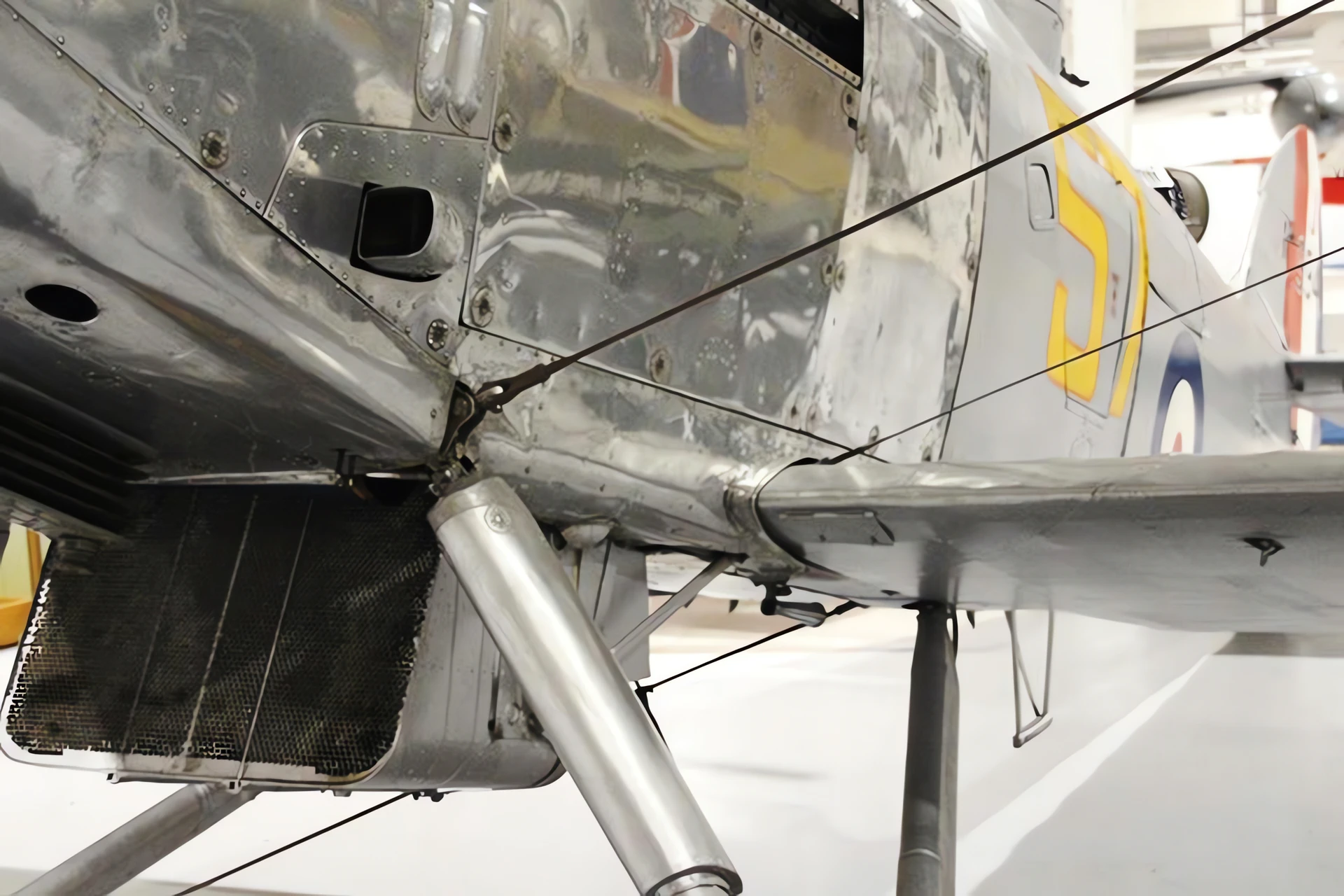
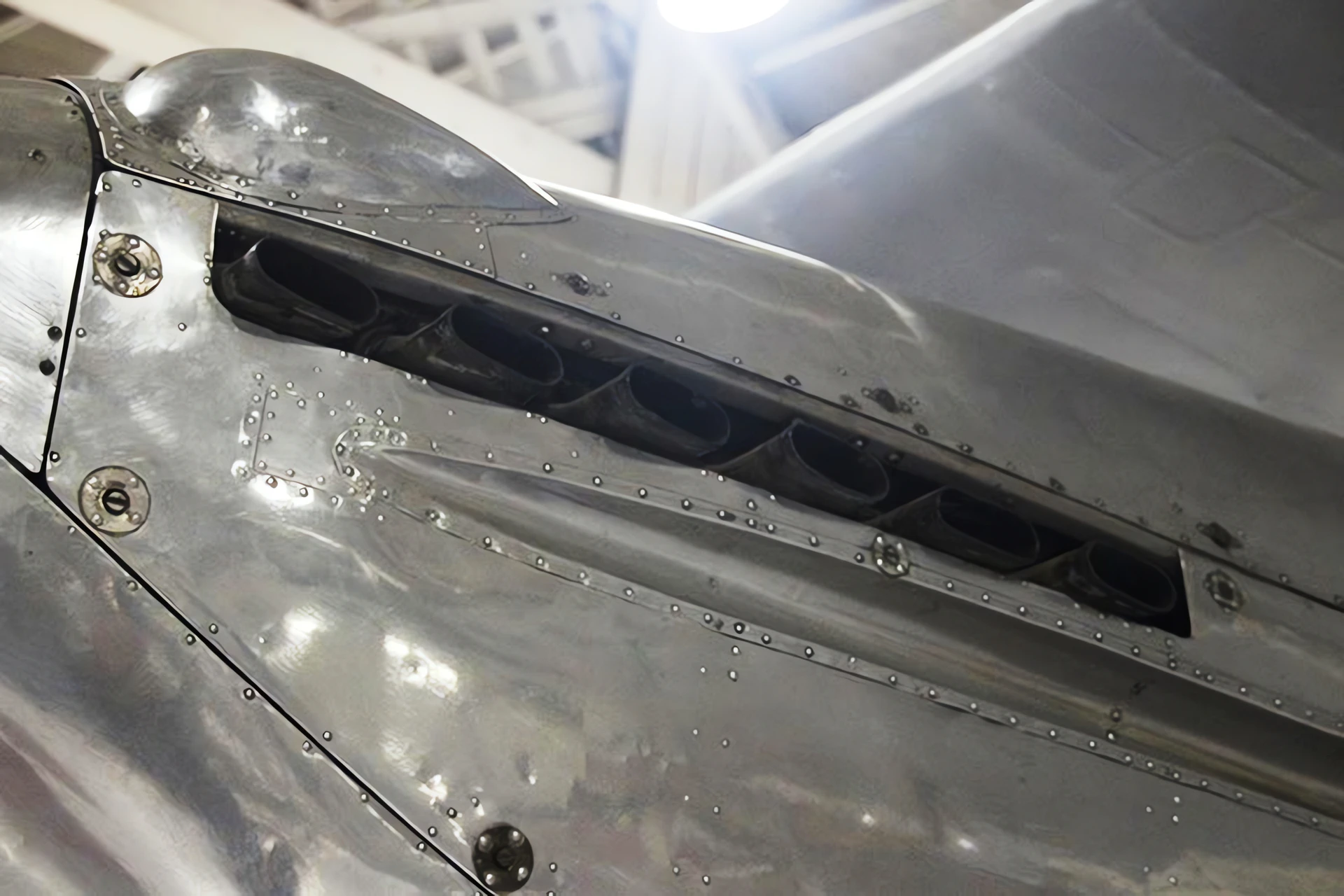
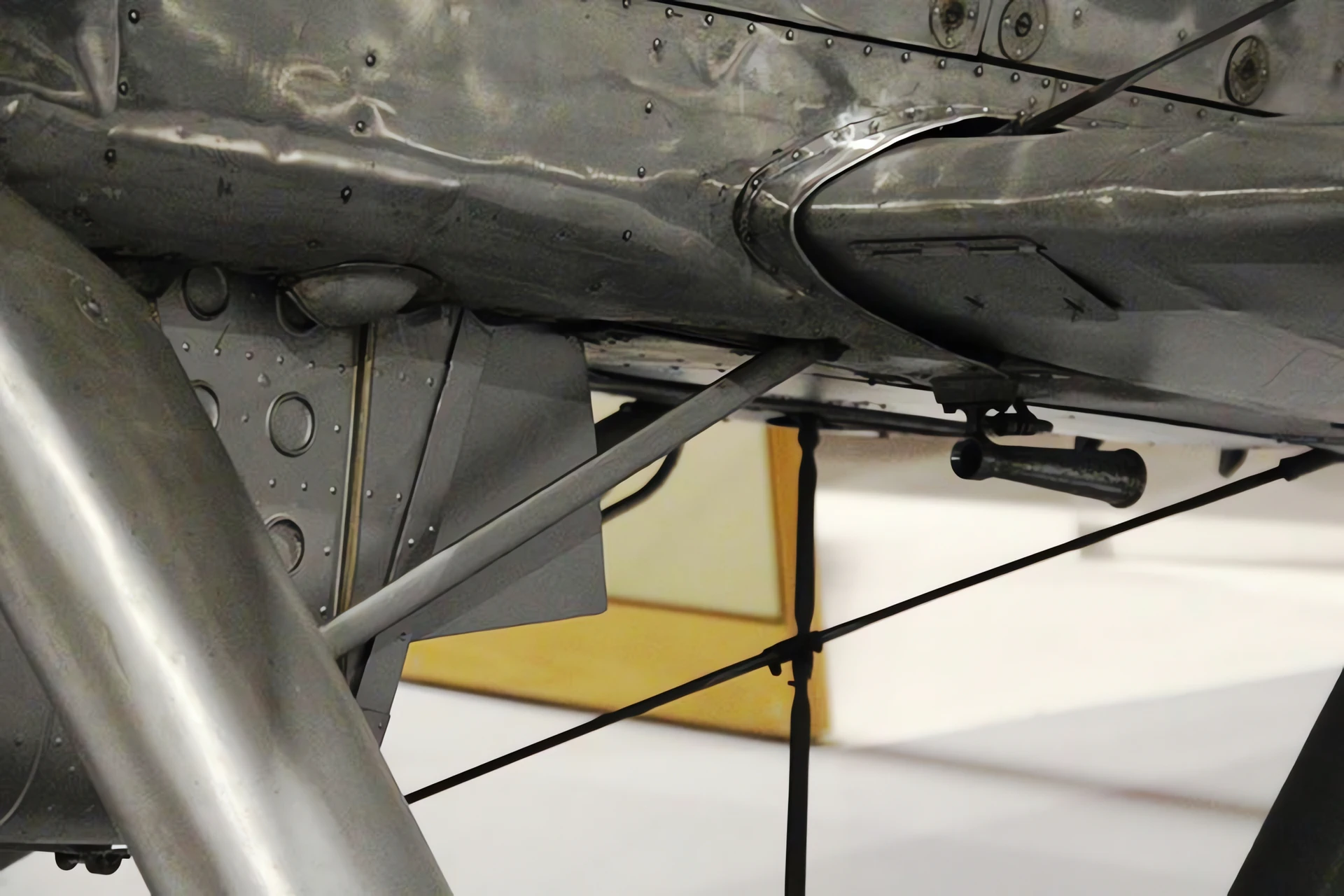

참고 항목:


General Characteristics and Role
The Hawker Hart was a highly successful British two-seat biplane light bomber designed in the 1920s, which became the foundation for an entire family of inter-war aircraft (including the Audax, Demon, and Hind). The Hart II designation primarily refers to two variants: the Hart Trainer (the major production variant for pilot instruction) or a specific civil-registered company demonstrator (G-ABMR, used for testbed and photographic work). The original Hart was faster than many contemporary fighters upon its introduction in 1930, forcing the Royal Air Force (RAF) to rapidly upgrade its fighter fleet. The Hart Trainer variant was crucial for familiarizing pilots with the performance of this new generation of high-speed biplanes.
| Property | Typical Value (Hart Trainer / Mk II) |
|---|---|
| 역할 | Advanced Trainer (or Company Testbed/Demonstrator) |
| National Origin | 영국 |
| 제조업체 | H.G. Hawker Engineering Co. Ltd. (and others) |
| Service Entry (Hart Trainer) | 1932 |
| 승무원 | 2 (Pilot and Student/Instructor) |
| 길이 | 8.94 m (29 ft 4 in) |
| 윙스 팬 | 11.35 m (37 ft 3 in) |
| 높이 | 3.17 m (10 ft 5 in) |
| Loaded Weight | Approx. 2,066 kg (4,555 lb) |
Powerplant and Performance (Trainer)
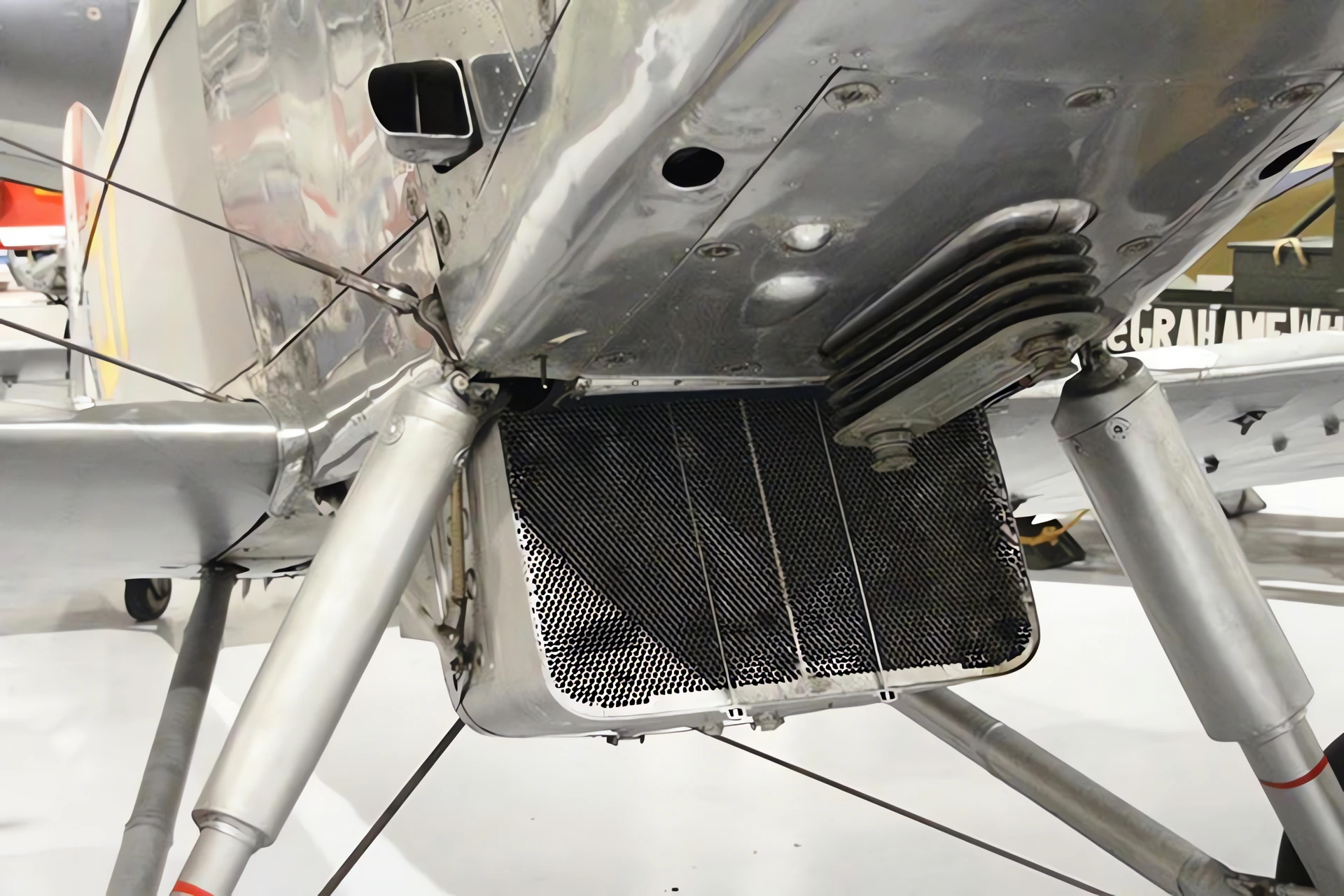
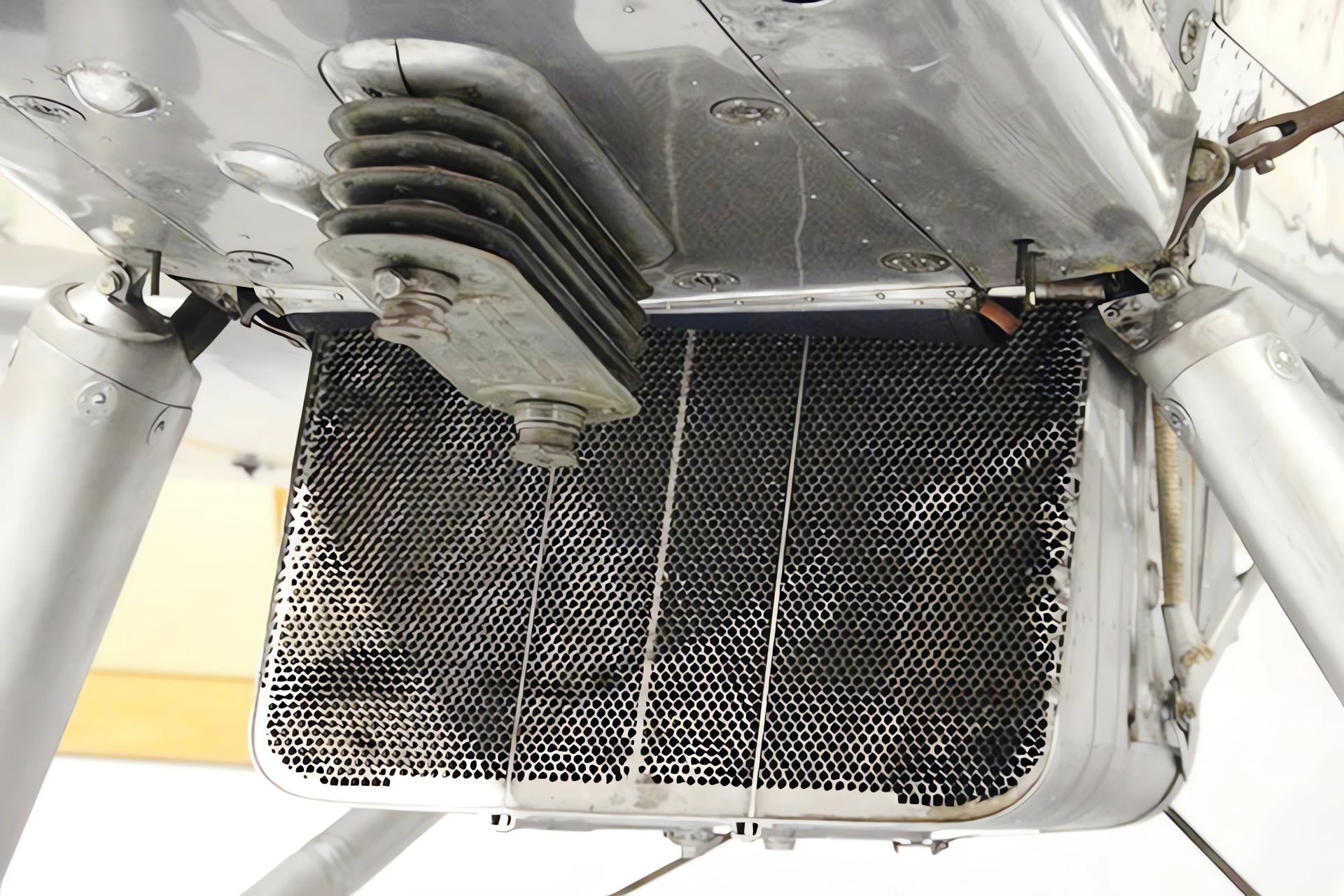
- Engine: 1 x Rolls-Royce Kestrel IB 12-cylinder water-cooled V-type inline engine (or similar Kestrel variants).
- Power Output: Approx. 510–525 hp (380–391 kW).
- Maximum Speed: Approx. 270 km/h (168 mph). (Slightly slower than the bomber due to changes).
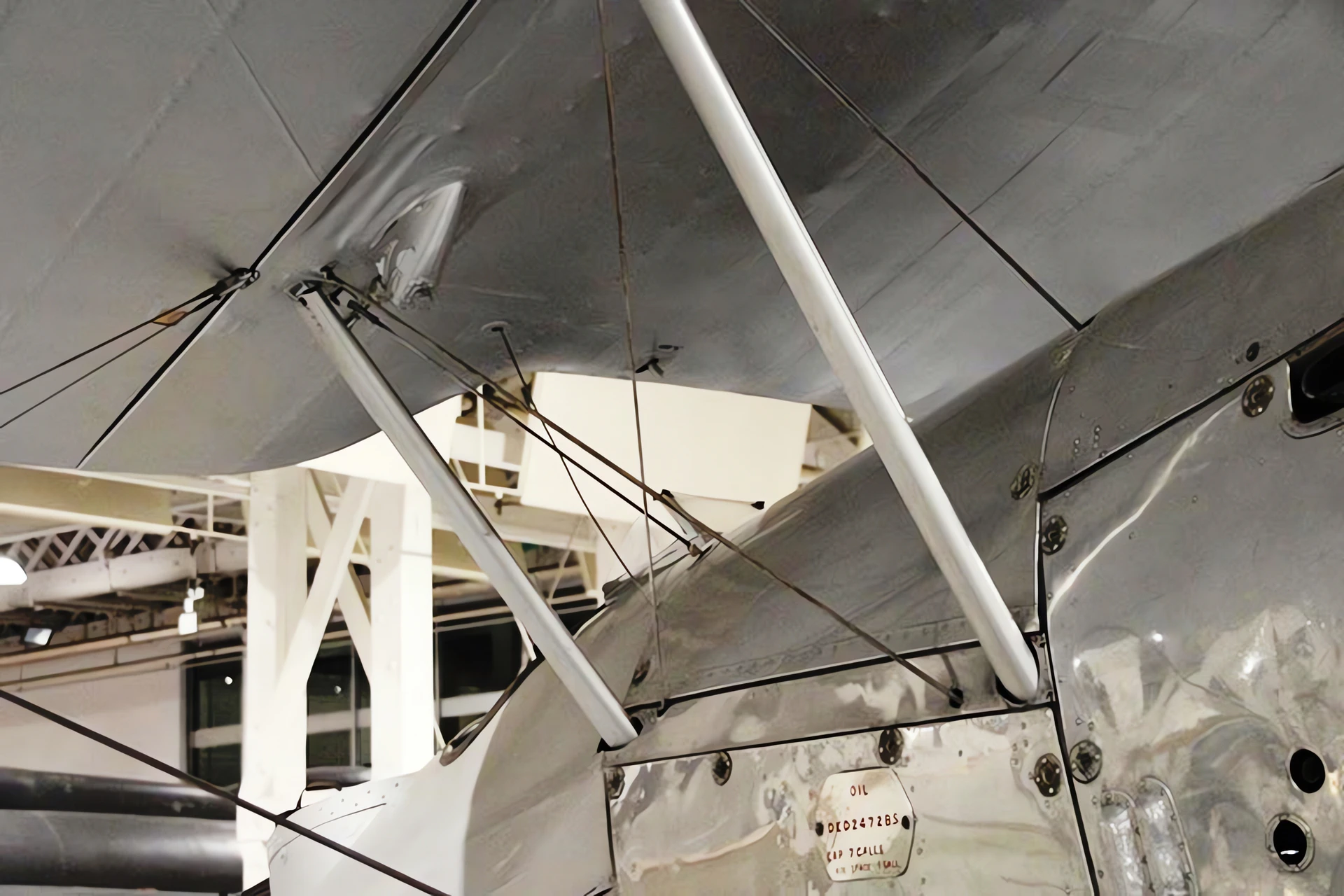
- Construction: Featured Hawker’s patent metal construction system—a durable steel tube fuselage covered by fabric, with metal spars and duralumin ribs in the wings.
- Trainer Modifications: The Hart Trainer was a dual-control version with military equipment (like the bomb gear and rear gun ring) removed. To compensate for the resulting center of gravity shift, the sweepback on the upper wing was reduced compared to the light bomber.
Legacy and Variants
- Original Role: The Hawker Hart light bomber (Mk I) was the fastest bomber of its day, forcing the RAF to accelerate the development of faster fighters.
- Hart Family: The reliable design led to numerous derivatives including the Audax (Army Co-operation), Demon (Fighter), Osprey (Naval), Hind (Improved Bomber), and Hector (Army Co-operation).
- Service Life: Although obsolete by the start of World War II, the Hart and its variants continued to serve primarily in training and communications roles until retired by the RAF in 1943.
- Engine Testbed: Several Harts were used extensively as testbeds, including one (K3036) that performed the first flight of the Rolls-Royce PV.12 engine, which later became the famous Merlin engine.
조회수 : 2239