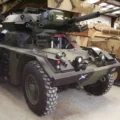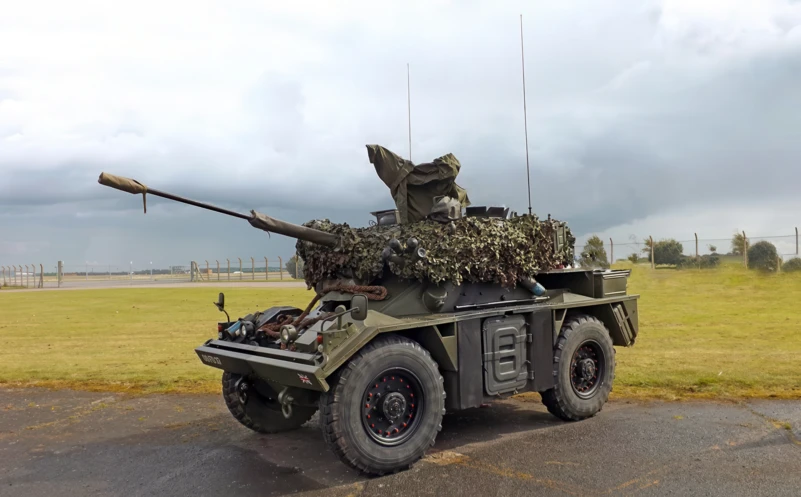
FV721 폭스 CVR | |
|---|---|
| 국가 | 영국 |
| 형식 | 전투 차량 정찰 |
| 사진 | 블라디미르 야쿠보프 |
| 설명 | 의 앨범 20 «FV721 폭스 CVR»의 사진 산책 |
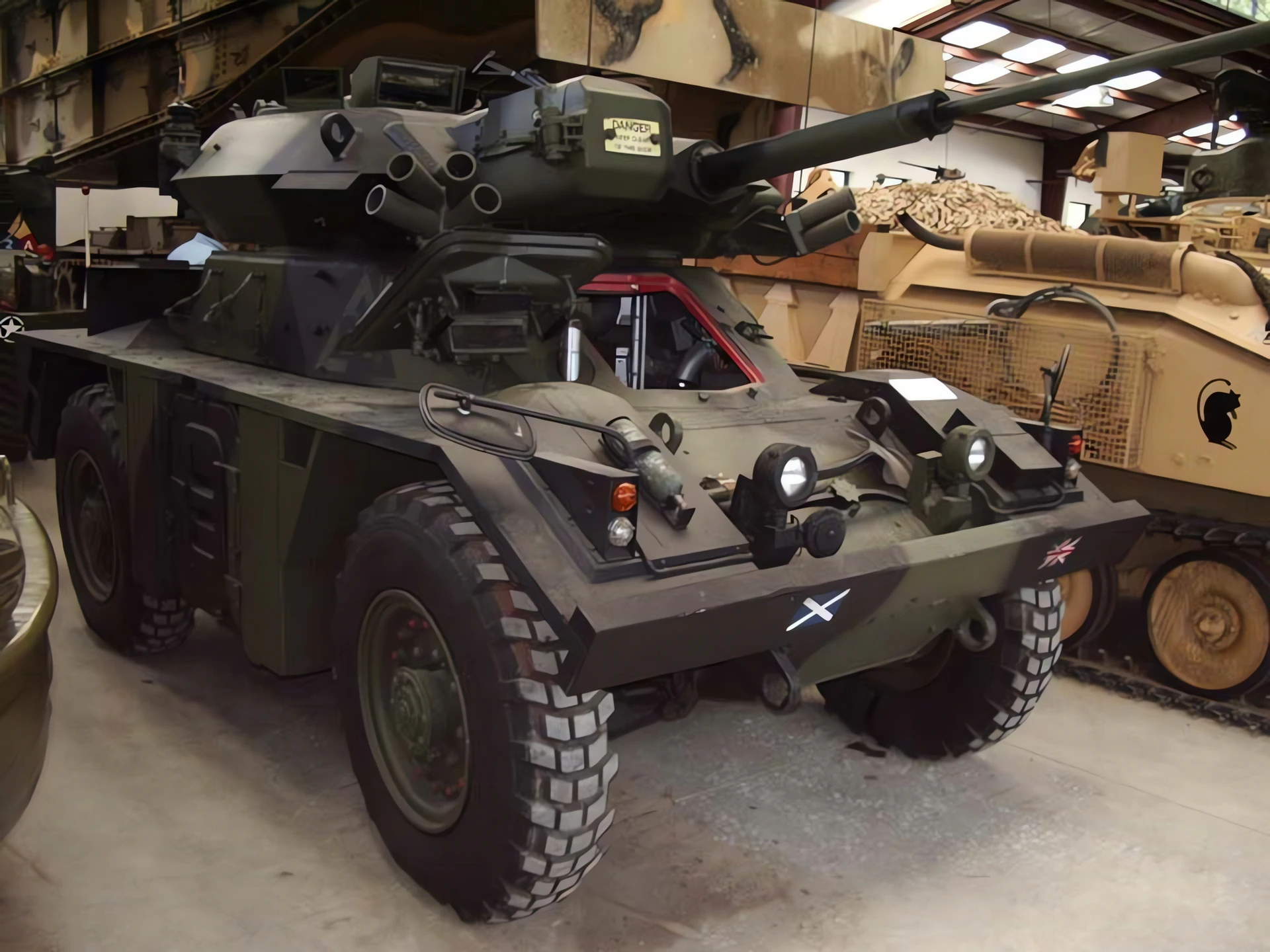
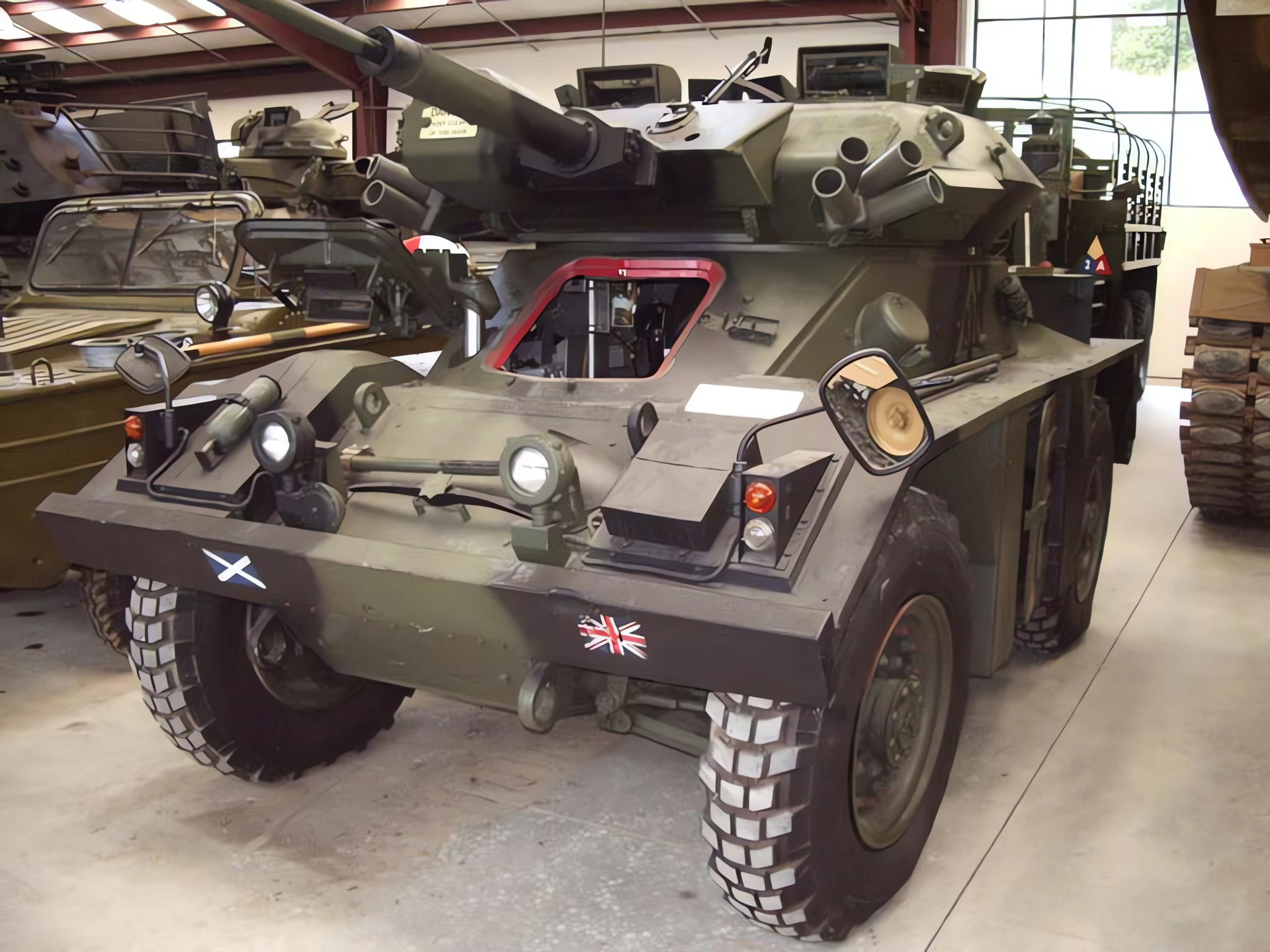
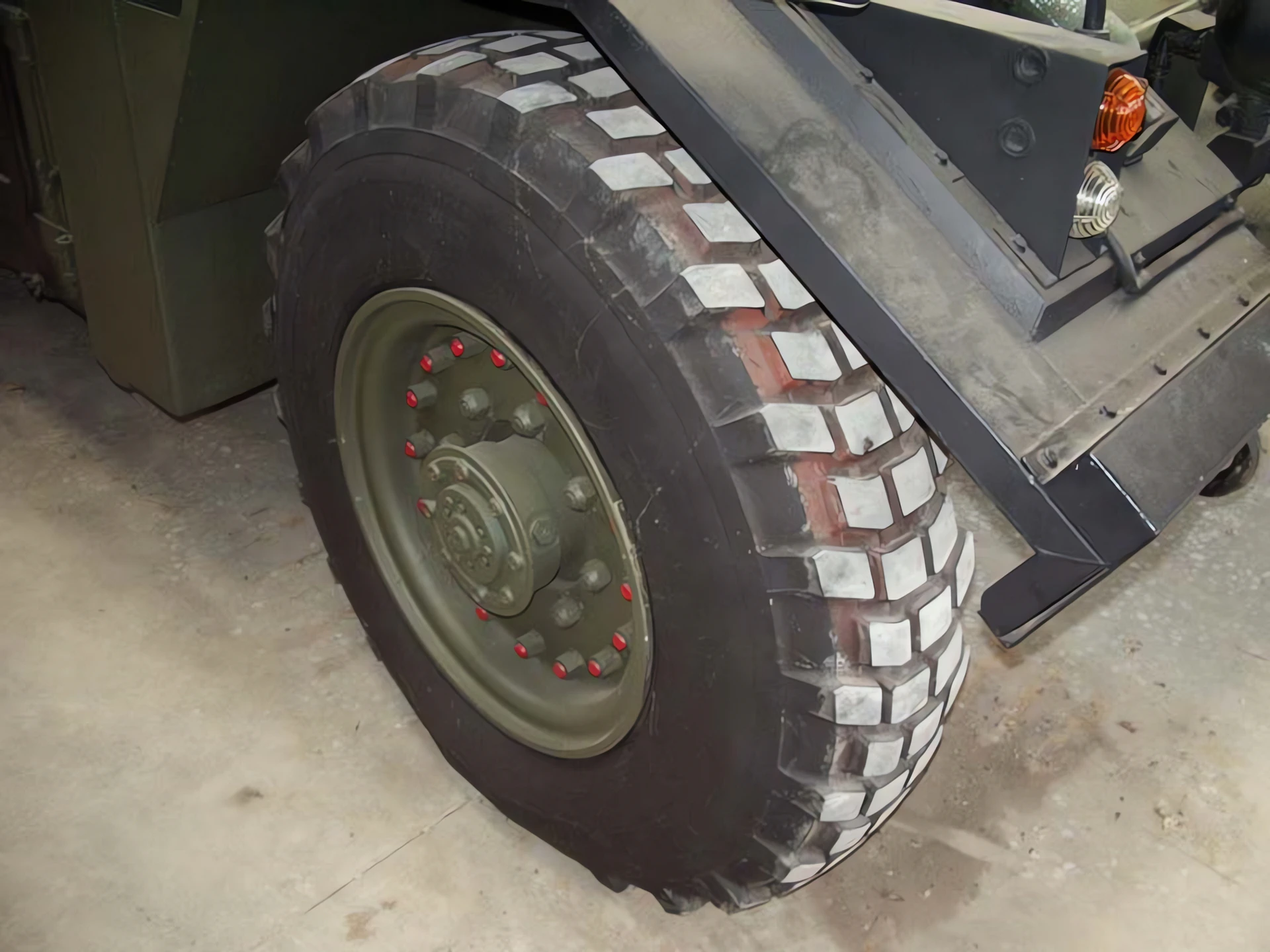
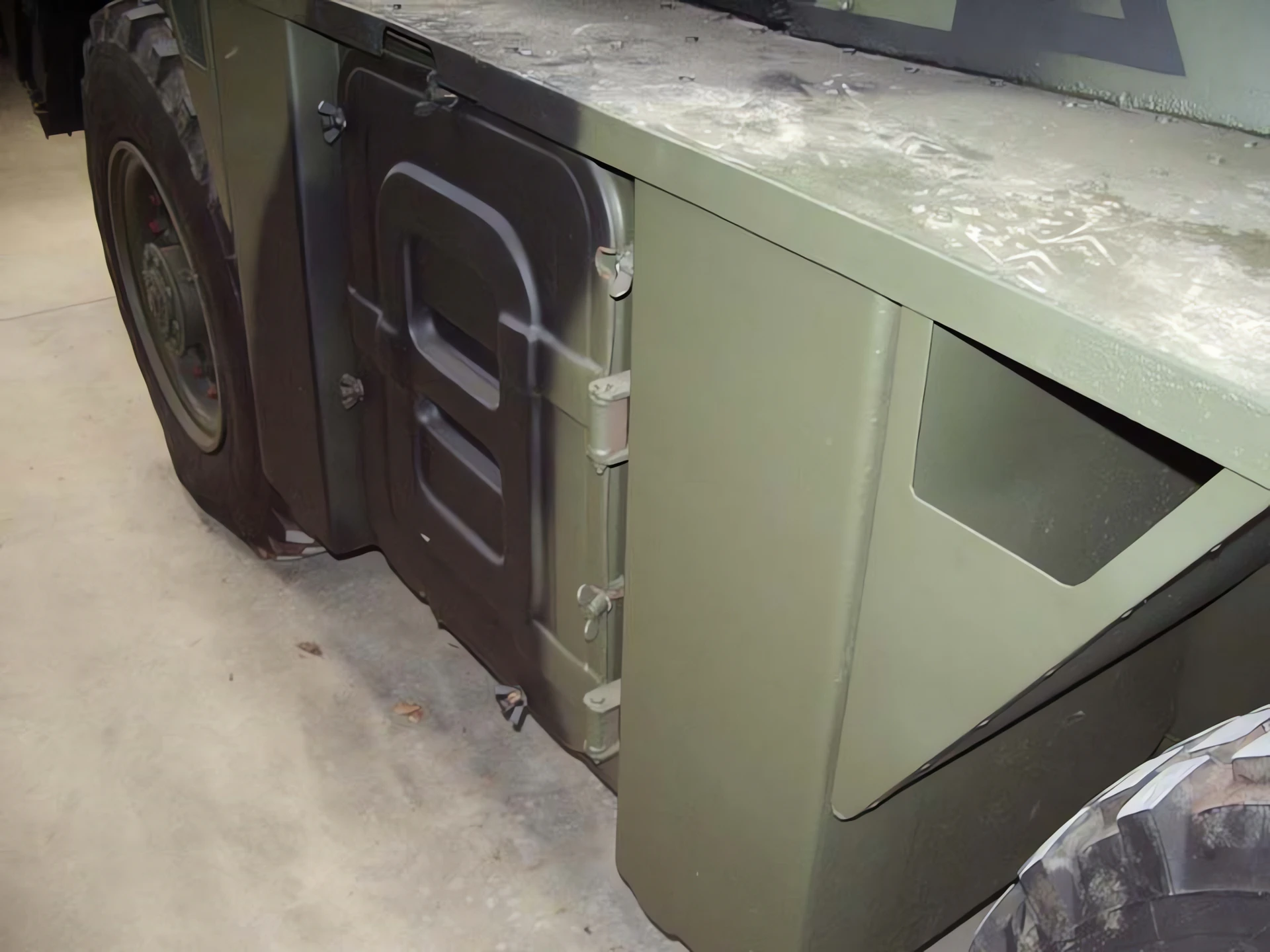
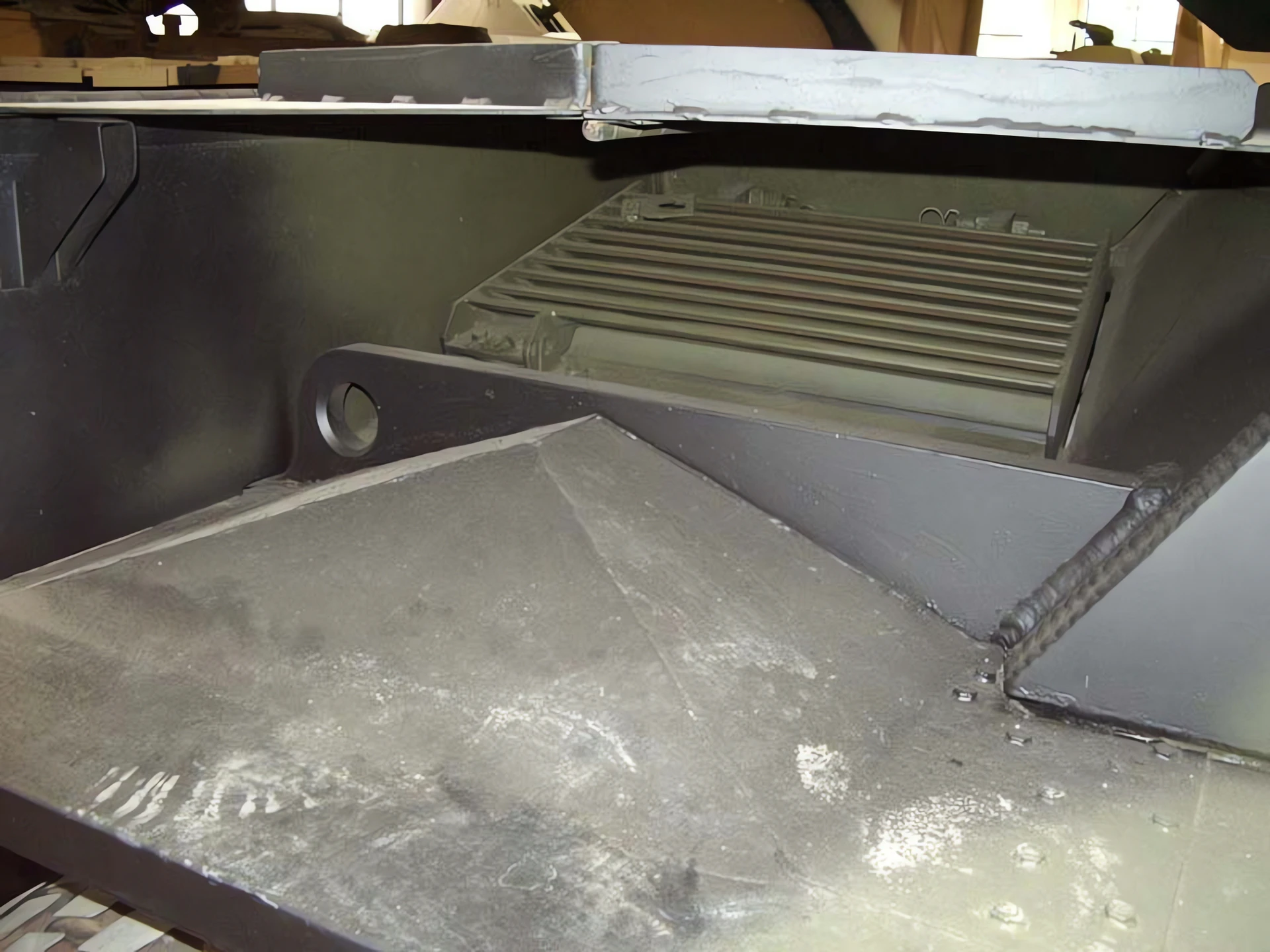
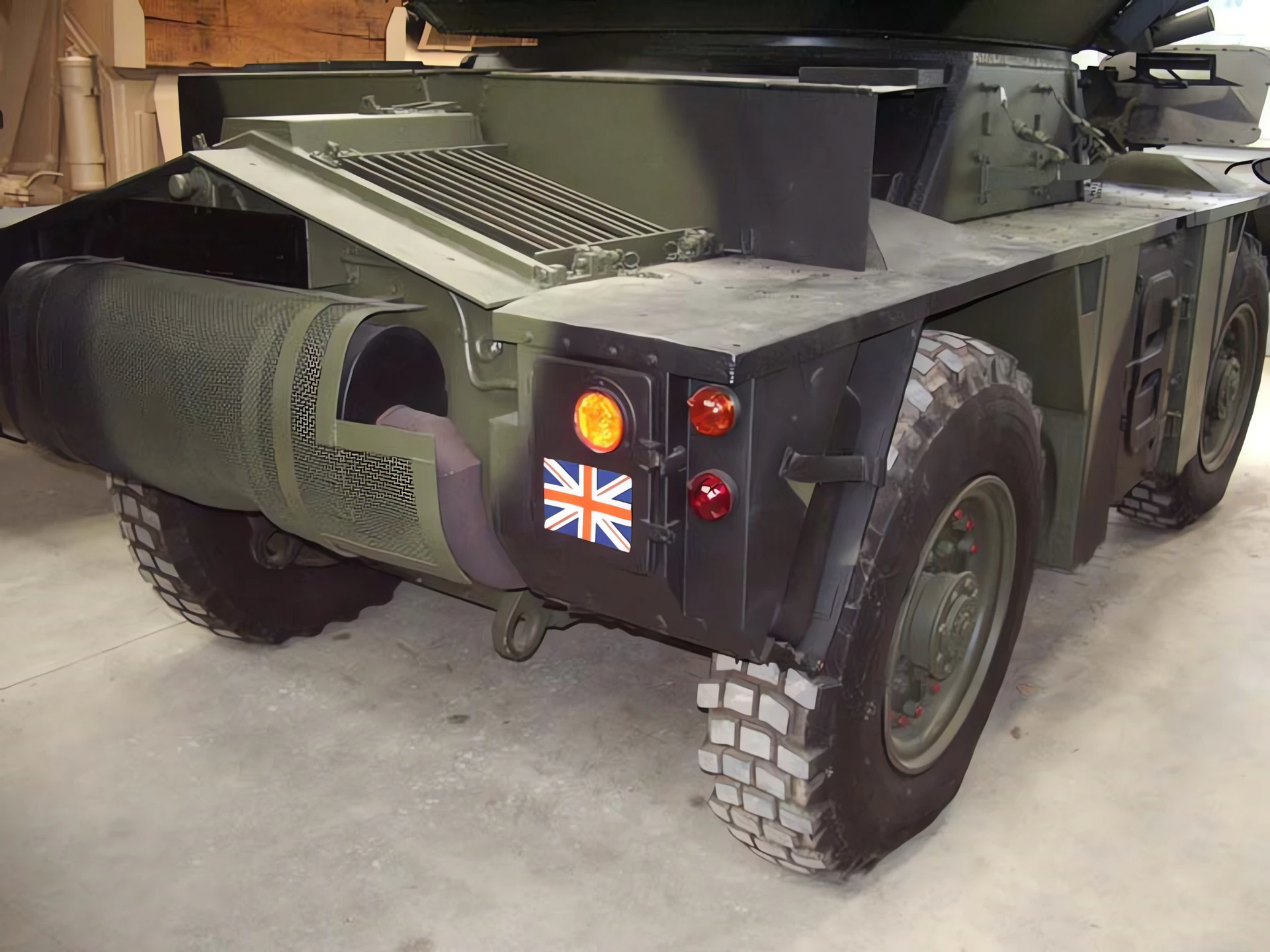
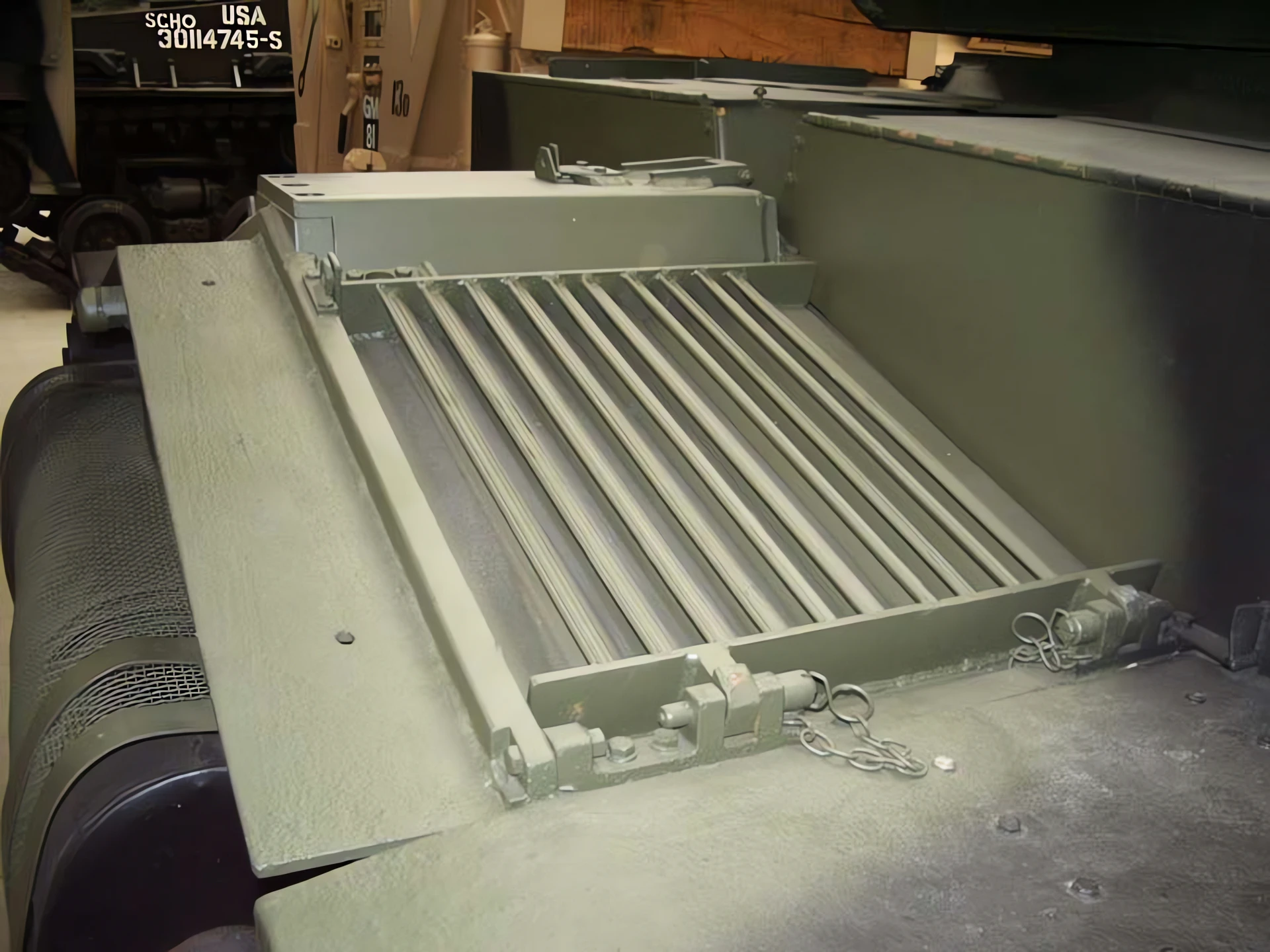
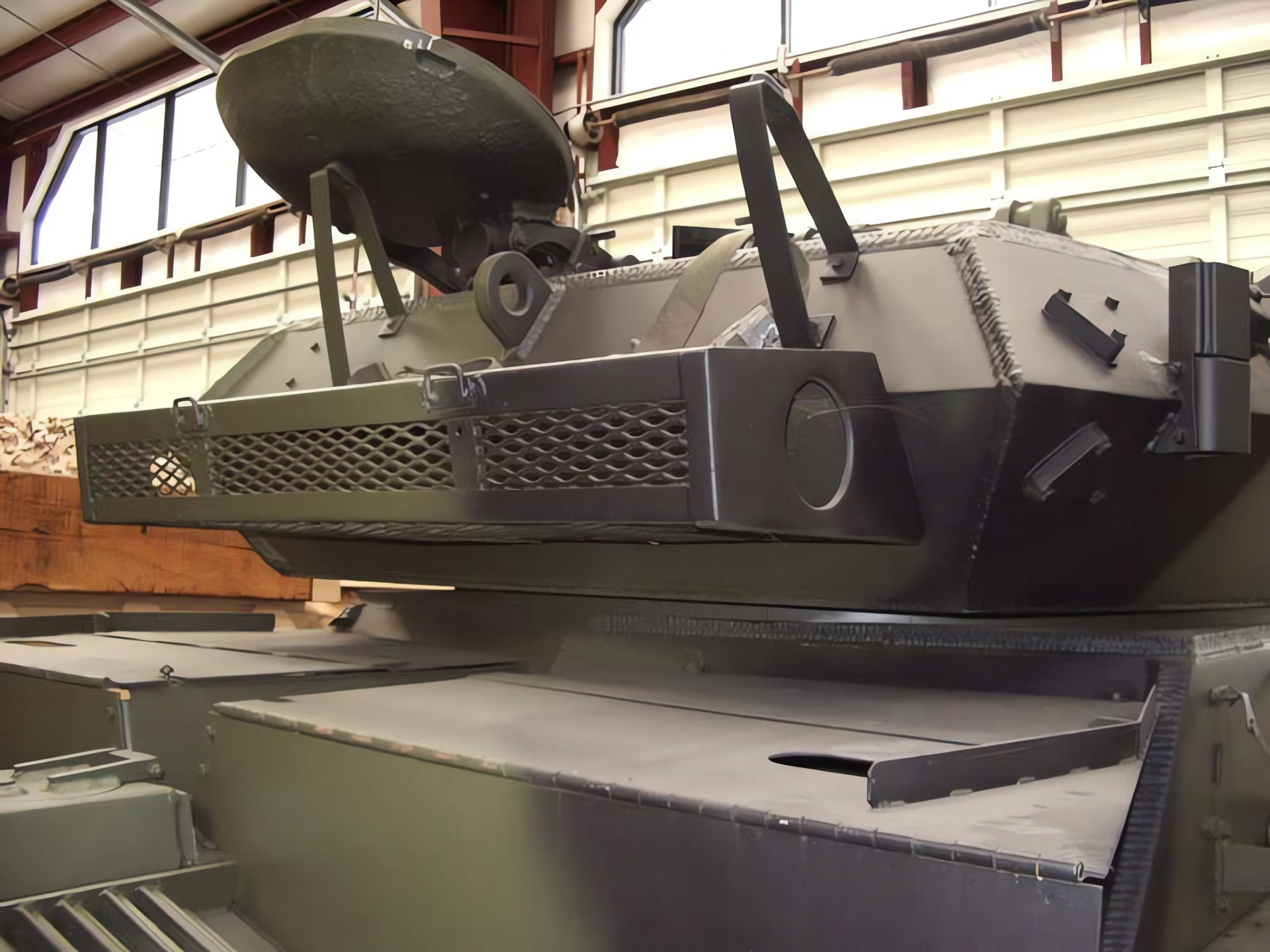
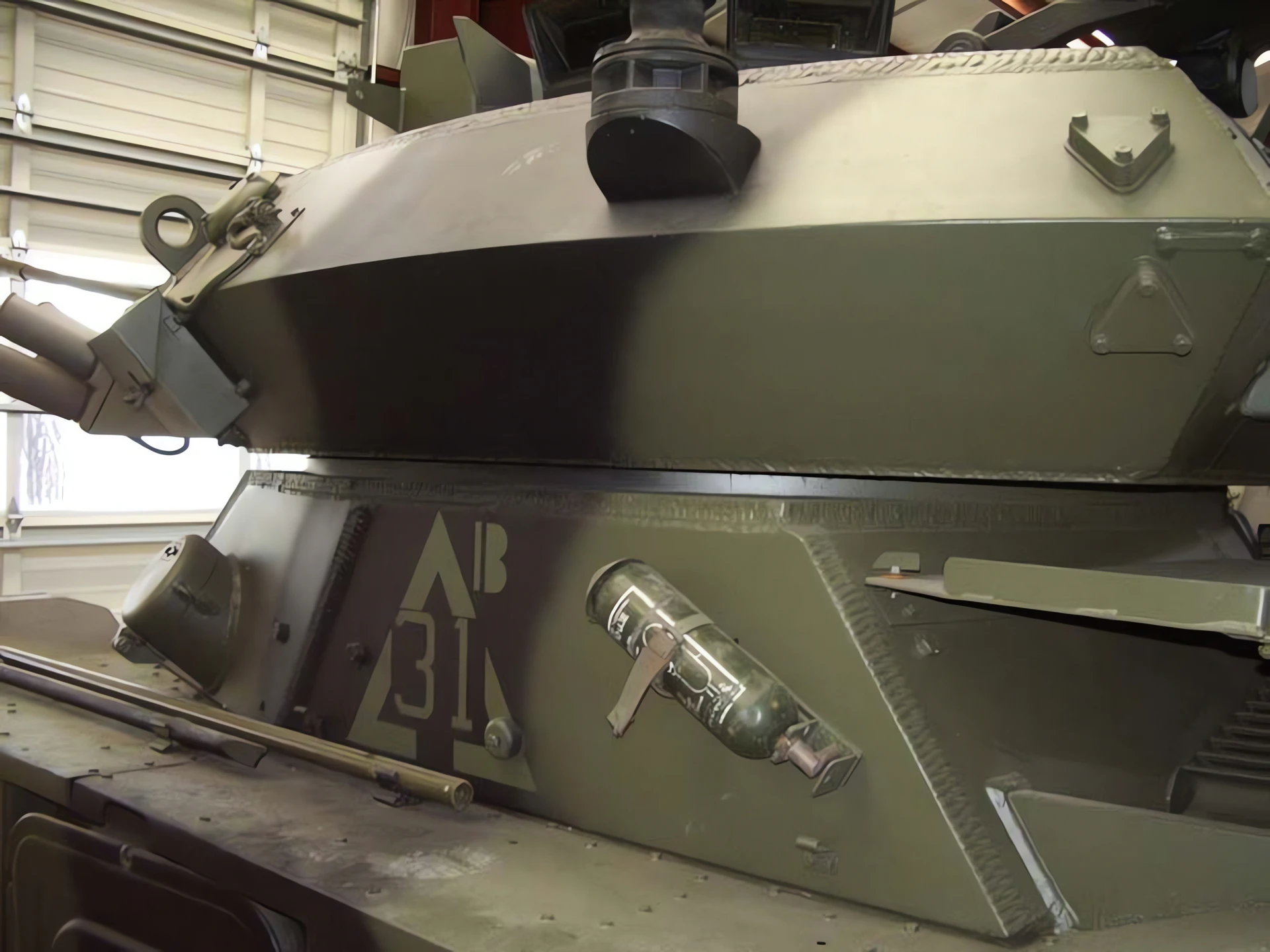
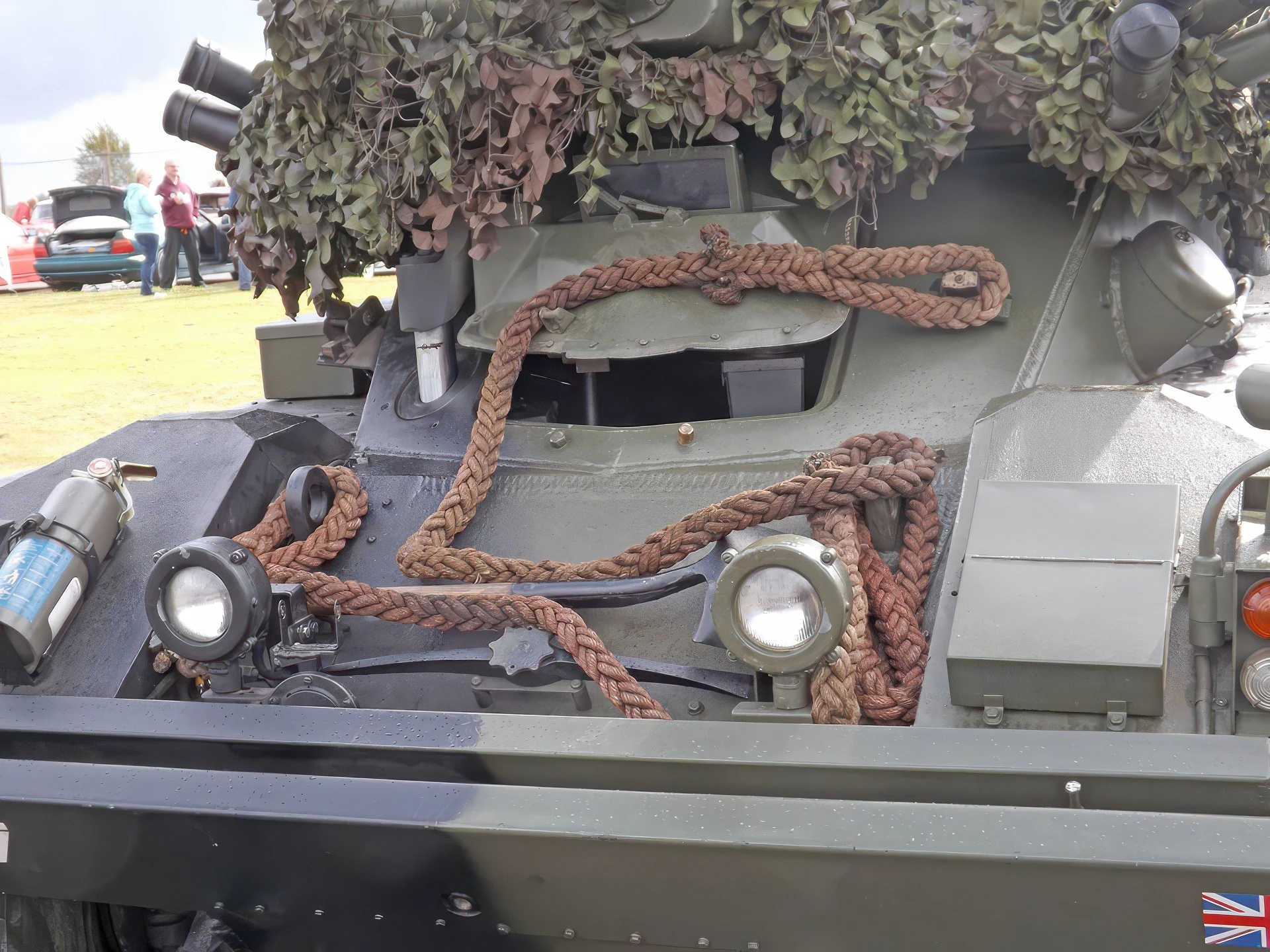
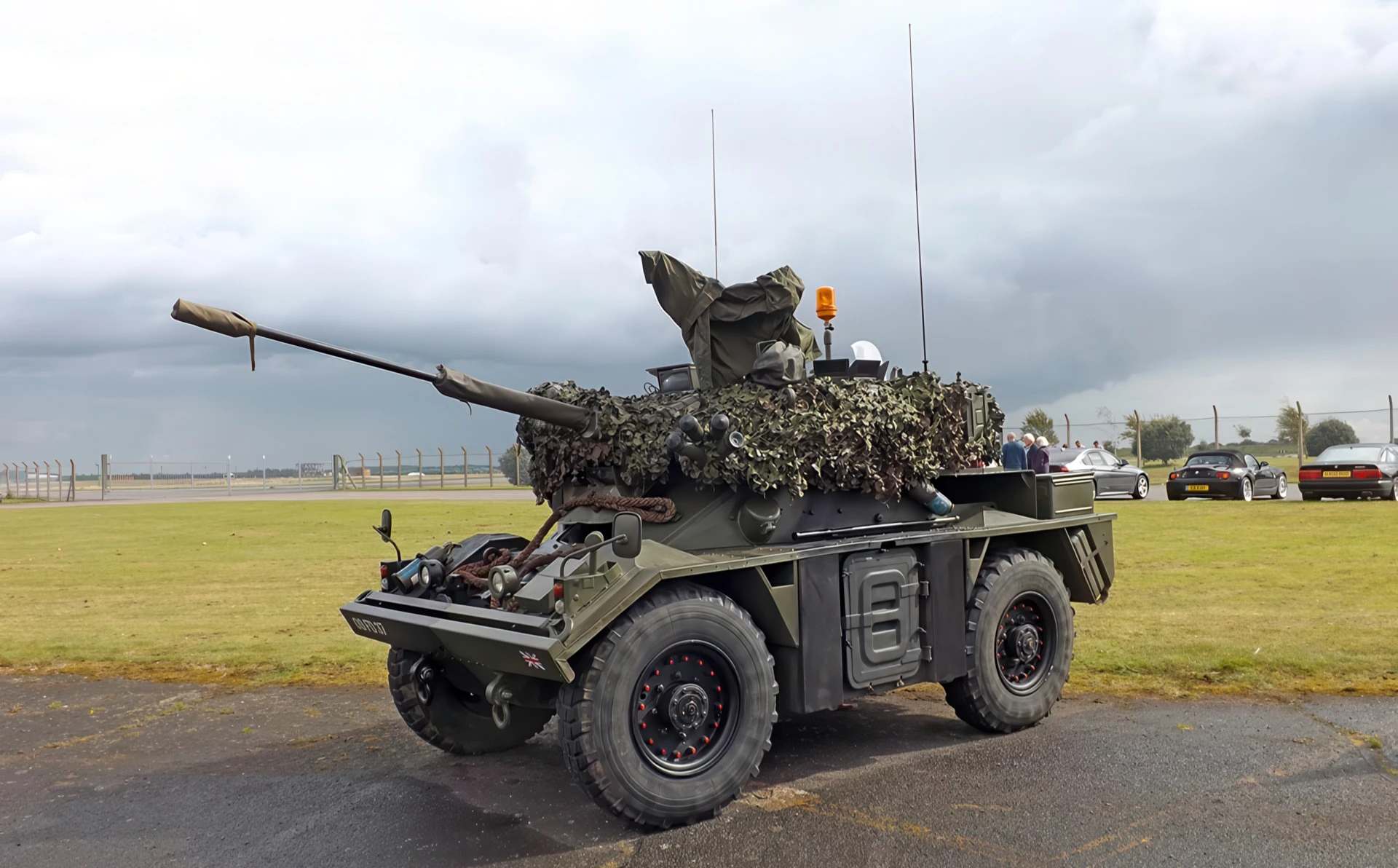
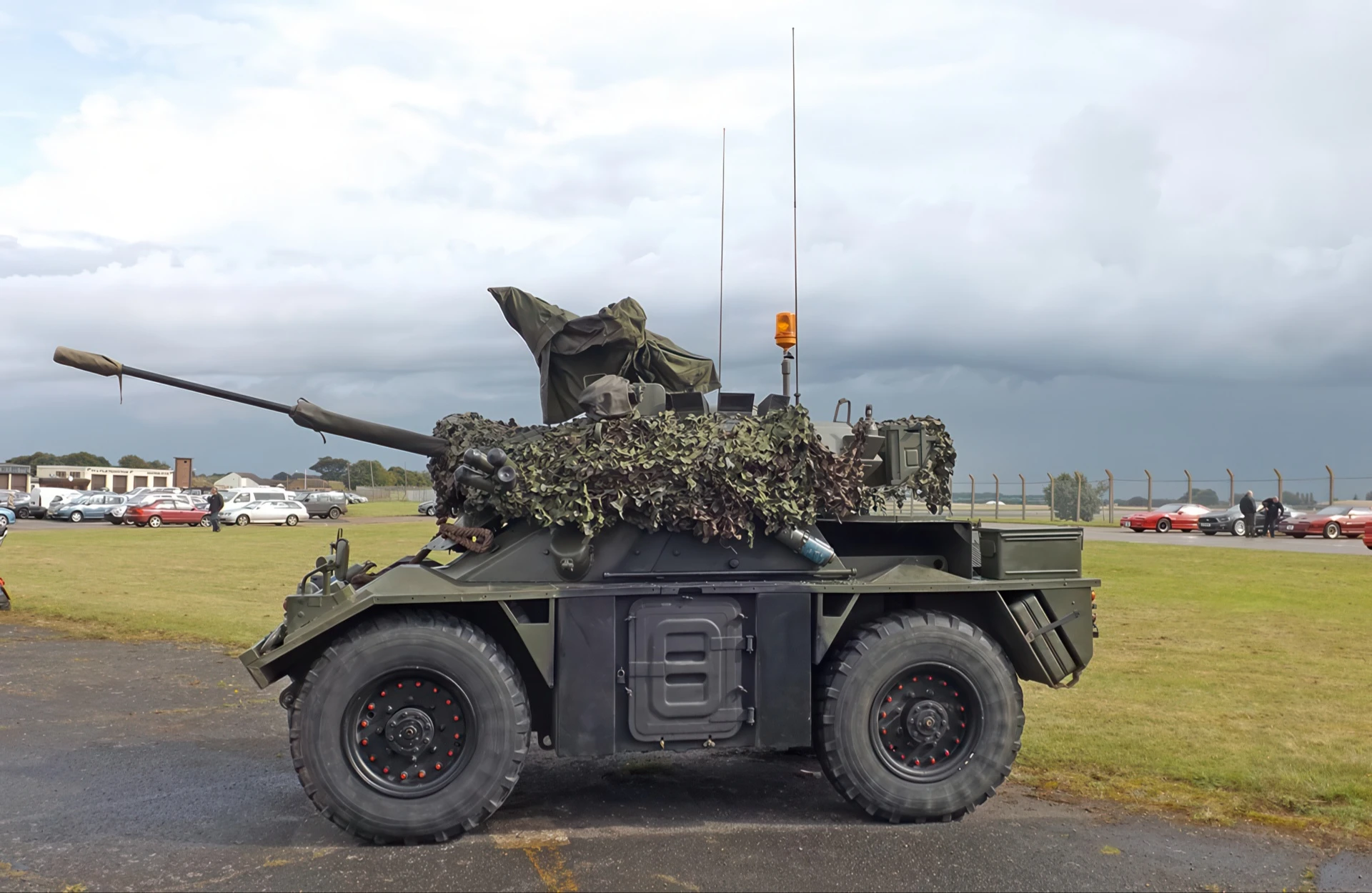
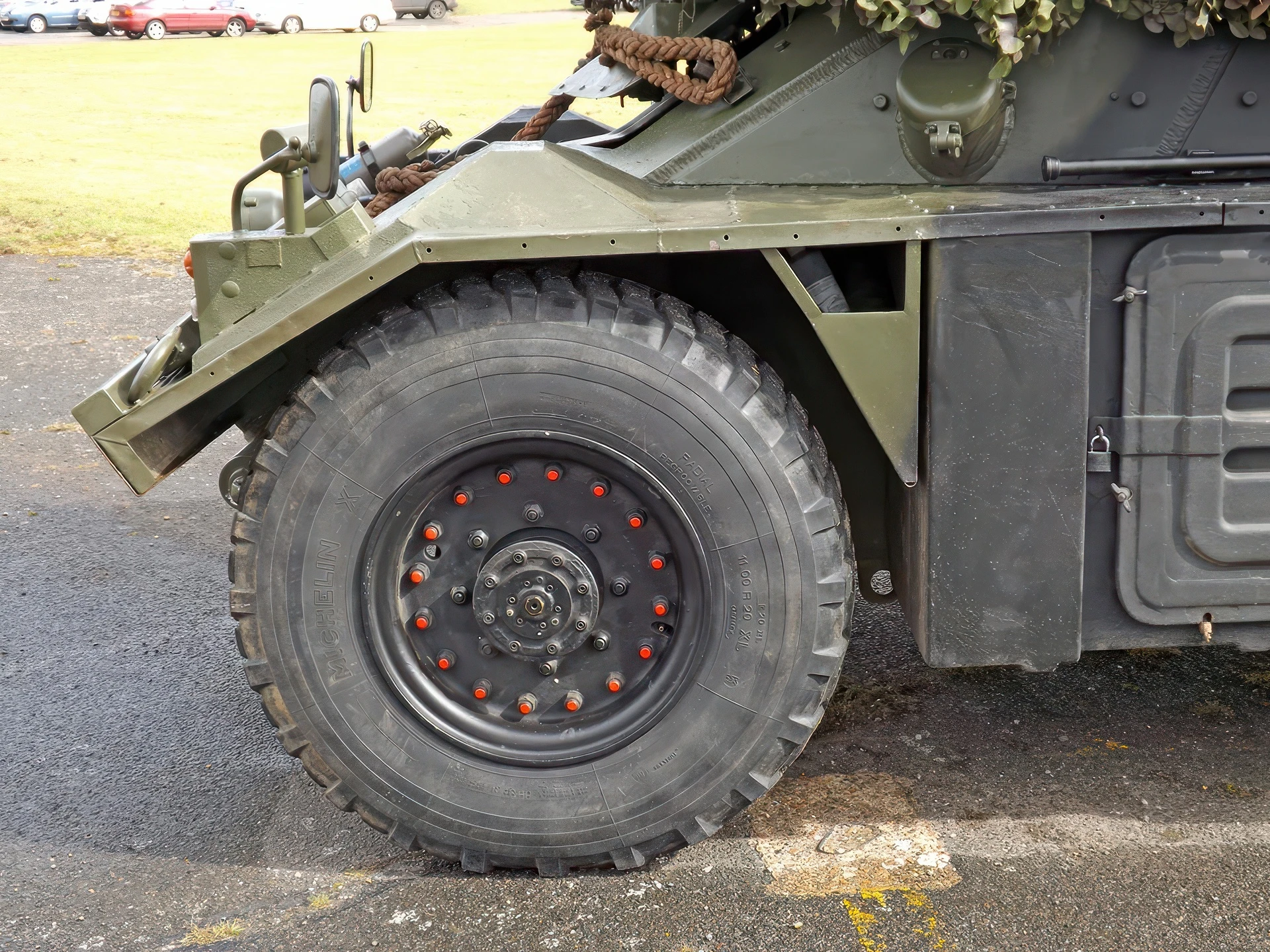
사진 갤러리 FV721 폭스 CVR, The FV721 Fox Combat Vehicle Reconnaissance (Wheeled) (CVR(W)) was a 4×4 armoured car manufactured by Alvis, deployed by the British Army as a replacement for the Ferret scout car and the Saladin Armoured Car. The Fox was introduced into service in May 1973 and withdrawn in 1993/4.

 커피 사줘
커피 사줘| FV721 Walk Around | |
|---|---|
| 사진 작가 | Unknow |
| 로컬라이제이션 | Unknow |
| 사진 | 33 |
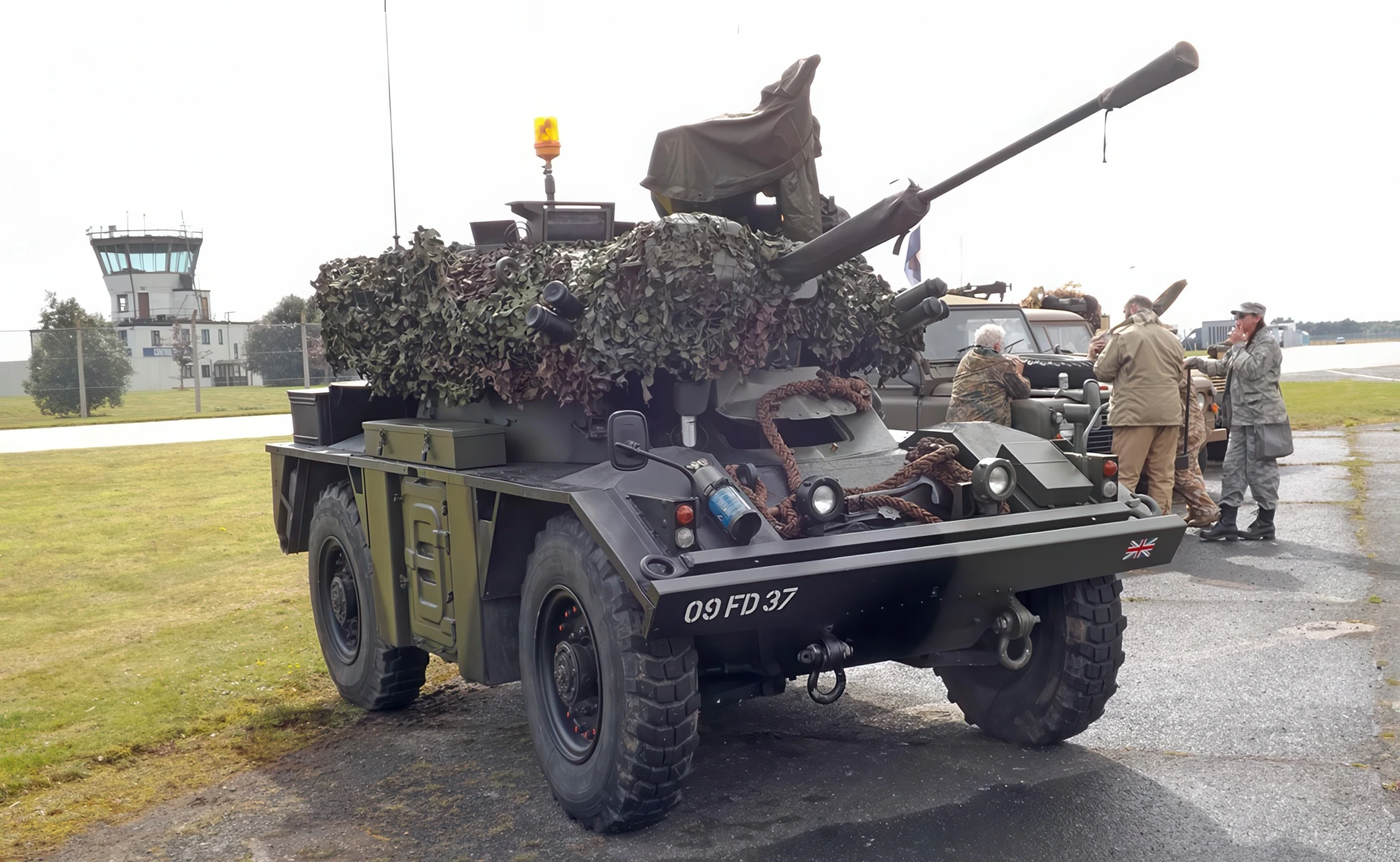
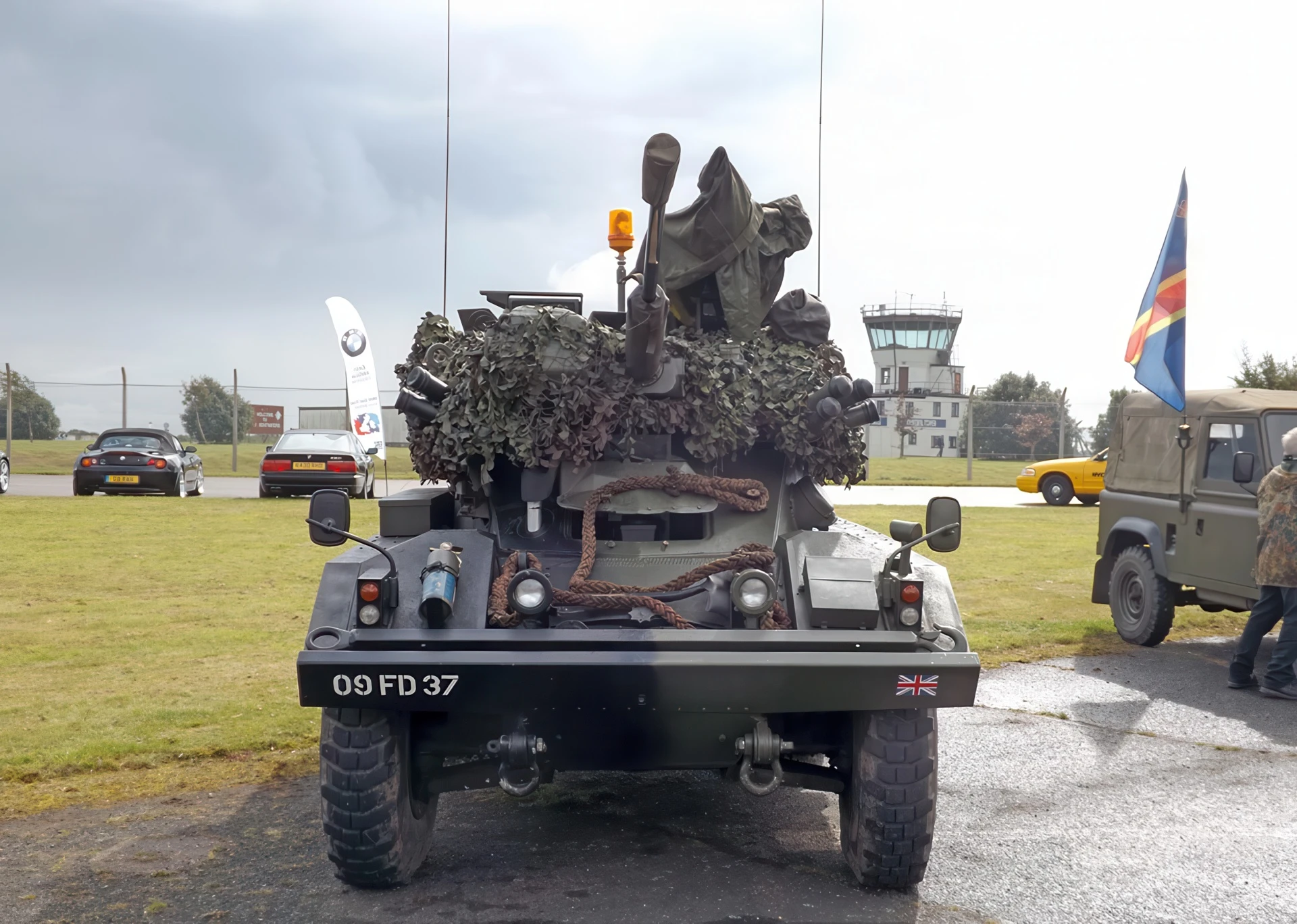
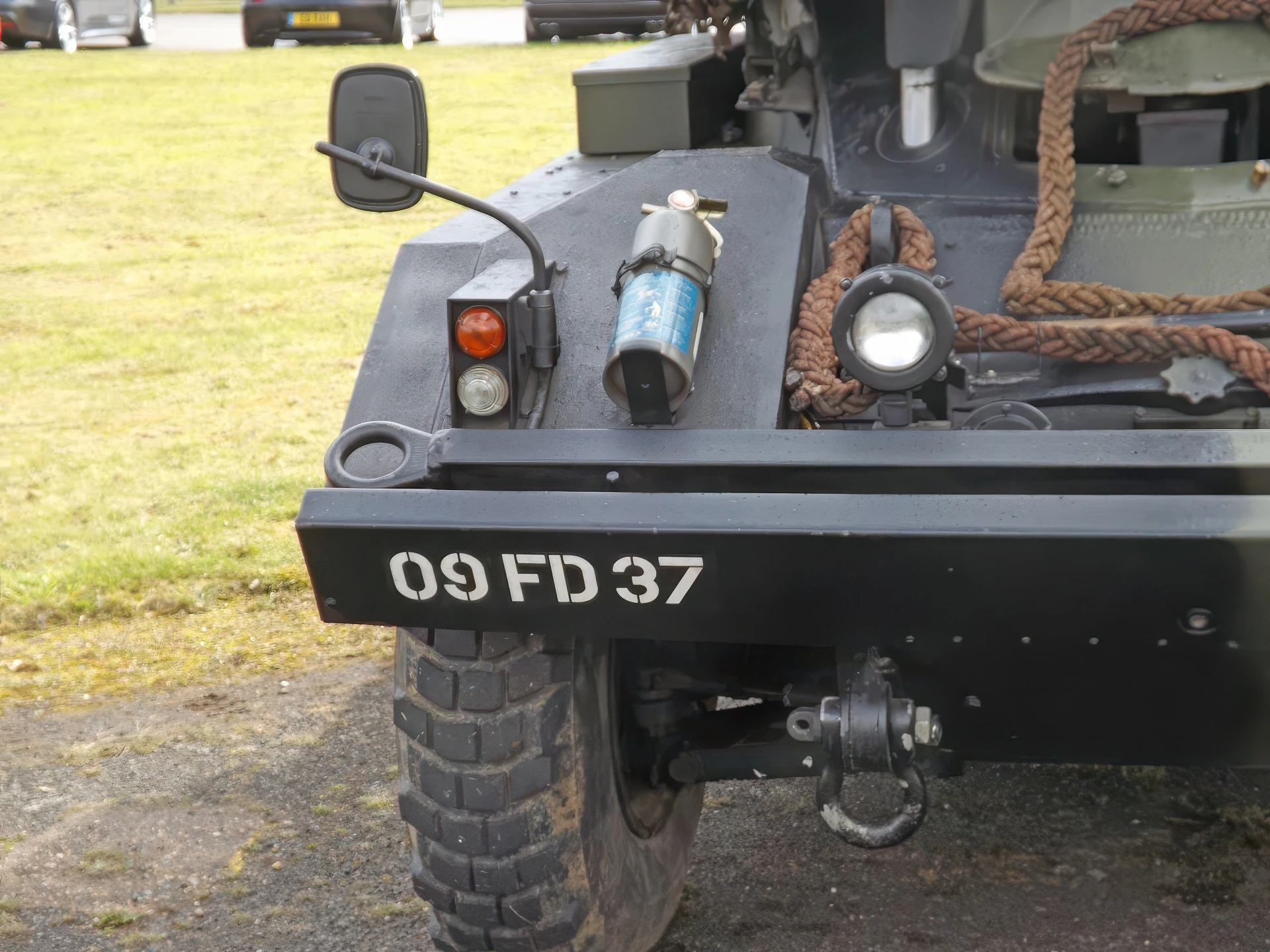
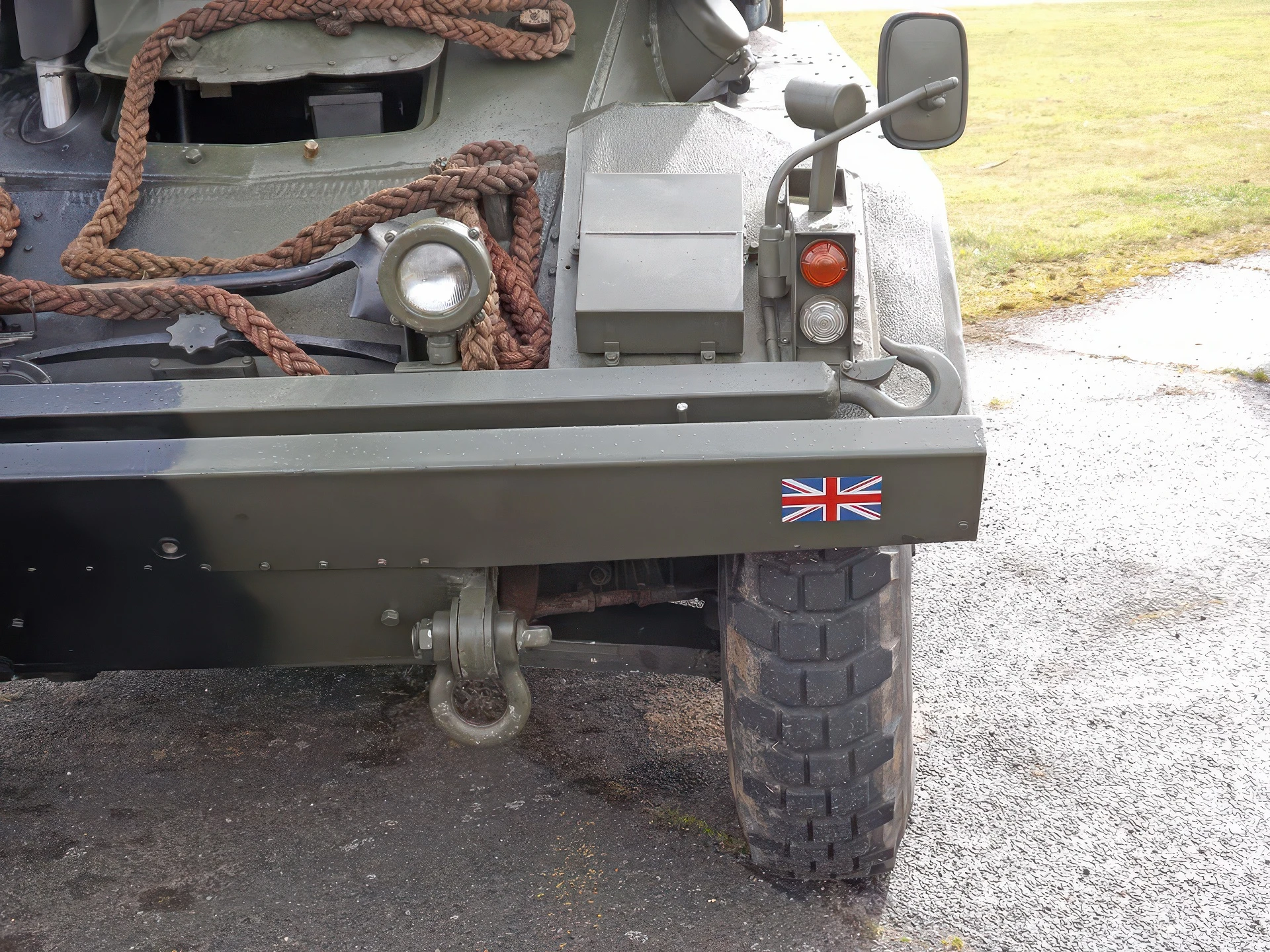
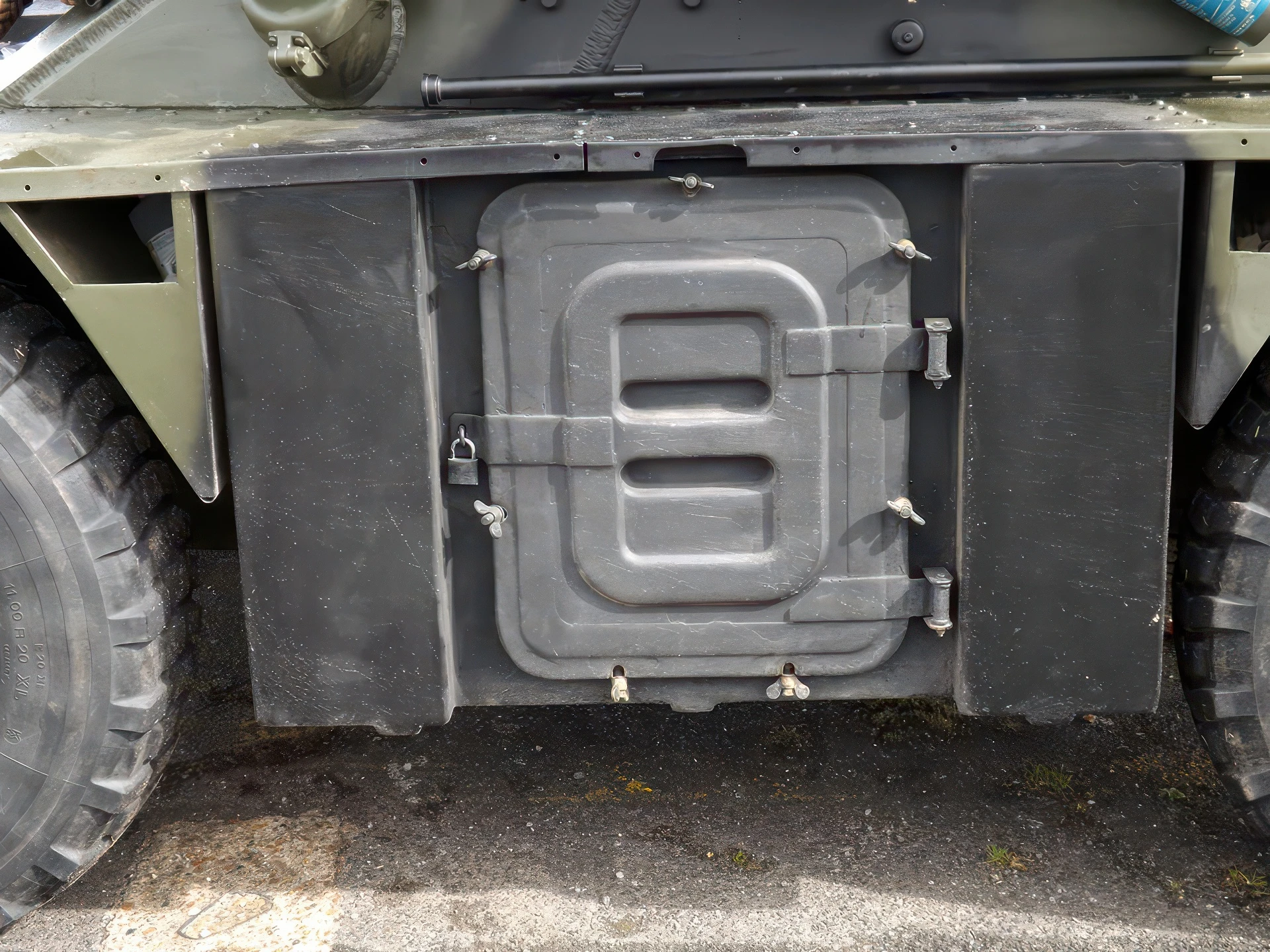
참고 항목:


The High-Speed Highway Scout
Tthe FV721 Fox Combat Vehicle Reconnaissance (Wheeled) was a highly agile, light armored car utilized by the British Army as a dedicated scout vehicle during the latter half of the Cold War. Introduced to replace the aging Ferret and Saladin armored cars, the Fox was designed to be small, exceptionally fast, and air-portable. Operating ahead of main battle groups, its primary mission was to gather battlefield intelligence, locate enemy movements, and harass light screen forces using its surprisingly heavy primary armament before deploying its extreme reverse speed to escape danger.
| Attribute | Technical Specification (FV721 Fox) |
|---|---|
| 역할 | Combat Vehicle Reconnaissance (Wheeled) / Armored Scout Car |
| 승무원 | 3 (사령관, 포수, 드라이버) |
| 엔진 | 1 × Jaguar 4.2-liter 6-cylinder liquid-cooled gasoline engine (190 hp) |
| 최대 속도 | 104 km/h (64.6 mph) forward and reverse |
| 작동 범위 | ~434 km (270 miles) |
| Primary Armament | 1 × 30mm L21 RARDEN autocannon |
| 보조 무장 | 1 × 7.62mm L37A1 coaxial machine gun; multi-barrel smoke grenade dischargers |
| Armor Type | Welded aluminum alloy (Protection against small arms and shell splinters) |
Design Engineering: Jaguar Hearts and Aluminum Shells
- The Jaguar Powerplant: In a unique cross-pollination of military design and British sports car engineering, the Fox was powered by a militarized, low-compression version of the 4.2-liter Jaguar XK engine. This high-revving engine gave the lightweight vehicle an exceptional power-to-weight ratio and an impressive top road speed crossing 100 km/h.
- All-Aluminum Construction: To maximize weight savings and ensure the vehicle could be deployed globally via transport aircraft or slung beneath heavy-lift helicopters, the Fox hull and turret were constructed entirely from welded aluminum armor. This choice protected the 3-man crew from small arms fire and artillery fragments while keeping the total weight under 7 tonnes.
- The Lethal RARDEN Autocannon: Despite its diminutive size, the Fox shared the same fully enclosed turret as the tracked FV107 Scimitar, packing a formidable 30mm RARDEN cannon. This weapon didn’t rely on high-volume spray; instead, it used accurate, manually loaded 3-round clips firing hard-hitting armor-piercing discarding sabot (APDS) rounds capable of punching through Soviet armored personnel carriers at long range.
- High-Clerance 4×4 Drivetrain: The Fox utilized a compact four-wheel-drive layout with large run-flat tires and independent coil-spring suspension. It featured an advanced pre-selector gearbox that allowed the vehicle to utilize its full range of gears in reverse, letting a scout driver back away from an ambush just as fast as they entered it.
Operational History: Cold War Germany to Desert Storm
- Sprinting Across the North German Plain: Entering service in 1975, the Fox was primarily assigned to Royal Armoured Corps formations and elite yeomanry regiments. In the event of war with the Warsaw Pact, Fox crews were trained to act as the eyes and ears of British forces, hiding in hedgerows and urban ruins to track advancing Soviet columns.
- The Pungent “Fox” Cabin: While praised for its mechanical agility, the Fox was notoriously cramped and uncomfortable for its crew. The combination of the hot Jaguar engine sitting directly behind the fighting compartment and the fumes generated by firing the RARDEN cannon often made life inside the vehicle a physical test of endurance during long exercises.
- Operation Granby (The Gulf War): The Fox saw intensive active combat deployment during the 1990–1991 Gulf War. Painted in desert tan, they were utilized for fast desert flanking maneuvers, border security sweeps, and visual scouting roles alongside heavier Challenger 1 main battle tanks.
- The Vixen Mutation and Retirement: By 1993, changing doctrine and concerns regarding the stability of wheeled, top-heavy turrets in aggressive cross-country maneuvers led the British Army to retire the FV721 from active scouting roles. However, the legacy lived on as many retired Fox turrets were grafted onto old FV432 tracked hulls to create the improvised “Sabre” reconnaissance vehicle, maximizing British defense assets well into the late 1990s.
조회수 : 3125