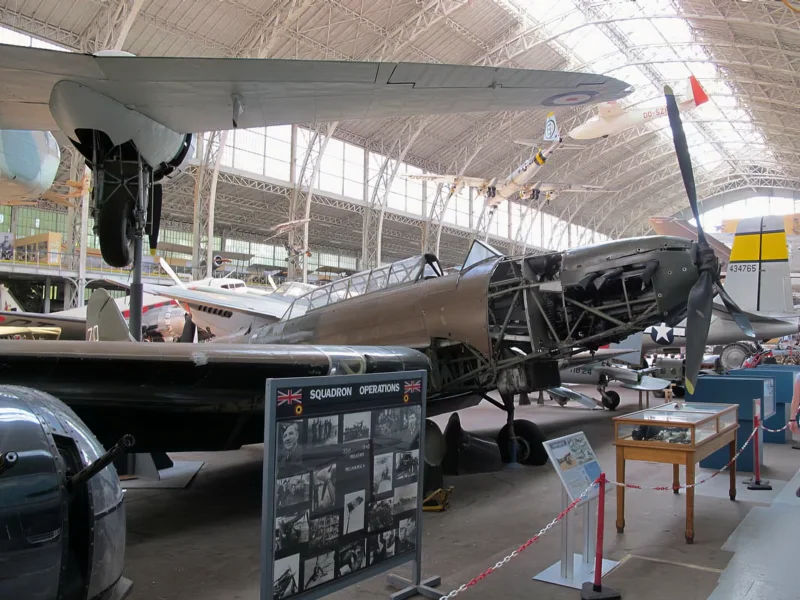
Fairey Battle | |
|---|---|
| 국가 | 영국 |
| 역할 | 라이트 폭격기 |
| 첫 번째 비행 | 1936년 3월 10일 |
| 내장 | 2201 |
Tthe 페어리 배틀 페어리 항공 회사에서 설계 및 제조 한 영국의 단일 엔진 경 폭격기였습니다. 1930년대 중반 영국 공군(RAF)을 위해 초기 호커 하트와 하인드 복엽기의 단엽기 후계자로 개발되었습니다. 전투는 다양한 현대 영국 전투기에 동력을 공급한 동일한 고성능 롤스로이스 멀린 피스톤 엔진으로 구동되었습니다. 그러나 전투는 3명의 승무원과 폭탄 적재로 훨씬 더 무거웠습니다. 이전 항공기에 비해 크게 개선되었지만 전투는 상대적으로 느리고 범위가 제한적이었습니다. 방어 무장으로 기관총에 .303이 2개에 불과하여 적 전투기와 대공포 사격에 매우 취약한 것으로 나타났습니다.
소스: 위키백과에 페어리 전투
| Fairey Battle | |
|---|---|
| 사진 작가 | Unknow |
| 로컬라이제이션 | Unknow |
| 사진 | 61 |
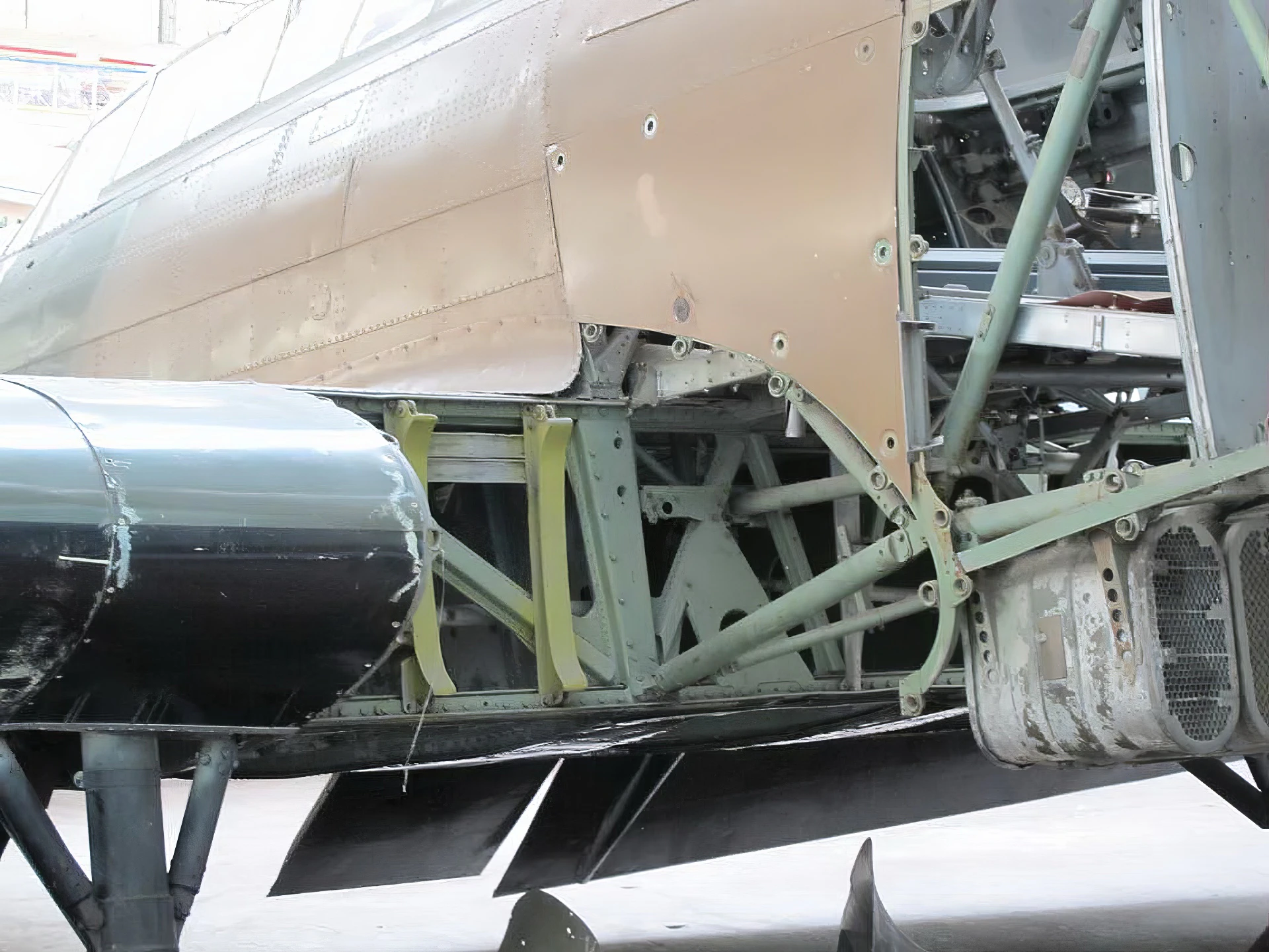
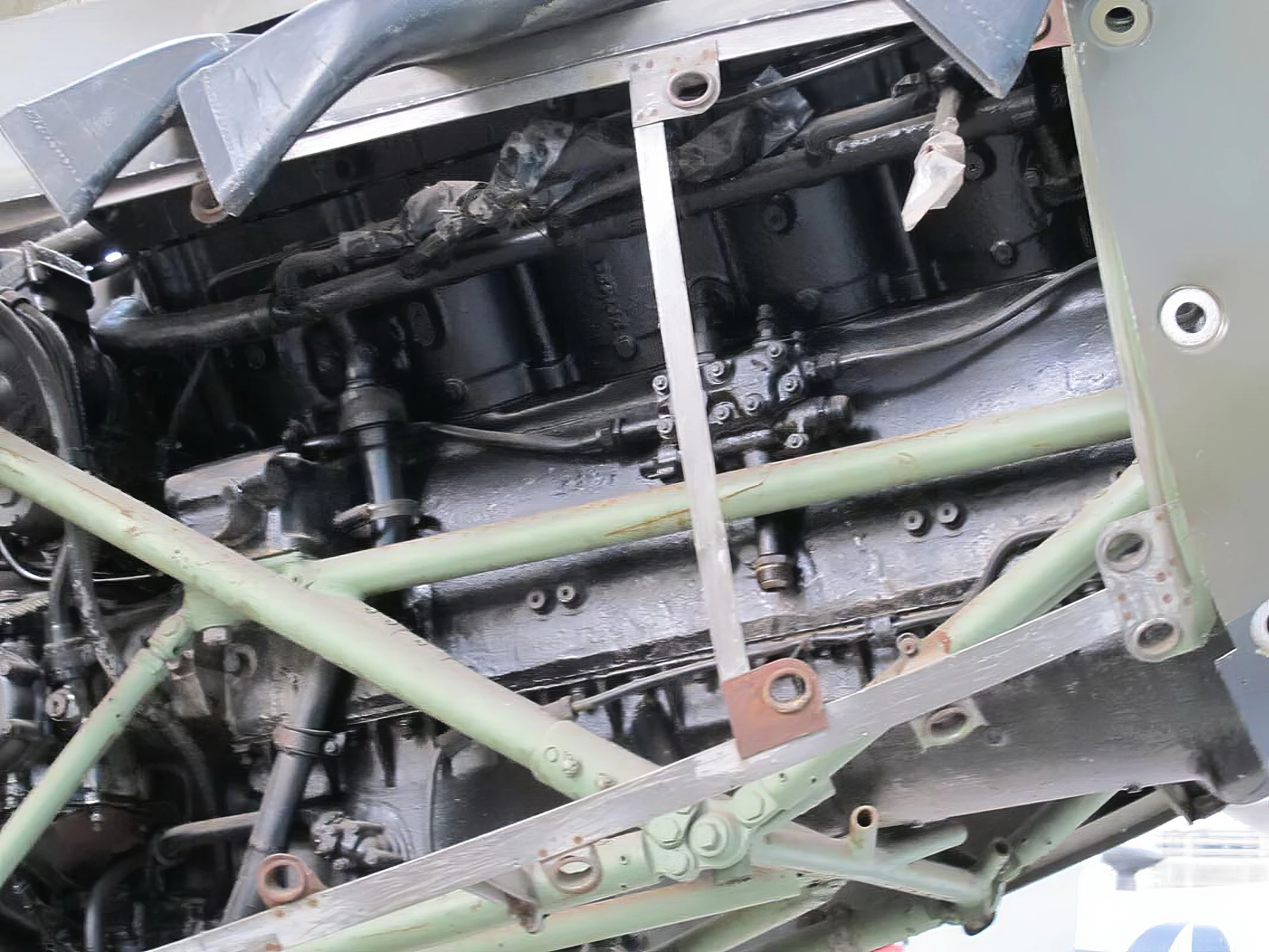
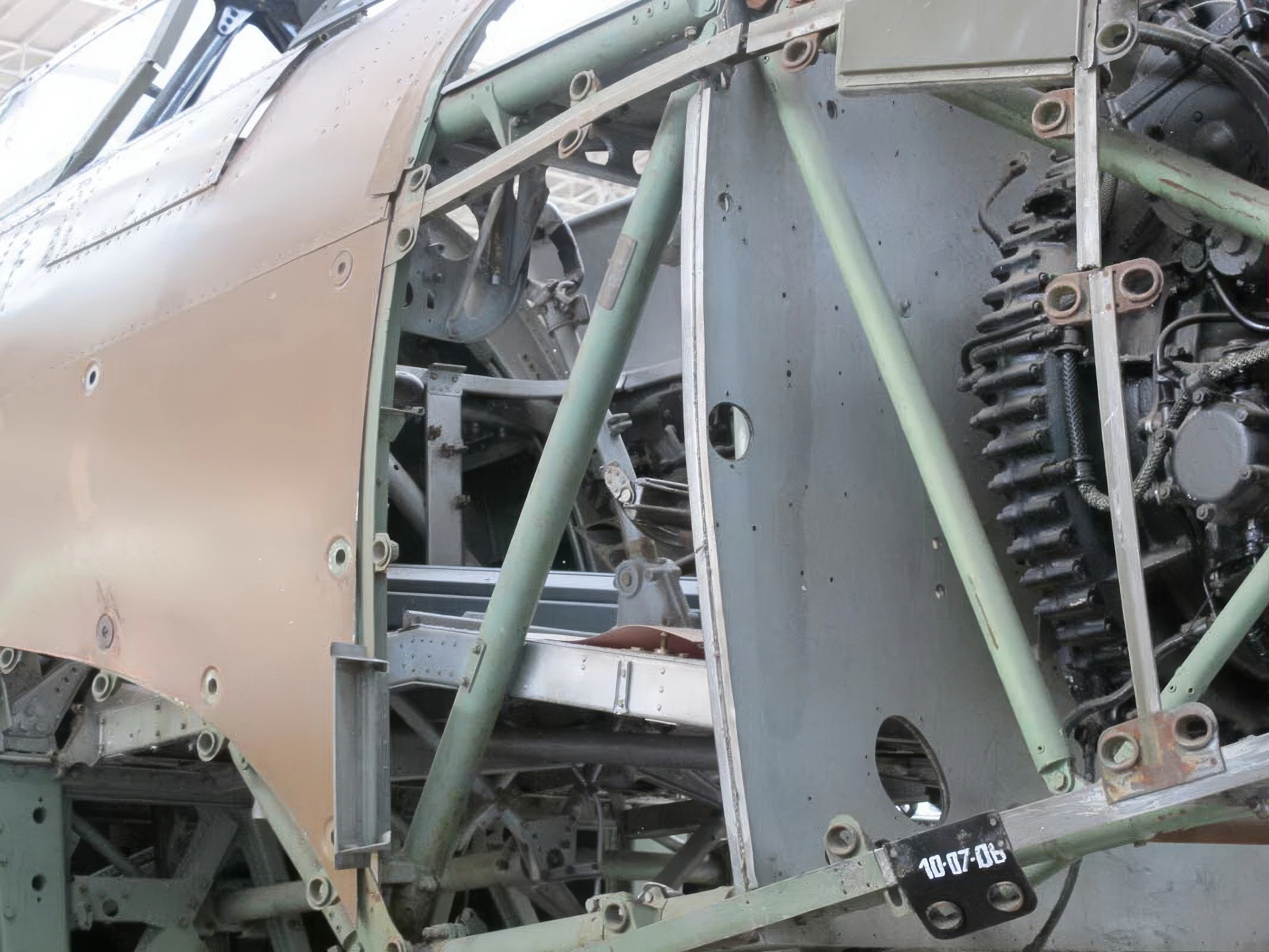
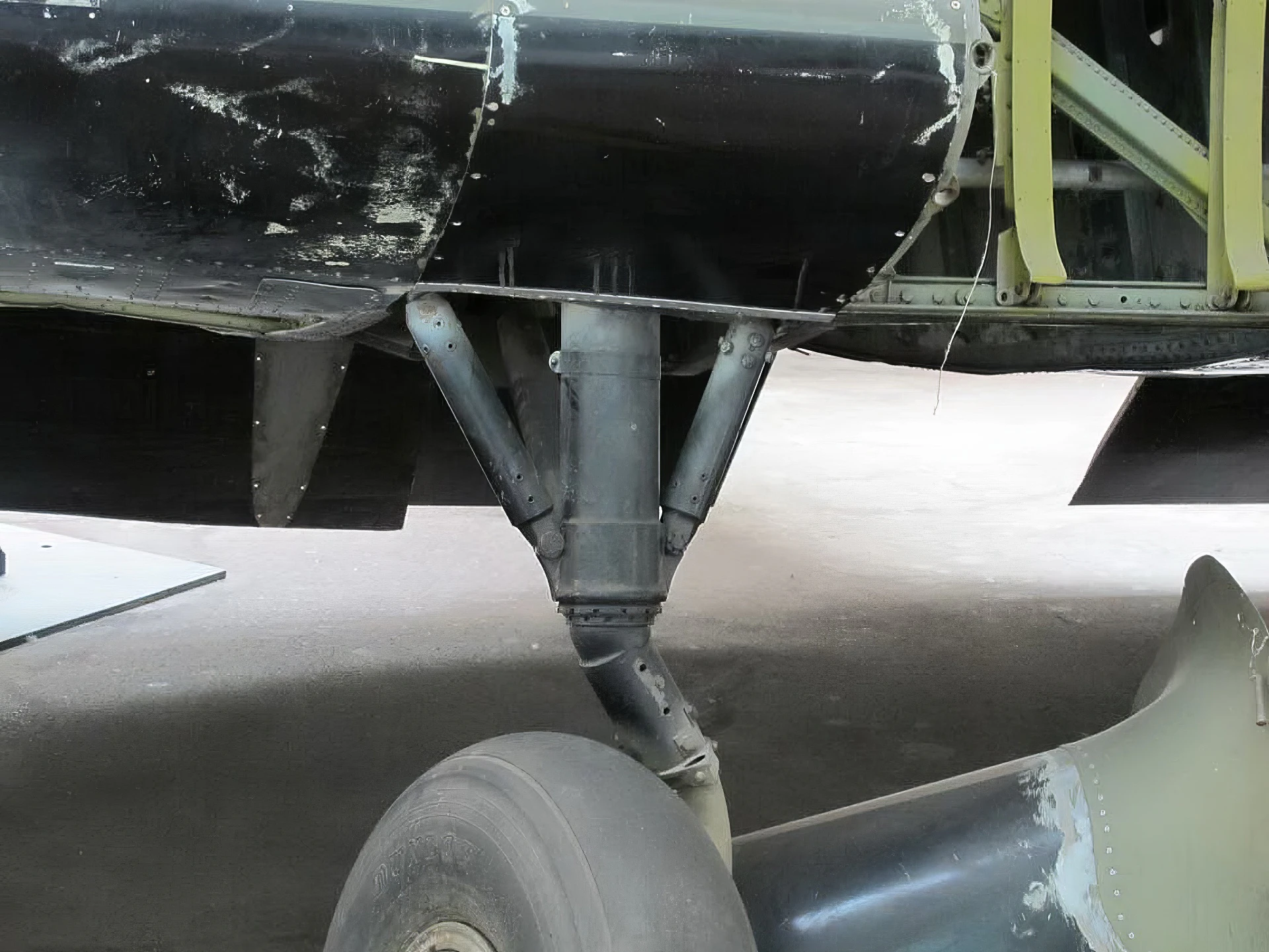
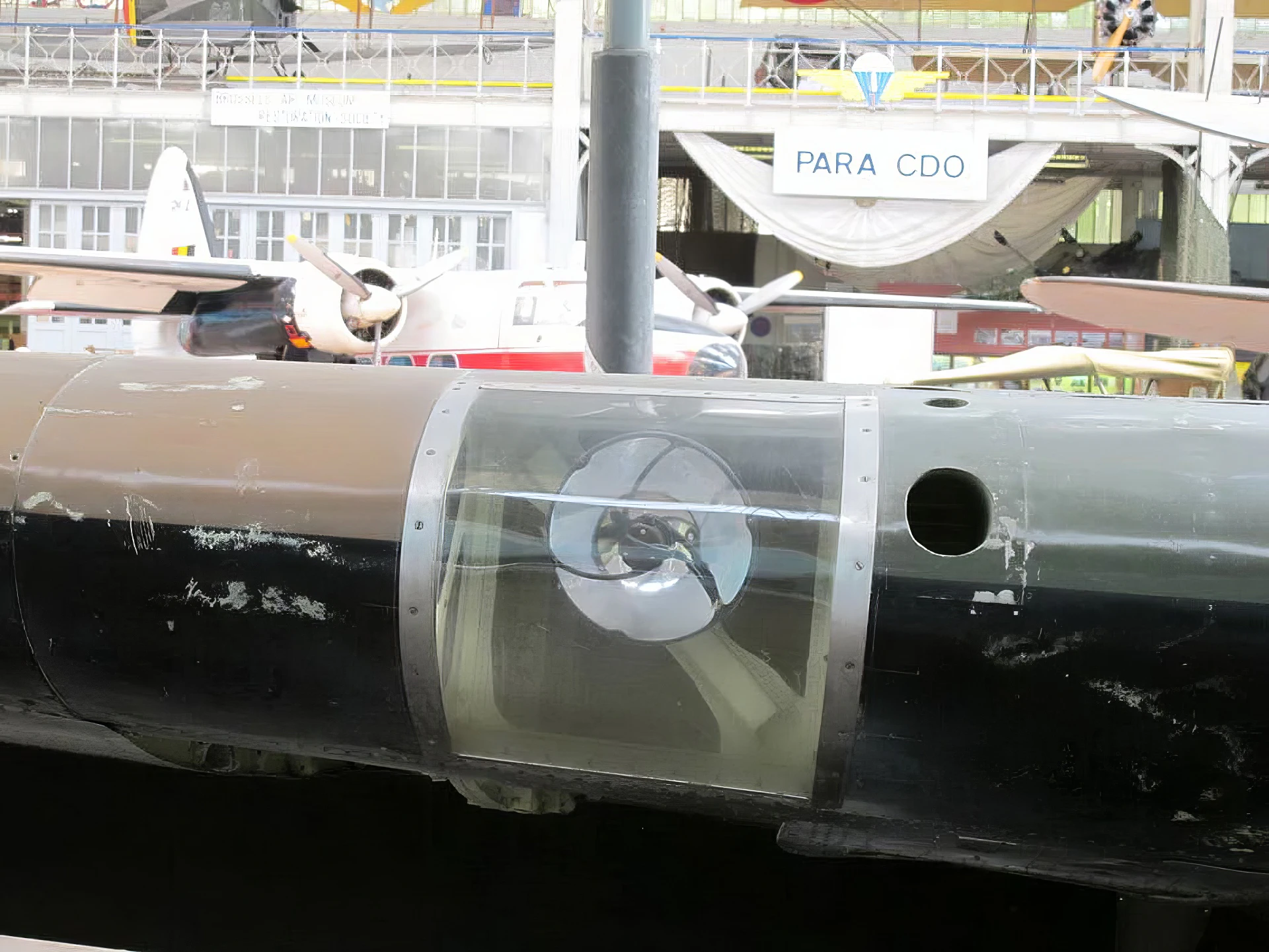
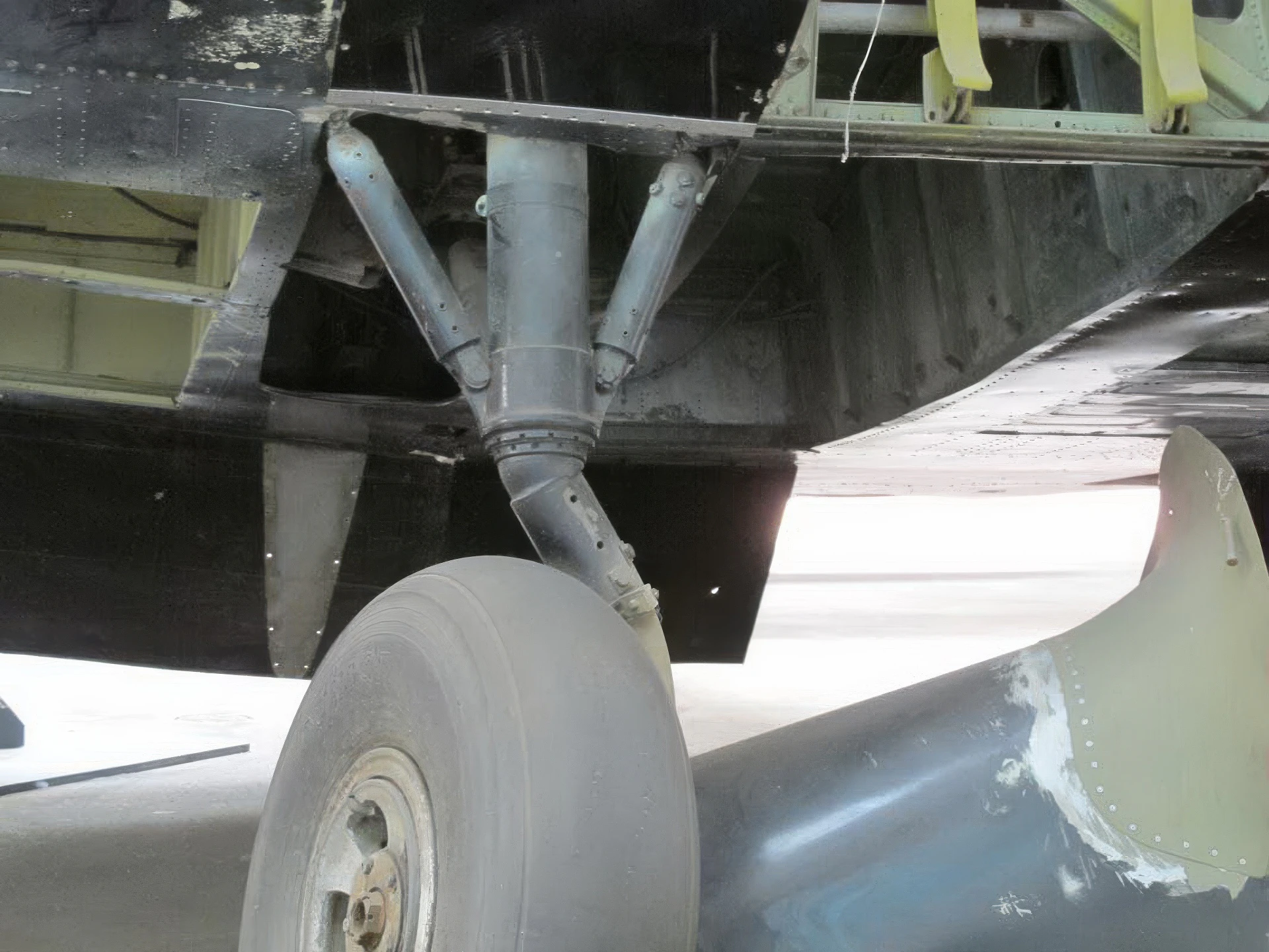
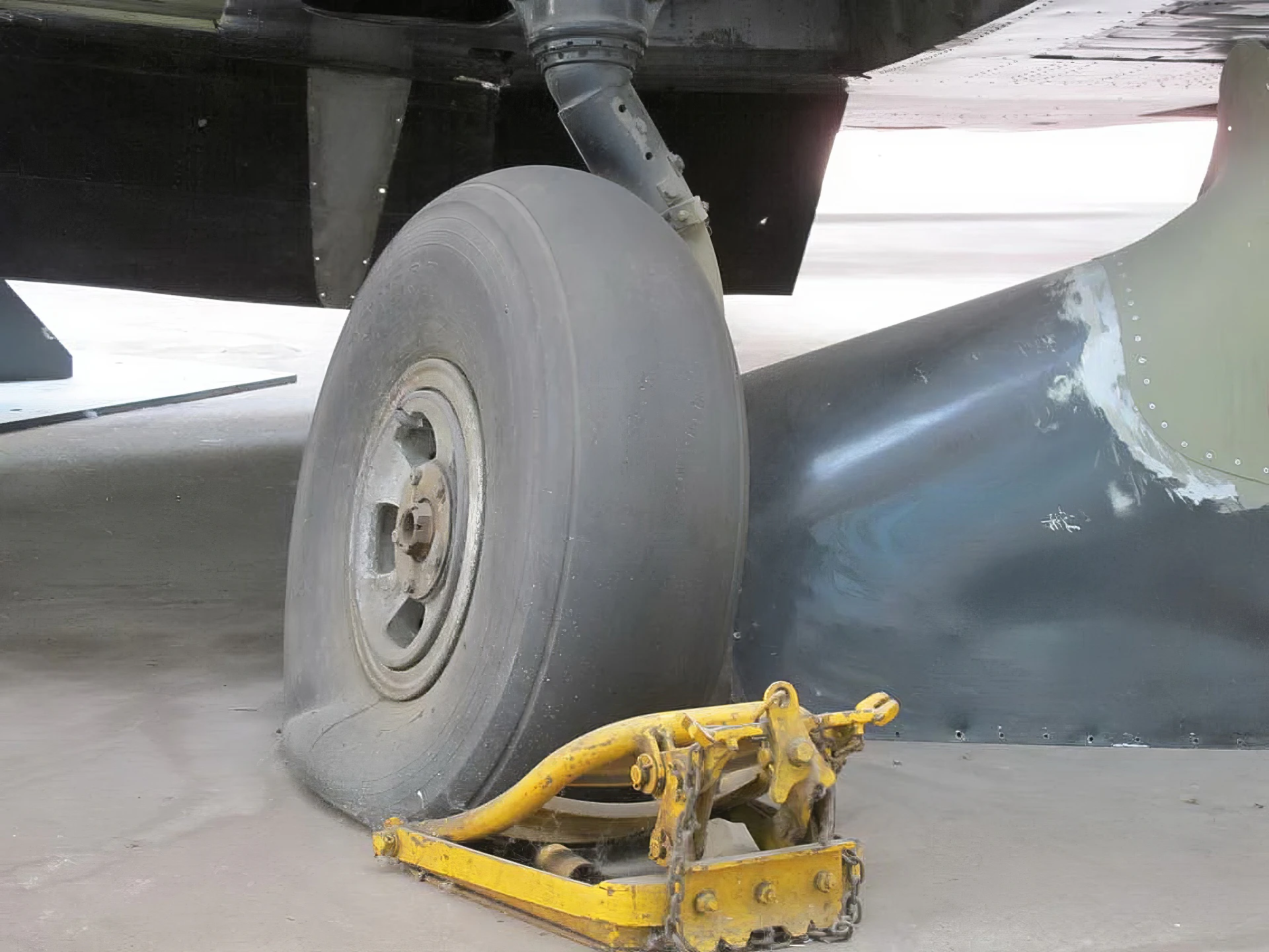
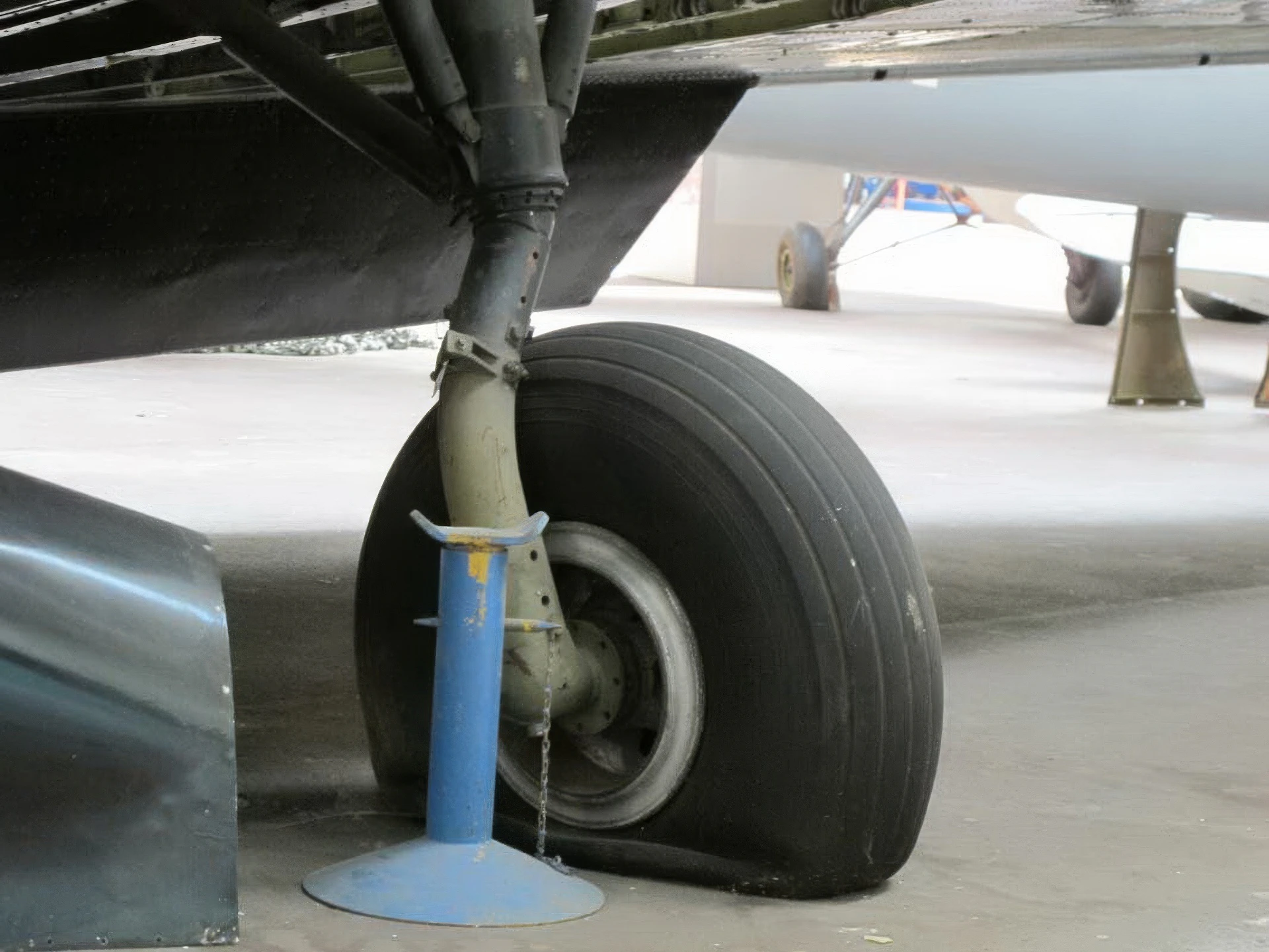

| Fairey Battle Walk Around | |
|---|---|
| 사진 작가 | 에르윈 드 스와프 |
| 로컬라이제이션 | Unknow |
| 사진 | 21 |
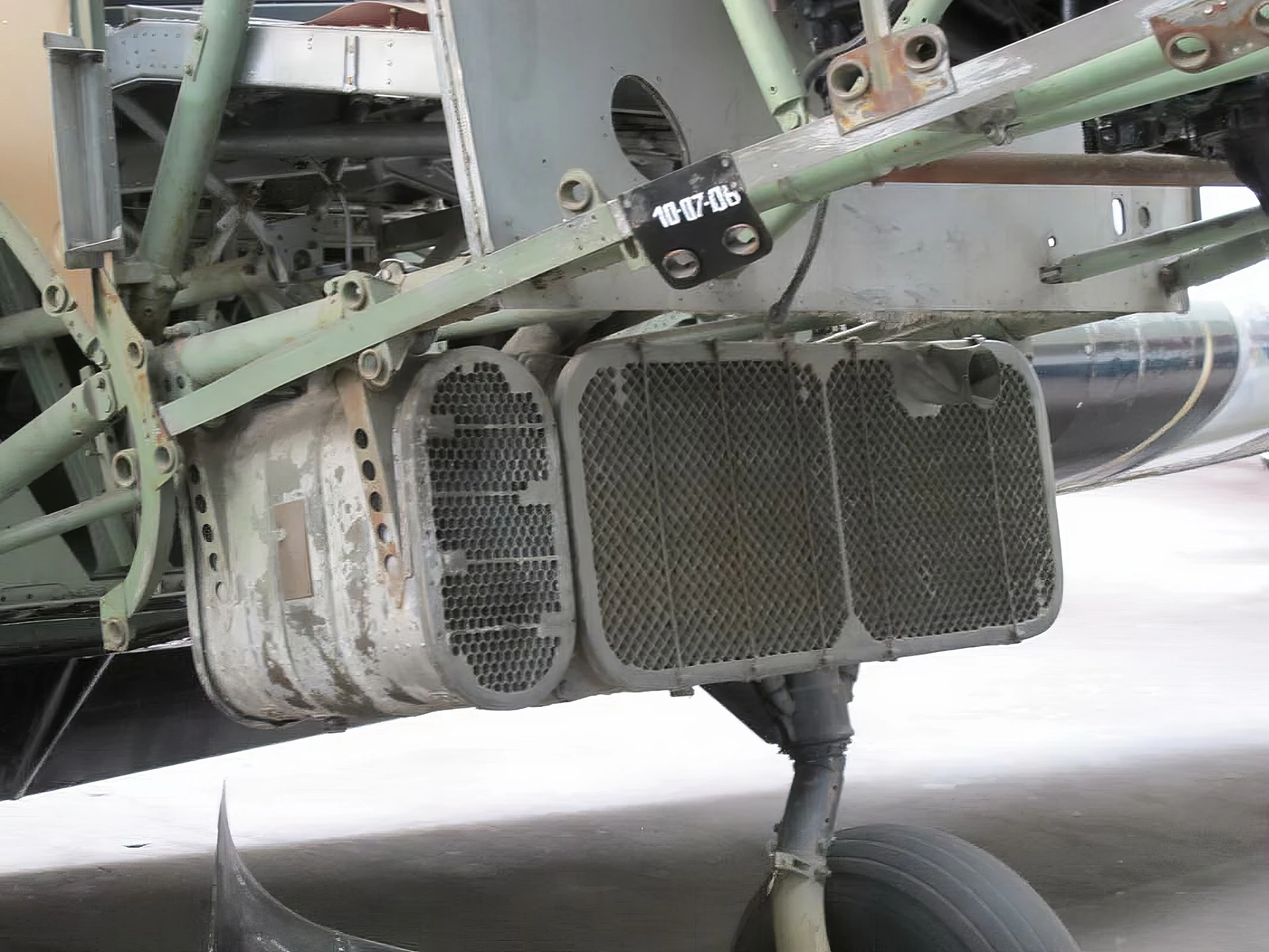
| Fairey Battle Walk Around | |
|---|---|
| 사진 작가 | 에르윈 드 스와프 |
| 로컬라이제이션 | Unknow |
| 사진 | 42 |
참고 항목:


Tthe 페어리 배틀 was a British single-engine light bomber designed and manufactured by the Fairey Aviation Company in the mid-1930s. Intended to replace the RAF’s biplane bombers (like the Hawker Hart), it was a low-wing monoplane and the first operational aircraft to be powered by the renowned Rolls-Royce Merlin engine.
Design and Crew
- Appearance: The Battle had a clean, streamlined design, often mistaken for an oversized fighter. It was built using a light-alloy stressed-skin construction, which was modern for its time.
- Powerplant: It was powered by a single liquid-cooled Rolls-Royce Merlin I/II/III V12 piston engine (the same engine used in the Spitfire and Hurricane). However, being much heavier with a three-man crew and bomb load, it was significantly slower than its fighter counterparts.
- Crew: A crew of three: Pilot, Observer/Navigator/Bomb Aimer그리고 Radio Operator/Air Gunner, all seated in tandem under a continuous glass canopy.
- 군비:
- One fixed forward-firing 0.303 in (7.7 mm) Browning machine gun in the starboard wing.
- One flexible 0.303 in (7.7 mm) Vickers K machine gun for the rear gunner.
- Bomb Load: Standard internal load of four 250 lb (110 kg) general-purpose bombs carried in cells within the wings, totaling 1,000 lb. Additional small bombs could be carried on under-wing racks.
Combat History and Obsolescence
Although highly advanced when first flown in 1936 and entering service in 1937, the rapid advancement of military aviation meant the Battle was operationally obsolete by the outbreak of World War II in 1939.
- Early Service: It scored the RAF’s first aerial victory of the war in September 1939.
- High Losses: During the Battle of France (May 1940), Battle squadrons of the Advanced Air Striking Force (AASF) suffered catastrophic losses, frequently exceeding 50% per mission, due to being slow, having poor defensive armament, and lacking armor and self-sealing fuel tanks. This vulnerability earned it the grim nickname “Flying Coffin.”
- Relegation: By late 1940, the Battle was withdrawn from front-line bomber duties. The majority of the aircraft were subsequently relegated to secondary roles, primarily as trainers 그리고 target tugs (Battle TT), especially under the British Commonwealth Air Training Plan in Canada, Australia, and South Africa, where it served usefully for the remainder of the war.
Key Specifications (Battle Mk I)
| Characteristic | 값 |
|---|---|
| 엔진 | Rolls-Royce Merlin I, II, or III |
| Max Speed | Approx. 257 mph (414 km/h) at altitude |
| 레인지 | Approx. 1,000 miles (1,600 km) |
| 윙스 팬 | 54 ft 0 in (16.46 m) |
| 길이 | 42 ft 4 in (12.90 m) |
조회수:4876