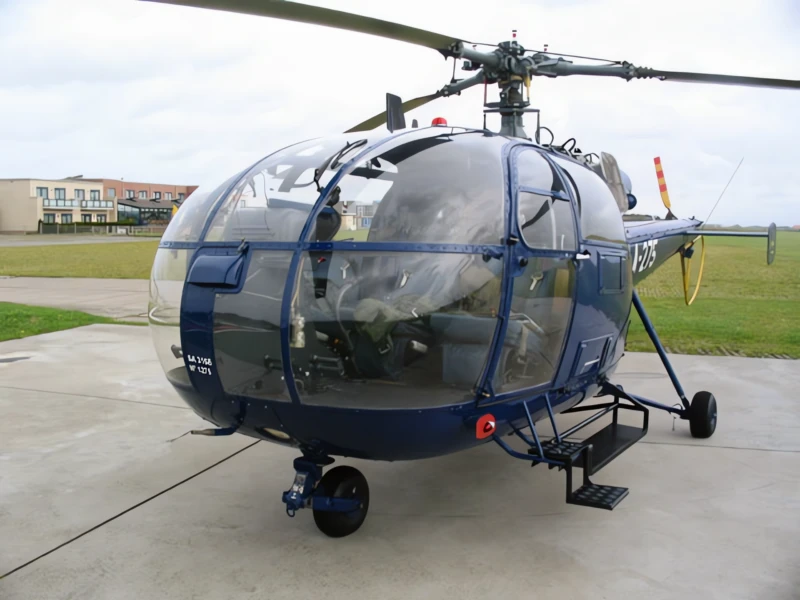
알루엣 III | |
|---|---|
| 국가 | 프랑스 |
| 역할 | 가벼운 유틸리티 헬리콥터 |
| 생산 | 1961-1985 |
| 내장 | 2000+ |
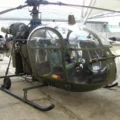
Tthe 아에로스파티알레 알루에트 3세 is a single-engine, light utility helicopter developed by Sud Aviation. It was manufactured by Aérospatiale of France, and under license by Hindustan Aeronautics Limited in India as the HAL Chetak, by Industria Aeronautică Română in Romania as the IAR 316 and F+W Emmen (de) in Switzerland. The Alouette III is the successor to the Alouette II, being larger and having more seating.
소스: 위키의 알루에트 3세
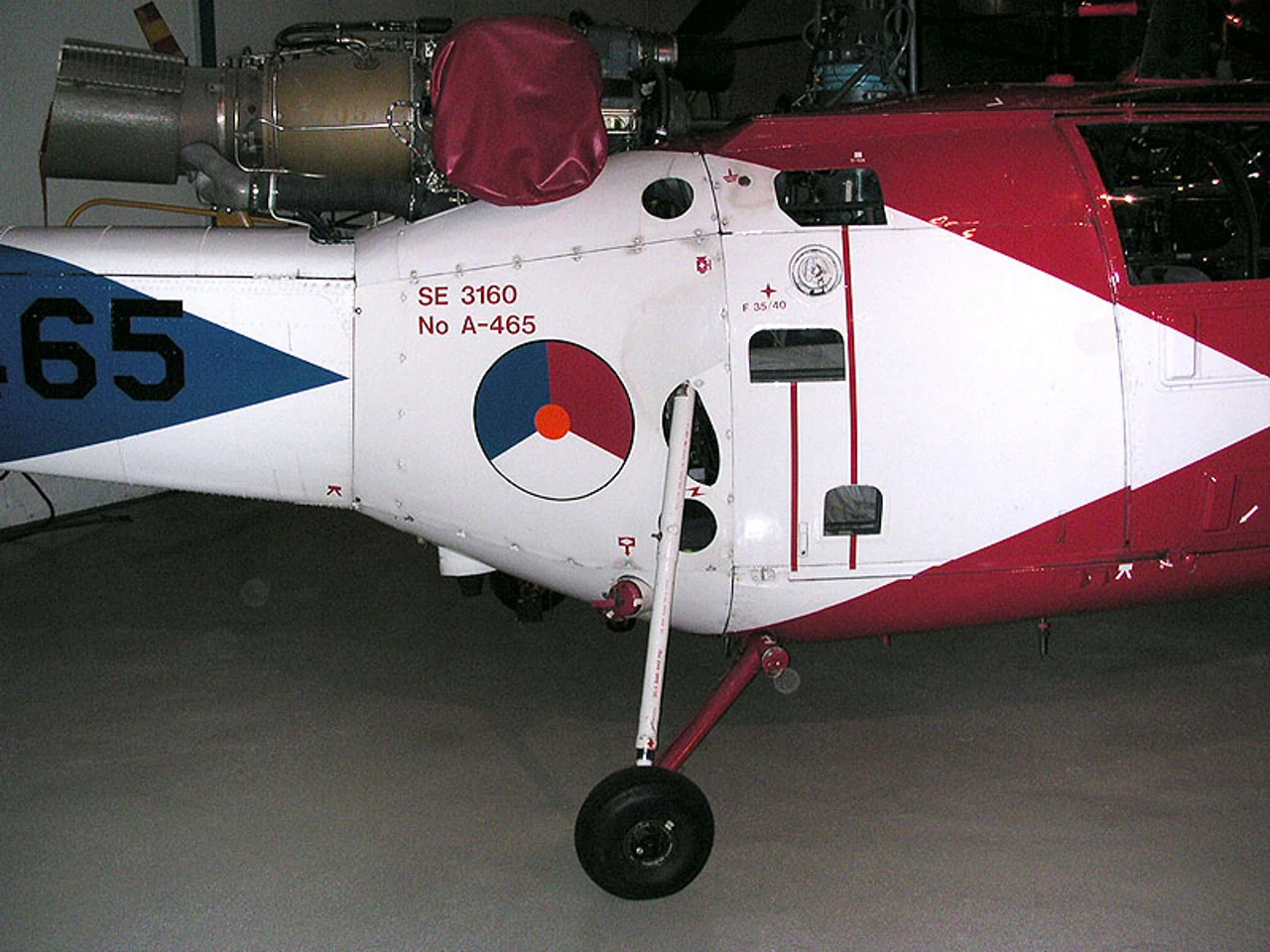
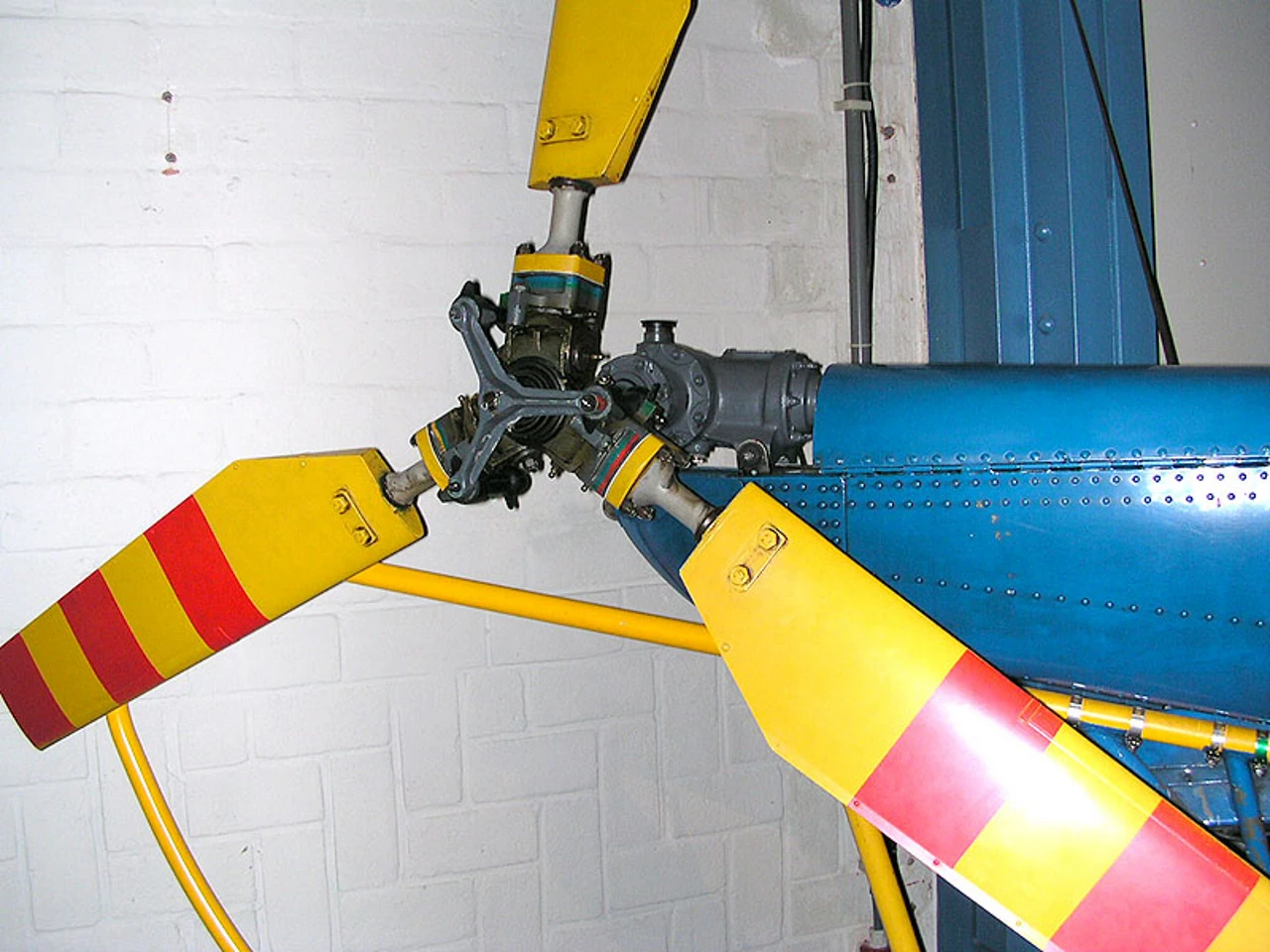
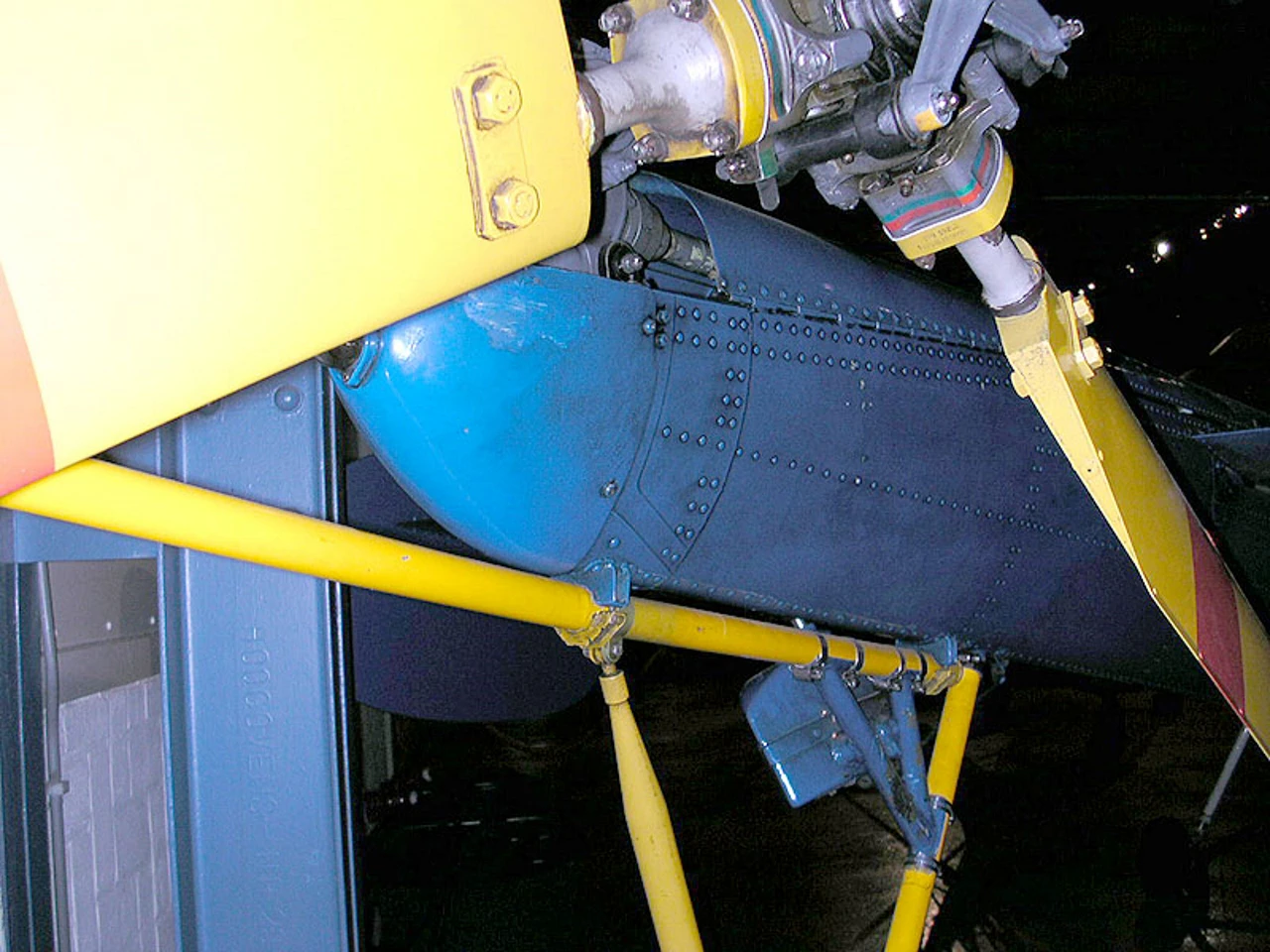
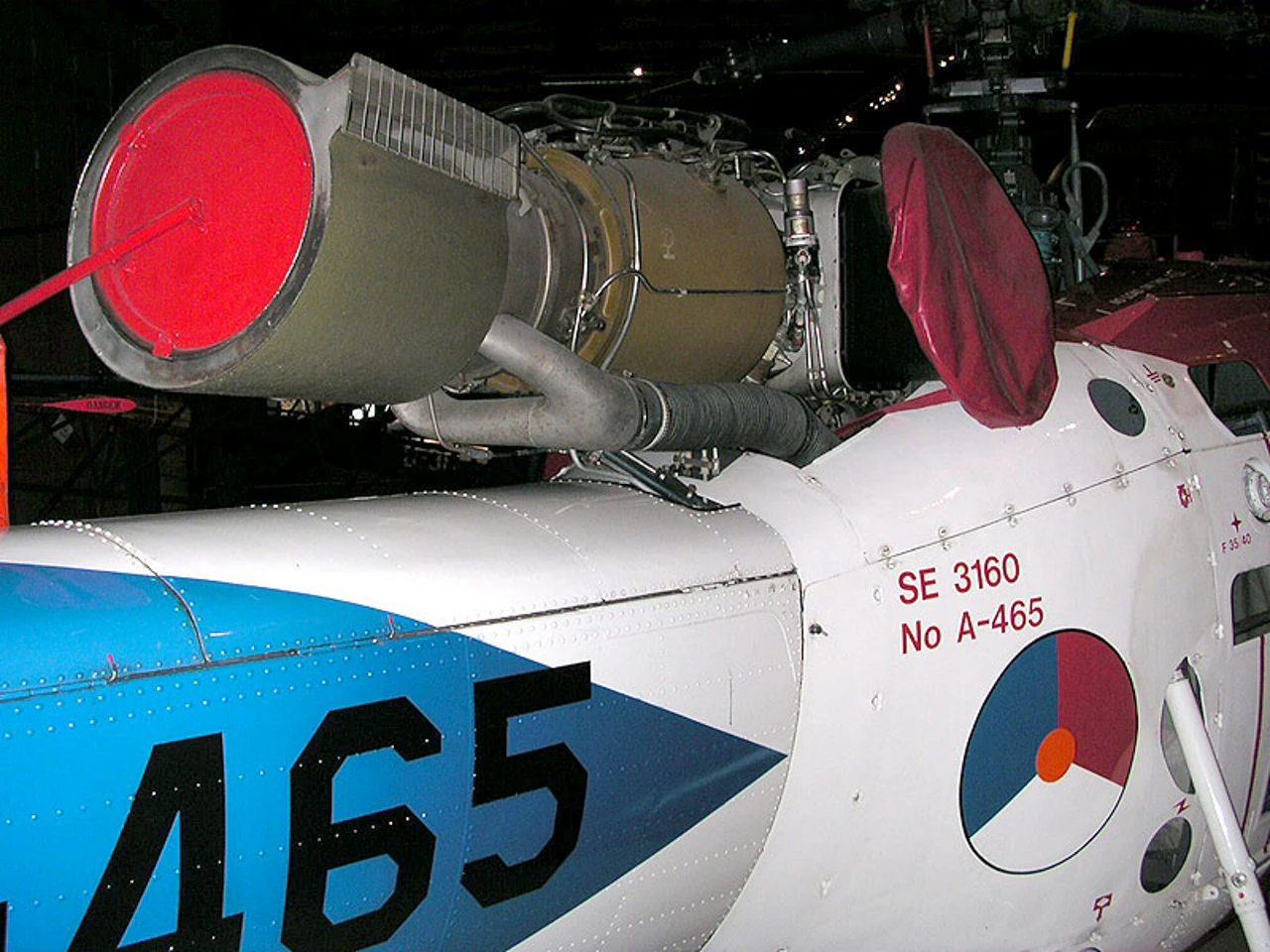
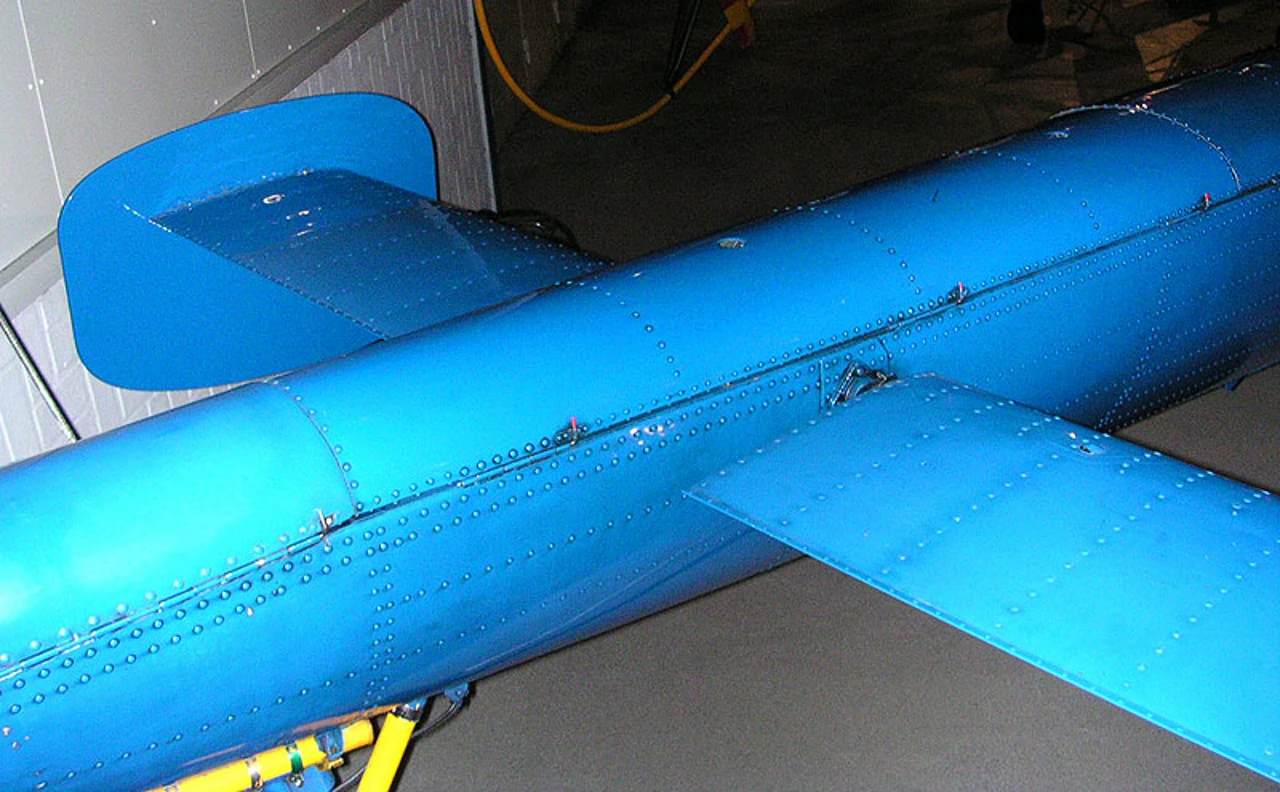
| Alouette III (SA 316) 산책 | |
|---|---|
| 사진 작가 | 시스 헨드릭스, 프레드 바코프너 |
| 로컬라이제이션 | Unknow |
| 사진 | 177 |
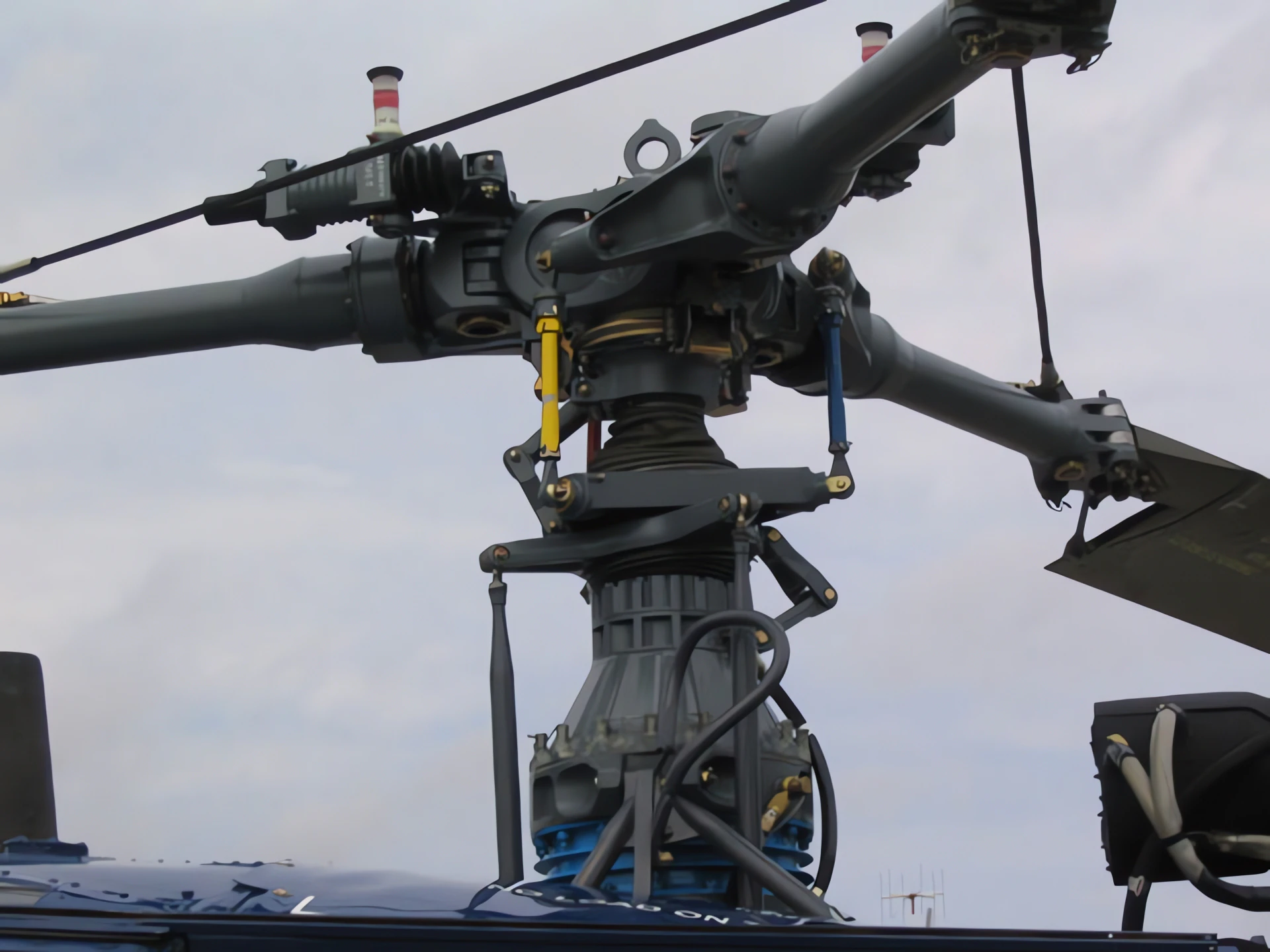
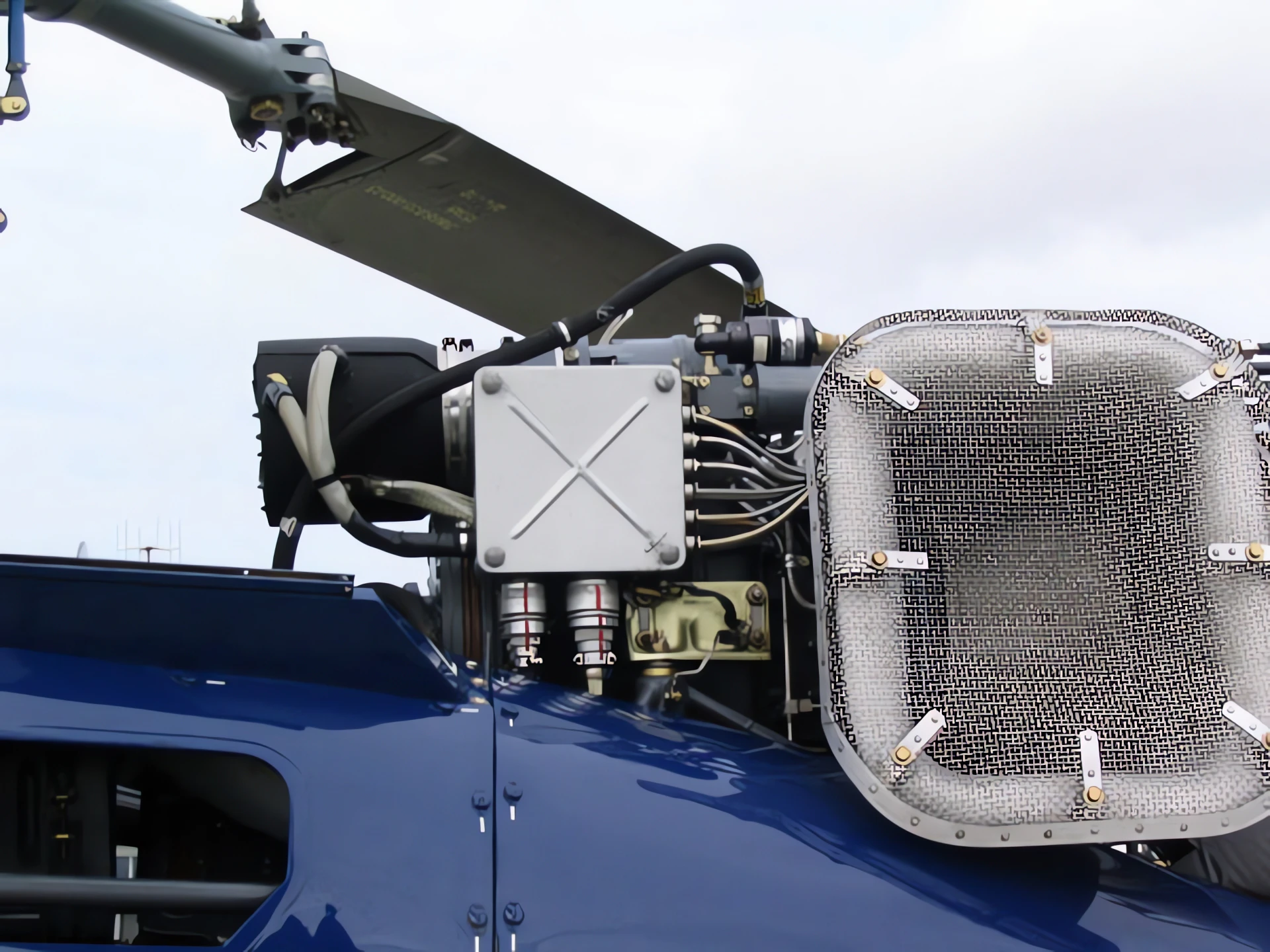
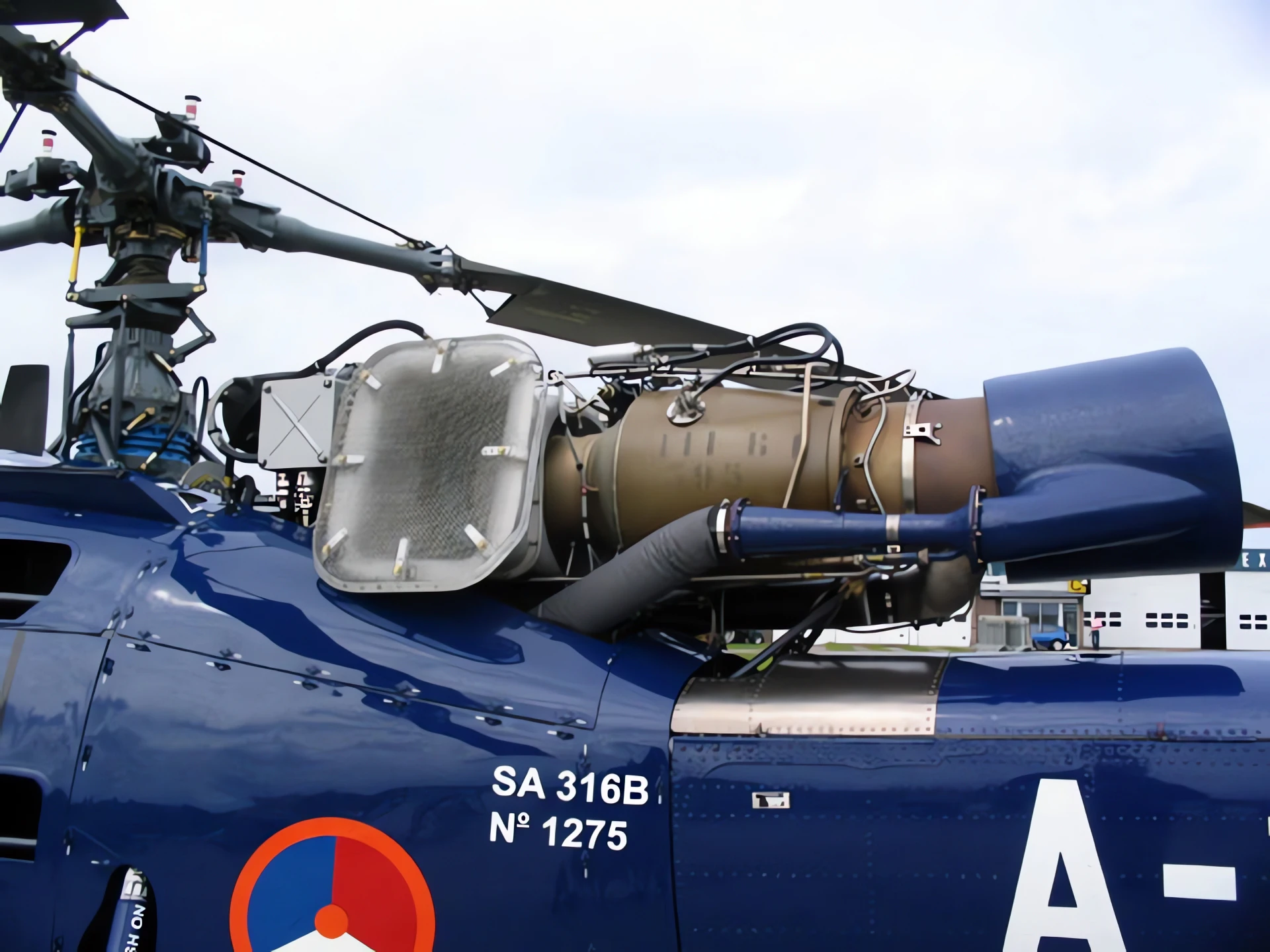
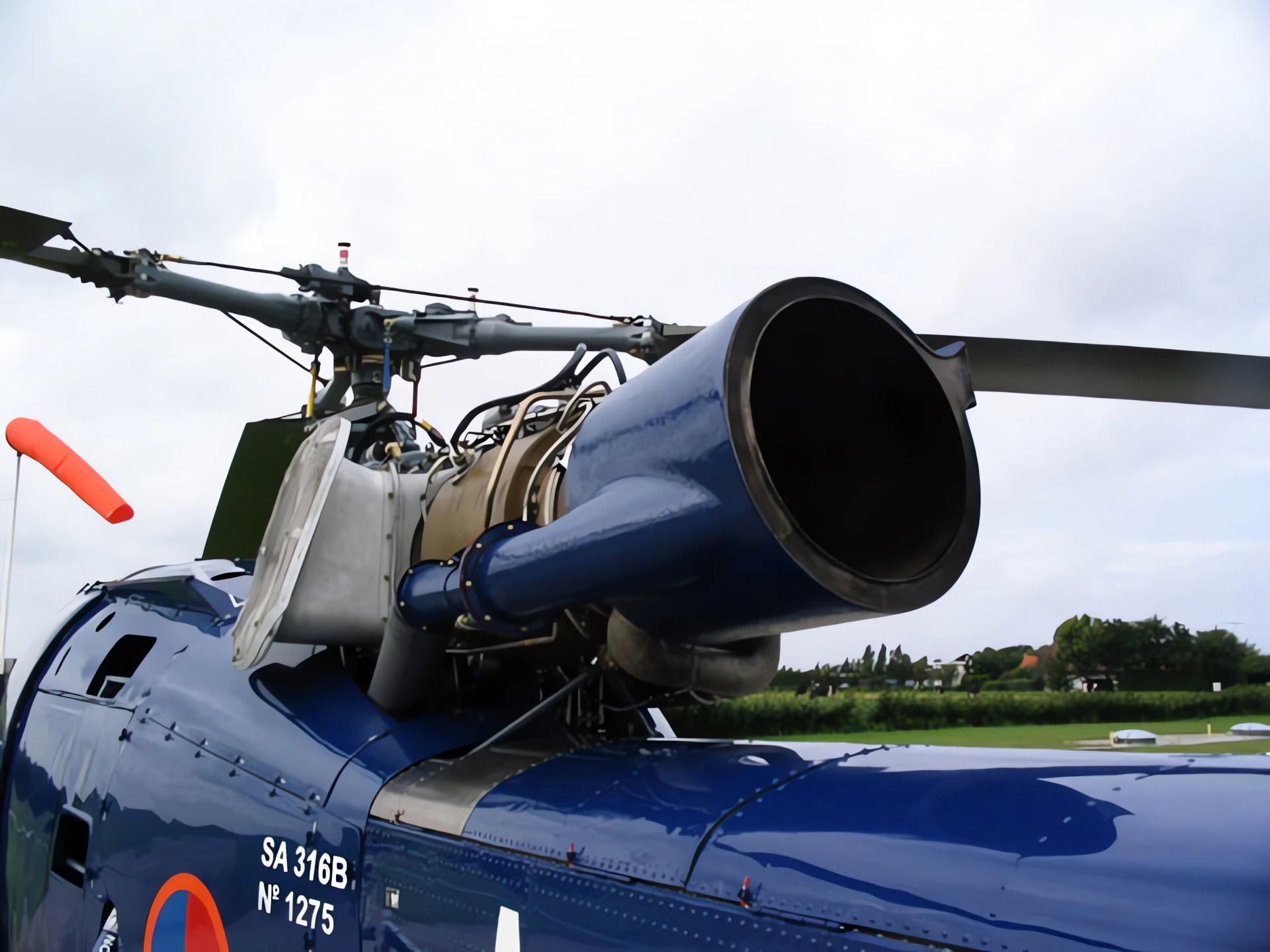
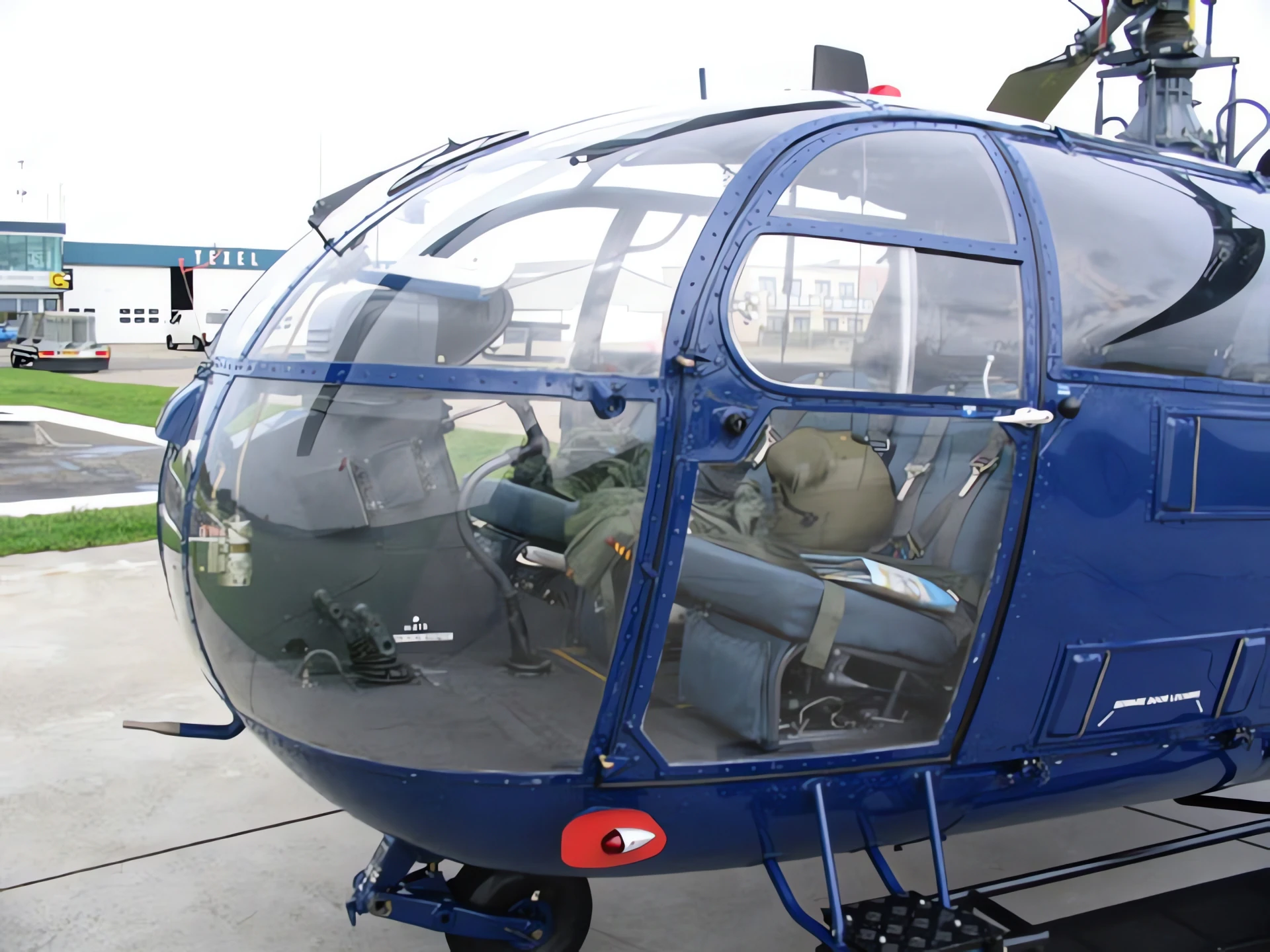
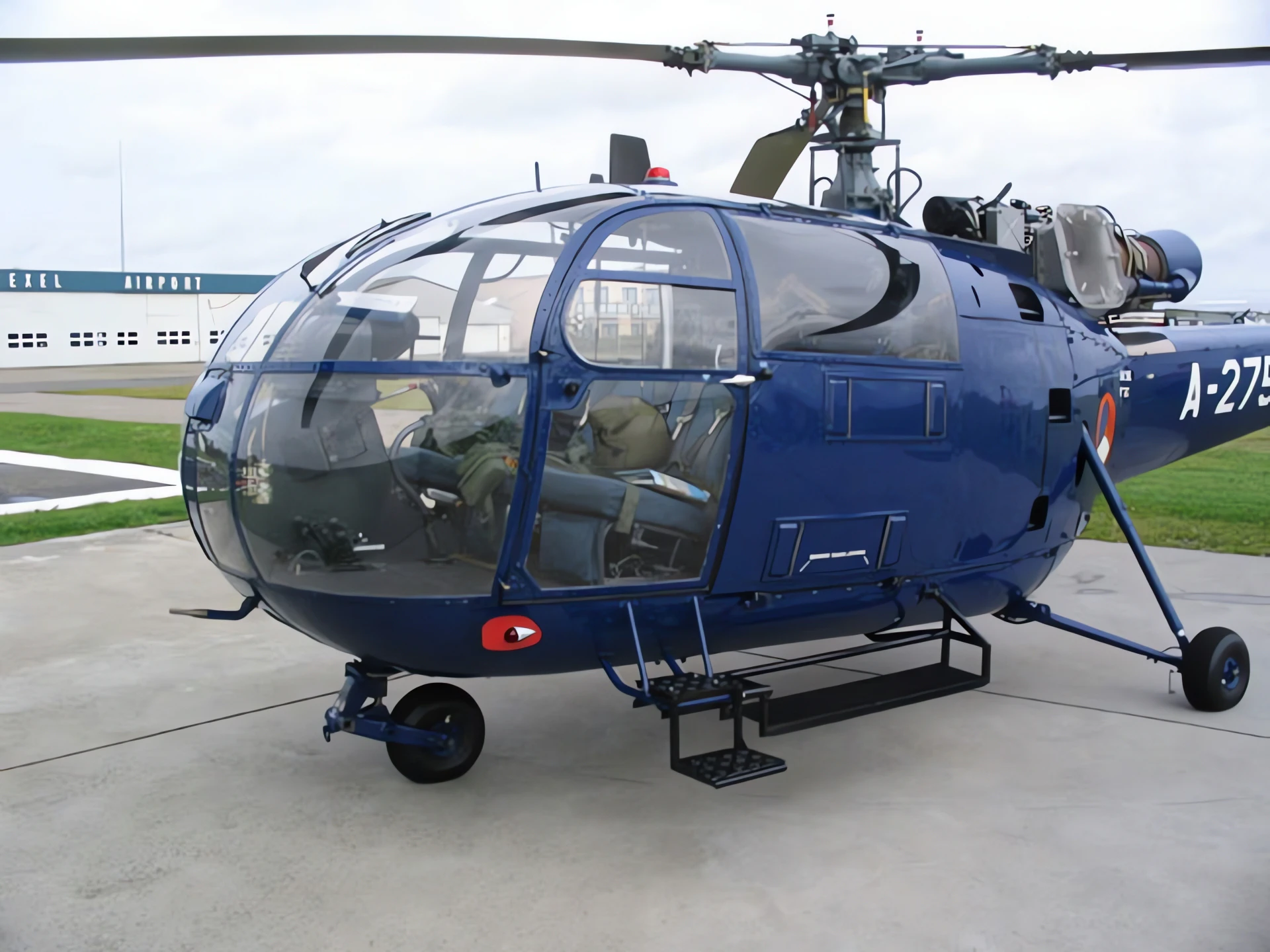
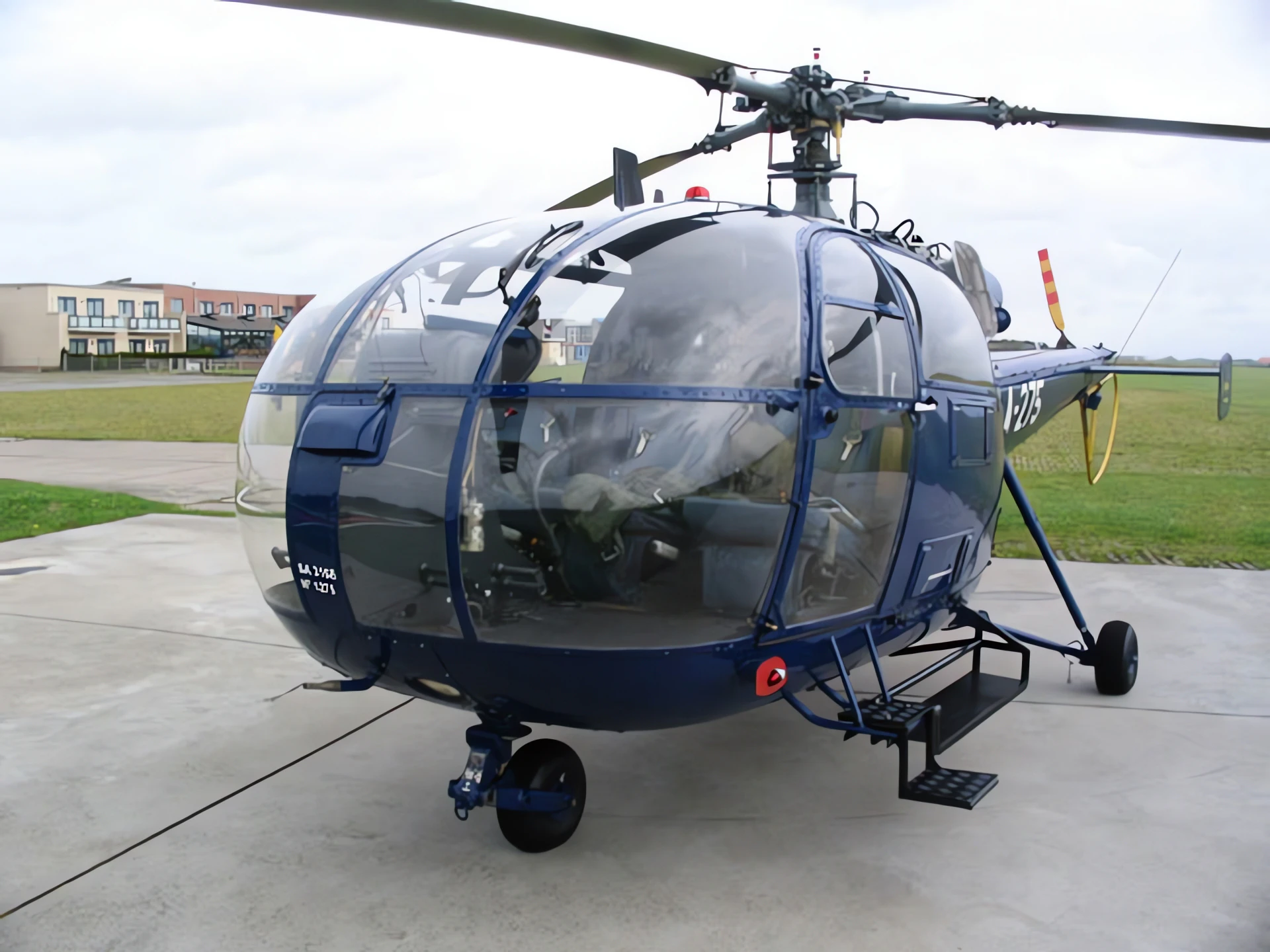
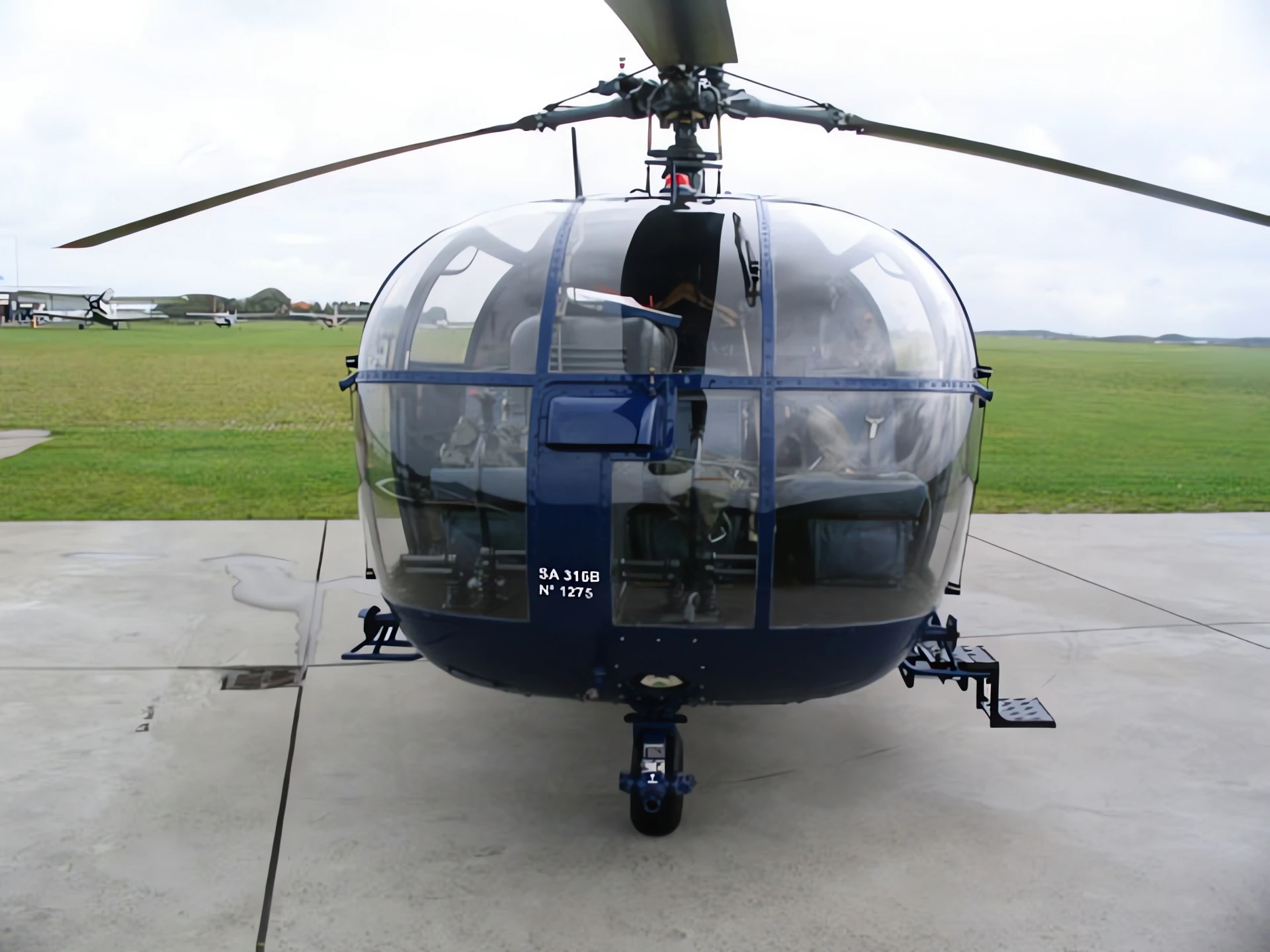
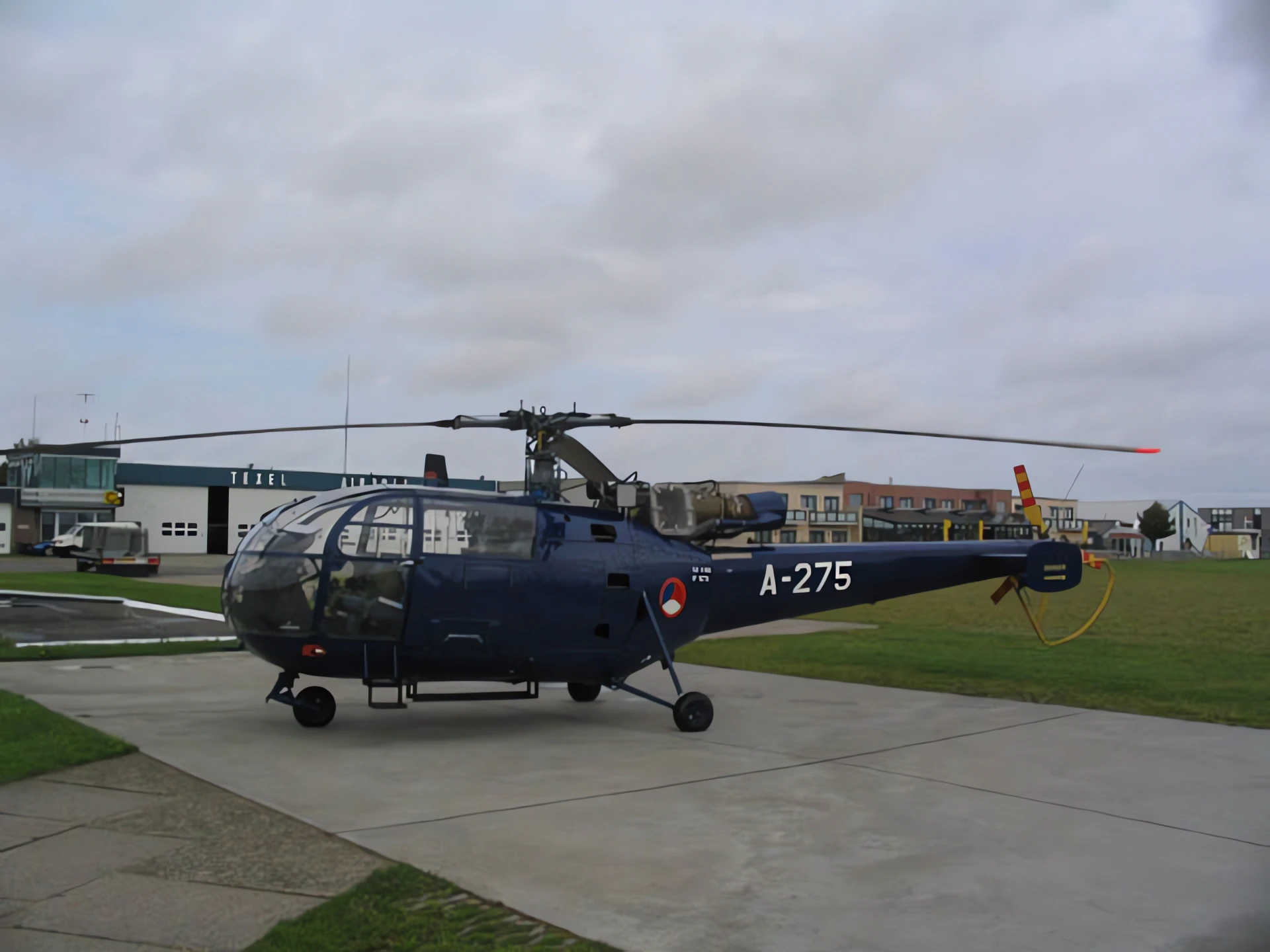

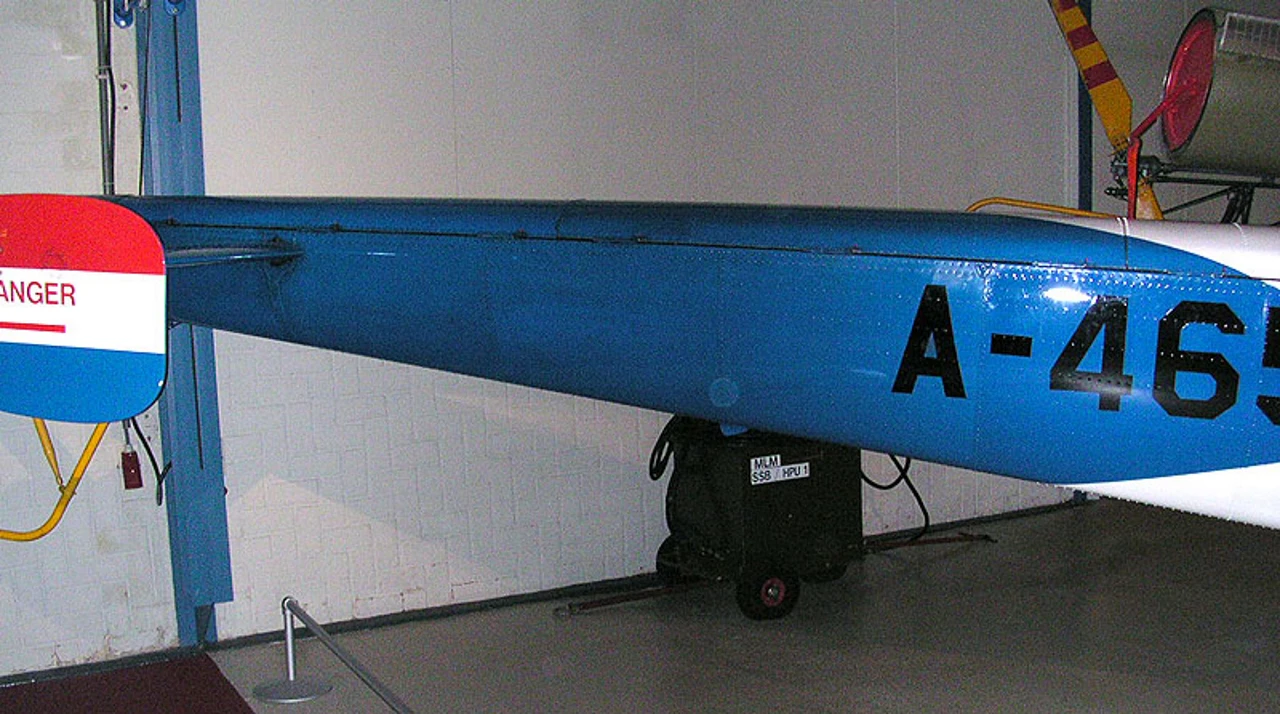
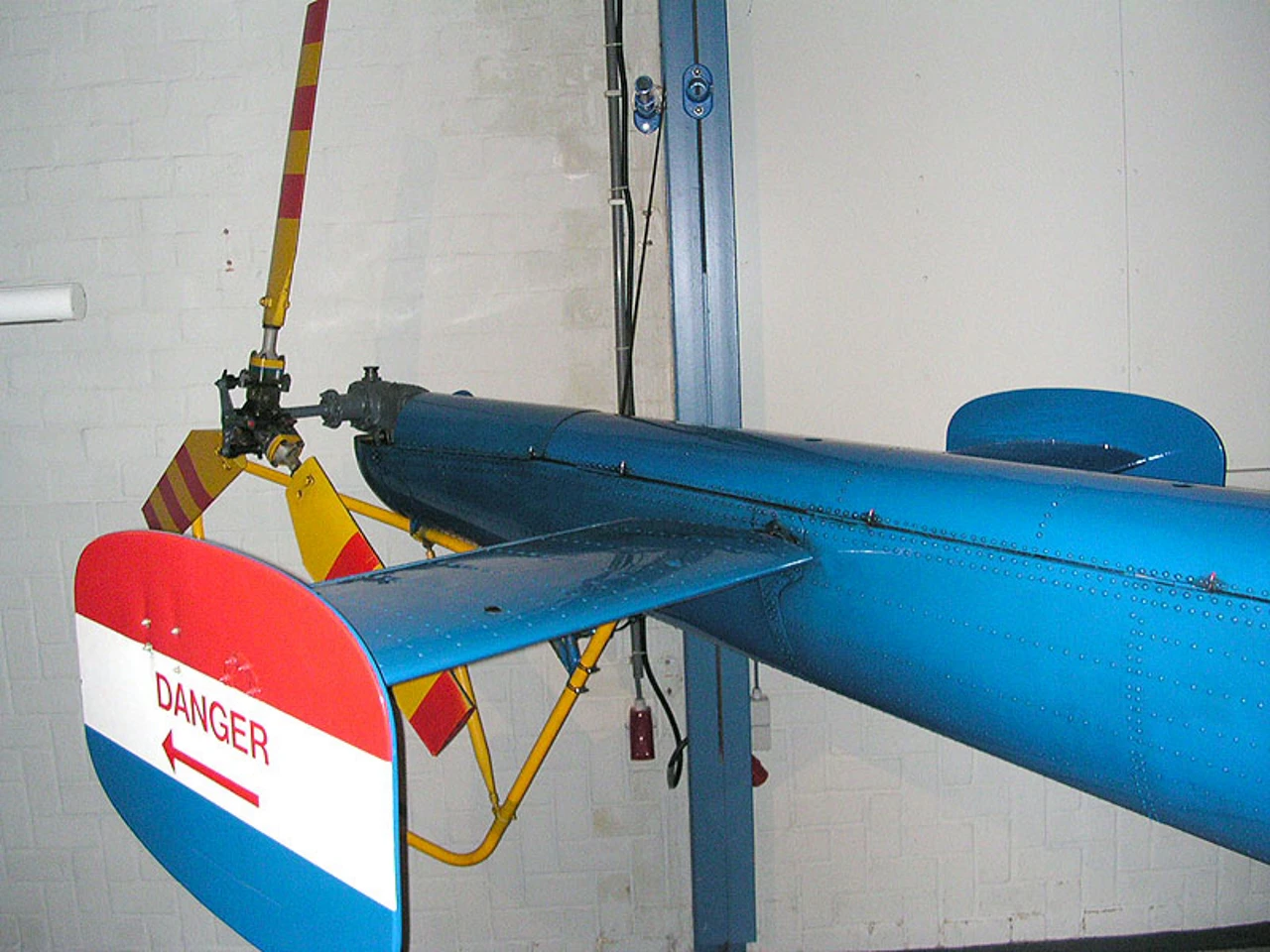
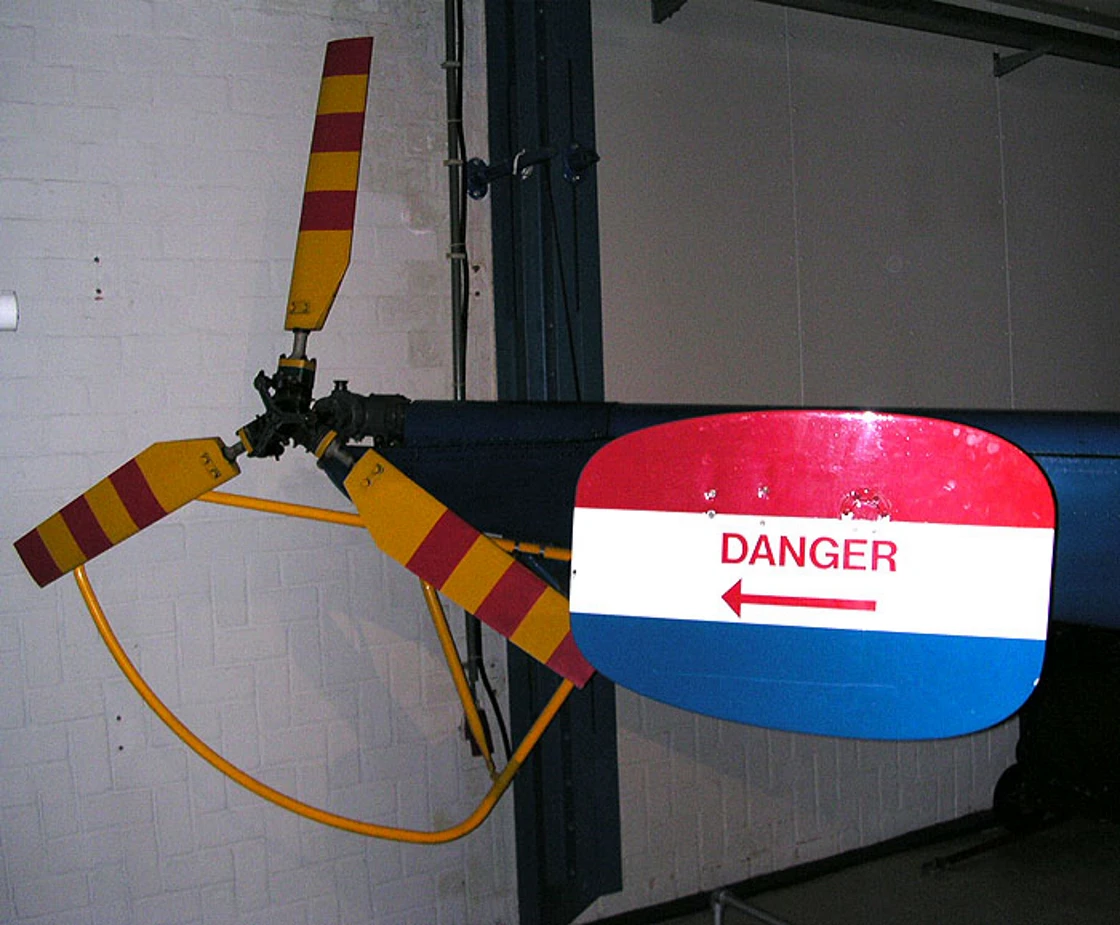
| Alouette III Walk Around | |
|---|---|
| 사진 작가 | Unknow |
| 로컬라이제이션 | 민병대 루흐트바아트 박물관, 소에스텔베르크 |
| 사진 | 42 |
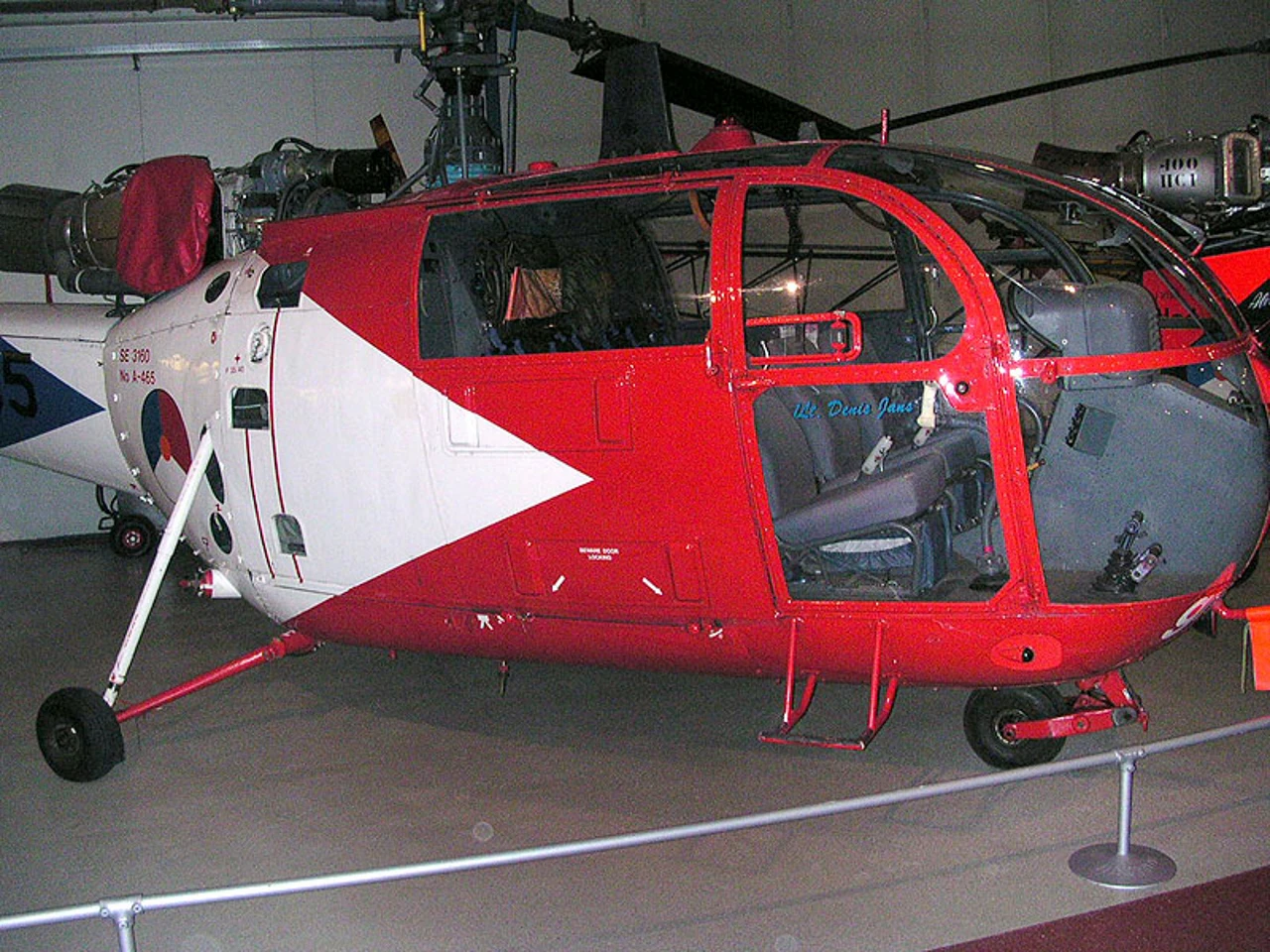
참고 항목:


The Master of the Mountains
Tthe 알루엣 III (French for “Skylark”) is one of the most successful light utility helicopters ever built. Developed by Sud Aviation (later Aérospatiale), it was an enlarged, more powerful successor to the Alouette II. Famous for its incredible “hot and high” performance, it became the gold standard for mountain rescue and high-altitude operations. It proved its mettle early on by landing on Mont Blanc at 4,810 meters and later in the Himalayas at over 6,000 meters—feats that established it as a rugged, go-anywhere machine used by over 80 nations.
| Attribute | Technical Specification (SA 316B) |
|---|---|
| 역할 | Light Utility / SAR / Gunship |
| Crew / Capacity | 1 Pilot + up to 6 Passengers |
| First Flight | February 28, 1959 |
| 동력 장치 | 1 × Turbomeca Artouste IIIB turboshaft |
| Horsepower | 570 hp (425 kW) [De-rated from 870 hp] |
| 최대 속도 | 210 km/h (130 mph) |
| Service Ceiling | 3,200 m (10,500 ft) [Standard] / 6,000 m+ [Record] |
| Armament (Military) | 20mm Cannon, MG 151, or SS.11 wire-guided missiles |
Design Innovation: Visibility and Power
- The “Greenhouse” Cockpit: The Alouette III is iconic for its bulbous, fully glazed nose. This provides the pilot and observers with nearly 360-degree visibility, which is essential for precision mountain rescues and spotting targets in combat.
- De-rated Engine Logic: The Artouste turbine was capable of much higher power (870 hp), but it was intentionally de-rated to 570 hp. This meant that at high altitudes where air is thin, the engine still had a massive “reserve” of power to maintain its 570 hp rating when other helicopters would be struggling.
- Tricycle Landing Gear: Moving away from the skids of the Alouette II, the III used fixed wheels. This allowed for easier ground handling and the ability to “taxi” on runways, though it could be fitted with skis or floats for snow and water operations.
- Foldable Main Rotor: To save space on the cramped decks of French Navy frigates, the three-bladed main rotor could be manually folded backward.
A Half-Century of Global Service
- The “K-Car” Gunship: During the Rhodesian Bush War, the Alouette III was converted into the “K-Car”—a terrifyingly effective gunship armed with a side-mounted 20mm cannon. It acted as the command-and-control hub for “Fireforce” vertical envelopment tactics.
- Indian “Chetak”: India became the largest license producer of the type, naming it the HAL Chetak. It remains a vital asset for the Indian Armed Forces today, especially in the extreme altitudes of the Siachen Glacier.
- Search and Rescue Legend: For decades, the Alouette III was the face of Alpine rescue in France and Switzerland. Its ability to hover precisely in unpredictable mountain winds saved thousands of stranded climbers.
- Maritime Versatility: The Navy version (SA 319B) was equipped with radar and could carry two MK 44 torpedoes, serving as a surprisingly capable anti-submarine platform for smaller escort ships.
조회수 : 6134