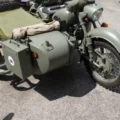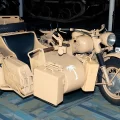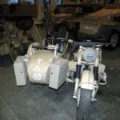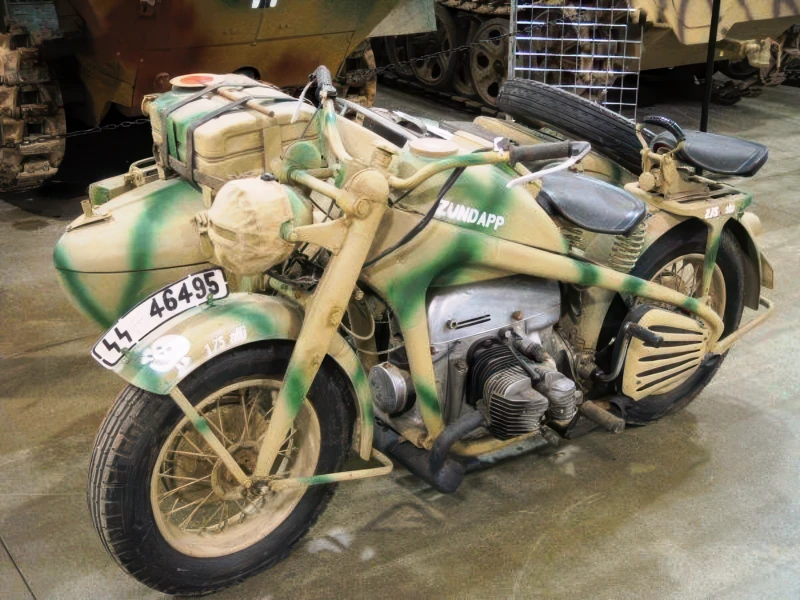
ズンダップ KS750側 | |
|---|---|
| 国 | ドイツ |
| 型 | オートバイ |
| 期間 | 第二次世界大戦 |
| 生産 | 20000+ |
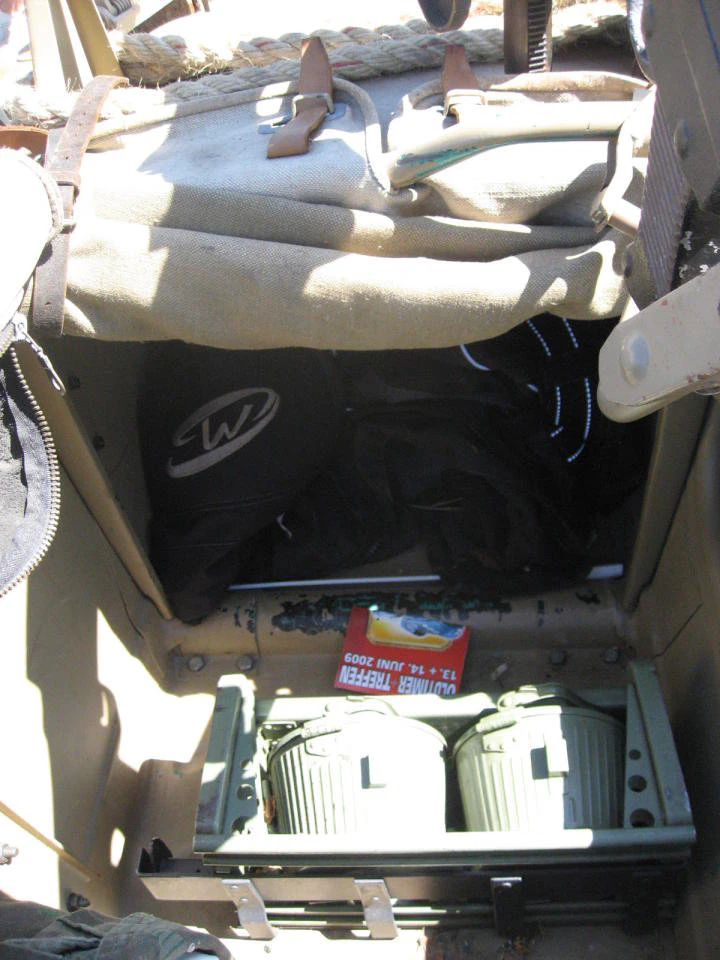
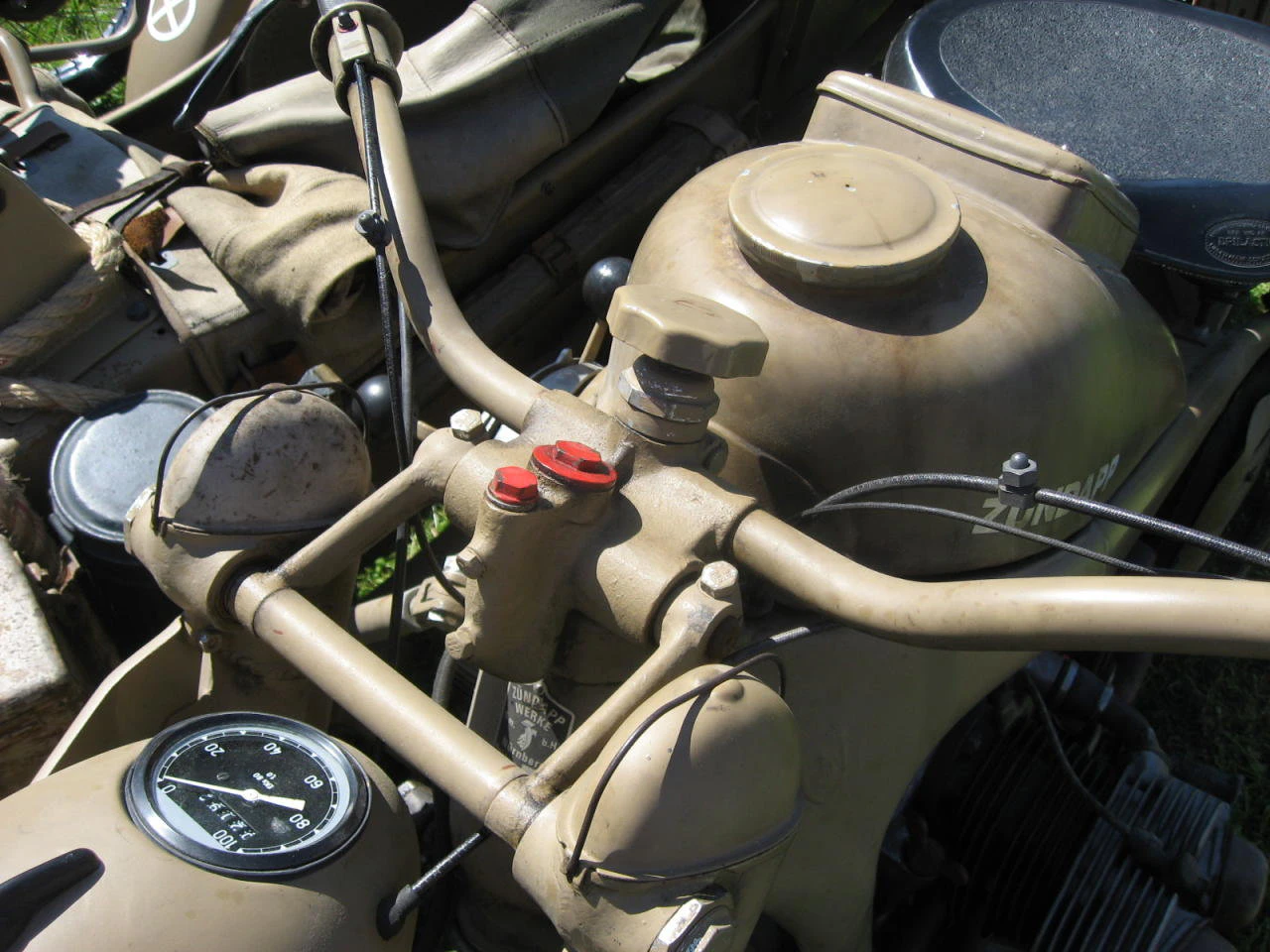
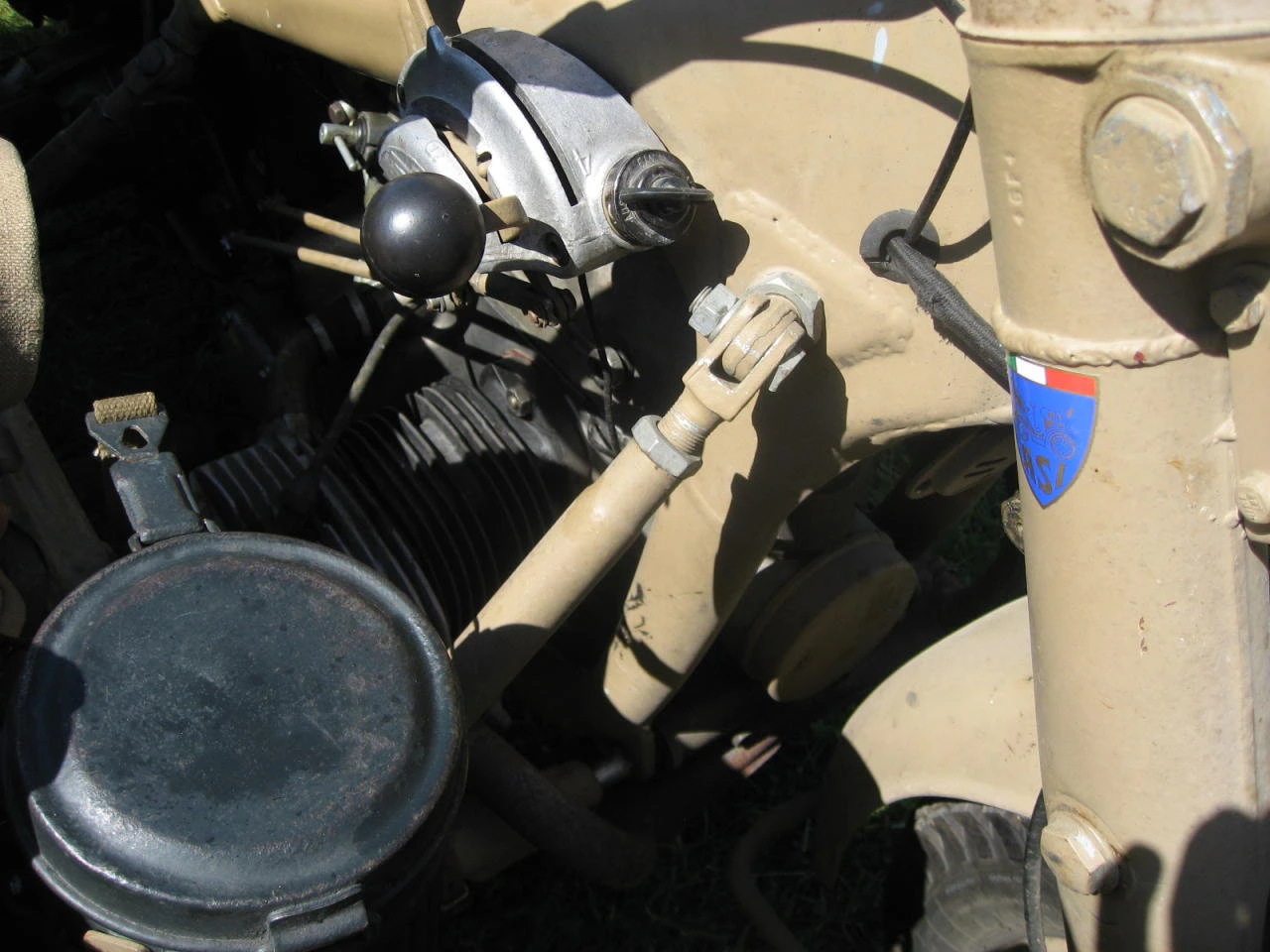
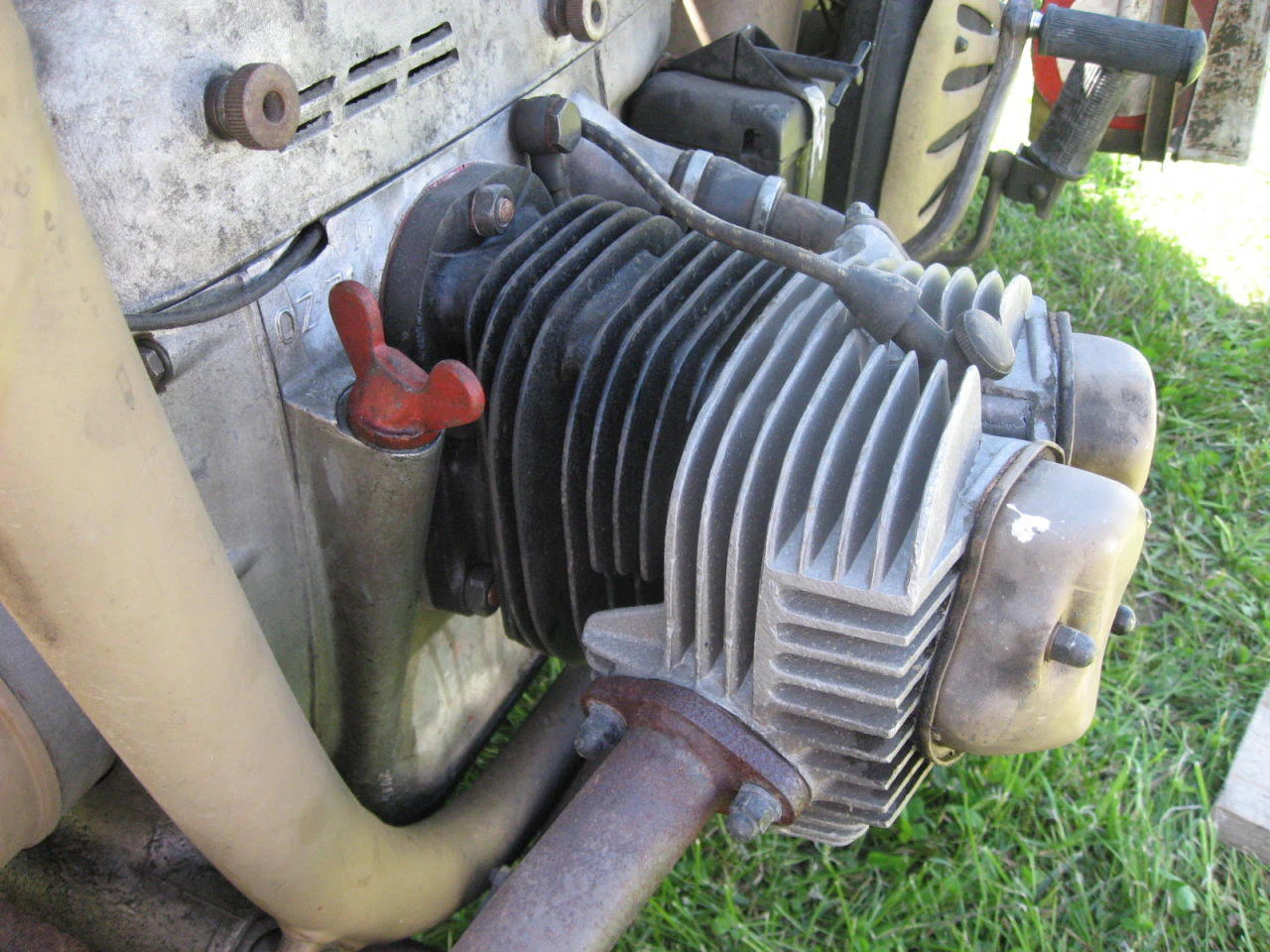
サイドカー付きズンナップKS750のフォトギャラリー、 ズンドップ est une ancienne marque allemande produisant entre autre des motos. Pendant la période du Troisième Reich, la marque Zündapp va développer un modèle de moto pouvant de tracter un canon et être capable de rouler quelque soit la configuration du terrain tout en ayant une consommation maxi d’environ 6,5l/100km, cette moto doit pouvoir quand même rouler en pointe à 95 km/h. Issue de ces recherches le modèle KS750 サイドカーモードでは1940年12月に工場を出ます。このKS750オートバイは紛争を通じて生産され、生産されたサンプルの総数は18,600と推定されます。
ソース: ジョカズフォーラムで見られる
| Zundapp KS750 side | |
|---|---|
| カメラマン | Unknow |
| ローカライズ | 知りません |
| 写真 | 63 |
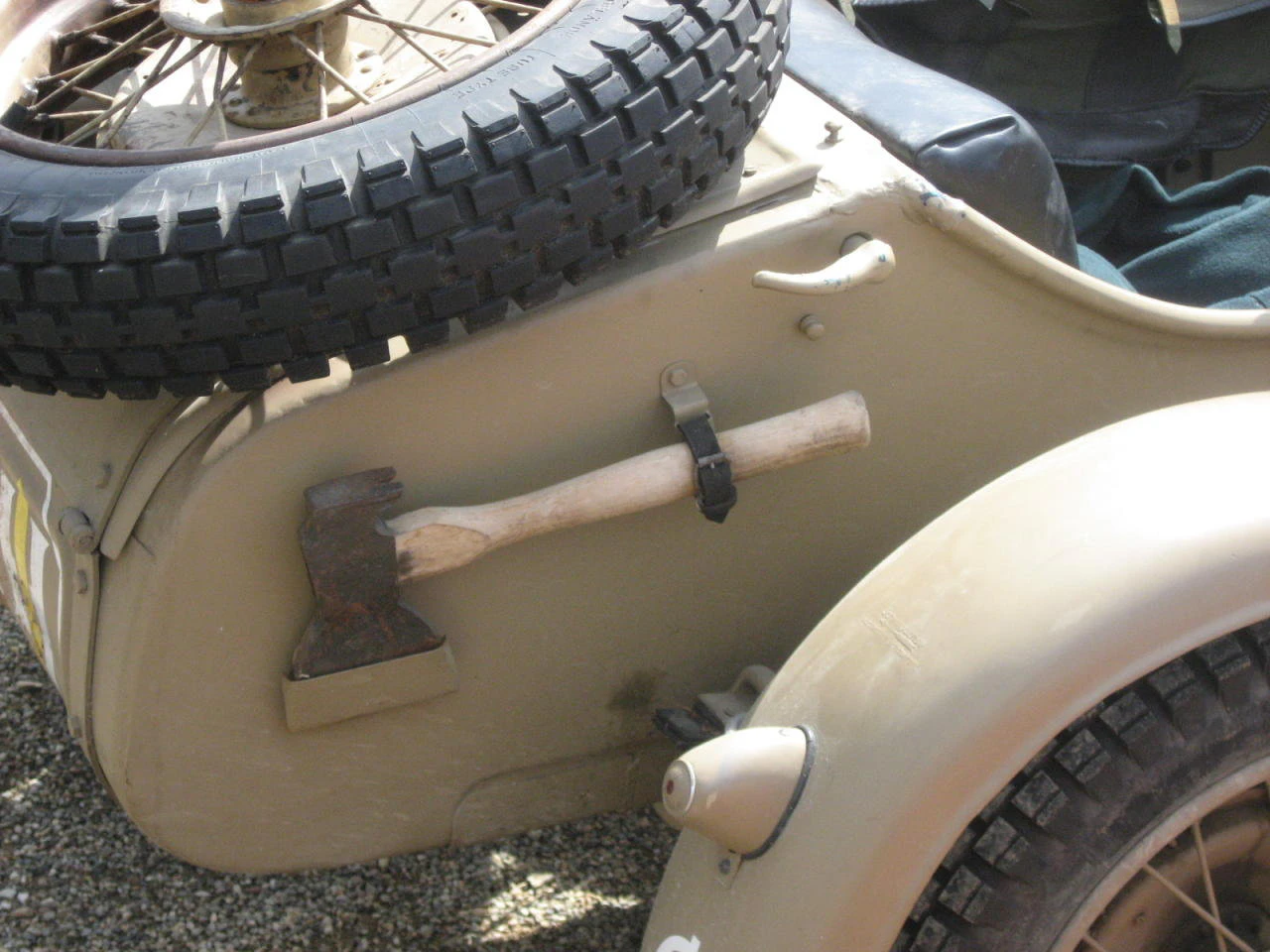
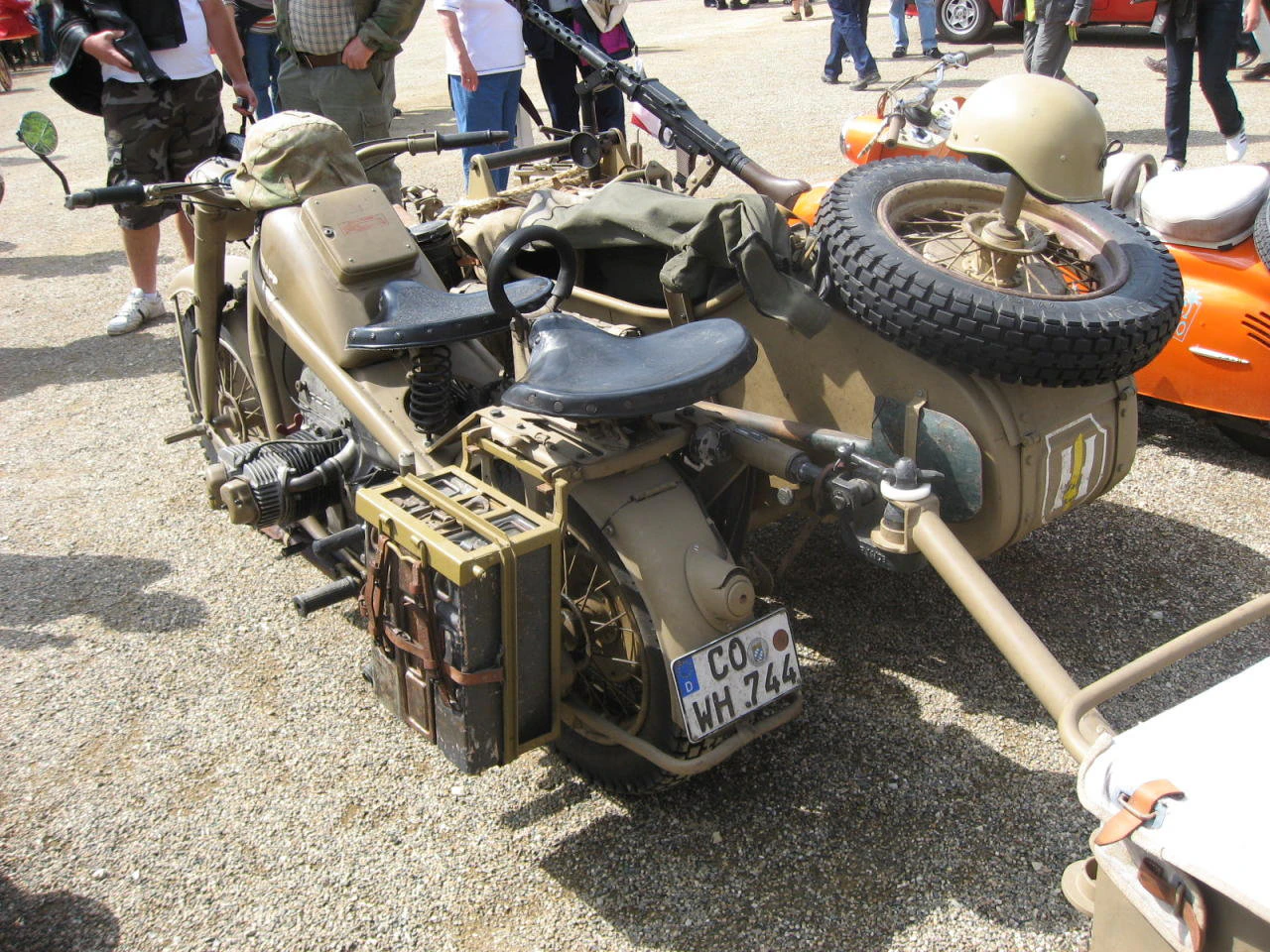
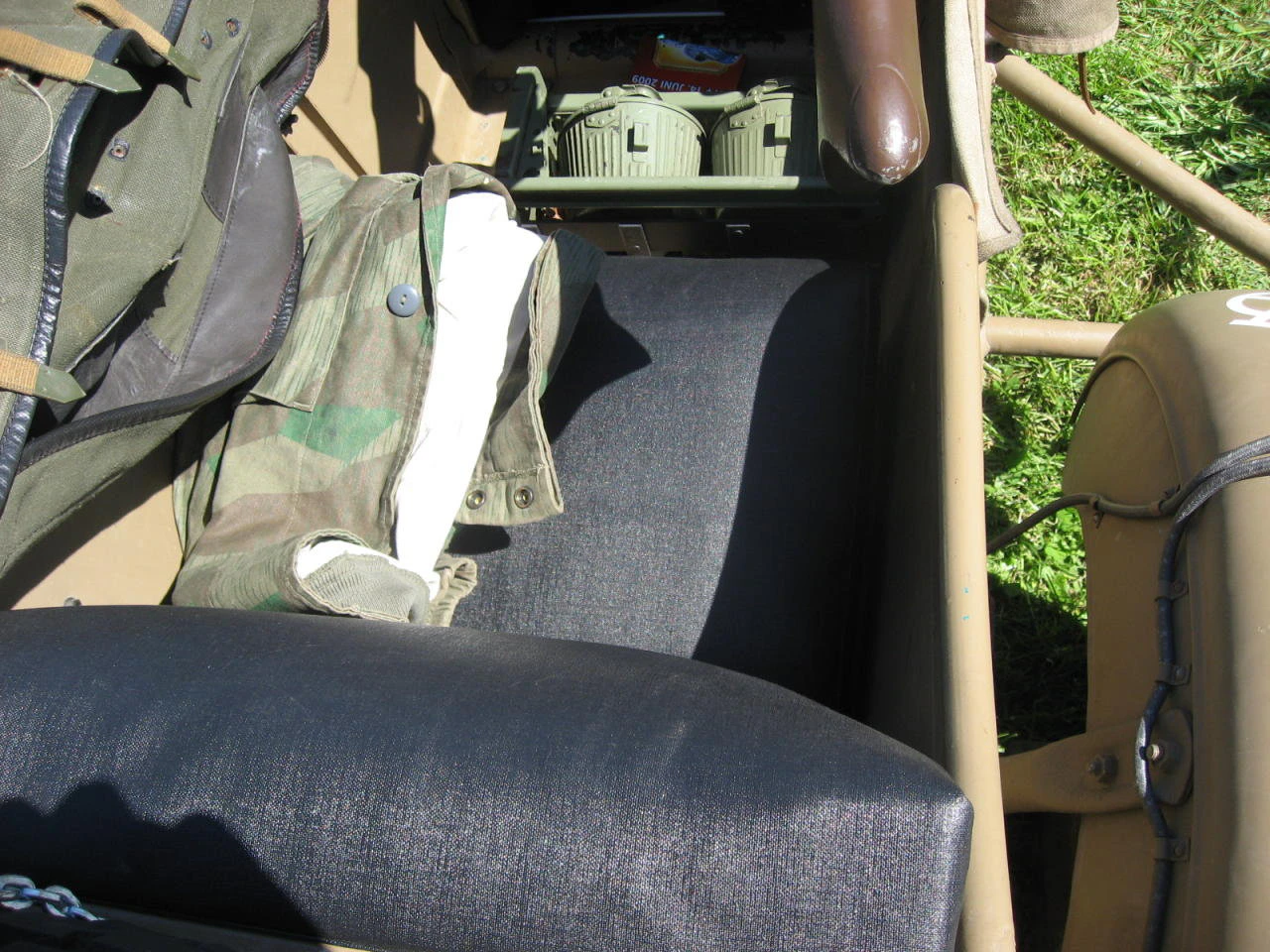
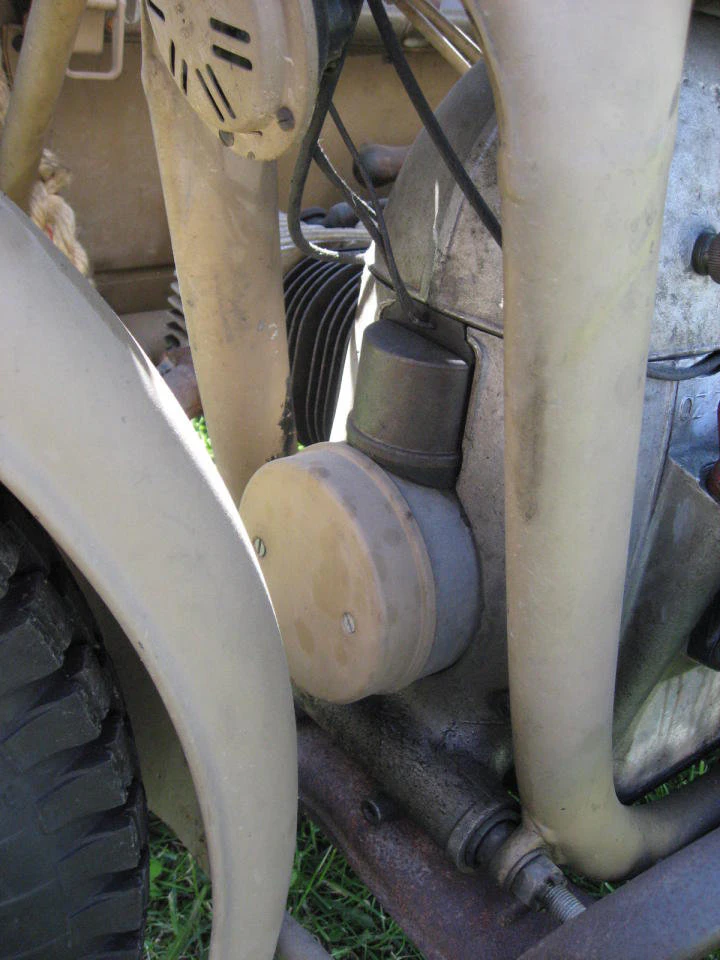
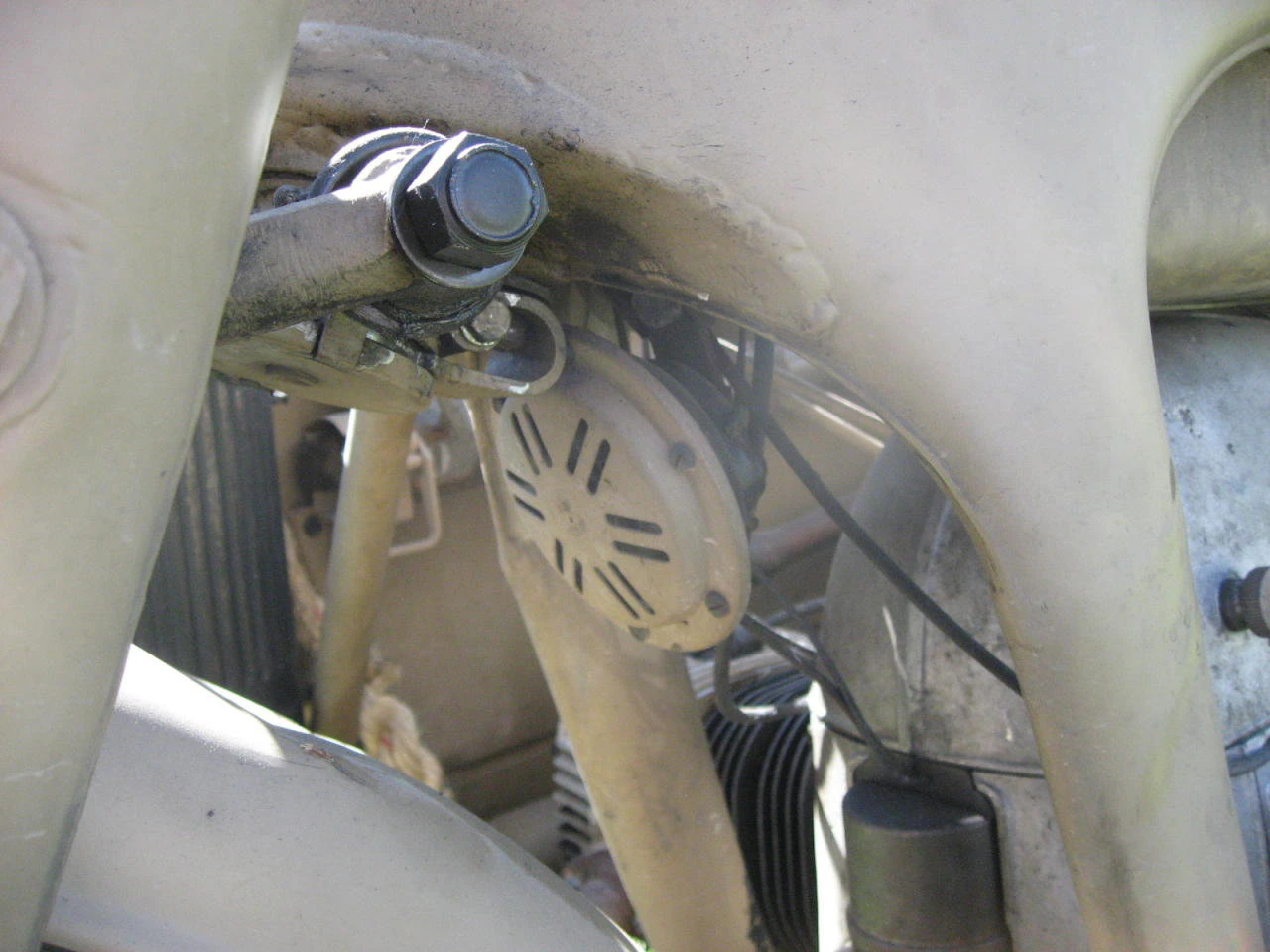

| Zundapp KS-750 Motorcycle Walk Around | |
|---|---|
| カメラマン | Michael Benolkin |
| ローカライズ | 知りません |
| 写真 | 24 |
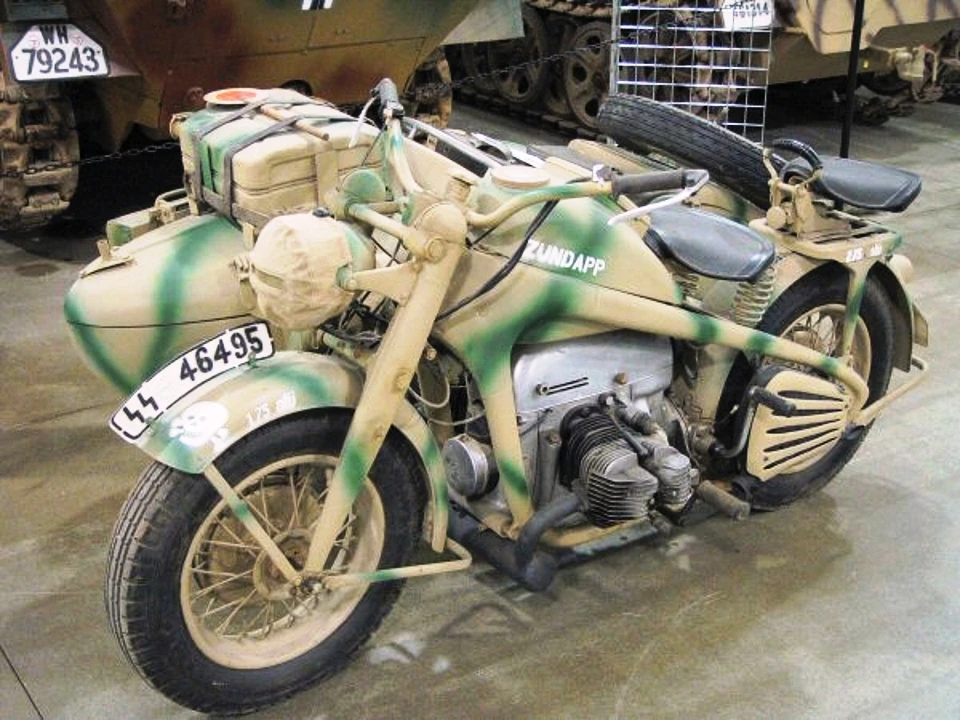
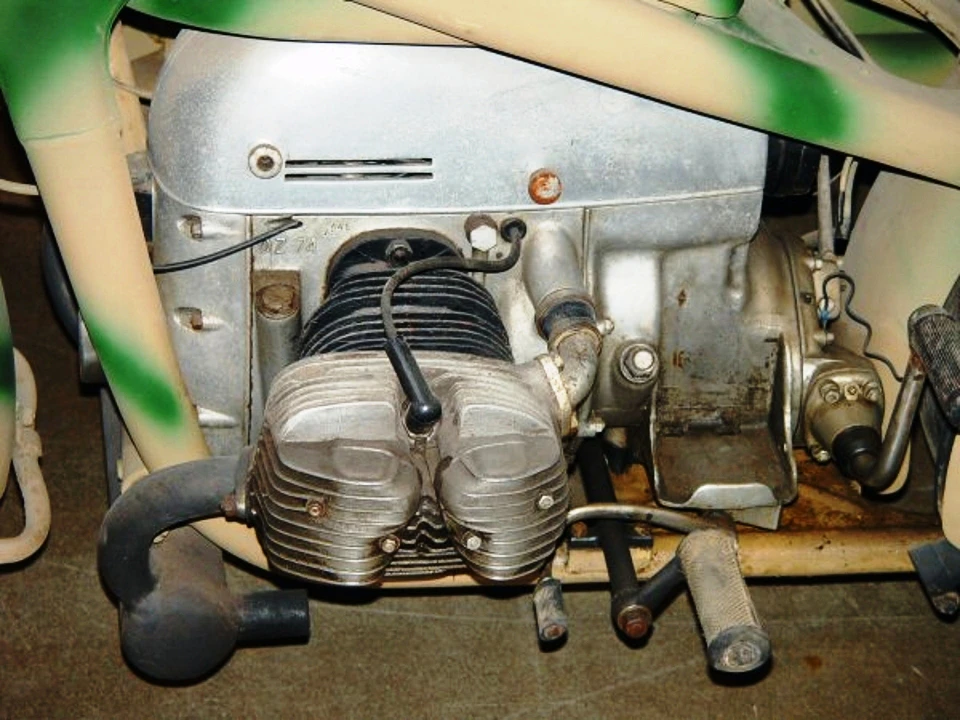
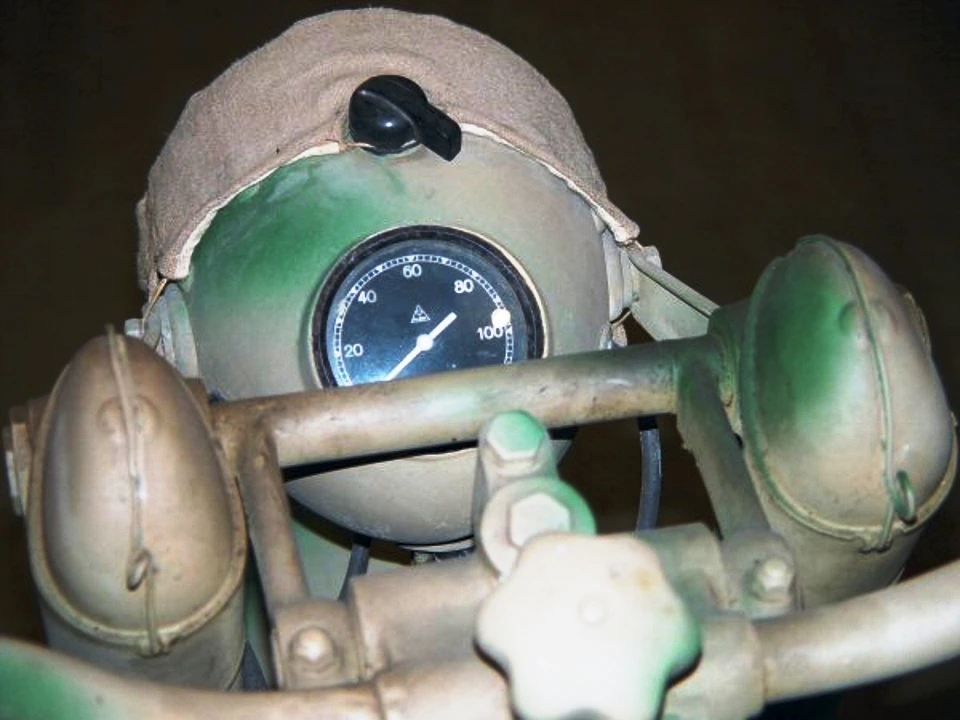
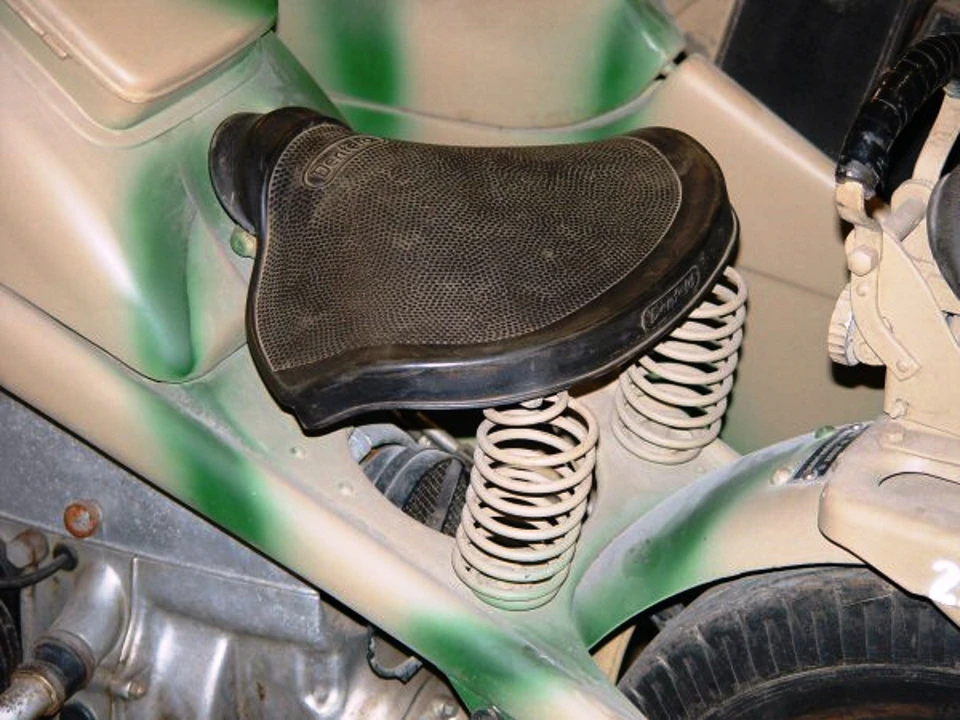
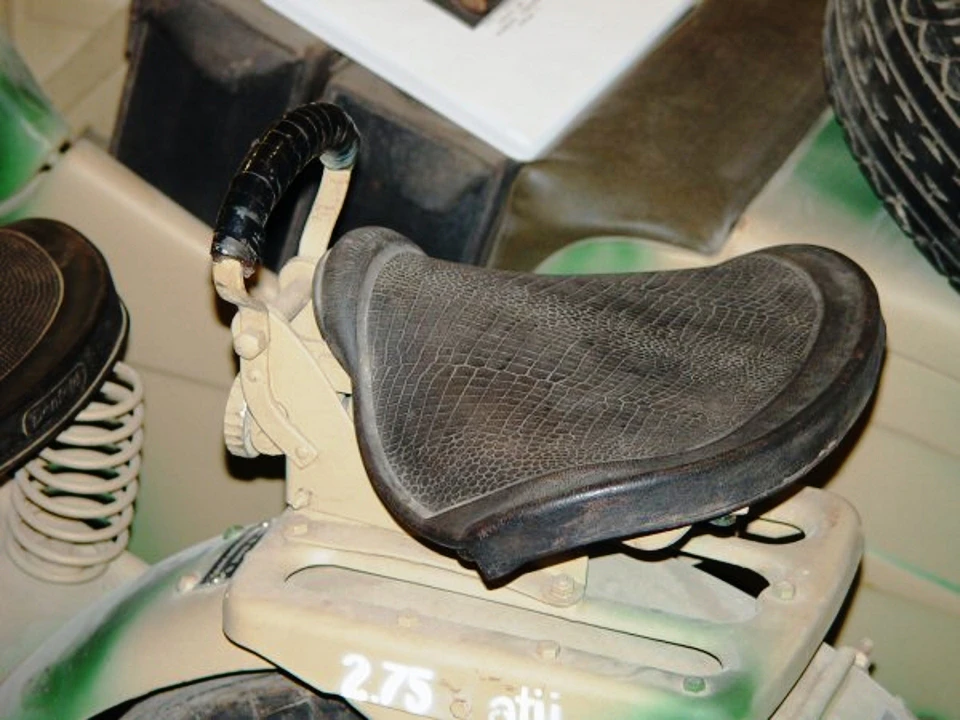
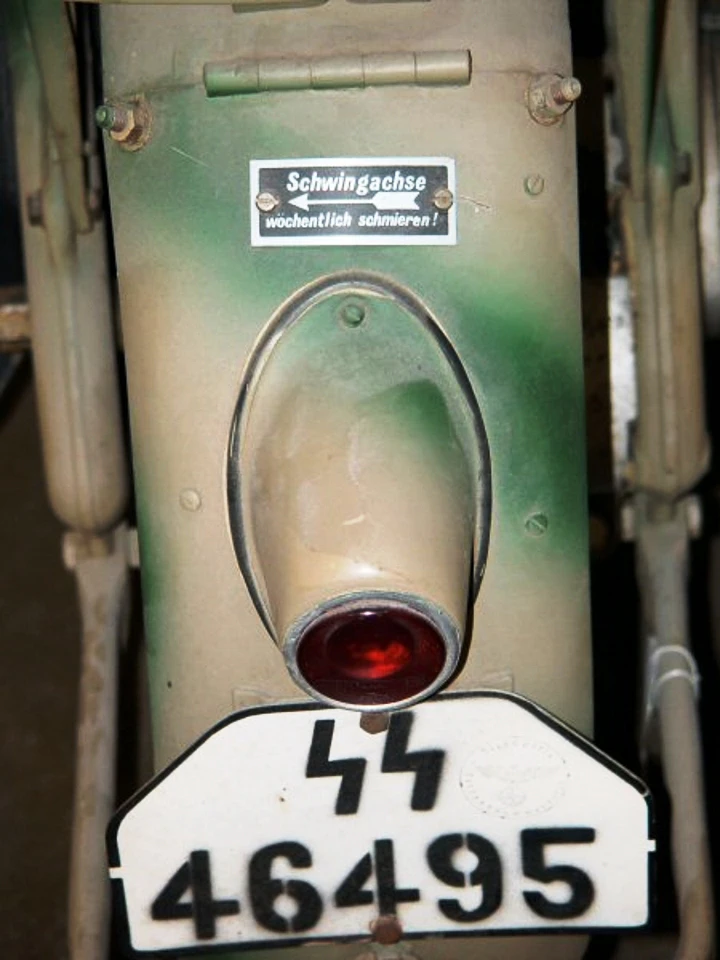
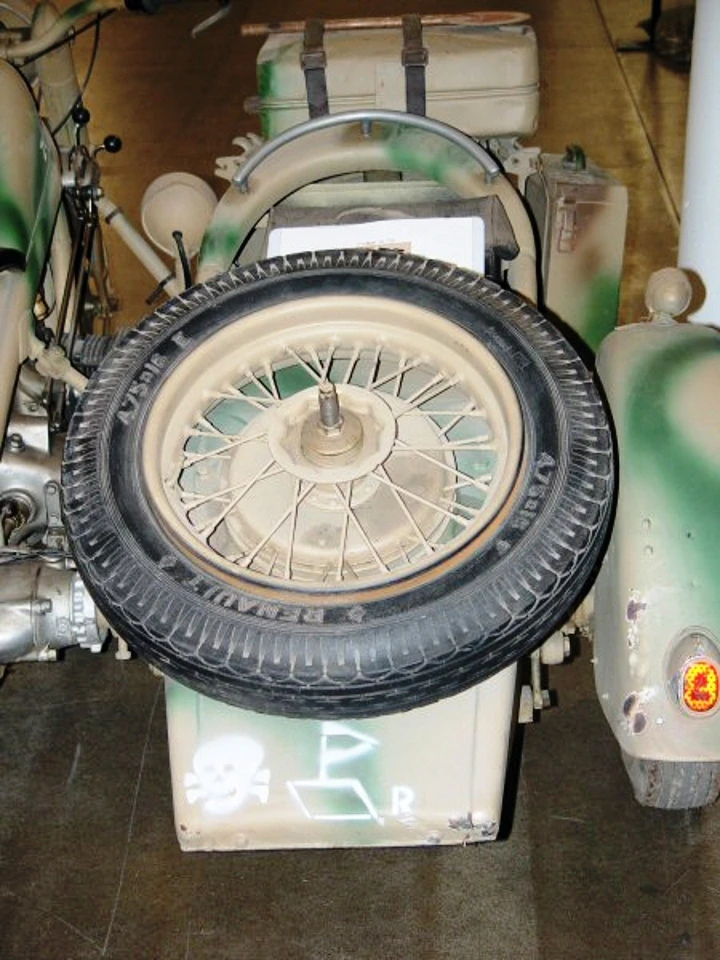
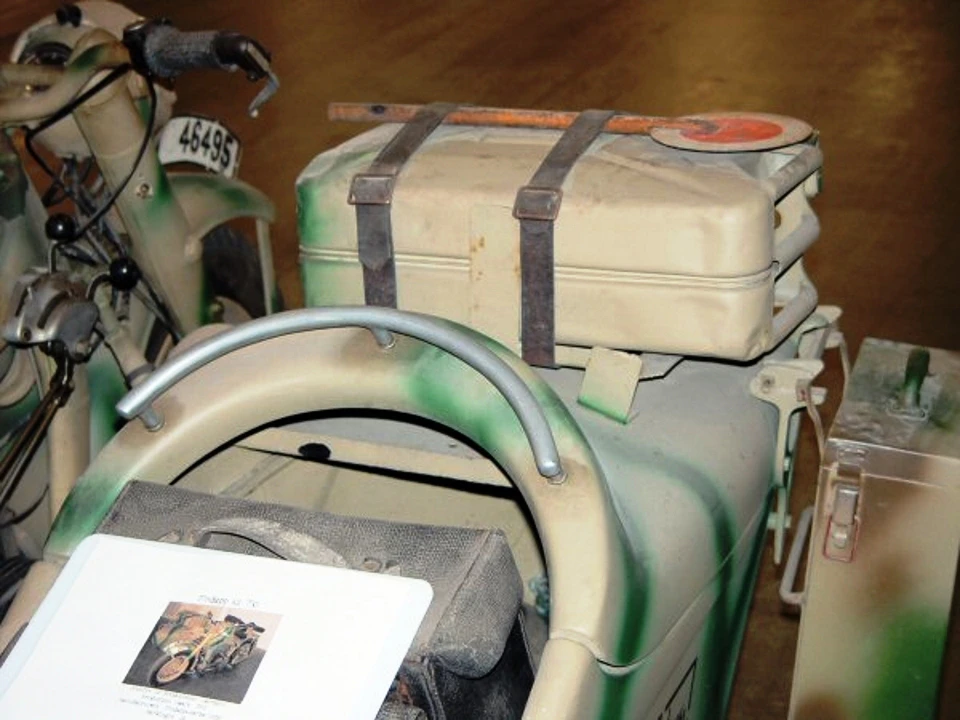
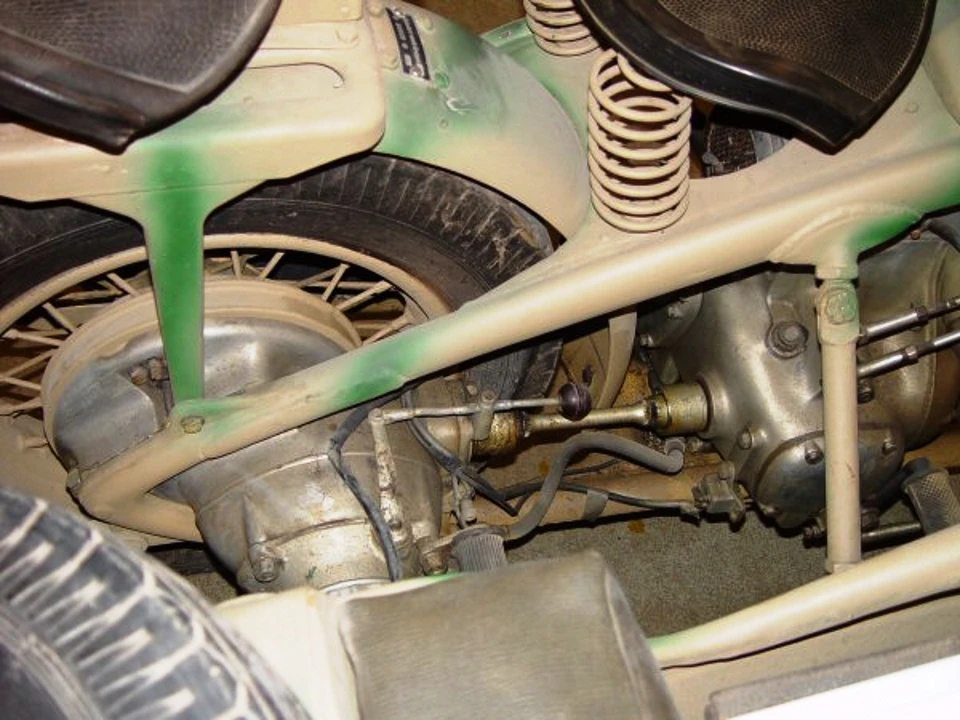
| ズンダップ KS-750 ウォークアラウンド | |
|---|---|
| カメラマン | イーゴリ・スヒイン |
| ローカライズ | 知りません |
| 写真 | 20 |
関連項目:


The Purpose-Built Soldier
ザ Zündapp KS 750 was not just a civilian motorcycle with a sidecar attached; it was a dedicated military vehicle designed from the ground up for the German ドイツ 国防 軍. Known for its incredible durability and off-road capability, it was the “Jeep” of the German forces. While the rival BMW R75 is often more famous, the KS 750 was arguably the superior machine, featuring a unique “war” gear system and a driven sidecar wheel that allowed it to traverse mud, snow, and sand that would stop any other two-wheeled vehicle in its tracks.
| Attribute | Technical Specification (KS 750) |
|---|---|
| 役割 | Heavy Military Motorcycle Combination |
| エンジン | 751cc OHV 2-cylinder “flat-twin” (26 hp) |
| Transmission | 4 Forward, 1 Reverse, 4 Off-road gears |
| Top Speed | 95 km/h (Road) / 3 km/h (Slowest Crawl) |
| Fuel Range | Approx. 300 km (186 miles) |
| 重量 | 420 kg (Empty) / 840 kg (Fully Loaded) |
| 武装 | 1 × 7.92mm MG34 or MG42 (Sidecar Mount) |
| Total Produced | 18,695 units |
Design Engineering: Mechanical Ingenuity
- The Driven Sidecar Wheel: The KS 750 featured a locking differential and a drive shaft that powered the sidecar wheel. This turned the motorcycle into a 3×2 drive system, giving it traction comparable to a small light truck.
- The 170° Engine: Unlike the 180° “Boxer” engines of BMW, the Zündapp cylinders were set at 170 degrees. This slightly “V” shape gave the cylinders better ground clearance for deep ruts and protected the cylinder heads from rocks.
- The “Crawler” Gear: The transmission included a “Geländegang” (Off-road) reduction. This allowed the bike to maintain a steady 3 km/h—exactly the speed of marching infantry—without burning out the clutch or stalling the engine.
- Heating System: In extreme cold (like the Eastern Front), the KS 750 had a clever system that piped hot air from the engine to the rider’s handlebars and the sidecar passenger’s footwell.
Operational History: Desert Sands to Russian Mud
- Afrika Korps Workhorse: The KS 750 was a favorite of Rommel’s forces. Its massive tires and low-pressure footprint allowed it to float over soft sand where standard trucks would bog down.
- The Sidecar Squad: A standard Kradschützen (Motorcycle Infantry) platoon was a formidable scout force. With an MG42 mounted on the sidecar, a KS 750 could provide surprising suppressive fire while moving.
- Interchangeability: By order of the German government, 70% of the parts on the Zündapp KS 750 and the BMW R75 were identical. This simplified logistics significantly, allowing a mechanic to fix either bike with the same tool kit and spares.
- Post-War Legacy: After the war, the design was so respected that it influenced motorcycle engineering for decades, particularly the “Ural” and “Dnepr” bikes produced in the Soviet Union.
Views : 8603