M3 リー | |
|---|---|
| 国 | 米国 |
| カテゴリ | 装甲車 |
| 型 | 戦車 |
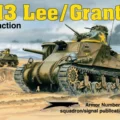
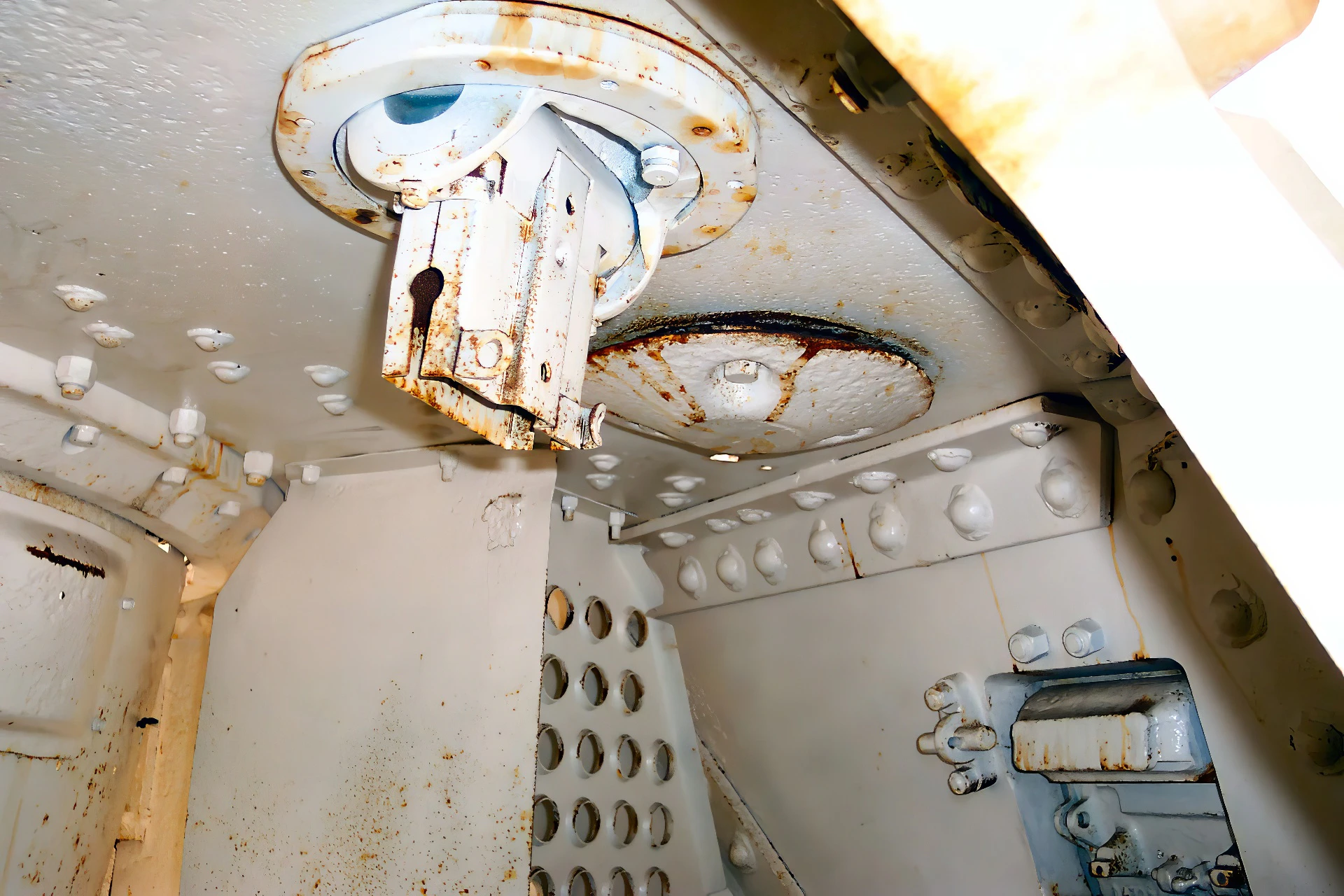
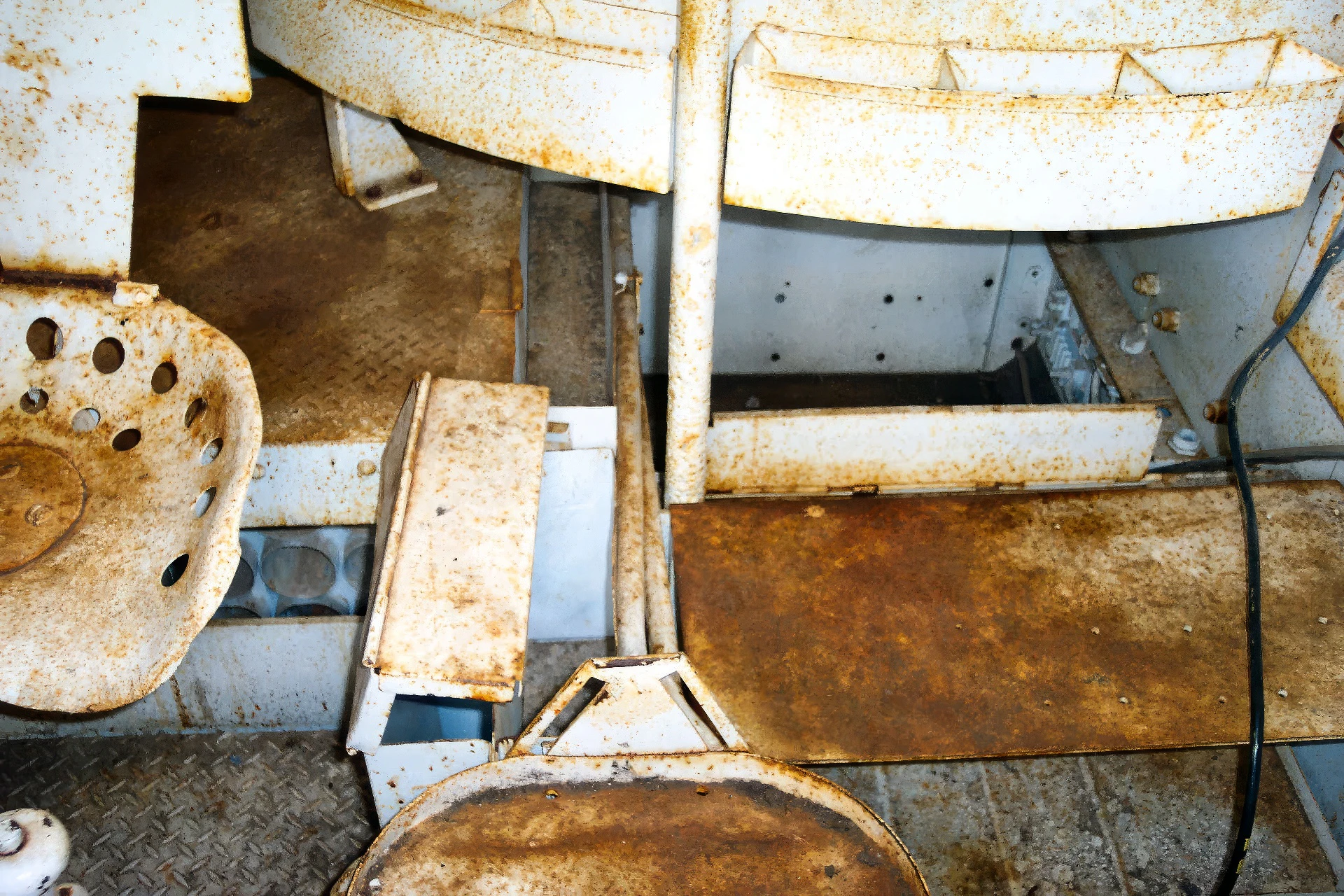
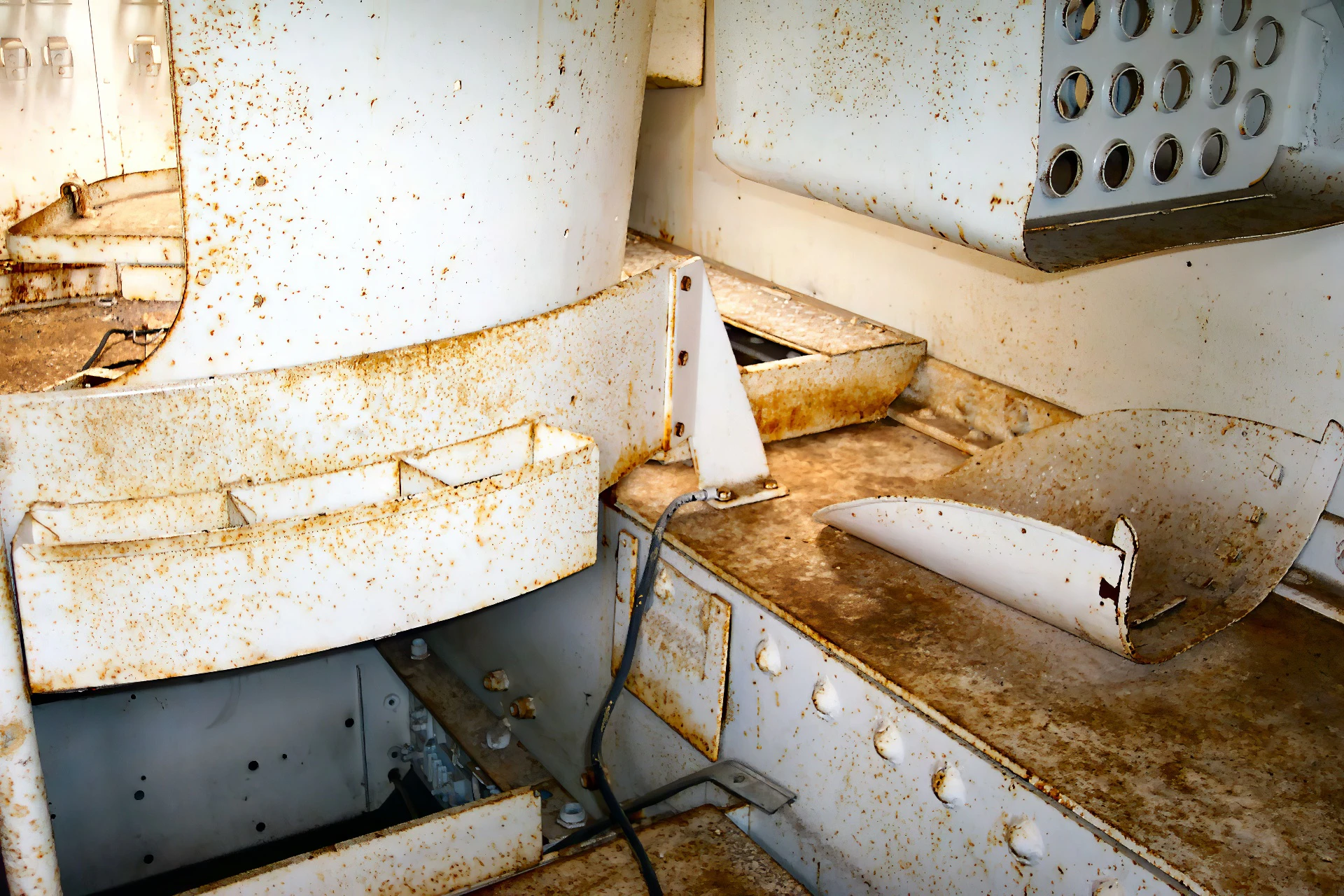
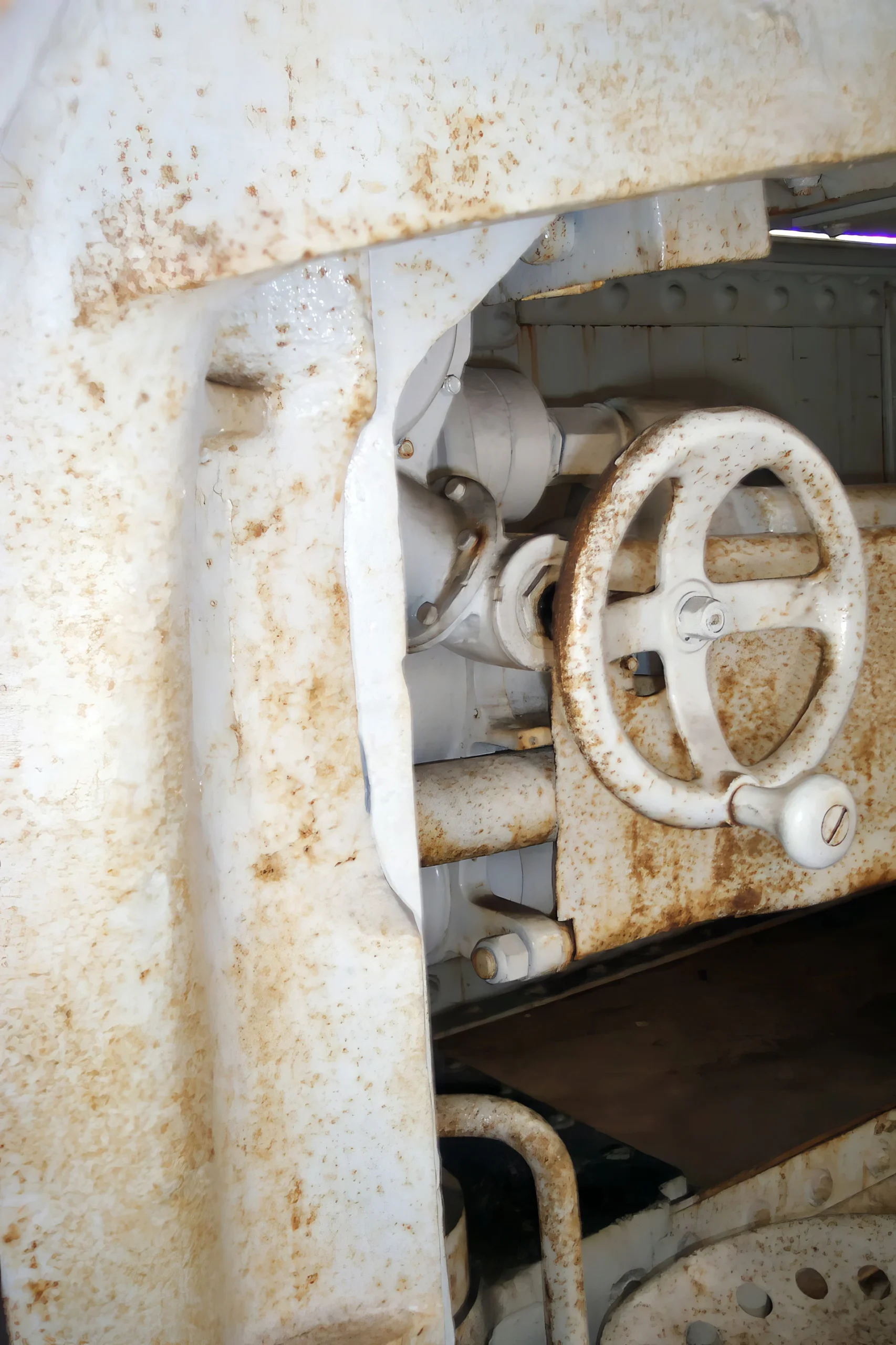
| 説明 | アルバム 86 タンクのウォークアラウンド写真 M3 リー |
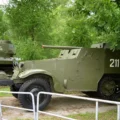
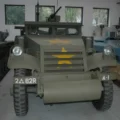
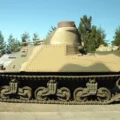
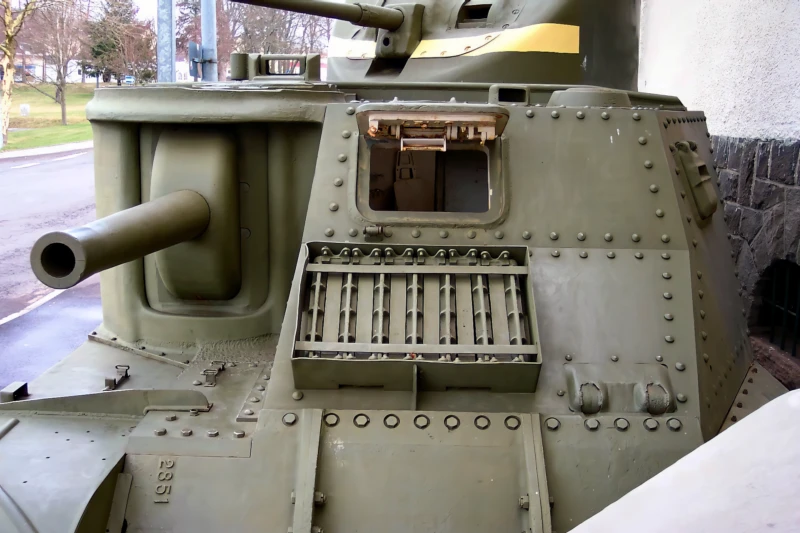
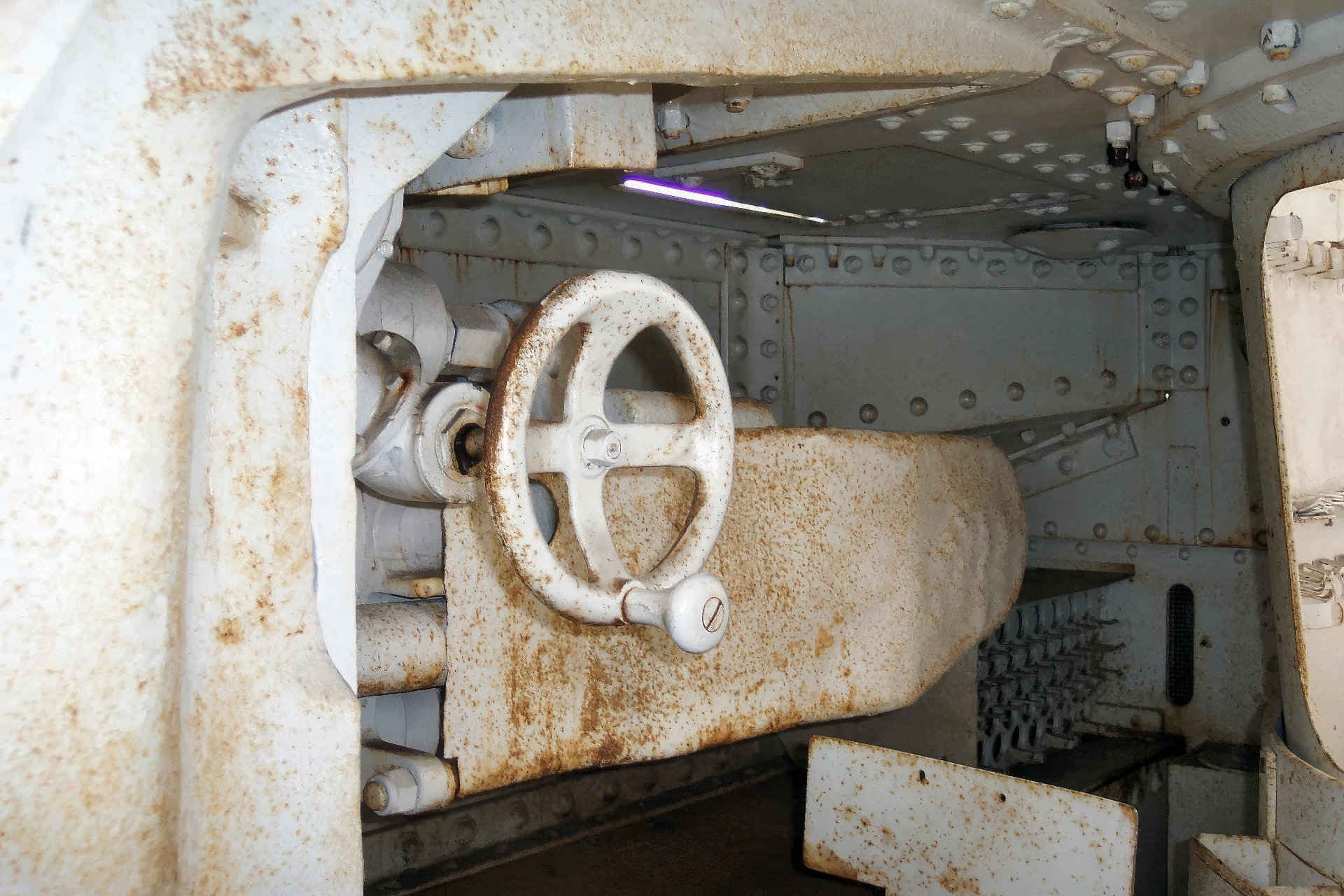
M3リーのフォトギャラリー、 中戦車M3 第二次世界大戦中に使用されていたアメリカの戦車でした。彼はまた、他の連合軍のオフィスにいました, 時には別の名前で, イギリスでM3はバプテスマを受けました リー将軍 en référence au nom du général de la guerre de Sécession américaine. Les britanniques modifièrent la tourelle de ce char ce qui donna une nouvelle unité dénommée “Grant” (le général nordiste vainqueur du général Lee). Bien que correctement armé et protégé le M3 n’était pas assez à l’aise en mode tout terrain et était trop visible à cause de sa hauteur, il fut donc remplacé par le Sherman M4 dès la sortie de ce dernier.
ソース: ウィキペディアの M3 リー戦車




関連項目:


The M3 Lee (formally Medium Tank, M3) was an American medium tank used in the early stages of World War II. It was a crucial stopgap design put into rapid production to counter the German armored threat until the superior M4 Sherman tank could be fielded.
Key Specifications
| 役割 | Medium Tank (Interim Design) |
|---|---|
| サービス中 | 1941–1943 (Front-line), continued in secondary roles |
| Weight (Combat) | ~30 short tons (~27 metric tons) |
| 乗組員 | 7 (Commander, 37mm Gunner/Loader, 75mm Gunner/Loader, Driver, Radio Operator) |
| エンジン | Wright-Continental R975 air-cooled radial (400 hp) |
| 最高速度 | ~26 mph (42 km/h) on road |
| 停止 | Vertical Volute Spring Suspension (VVSS) |
| Total Built | 6,258 (Lee and Grant variants) |
武装
The M3 Lee was distinct for its dual main gun arrangement, a direct result of design expediency:
- Primary Anti-Tank: 37 mm Gun M5/M6 in a fully traversing turret. Used for engaging lighter armor and quick-traverse targets.
- Main Firepower: 75 mm Gun M2/M3 mounted in a large, offset sponson in the hull. This was the tank’s main punch, effective with both high-explosive (HE) and armor-piercing (AP) rounds.
- Secondary: Multiple .30 caliber (7.62 mm) M1919A4 machine guns (coaxial, cupola-mounted, and hull-mounted).
The 75 mm gun was limited to only about a ±15° traverse; the entire tank had to be repositioned to aim beyond this arc.
Armor and Protection
- Thickness: Ranged from $13 \text{ mm}$ to $51 \text{ mm}$ on the hull and turret.
- Construction: The armor plates were predominantly joined by rivets.
Major Flaw: Riveted Armor
A major vulnerability was the riveted construction. When a shell struck the armor, even if it didn’t fully penetrate, the internal rivets could shear off and fly around the crew compartment like deadly shrapnel, a phenomenon known as “spalling” or “rivet popping.”
Design Flaws and Combat Legacy
Design Flaws:
- High Silhouette: Standing over 10 feet tall, the M3 was an easy target on the battlefield.
- Tactical Limitation: Due to the sponson-mounted 75 mm gun, the tank could not fight from a ‘hull-down’ position (where only the turret is exposed over a ridge). It had to expose its entire vulnerable hull to fire its main weapon.
Combat Legacy:
- North African Campaign: The M3 (as the M3 Grant in British service, featuring a modified turret) was vital. Its 75 mm gun provided the firepower the Allies desperately needed to fight early German tanks.
- 確実: It was mechanically reliable, a significant advantage in the harsh desert conditions.
- Nickname: It was sometimes nicknamed the “Grave for Seven Brothers” by its Soviet Lend-Lease crews, a testament to its large crew and high profile vulnerability.
- Successor: The M3 Lee was successfully replaced by the M4 Sherman, a design which utilized lessons learned from the M3, primarily by mounting the 75 mm gun in a fully rotating turret.
Views : 5762