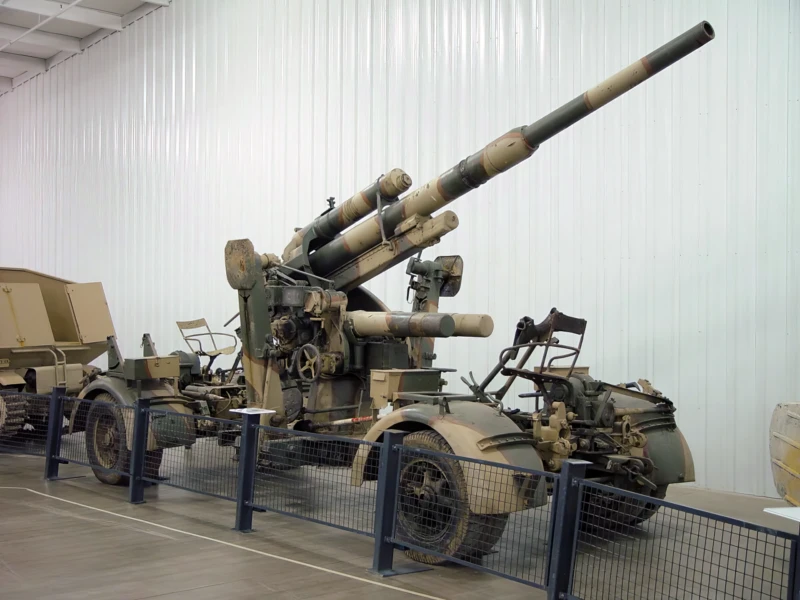
| フレーク36-37 88mm | |
|---|---|
| 国 | ドイツ |
| 型 | フラックガン |
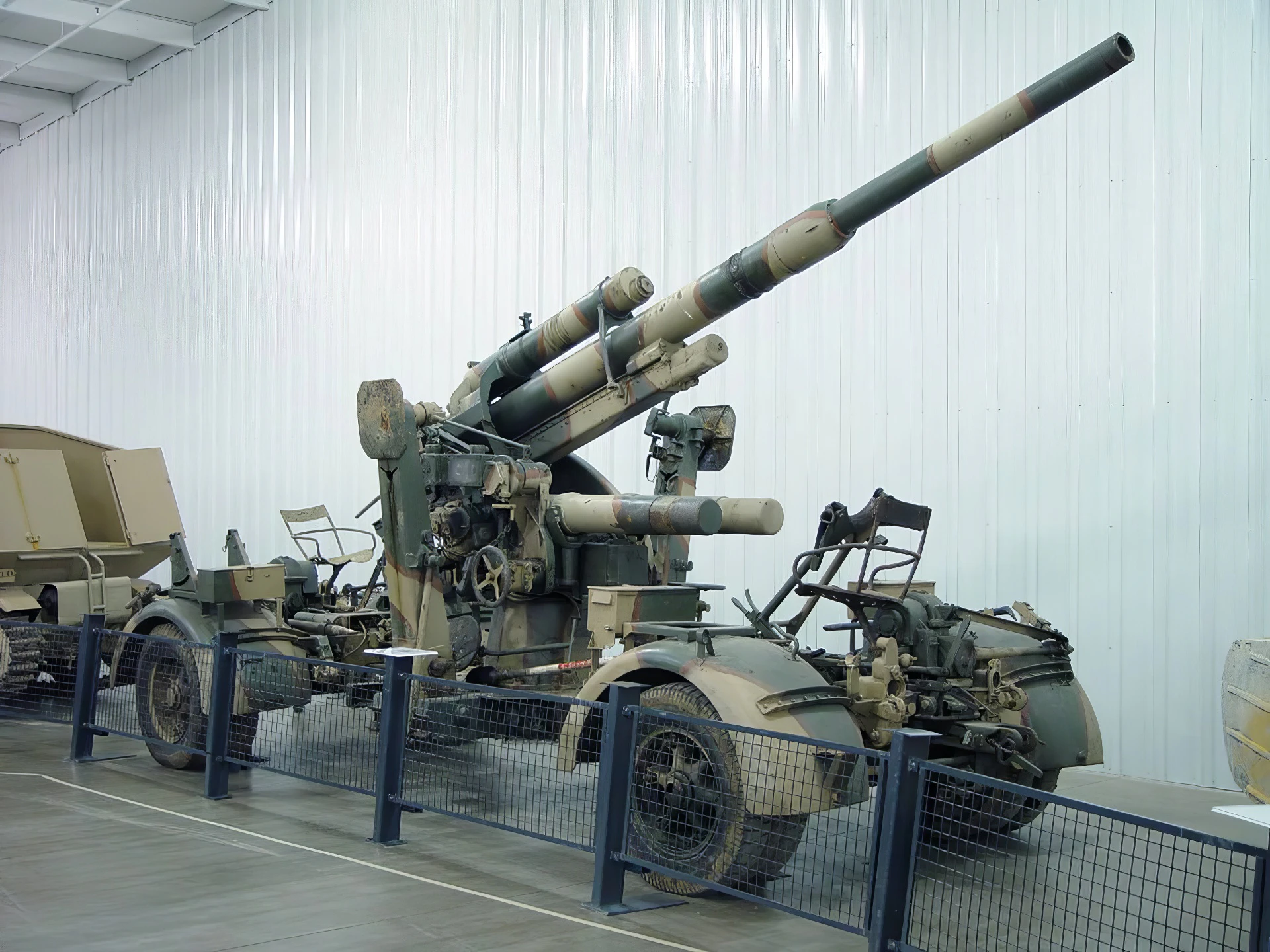
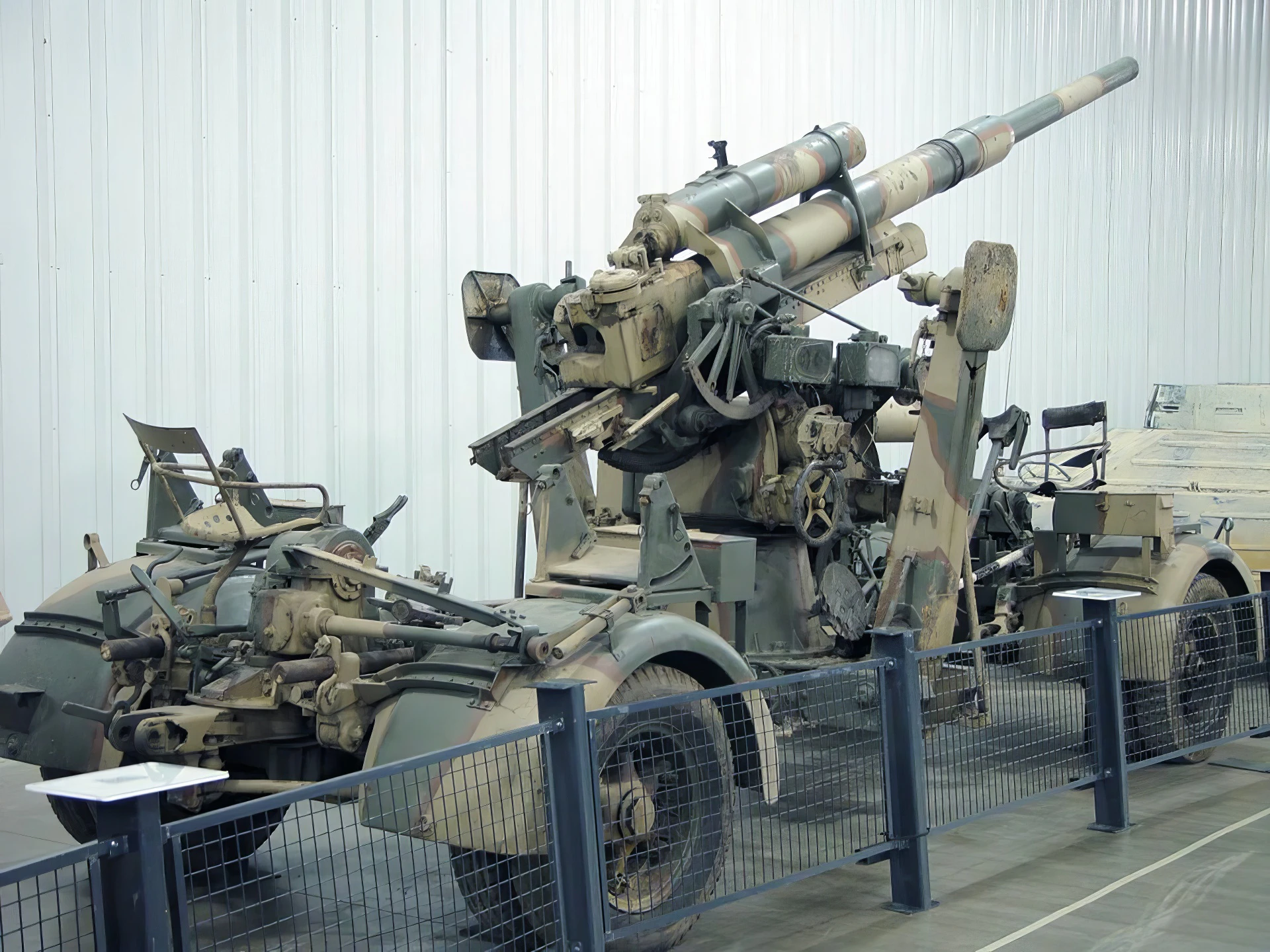
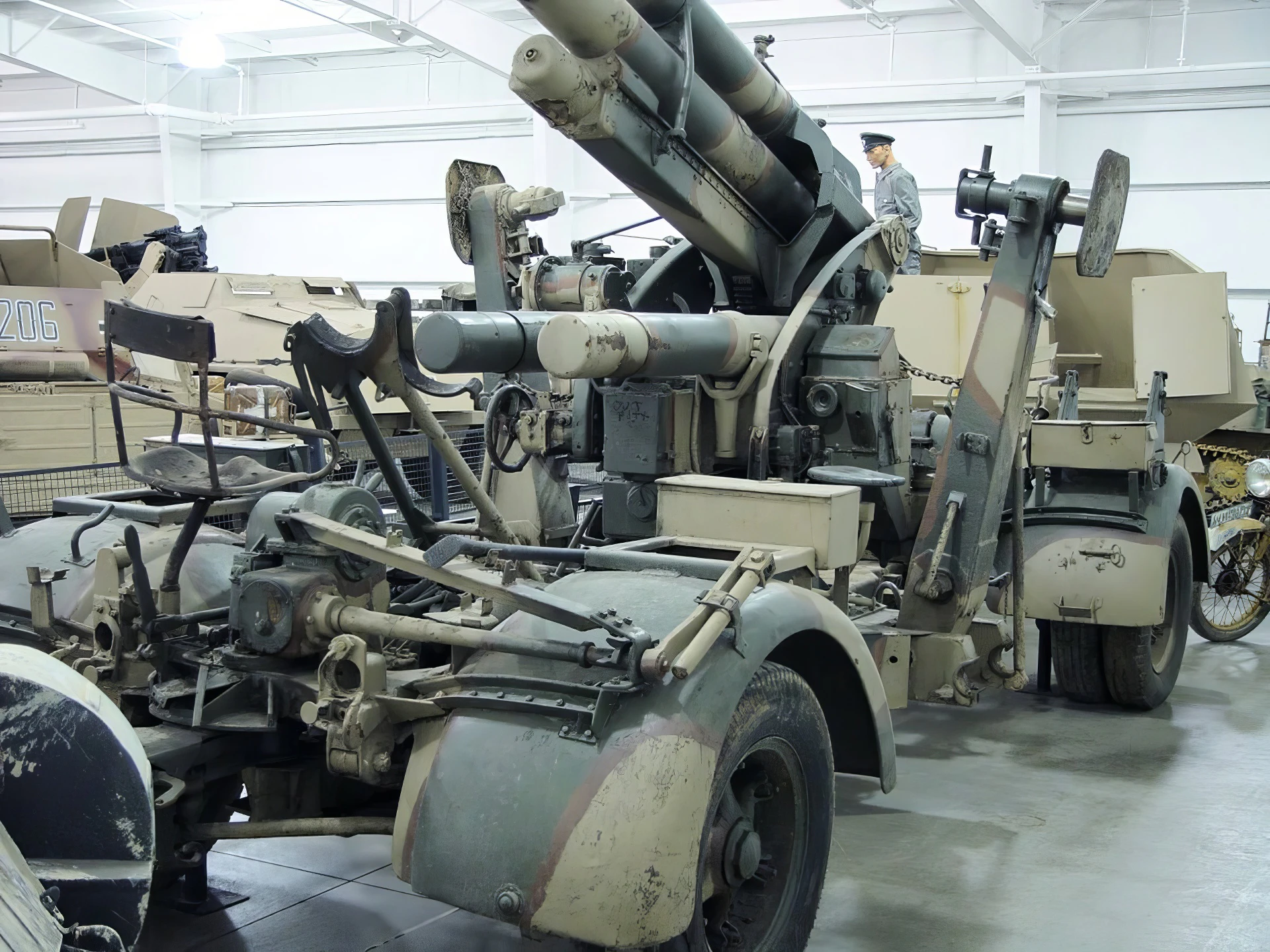
| 説明 | アルバム 28 大砲の歩き回り写真 フレーク36-37 88mm |
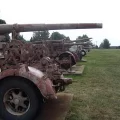
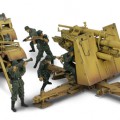
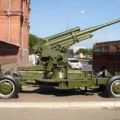
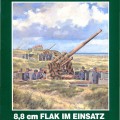
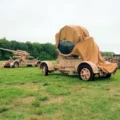
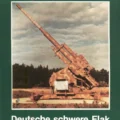
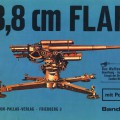
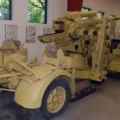
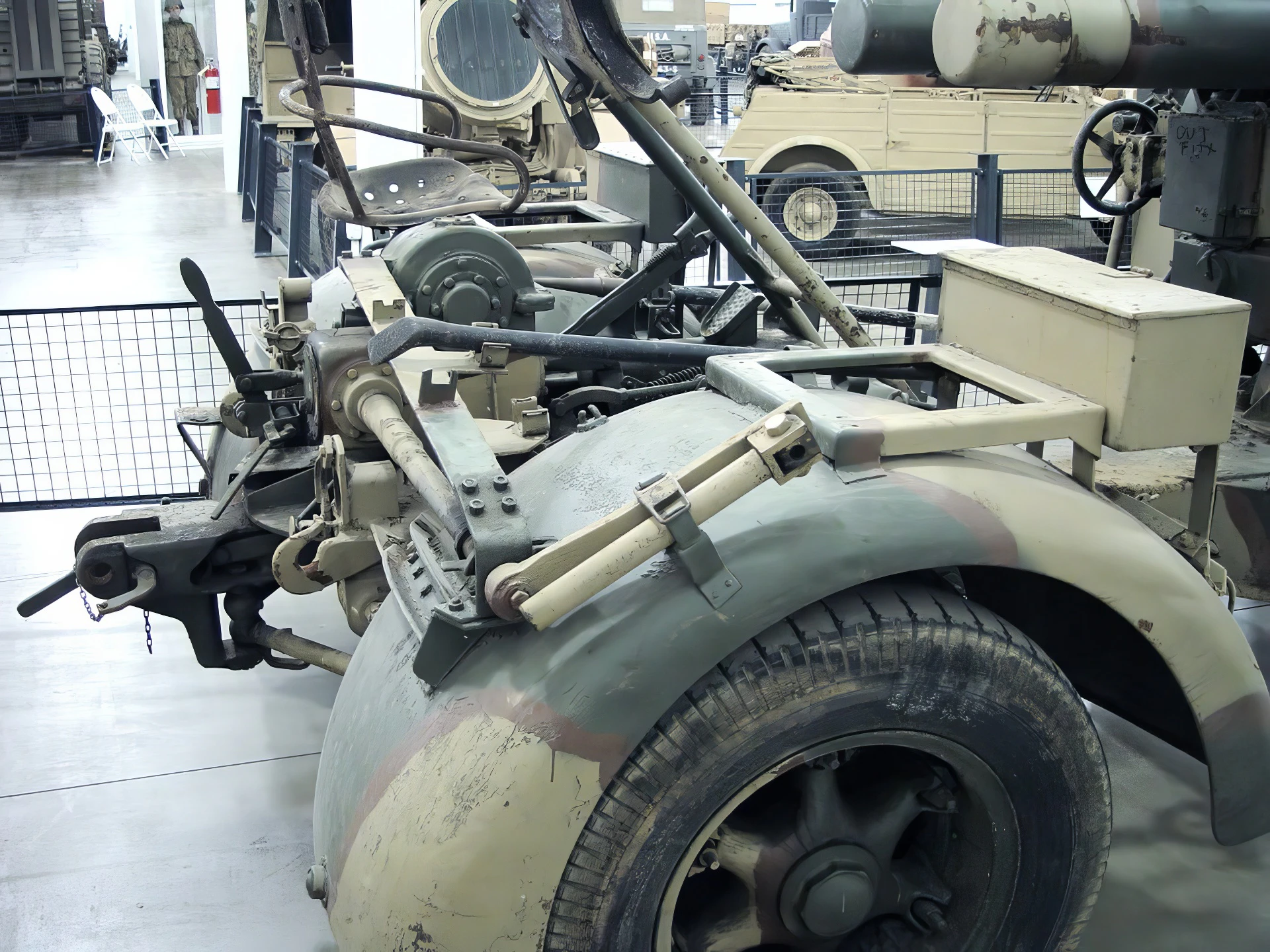
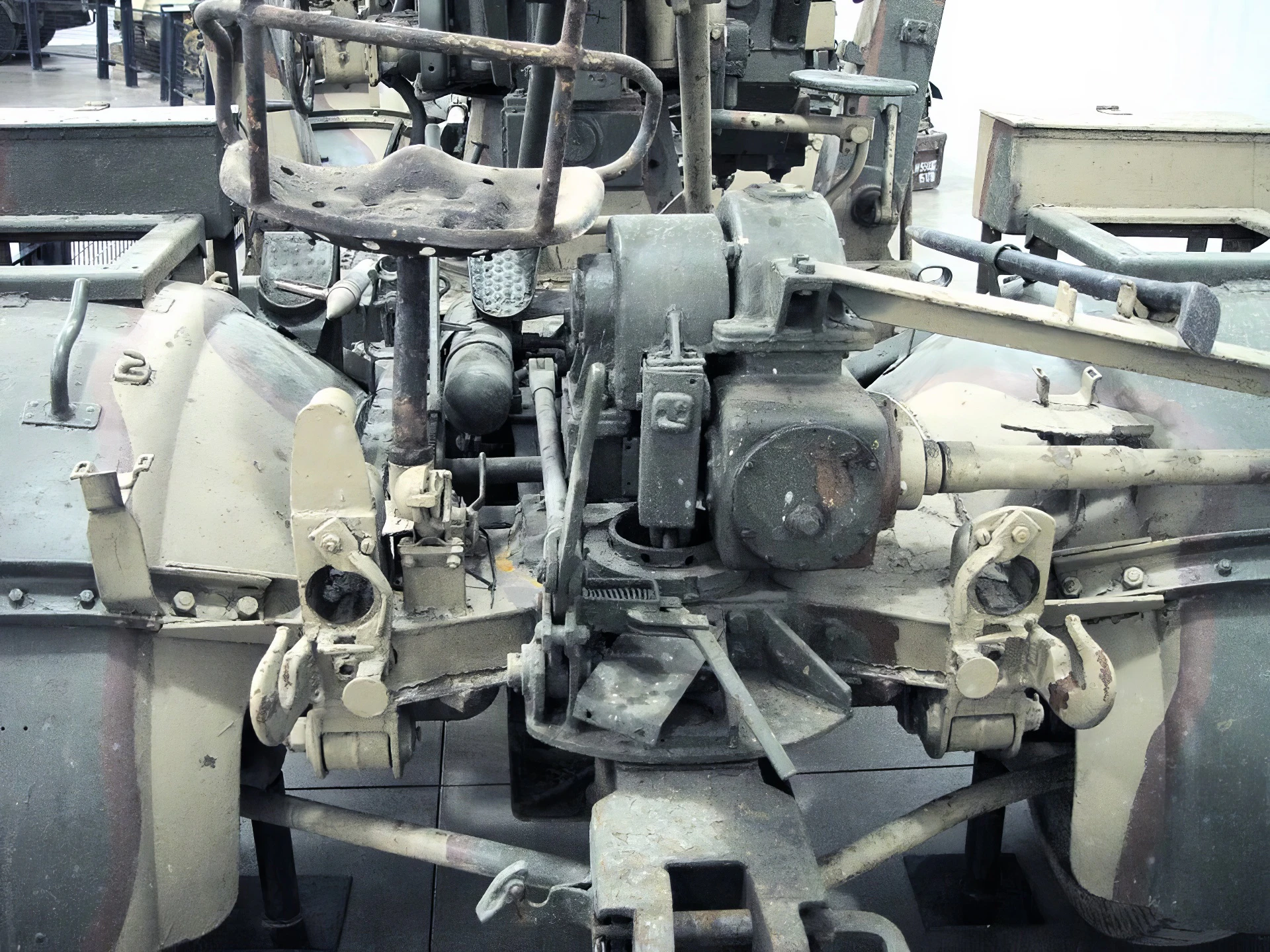
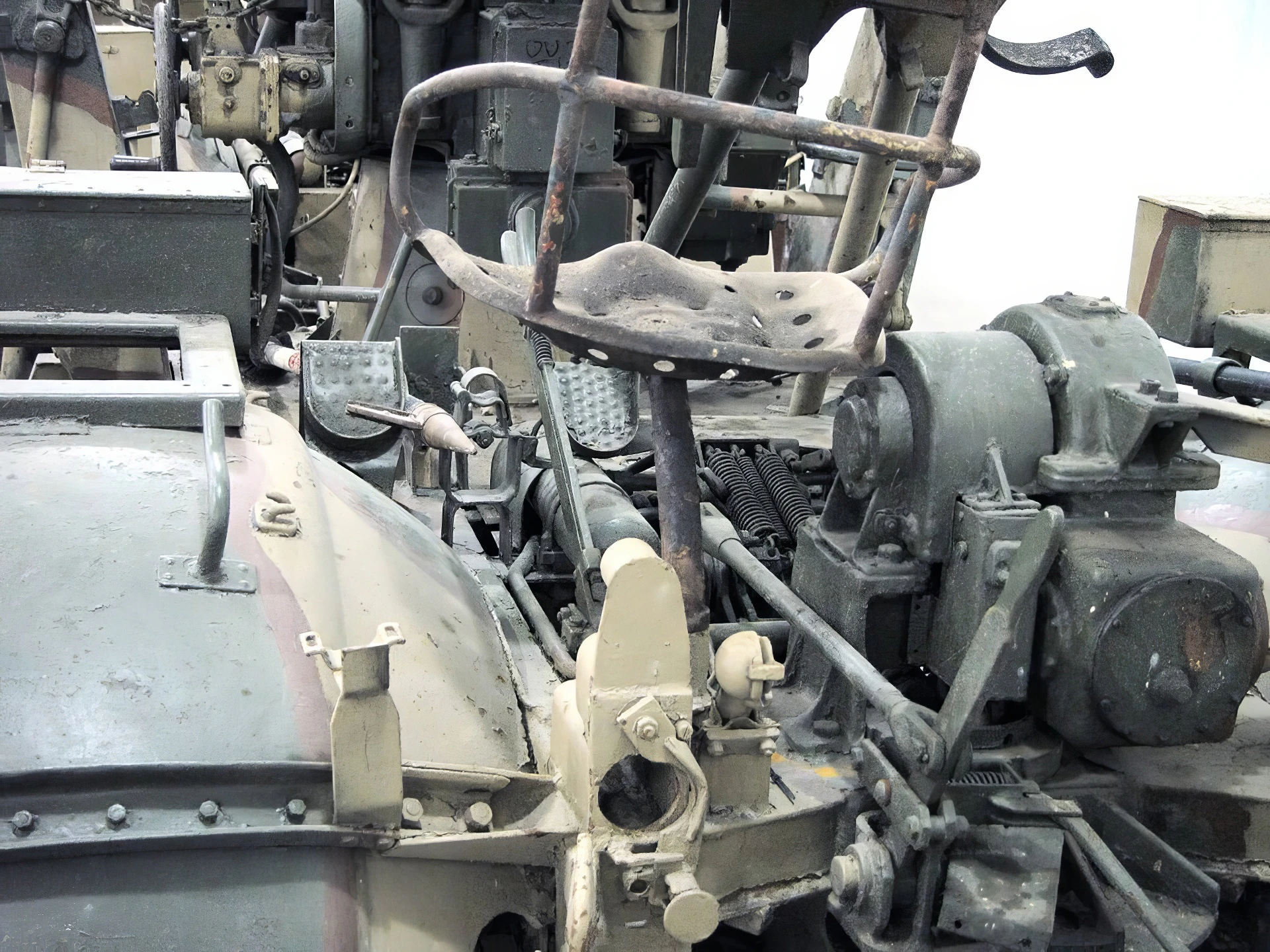
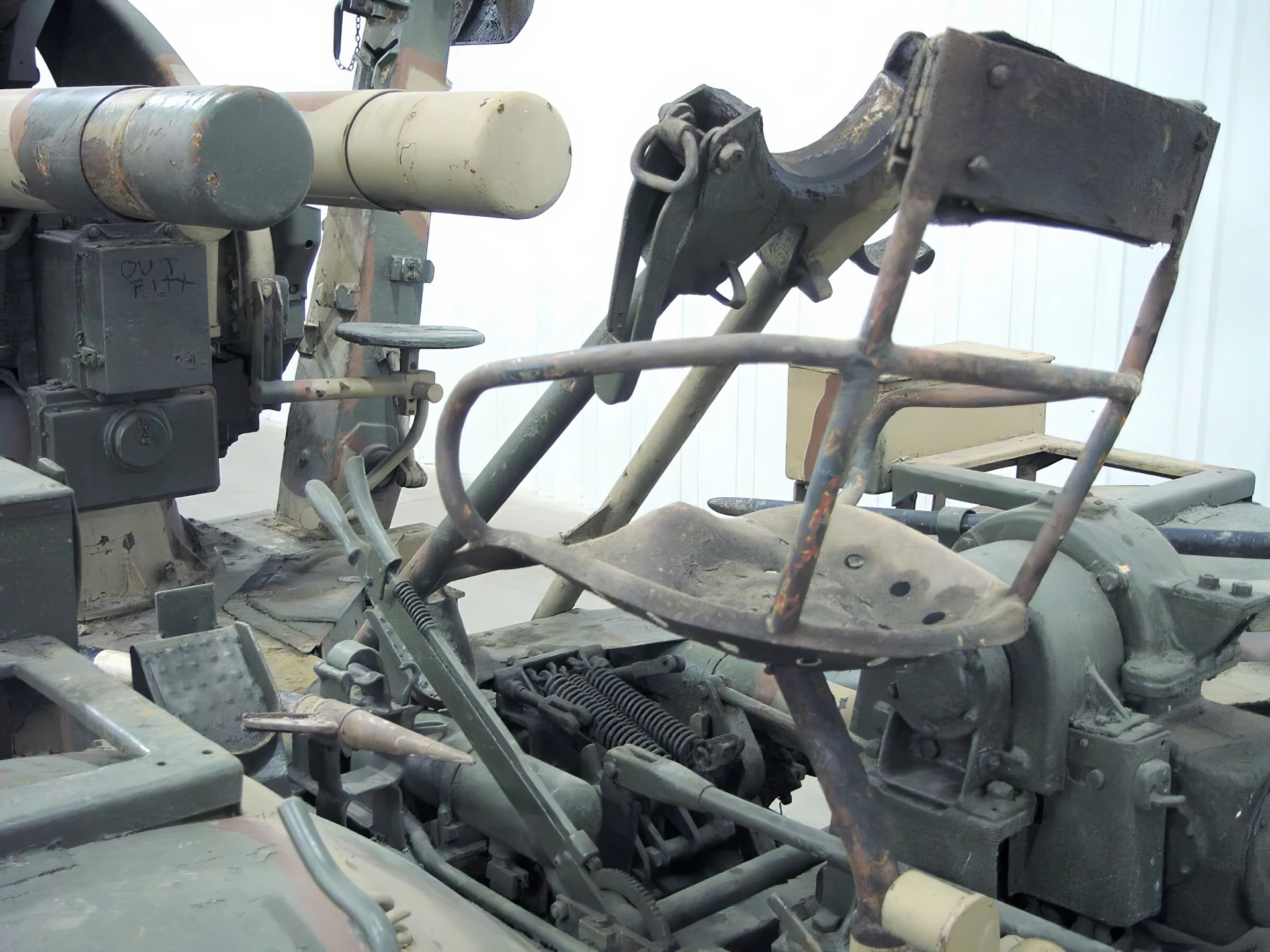
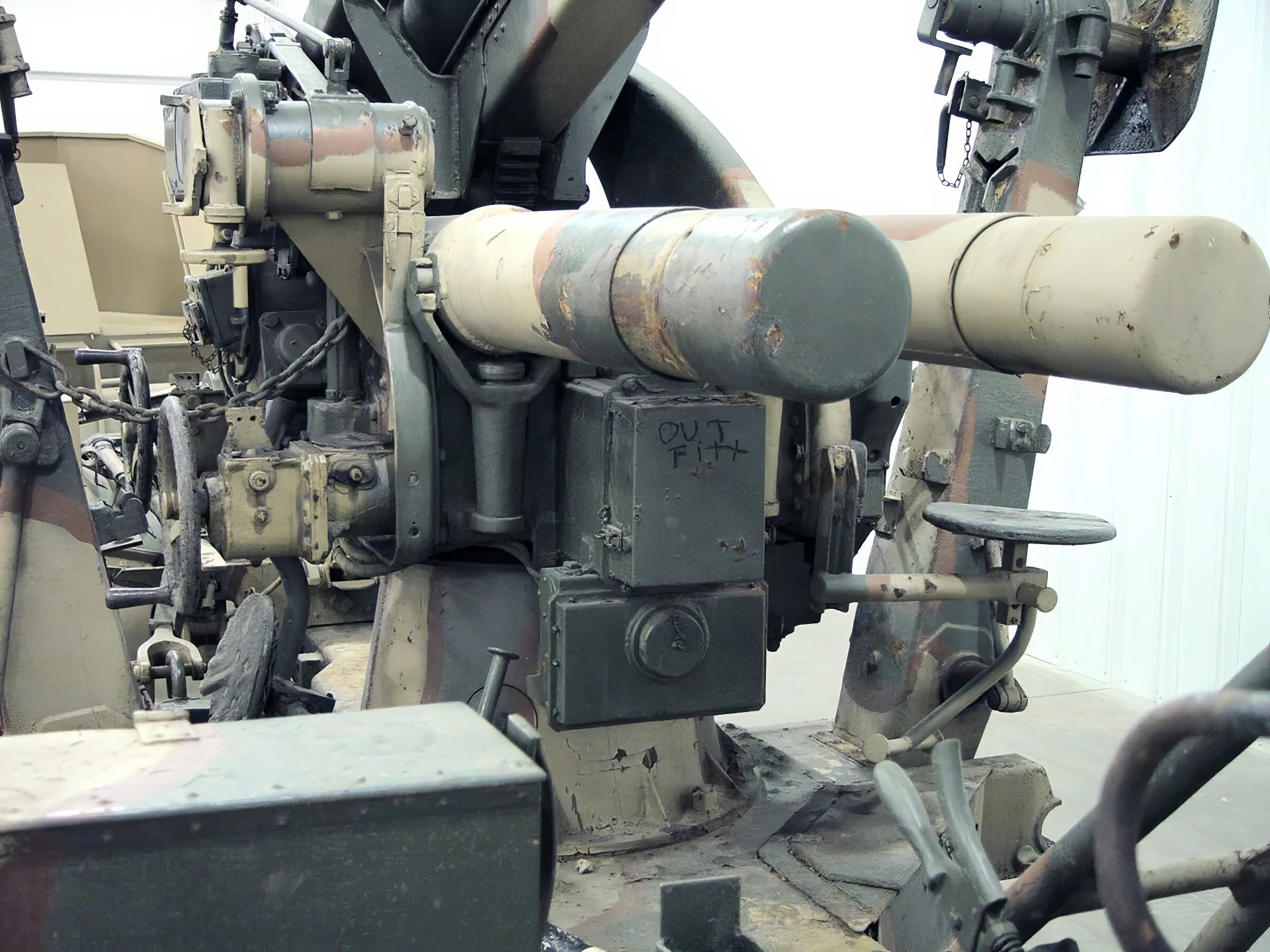
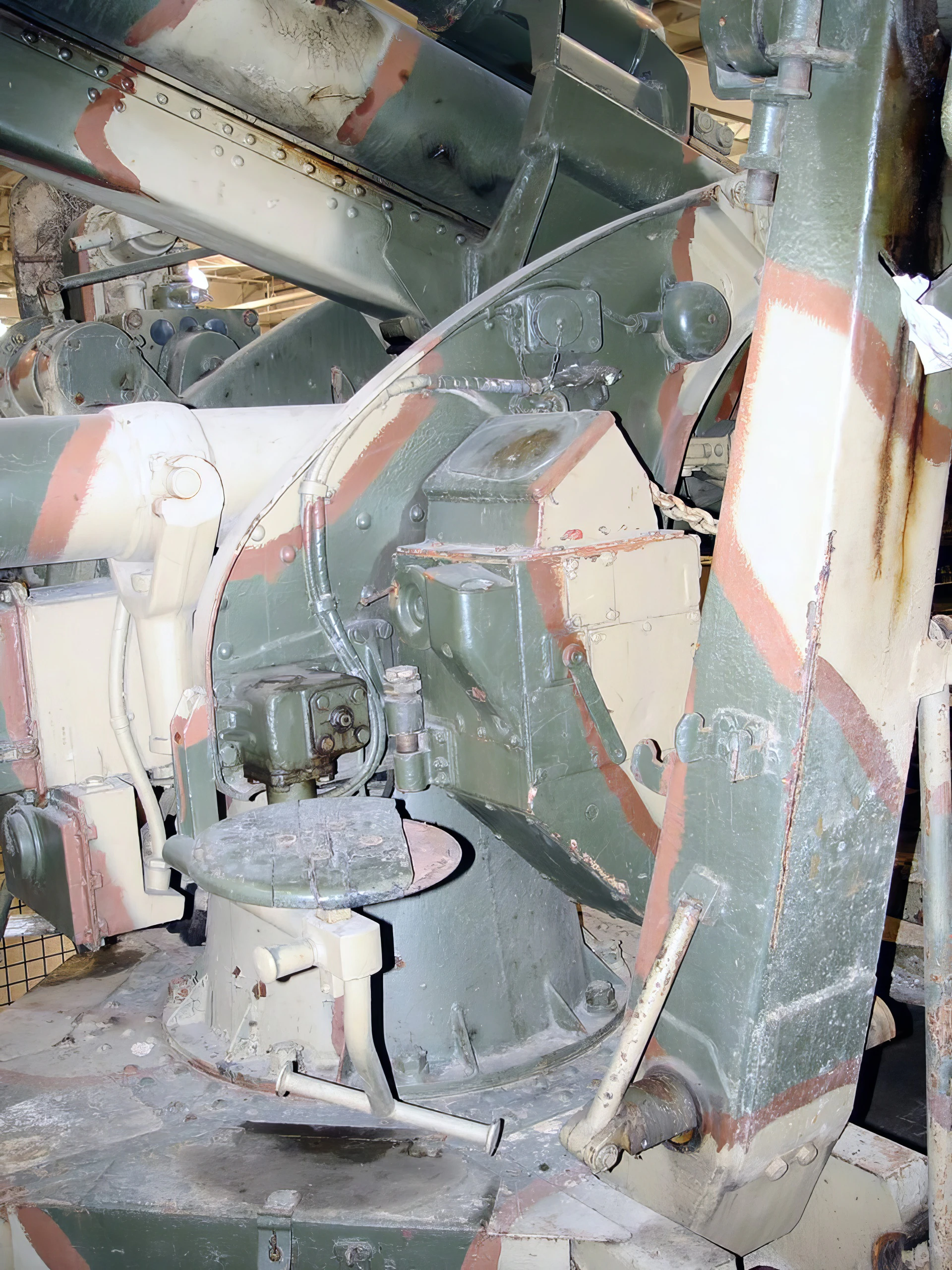
フラック36-37 88mm銃のフォトギャラリー、の銃 フレーク36-37 88mm ●第二次世界大戦で使用されたドイツの対空砲弾でした。

関連項目:


Development and Role
The German 88 mm gun is perhaps the most iconic artillery piece of World War II, renowned for its versatility and effectiveness against both aircraft and tanks. Designed by Krupp in the late 1920s in Sweden (to bypass the Treaty of Versailles), it entered service as the Flak 18, which was later improved into the Flak 36 and Flak 37 variants.
- Primary Role: Anti-aircraft (AA) gun for high-altitude air defense.
- Secondary Role: Gained legendary status as an anti-tank (AT) weapon, proving capable of destroying virtually any Allied tank at long range, including the heavy Soviet KV-1 and KV-2 tanks, and later inspiring the main gun for the Tiger I tank (the 8.8 cm KwK 36).
- バリアント:
- Flak 36: Introduced a redesigned carriage (the Sonderanhänger 202) that allowed faster emplacement and dual-purpose barrel sections for easier replacement. It was the most common variant.
- Flak 37: An updated Flak 36 featuring a more sophisticated data transmission system (Übertragungser 37) primarily for AA fire control, making it less frequently used in the anti-tank role.
Technical Features
The gun’s success in the anti-tank role stemmed from its high muzzle velocity—necessary for the anti-aircraft role—which gave its armor-piercing shells tremendous penetrative power. Its unique cruciform (cross-shaped) mounting platform allowed for a full 360° traverse and a gun depression down to -3°, an uncommon feature for AA guns that was essential for ground combat.
- Mounting: Fired from a cruciform mount with four outriggers for stability, which could be set up in about two minutes. The gun was towed on two detachable bogies (carriages).
- Ammunition: Used fixed QF 88×571mmR shells, including High Explosive (HE) for air targets and Armor-Piercing Composite Rigid (APCR) and standard AP shells for ground targets.
- Firing Mechanism: Employed a horizontal semi-automatic sliding block breech, contributing to its high rate of fire.
Specifications (Flak 36)
Key Specifications (Flak 36)
| Characteristic | 仕様 |
|---|---|
| Country of Origin | ナチスドイツ |
| 口径 | 88 mm (3.46 in) |
| Mass (Combat) | 7,407 kg (16,330 lb) |
| Barrel Length | 4.938 m (L/56 calibers) |
| Elevation Range | -3° to +85° |
| Traverse | 360° |
| Rate of Fire | 15–20 rounds per minute |
| Muzzle Velocity | ~820 m/s (HE shell) |
| Max Ceiling (AA) | 9,900 m (32,500 ft) effective |
| 乗組員 | 10 |
Views : 9049