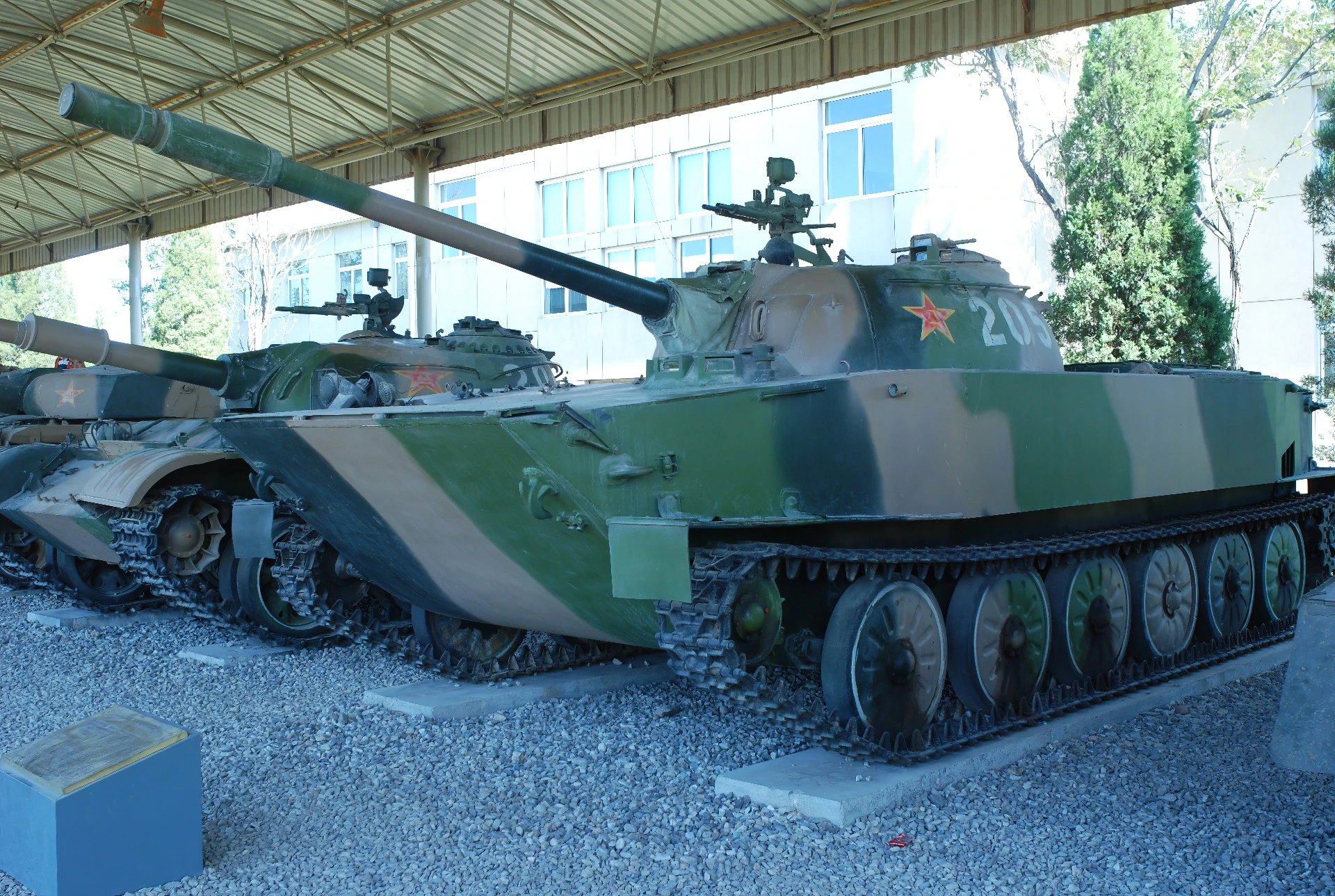
Tipo 63 | ||
| Paese | Cina | |
| Ruolo | Carro leggero anfibio | |
| In servizio | 1963 – presente | |
| Costruito | Oltre 1550 | |
Le Norinco Tipo 63 (cinese: 63ラ; pinyin: Liùsān shì) è un carro leggero anfibio cinese. In campo per la prima volta nel 1963, è per molti versi simile al precedente PT-76 sovietico. Tuttavia, contrariamente alla credenza popolare, ha alcune differenze essenziali dal PT-76 nel sistema di propulsione a getto d'acqua del veicolo, ecc. È anche conosciuto con la sua designazione industriale, il WZ-211. Il tipo 63 viene sostituito dal tipo 63A.
fonte: Tipo 63 su Wikipedia
| Type 63 Walk Around | |
|---|---|
| Fotografo | Inconsapevole |
| Localizzazione | Inconsapevole |
| Foto | 12 |
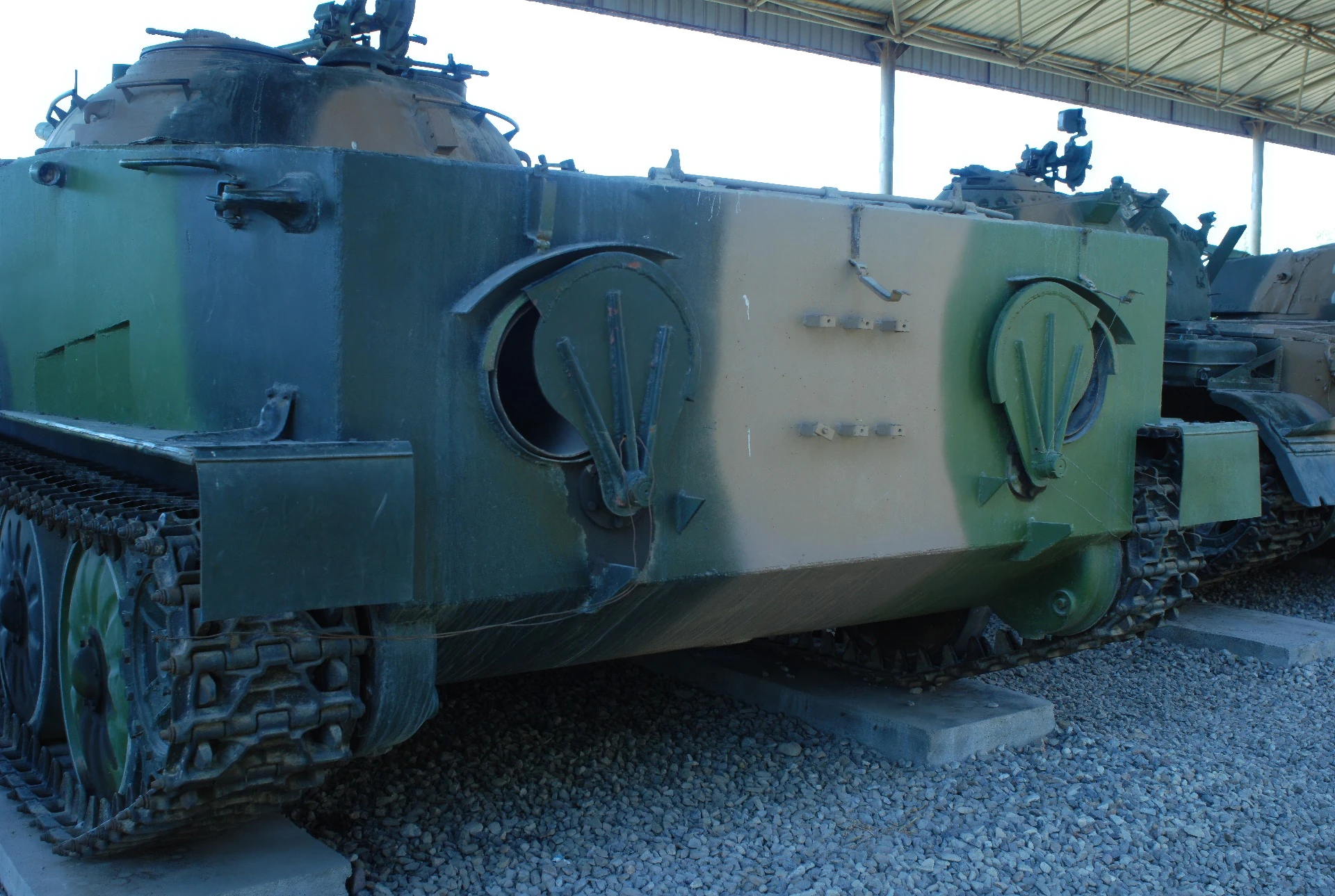
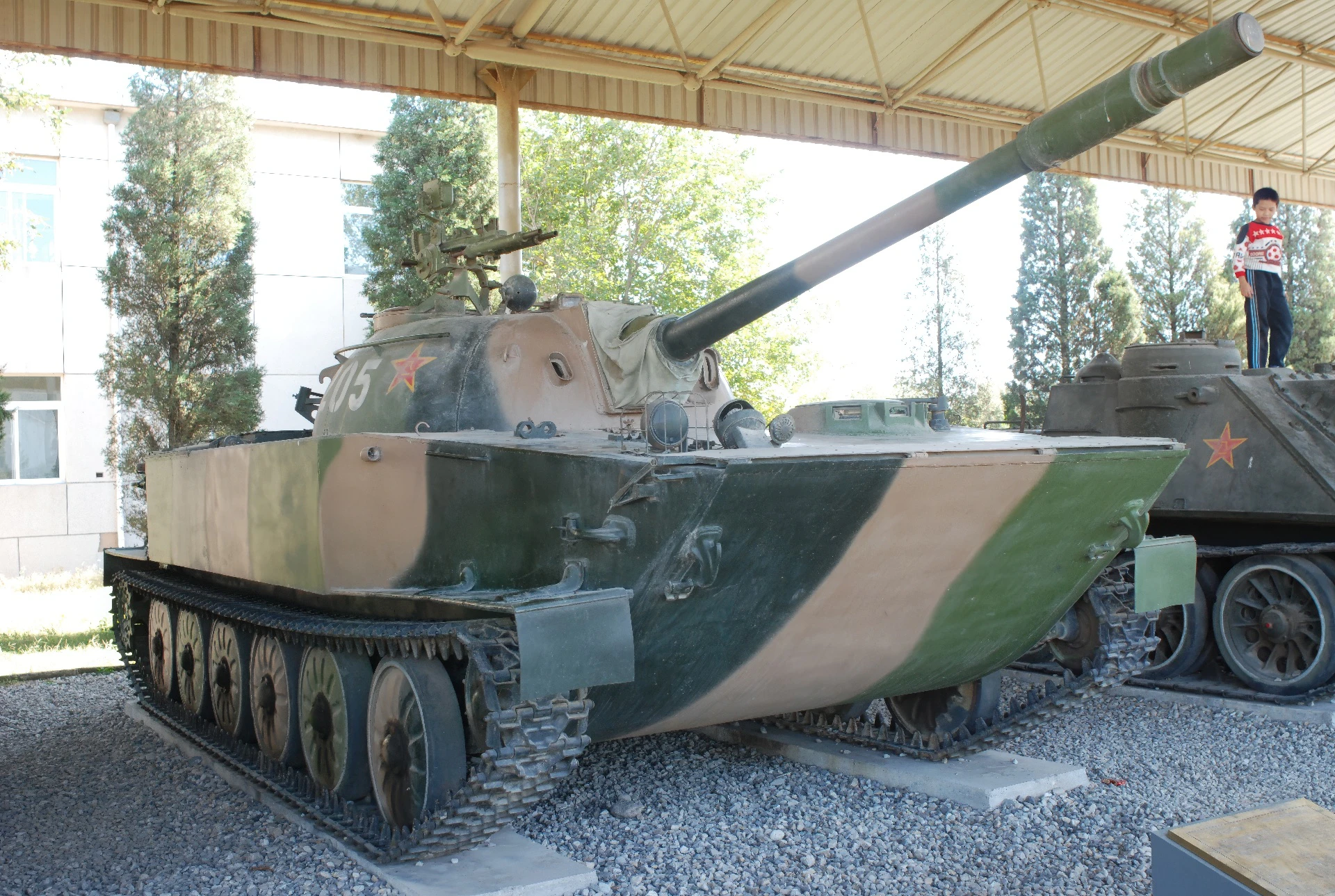
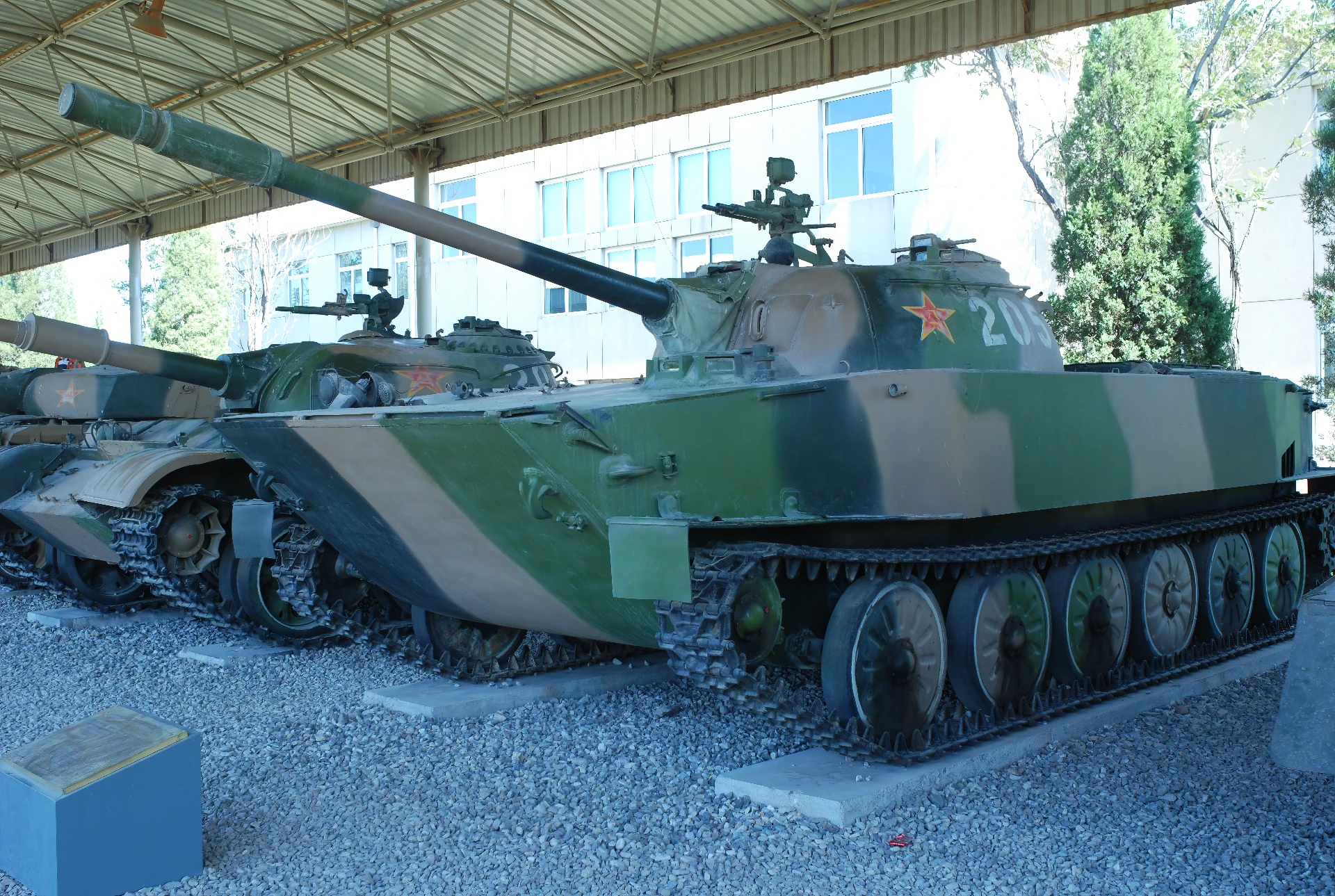
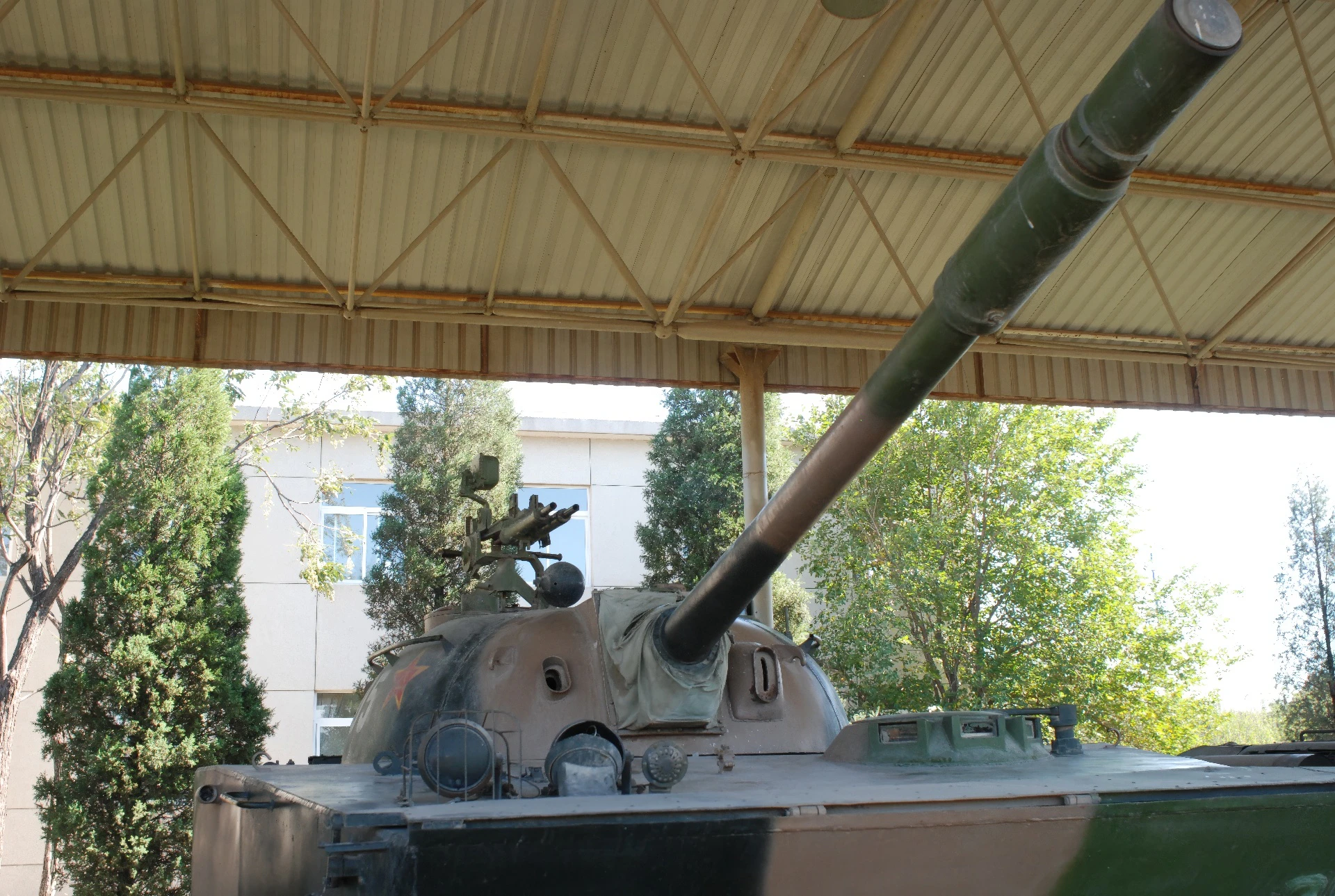
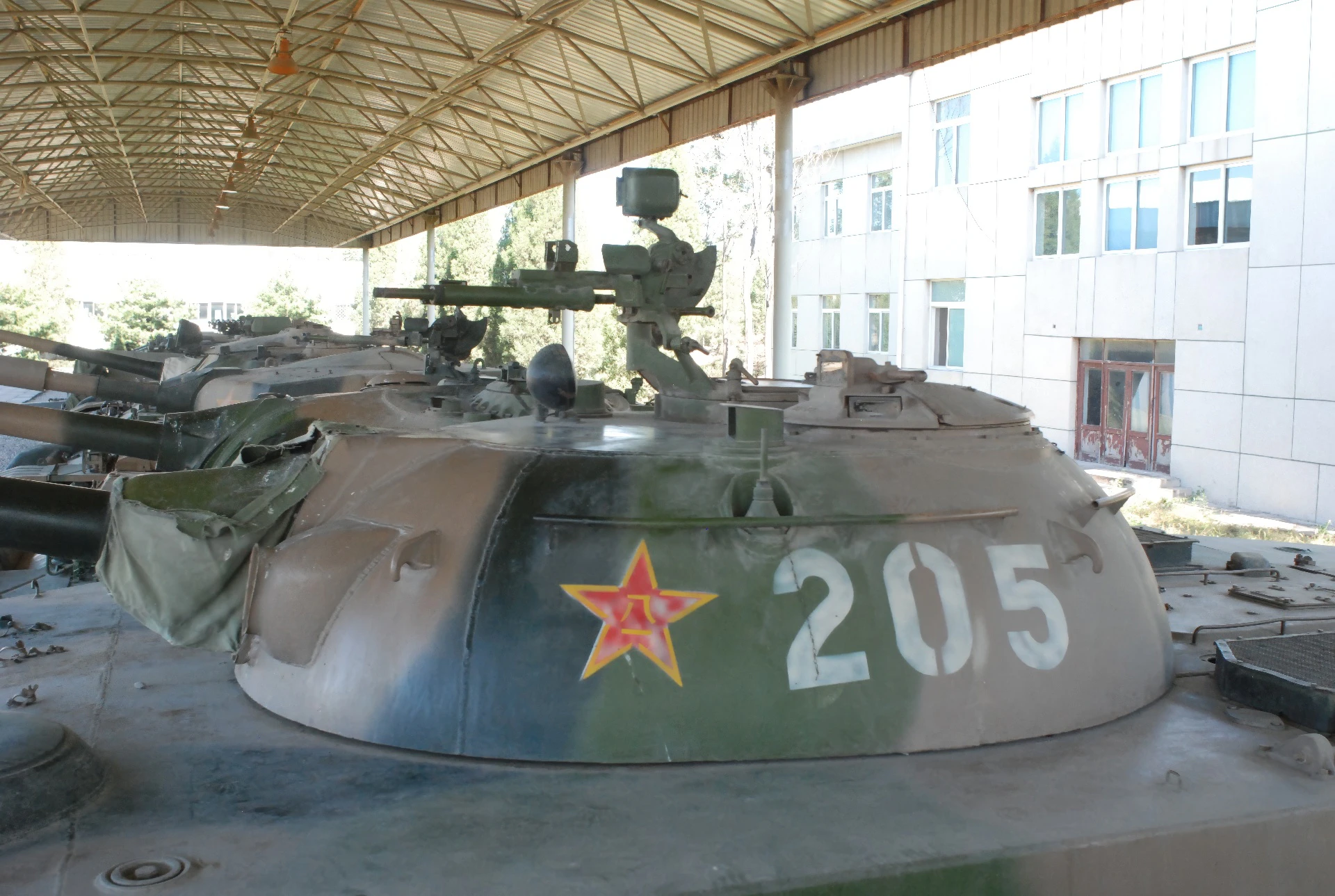
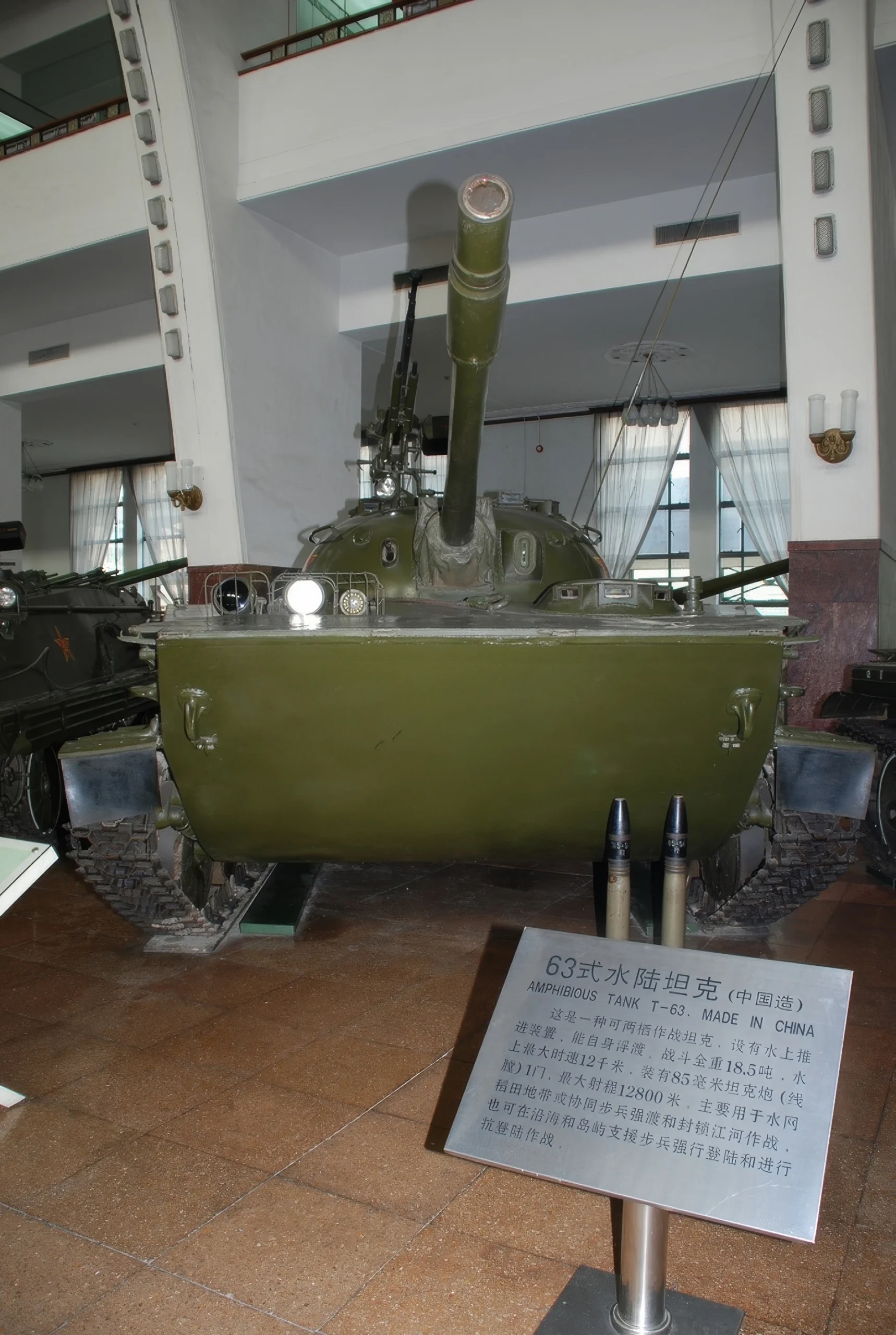
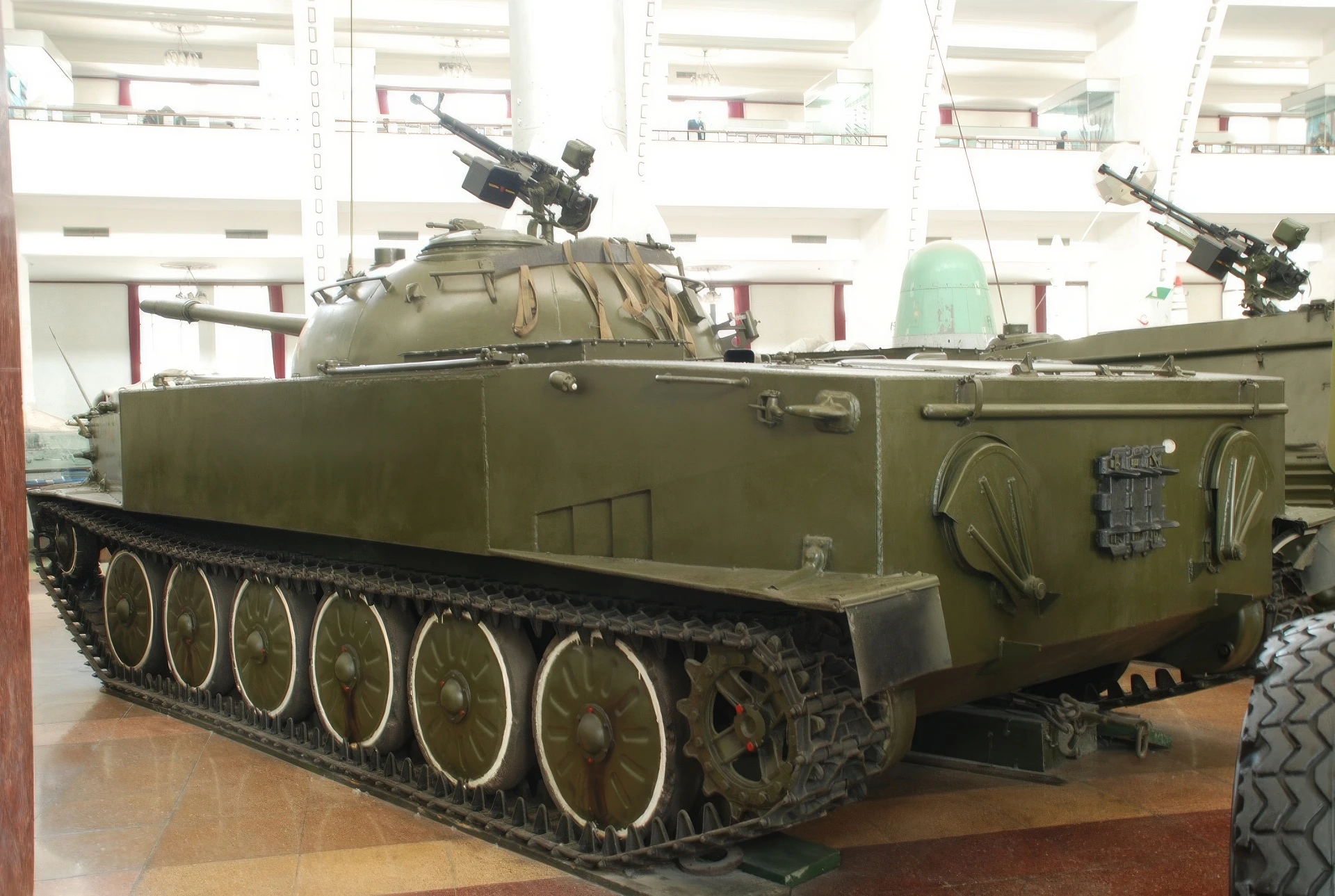
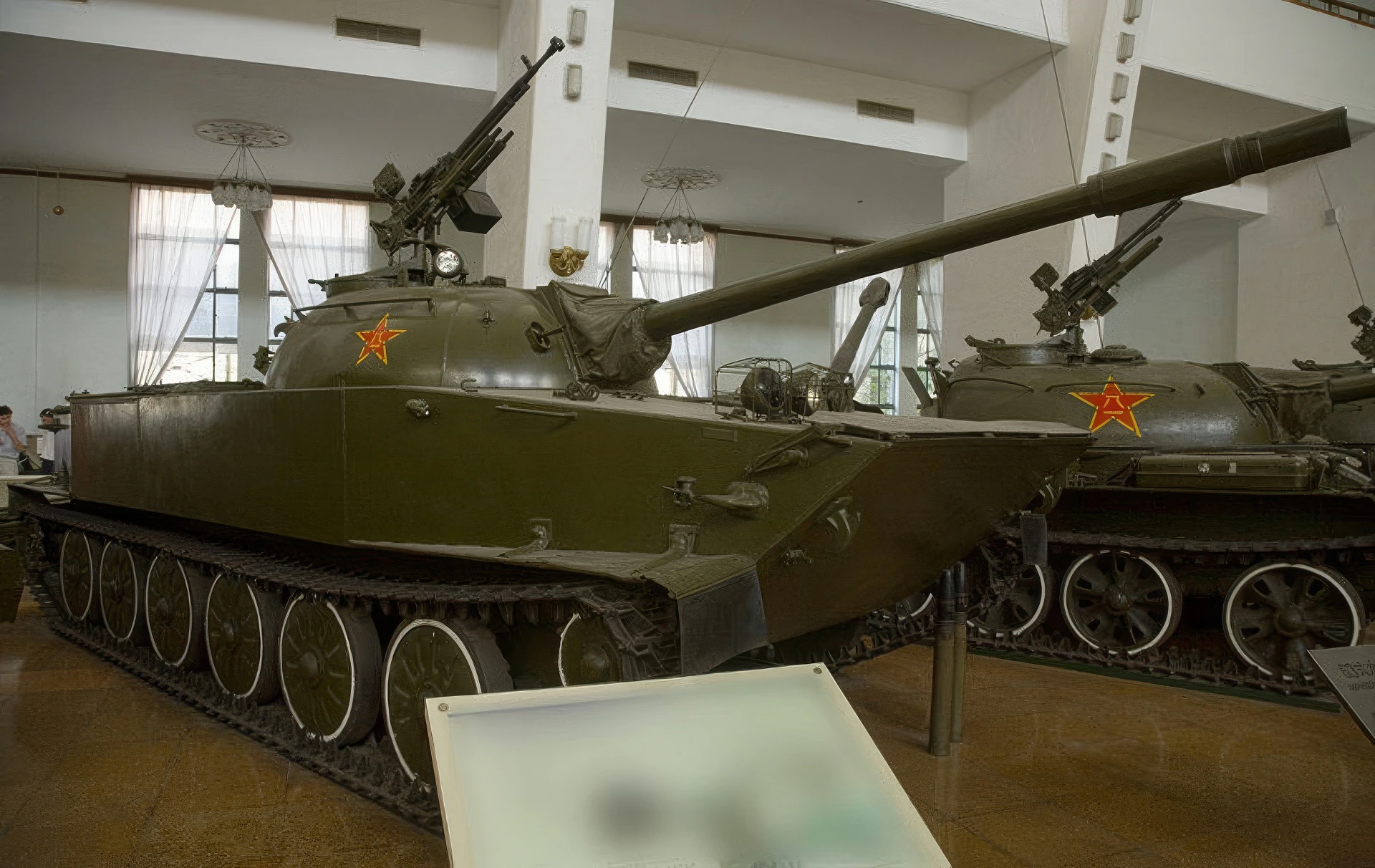
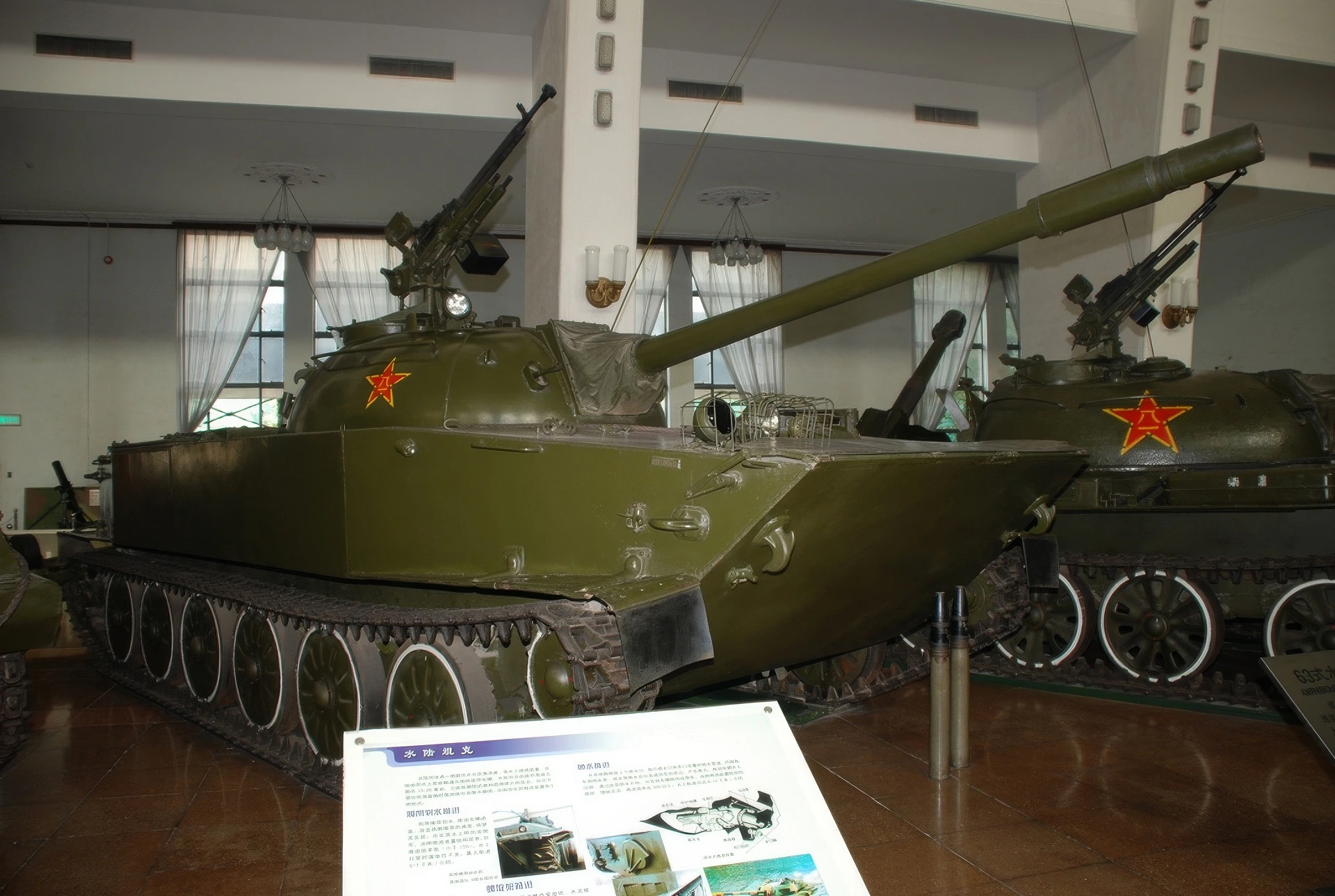


Vedi anche:


General Characteristics
The Type 63-I is a Chinese amphibious light tank, designated as the second production run of the Type 63 family. Developed in the early 1960s, it was designed to operate in the wetland and river-crossing regions of Southern China, taking heavy inspiration from the Soviet PT-76 amphibious tank but featuring significant modifications, most notably a much more powerful engine and a larger gun. The “I” designation refers to the switch from the initial, underpowered engine to a stronger 12-cylinder diesel.
| Property | Typical Value (Type 63-I) |
|---|---|
| Ruolo | Amphibious Light Tank, Reconnaissance |
| National Origin | Repubblica popolare cinese |
| Produttore | NORINCO |
| Service Entry | Mid-1960s (Replacing initial Type 63) |
| Equipaggio | 4 (Commander, Gunner, Loader, Driver) |
| Combat Weight | 19.83 tonnes |
| Length (Gun Forward) | 8.44 m (27 ft 8 in) |
| Hull Length | 7.15 m (23 ft 5 in) |
| Larghezza | 3.2 m (10 ft 6 in) |
| Height (To AA Gun) | 3.12 m (10 ft 3 in) |
Armamento
The Type 63-I features a more powerful armament suite than its Soviet inspiration, using a gun originally designed for the Chinese Type 62 light tank.
- Main Armament: 1 x 85 mm Type 62-85TC rifled gun (47 rounds carried).
- Ammunition: Fires a variety of fixed ammunition, including APHEBC, APCBC, and HEAT-FS (with penetration up to 300 mm).
- Stabilizer: Lacks a gun stabilizer, making accurate firing on the move or in water difficult.
- Coaxial Armament: 1 x 7.62 mm Type 59T machine gun (2,000 rounds).
- Anti-Aircraft Armament: 1 x 12.7 mm Type 54 heavy machine gun (pintle mount on turret roof, 500 rounds).
Protection and Mobility
The core feature of the Type 63 is its amphibious capability, achieved with a boat-like hull design and a propulsion system that combines tracks with two water jets at the rear.
- Armor: Thin, welded rolled steel armor (similar to the PT-76).
- Hull Front: 11 mm (at high angle).
- Hull Sides: 14 mm (upper).
- Provides protection mainly against small arms fire and shell fragments, but is vulnerable to heavy machine guns and cannon fire.
- Engine: 1 x 12150L-2 V-12 liquid-cooled diesel engine. (The primary upgrade of the Type 63-I over the Type 63).
- Power Output: 300 kW (402 hp).
- Power-to-Weight Ratio: ~20.3 hp/tonne.
- Maximum Speed (Road): 64 km/h (40 mph).
- Maximum Speed (Water): 12 km/h (7.5 mph) using water jets.
- Operational Range (Road): 370 km.
- Suspension: Torsion bar suspension with six large road wheels and no return rollers.
Storia operativa
- The Type 63 and Type 63-I served extensively with the People’s Liberation Army (PLA) in China.
- They were used in combat by the North Vietnamese Army during the Vietnam War and saw limited action in the Sino-Vietnamese War of 1979.
- The Type 63 family was a cornerstone of Chinese amphibious doctrine until its gradual replacement by the significantly upgraded Type 63A in the late 1990s.
Visualizzazioni : 1724
Puoi anche vedere:
 Carro armato leggero M2 – Foto e video
 M551 Sheridan – Foto e Video
 LARC-V – Foto e Video
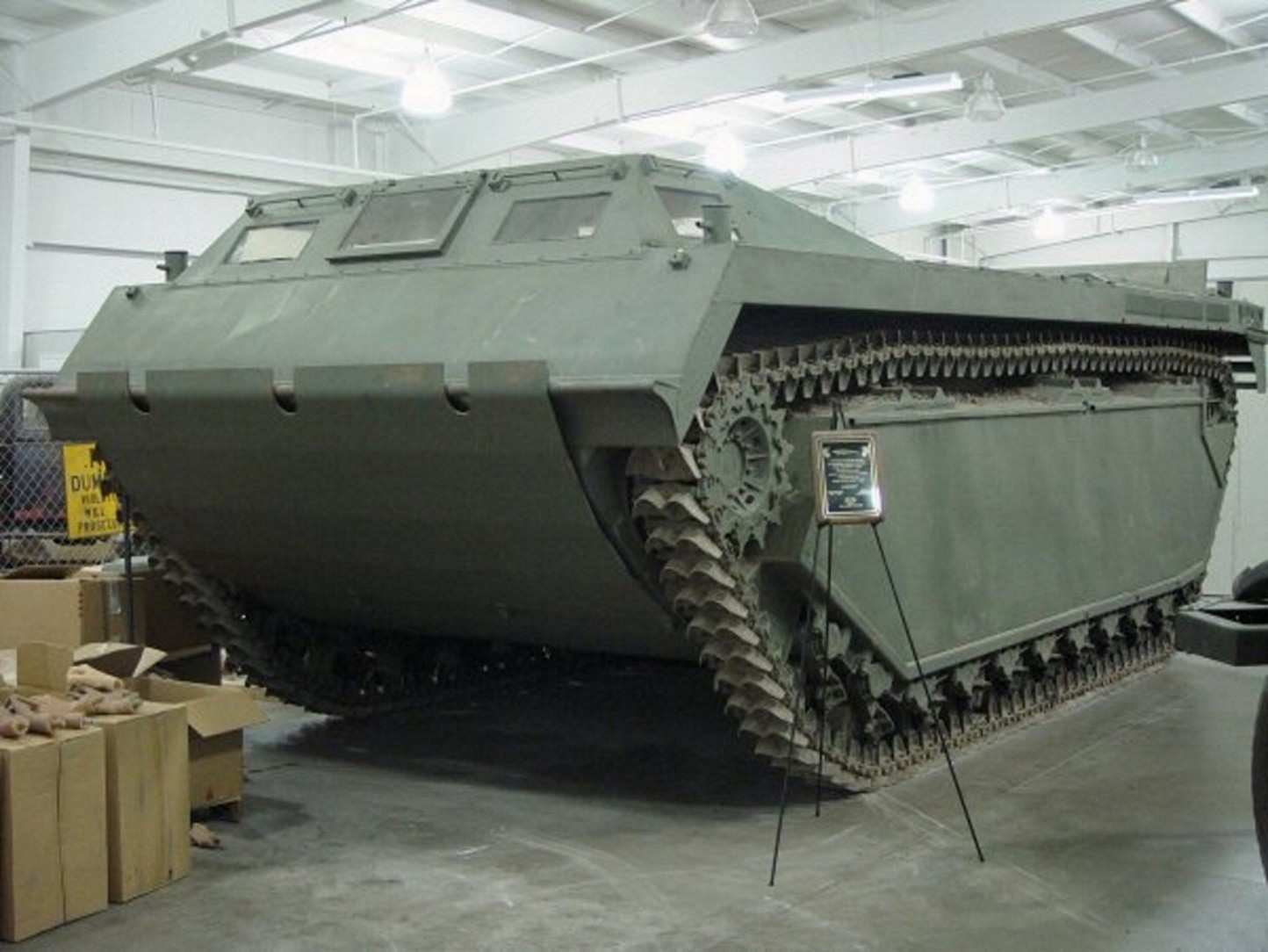 Veicolo di atterraggio tracciato - Foto e video
 T-30 – Foto e video
 Carro armato T-40S – Foto e Video
 Russian Renault – Foto e Video
 Ford 3-Ton M1918 - Passeggiata
 Renault FT 17 - WalkAround
 Tank Type 95 Ha-Go - Walkaround